Social Studies Worksheets for Ages 4-9 - Page 14
314 filtered results
-
From - To
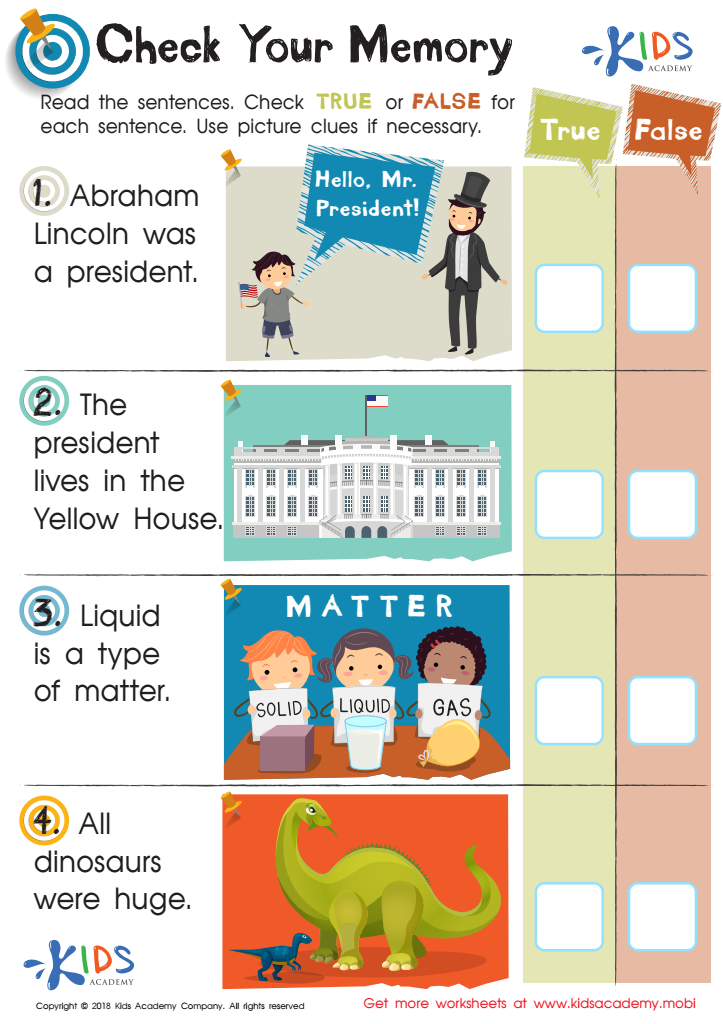
Check Memory Worksheet
 Assign to My Students
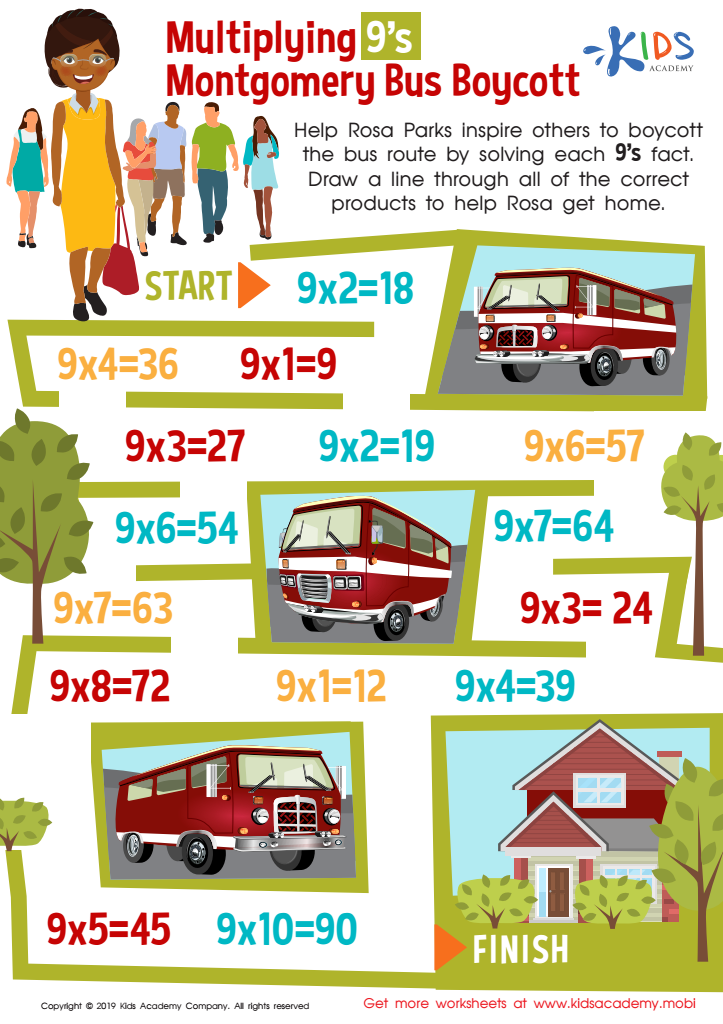
Multiplying 9’s Montgomery Bus Boycott Worksheet








Social Studies for children aged 4-9 play a crucial role in their overall development and understanding of the world. At this tender age, children are naturally curious about their surroundings and the people within them. Teaching Social Studies introduces them to the basics of history, geography, culture, and civic responsibility in a way that resonates with their experiences.
Incorporating Social Studies at a young age helps to nurture empathy and social awareness. Children learn about diverse cultures, traditions, and perspectives, fostering an appreciation for differences and promoting inclusivity. This foundational understanding is essential in building respectful and equitable societies.
Moreover, Social Studies cultivates critical thinking and decision-making skills. By engaging with stories, maps, and discussions about community roles, children develop analytical skills and learn to relate their actions to real-world consequences. These lessons can guide them in becoming informed and responsible citizens.
Finally, integrating Social Studies in early education supports language development as children engage in discussions and storytelling. Overall, a well-rounded education that includes Social Studies prepares young learners not only academically but also socially, emotionally, and ethically for their future, making it imperative for parents and teachers to prioritize it in early learning environments.








