Geography Worksheets for Ages 4-9 - Page 3
66 filtered results
-
From - To
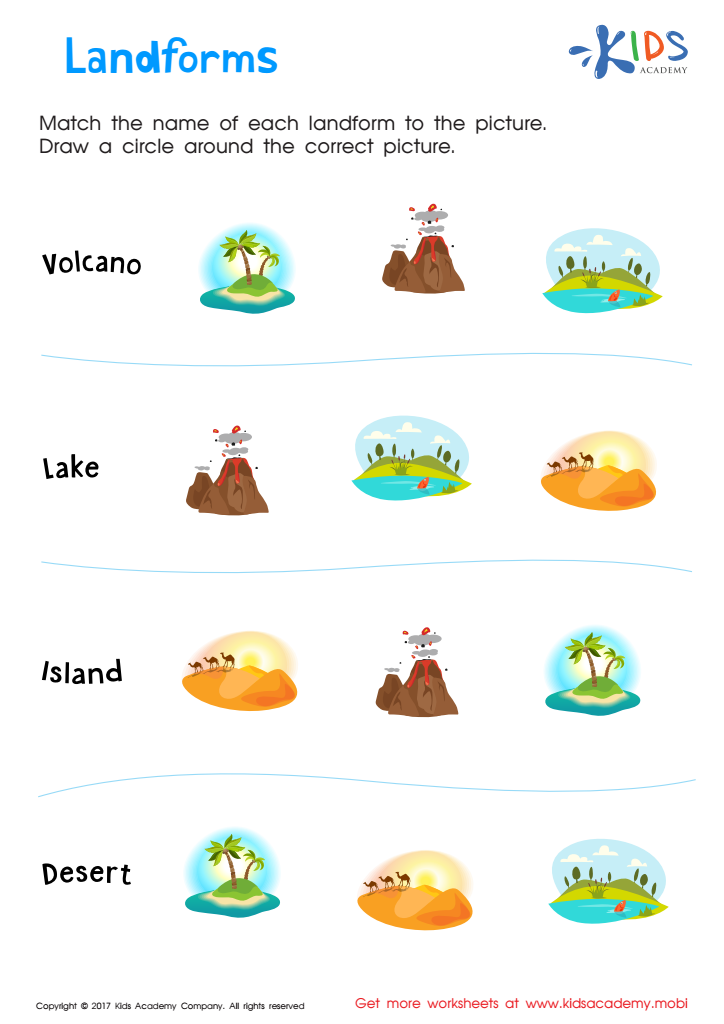
Landforms Printable
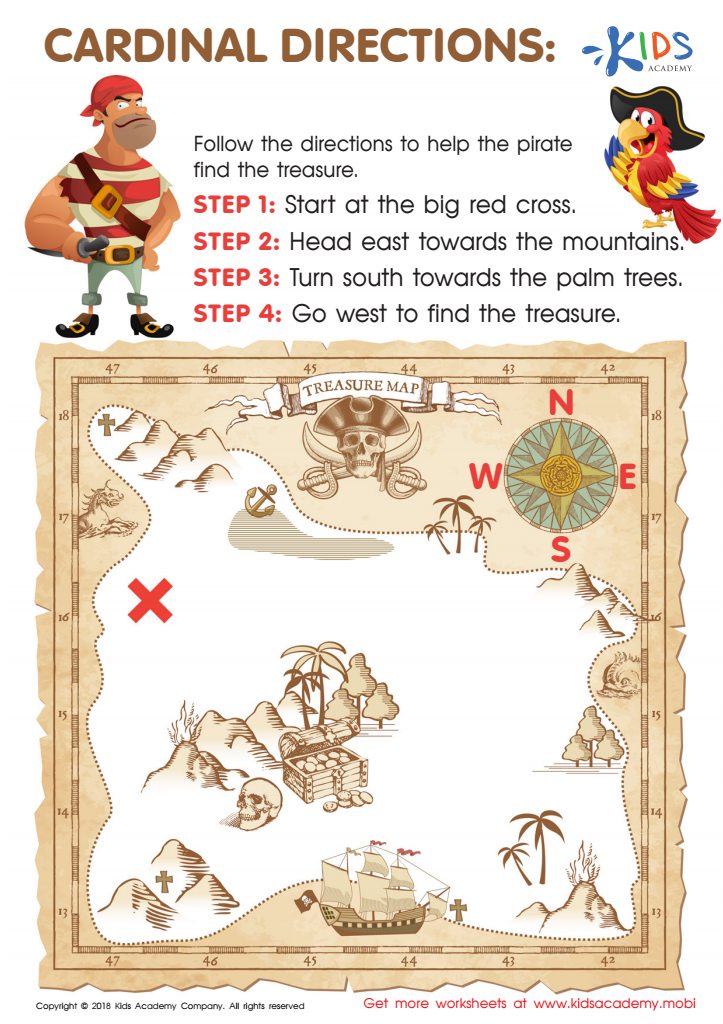
Cardinal Directions Treasure Map Maze Worksheet
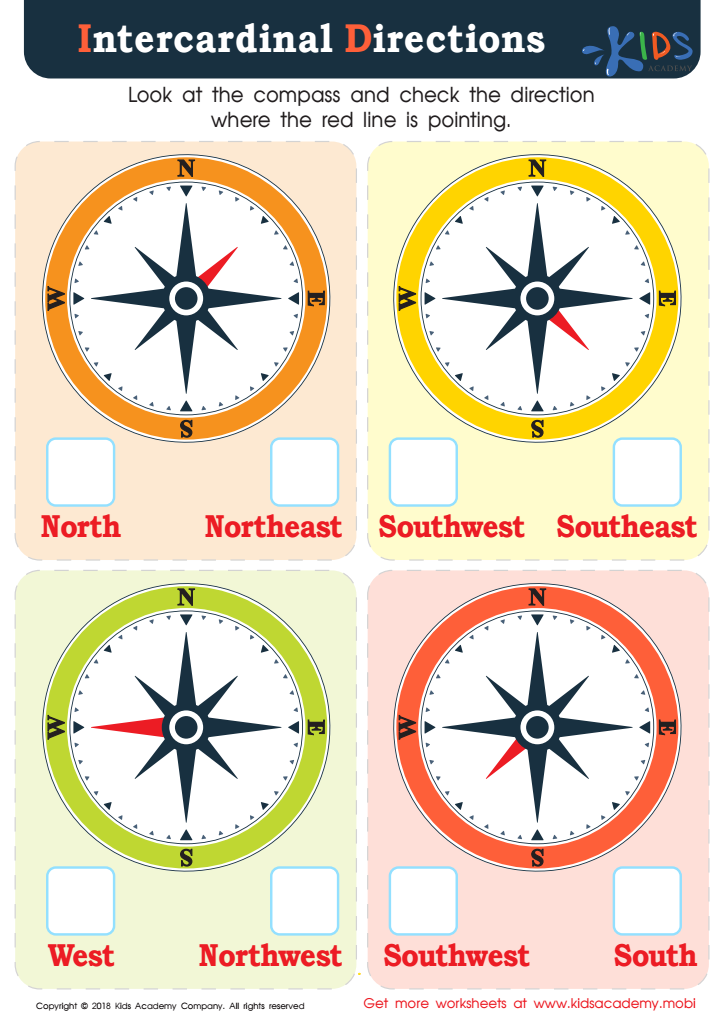
Intercardinal Directions Worksheet
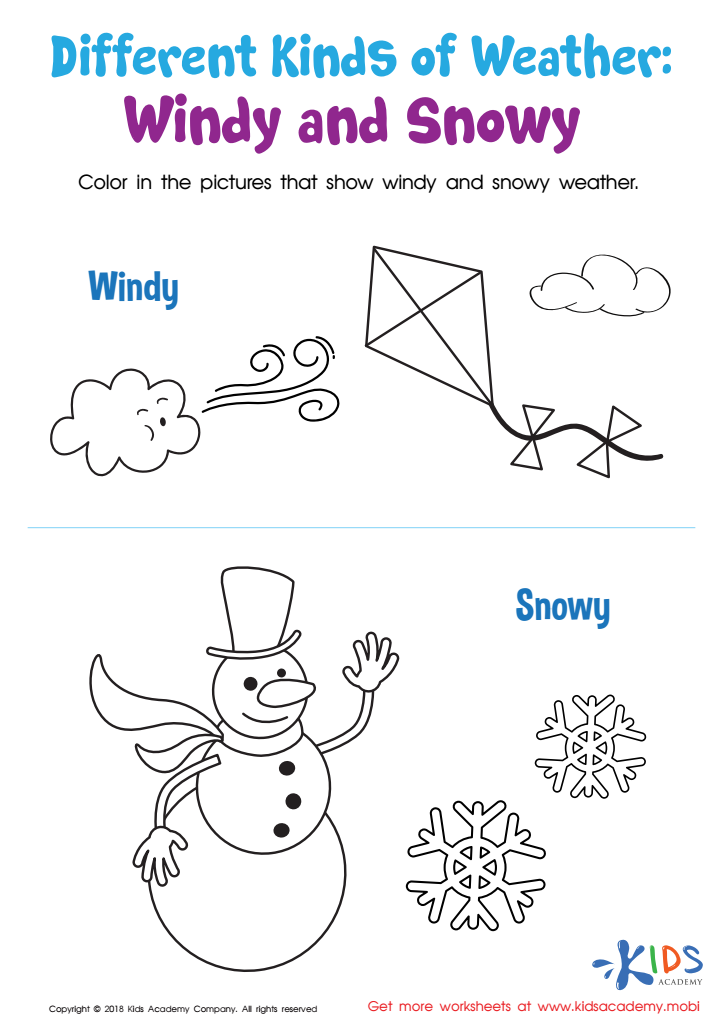
Different Kinds of Weather: Windy and Snowy Worksheet
 Assign to My Students
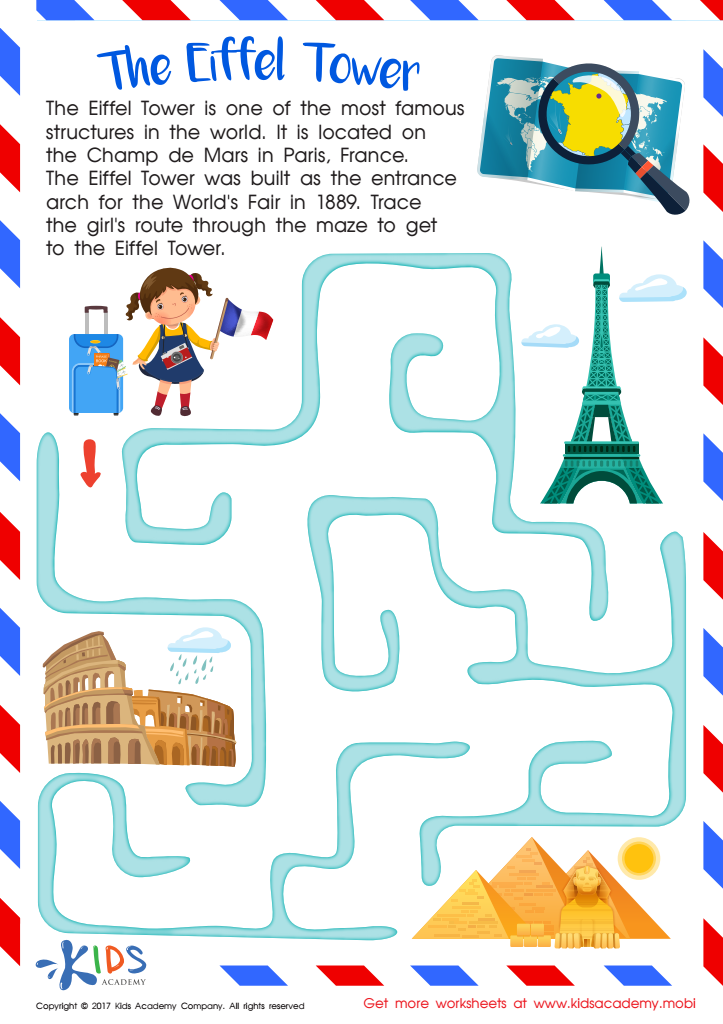
The Eiffel Tower Printable
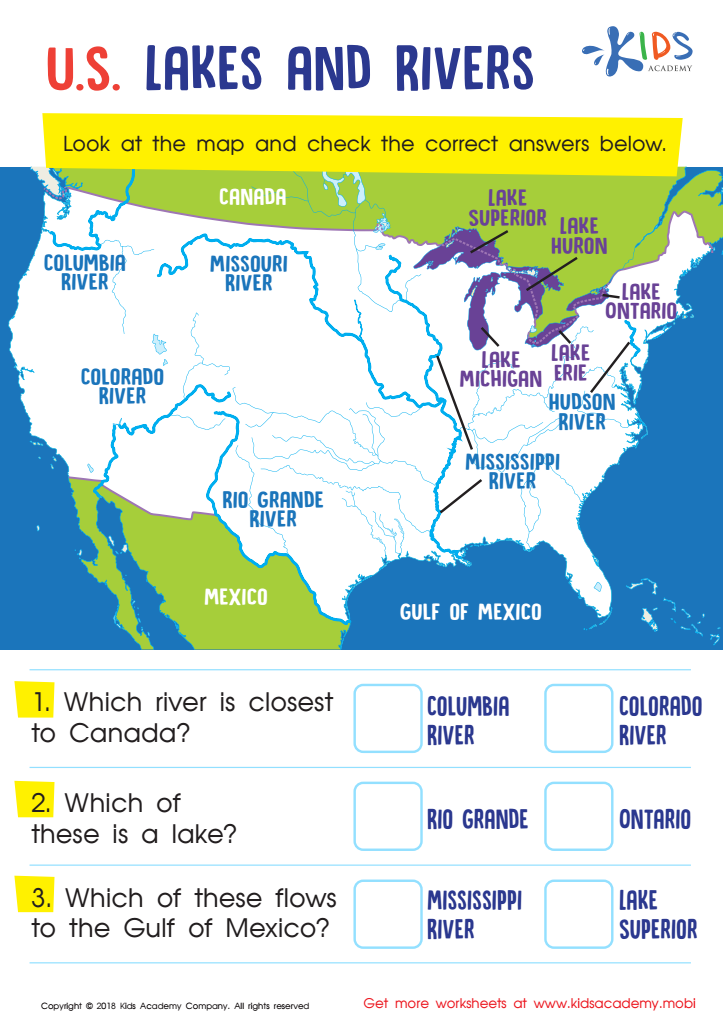
U.S. Lakes and Rivers Worksheet
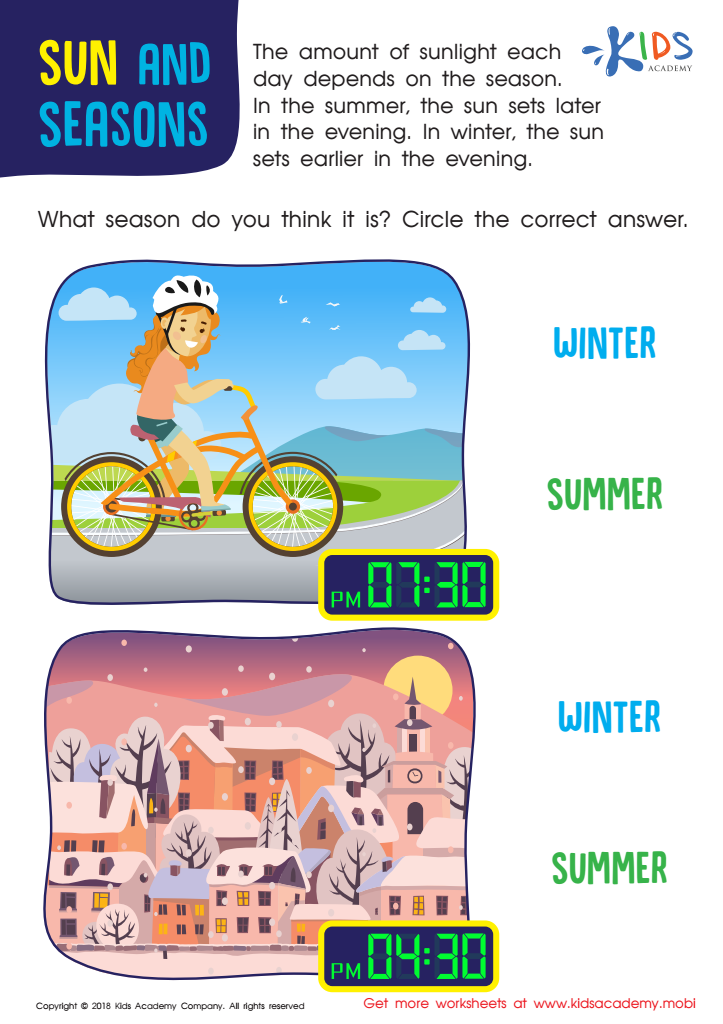
Sun and Seasons Worksheet
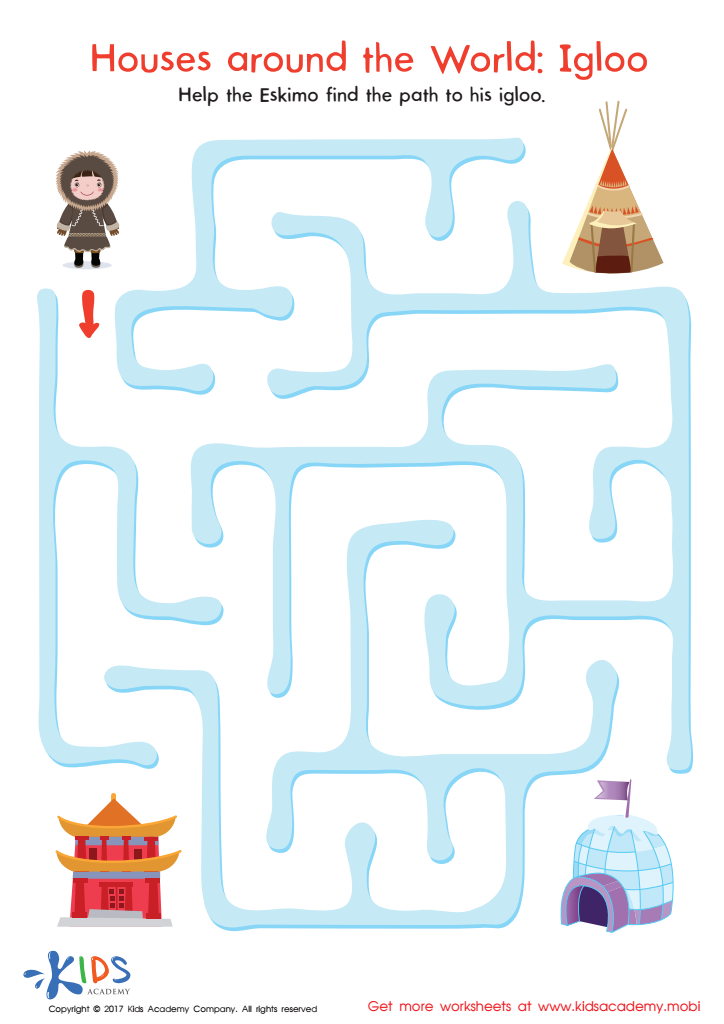
Houses Around the World: Igloo Printable
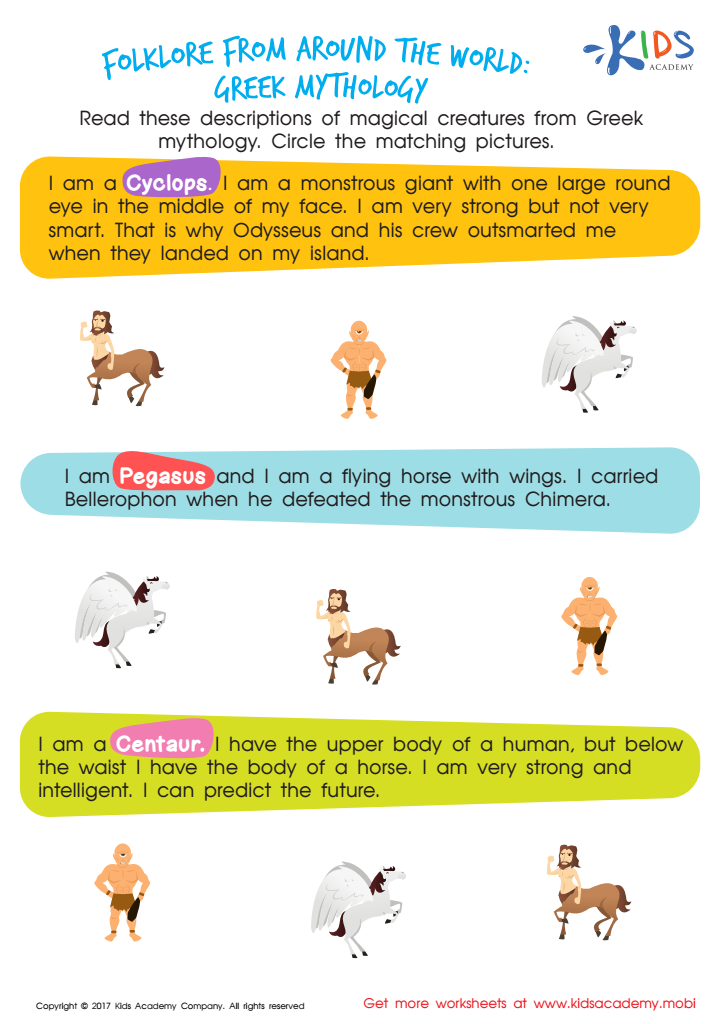
Greek Mythology Worksheet
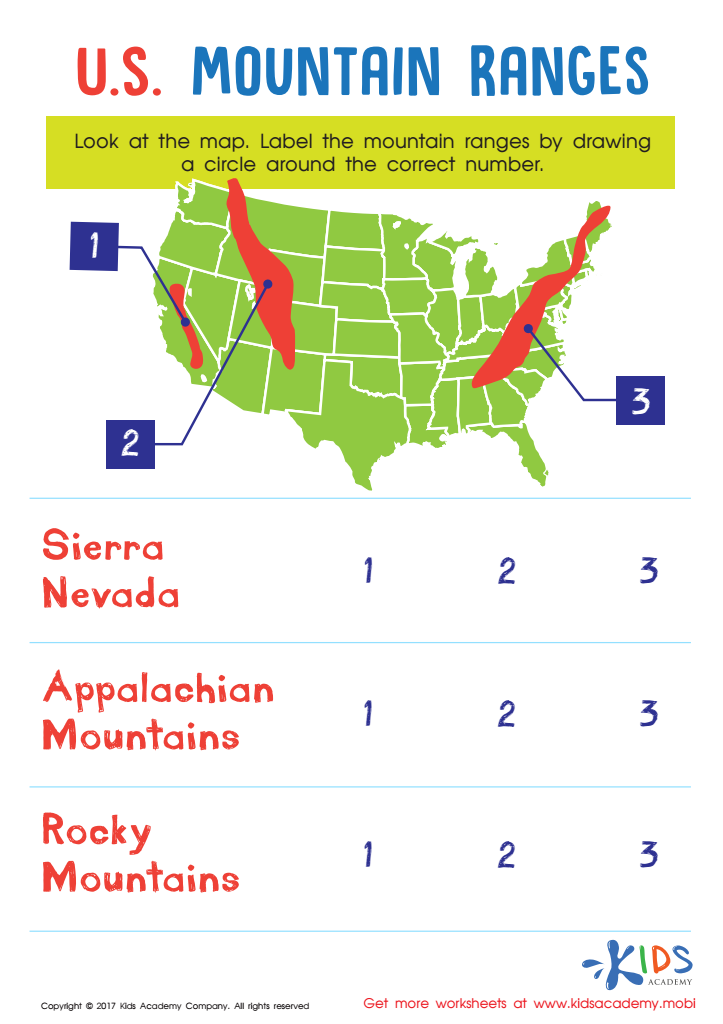
US Mountain Ranges Worksheet
Spring and Fall Worksheet
Assign to My Students
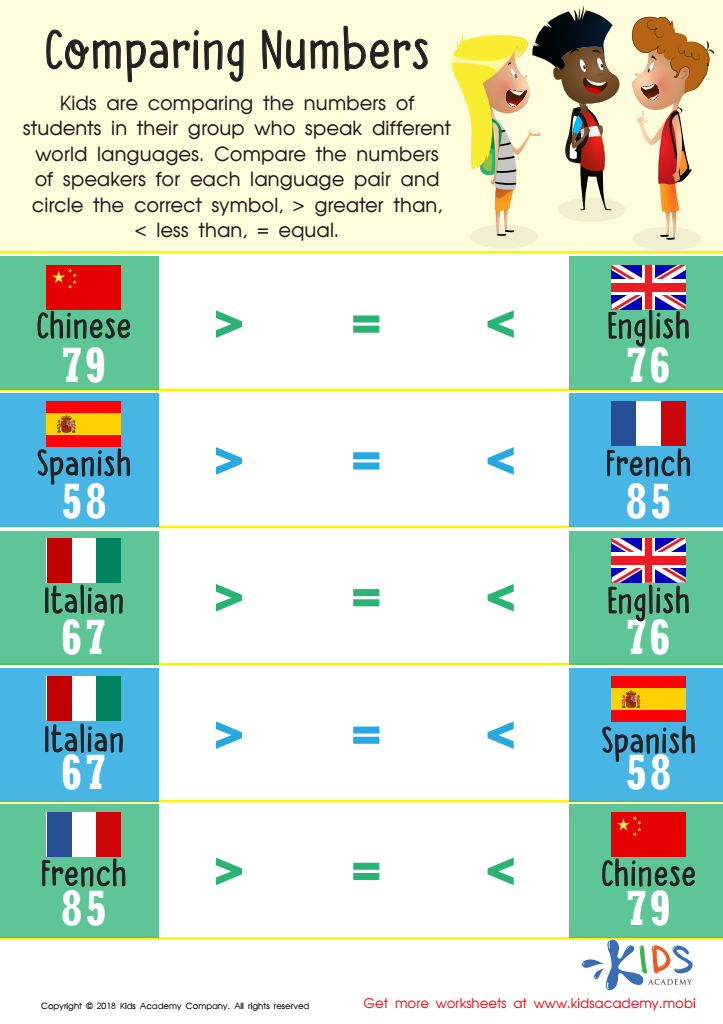
Comparing Numbers Worksheet for 1st Grade
Globe Coloring Page Worksheet
Assign to My Students
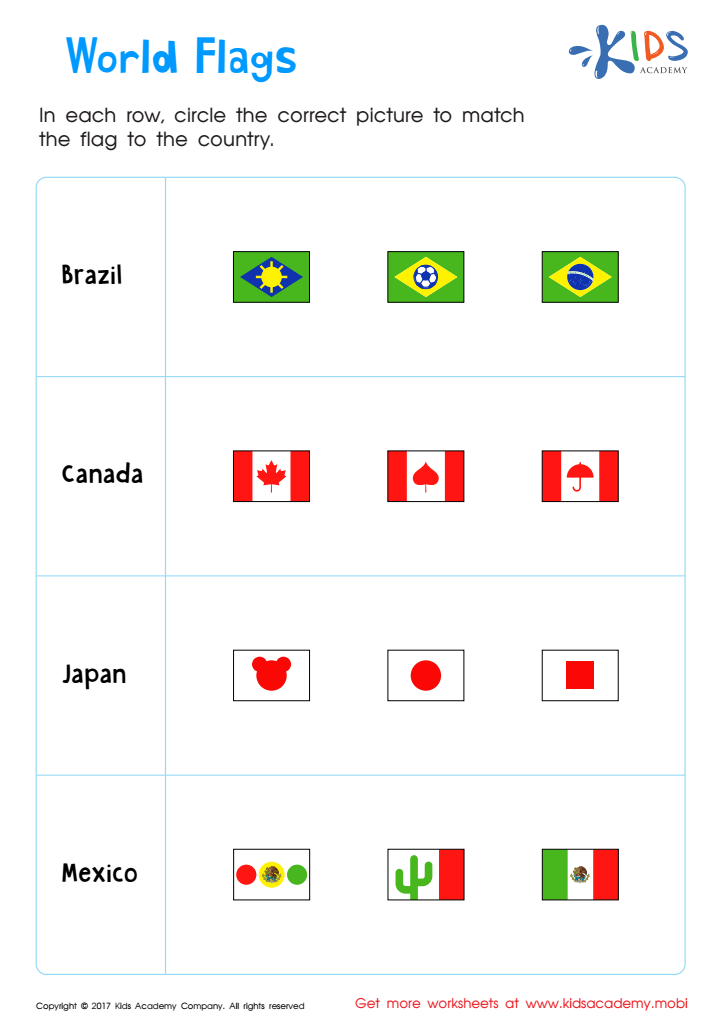
World Flags Printable
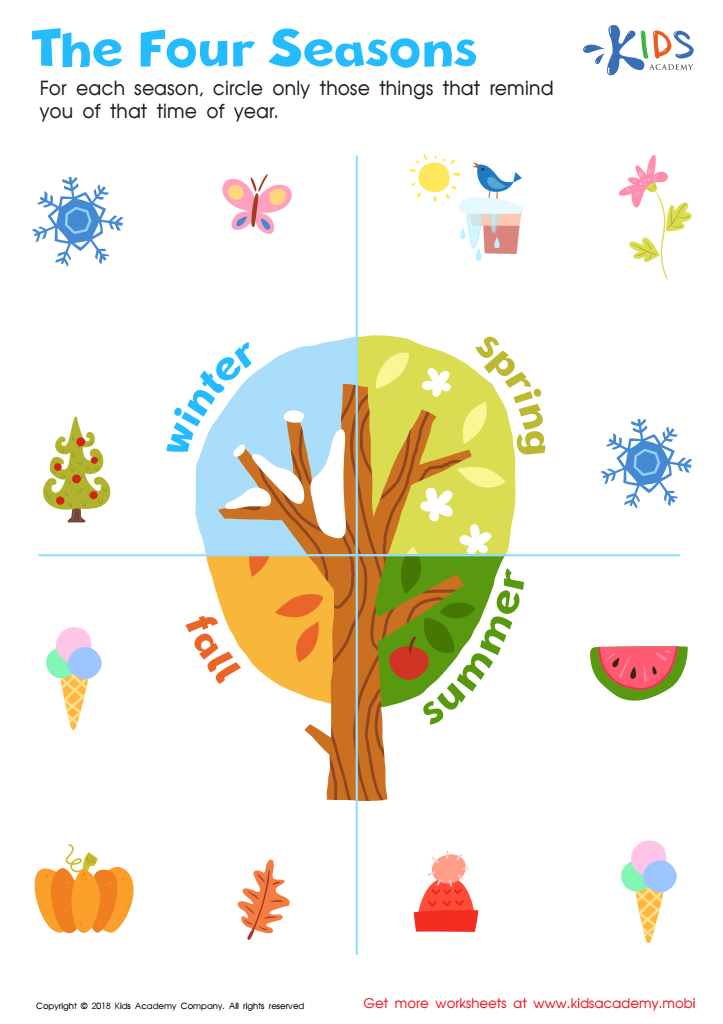
The Four Seasons Worksheet
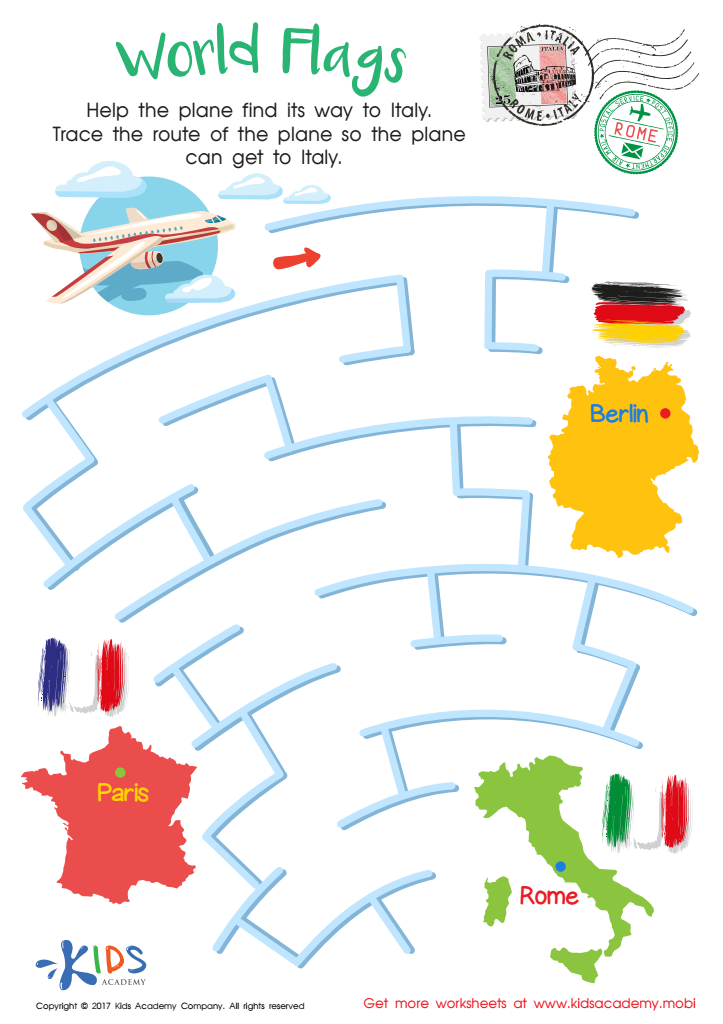
World Flags Maze Worksheet
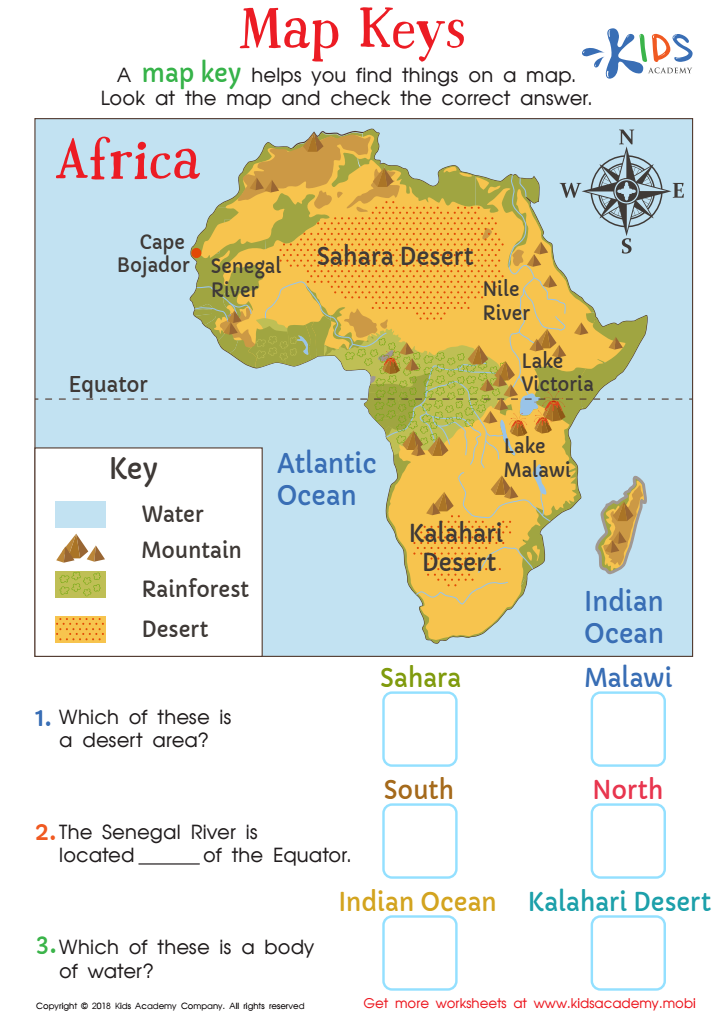
Map Keys Worksheet
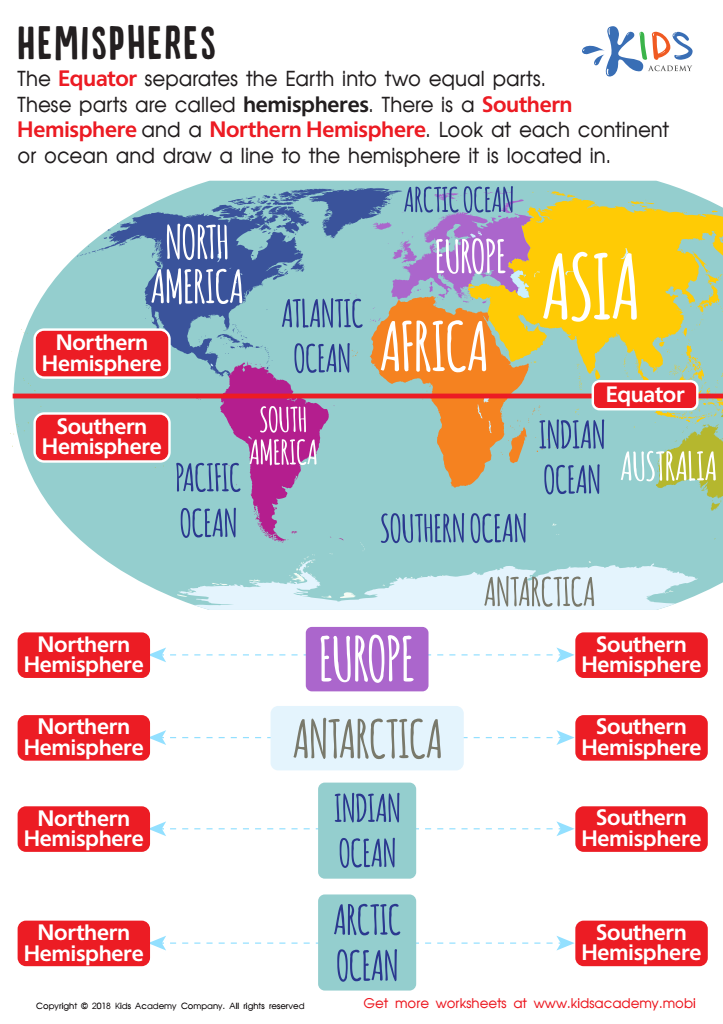
Hemispheres Worksheet






Geography is crucial for children ages 4-9 because it enriches their understanding of the world around them. At this formative stage, kids are naturally curious and impressionable, making it the perfect time to introduce them to basic geographical concepts. Learning geography helps young children grasp the idea of space, distances, and locations, laying the groundwork for future learning. It also enhances their cognitive skills by developing spatial thinking and problem-solving abilities.
Furthermore, geography nurtures a sense of global awareness and cultural appreciation. By understanding different places, languages, and traditions, children become more open-minded and empathetic toward others. This is vital in an increasingly interconnected world where cross-cultural interactions are commonplace.
Geography also connects to other subjects, making learning comprehensive. For instance, when children learn about different climates, they can relate it to science lessons on weather. Understanding maps can enhance their math skills, particularly in areas like geometry and measurement.
Lastly, geography fosters environmental awareness. By learning about various ecosystems and the importance of preserving natural resources, children develop a sense of responsibility toward their planet. Parents and teachers who emphasize geography provide children with the tools to navigate and appreciate the world meaningfully and responsibly.