Shape Recognition Worksheets for 4-Year-Olds
65 filtered results
-
From - To
Discover our engaging Shape Recognition Worksheets designed specifically for 4-year-olds! These fun and colorful activities help young learners identify, compare, and manipulate different shapes, fostering essential cognitive and motor skills. Our worksheets utilize playful illustrations and interactive exercises to capture children's attention, making learning an enjoyable experience. Perfect for home or classroom use, these resources support early math development and enhance creativity. Parents and teachers can download and print these worksheets easily, providing a flexible way to promote shape recognition and understanding. Start your child's journey toward geometric literacy today with our expertly crafted shape recognition worksheets!
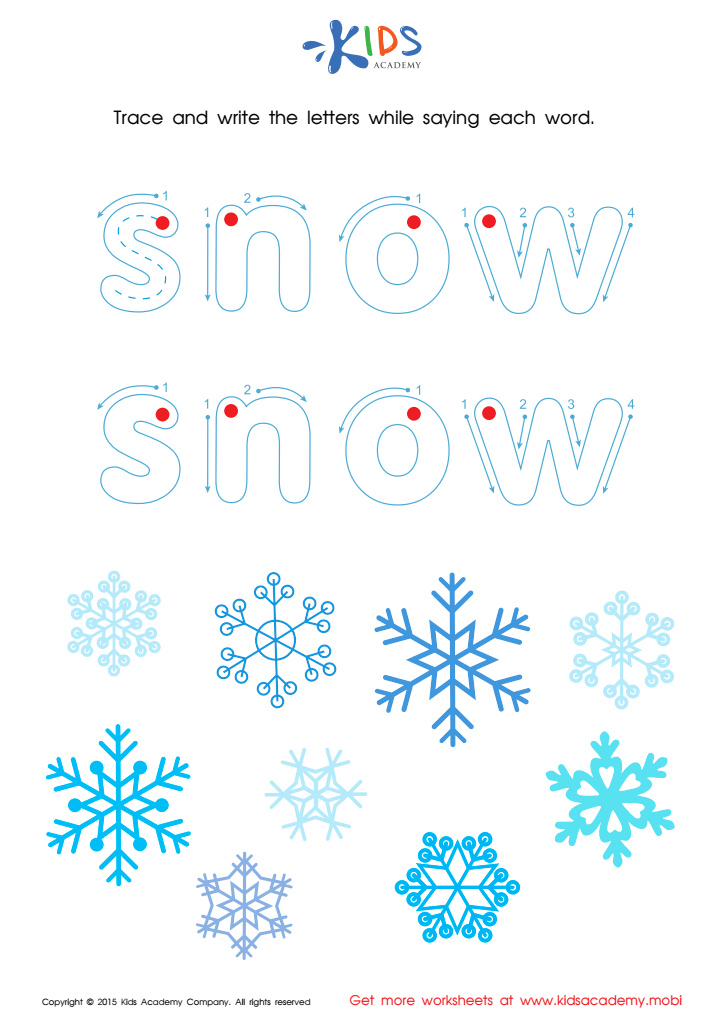
Snowflake Tracing Winter Words Worksheet
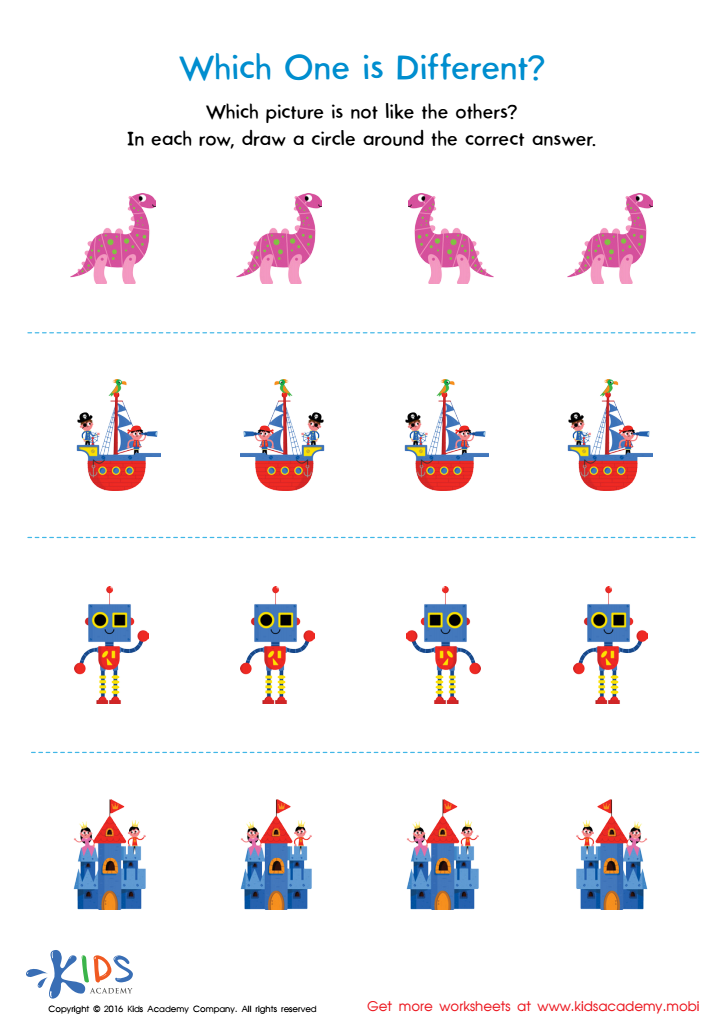
Which One Is Different Worksheet
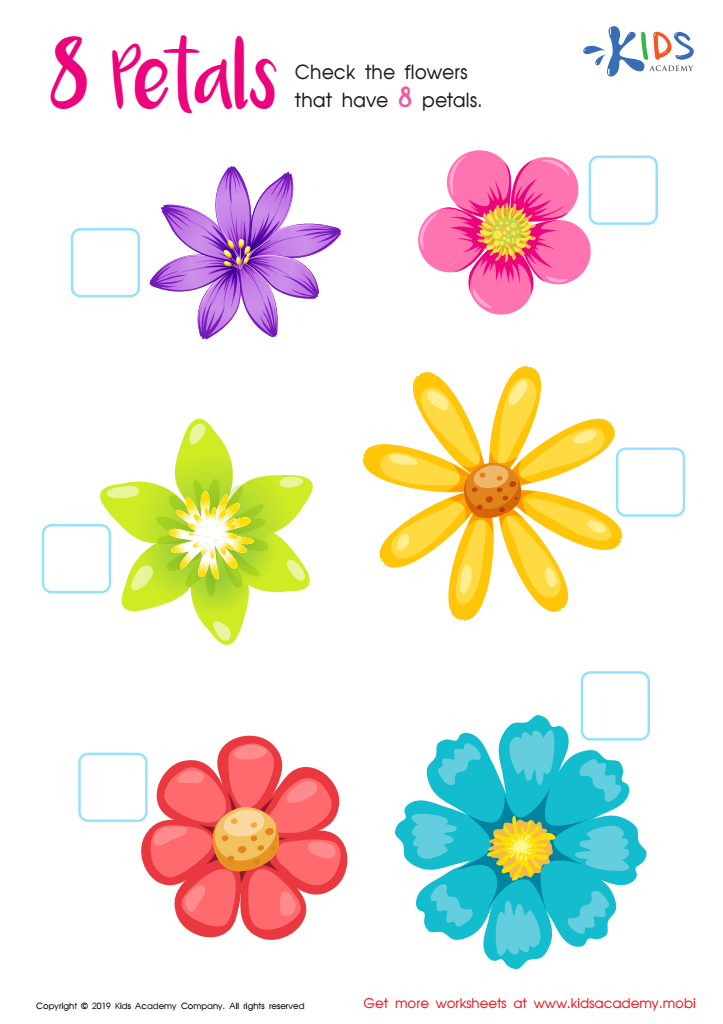
8 Petals Worksheet
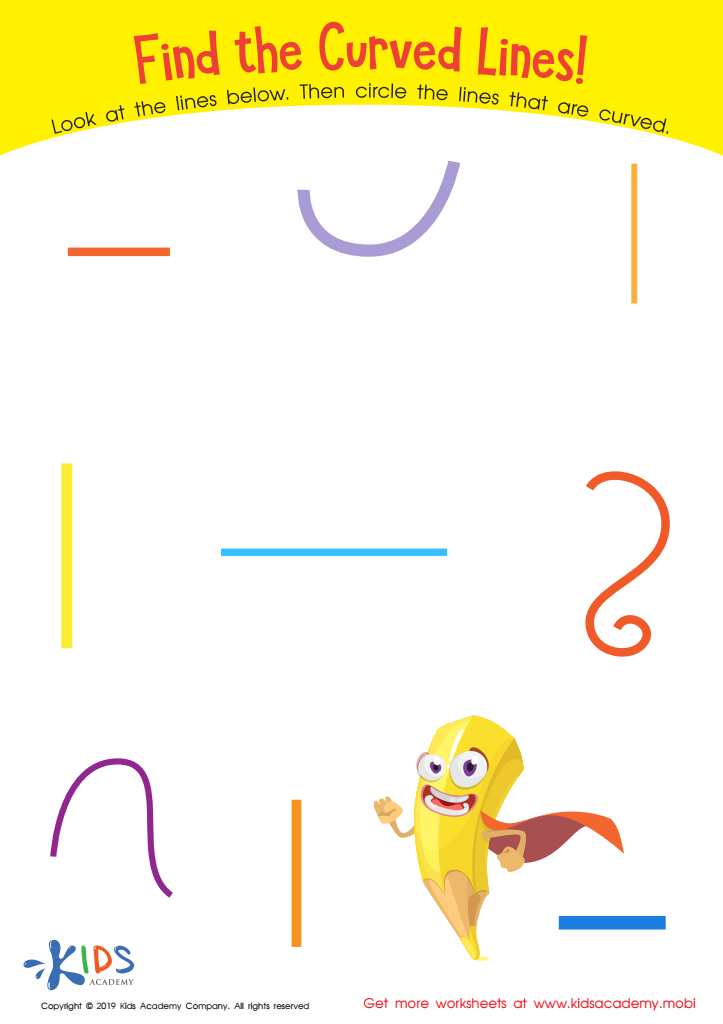
Find the Curved Lines! Worksheet
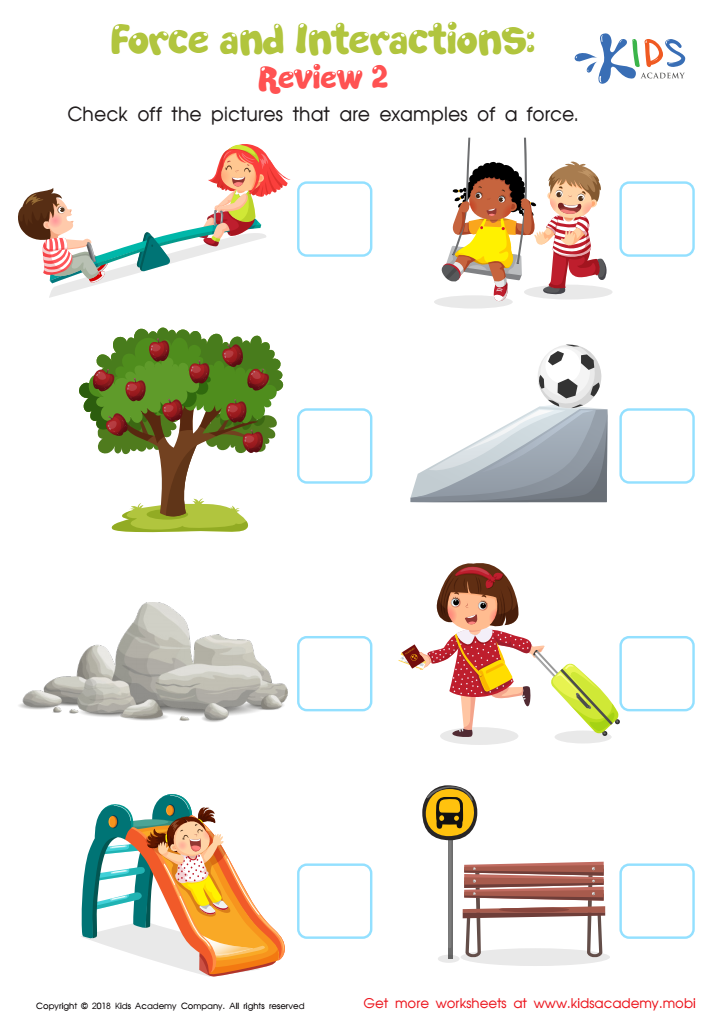
Force and Interactions: Review 2 Worksheet
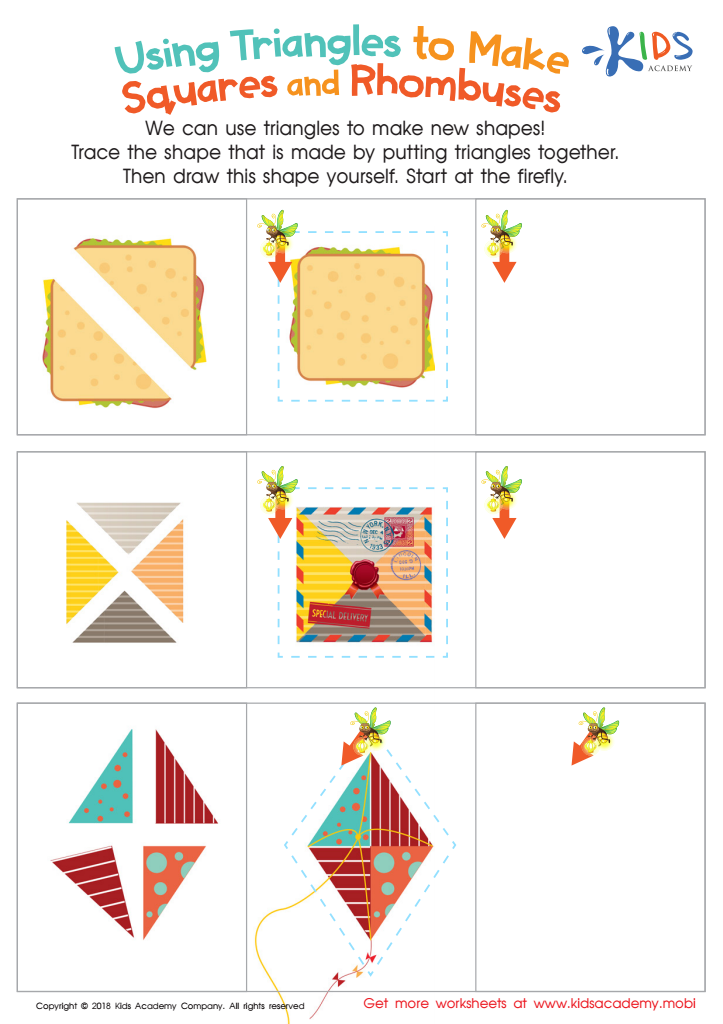
Using Triangles to Make Squares and Rhombuses Worksheet
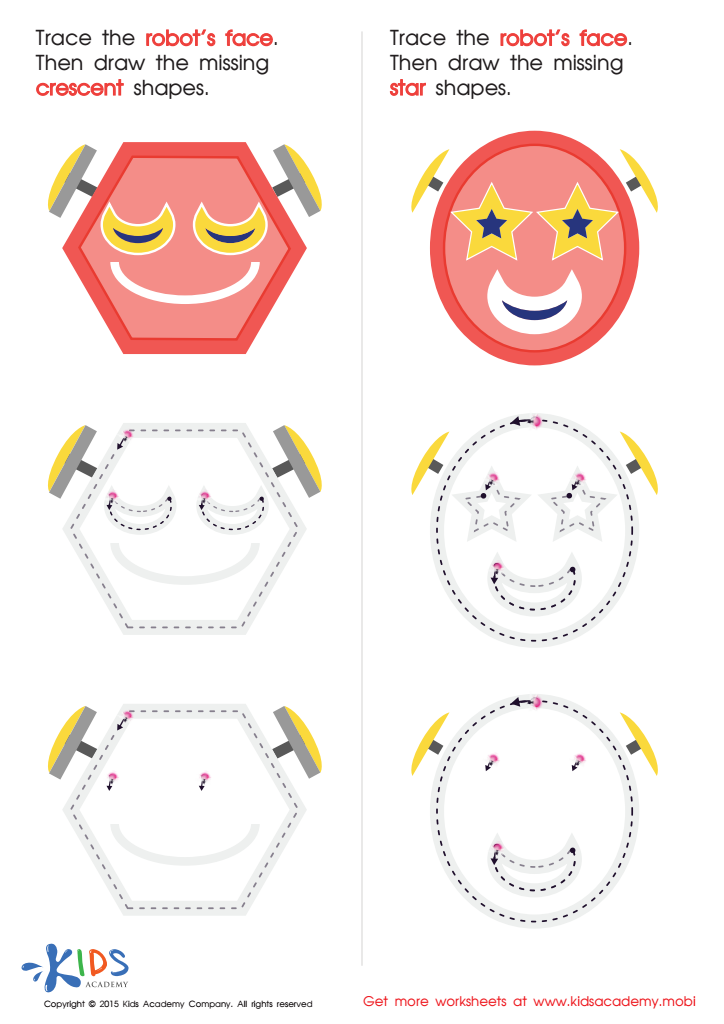
Composing a Robot's Face of Crescents And Stars Worksheet
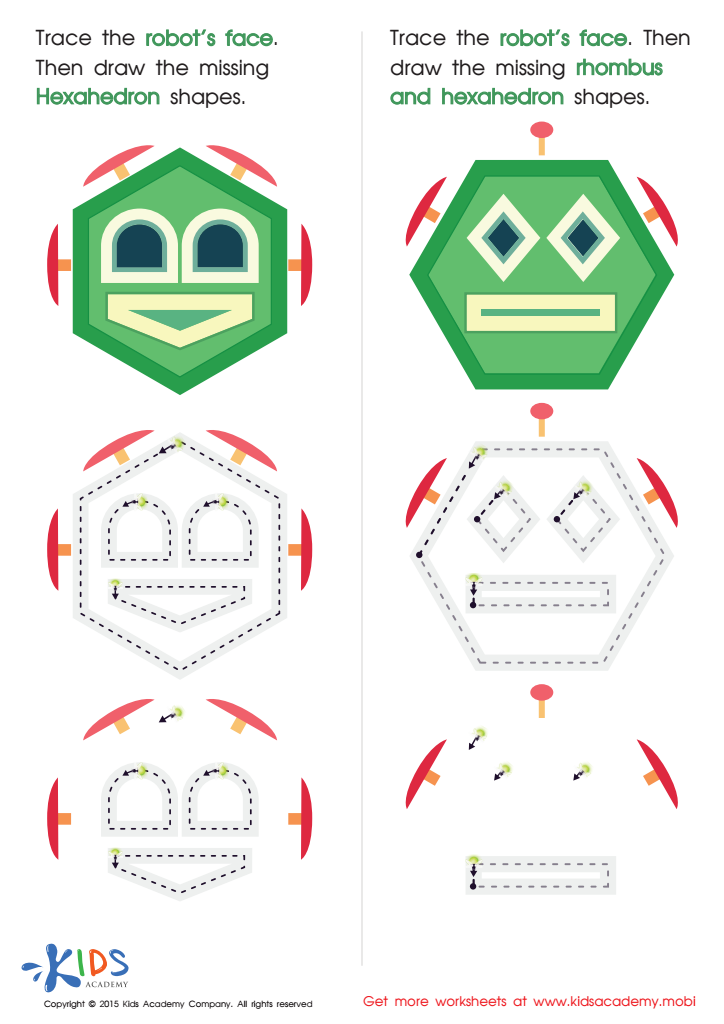
Practice Drawing Hexahedrons And a Rhombus Worksheet
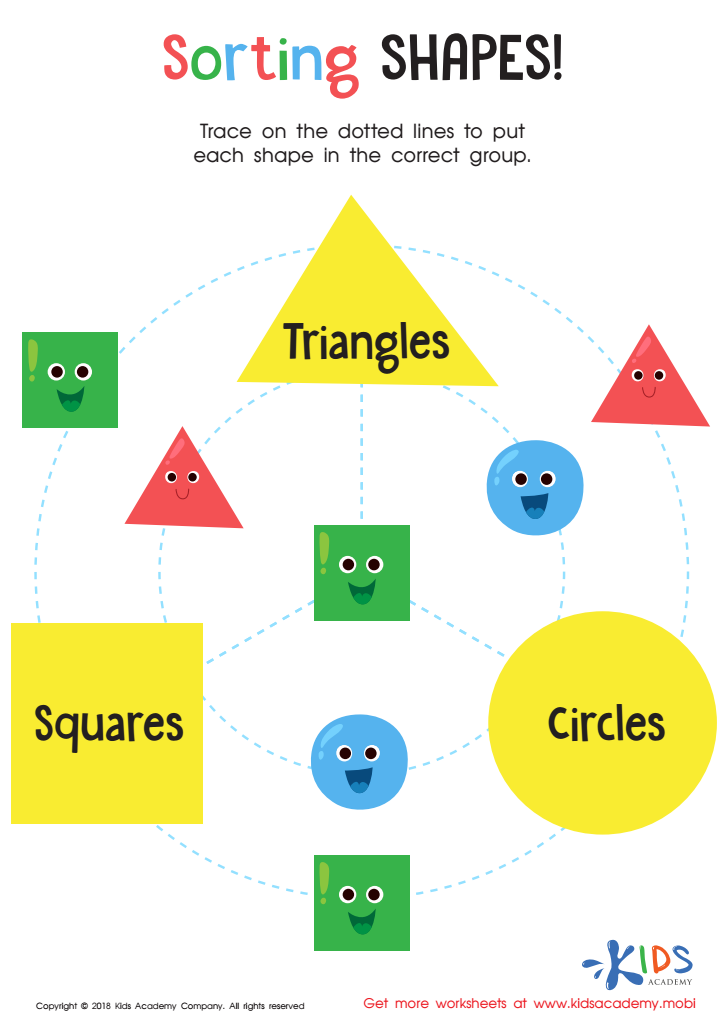
Sorting Shapes - Part 3 Worksheet
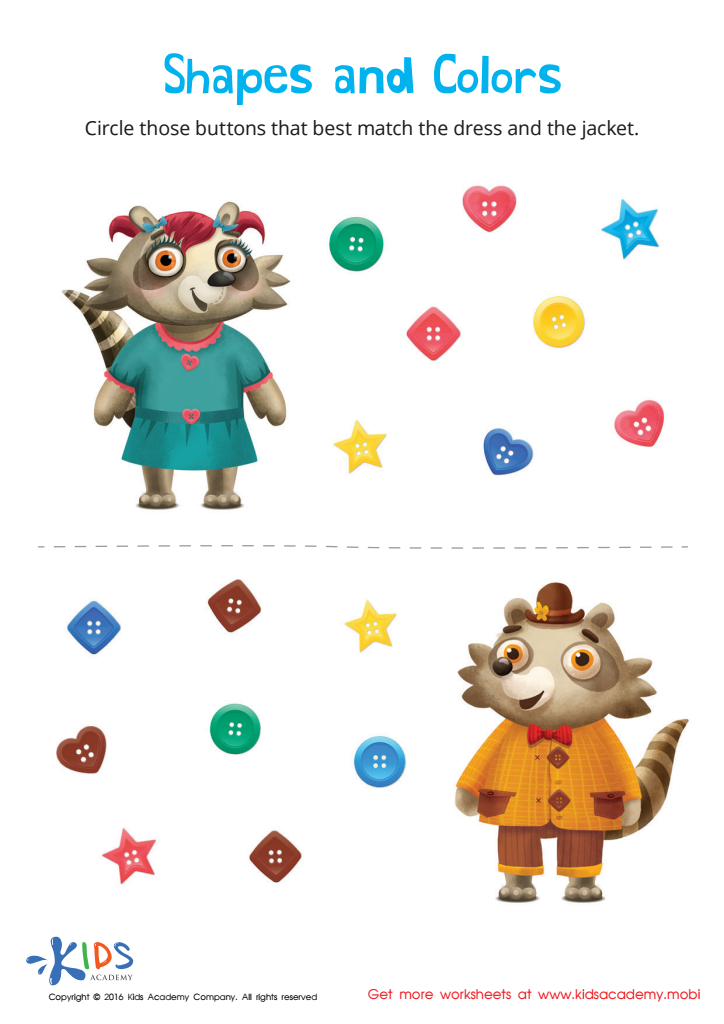
Matching: Shapes and Colors Worksheet
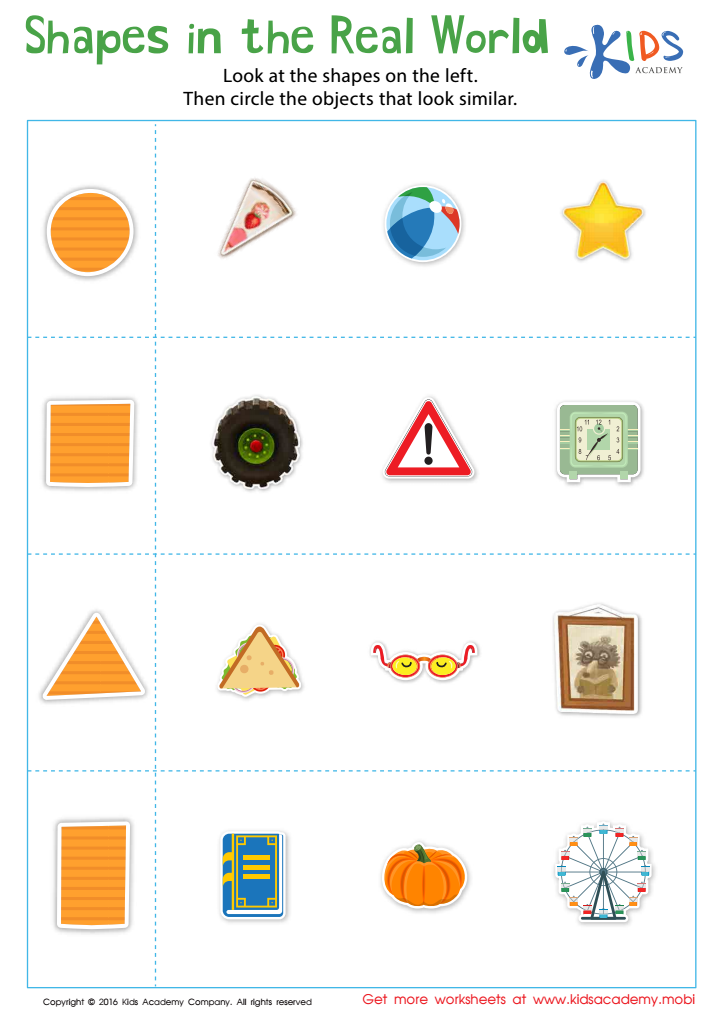
Shapes in the Real World Worksheet
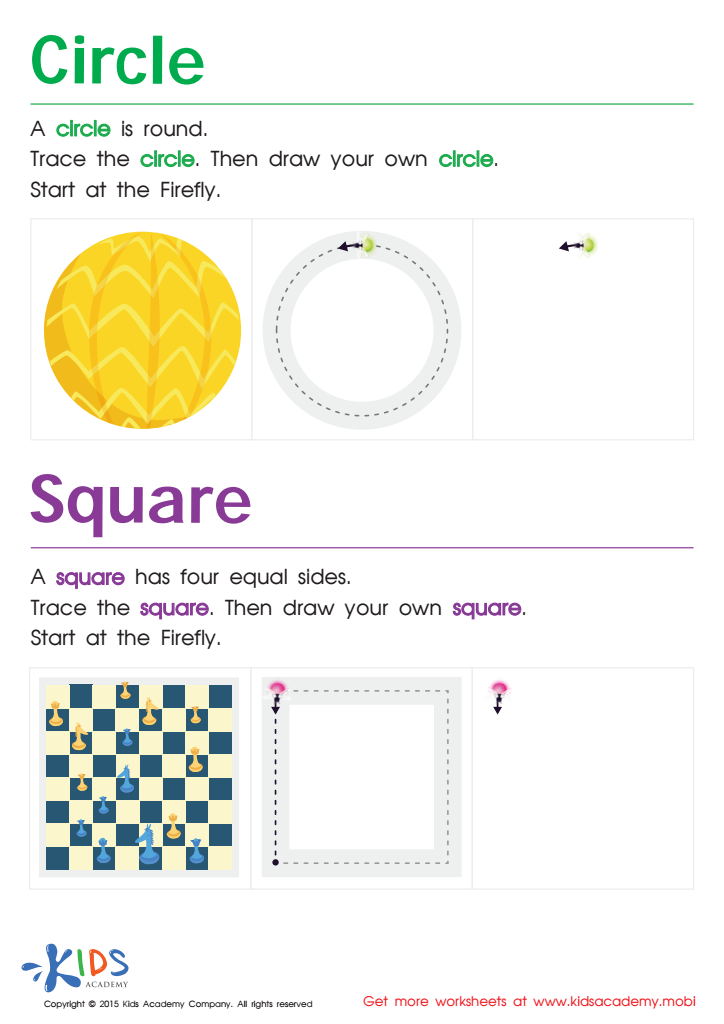
Trace And Draw a Circle And a Square Worksheet
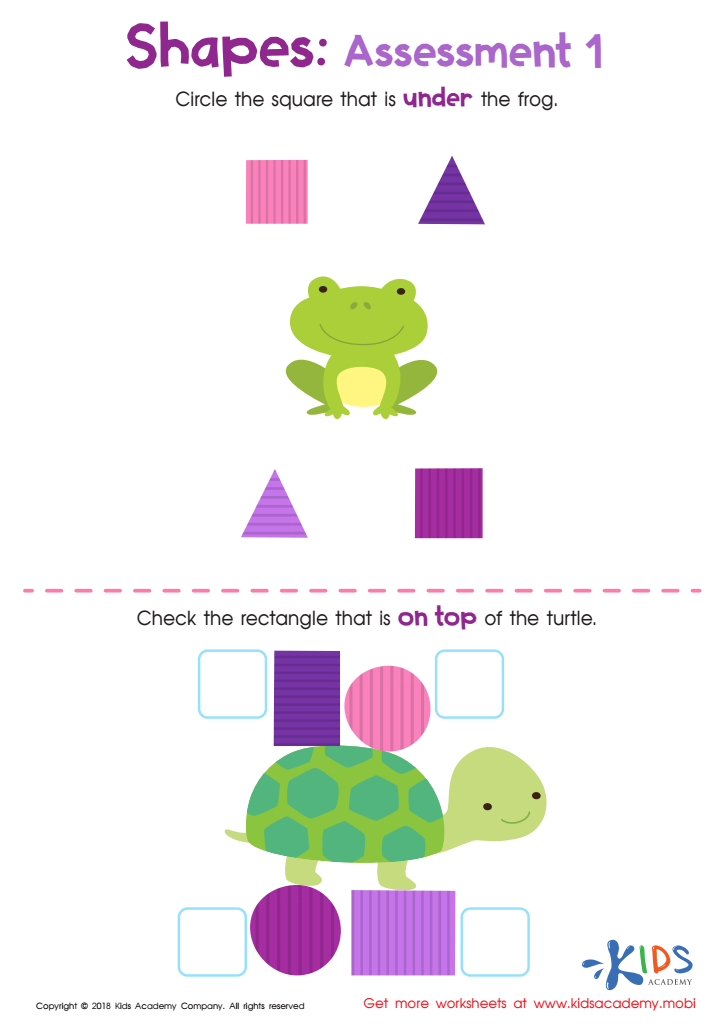
Geometry – Assessment 1 Worksheet
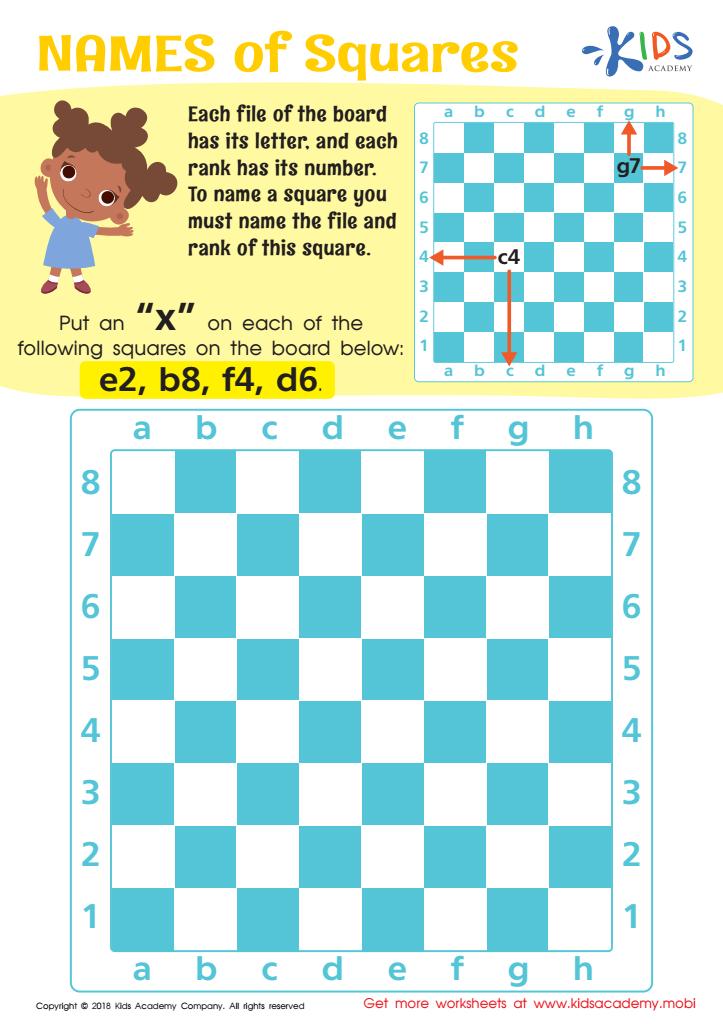
Names of Squares Worksheet
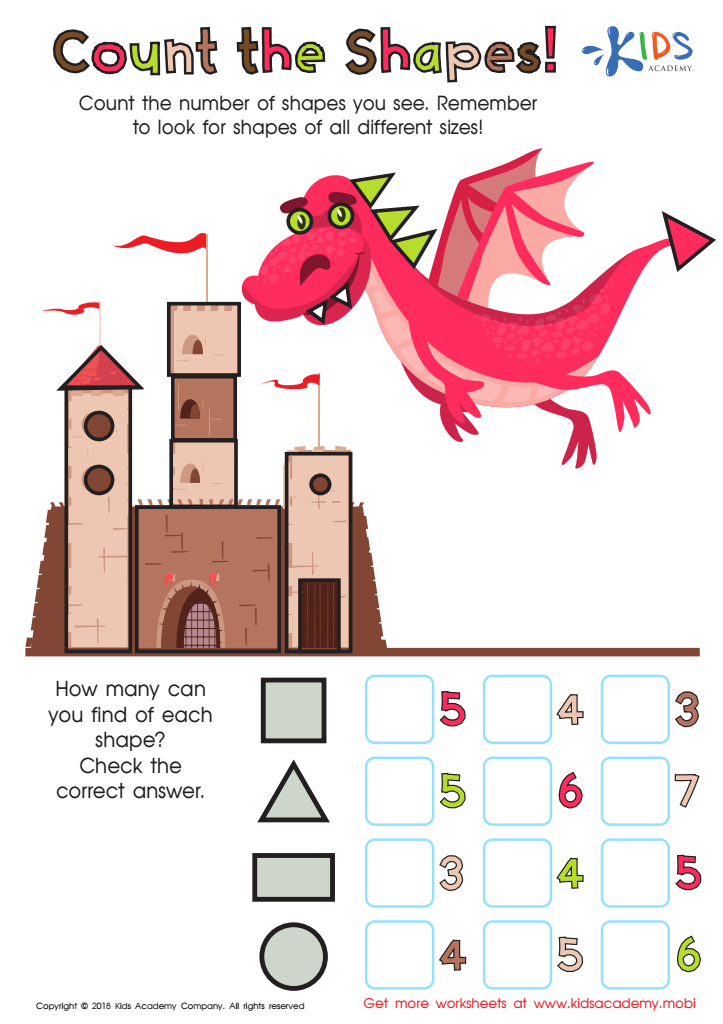
Count the Shapes Worksheet
Halloween: A Funny Monster Worksheet
 Assign to My Students
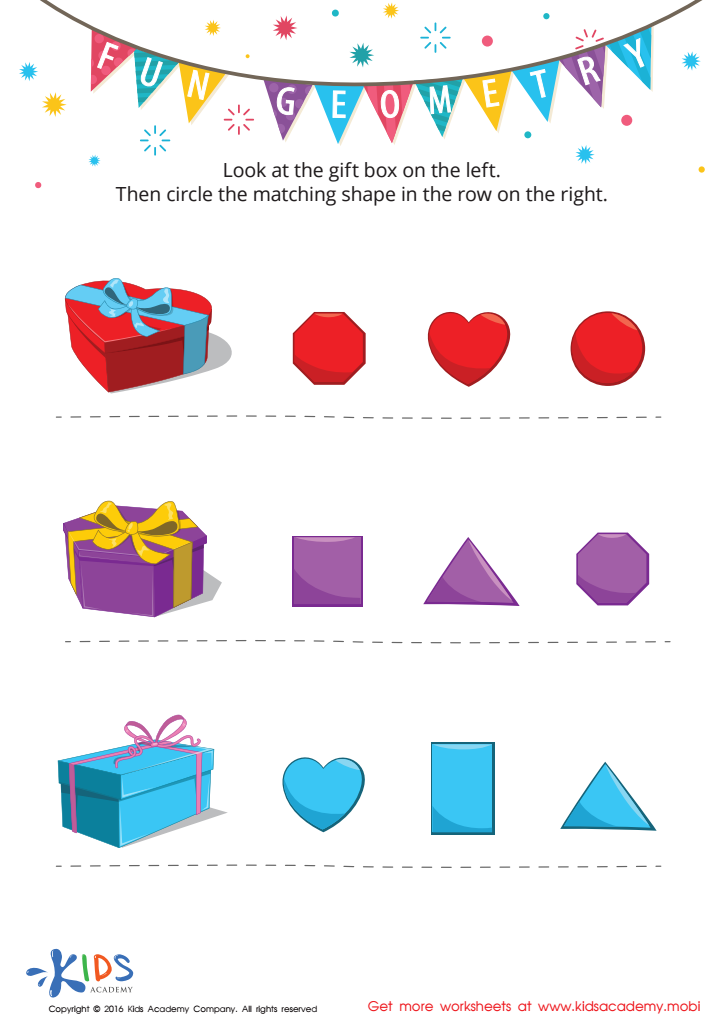
Fun Geometry Worksheet
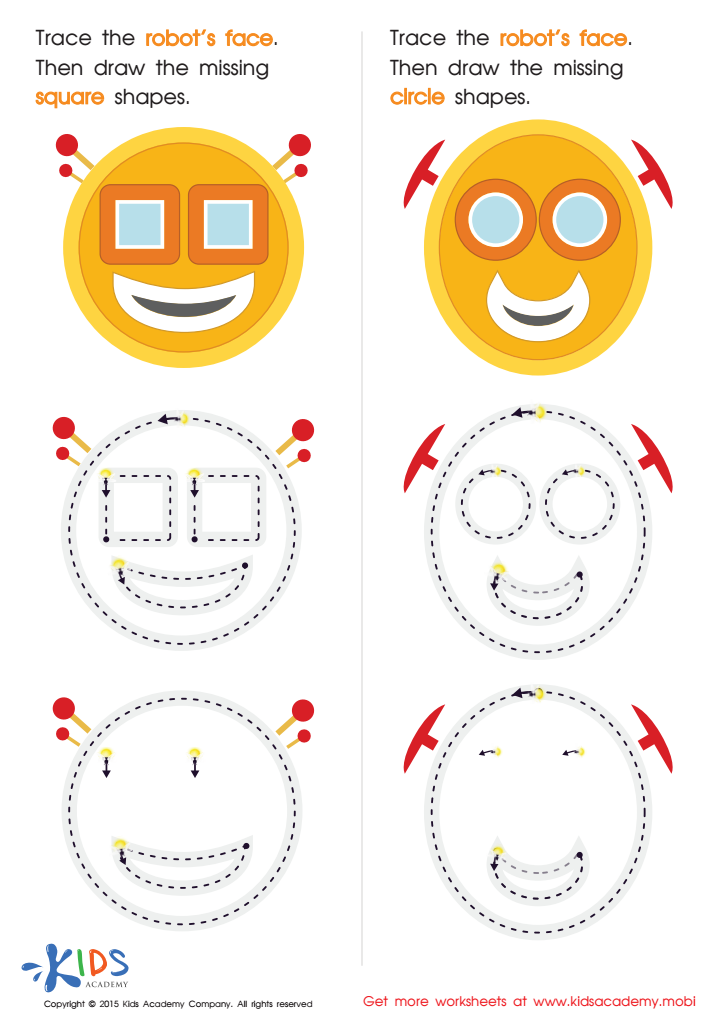
Practicing to Draw Circles And Squares Printable
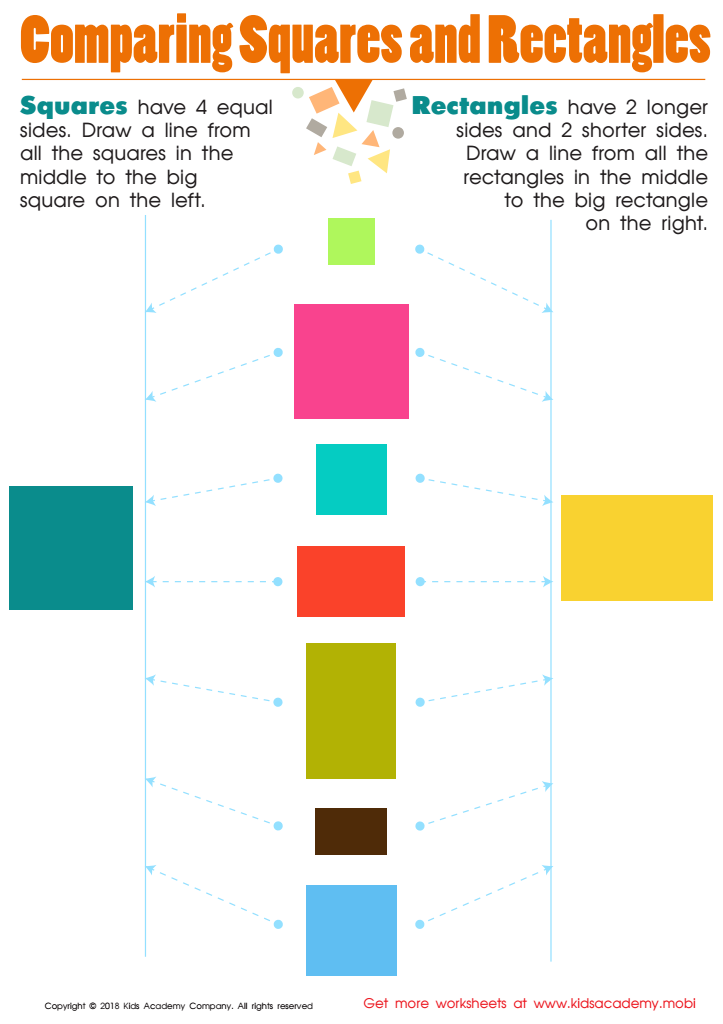
Comparing Squares Rectangles Worksheet
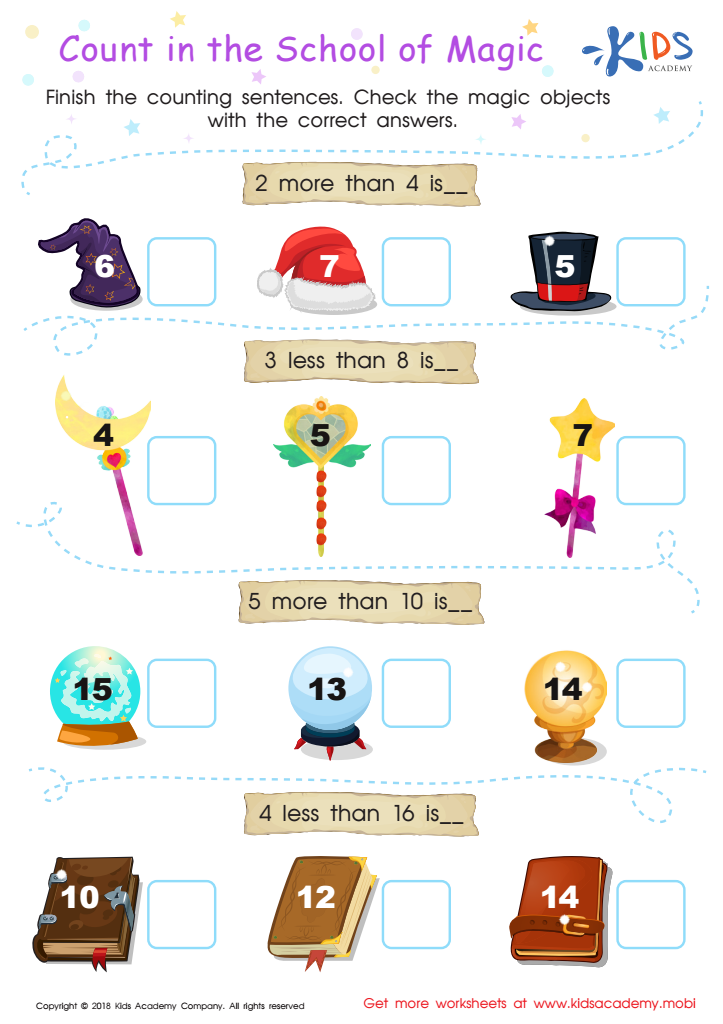
Count in the School of Magic Worksheet
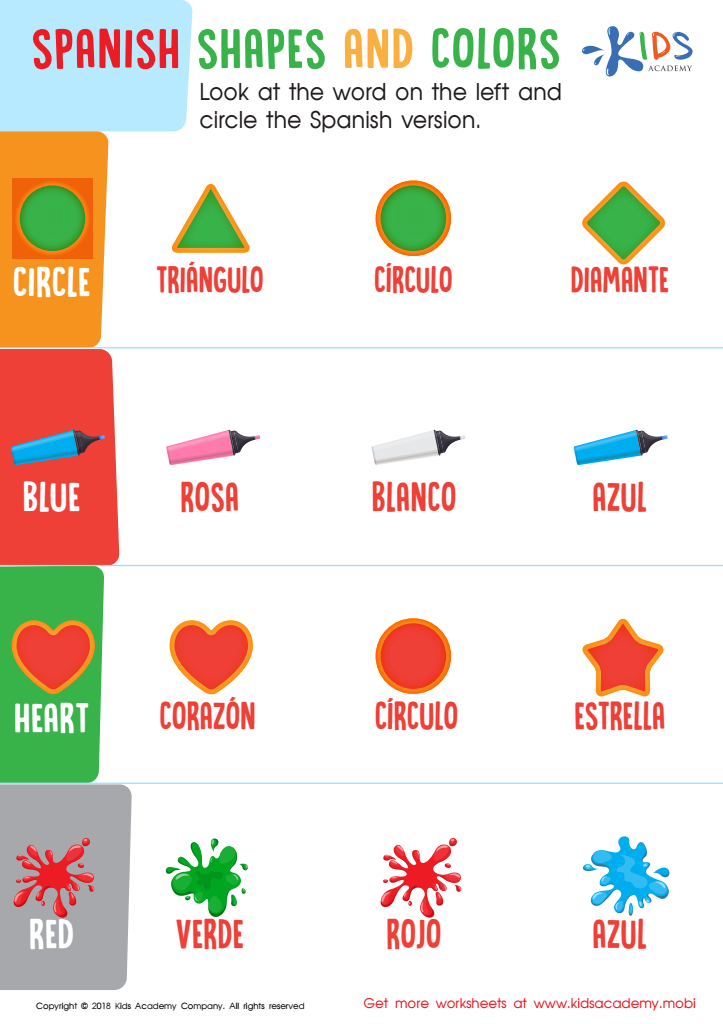
Spanish Shapes and Colors Worksheet
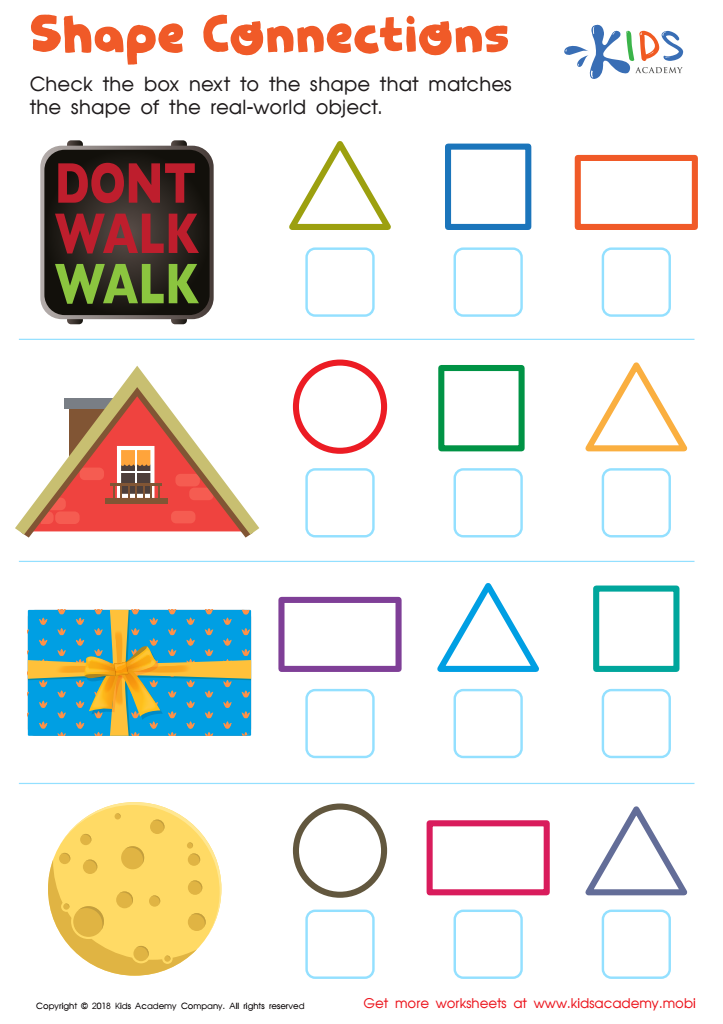
Shape Connections Worksheet
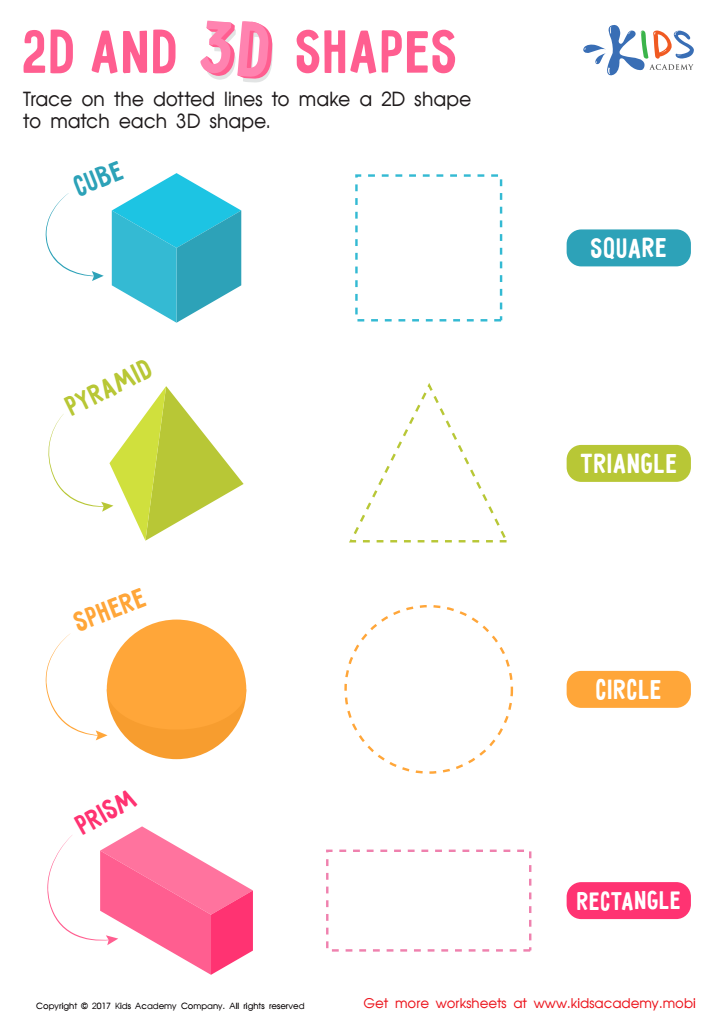
2D and 3D Shapes Worksheet







Shape recognition is a fundamental skill that significantly impacts a child's cognitive development and early learning. For 4-year-olds, understanding shapes lays the groundwork for more complex mathematical and spatial reasoning later on. As they learn to identify and categorize shapes—such as circles, squares, triangles, and rectangles—they enhance their ability to recognize patterns, which is crucial for problem-solving and critical thinking.
Additionally, engaging with shape recognition activities fosters fine motor skills and hand-eye coordination as children manipulate objects and complete puzzles. Early exposure to shapes also enriches language development; as children learn to describe shapes, they expand their vocabulary and improve their communication skills.
Moreover, shape recognition has practical applications in everyday life, from recognizing road signs to understanding the design of the environment. Parents and teachers play a key role in providing opportunities for hands-on exploration and guided learning through games, art, and hands-on play.
By prioritizing shape recognition, caregivers ensure a strong foundation in early mathematics and critical thinking, preparing children for success in school and beyond. Encouraging this skill not only supports academic growth but also boosts children's confidence as they discover the world around them.








