Shape Recognition Math Worksheets for 4-Year-Olds
45 filtered results
-
From - To
Discover engaging Shape Recognition Math Worksheets designed specifically for 4-year-olds! Our worksheets offer a fun and interactive way for young learners to explore shapes in a structured setting. Through colorful graphics and age-appropriate activities, children will develop essential shape recognition skills, laying a strong foundation for their future math learning. Each worksheet encourages critical thinking and problem-solving, making learning both enjoyable and effective. Perfect for home or classroom use, these resources promote early mathematical understanding while supporting fine motor skills. Equip your little learners with the tools they need to succeed in math with our shape recognition worksheets today!
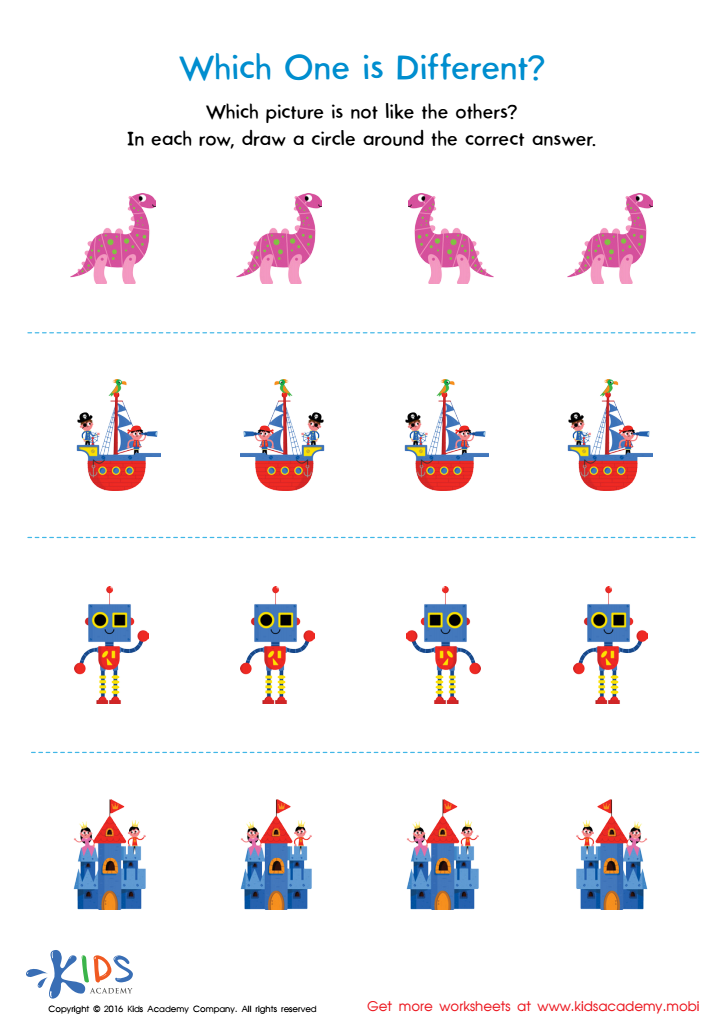
Which One Is Different Worksheet
 Assign to My Students
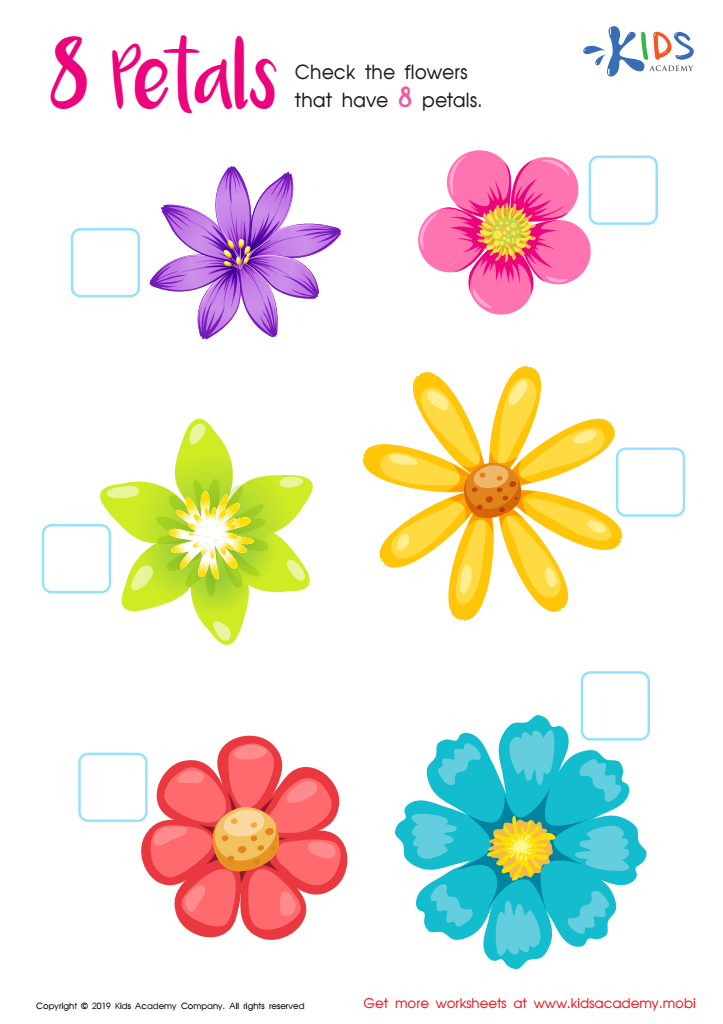
8 Petals Worksheet
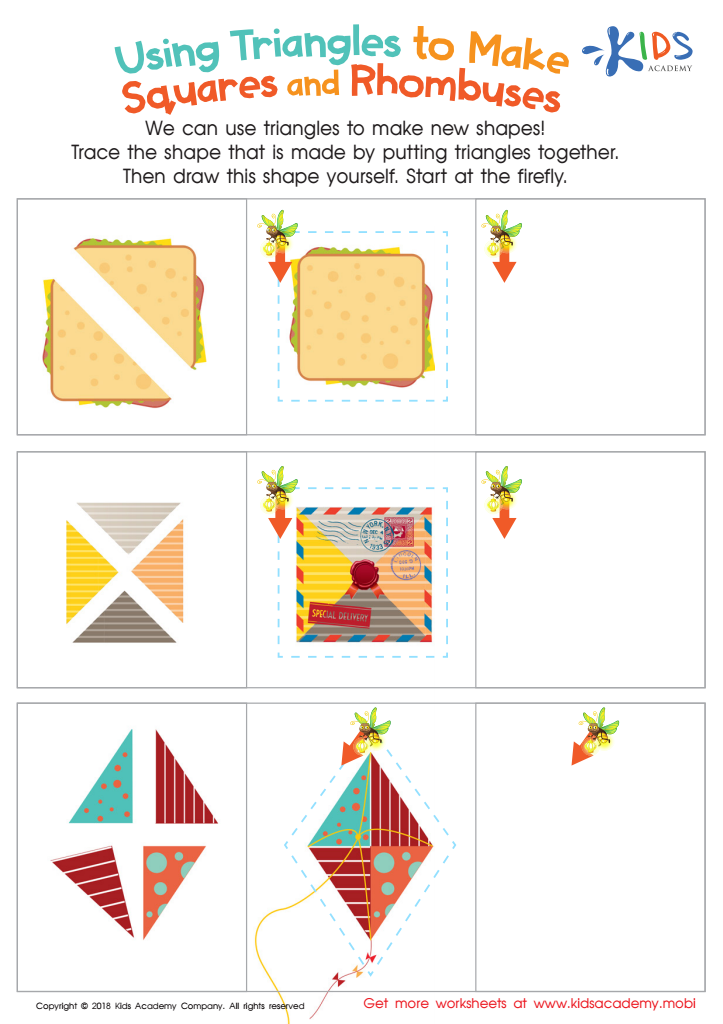
Using Triangles to Make Squares and Rhombuses Worksheet
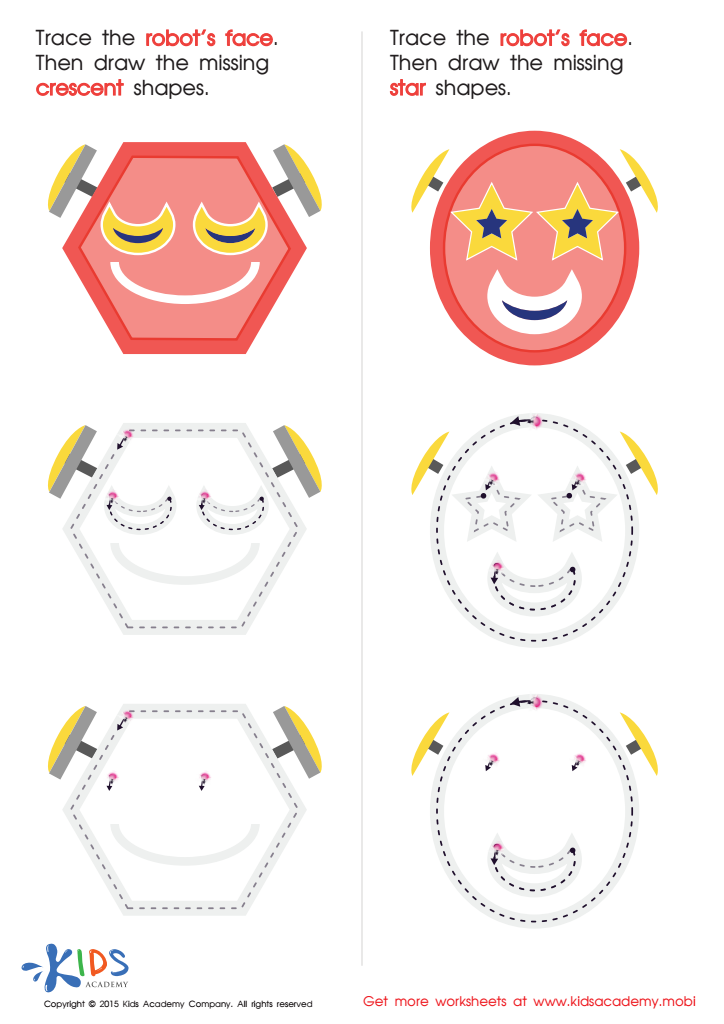
Composing a Robot's Face of Crescents And Stars Worksheet
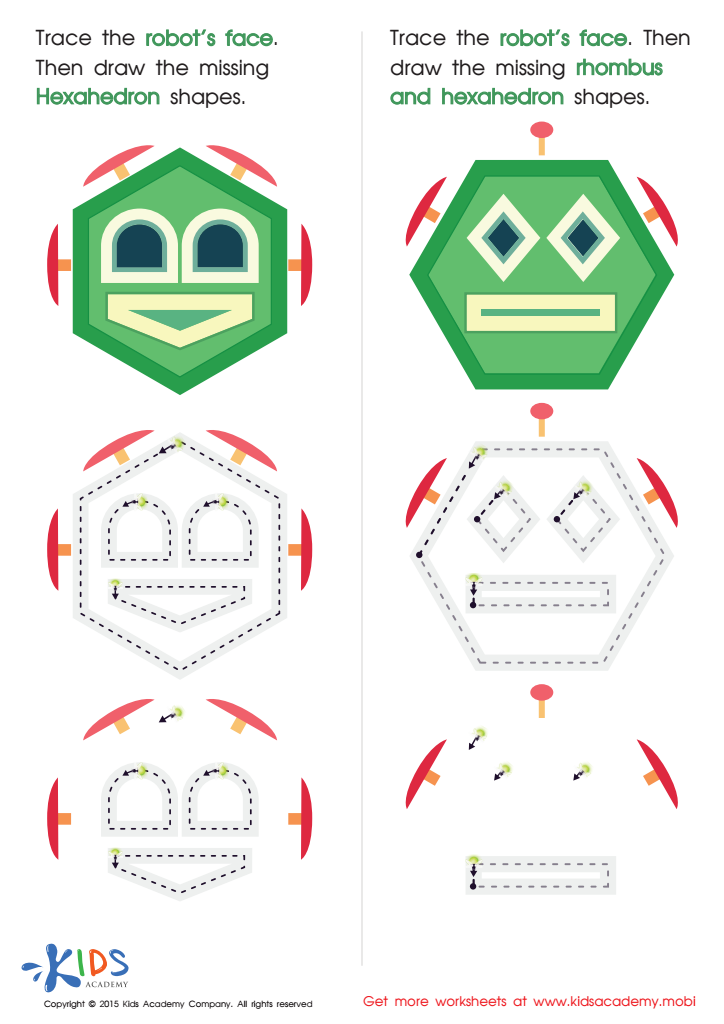
Practice Drawing Hexahedrons And a Rhombus Worksheet
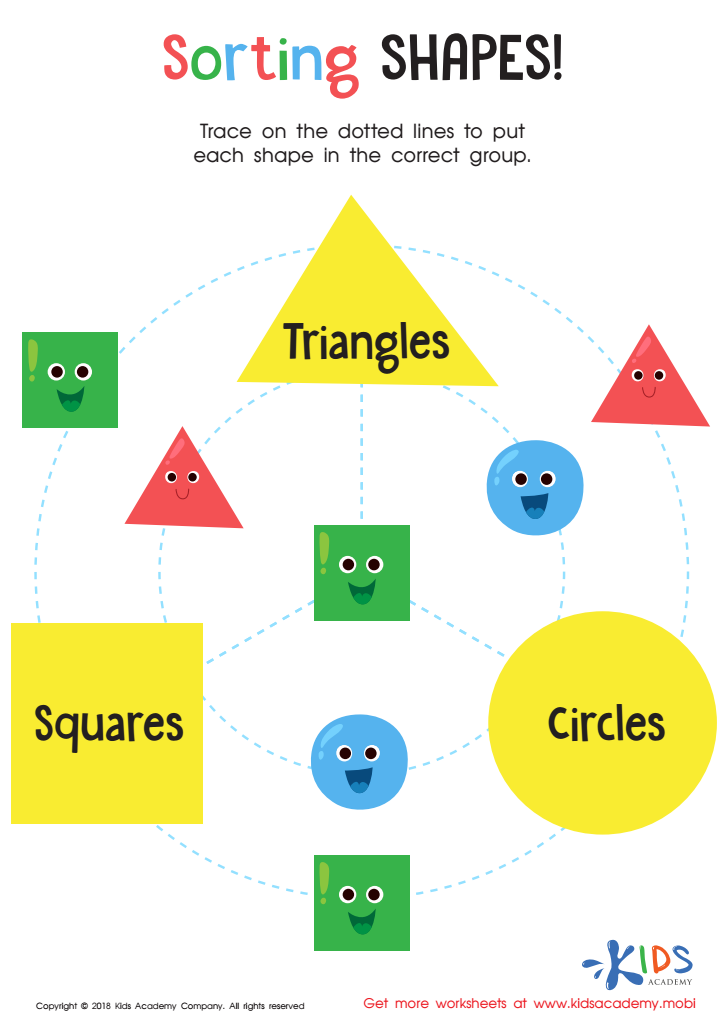
Sorting Shapes - Part 3 Worksheet
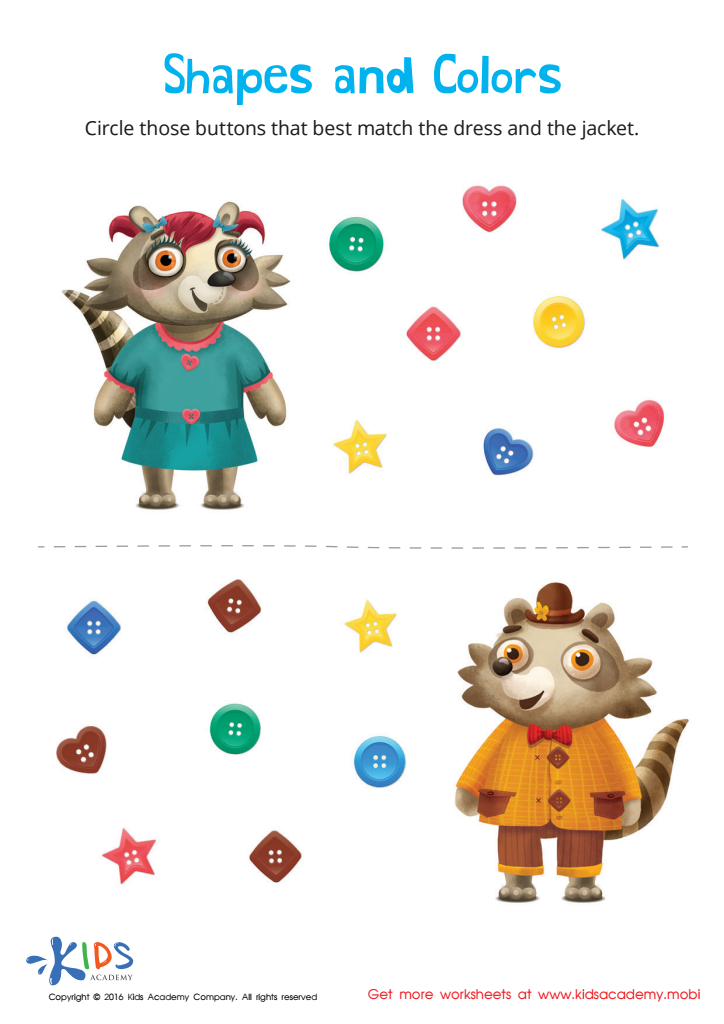
Matching: Shapes and Colors Worksheet
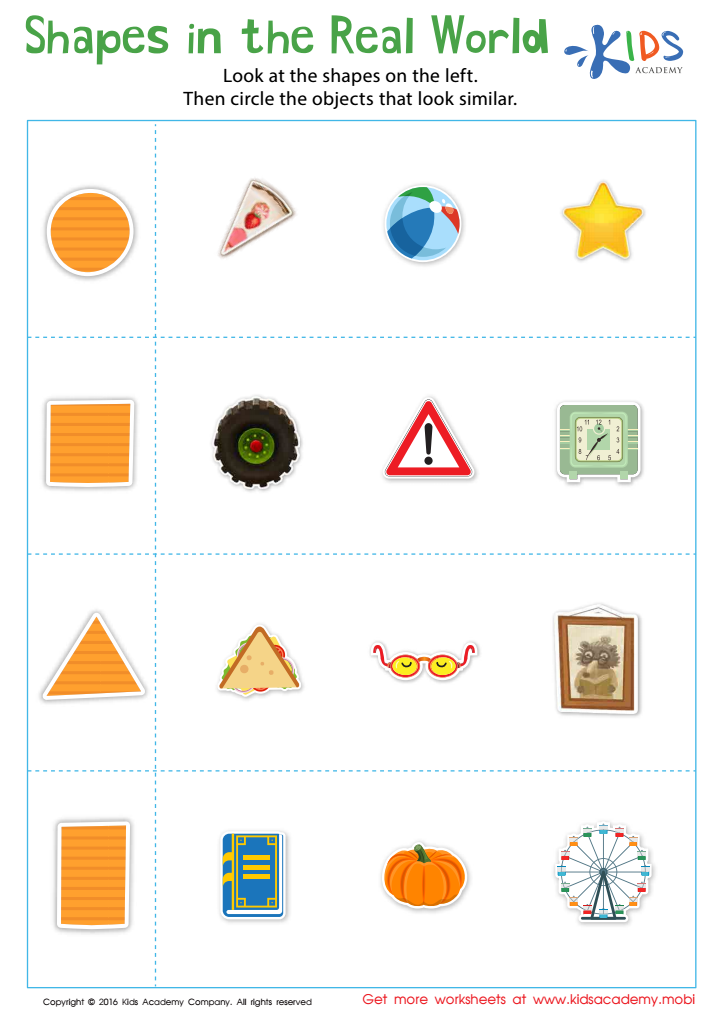
Shapes in the Real World Worksheet
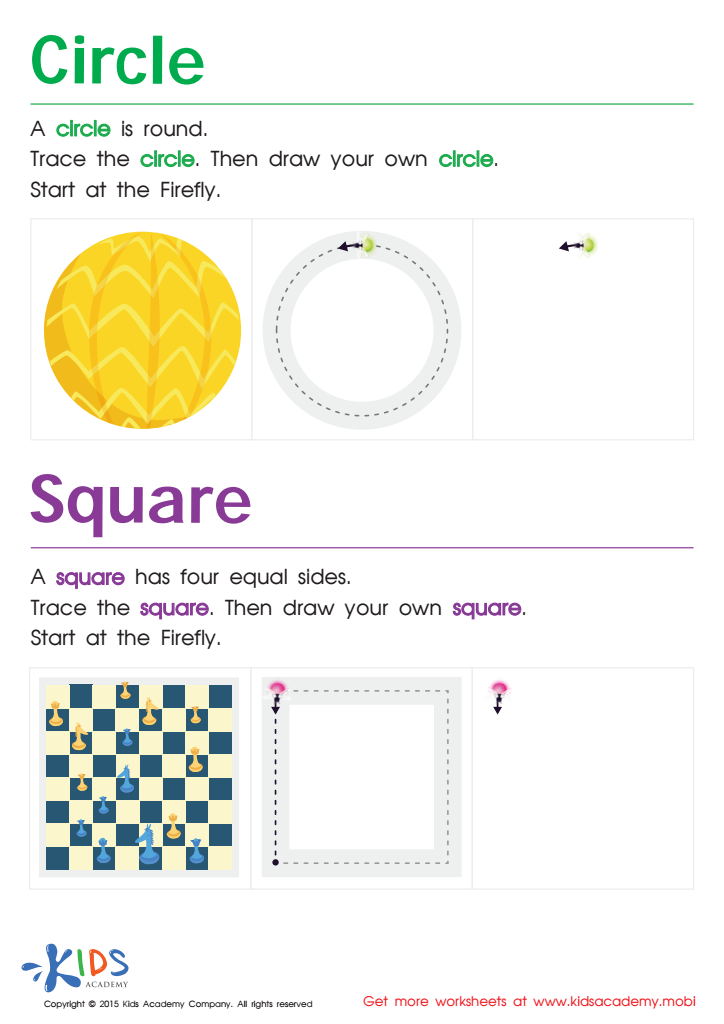
Trace And Draw a Circle And a Square Worksheet
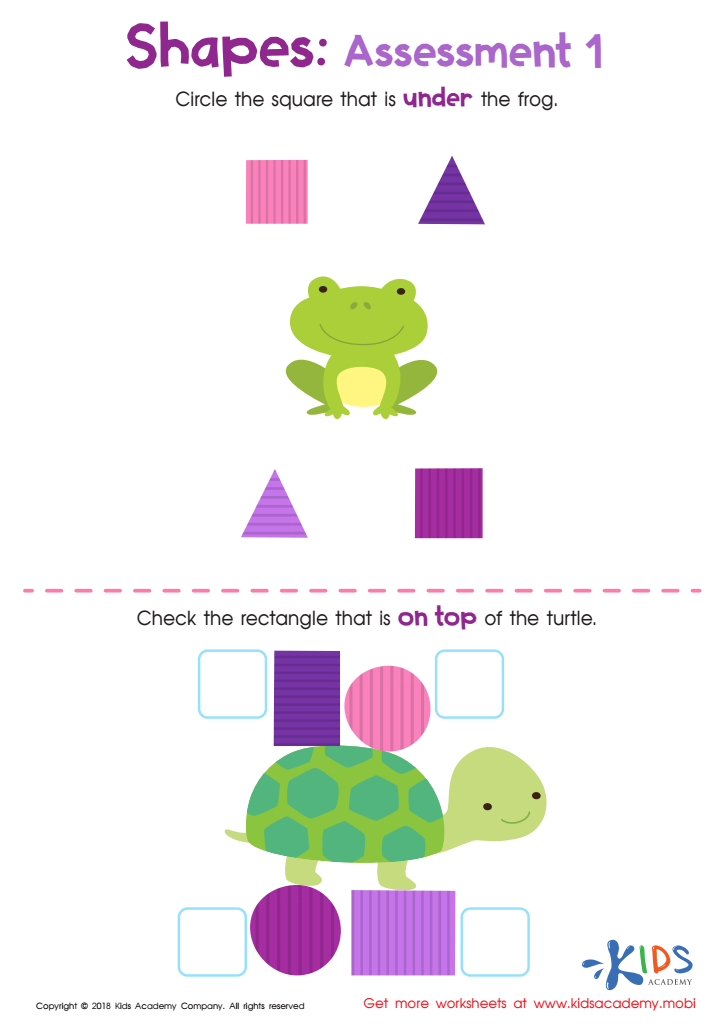
Geometry – Assessment 1 Worksheet
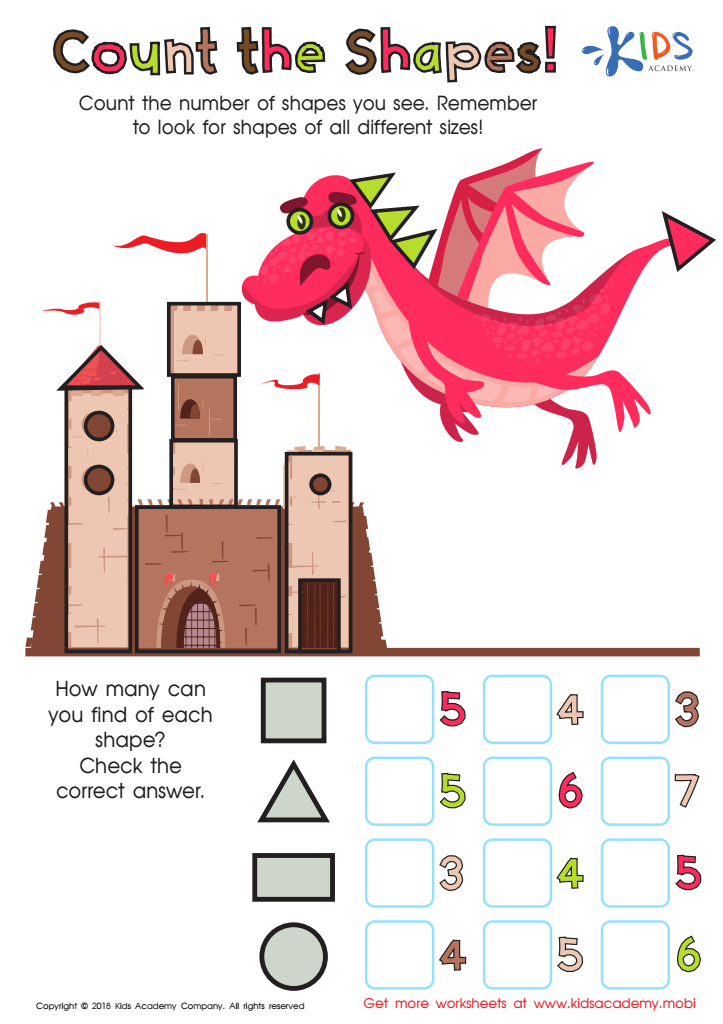
Count the Shapes Worksheet
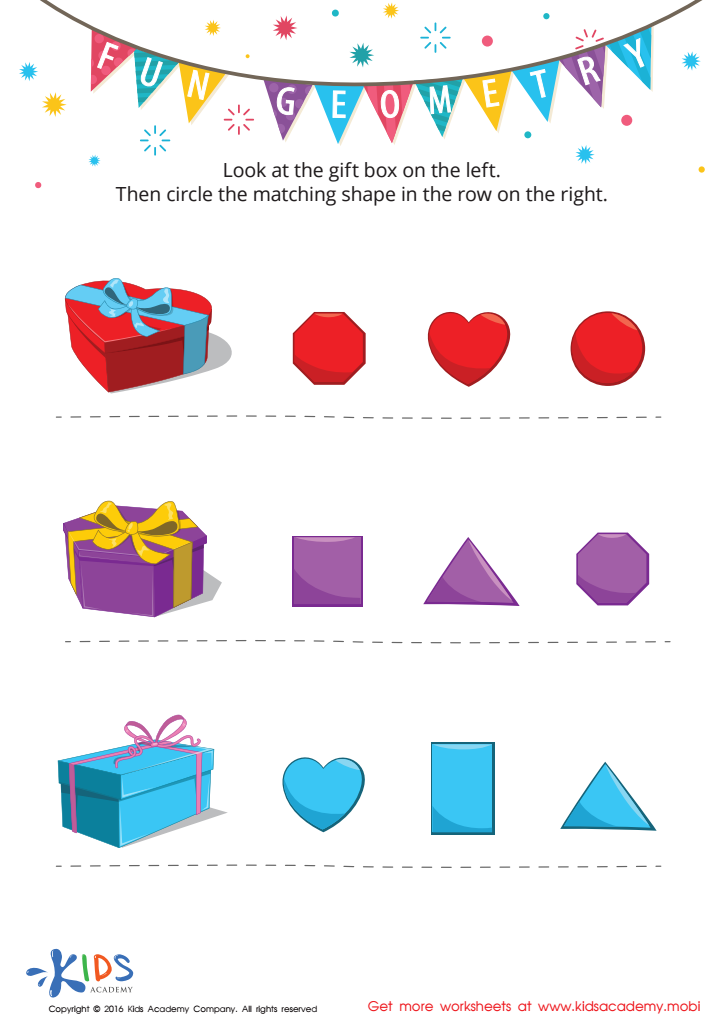
Fun Geometry Worksheet
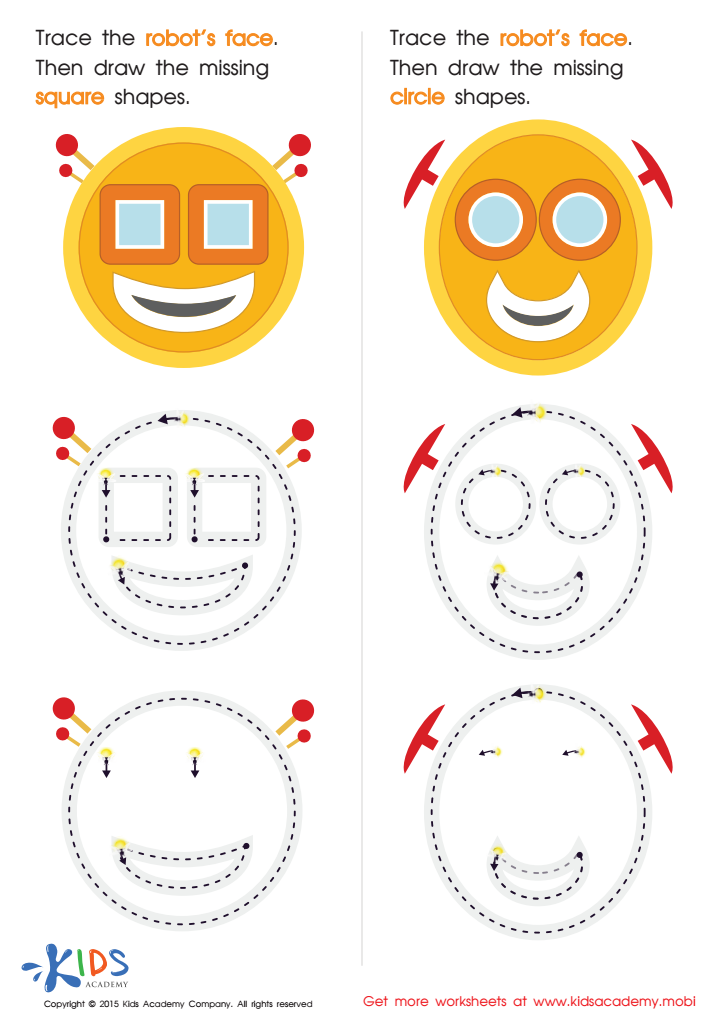
Practicing to Draw Circles And Squares Printable
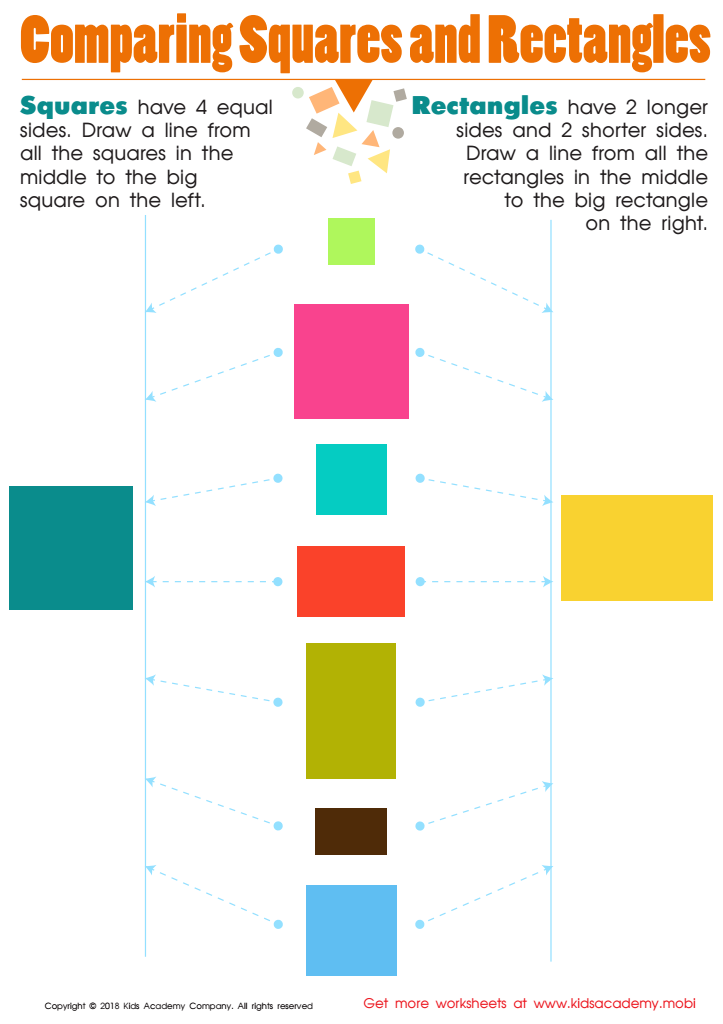
Comparing Squares Rectangles Worksheet
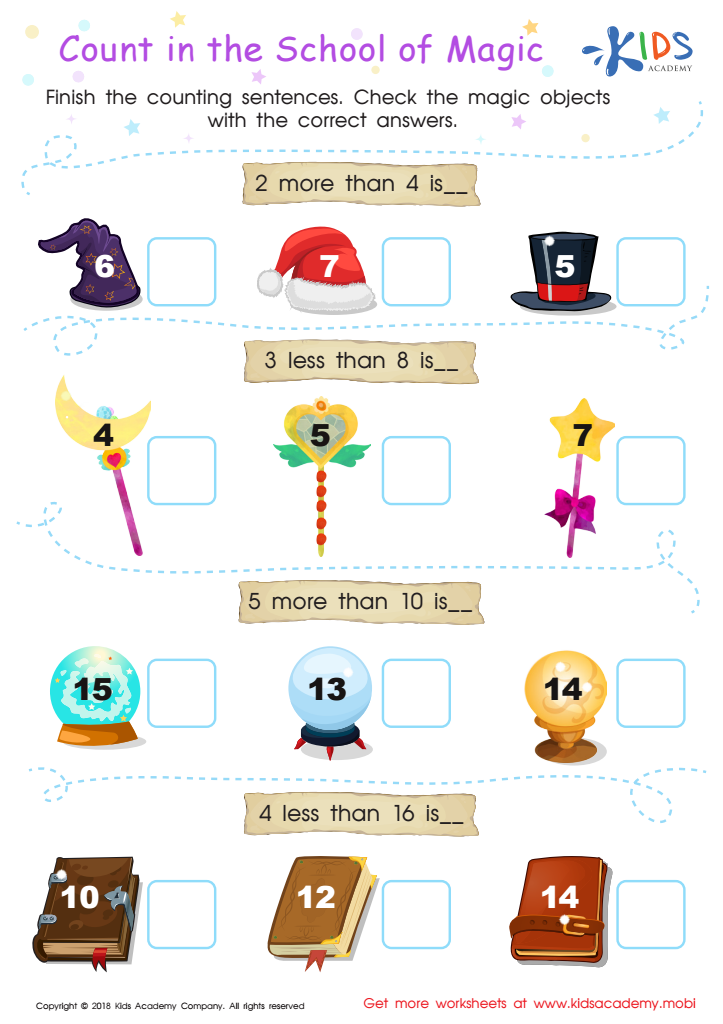
Count in the School of Magic Worksheet
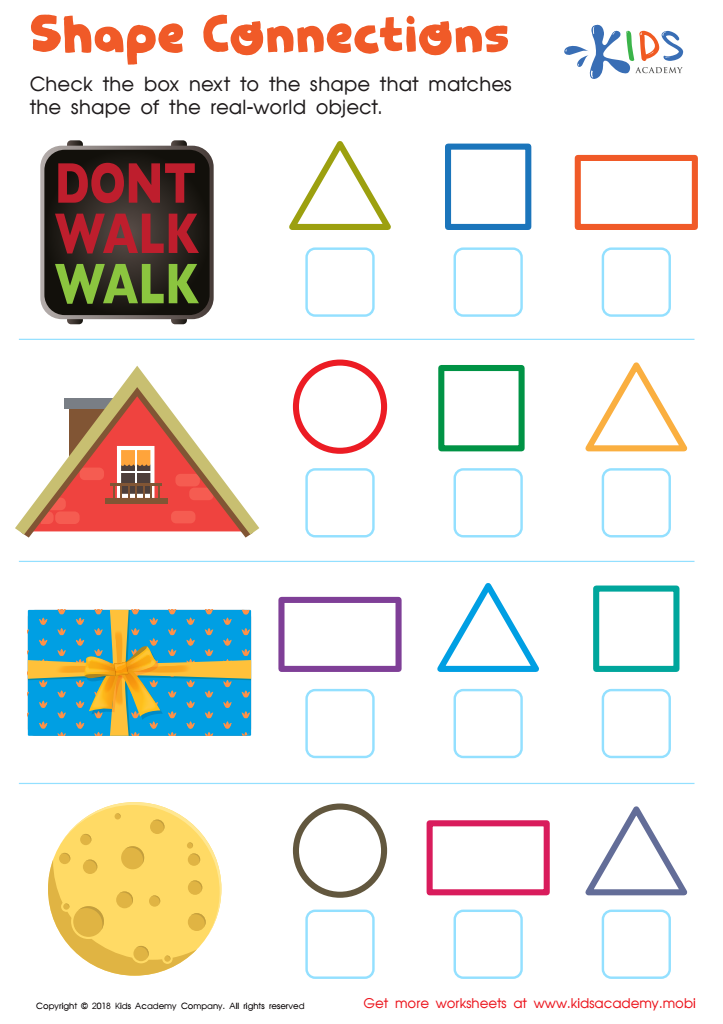
Shape Connections Worksheet
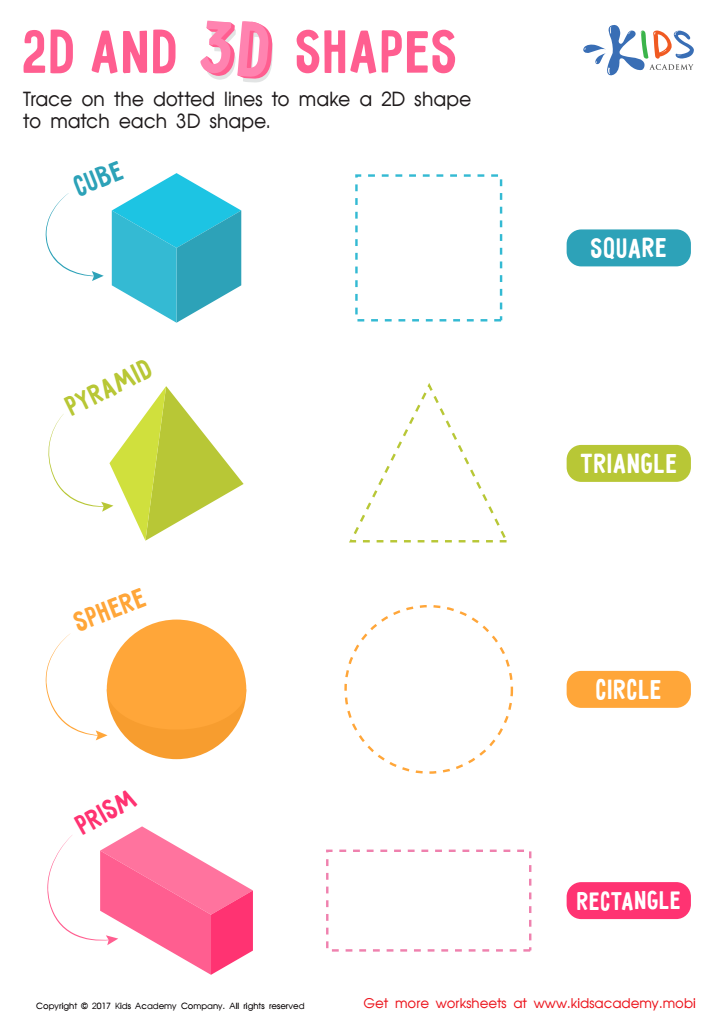
2D and 3D Shapes Worksheet
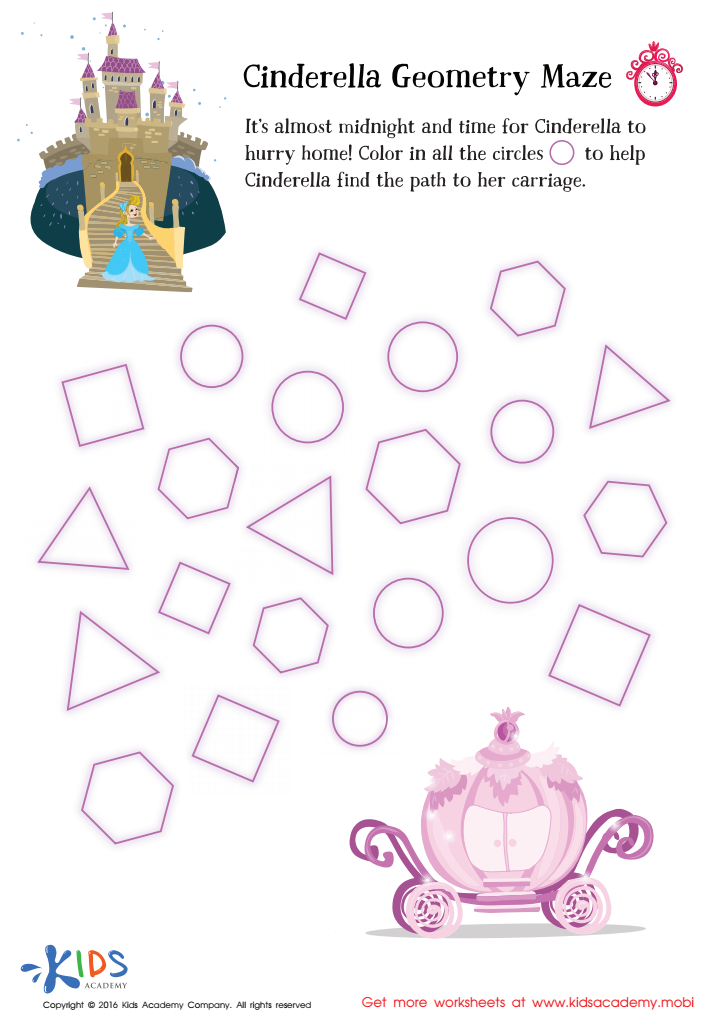
Cinderella Geometry Maze Worksheet
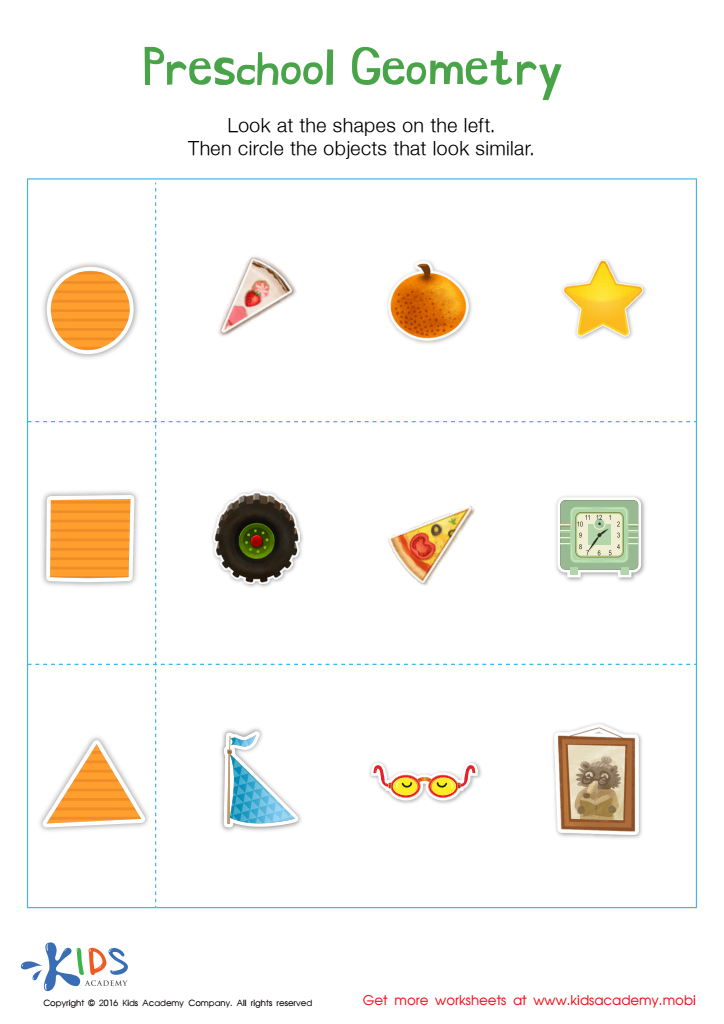
Preschool Geometry Match Up Worksheet
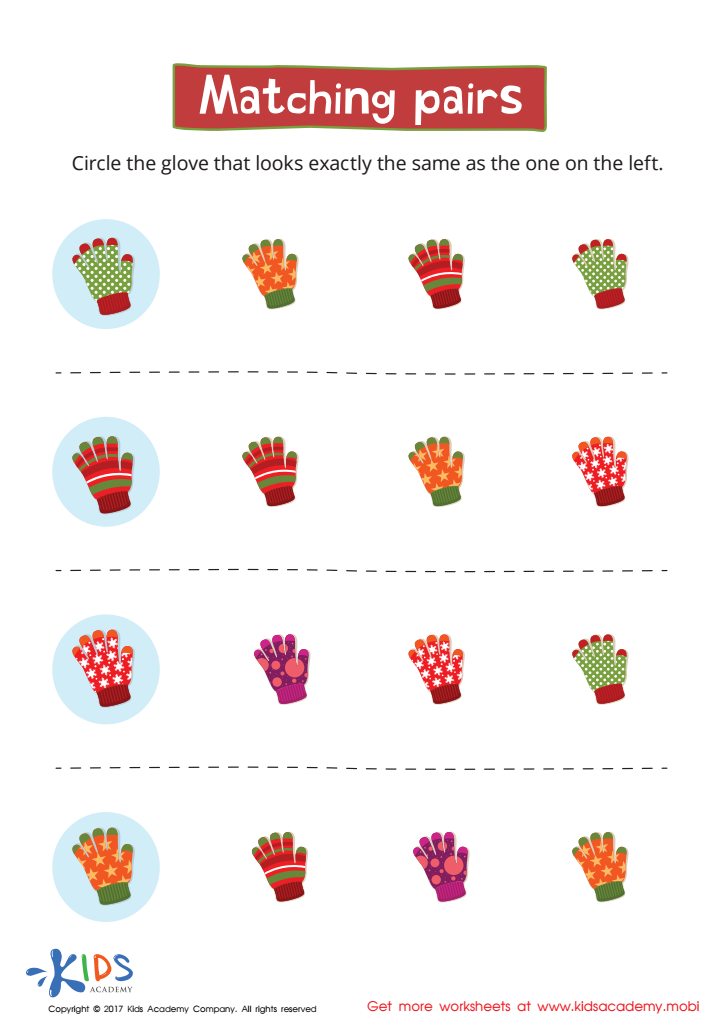
Matching: Matching Pairs Worksheet
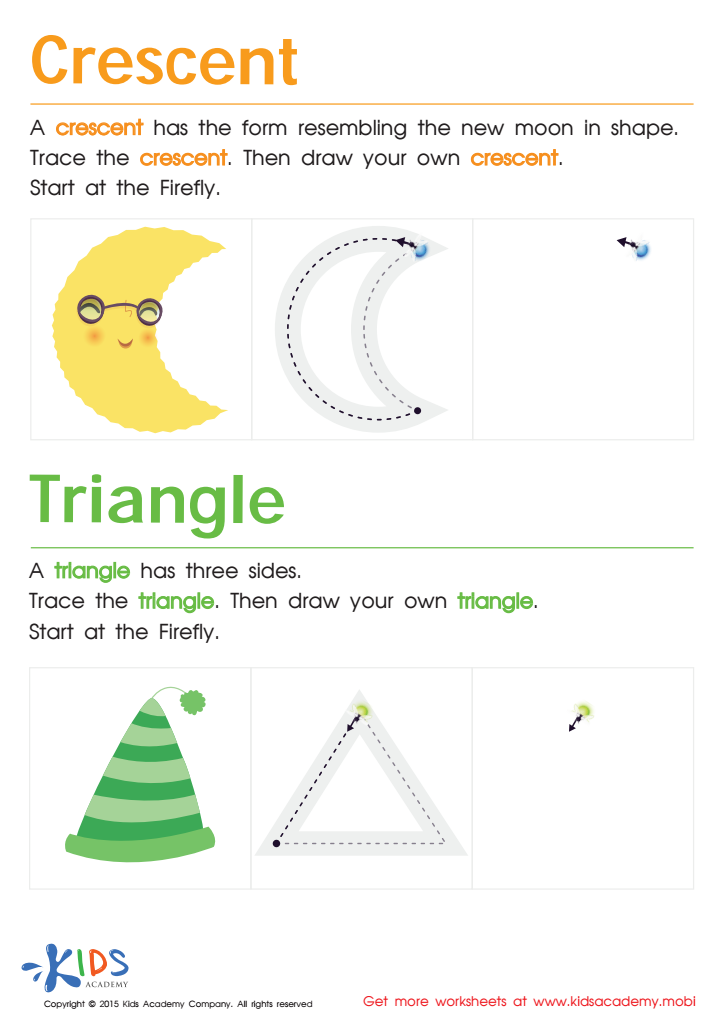
Learning to Draw Crescents And Triangles Worksheet
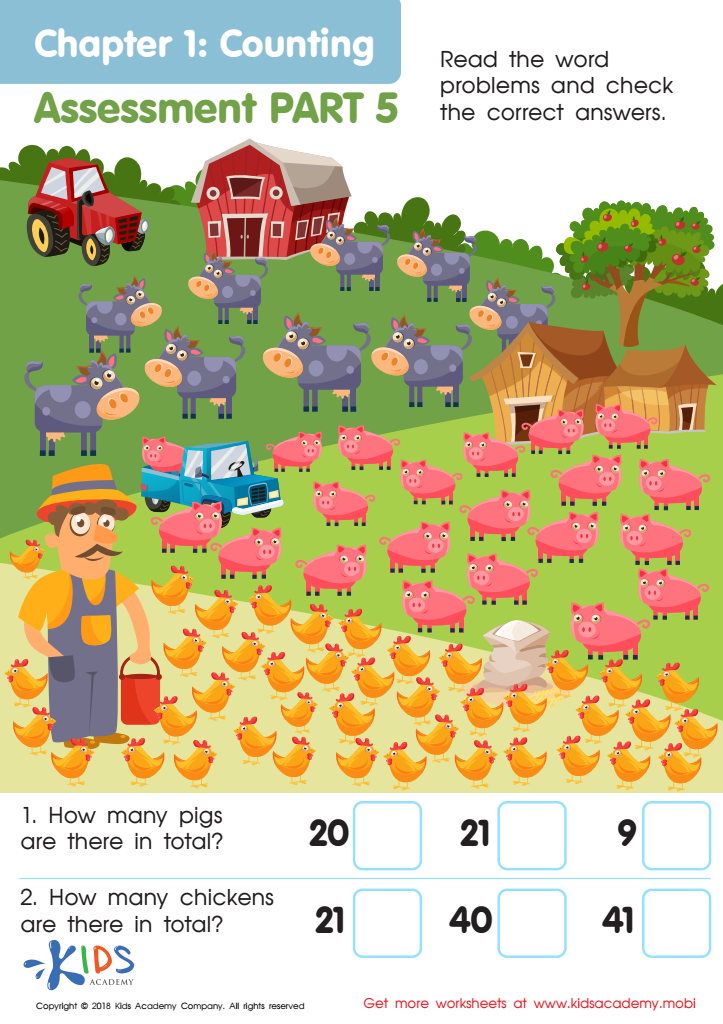
Counting: Assessment 5 Worksheet








Shape recognition is a fundamental aspect of early childhood education, particularly in math, and holds significant value for 4-year-olds. This developmental stage is crucial as children begin to explore their surroundings and make sense of the world, and shape recognition lays the groundwork for more advanced mathematical concepts. Recognizing and naming shapes helps children develop spatial awareness, an essential skill for future problem-solving and logical reasoning.
Moreover, shape recognition enhances cognitive development. It encourages critical thinking as children categorize, compare, and differentiate shapes. This skill promotes not only math readiness but also supports language development as children learn to articulate their observations.
Additionally, engaging children in shape recognition activities fosters creativity and imagination. Simple games, puzzles, and crafts can integrate learning with fun, making education enjoyable. Parents and teachers play an essential role in this learning process, providing guidance and encouragement while creating a rich and stimulating environment.
Finally, understanding shapes serves as a foundation for more complex mathematical topics, such as geometry, measurement, and patterning, ensuring children are prepared for success in future academic pursuits. By prioritizing shape recognition, parents and teachers contribute to a well-rounded learning experience that nurtures essential skills in young children.








