Shape Recognition Geometry Worksheets for Ages 5-6 - Page 2
53 filtered results
-
From - To
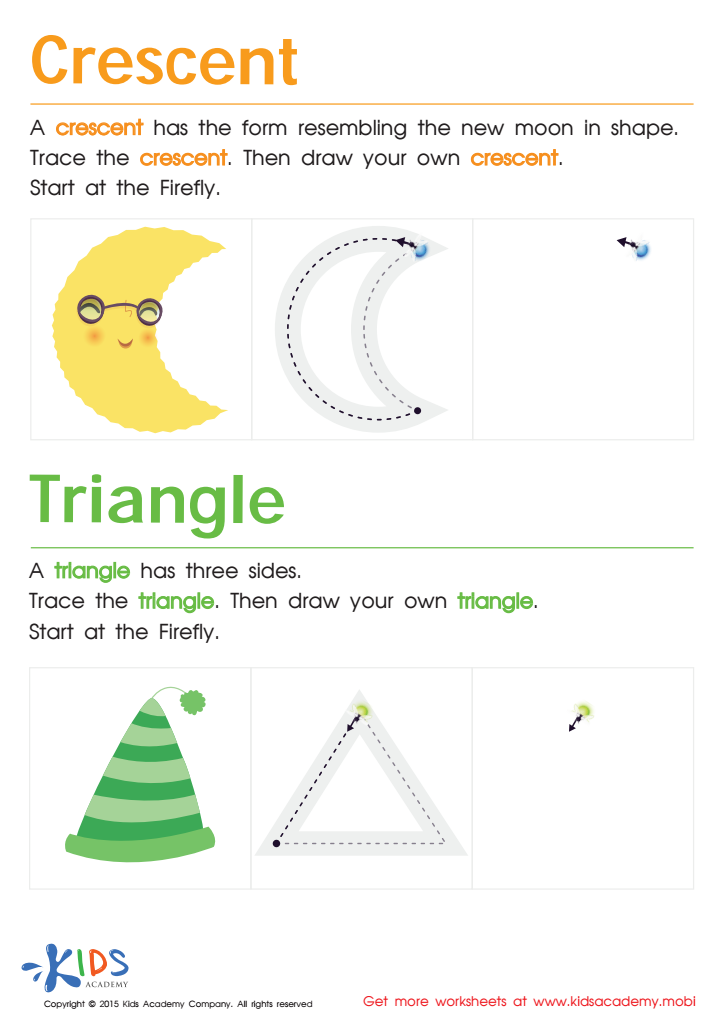
Learning to Draw Crescents And Triangles Worksheet











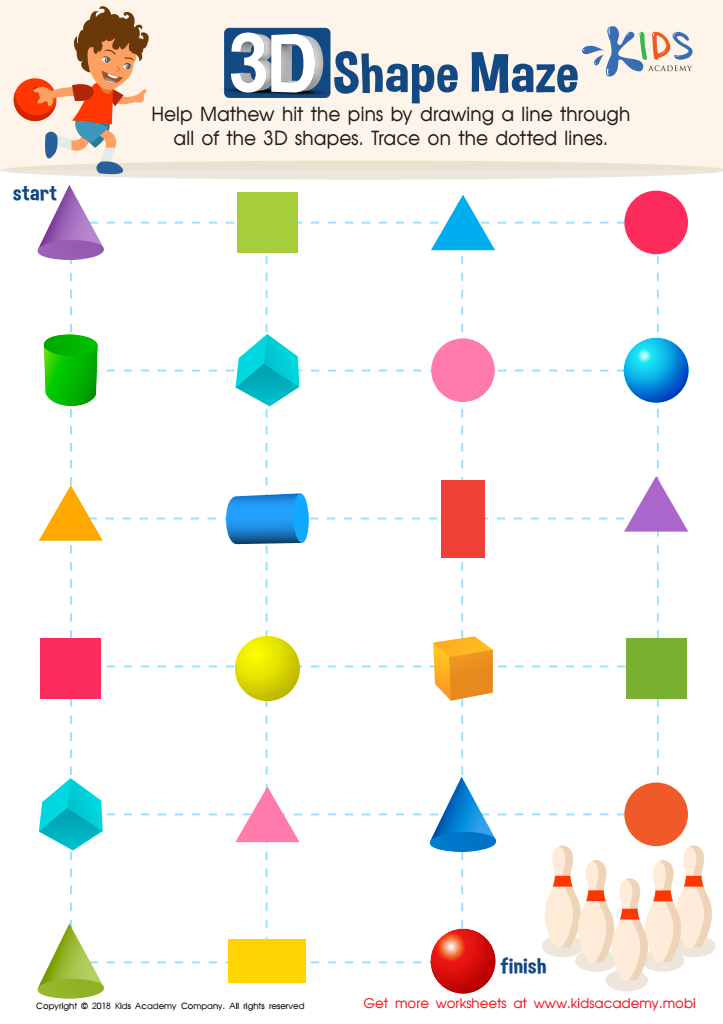
Shapes Maze Geometry Worksheet
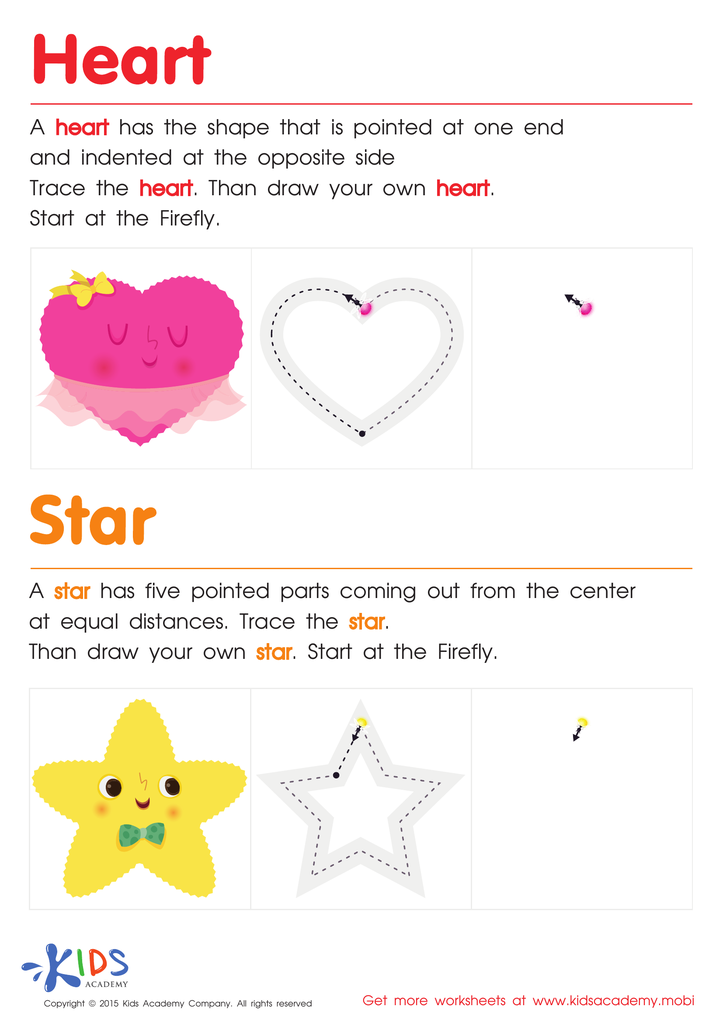
Let's Learn to Draw Hearts And Stars Printable
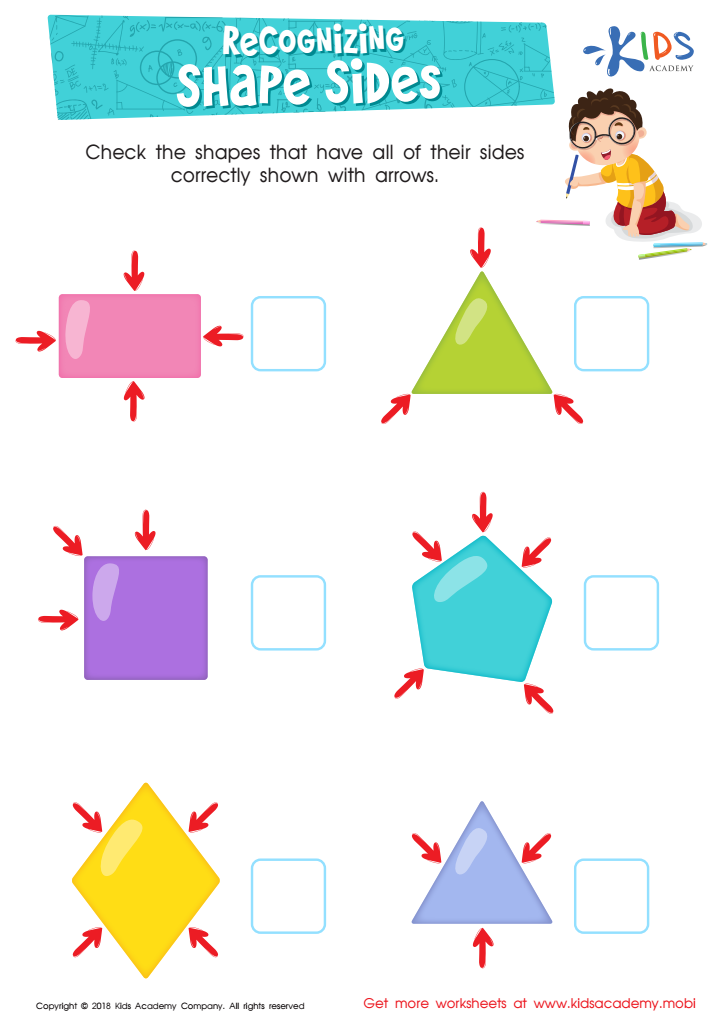
Recognizing Shape Sides Worksheet
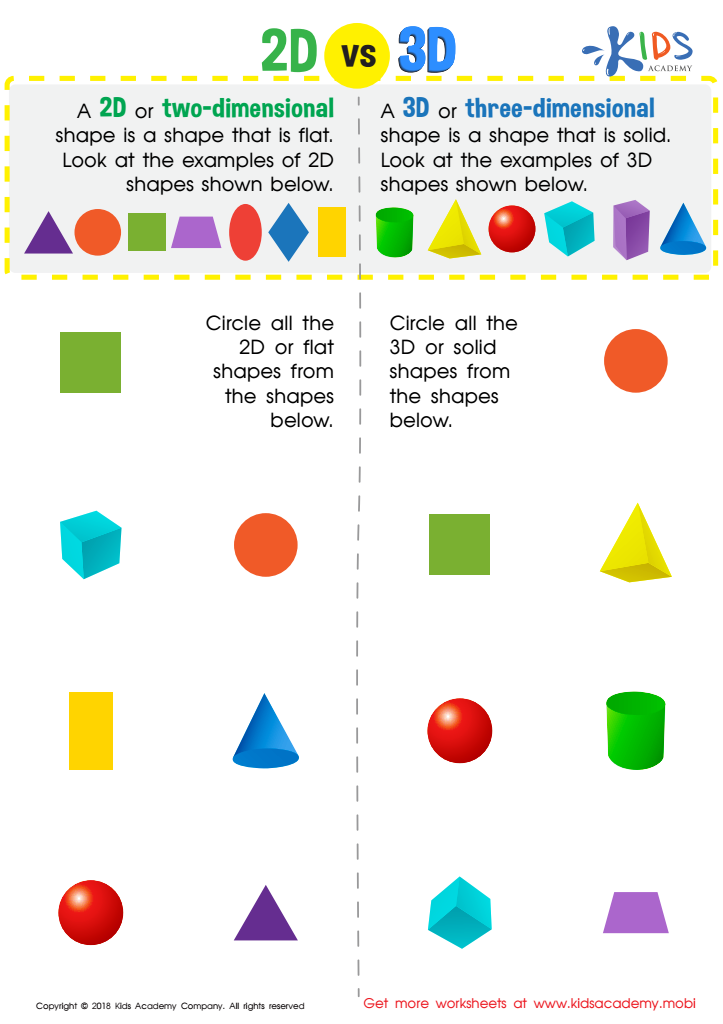
2D vs 3D Shapes Worksheet
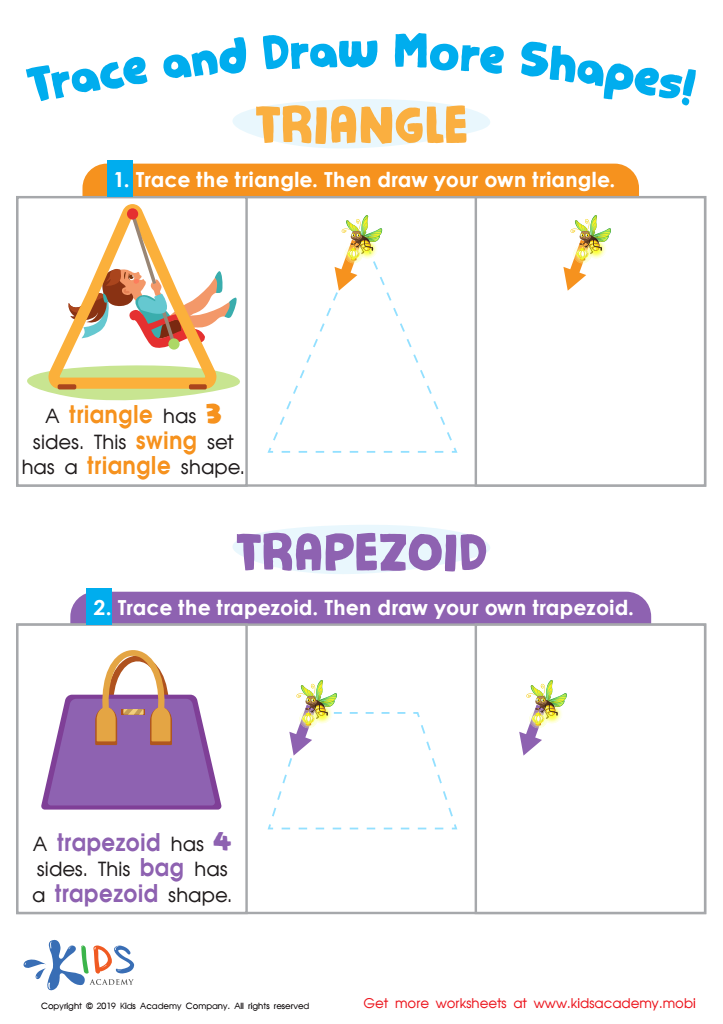
Trace and Draw More Shapes Worksheet
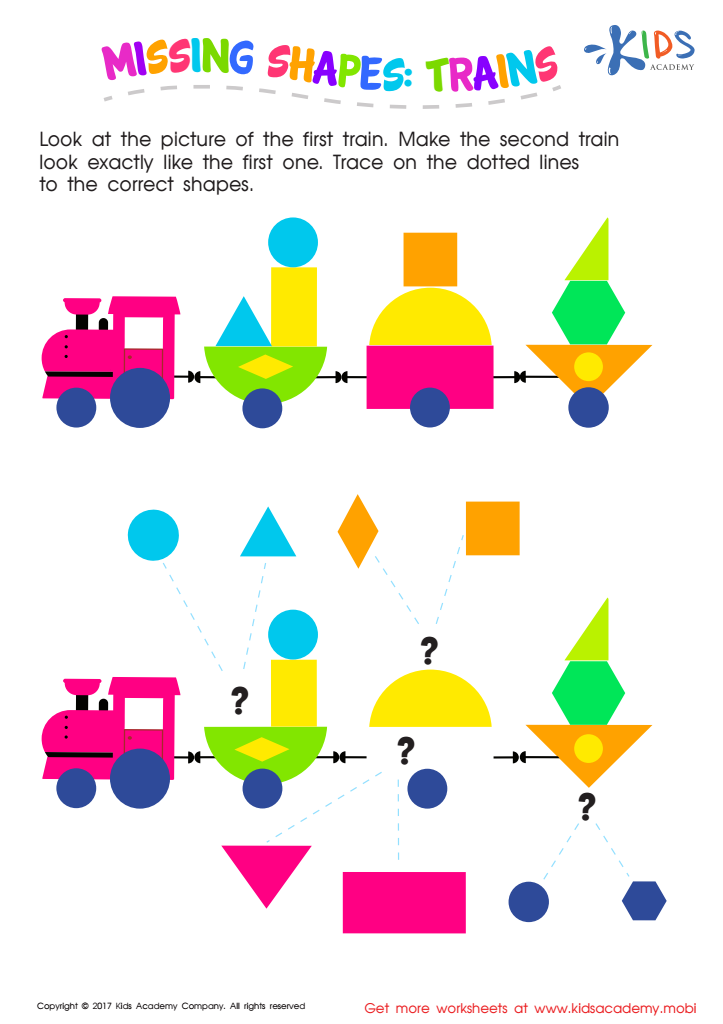
Missing Shapes: Trains Worksheet
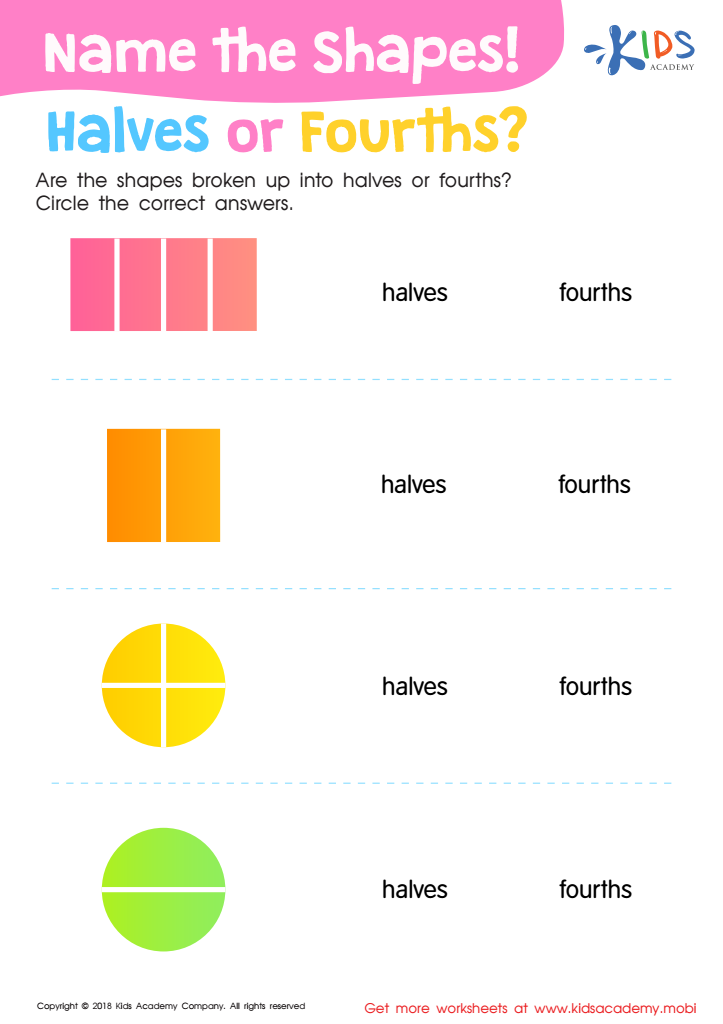
Name the Shapes Halves or Fourths? Worksheet
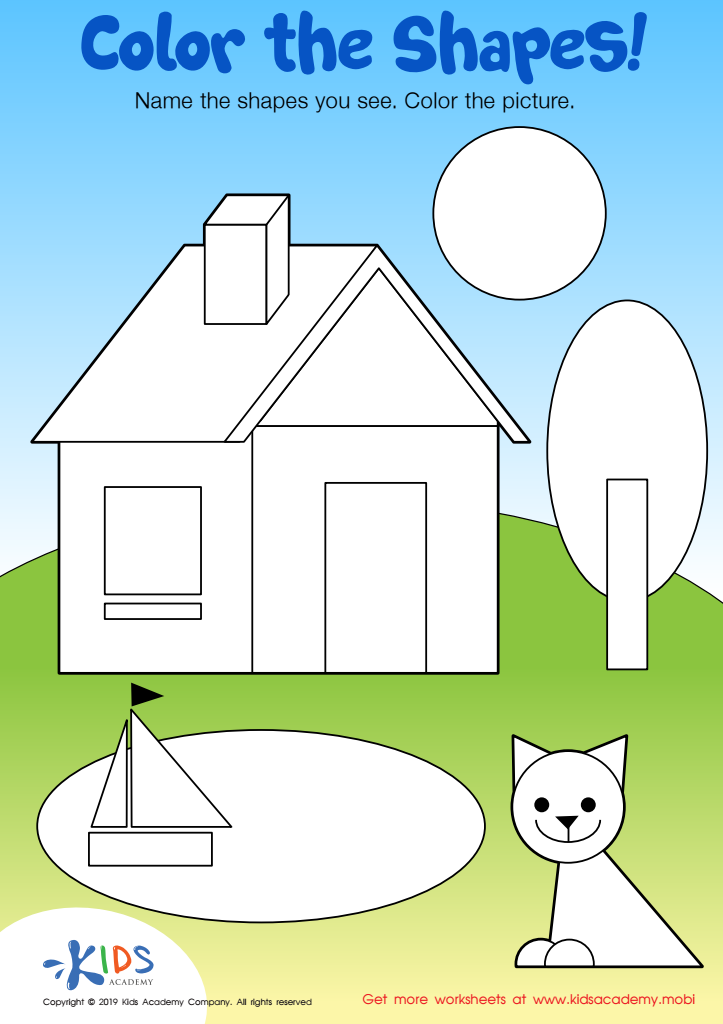
Color the Shapes Worksheet
 Assign to My Students
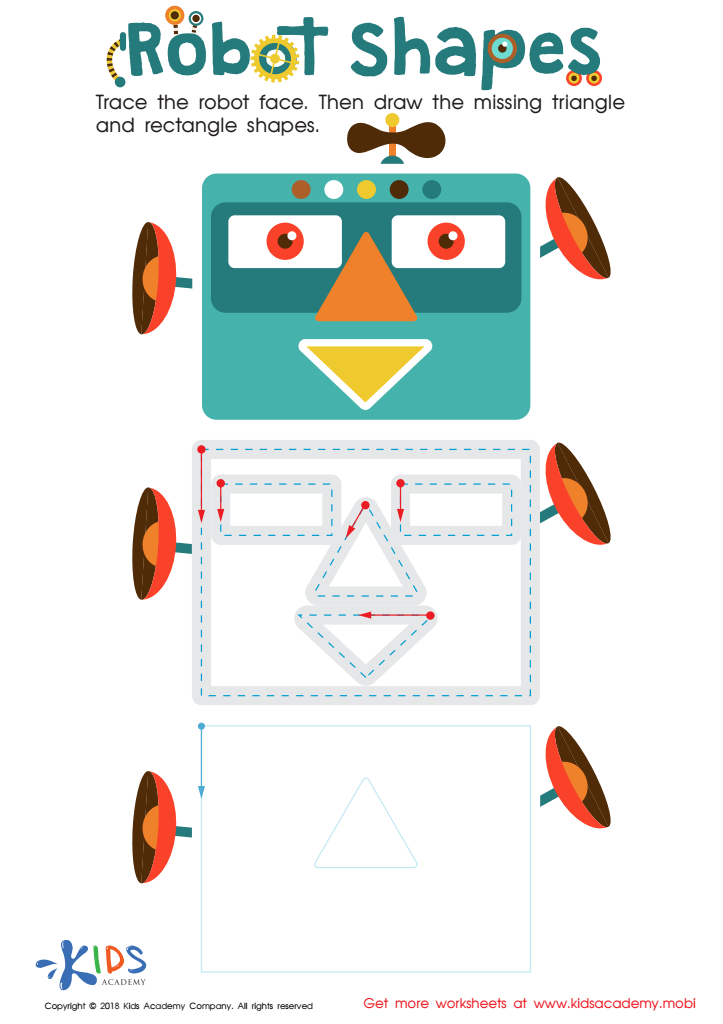
Robot Shapes Worksheet
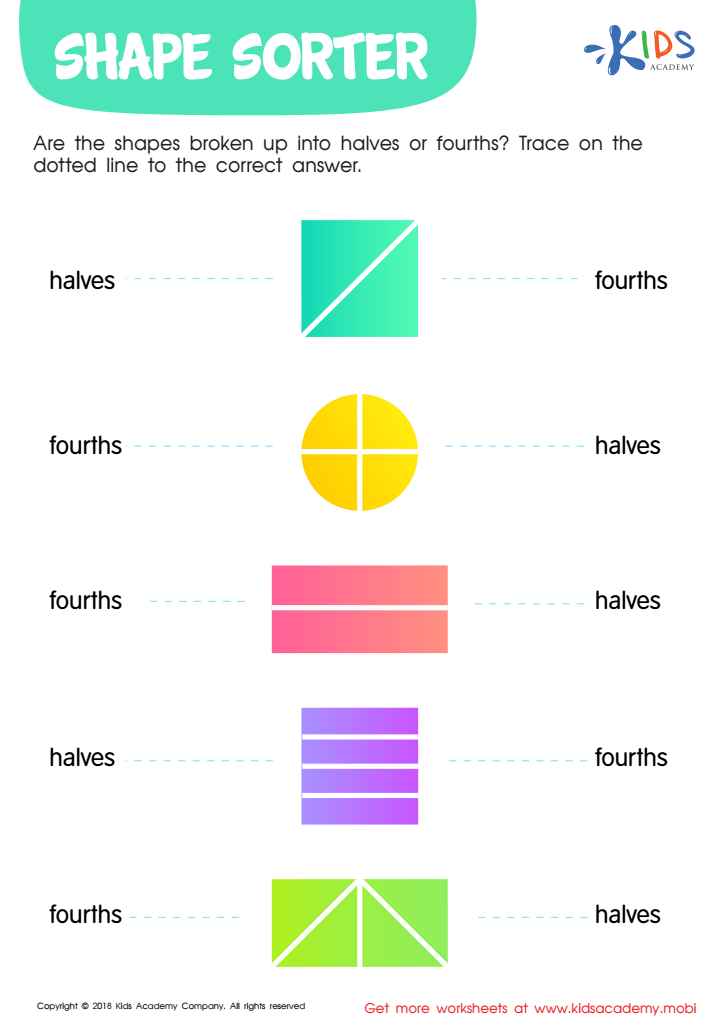
Shape Sorter Worksheet
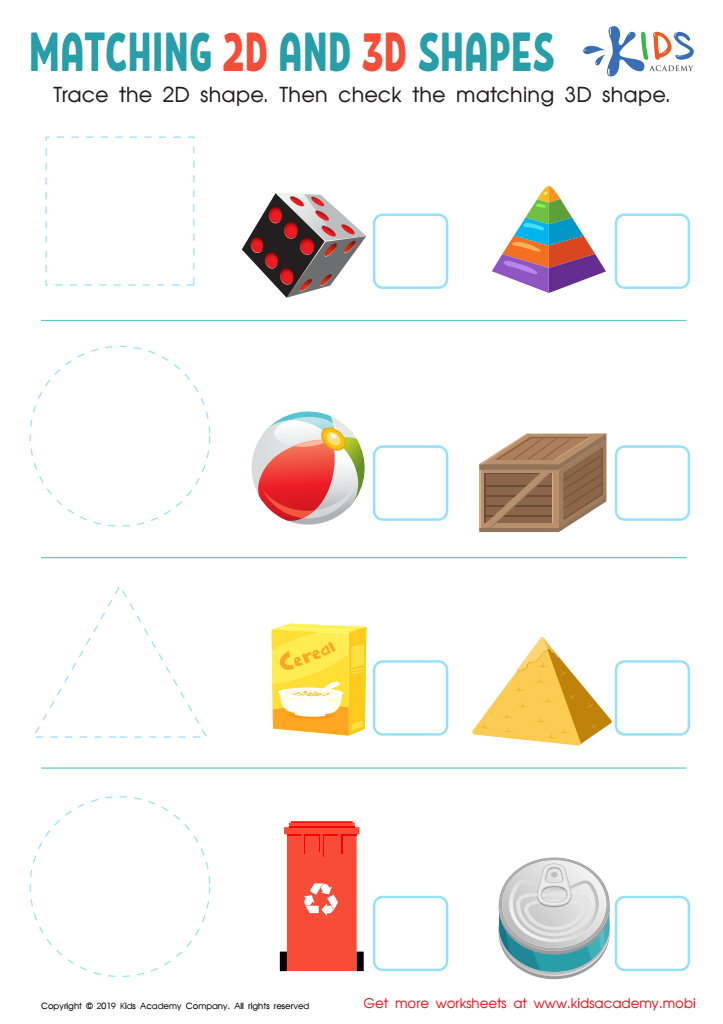
Matching 2D and 3D Shapes Worksheet
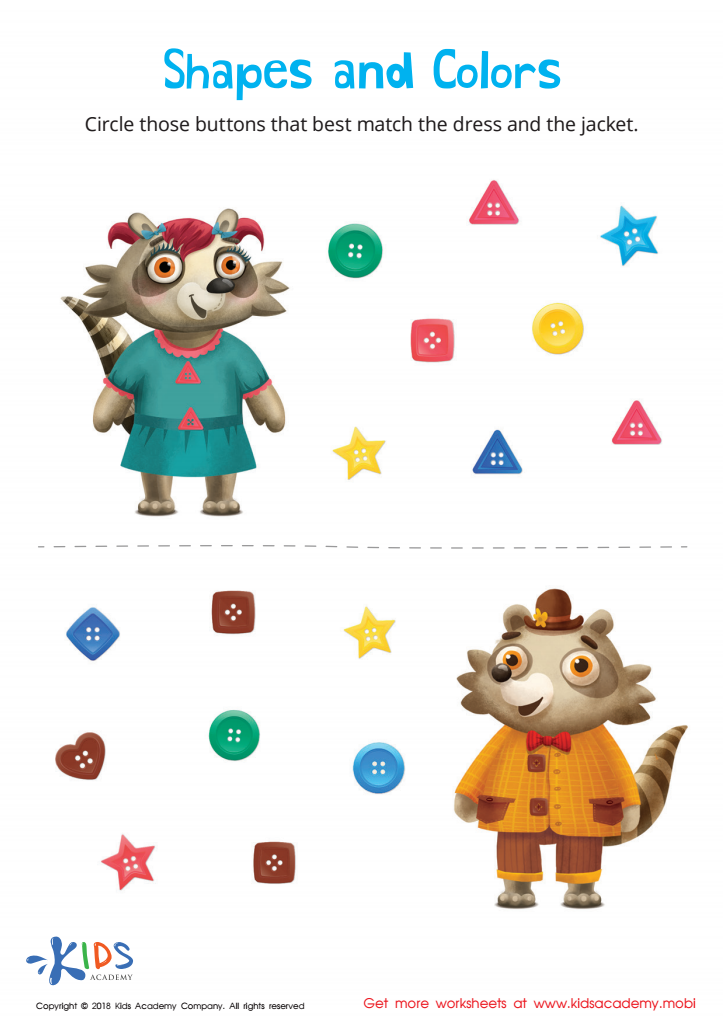
Shapes and Colors Worksheet
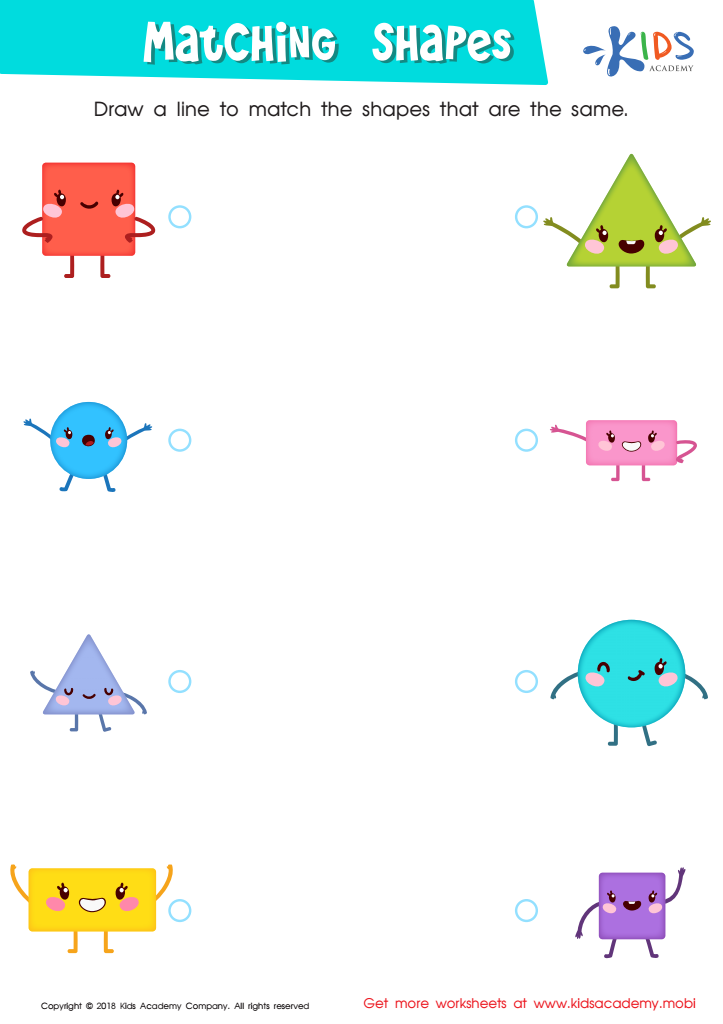
Matching Shapes Worksheet
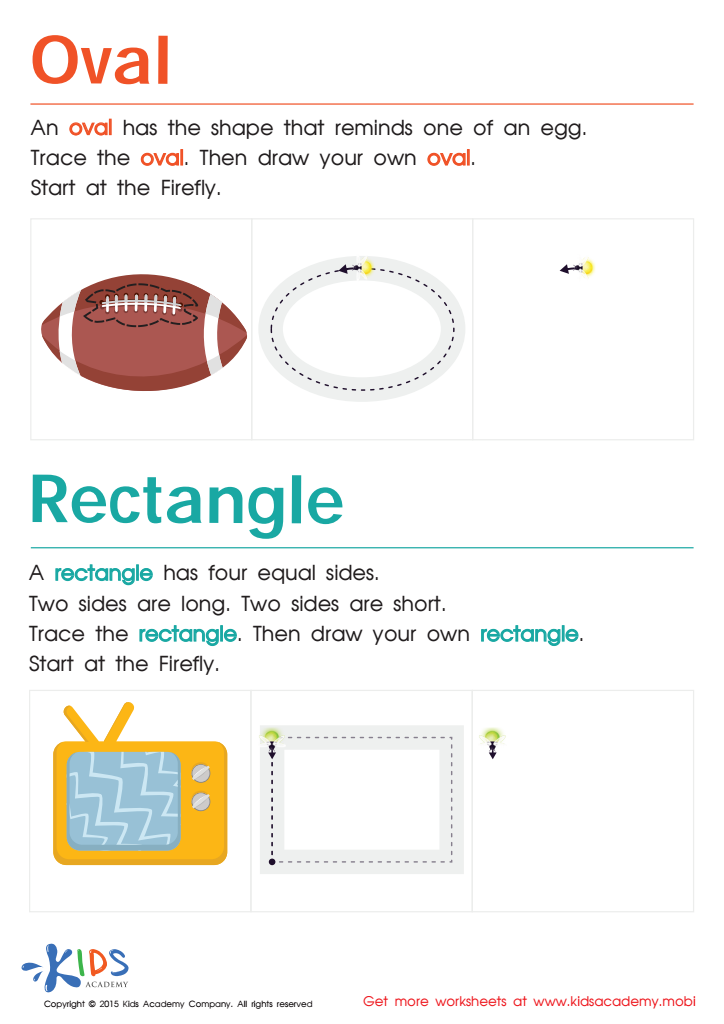
Easy Drawing of Ovals And Rectangles Worksheet
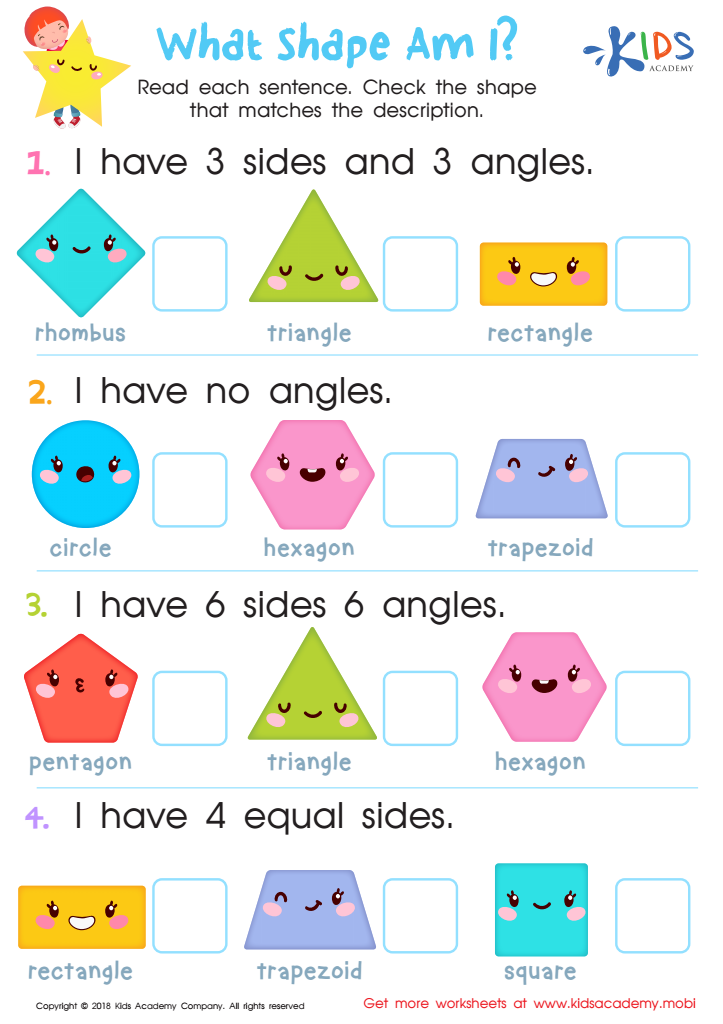
What Shape Am I? Worksheet
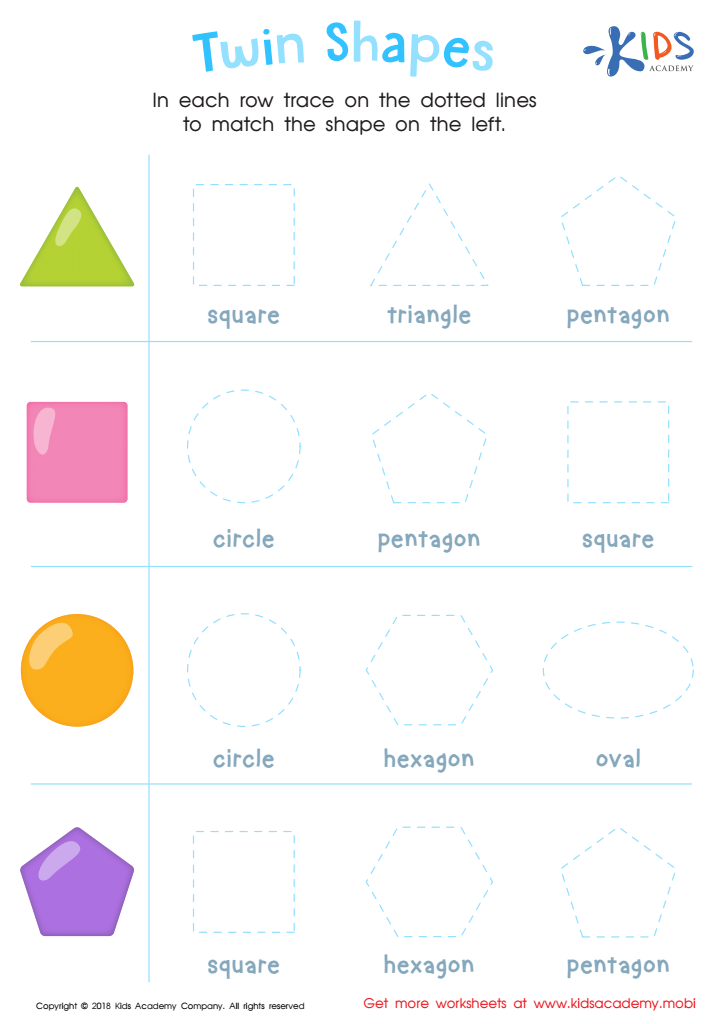
Twin Shapes Dot-to-Dot Worksheet
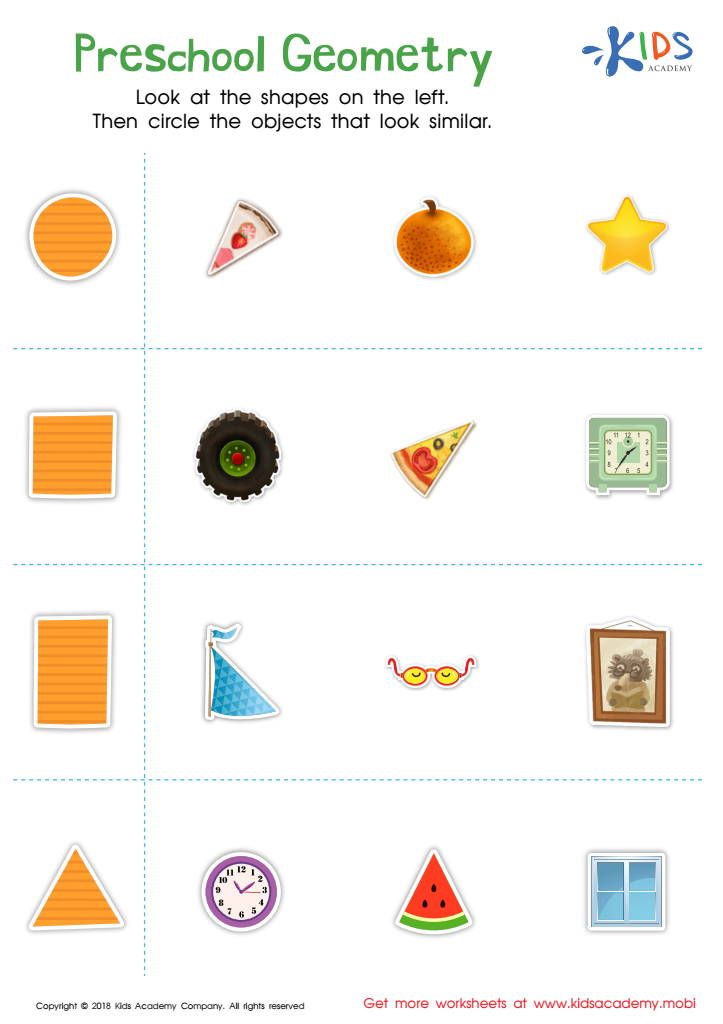
Preschool Geometry Worksheet
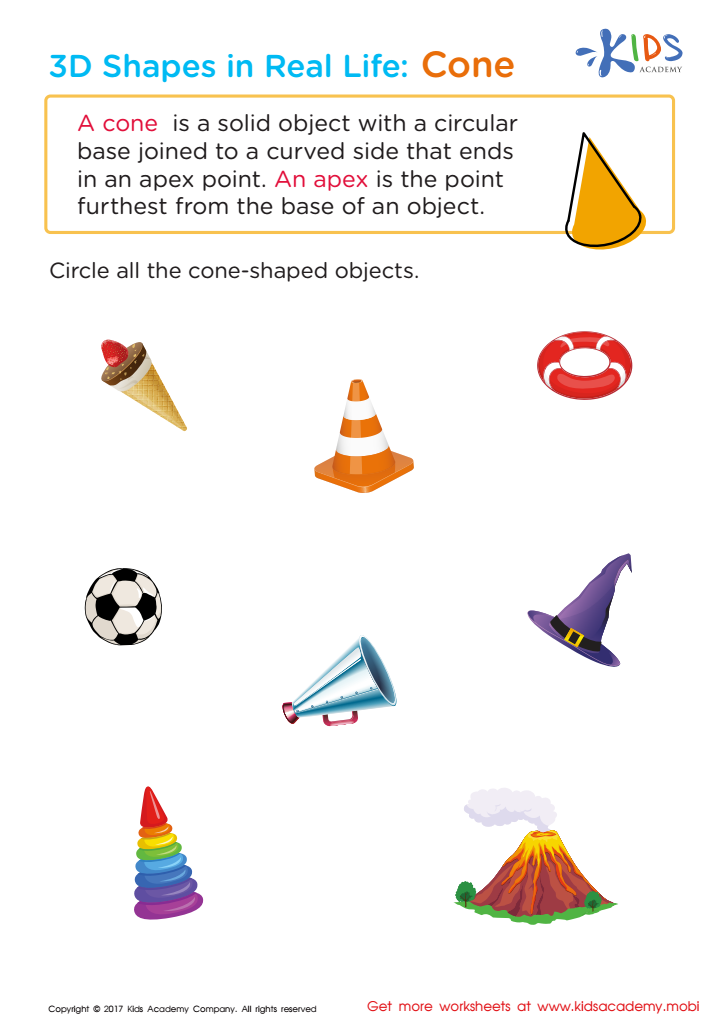
Shapes in Real Life: Cone Worksheet
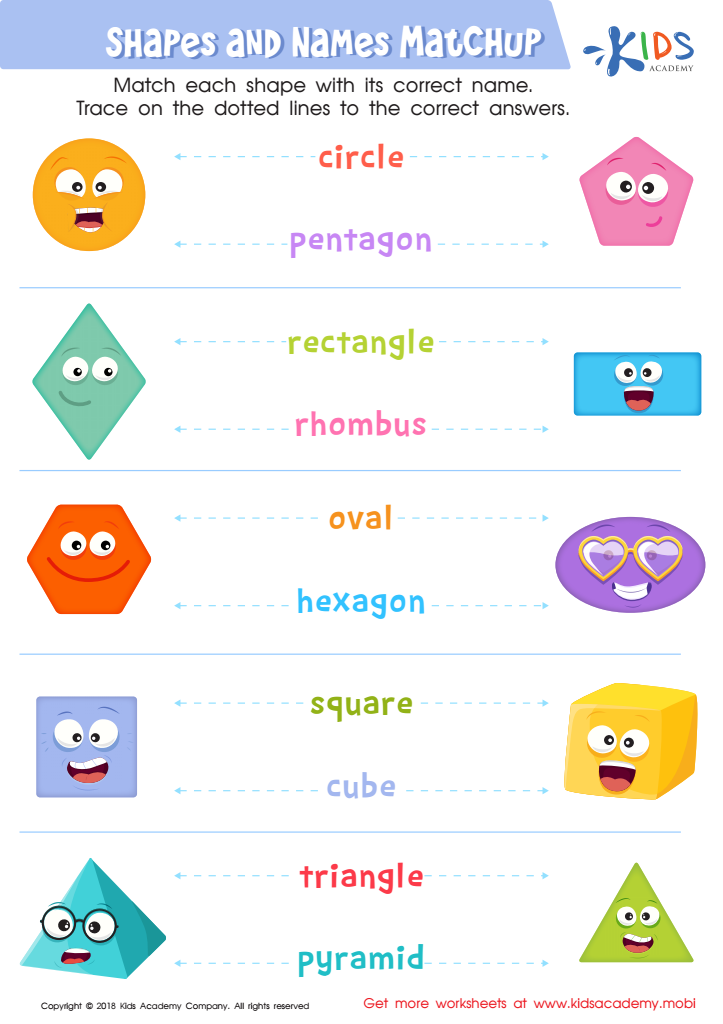
Shapes and Names Matchup Worksheet
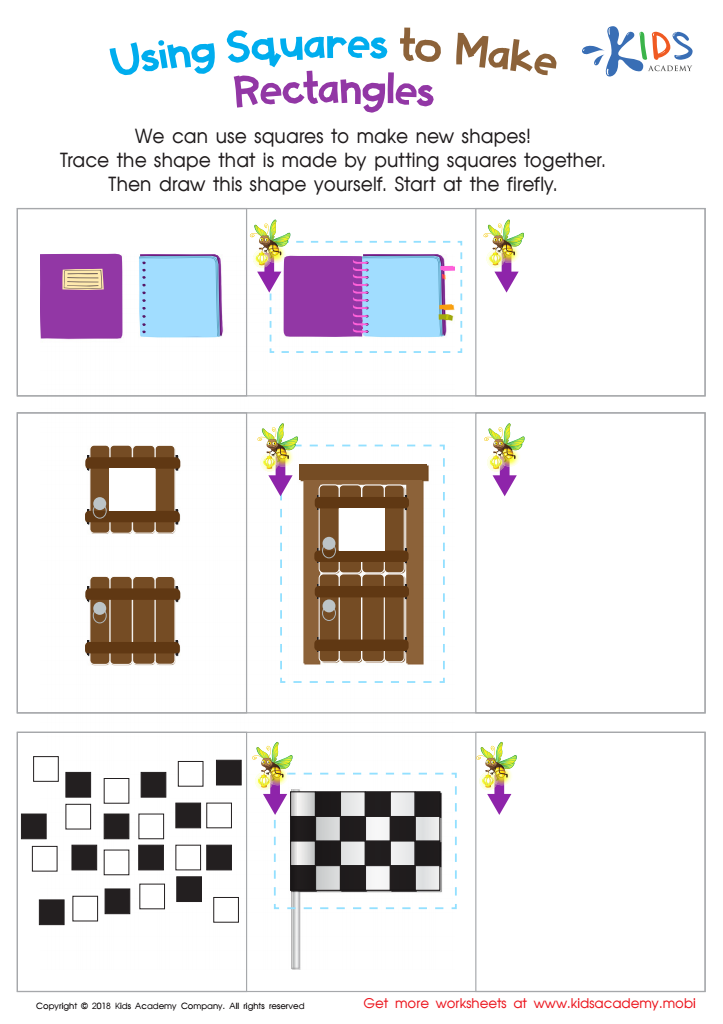
Using Squares to Make Rectangles Worksheet
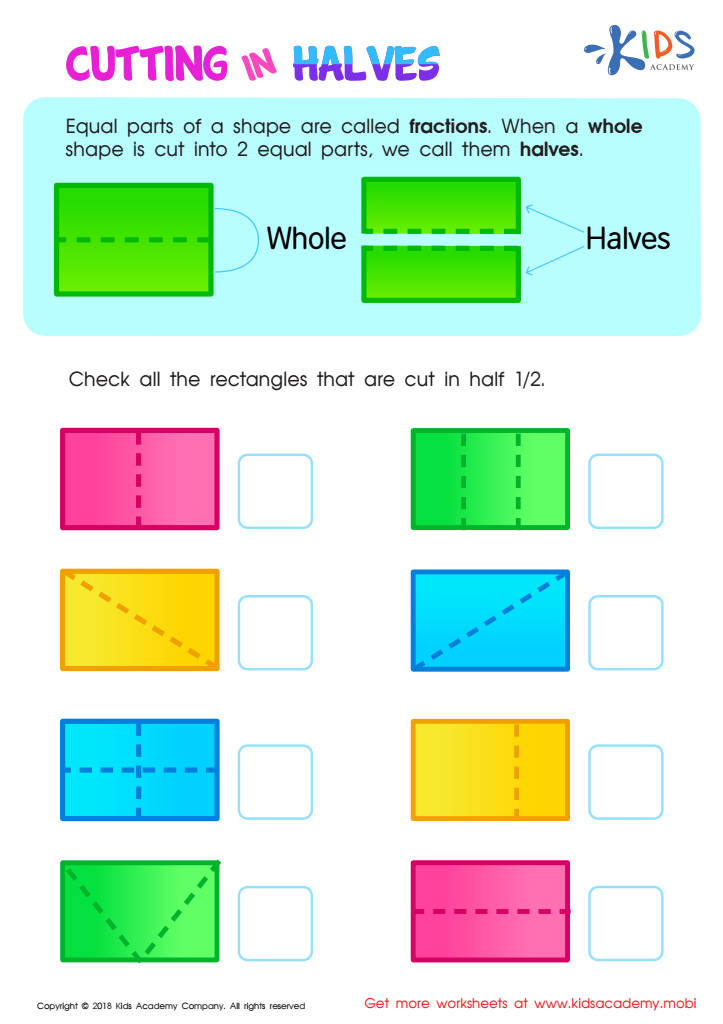
Cutting in Halves Worksheet
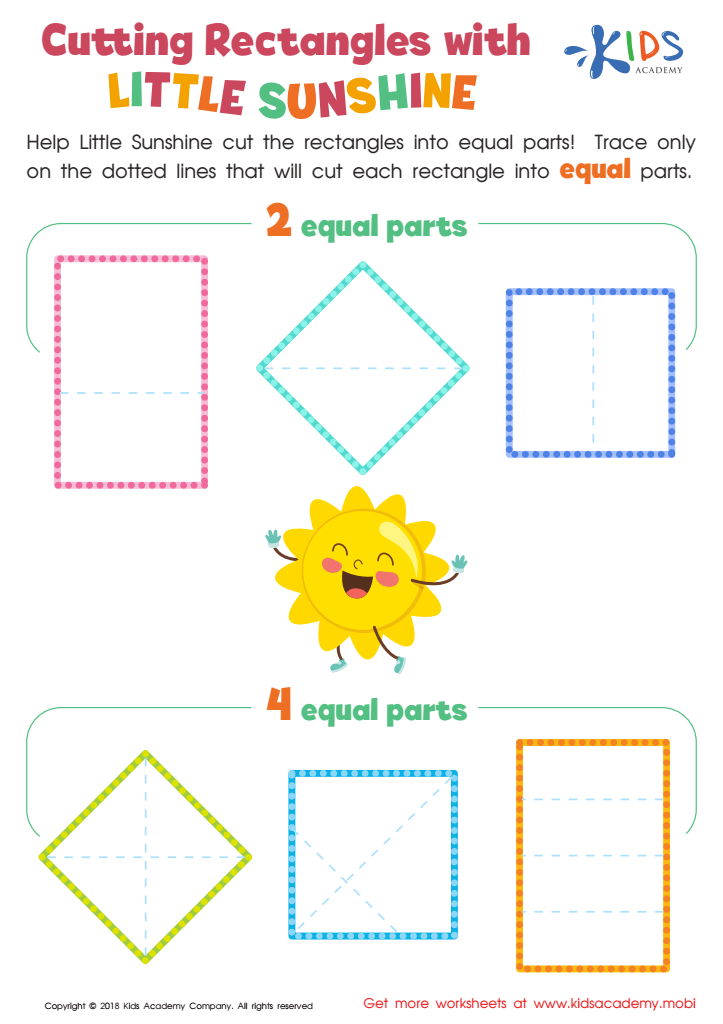
Cutting Rectangles with Little Sunshine Worksheet
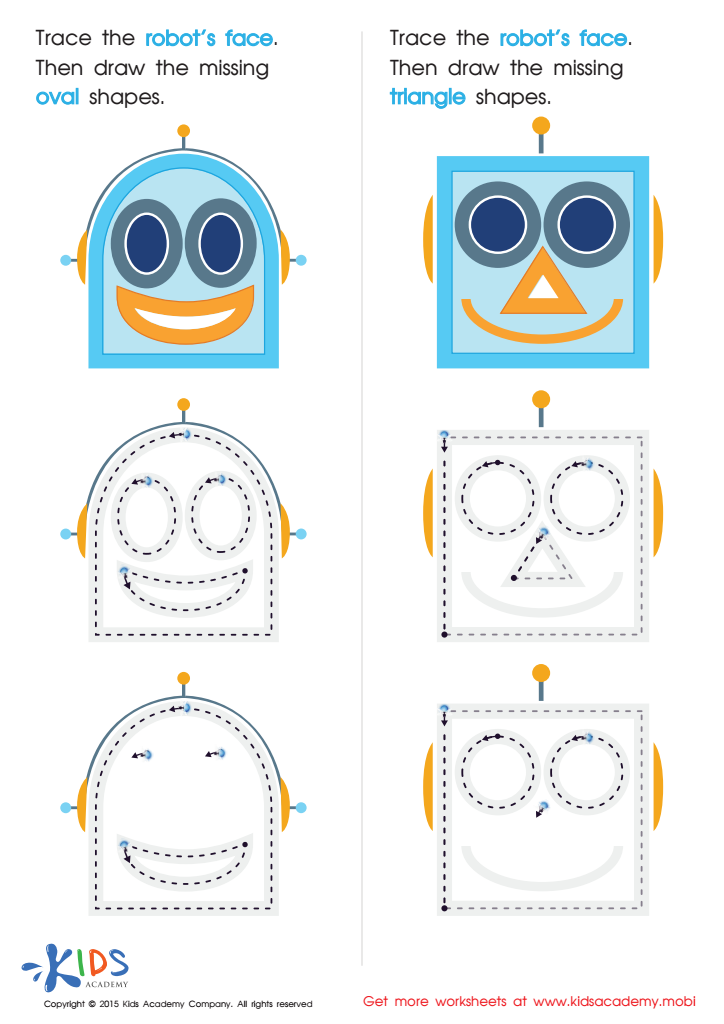
Drawing Ovals And Triangles with Fun Printable








Shape recognition is a fundamental aspect of early mathematics education and is crucial for children aged 5-6. During this developmental stage, children begin to explore the world through shapes and patterns, laying the groundwork for future learning in geometry and other mathematical concepts. Parents and teachers should care about shape recognition as it enhances cognitive development, boosts problem-solving skills, and fosters spatial awareness.
Understanding shapes helps children categorize objects, understand their properties, and relate them to the world around them. Engaging in activities that encourage shape recognition, such as sorting, painting, and constructing with blocks, provides hands-on learning experiences that promote critical thinking. Furthermore, shape recognition plays a vital role in literacy and language development; children learn to describe shapes verbally, enhancing their vocabulary and communication skills.
Encouraging shape recognition can also ignite a child’s interest in math and science, paving the way for a positive attitude towards these subjects as they progress in their education. Ultimately, shape recognition serves as a building block for more complex mathematical concepts, making it a vital focus for both parents and teachers in nurturing young learners and preparing them for academic success.








