Fine Motor Skills English for Beginners Worksheets for Ages 5-7 - Page 2
62 filtered results
-
From - To
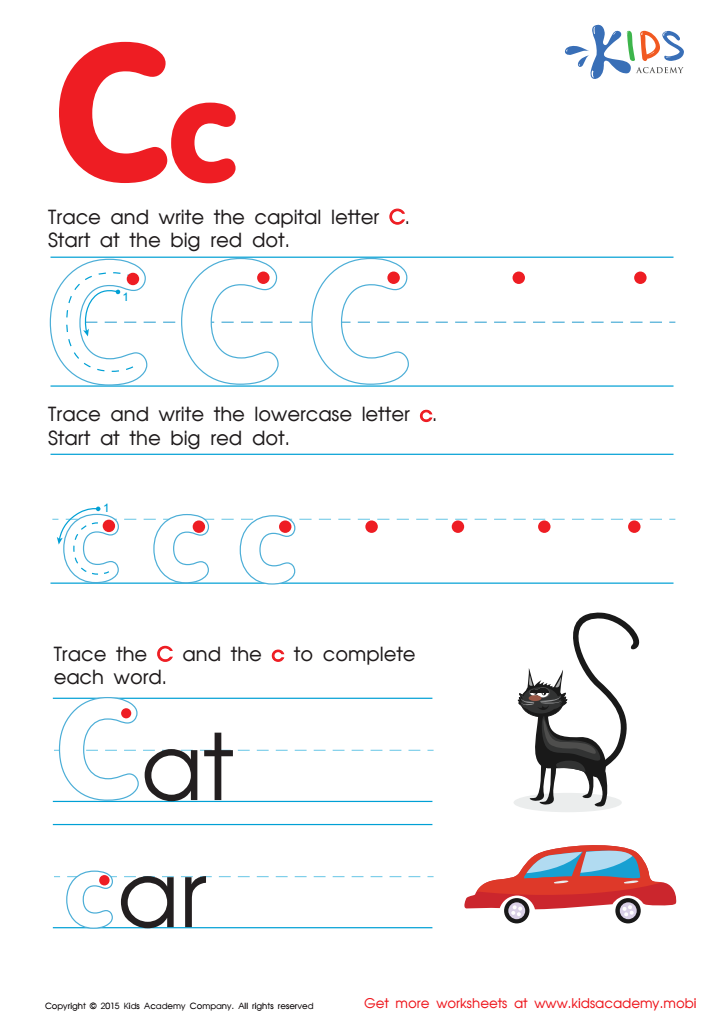
Letter C Tracing Page

Black and Brown Coloring Fun Worksheet
 Assign to My Students
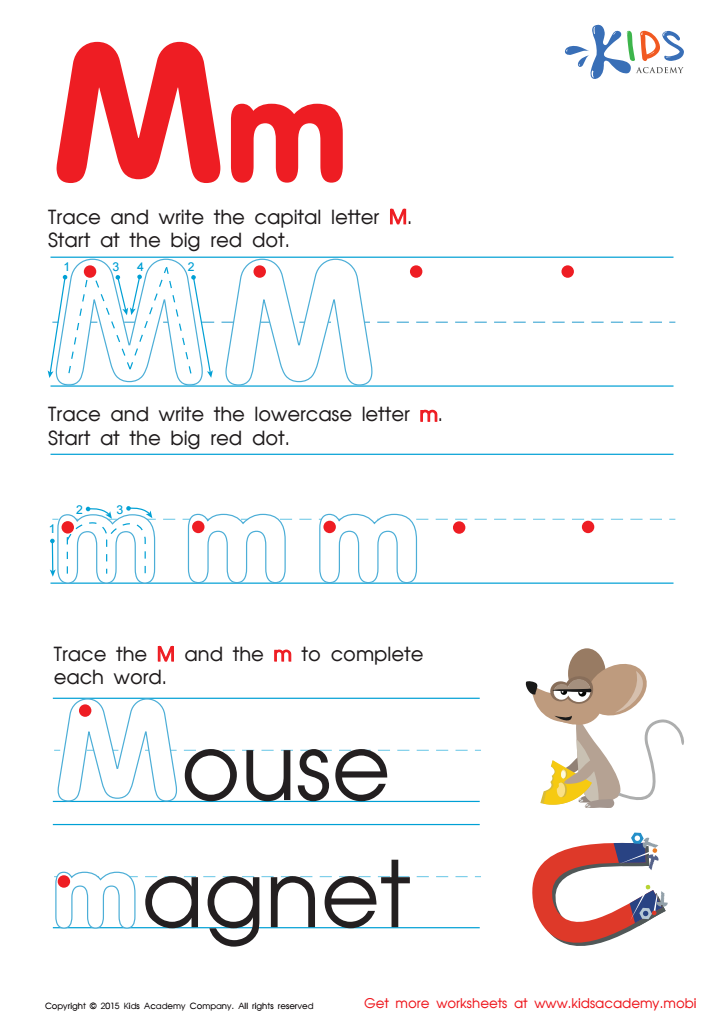
Letter M Tracing Page

Letter I Tracing Worksheet
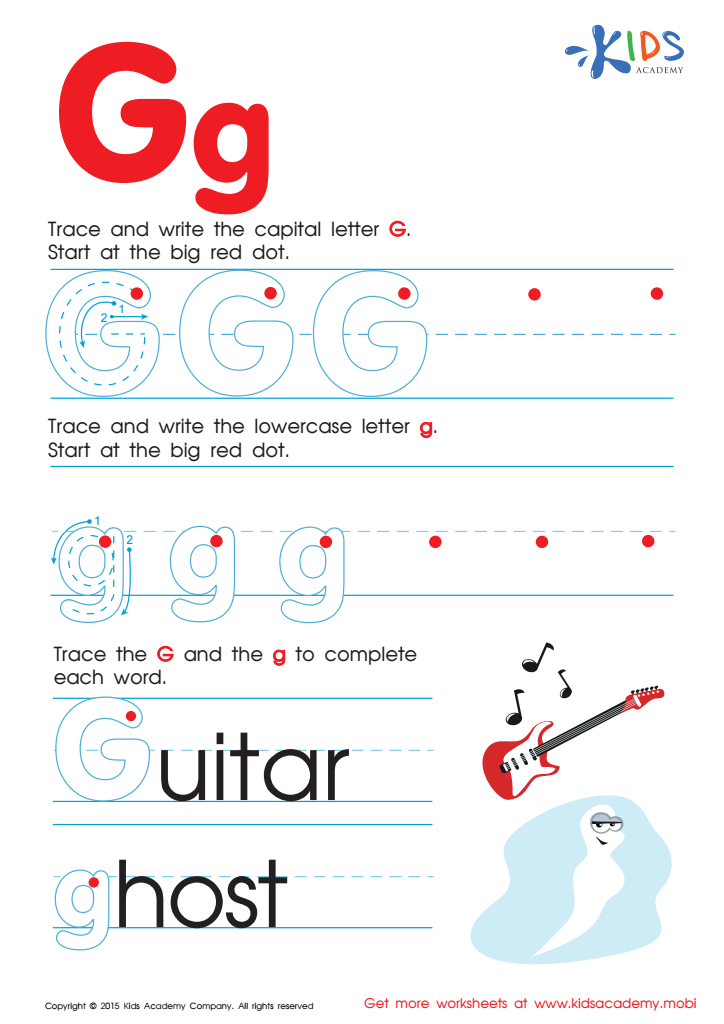
Letter G Tracing Page
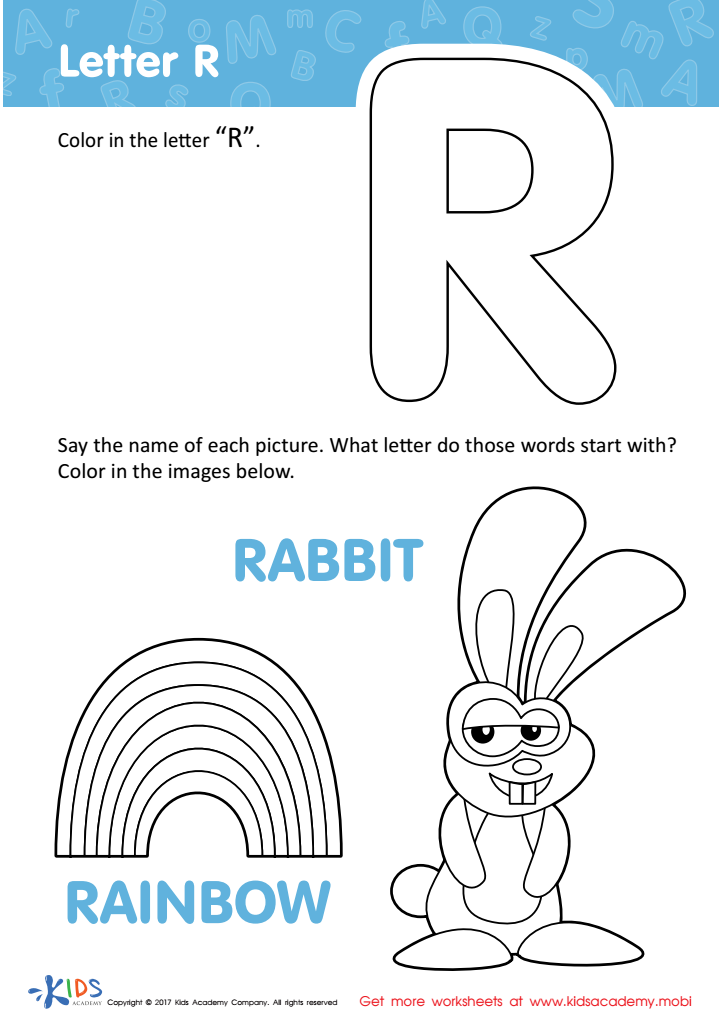
Letter R Coloring Sheet
Assign to My Students

Letters W and Z Tracing Worksheet
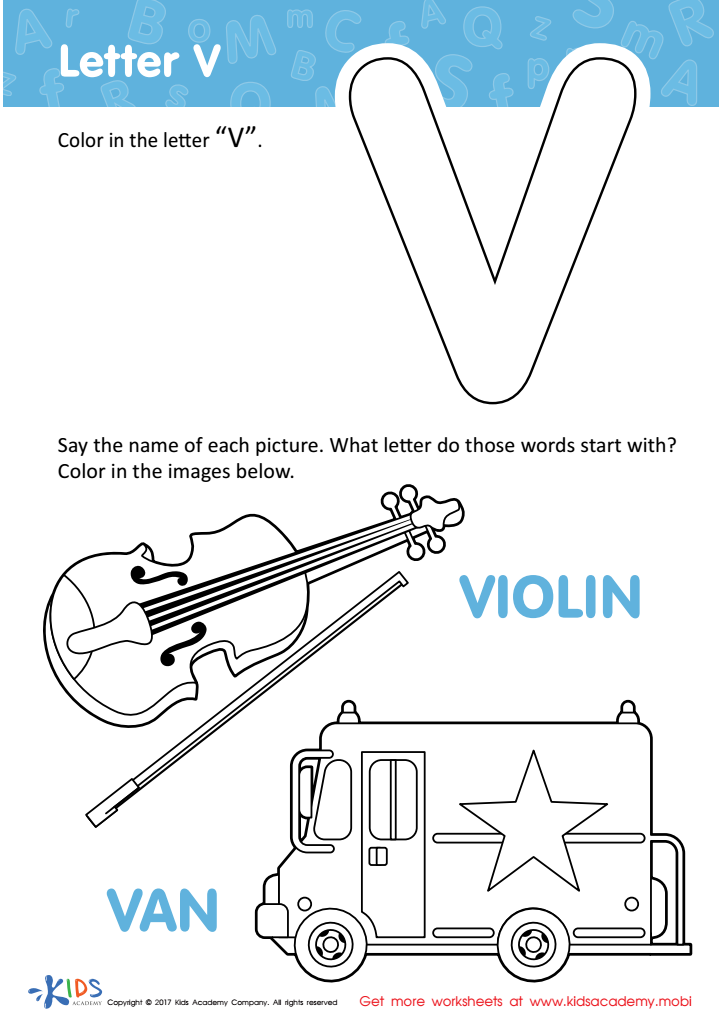
Letter V Coloring Sheet
Assign to My Students
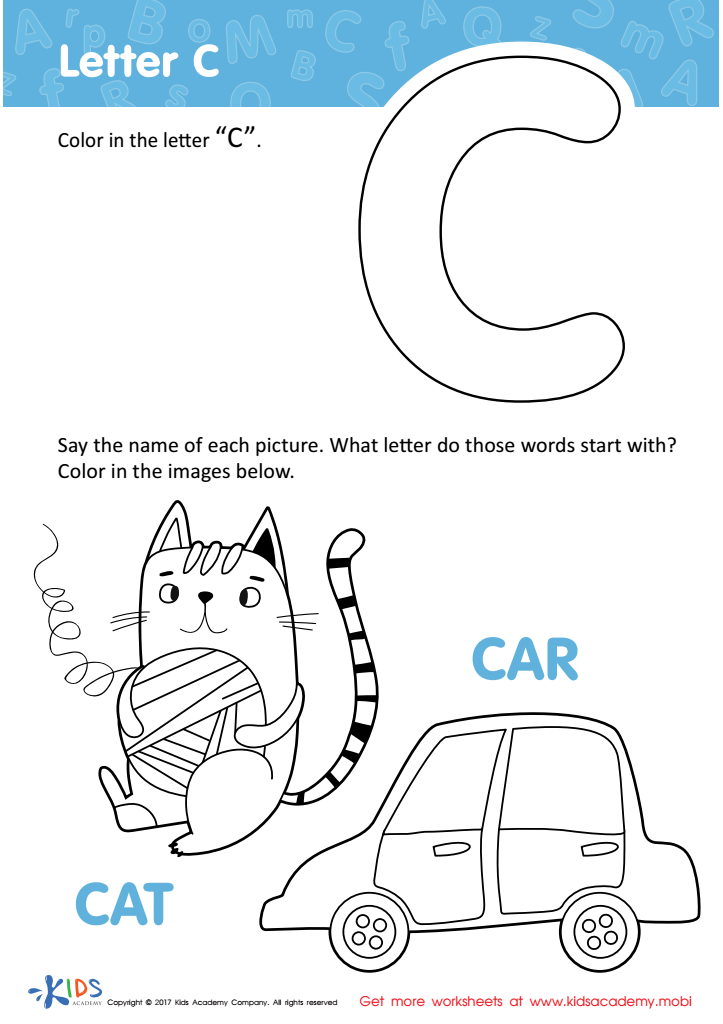
Letter C Coloring Sheet
Assign to My Students
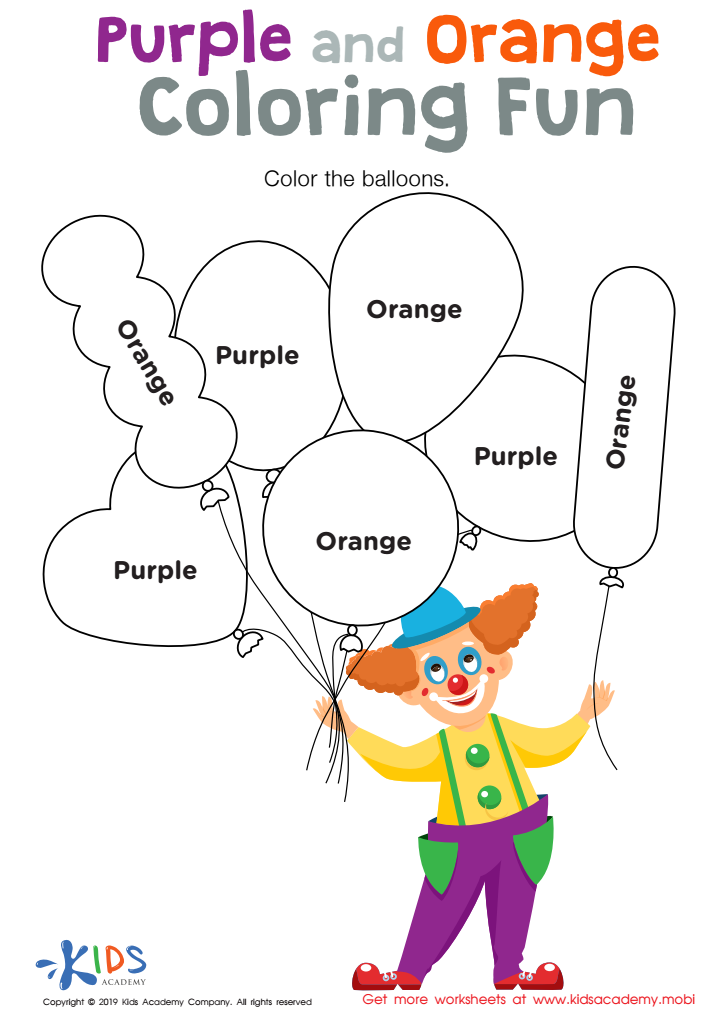
Purple and Orange Coloring Fun Worksheet
Assign to My Students
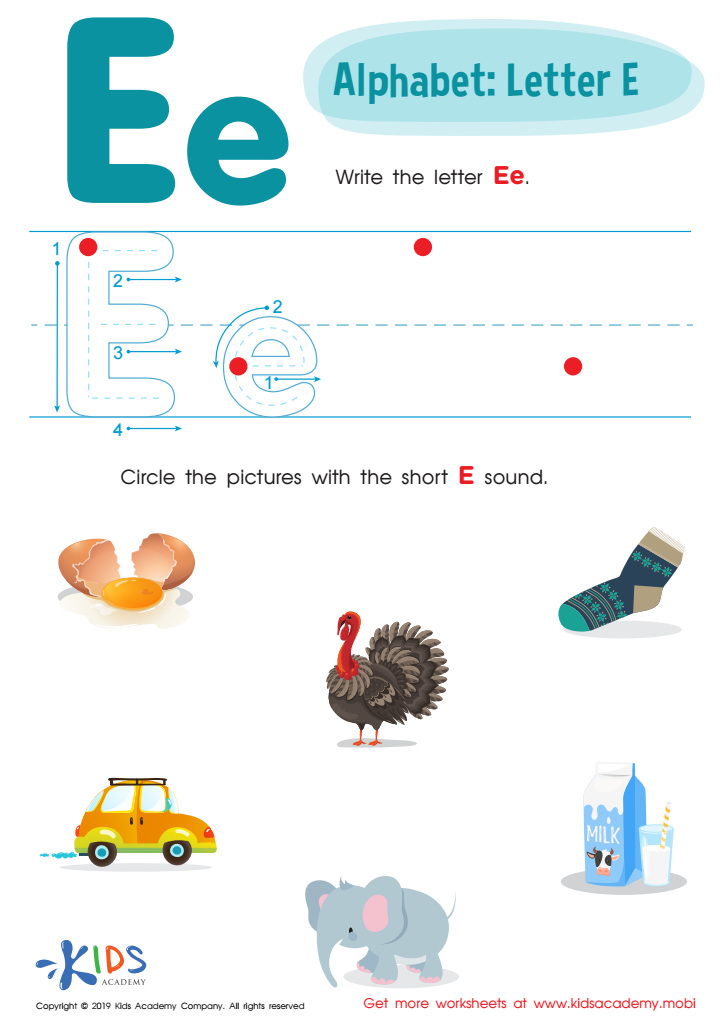
Letter E Tracing Worksheet
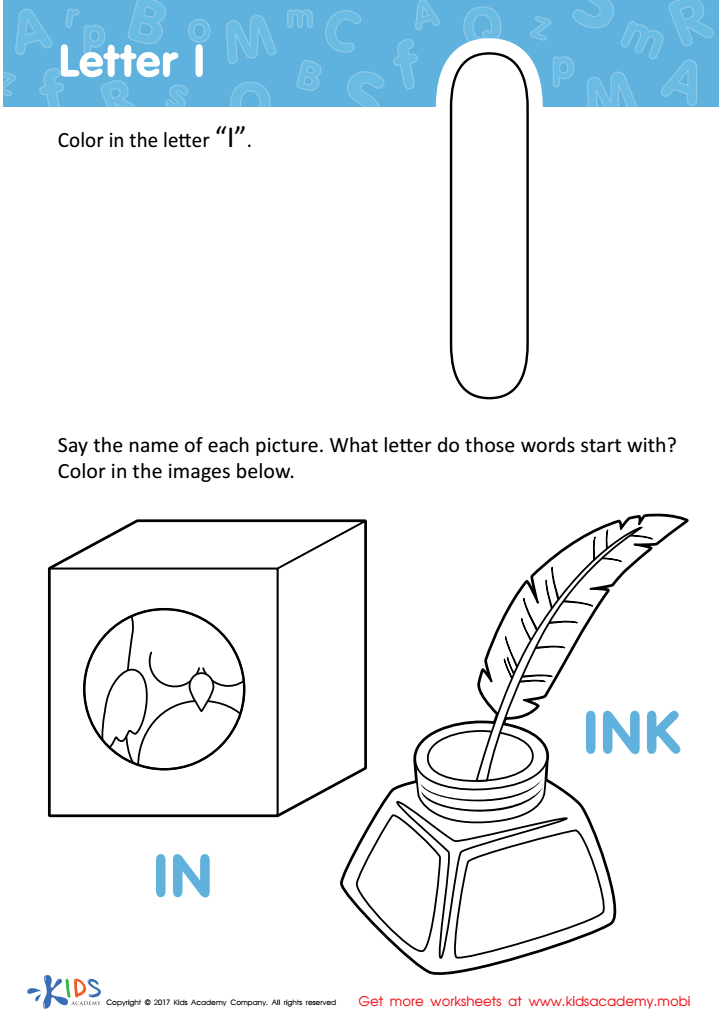
Letter I Coloring Sheet
Assign to My Students
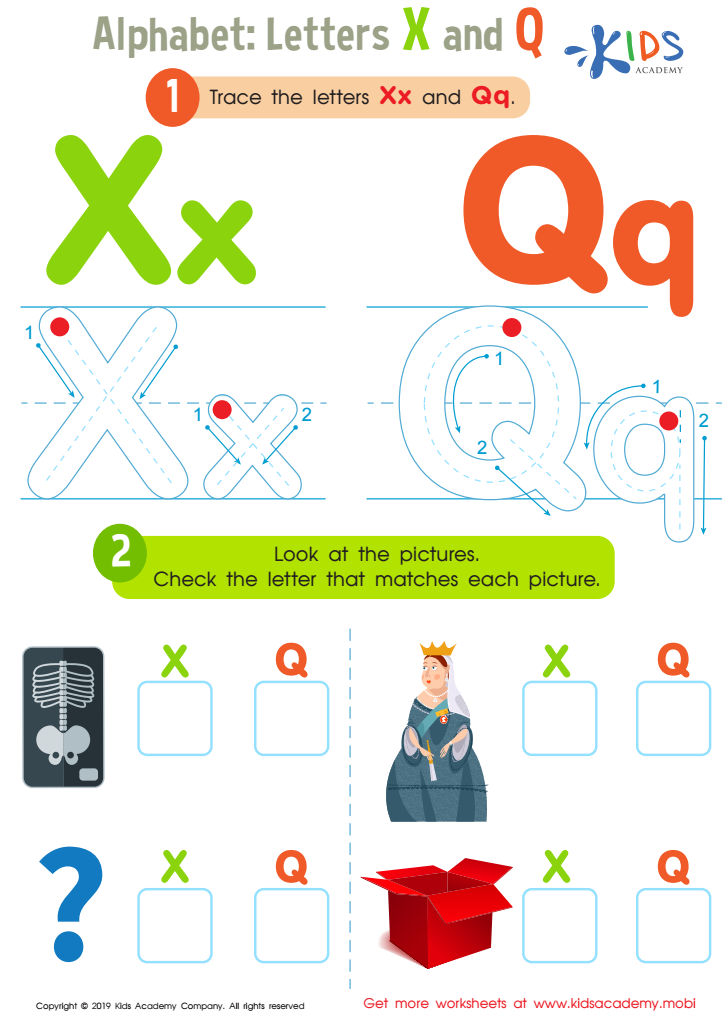
Letters X and Q Tracing Worksheet

Long and Short U Worksheet
Assign to My Students
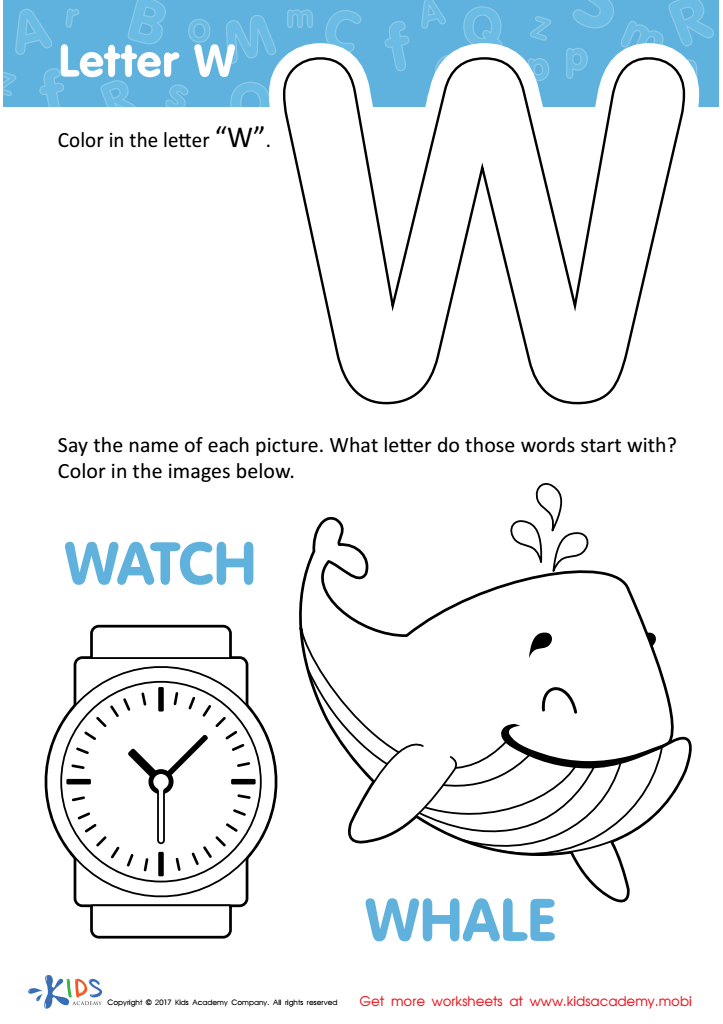
Letter W Coloring Sheet
Assign to My Students
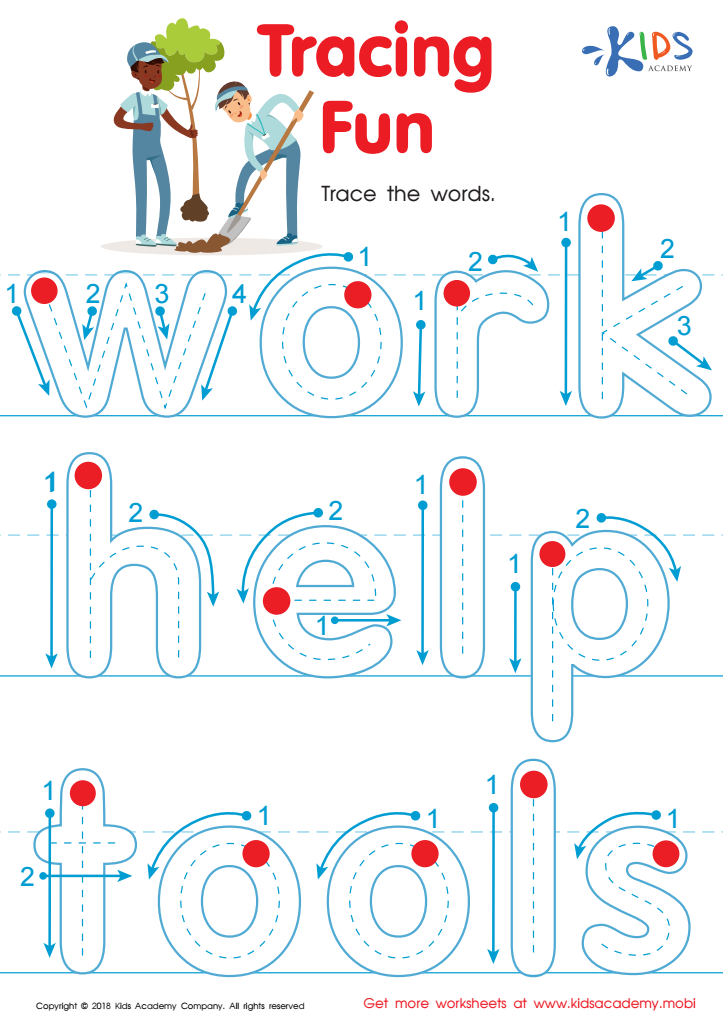
Tracing Fun Worksheet
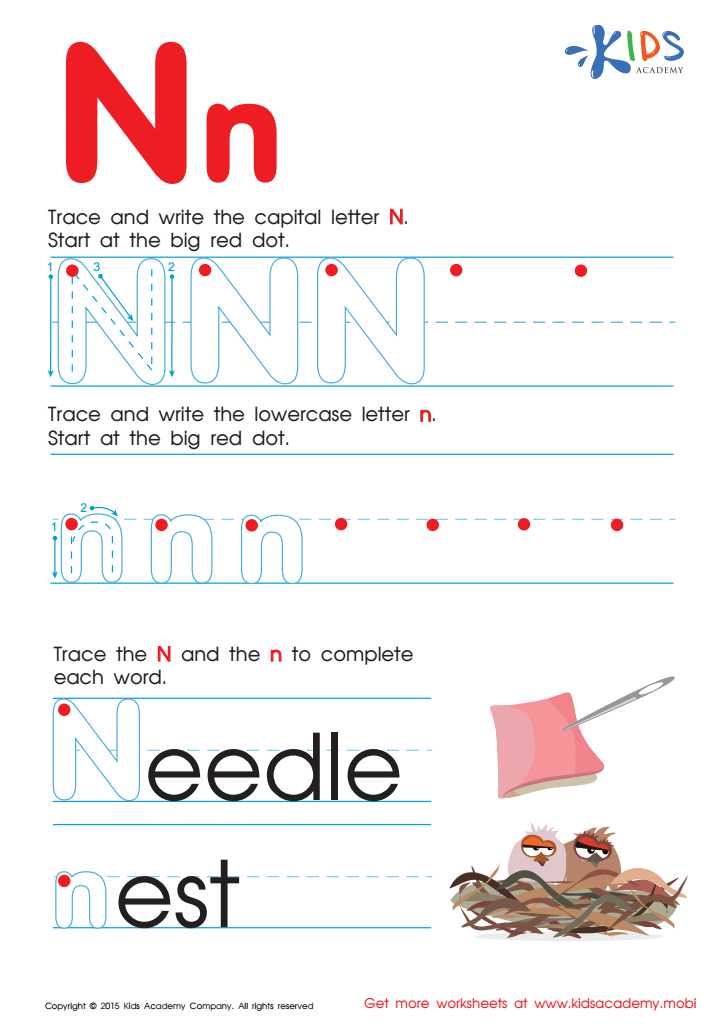
Letter N Tracing Page
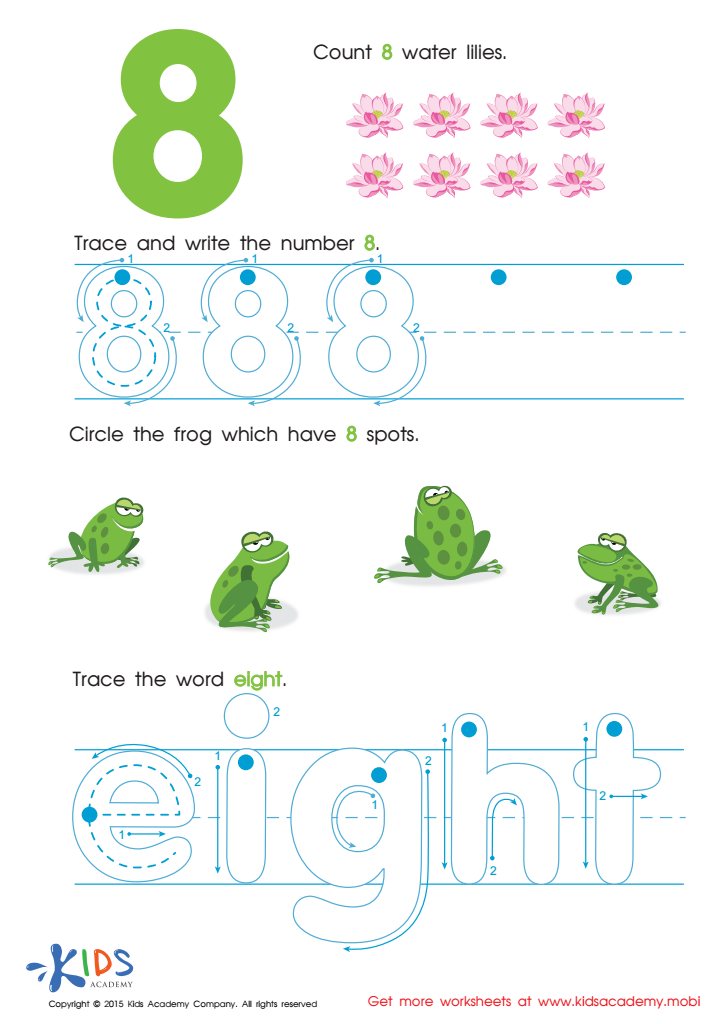
Learn Number 8 Easily Worksheet
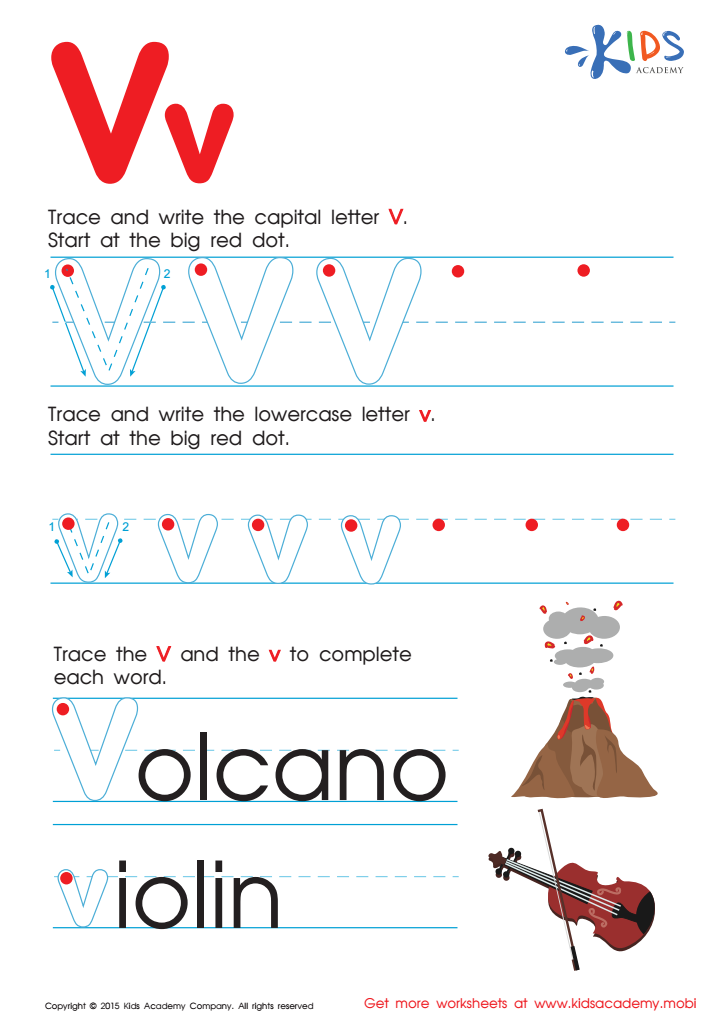
Letter V Tracing Page
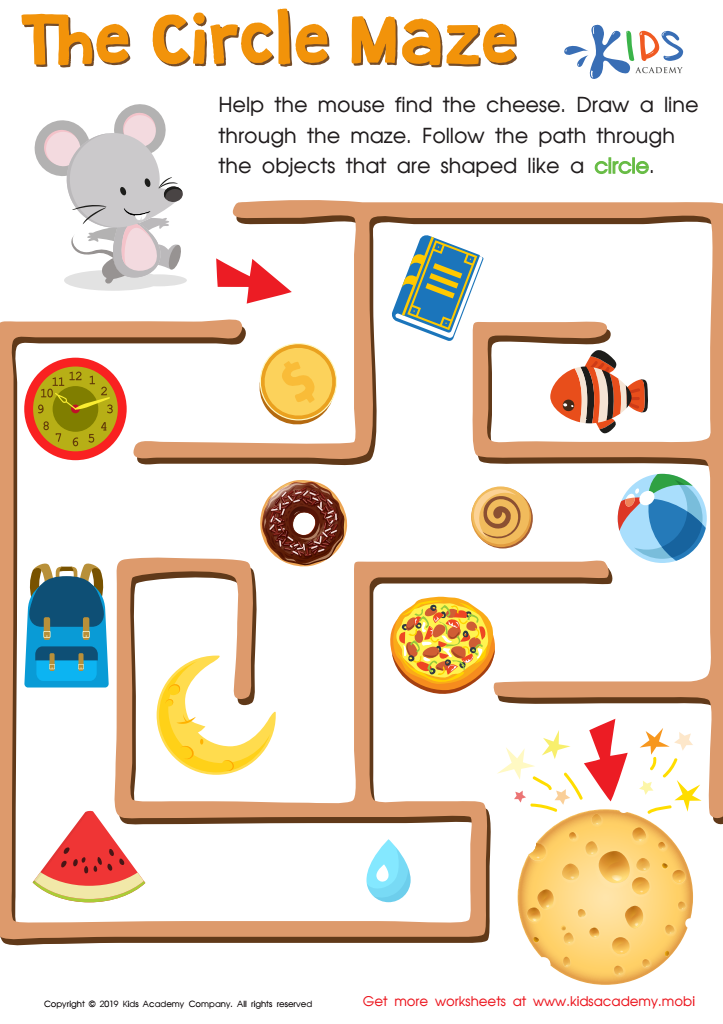
The Circle Maze Worksheet
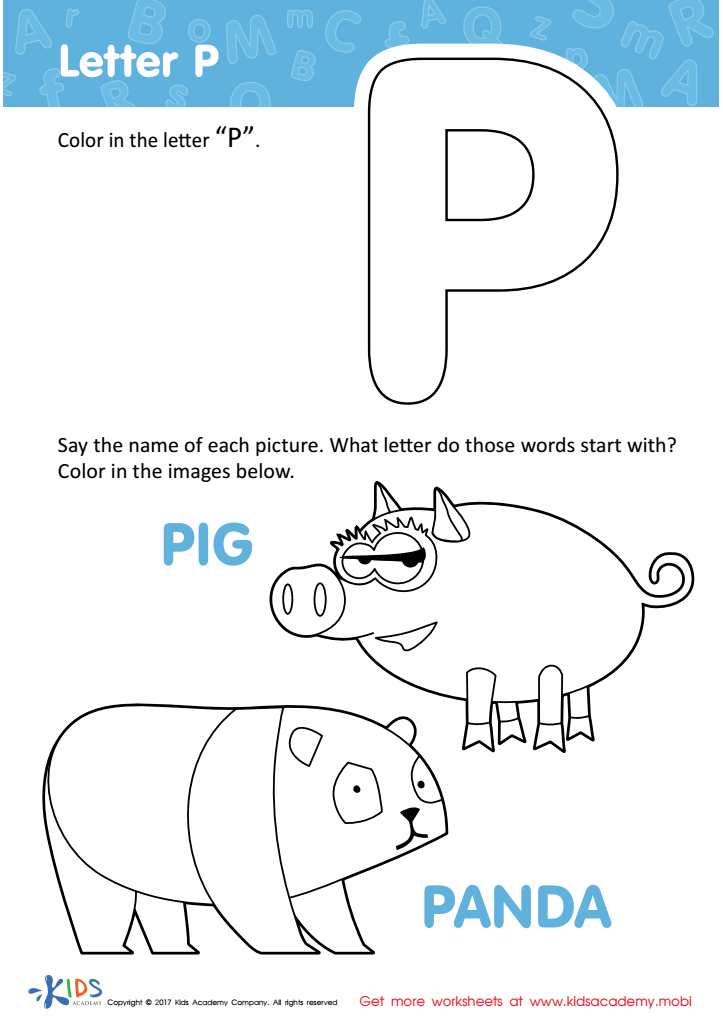
Letter P Coloring Sheet
Assign to My Students
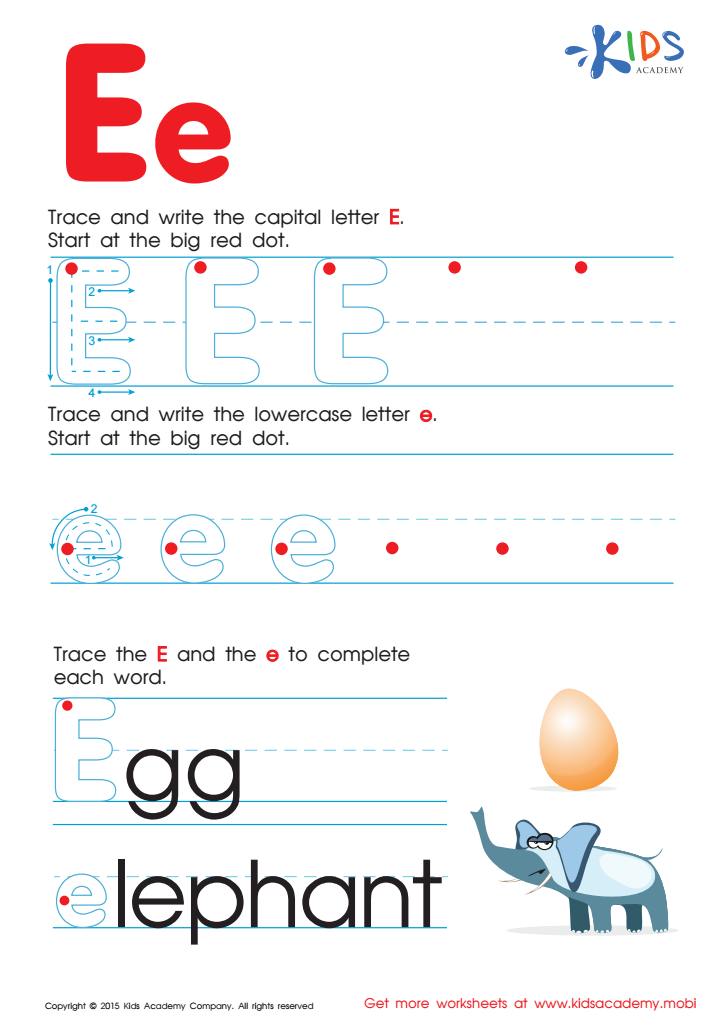
Letter E Tracing Page
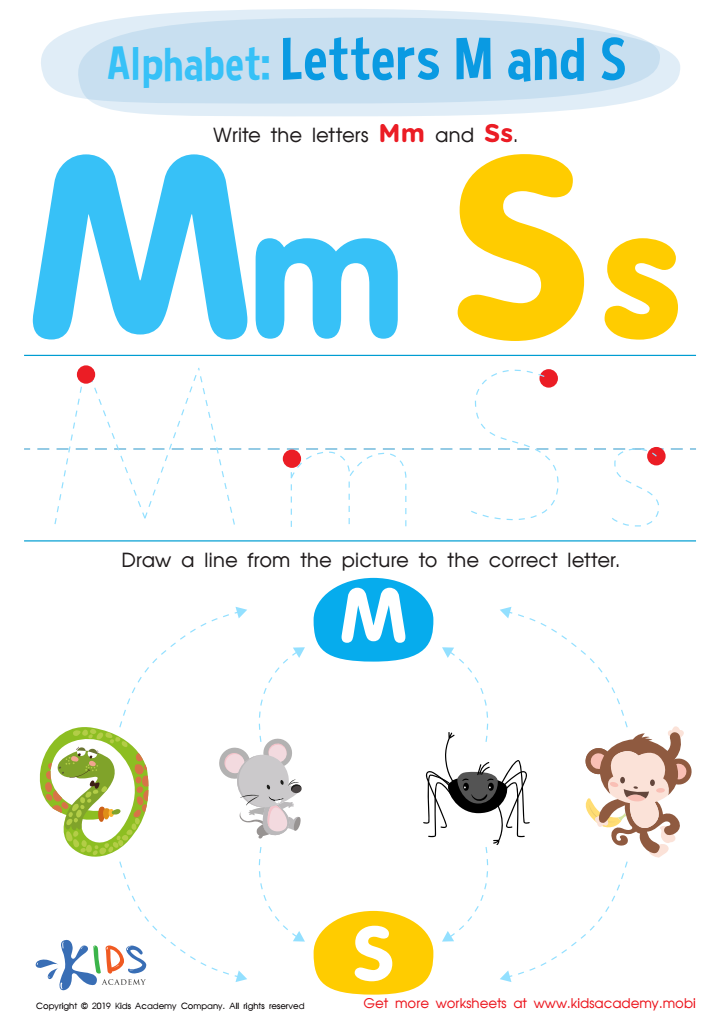
Letters M and S Tracing Worksheet
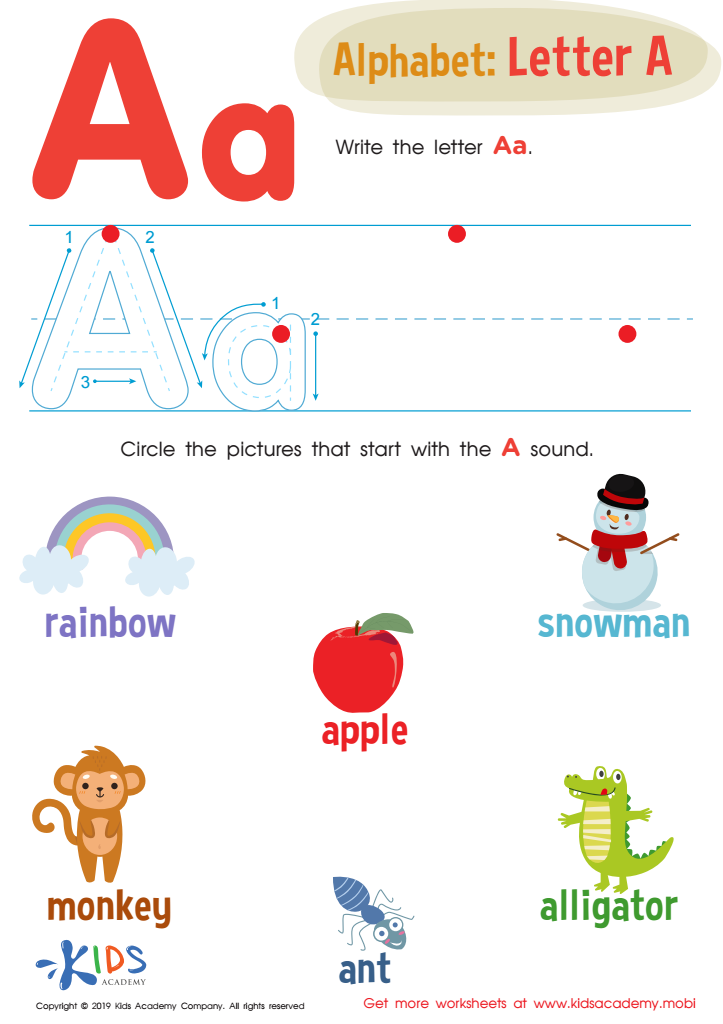
Letter A Tracing Worksheet





Fine motor skills are crucial for young learners, especially for those aged 5 to 7, as they form the foundation for a child’s everyday activities and academic success. These skills involve the coordination of small muscles in the hands and fingers, which are essential for tasks like writing, drawing, cutting, and manipulating small objects. Parents and teachers should prioritize developing fine motor skills for several reasons.
Firstly, fine motor skills are closely linked to a child's ability to write. As children learn to form letters and numbers, their handwriting improves, fostering confidence and competence in literacy. Secondly, fine motor proficiency supports self-care tasks, such as buttoning clothes, zipping jackets, and using utensils, which encourage independence.
Moreover, engaging children in activities that enhance these skills, such as crafting, lego building, or even playing with playdough, promotes creativity and problem-solving. These experiences are not only fun but also enhance cognitive development, boosting overall learning readiness.
Investing time in fine motor skill development helps children thrive in both academic and social settings, alleviating future challenges in school and daily life. In summary, fostering fine motor skills is essential for nurturing well-rounded, capable individuals.