Filters

219 filtered results

Clear all filters
Favorites
With answer key
Interactive

219 filtered results

Difficulty Level

Grade


Subject

    Check out this FREE Trial Lesson on Adding up to 1000 for age 5-7!

    Short and Long Vowel Sort

    Favorites
    With answer key
    Interactive
    • 5-7
    • Adding up to 1000
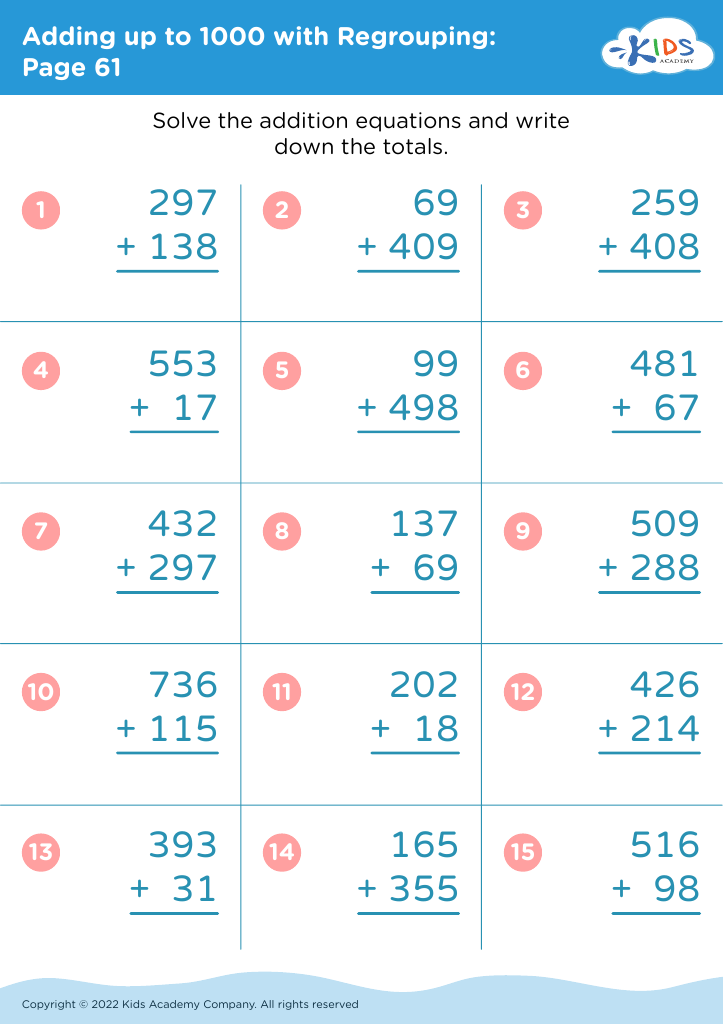
    Adding up to 1000 with Regrouping: Page 61
    Adding up to 1000 with Regrouping: Page 61
    Adding up to 1000 with Regrouping: Page 61
    Worksheet
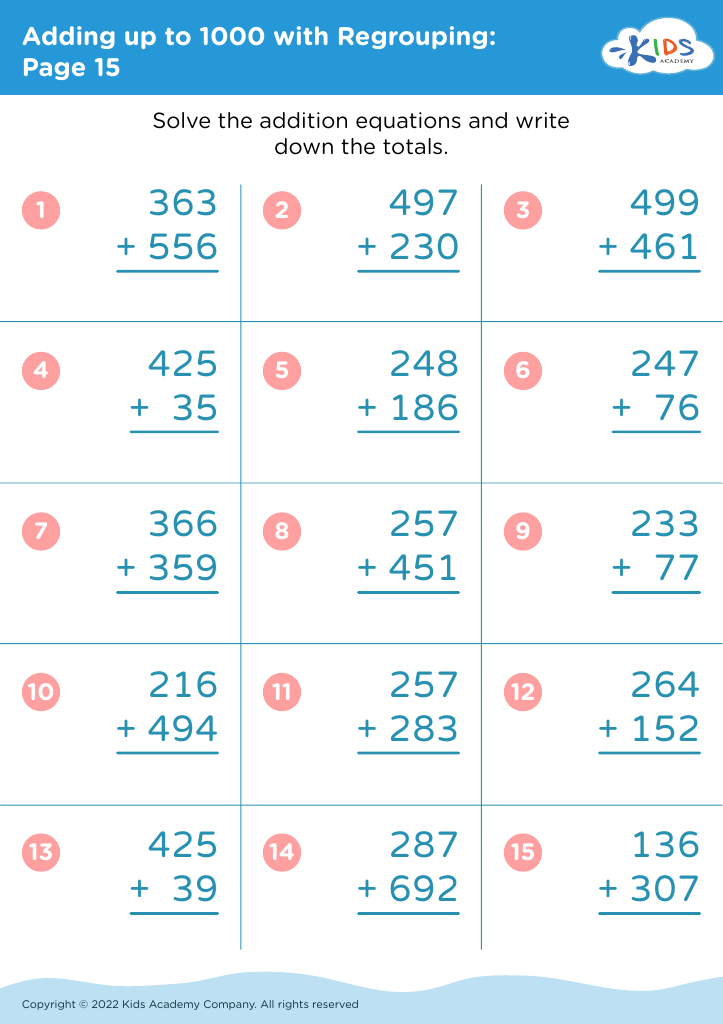
    Adding up to 1000 with Regrouping: Page 15
    Adding up to 1000 with Regrouping: Page 15
    Adding up to 1000 with Regrouping: Page 15
    Worksheet
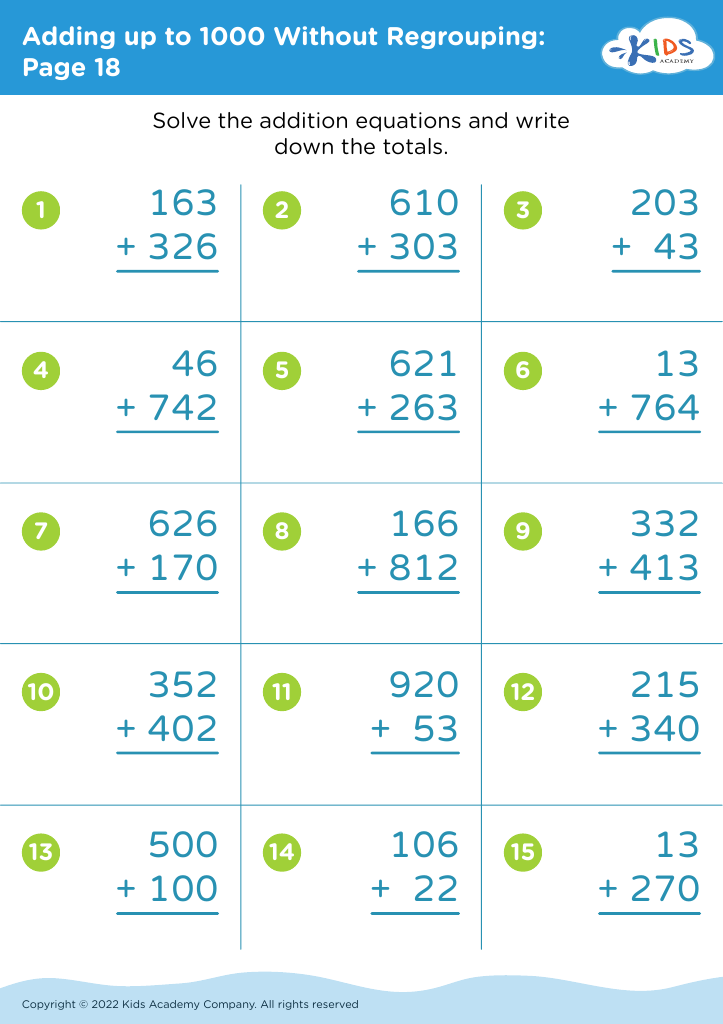
    Adding up to 1000 Without Regrouping: Page 18
    Adding up to 1000 Without Regrouping: Page 18
    Adding up to 1000 Without Regrouping: Page 18
    Worksheet
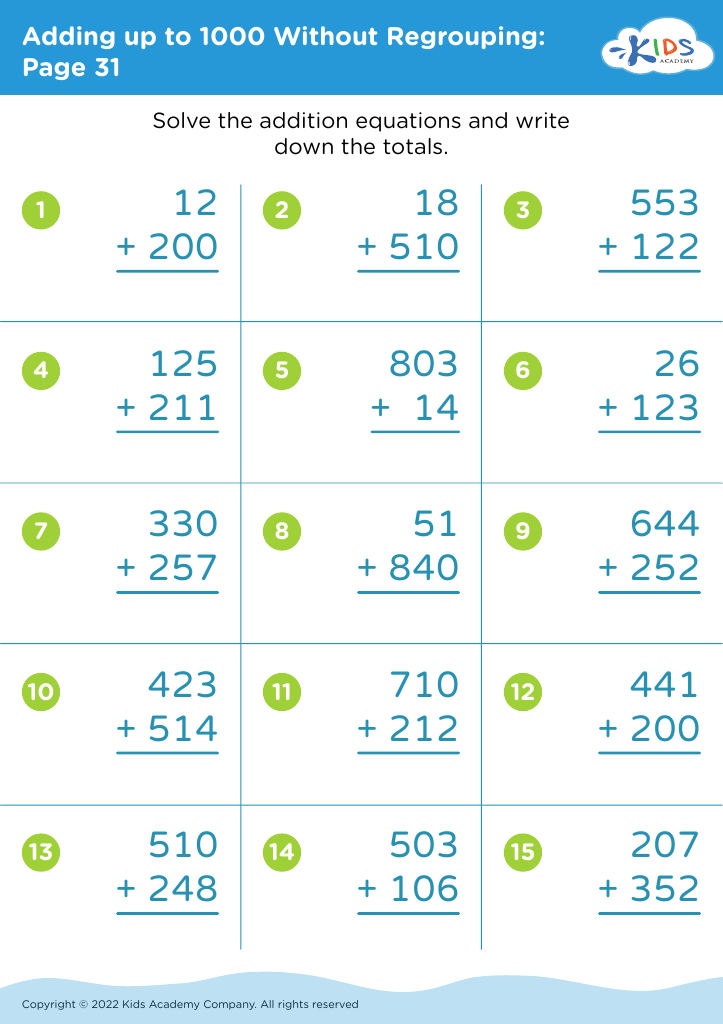
    Adding up to 1000 Without Regrouping: Page 31
    Adding up to 1000 Without Regrouping: Page 31
    Adding up to 1000 Without Regrouping: Page 31
    Worksheet
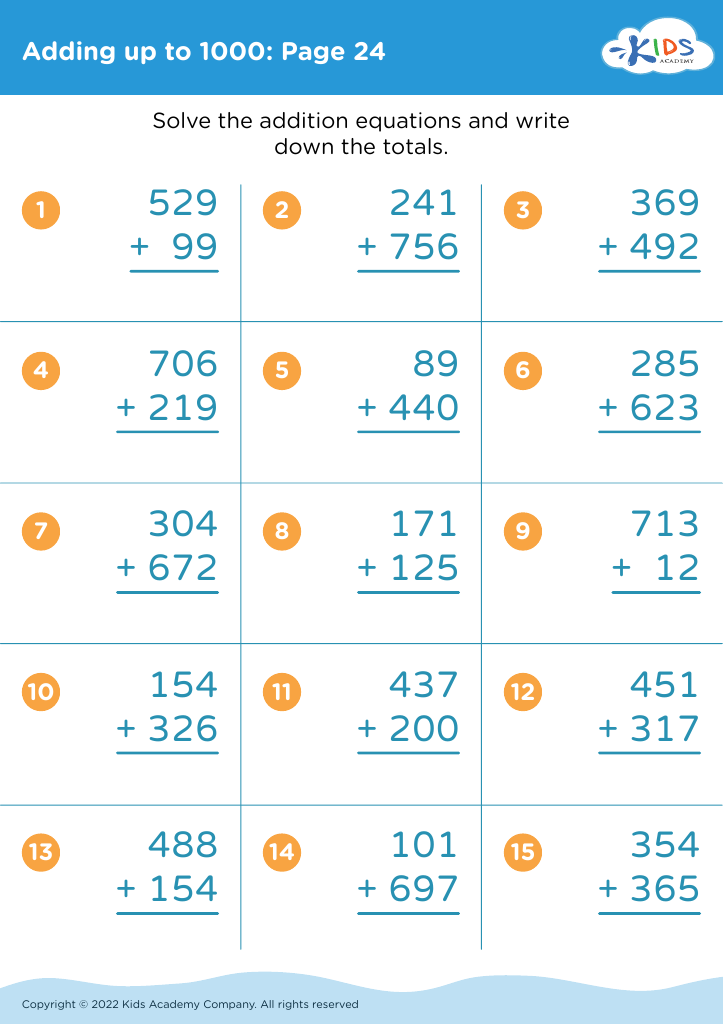
    Adding up to 1000: Page 24
    Adding up to 1000: Page 24

    Adding up to 1000: Page 24

    Adding up to 1000: Page 24
    Worksheet
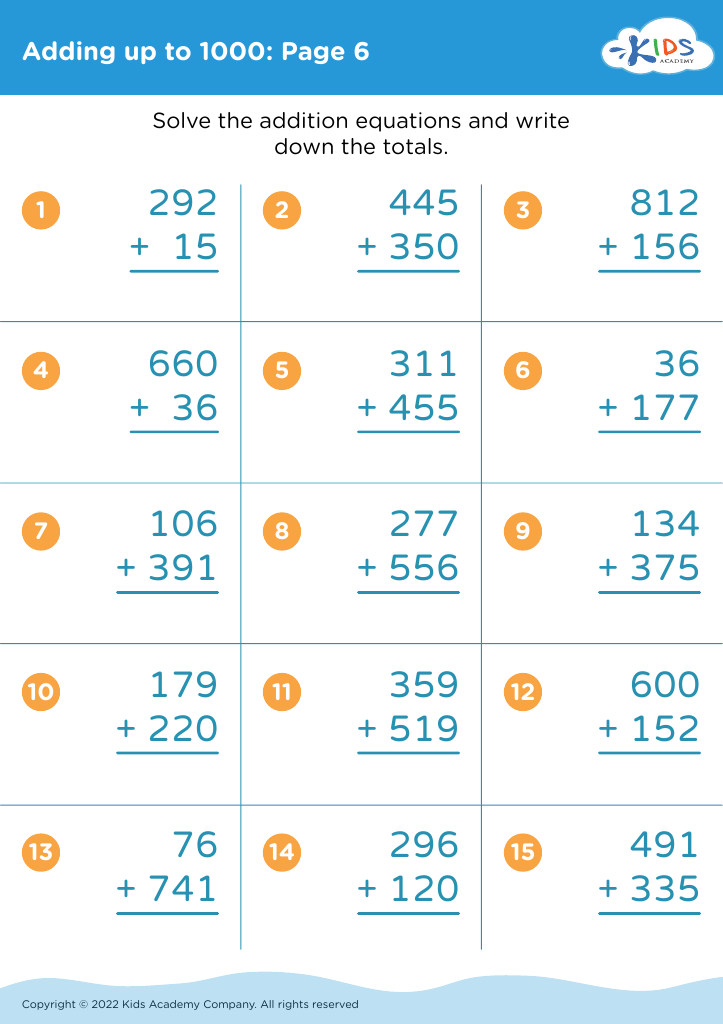
    Adding up to 1000: Page 6
    Adding up to 1000: Page 6

    Adding up to 1000: Page 6

    Adding up to 1000: Page 6
    Worksheet
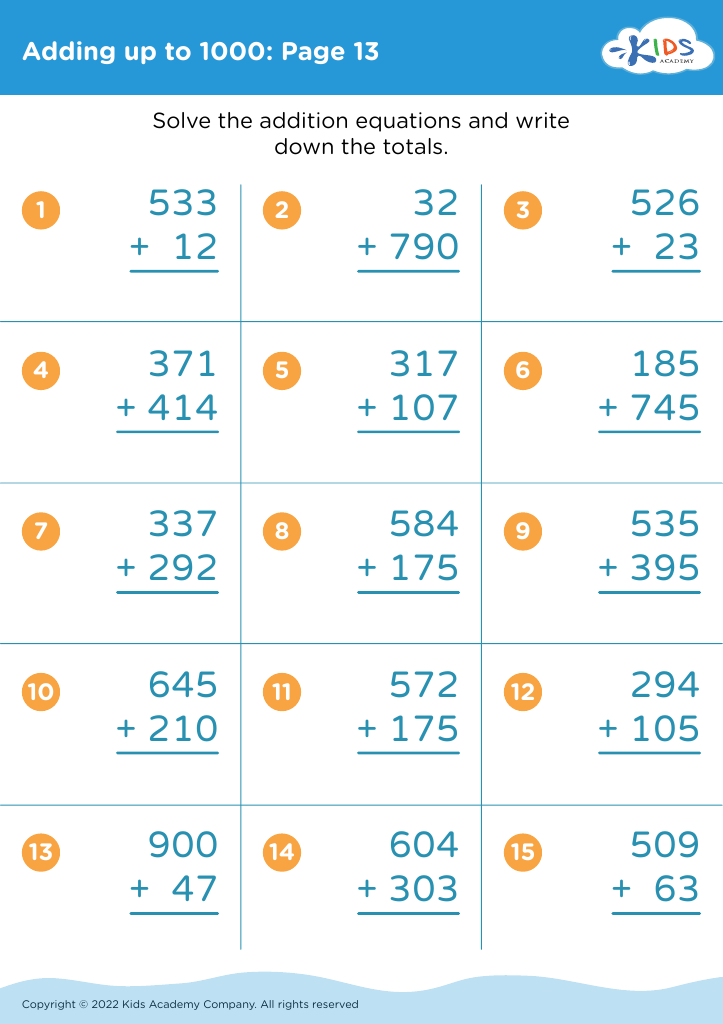
    Adding up to 1000: Page 13
    Adding up to 1000: Page 13

    Adding up to 1000: Page 13

    Adding up to 1000: Page 13
    Worksheet
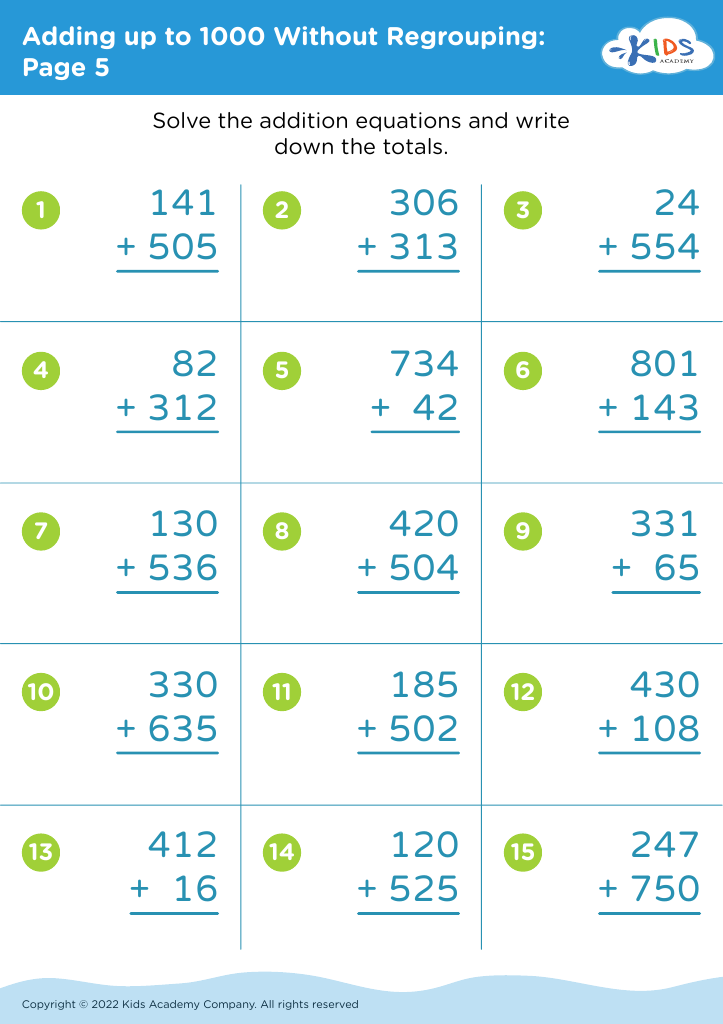
    Adding up to 1000 Without Regrouping: Page 5
    Adding up to 1000 Without Regrouping: Page 5
    Adding up to 1000 Without Regrouping: Page 5
    Worksheet
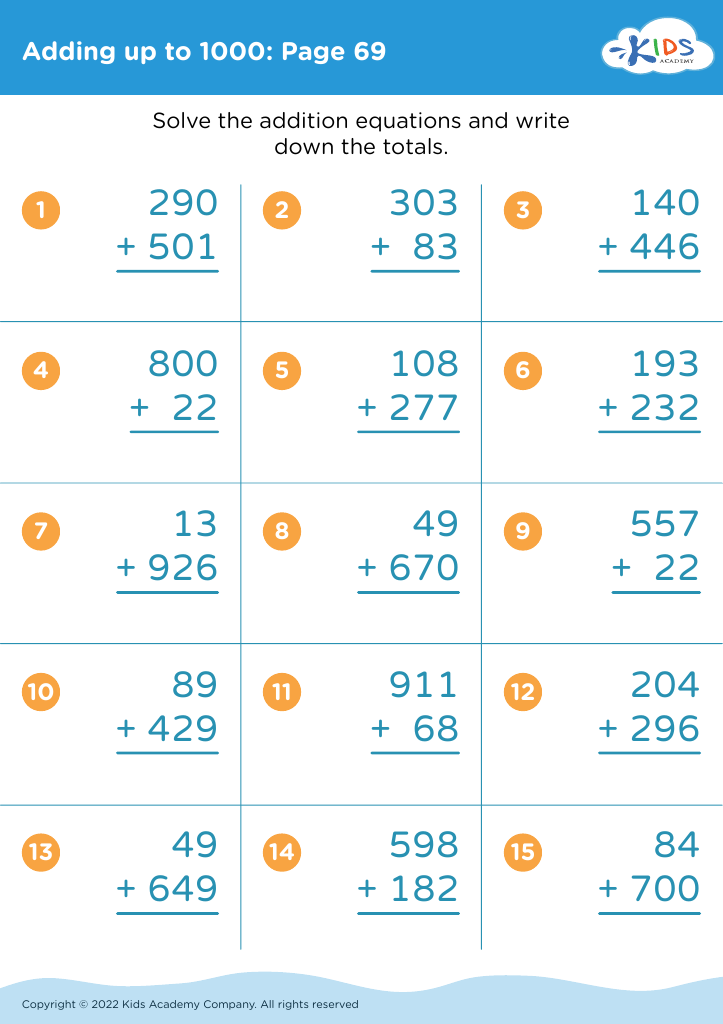
    Adding up to 1000: Page 69
    Adding up to 1000: Page 69

    Adding up to 1000: Page 69

    Adding up to 1000: Page 69
    Worksheet
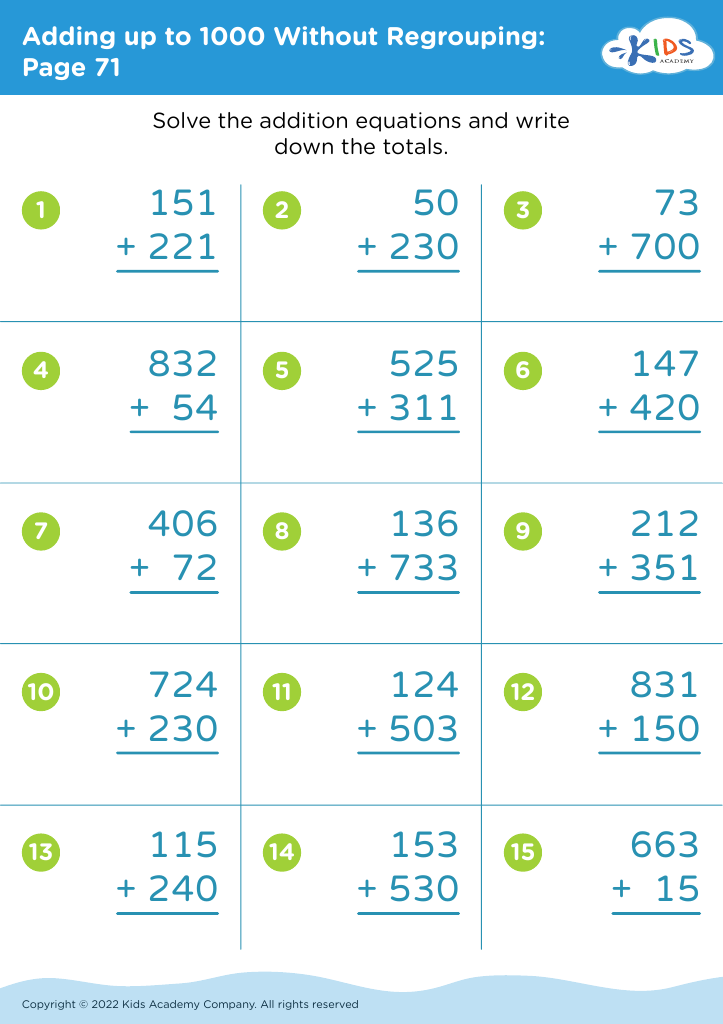
    Adding up to 1000 Without Regrouping: Page 71
    Adding up to 1000 Without Regrouping: Page 71
    Adding up to 1000 Without Regrouping: Page 71
    Worksheet
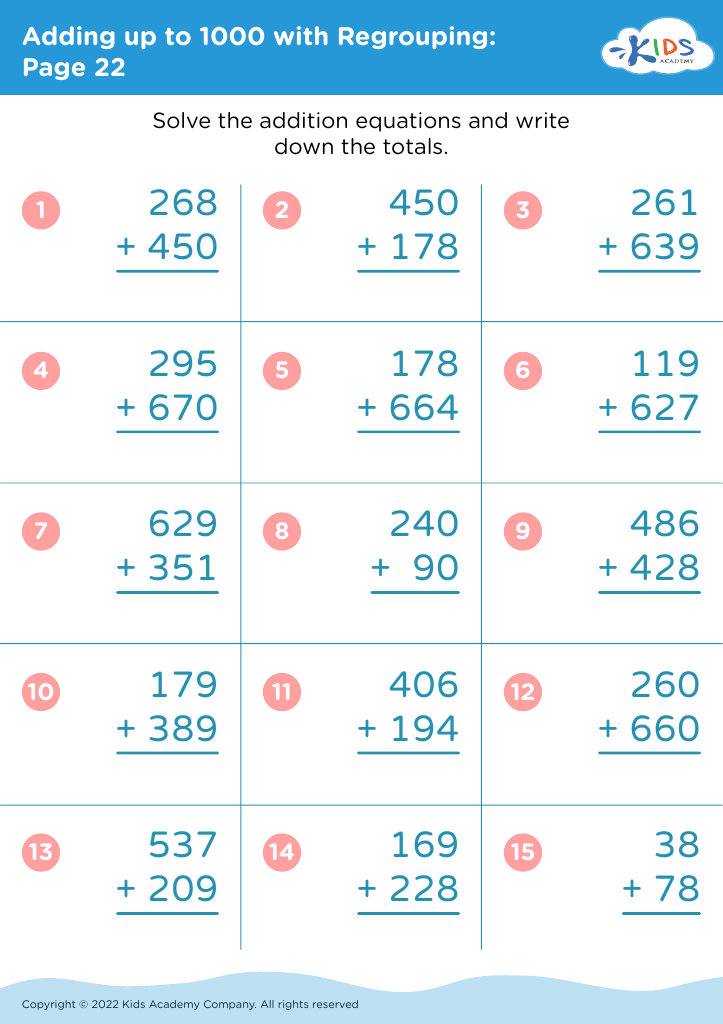
    Adding up to 1000 with Regrouping: Page 22
    Adding up to 1000 with Regrouping: Page 22
    Adding up to 1000 with Regrouping: Page 22
    Worksheet
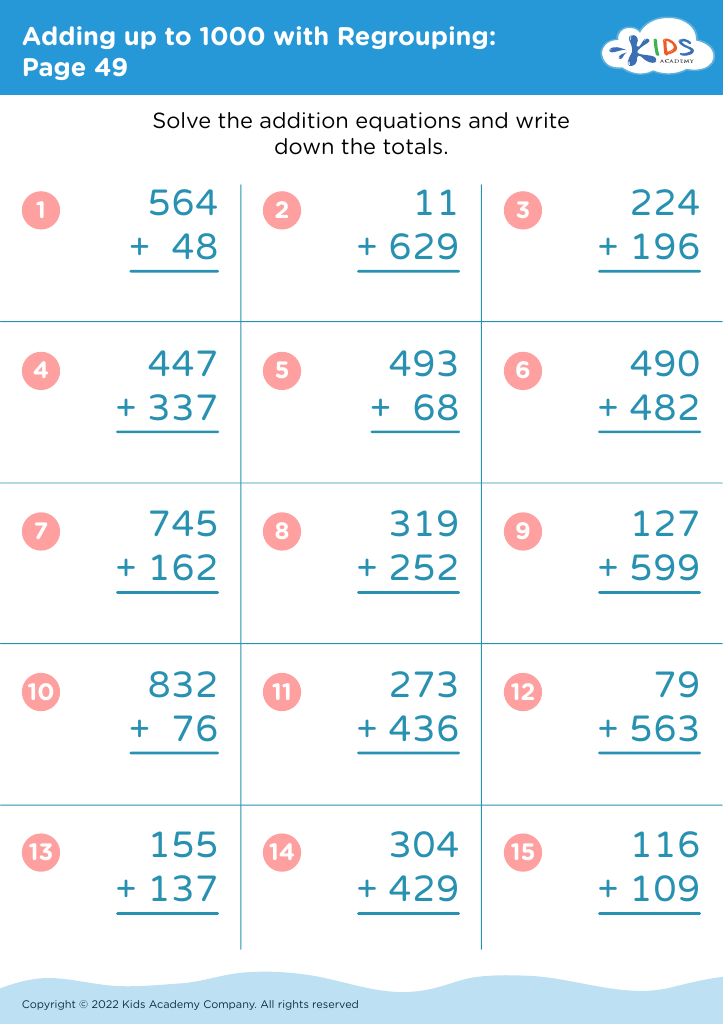
    Adding up to 1000 with Regrouping: Page 49
    Adding up to 1000 with Regrouping: Page 49
    Adding up to 1000 with Regrouping: Page 49
    Worksheet
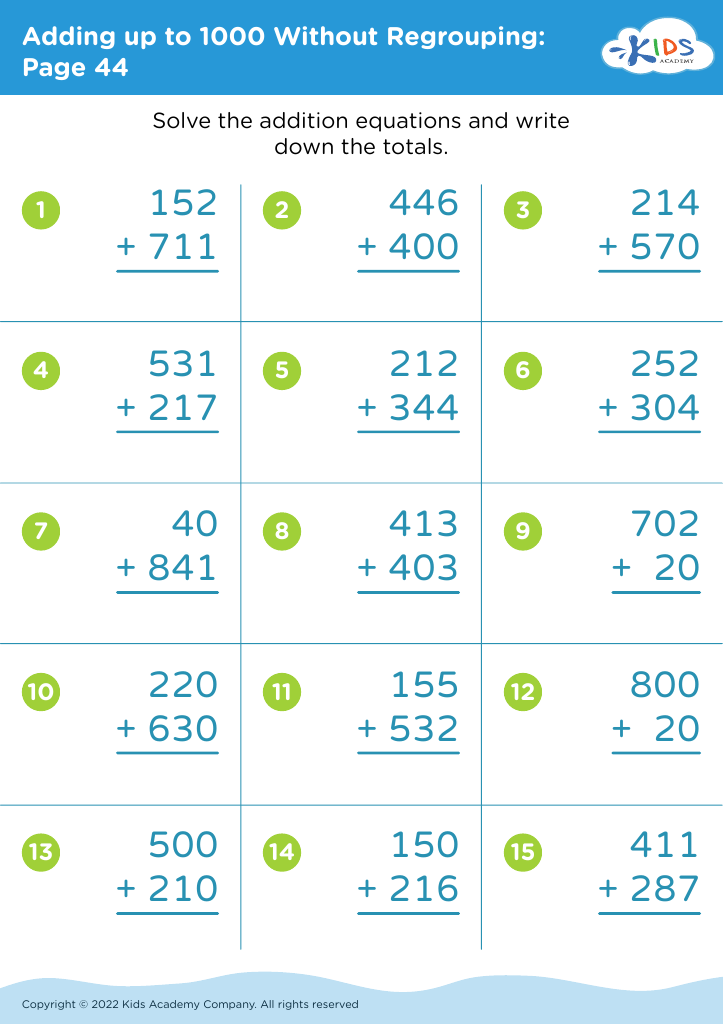
    Adding up to 1000 Without Regrouping: Page 44
    Adding up to 1000 Without Regrouping: Page 44
    Adding up to 1000 Without Regrouping: Page 44
    Worksheet
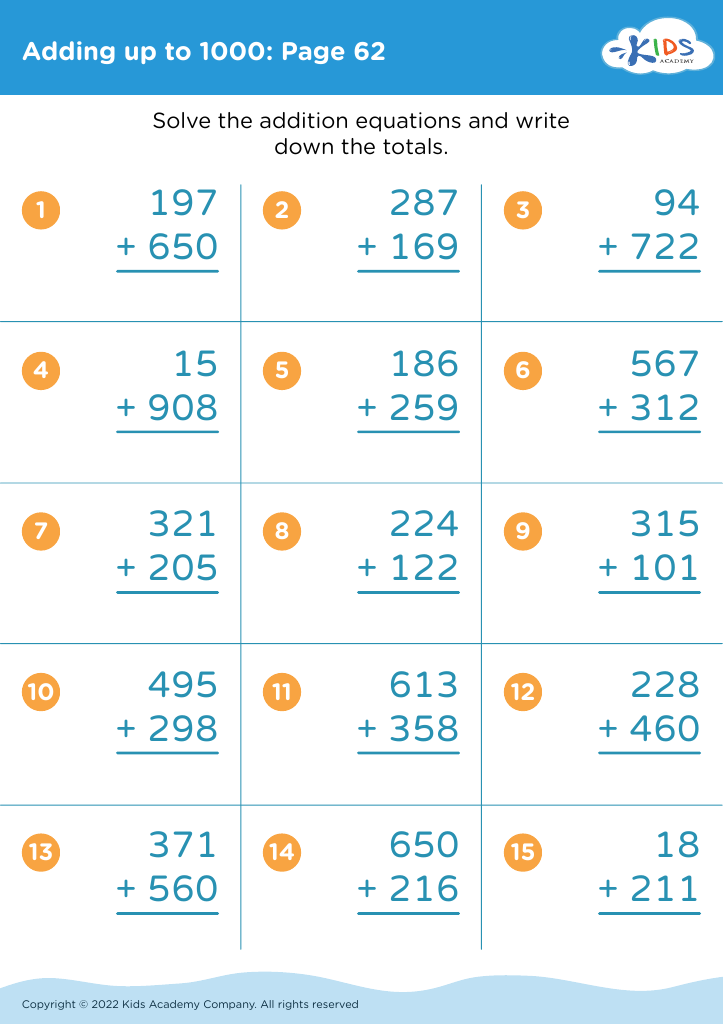
    Adding up to 1000: Page 62
    Adding up to 1000: Page 62

    Adding up to 1000: Page 62

    Adding up to 1000: Page 62
    Worksheet
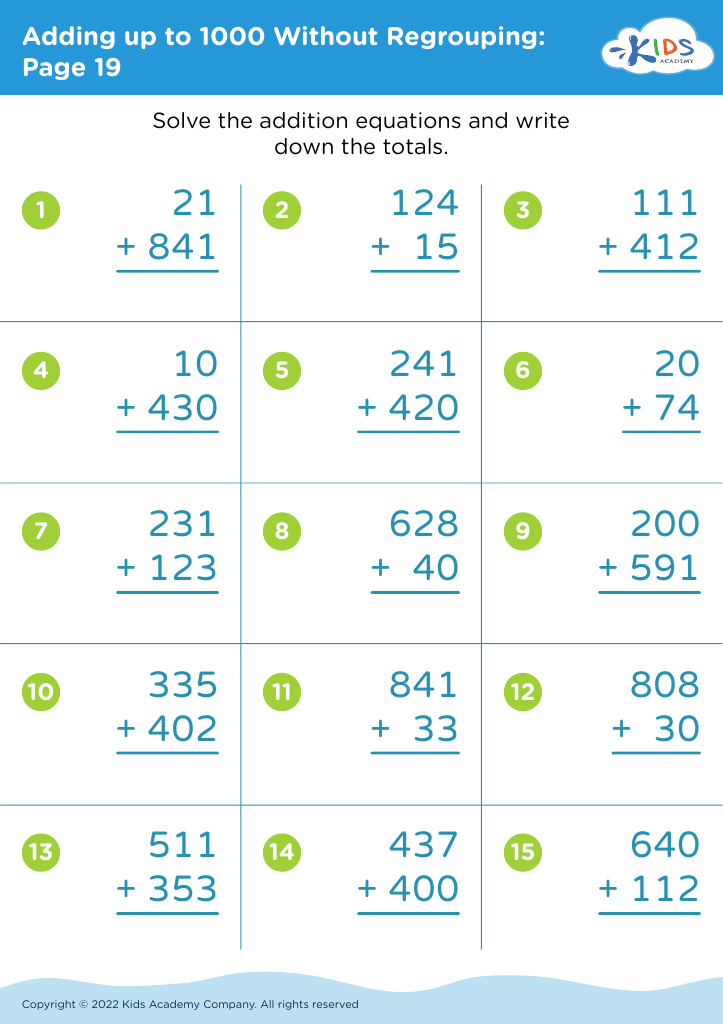
    Adding up to 1000 Without Regrouping: Page 19
    Adding up to 1000 Without Regrouping: Page 19
    Adding up to 1000 Without Regrouping: Page 19
    Worksheet
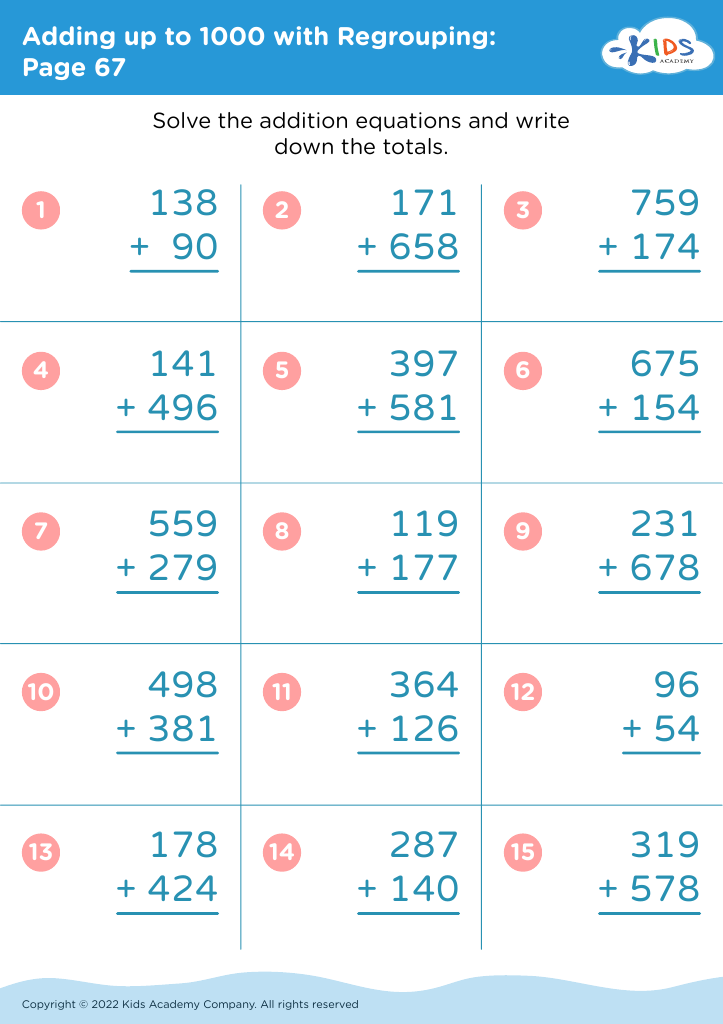
    Adding up to 1000 with Regrouping: Page 67
    Adding up to 1000 with Regrouping: Page 67
    Adding up to 1000 with Regrouping: Page 67
    Worksheet
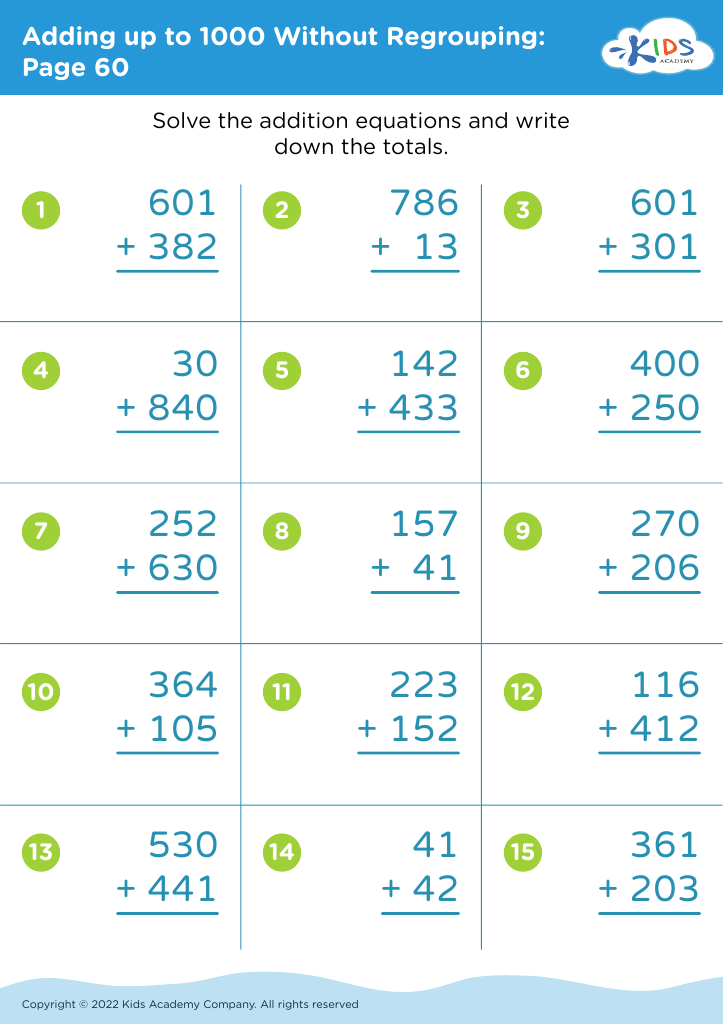
    Adding up to 1000 Without Regrouping: Page 60
    Adding up to 1000 Without Regrouping: Page 60
    Adding up to 1000 Without Regrouping: Page 60
    Worksheet
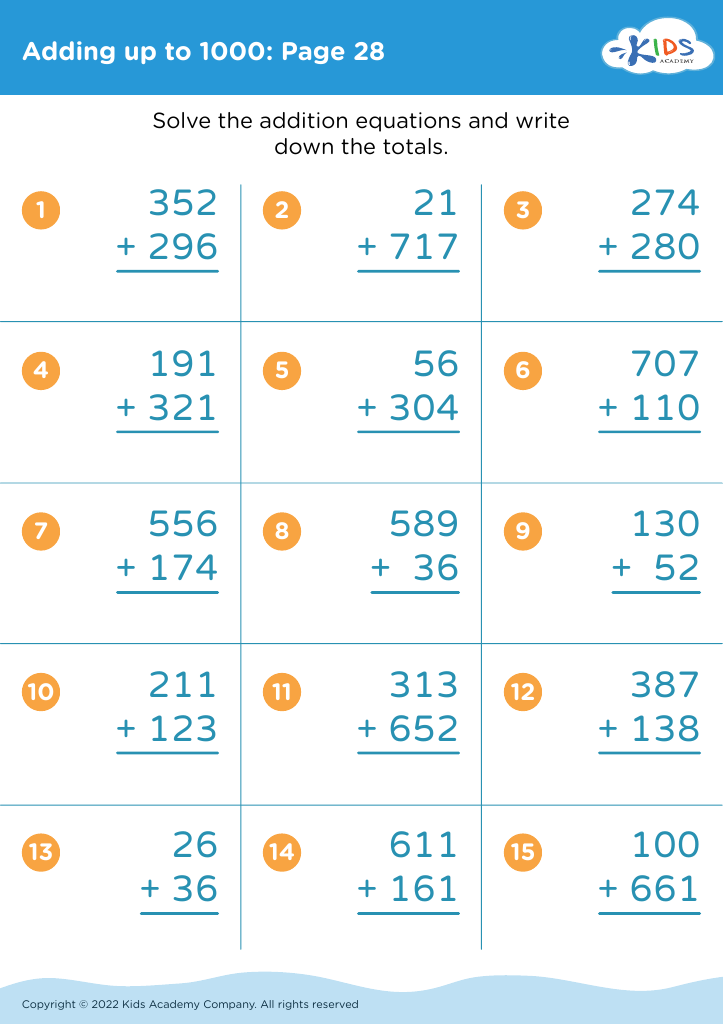
    Adding up to 1000: Page 28
    Adding up to 1000: Page 28

    Adding up to 1000: Page 28

    Adding up to 1000: Page 28
    Worksheet
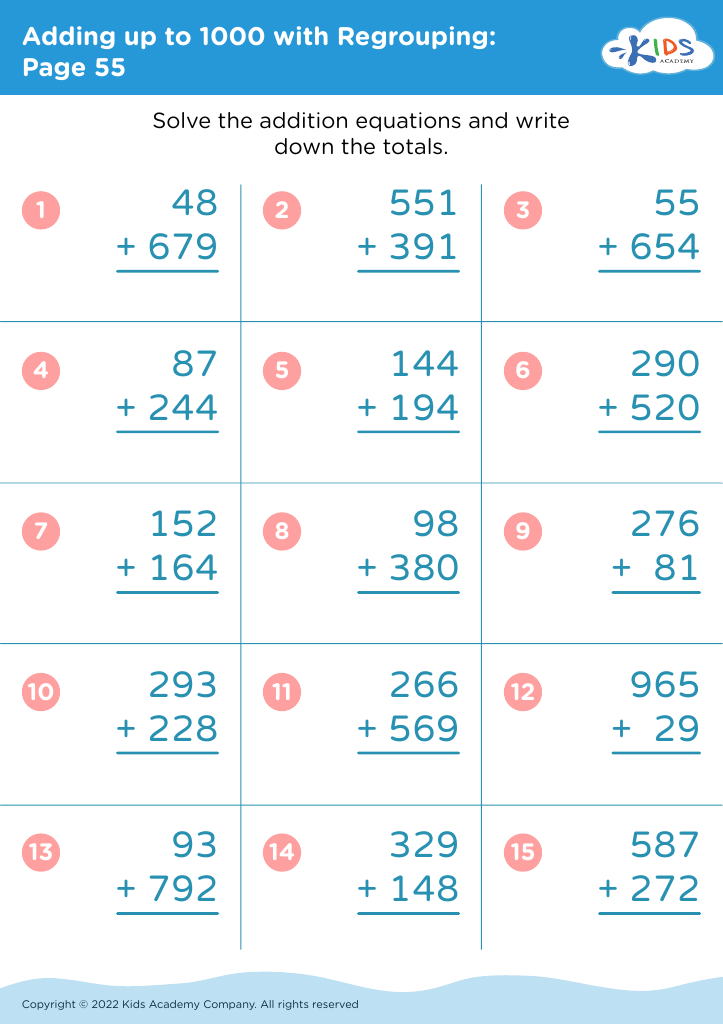
    Adding up to 1000 with Regrouping: Page 55
    Adding up to 1000 with Regrouping: Page 55
    Adding up to 1000 with Regrouping: Page 55
    Worksheet
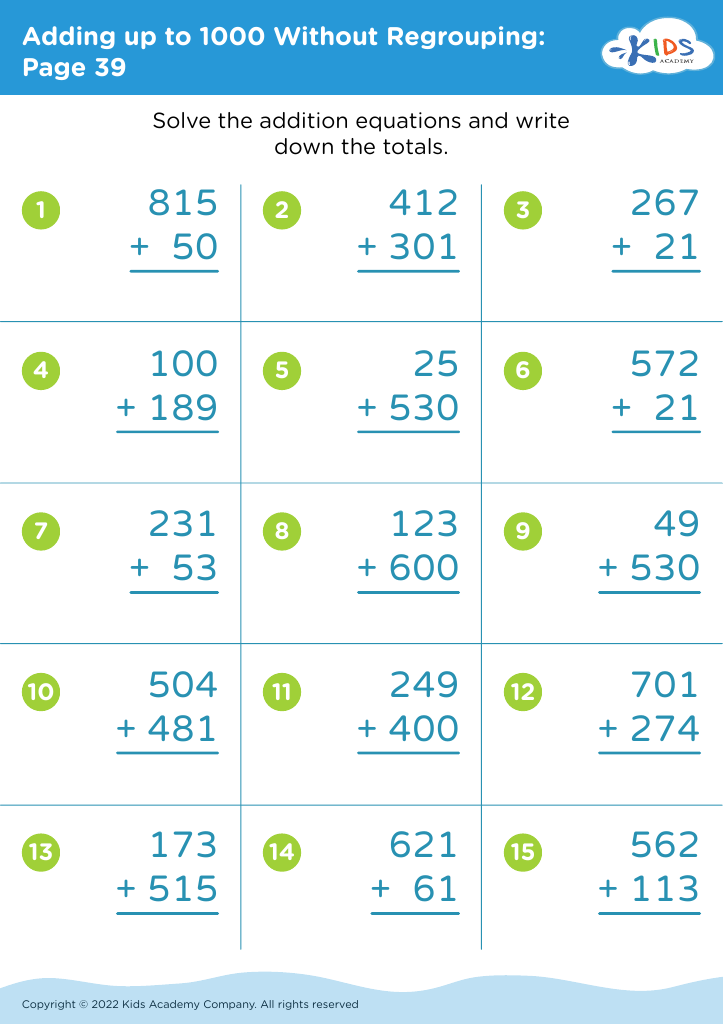
    Adding up to 1000 Without Regrouping: Page 39
    Adding up to 1000 Without Regrouping: Page 39
    Adding up to 1000 Without Regrouping: Page 39
    Worksheet
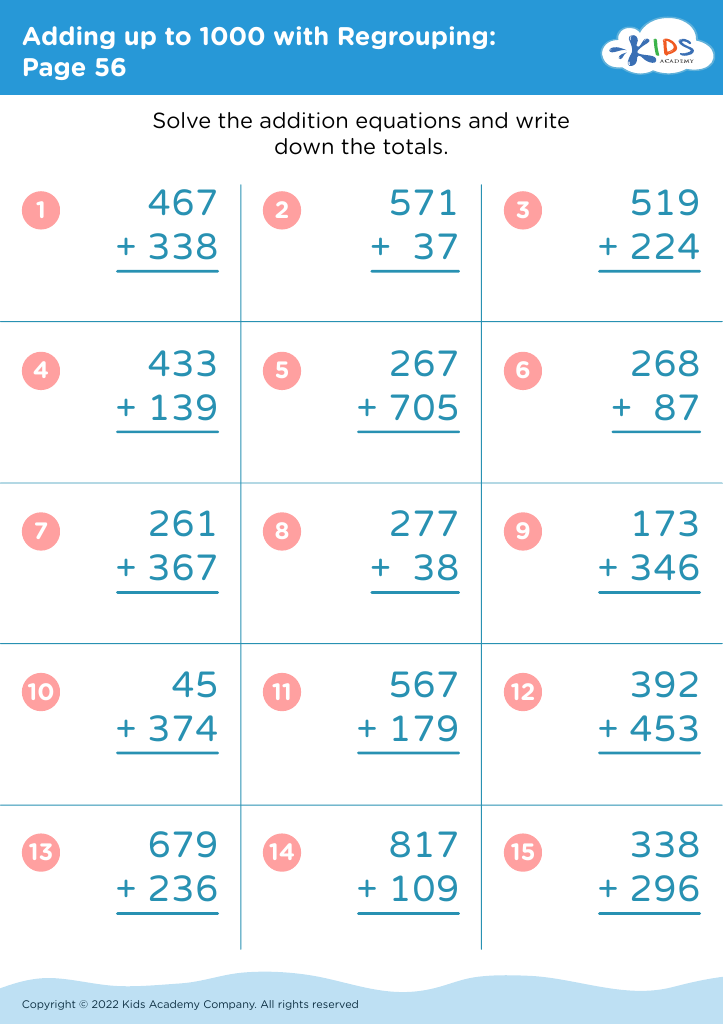
    Adding up to 1000 with Regrouping: Page 56
    Adding up to 1000 with Regrouping: Page 56
    Adding up to 1000 with Regrouping: Page 56
    Worksheet
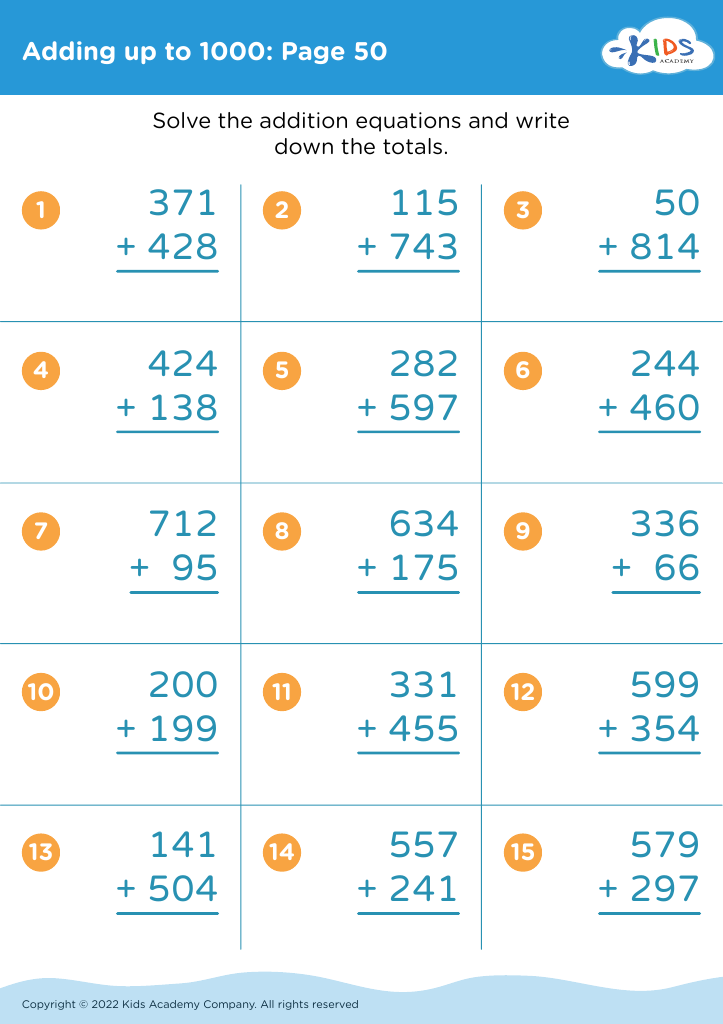
    Adding up to 1000: Page 50
    Adding up to 1000: Page 50

    Adding up to 1000: Page 50

    Adding up to 1000: Page 50
    Worksheet
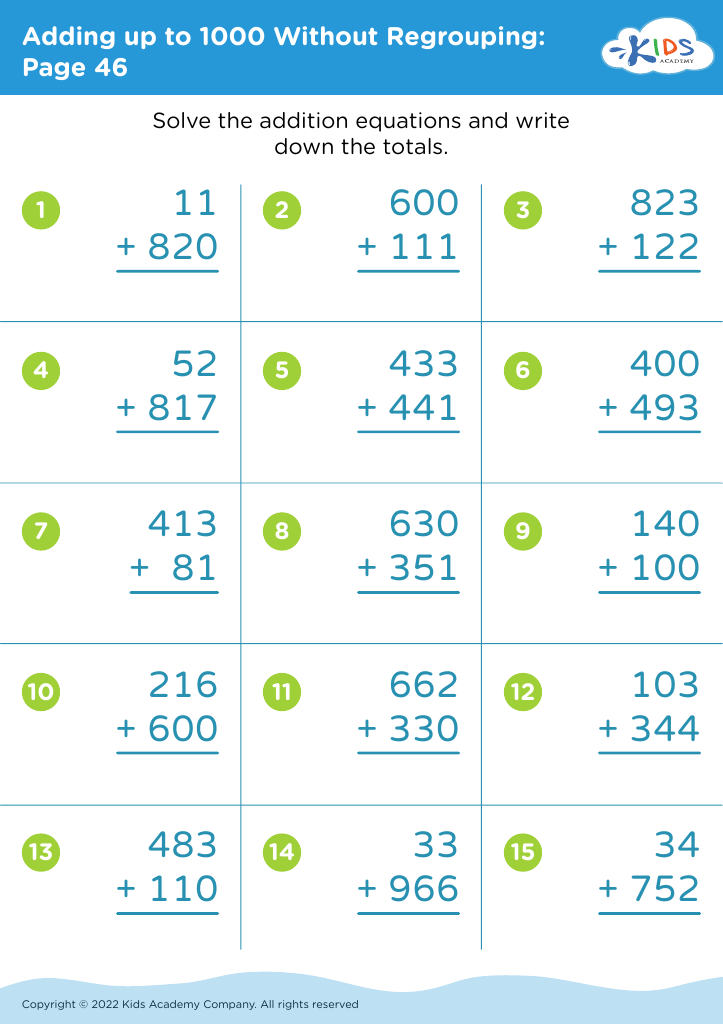
    Adding up to 1000 Without Regrouping: Page 46
    Adding up to 1000 Without Regrouping: Page 46
    Adding up to 1000 Without Regrouping: Page 46
    Worksheet
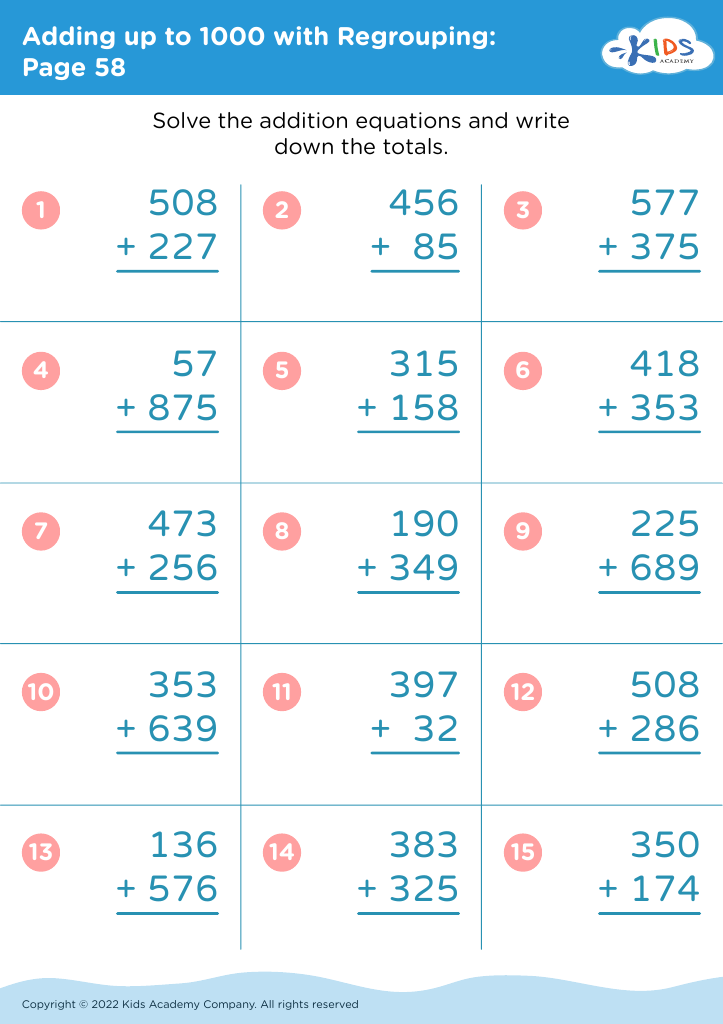
    Adding up to 1000 with Regrouping: Page 58
    Adding up to 1000 with Regrouping: Page 58
    Adding up to 1000 with Regrouping: Page 58
    Worksheet


    Teaching young children to understand numbers up to 1000 might seem complex, but it's highly beneficial for their cognitive development and long-term academic success. During the ages of 5-7, children's brains are particularly receptive to new information, and they are developing foundational skills in literacy and numeracy that will support more advanced learning in the future.

    Adding up to 1000 enhances their number sense, which is the ability to understand, relate, and connect numbers in a fluid and flexible way. This foundational numeracy helps them tackle real-life scenarios, from counting and sorting objects to understanding money and measurements, which are essential life skills.

    Additionally, practicing this ability improves children's problem-solving skills and logical thinking, fostering an early understanding of concepts like place value, which is crucial for more complex calculations. Learning to manipulate larger numbers also builds confidence and reduces math anxiety, making them more willing to take on challenging tasks as they grow older.

    By focusing on such critical numeracy skills at an early age, parents and teachers lay a strong foundation for future academic subjects like science, technology, engineering, and mathematics (STEM). Thus, ensuring that children master these basic math concepts early on is an investment in their lifelong learning and problem-solving abilities.