Basic geometry understanding Math Worksheets for Ages 5-7
12 filtered results
-
From - To
Welcome to our collection of Basic Geometry Understanding Math Worksheets designed specifically for children ages 5-7. These engaging worksheets introduce young learners to essential geometric concepts, helping them recognize shapes, understand spatial relationships, and develop critical thinking skills. With a variety of fun activities, including shape identification, sorting, and patterns, children will gain a foundational understanding of geometry while honing their math skills. Whether at home or in the classroom, our interactive resources make learning geometry enjoyable and effective. Dive into a world of shapes and space to pave the way for future mathematical success for your little learners!
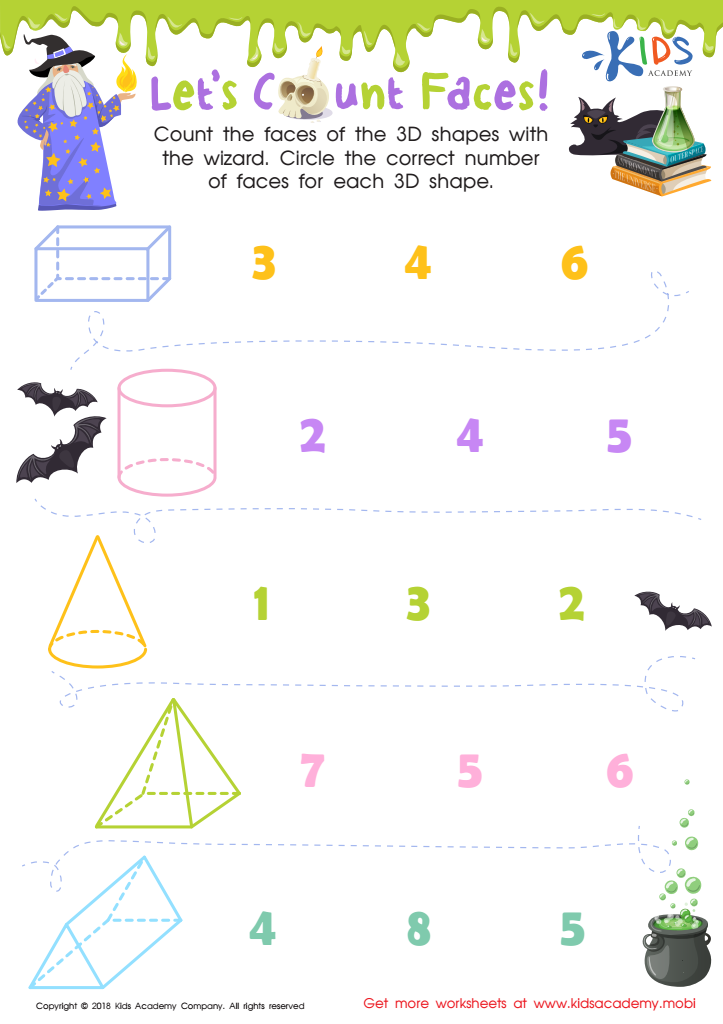
Let's Count Faces! Worksheet
 Assign to My Students
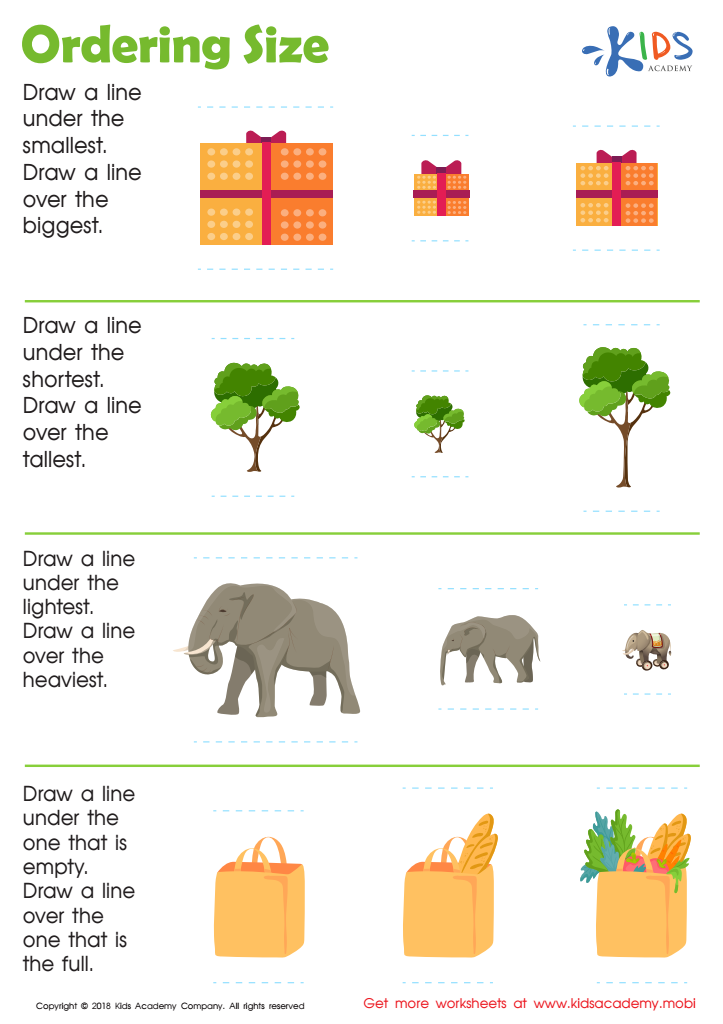
Ordering Size Worksheet
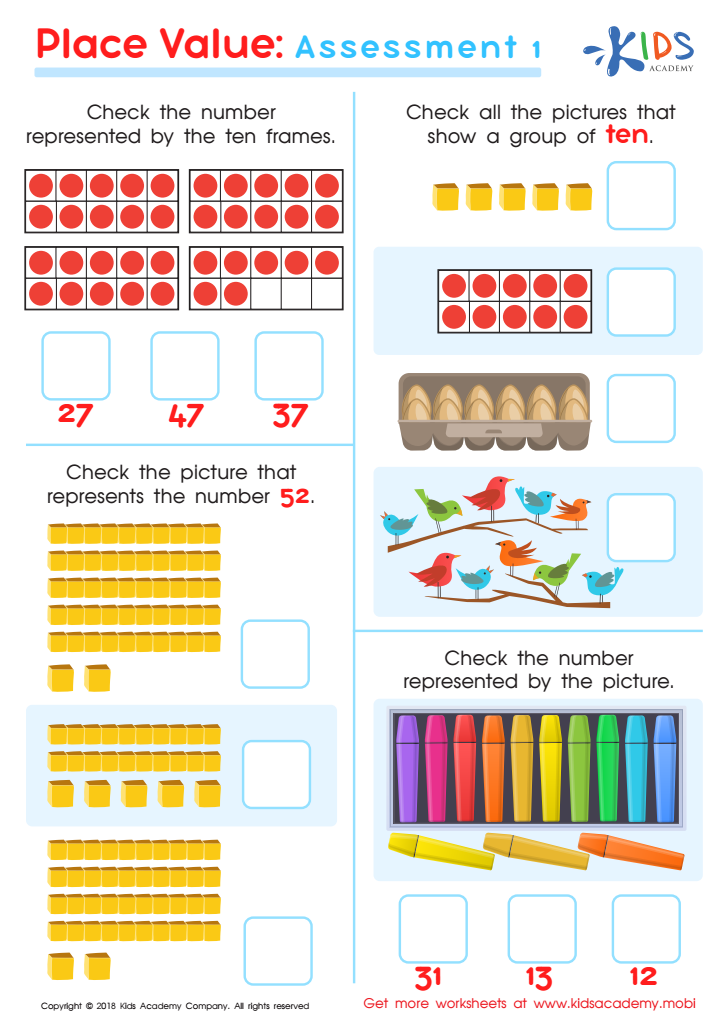
Place Value: Assessment 1 Worksheet
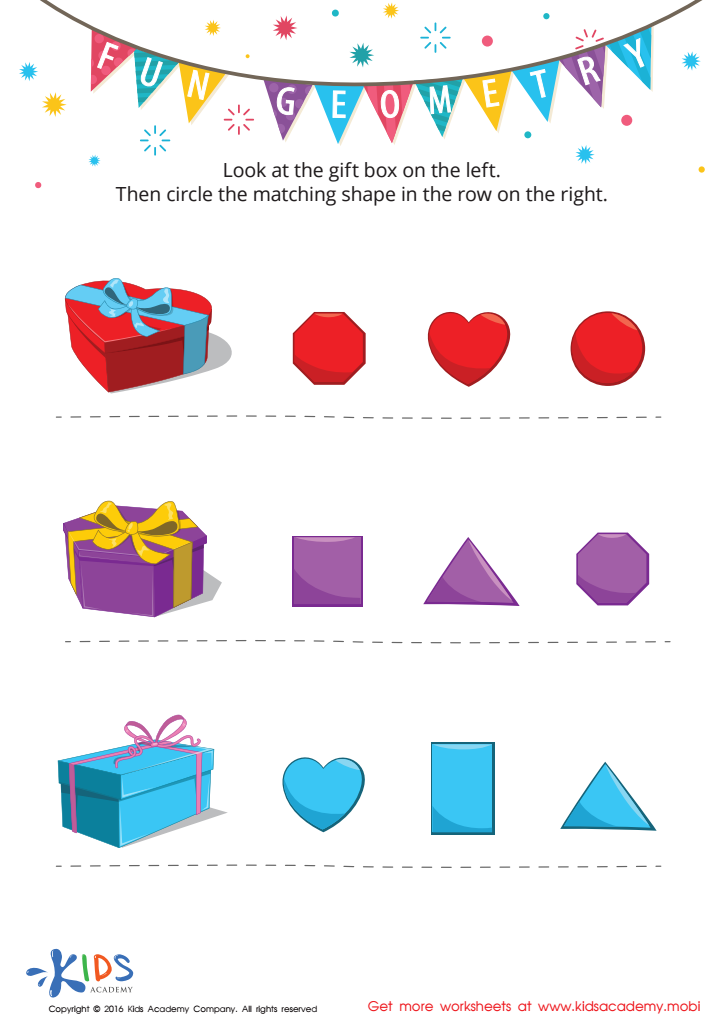
Fun Geometry Worksheet
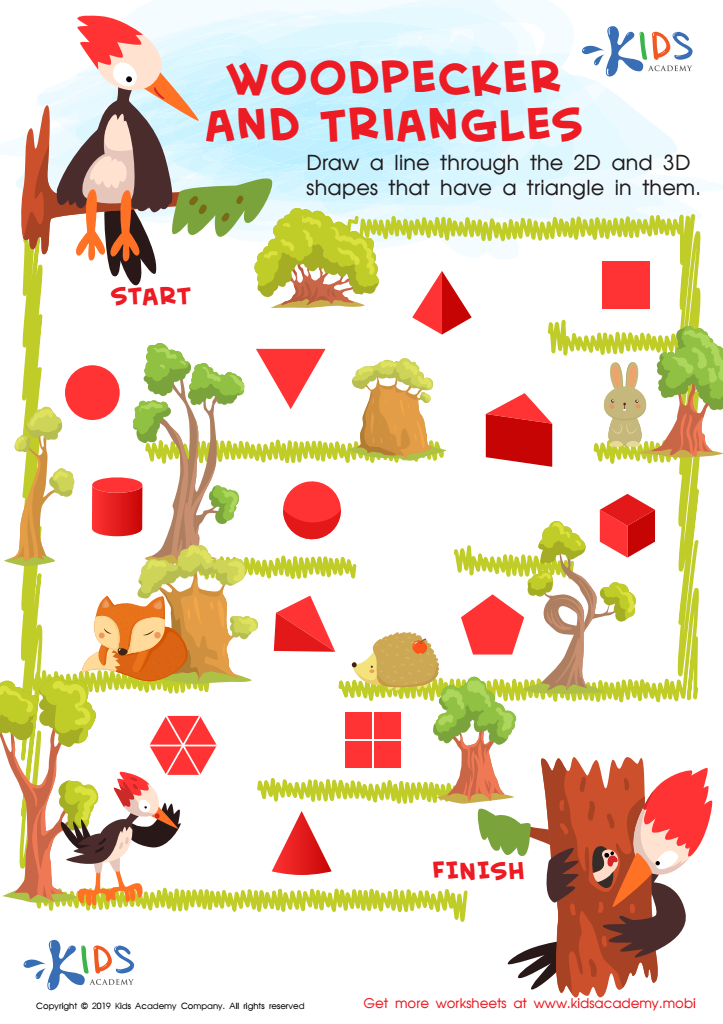
Woodpecker and Triangles Worksheet
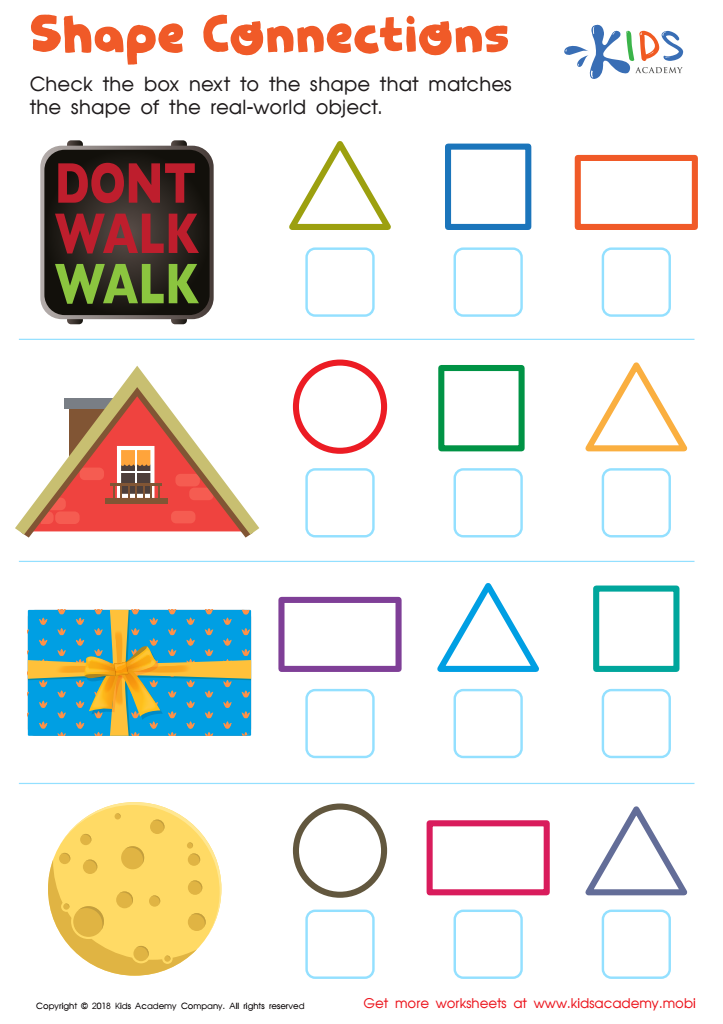
Shape Connections Worksheet
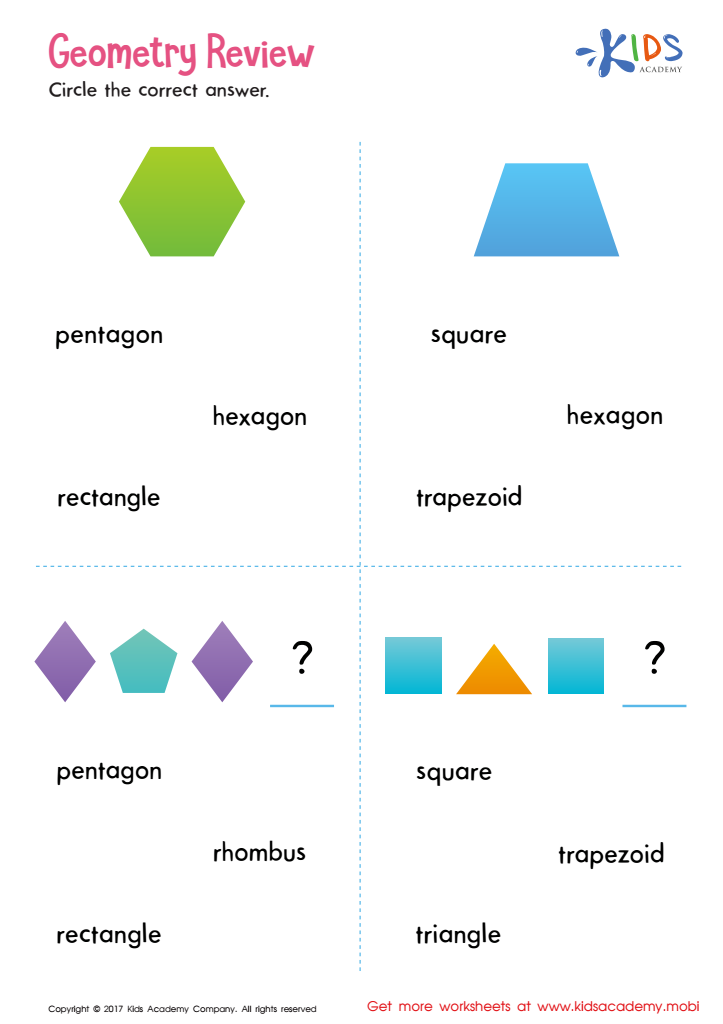
Geometry Review Printable
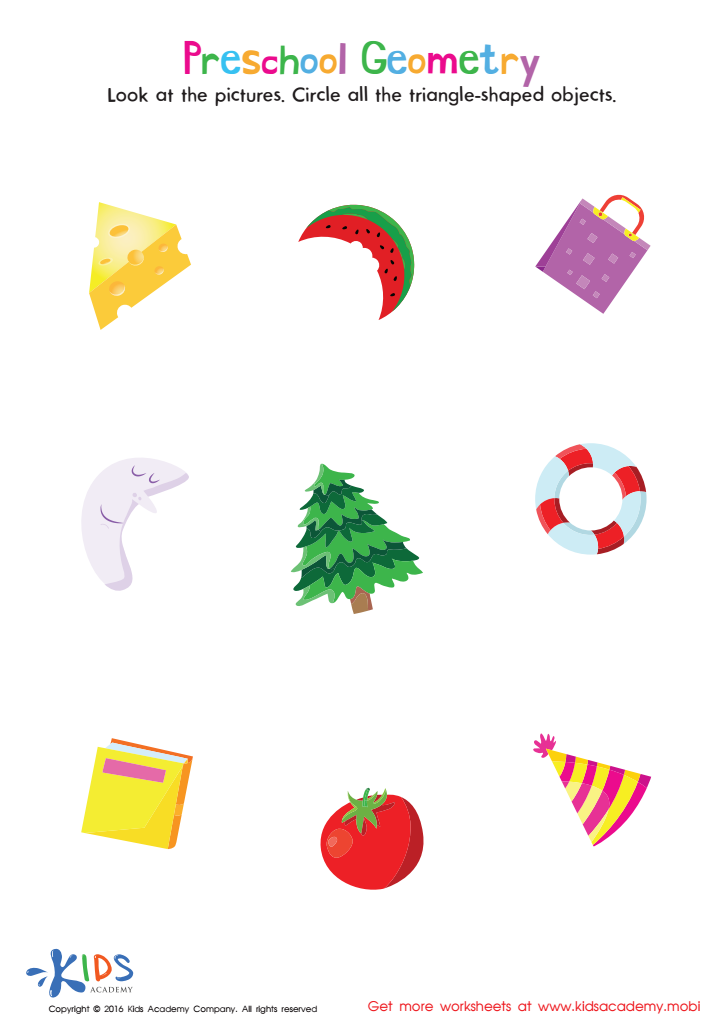
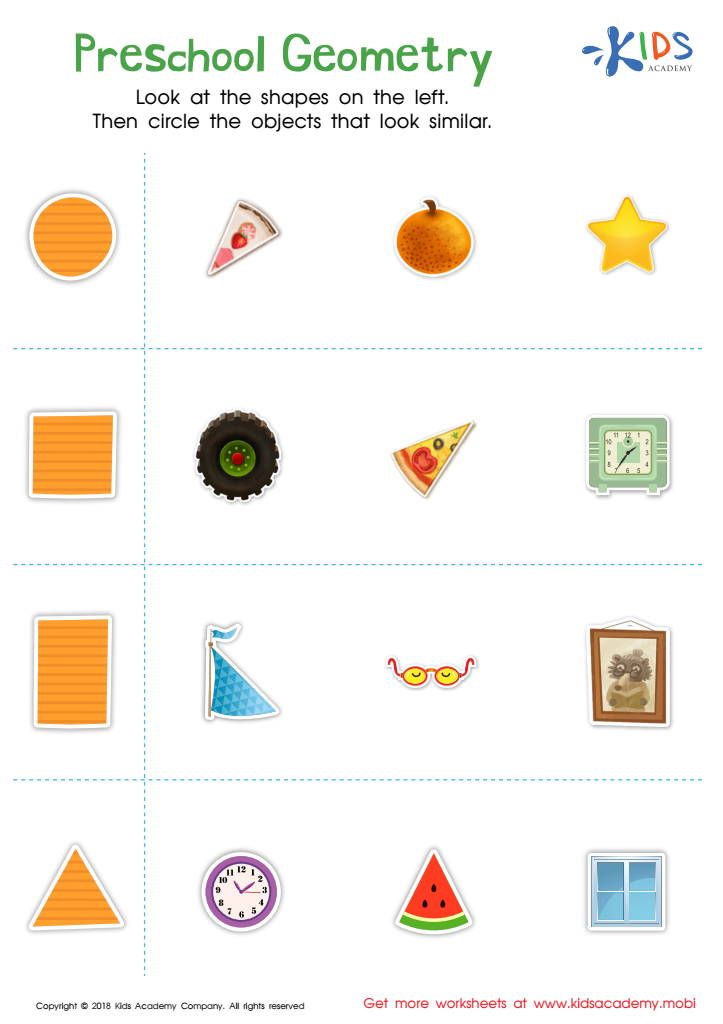
Preschool Geometry Worksheet
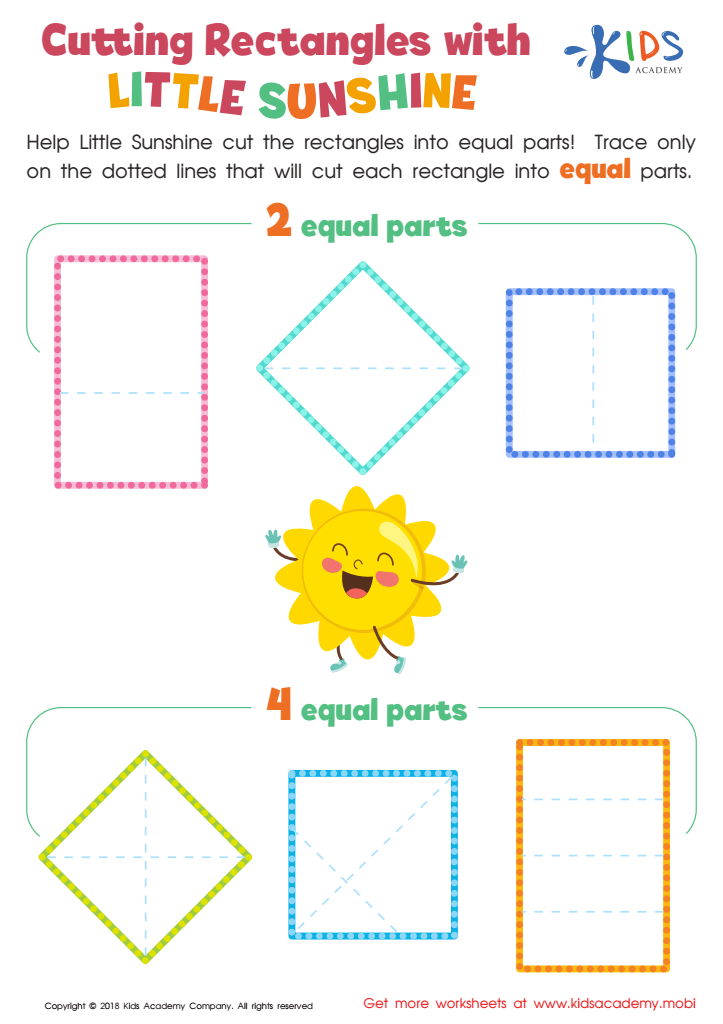
Cutting Rectangles with Little Sunshine Worksheet
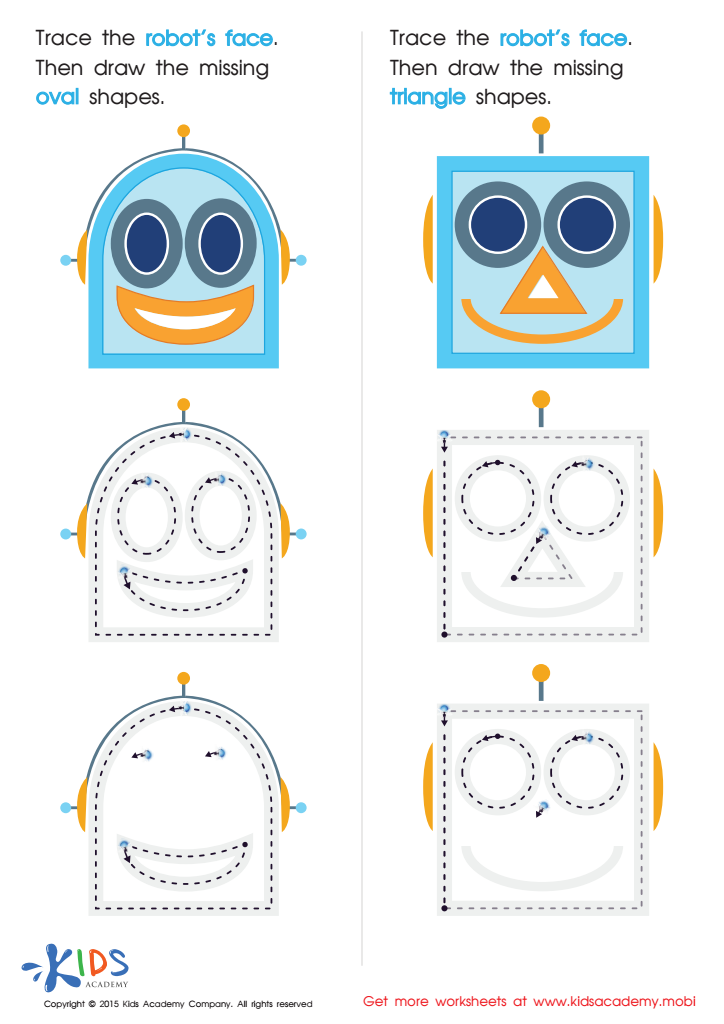
Drawing Ovals And Triangles with Fun Printable
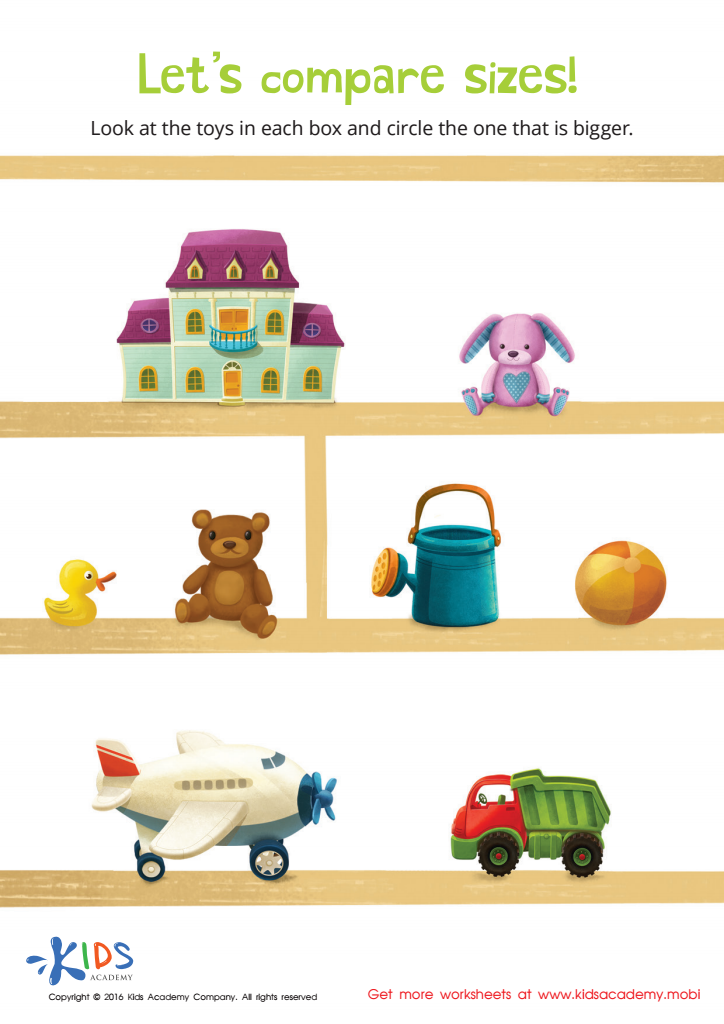
Classifying by Size Sorting Worksheet







Basic geometry understanding is crucial for children aged 5-7 as it lays the foundation for their overall mathematical development. At this age, children are naturally curious and eager to explore the world around them. Engaging them with geometry helps enhance spatial awareness, which is essential for future learning not just in math but also in sciences, arts, and daily problem-solving.
Understanding shapes, sizes, and their properties allows children to categorize objects, improving their critical thinking skills. This foundational knowledge supports skills like measurement, reasoning, and even artistry, as geometry is closely linked to creativity and design. Additionally, introducing basic geometric concepts at this stage fosters a sense of confidence in their abilities to understand complex topics later on.
Moreover, geometry promotes language development. Children learn to describe shapes and spatial relationships, enhancing their vocabulary and communicative abilities. Participatory activities, such as building and drawing, make learning engaging and interactive, fostering social skills as they collaborate with peers. By laying a solid geometry foundation, parents and teachers can help children visualize and manipulate the environment around them, setting them up for success in math and other academic areas as they grow.








