Problem-Solving Skills Math Worksheets for Ages 5-7 - Page 12
275 filtered results
-
From - To
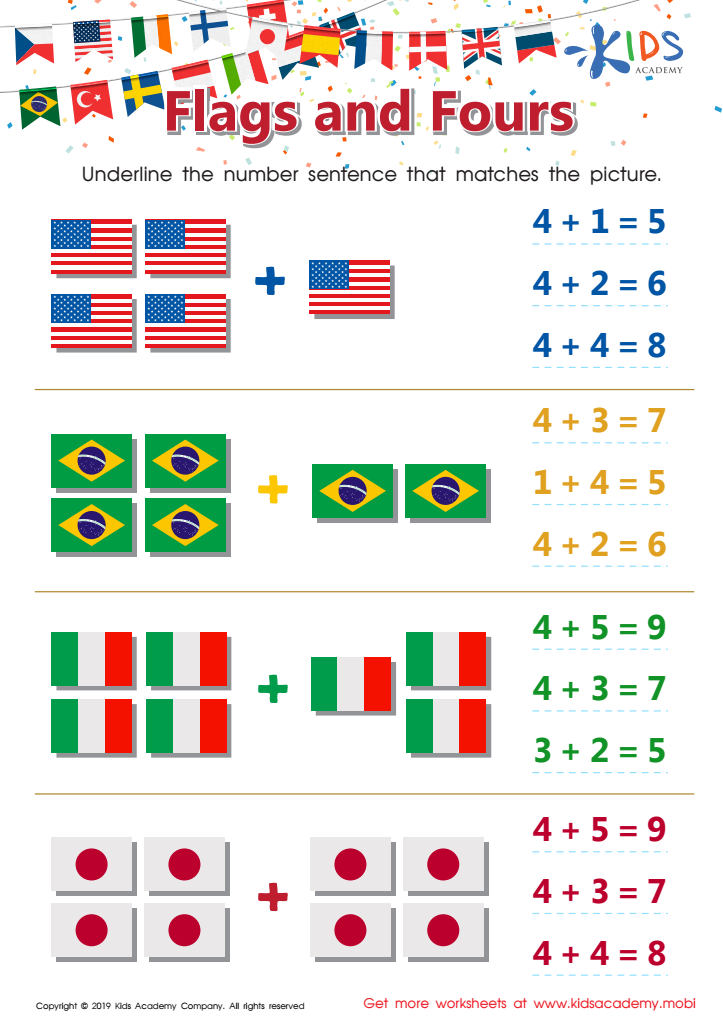
Flags and Fours Worksheet
 Assign to My Students
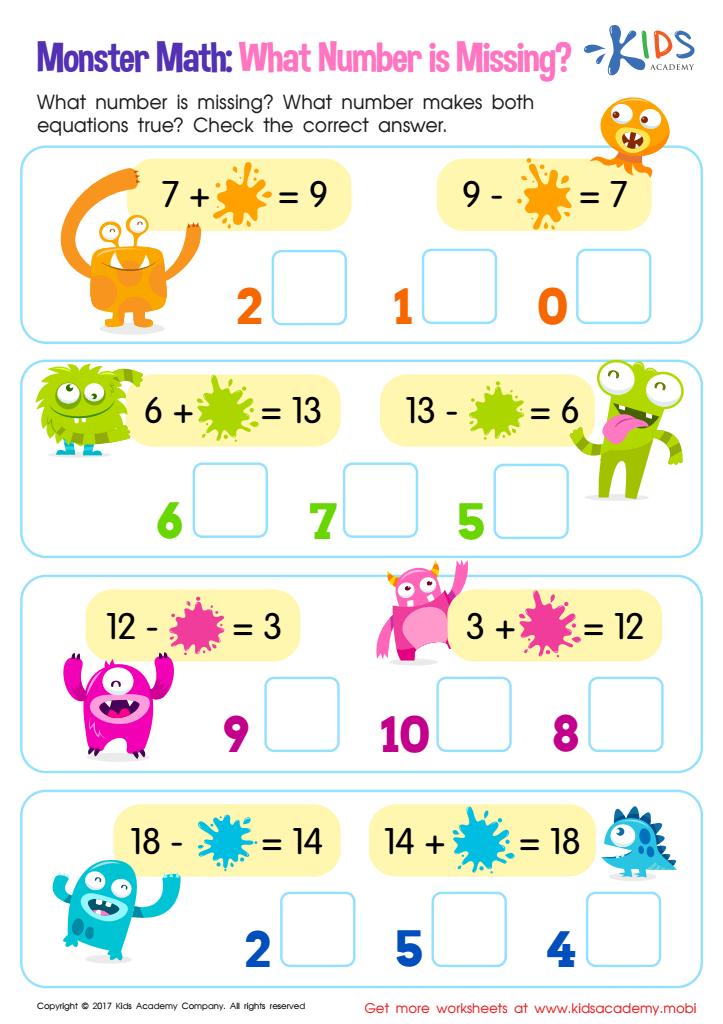
Missing Number: Monster Math Worksheet
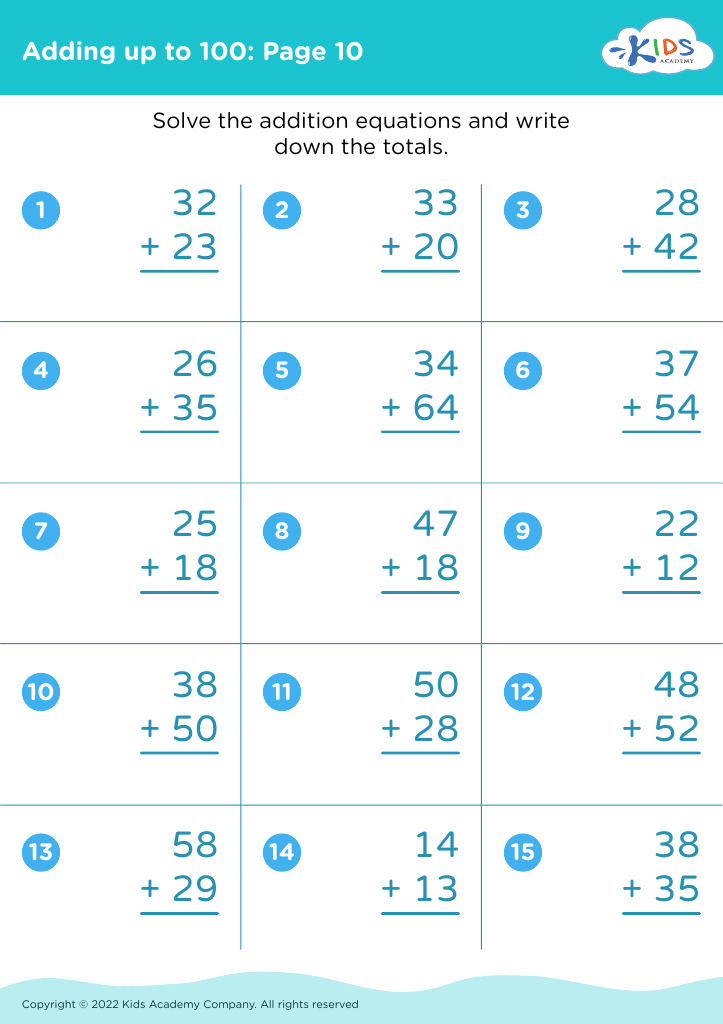
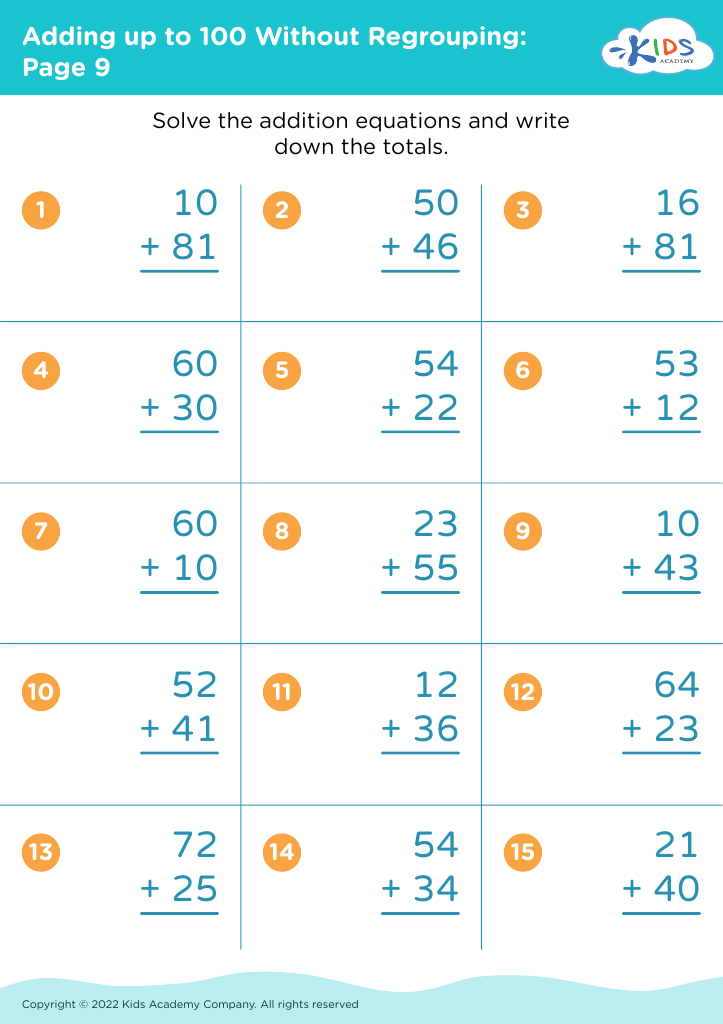
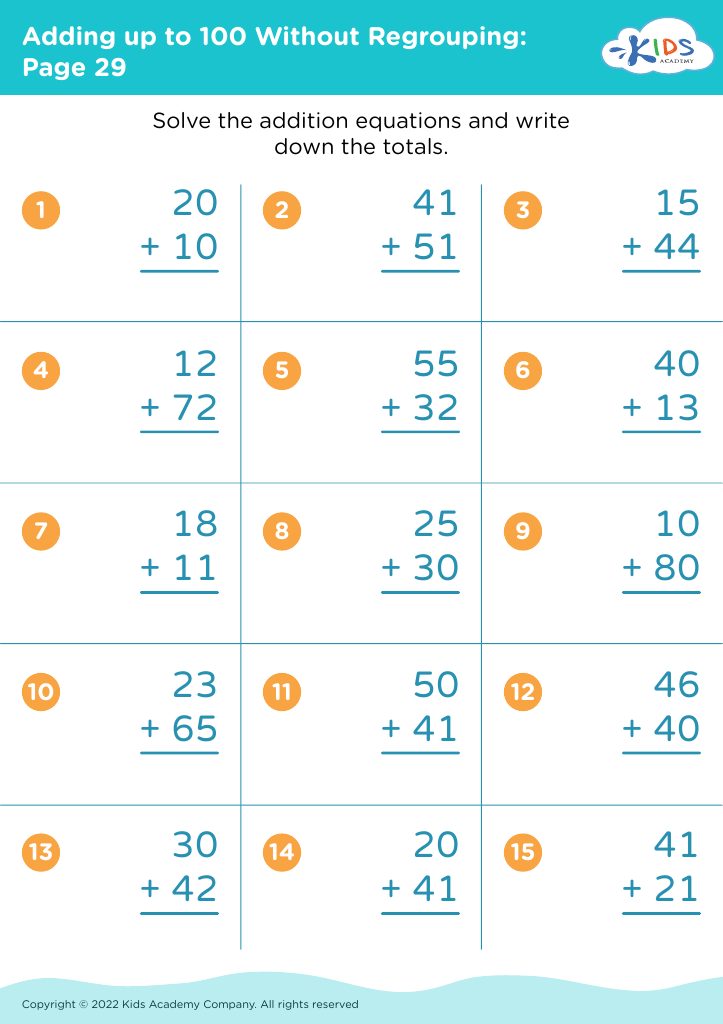
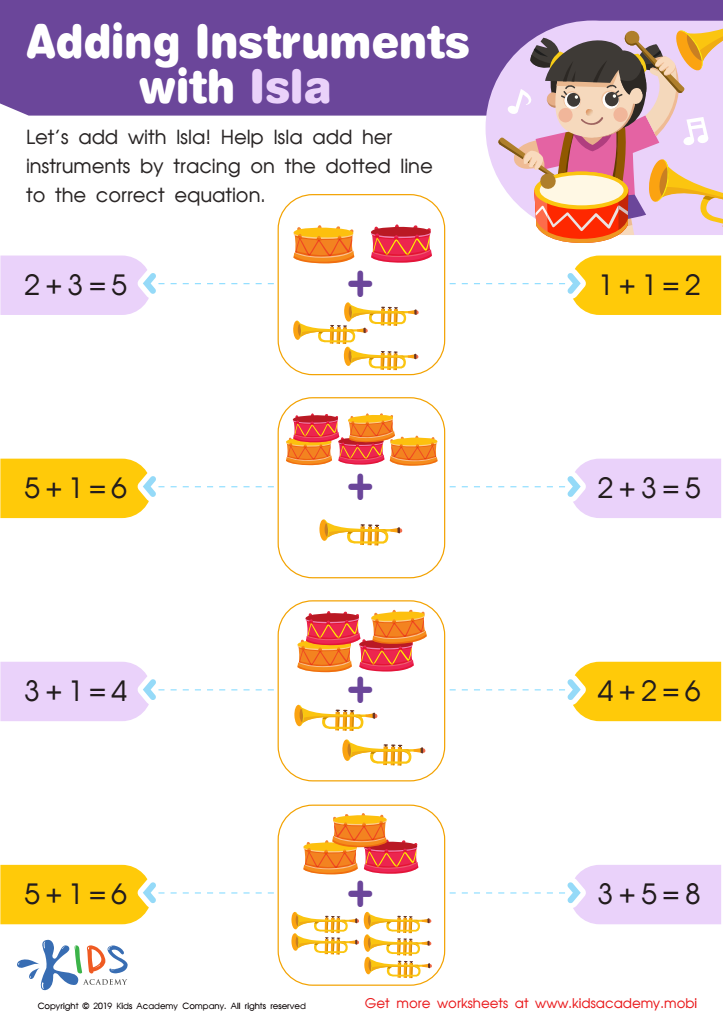
Adding Instruments with Isla Worksheet
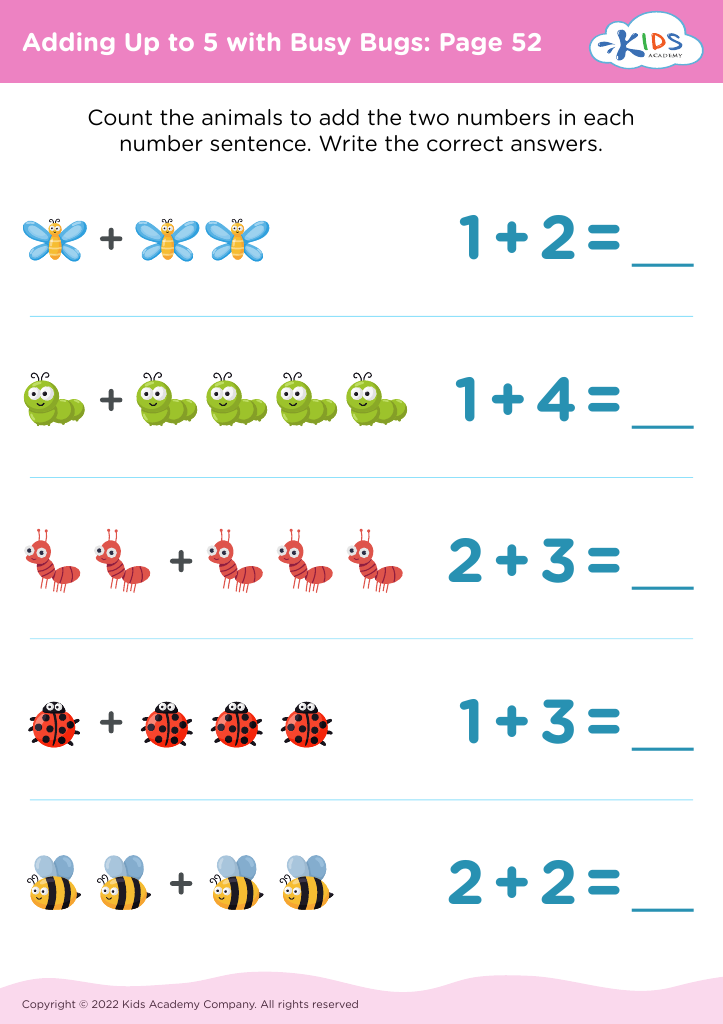

Time to Catch the Train Part 2 Worksheet
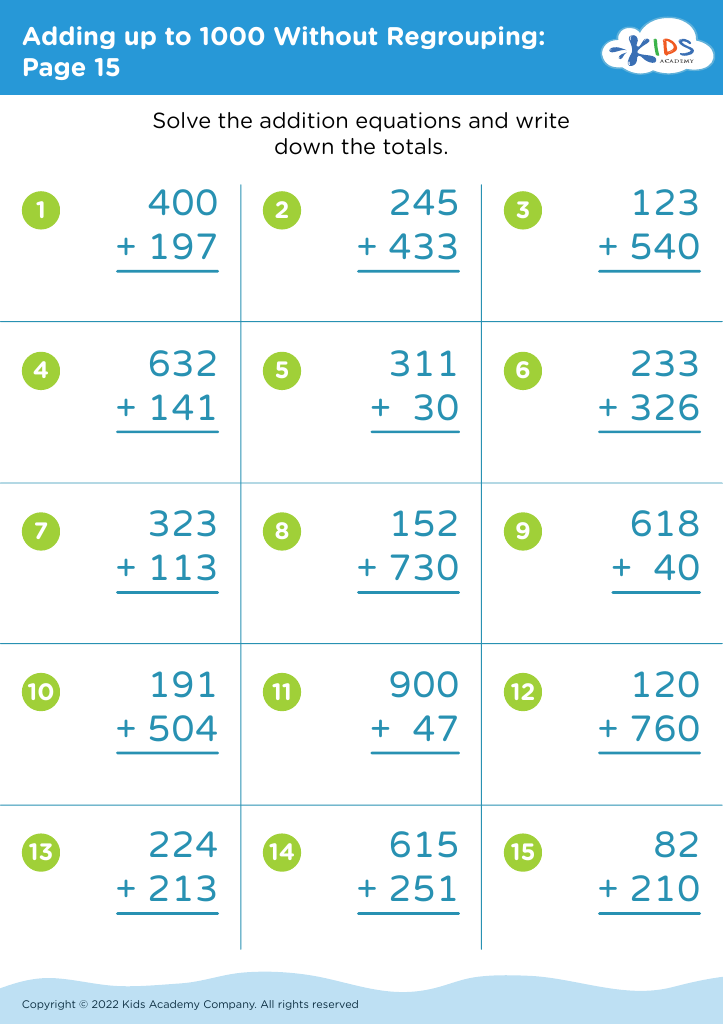








Problem-solving skills in math are essential for children ages 5-7 for several important reasons. First, these skills foster critical thinking and creativity. When children learn to approach math problems from different angles, they develop a mindset that supports exploration and experimentation, laying the groundwork for future learning.
Secondly, math problem-solving enhances cognitive abilities. Engaging with math challenges helps children improve their logical reasoning and analytical thinking. These competencies are not only crucial for academic success but also for everyday decision-making and real-world applications.
Moreover, nurturing these skills during early childhood can boost children's confidence. Successfully tackling math problems empowers kids, instilling a positive attitude toward learning and increasing their resilience in facing challenges.
In addition to academic benefits, strong math problem-solving skills support communication and collaboration. When children explain their thought processes and strategies to peers, they learn to articulate their ideas, paving the way for effective teamwork in their future educational and professional experiences.
Ultimately, emphasizing math problem-solving skills in early education equips children with vital tools for academic achievement and personal growth. By supporting these skills, parents and teachers contribute to a solid foundation for lifelong learning and success.








