Numbers up to 100 Worksheets for Ages 5-7 - Page 3
51 filtered results
-
From - To
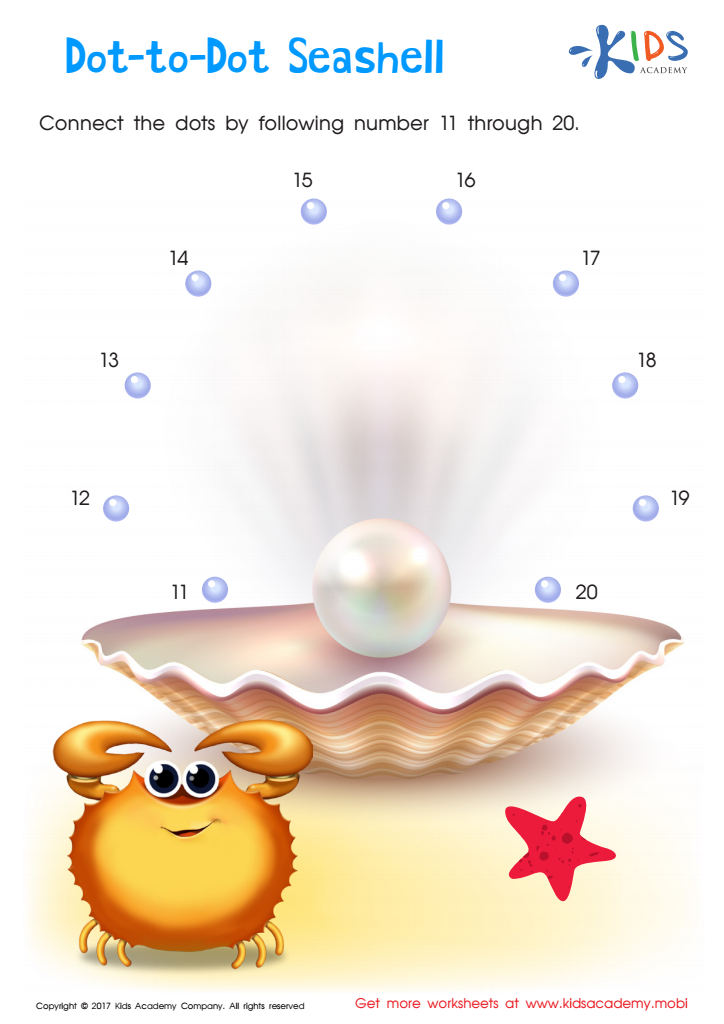
Ordering 11–20: Dot–to–dot Seashell Printable
 Assign to My Students
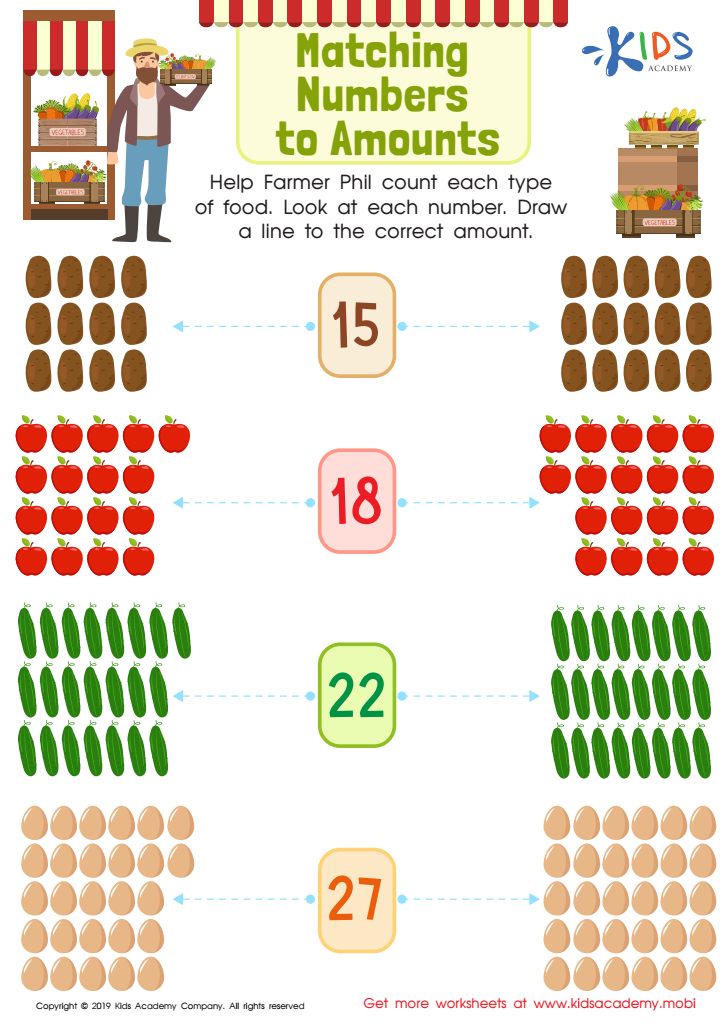
Matching Numbers to Amounts Worksheet

Counting on the City Skyline: Dot-to-Dot Worksheet


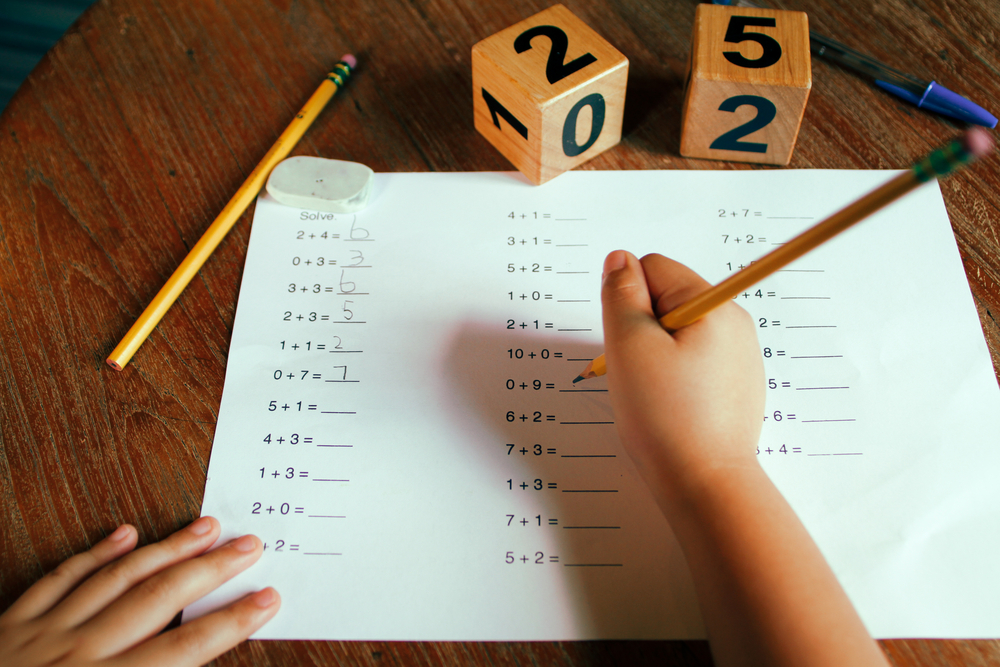





Parents and teachers should prioritize teaching numbers up to 100 for children aged 5-7 as this foundational knowledge significantly impacts their cognitive and academic development. Understanding numbers within this range equips children with essential skills for counting, comparing, and basic mathematical operations like addition and subtraction, which are crucial for later learning.
Moreover, this knowledge lays the groundwork for developing number sense, critical for problem-solving and logical reasoning. By exploring numbers up to 100, children can grasp the concepts of place value, grouping, and sequences, enabling them to tackle more complex math as they advance in their education.
Additionally, fluency with numbers helps enhance their confidence during classroom activities and tests. Activities involving counting real-life objects, games, and interactive apps can make learning numbers engaging and enjoyable. Strong numerical skills also positively influence everyday tasks such as shopping, understanding time, and navigating finance in the future.
By fostering a robust understanding of numbers up to 100, parents and teachers are not only reinforcing important math skills but are also nurturing a lifelong appreciation for learning and problem-solving in young children. This early emphasis on numbers prepares them to face more substantial challenges in math as they grow.