Reading Non-Fiction Worksheets for Ages 5-7
74 filtered results
-
From - To
Unlock your child's potential with our Reading Non-Fiction Worksheets for Ages 5-7 at Kids Academy! Designed to ignite curiosity and build foundational reading skills, our engaging worksheets cover a variety of fascinating topics that captivate young minds. From animals and science to history and beyond, each worksheet encourages critical thinking, comprehension, and a love for learning. Perfectly suited for early readers, our expertly crafted activities support reading fluency and promote vocabulary development. Make reading an enjoyable and educational adventure for your little ones with our easy-to-download, printable resources. Start exploring today and watch your child thrive!
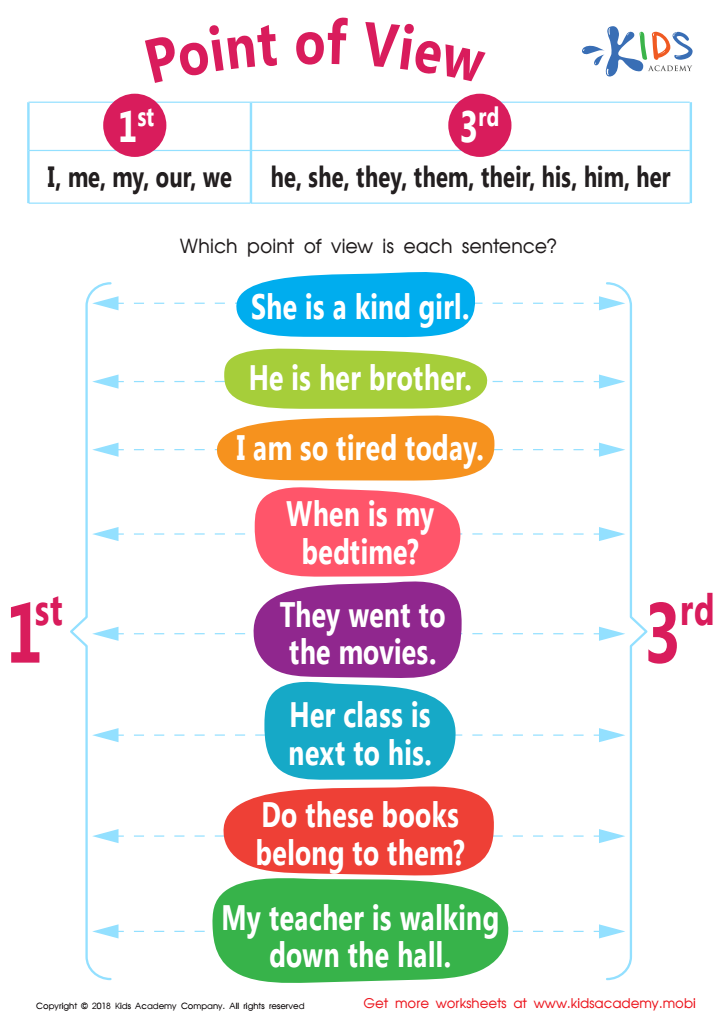
Point of View Worksheet
 Assign to My Students
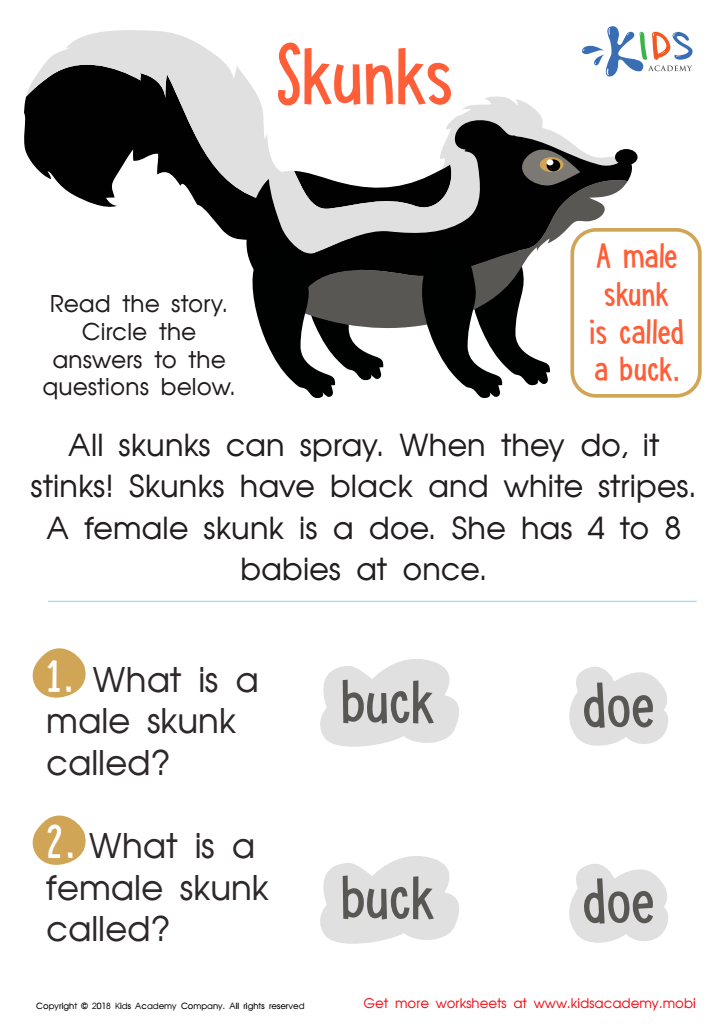
Skunks Worksheet
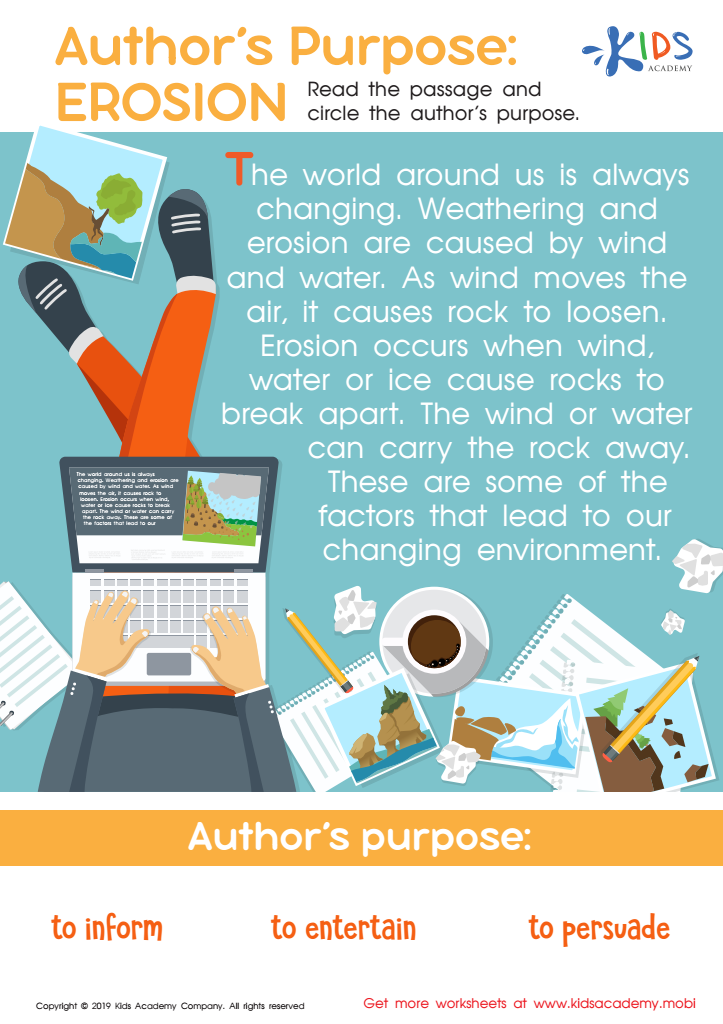
Author’s Purpose: Erosion Worksheet
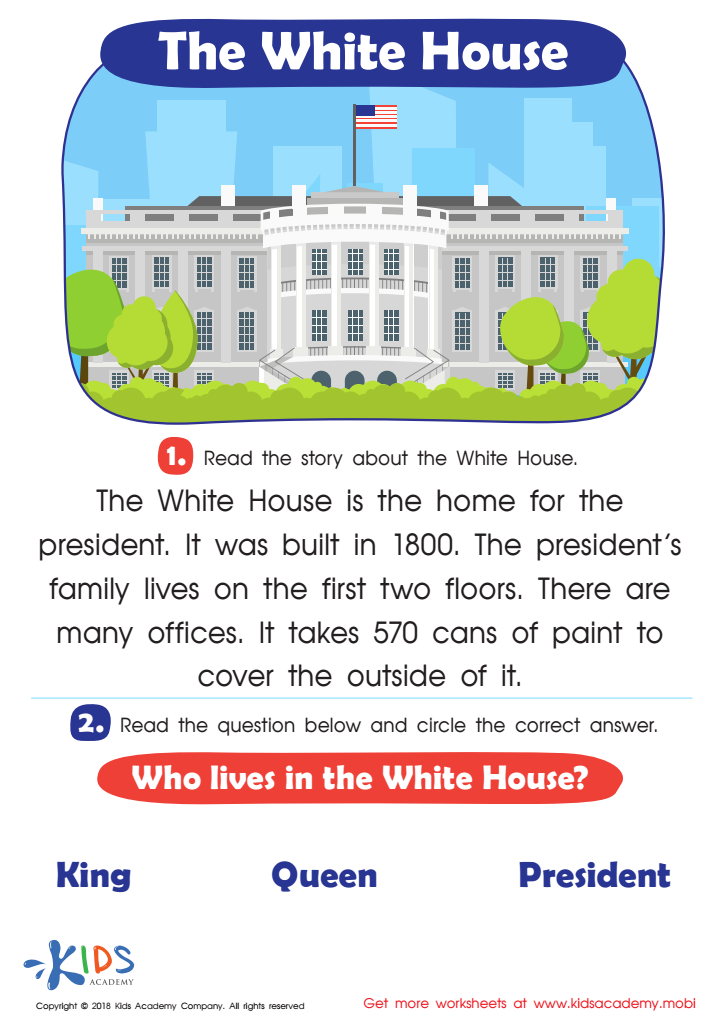
White House Worksheet
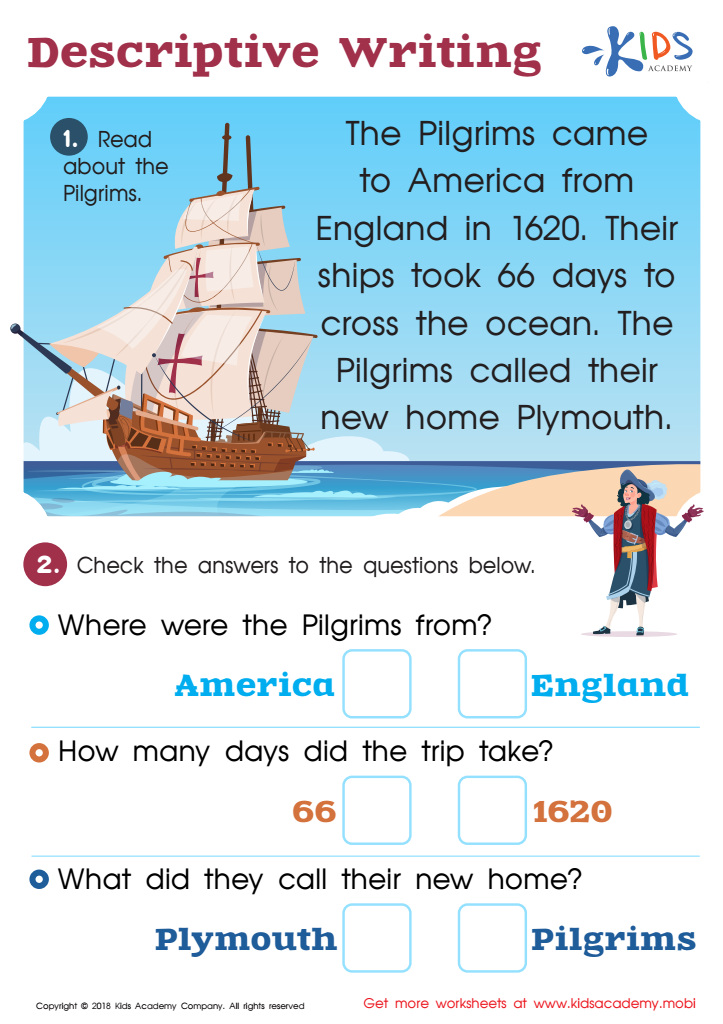
Descriptive Writing Worksheet: Part 1
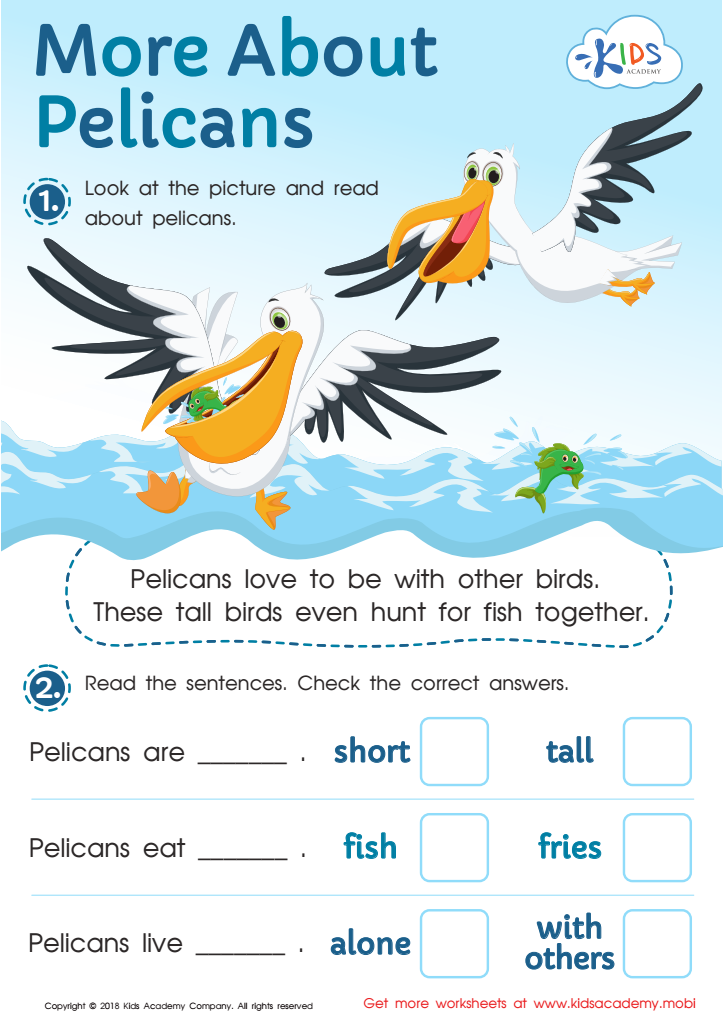
More About Pelicans Worksheet
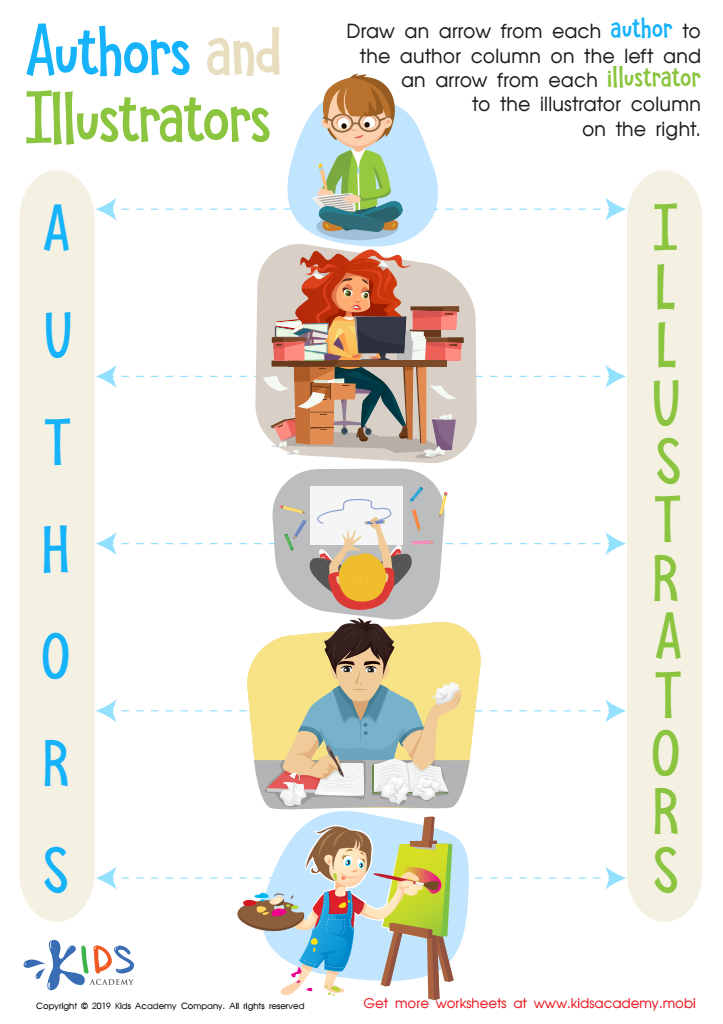
Authors and Illustrators Worksheet
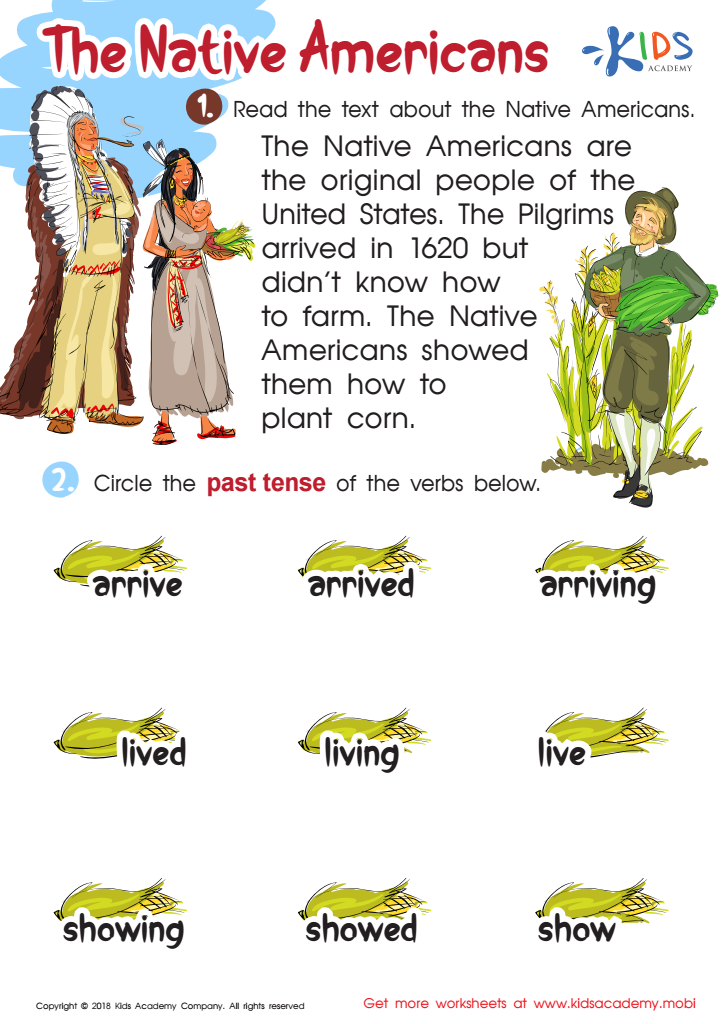
The Native Americans Worksheet
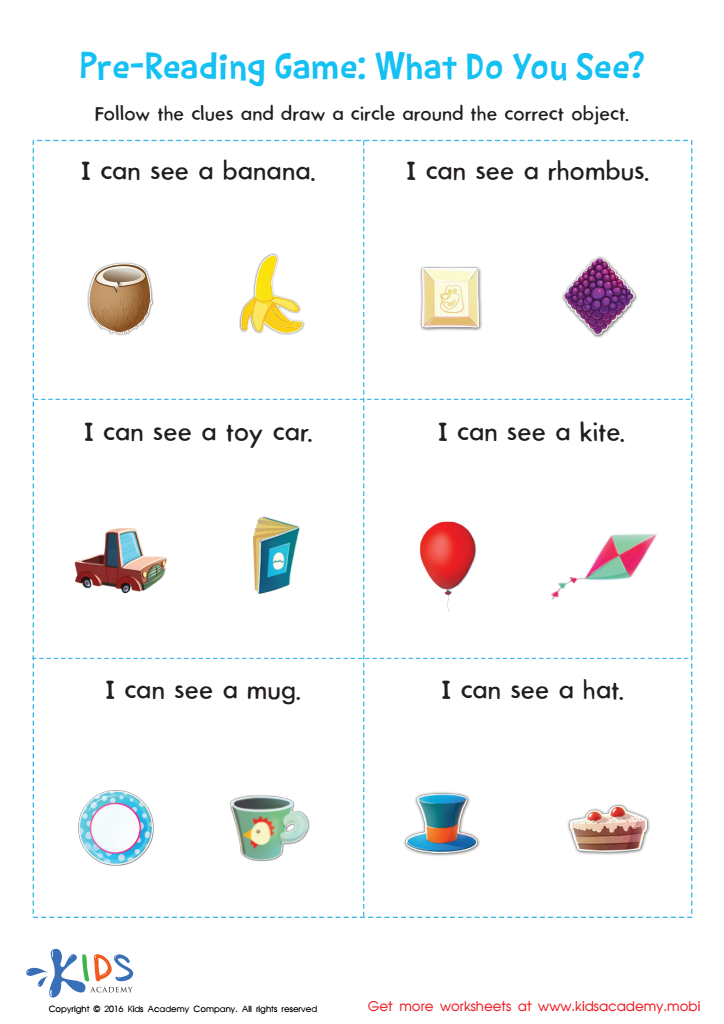
Pre–reading Worksheet: What Do You See?
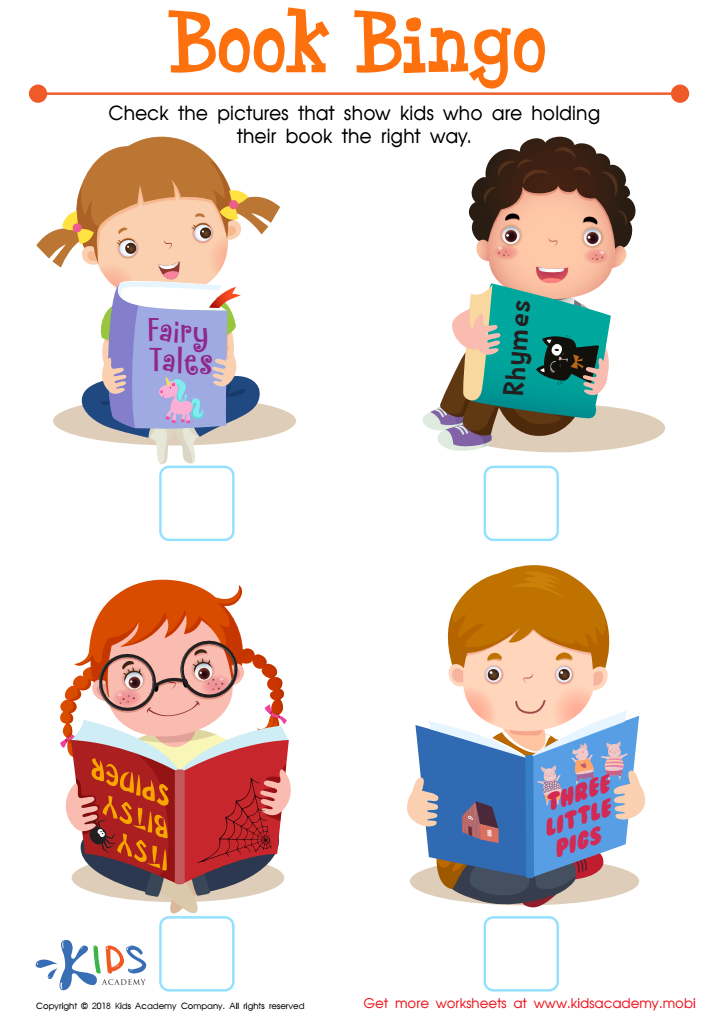
Book Bingo Worksheet
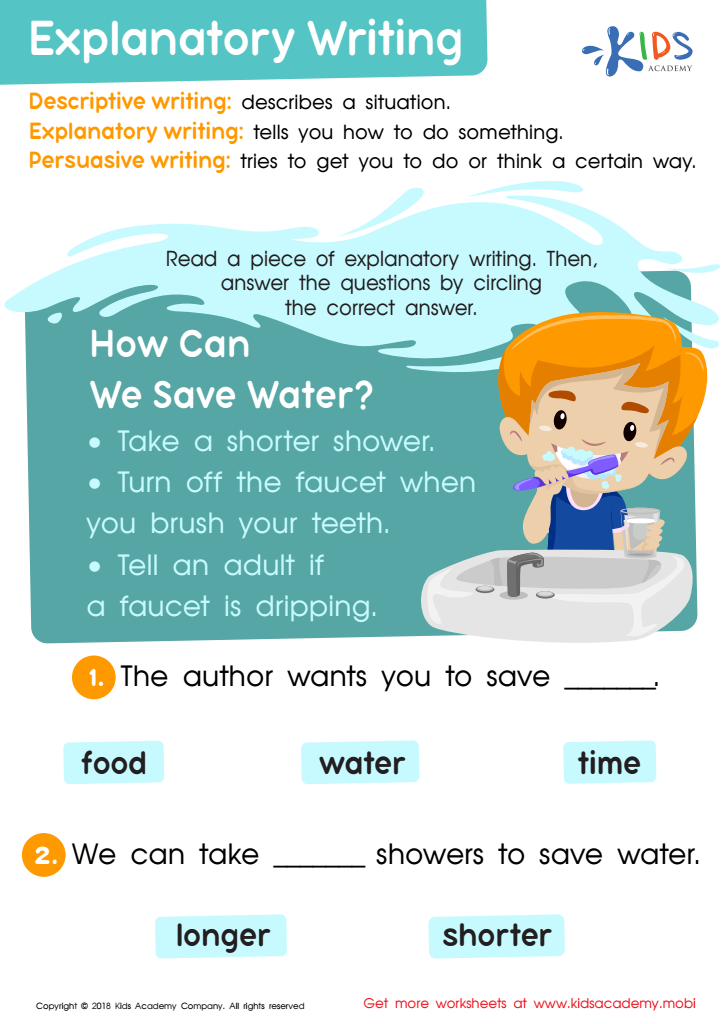
Explanatory Writing Worksheet
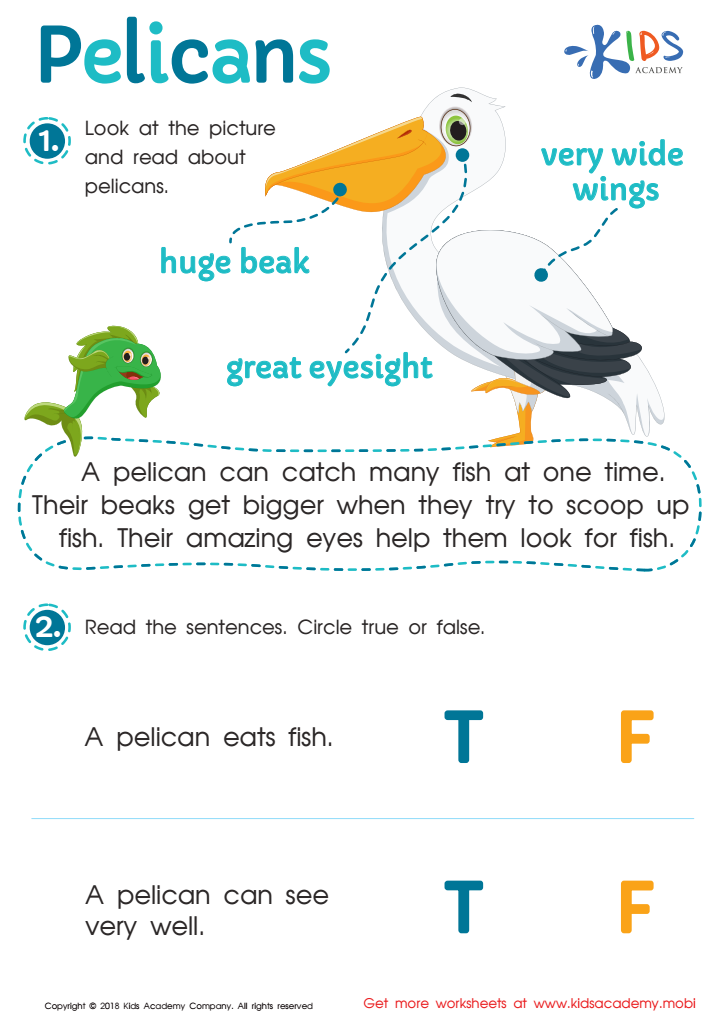
Pelicans Worksheet
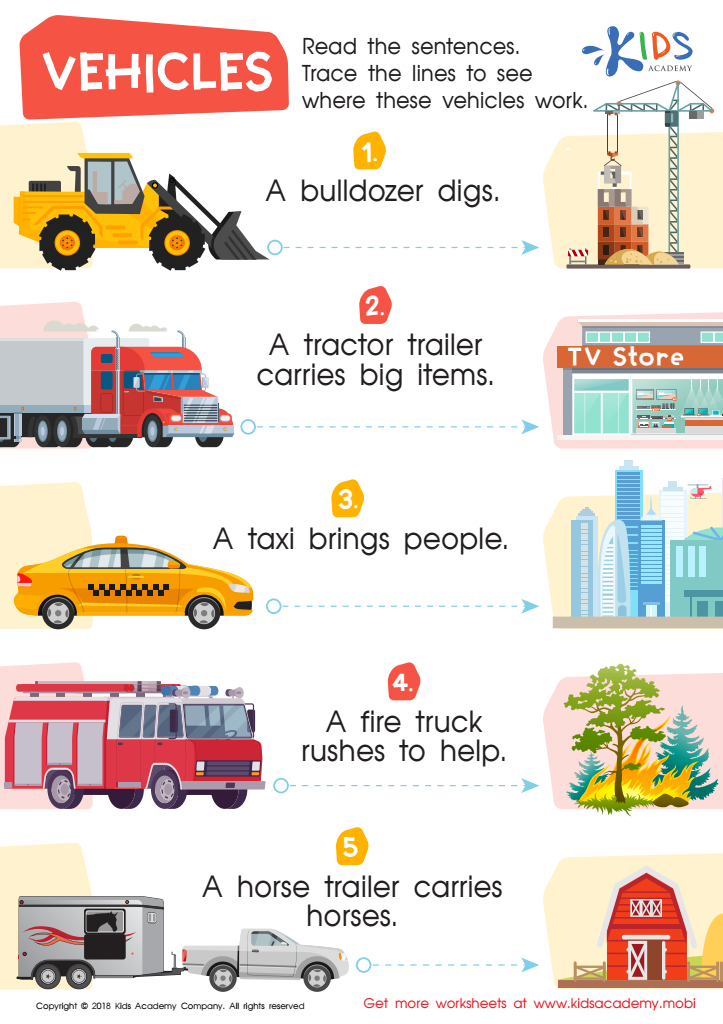
Vehicles Worksheet
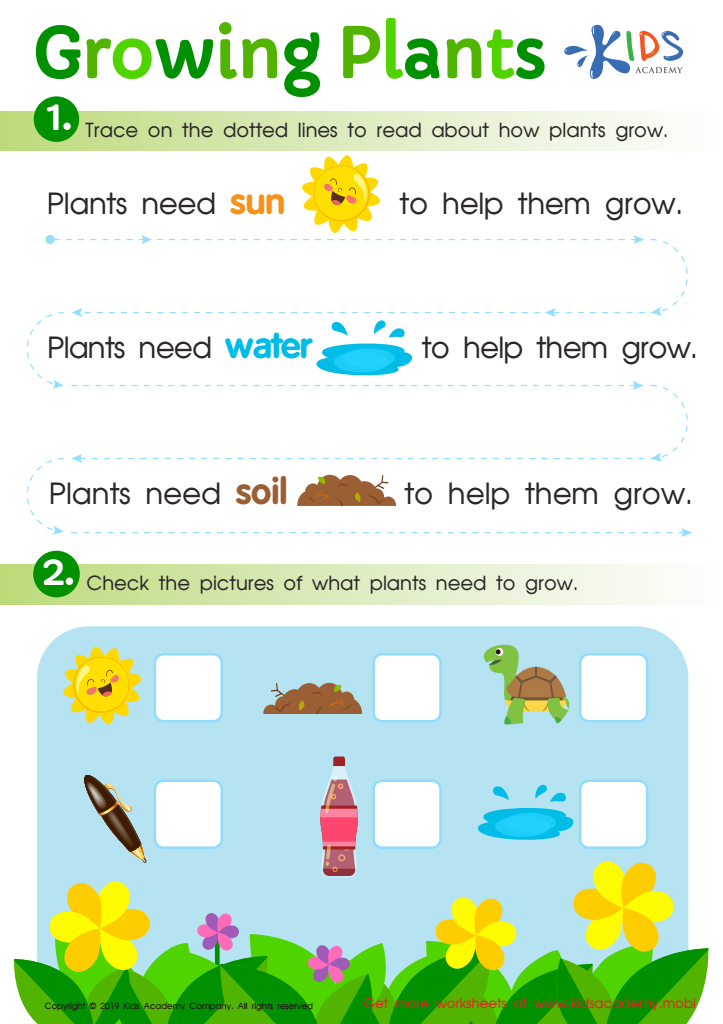
Growing Plants Worksheet
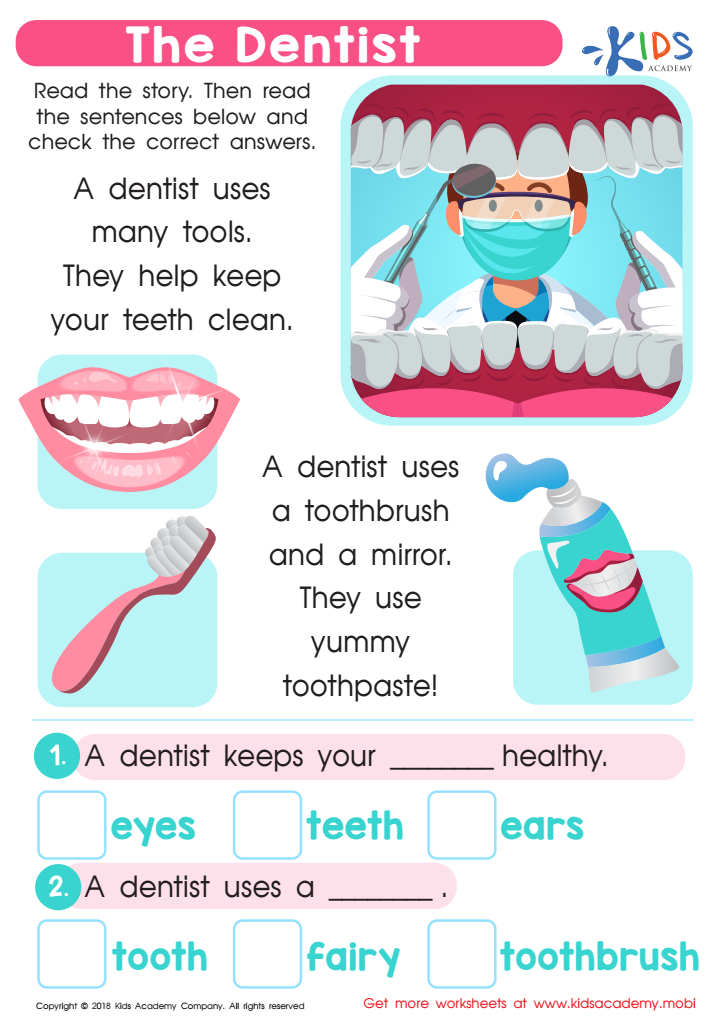
The Dentist Worksheet
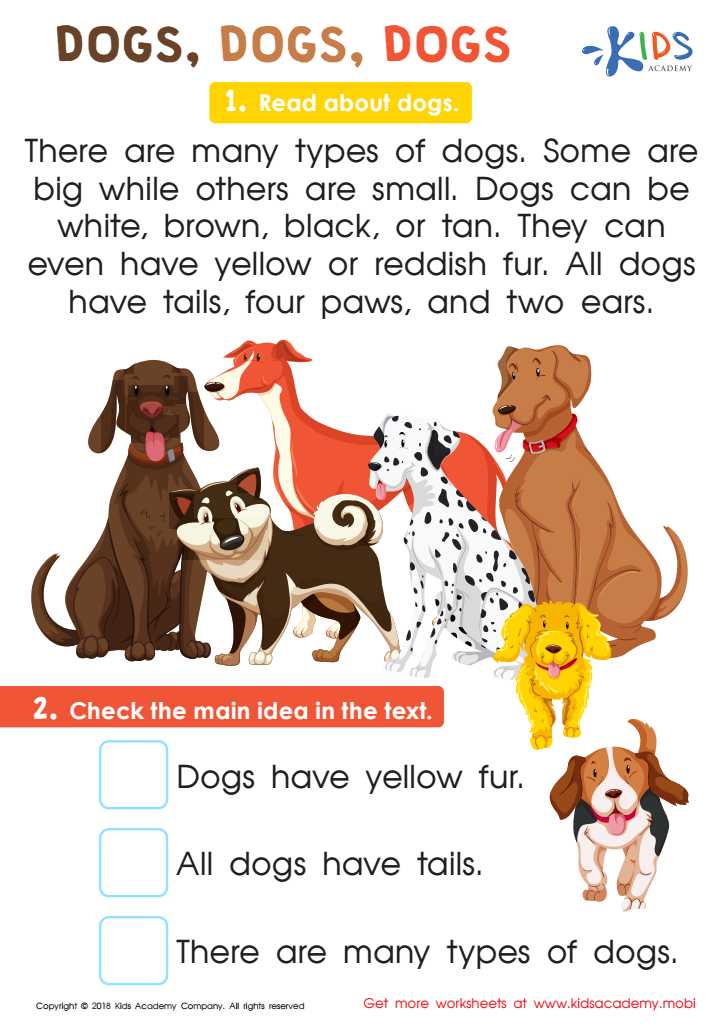
Dogs, Dogs Worksheet
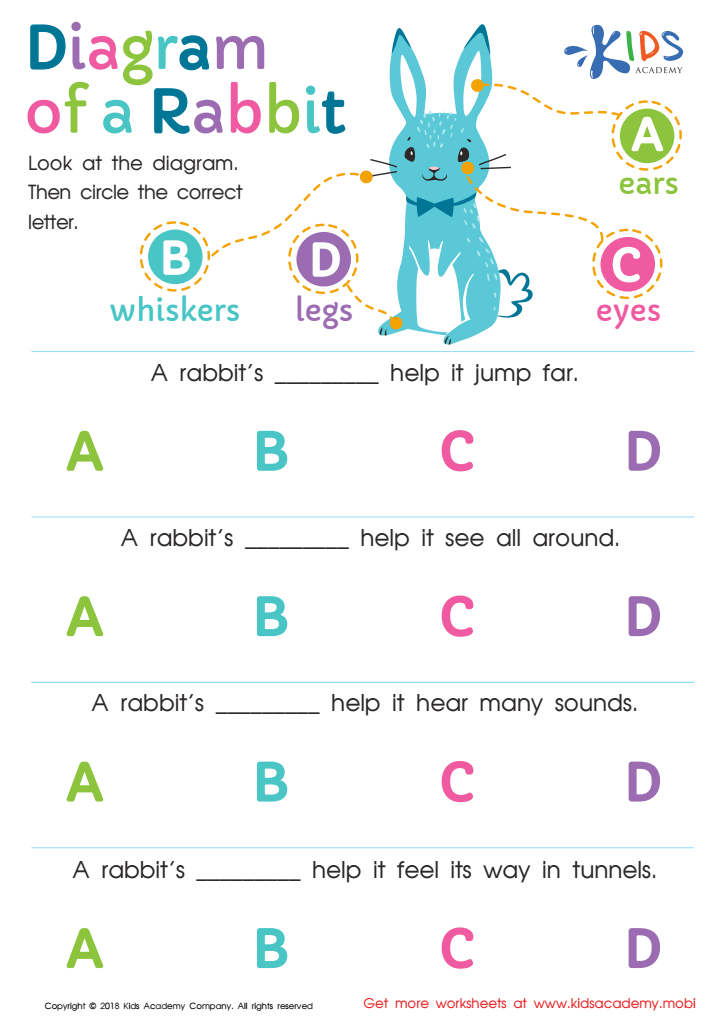
Diagram of a Rabbit Worksheet
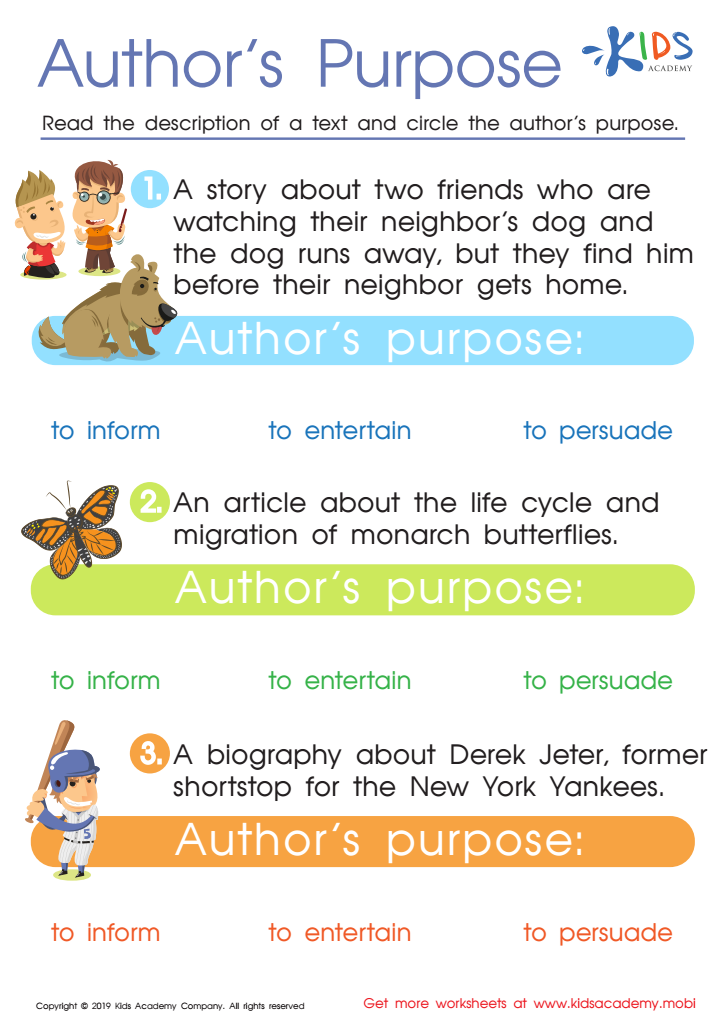
Author's Purpose Worksheet
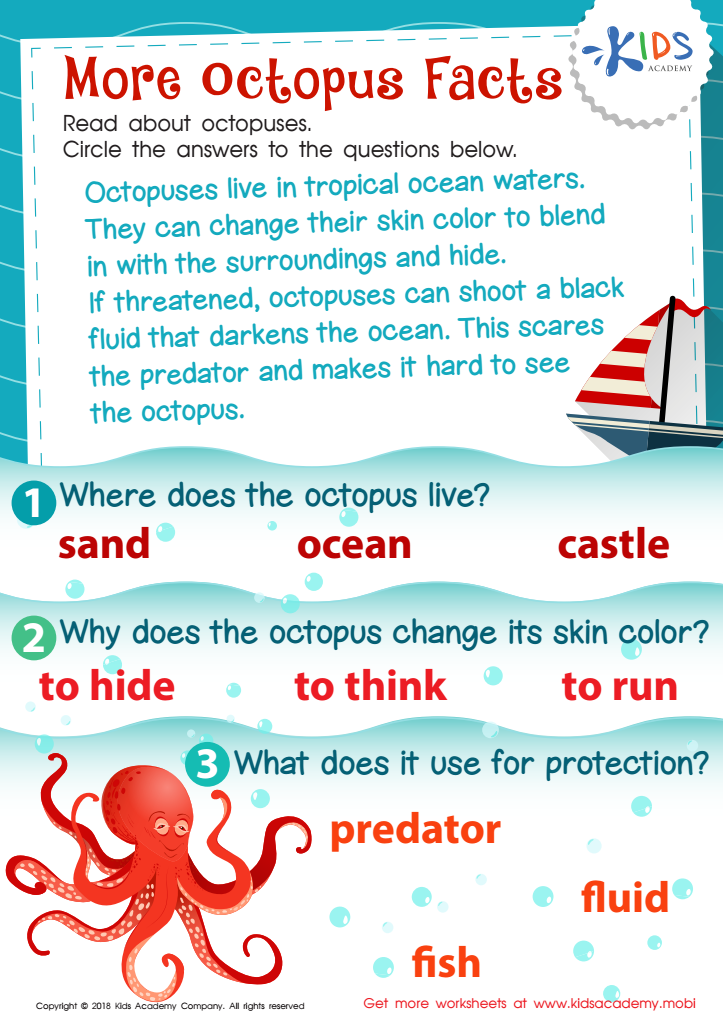
More Octopus Facts Worksheet
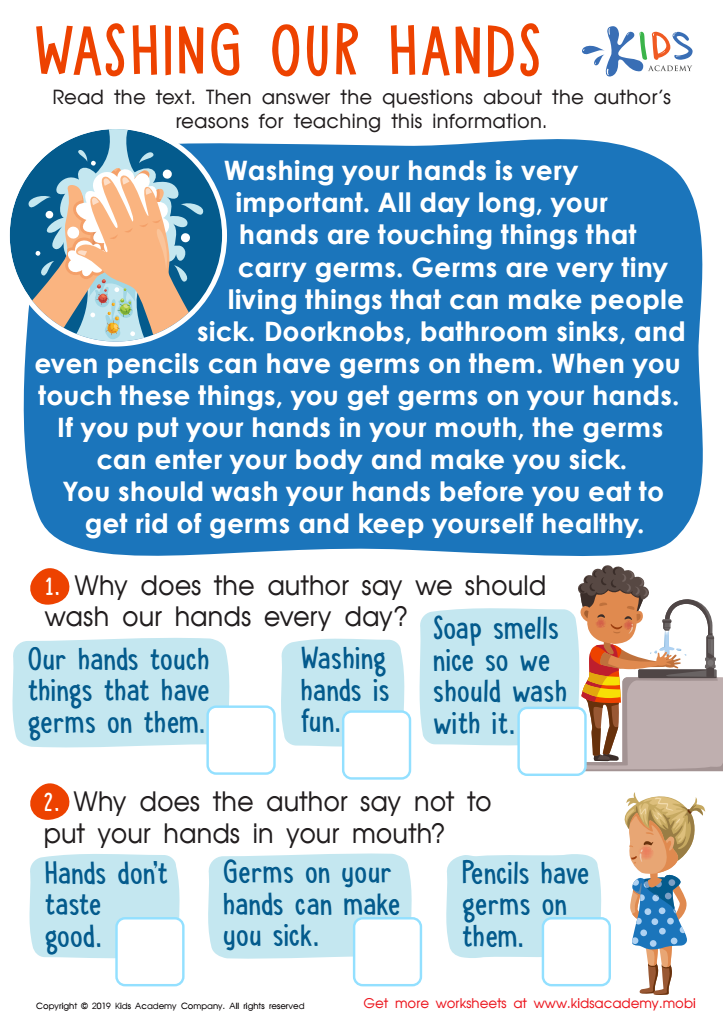
Washing Our Hands Worksheet
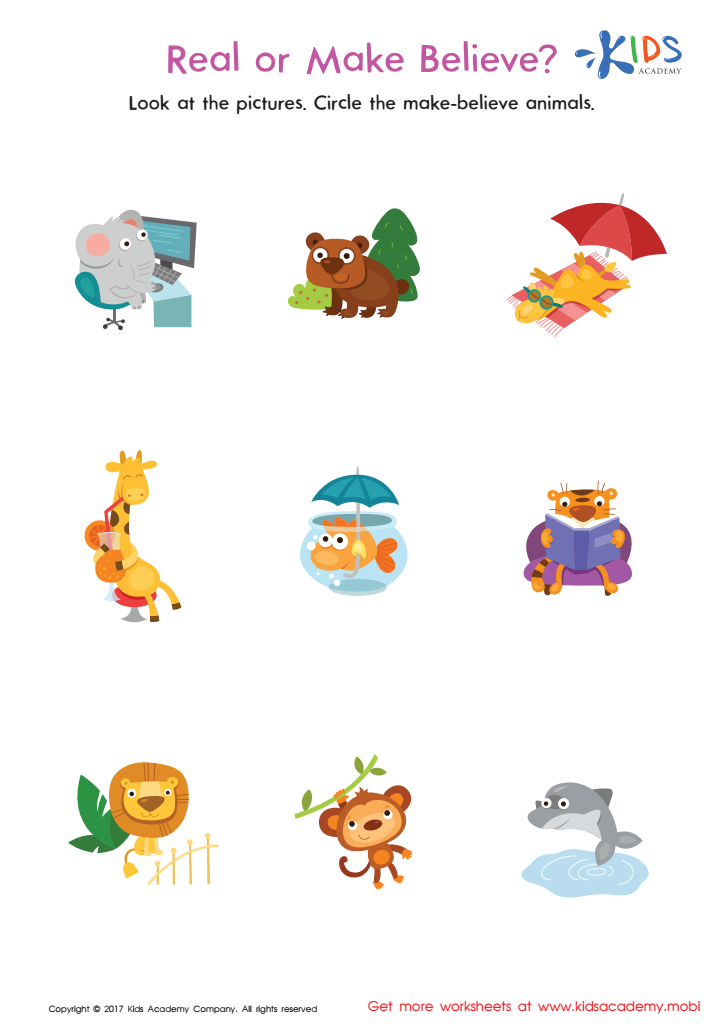
Fact or Make Believe Worksheet
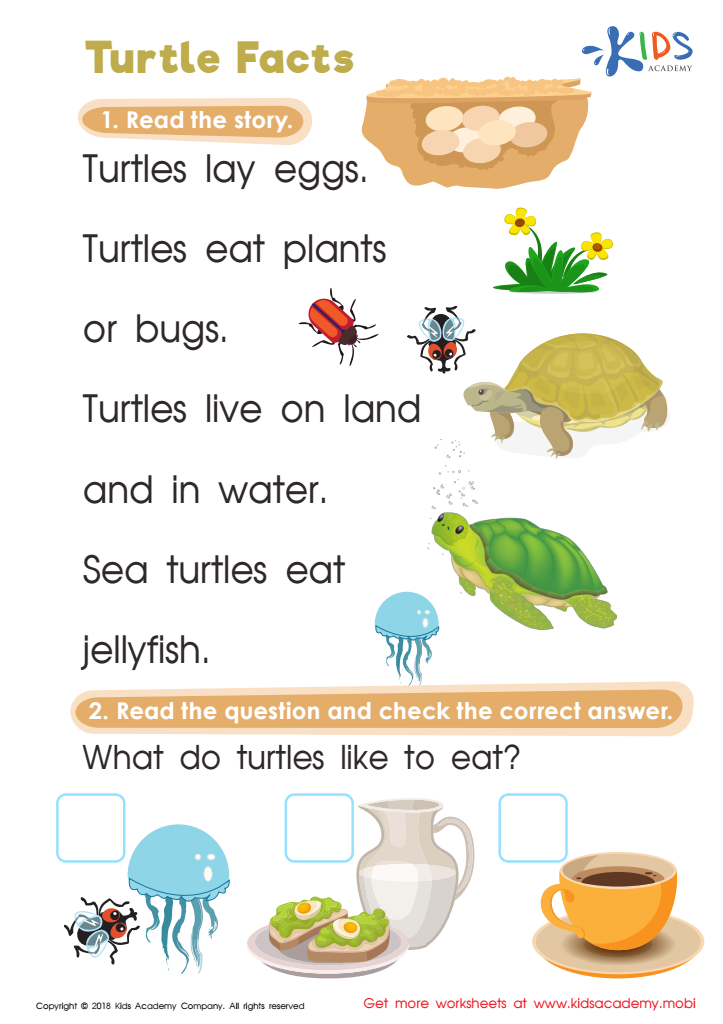
Turtle Facts Worksheet
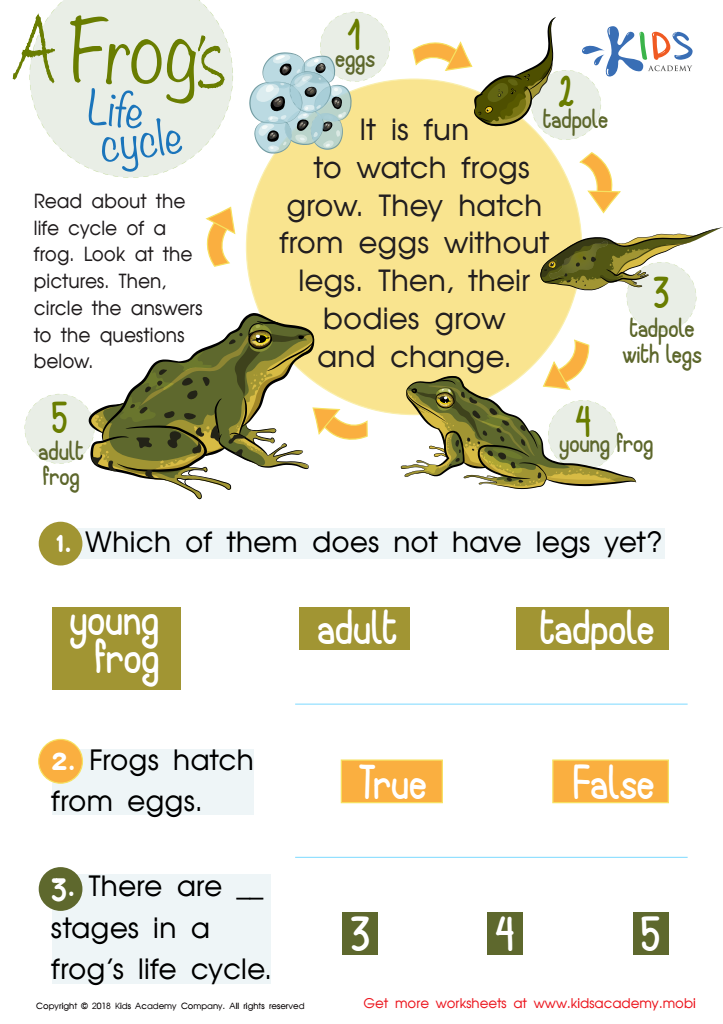
A Frog’s Life Cycle Worksheet
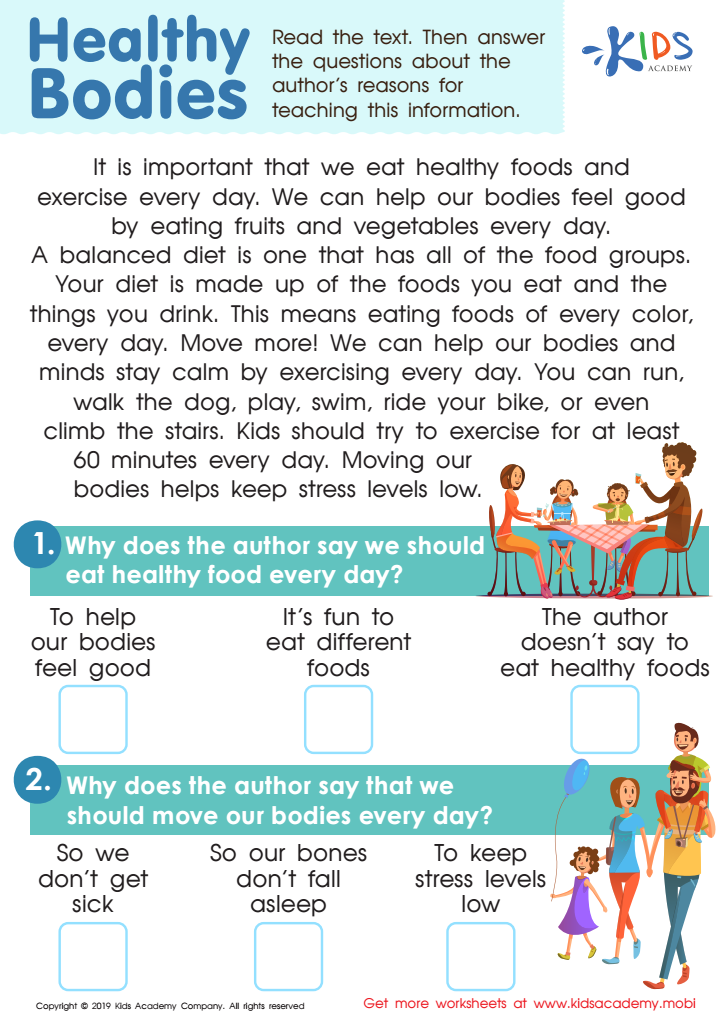
Healthy Bodies Worksheet








Reading non-fiction for ages 5-7 is incredibly important, and both parents and teachers should prioritize it for several reasons. First, non-fiction texts help young children build a rich and robust vocabulary by exposing them to informational language and subject-specific terms. This exposure enhances their word knowledge and comprehension skills, which are crucial for academic success.
Second, non-fiction reading widens a child's understanding of the world around them. Through engaging with real-world topics like animals, plants, science, and history, children satisfy their natural curiosity and develop a sense of wonder about various facts and phenomena. This connection to the broader world helps form a foundation of background knowledge vital for meaningful learning across many subjects.
Third, non-fiction texts foster critical thinking and inquiry skills. When children read about how things work or why things happen, they naturally begin to ask questions, seek answers, and develop their reasoning abilities. These skills are not only vital for academic growth but also for lifelong learning and problem-solving.
Lastly, the diversity offered by non-fiction texts encourages inclusivity and appreciation for different cultures, practices, and viewpoints. As children discover real-life stories and facts from various perspectives, they build empathy and understanding, key components for social development.
By integrating non-fiction reading into early education, parents and teachers pave the way for well-rounded, inquisitive, and knowledgeable individuals.








