Reading comprehension Plants and Animals Worksheets for Ages 5-7 - Page 2
33 filtered results
-
From - To
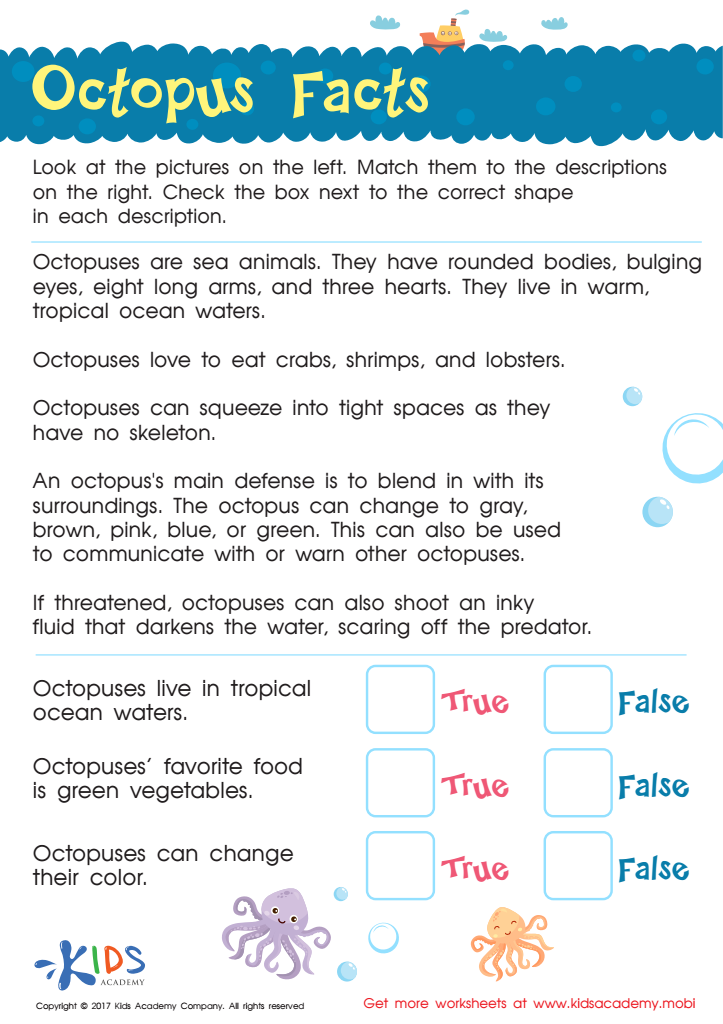
Octopus Facts Worksheet For Kids
 Assign to My Students

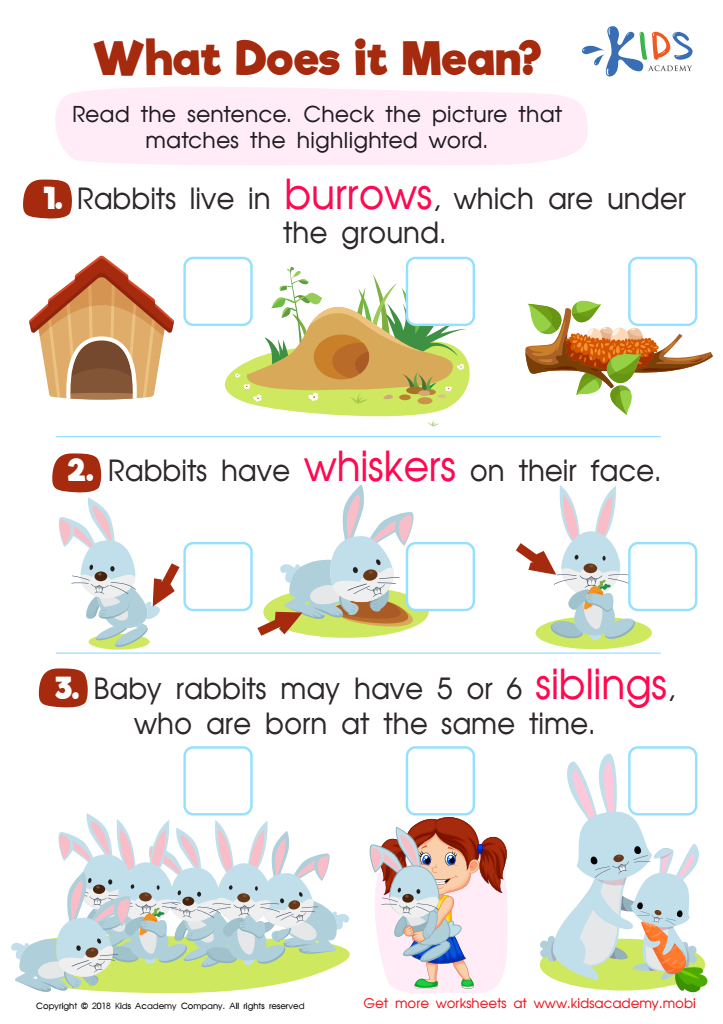
What Does It Mean? Worksheet
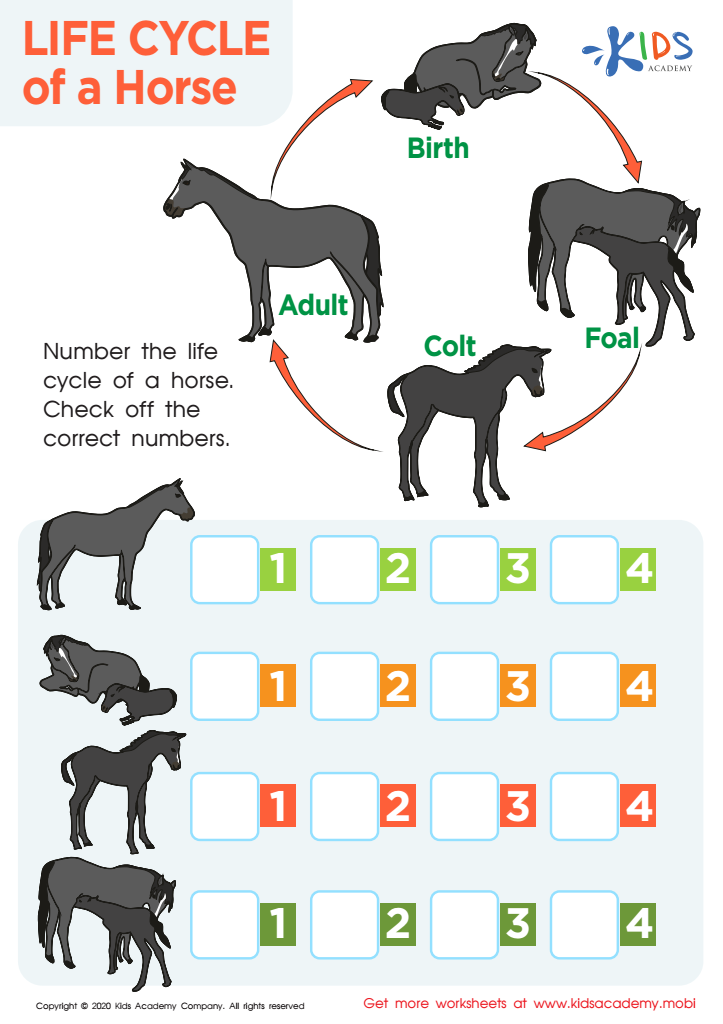
Life Cycle of a Horse Worksheet
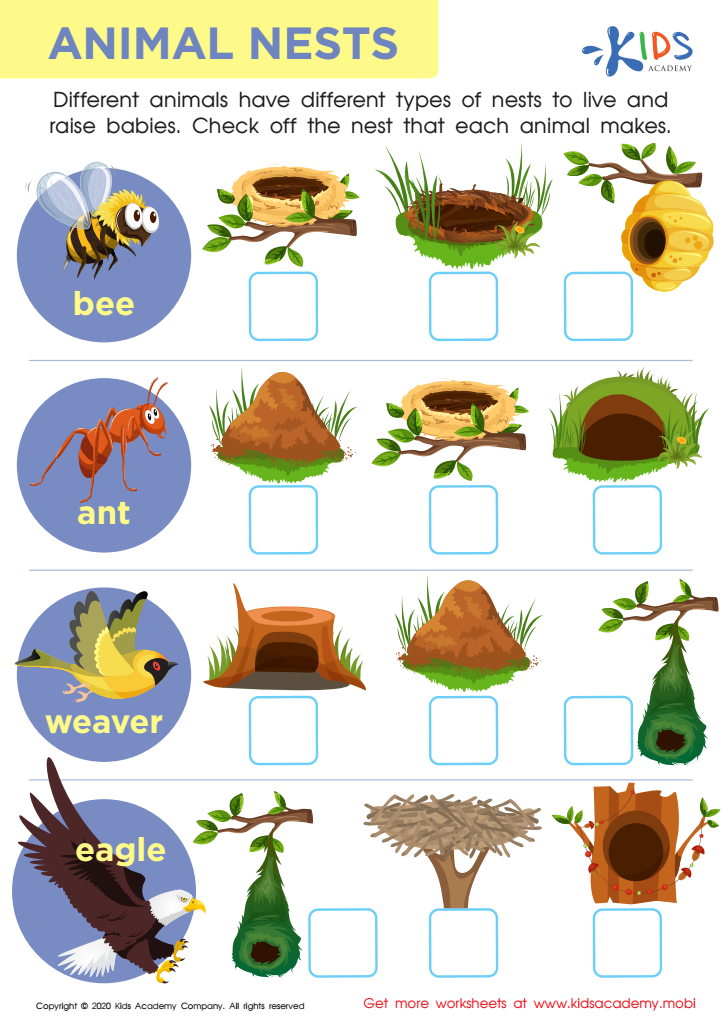
Animal Nests Worksheet
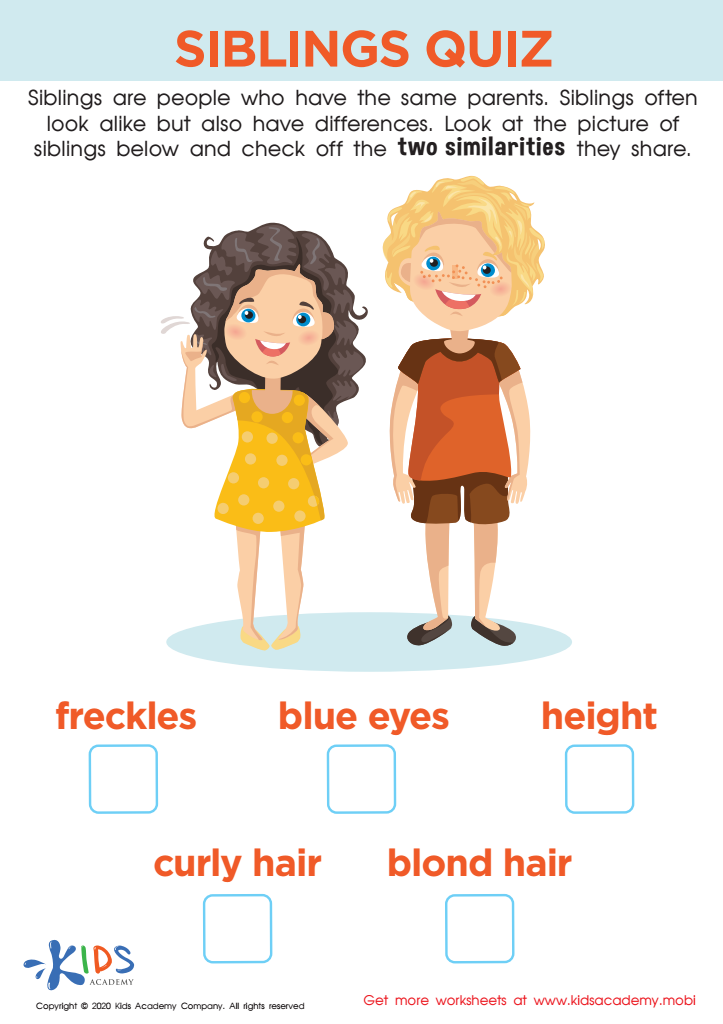
Siblings Quiz Worksheet
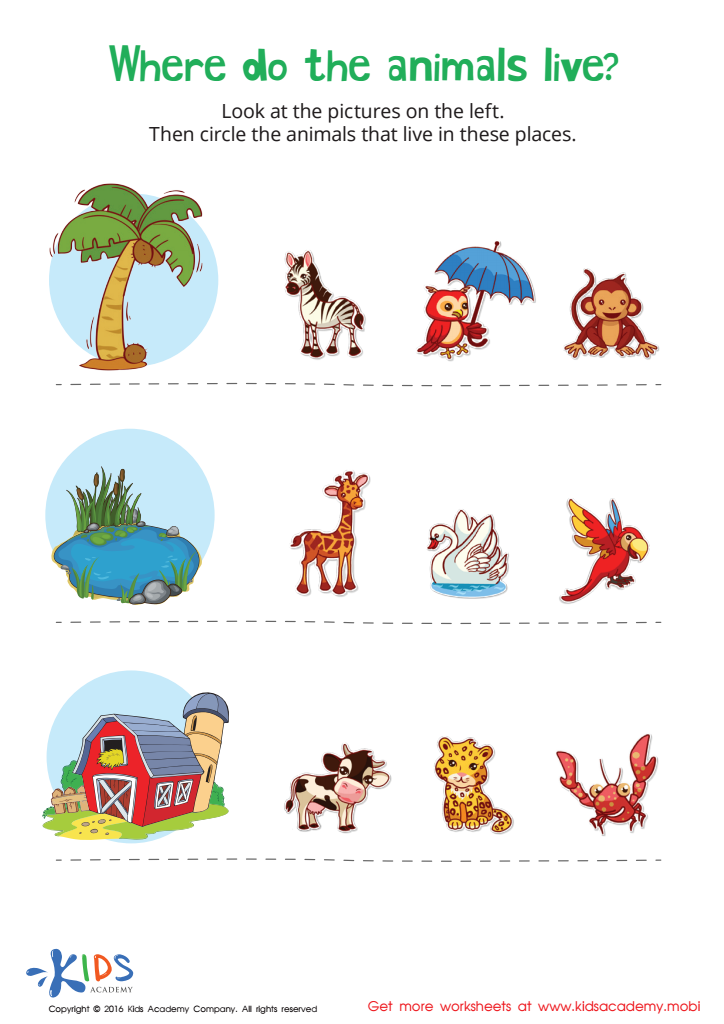
Where Animals Live Worksheet
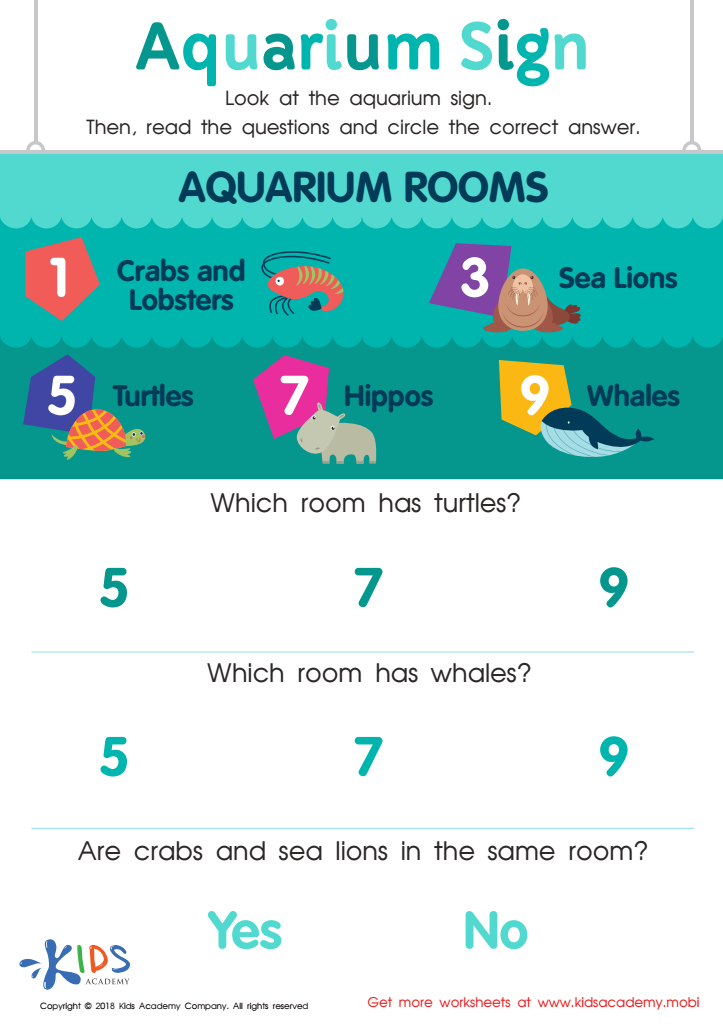
Assessment: Aquarium Sign Worksheet
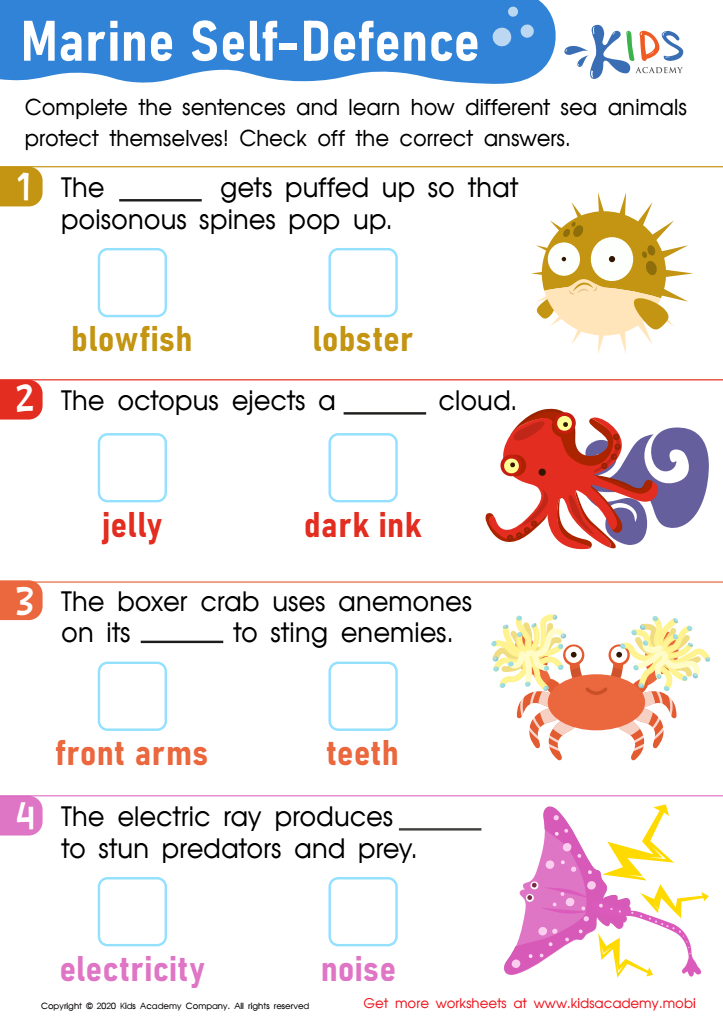
Marine Self-Defence Worksheet






Reading comprehension is a vital skill for young learners, particularly regarding topics like plants and animals. For children aged 5-7, engaging with texts about the natural world fosters not only literacy but also critical thinking and curiosity. Understanding the concepts surrounding plants and animals helps children build a connection with their environment, nurturing a sense of wonder and responsibility towards nature.
When parents and teachers emphasize reading comprehension in this area, they encourage children to ask questions, make predictions, and articulate their thoughts. This hones their vocabulary and enables them to comprehend more complex ideas as they progress. Moreover, connecting reading to real-world experiences—like observing plants and animals—can enhance their learning experiences, making the content more relatable and memorable.
Furthermore, early exposure to these subjects can spark an interest in science, promoting STEM (Science, Technology, Engineering, and Mathematics) learning. This foundational knowledge can cultivate a new generation of environmentally conscious individuals and potential scientists. Therefore, by prioritizing reading comprehension on plants and animals, parents and teachers empower children to become informed, inquisitive, and enthusiastic about learning in various disciplines.