Community Worksheets for Ages 5-7 - Page 2
31 filtered results
-
From - To
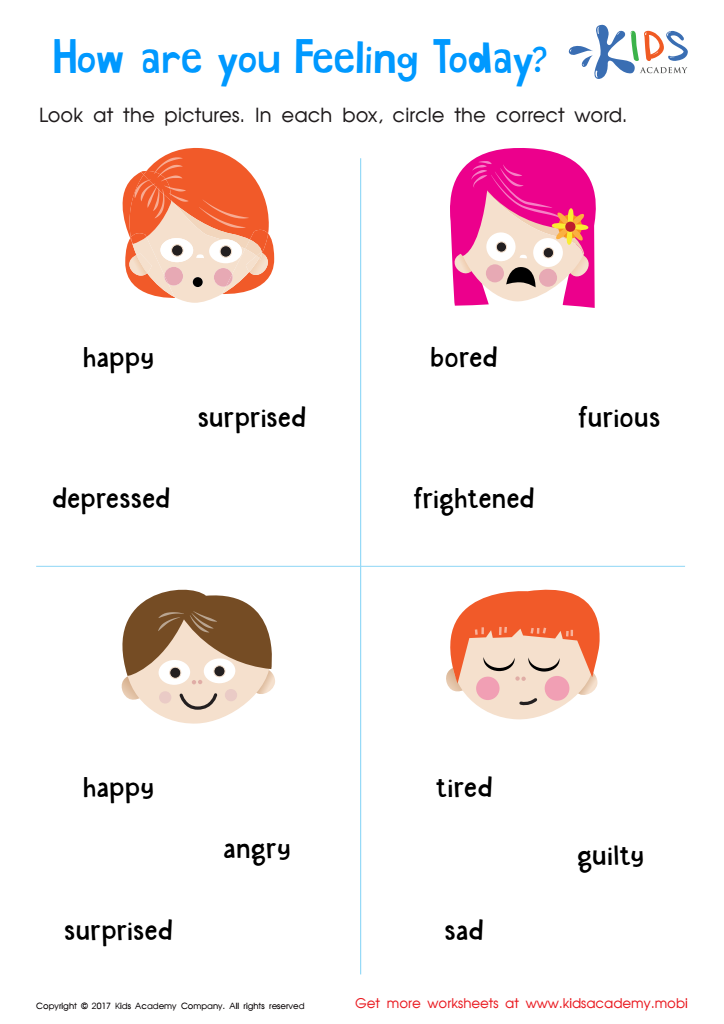
Understanding Feelings Worksheet
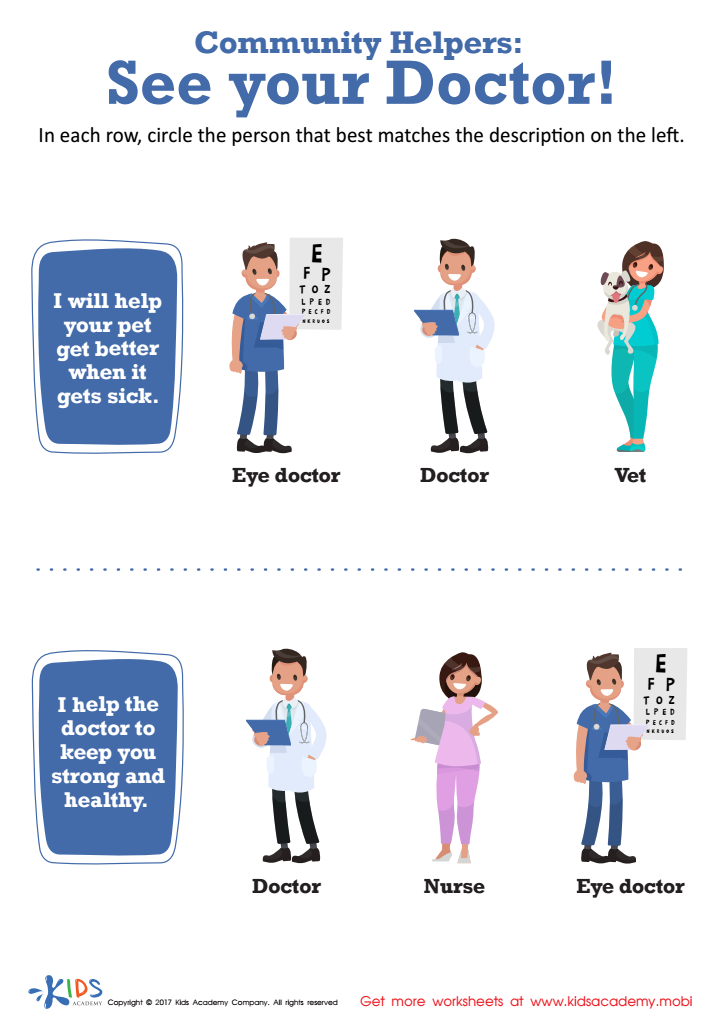
See Your Doctor (Part 2) Printable

Family Coloring Page
 Assign to My Students
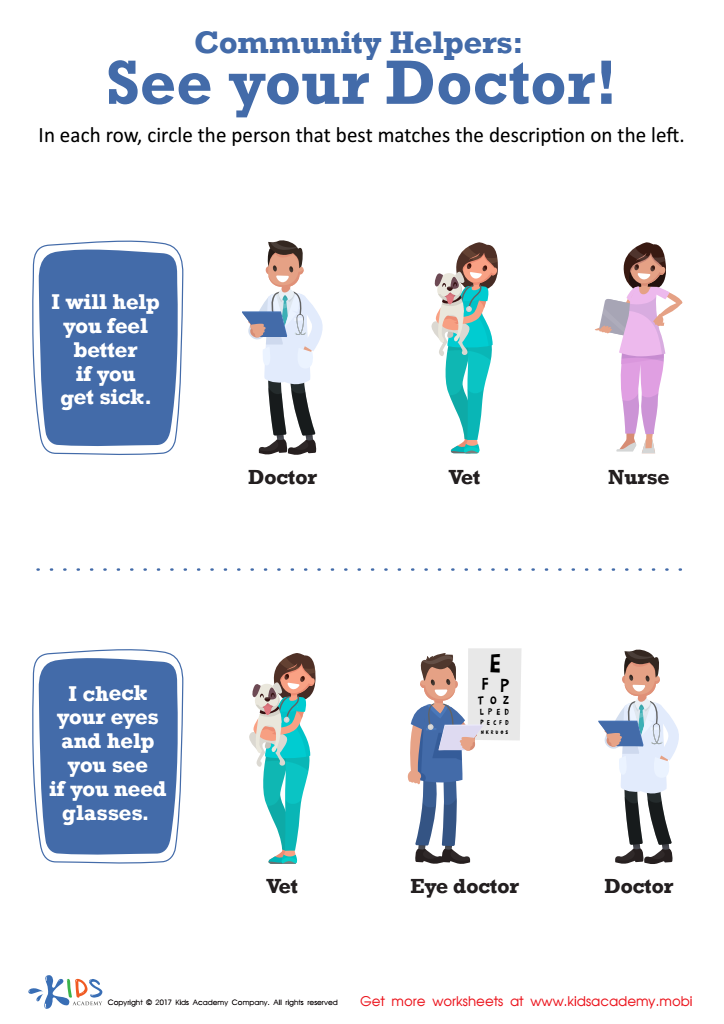
See Your Doctor (Part 1) Printable
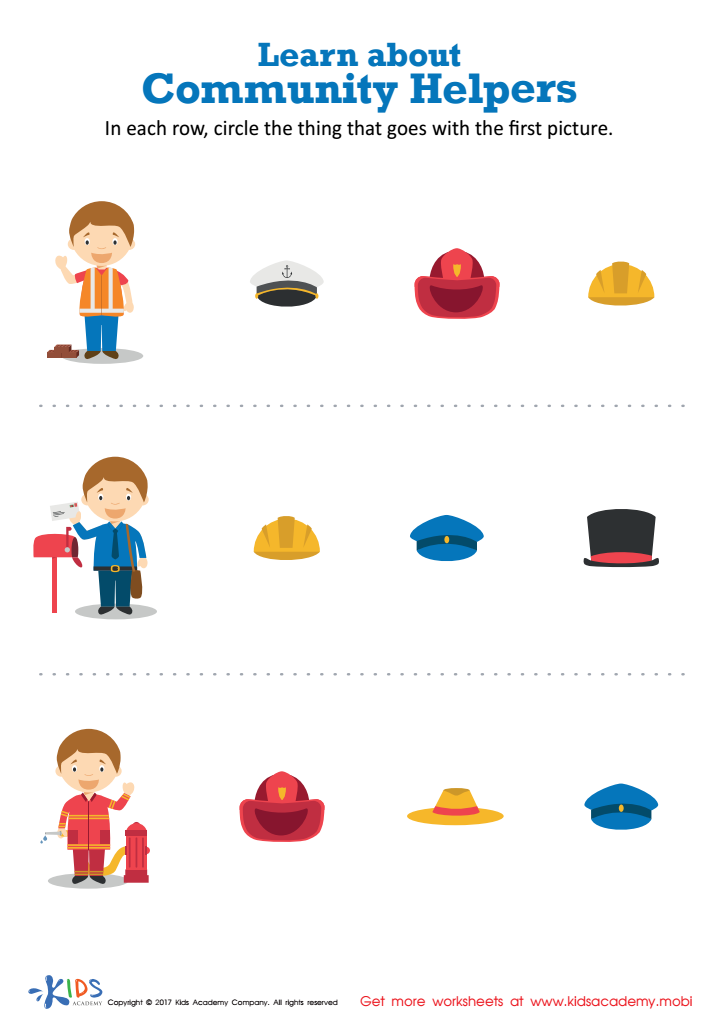
Learn about Community Helpers Printable
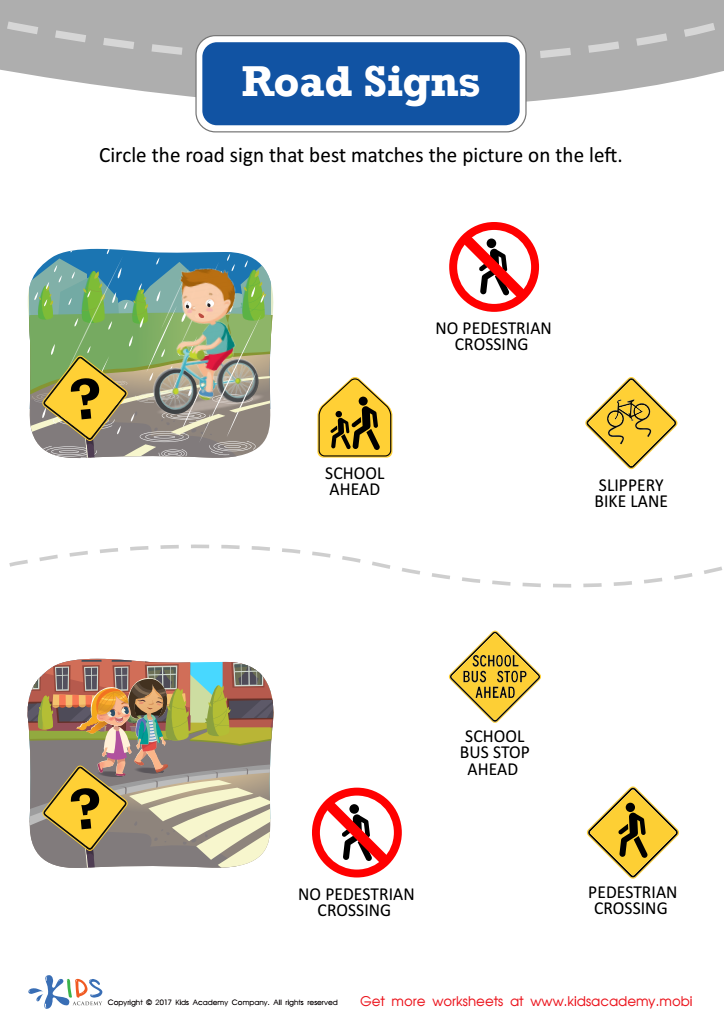
Road Signs (Part 2) Printable







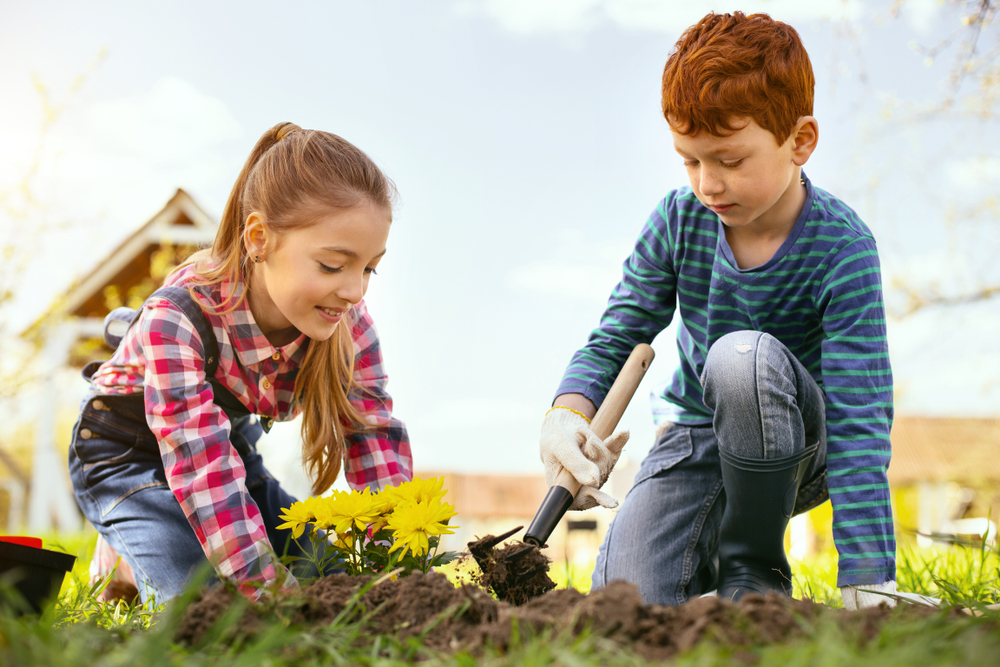
Community engagement is crucial for children ages 5-7 because it plays a foundational role in their social, emotional, and cognitive development. Young children are at a stage where they learn best through interactions and experiences. By involving them in community activities, parents and teachers can help children develop a sense of belonging and security. This sense of belonging fosters self-esteem and confidence, essential for healthy development.
Moreover, community participation exposes children to a diverse array of experiences and teaches them vital social skills such as sharing, empathy, and cooperation. These skills are fundamental as children learn how to interact with peers and adults, navigate various social situations, and build lasting relationships. Such interactions contribute significantly to their emotional well-being and understanding of different cultures and perspectives.
From an educational standpoint, community activities can complement formal learning by providing real-world contexts to academic concepts. It also encourages curiosity, creativity, and problem-solving abilities, making learning more engaging and meaningful. Furthermore, when children see parents and teachers actively supporting and participating in their community, it reinforces positive role models, instilling values of civic duty and responsibility from a young age.
Overall, community involvement nurtures well-rounded, caring, and socially adept individuals, setting the stage for continued personal and academic success.