Phonics Skills Alphabet Worksheets for Ages 5-8 - Page 2
67 filtered results
-
From - To
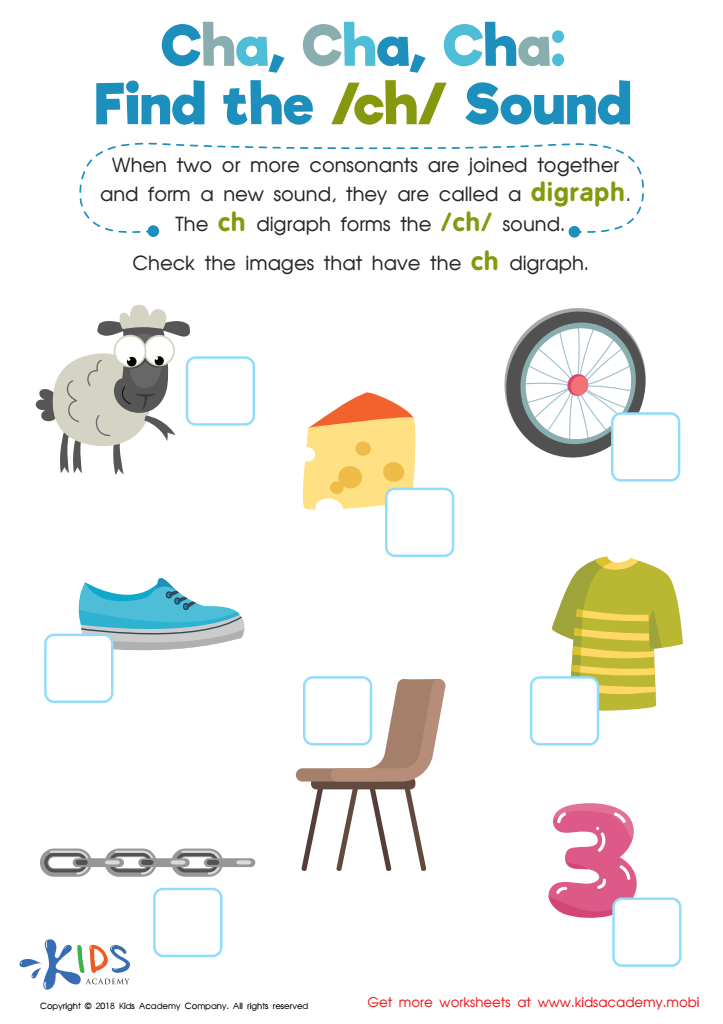
Cha, Cha, Cha: Find the /Ch/ Sound Worksheet
 Assign to My Students
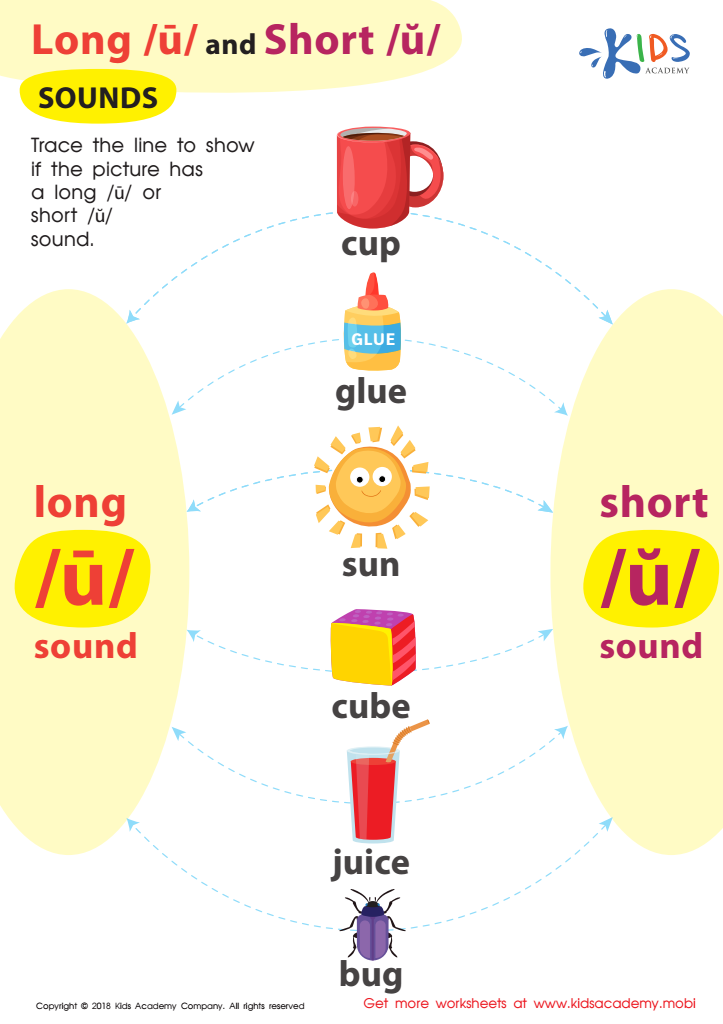
Reading: Long U and Short U Sounds Worksheet
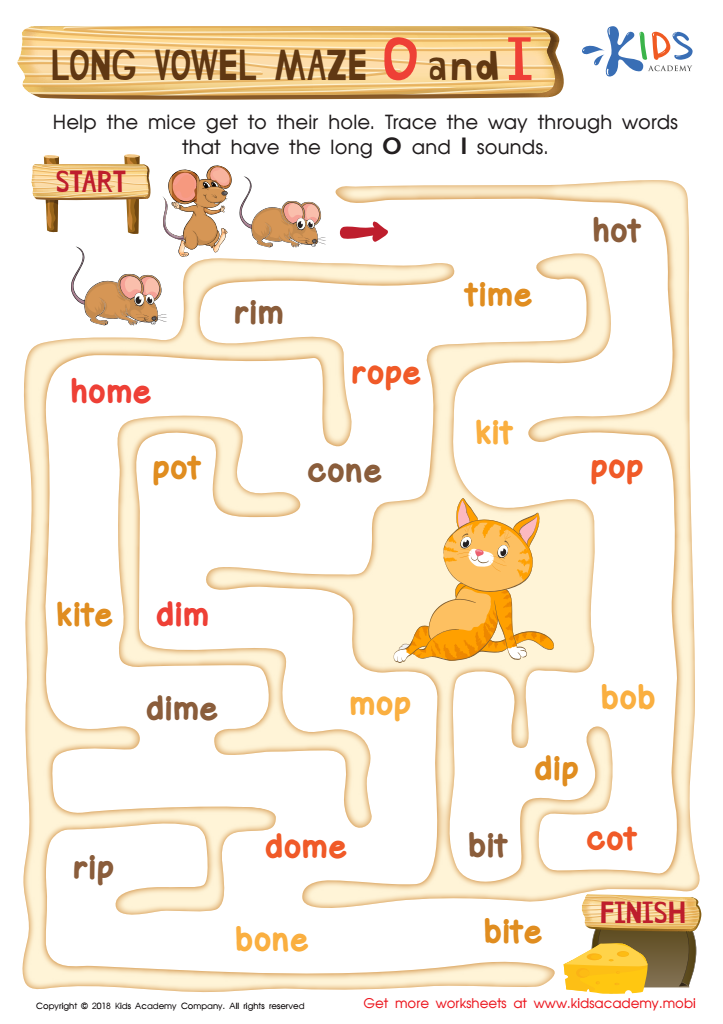
Long Vowel Maze /o/ and /i/ Worksheet
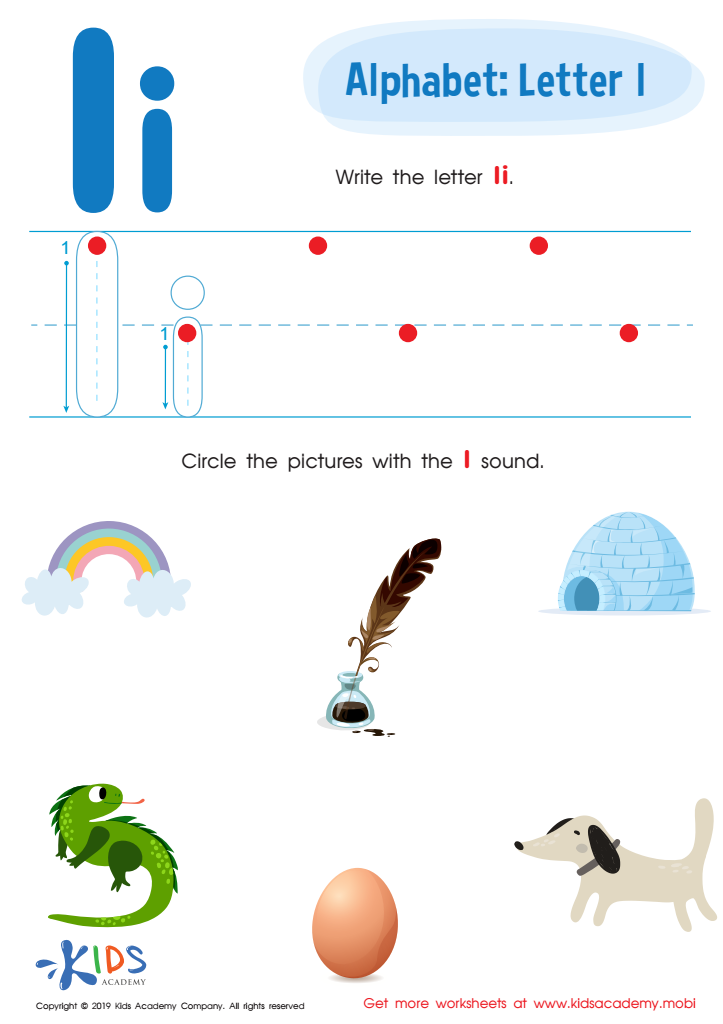
Letter I Tracing Worksheet
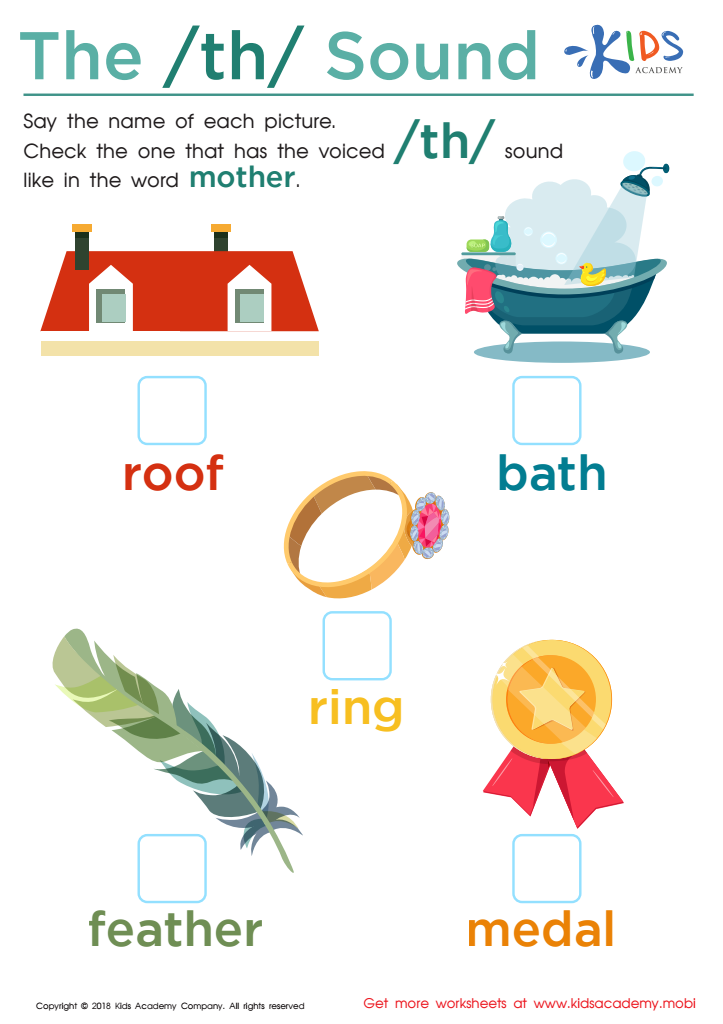
The /th/ Sound Worksheet
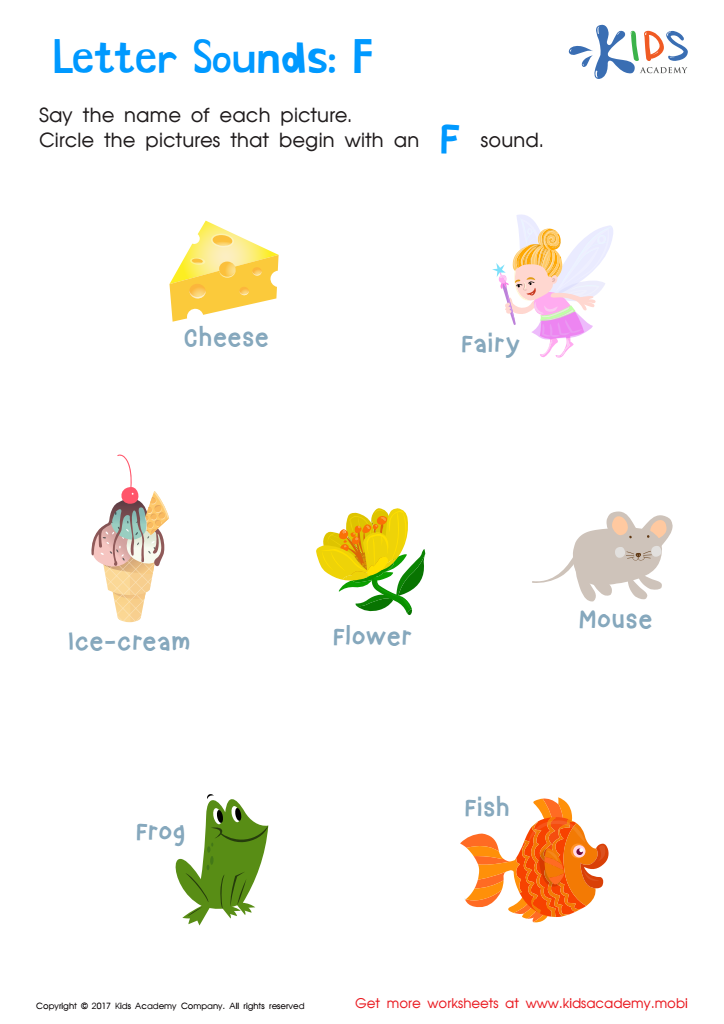
Letter F Sounds Worksheet
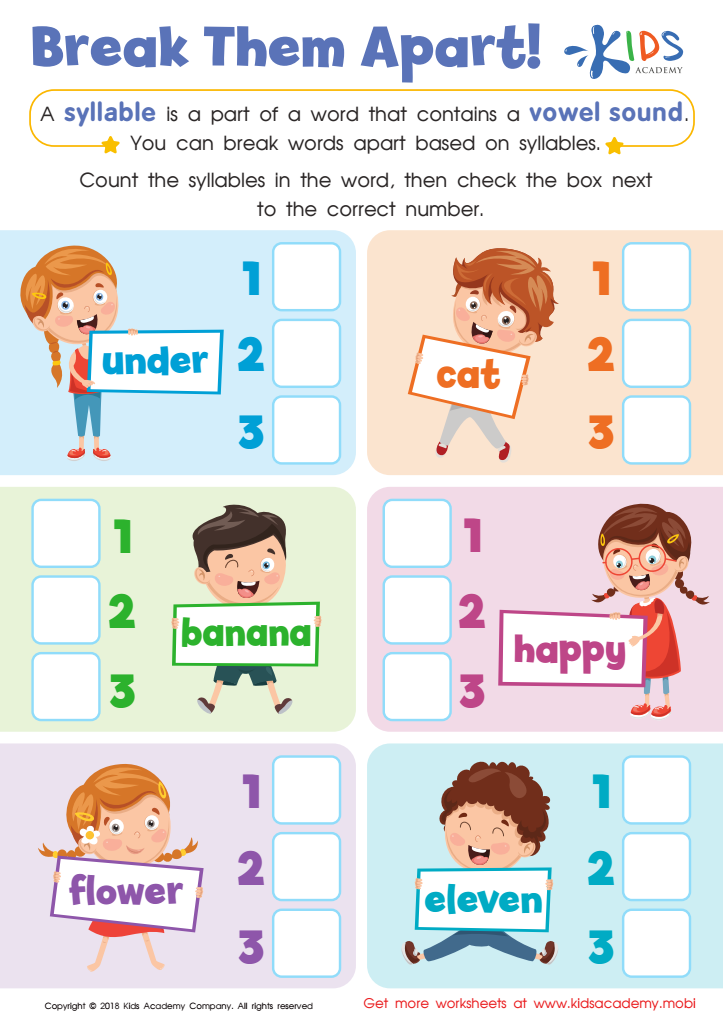
Reading: Break Them Apart Worksheet
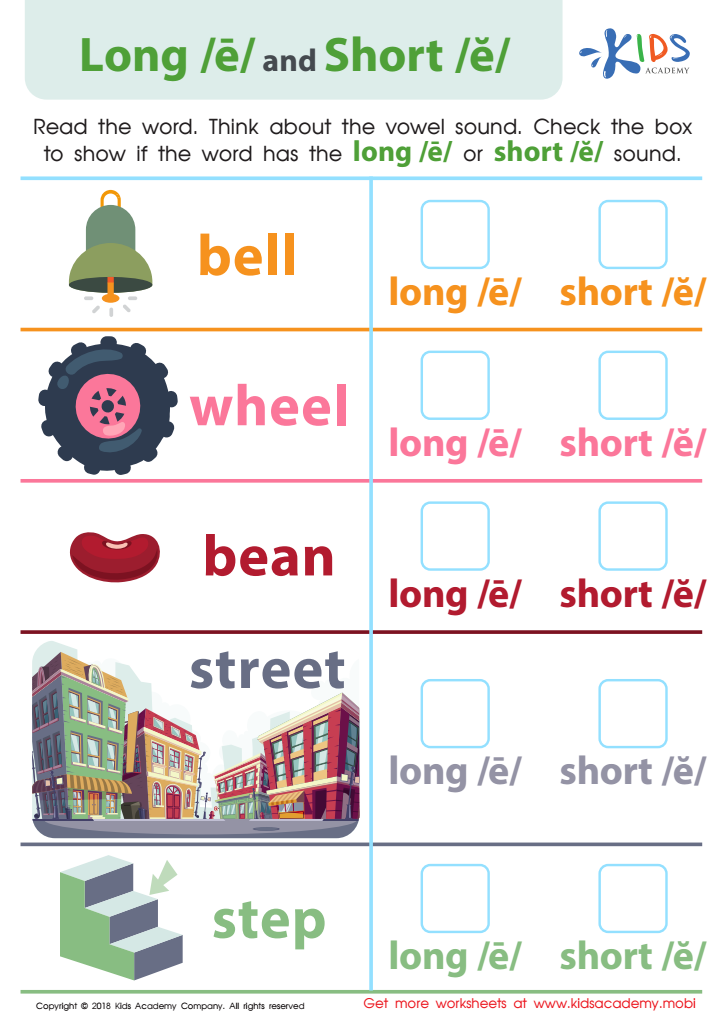
Reading: Long E and Short E Worksheet
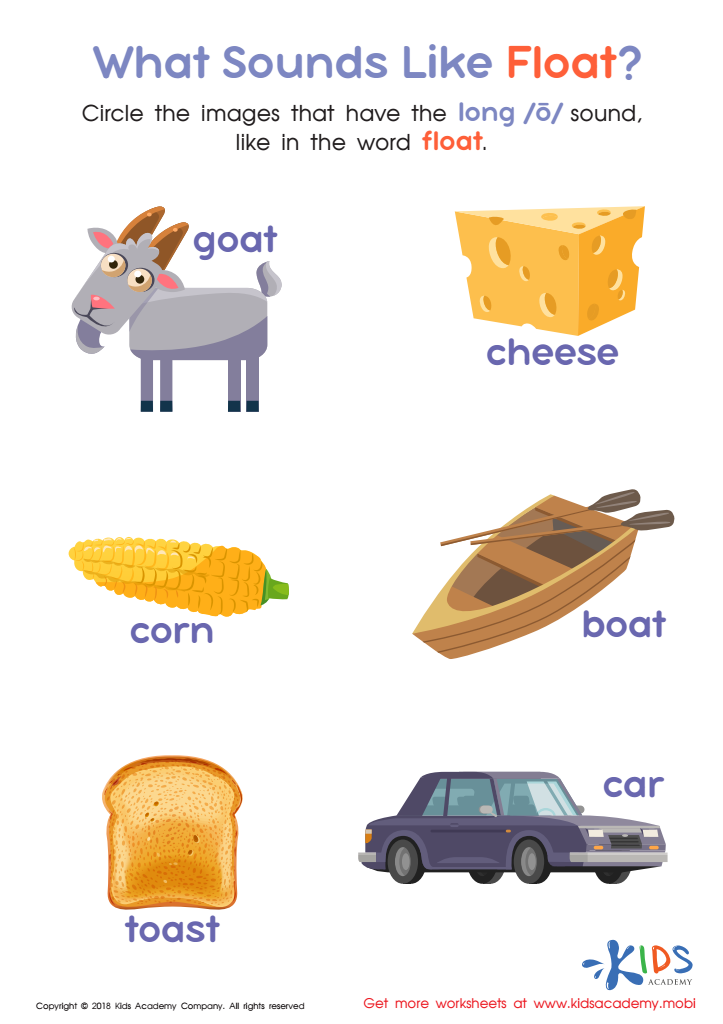
What Sounds Like Float? Worksheet
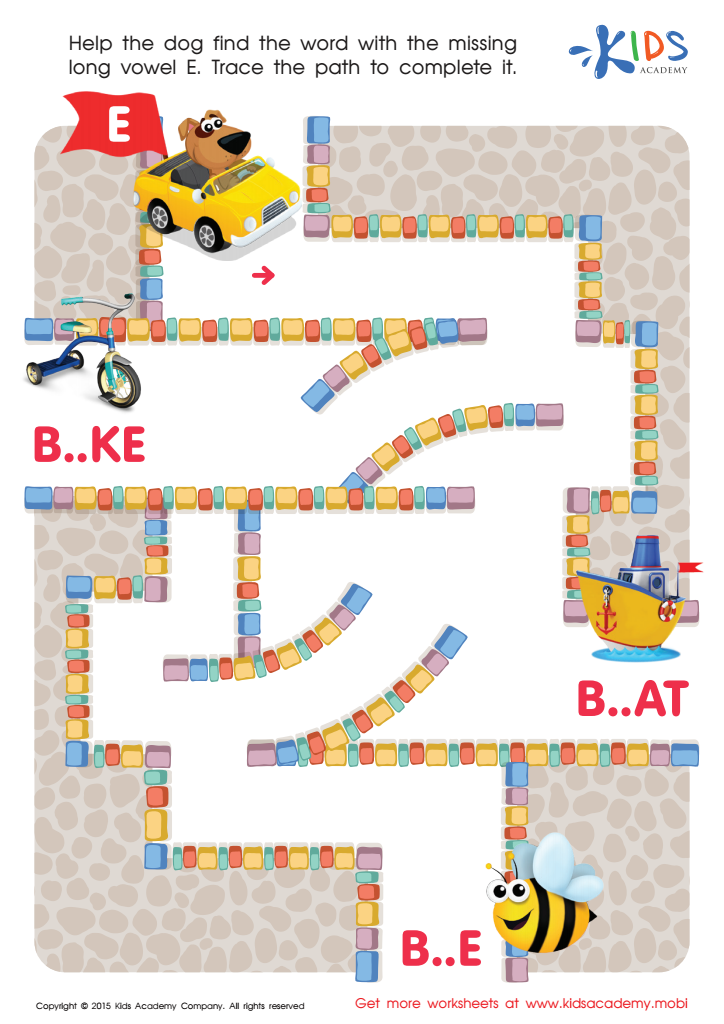
Long Vowel Sound E Worksheet
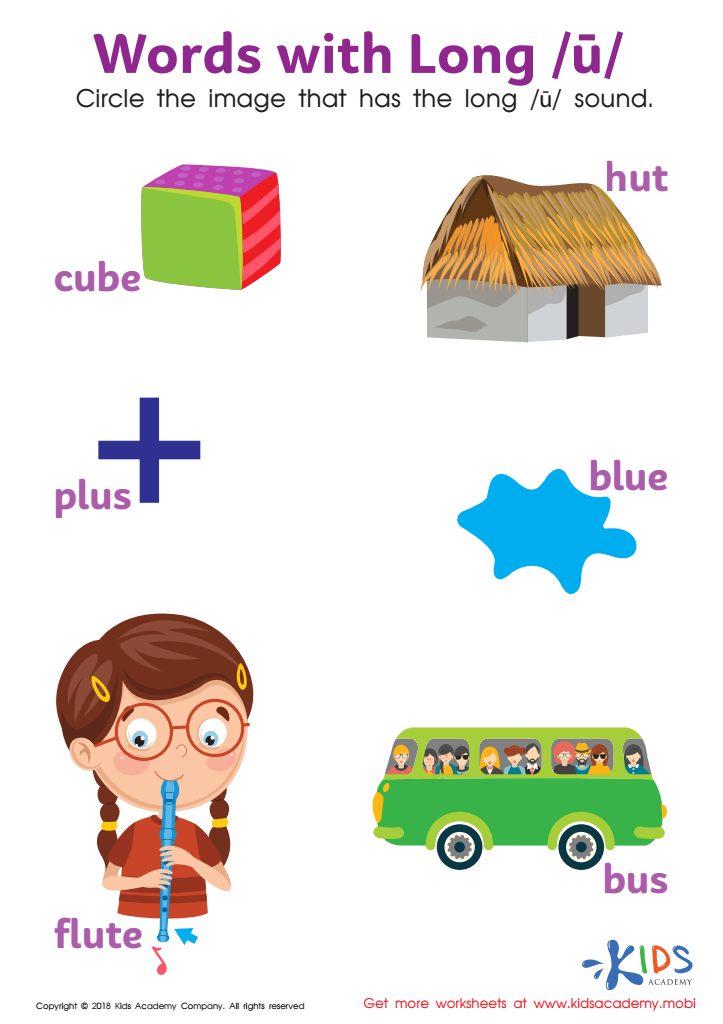
Words with Long U Reading Worksheet
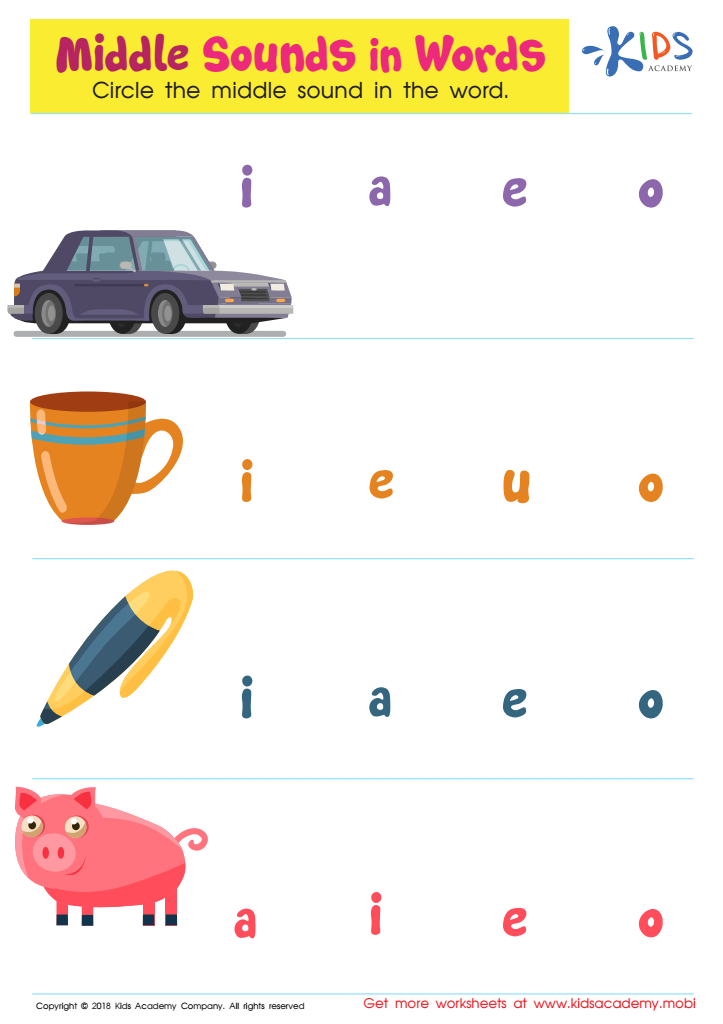
Middle Sounds in Words Worksheet
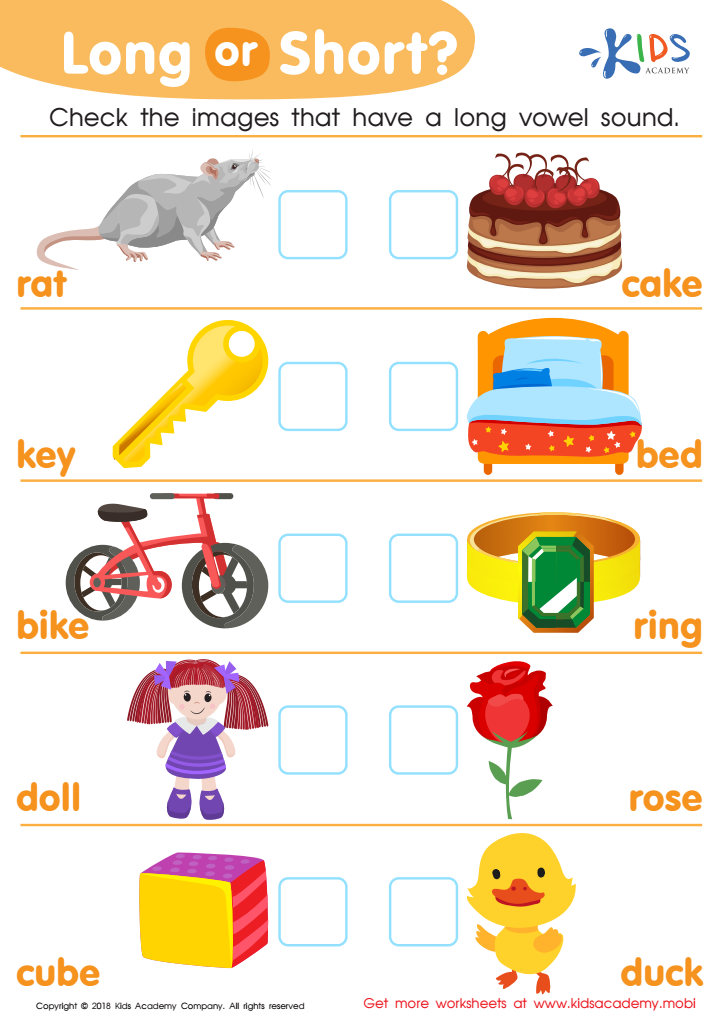
Long or Short Reading Worksheet
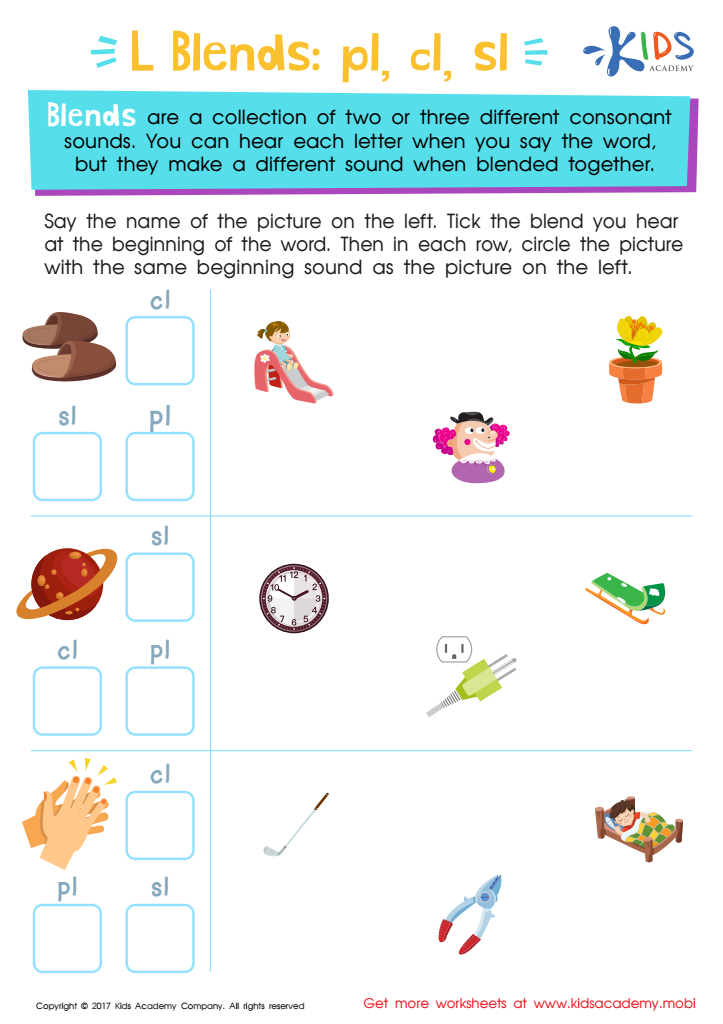
L Blends: "Pl", "Cl" and "Sl" Printable
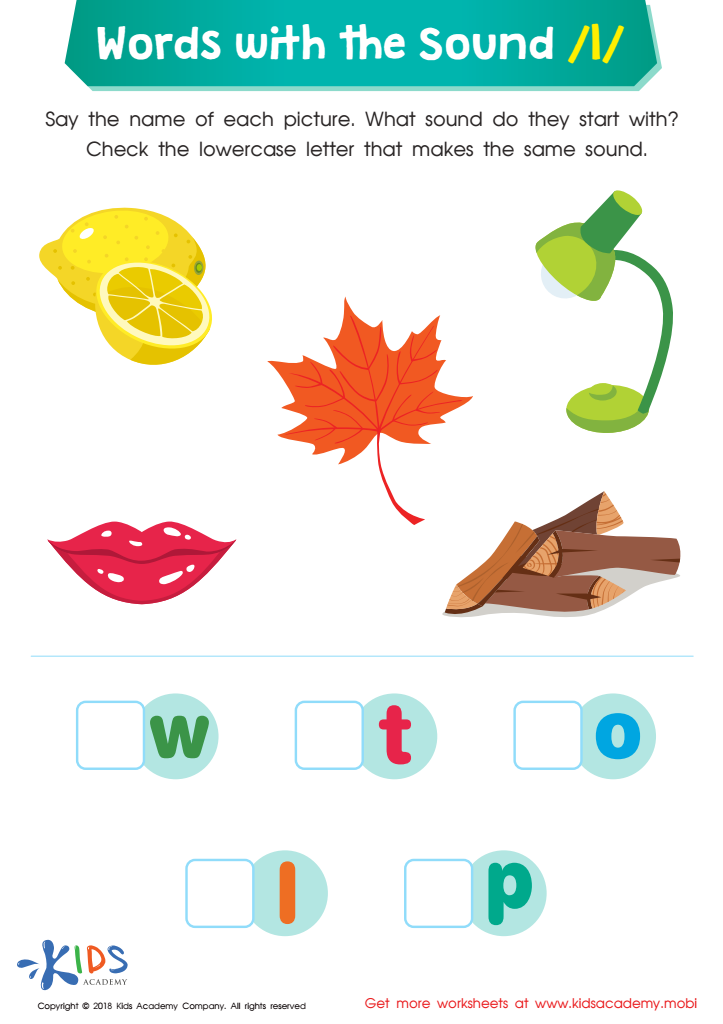
Words with Sound L Reading Worksheet
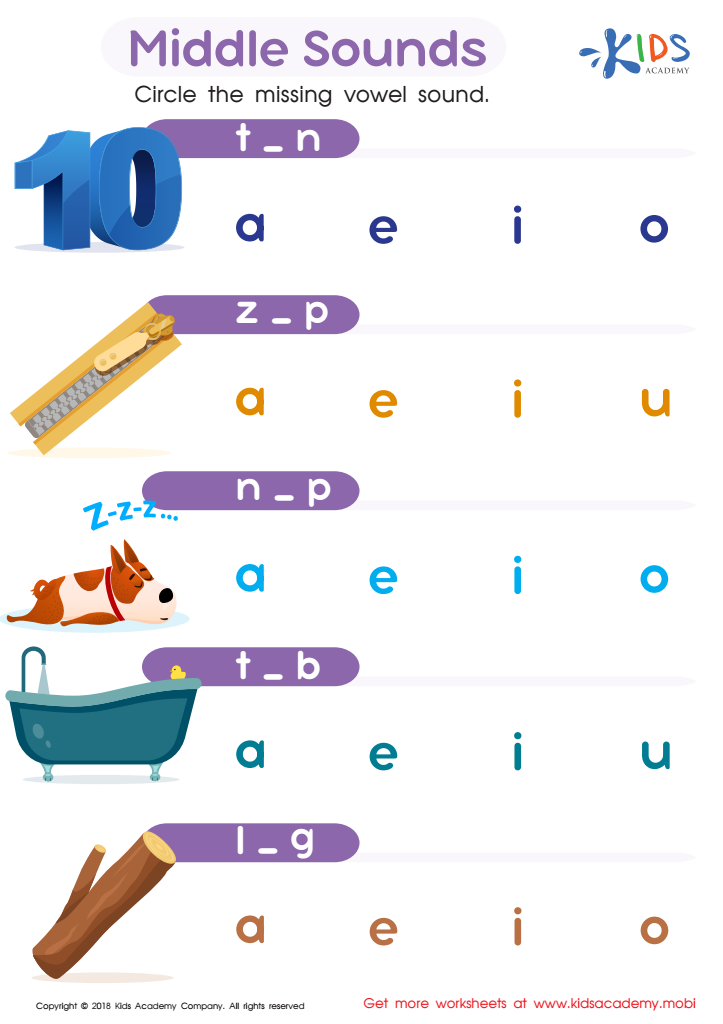
Middle Sounds Worksheet
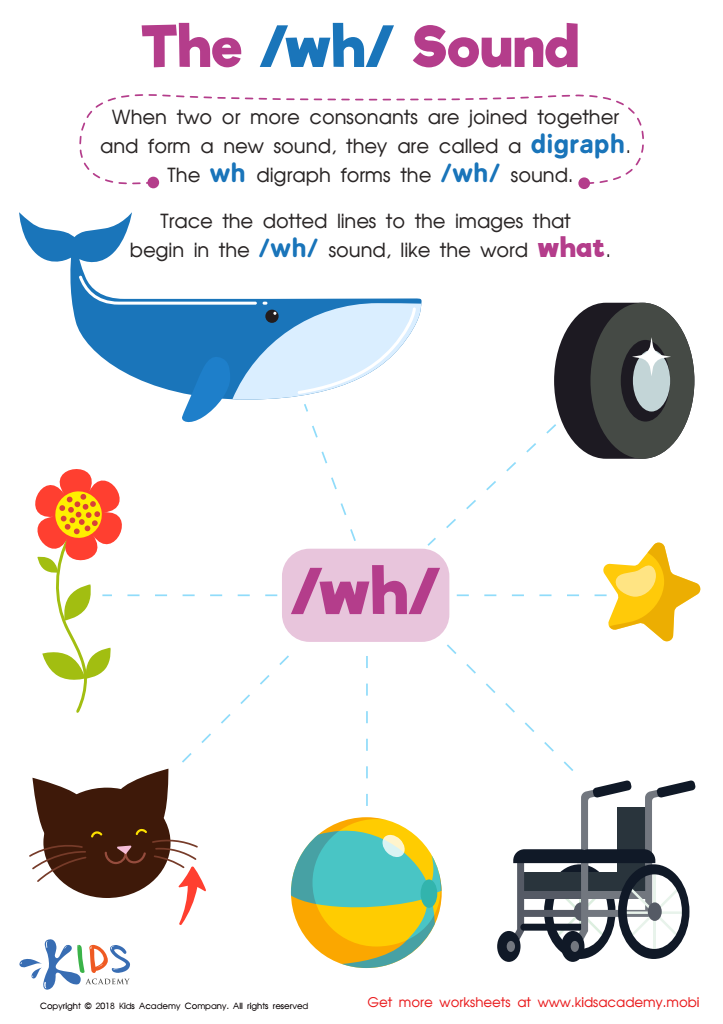
The /wh/ Sound Worksheet
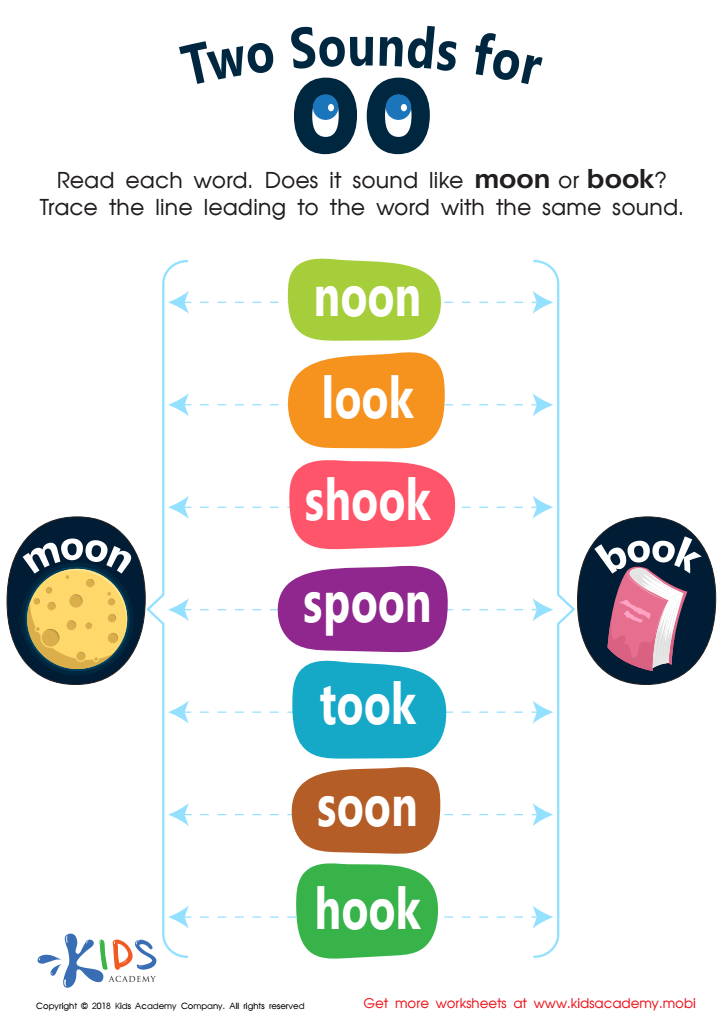
Two Sounds for OO Worksheet
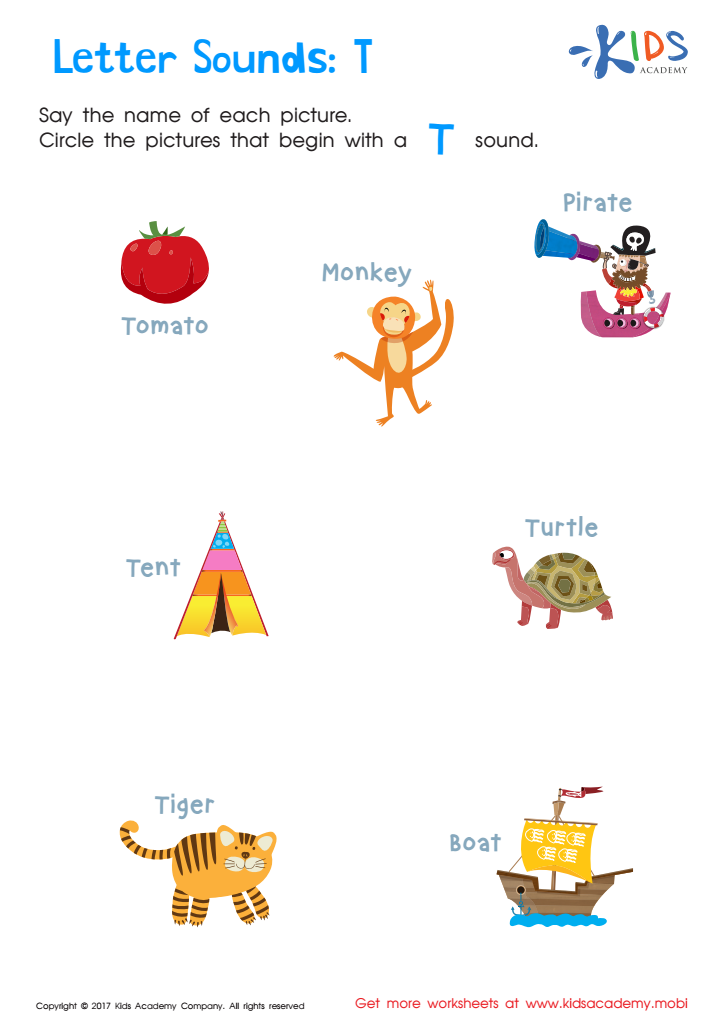
Letter T Sounds Worksheet
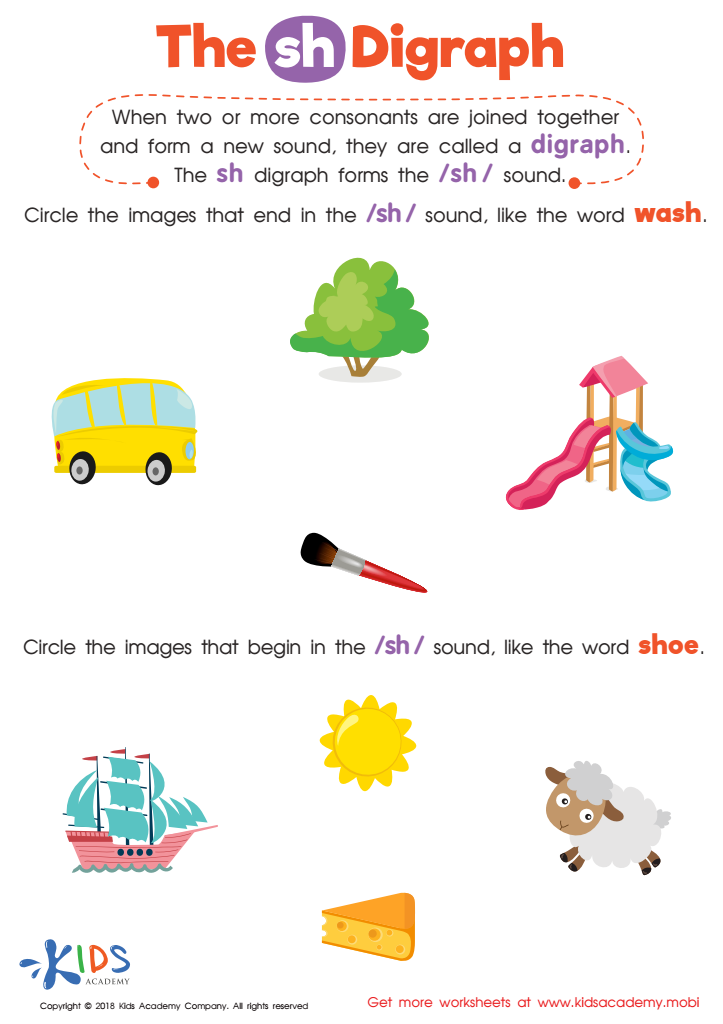
The SH Digraph Worksheet
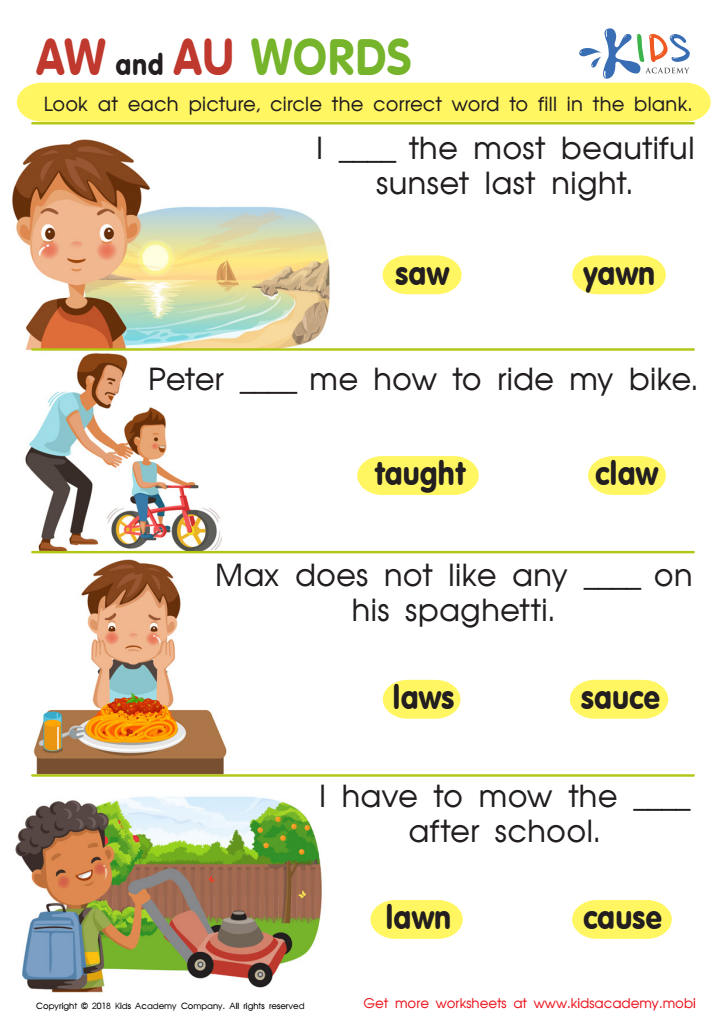
Reading: AW and AU Words Worksheet
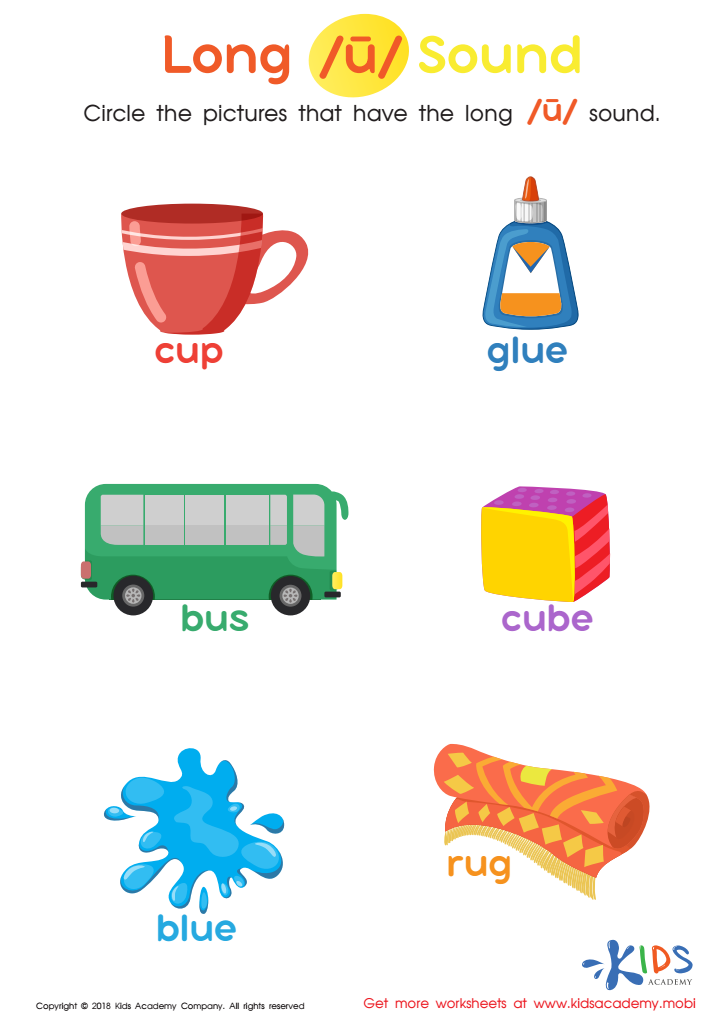
Long «u» Sound Worksheet
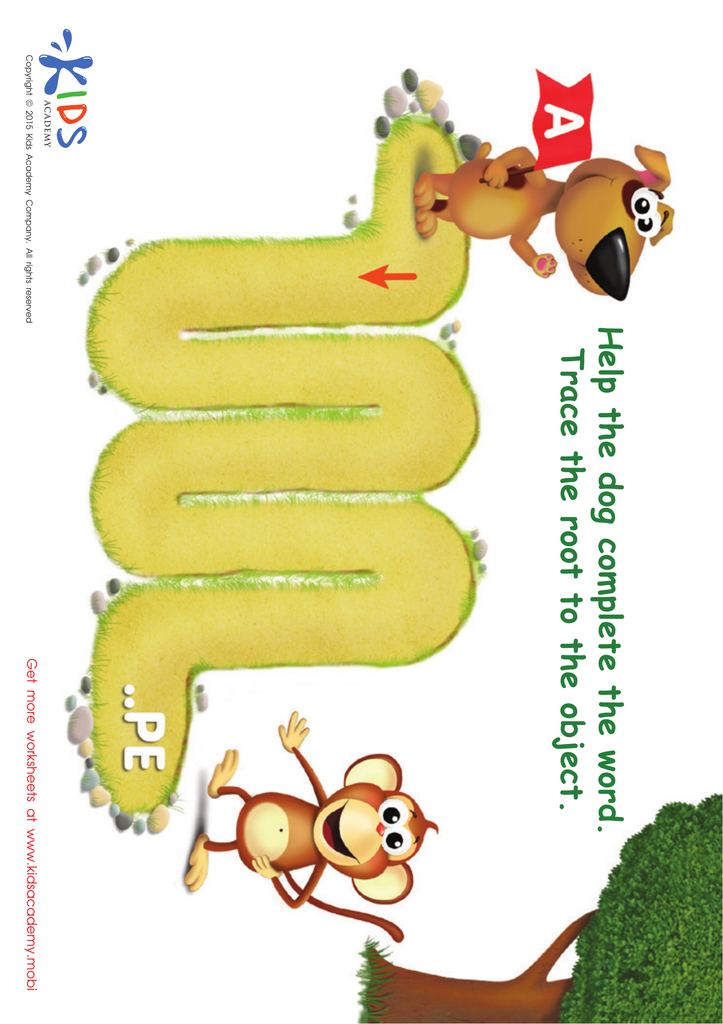
Long Vowel Sound A Worksheet Worksheet
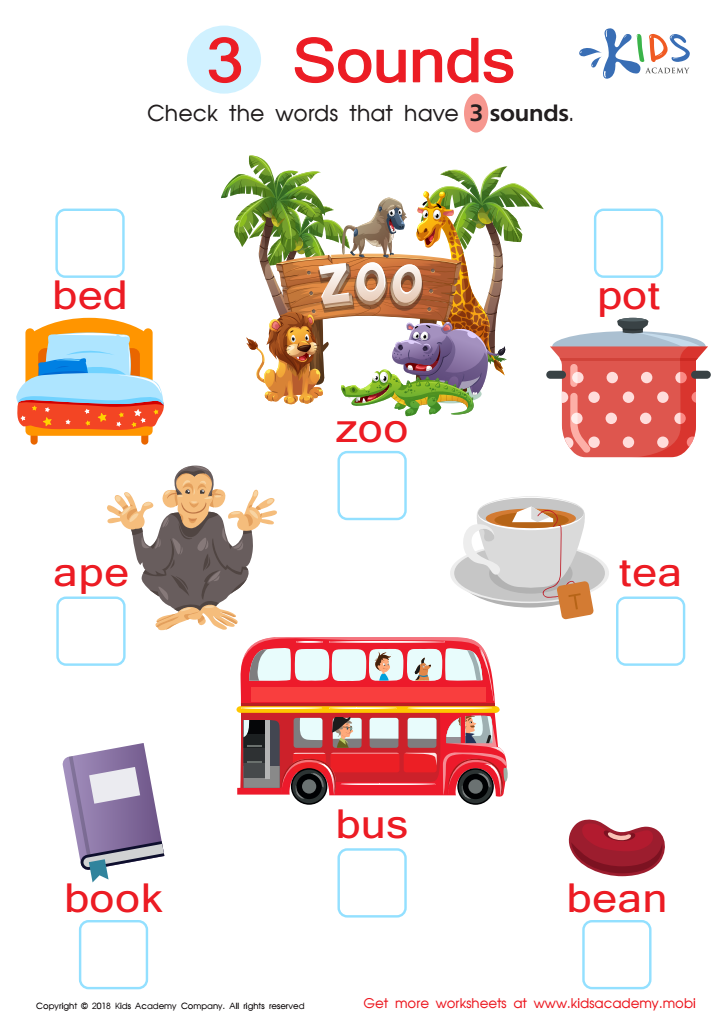
3 Sounds Worksheet








Phonics skills play a crucial role in early childhood education, especially for children aged 5-8, as they lay the foundation for successful reading and writing. At this formative stage, kids are developing their cognitive and language abilities, and phonics skills help them understand the relationship between letters and sounds. This understanding is vital for decoding unfamiliar words, which is essential for efficient reading.
Learning phonics also supports spelling by teaching children the predictable patterns of sounds within words. When children grasp these patterns, they become more confident readers and writers, which boosts their overall academic performance and fosters a love for learning.
For parents and teachers, investing in phonics instruction means providing children with the tools they need to become independent learners. Phonics skills not only improve literacy but also enhance critical thinking and comprehension capabilities. As children become proficient readers, their ability to engage with and understand a wide range of subjects—science, history, and more—improves, setting them up for lifelong academic success.
Additionally, engaging with phonics-based activities can be fun and interactive, strengthening the bond between parents, teachers, and children, and creating a positive learning environment. Prioritizing phonics skills for ages 5-8 is an investment in a child's future, providing them with the essential skills needed for lifelong learning and success.







