Letter Recognition Worksheets for Ages 5-8
126 filtered results
-
From - To
Discover our engaging Letter Recognition Worksheets designed for kids aged 5-8! These expertly crafted activities help young learners master the alphabet through fun and interactive exercises. Tailored to reinforce familiarity with both uppercase and lowercase letters, our worksheets support early literacy by enhancing letter-sound correspondence and visual recognition skills. Essential for kindergarten and early primary students, these resources foster confidence and a love for reading. Visit Kids Academy for free printables that make learning exciting and effective! Perfect for parents and educators aiming to boost foundational literacy skills. Start your educational journey today!

Letter A Tracing Page
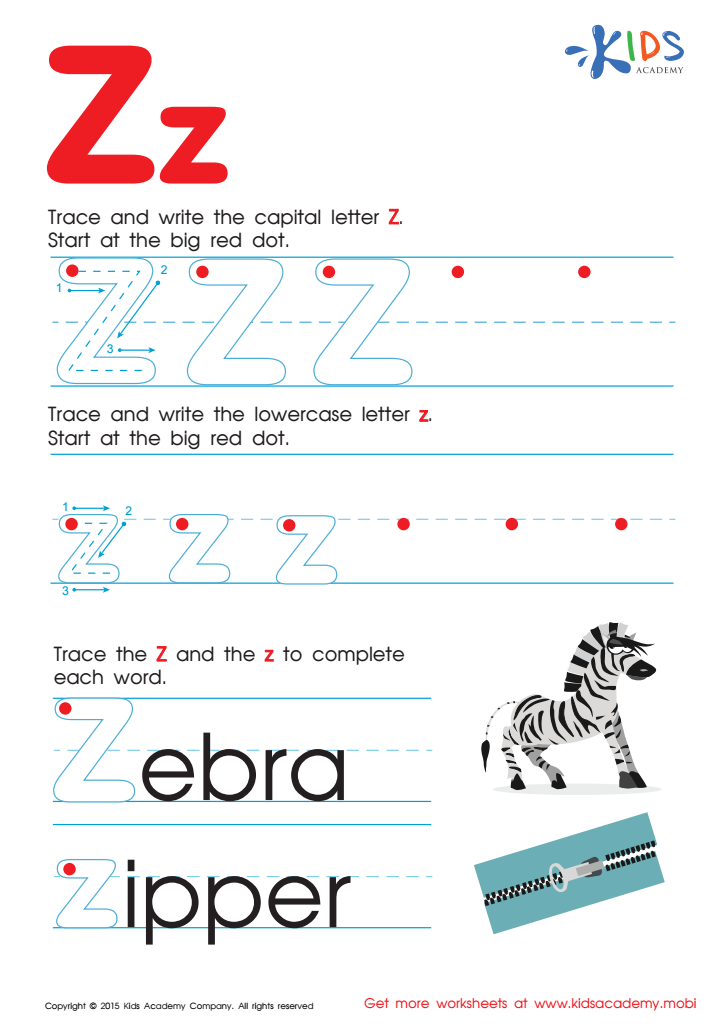
Letter Z Tracing Page
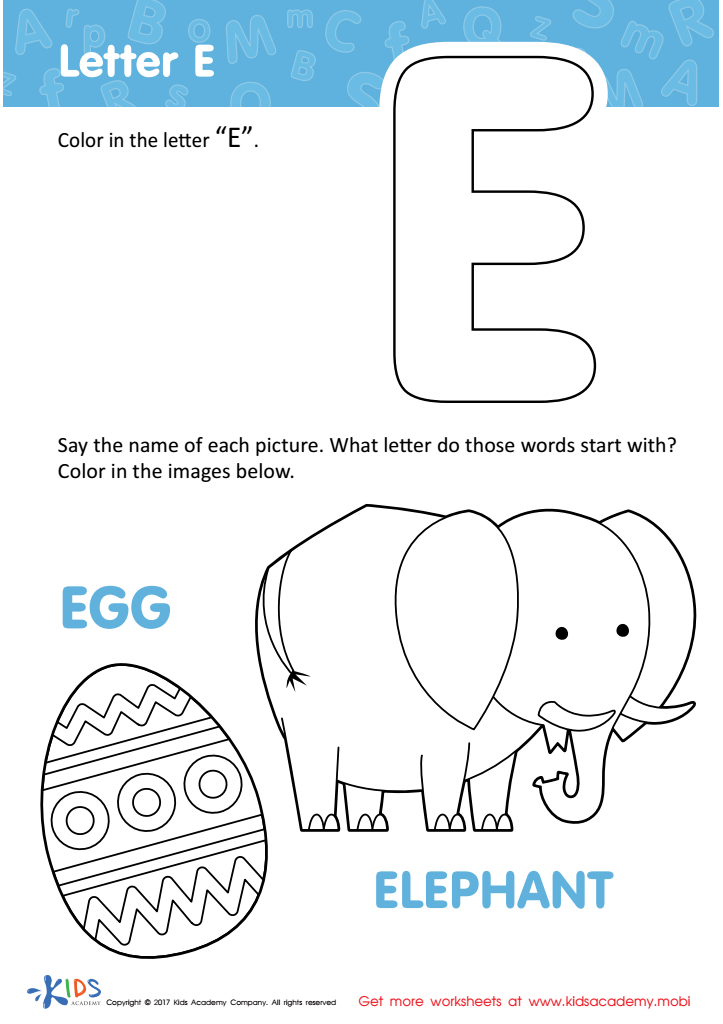
Letter E Coloring Sheet
 Assign to My Students
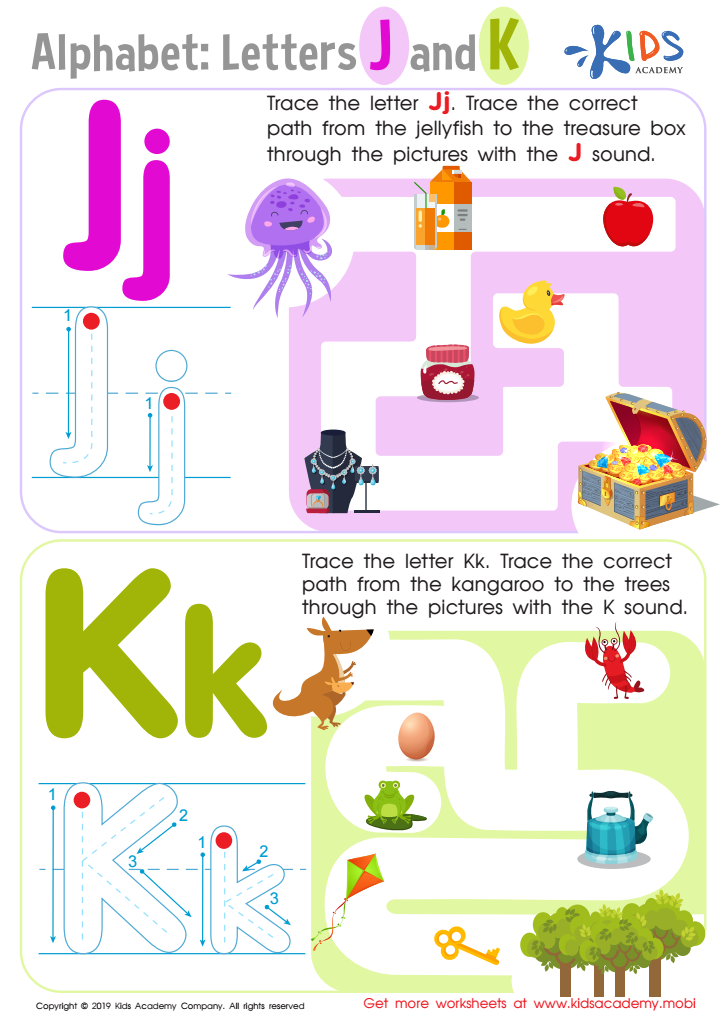
Letters J and K Tracing Worksheet
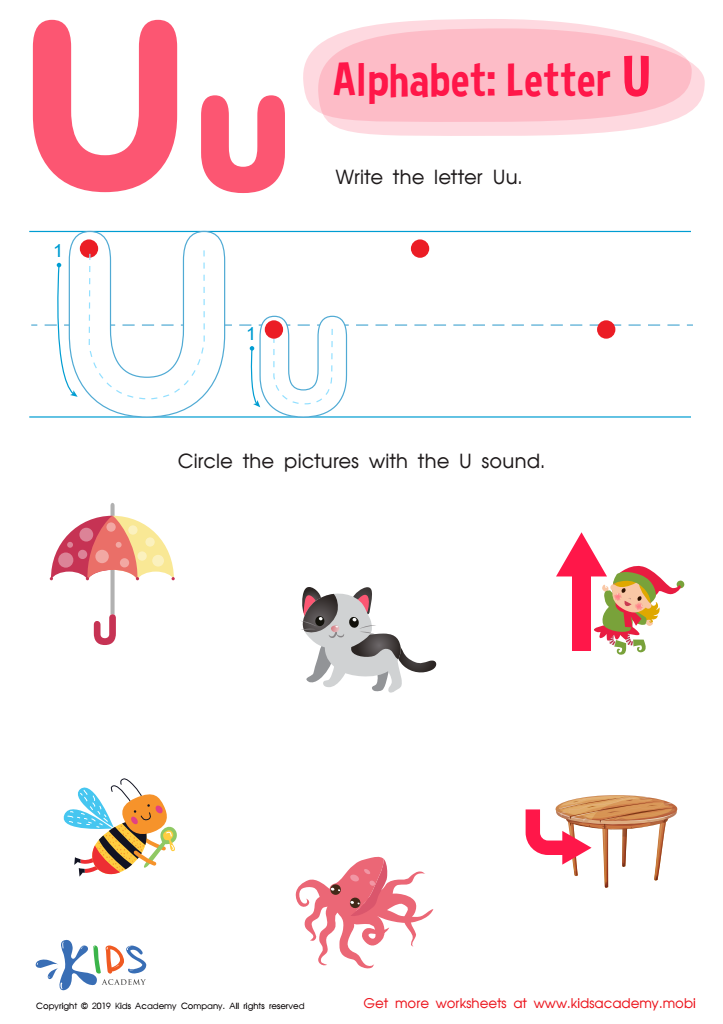
Letter U Tracing Worksheet
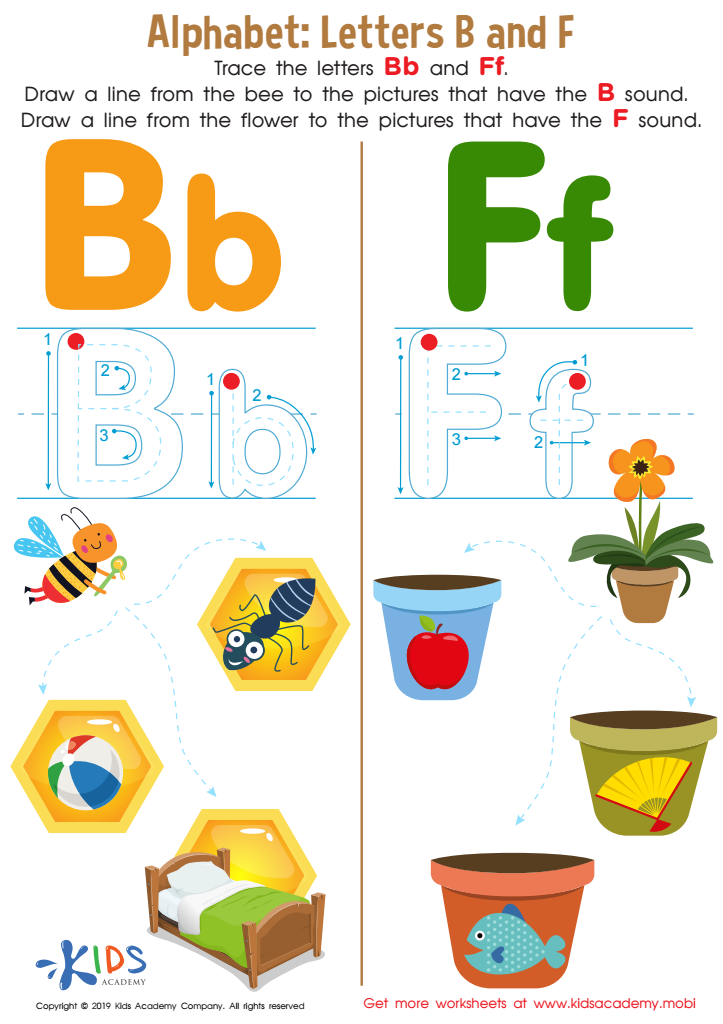
Letters B and F Tracing Worksheet
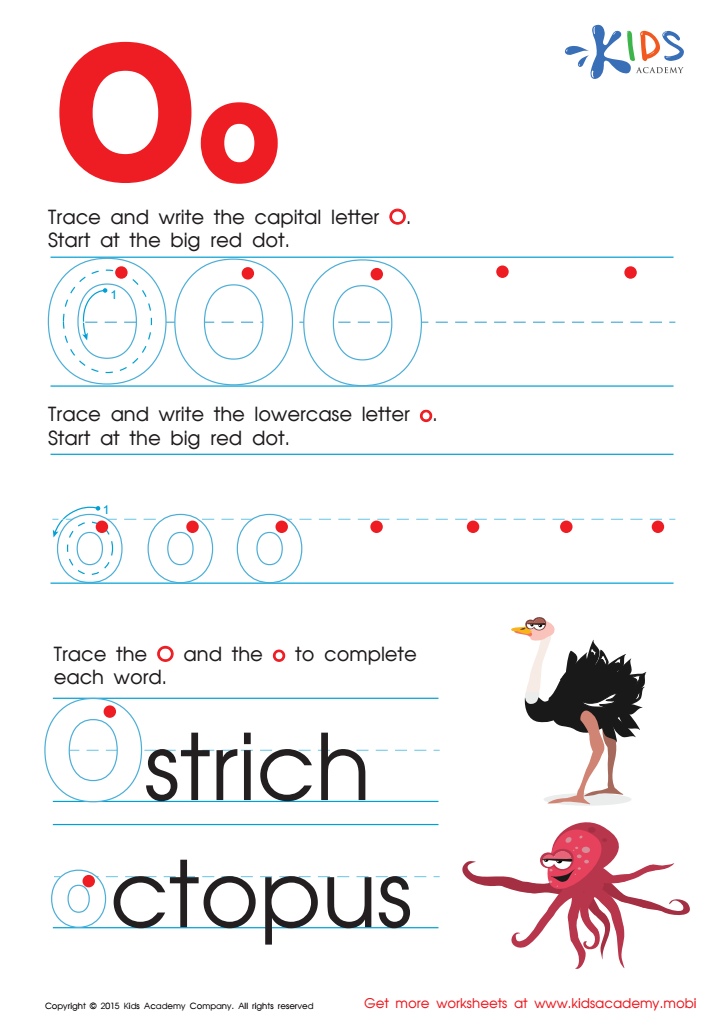
Letter O Tracing Page
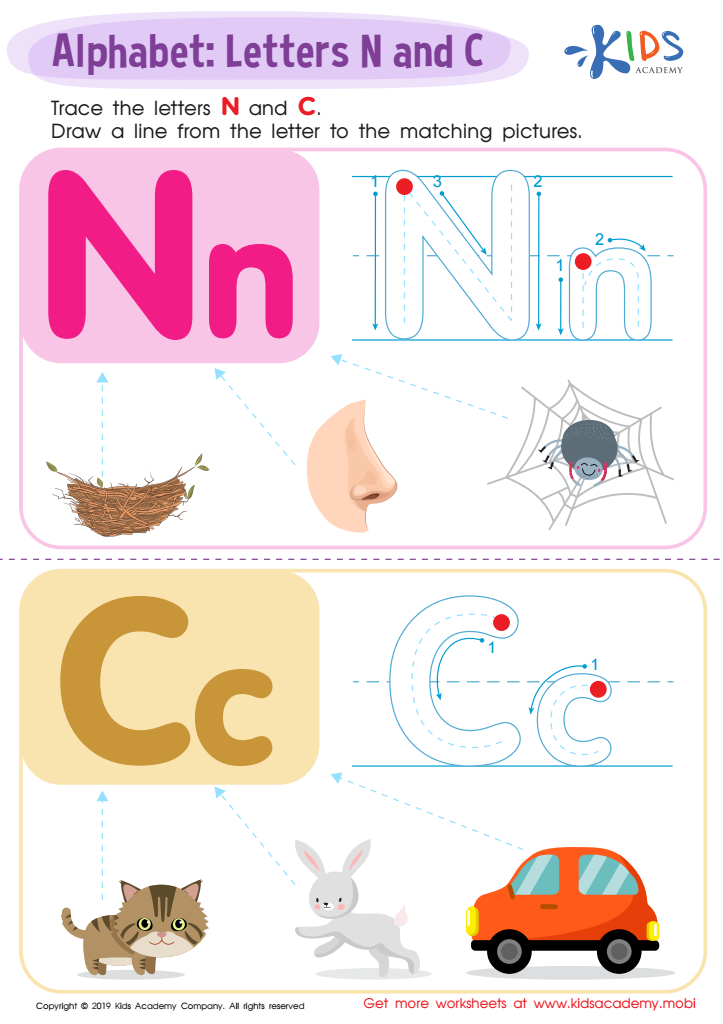
Letter N and C Tracing Worksheet
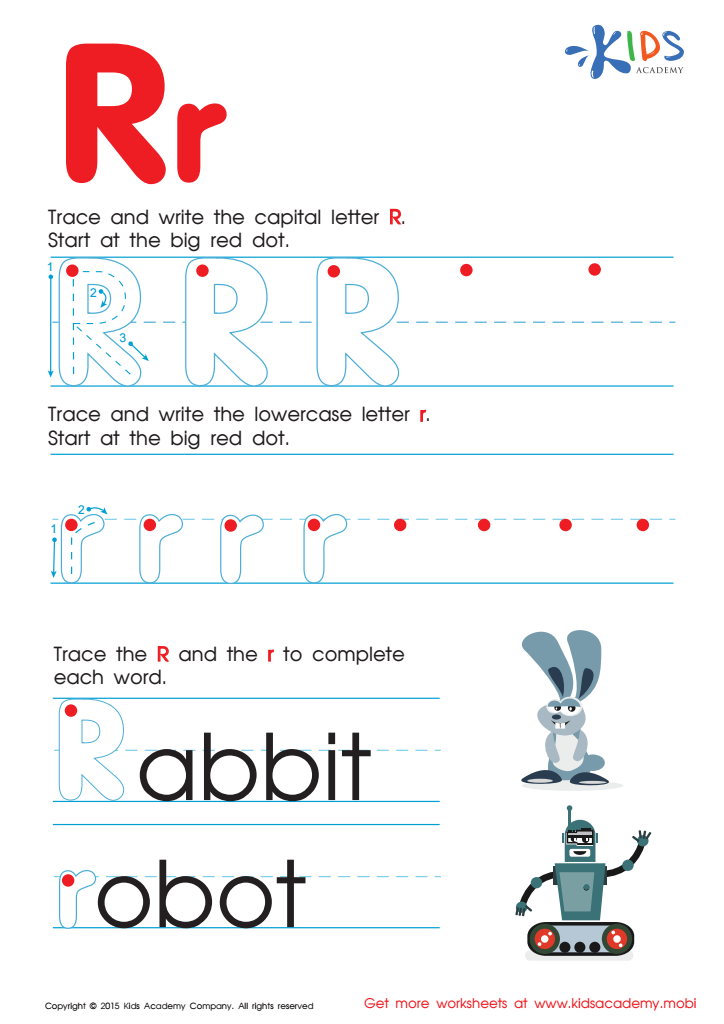
Letter R Tracing Page
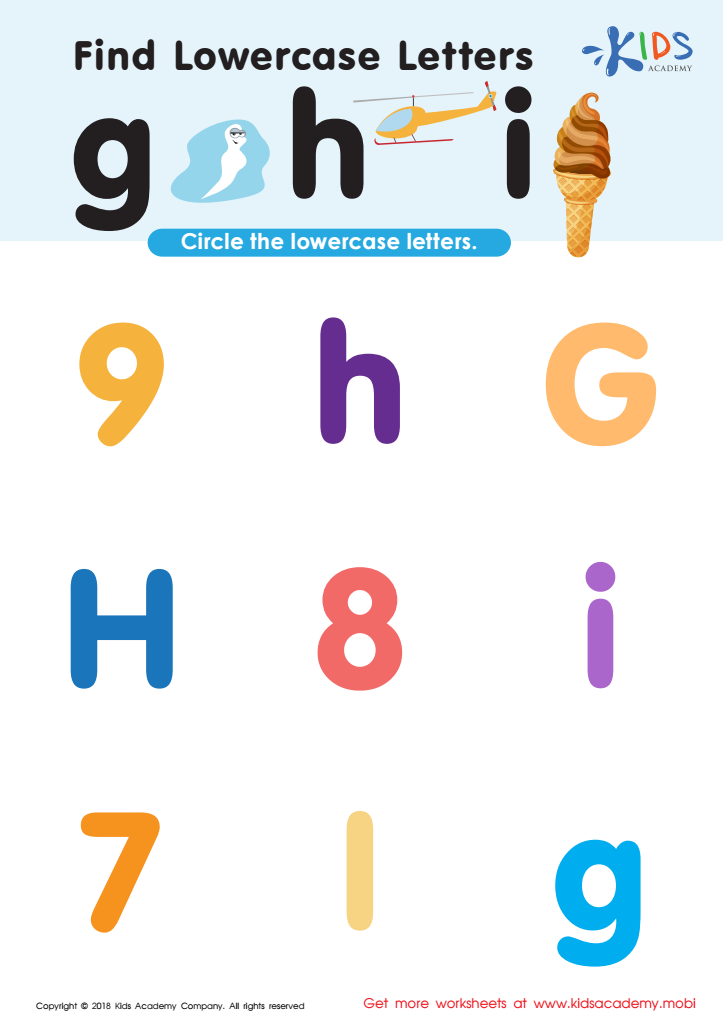
Find Lowercase Letters g h i Worksheet
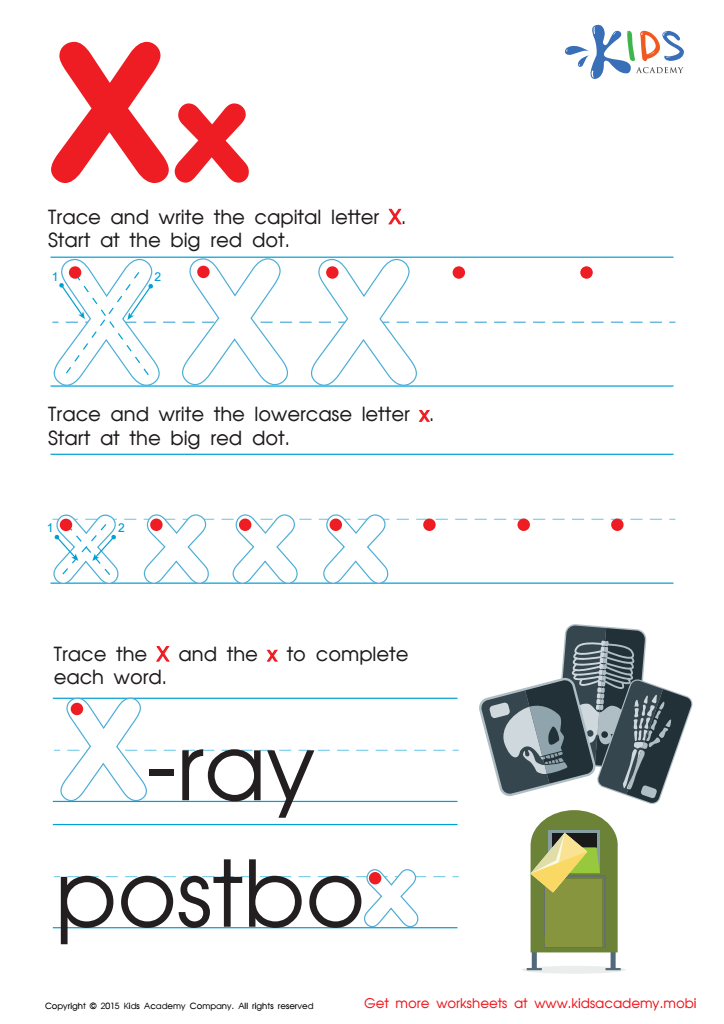
Letter X Tracing Page
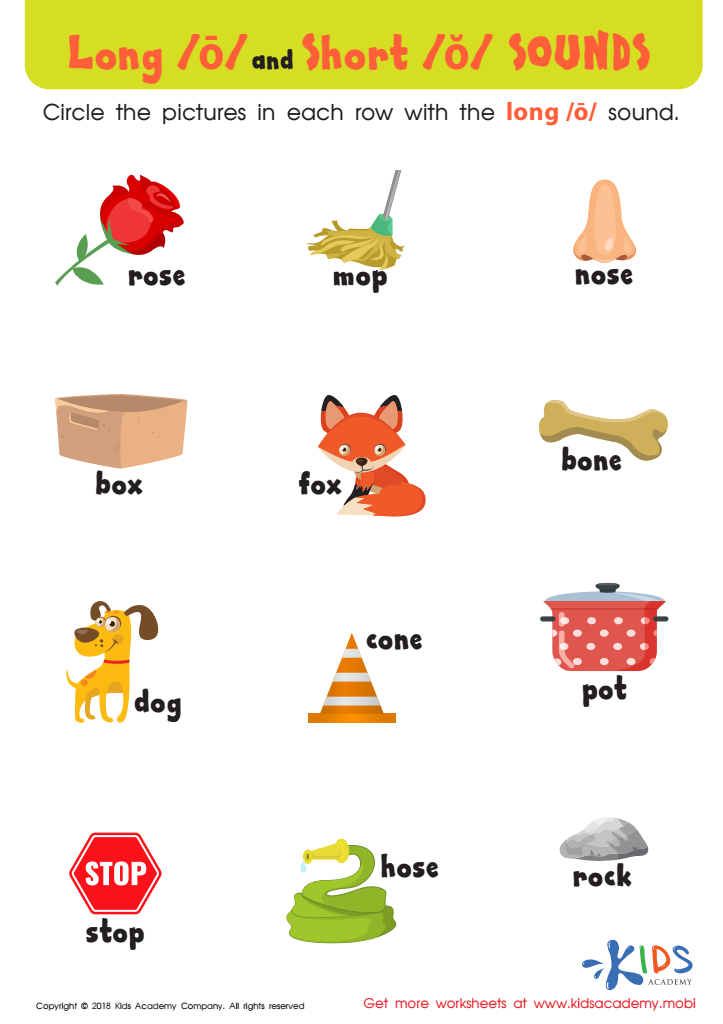
Reading: Long O and Short O Sounds Worksheet
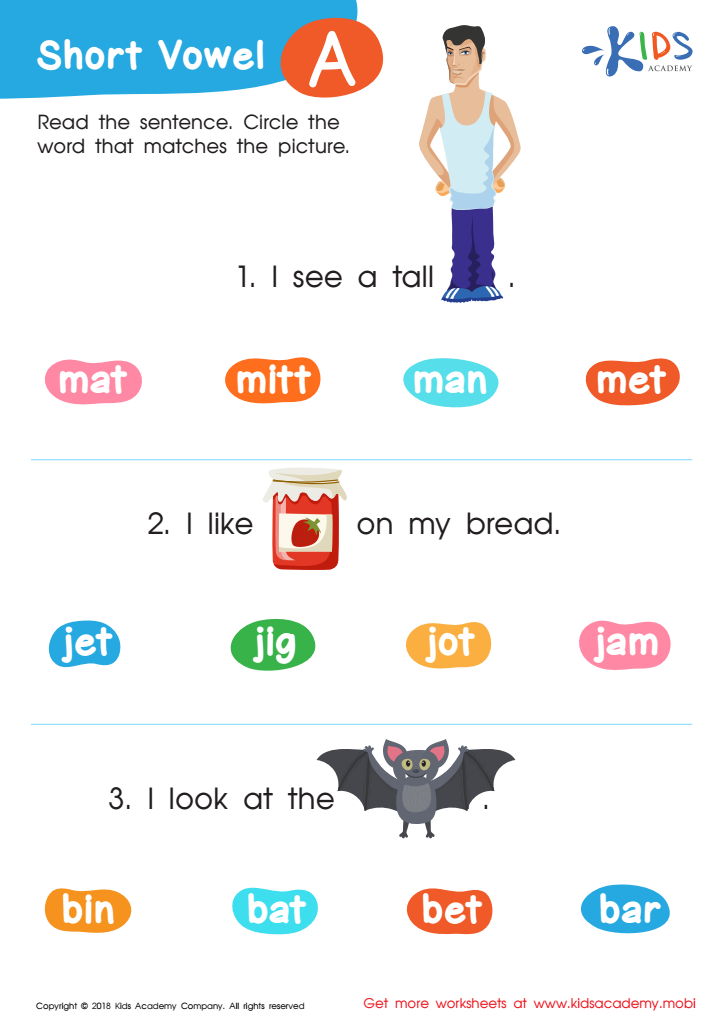
Short Vowel /a/ Worksheet
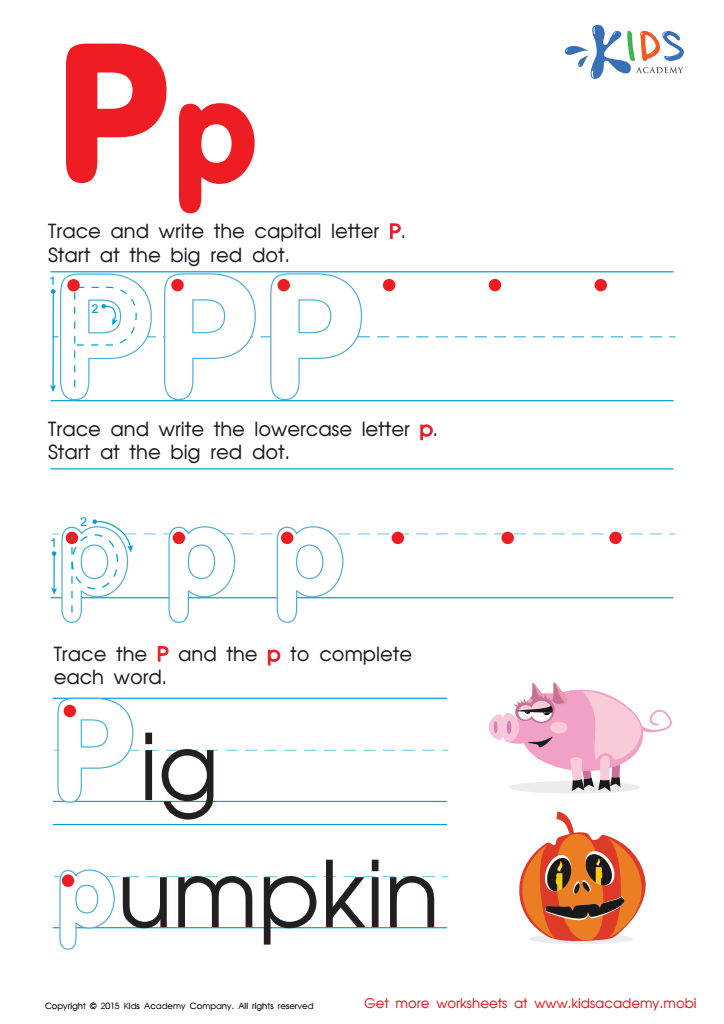
Letter P Tracing Page
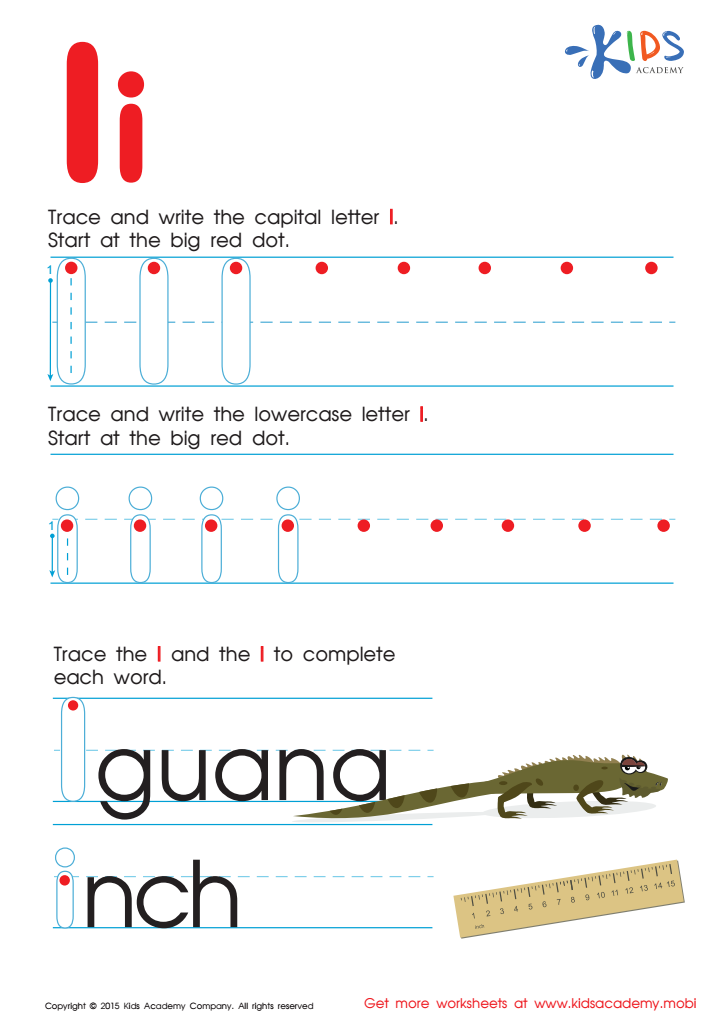
Letter I Tracing Page
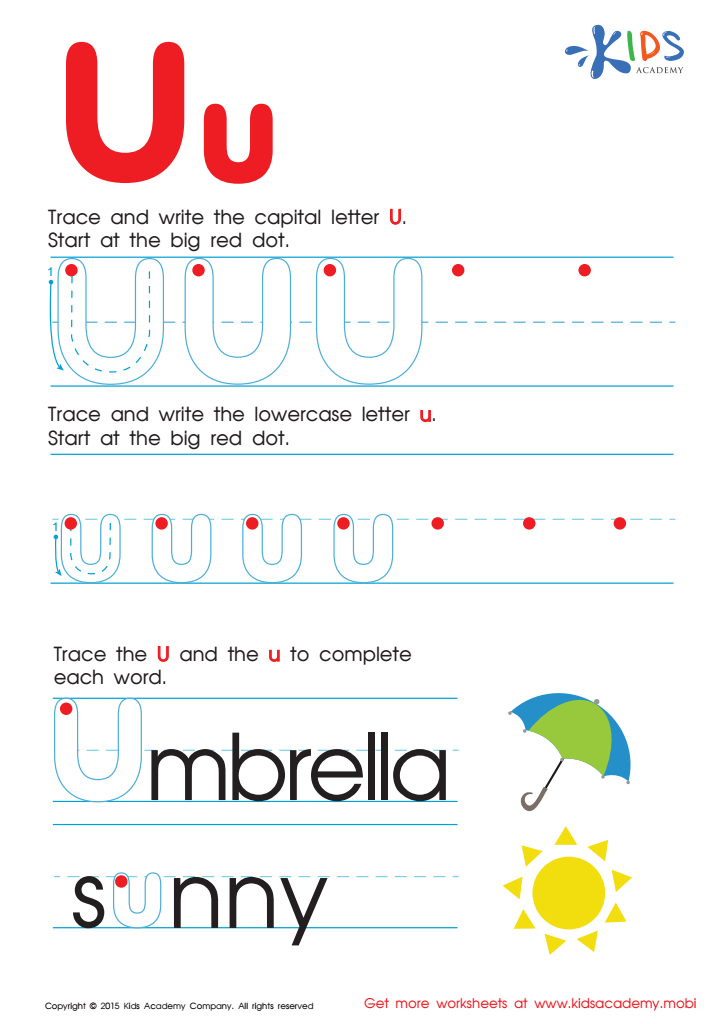
Letter U Tracing Page
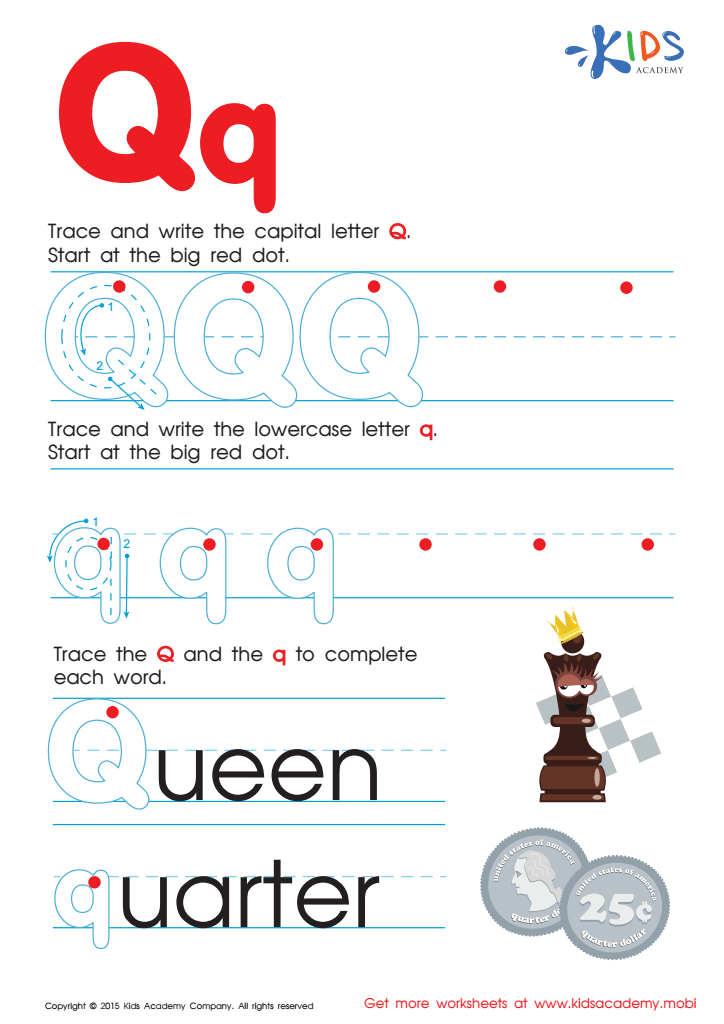
Letter Q Tracing Page
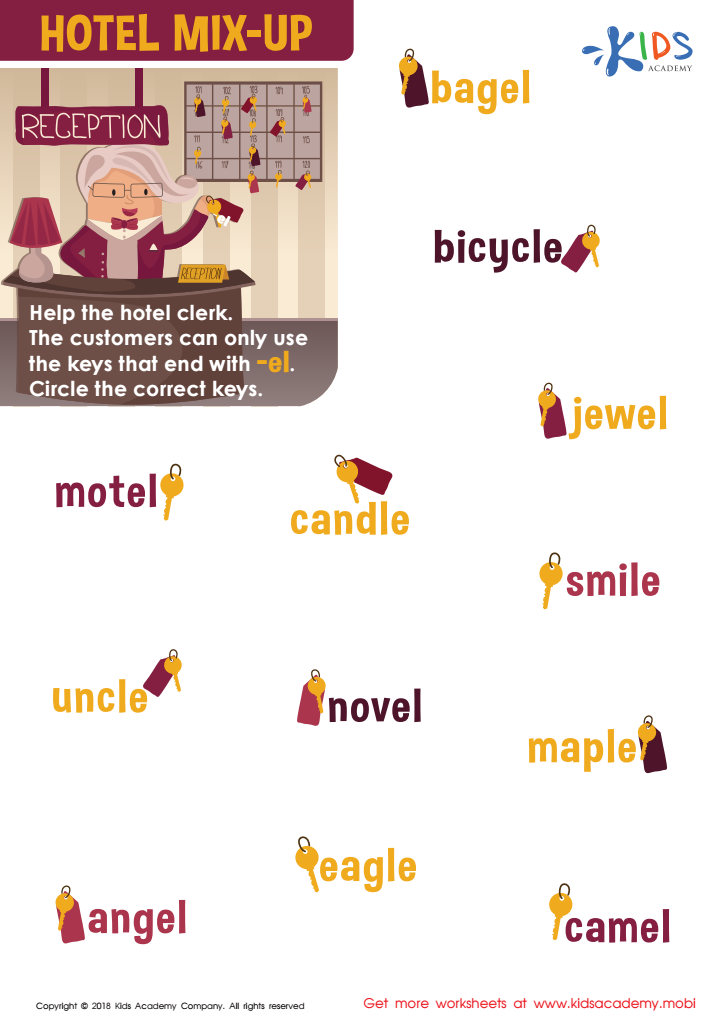
Hotel Mix-up Worksheet
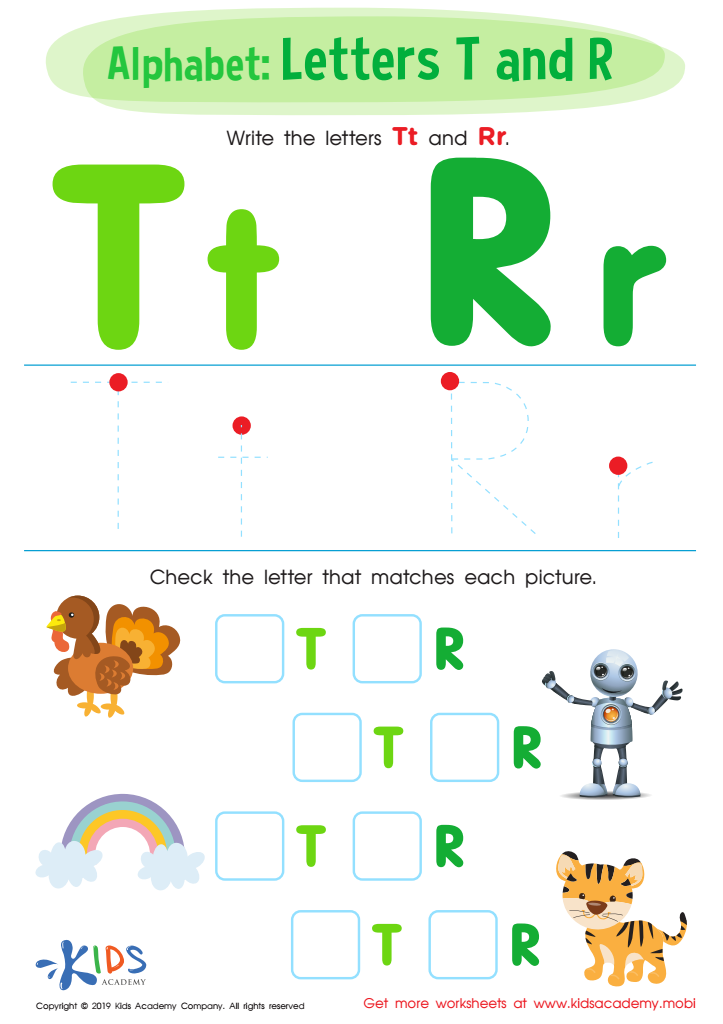
Letters T and R Worksheet
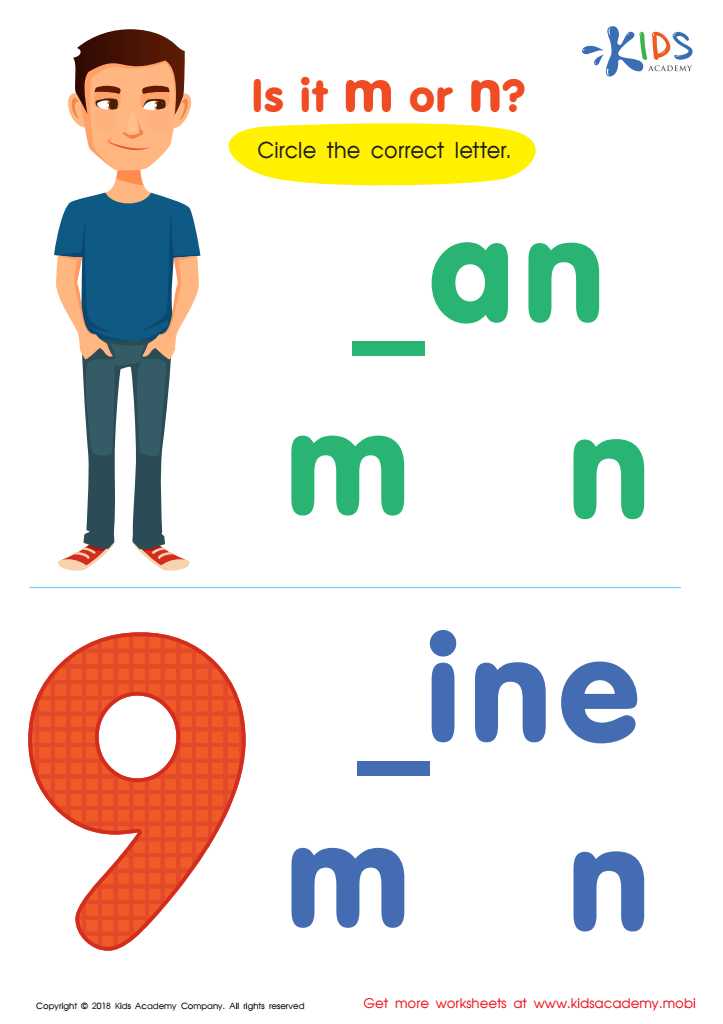
Is It m or n? Worksheet
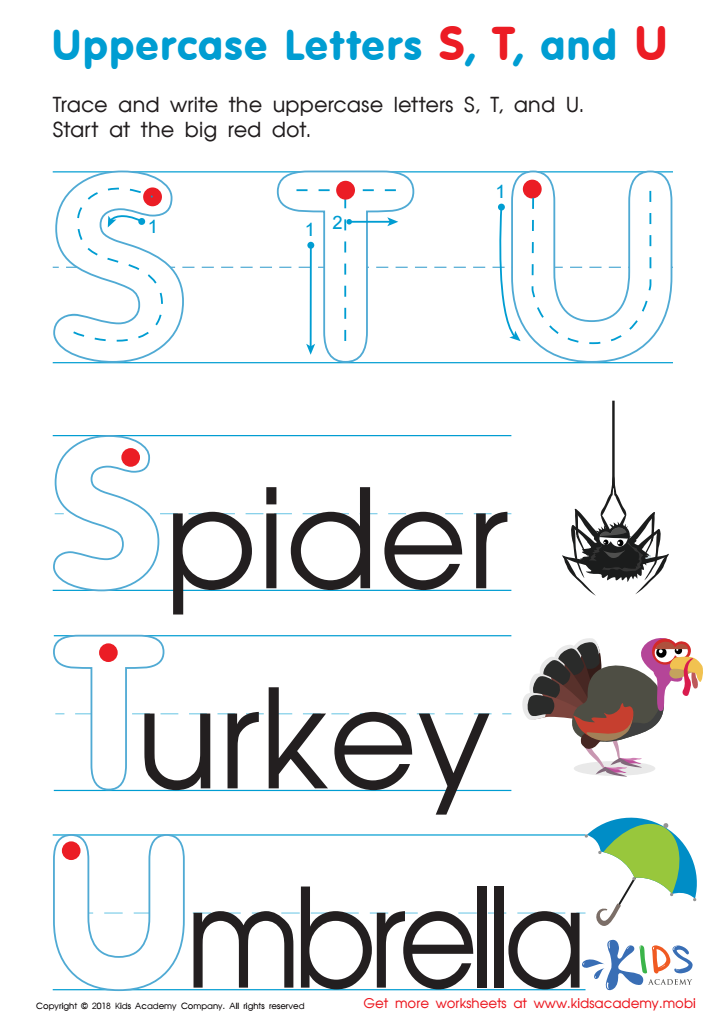
Uppercase Letters S, T, and U Worksheet
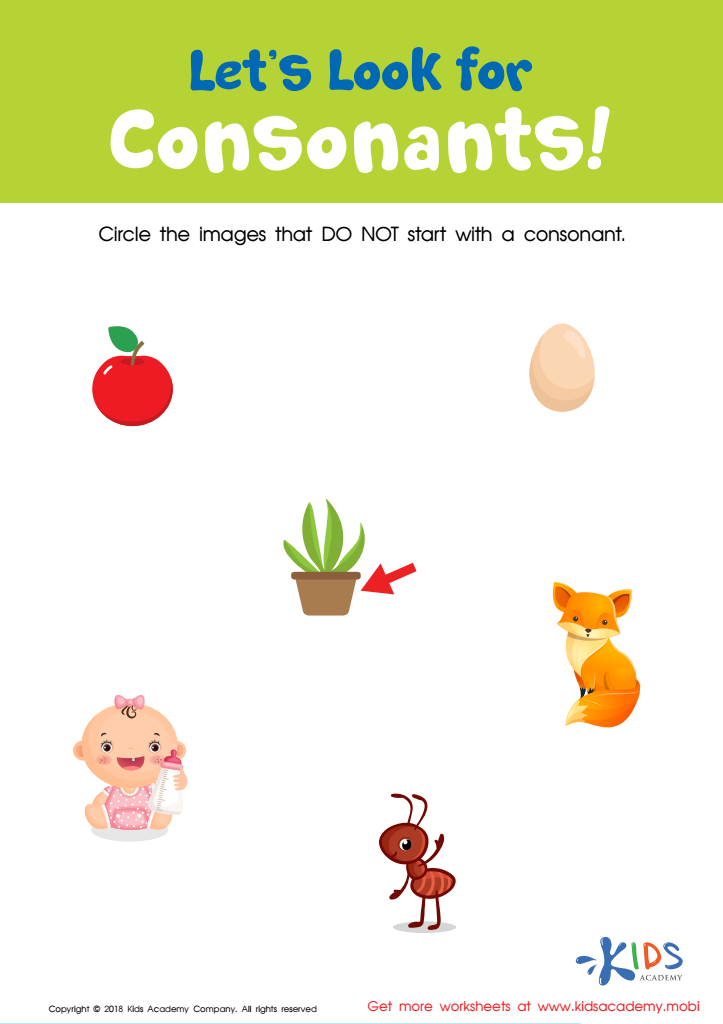
Let's Look for Consonants Worksheet
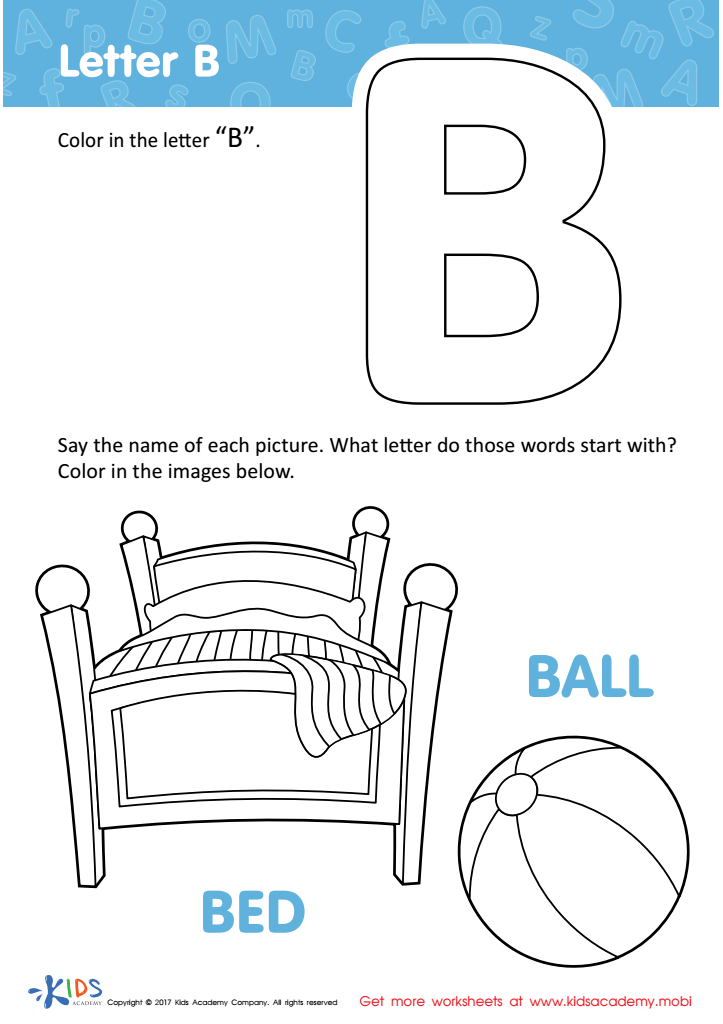
Letter B Coloring Sheet
Assign to My Students
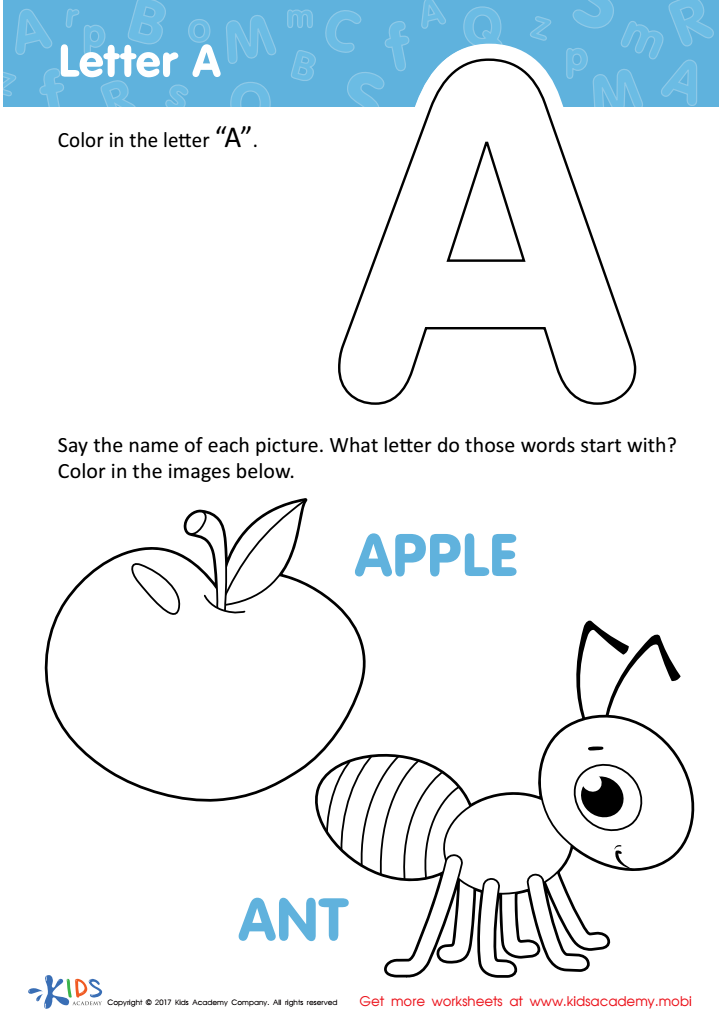
Letter A Coloring Sheet
Assign to My Students








Letter recognition is an essential skill for children aged 5-8 as it forms the cornerstone of reading and writing, critical components of literacy development. During these formative years, children transition from pre-reading to more advanced reading stages. Understanding that each letter has a specific shape, name, and sound is vital for decoding words and building phonemic awareness. This early skill not only lays the foundation for fluent reading but also aids in vocabulary expansion and comprehension.
Parents and teachers should prioritize letter recognition because it fosters children's confidence and enthusiasm for learning. Struggling with letter identification can lead to frustration and disinterest in reading activities, potentially hindering overall academic progress. Early intervention in recognizing and mastering letters can mitigate future learning difficulties, such as dyslexia or other reading impairments.
Moreover, letter recognition supports cognitive development by enhancing memory and cognitive associations. The ability to recognize and differentiate letters sharpens a child's overall visual discrimination skills, which are not only crucial for literacy but also for many other academic subjects. Active involvement from parents and teachers in letter recognition activities, such as reading together, playing educational games, and engaging in hands-on letter-related tasks, can make learning fun and effective, setting children up for academic success and a lifelong love of reading.







