Upper & Lowercase Letters Worksheets for Ages 5-8 - Page 2
50 filtered results
-
From - To
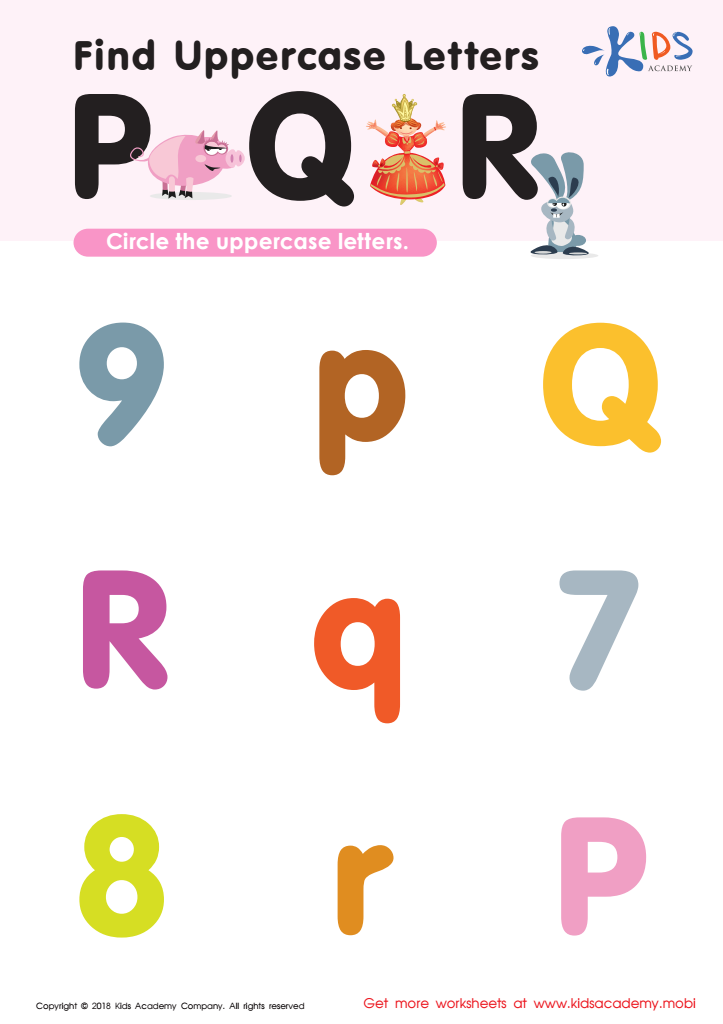
Find Uppercase Letters P, Q, and R Worksheet
 Assign to My Students

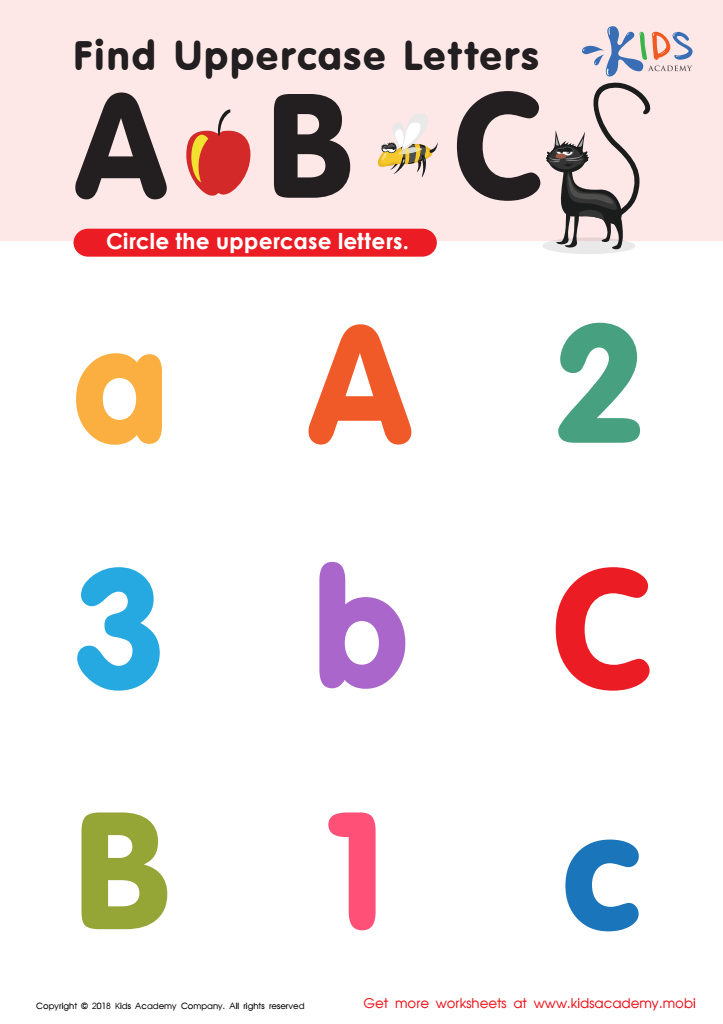
Find Uppercase Letters A, B, and C Worksheet
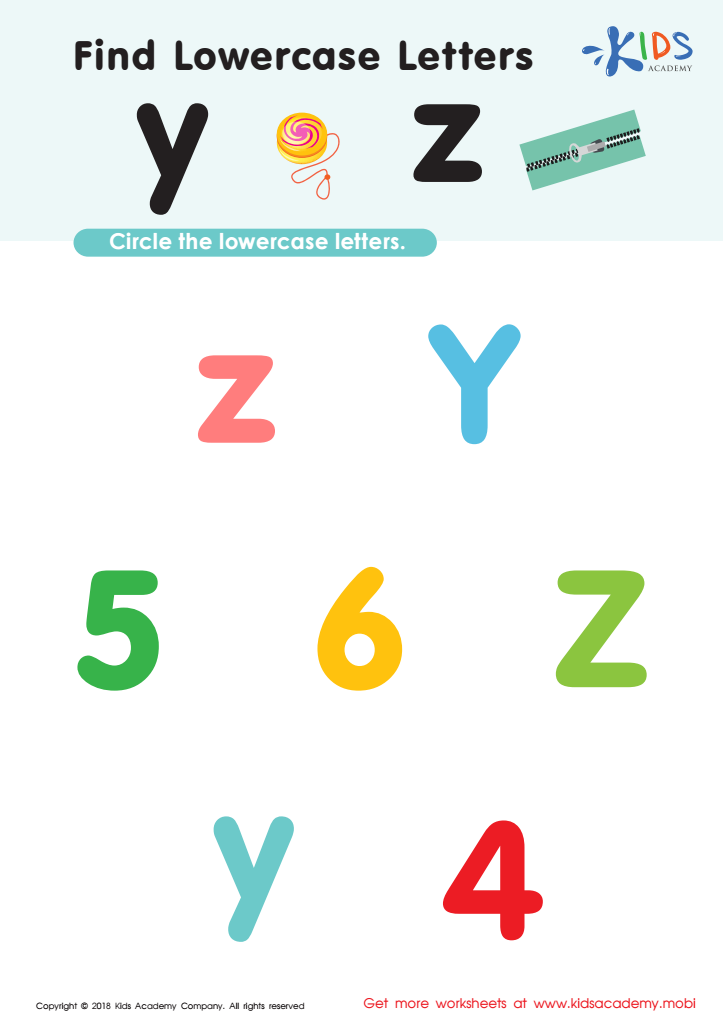
Find Lowercase Letters y z Worksheet
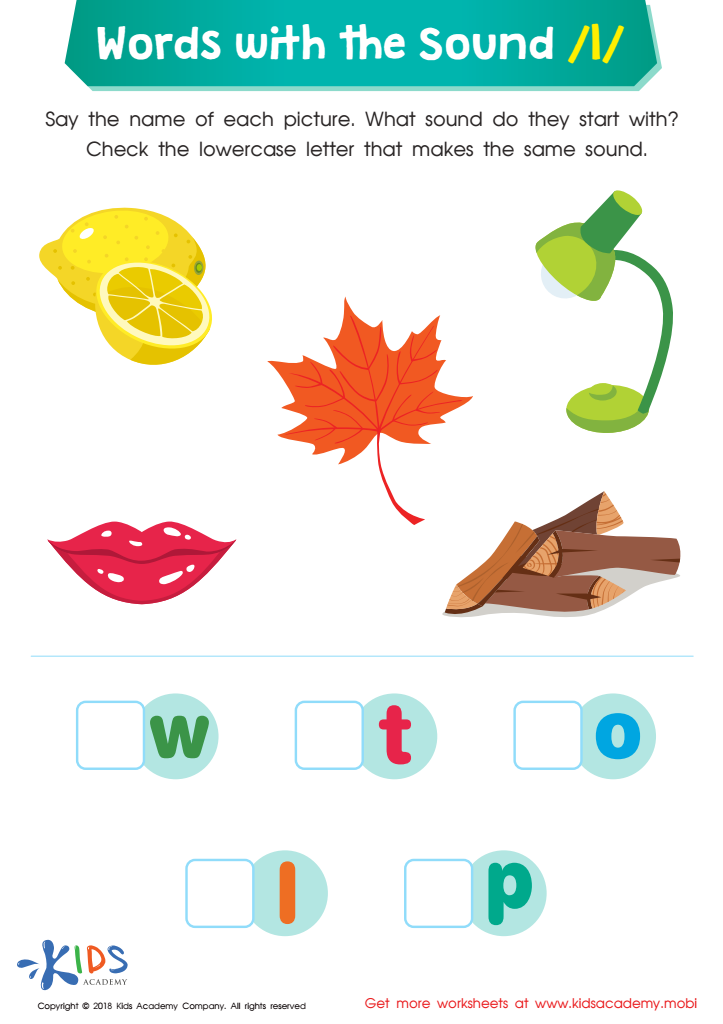
Words with Sound L Reading Worksheet
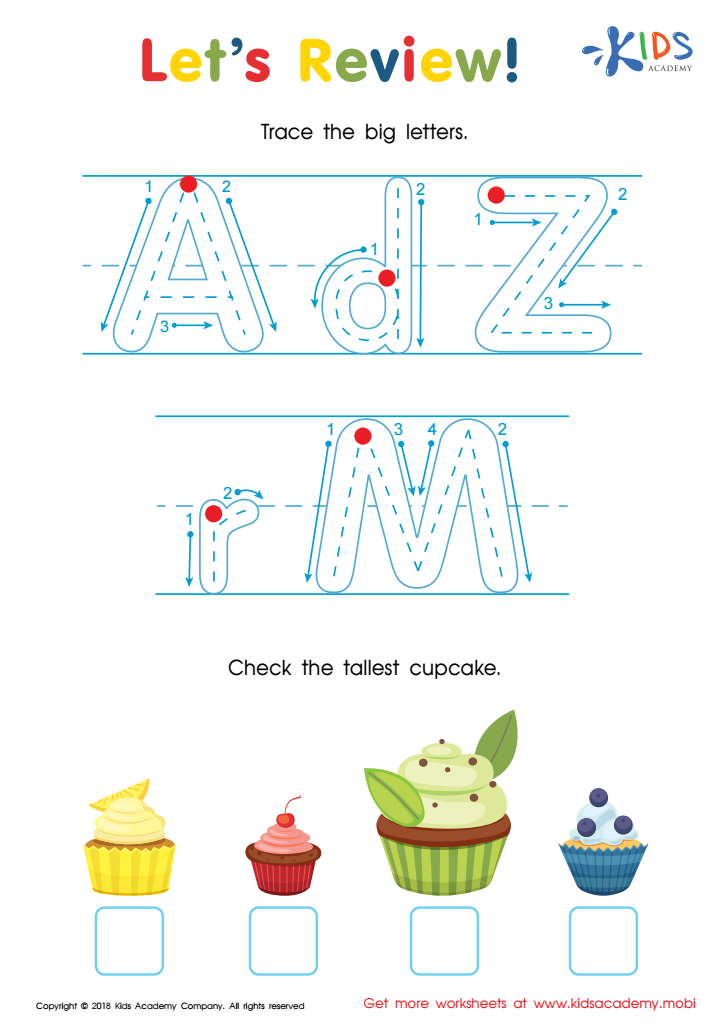
Let's Review! Big Letters Worksheet
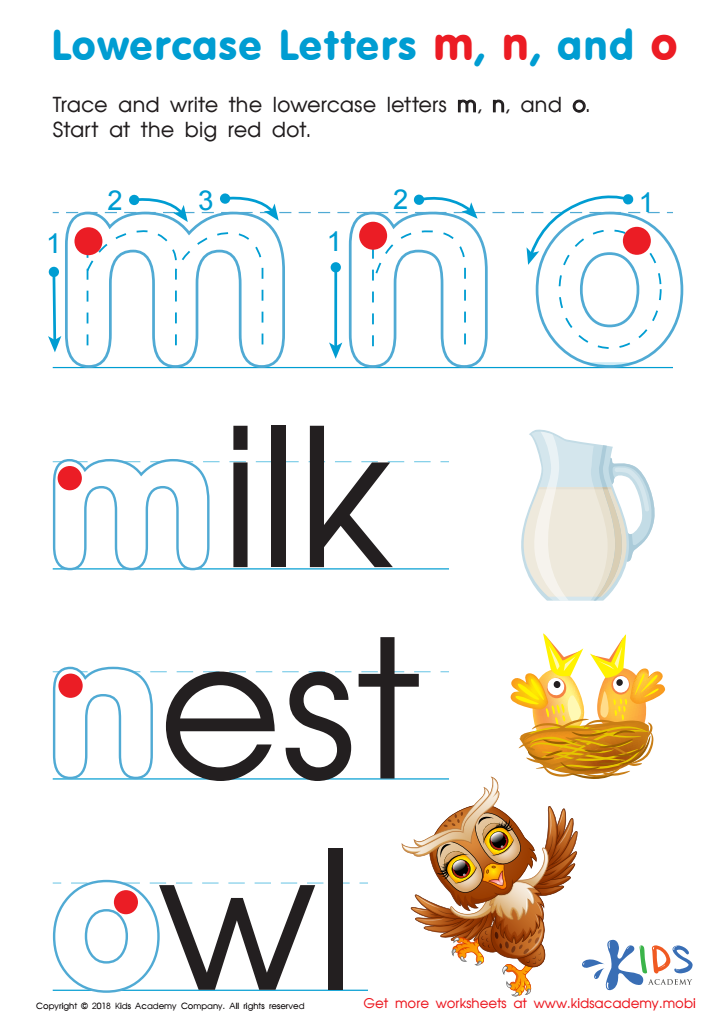
Lowercase Letters m n o Worksheet
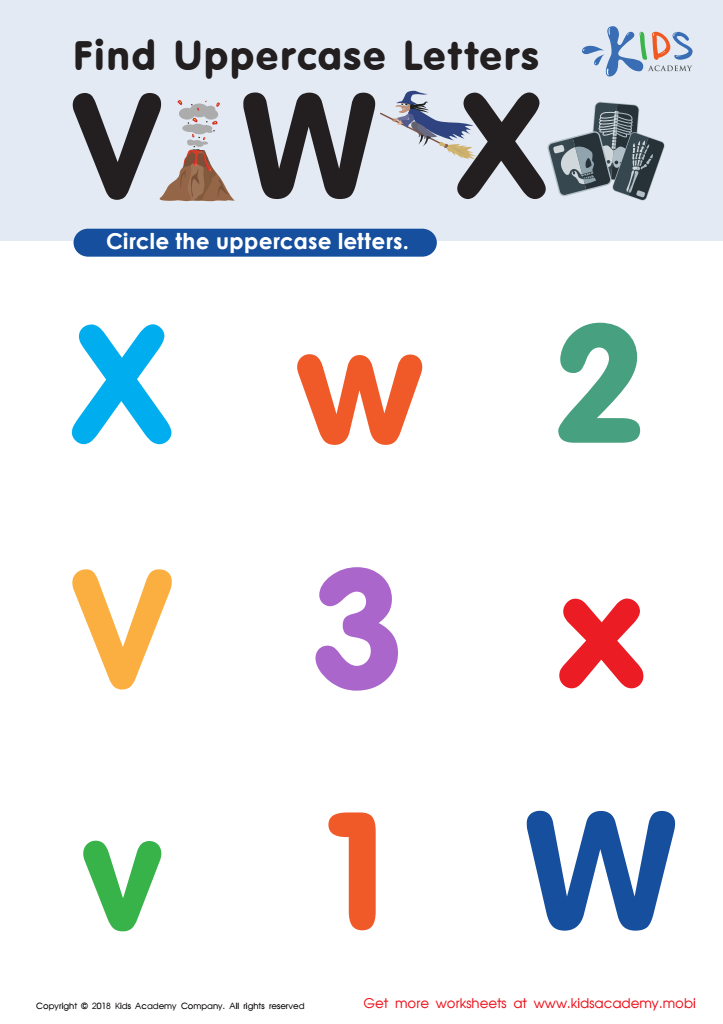
Find Uppercase Letters V, W, X Worksheet
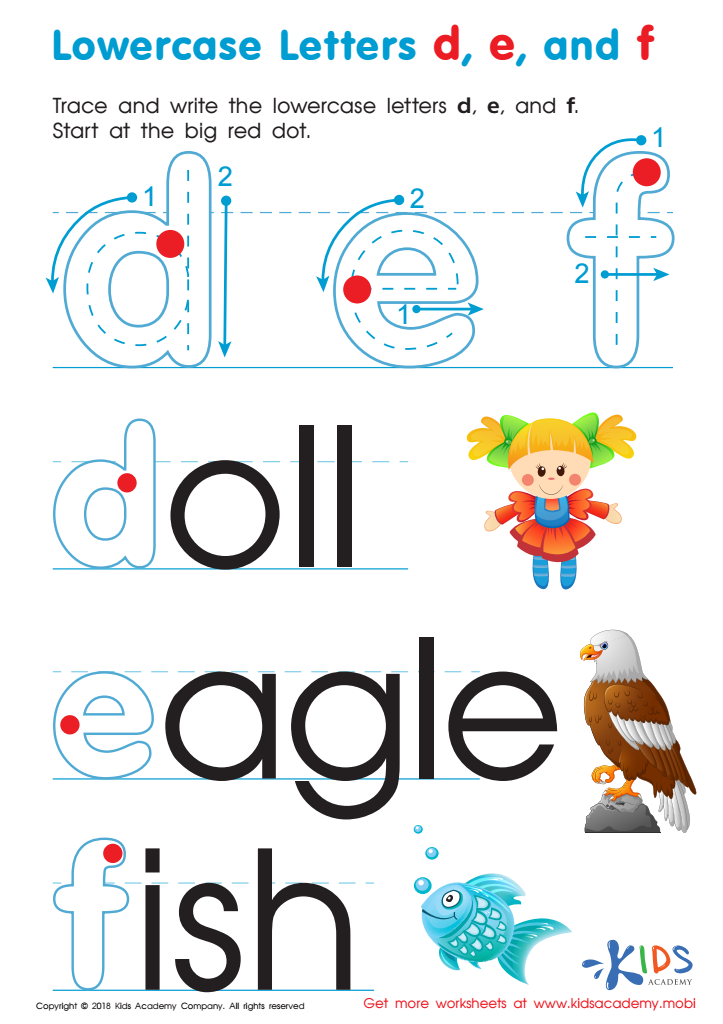
Lowercase Letters d e f Worksheet
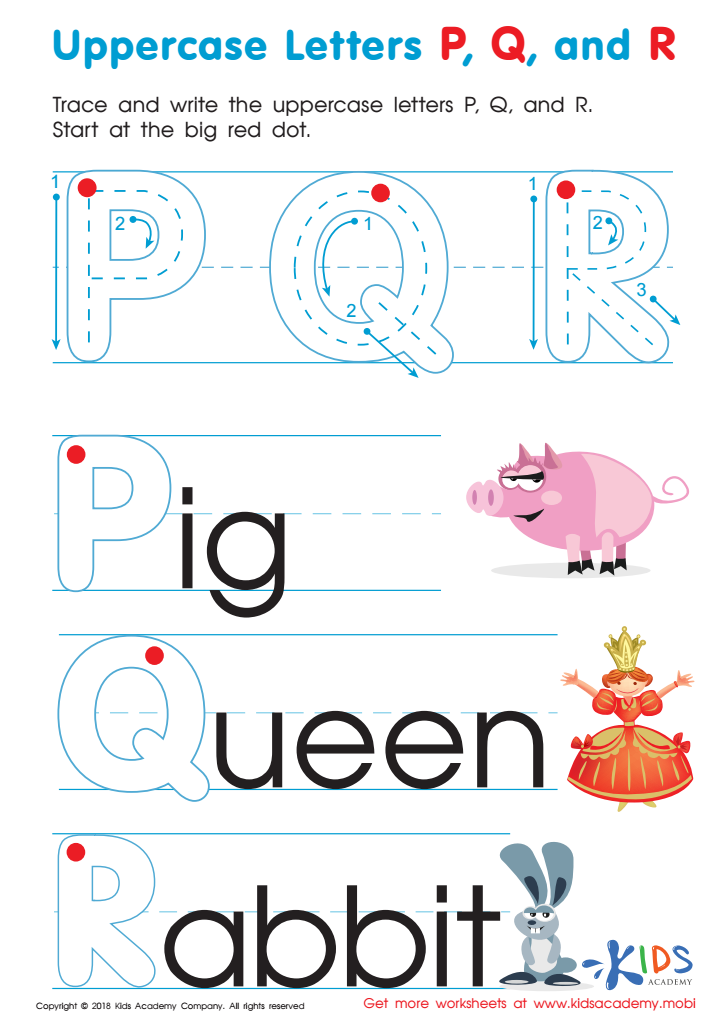
Uppercase Letters P, Q, and R Worksheet
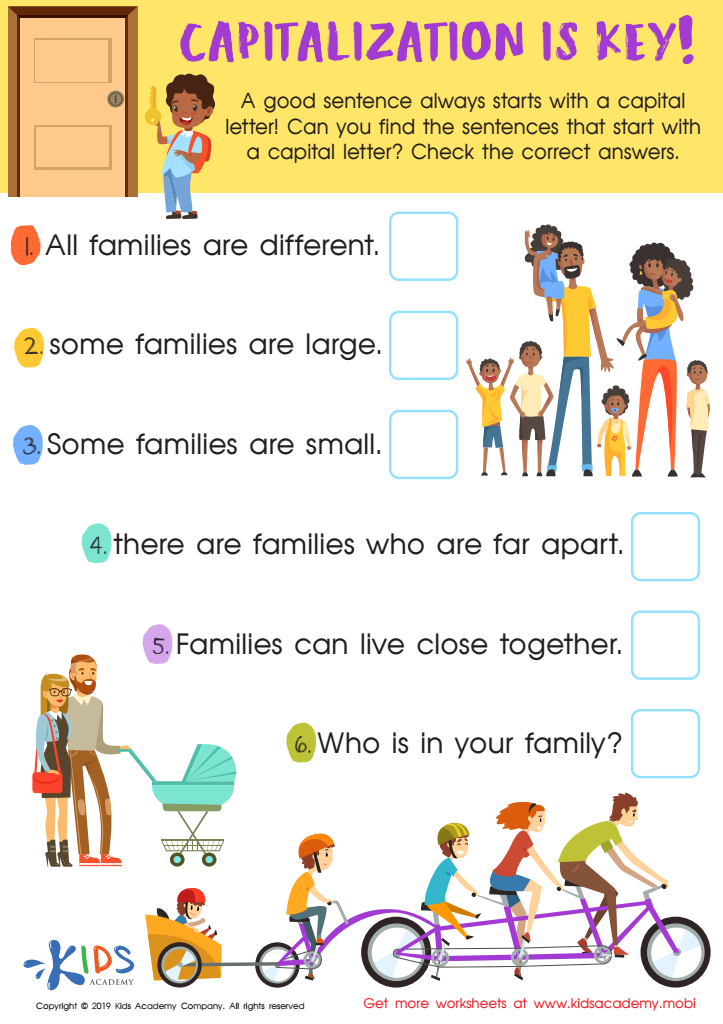
Capitalization Key Worksheet
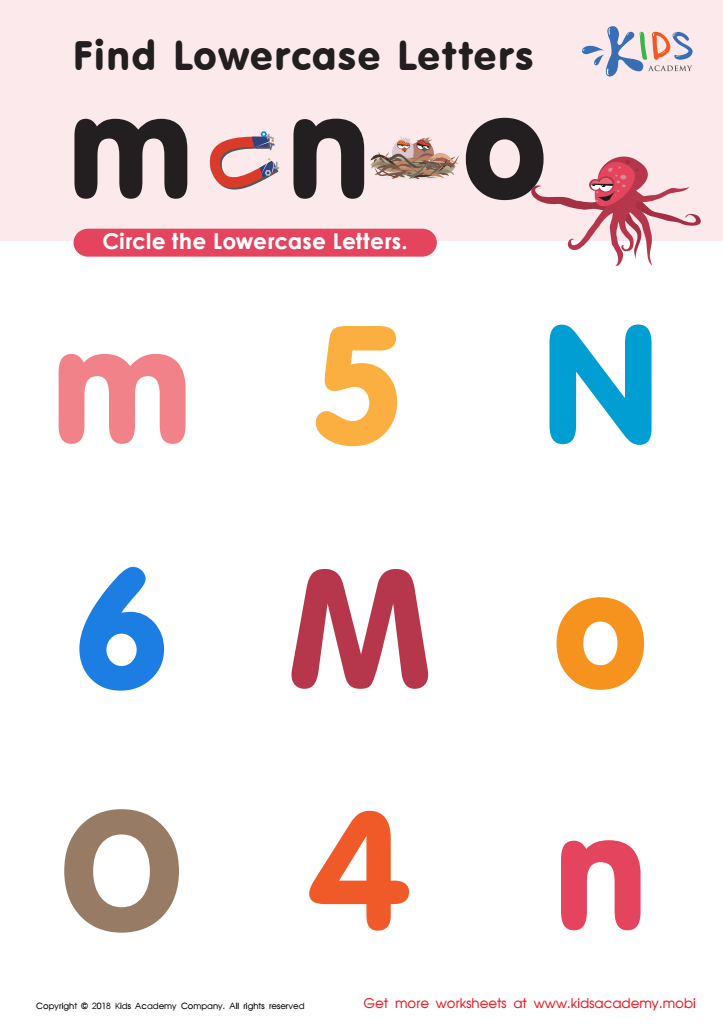
Find Lowercase Letters m n o Worksheet
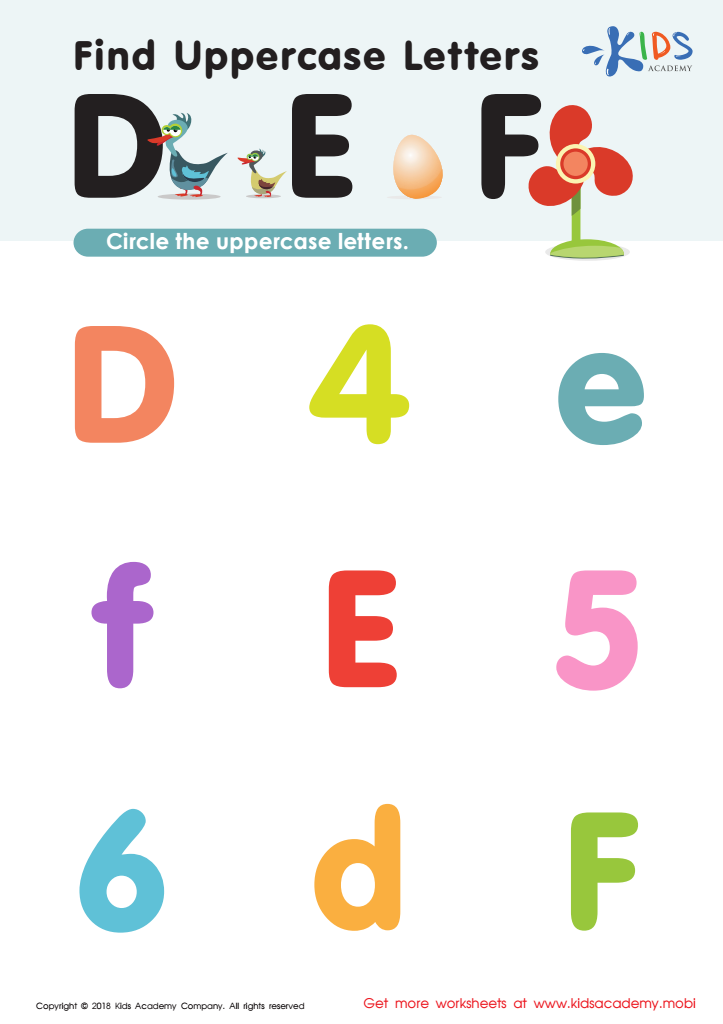
Find Uppercase Letters D, E, and F Worksheet
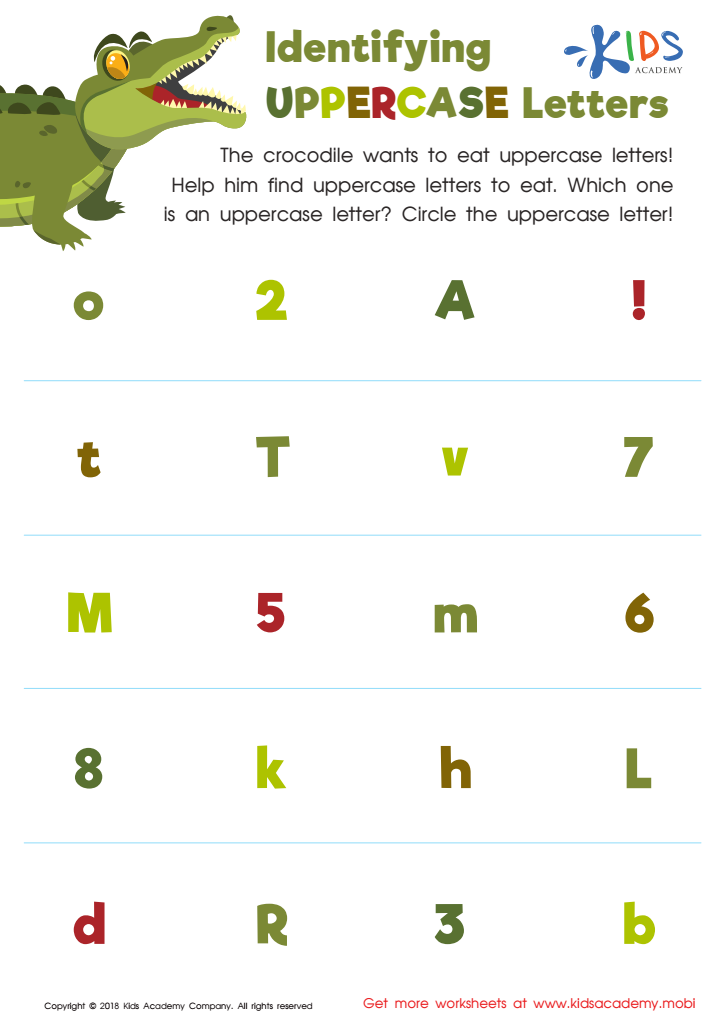
Identifying Uppercase Letters Worksheet
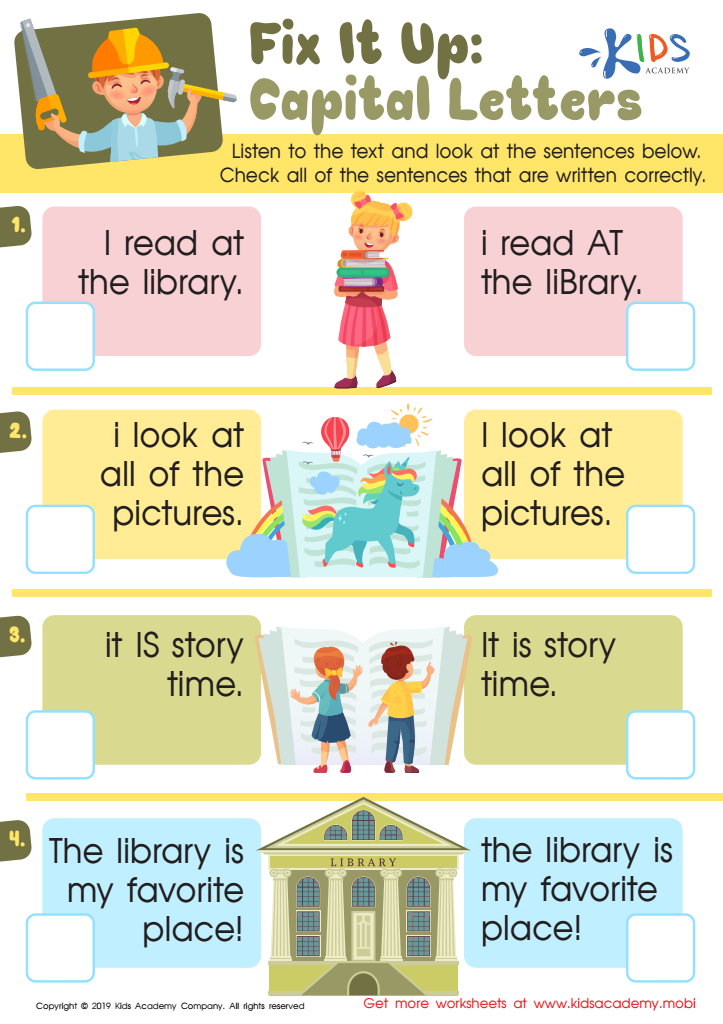
Fix Capital Letters Worksheet
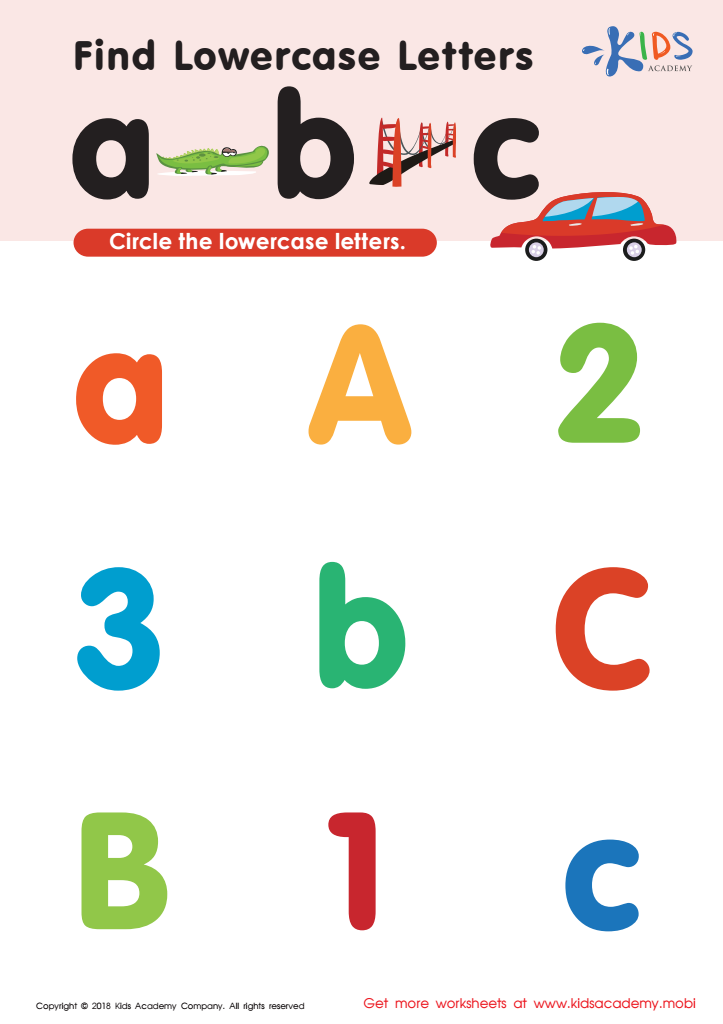
Find lowercase letters a b c Worksheet
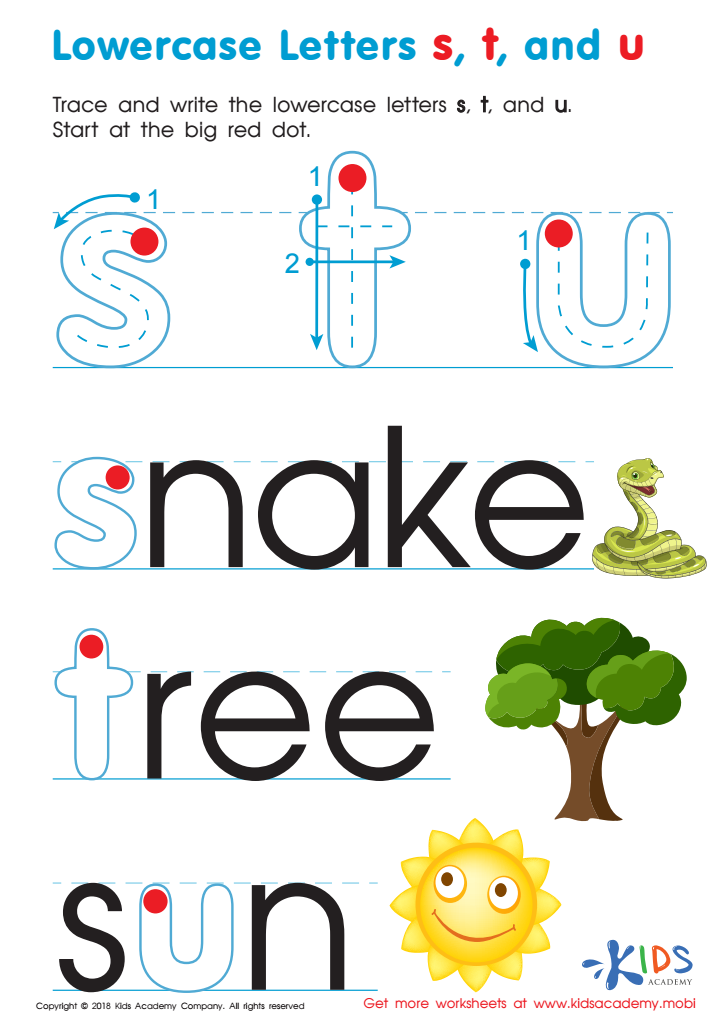
Lowercase Letters s t u Worksheet
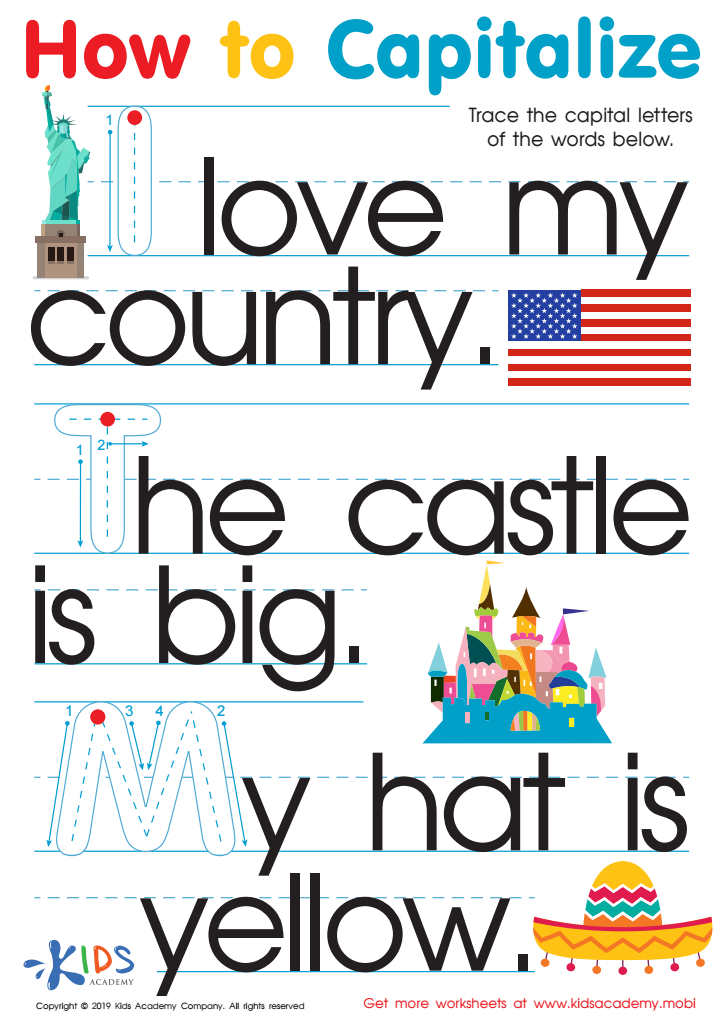
How to Capitalize Worksheet
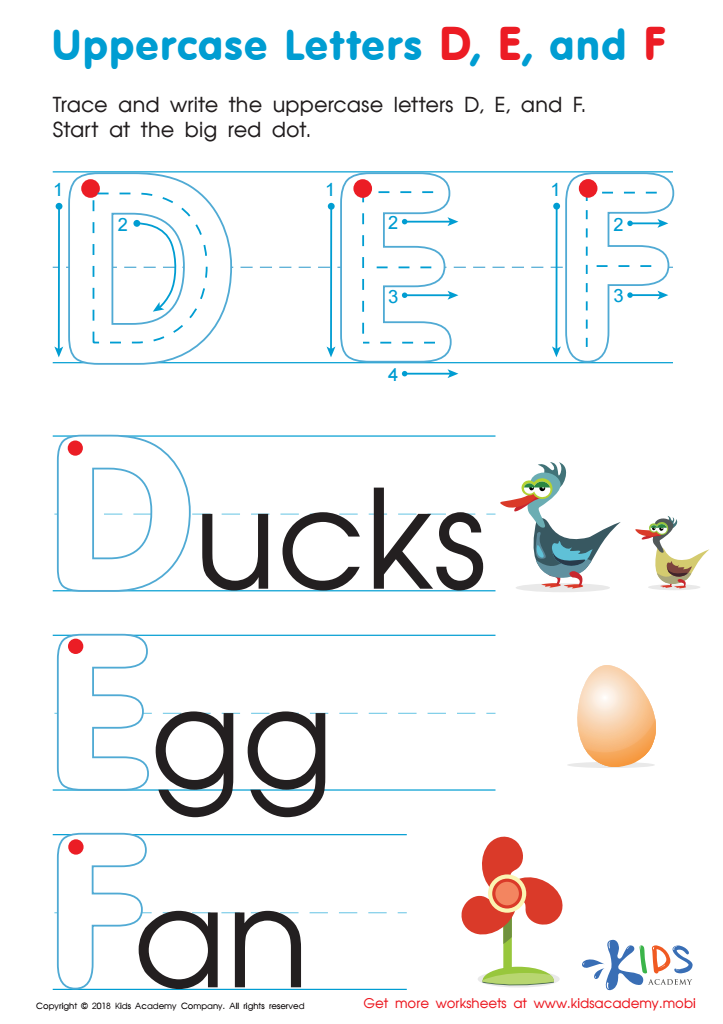
Uppercase Letters D, E, and F Worksheet
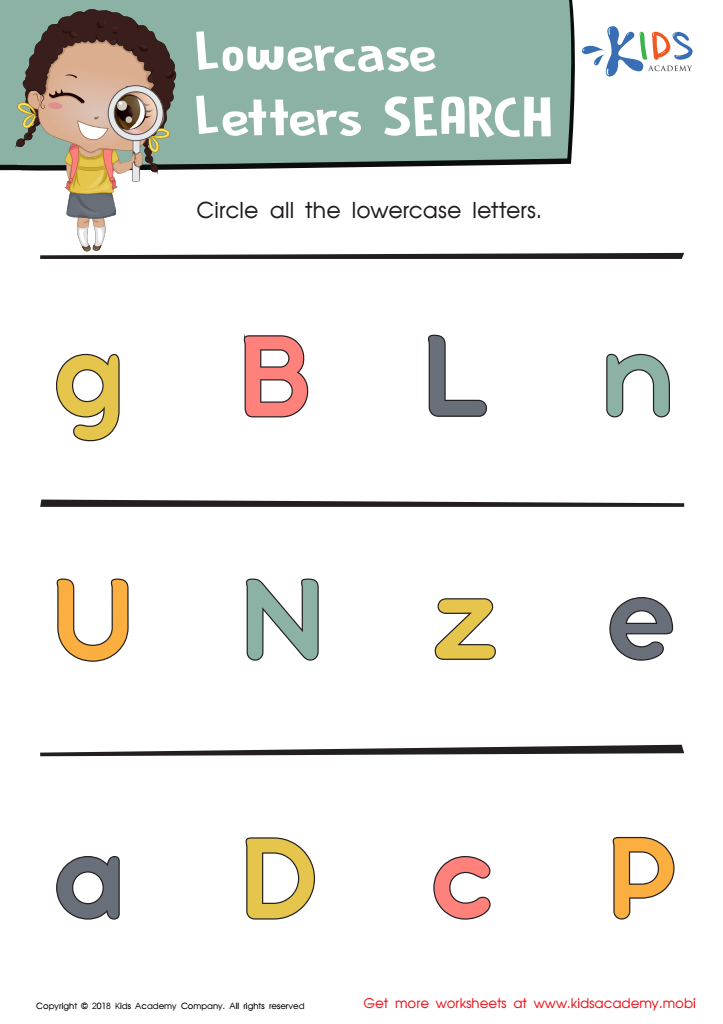
Lowercase Letters Search: Assessment Worksheet
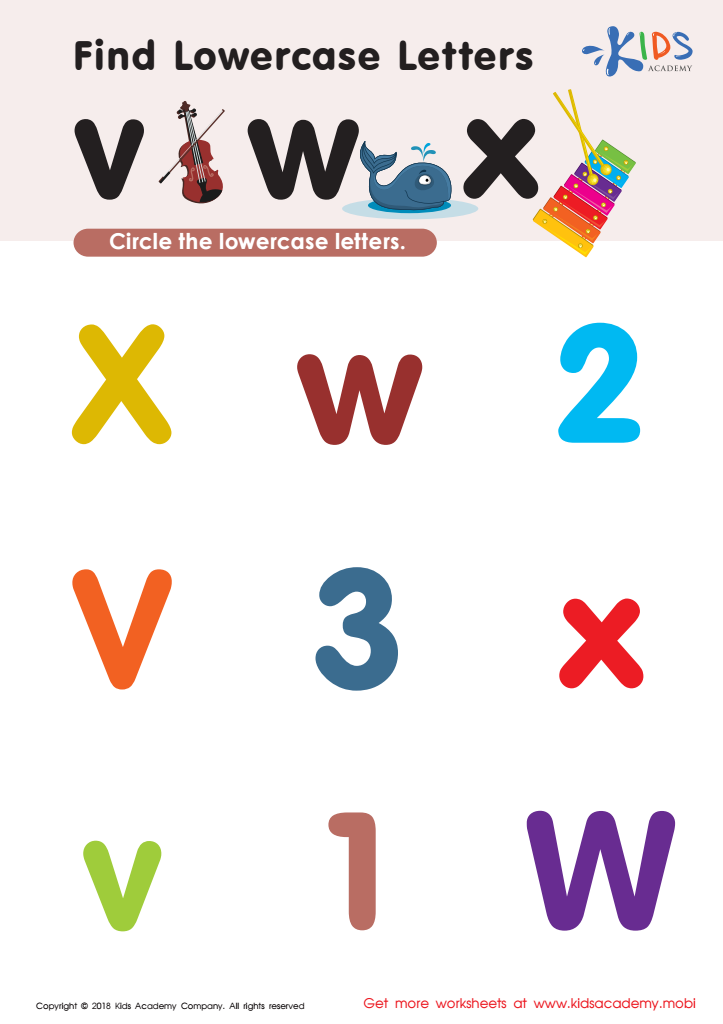
Find Lowercase Letters v w x Worksheet
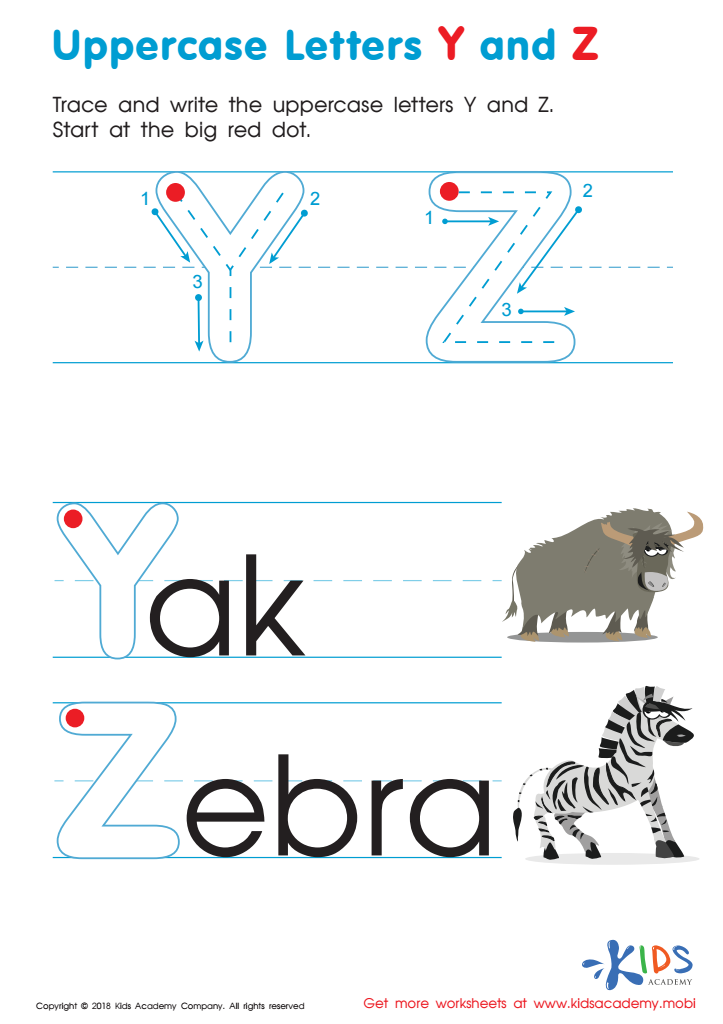
Uppercase Letters Y Z Worksheet
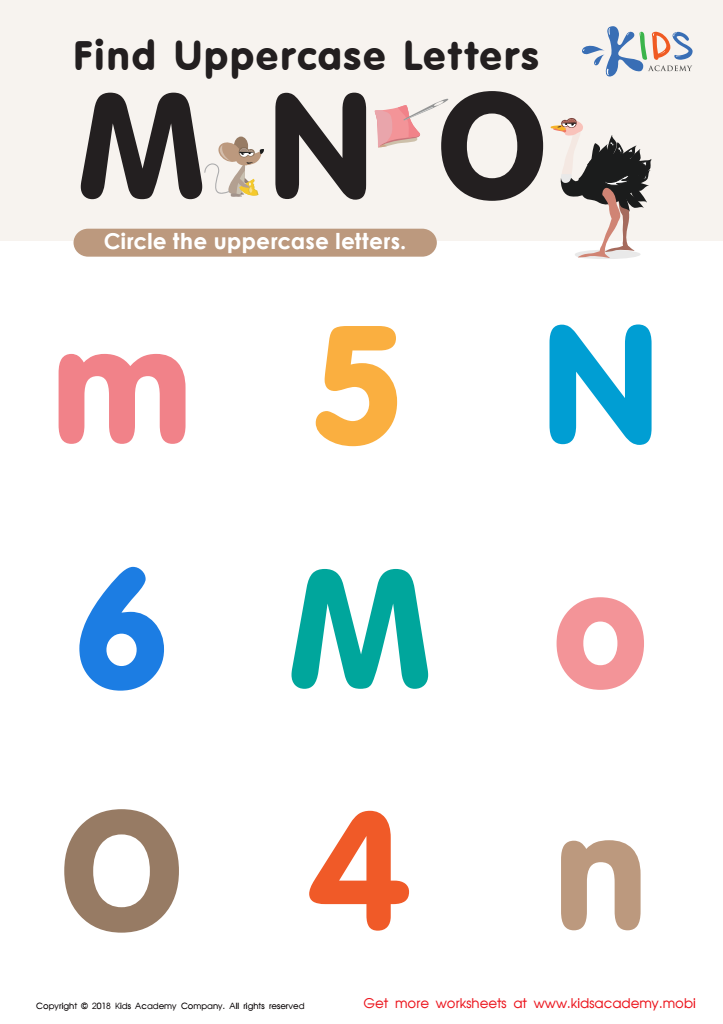
Find Uppercase Letters M, N, and O Worksheet
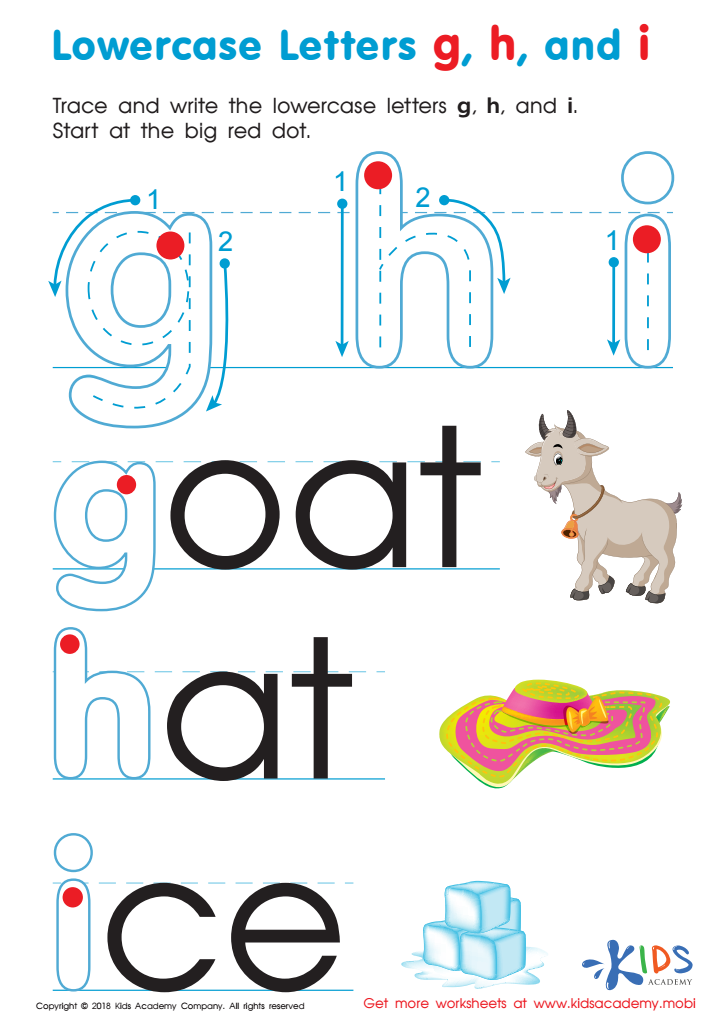
Lowercase Letters g h i Worksheet
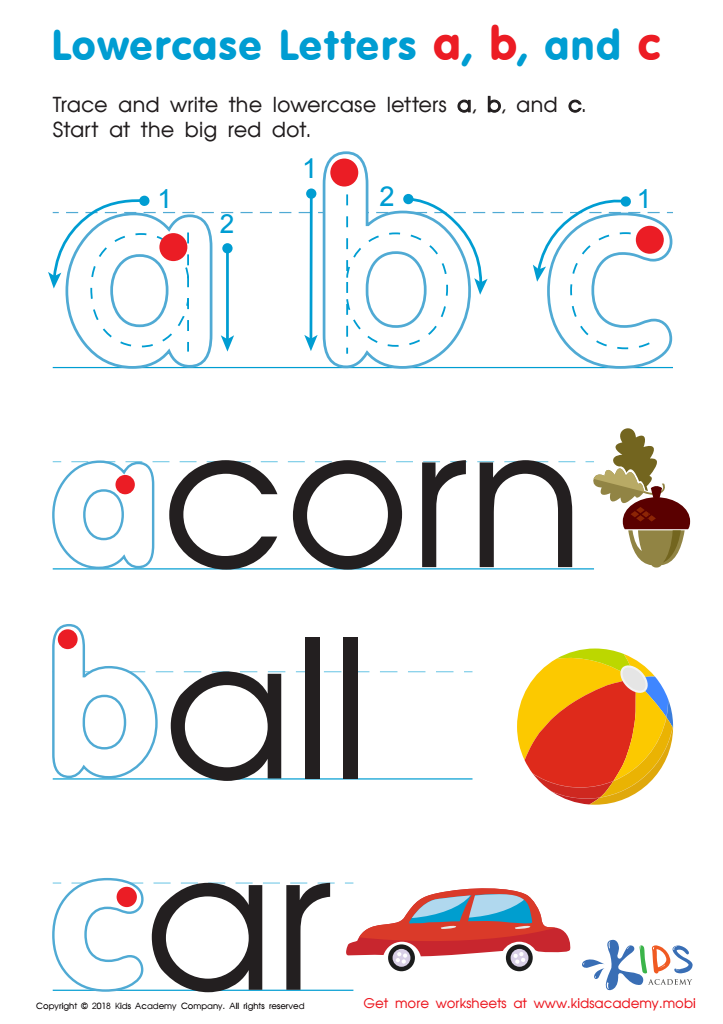
Lowercase Letters a b c Worksheet






Parents and teachers play a crucial role in helping children ages 5-8 develop foundational literacy skills, and understanding uppercase and lowercase letters is essential in this process. Recognizing and differentiating between these letters not only enriches a child’s vocabulary, but it also aids in their writing and reading fluency.
Uppercase letters often signal the beginning of sentences and proper nouns, which are critical for comprehension in written language. Teaching children the specific functions of uppercase letters fosters an understanding of sentence structure, enabling them to construct meaningful sentences as they begin to write. On the other hand, lowercase letters make up the majority of text that children will encounter in books and everyday reading. Familiarity with both types enhances their reading experience, allowing them to decode and understand information more efficiently.
Moreover, developing an awareness of letter forms can support fine motor skills as children practice writing. This foundational knowledge nurtures confidence in their literacy capabilities, promoting a love for reading and writing. Ultimately, engaging with uppercase and lowercase letters cultivates early literacy skills, setting the stage for academic success and lifelong learning. Children who master these concepts are better equipped to navigate the world of language, unlocking doors to knowledge and expression.







