Basic arithmetic skills Worksheets for Ages 5-8
30 filtered results
-
From - To
Enhance your child’s foundational math abilities with our engaging Basic Arithmetic Skills Worksheets, designed for ages 5-8. These printable resources provide a fun and interactive way for young learners to master essential concepts such as addition, subtraction, and early number recognition. Each worksheet is carefully crafted to foster critical thinking and promote a strong understanding of arithmetic through colorful illustrations and relatable scenarios. As children complete these activities, they build confidence and improve their problem-solving skills. Explore our diverse collection of worksheets today and set your child on the path to math success, combining learning with play for an enriching experience!
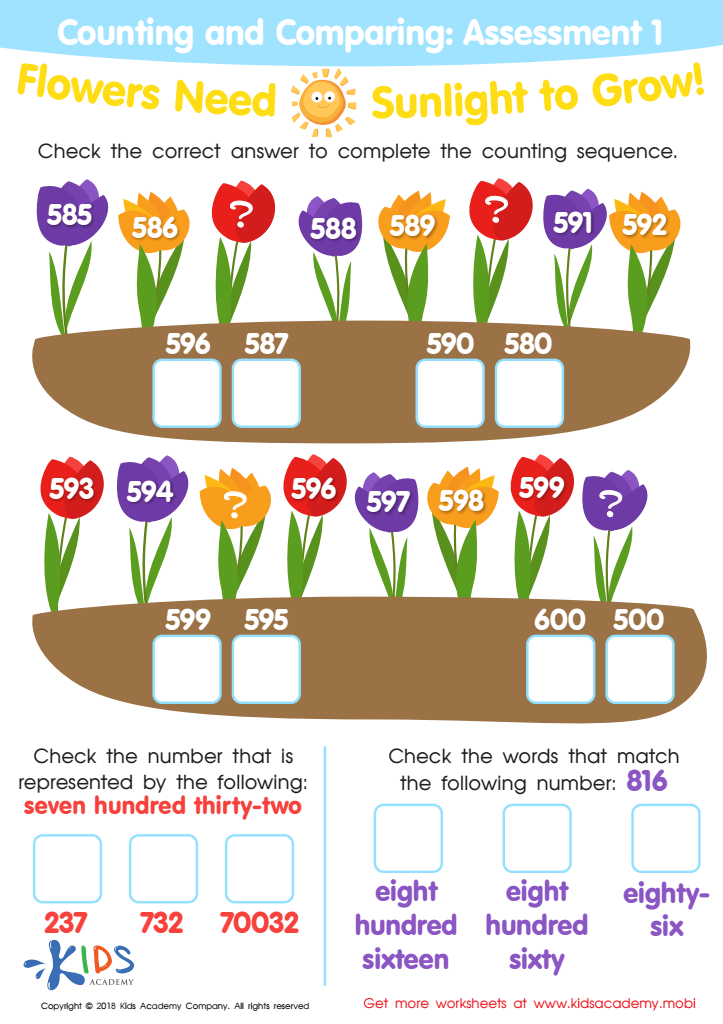
Counting and Comparing: Assessment 1 Worksheet
 Assign to My Students
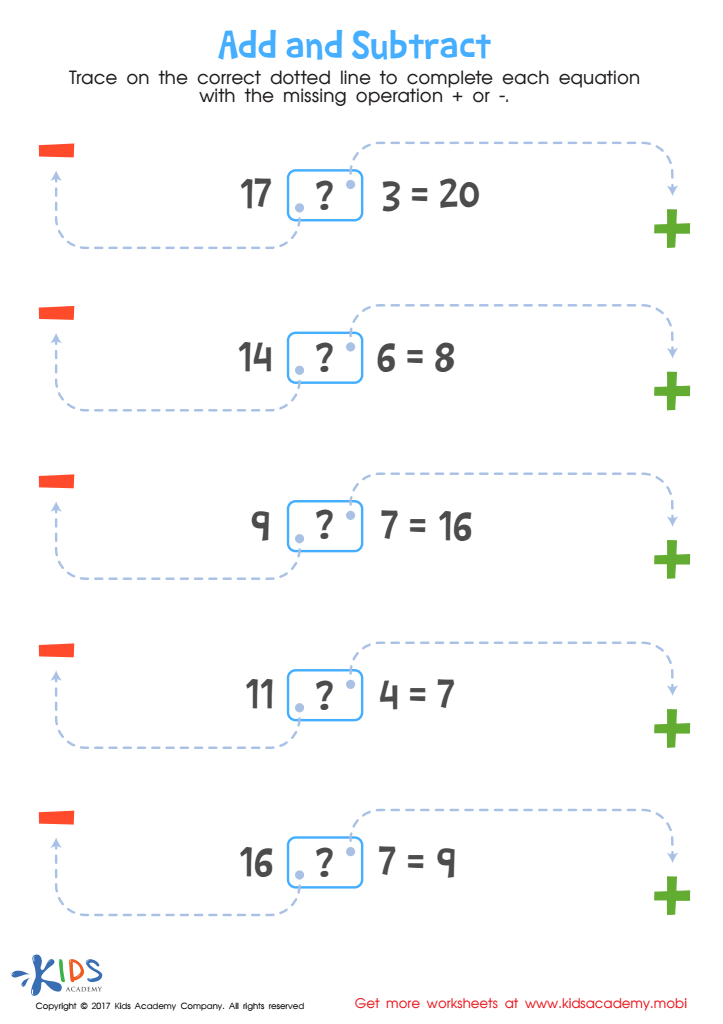
Add and Subtract Worksheet
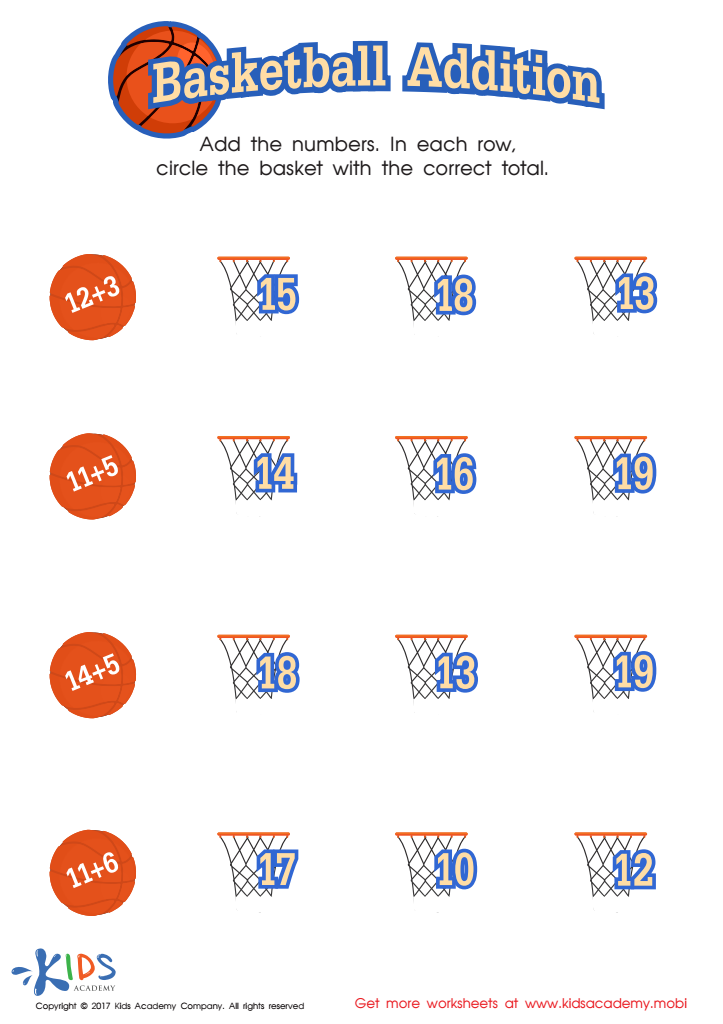
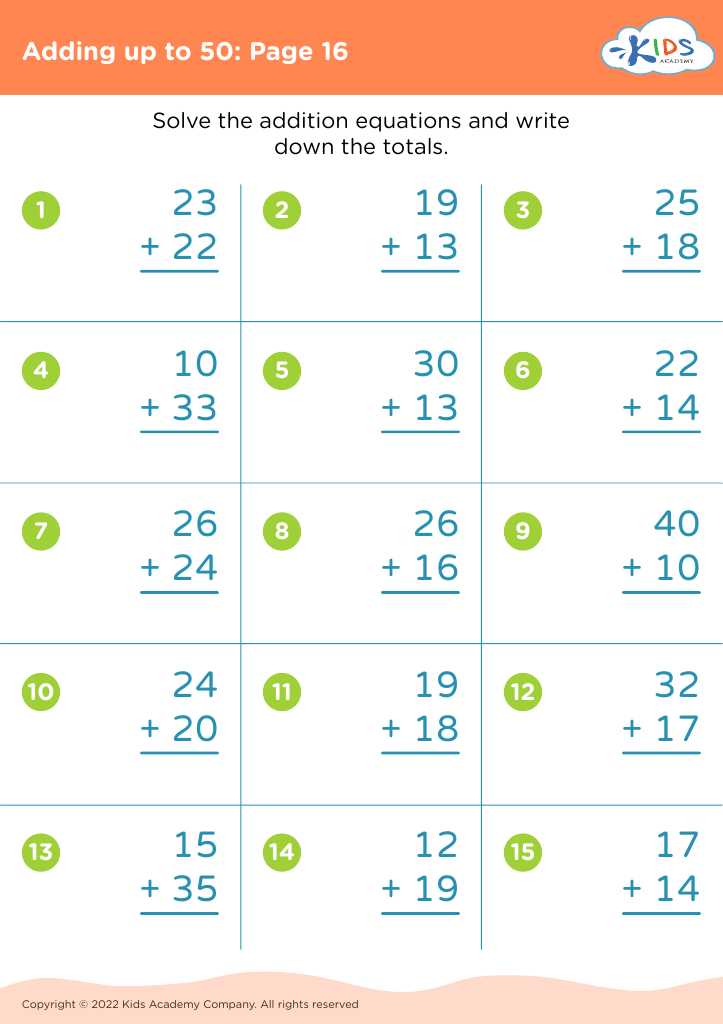
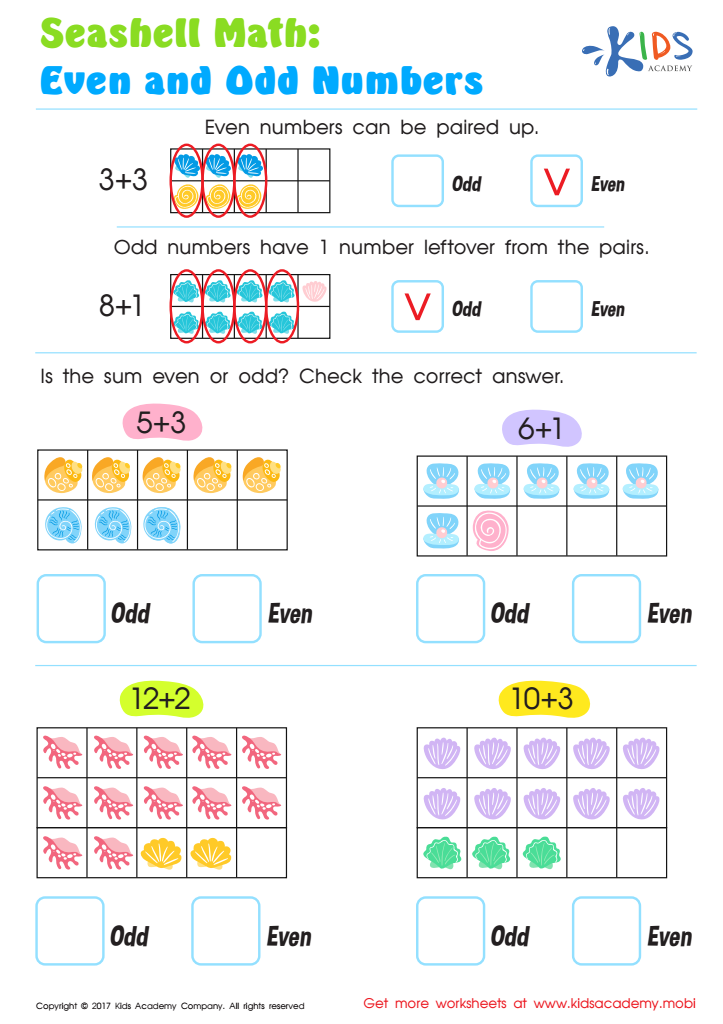
Even and Odd Numbers Worksheet
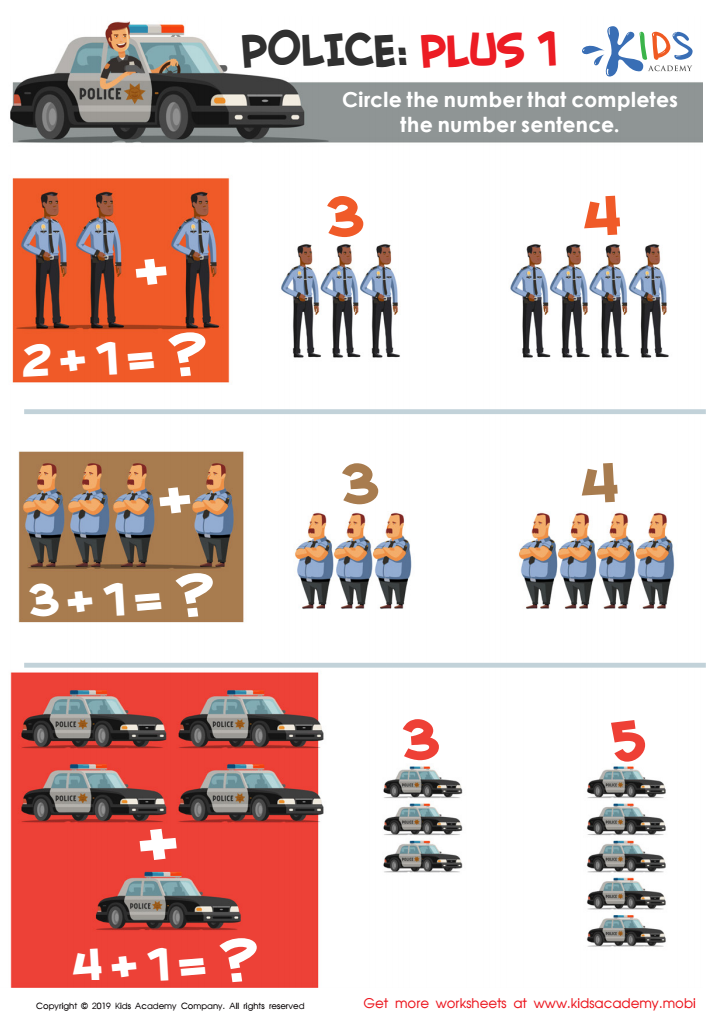
Police: Plus 1 Worksheet
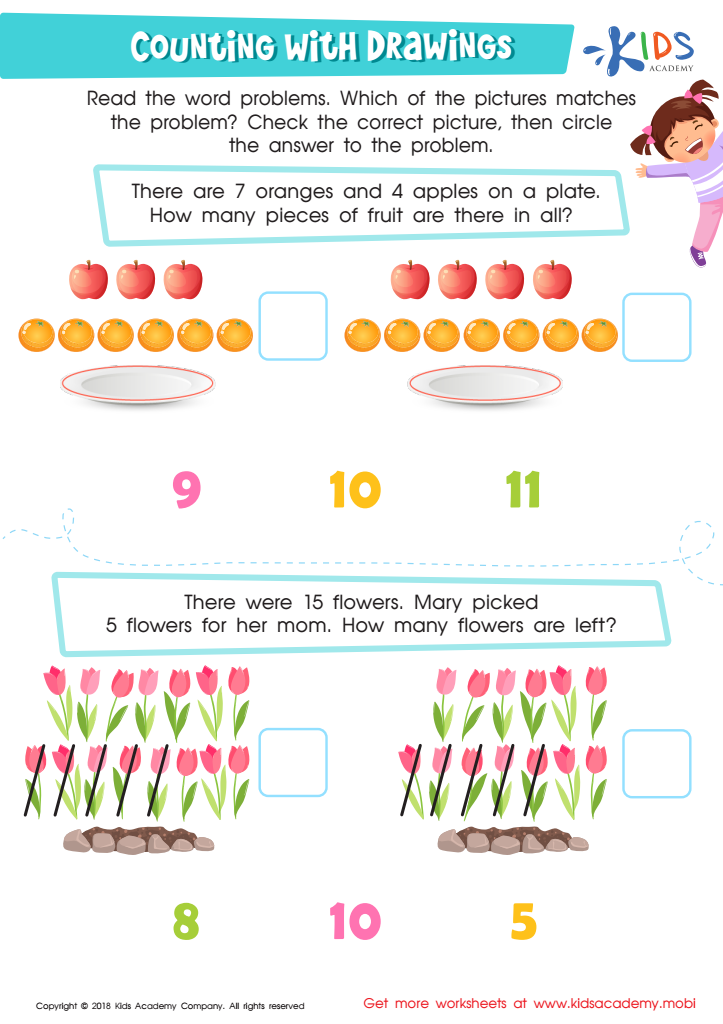
Counting with Drawings: Fruits & Chocolates Worksheet
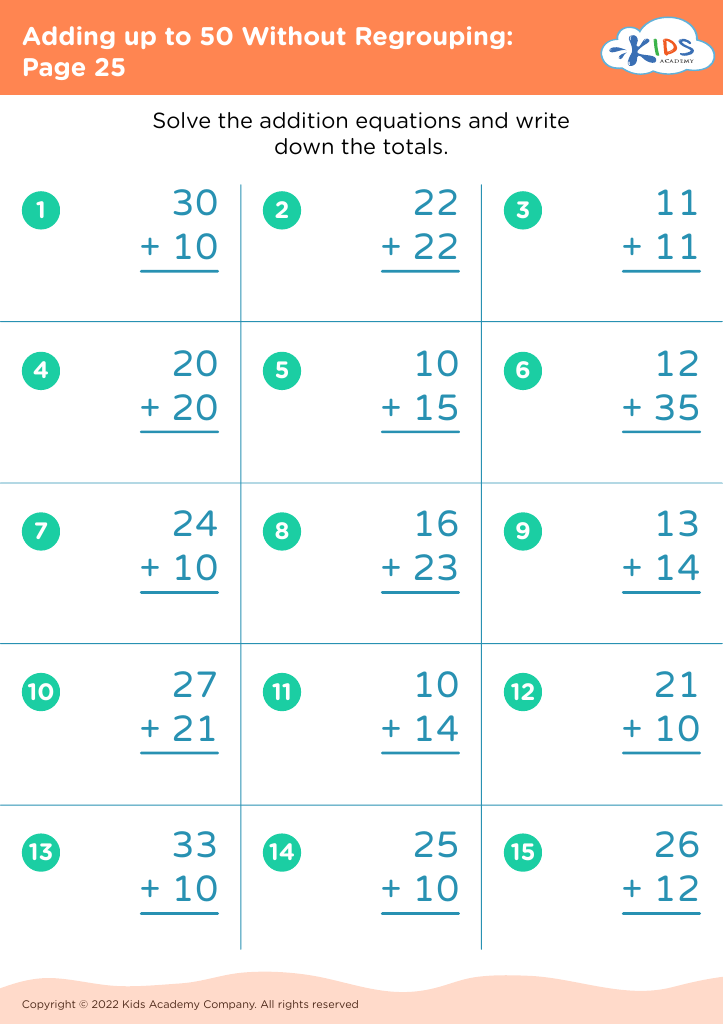
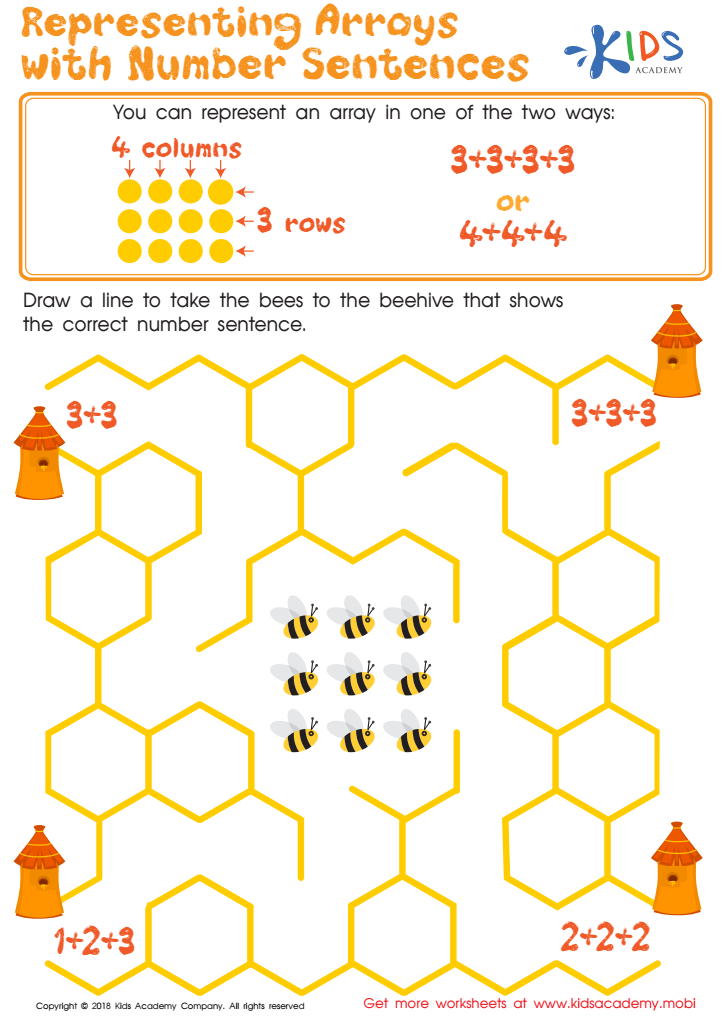
Representing Arrays with Number Sentences Worksheet
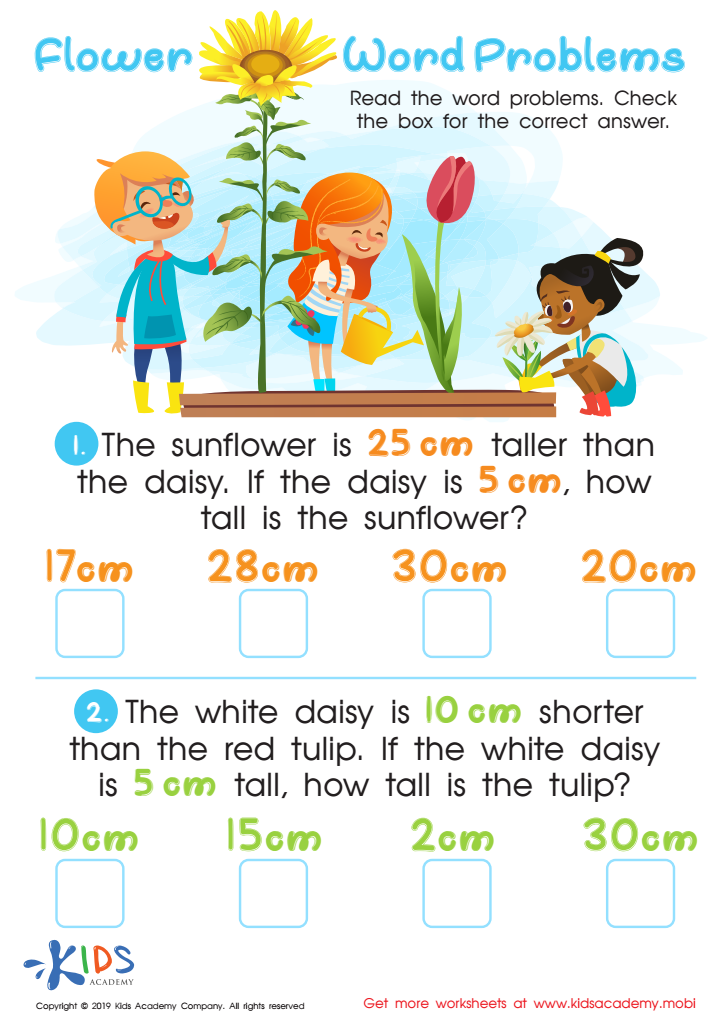
Flower Word Problems Worksheet
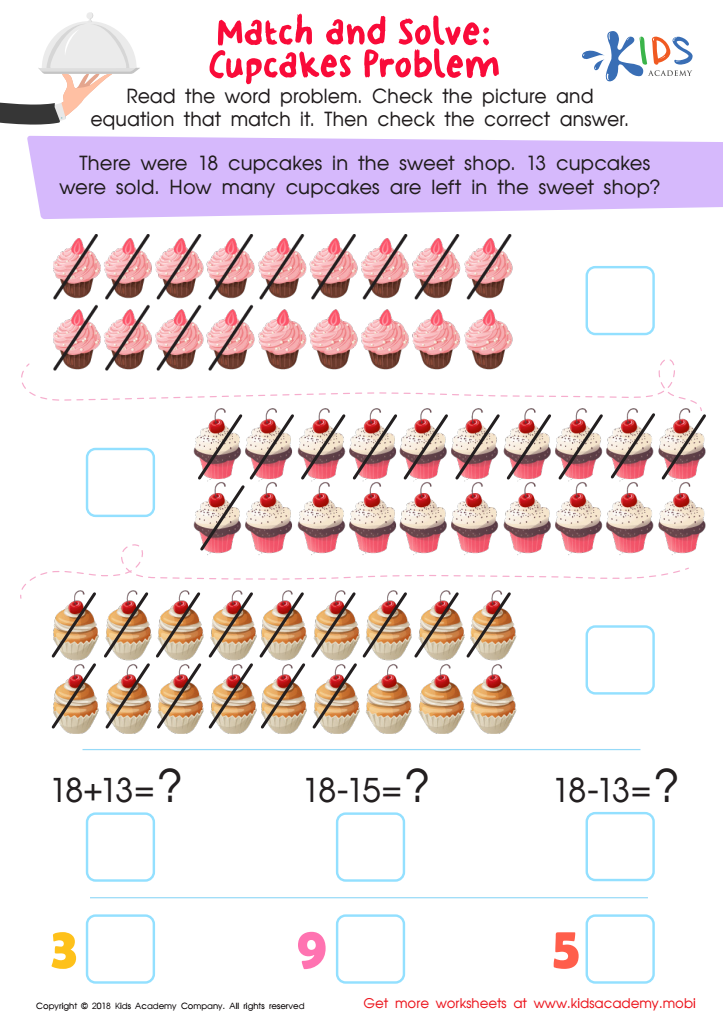
Match and Solve: Cupcakes Problem Worksheet
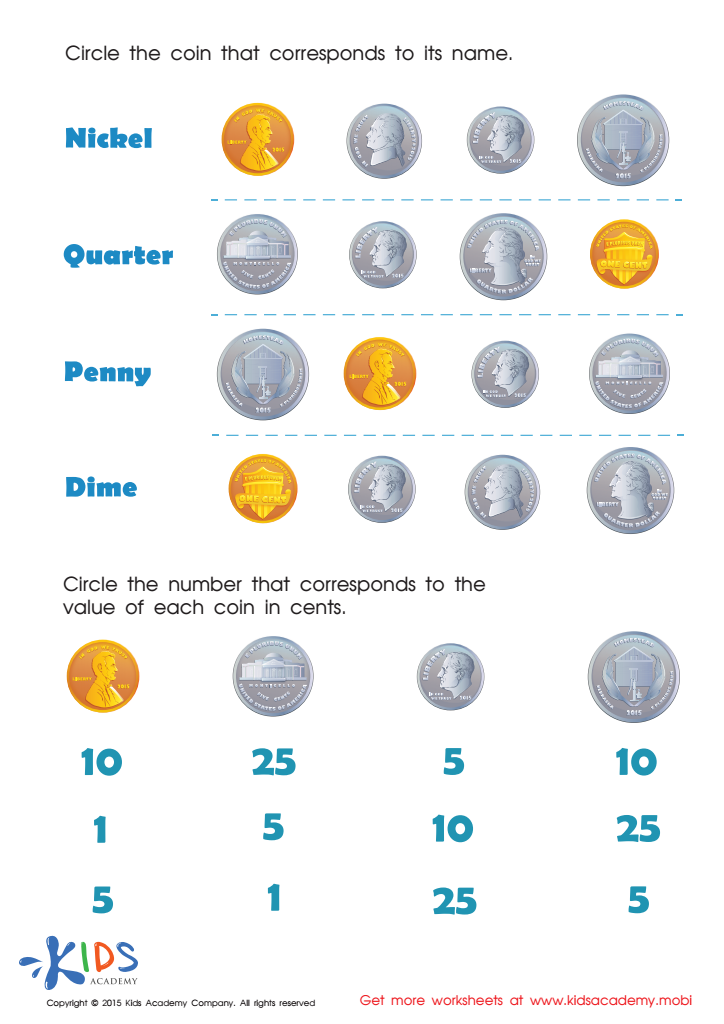
Coin Names and Values Money Worksheet
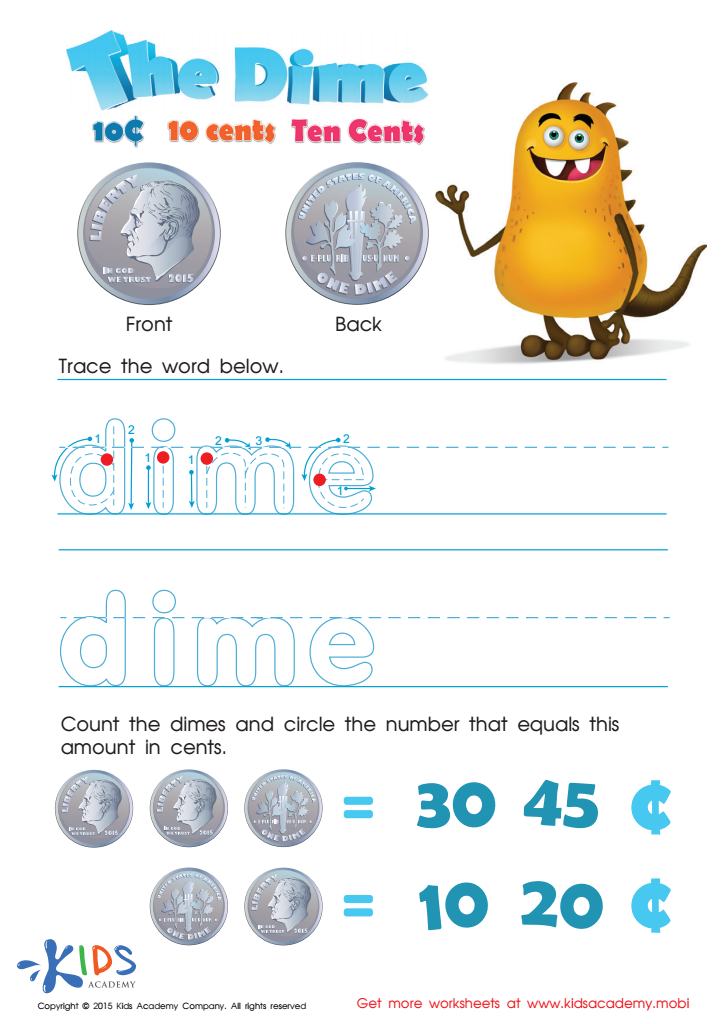
Ten Cents or the Dime Money Worksheet
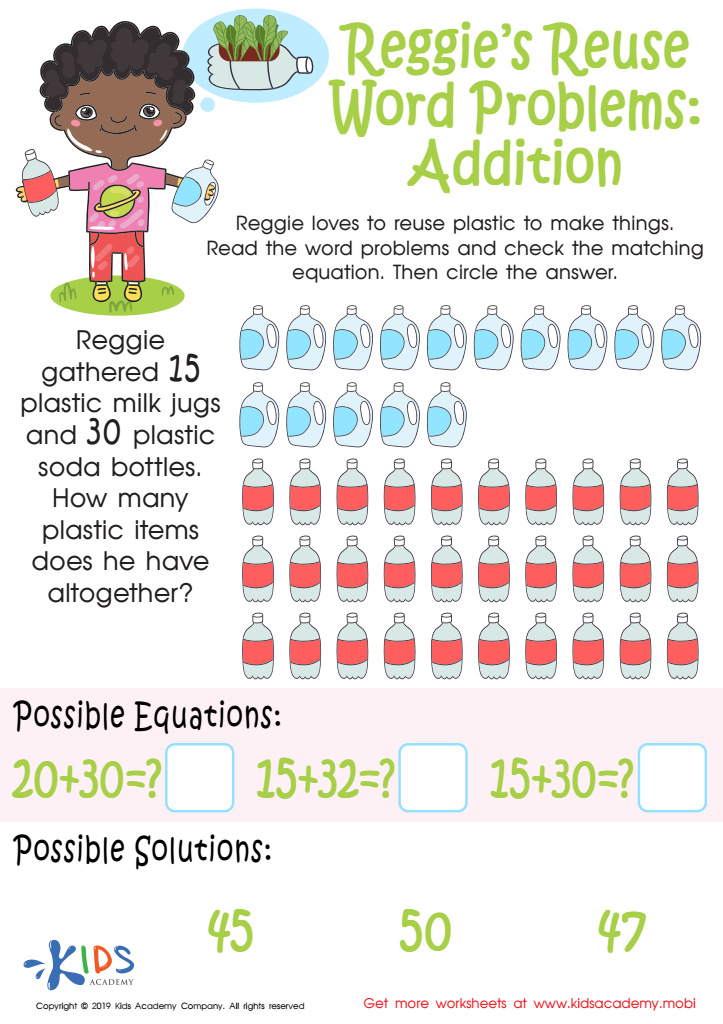
Reggie's Reuse Word Problems: Addition Worksheet
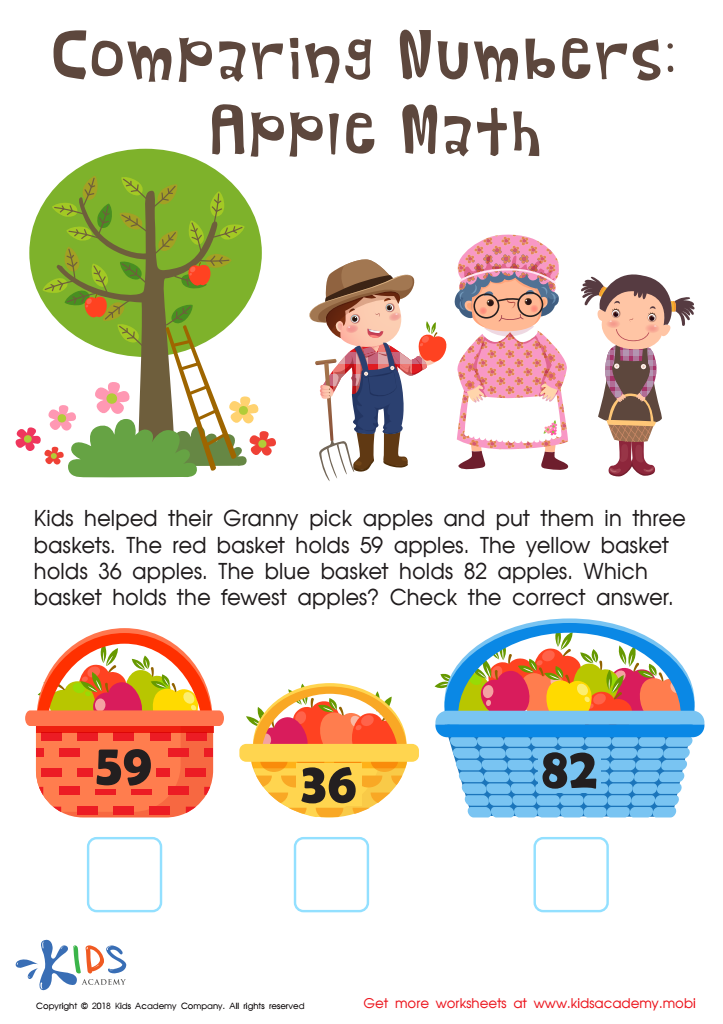
Apple Math Worksheet
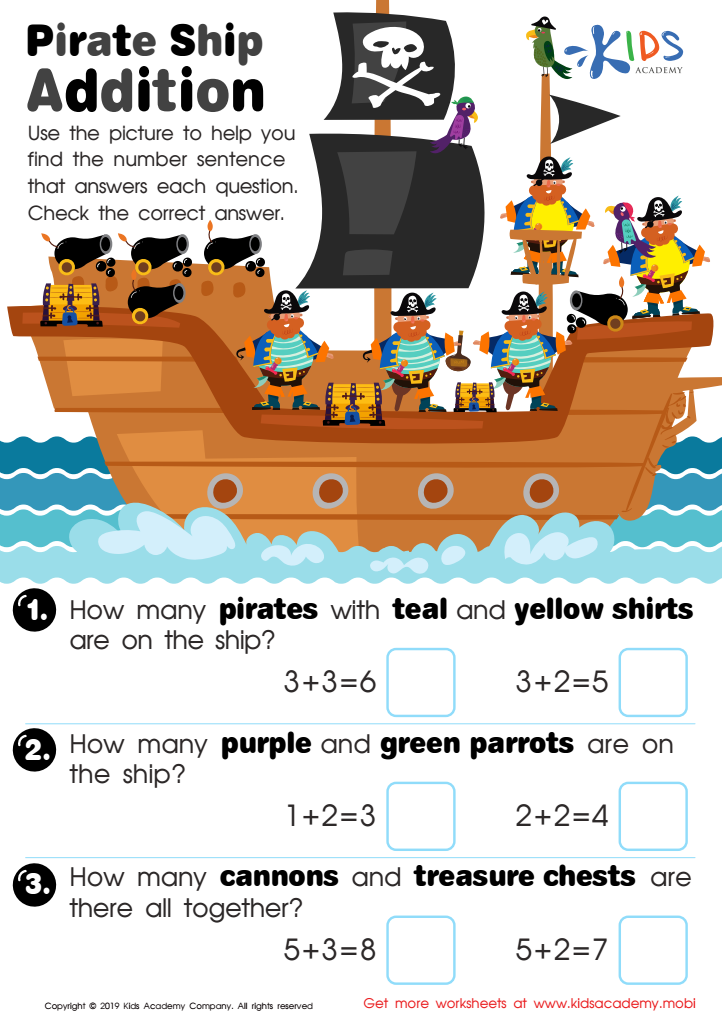
Pirate Ship Addition Worksheet
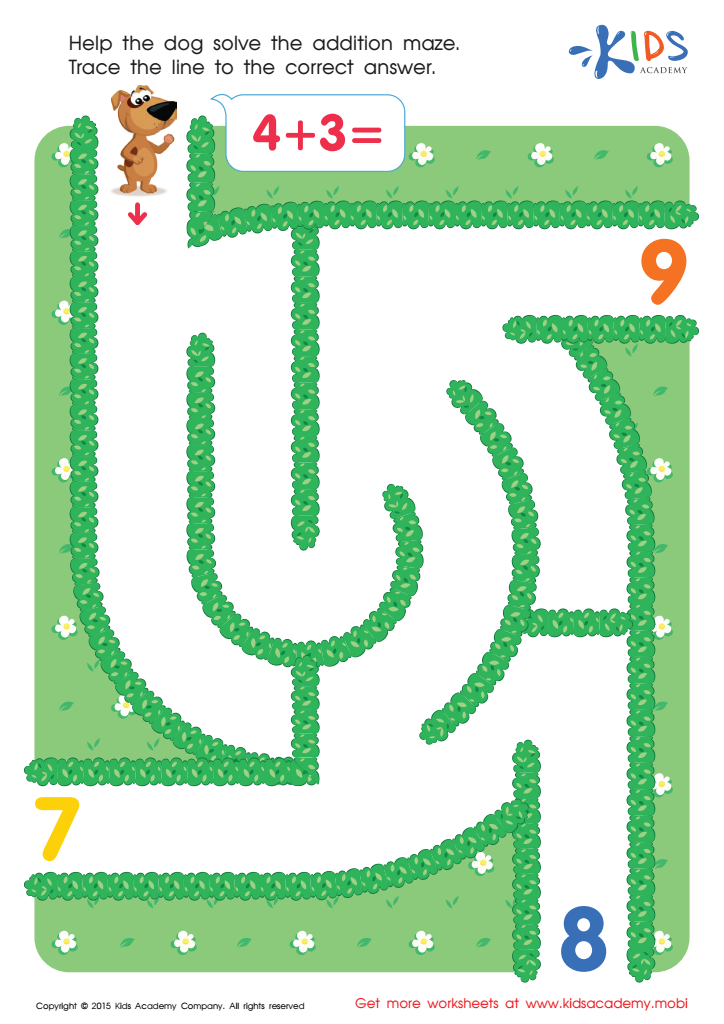
Addition Four And Three Worksheet
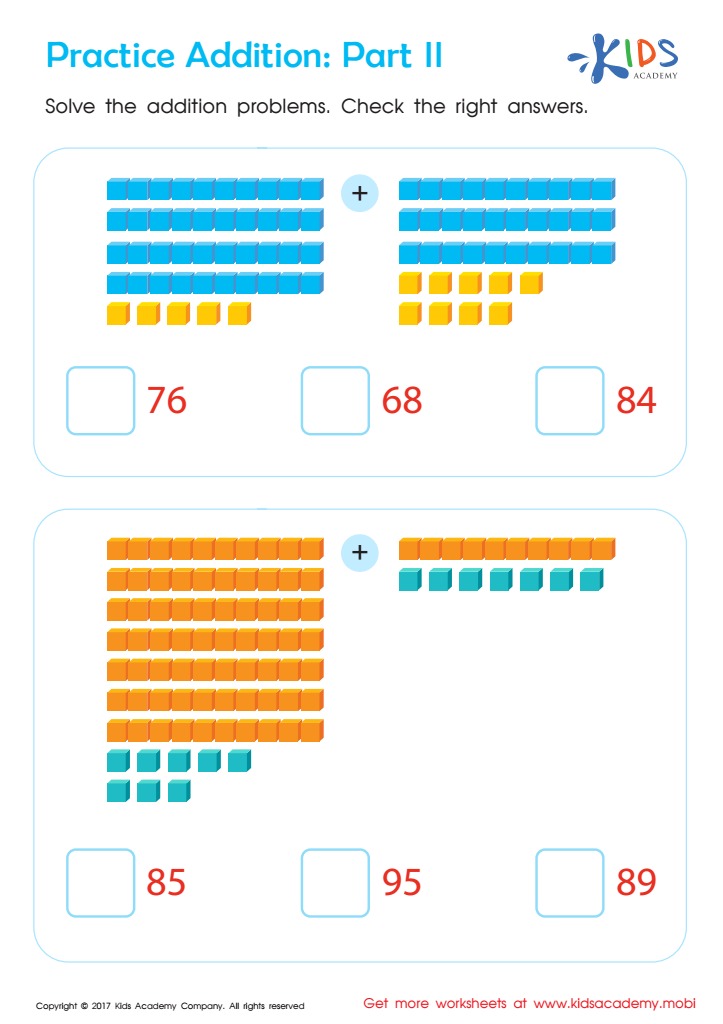
Practice Addition: Part 2 Worksheet






Basic arithmetic skills are foundational for children's academic success and everyday functioning. For children aged 5 to 8, mastering these skills is crucial for several reasons.
Firstly, arithmetic forms the backbone of mathematics, influencing a child's ability to understand more complex concepts later in life. Early grasp of numbers, addition, and subtraction builds confidence, facilitating a smooth transition to higher-level math.
Secondly, arithmetic is integral to everyday life. Children encounter simple calculations daily—such as sharing snacks, understanding time, or counting occurrences—which nurtures problem-solving skills and logical thinking. These practical applications make math relatable and engaging.
Moreover, strong arithmetic skills enhance cognitive development. Engaging with numbers fosters critical thinking and improves memory. Research indicates that early mathematical competence is linked to proficient literacy, reading comprehension, and overall academic achievements.
Lastly, emphasizing these skills can reduce anxiety around math. By providing a solid foundation, we help children feel secure in their abilities, promoting a positive attitude toward learning.
In summary, fostering basic arithmetic skills in young children empowers them in their academic journey, equips them for real-world situations, and establishes a lifelong appreciation for mathematics. Teachers and parents should prioritize this essential aspect of early education.








