Vowel Recognition Worksheets for Ages 5-8
25 filtered results
-
From - To
Enhance your child’s early literacy skills with our engaging Vowel Recognition Worksheets designed for ages 5-8. Tailored to make learning fun and effective, these worksheets provide a variety of activities focusing on identifying, tracing, and pronouncing vowels. Ideal for young learners, each sheet is packed with colorful images and interactive tasks that help children recognize both short and long vowel sounds. Whether at home or in the classroom, our vowel recognition printables support essential reading skills, laying a strong foundation for future learning. Boost confidence and make vowel learning a delightful experience for your little one!
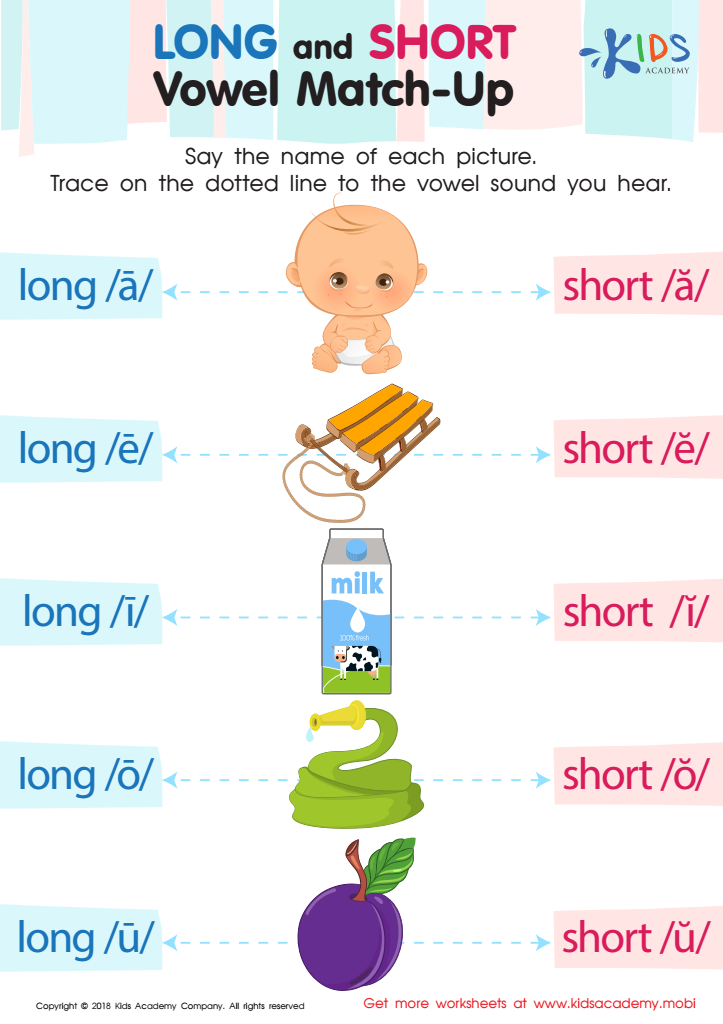
Long and Short Vowel Match up Reading Worksheet
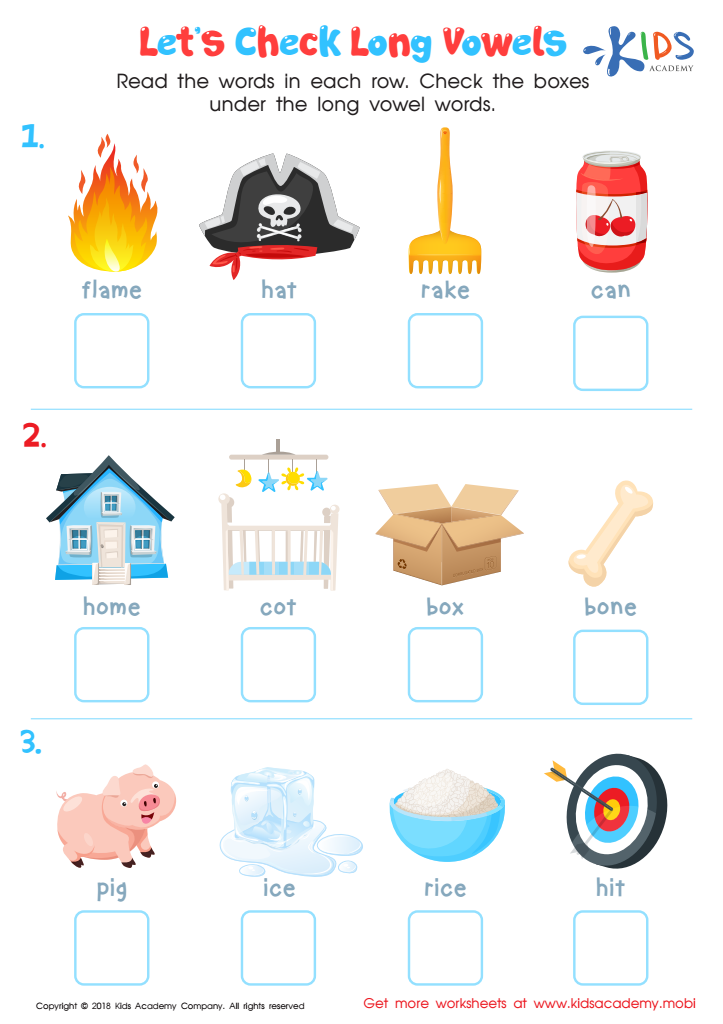
Let's Check Long Vowels: Assessment Worksheet
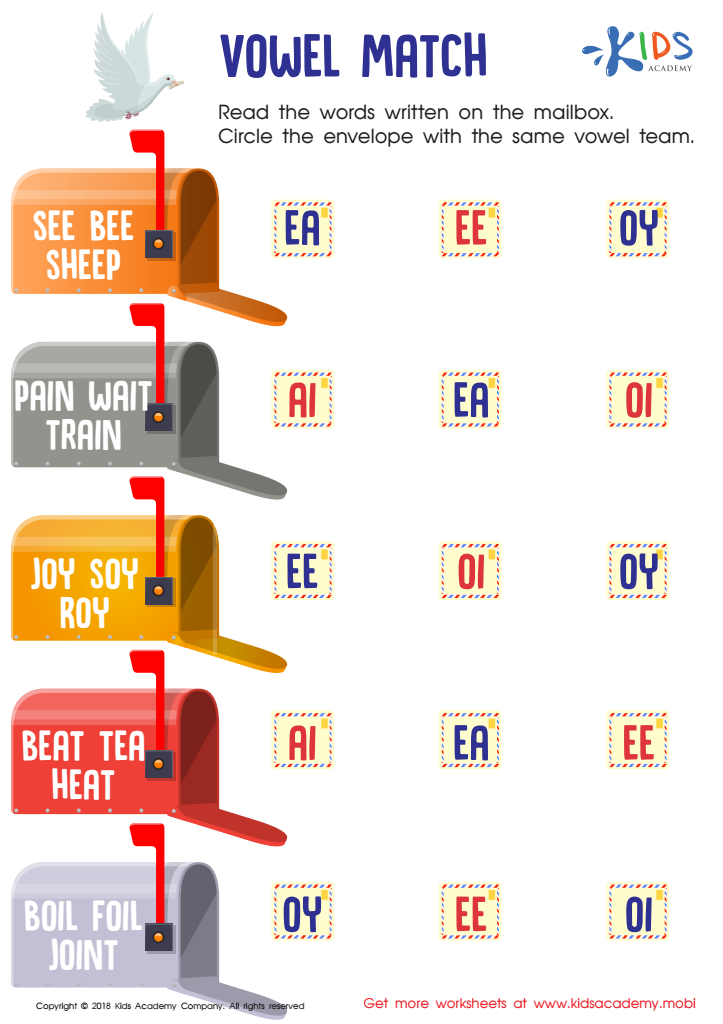
Vowel match Worksheet
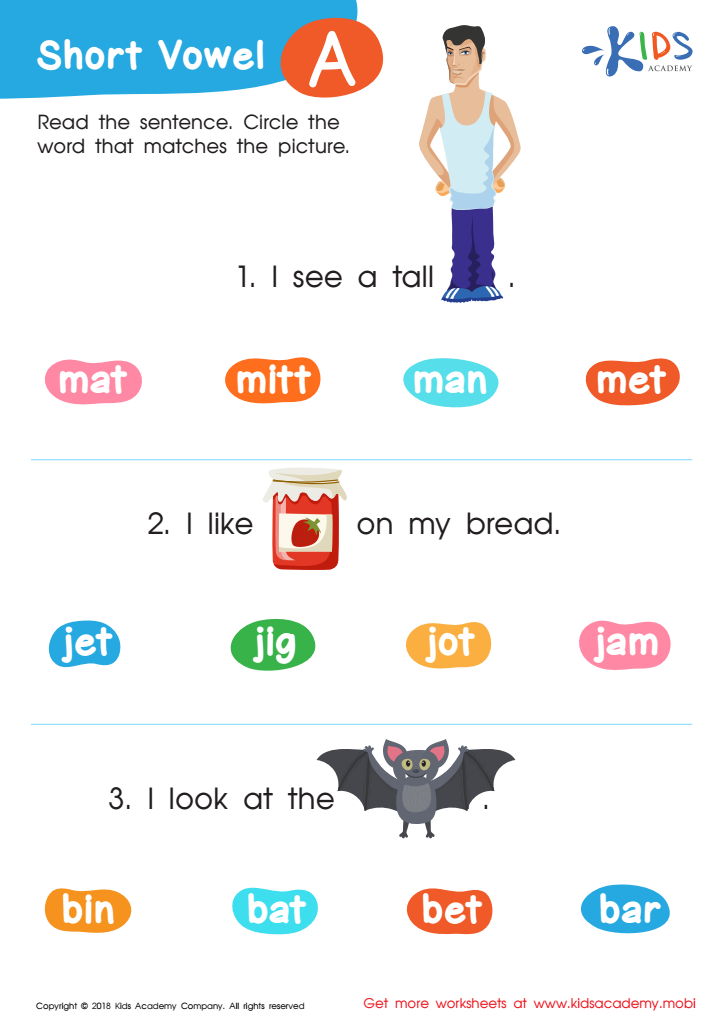
Short Vowel /a/ Worksheet
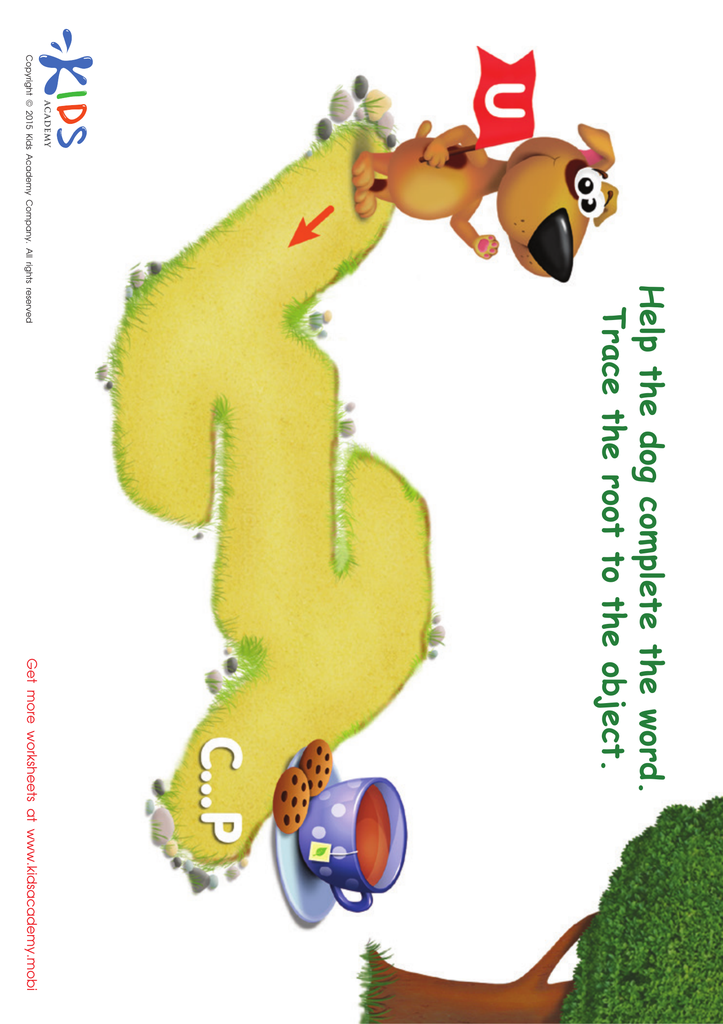
Short Vowel Sound U Worksheet Worksheet
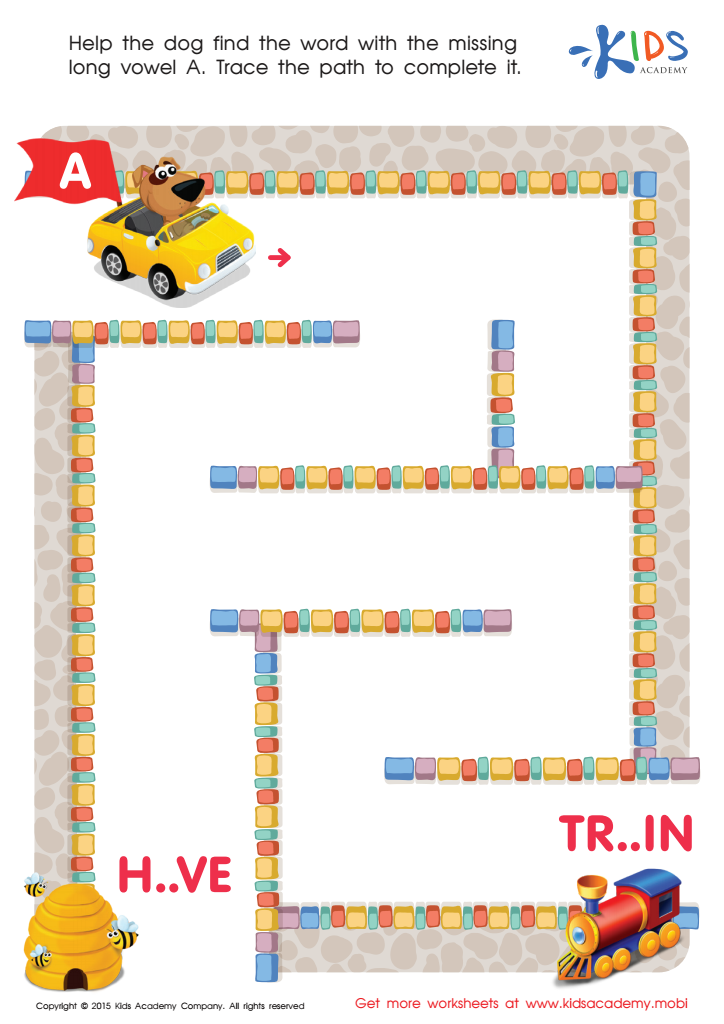
Long Vowel Sound A Worksheet

Short Vowels /e/, /i/, and /u/ Worksheet
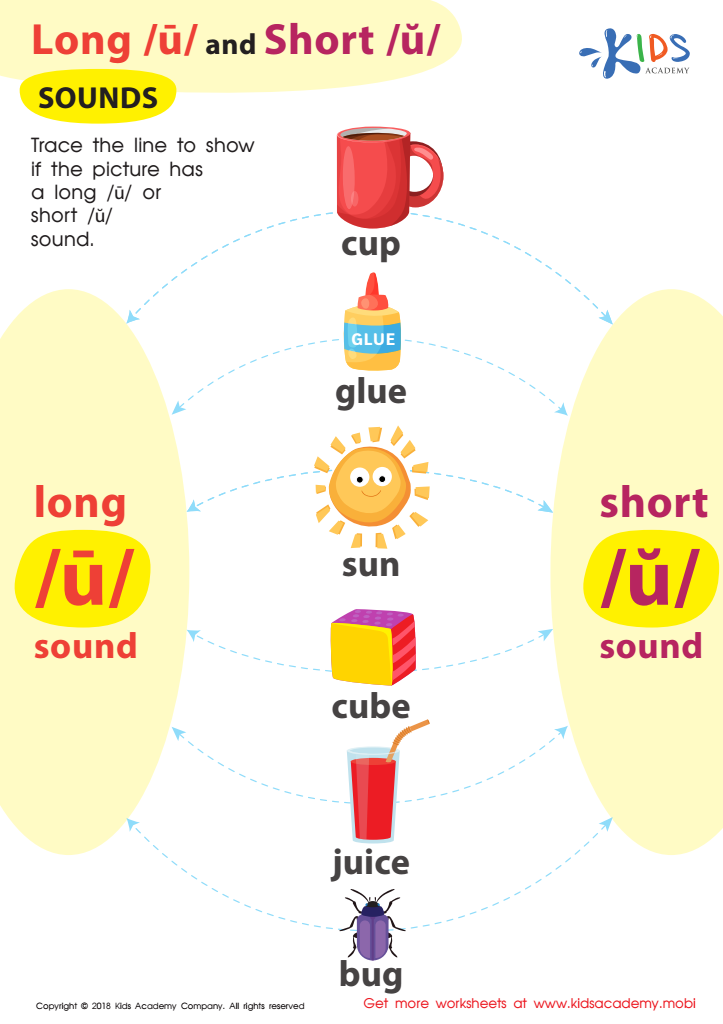
Reading: Long U and Short U Sounds Worksheet
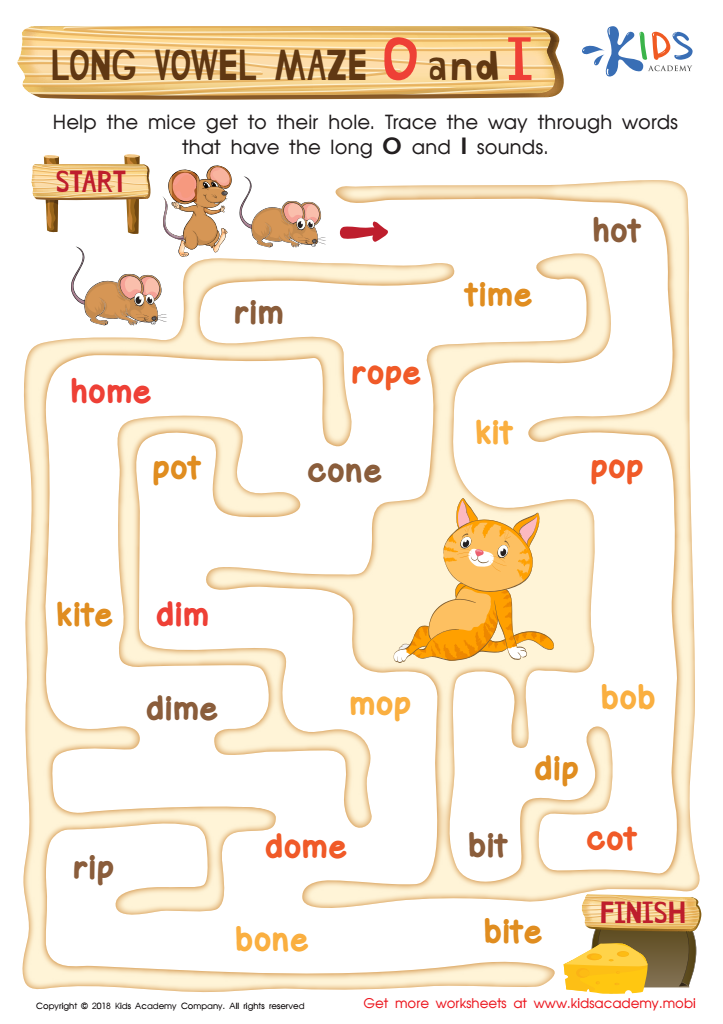
Long Vowel Maze /o/ and /i/ Worksheet
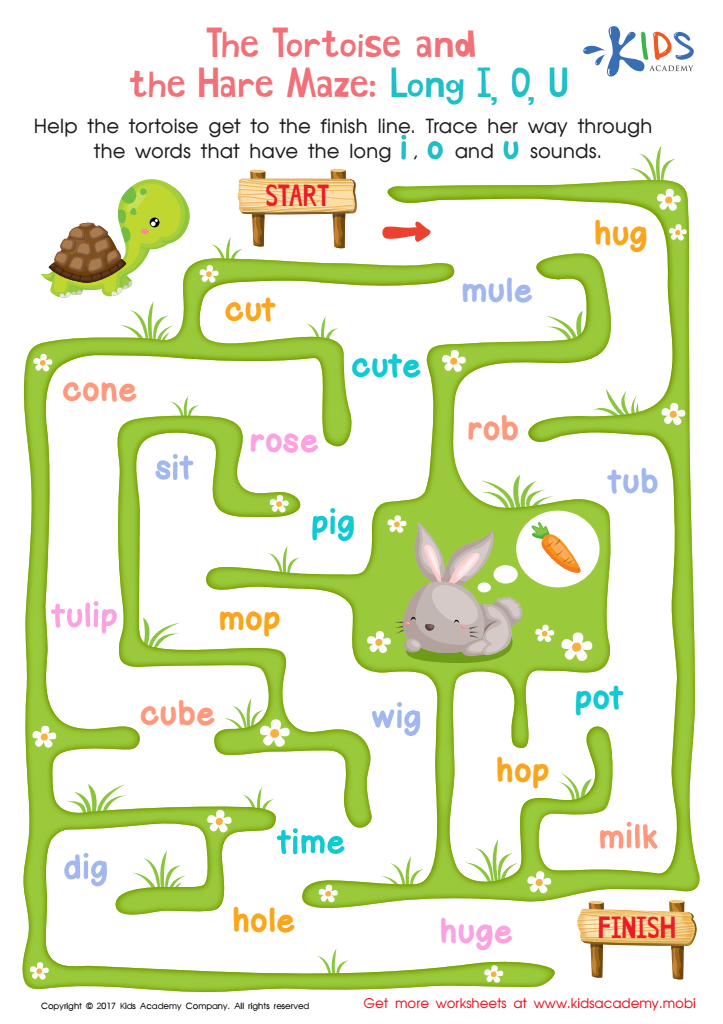
Long I, O, U Words Worksheet
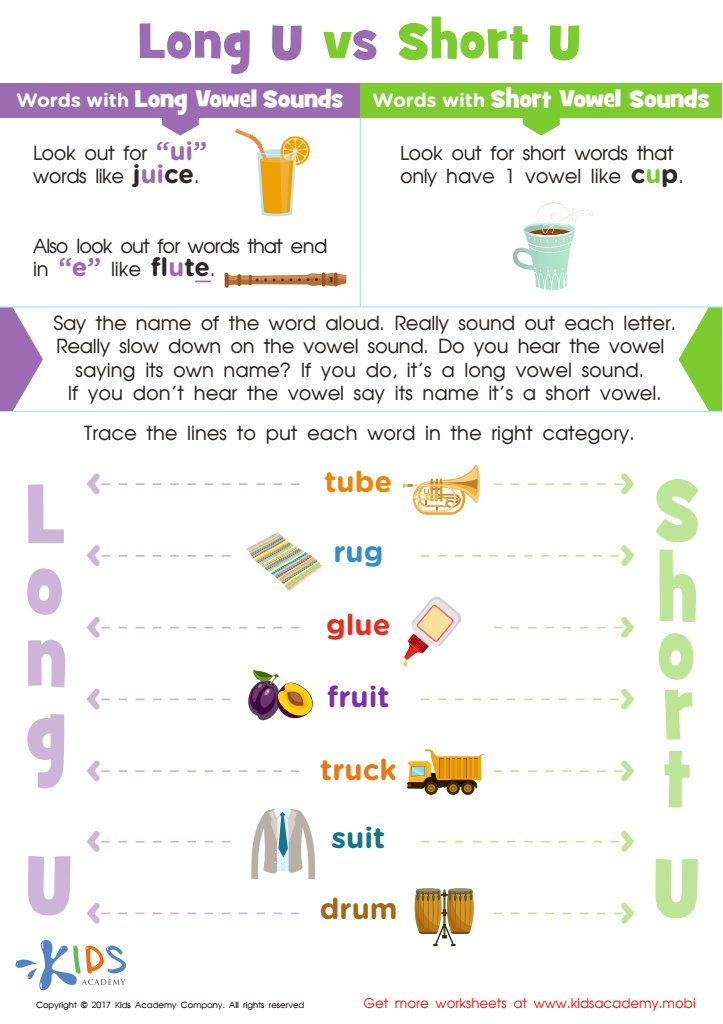
Long and Short Vowel U Spelling Worksheet
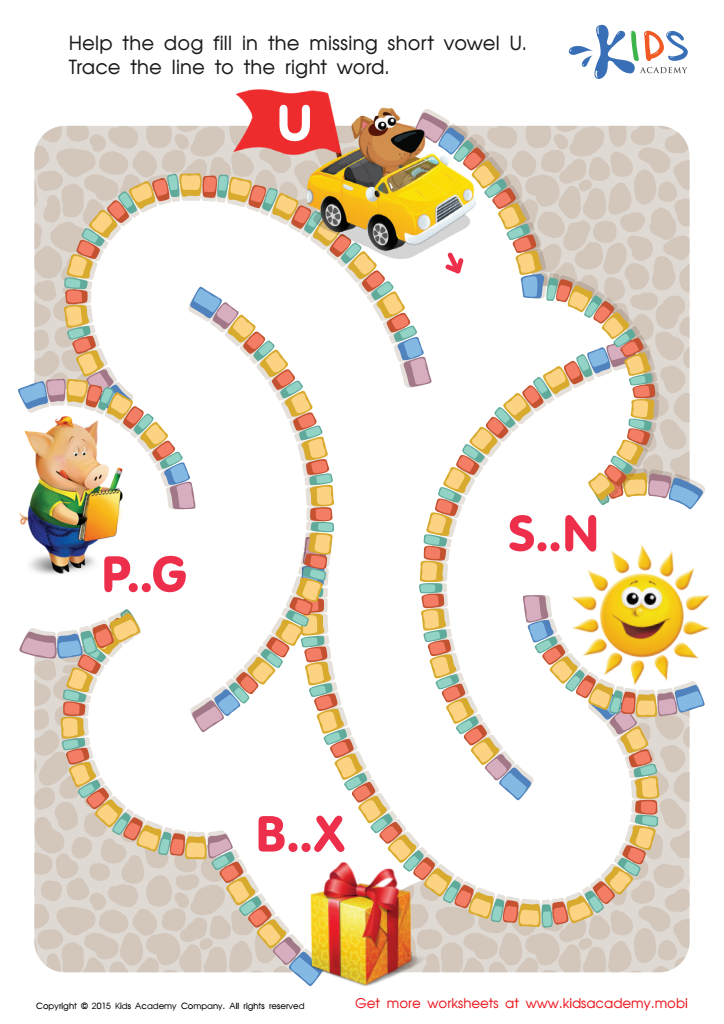
Short Vowel Sound U Worksheet
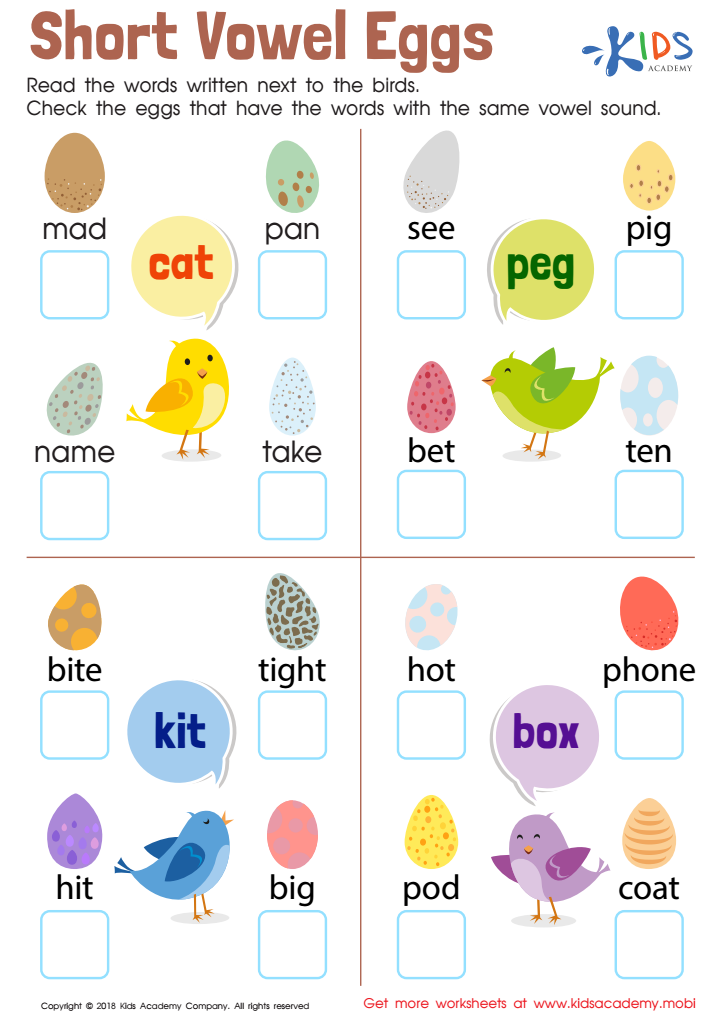
Short Vowel Eggs Worksheet
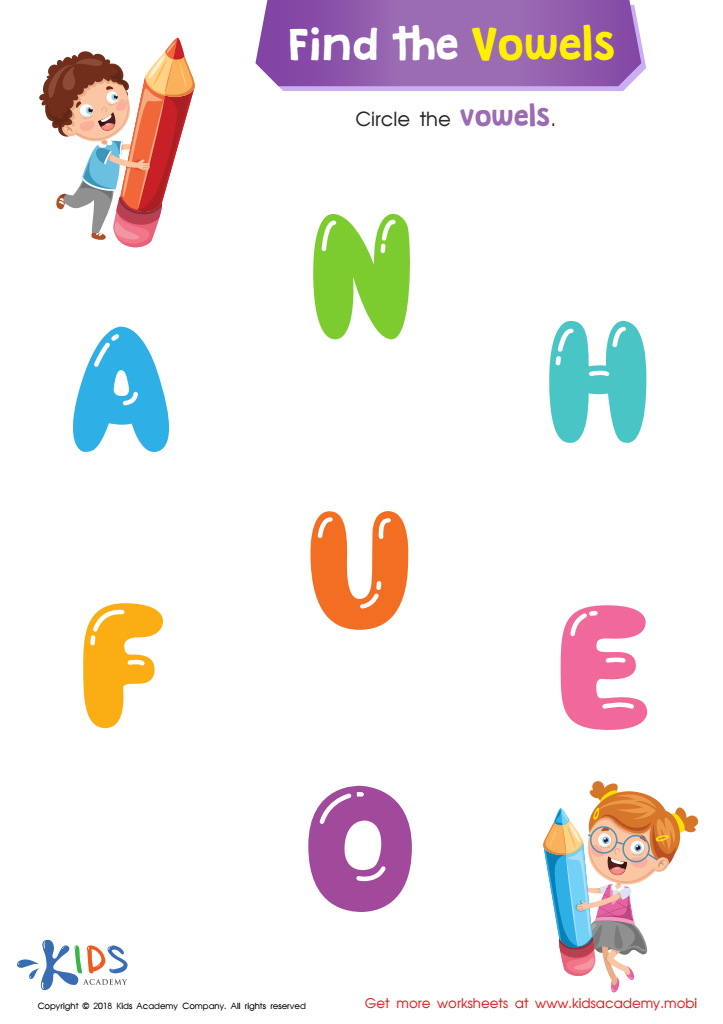
Find the Vowels Reading Worksheet
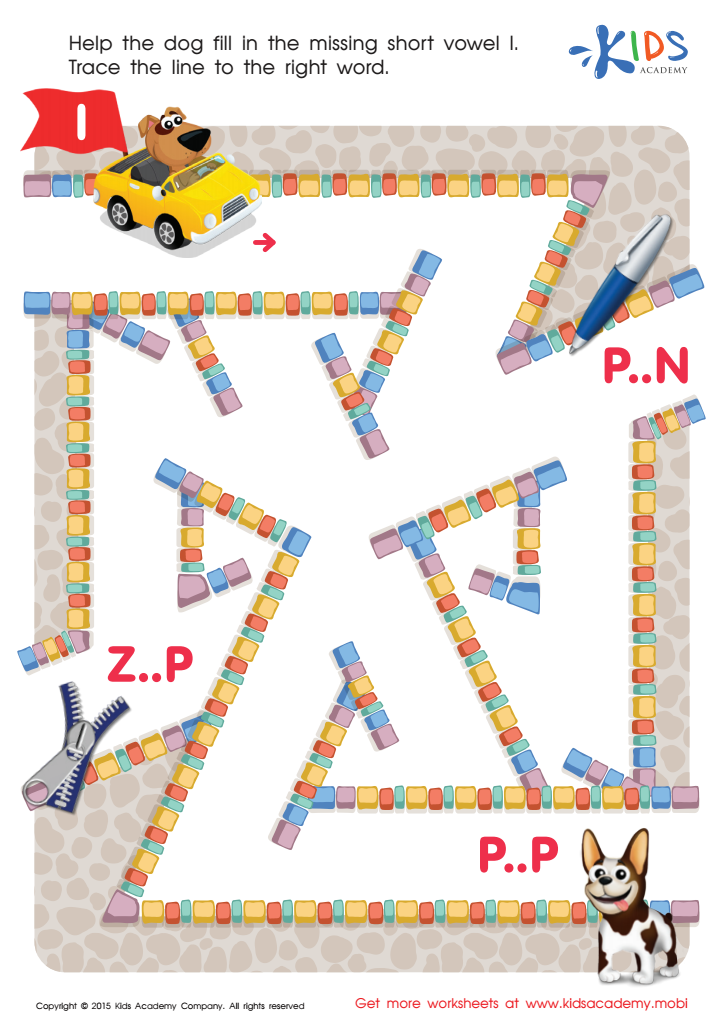
Short Vowel Sound I Worksheet
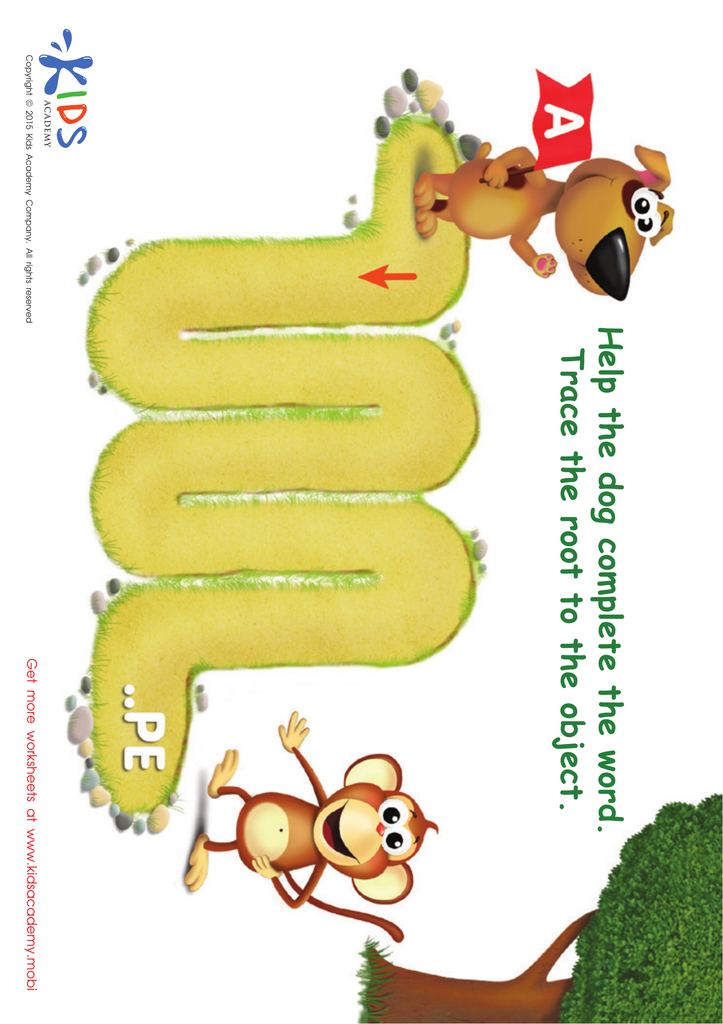
Long Vowel Sound A Worksheet Worksheet
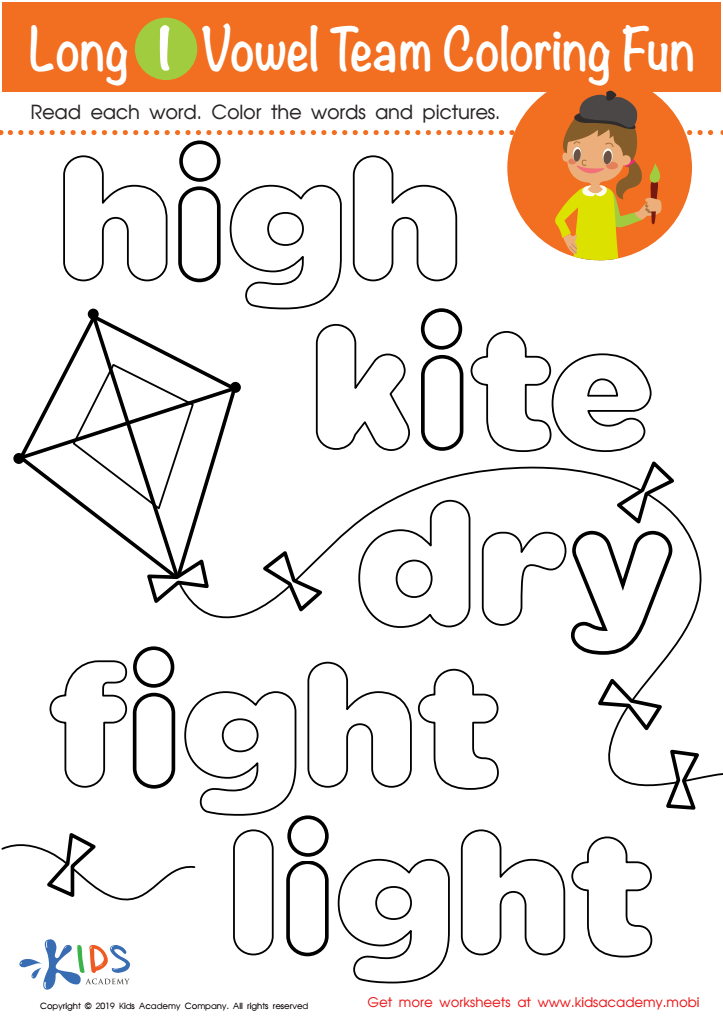
Long I Vowel Team Coloring Worksheet
 Assign to My Students
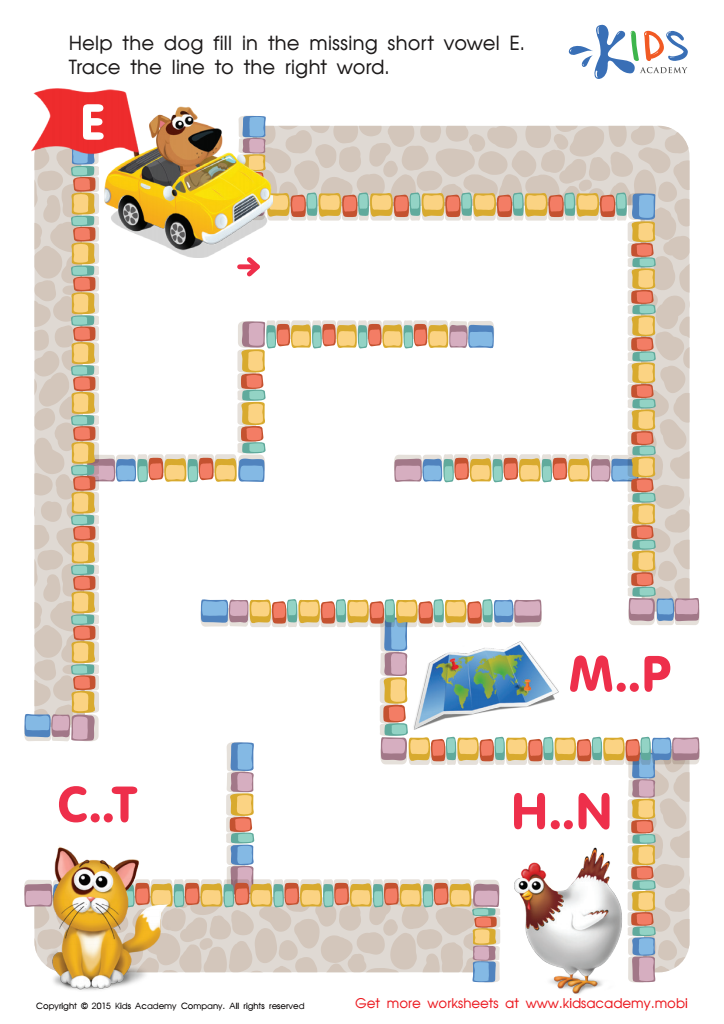
Short Vowel Sound E Worksheet
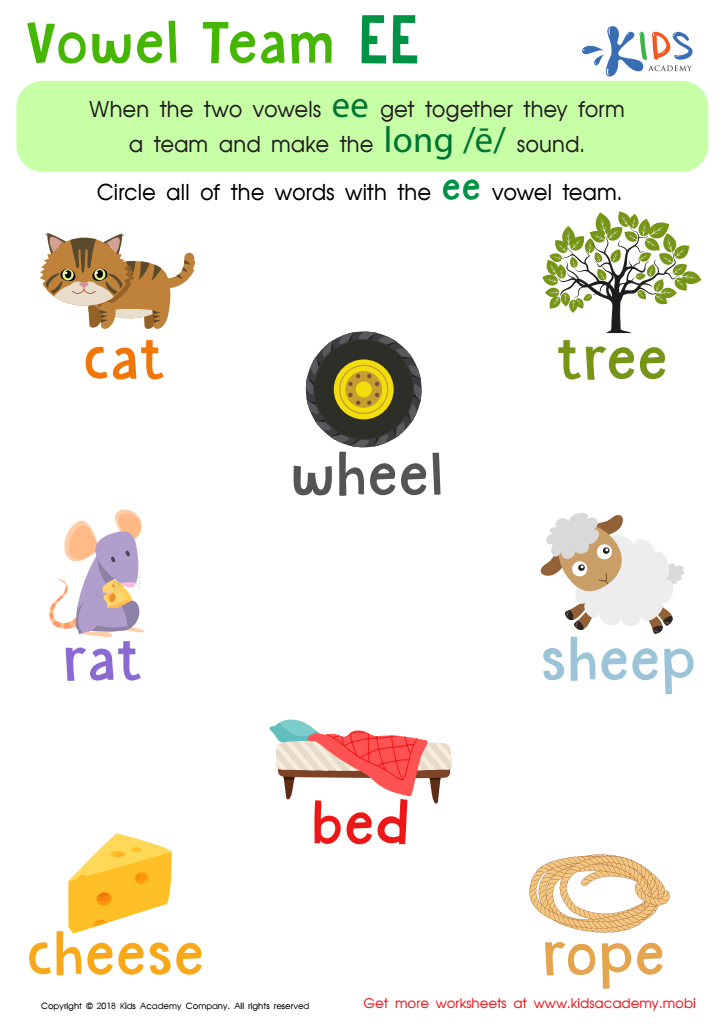
Reading: Vowel Team EE Worksheet
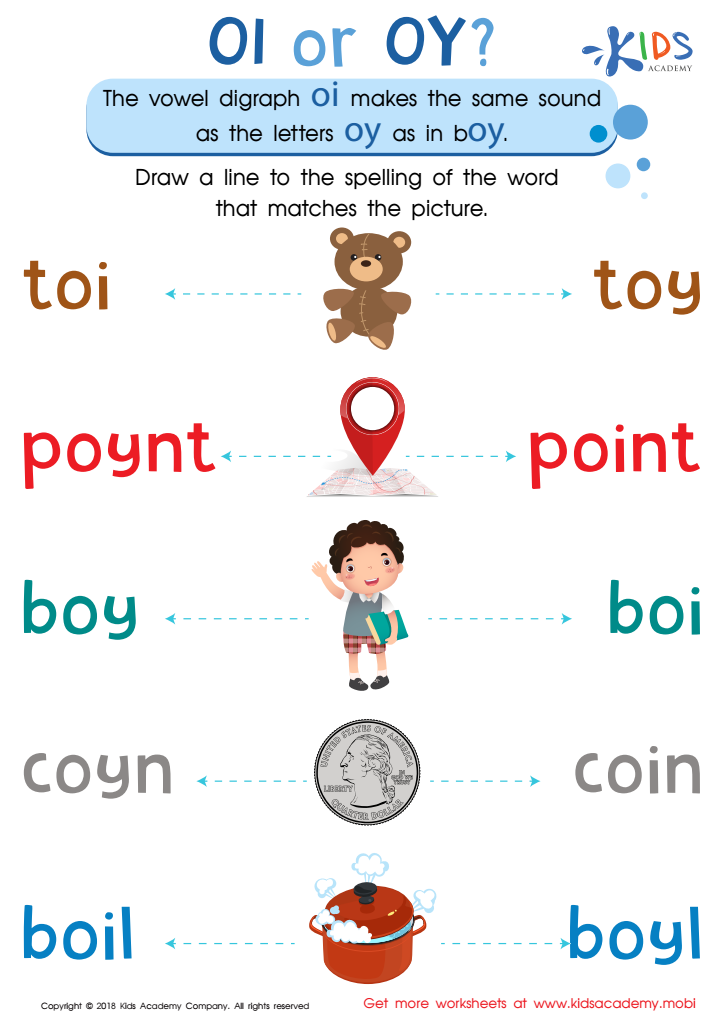
Reading: OI and OY Worksheet
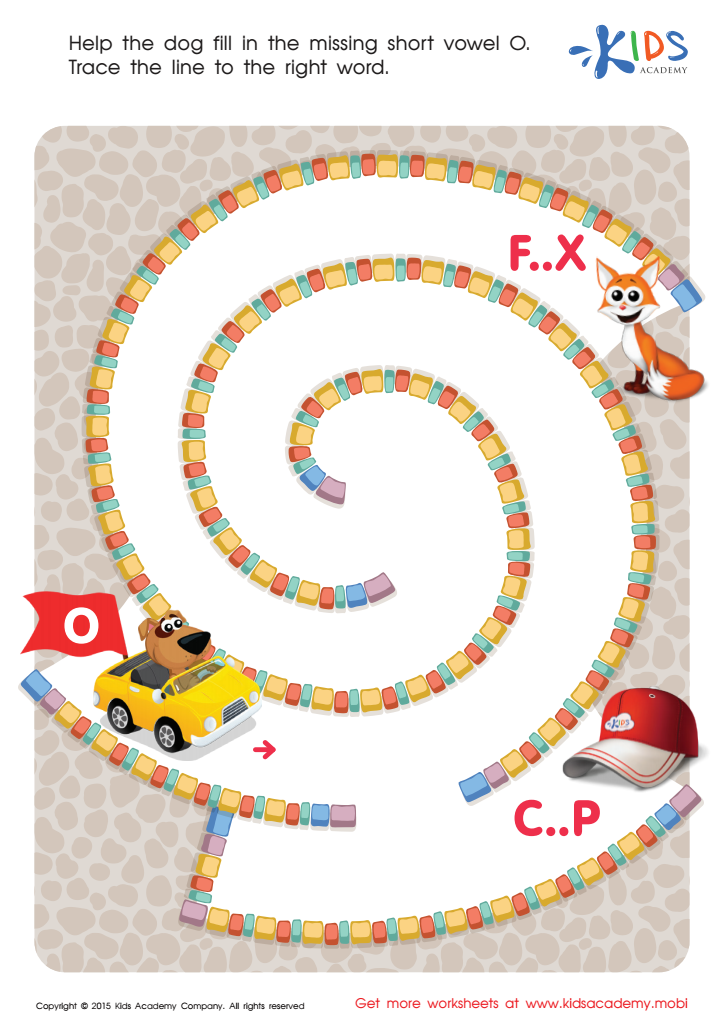
Short Vowel Sound O Worksheet
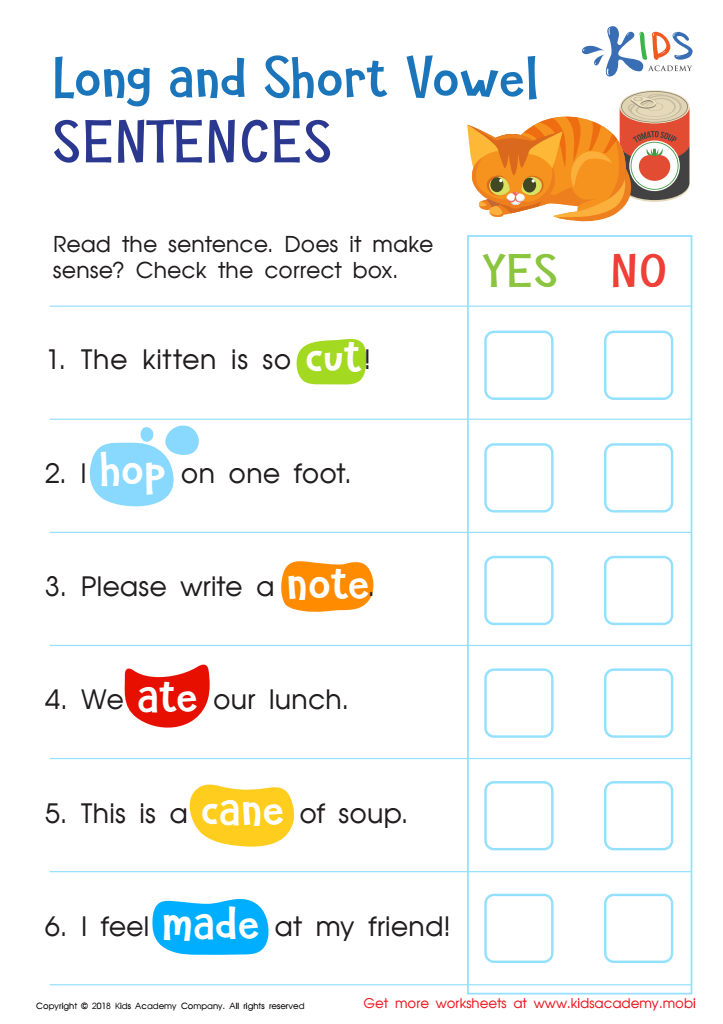
Long and Short Vowel Sentences: Assessment Worksheet
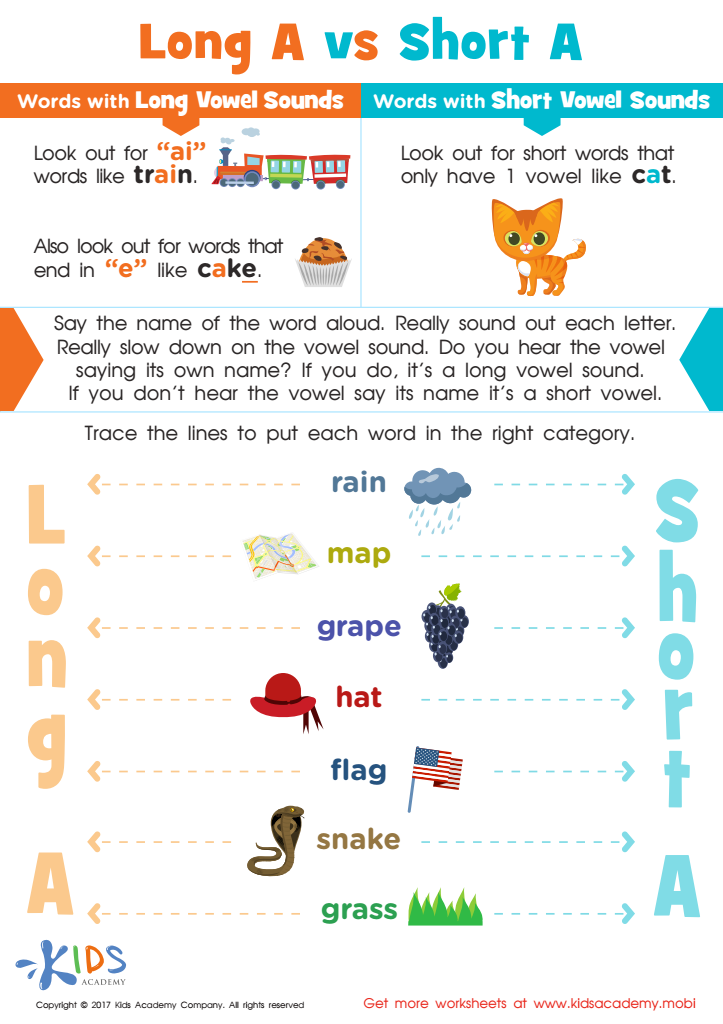
Long and Short Vowel A Spelling Worksheet
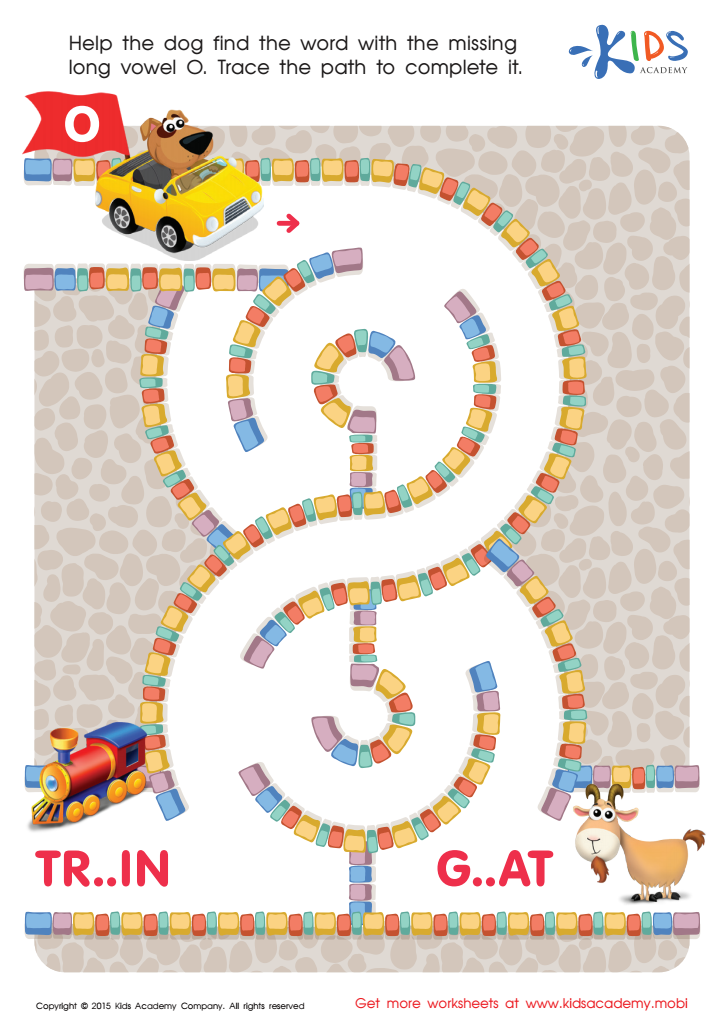
Long Vowel Sound O Worksheet


.jpg)





Vowel recognition is a critical foundational skill for children aged 5-8 as they learn to read. For young learners, understanding vowels is essential for decoding and sounding out words, core components of early literacy. Vowels appear in every syllable, forming the backbone of English phonics; without them, words simply cannot be pronounced correctly.
When children can recognize and differentiate between vowel sounds, they are better equipped to understand word structures and patterns. This competence contributes significantly to their ability to read fluently and comprehend texts. Enhanced vowel recognition supports overall language proficiency, helping students become more confident readers and articulate speakers.
Parents and teachers should prioritize vowel recognition because early struggles with reading can lead to broader educational challenges down the line. It provides the bedrock upon which more complex reading and writing skills are built. By focusing on vowel recognition, adults can help children avoid frustration and the negative sentiments associated with reading difficulties.
Moreover, early mastery of vowel sounds fosters a love for reading. Consistent, engaging practice with vowels can make reading enjoyable and encourage children to explore books independently. Prioritizing this crucial skill lays the groundwork for academic success and lifelong learning.
In essence, investing time and resources to strengthen vowel recognition in young learners paves the way for a brighter educational future and a more literate society.








