Reading comprehension Science Worksheets for Ages 5-8 - Page 2
102 filtered results
-
From - To
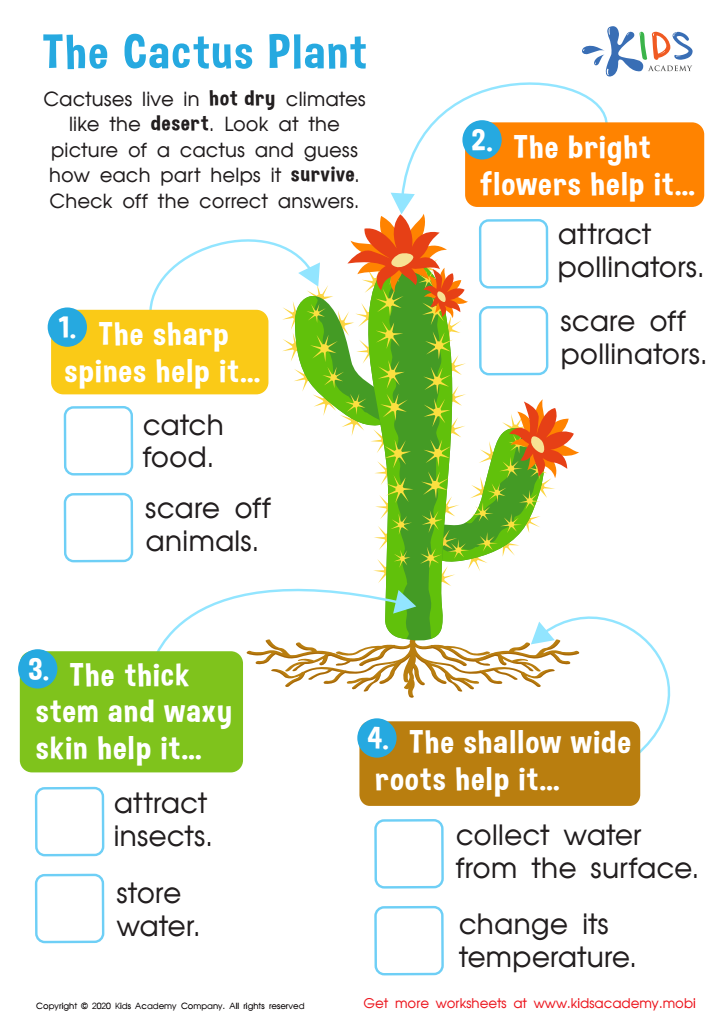
The Cactus Plant Worksheet
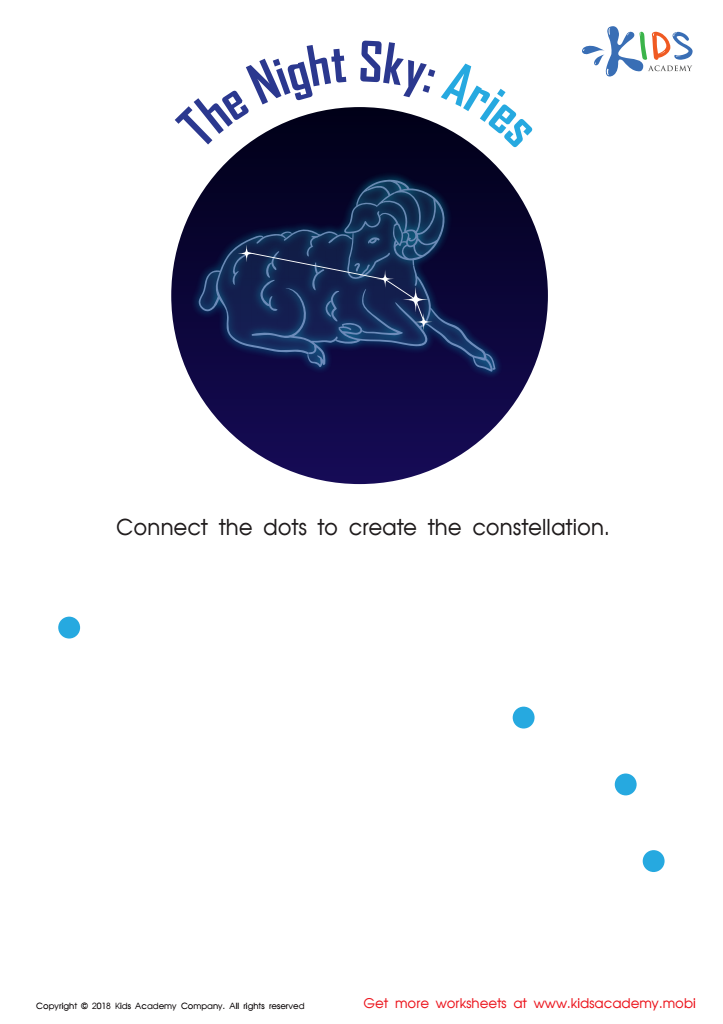
The Night Sky: Aries Worksheet
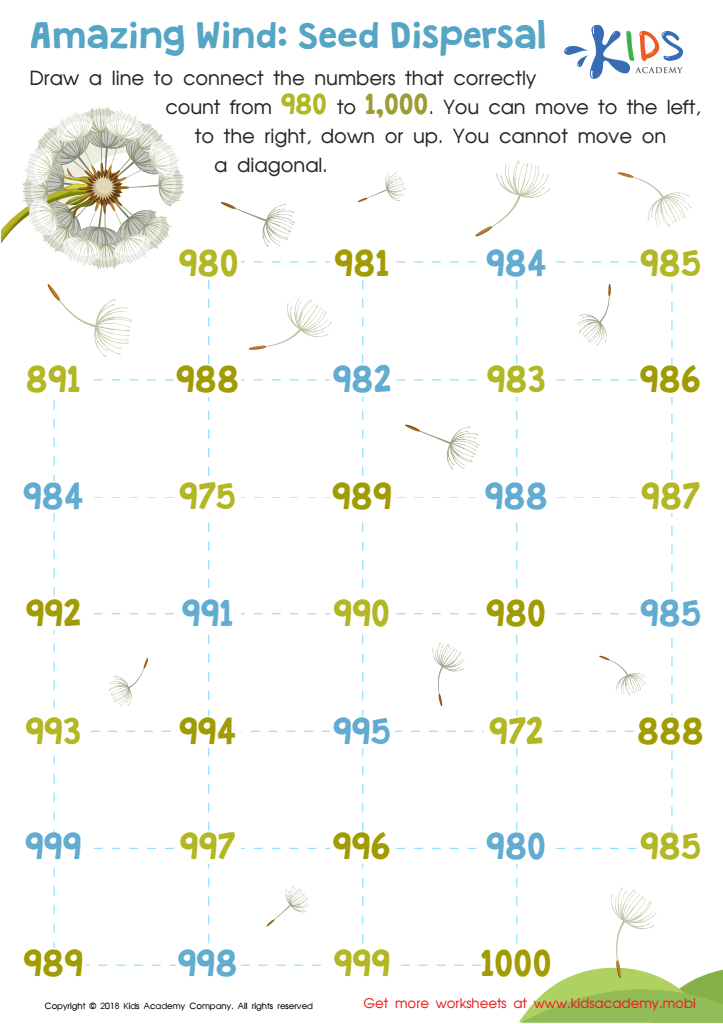
Amazing Wind: Seed Dispersal Worksheet
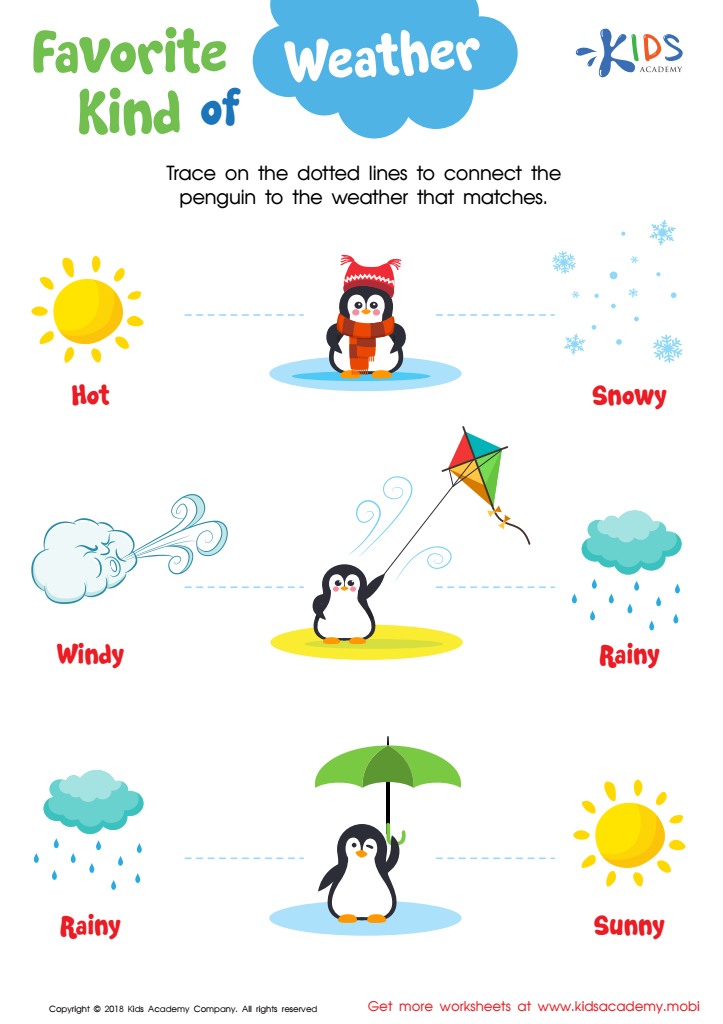
Favorite Kind of Weather Worksheet
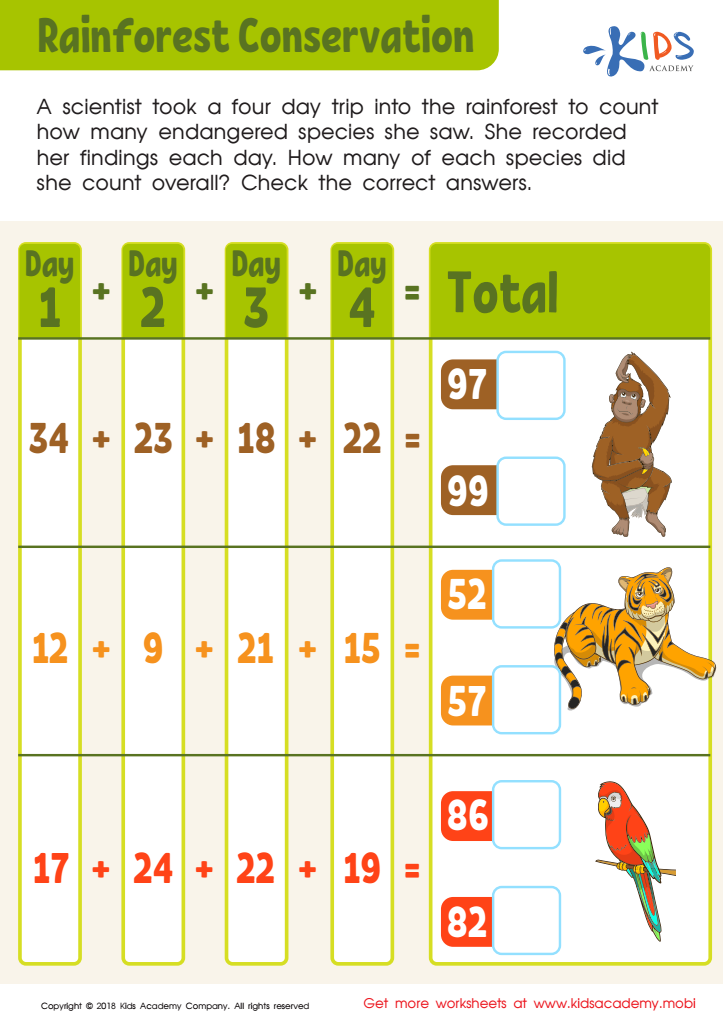
Rainforest Conservation Worksheet
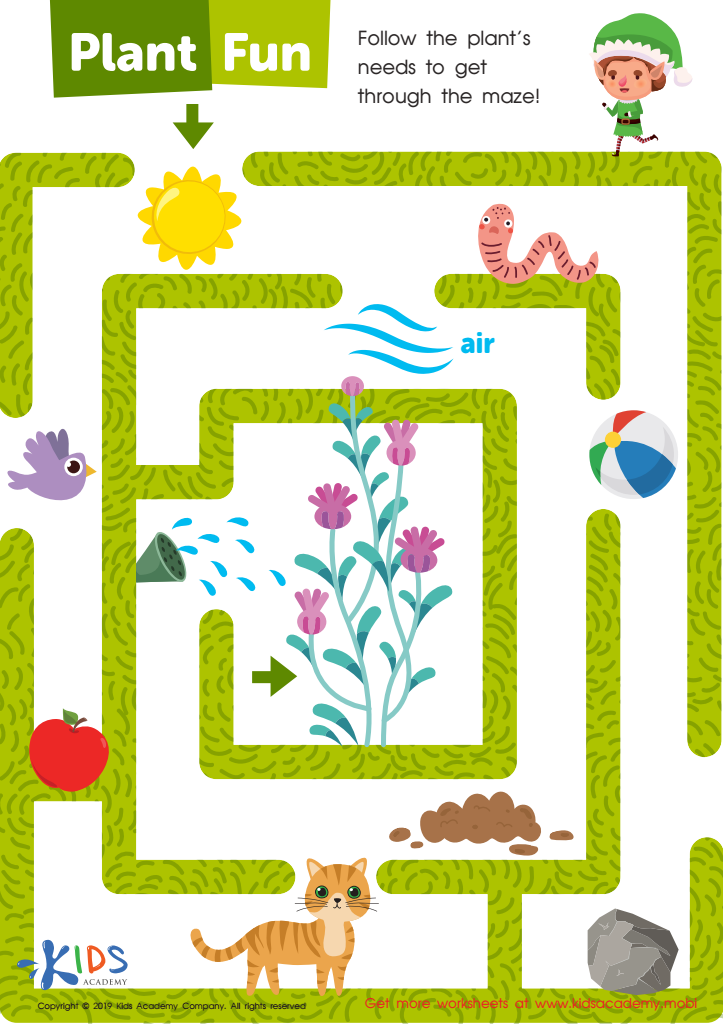
Plant Fun Worksheet
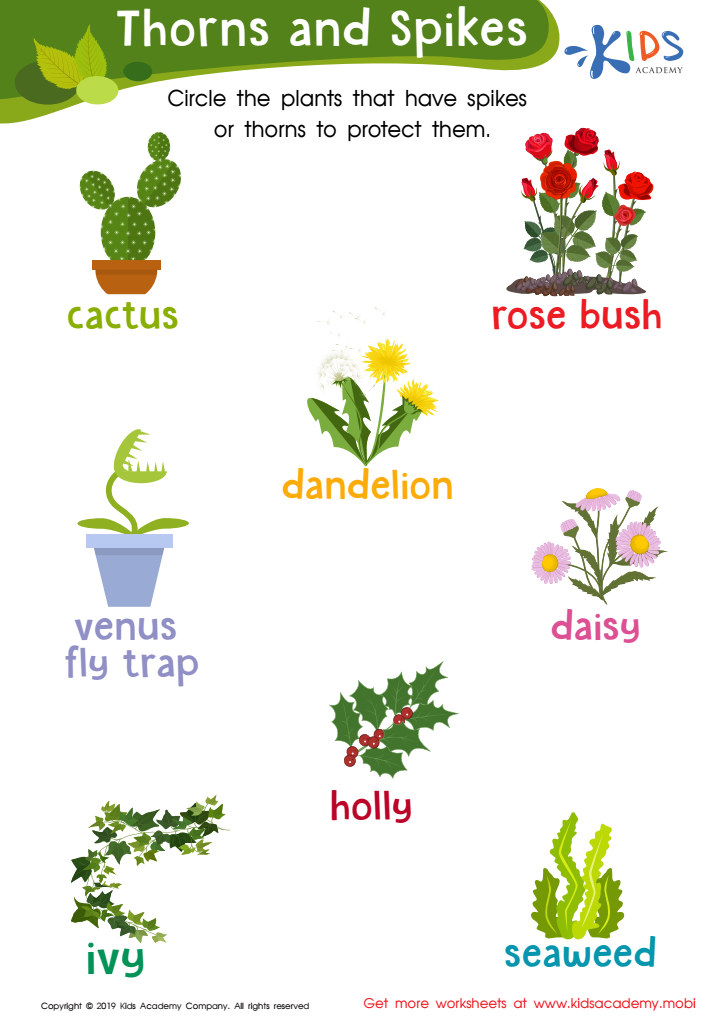
Thorns and Spikes Worksheet
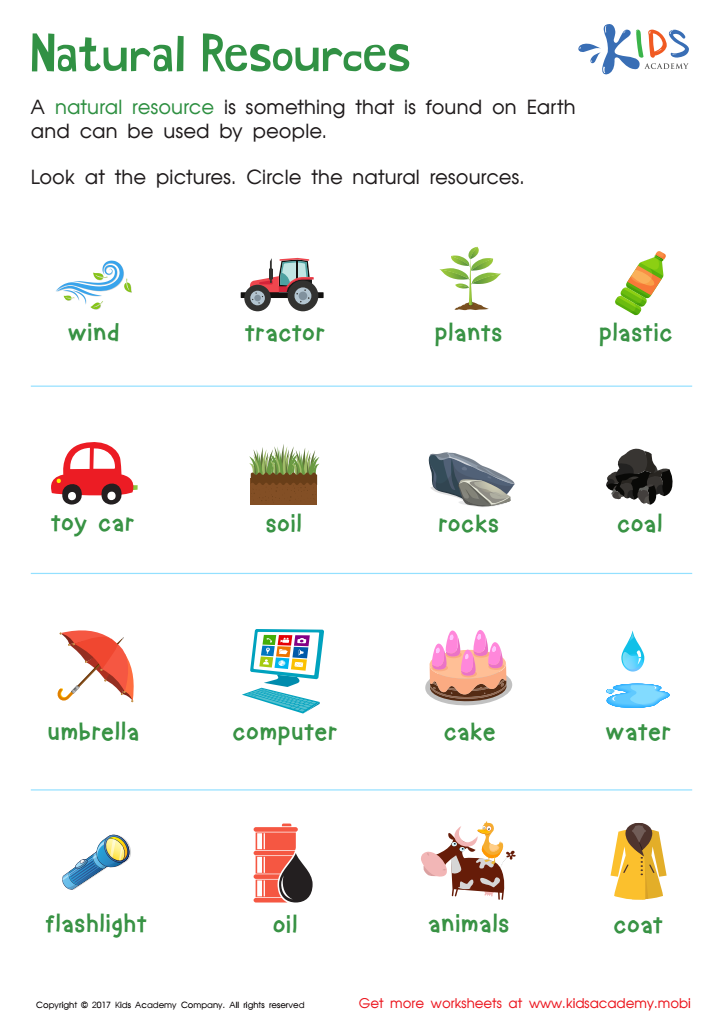
Natural Resources Worksheet
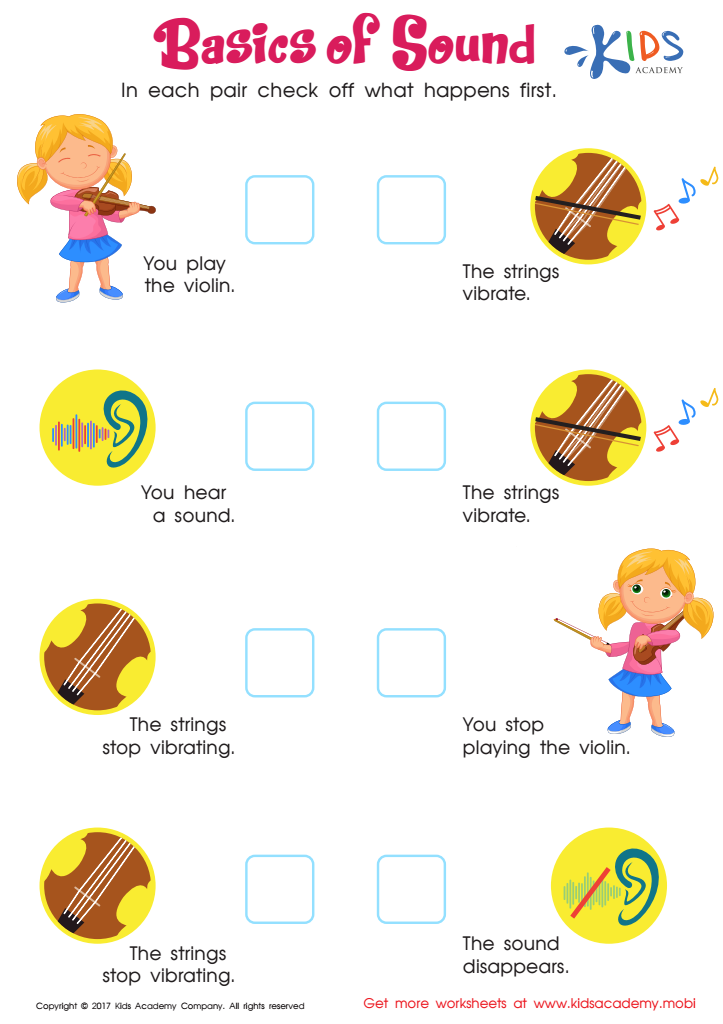
Basics Of Sound Worksheet
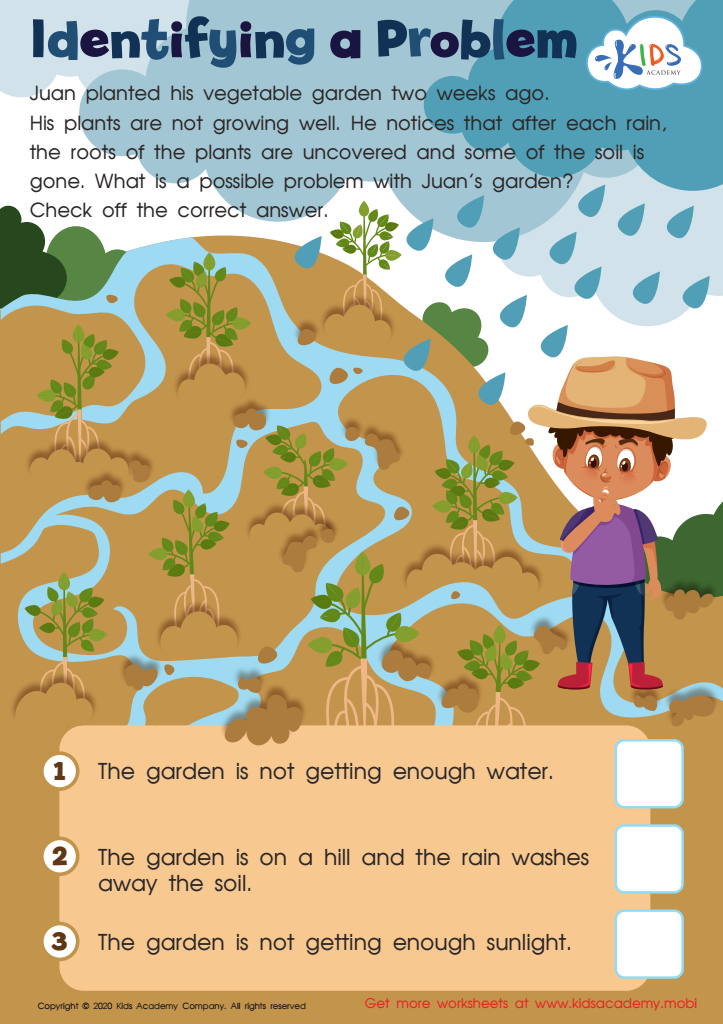
Identifying a Problem Worksheet
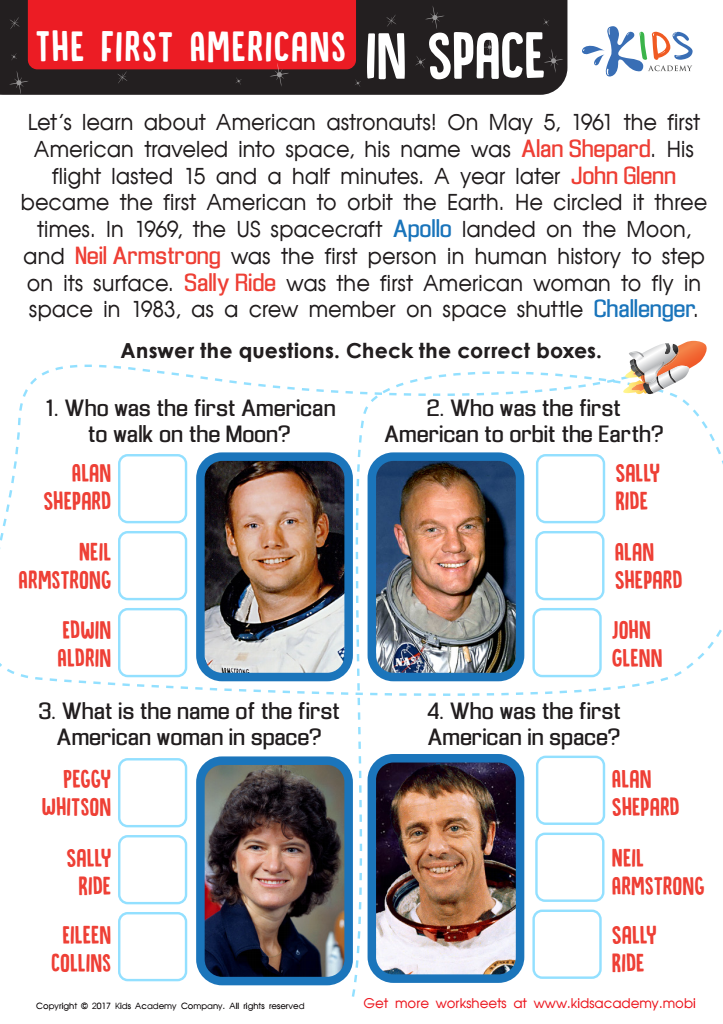
First Americans in Space Worksheet
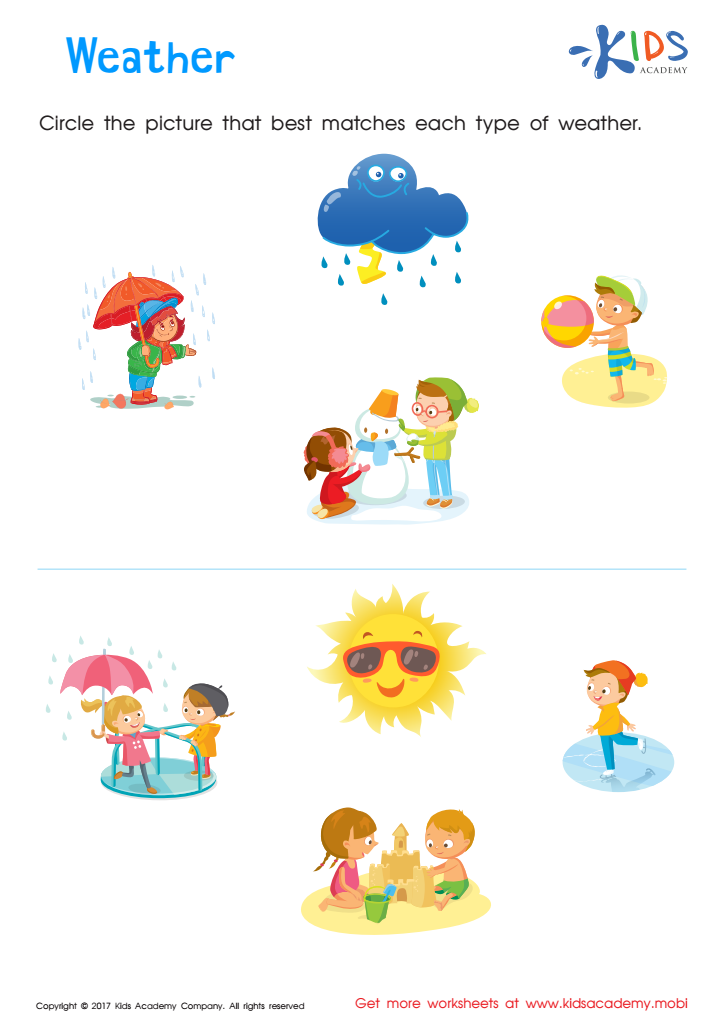
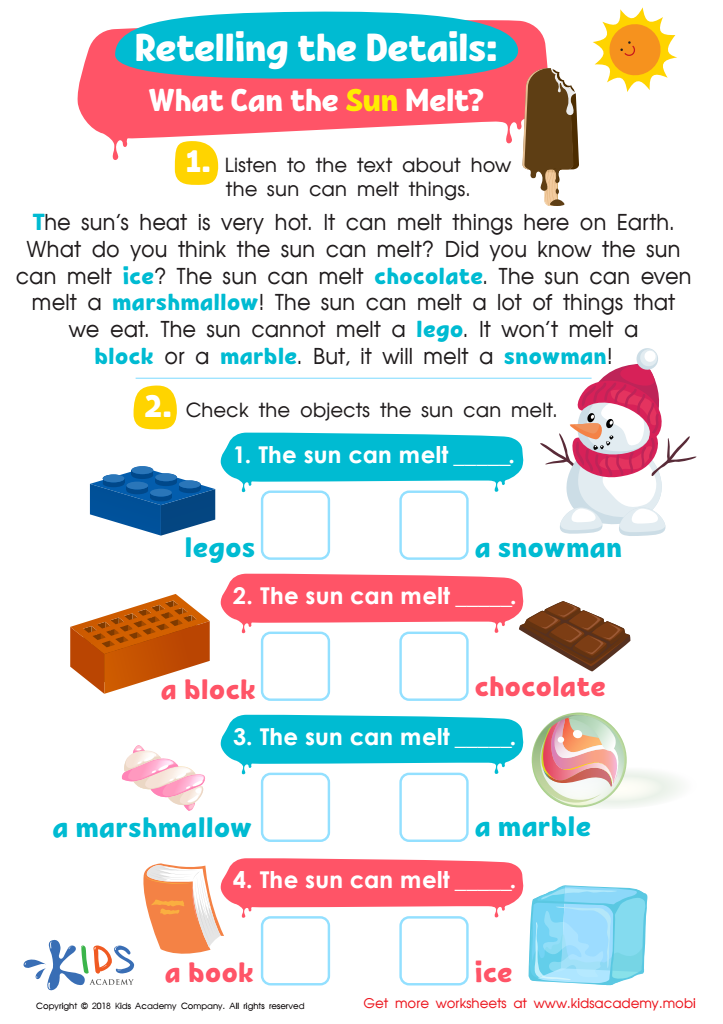
Retelling the Details: What Can the Sun Melt? Worksheet
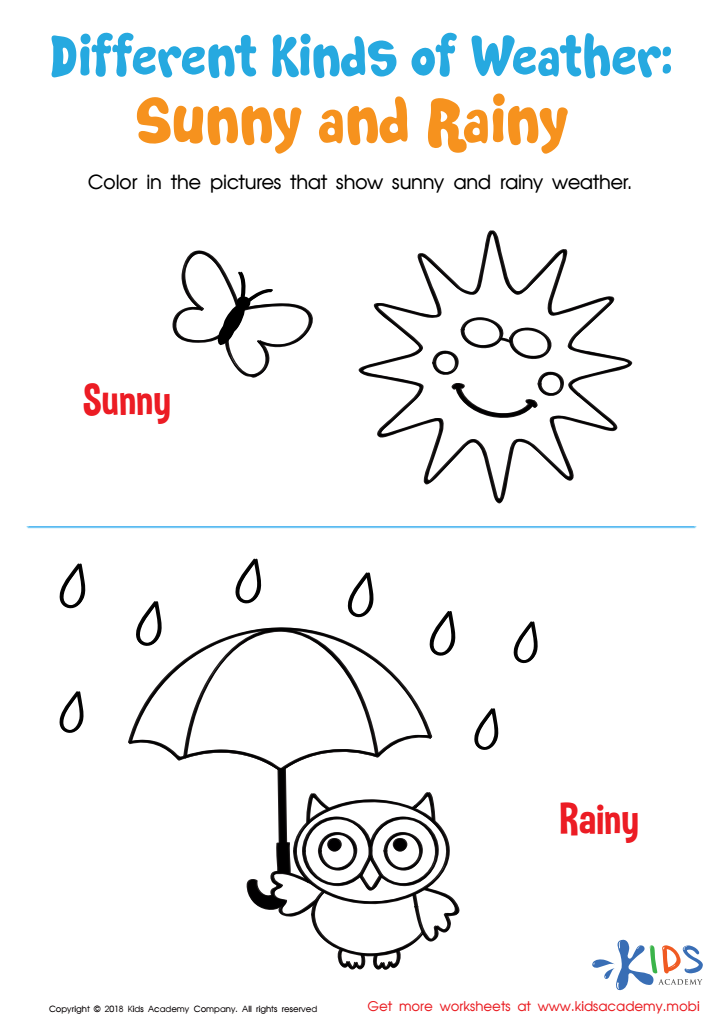
Different Kinds of Weather: Sunny and Rainy Worksheet
 Assign to My Students
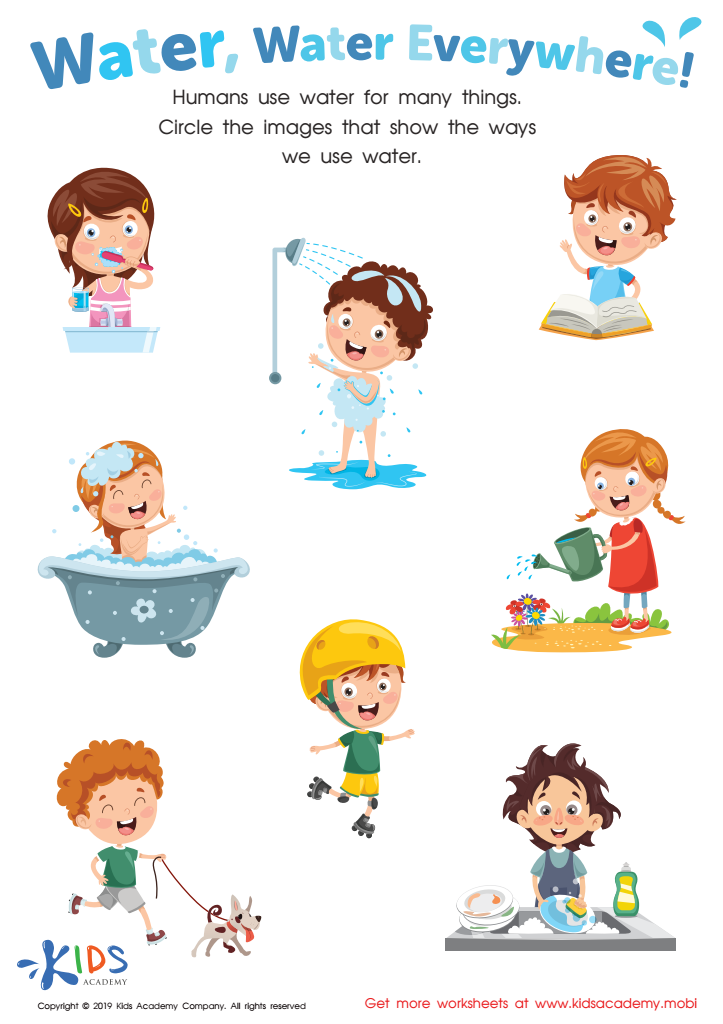
Water, Water Everywhere! Worksheet
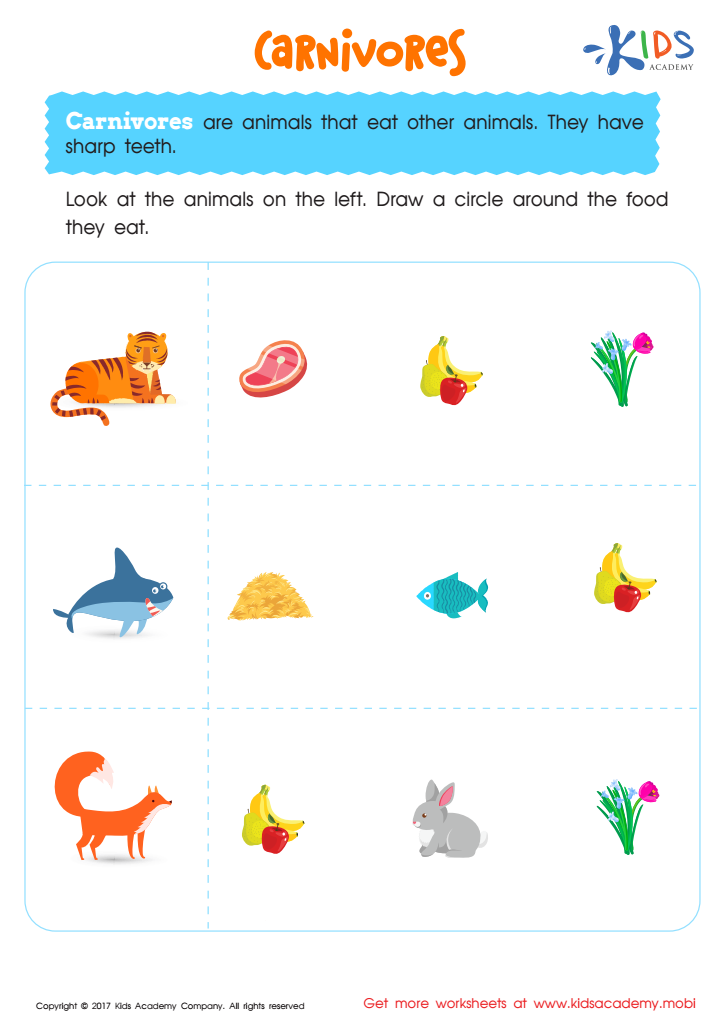
Carnivores Worksheet
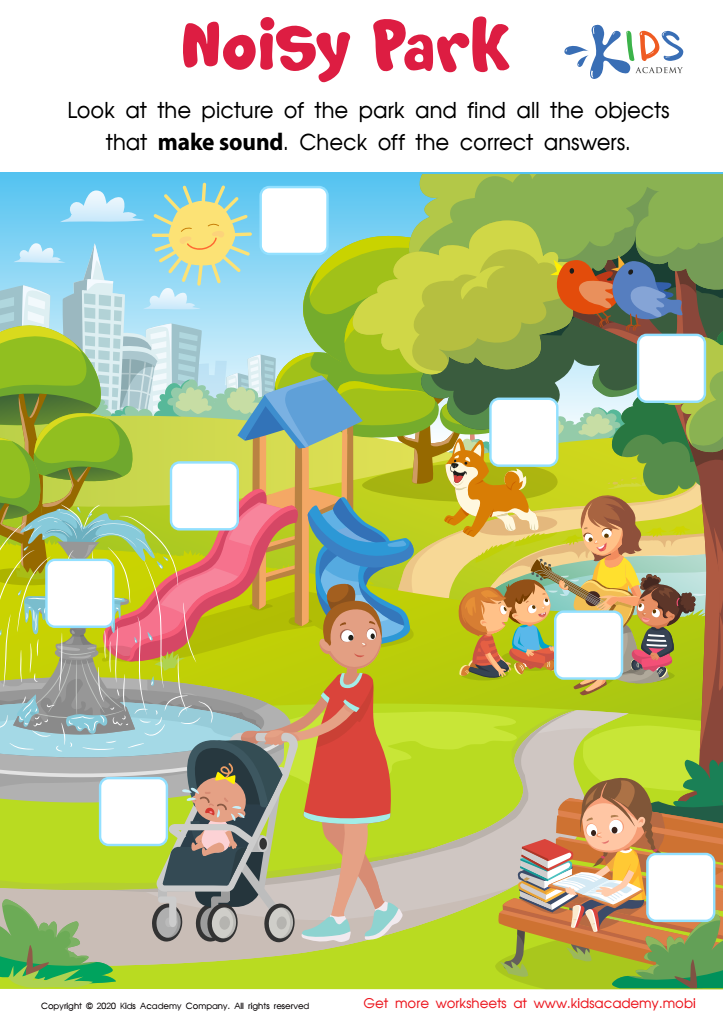
Noisy Park Worksheet
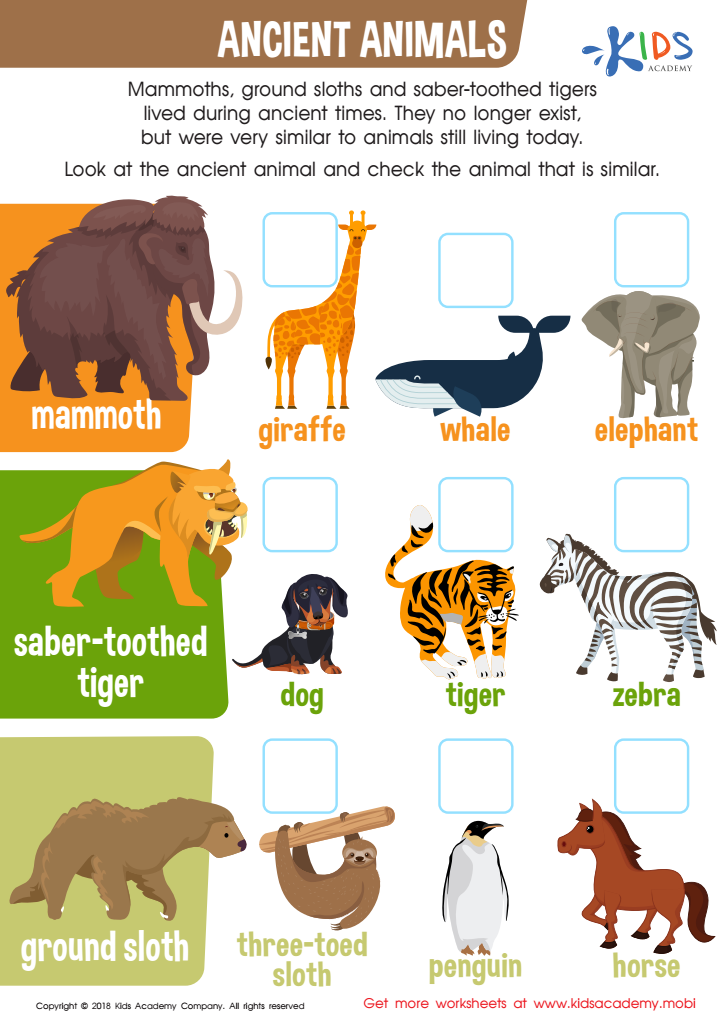
Ancient Animals Worksheet
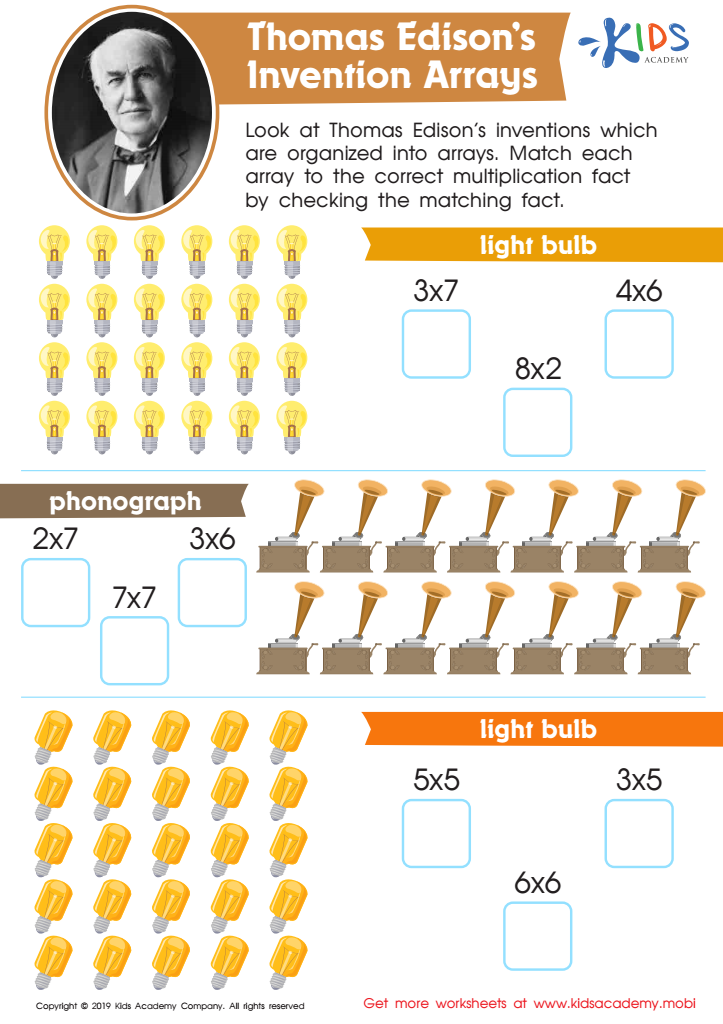
Thomas Edison’s Invention Arrays Worksheet
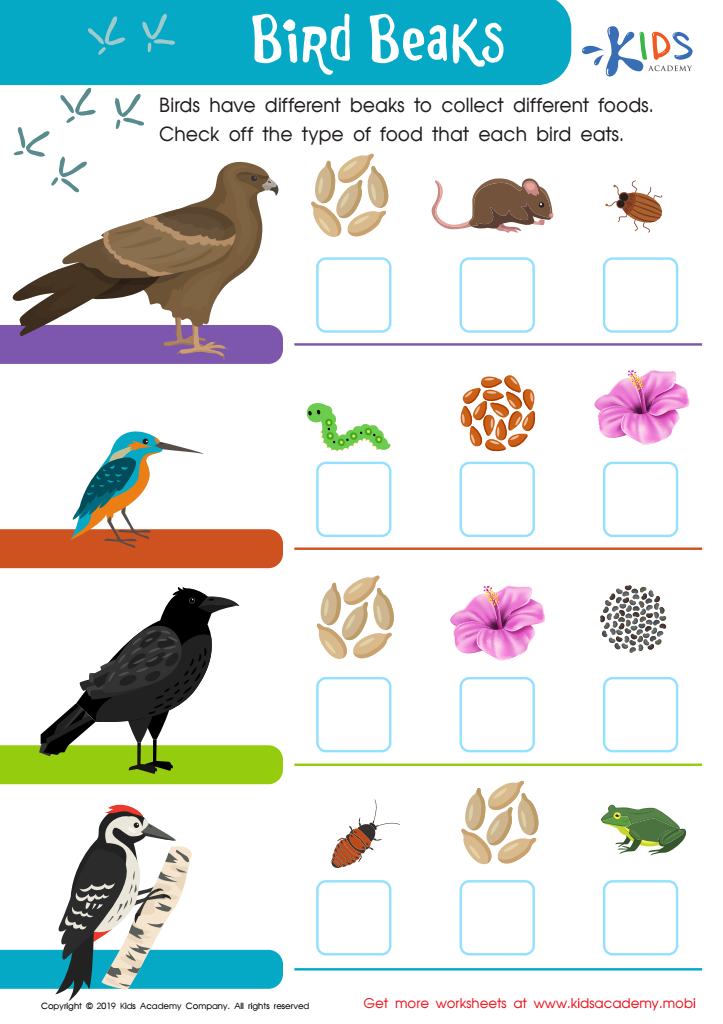
Bird Beaks Worksheet
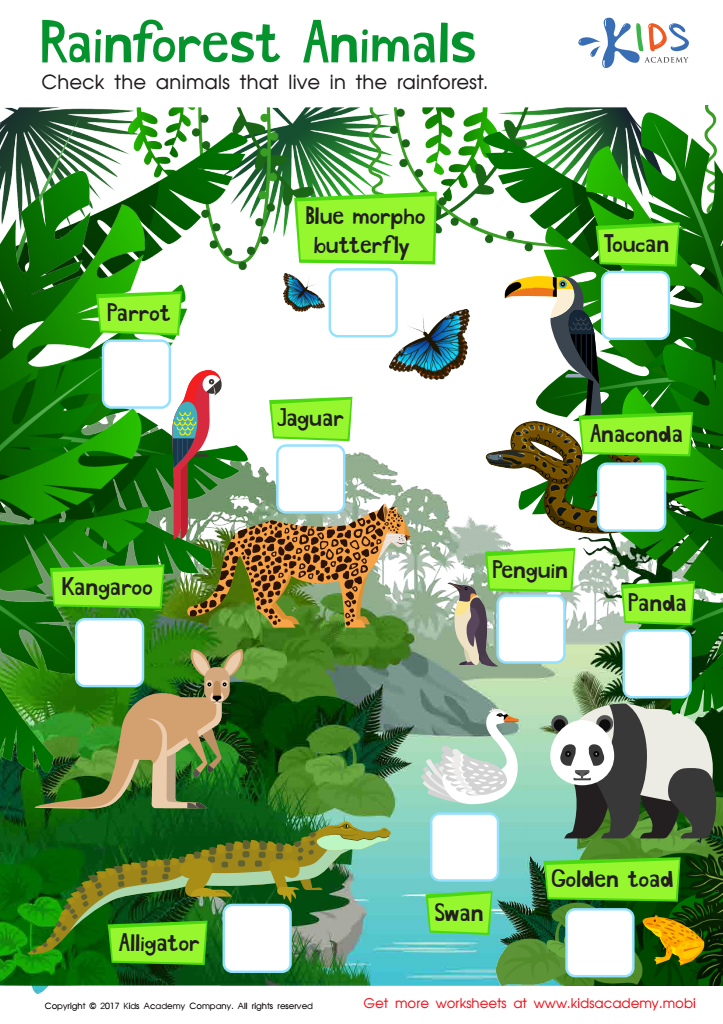
Rainforest Animals Worksheet
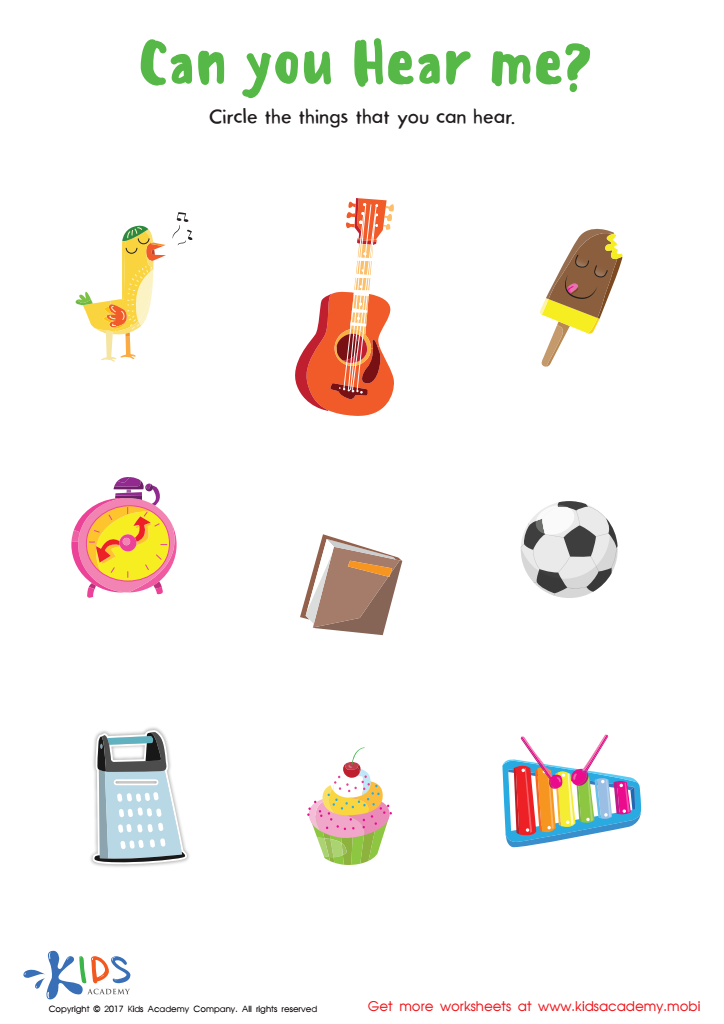
Can You Hear Me Worksheet
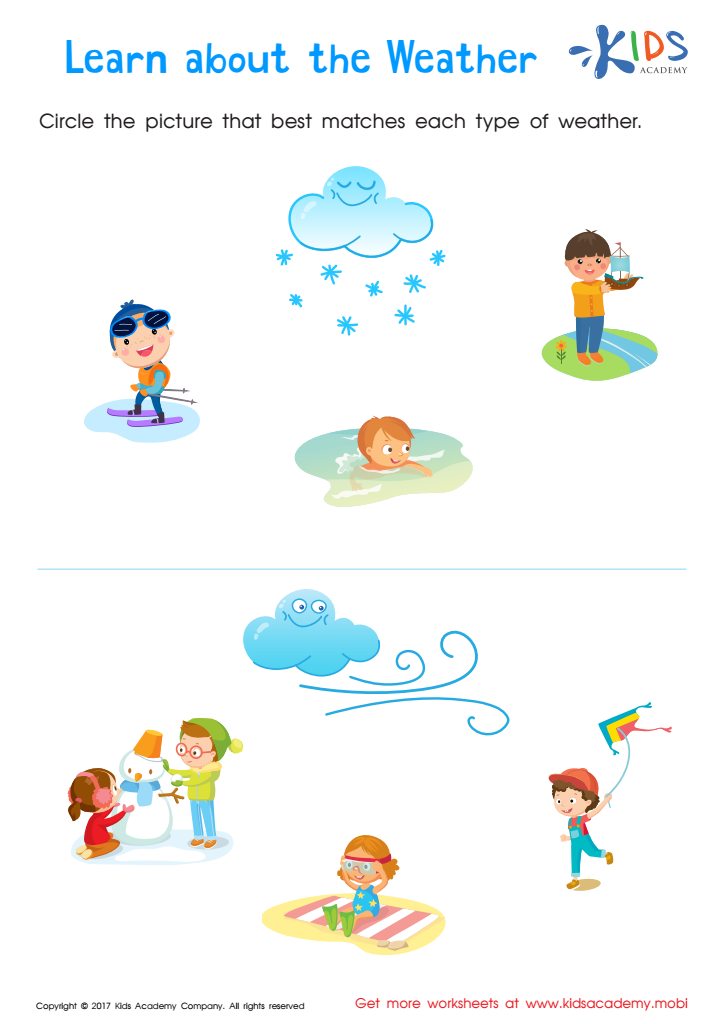
About the Weather Printable






Reading comprehension is crucial for children aged 5-8, as it forms the foundation for lifelong learning. At this stage, cognitive skills and language abilities are rapidly developing. By focusing on reading comprehension, parents and teachers help children not only to decode words but also to understand the meaning behind them. This skill is vital in science education, where children encounter new concepts, vocabulary, and critical thinking tasks.
Integrating reading comprehension into science learning enables young learners to grasp complex topics, such as ecosystems or simple physics, through engaging stories and texts. When young readers can relate what they read to real-world scenarios, it fosters curiosity and encourages them to explore scientific ideas further.
Moreover, solid reading comprehension skills are linked to academic success across subjects. As children enhance their ability to process and understand text, they also learn to ask questions, make connections, and draw conclusions, which are key in scientific inquiry. By promoting reading comprehension in science, parents and teachers can effectively nurture critical thinkers and enthusiastic learners, making education enjoyable and meaningful for children at this formative stage. This investment pays off not just academically but also in creating thoughtful, informed individuals.







