Vocabulary Building Science Worksheets for Ages 5-8
13 filtered results
-
From - To
Introduce your little scientists to the wonders of science with our Vocabulary Building Science Worksheets for Ages 5-8! Designed to spark curiosity and enhance scientific knowledge, these worksheets help young learners master essential science vocabulary while engaging in fun, age-appropriate activities. Each worksheet focuses on key terms and concepts, using visually appealing illustrations and interactive exercises to make learning enjoyable. Perfect for home or classroom use, these printable resources support STEM learning, boost reading comprehension, and foster a love for science. Give your child the head start they need to explore the natural world with confidence and excitement!
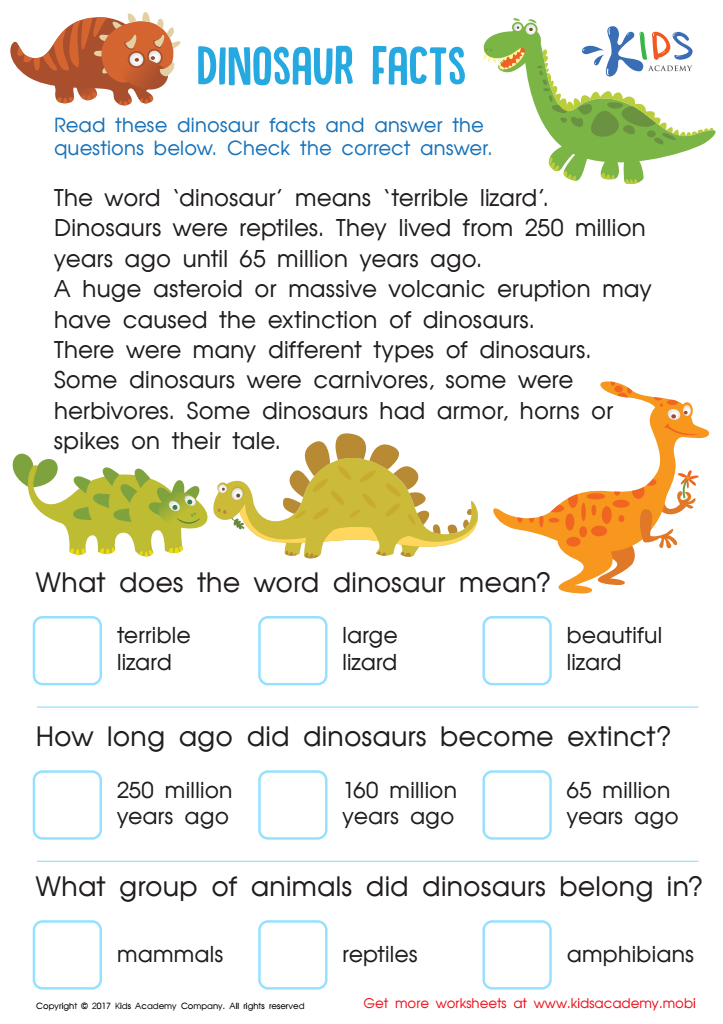
Dinosaur Facts Worksheet
 Assign to My Students
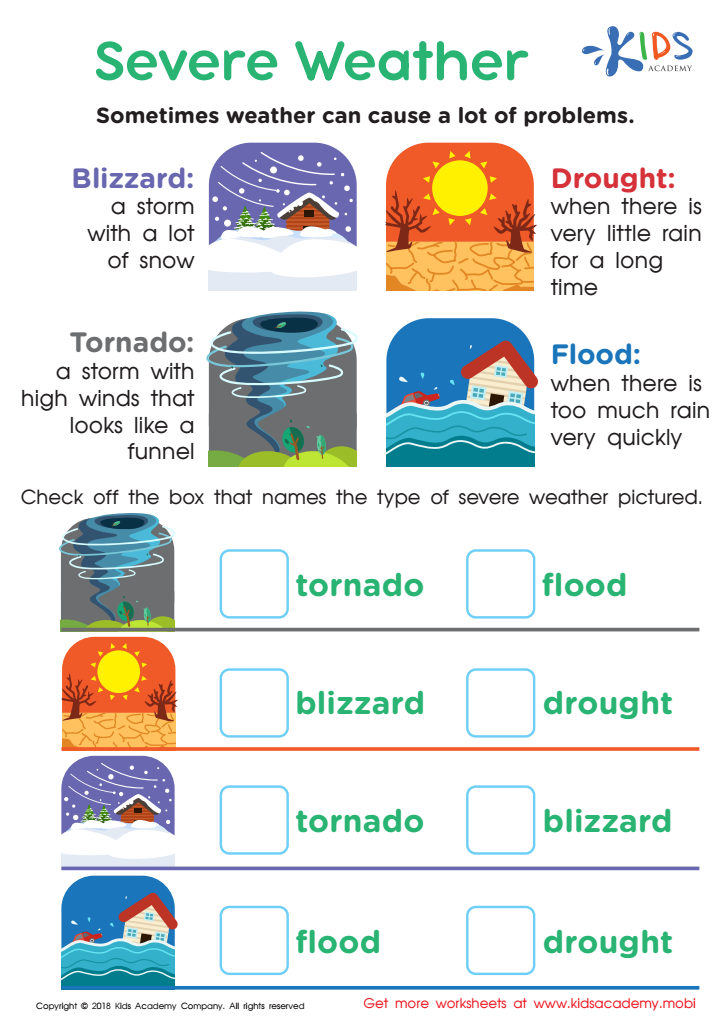
Severe Weather Worksheet
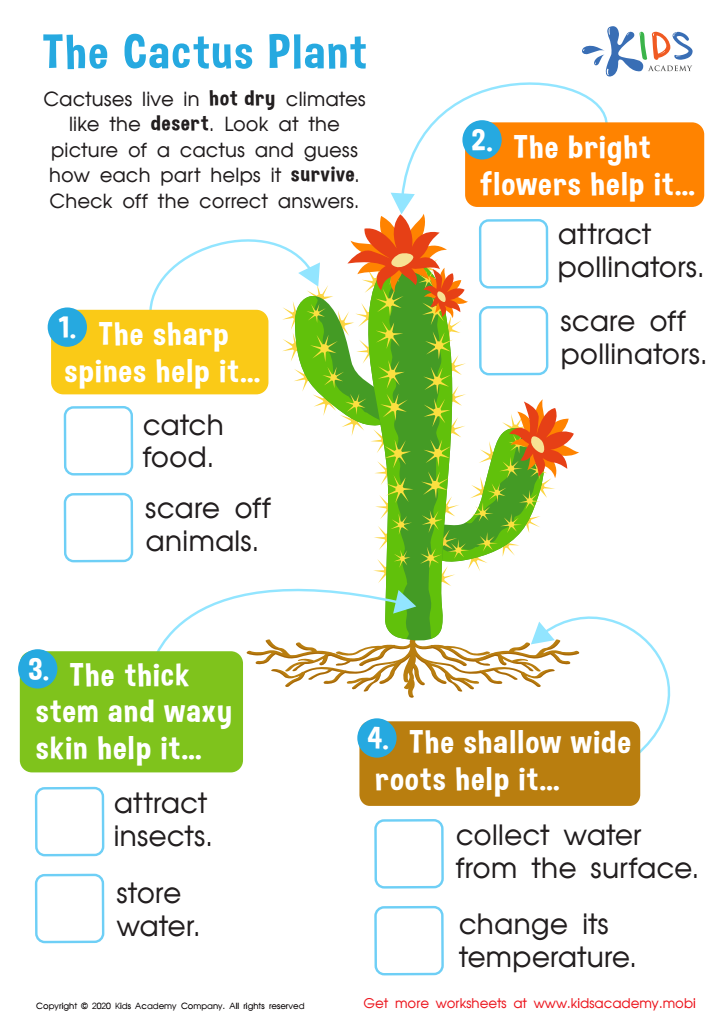
The Cactus Plant Worksheet
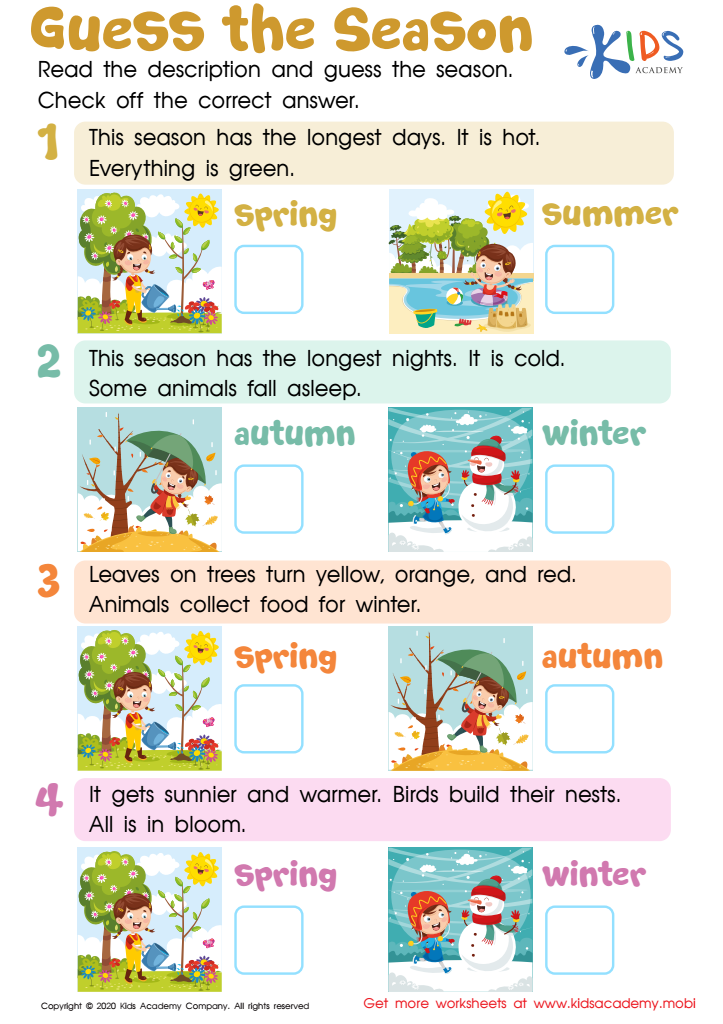
Guess the Season Worksheet
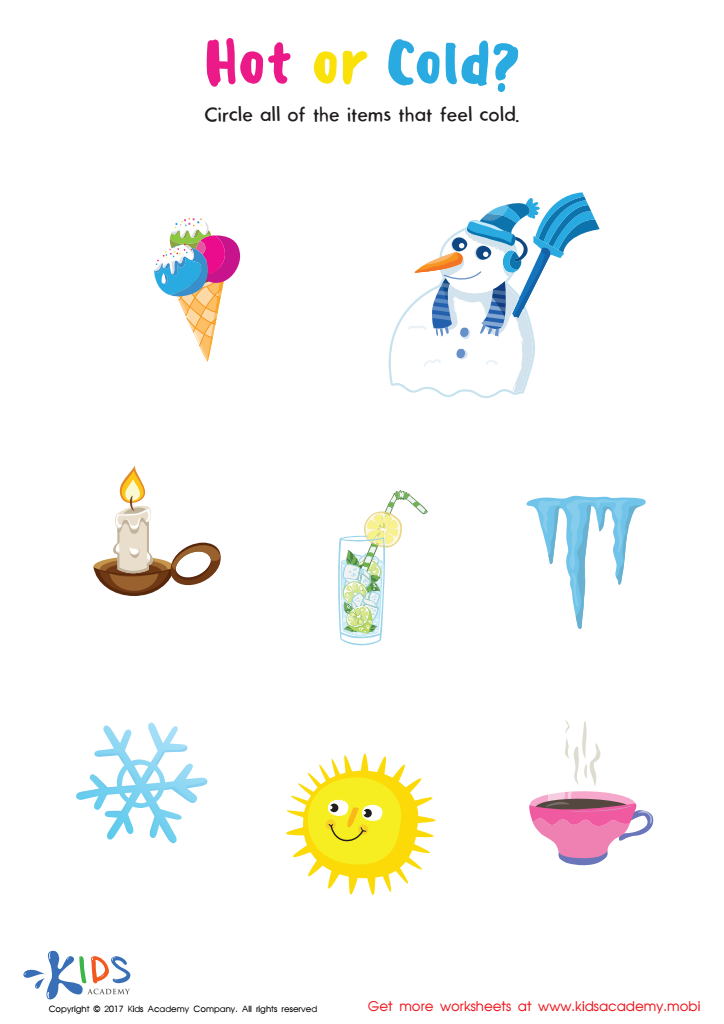
Hot or Cold Printable
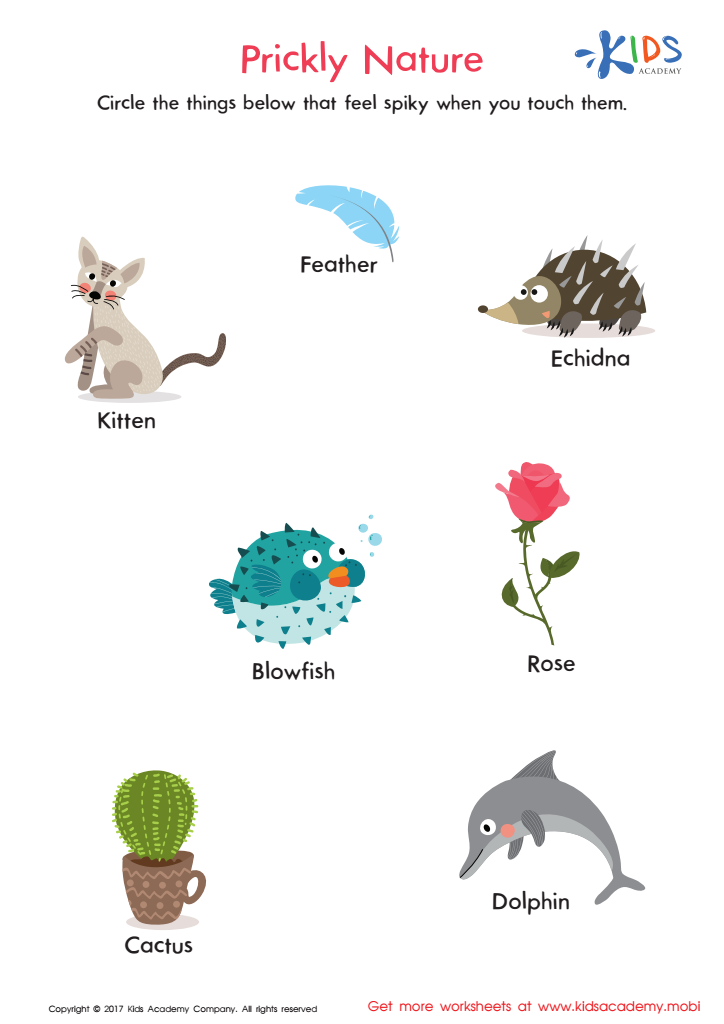
Prickly Nature Worksheet
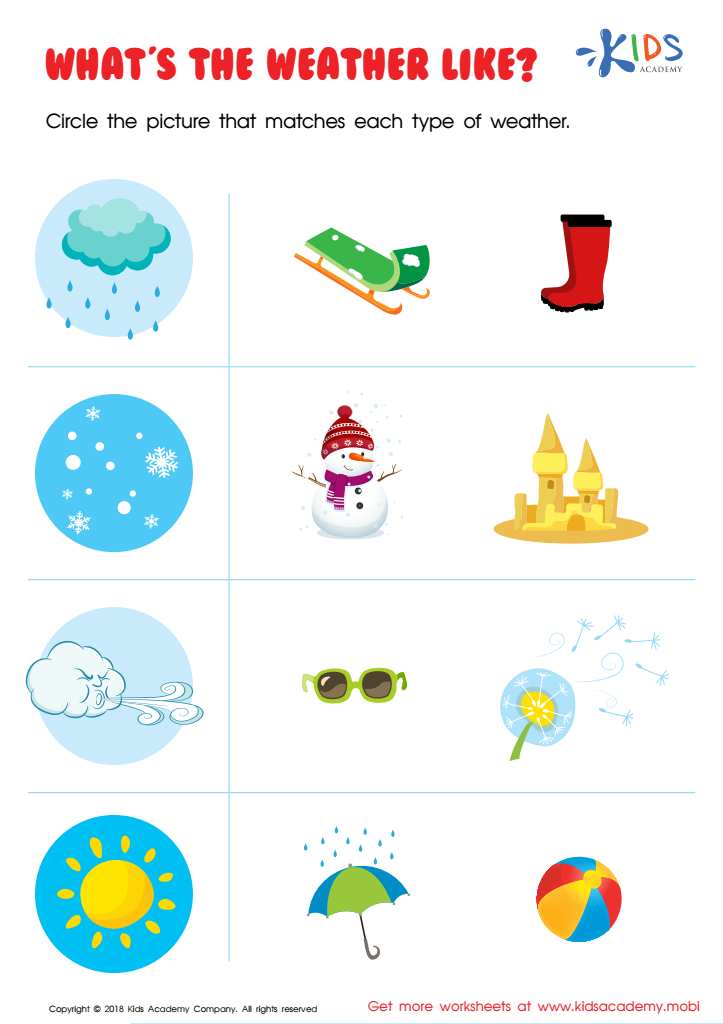
What's the Weather Like? Worksheet
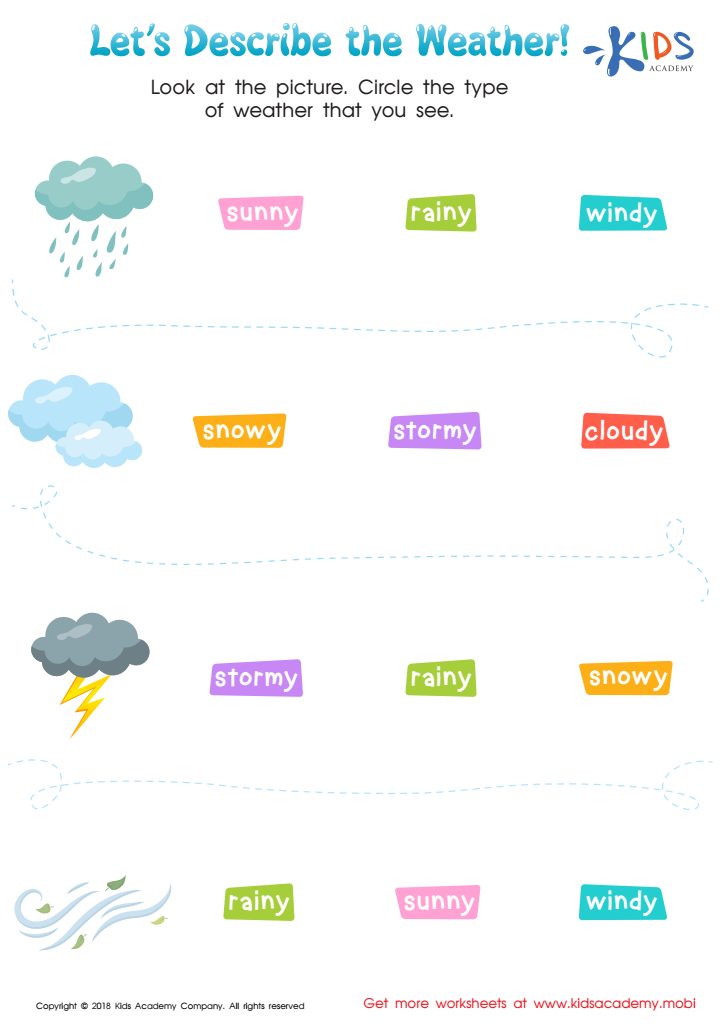
Let's Describe the Weather! Worksheet
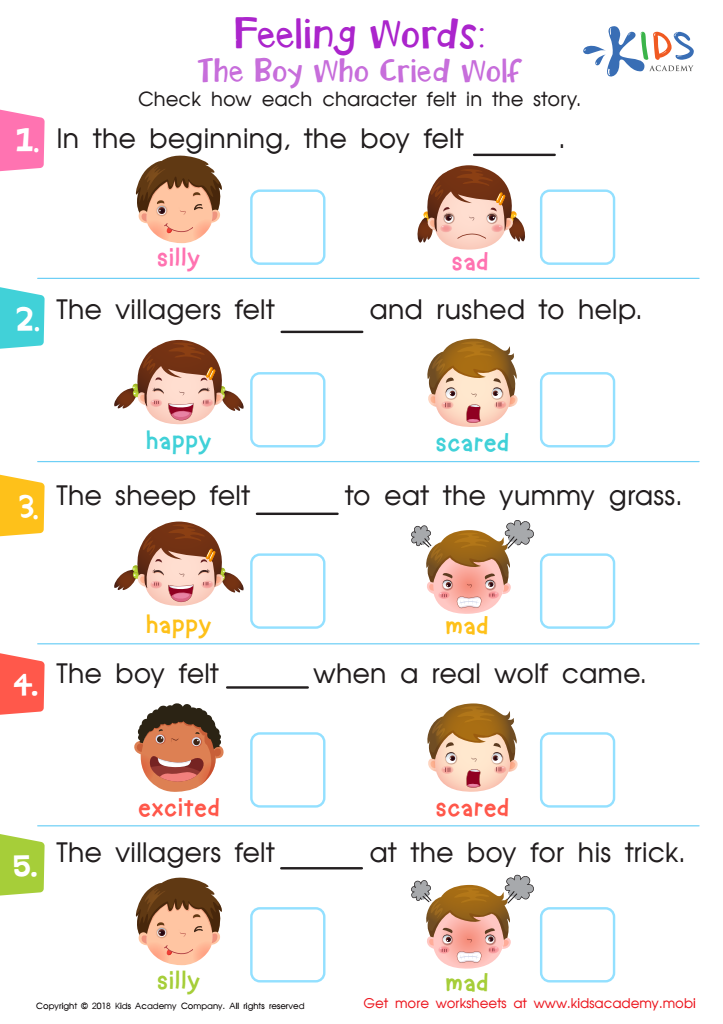
Feeling Words: The Boy Who Cried Wolf Worksheet
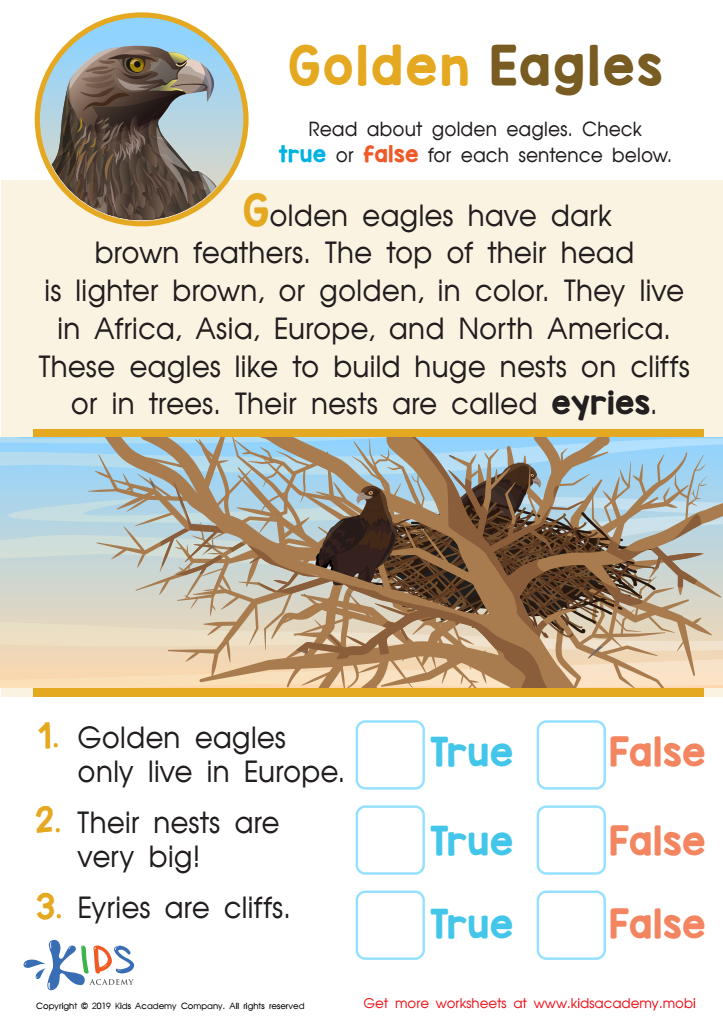
Golden Eagles Worksheet
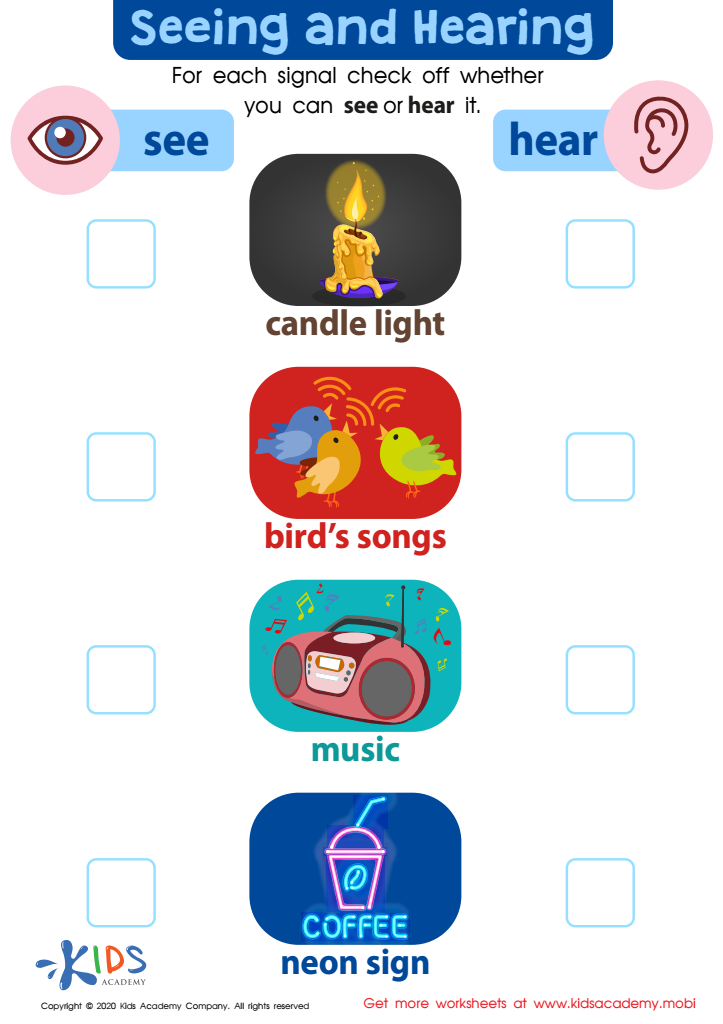
Seeing and Hearing Worksheet
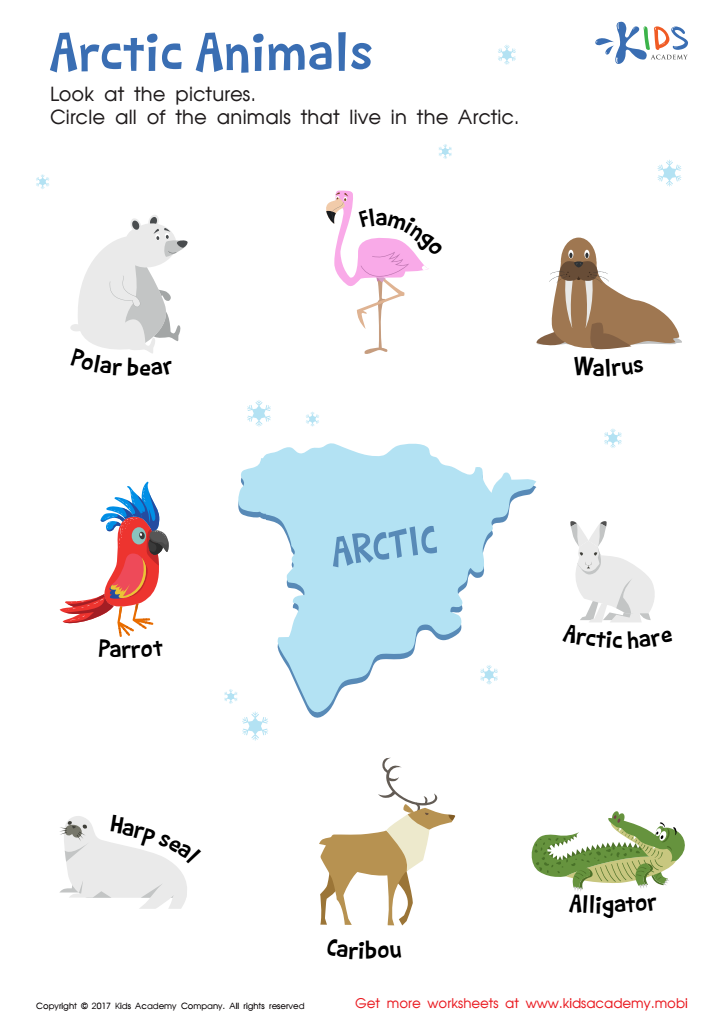
Arctic Animals Worksheet
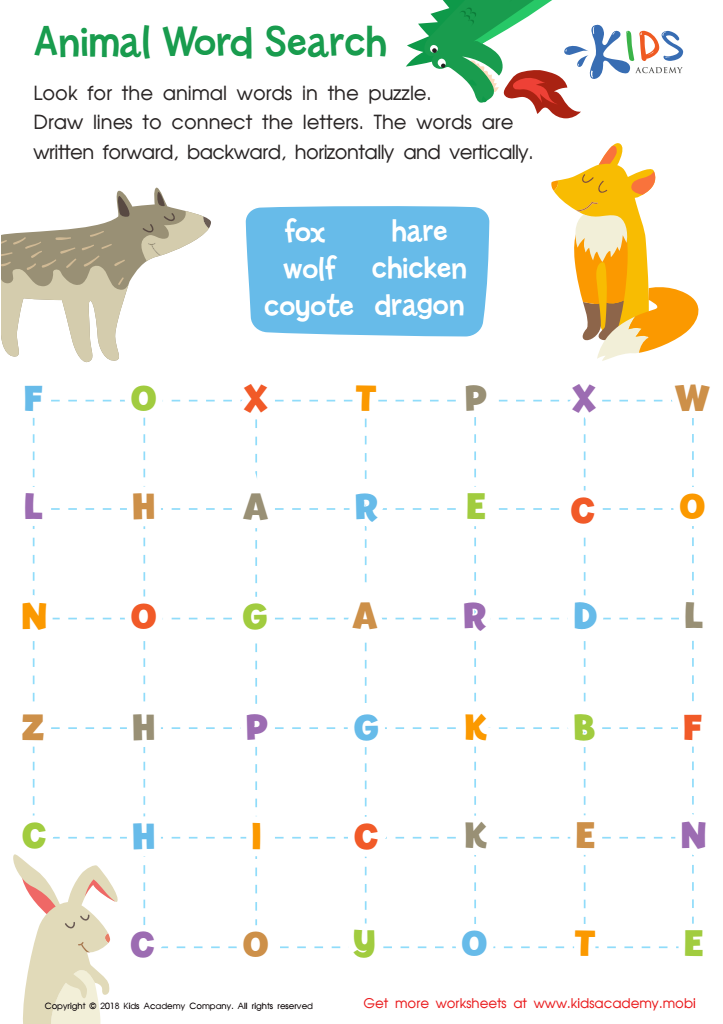
Animal Word Search Worksheet






Vocabulary building for children ages 5-8 is crucial for several key reasons. During these early years, children's brains are highly receptive and can absorb new information rapidly. A rich vocabulary supports better communication skills, allowing children to express themselves clearly and understand others more effectively. This foundational skill is essential for their social and emotional development.
Furthermore, vocabulary knowledge is directly linked to reading comprehension. Children who know more words can comprehend texts more fully and are typically better readers. This early skill in reading underpins all future learning; kids need strong reading skills to succeed in virtually every subject area, from science to history to math.
Another reason to focus on vocabulary building is its impact on cognitive development. A broad vocabulary helps children think and learn about the world around them in more sophisticated ways. It also fosters critical thinking and imaginative play, which are important components of creativity and problem-solving.
For teachers and parents, investing time and effort in expanding a child's vocabulary can set the stage for lifelong learning and academic success. It equips children with the tools they need to excel in school and beyond, making vocabulary building a priority in early education.







