Multiplication practice Plants and Animals Worksheets for Ages 5-8
10 filtered results
-
From - To
Boost your child's multiplication skills with our engaging "Multiplication Practice Plants and Animals Worksheets" designed for ages 5-8. These vibrant worksheets combine essential math practice with fascinating facts about plants and animals, making learning both fun and educational. Young learners will enjoy connecting with nature while mastering multiplication through various activities and illustrations. Perfect for classrooms or home practice, these worksheets will captivate your child's interest and reinforce their math foundation. Help your child thrive in their mathematical journey with our expertly crafted, grade-appropriate multiplication practice sheets. Discover the joy of learning with a natural twist!
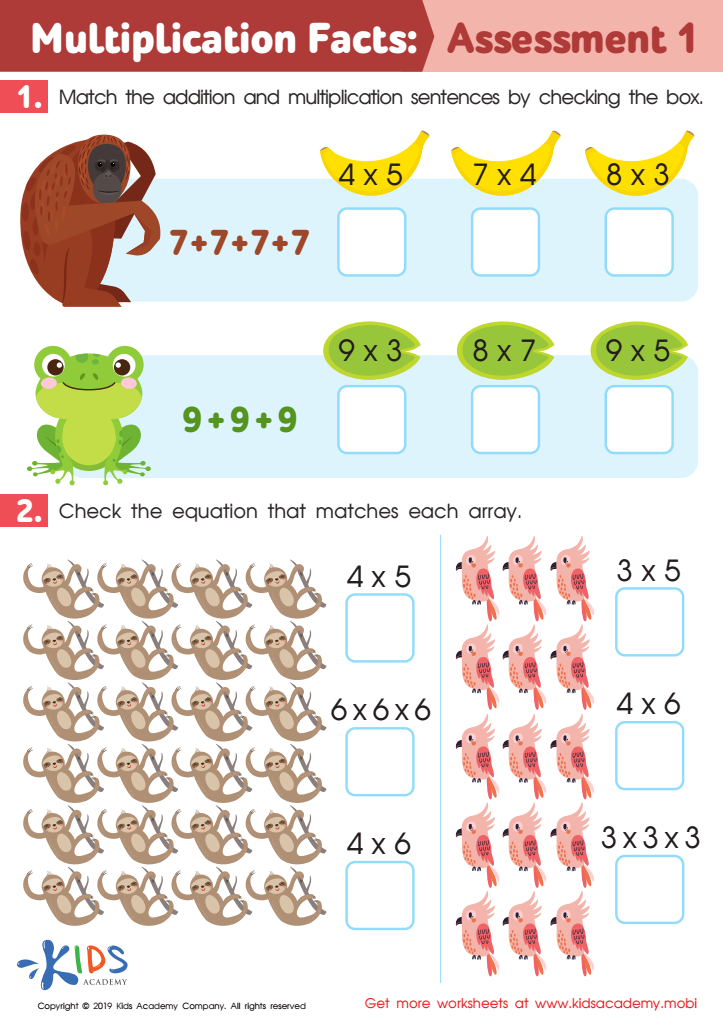
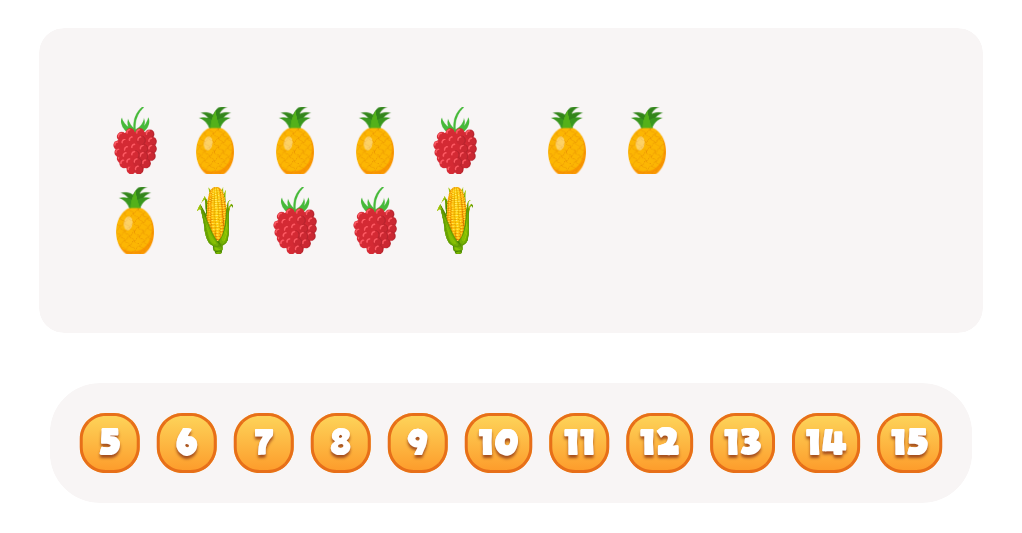
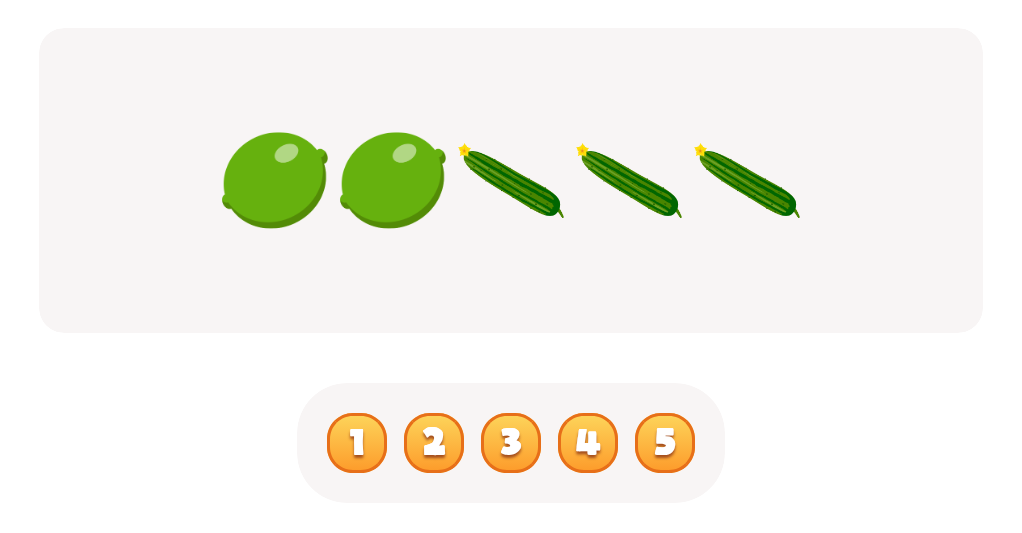
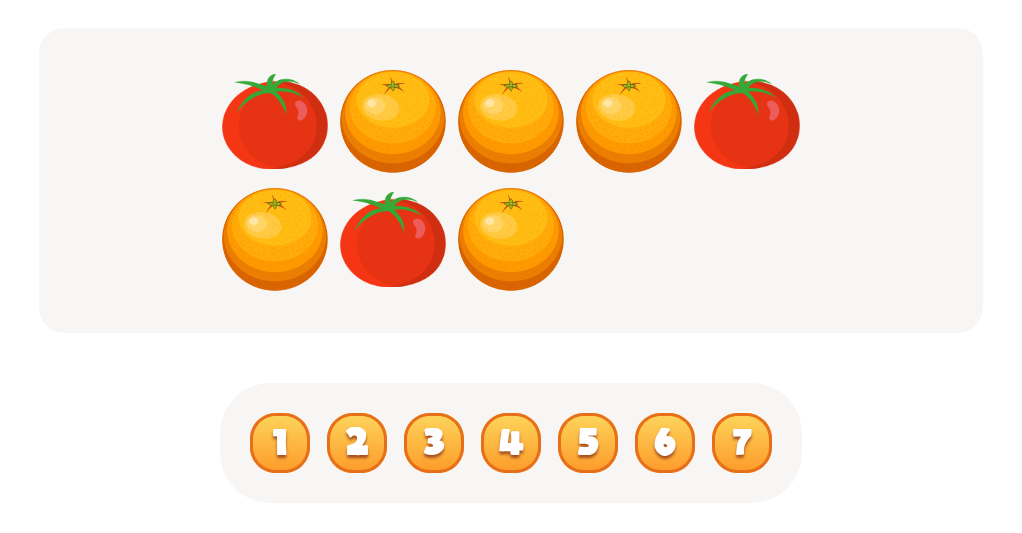
Multiplication Facts: Assessment 1 Worksheet
 Assign to My Students

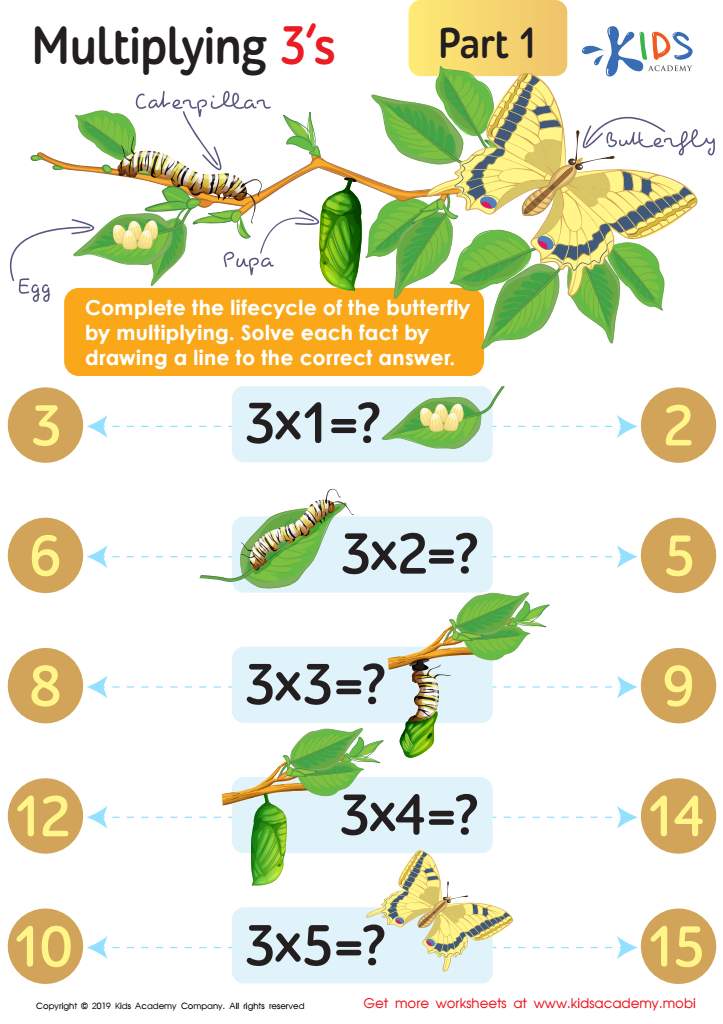
Multiplying 3’s Part 1 Worksheet
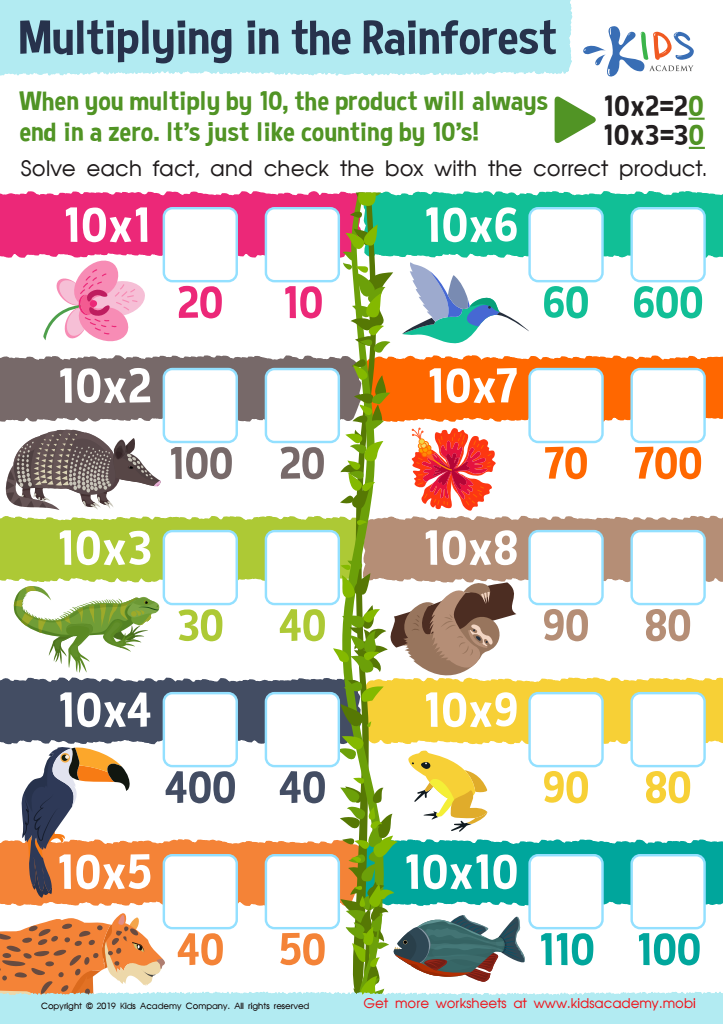
Multiplying in the Rainforest Worksheet
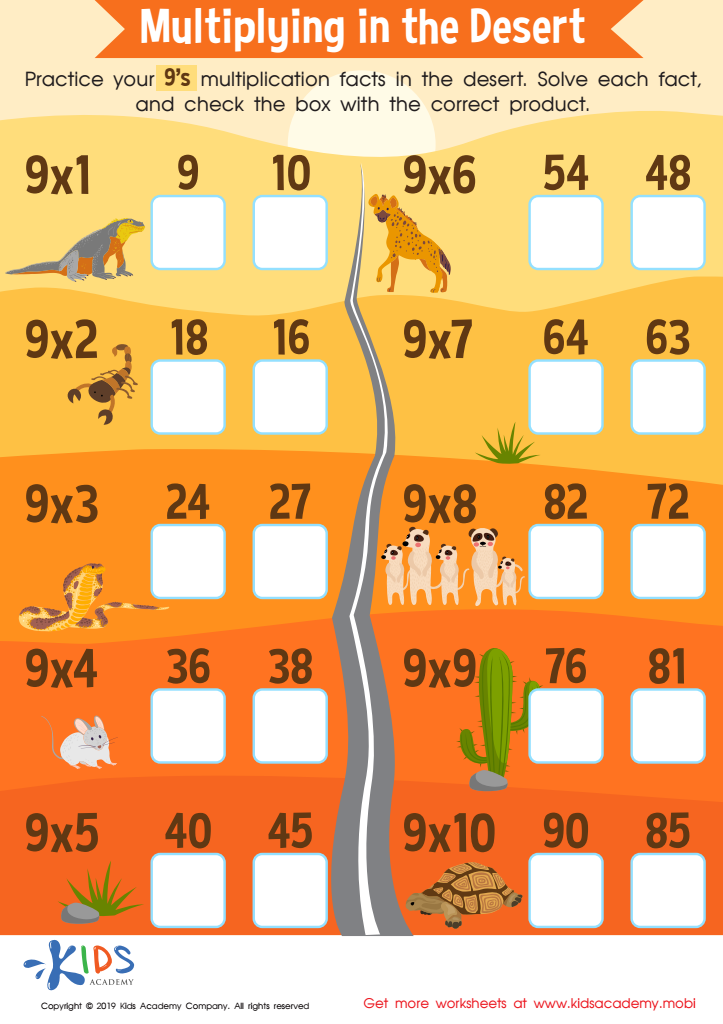
Multiplying in the Desert Worksheet
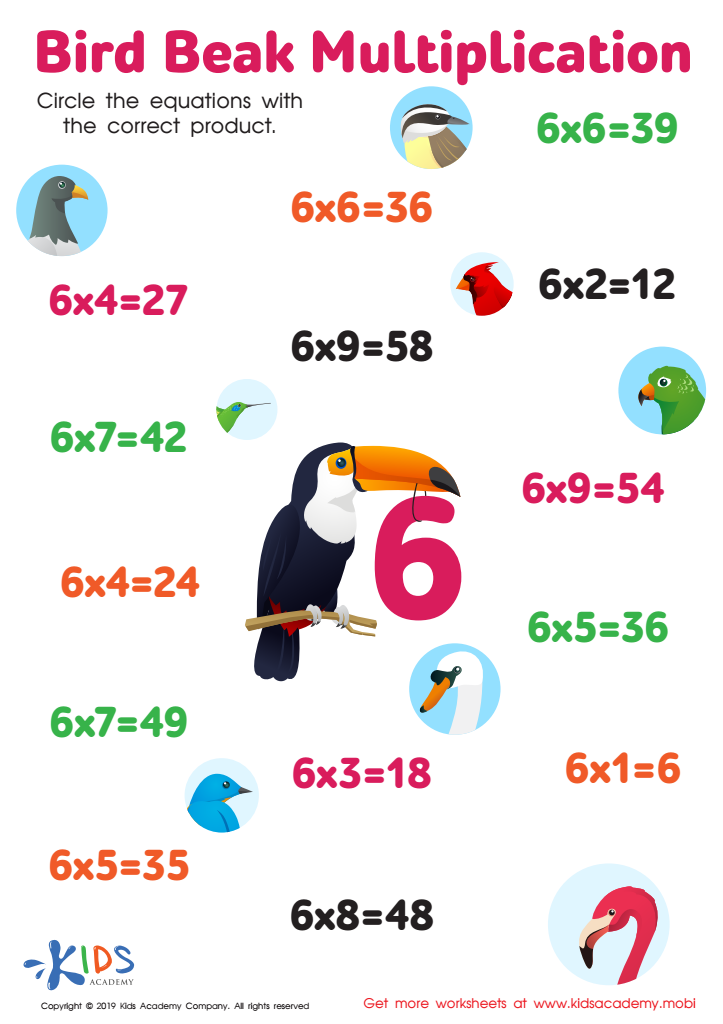
Bird Beak Multiplication Worksheet
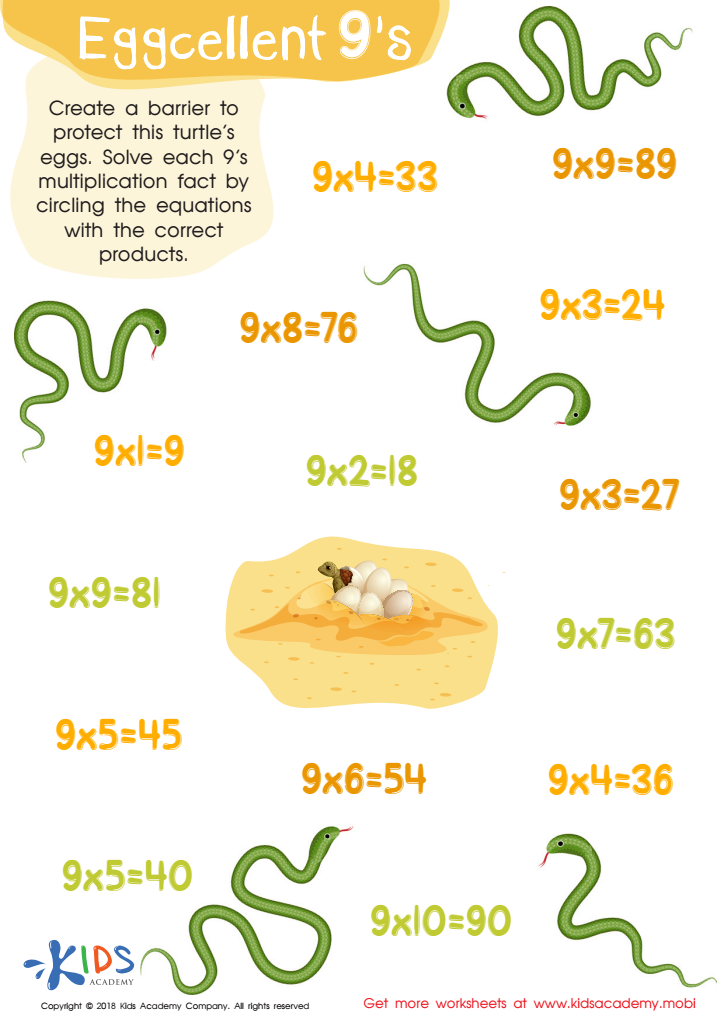
Eggcellent 9’s Worksheet
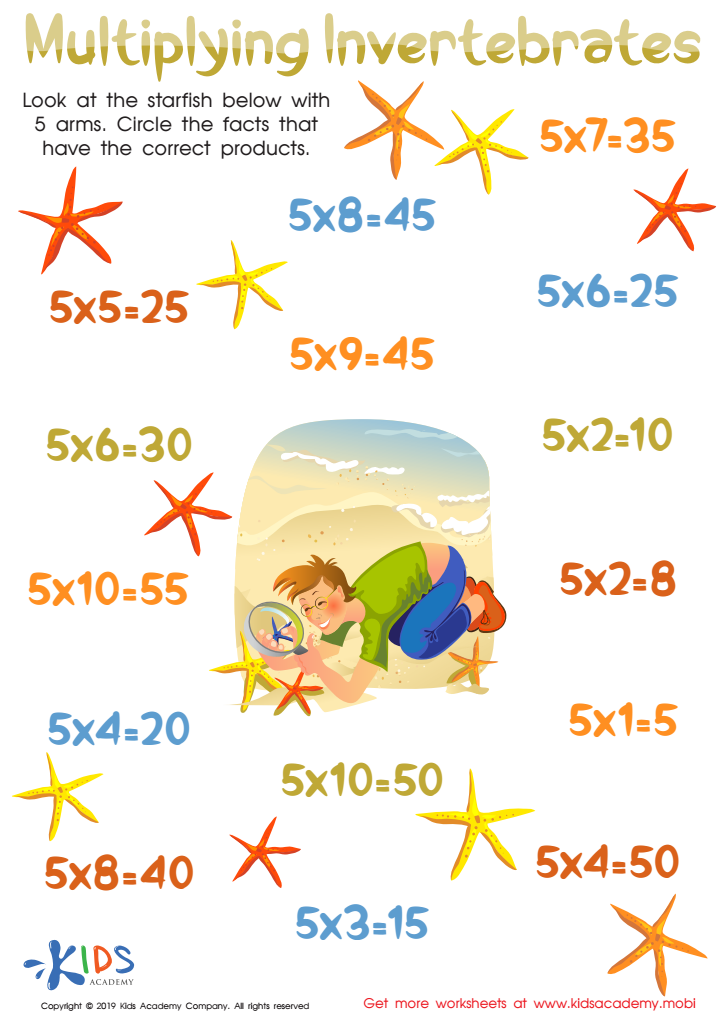
Multiplying Invertebrates Worksheet
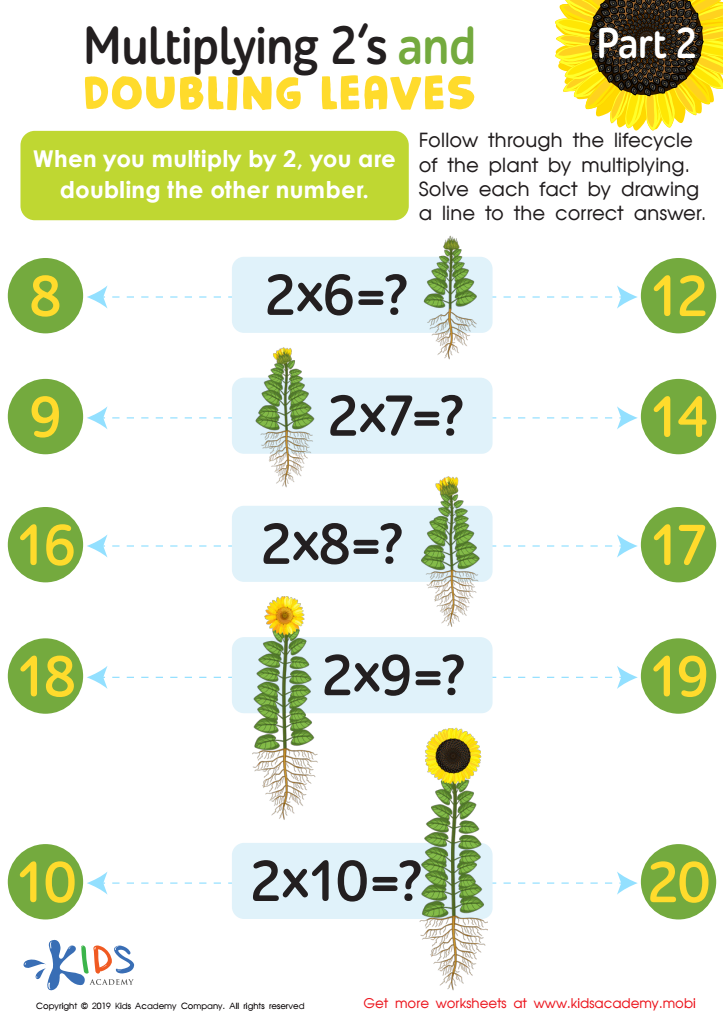
Multiplying 2’s and Doubling Leaves Part 2 Worksheet
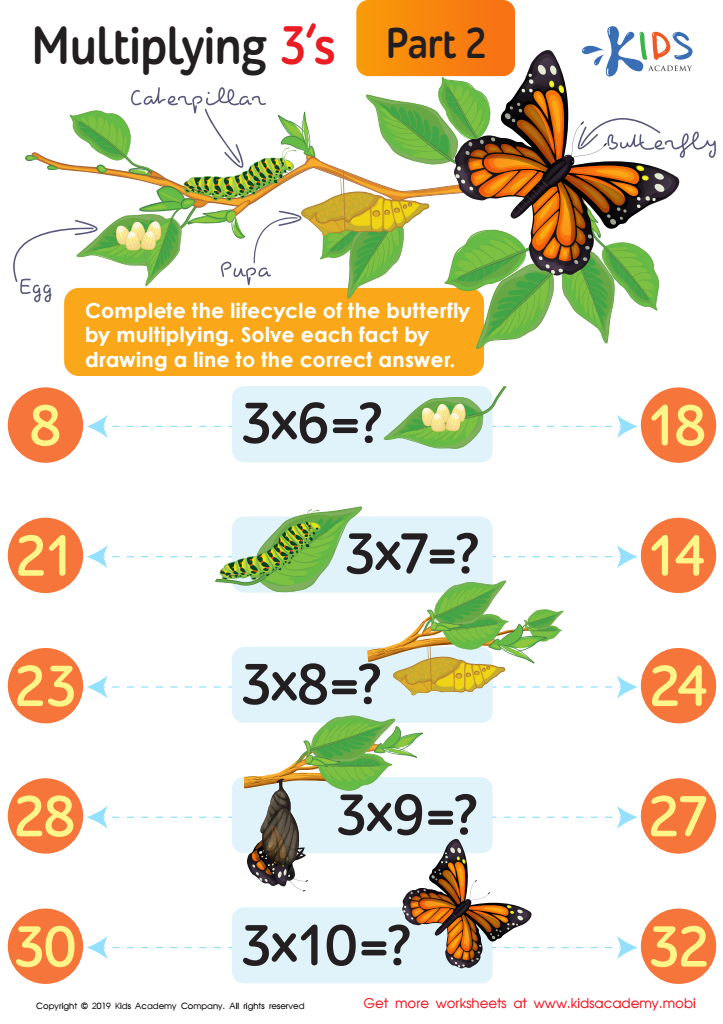
Multiplying 3s Part 2 Worksheet
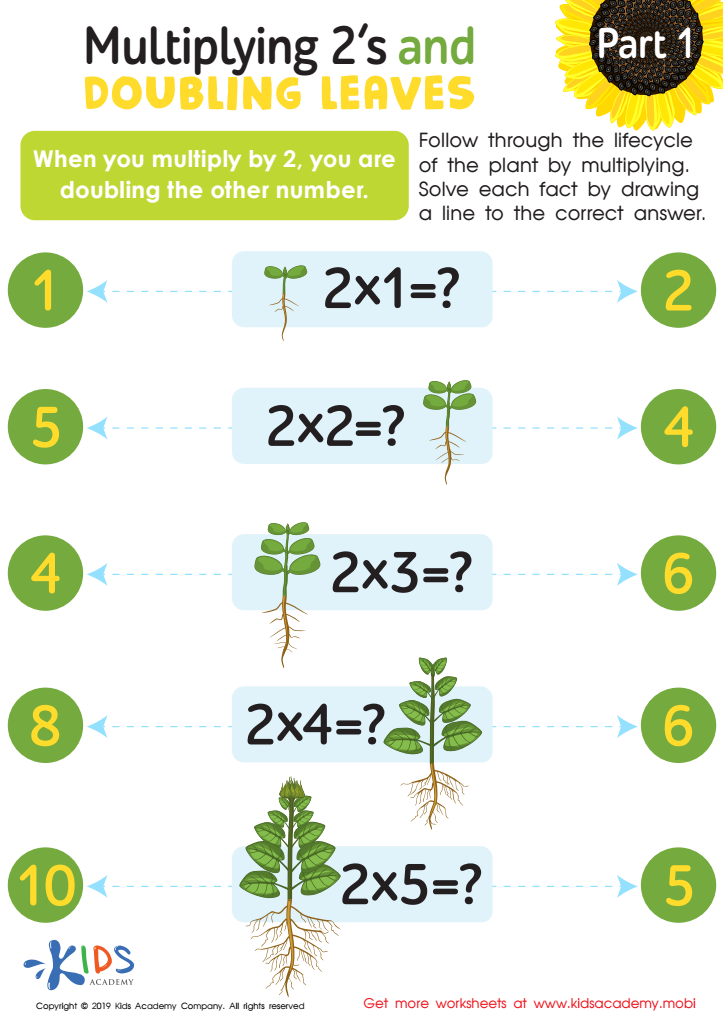
Multiplying 2’s and Doubling Leaves Part 1 Worksheet








Multiplication practice featuring themes like plants and animals can be highly beneficial for children aged 5-8 for several reasons. Firstly, at this stage in their development, children are naturally curious about the world around them, particularly living things such as plants and animals. Integrating multiplication practice with these subjects can transform learning into an engaging, relevant, and fun activity, fostering a deeper interest in both math and the natural world.
Moreover, contextualizing abstract math concepts through familiar, real-world scenarios aids in comprehension and retention. For example, asking a child how many legs multiple octopuses have not only practices multiplication but also reinforces their understanding of zoological facts. Such thematic learning supports cognitive development and encourages logical thinking.
In addition, using themes of plants and animals can cater to various learning styles. Visual learners benefit from colorful and appealing imagery, while kinetic learners engage actively by grouping or counting illustrated items. Environmental awareness can also be an offshoot lesson, nurturing respect and curiosity for nature.
Lastly, blending academic skills with non-academic, yet educational content can decrease math anxiety and build a lifelong positive attitude toward learning. Therefore, incorporating multiplications with plants and animals cleverly harnesses children’s natural interests to solidify foundational math skills.








