Problem-Solving Skills Numbers Worksheets for Ages 5-9 - Page 2
52 filtered results
-
From - To
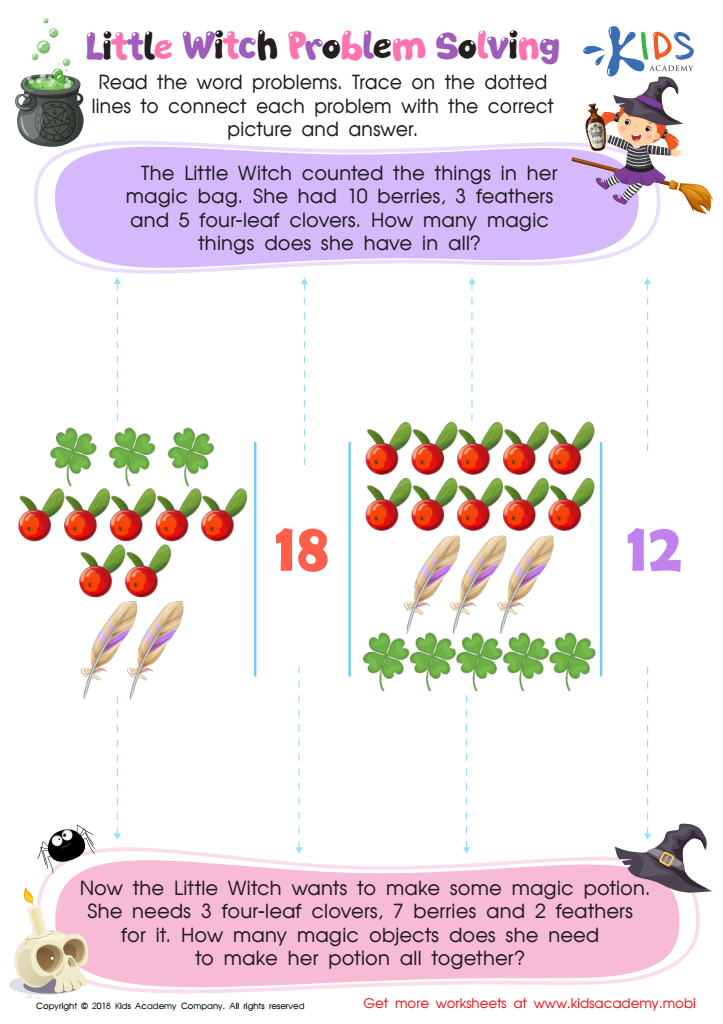
Little Witch Problem Solving Worksheet
 Assign to My Students
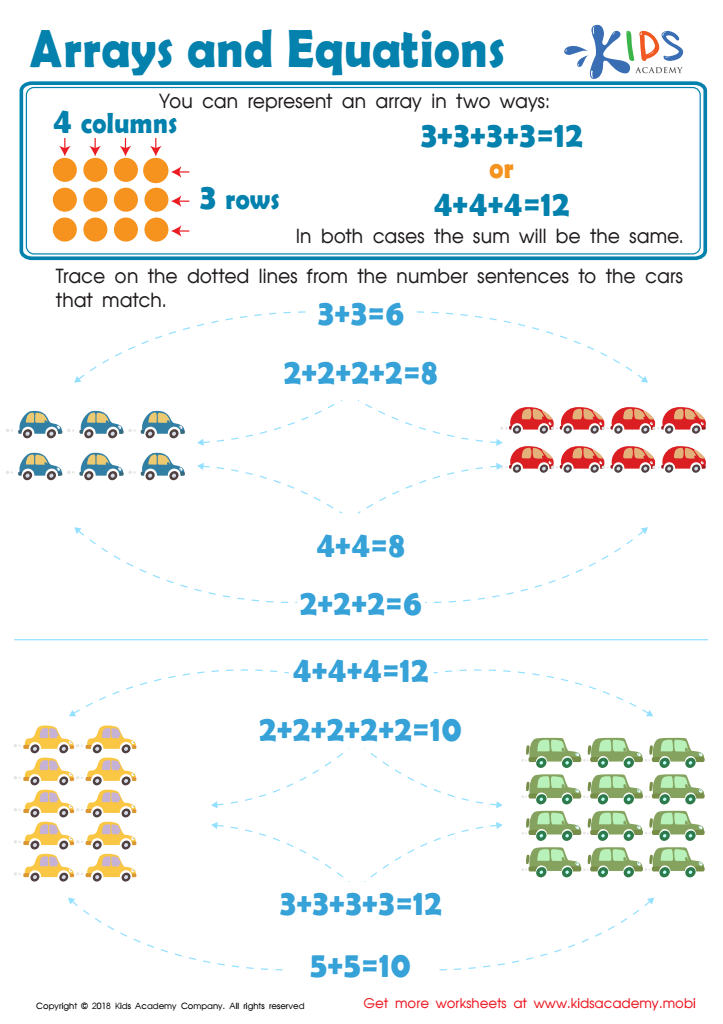
Arrays and Equations Worksheet
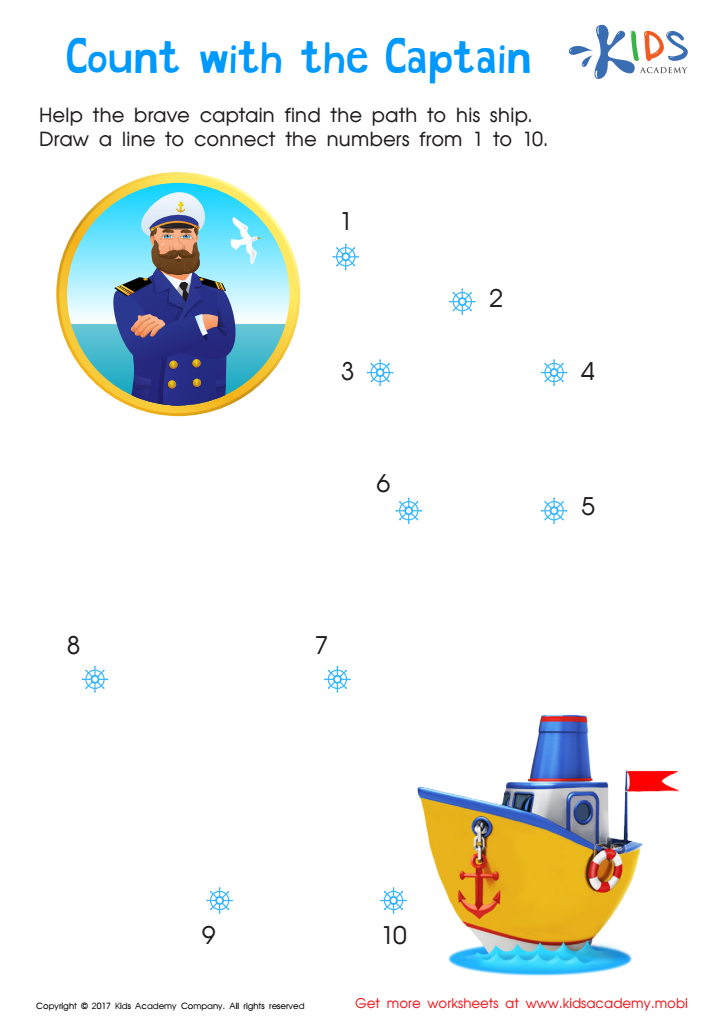
Count with the Captain Connect Dots Worksheet
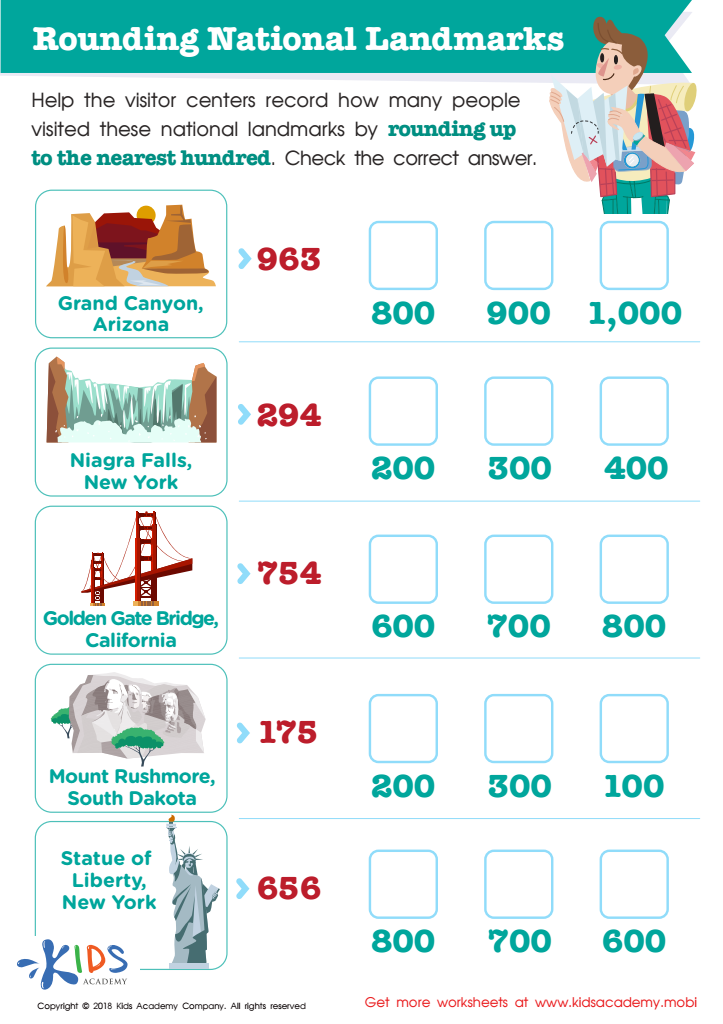
Rounding National Landmarks Worksheet
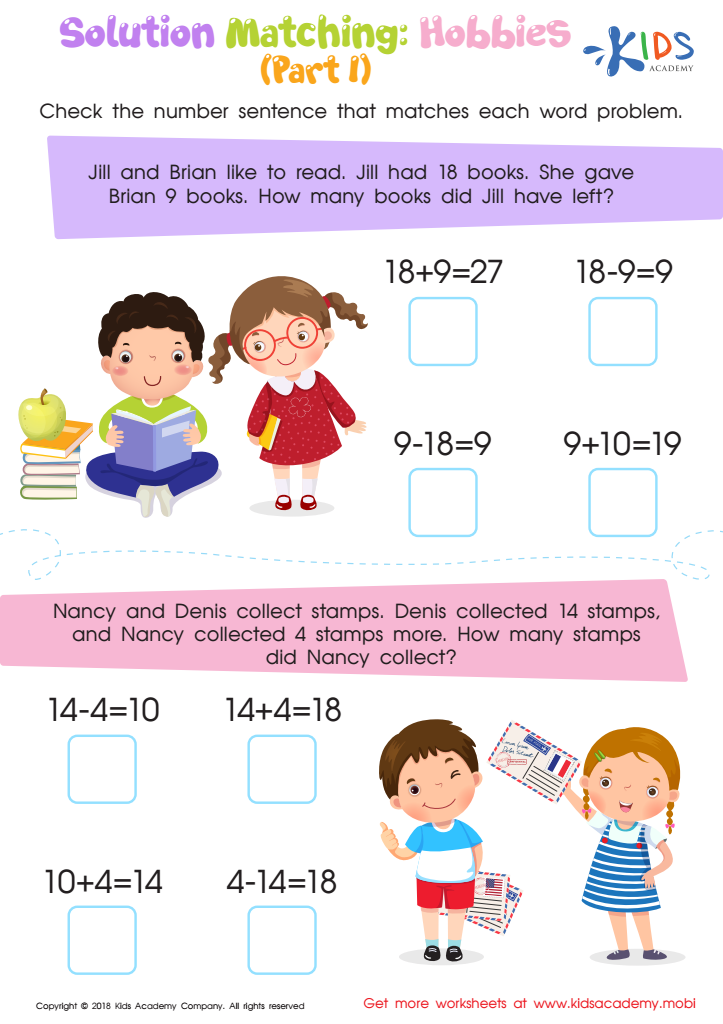
Solution Matching: Hobbies. Part 1 Worksheet
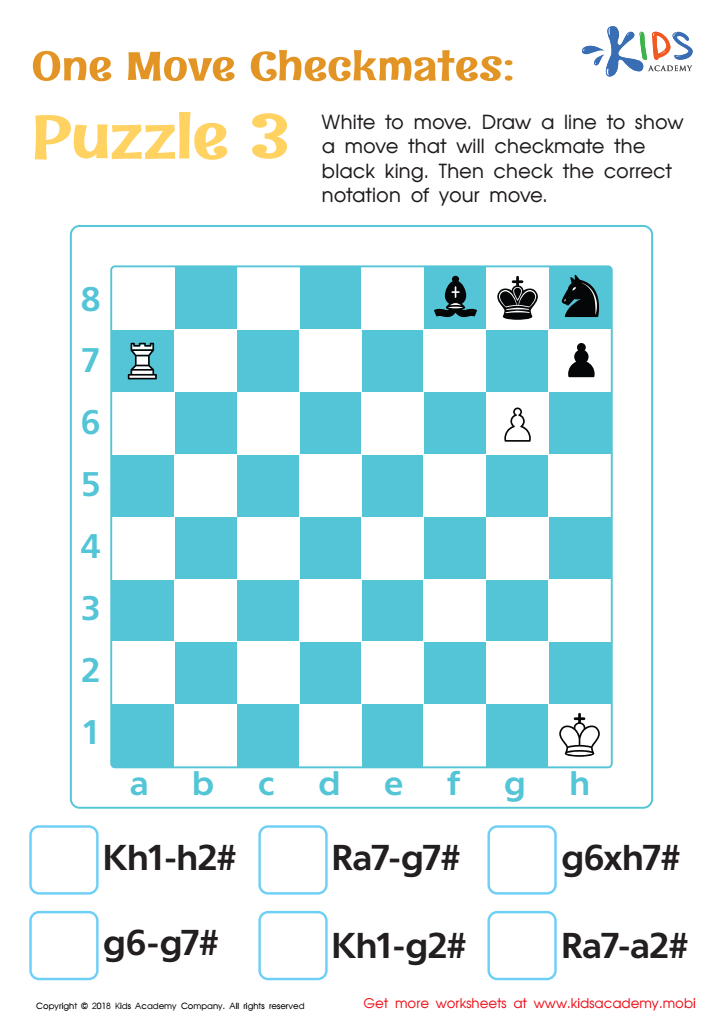
One Move Checkmates: Puzzle 3 Worksheet
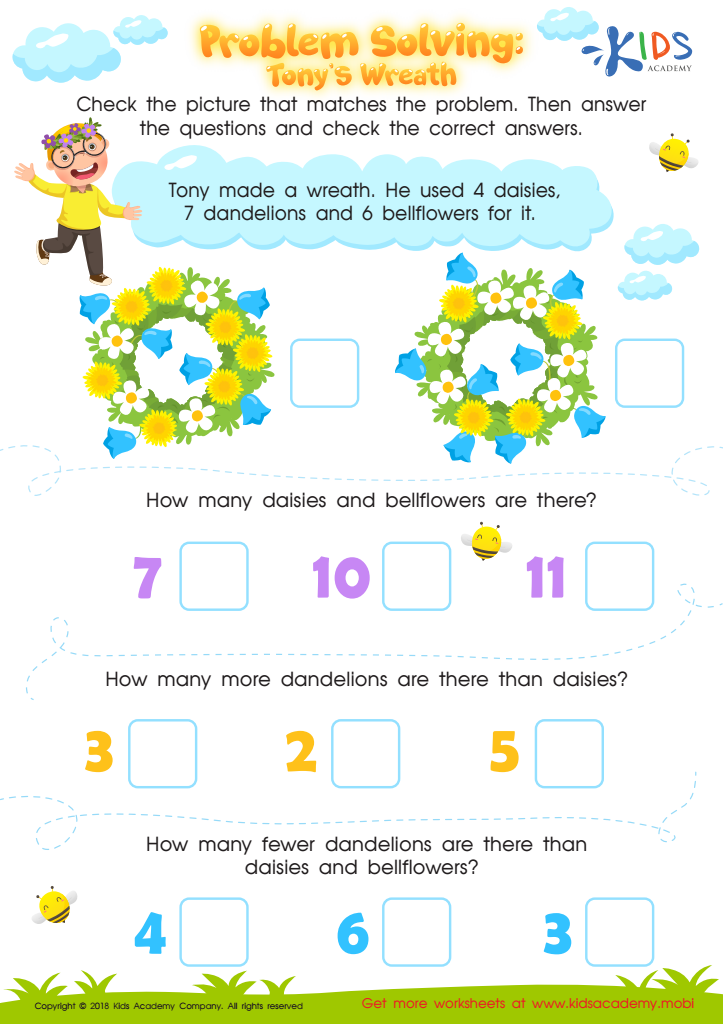
Problem Solving: Tony's Wreath Worksheet

Count Santa's Presents Worksheet
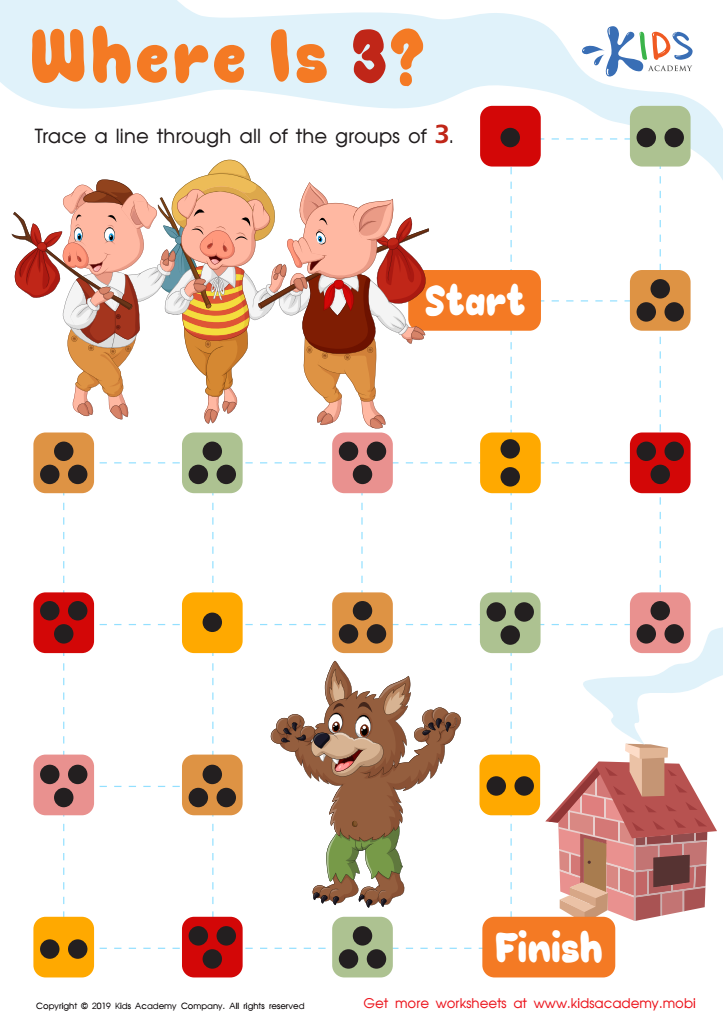
Where Is 3? Worksheet
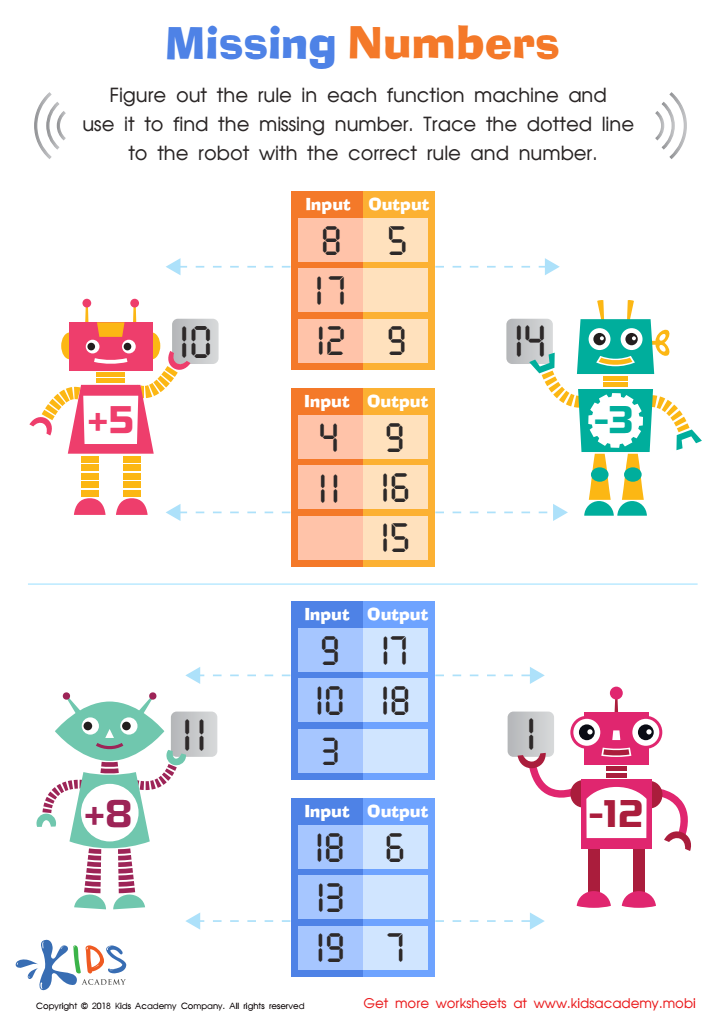
Missing Numbers Worksheet
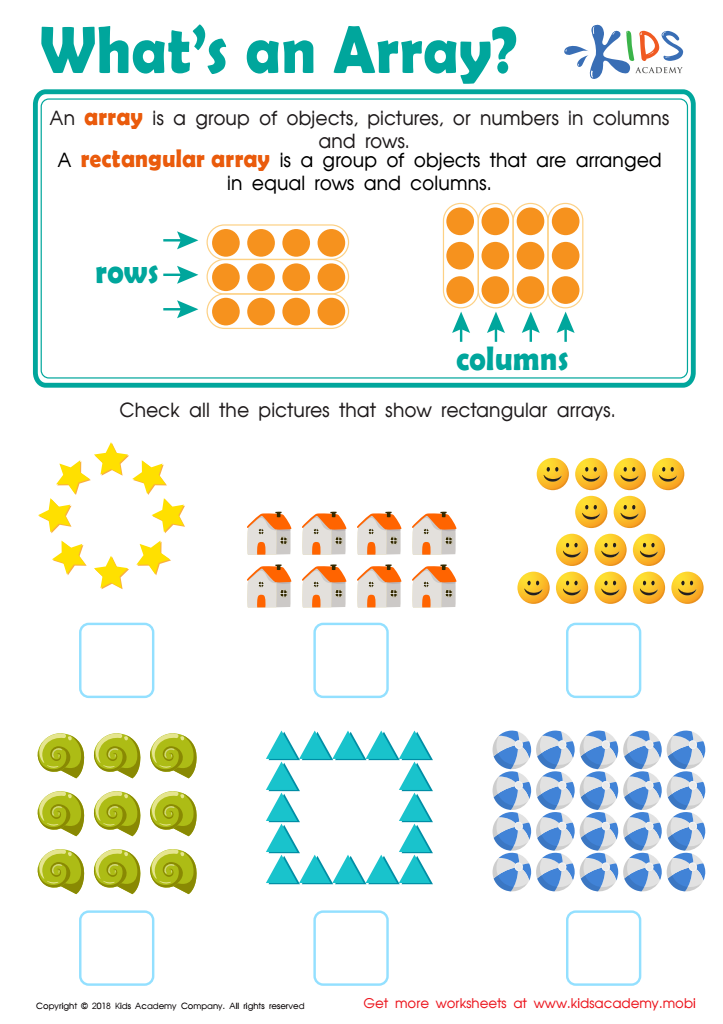
What's an Array? Worksheet

Equal Fractions Maze Worksheet
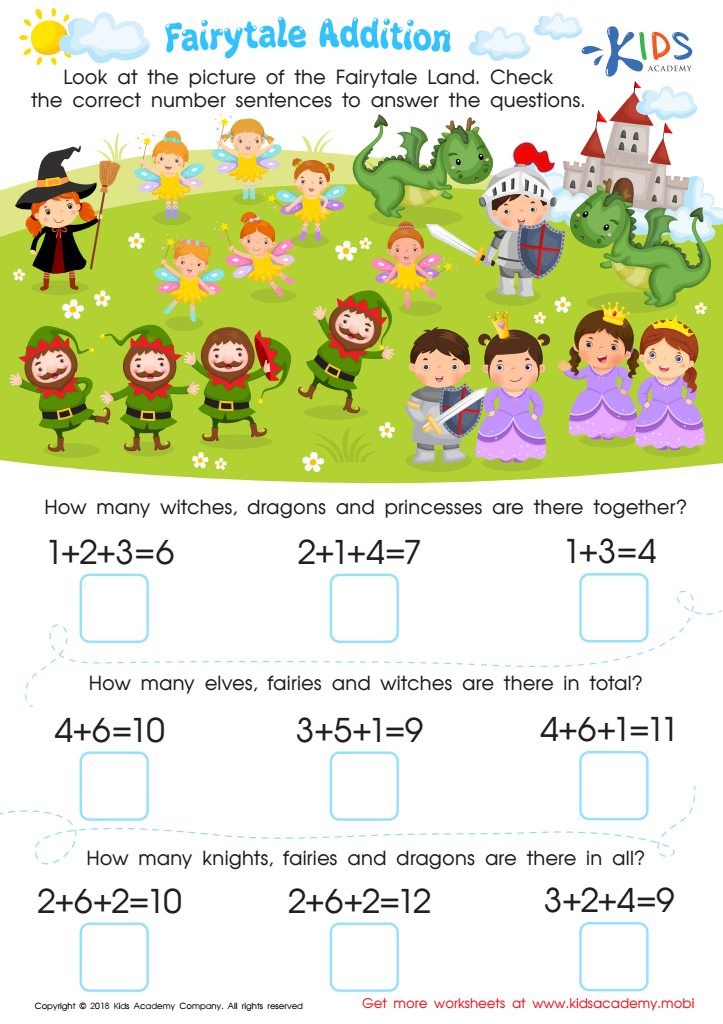
Fairytale Addition Worksheet
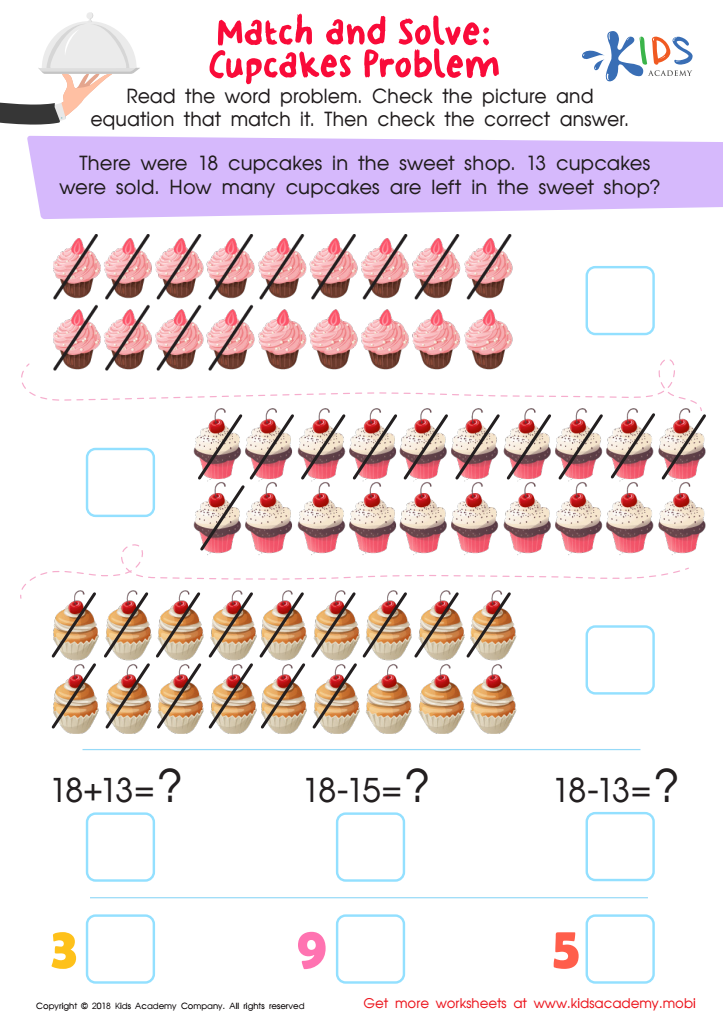
Match and Solve: Cupcakes Problem Worksheet
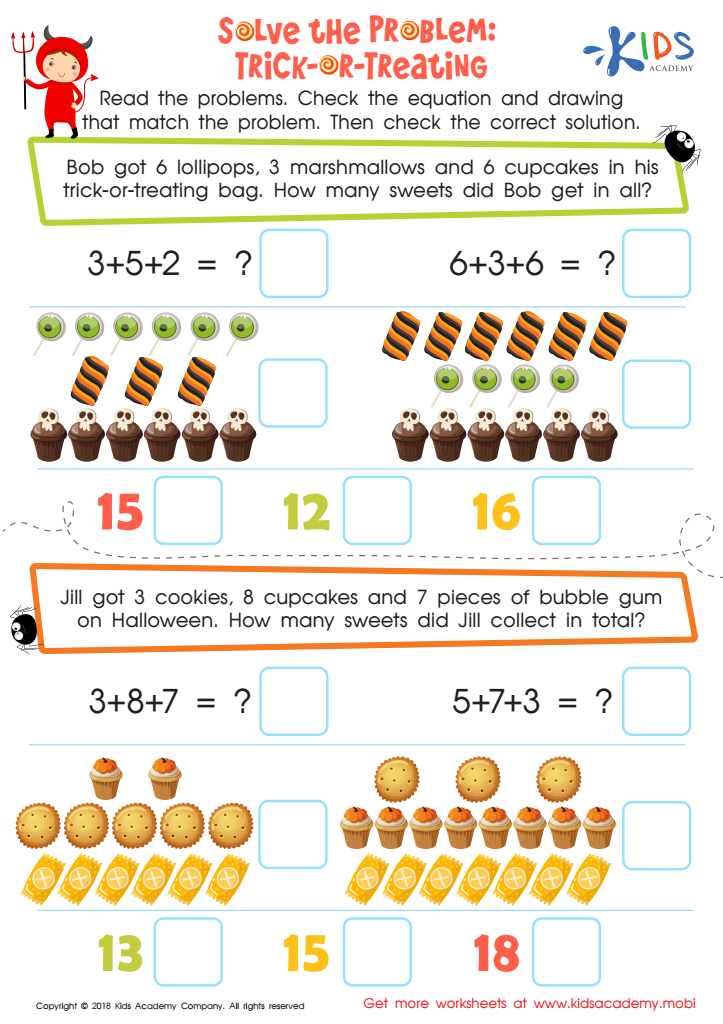
Solve the Problem: Trick–or–treating Worksheet

Picking Carrots Worksheet
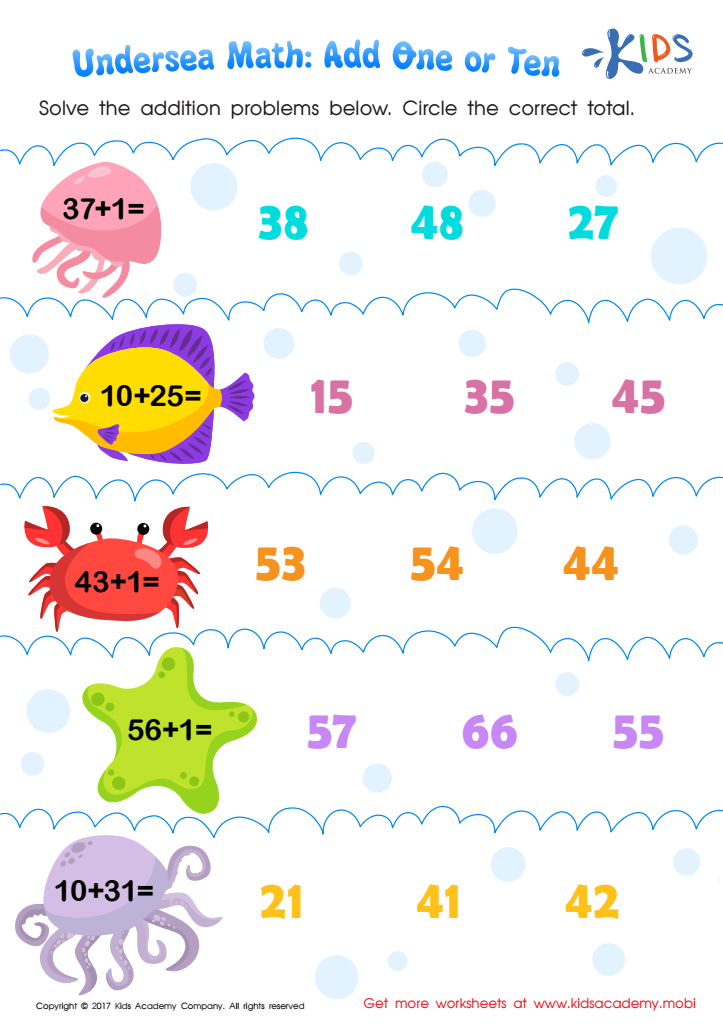
Undersea Math Worksheet
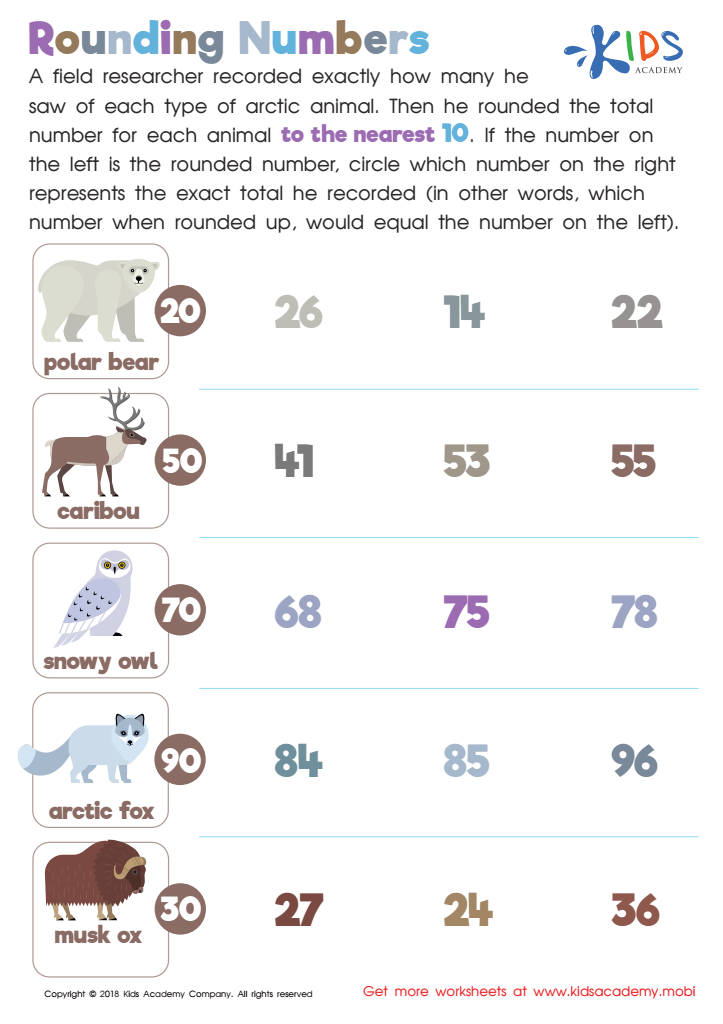
Rounding Numbers Worksheet
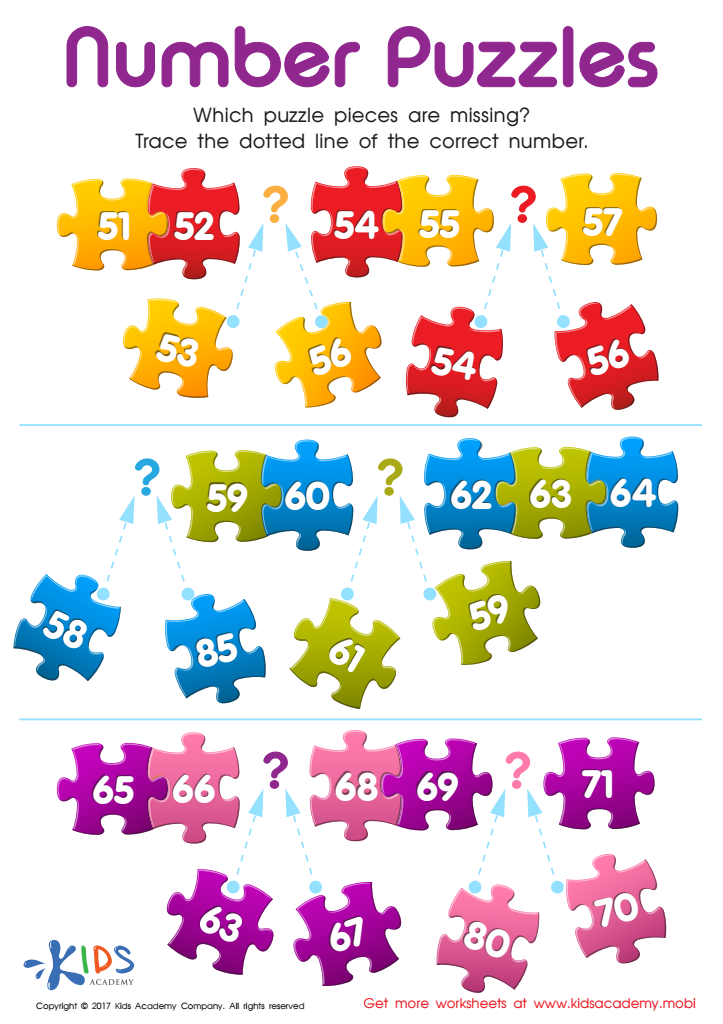
Number Puzzles Worksheet
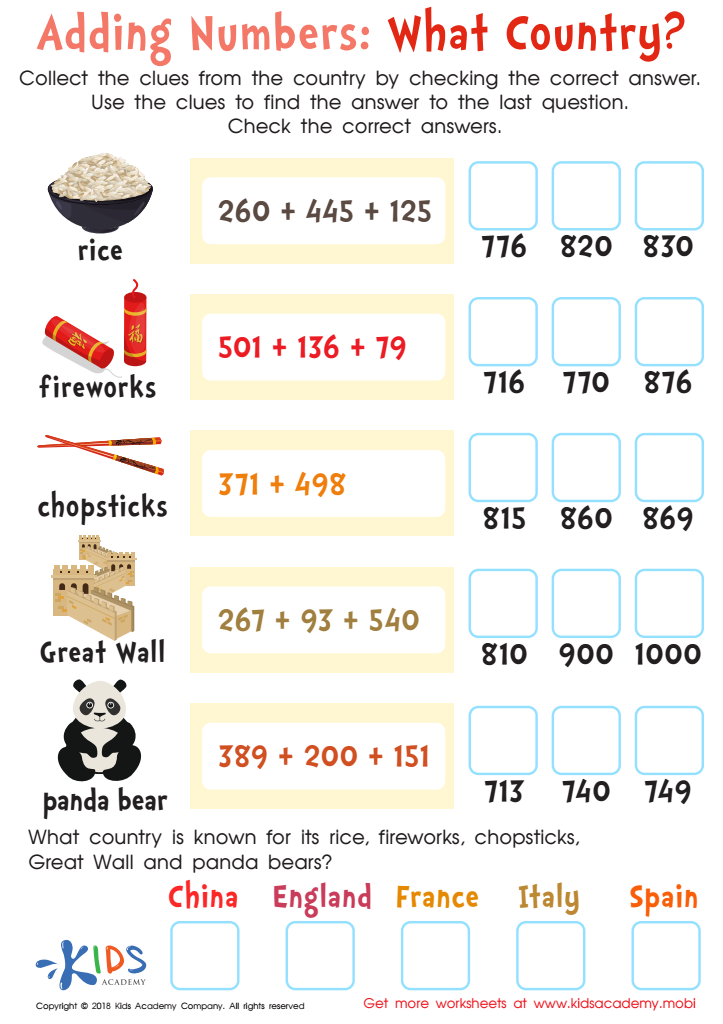
Adding Numbers: What Country Worksheet
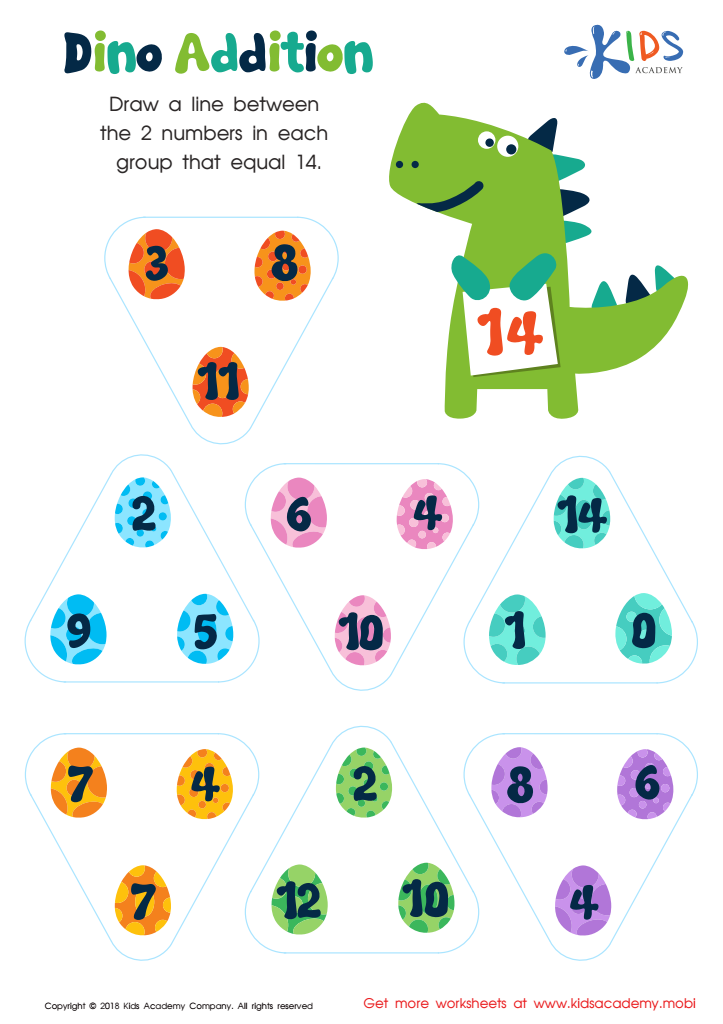
Dino Addition Worksheet

At the Market Worksheet

Leprechaun Maze Printable
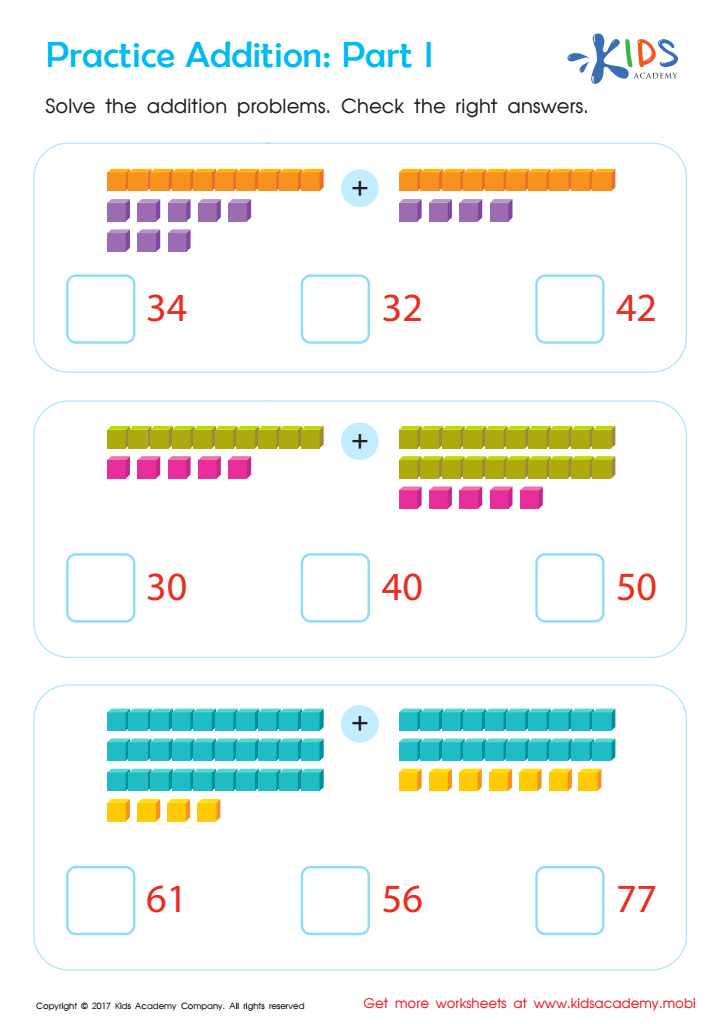
Practice Addition: Part 1 Worksheet






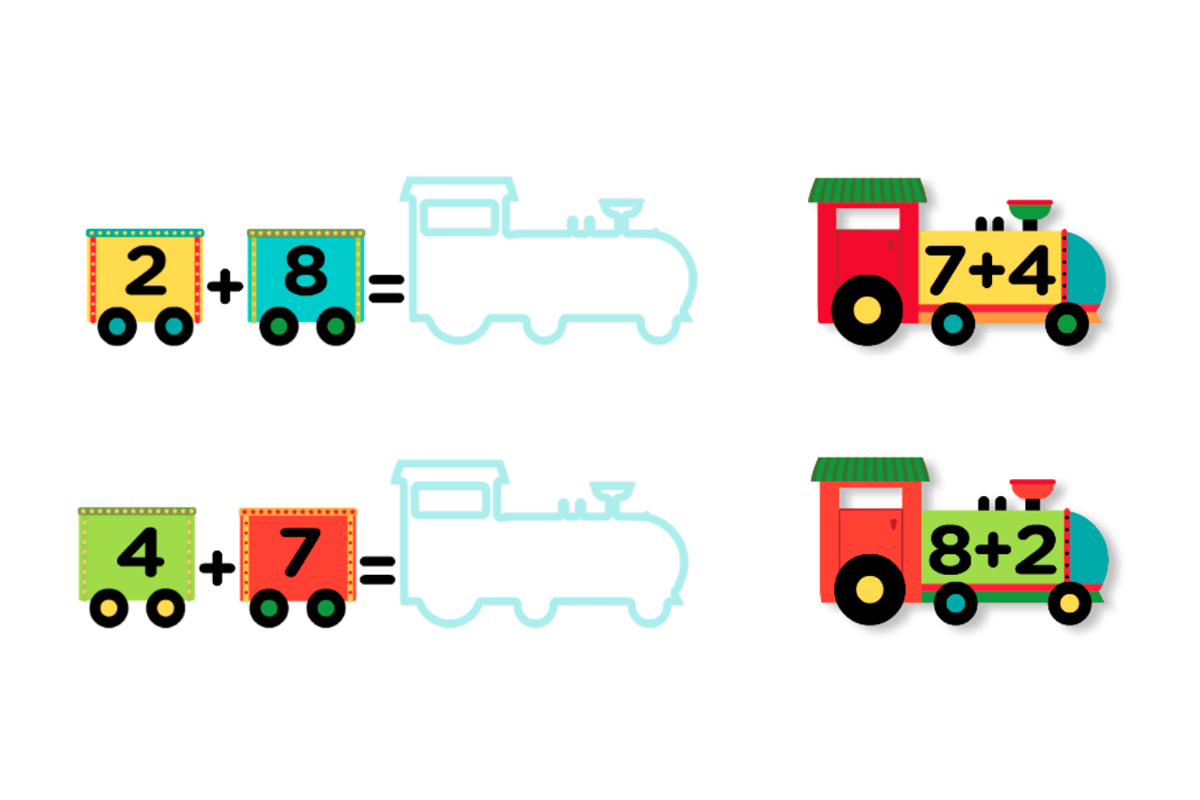

Fostering strong problem-solving skills in children aged 5 to 9 is crucial for their cognitive and social development. These skills enable children to approach challenges systematically, enhancing their ability to think critically and creatively. Early exposure to problem-solving lays a foundation for understanding concepts in mathematics and science, which are integral to academic success.
Furthermore, activities that involve problem-solving with numbers help strengthen logical reasoning and attention to detail. These skills are essential not just academically, but they also play a significant role in everyday life. Children learn to evaluate situations, consider various solutions, and make informed decisions. This empowers them to handle conflicts, navigate social interactions, and build resilience.
For parents and teachers, incorporating problem-solving tasks into educational activities helps keep children engaged and motivated. Activities like puzzles, games, and practical math problems make learning fun and interactive, fostering a love for exploration and discovery. Additionally, the collaborative nature of some problem-solving exercises improves communication skills and teamwork.
Overall, nurturing problem-solving skills in this age group sets the stage for lifelong learning and adaptability. It prepares children to excel in complex environments, both in school and in daily life, by equipping them with the tools to tackle challenges confidently and competently.








