Reading Comprehension Worksheets for Ages 5-9 - Page 12
297 filtered results
-
From - To
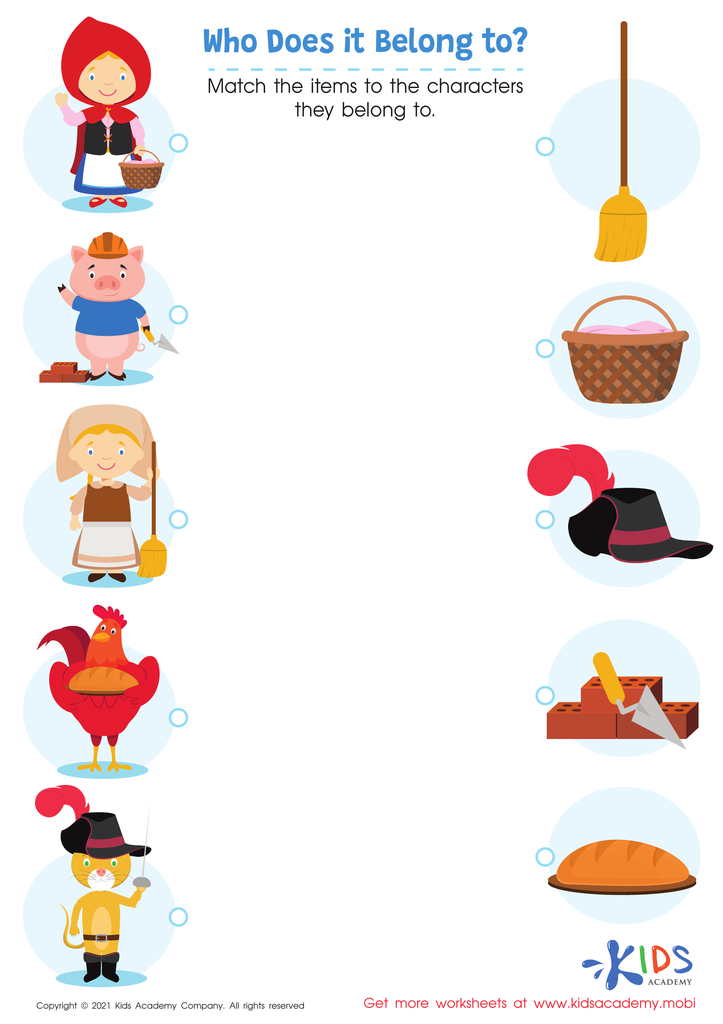
Who Does It Belong To? Worksheet
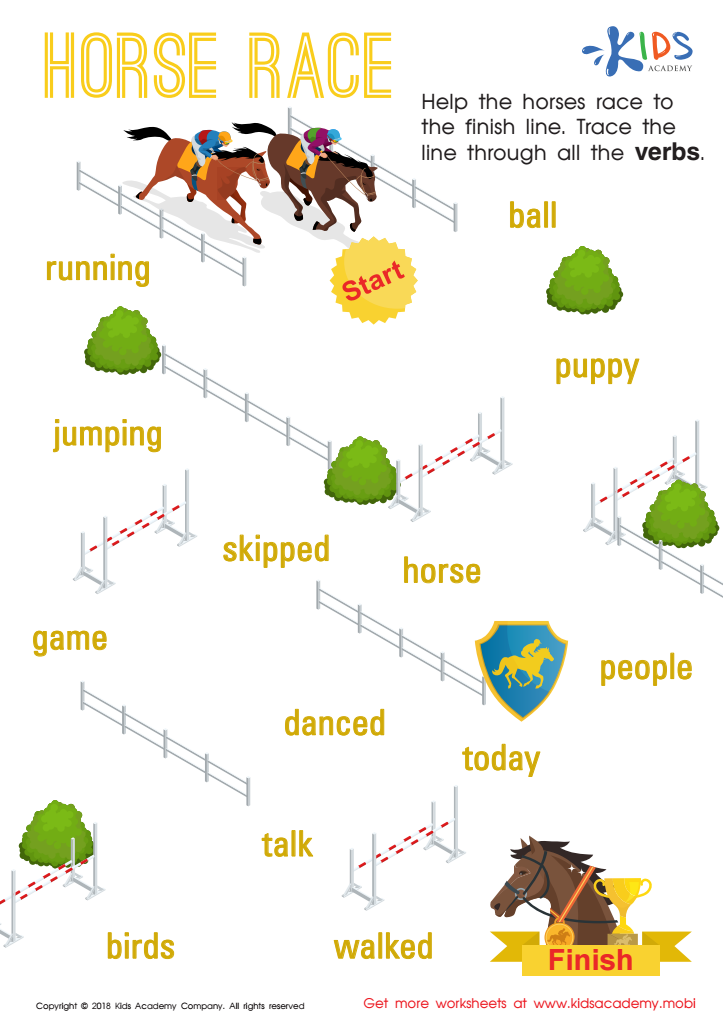
Horse Race Worksheet
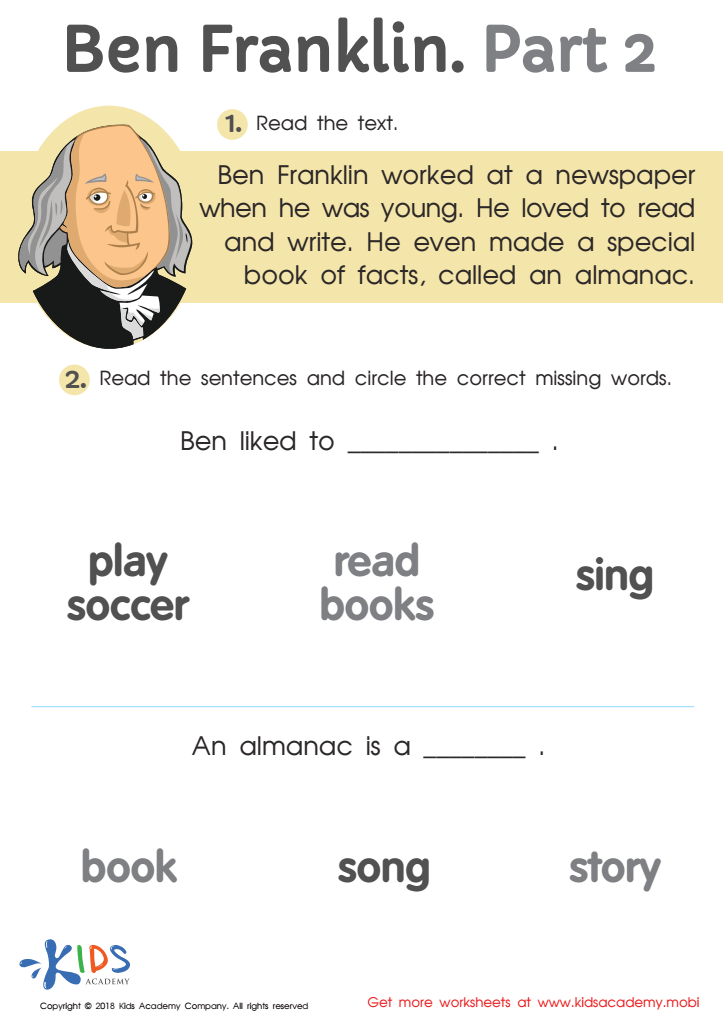
Ben Franklin Part 2 Worksheet
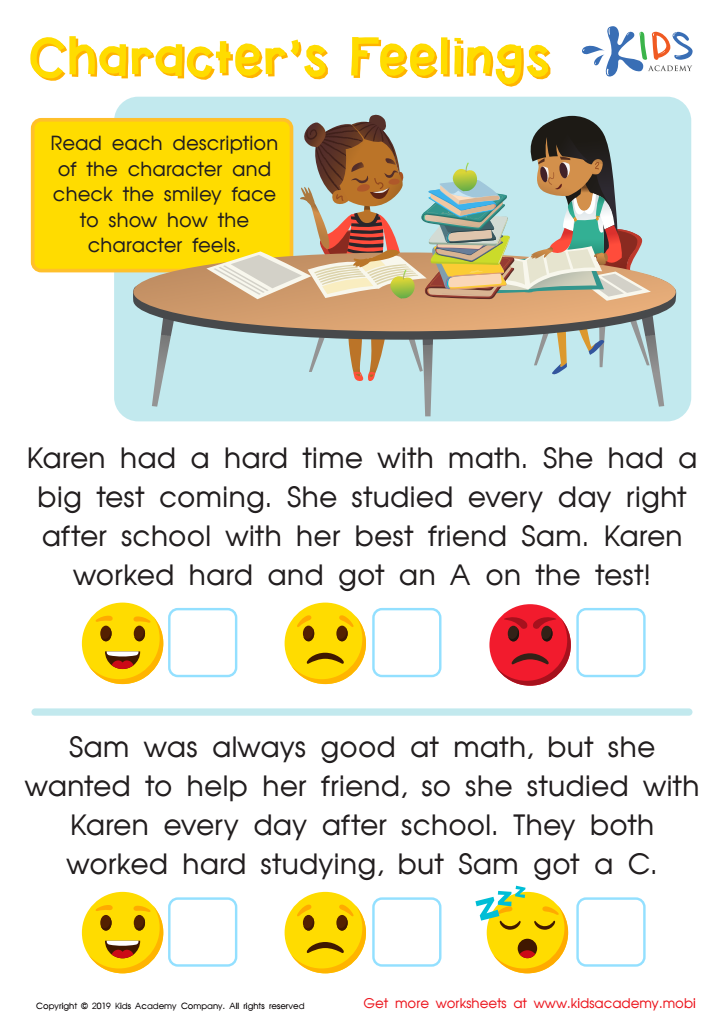
Character’s Feelings Worksheet
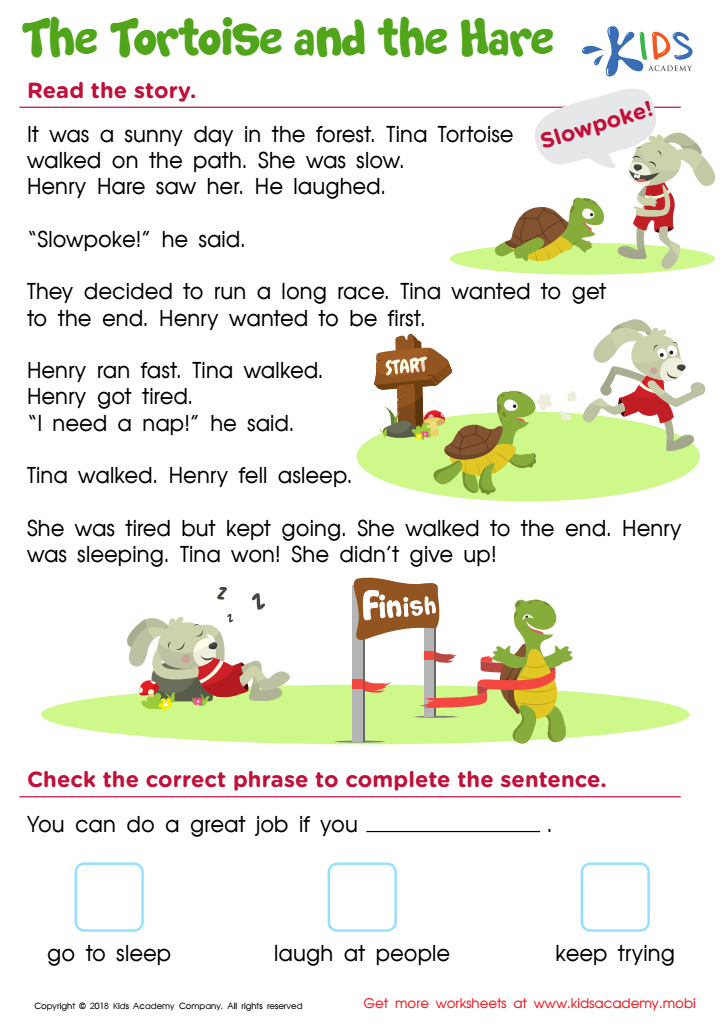
The Tortoise and the Hare Worksheet
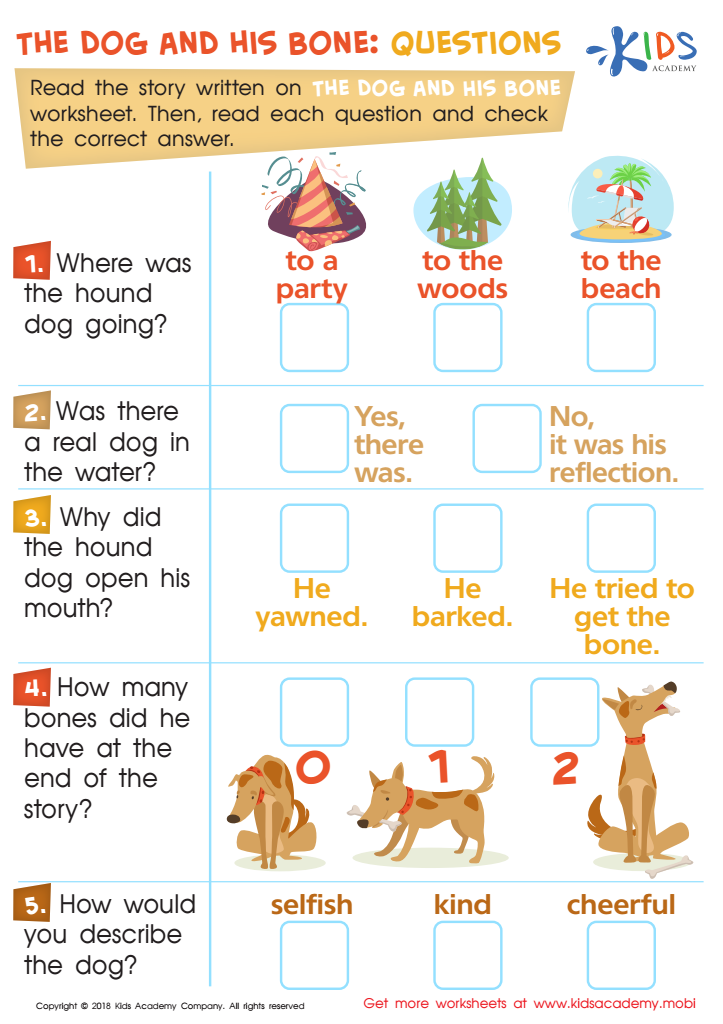
The Dog and His Bone: Questions Worksheet
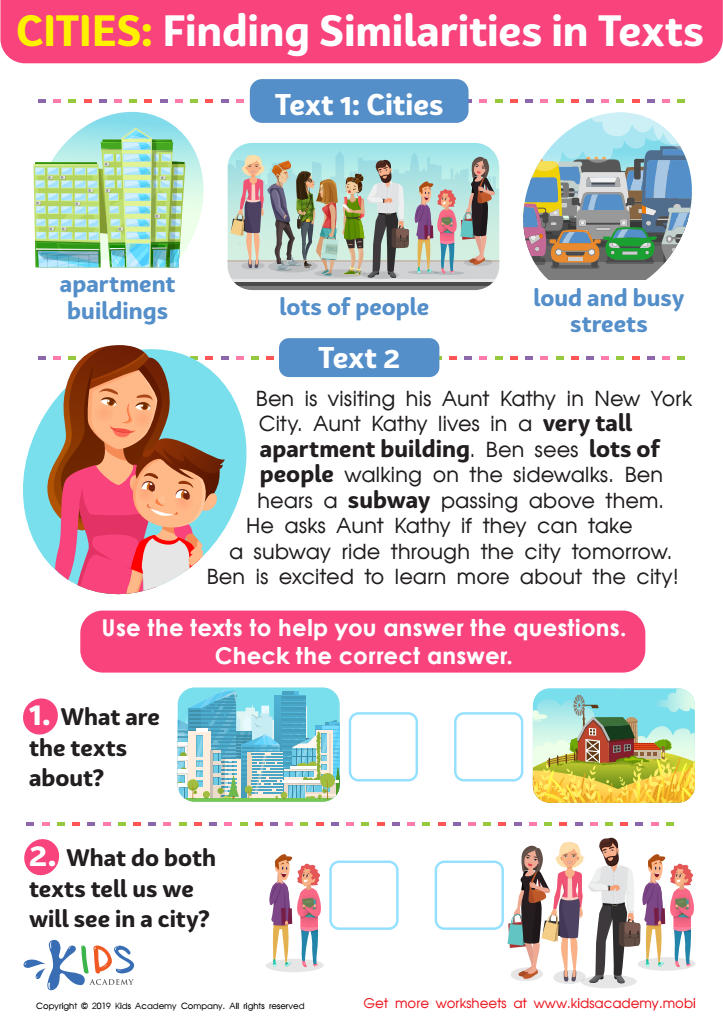
Cities: Finding Similarities Worksheet
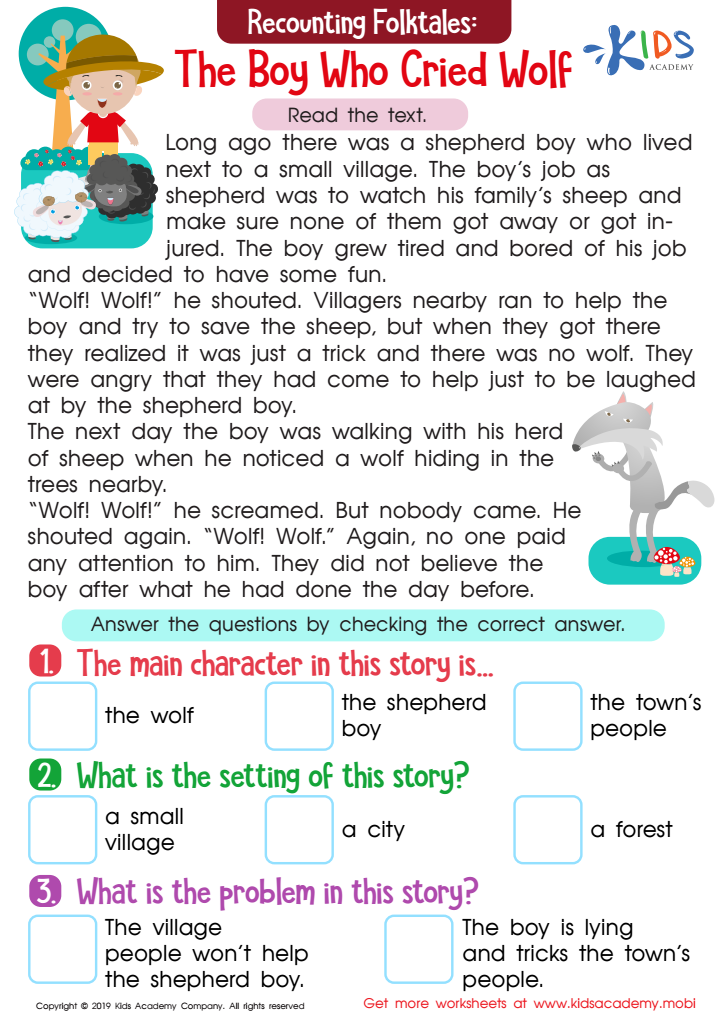
The Boy Who Cried Wolf Part 1 Worksheet
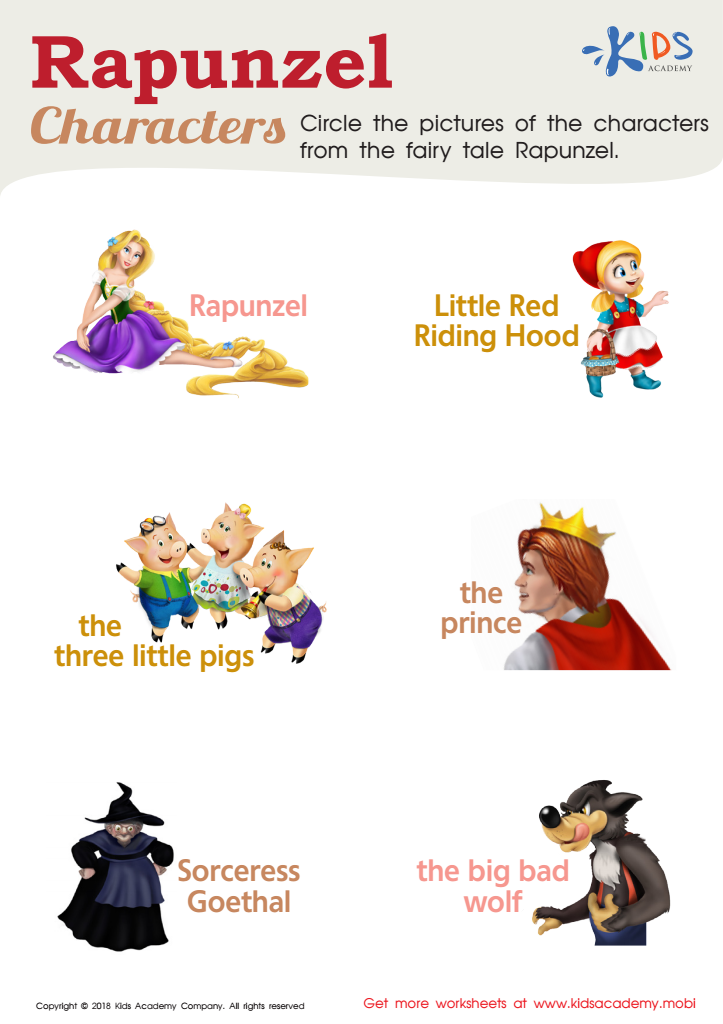
Rapunzel Characters Worksheet
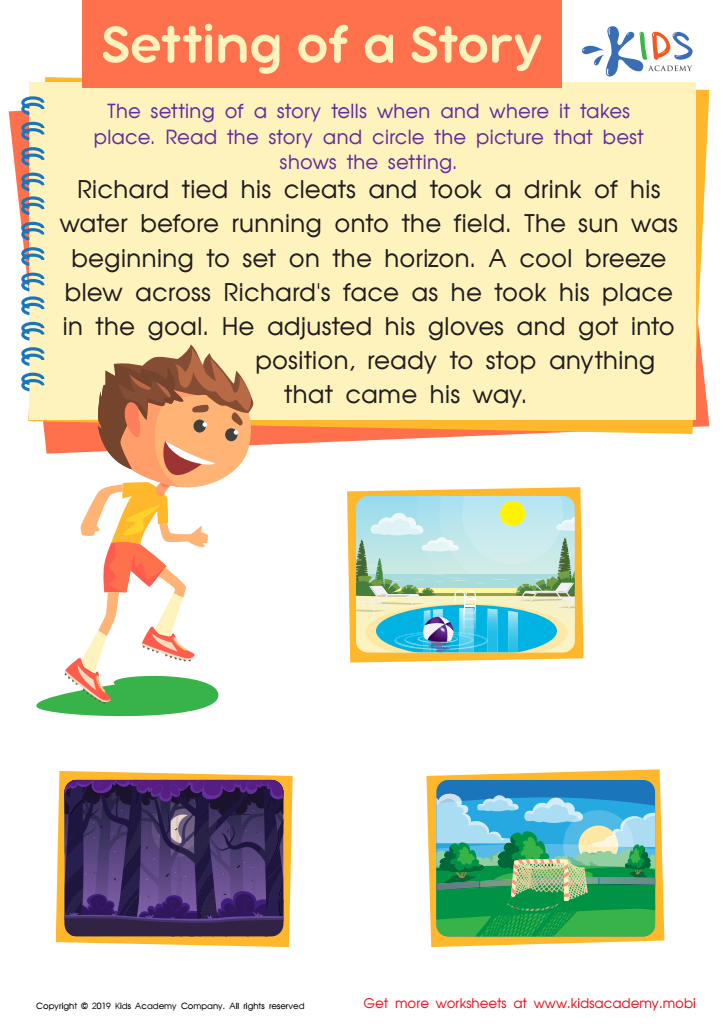
Setting of a Story Worksheet
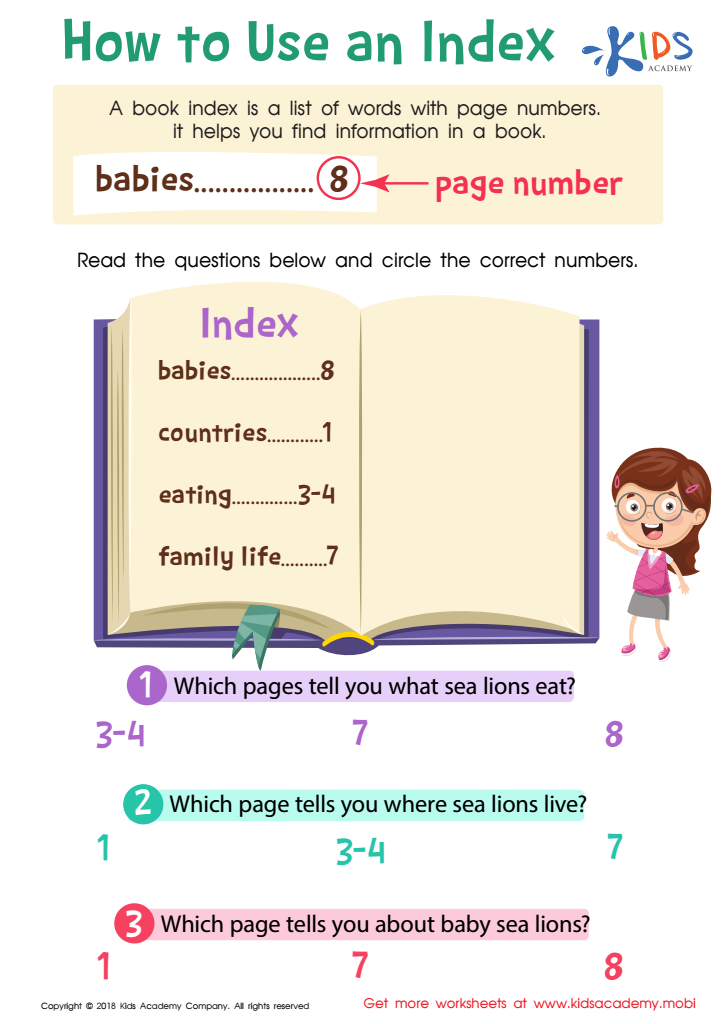
How Use Index Worksheet
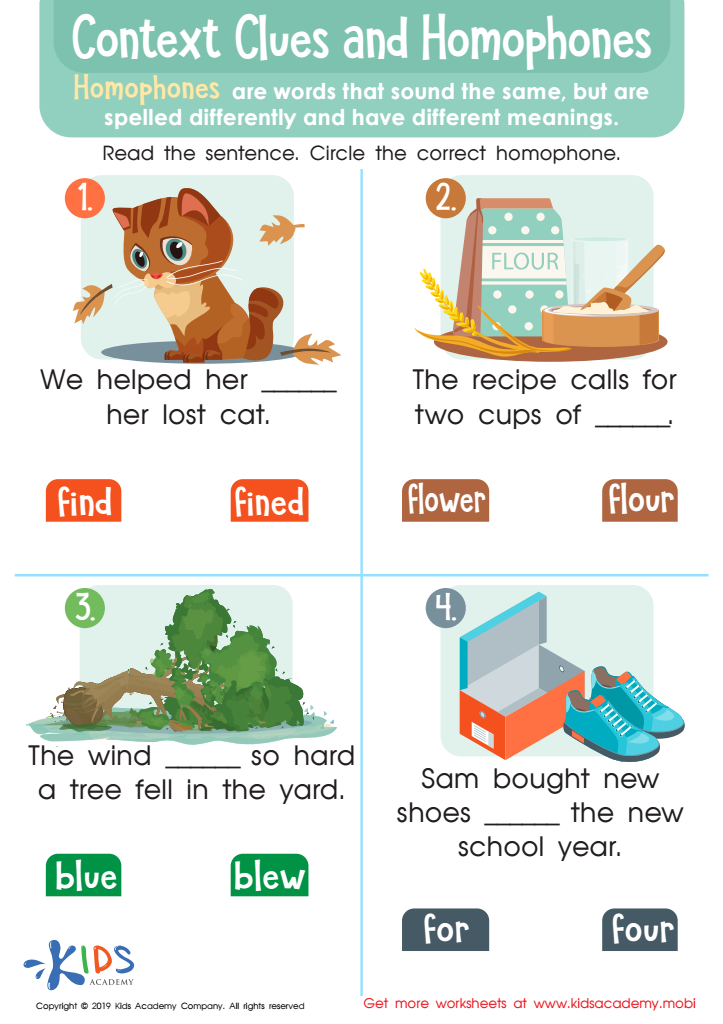
Context Clues and Homophones Worksheet
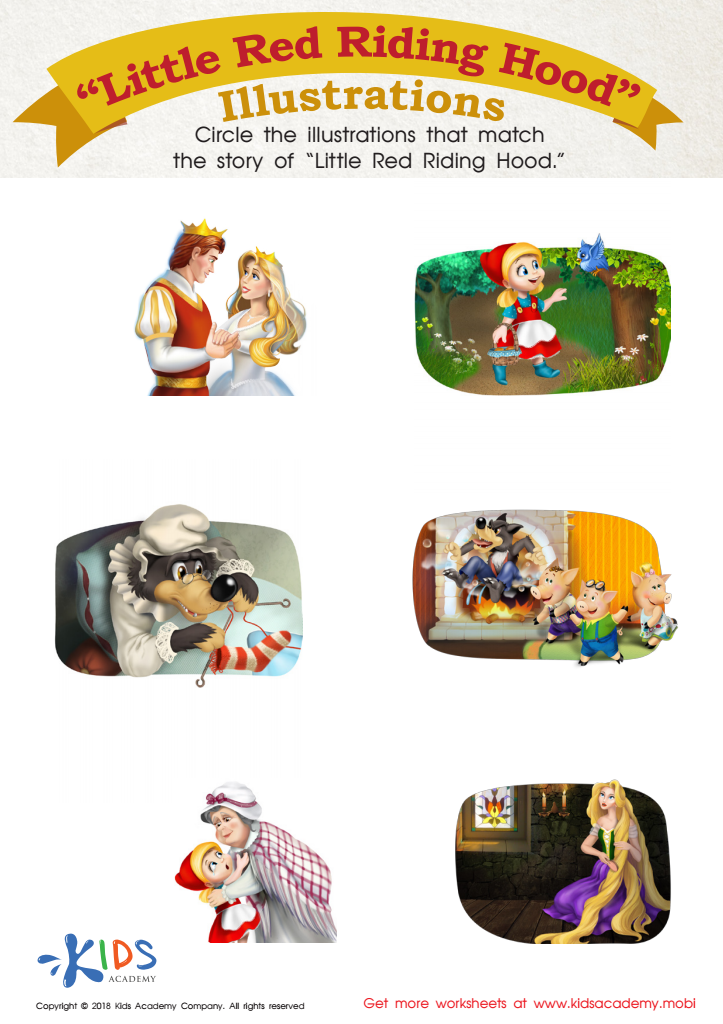
Little Red Riding Hood: Illustrations Worksheet
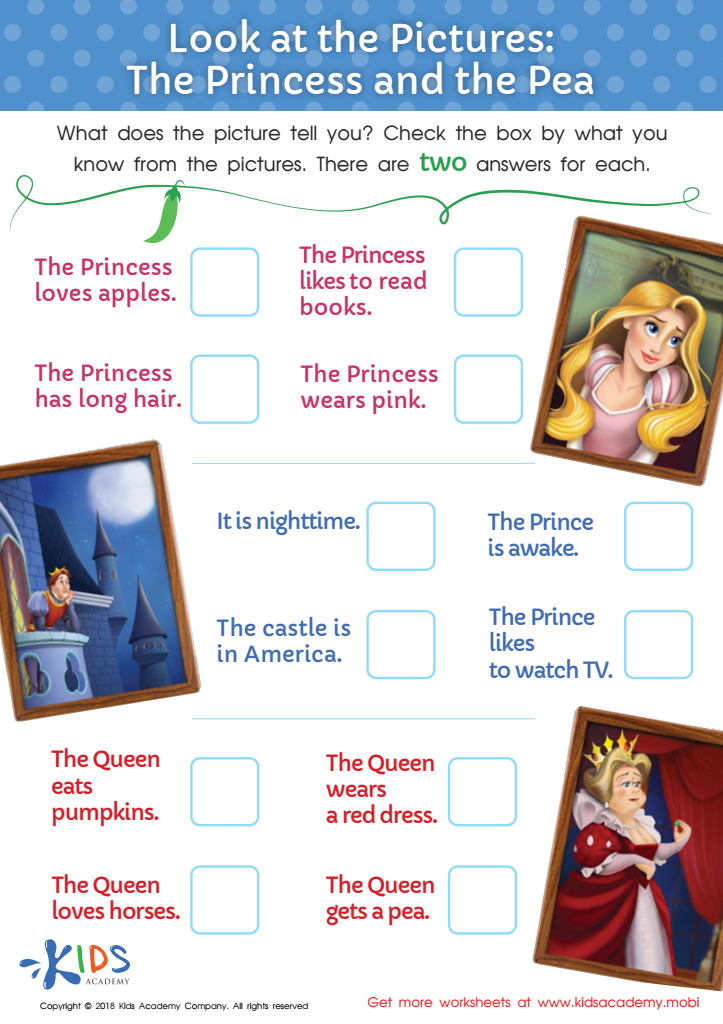
Look at the Pictures: The Princess and the Pea Worksheet
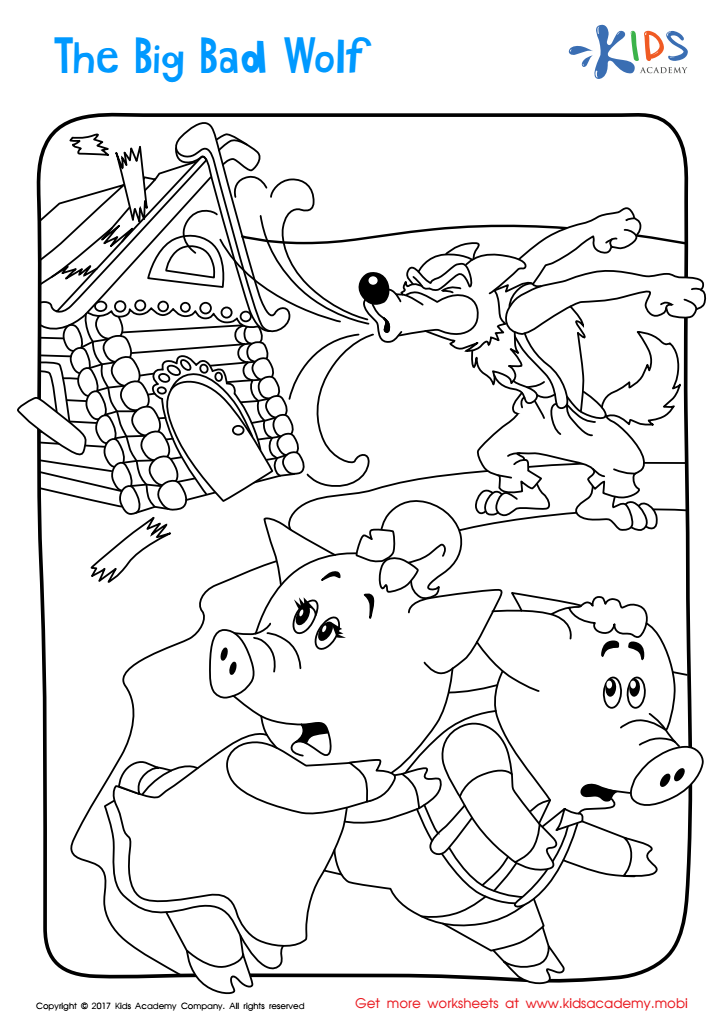
Big Bad Wolf Printable Coloring Page
 Assign to My Students
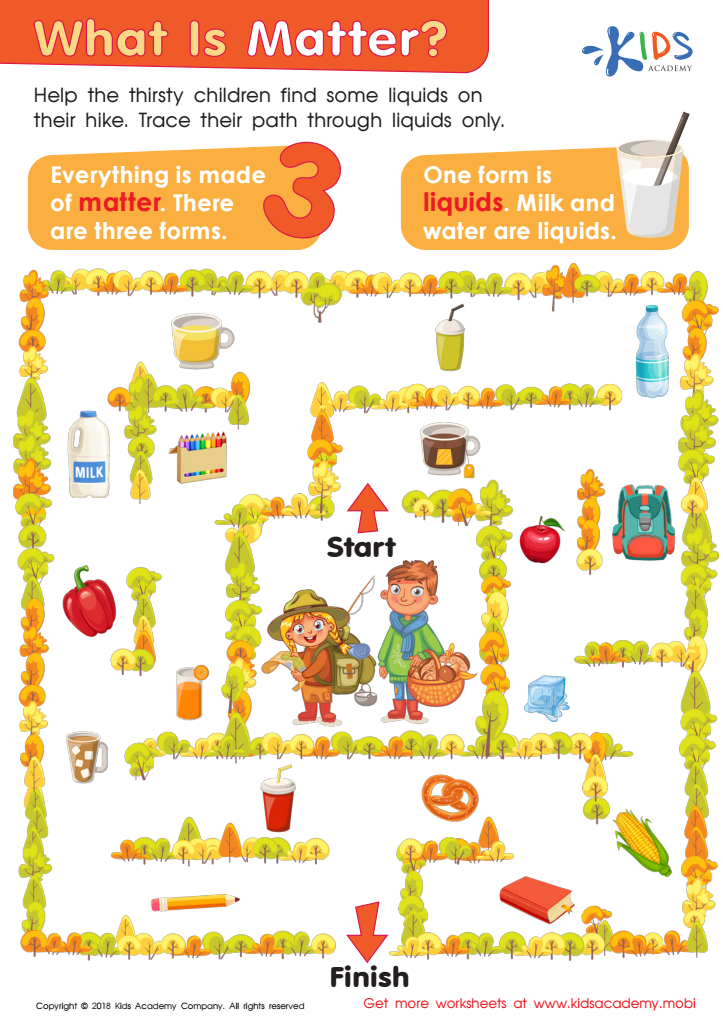
What Is Matter? Worksheet
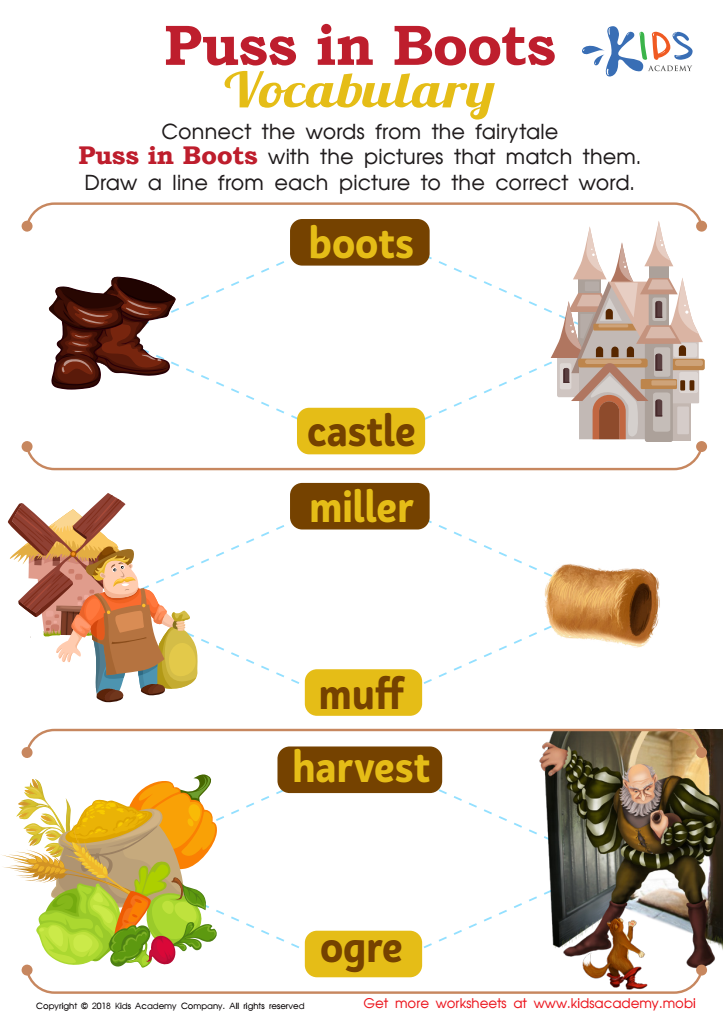
Puss in Boots Vocabulary Worksheet
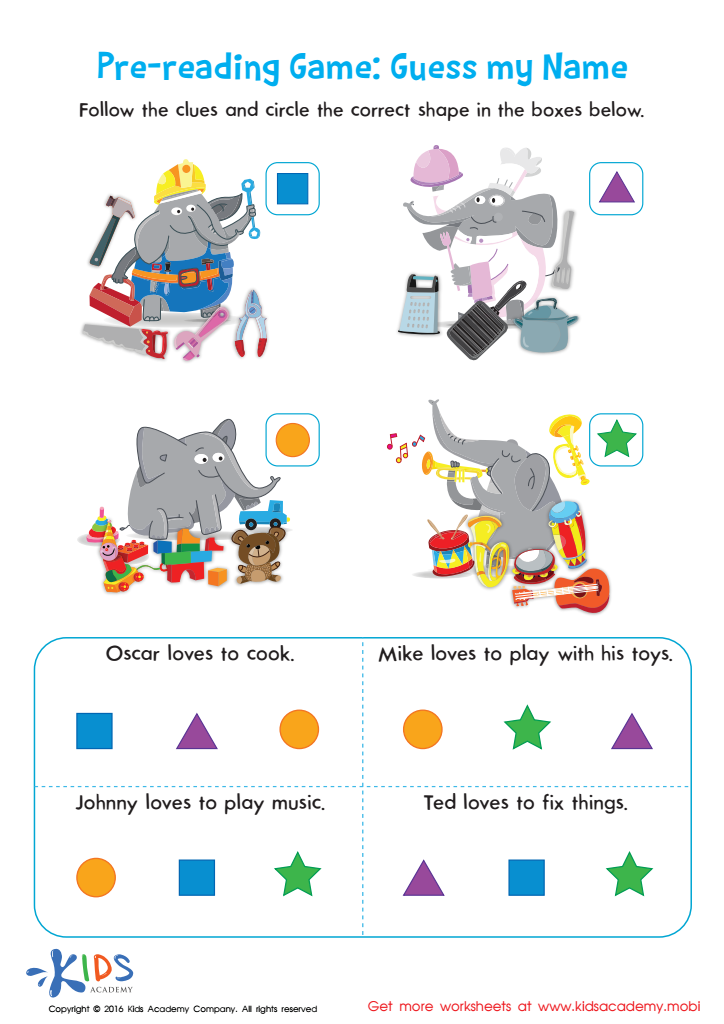
Pre Reading Worksheet Guess My Name
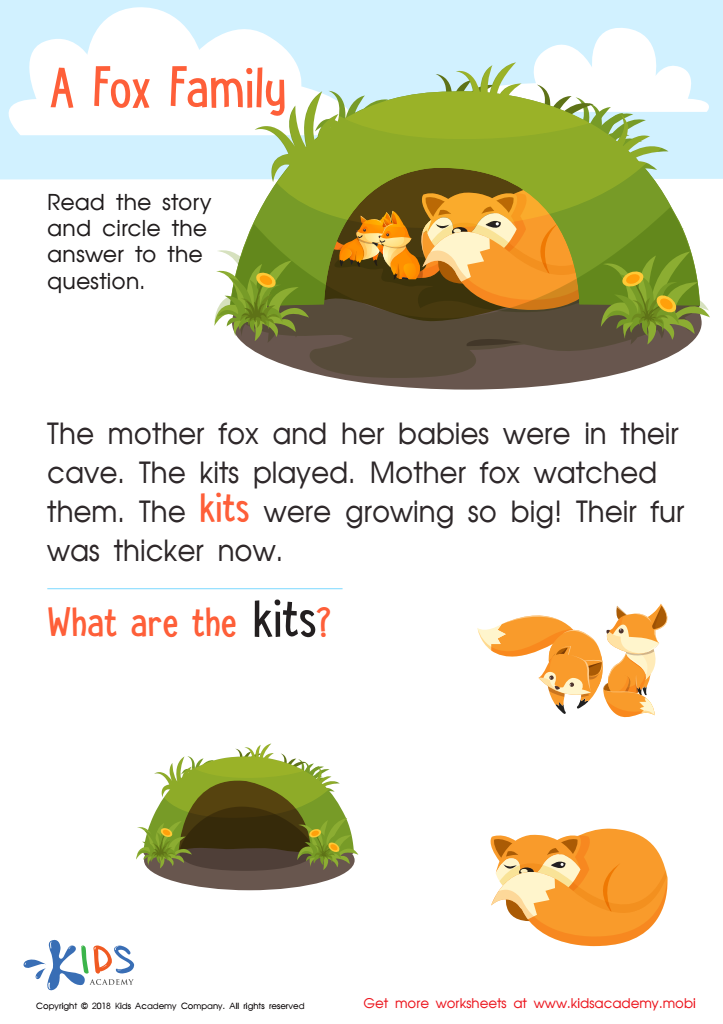
A Fox Family Worksheet
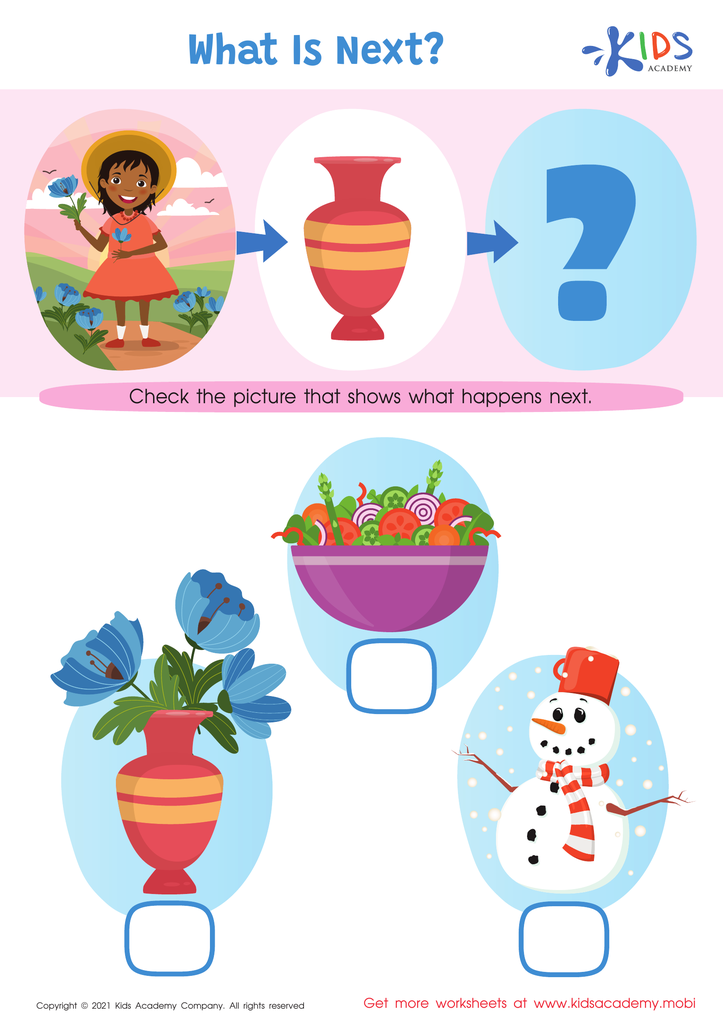
What is Next? Worksheet
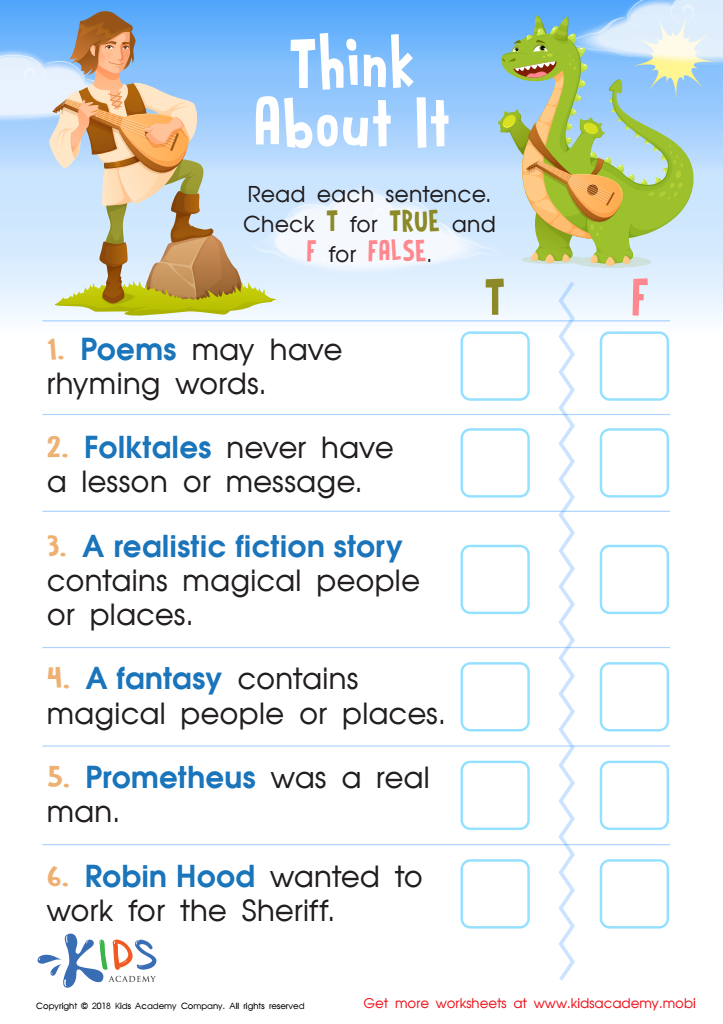
Think About It: Assessment Worksheet
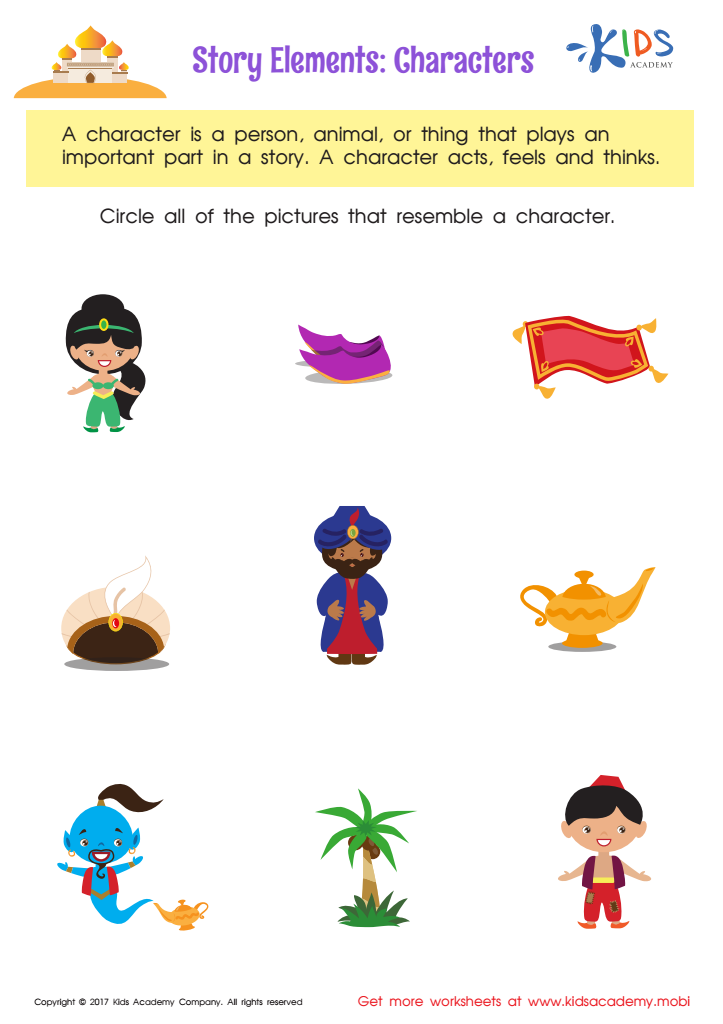
Story Elements Printable
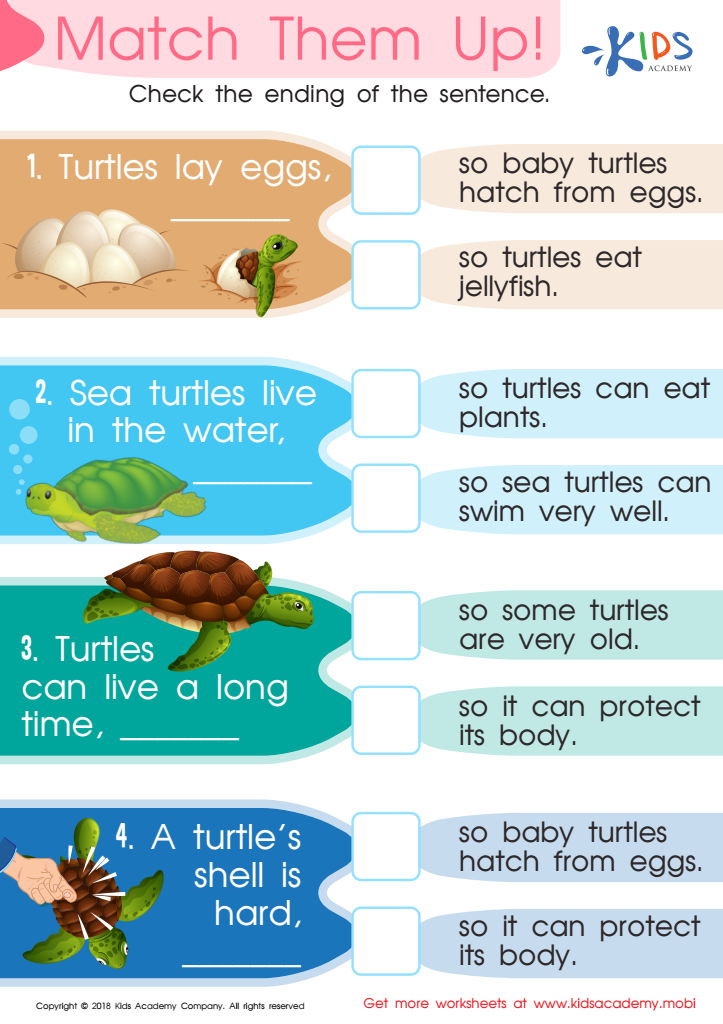
Match Them Up Worksheet
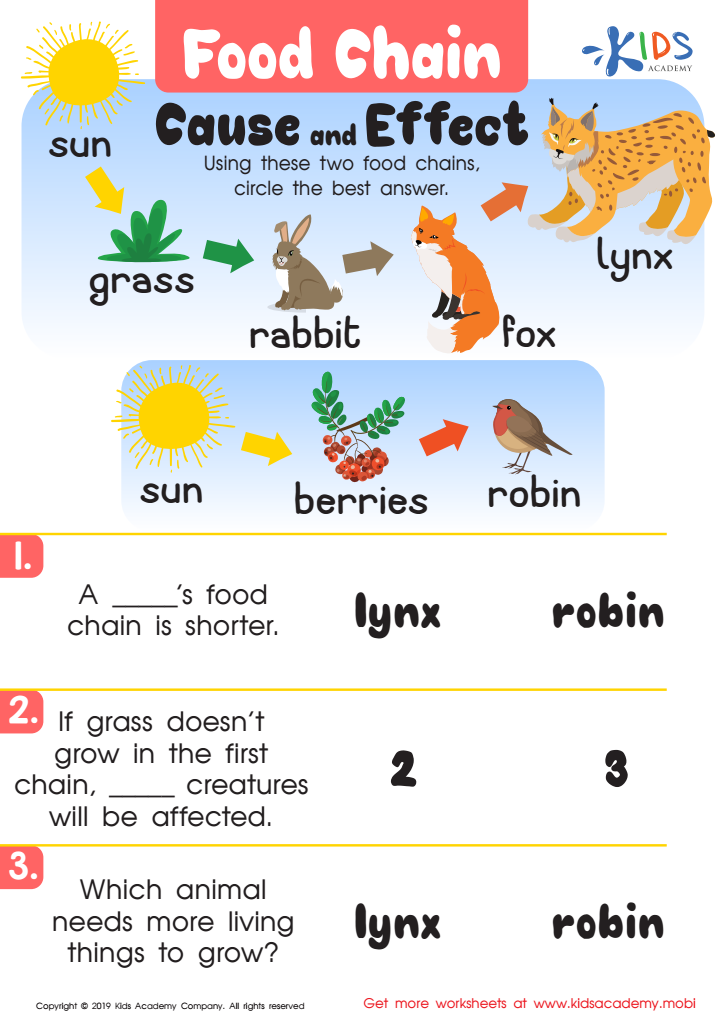
Food Chain Cause Worksheet








Reading comprehension is crucial for children aged 5-9 as it forms the foundation of their overall academic and lifelong learning skills. During these formative years, children transition from learning to read to reading to learn. When children develop strong reading comprehension skills early on, they are better able to understand and engage with educational materials across various subjects, including math, science, and social studies.
For parents and teachers, prioritizing reading comprehension ensures that young learners can decode words and grasp the meaning, context, and nuances of texts. This comprehension boosts vocabulary, enhances critical thinking, and strengthens cognitive abilities, allowing children to make connections between what they read and their own experiences.
Additionally, strong reading comprehension leads to greater academic confidence and a love of learning. Without these skills, children might struggle, causing frustration, decreased motivation, and gaps in knowledge that can affect future educational prospects. Supporting reading comprehension through interactive reading sessions, asking questions about the text, and encouraging storytelling helps solidify a child's capacity to understand and retain information.
In summary, investing time and resources to develop reading comprehension in ages 5-9 sets the stage for academic success, personal growth, and lifelong learning strategies, making it a critical focus for both parents and educators.








