Hand-eye Coordination Math Worksheets for Ages 6-7 - Page 2
47 filtered results
-
From - To
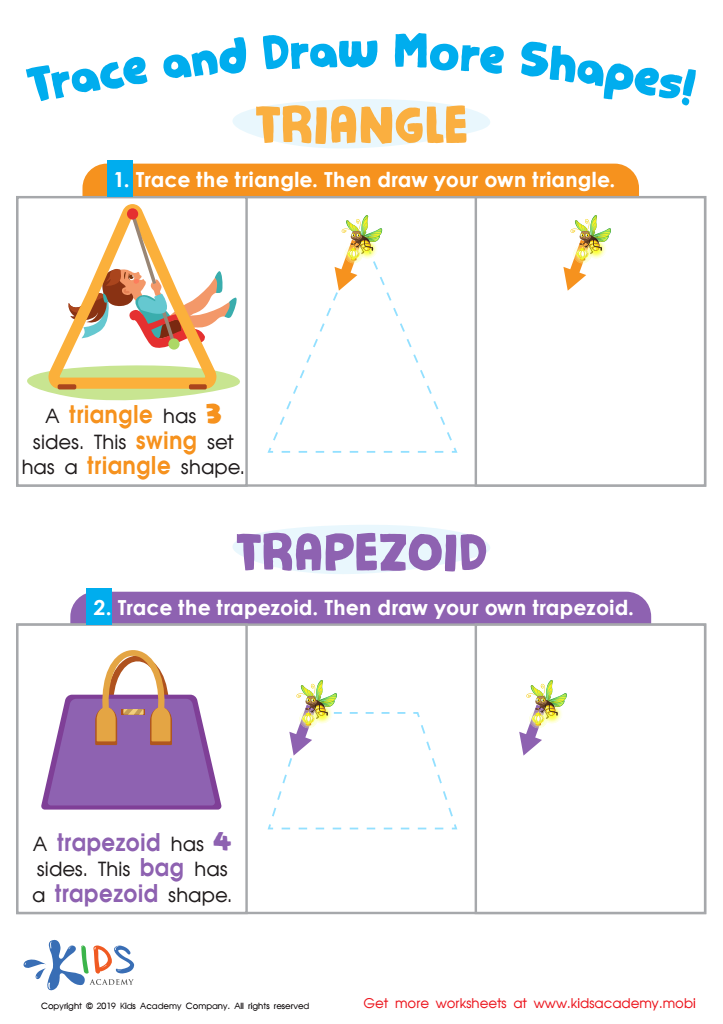
Trace and Draw More Shapes Worksheet
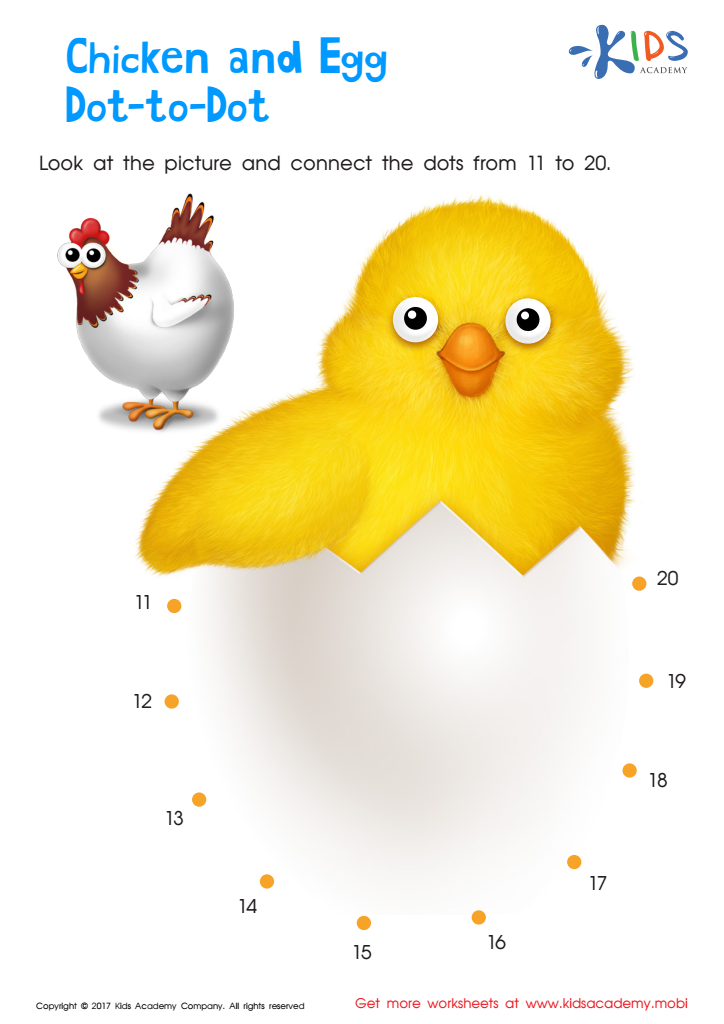
Ordering 11–20: Chicken & Egg Dot–to–dot Worksheet
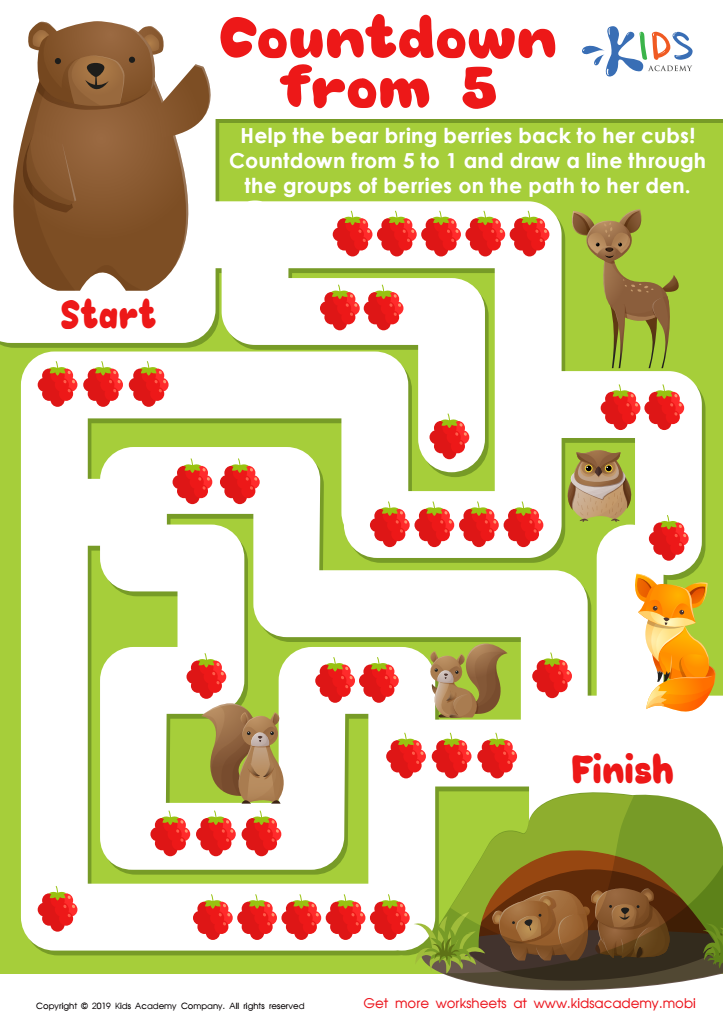
Countdown from 5 Worksheet
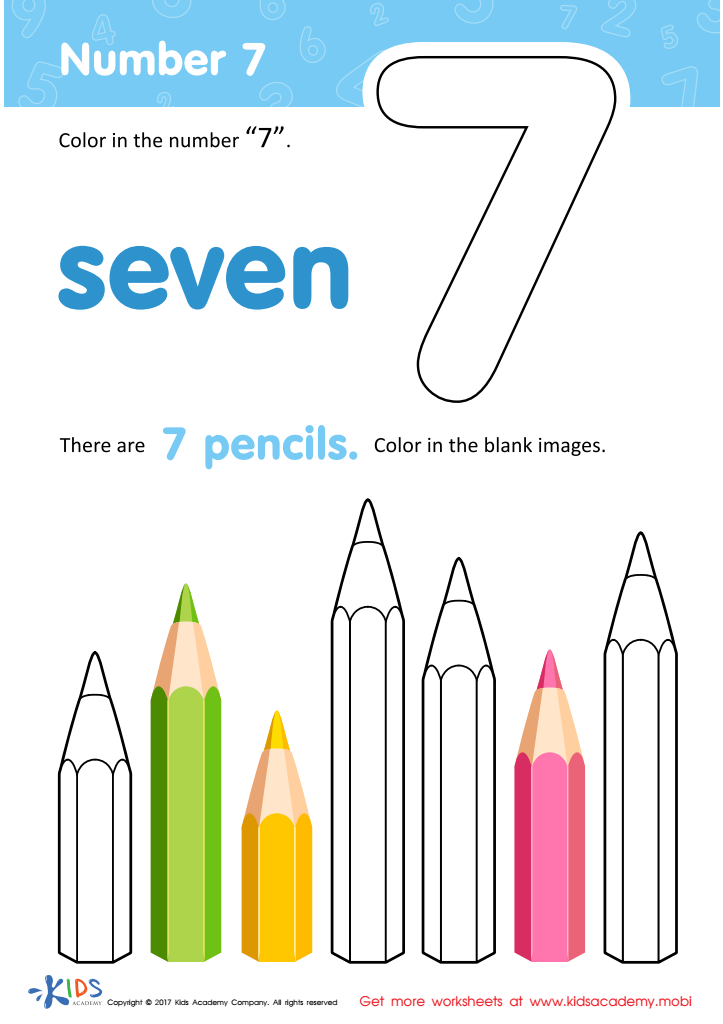
Number 7 Worksheet
 Assign to My Students
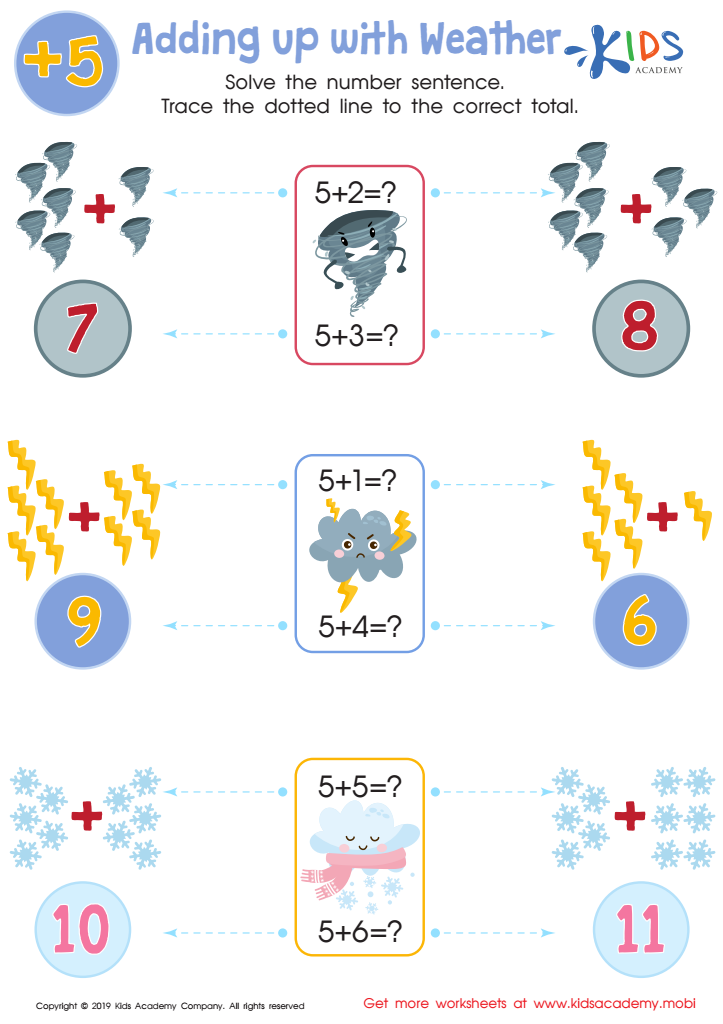
Adding up With Water Worksheet
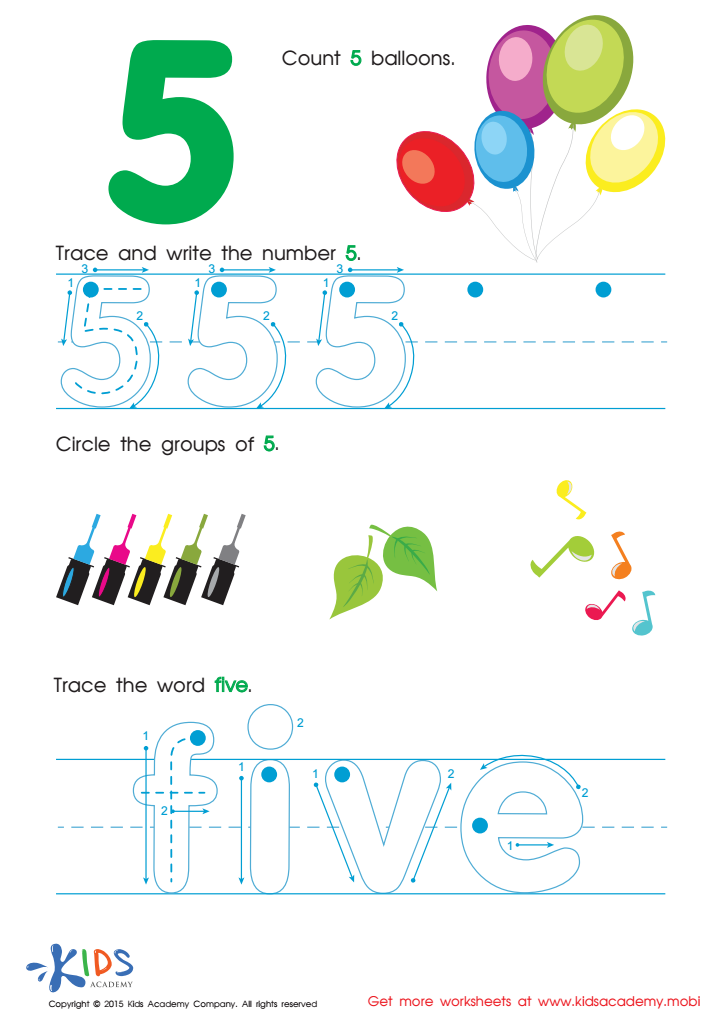
Practice Writing Number 5 Worksheet
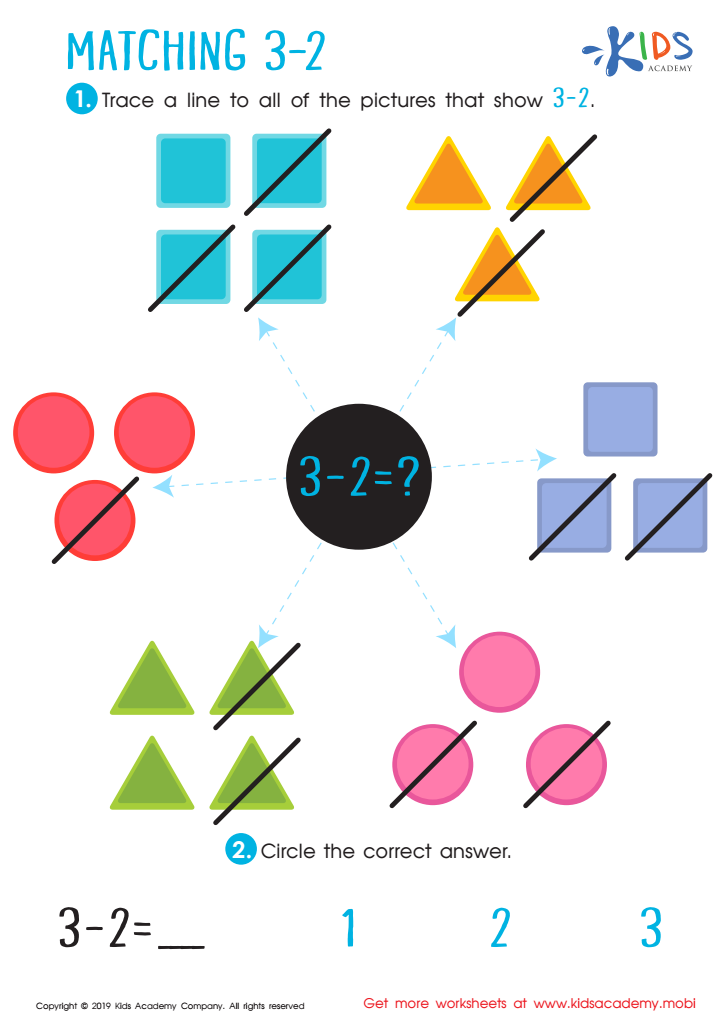
Matching 3-2 Worksheet
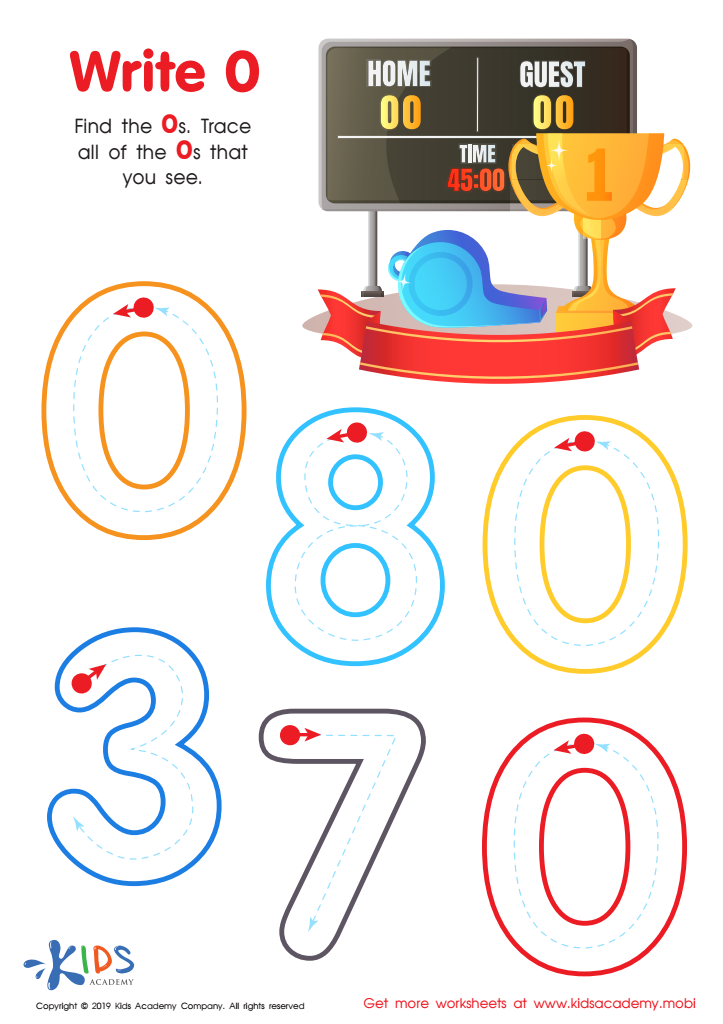
Write 0 Worksheet
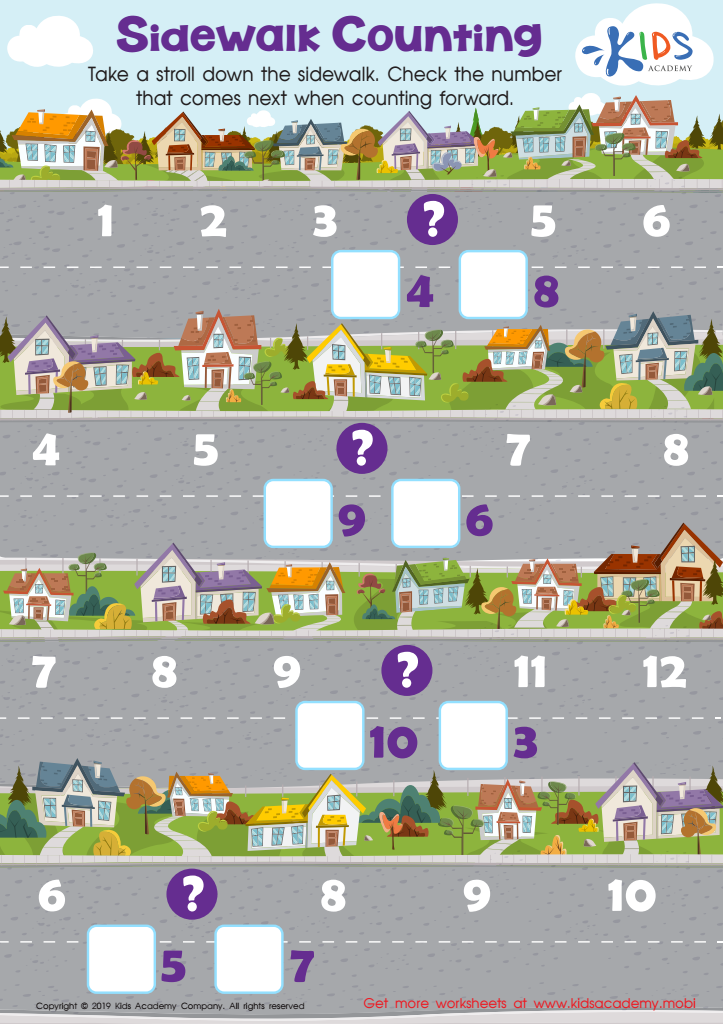
Sidewalk Counting Worksheet
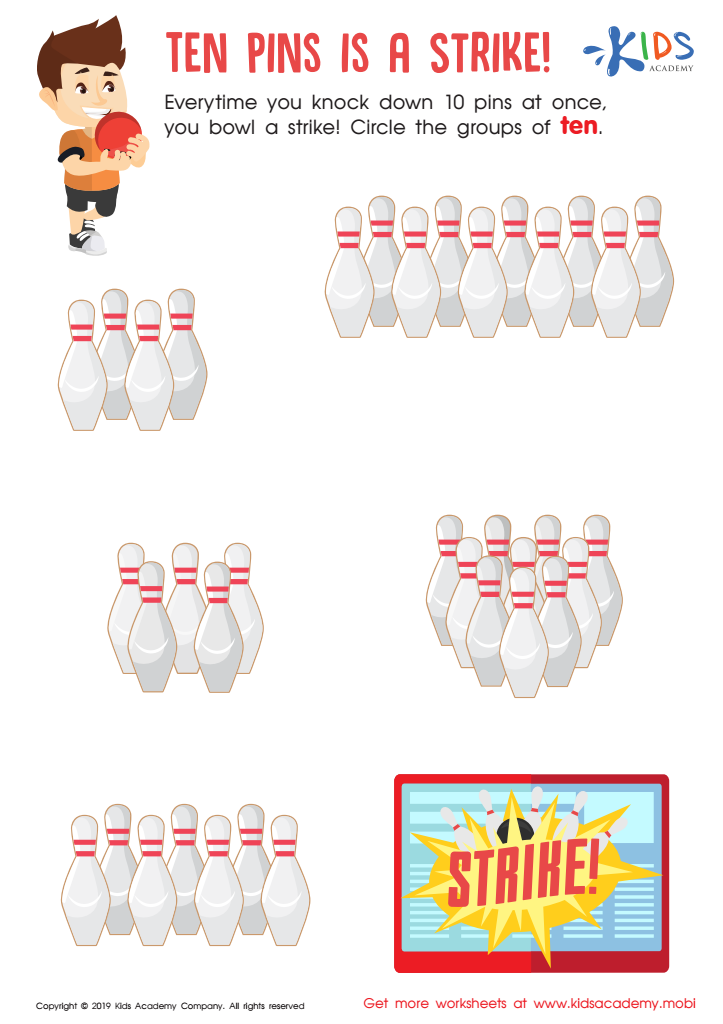
Ten Pins is a Strike Worksheet
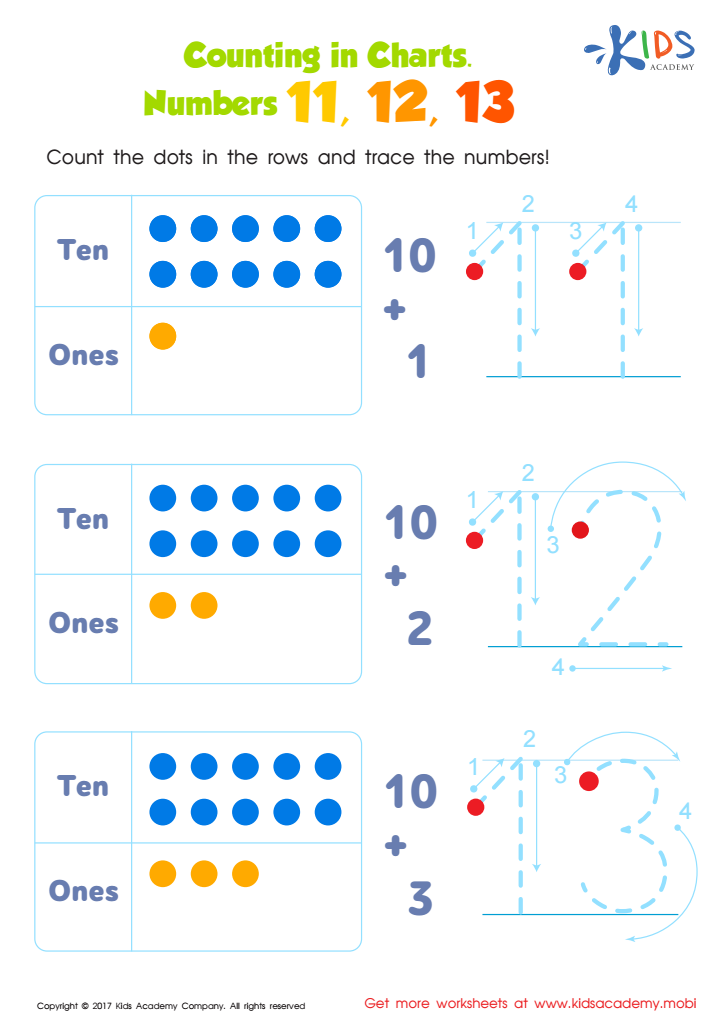
Number Tracing Worksheet For Kindergarten

Eight Geese Worksheet
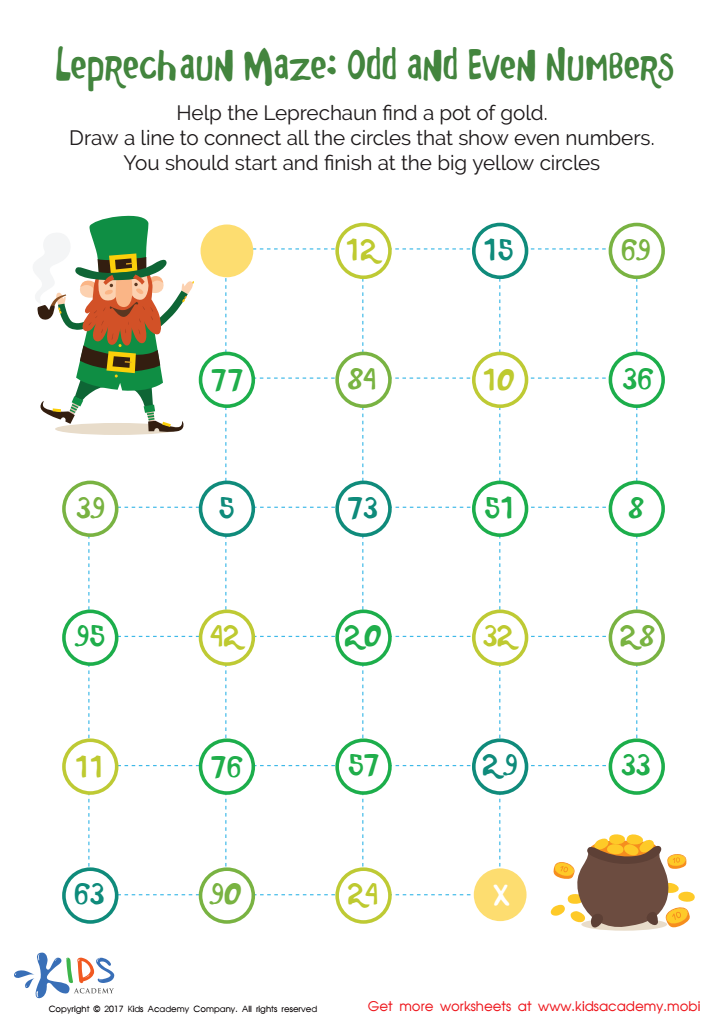
Leprechaun Maze Printable
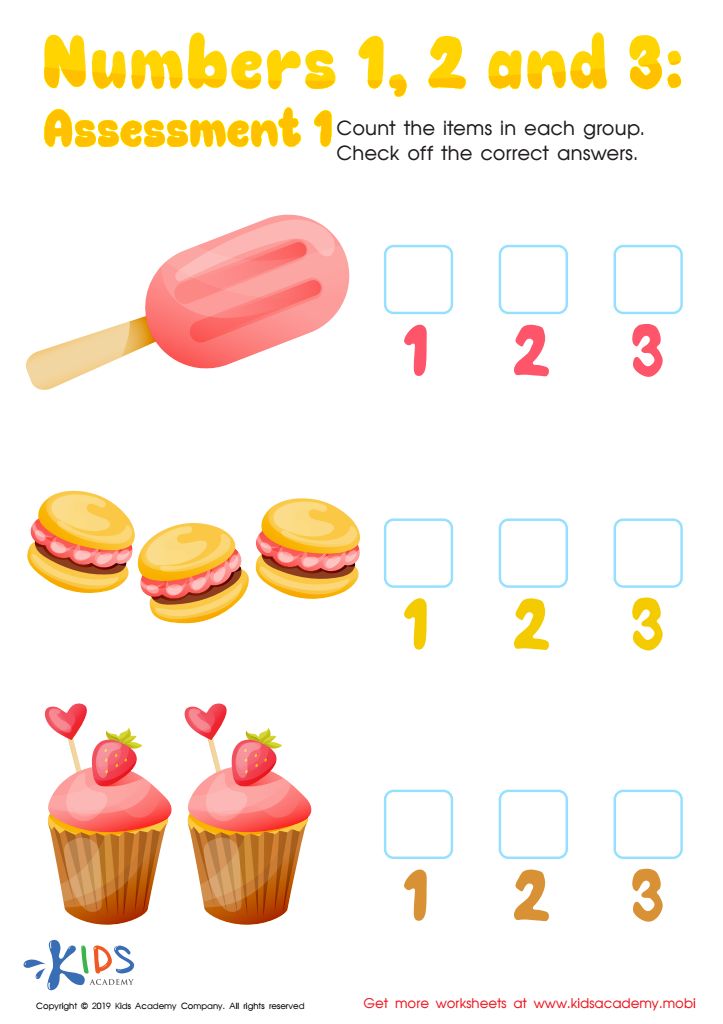
Numbers 1, 2 and 3: Assessment 1 Worksheet
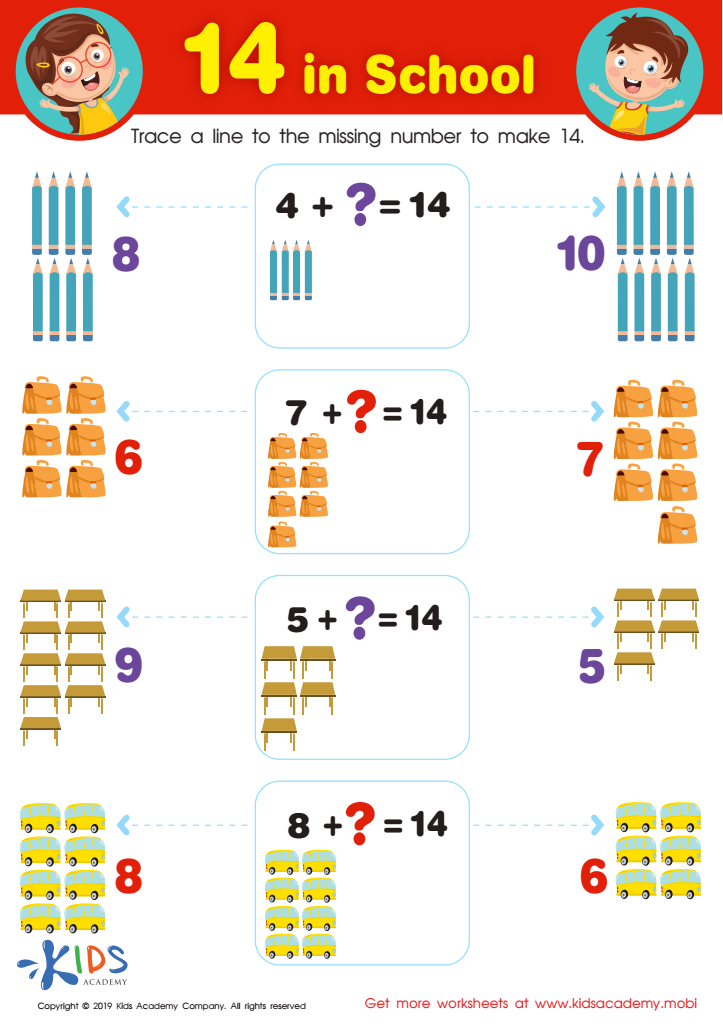
14 in School Worksheet
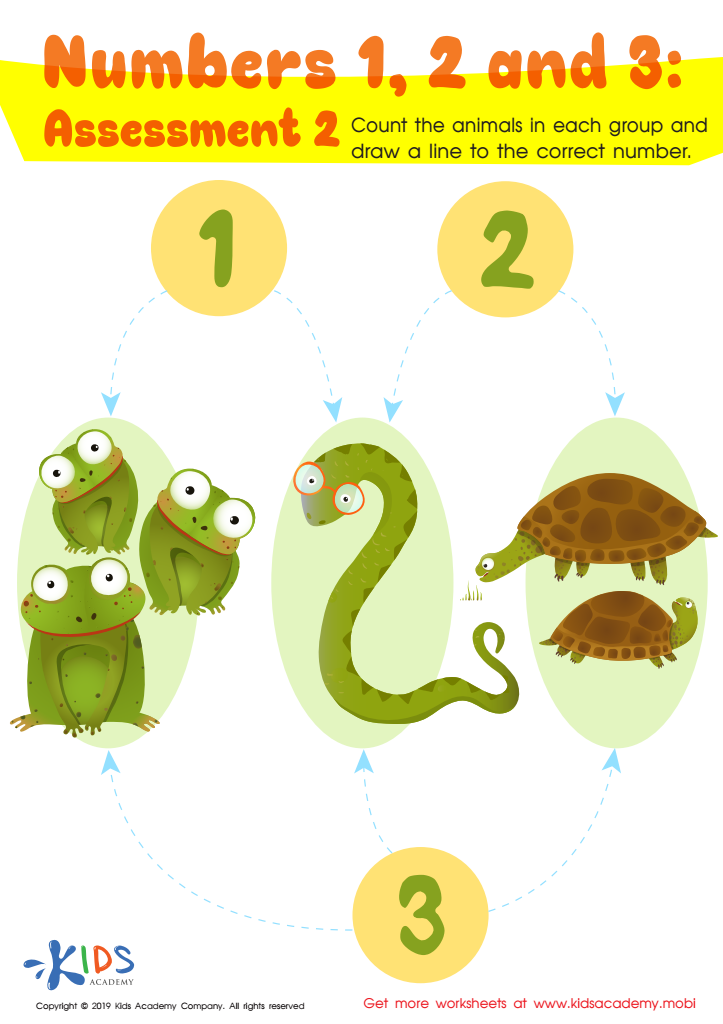
Numbers 1, 2 and 3: Assessment 2 Worksheet
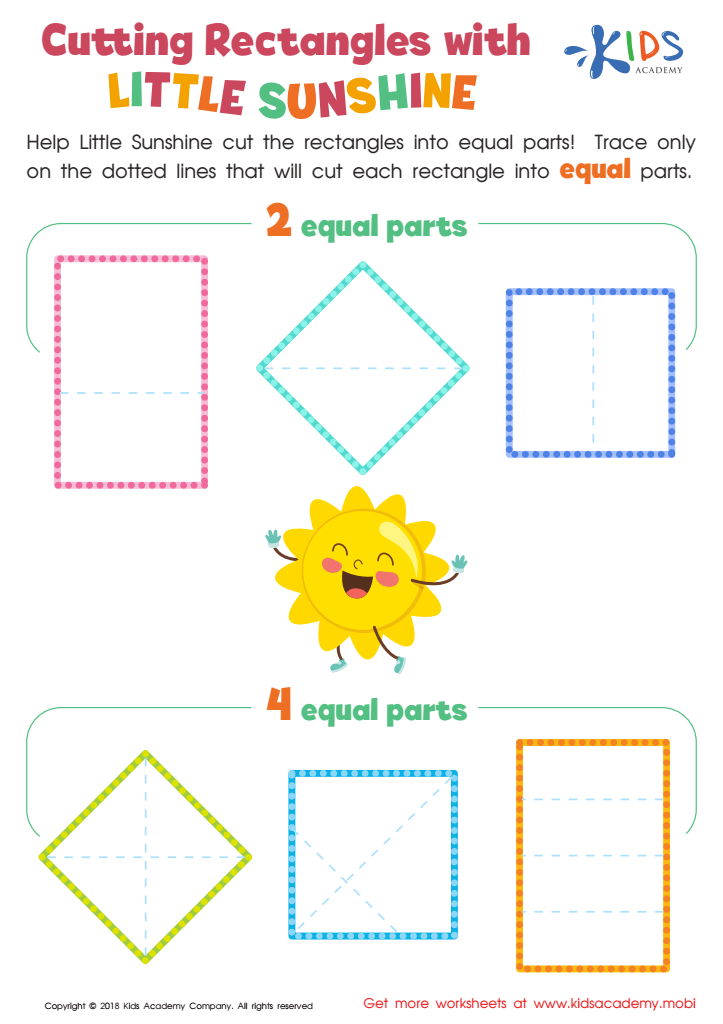
Cutting Rectangles with Little Sunshine Worksheet
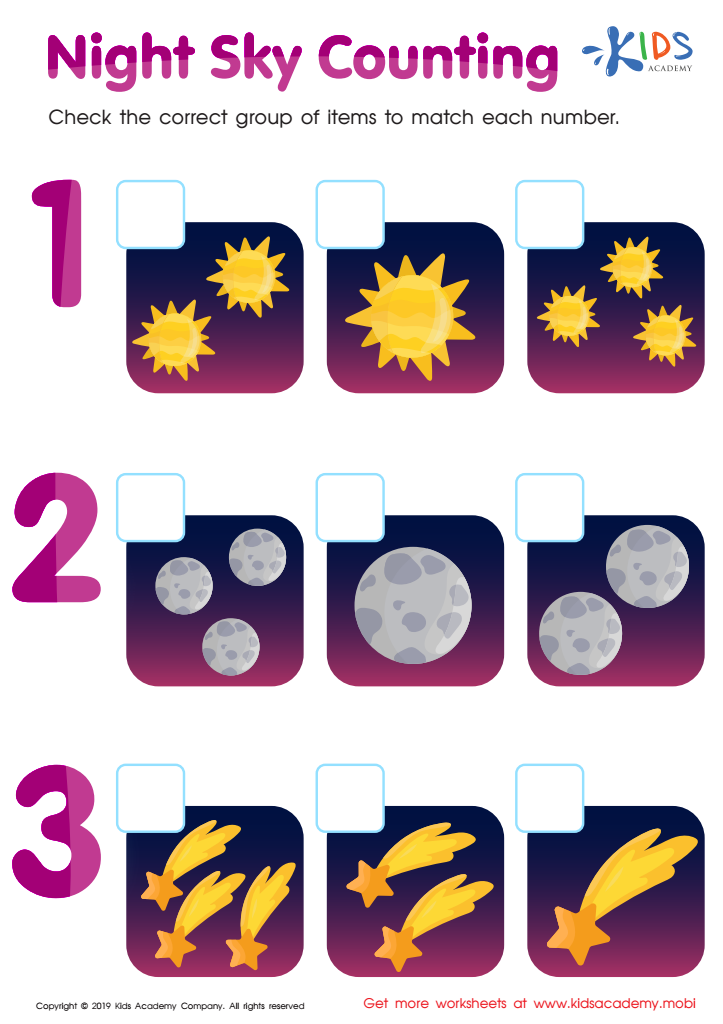
Night Sky Counting Worksheet
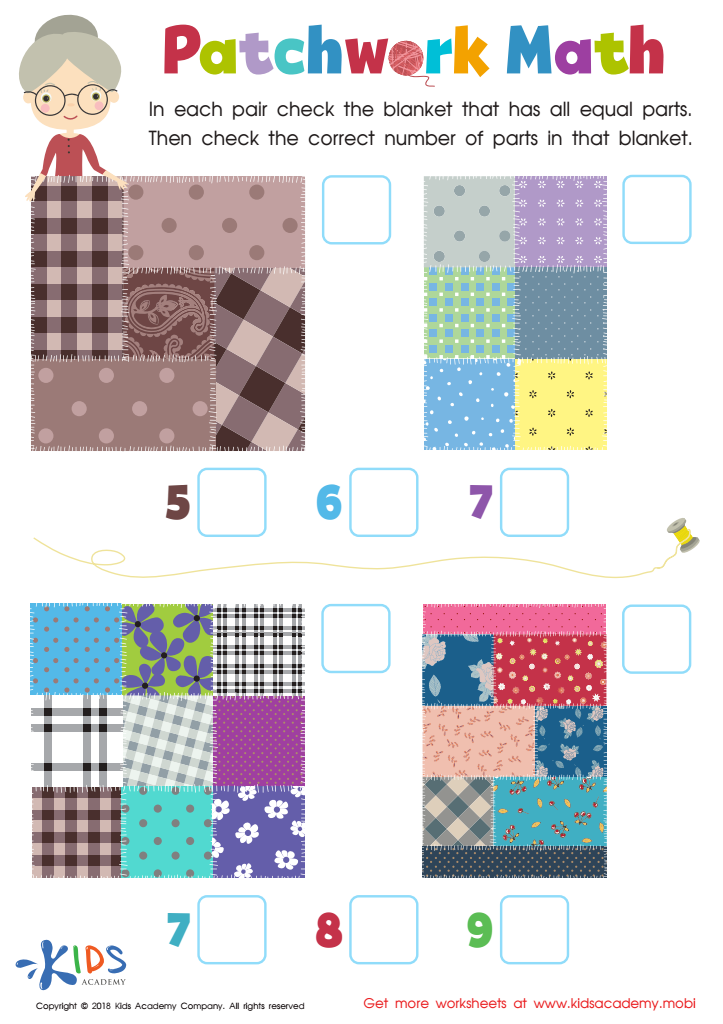
Patchwork Math Worksheet
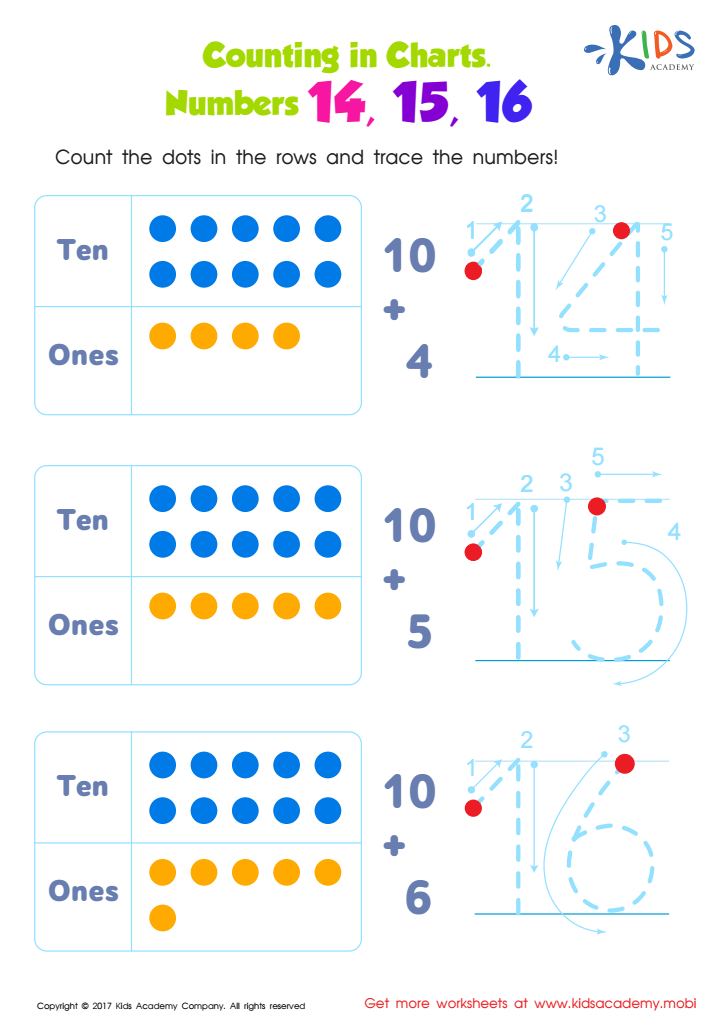
Number Tracing Worksheet








Hand-eye coordination is an essential skill that significantly impacts a child's overall development and learning abilities, especially in the domain of mathematics for ages 6-7. At this pivotal age, children are building foundational math skills, and activities that enhance hand-eye coordination can facilitate better engagement with mathematical concepts.
Developing this coordination helps with tasks such as counting objects, sorting shapes, and understanding spatial relationships—all of which are key components of early math learning. Activities that require children to manipulate objects, like threading beads or cutting shapes, not only enhance their fine motor skills but also promote cognitive skills necessary for problem-solving and critical thinking in math.
Moreover, engaging in hand-eye coordination activities can boost confidence in young learners. As they master tasks that involve coordinating their hands and eyes, they become more willing to tackle math challenges and explore new concepts.
For parents and teachers, fostering hand-eye coordination through playful, math-related activities is vital. It provides children with the tools they need to succeed academically while making learning enjoyable. By integrating these activities into daily routines, caregivers can help ensure that children build both the skills and the confidence necessary for success in mathematics.








