Reading comprehension Science Worksheets for Ages 6-7 - Page 3
76 filtered results
-
From - To
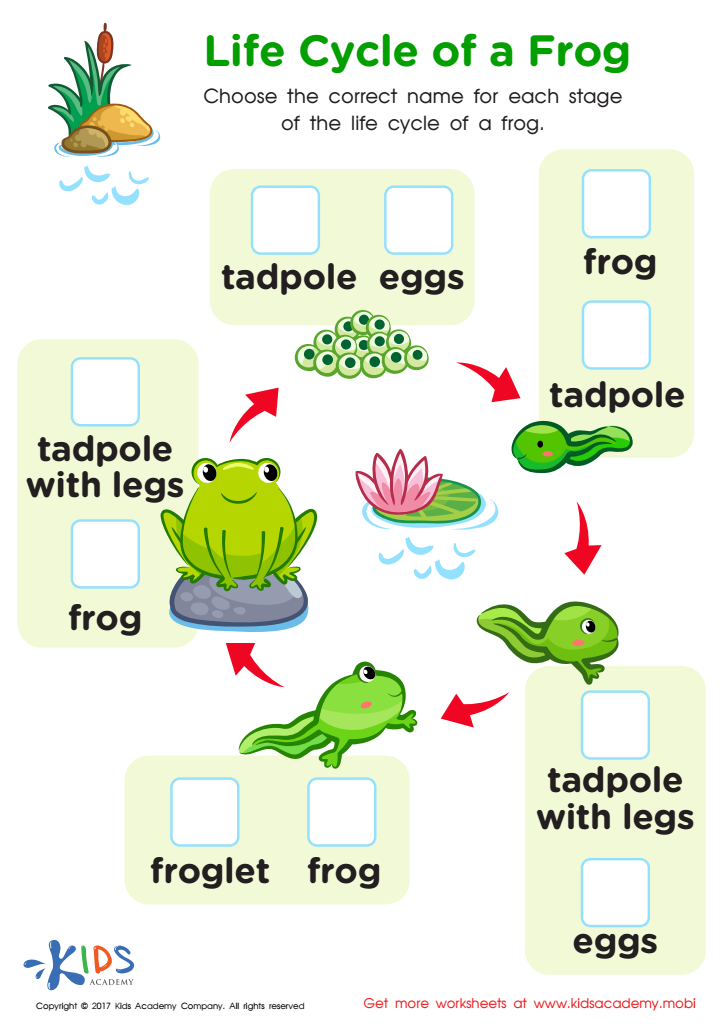
Life Cycle Frog Printable
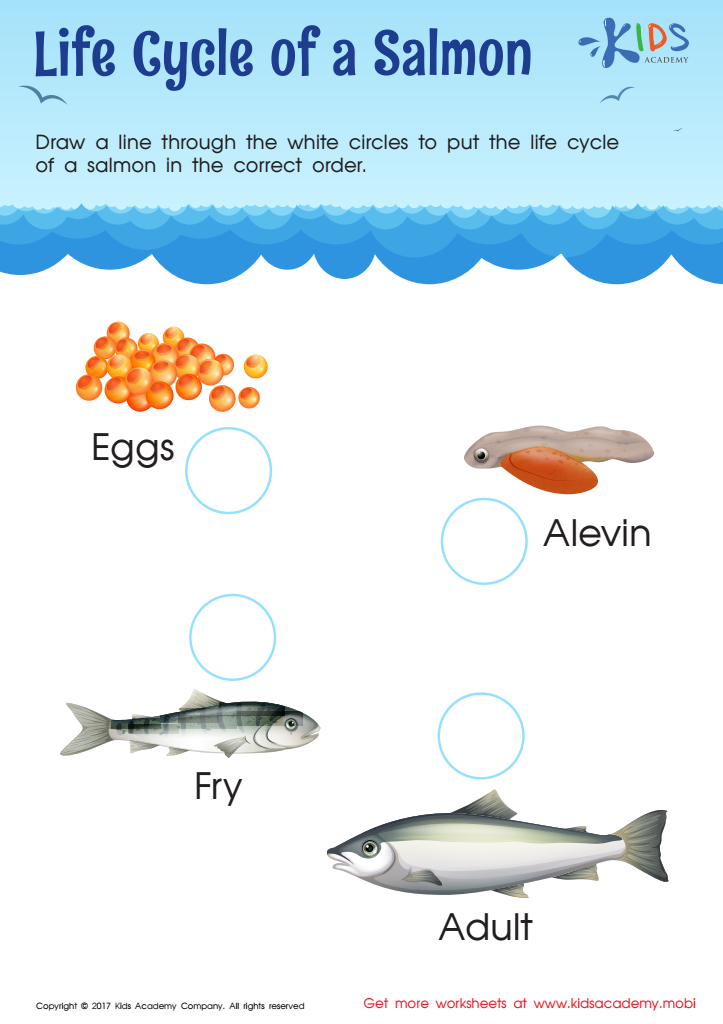
Cycle Of Salmon Worksheet
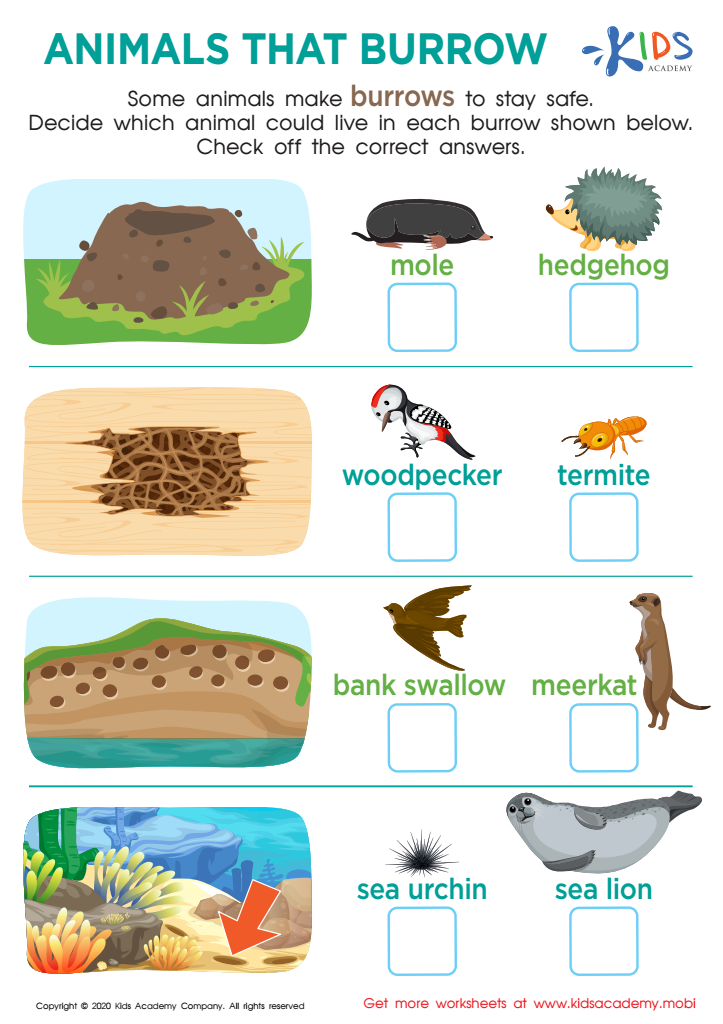
Animals That Burrow Worksheet
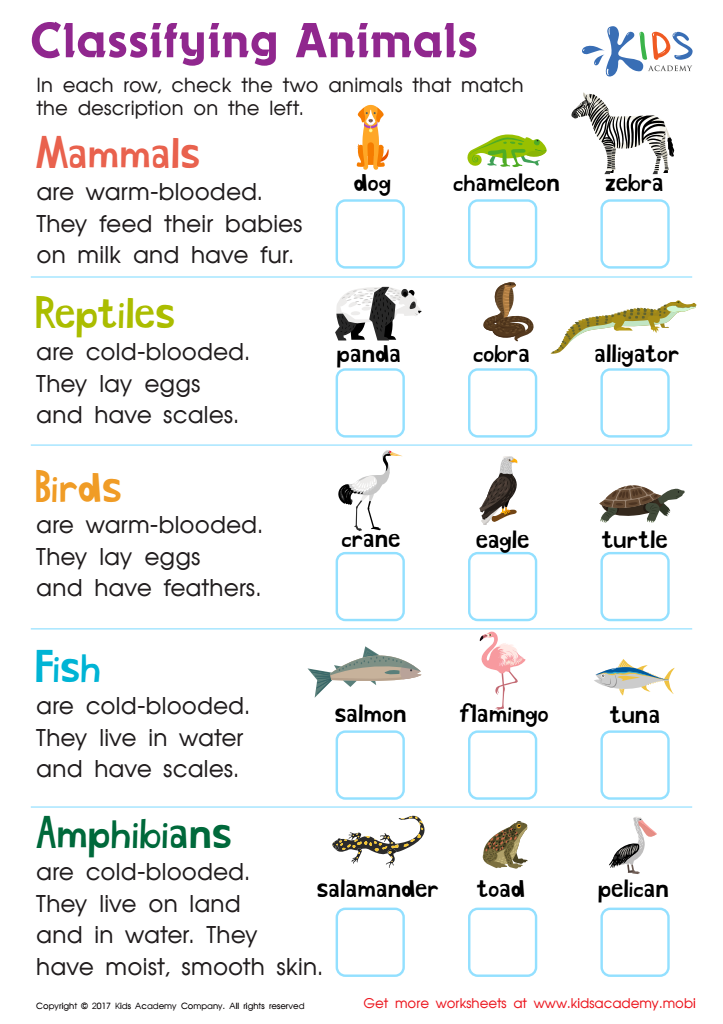
Classifying Animals Worksheet
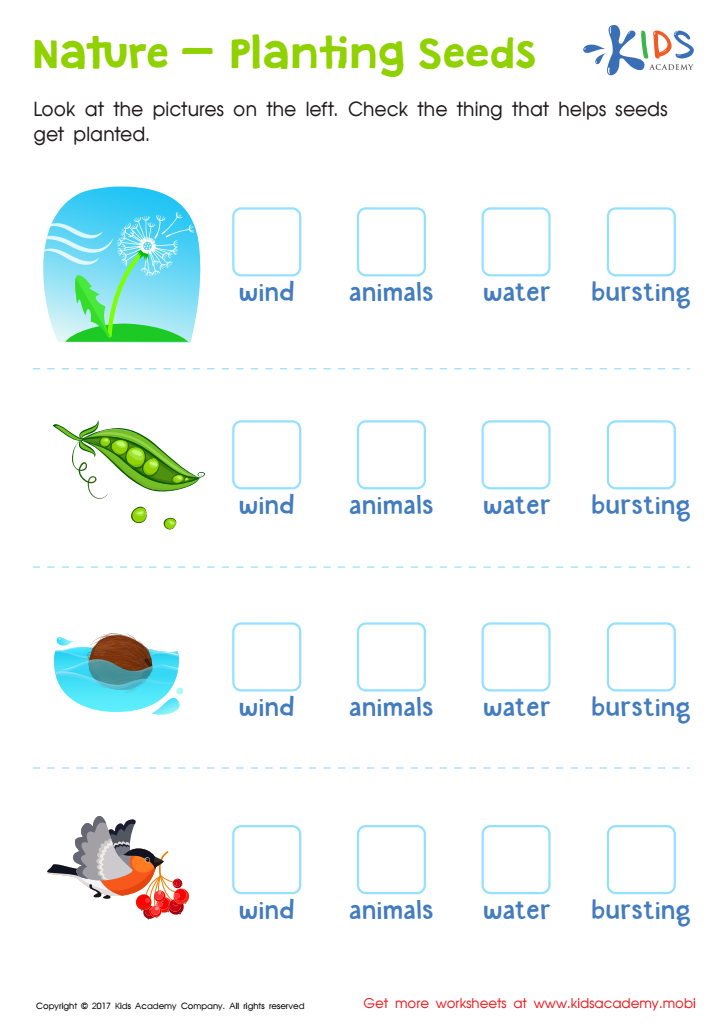
Nature Planting Seeds Worksheet
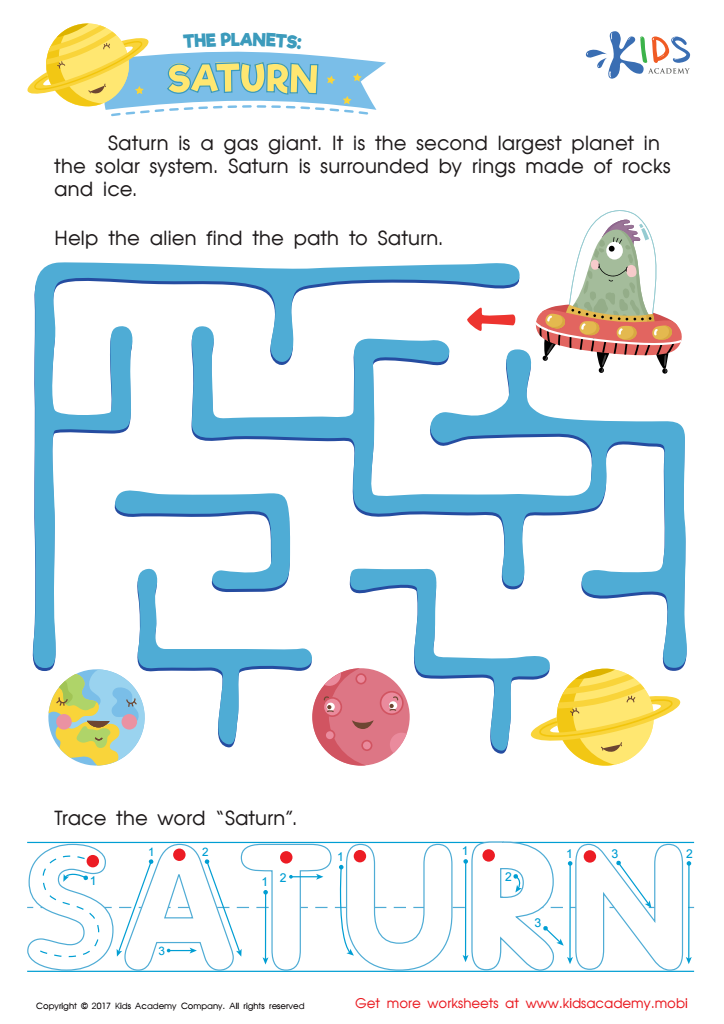
The Planets: Saturn Printable
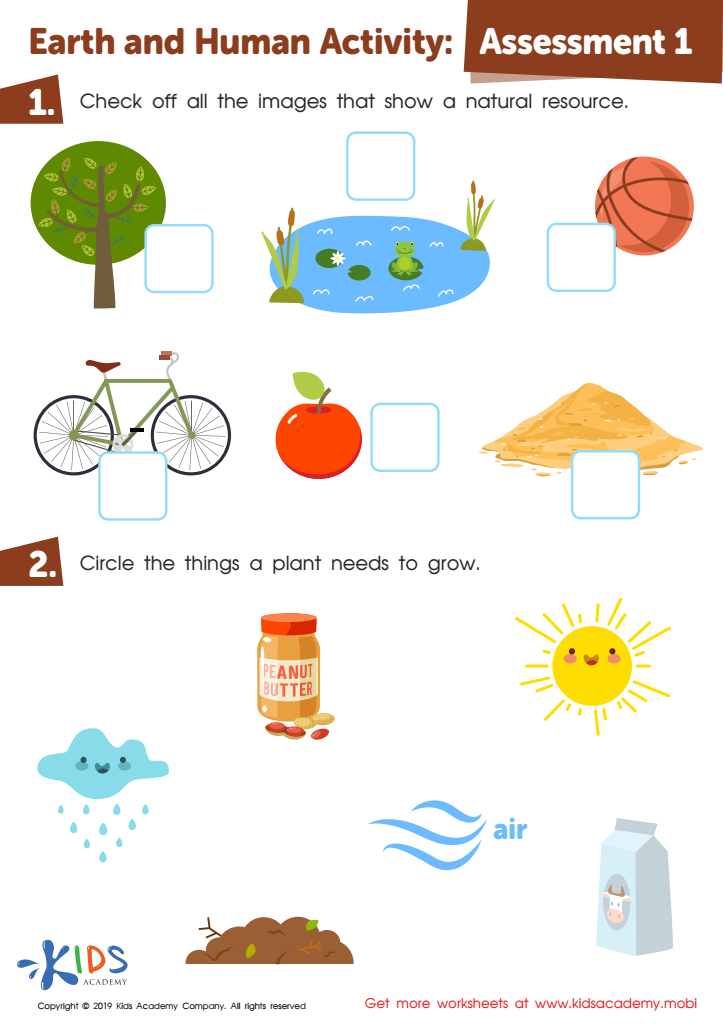
Earth and Human Activity: Assessment 1 Worksheet
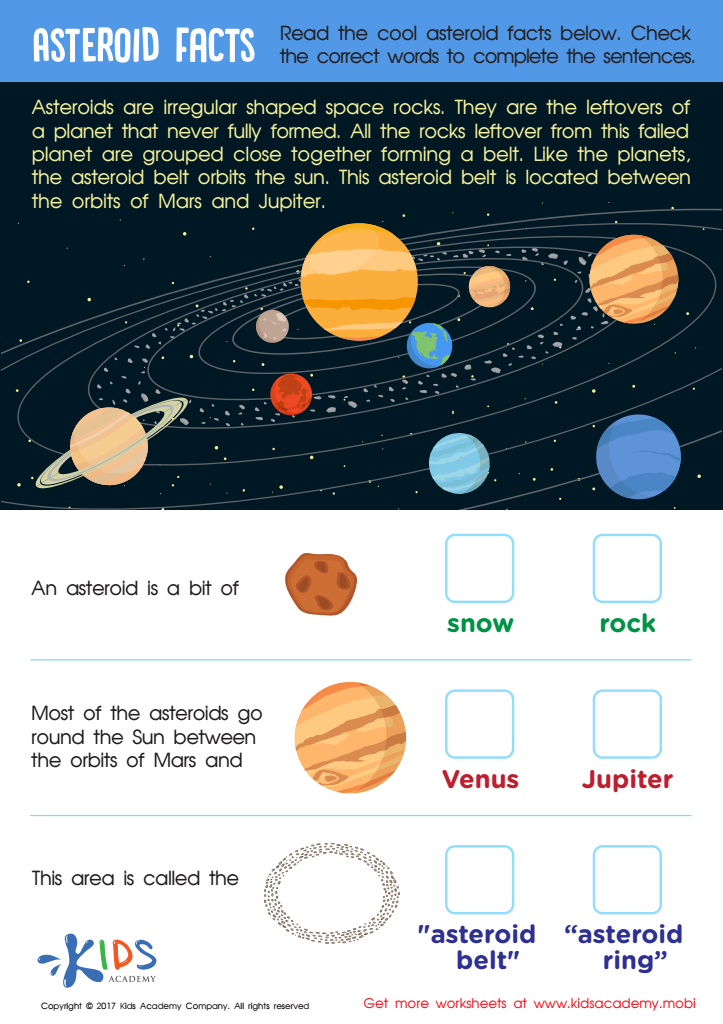
Asteroid Facts Worksheet
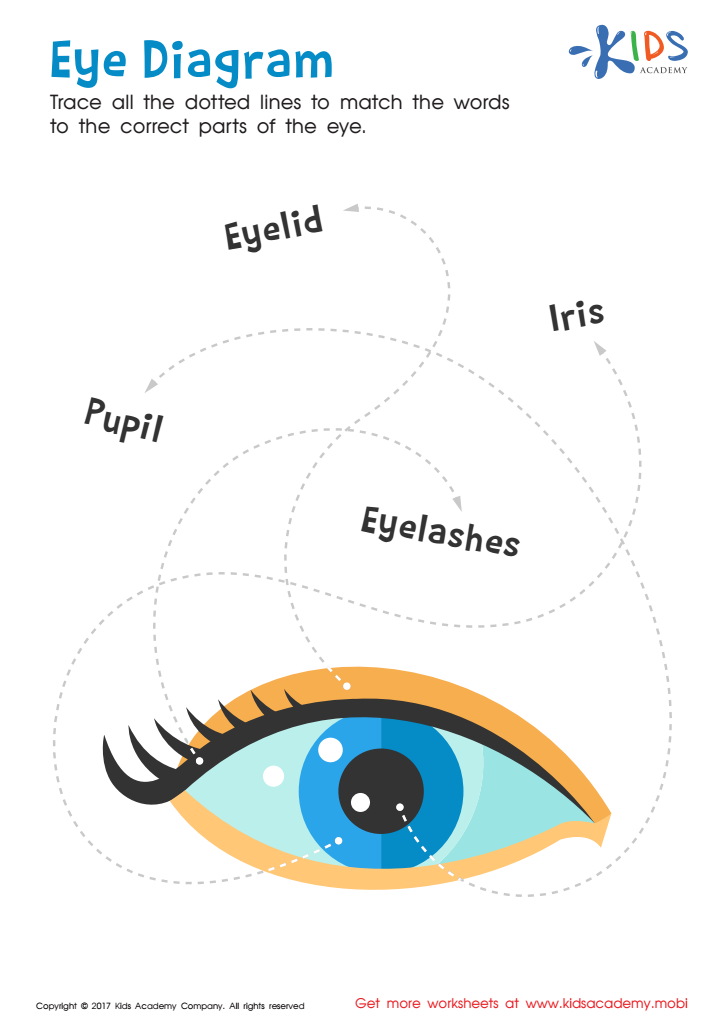
Eye Diagram Printable
Different Kinds of Weather: Windy and Snowy Worksheet
 Assign to My Students
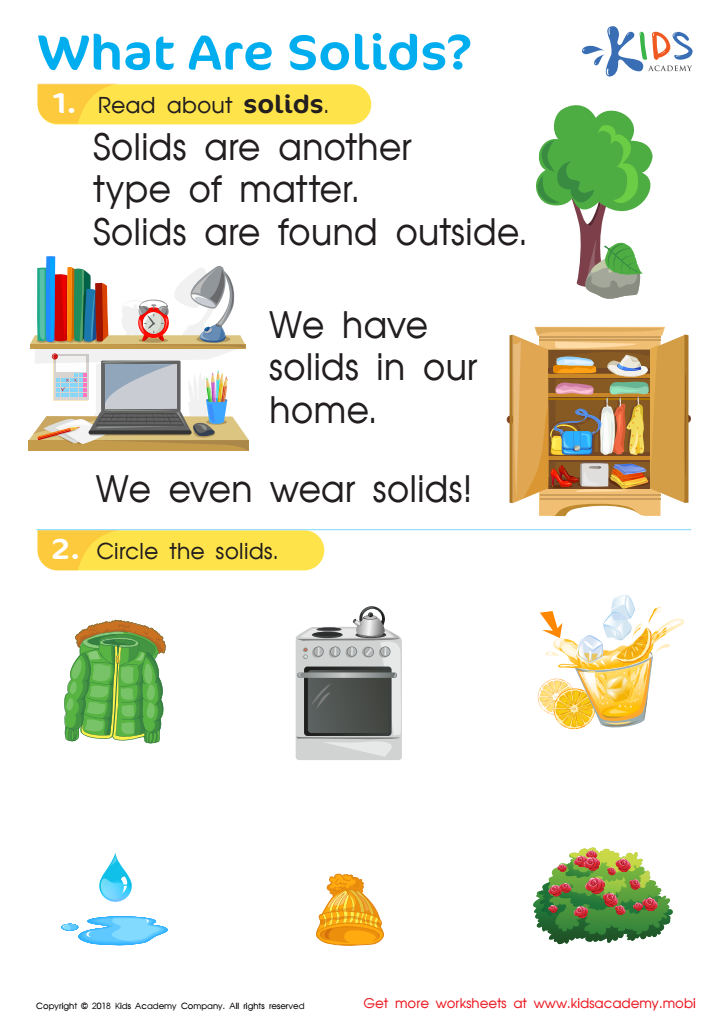
What Are Solids? Worksheet
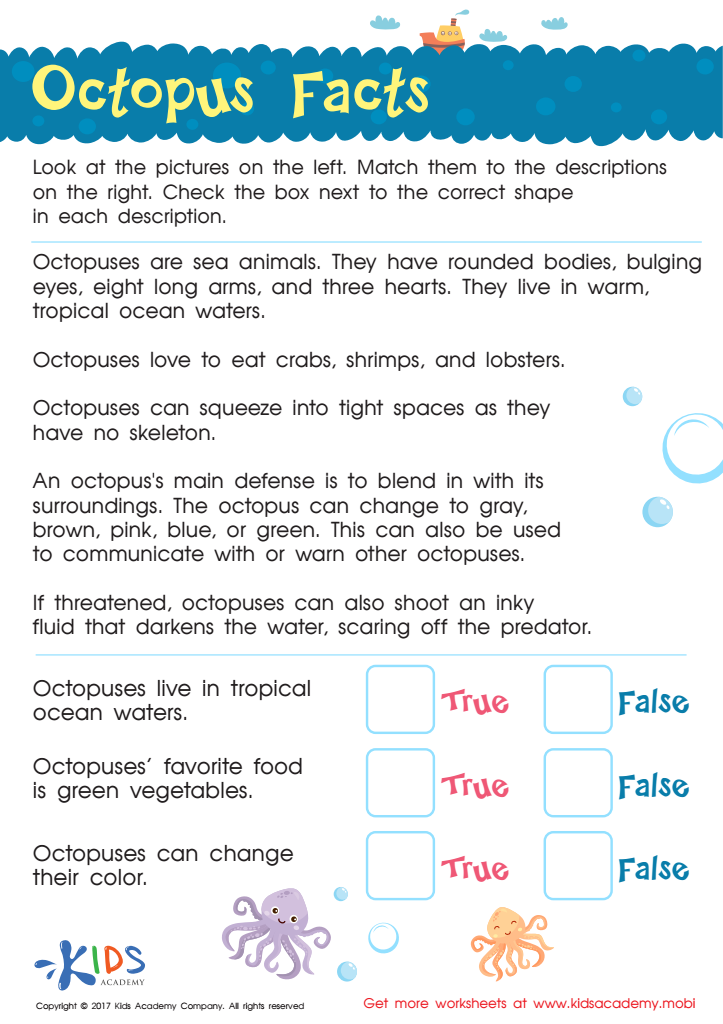
Octopus Facts Worksheet For Kids
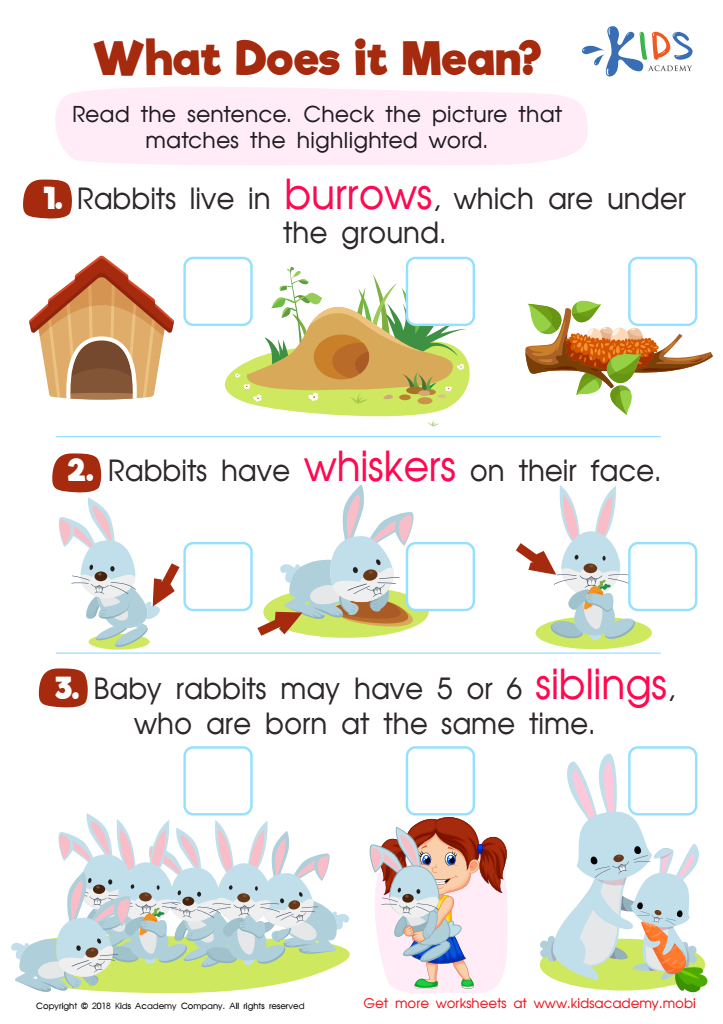
What Does It Mean? Worksheet
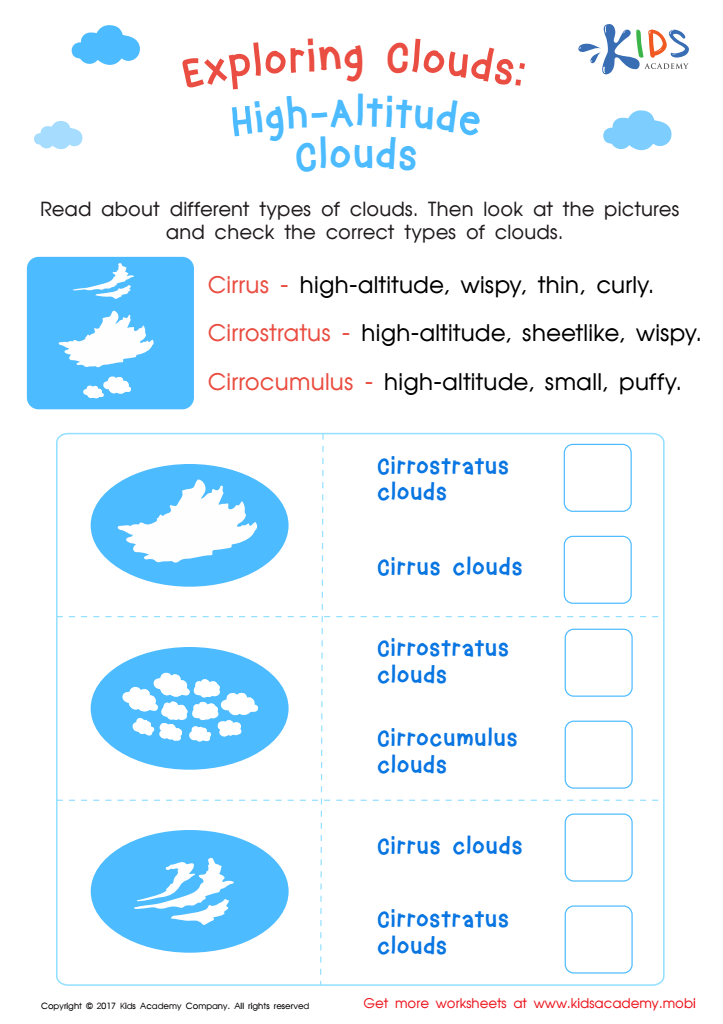
Exploring Clouds: High Altitude Clouds Worksheet
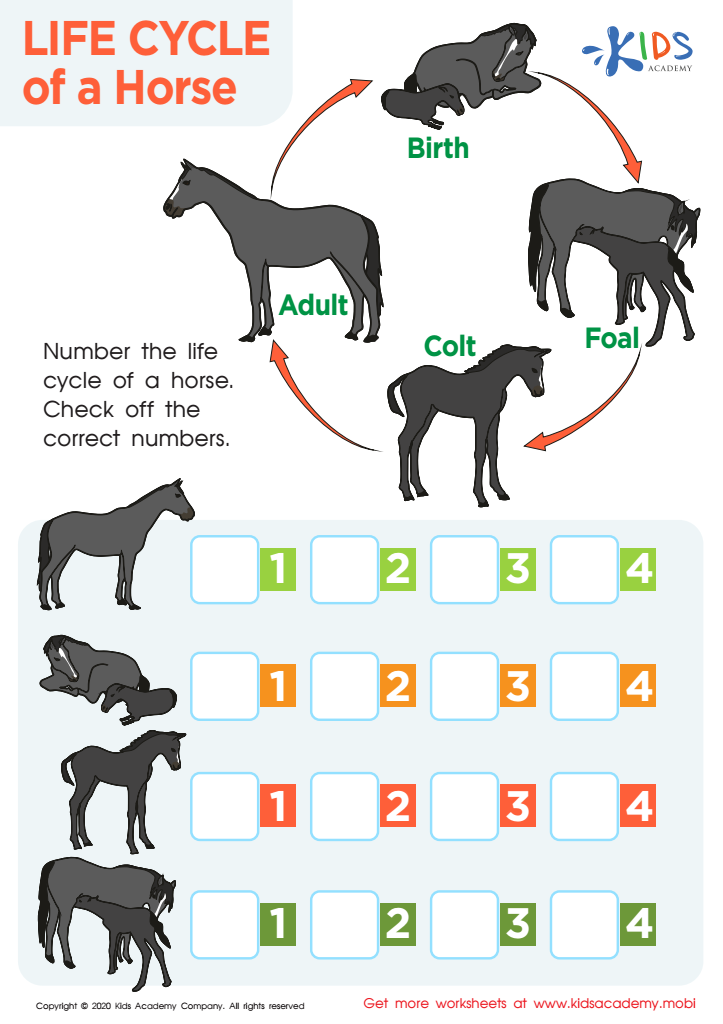
Life Cycle of a Horse Worksheet
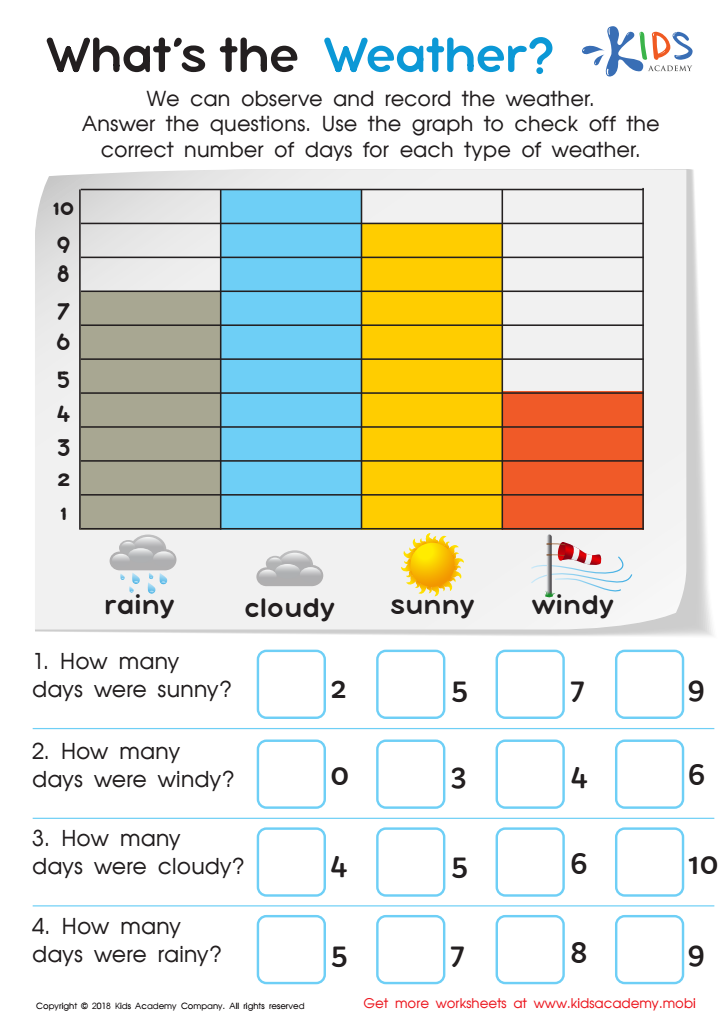
What's the Weather? Worksheet
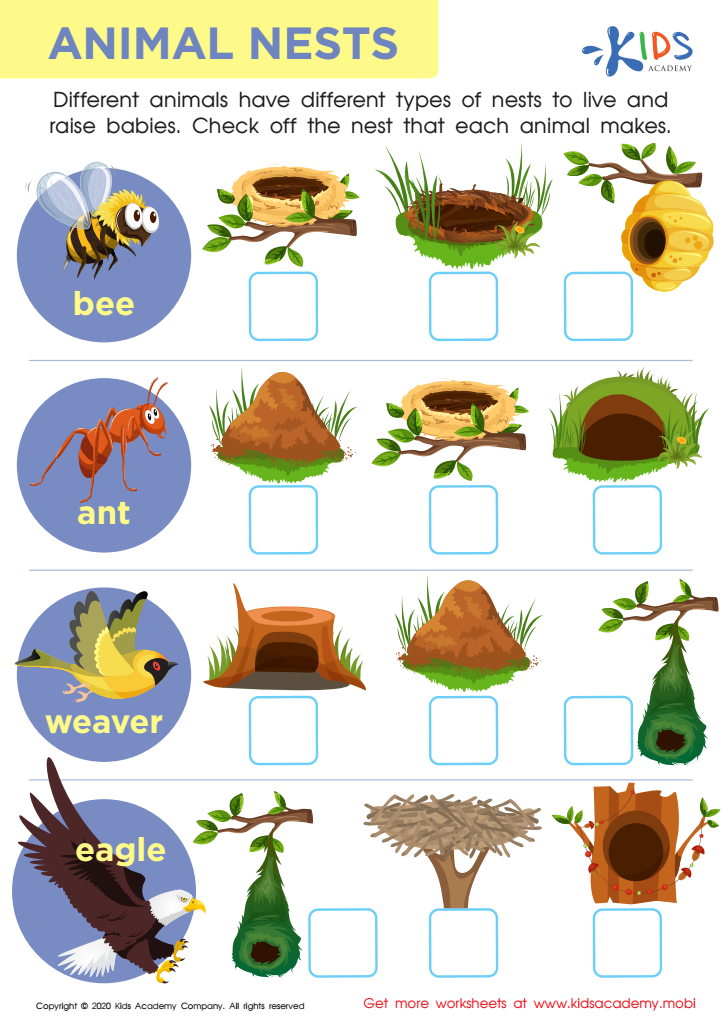
Animal Nests Worksheet
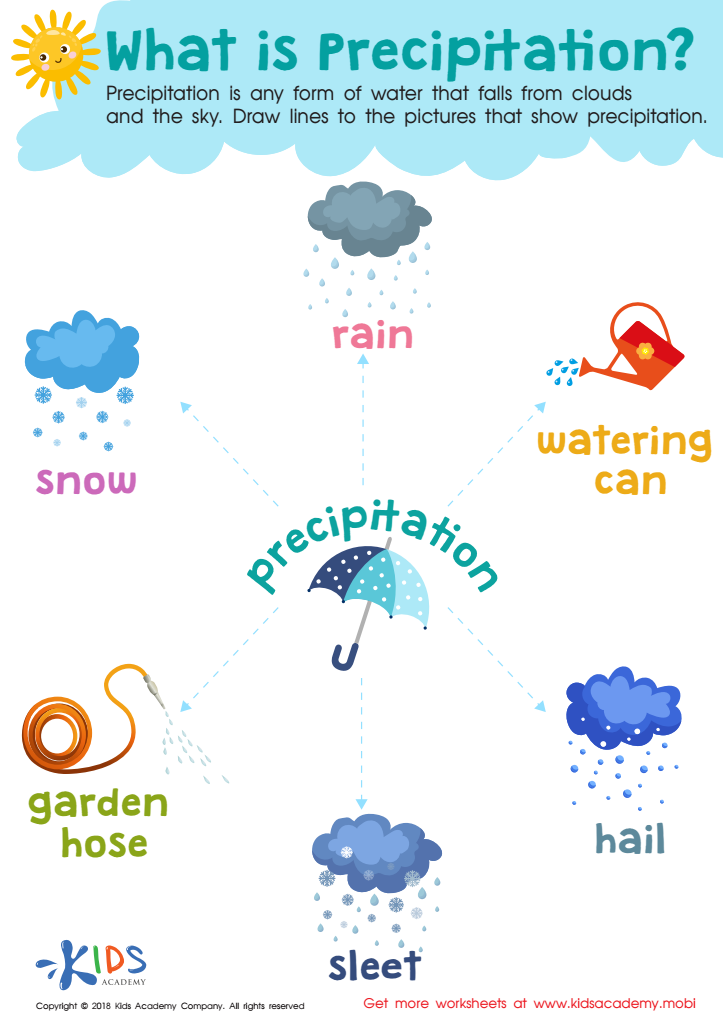
What Is Precipitation? Worksheet
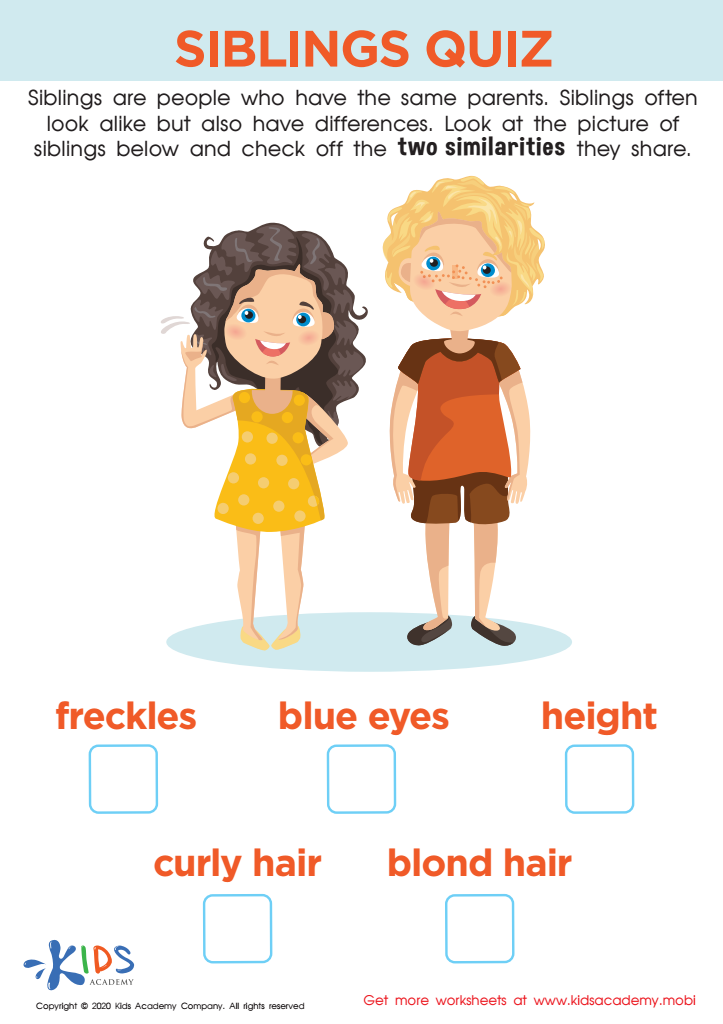
Siblings Quiz Worksheet
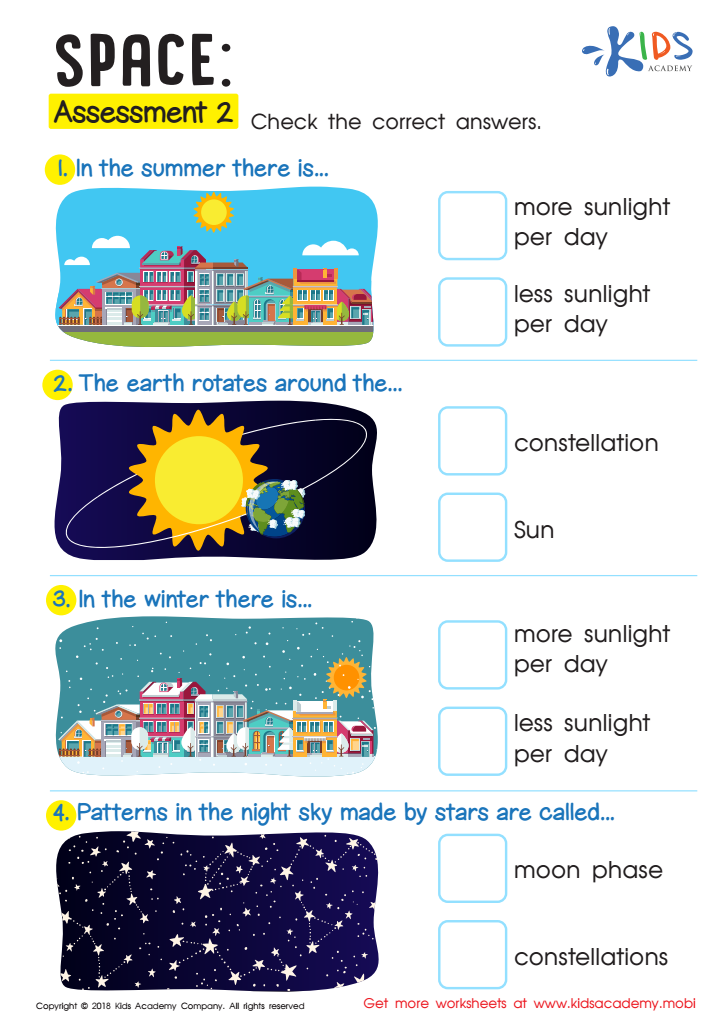
Space: Assessment 2 Worksheet
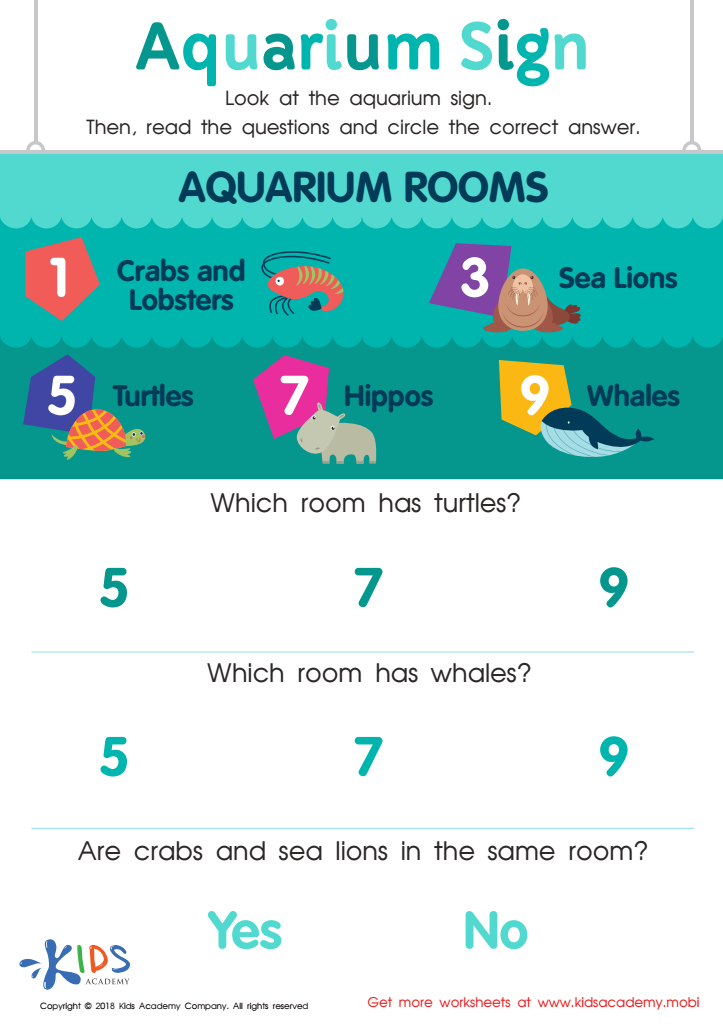
Assessment: Aquarium Sign Worksheet
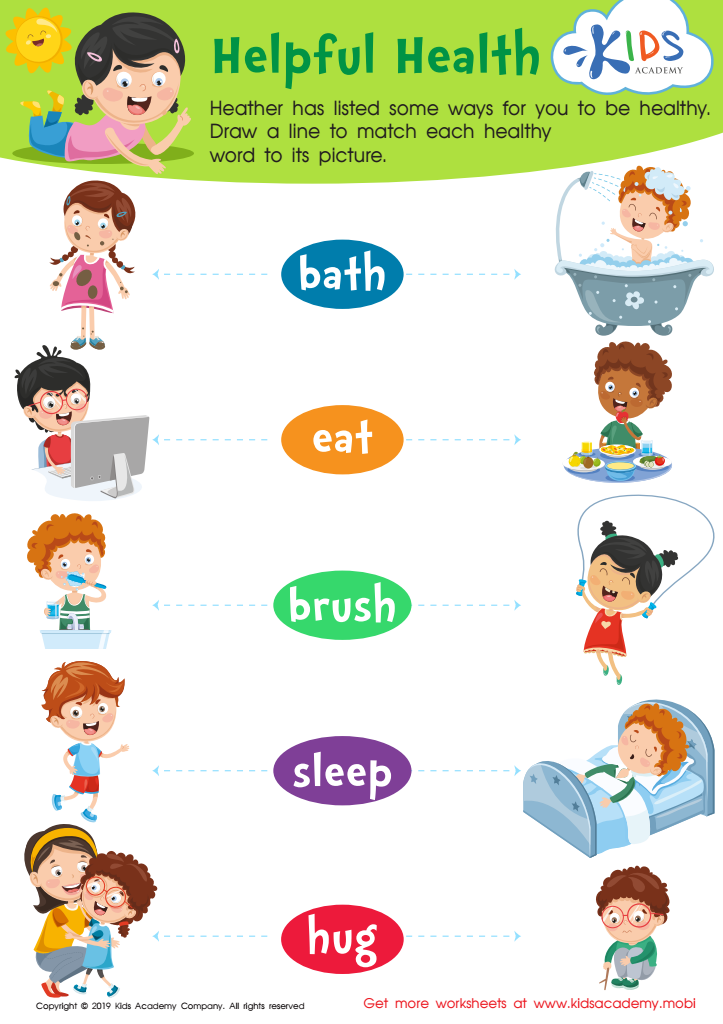
Helpful Health Worksheet
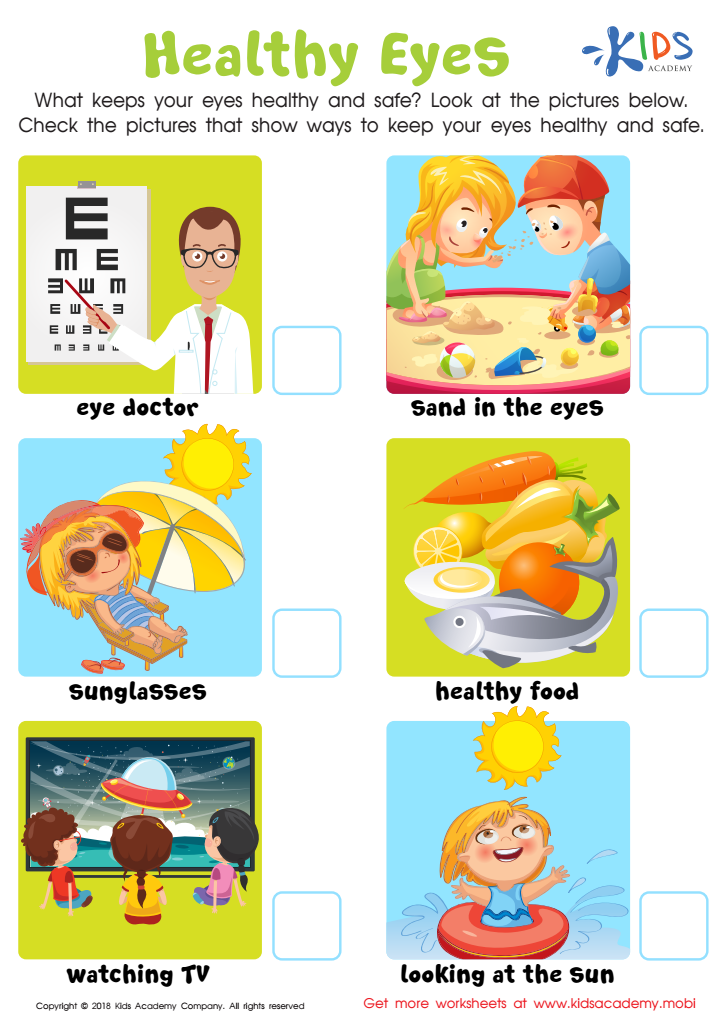
Healthy Eyes Worksheet








Reading comprehension is a foundational skill that significantly impacts a child's overall academic success, particularly in science for ages 6-7. At this critical stage, children are not only learning to read but also reading to learn. Understanding scientific texts equips them with the ability to grasp essential concepts, ask informed questions, and engage in critical thinking. This foundation nurtures curiosity about the natural world, encouraging exploration and discovery.
Parents and teachers should prioritize reading comprehension in science because it promotes vocabulary development, cognitive skills, and interpretation abilities. By analyzing stories and texts related to scientific concepts, children learn to make connections between words and ideas, enhancing their understanding of the material. When they comprehend what they're reading in science, it fosters deeper engagement with the subject, making them more likely to retain information and apply it in practical contexts.
Additionally, strong reading comprehension skills empower children to collaborate with peers during science projects and discussions, enhancing social skills and teamwork. Investing in their reading comprehension enhances academic performance and prepares them for lifelong learning. Thus, parents and teachers play a crucial role in nurturing these skills to help children thrive academically and develop a passion for science.







