Alphabet Worksheets for Ages 6-8 - Page 14
357 filtered results
-
From - To
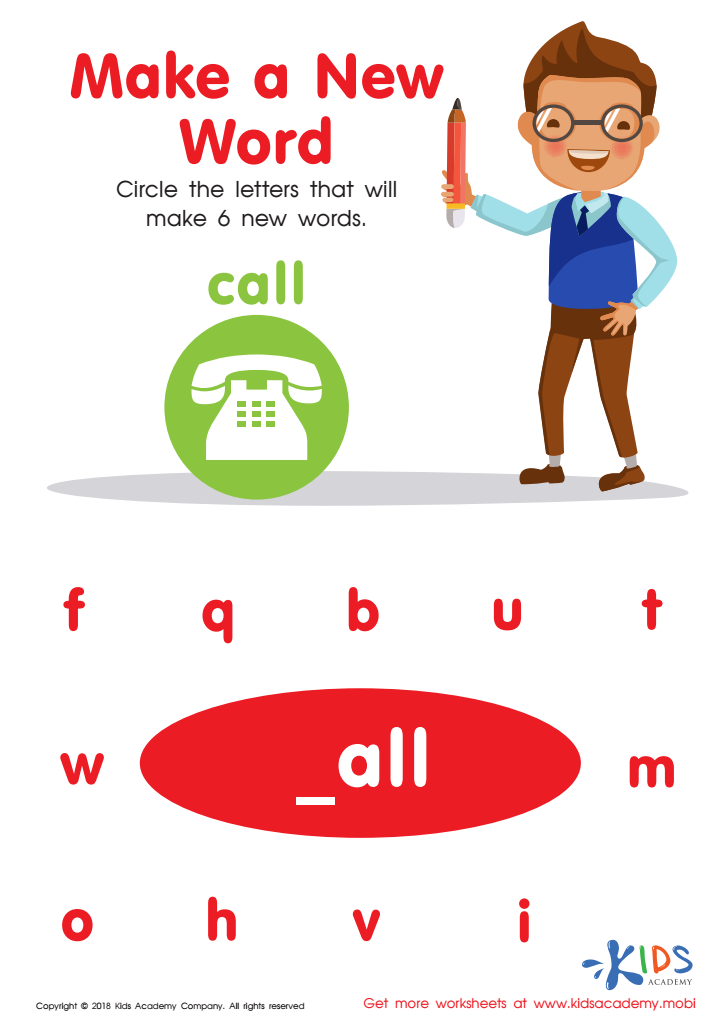
Make a New Word Worksheet
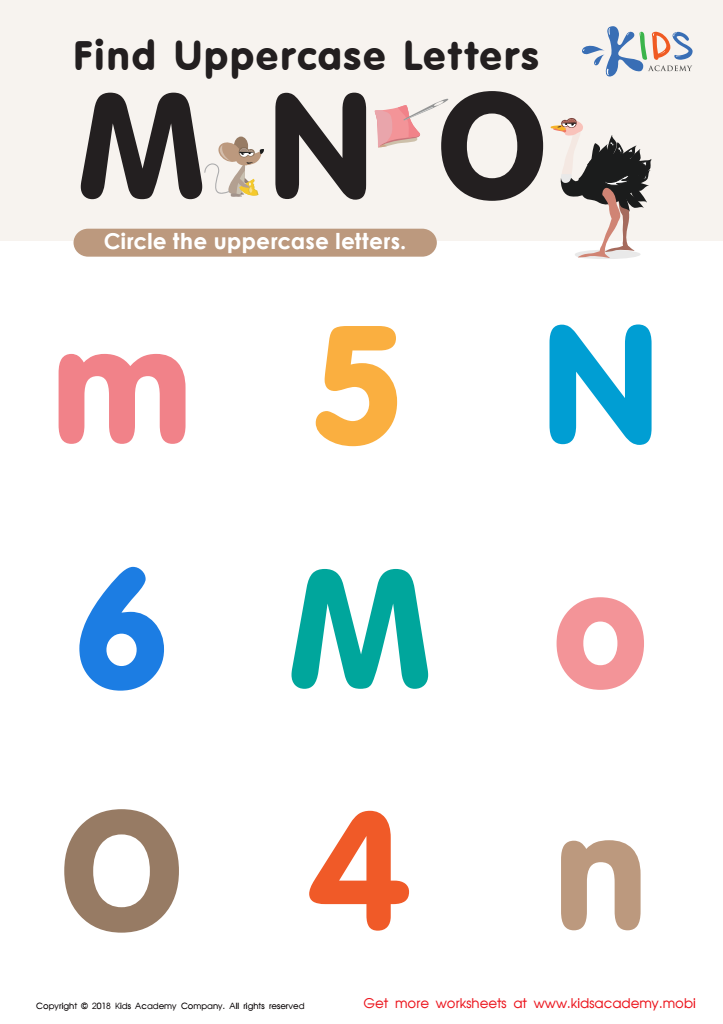
Find Uppercase Letters M, N, and O Worksheet
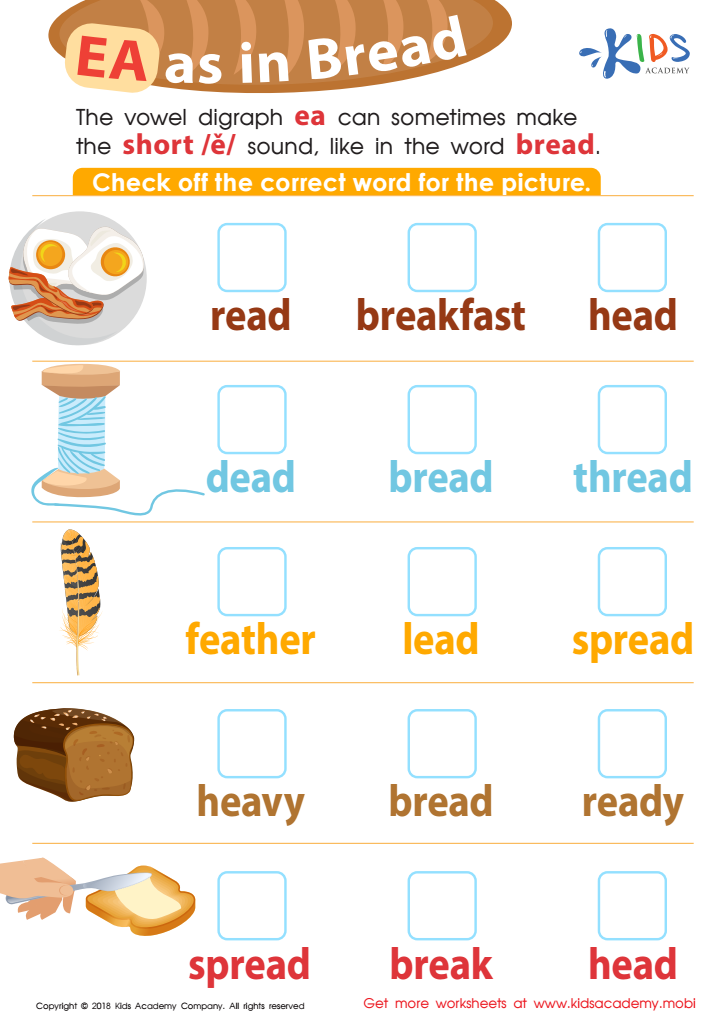
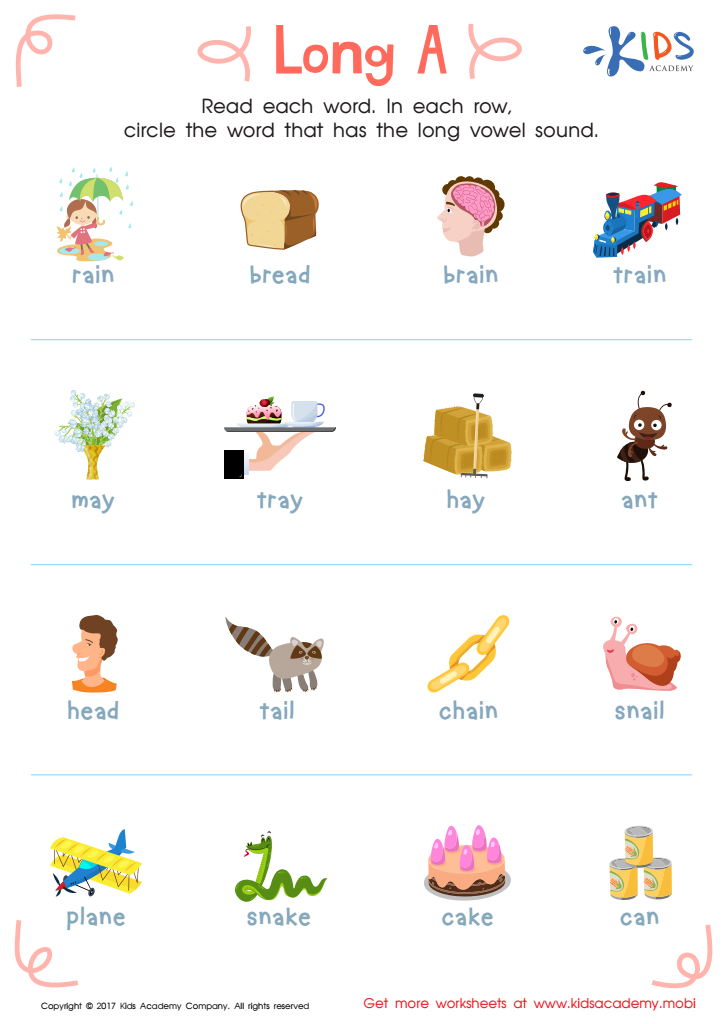
Reading: EA as in Bread Worksheet
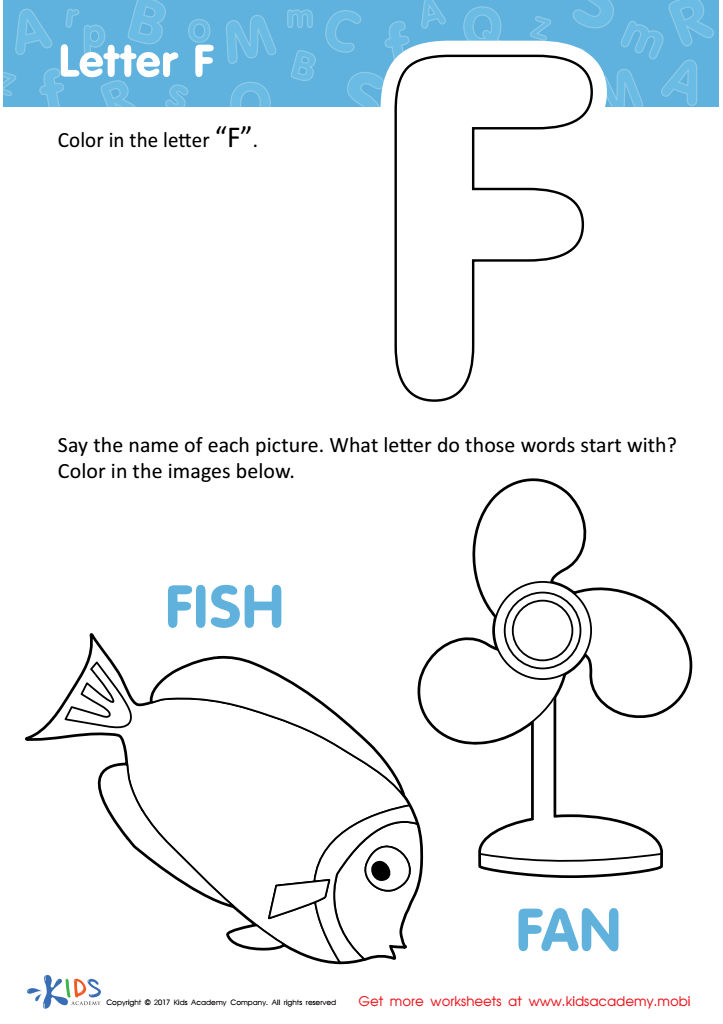
Letter F Coloring Sheet
 Assign to My Students
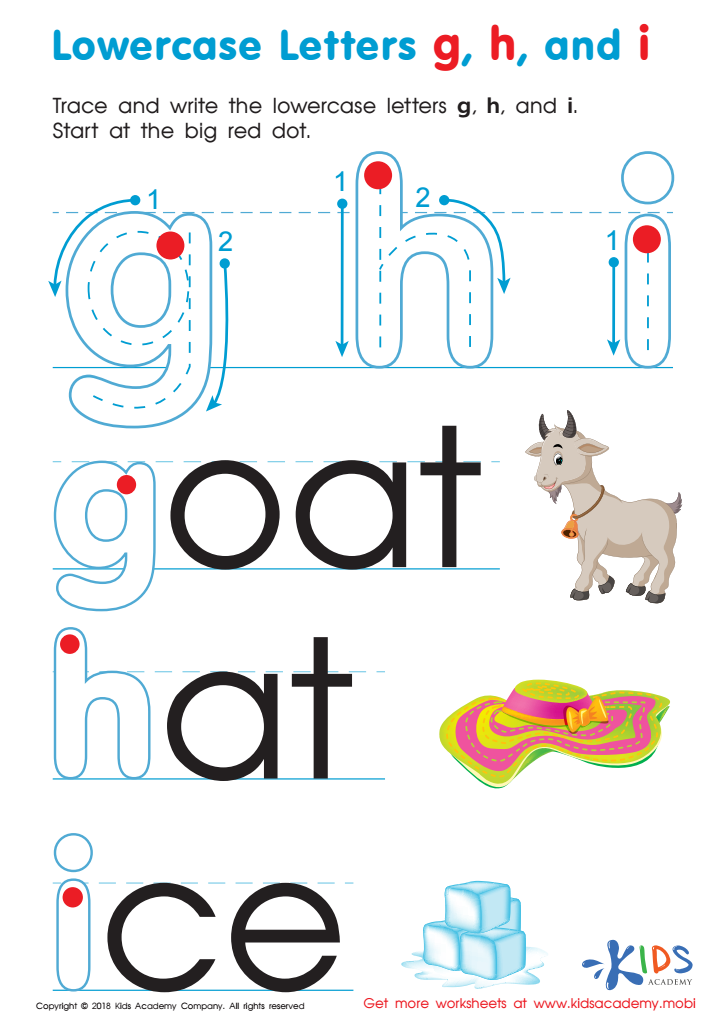
Lowercase Letters g h i Worksheet
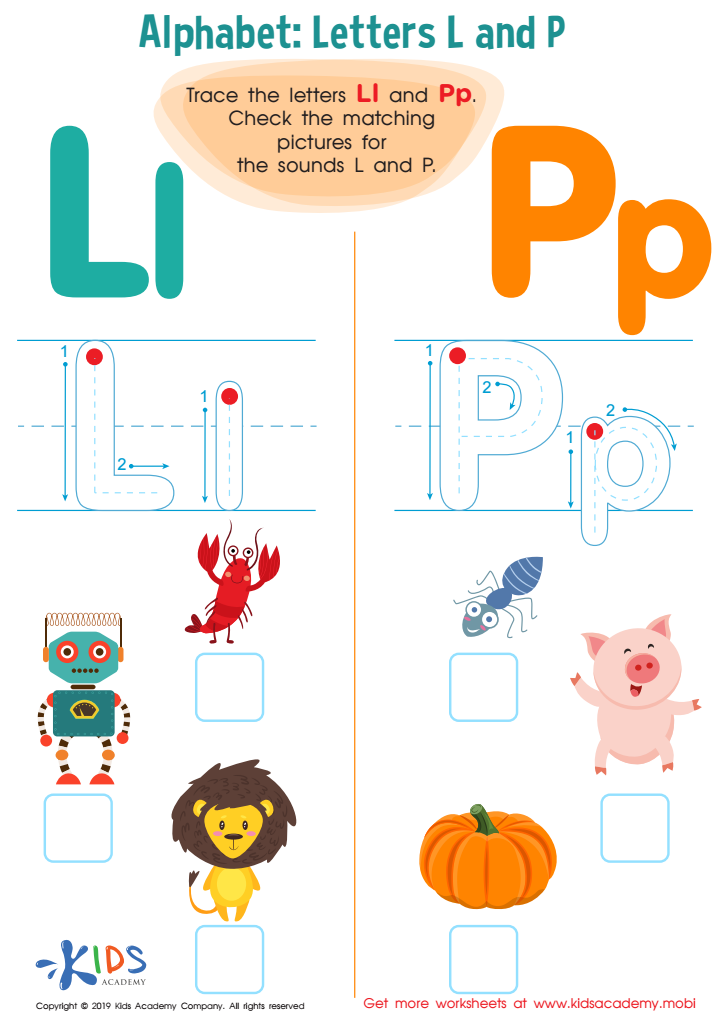
Letter L and P Tracing Worksheet
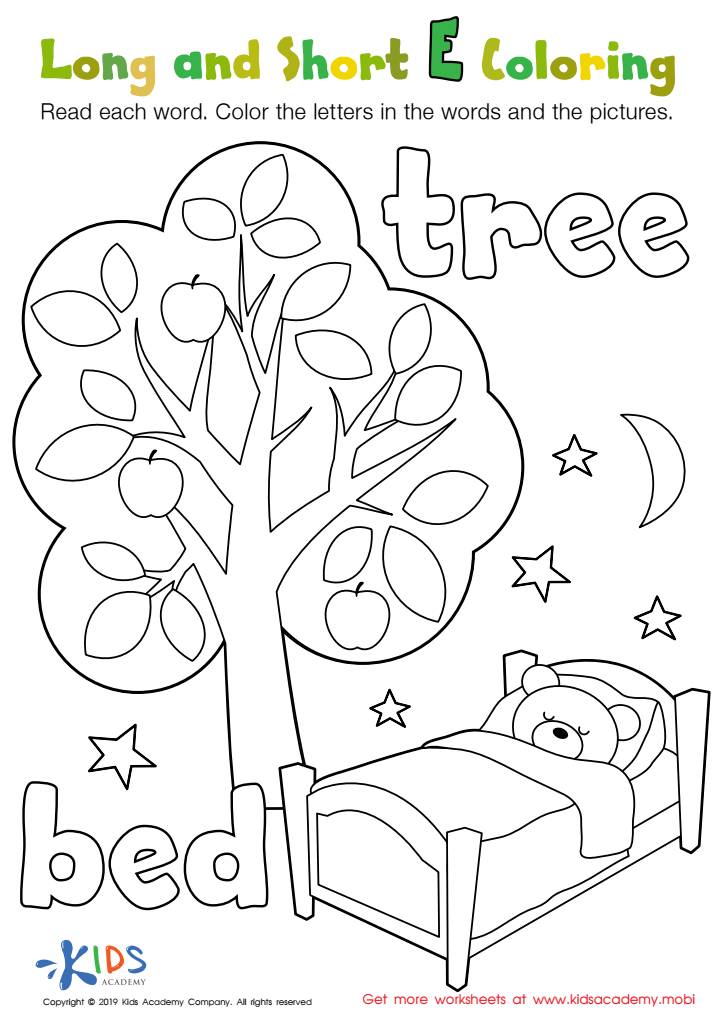
Long and Short E Worksheet
Assign to My Students
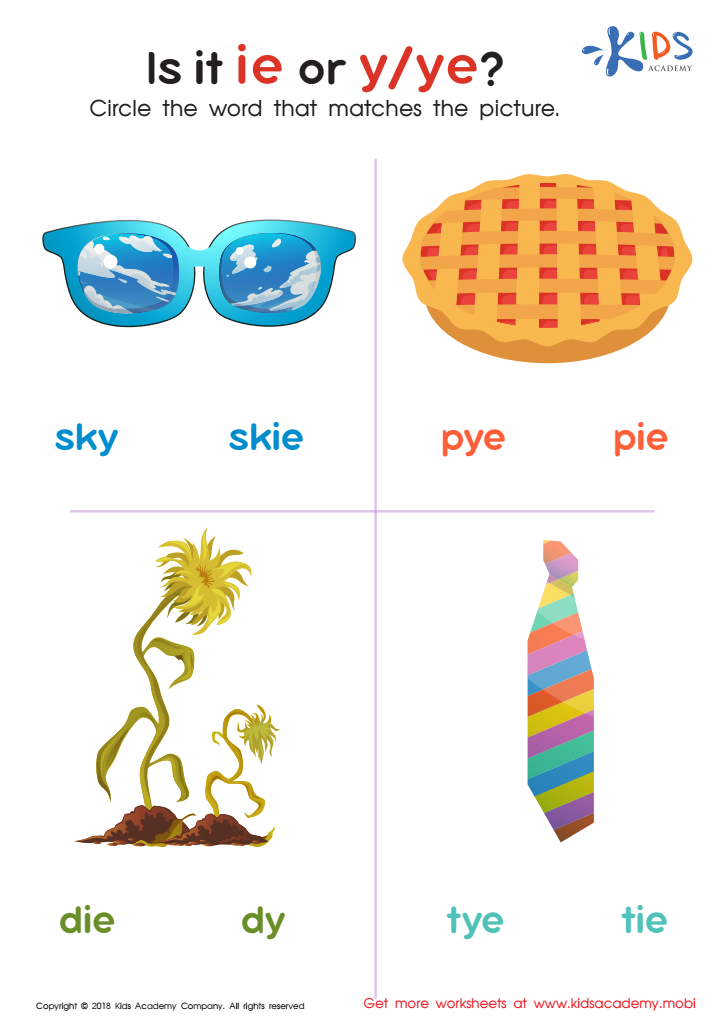
Is It IE or Y/Ye? Worksheet
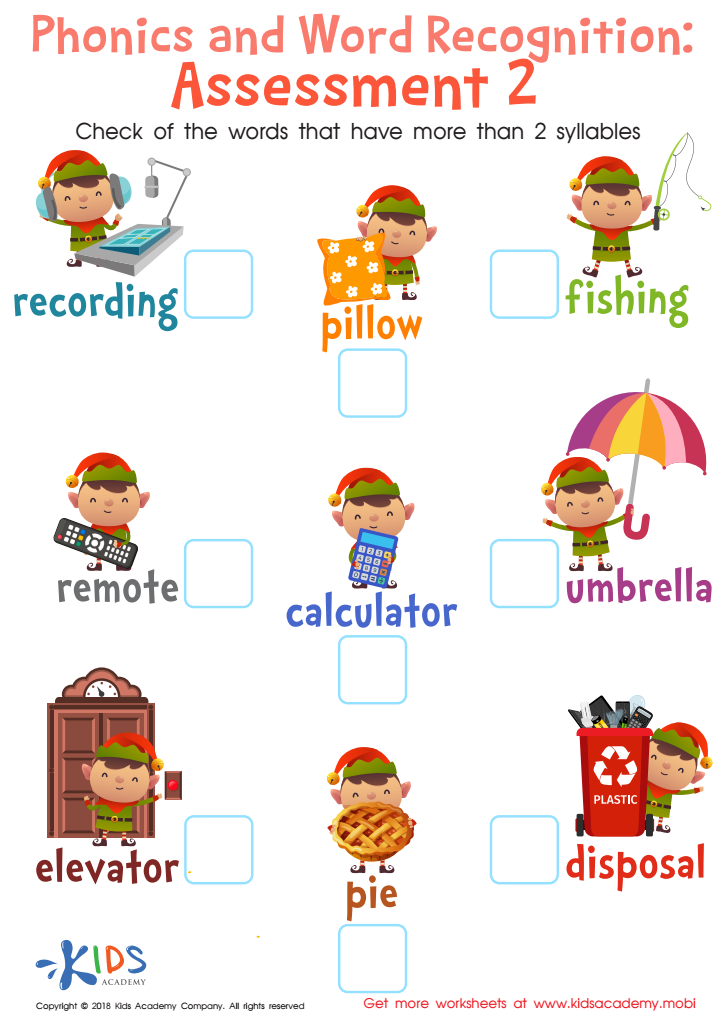
Phonics and Word Recognition: Assessment 2 Worksheet
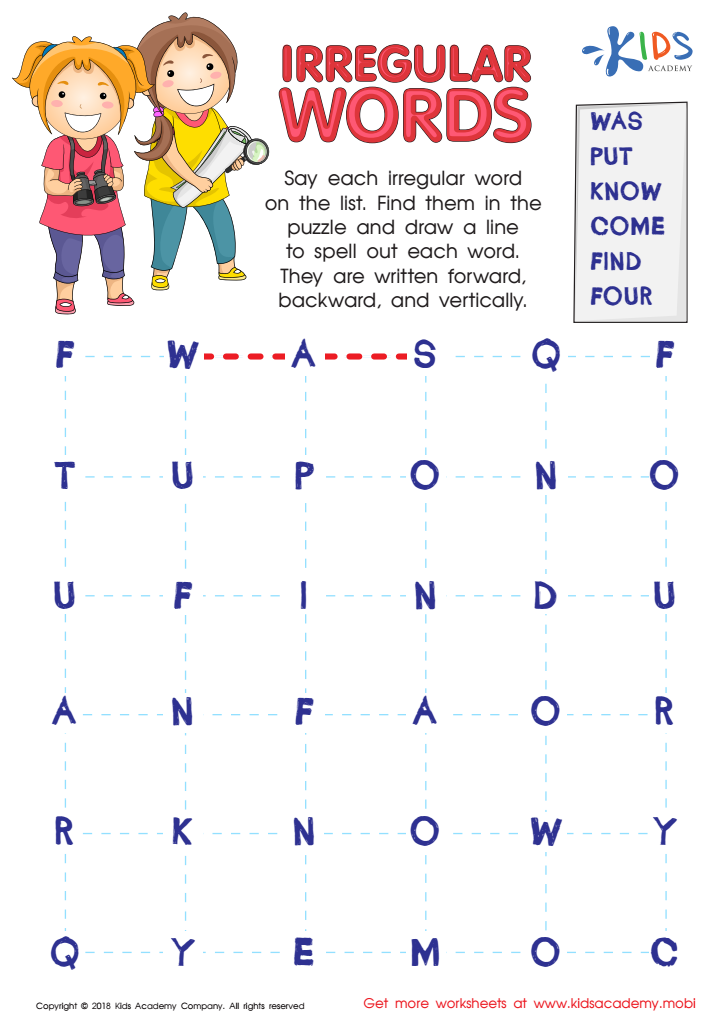
Irregular Words Worksheet
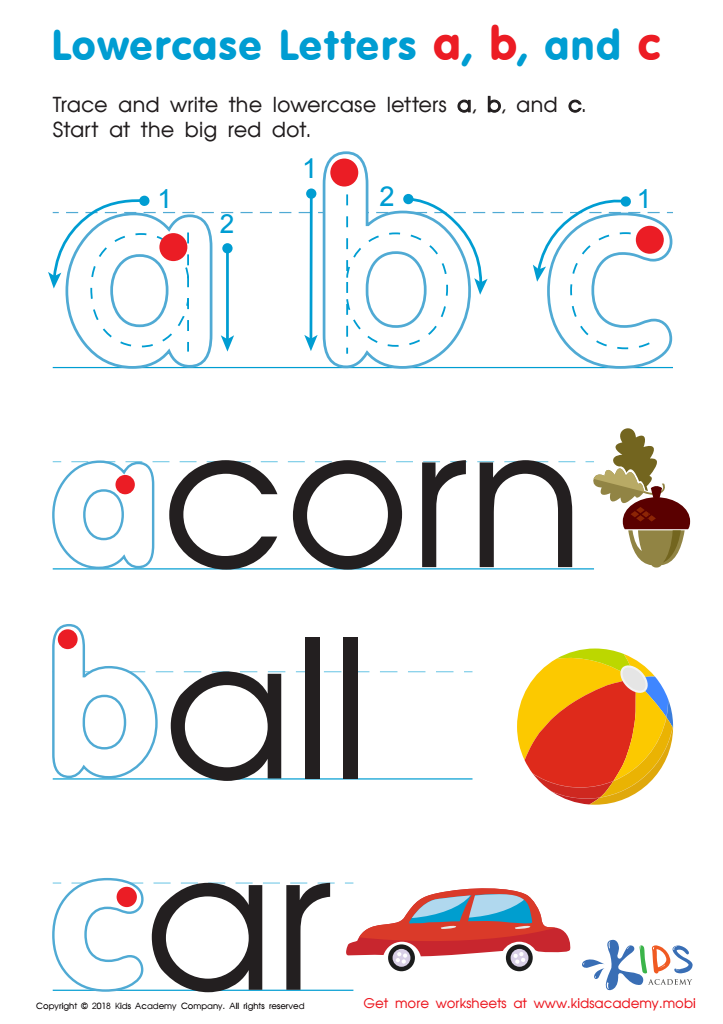
Lowercase Letters a b c Worksheet
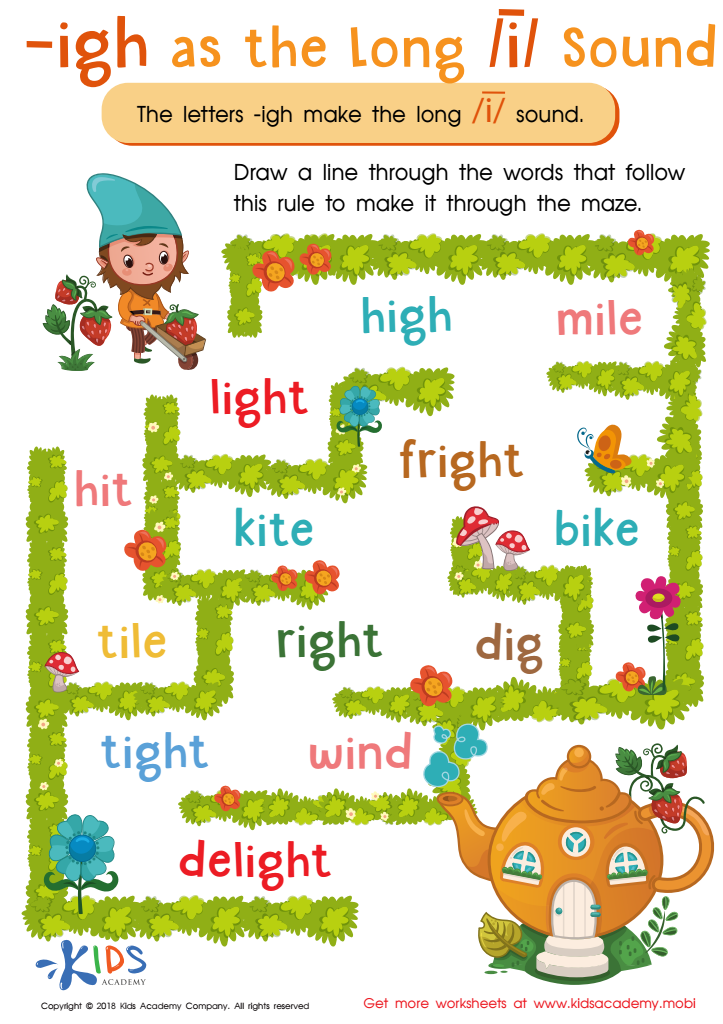
Reading: IGH as Long I Worksheet
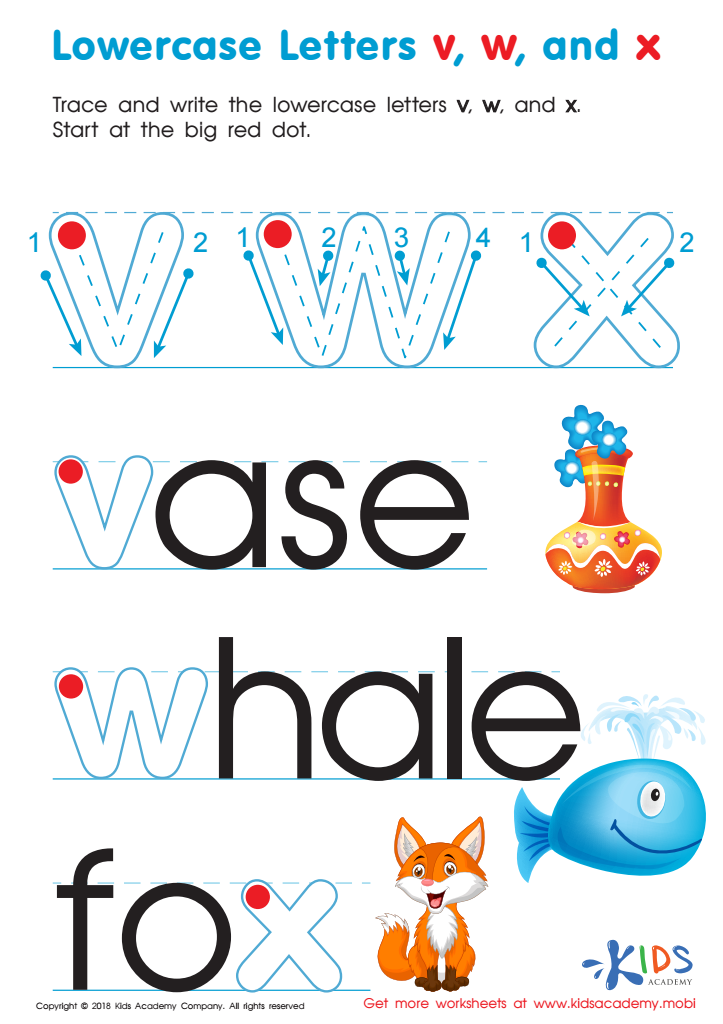
Lowercase Letters v w x Worksheet
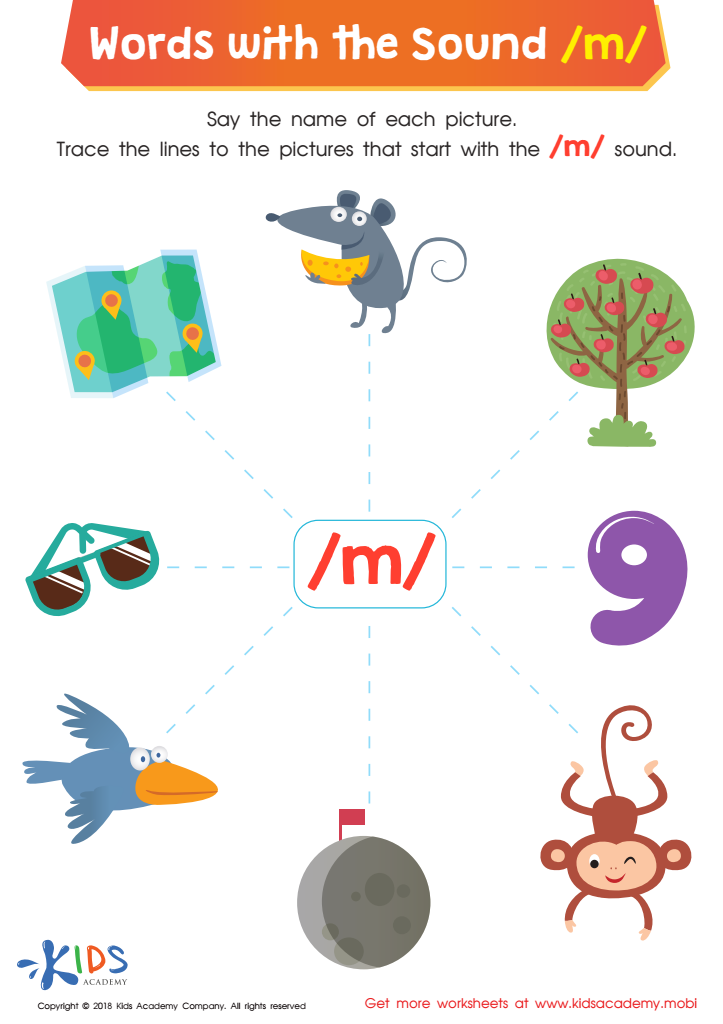
Words with Sound M Reading Worksheet
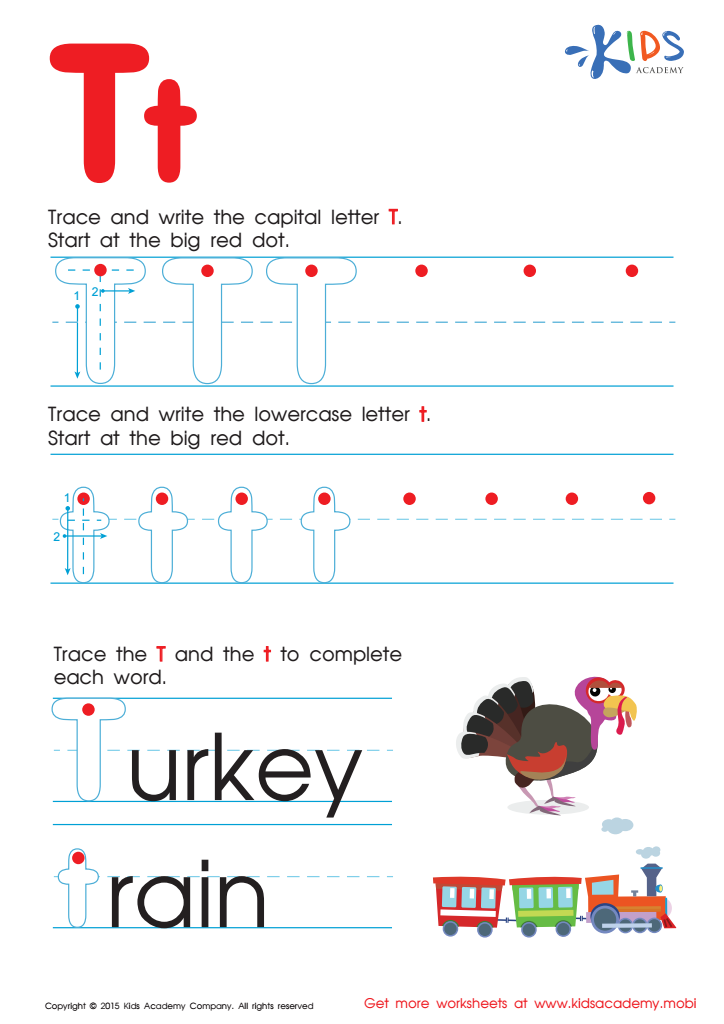
Letter T Tracing Page
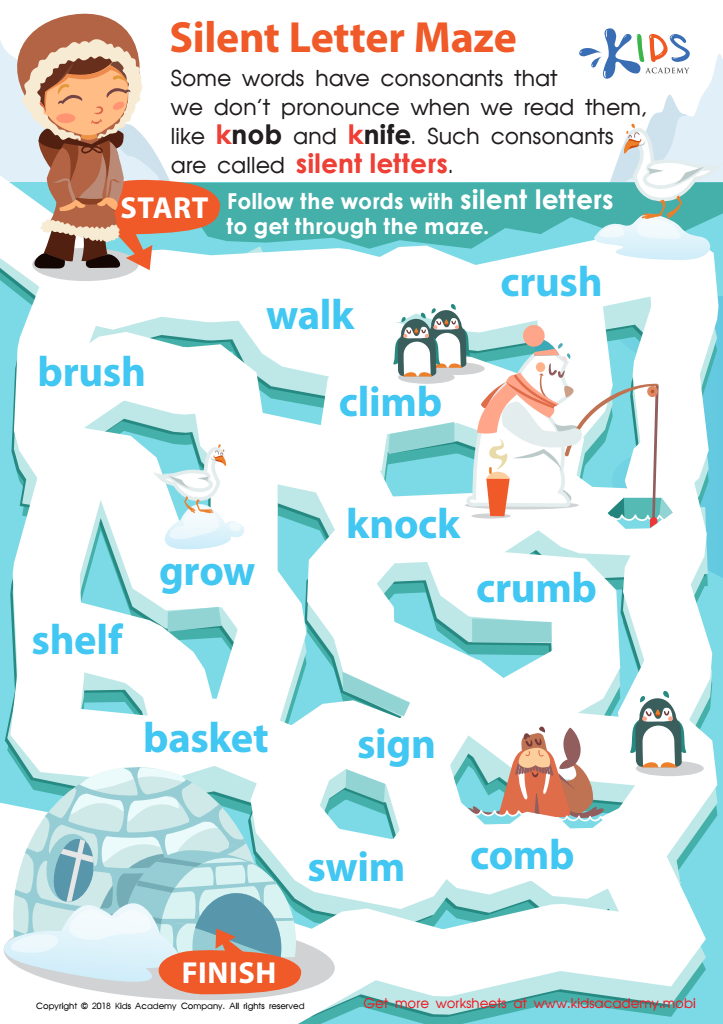
Silent Letter Maze Worksheet
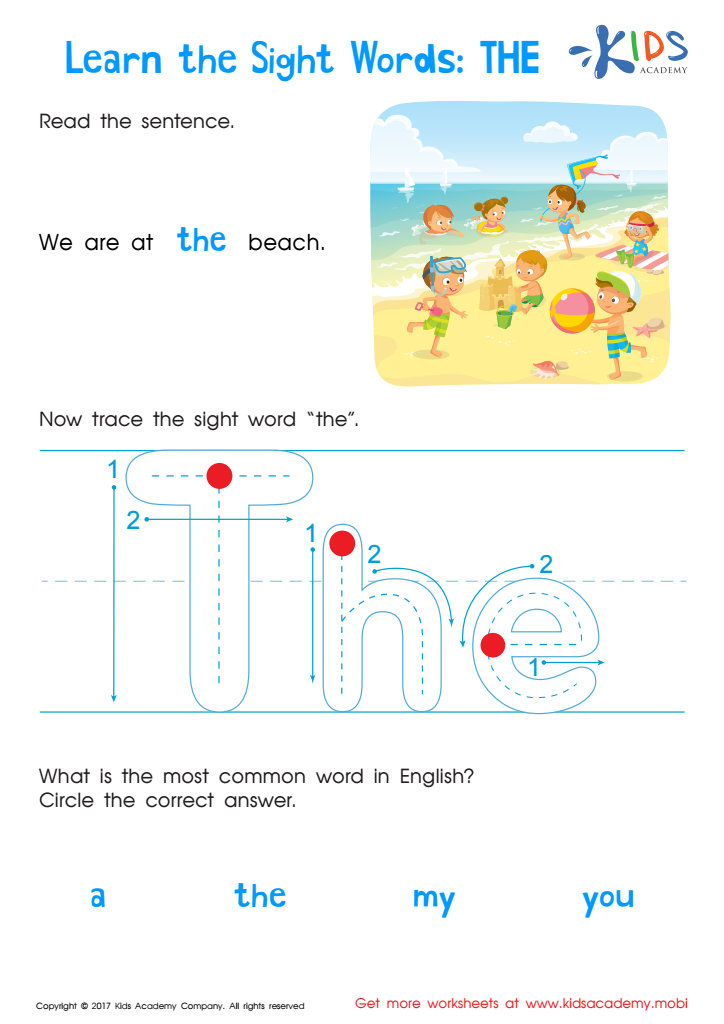
Sight Words: The Worksheet
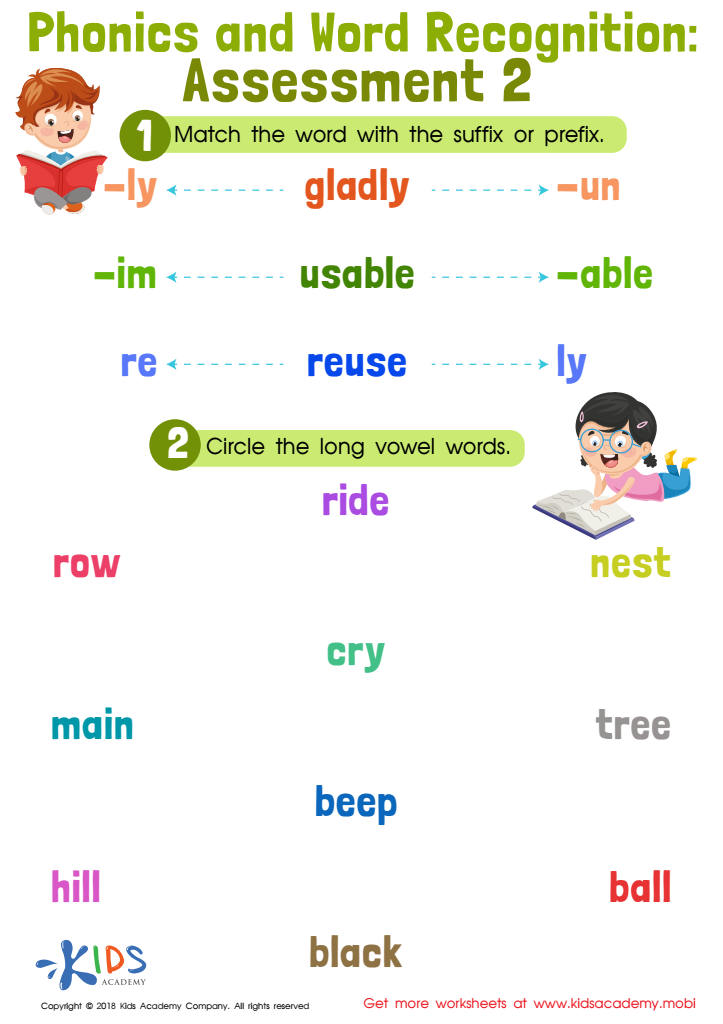
Phonics and Word Recognition: Assessment 2
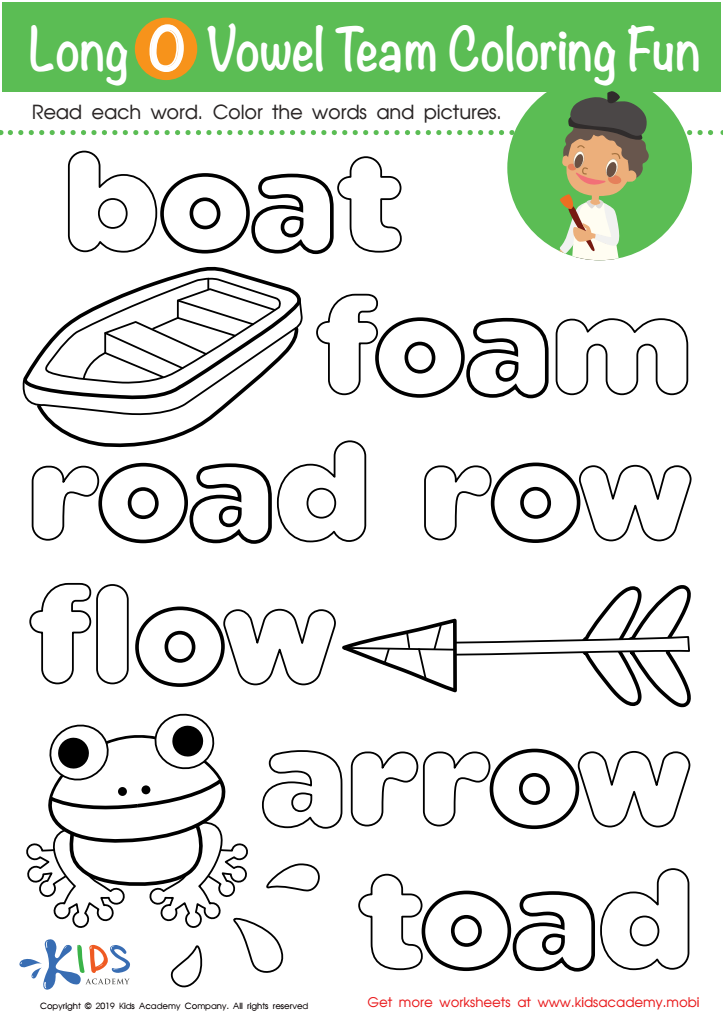
Long O Vowel Team Coloring Worksheet
Assign to My Students
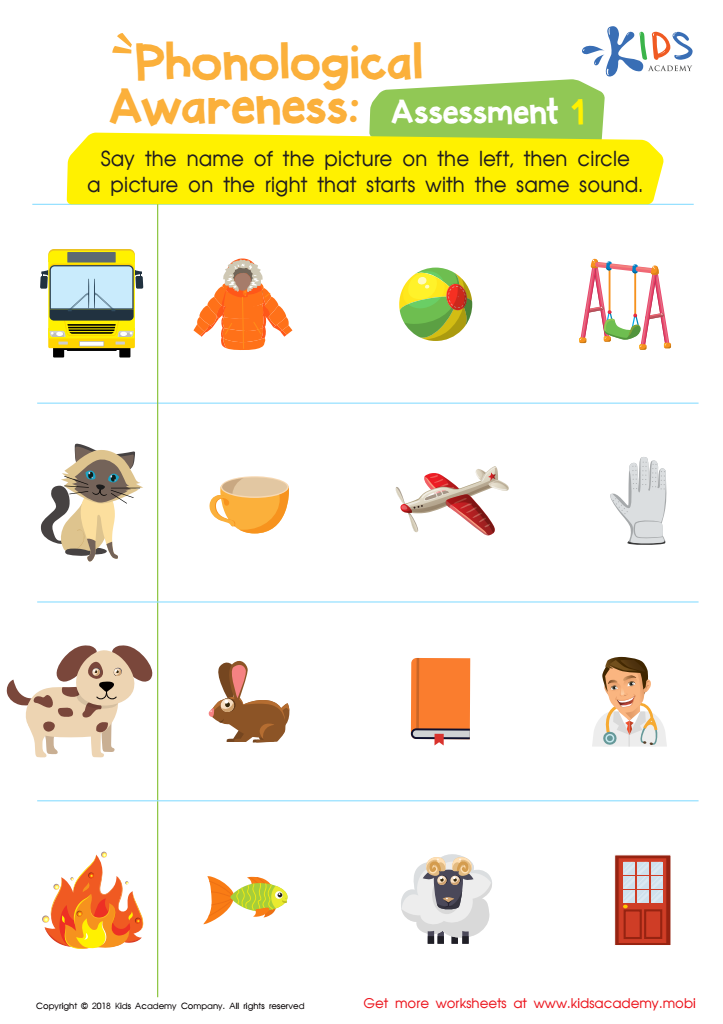
Phonological Awareness: Assessment 1 Worksheet
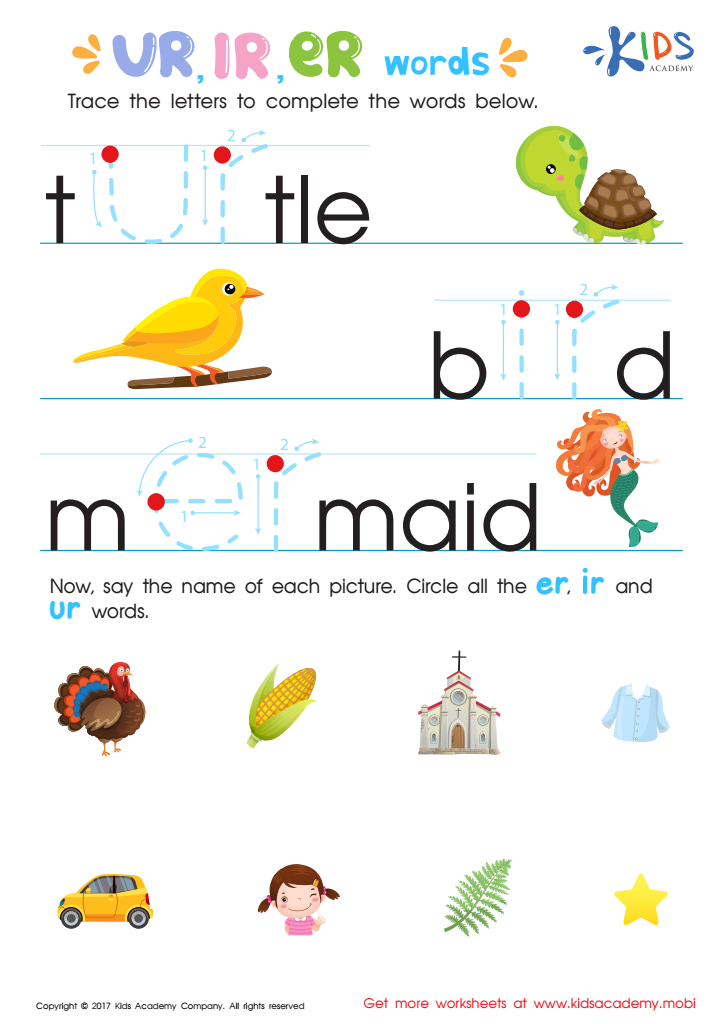
IR UR ER Words Worksheet
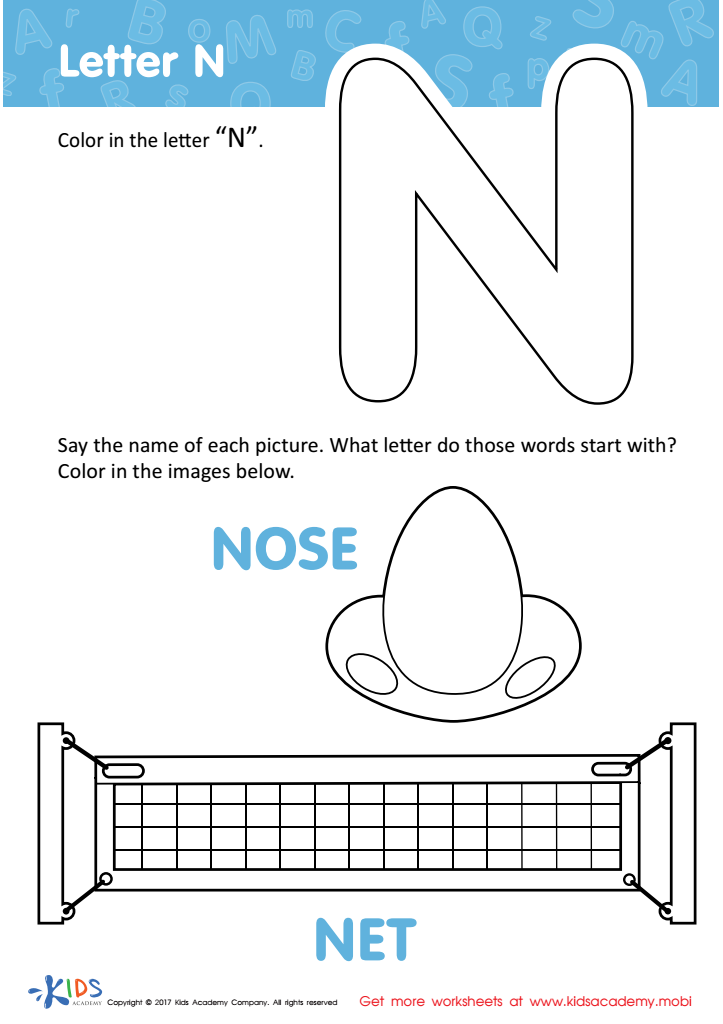
Letter N Coloring Sheet
Assign to My Students
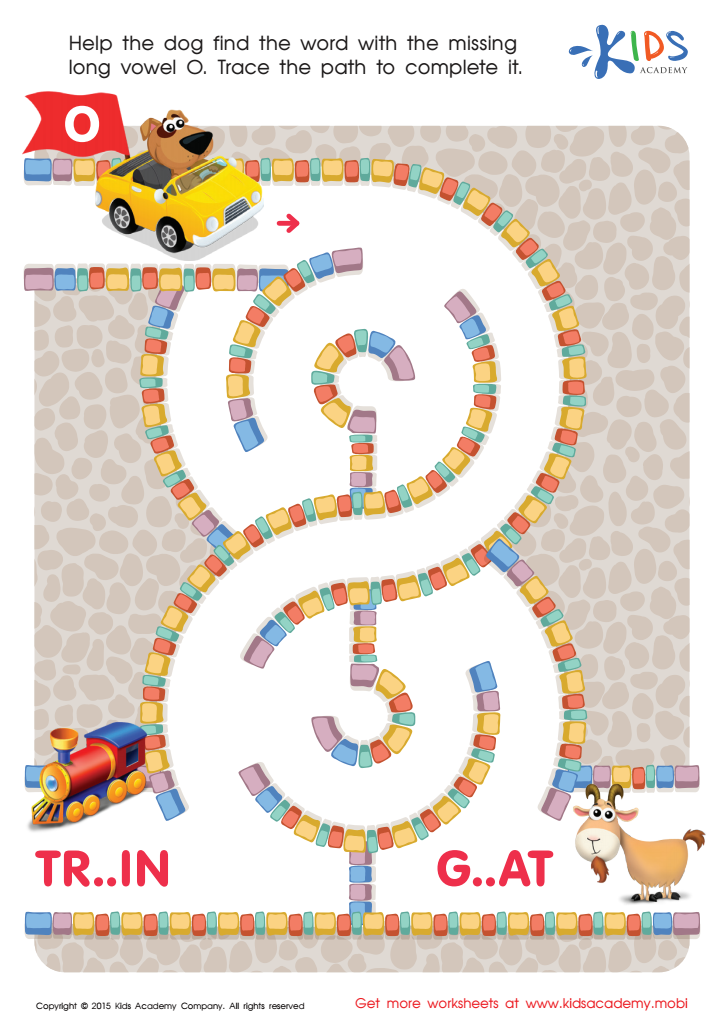
Long Vowel Sound O Worksheet







Parents and teachers should prioritize the teaching of the alphabet for children ages 6-8 as it forms the foundation of literacy, a crucial skill for academic success and communication. At this age, children are transitioning from learning to read to reading to learn. A strong grasp of the alphabet ensures they can decode words effectively, enhancing their reading fluency and comprehension.
Understanding the alphabet also supports the development of writing skills, enabling them to express their thoughts and ideas clearly. This is essential not only for academic performance but also for fostering creativity and self-expression. Additionally, recognizing that letters correspond to sounds helps in phonetic understanding, essential for spelling and pronunciation, which can reduce frustration as children engage with more complex texts.
Socially, being proficient with the alphabet aids children in participating actively in classroom discussions, reading aloud, and collaborating on projects, which improves their confidence and engagement. As partners in their learning journey, parents and teachers can create an enriched environment by incorporating fun alphabet games and activities, reinforcing these skills. Ultimately, attention to the alphabet during these formative years sets the stage for a lifetime of literacy and learning.







