Shape Recognition Math Worksheets for Ages 6-8 - Page 2
105 filtered results
-
From - To
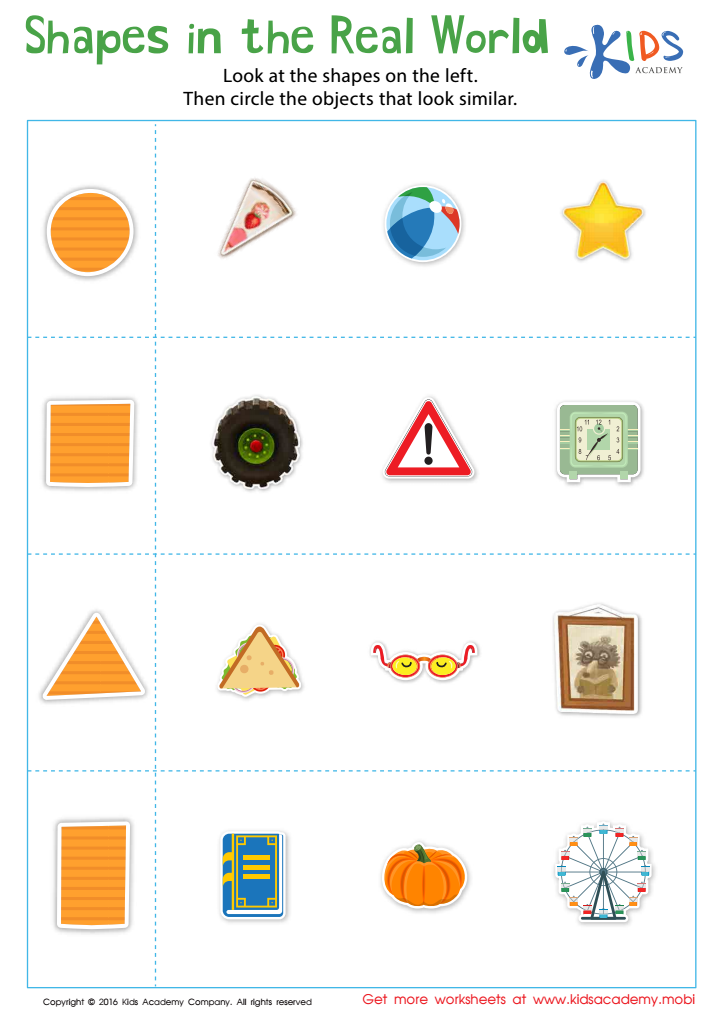
Shapes in the Real World Worksheet
 Assign to My Students
Trace And Draw a Circle And a Square Worksheet
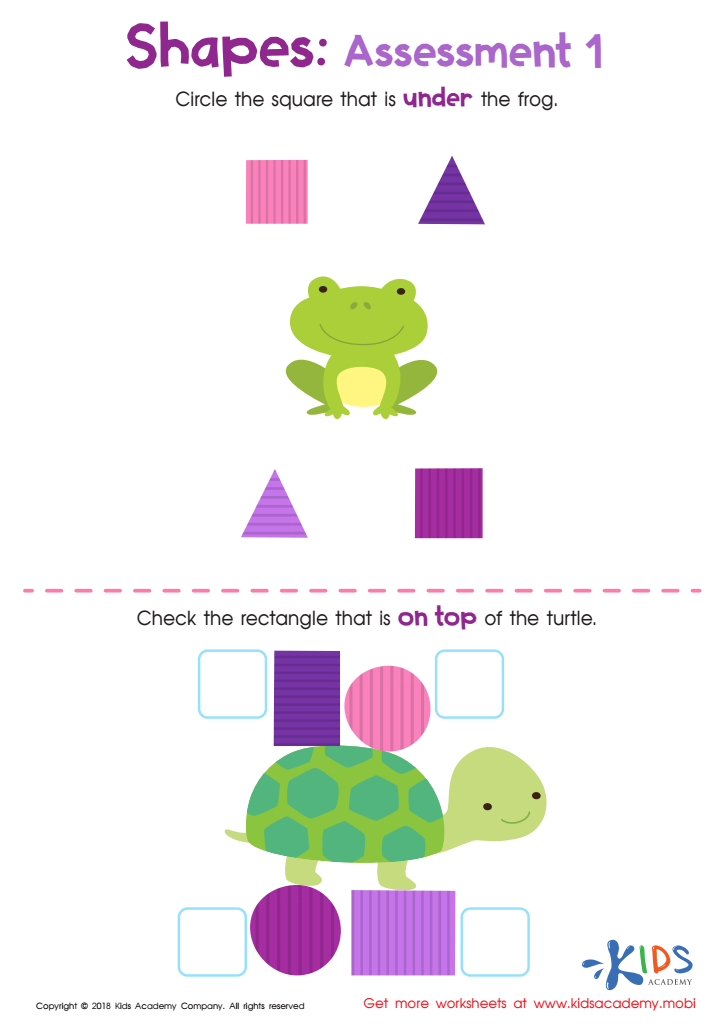
Geometry – Assessment 1 Worksheet
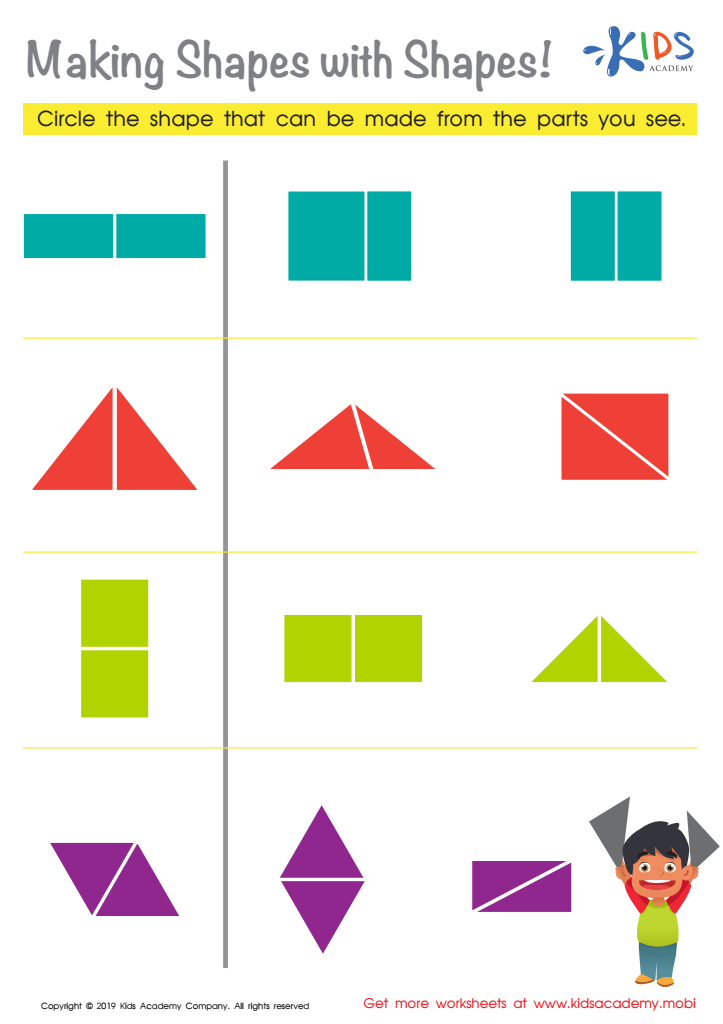
Making Shapes with Shapes Worksheet
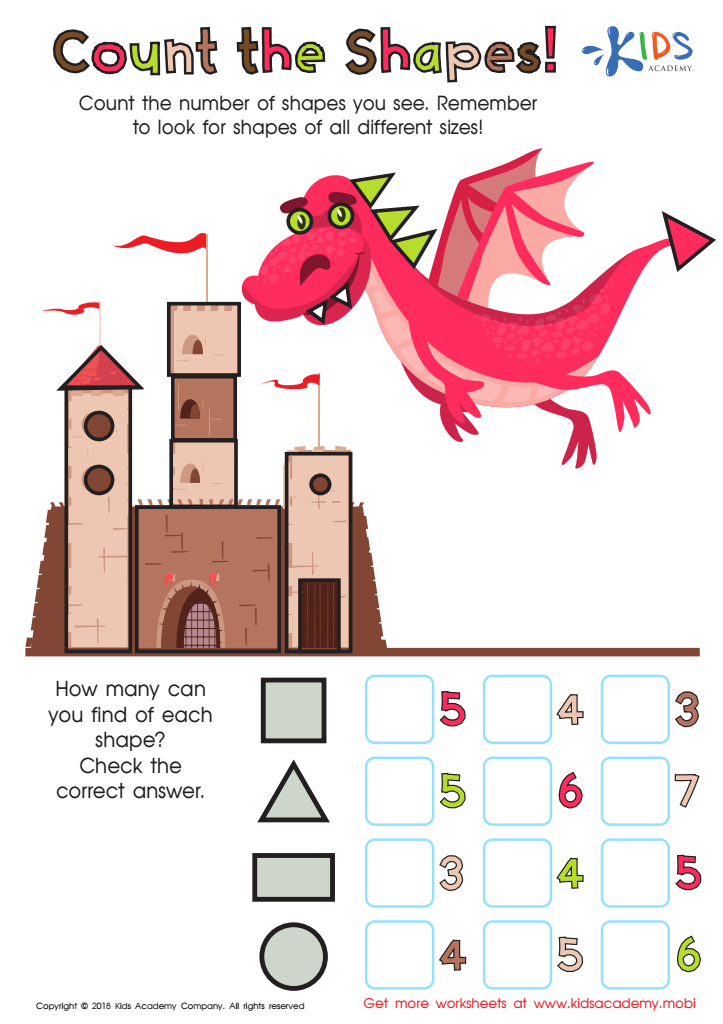
Count the Shapes Worksheet
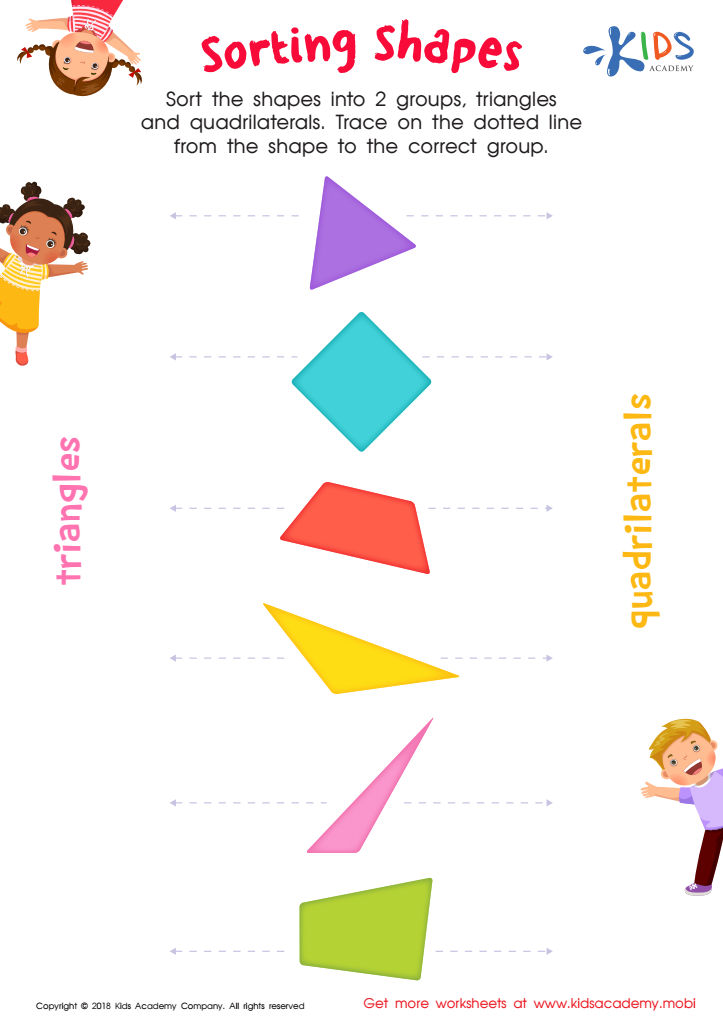
Sorting Shapes Worksheet
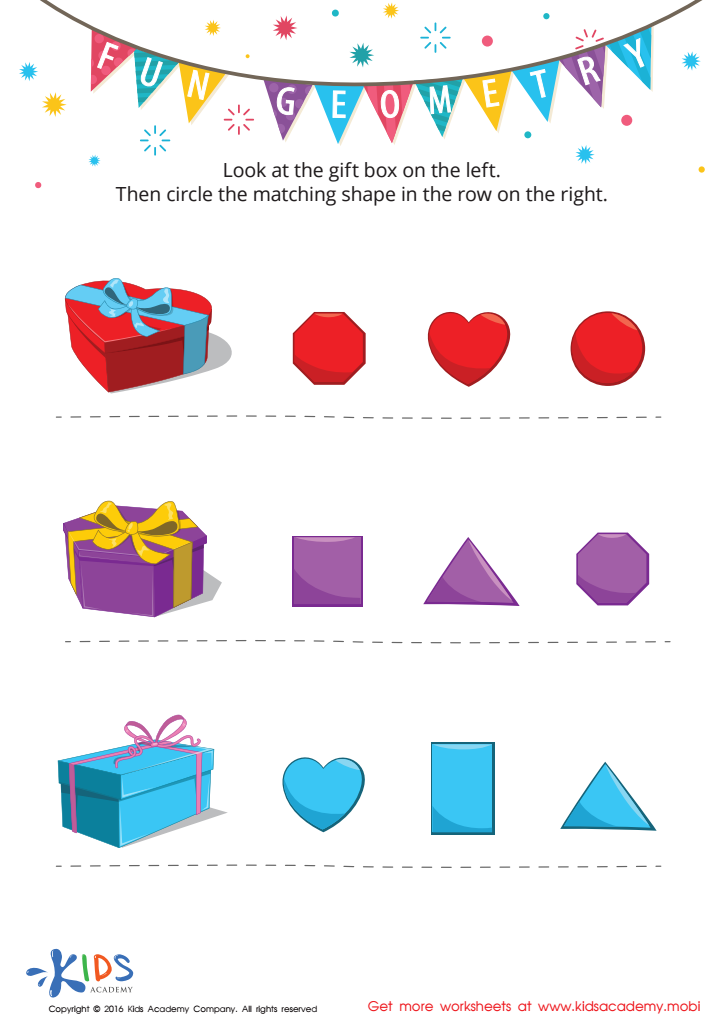
Fun Geometry Worksheet
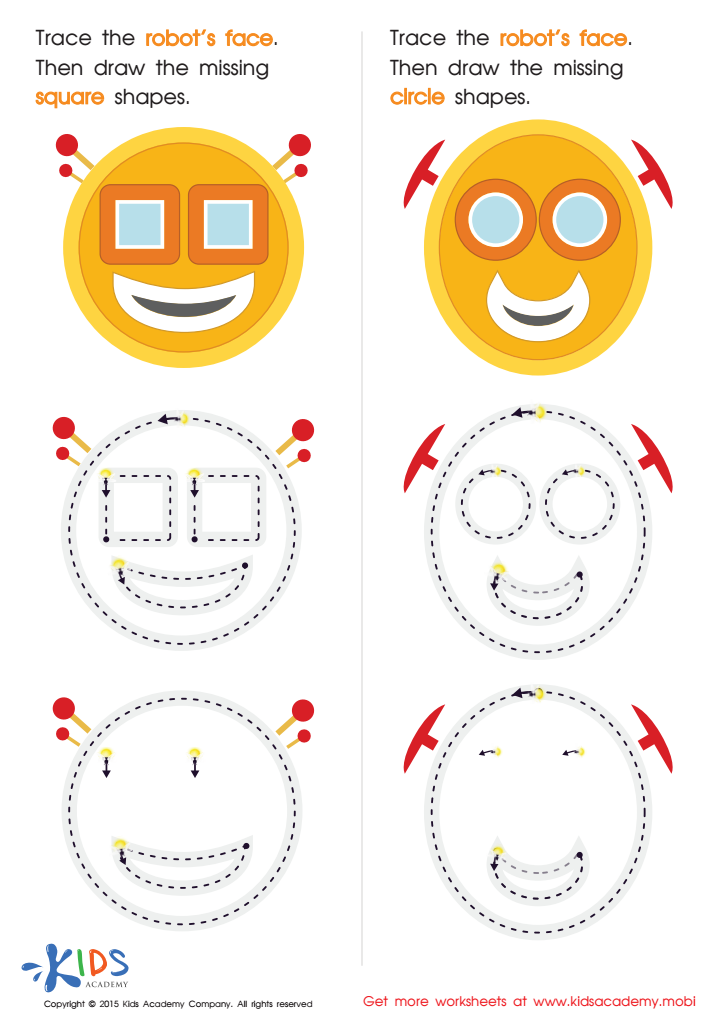
Practicing to Draw Circles And Squares Printable
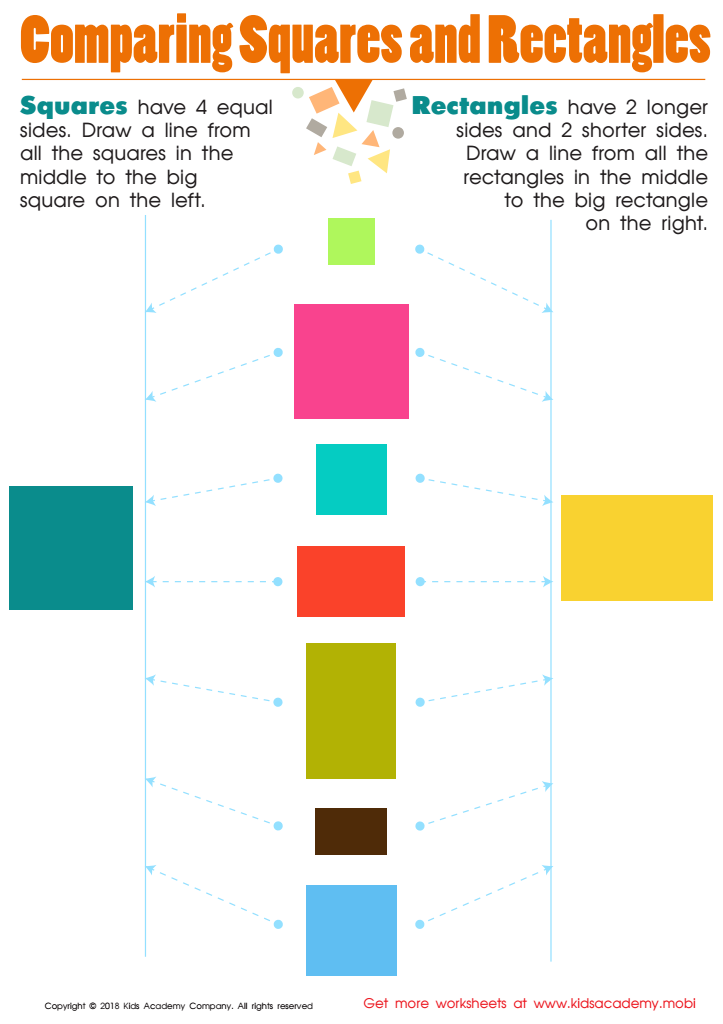
Comparing Squares Rectangles Worksheet
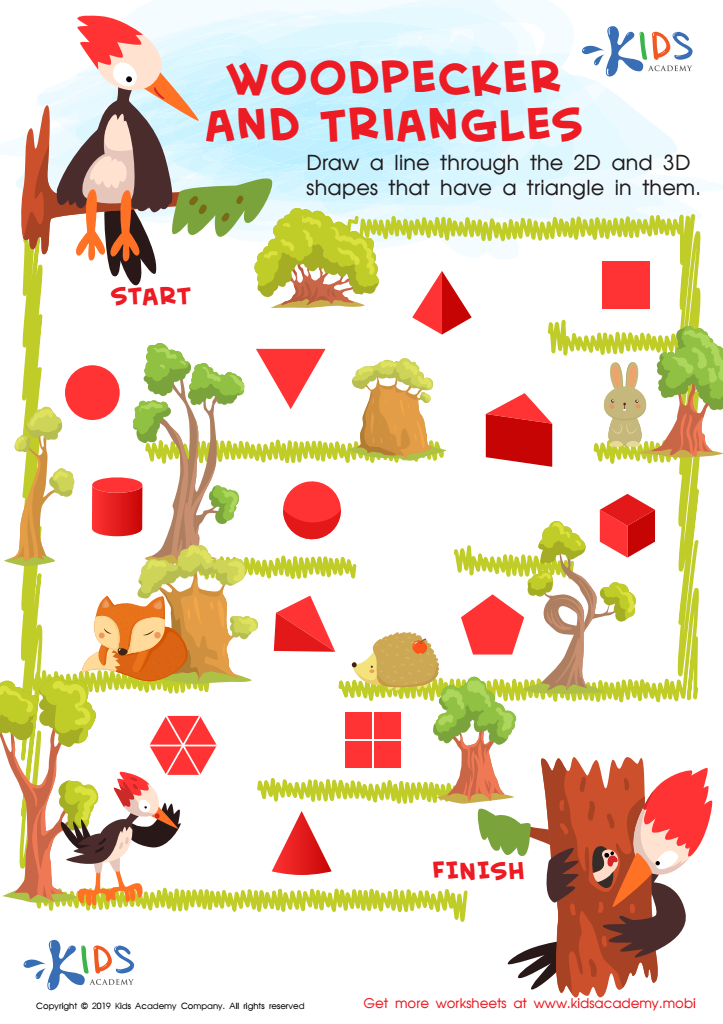
Woodpecker and Triangles Worksheet
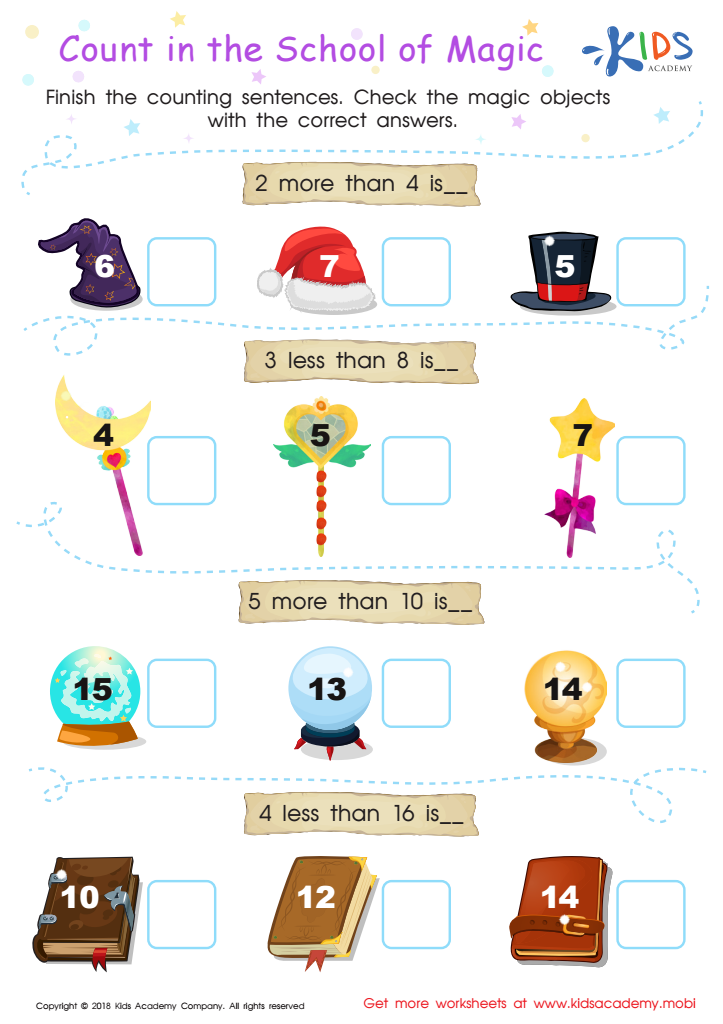
Count in the School of Magic Worksheet
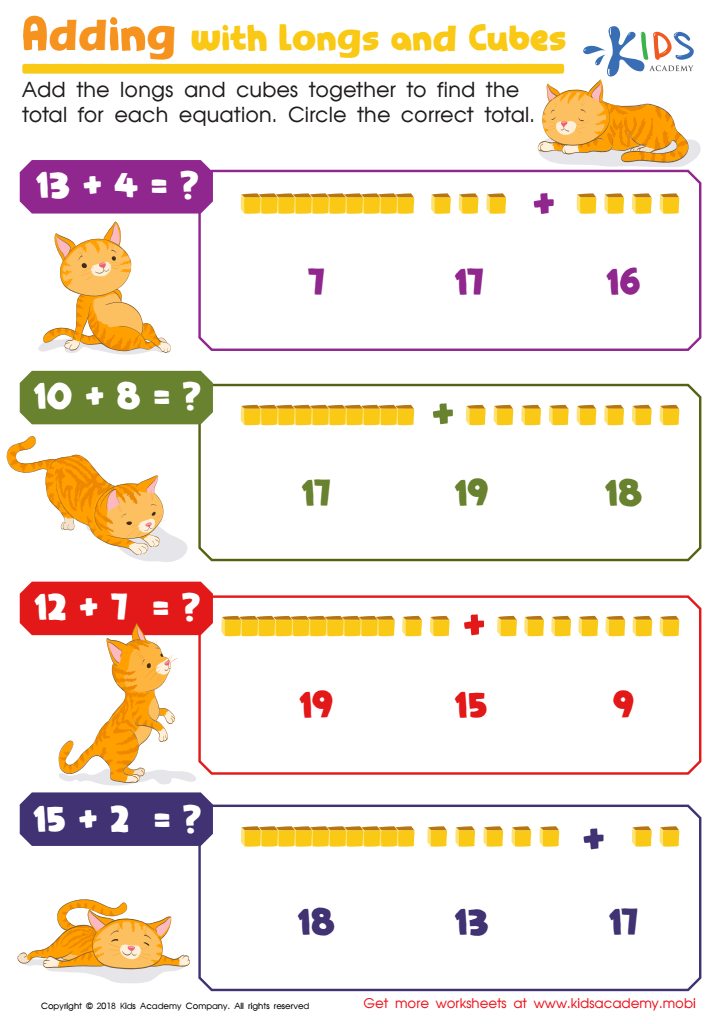
Adding With Longs and Cubes Worksheet
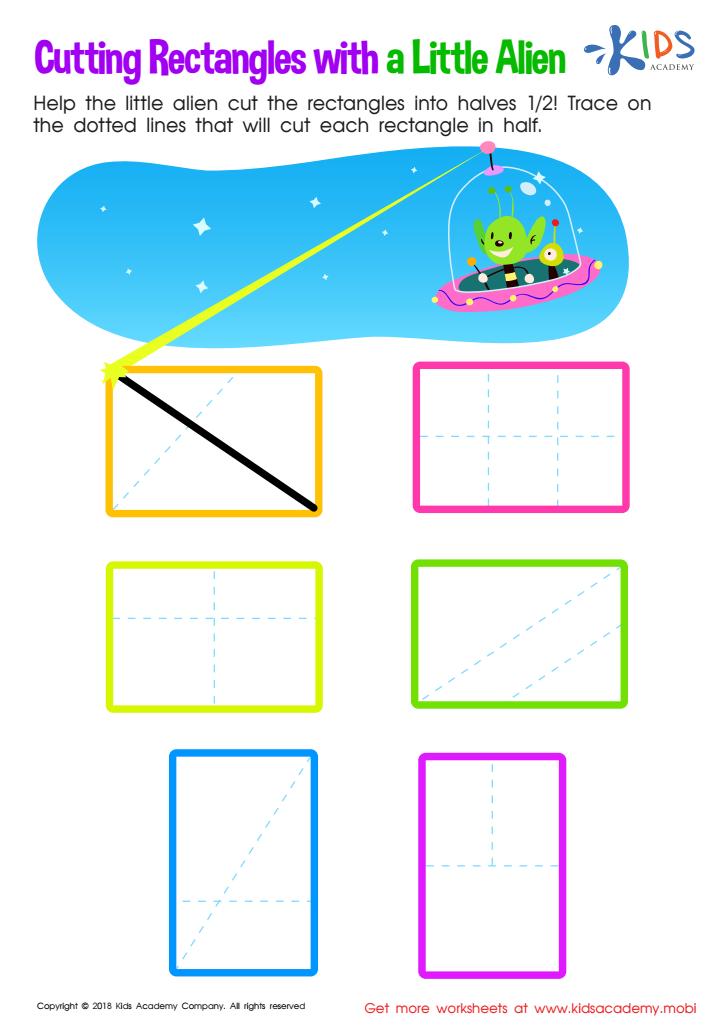
Cutting Rectangles with Alien Worksheet
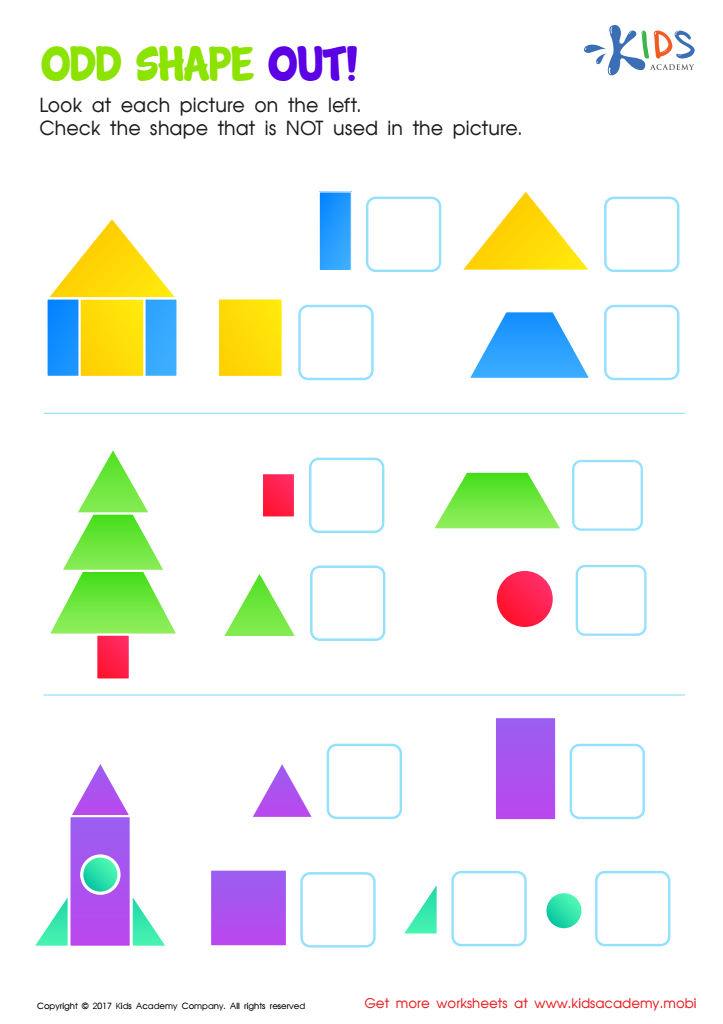
Odd Shape Out Worksheet for Grade 1
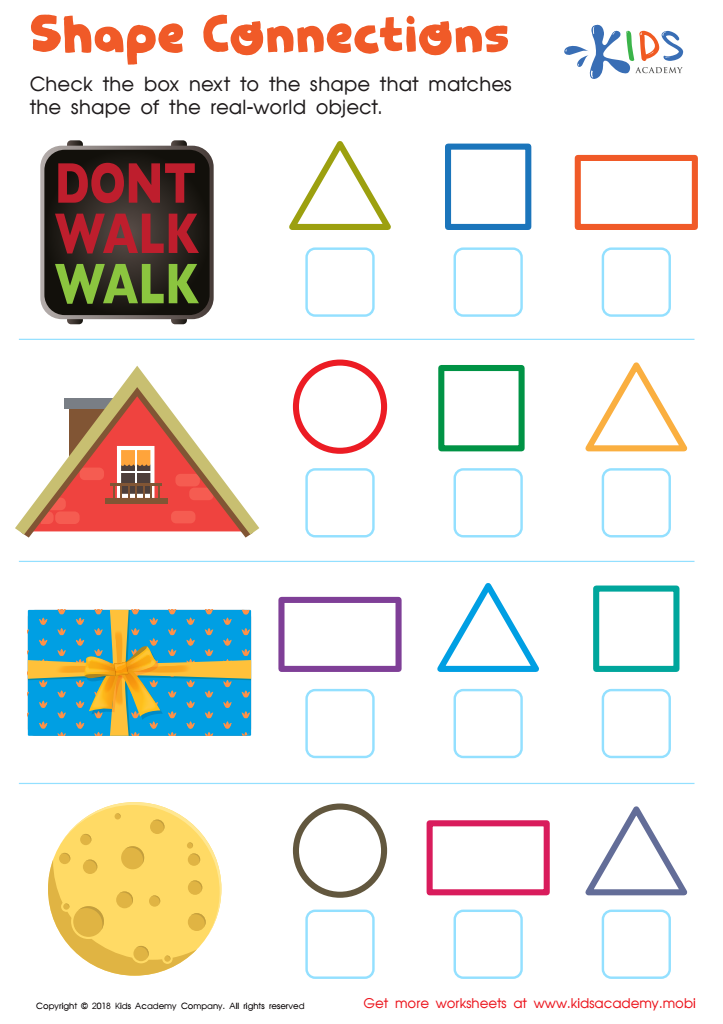
Shape Connections Worksheet
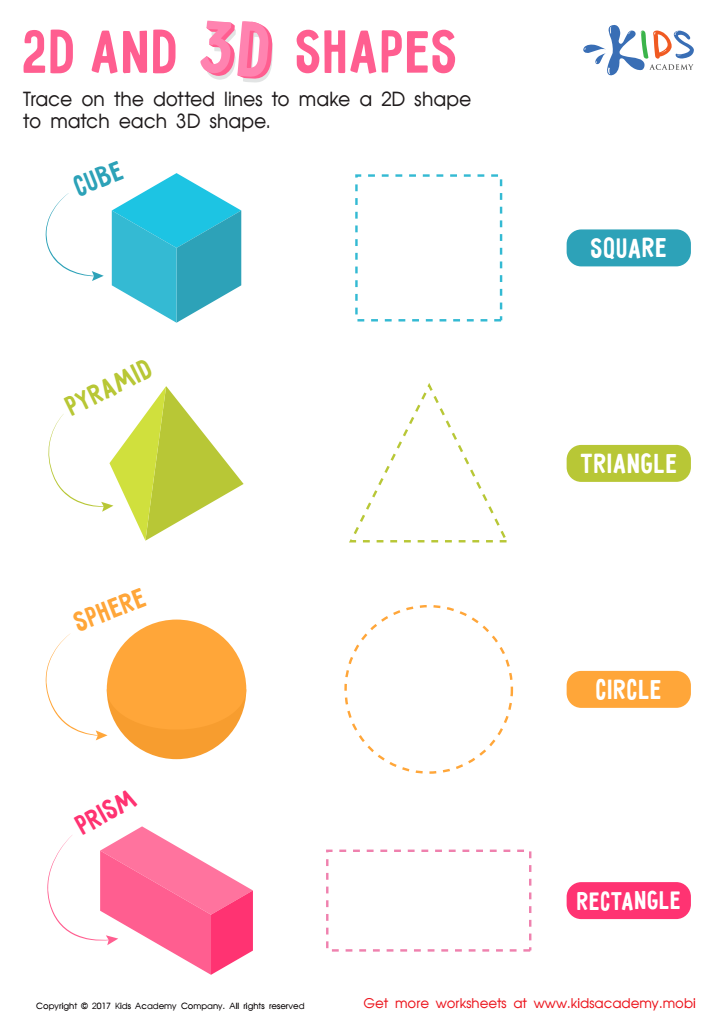
2D and 3D Shapes Worksheet
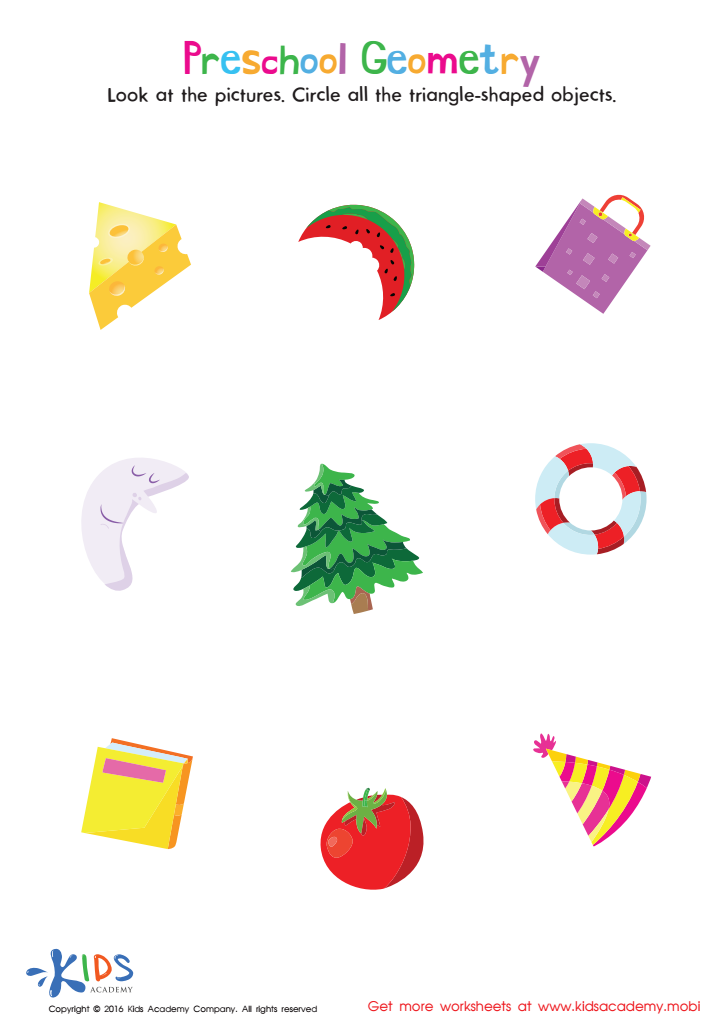
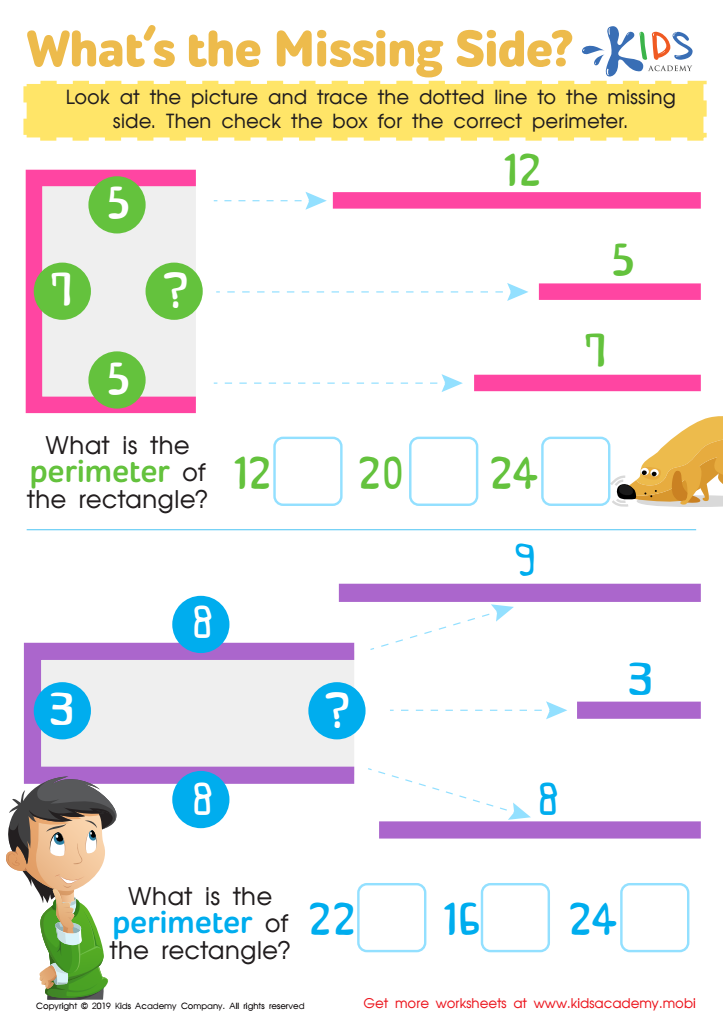
What's the Missing Side Worksheet
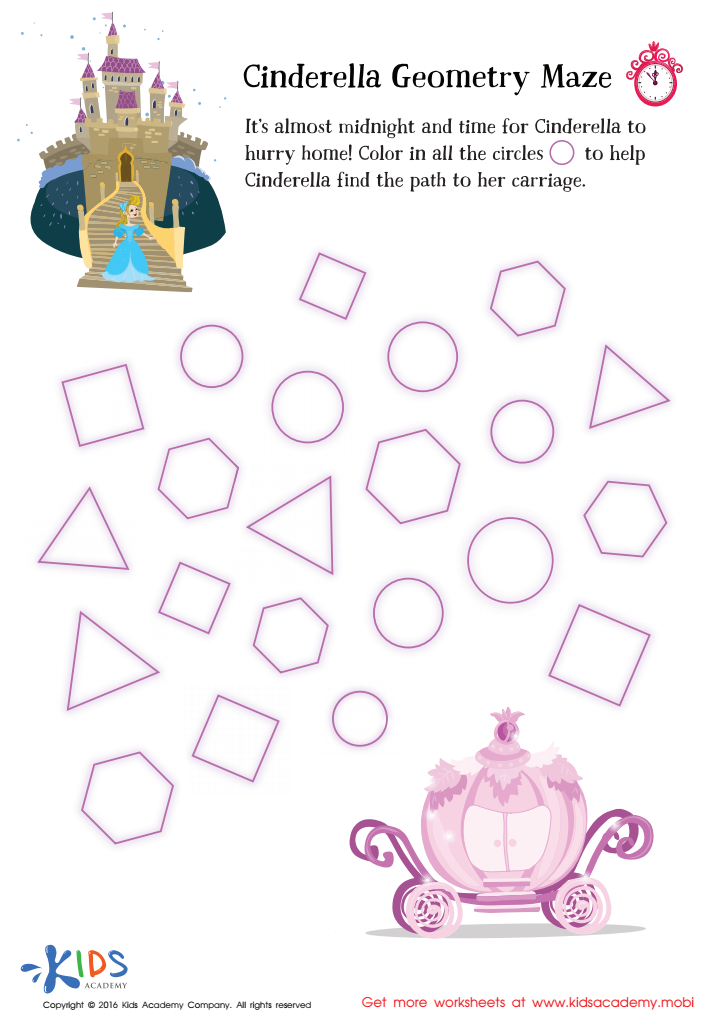
Cinderella Geometry Maze Worksheet





Shape recognition is a fundamental mathematical skill that lays the groundwork for a child's understanding of geometry and spatial awareness. Parents and teachers should prioritize this aspect of early math education for children ages 6-8 for several reasons.
Firstly, shape recognition helps develop critical thinking and problem-solving skills. By identifying and distinguishing between shapes, children begin to understand their properties and how they interact in space. This foundational knowledge is crucial for later concepts in math, such as measurement, area, and volume.
Moreover, shape recognition plays a vital role in enhancing a child's cognitive development. Engaging with shapes encourages creativity and imagination as children relate mathematics to the world around them, spotting shapes in everyday objects. This immediately connects math to their experiences, making learning meaningful and enjoyable.
Additionally, mastering shape recognition can aid in building fine motor skills as children often create and manipulate shapes through drawing or cutting activities. Overall, investing time in shape recognition not only equips children with essential math skills but also nurtures critical cognitive abilities, all while making learning fun and relevant. By fostering these skills early on, parents and teachers help ensure children are well-prepared for more advanced mathematical concepts in the future.








