Reading Non-Fiction Worksheets for Ages 6-8 - Page 2
89 filtered results
-
From - To
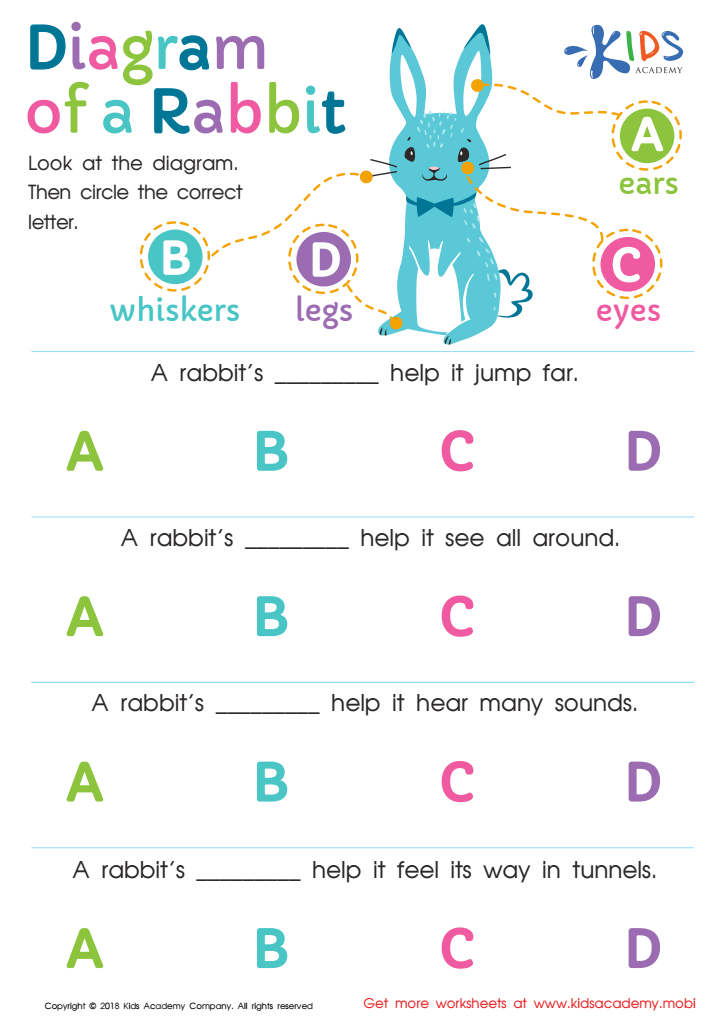
Diagram of a Rabbit Worksheet
 Assign to My Students
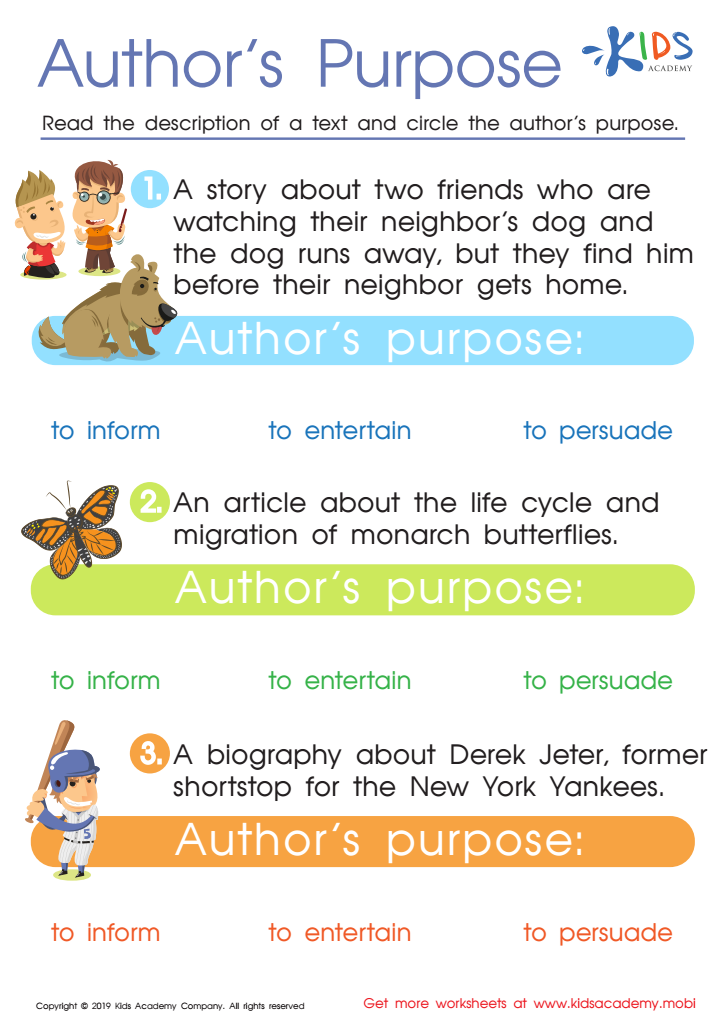
Author's Purpose Worksheet
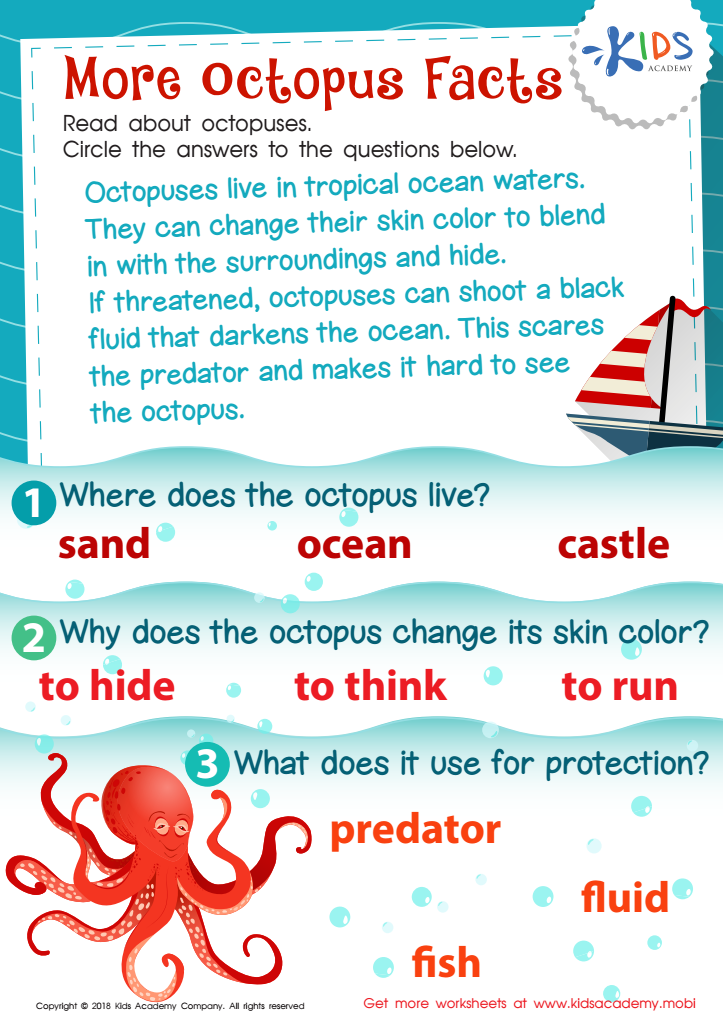
More Octopus Facts Worksheet
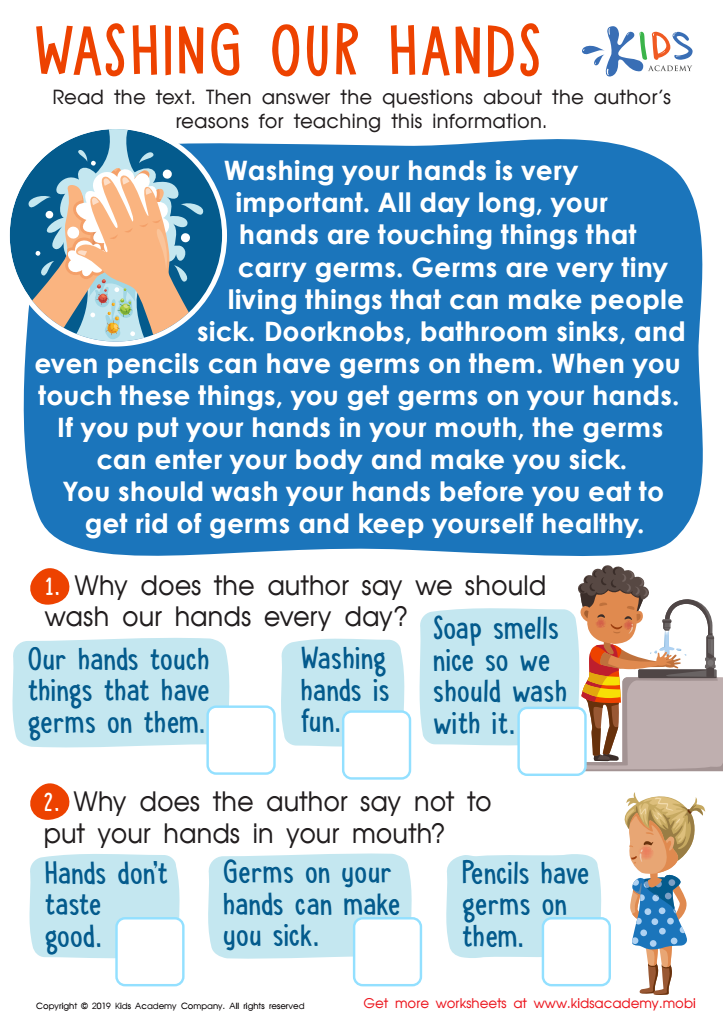
Washing Our Hands Worksheet
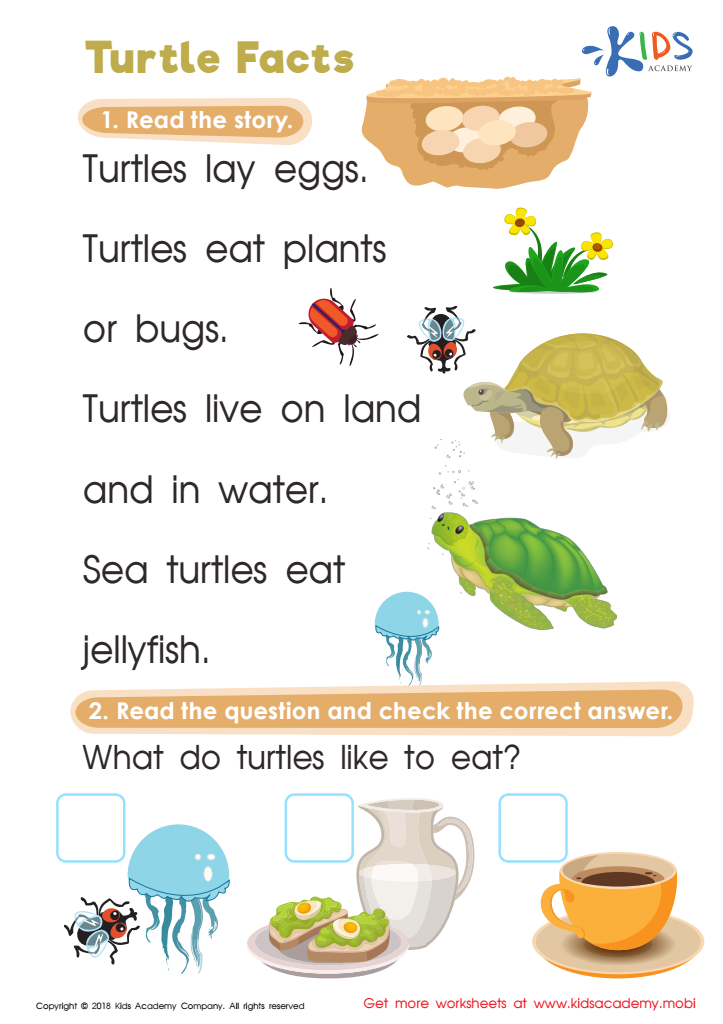
Turtle Facts Worksheet
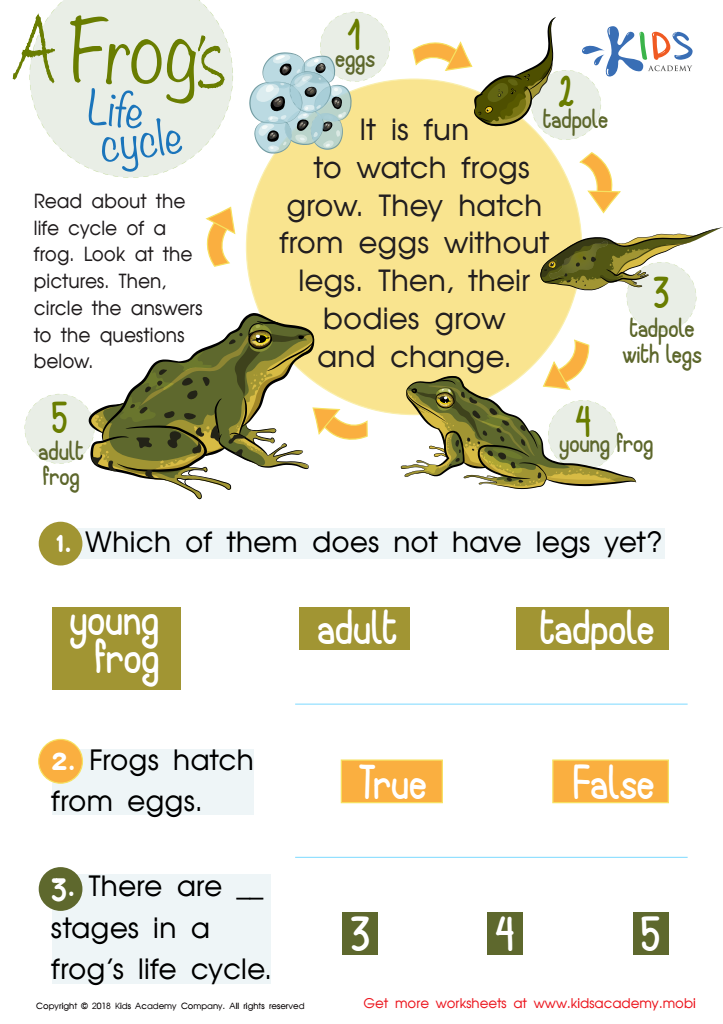
A Frog’s Life Cycle Worksheet
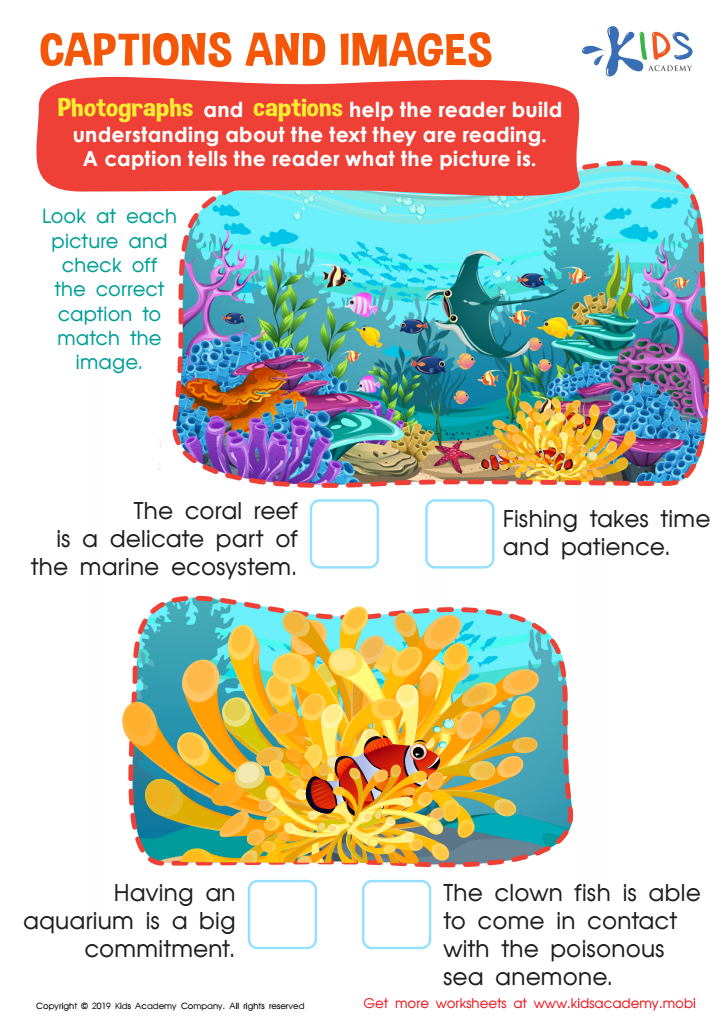
Captions and Images Worksheet
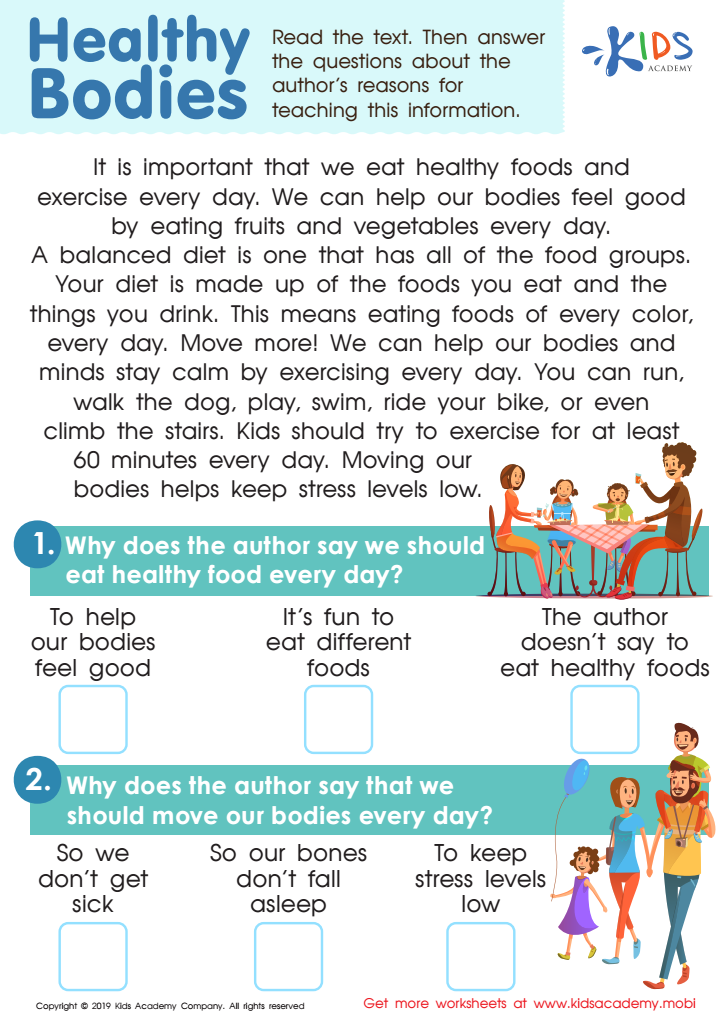
Healthy Bodies Worksheet
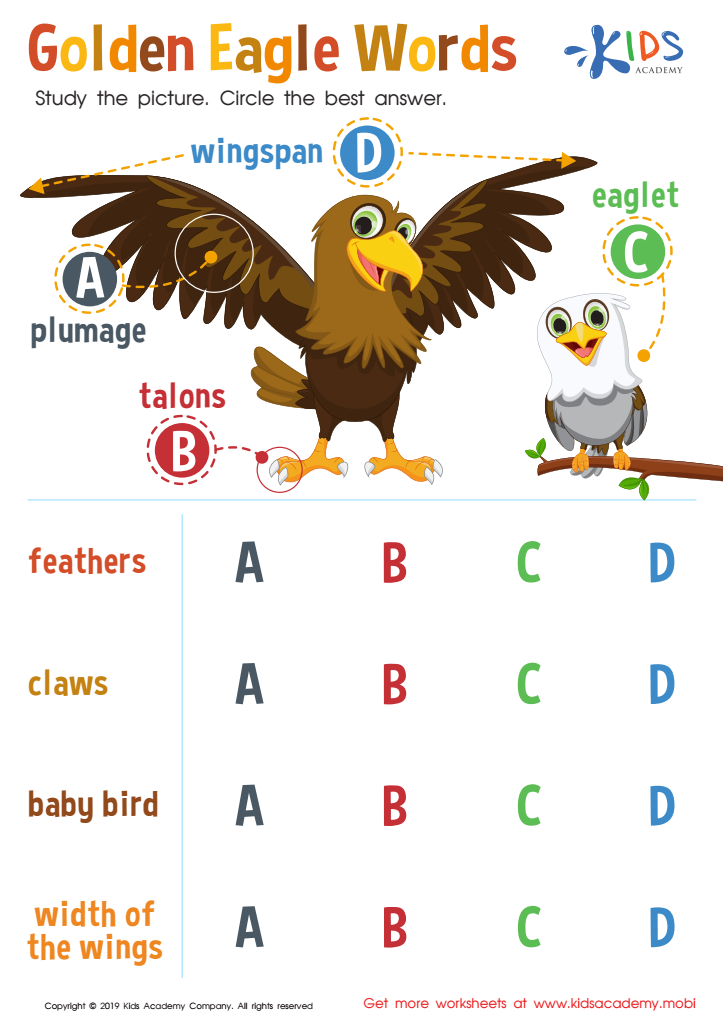
Golden Eagle Words Worksheet
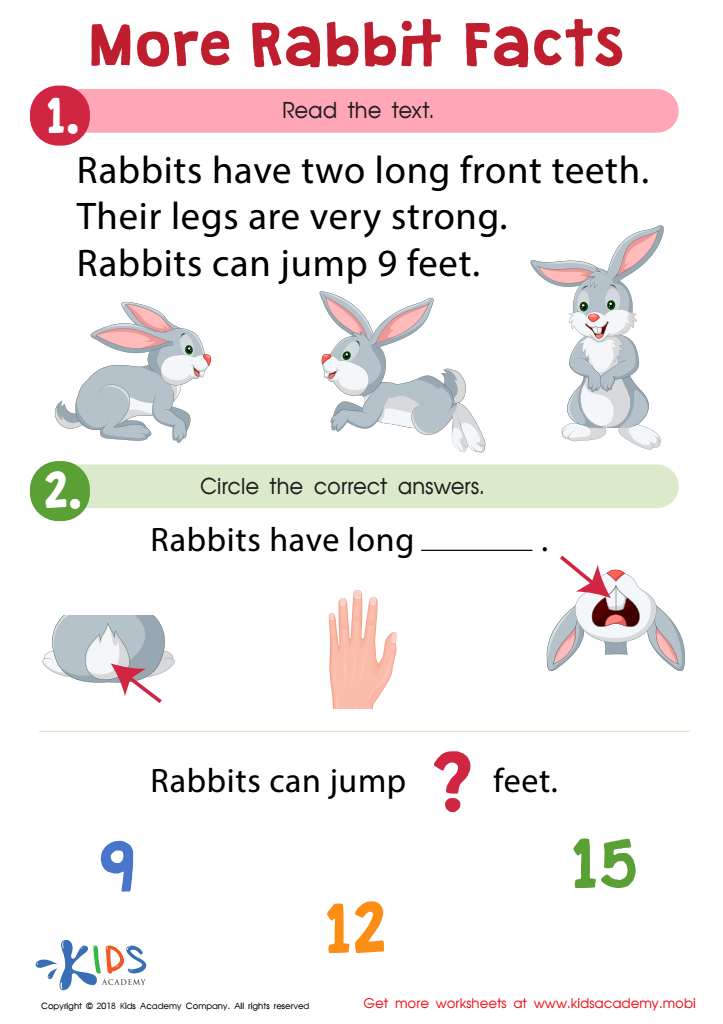
More Rabbit Facts Worksheet
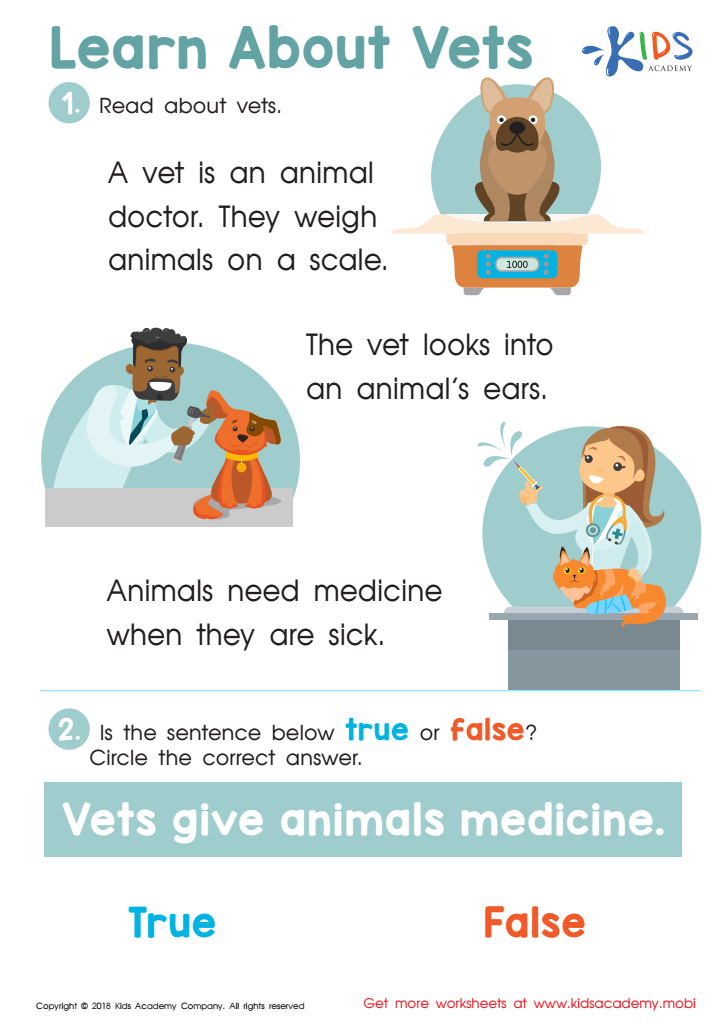
Learn About Vets Worksheet
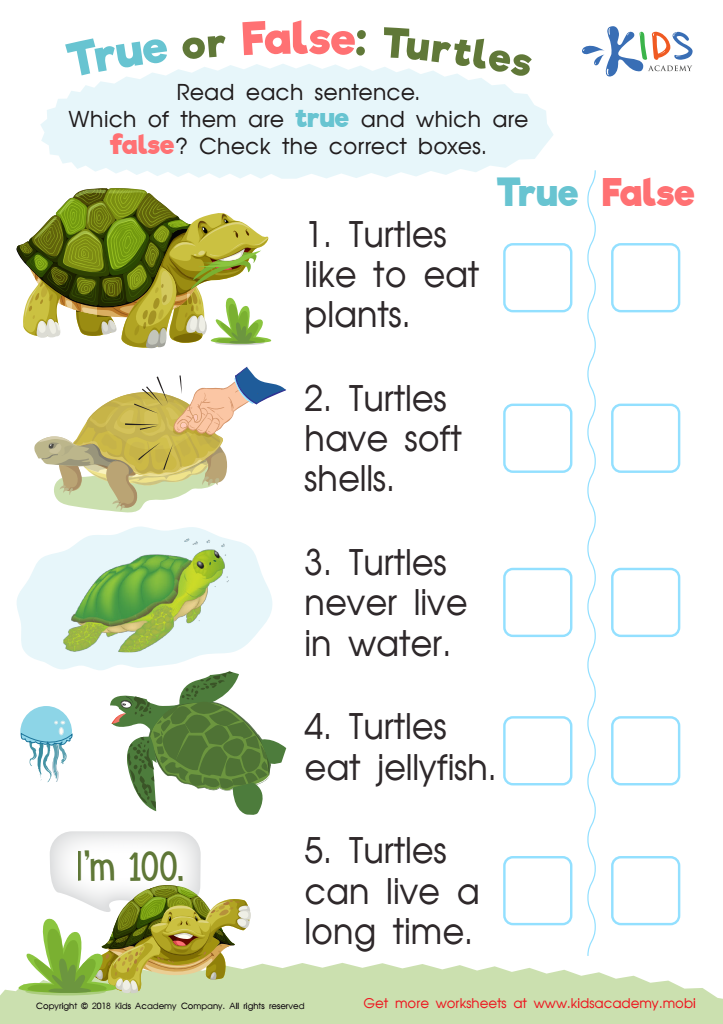
True or False: Turtles Worksheet
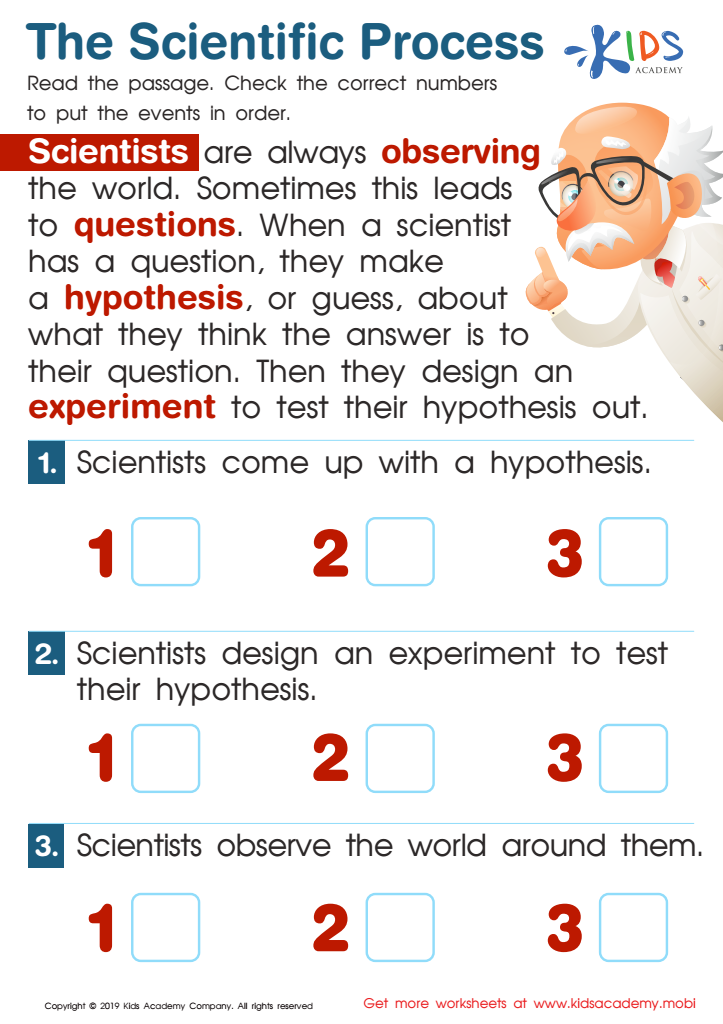
The Scientific Process Worksheet
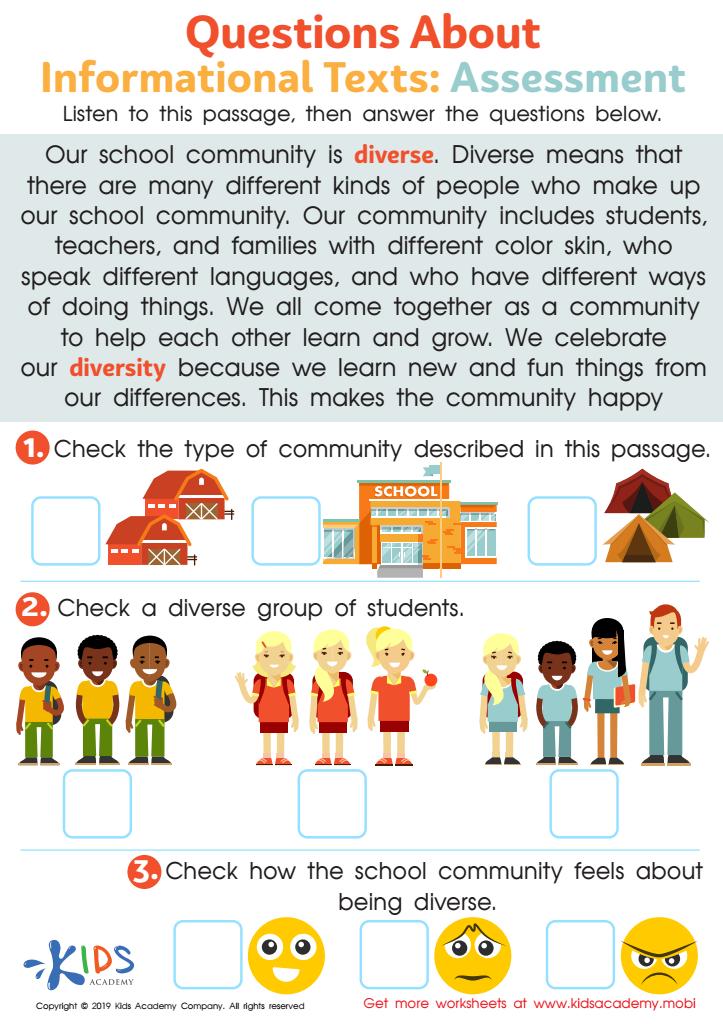
Questions About Informational Texts: Assessment 1 Worksheet
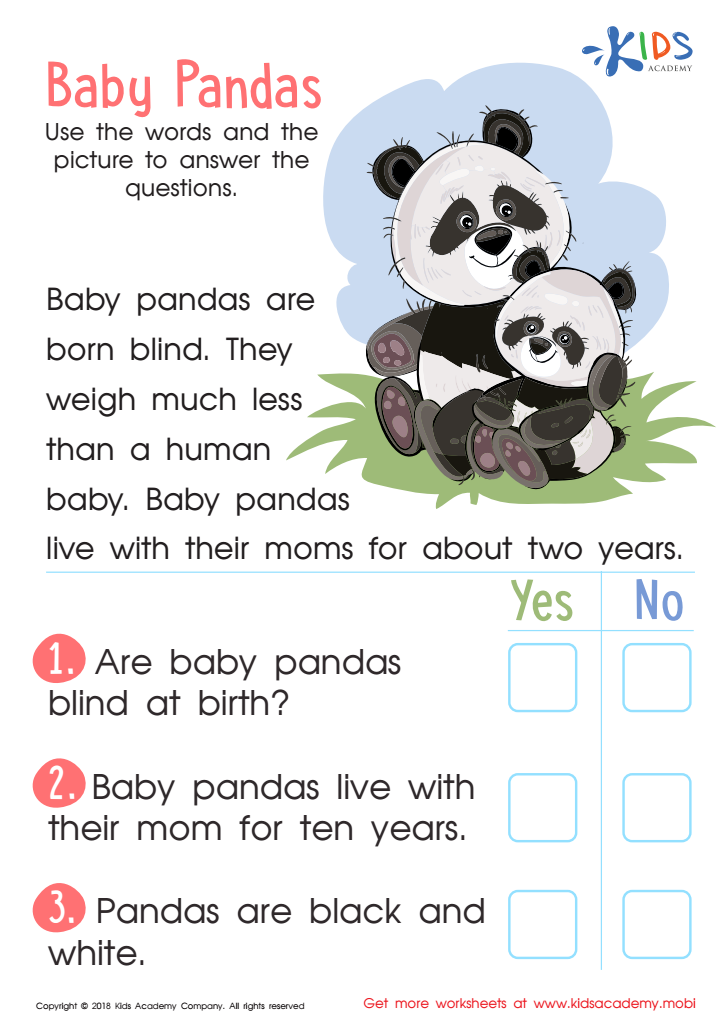
Baby Pandas Worksheet
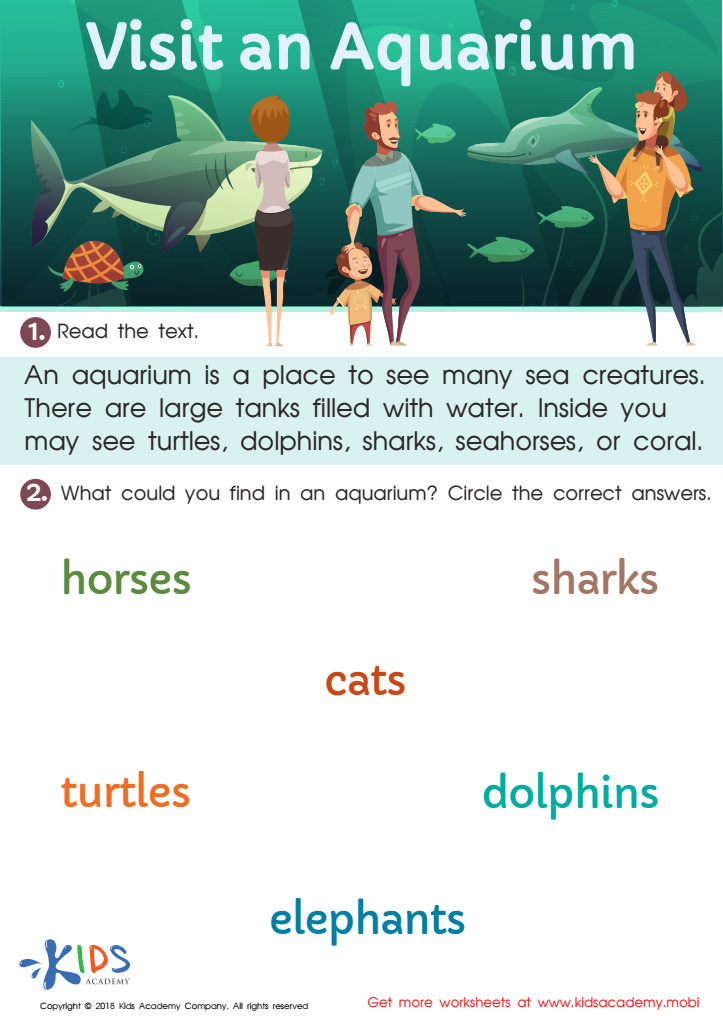
Visit an Aquarium Worksheet
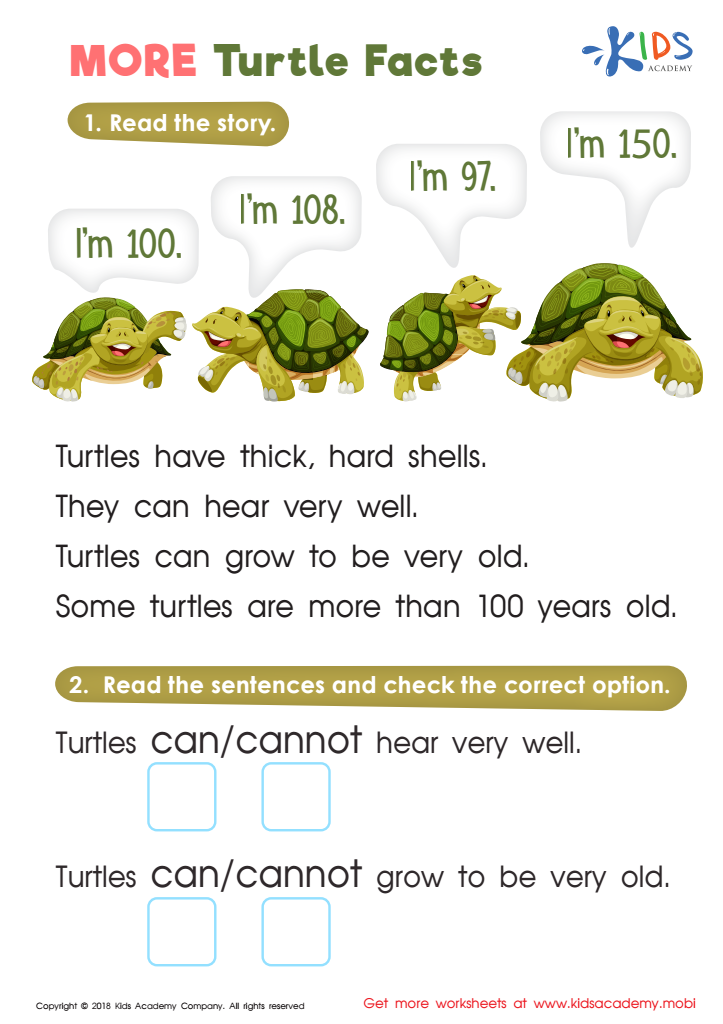
More Turtle Facts Worksheet
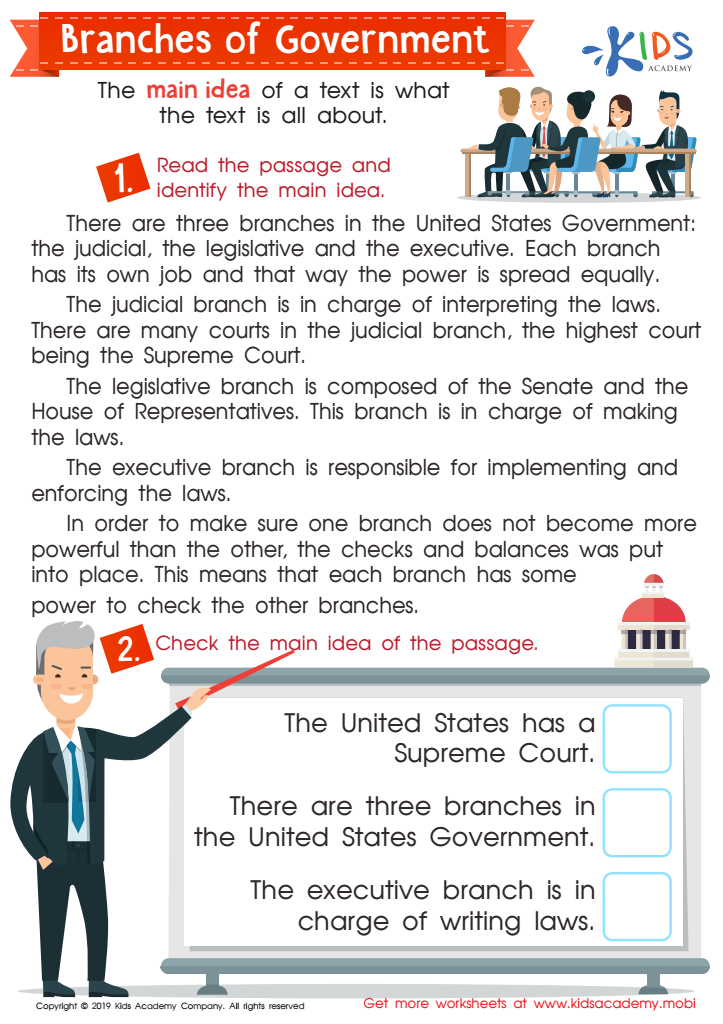
Branches of the Government Worksheet
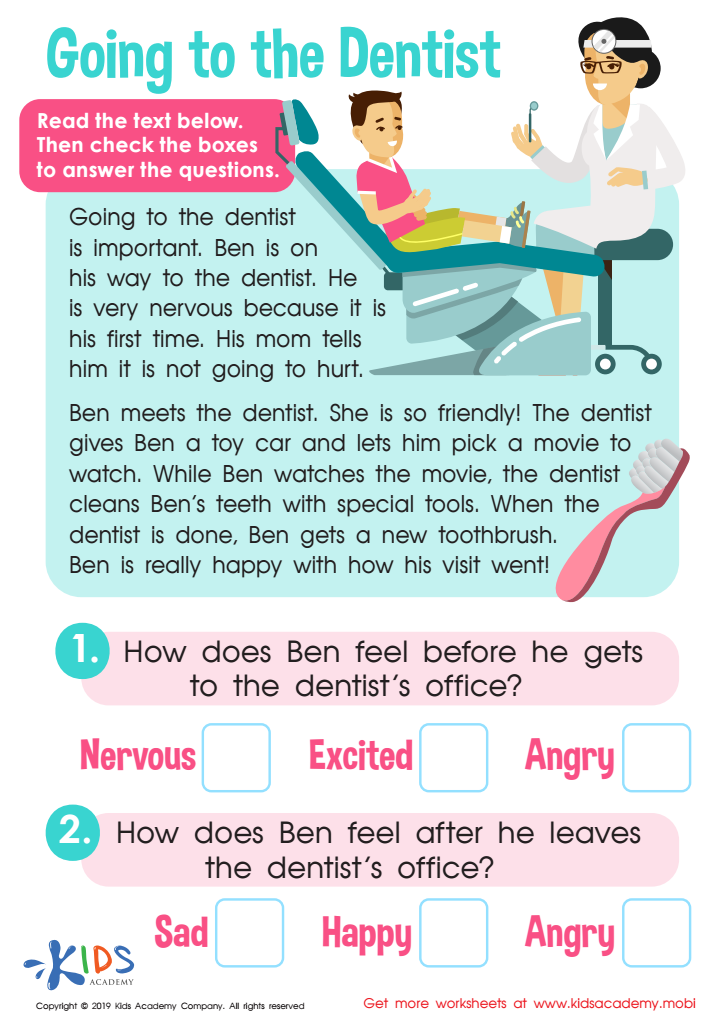
Going to the Dentist Worksheet
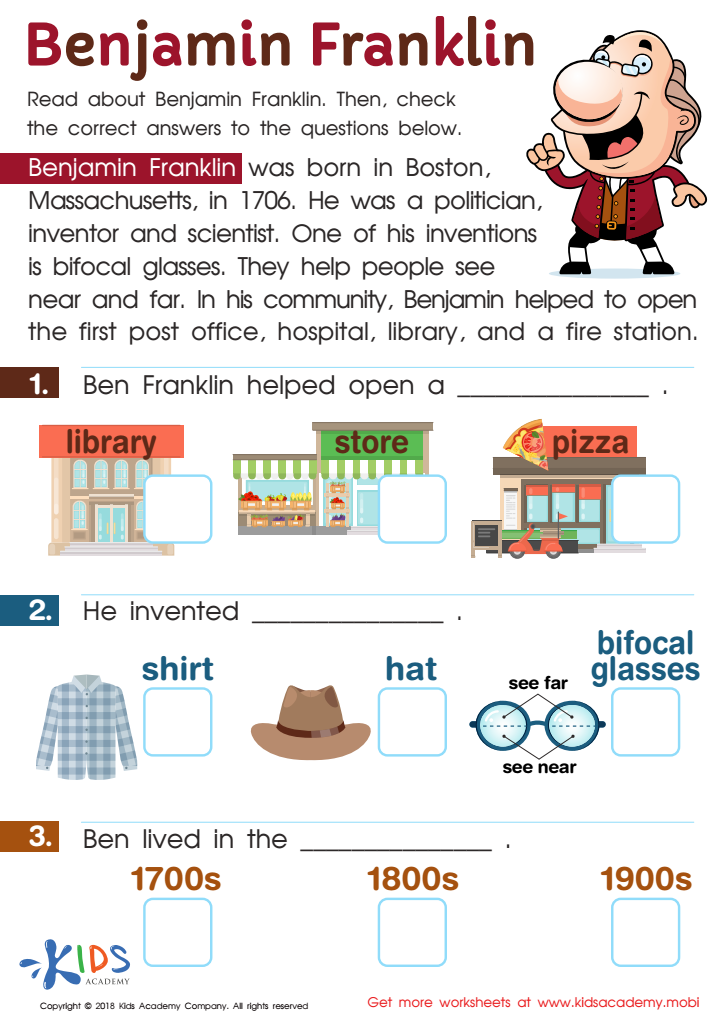
Benjamin Franklin Worksheet
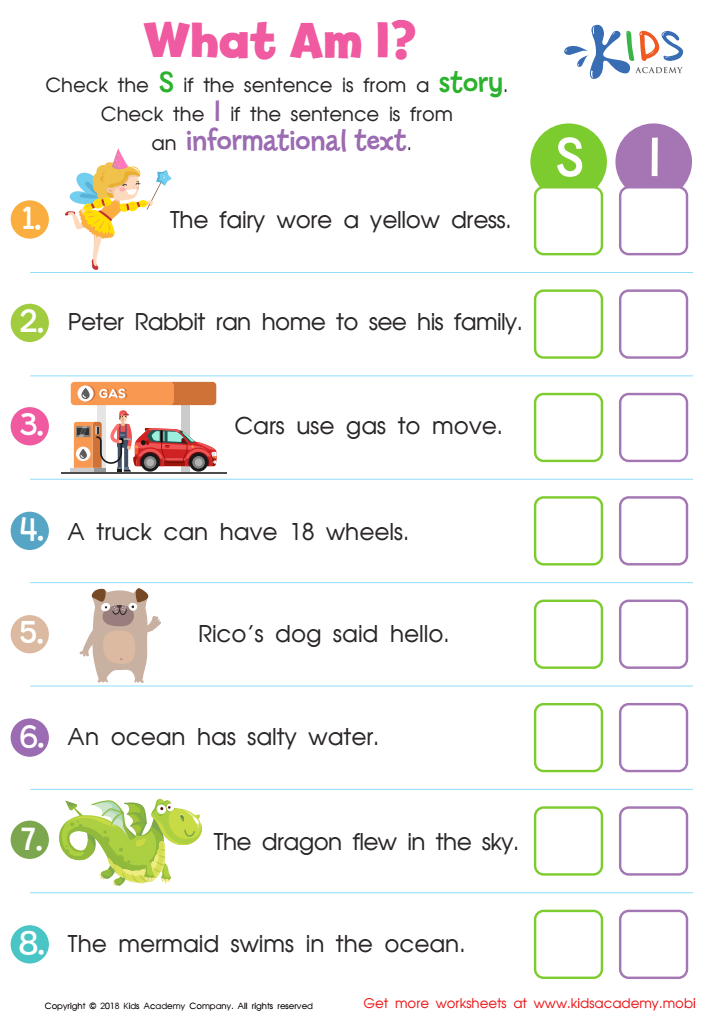
What Am I? Worksheet
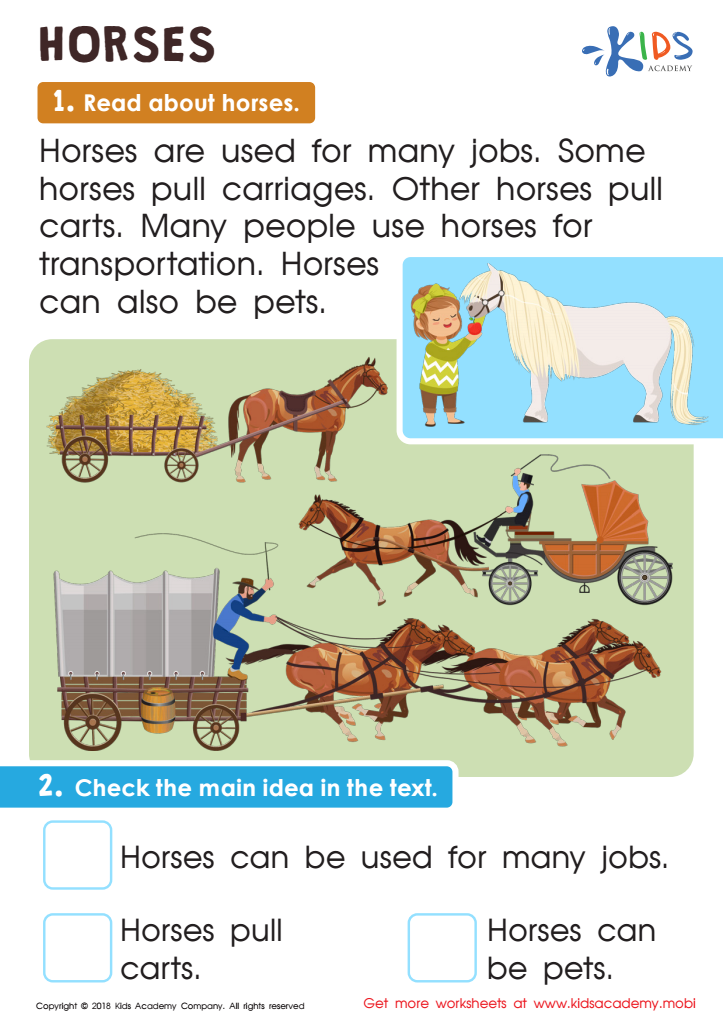
Horses Worksheet
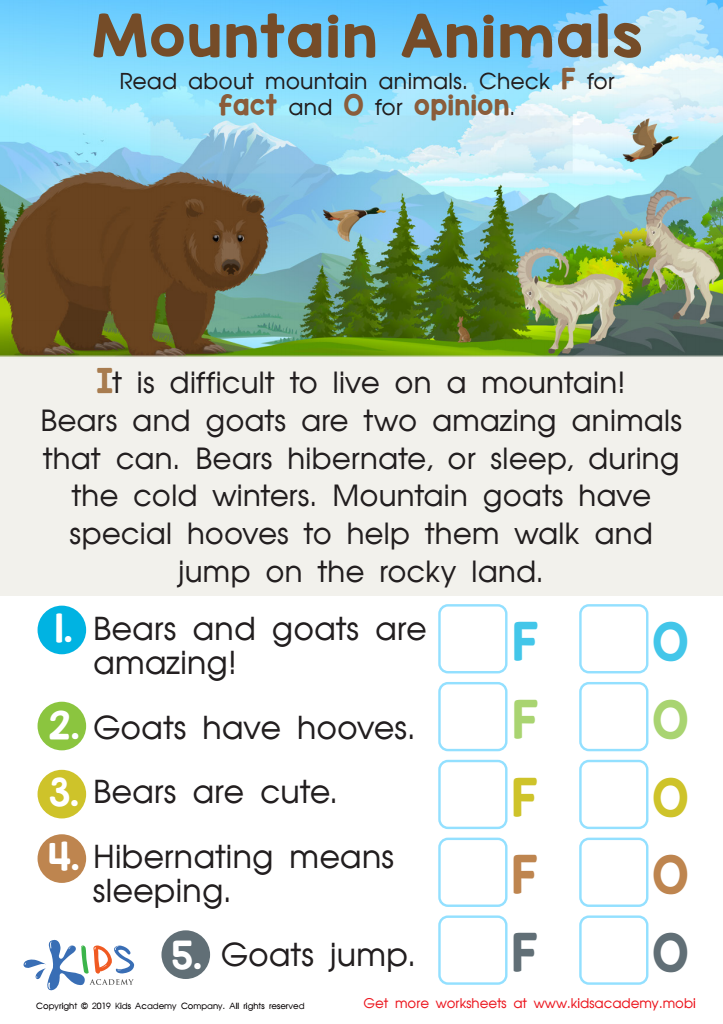
Mountain Animals Worksheet
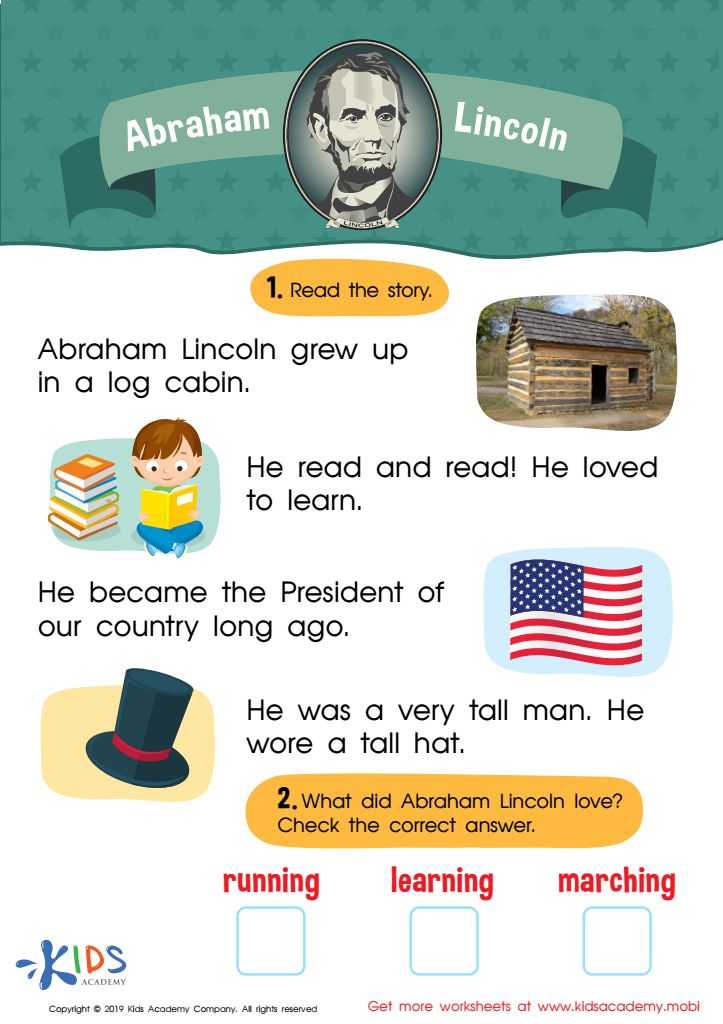
Abraham Lincoln Worksheet







Reading non-fiction for ages 6-8 is essential for several reasons. Firstly, it ignites children’s curiosity about the world around them. At this age, children are extremely eager to learn, and non-fiction texts present facts, information, and real-life stories that satisfy their inquisitive minds. This exposure not only enhances their knowledge but also fosters a lifelong love of learning.
Secondly, non-fiction supports the development of critical thinking and comprehension skills. By engaging with text that is grounded in reality, children learn how to evaluate information, compare different viewpoints, and make sense of complex concepts. This cultivates analytical skills that benefit them across all subjects.
Moreover, reading non-fiction helps expand vocabulary and language skills. Young readers encounter a rich variety of terms and contexts, which aids in the development of effective communication skills. It also builds background knowledge, very important for understanding wider academic content as they progress in school.
Lastly, non-fiction can connect children to their communities, cultures, and history, fostering empathy and an understanding of diversity. By valuing non-fiction reading, parents and teachers not only support literacy development but also enrich children's overall educational experience.








