Plants Worksheets for Ages 6-8
25 filtered results
-
From - To
Explore our engaging and educational Plants Worksheets for Ages 6-8, designed to inspire young minds and foster a love for nature. Our collection features beautiful, colorful activities that teach children about plant life cycles, parts of a plant, photosynthesis, and much more. Each worksheet combines fun illustrations with age-appropriate content to make learning interactive and enjoyable. Perfect for both classroom and at-home learning, these worksheets build foundational science skills and encourage curiosity about the natural world. Help your child develop a green thumb and a scientific spirit with our comprehensive selection of plant-themed resources!
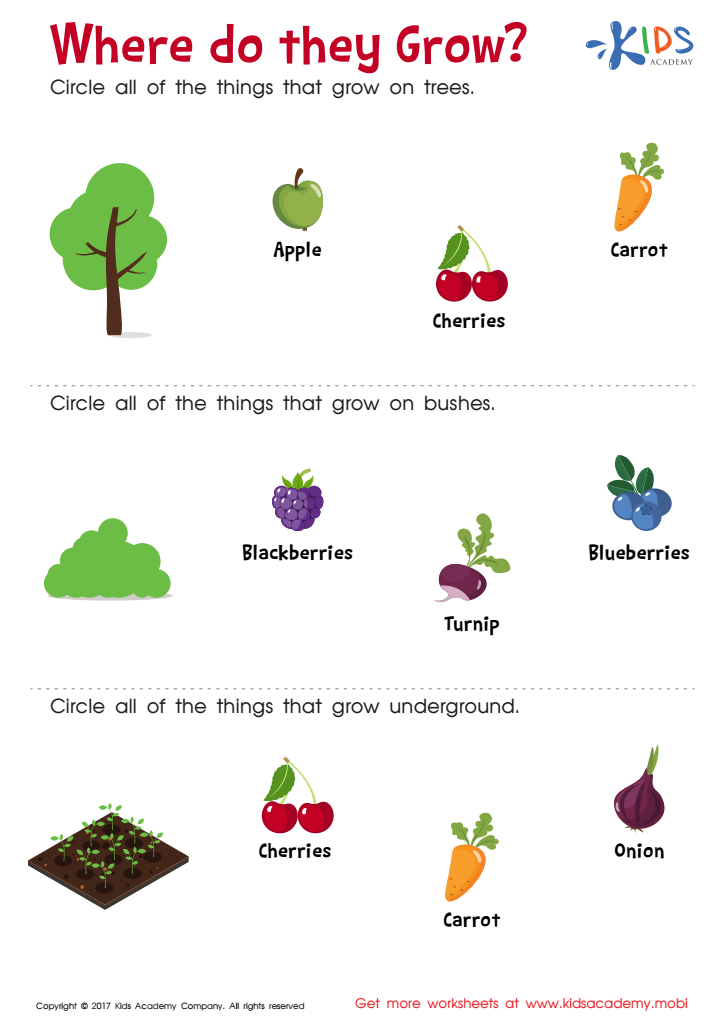
Where Do They Grow Worksheet



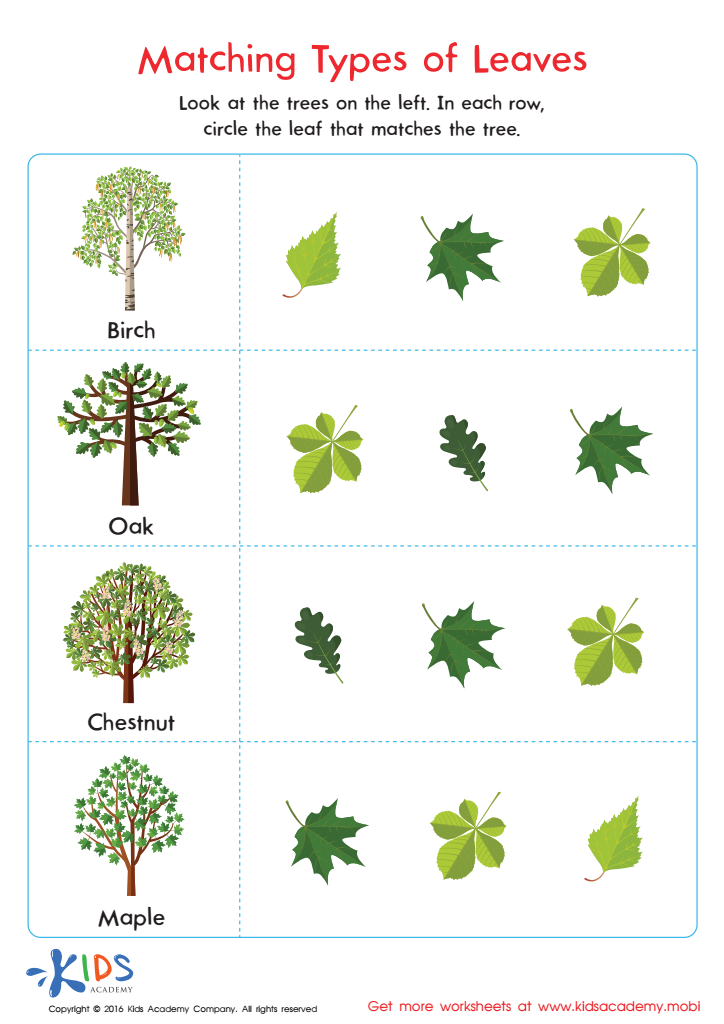
Matching Types of Leaves Printable
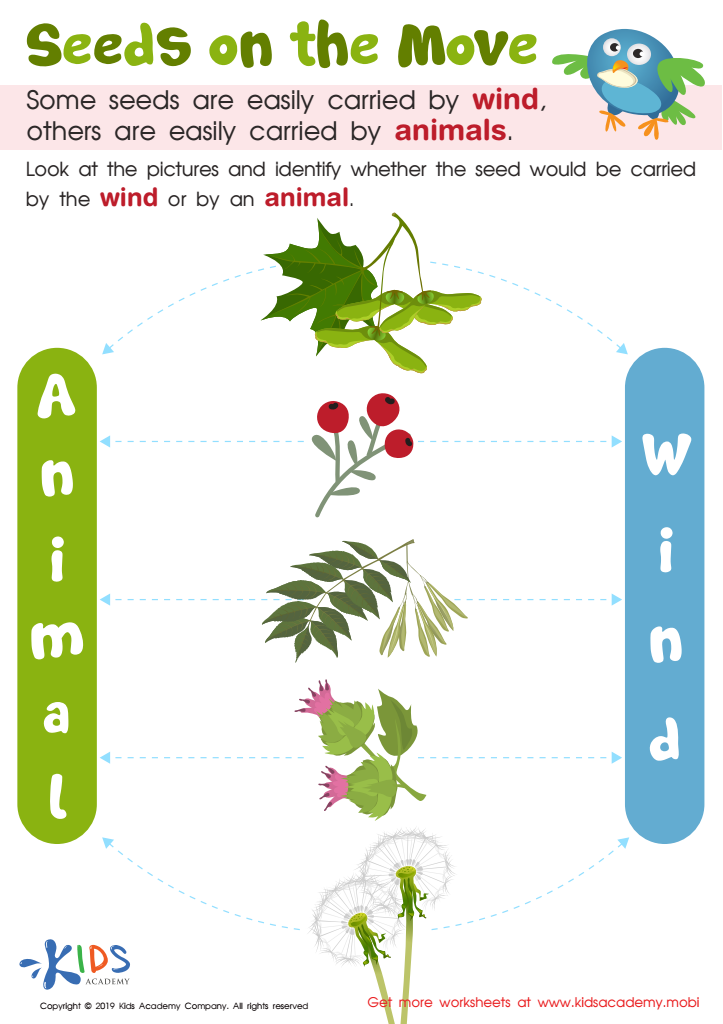
Seeds on the Move Worksheet
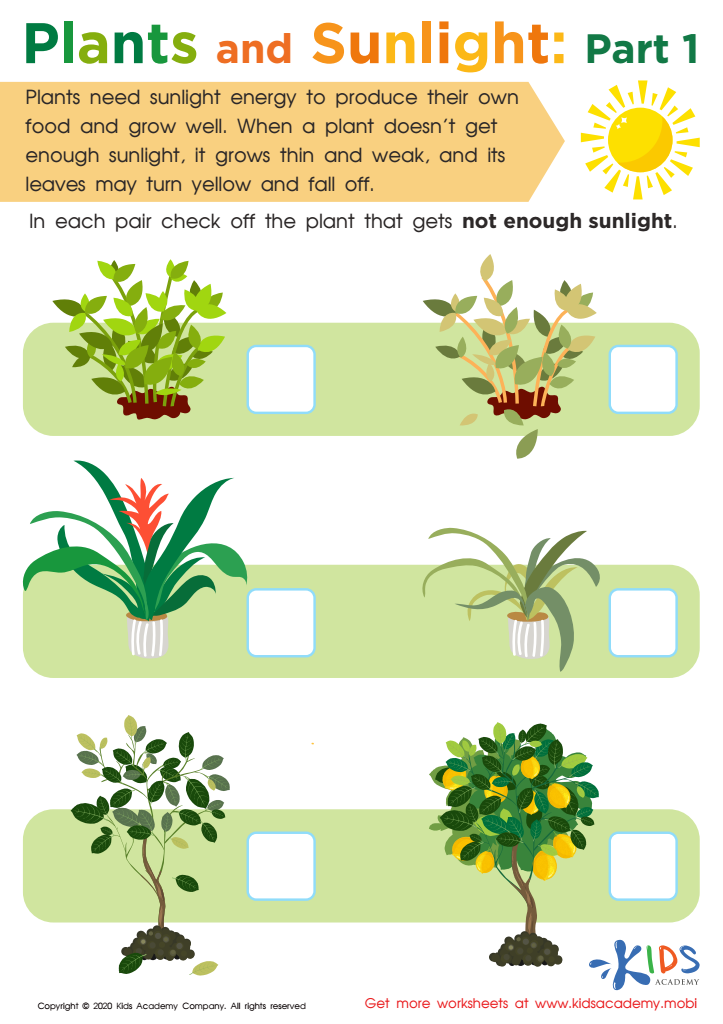
Plants and Sunlight: Part 1 Worksheet
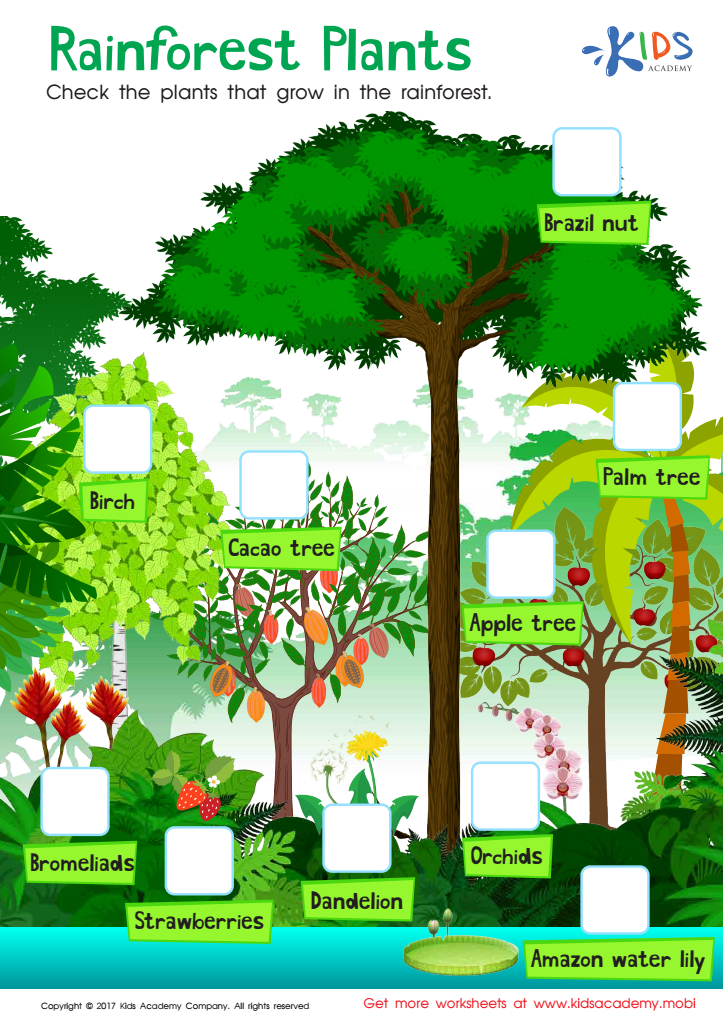
Rainforest Plants Worksheet
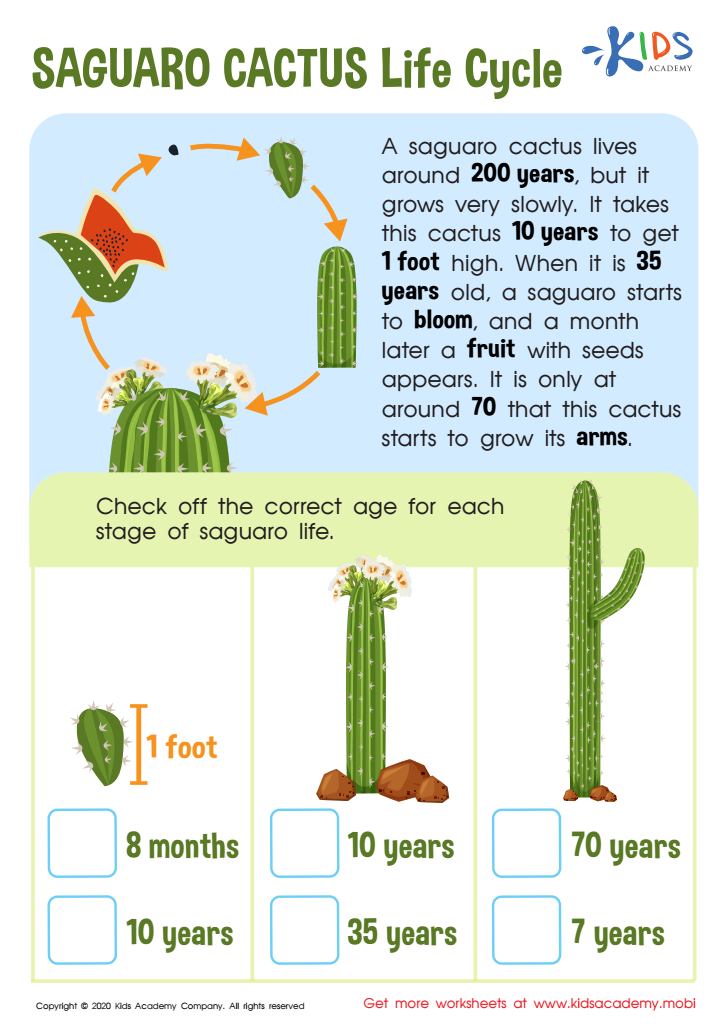
Saguaro Cactus Life Cycle Worksheet
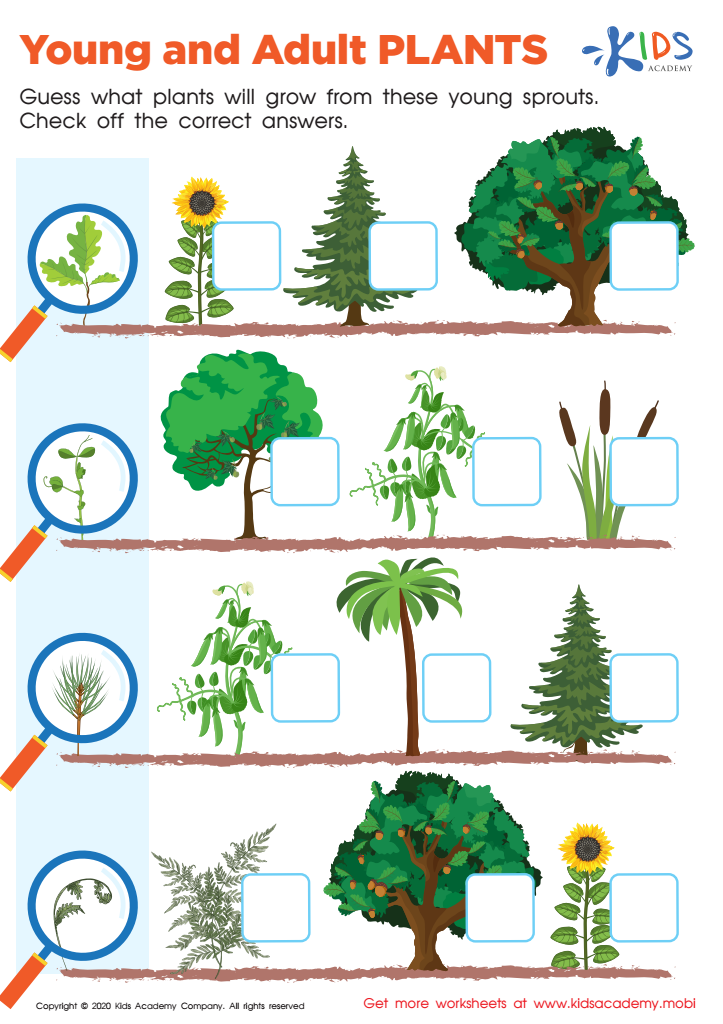
Young and Adult Plants Worksheet
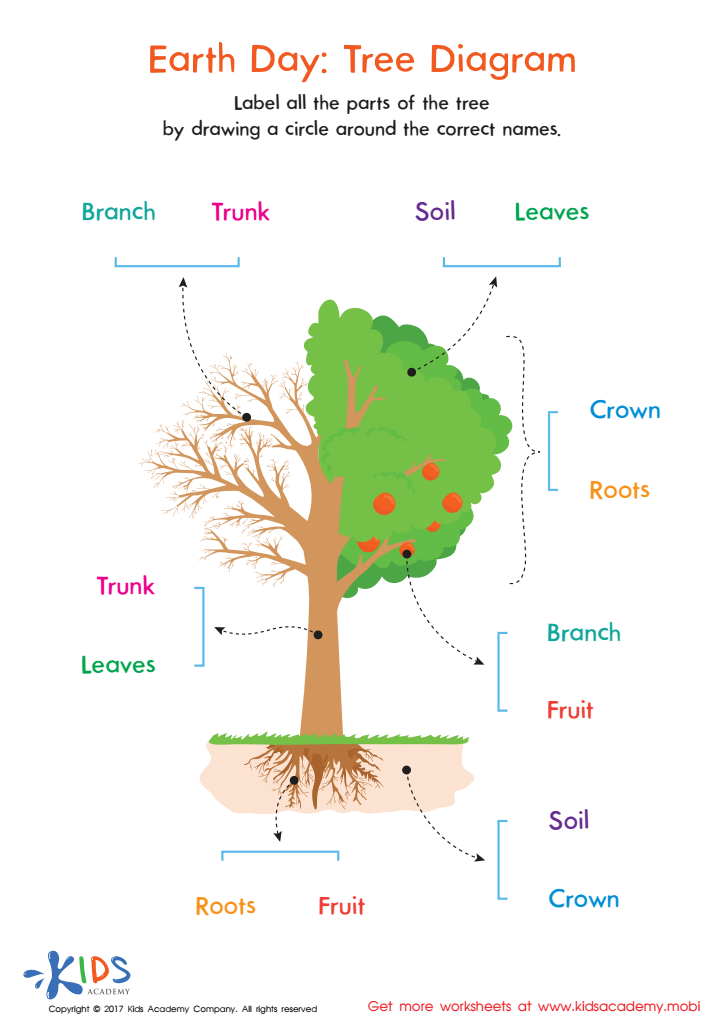
Earth Day: Tree Diagram Worksheet
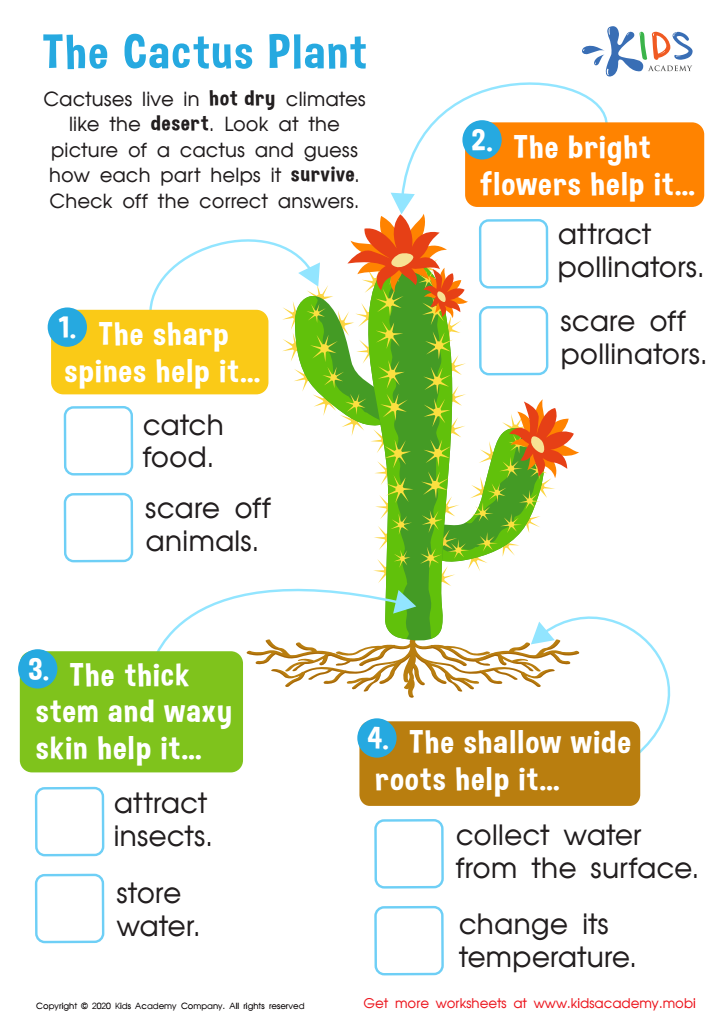
The Cactus Plant Worksheet
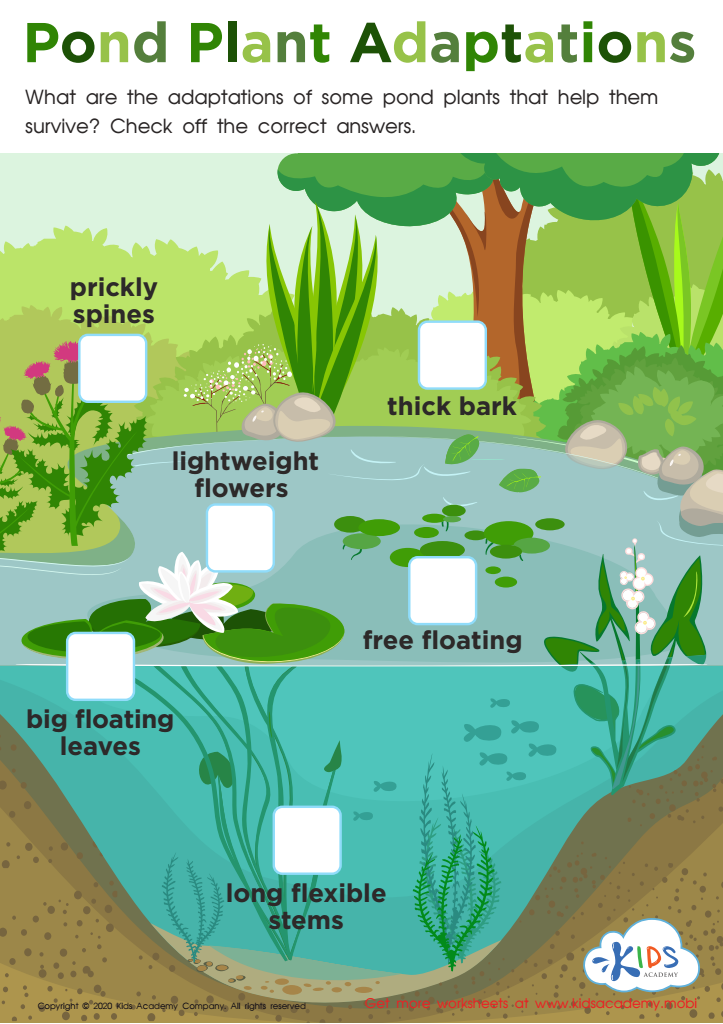
Pond Plant Adaptations
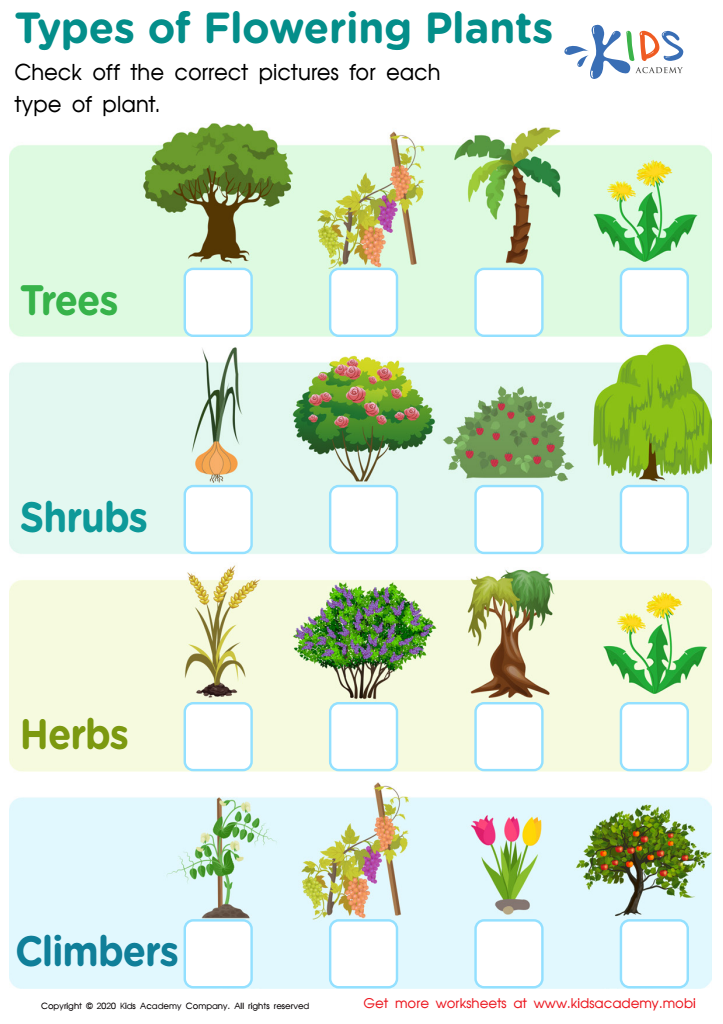
Types of Flowering Plants Worksheet
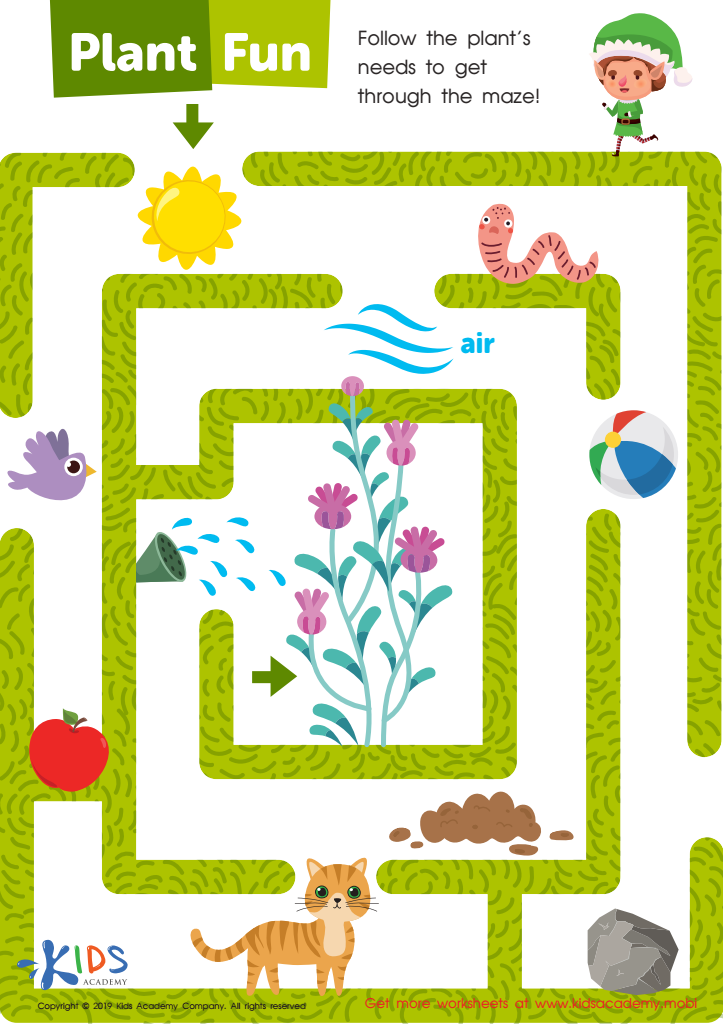
Plant Fun Worksheet
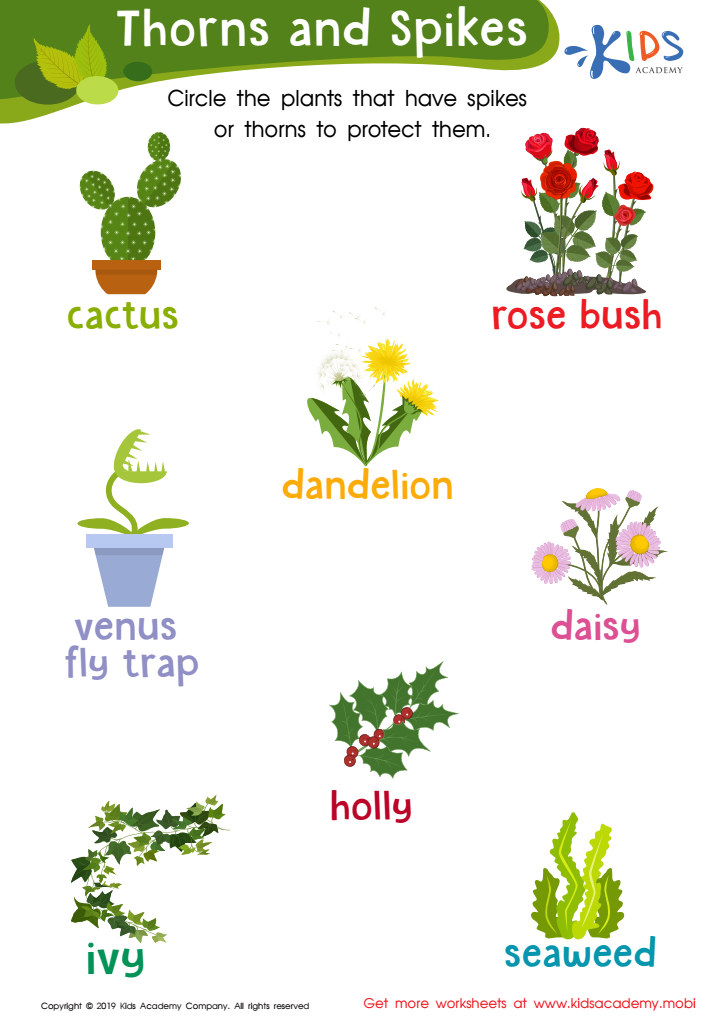
Thorns and Spikes Worksheet
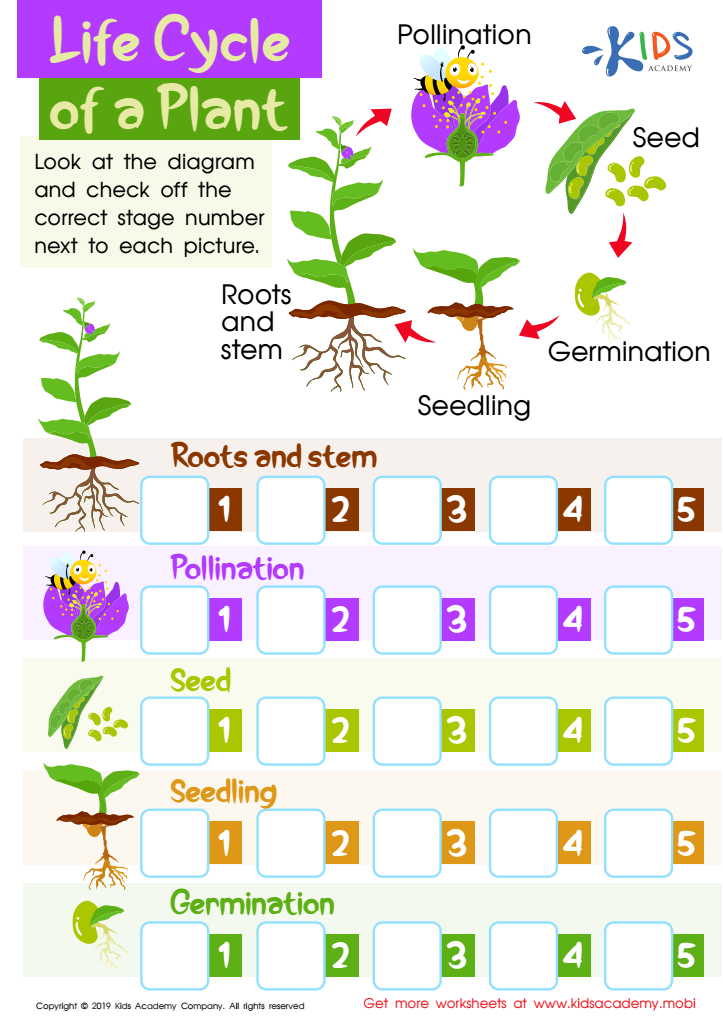
Life Cycle of a Plant Worksheet
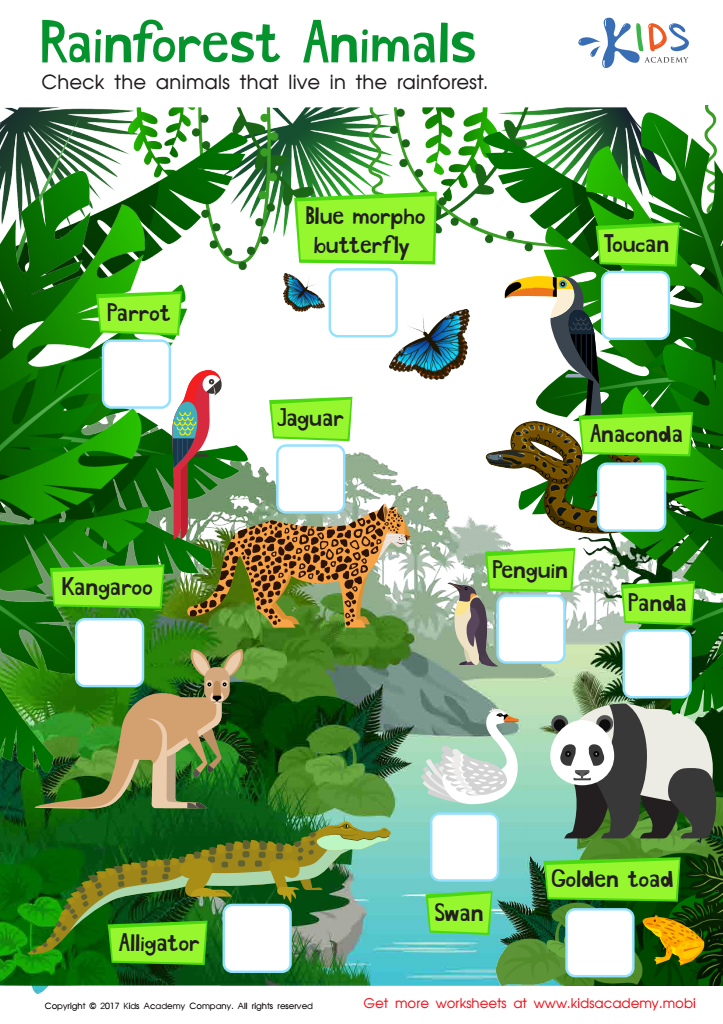
Rainforest Animals Worksheet
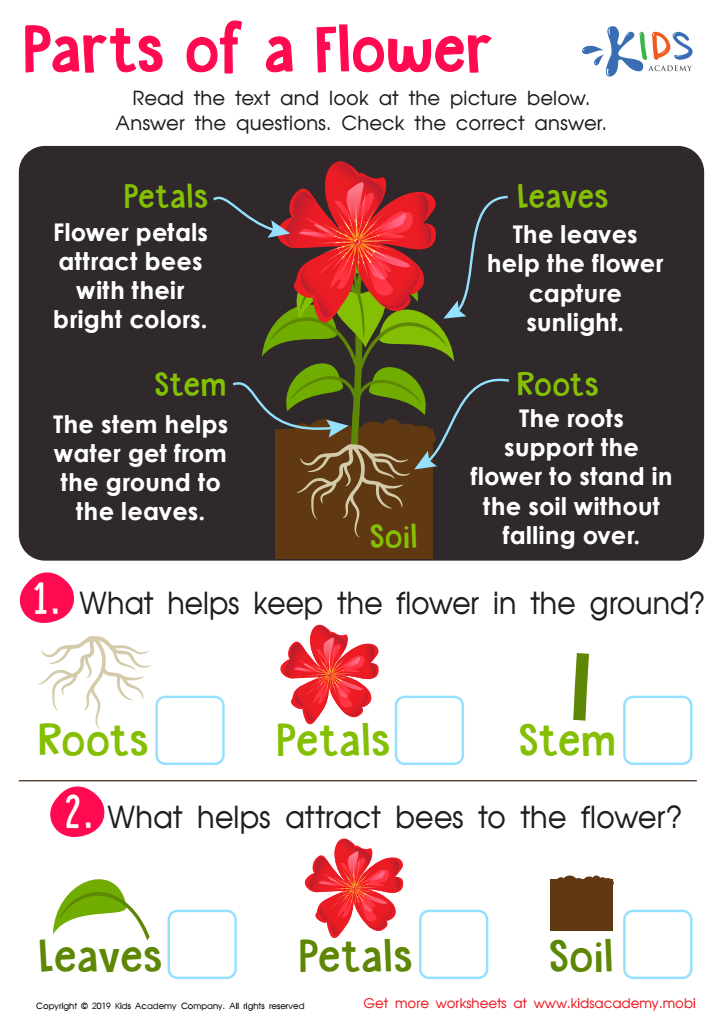
Parts of Flower Worksheet
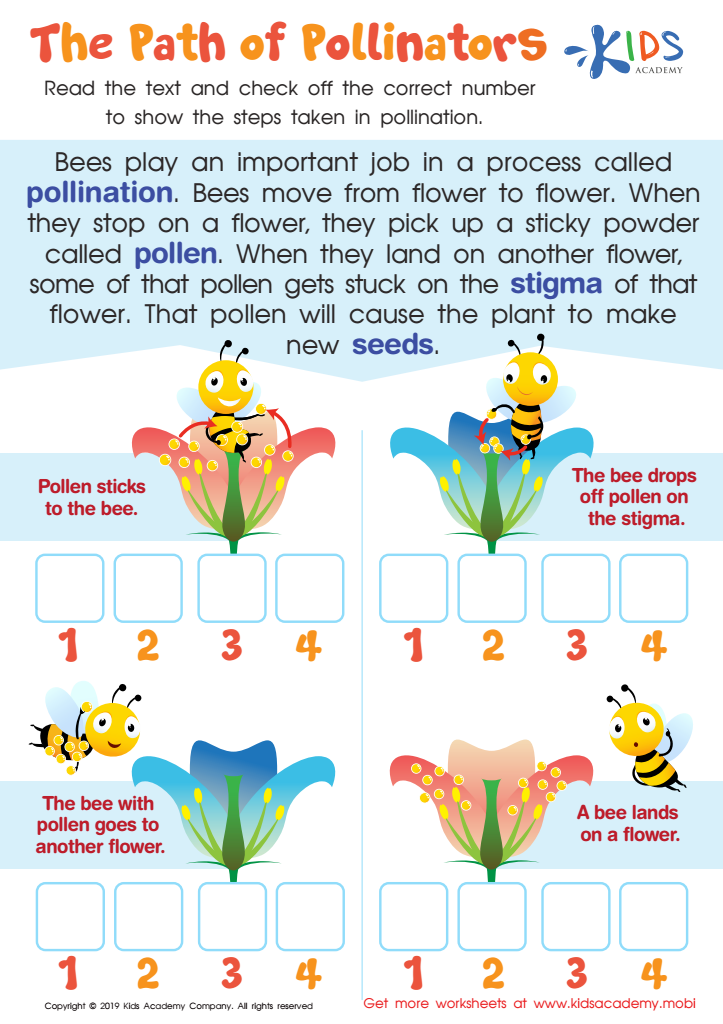
The Path of Pollinators Worksheet
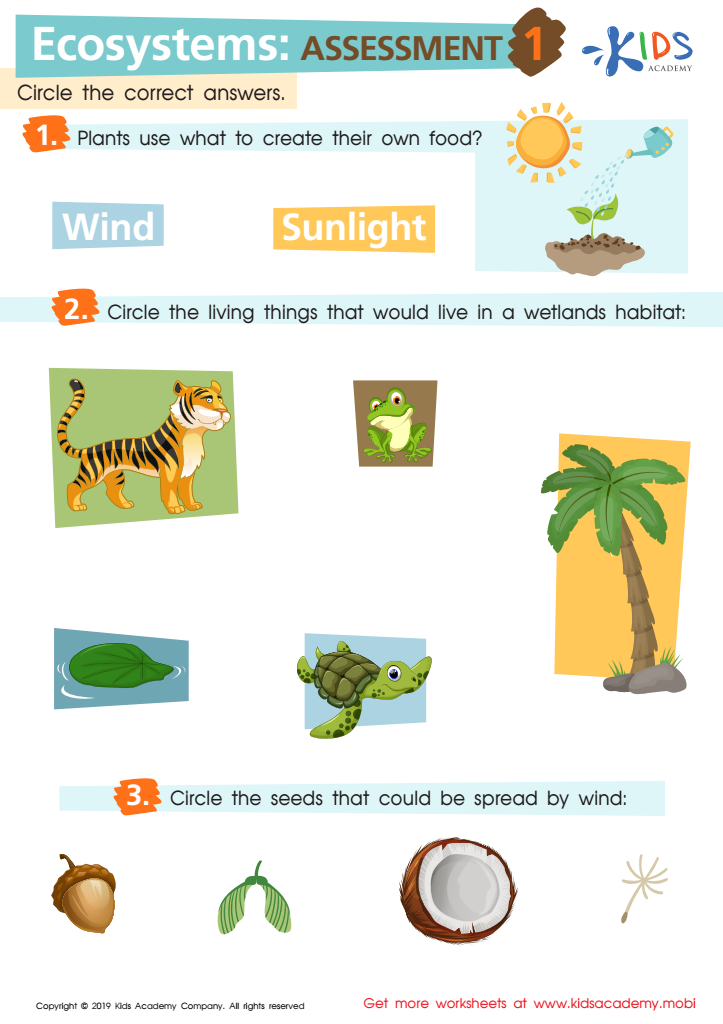
Ecosystems: Assessment 1 Worksheet
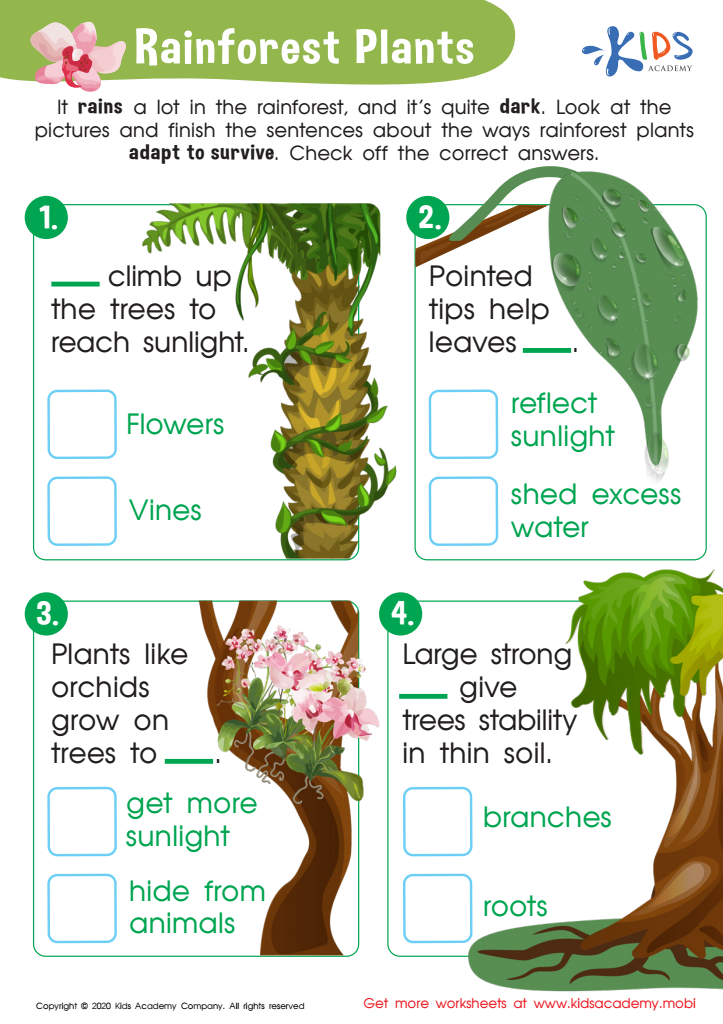
Rainforest Plants Worksheet
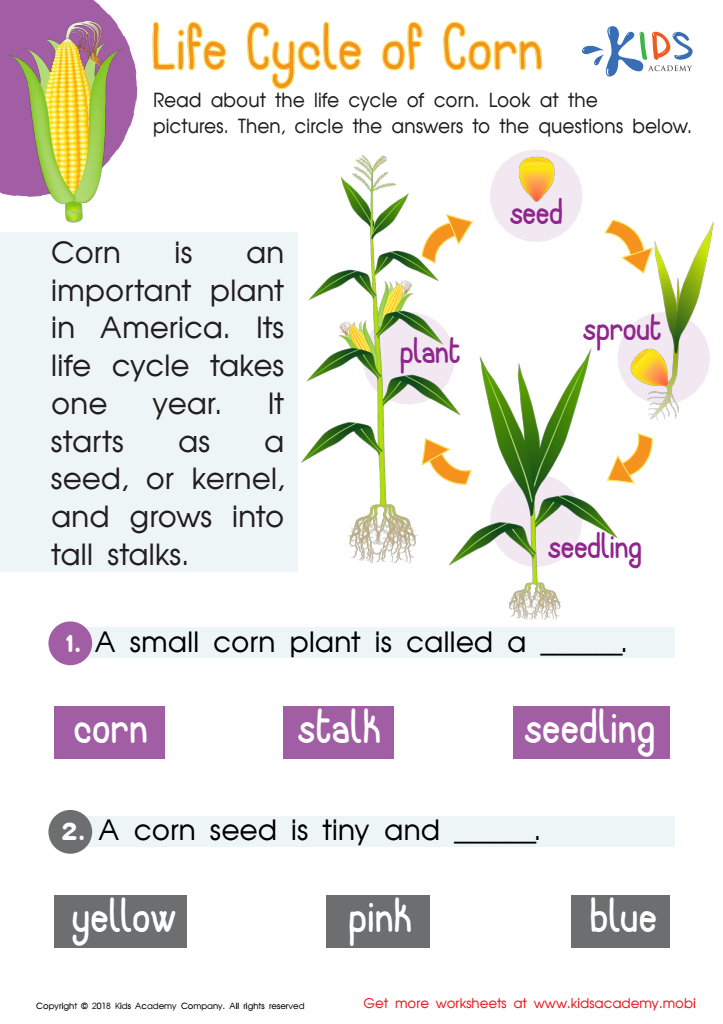
Life Cycle of Corn Worksheet
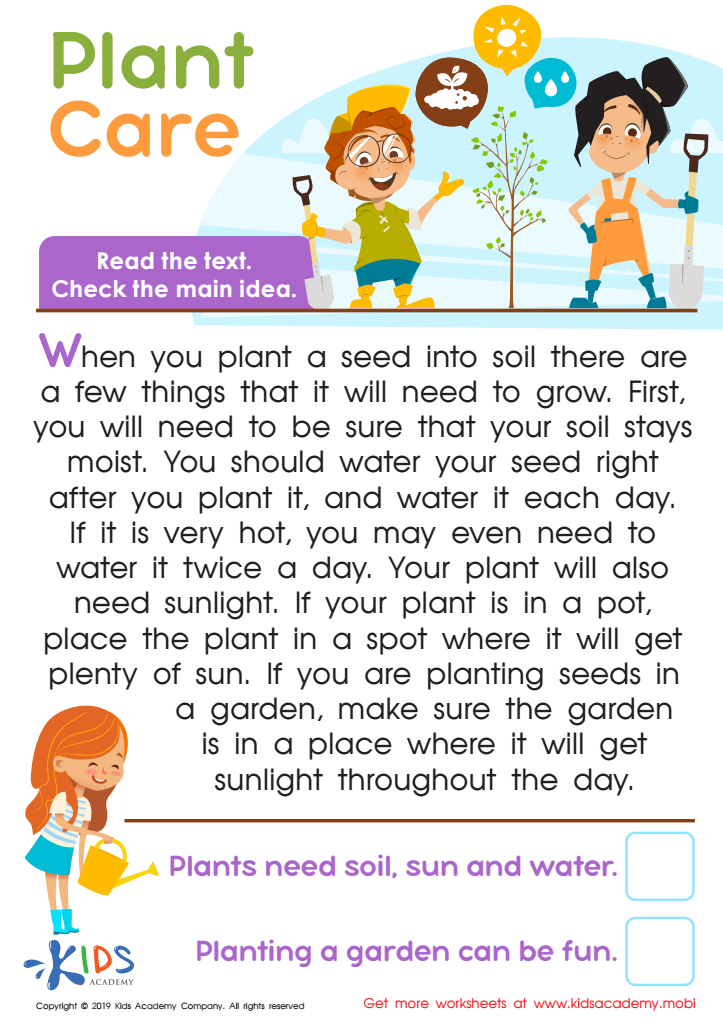
Plant Care Worksheet
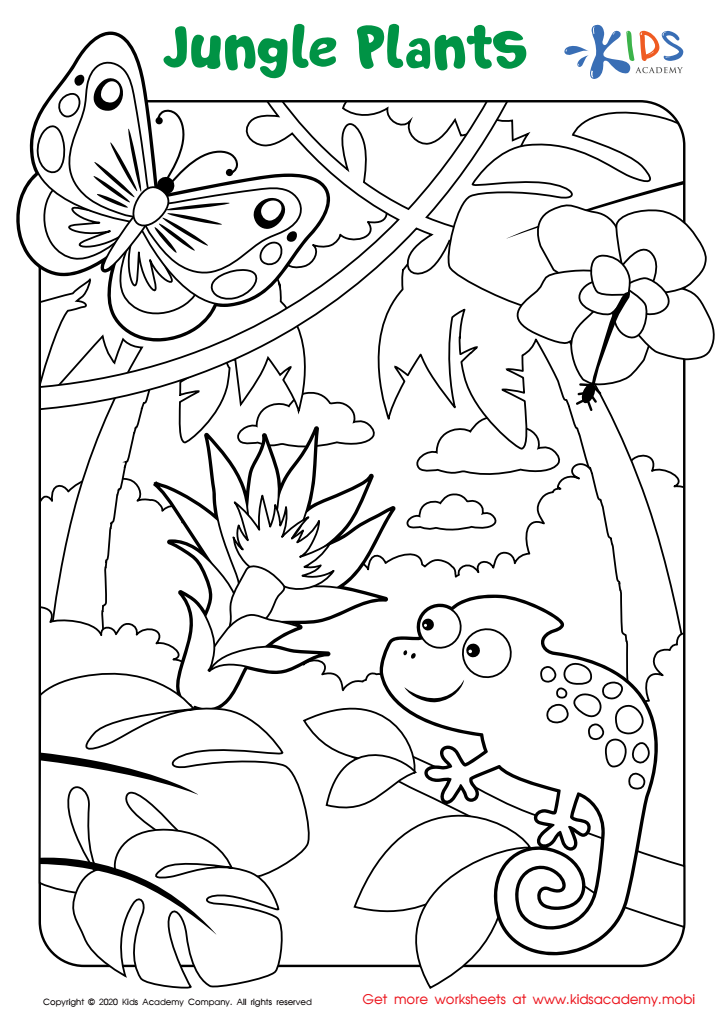
Jungle Plants Worksheet
 Assign to My Students
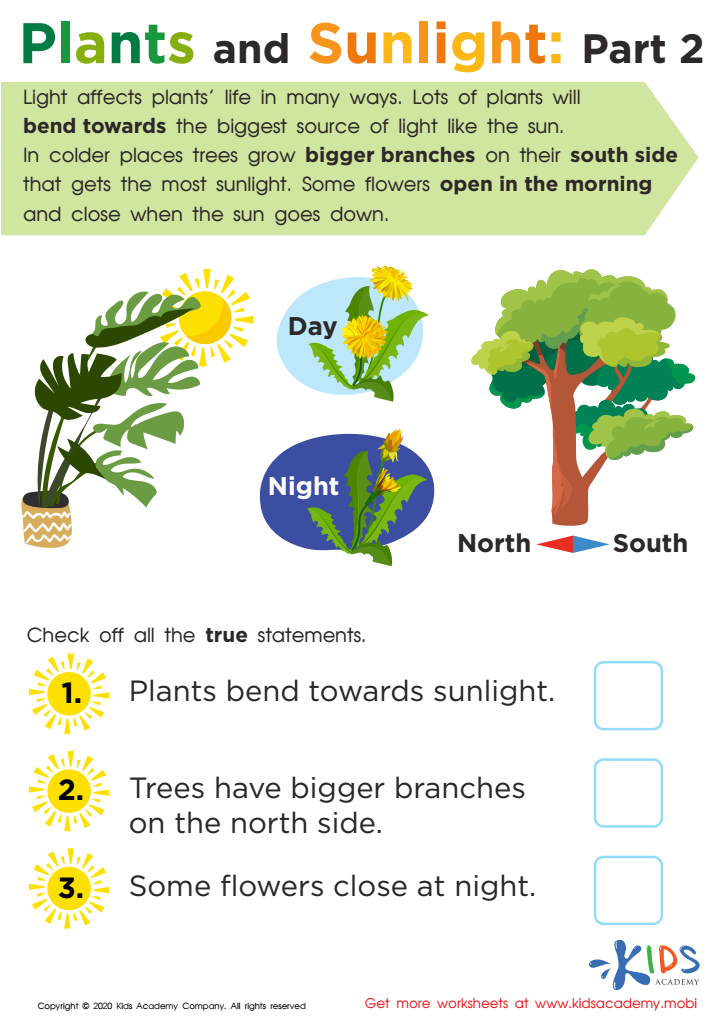
Plants and Sunlight: Part 2 Worksheet
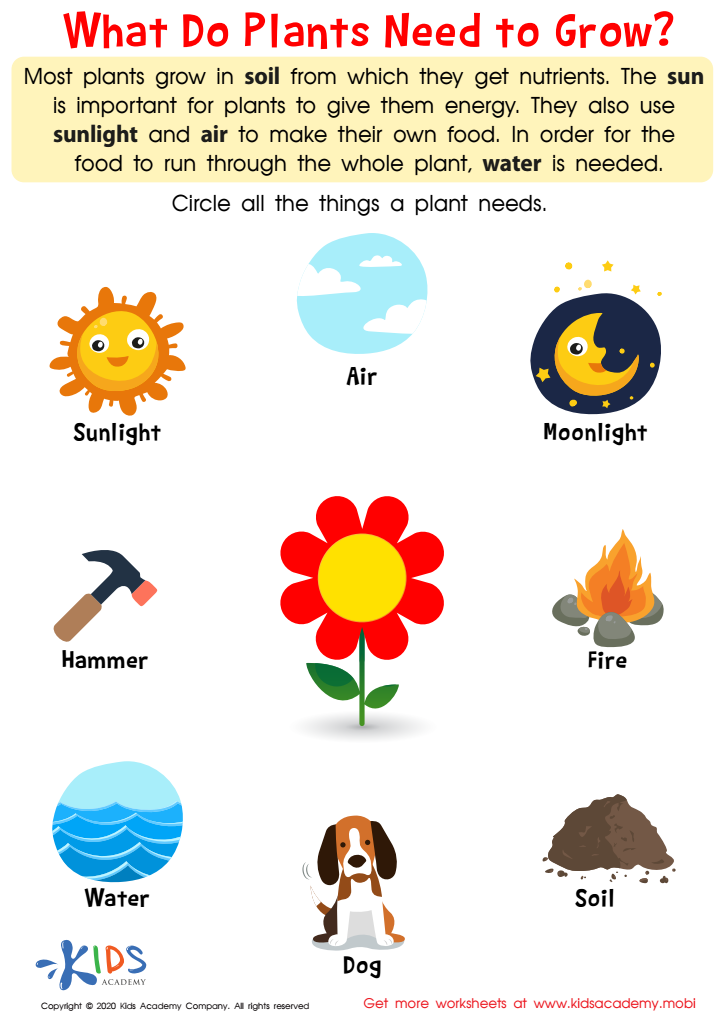
What Do Plants Need to Grow Worksheet








Parents and teachers should care about teaching kids ages 6-8 about plants because it is essential for their cognitive, emotional, and social development. Plants provide a natural, hands-on learning experience that helps children understand fundamental science and environmental concepts. By growing and caring for plants, kids can observe life cycles, learn about photosynthesis, and understand the importance of sunlight, water, and soil. These activities bolster their observation and critical thinking skills.
Moreover, interaction with plants fosters a sense of responsibility and patience, as children must consistently water, nurture, and monitor their plants. This sense of responsibility can translate into a broader understanding of caring for the environment, fostering early eco-consciousness.
Additionally, activities involving plants often require group work, which helps to develop social skills such as cooperation, communication, and empathy. It provides an opportunity for kids to share discoveries, troubleshoot problems together, and celebrate growth successes. Growing plants is not only educational but also emotionally enriching, as it stimulates curiosity and instills a lifelong love for nature.
Engaging children with plants can also improve mental well-being by reducing stress and increasing a sense of calm. By incorporating plant education into the curriculum or home activities, parents and teachers can holistically support children's growth, development, and appreciation for the natural world.