Community Worksheets for Ages 6-8 - Page 4
113 filtered results
-
From - To
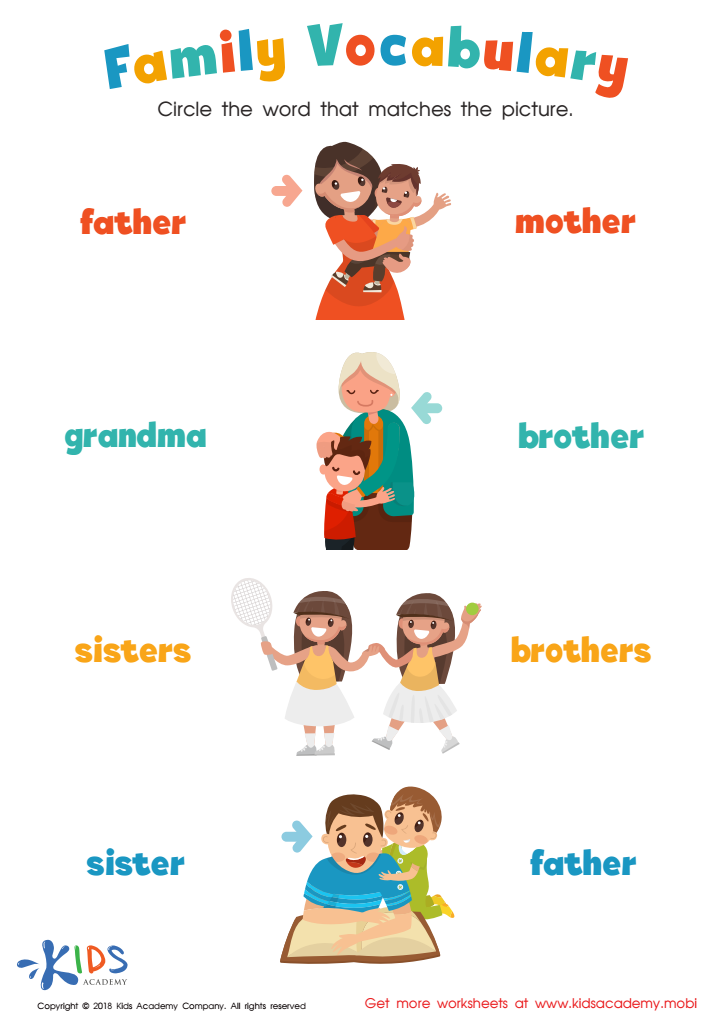
Family Vocabulary Worksheet
 Assign to My Students
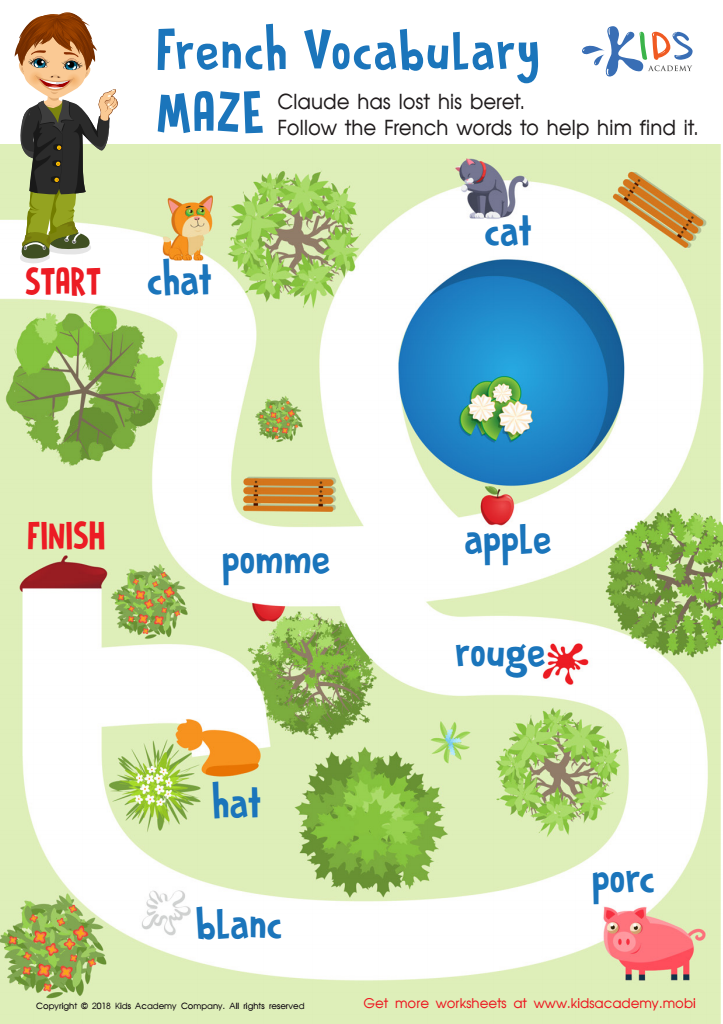
French Vocabulary Maze Worksheet
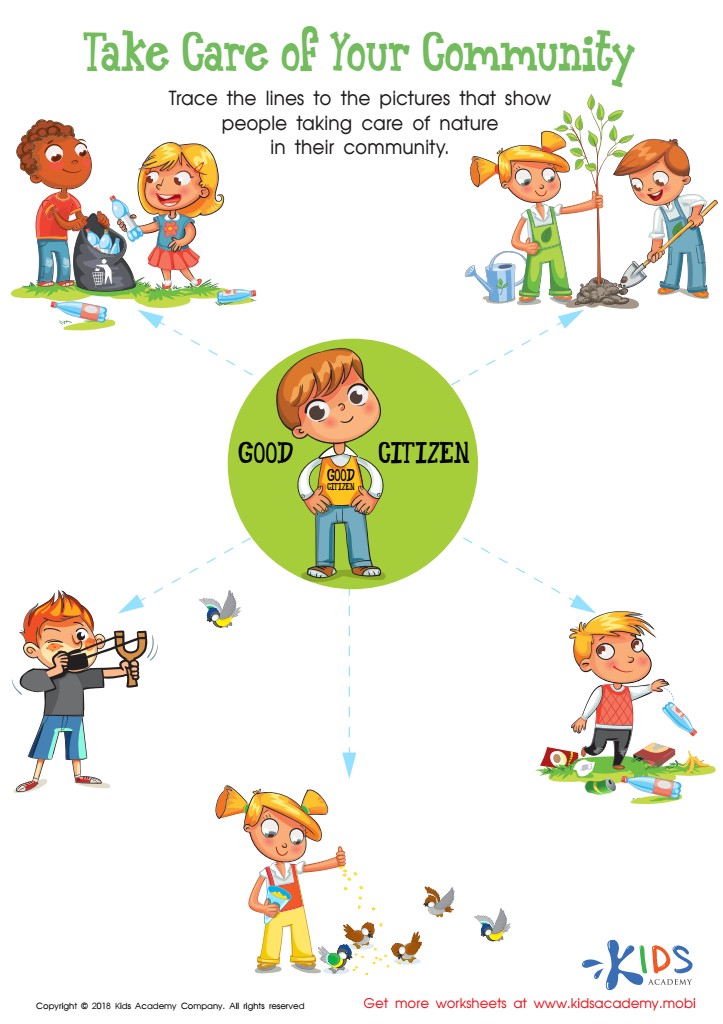
Take Care of your Community Worksheet
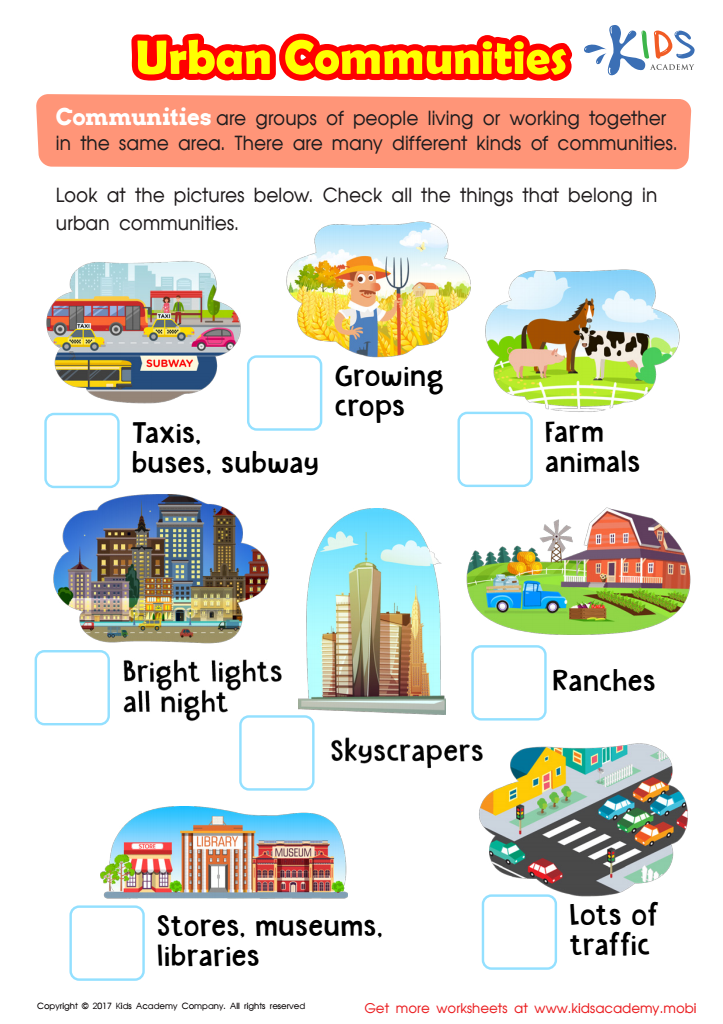
Urban Communities Printable
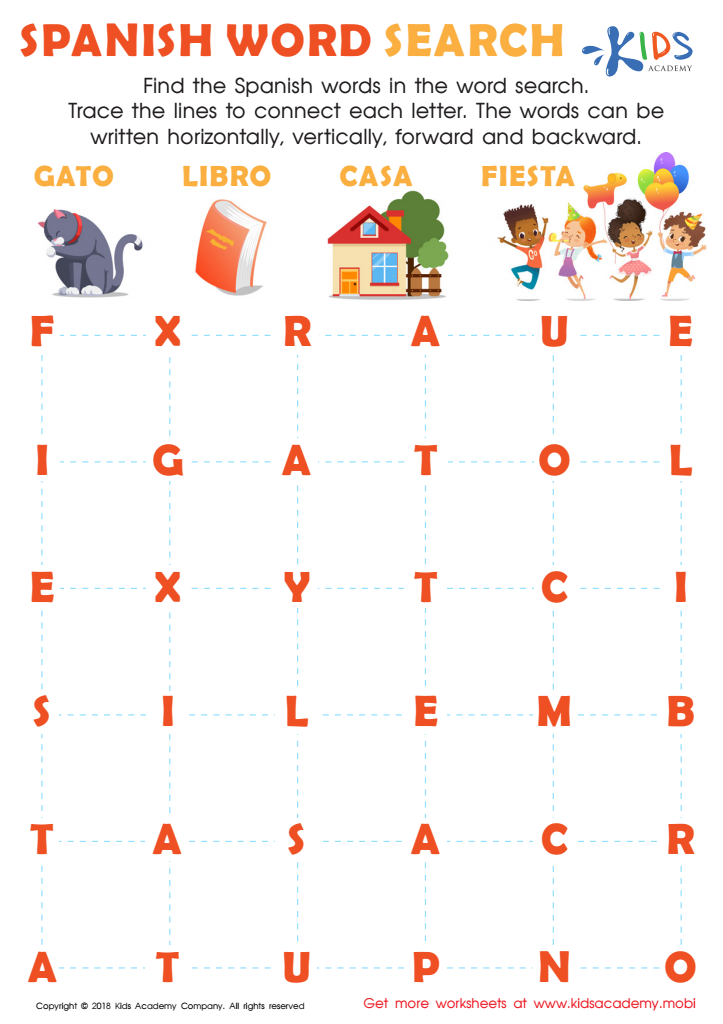
Spanish Word Search Worksheet
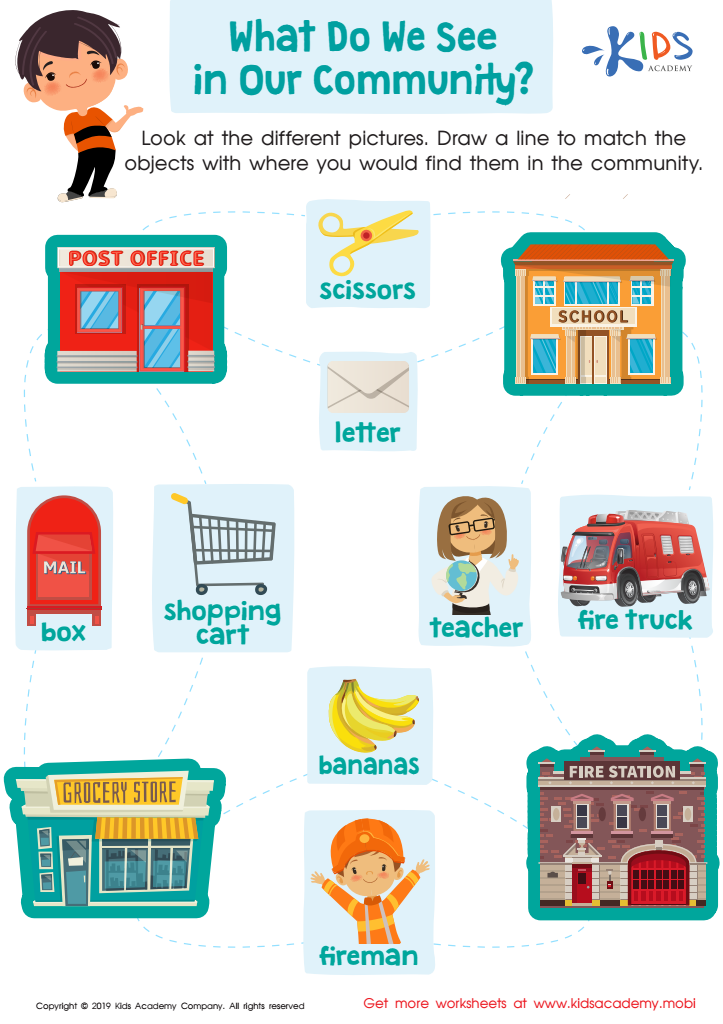
What Do We See in our Community? Worksheet
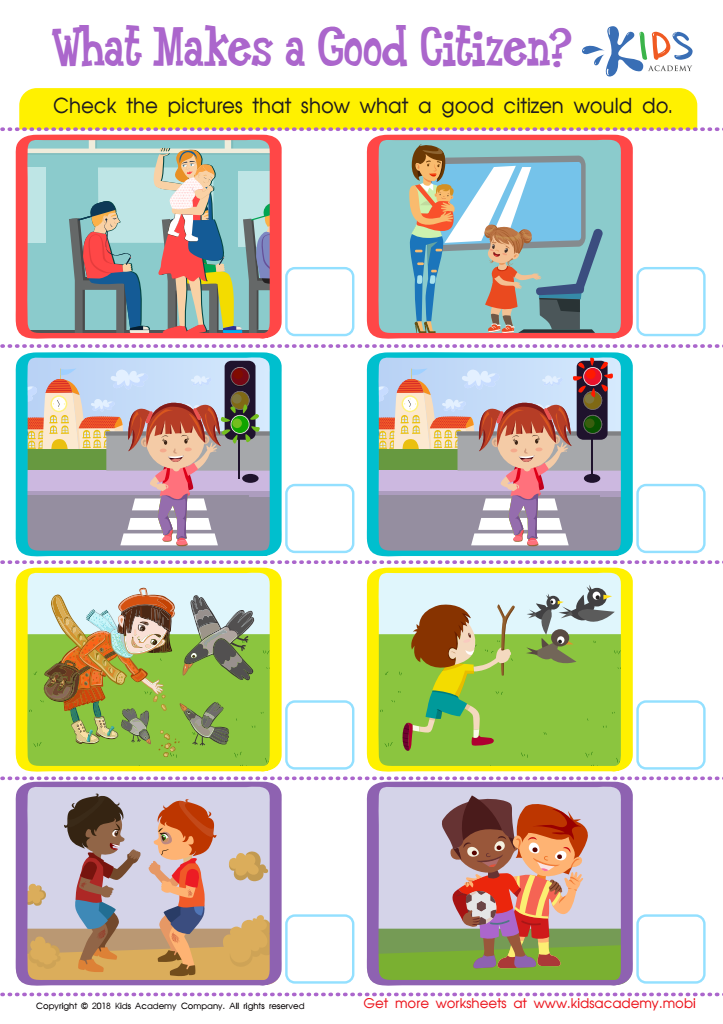
What Makes a Good Citizen? Worksheet
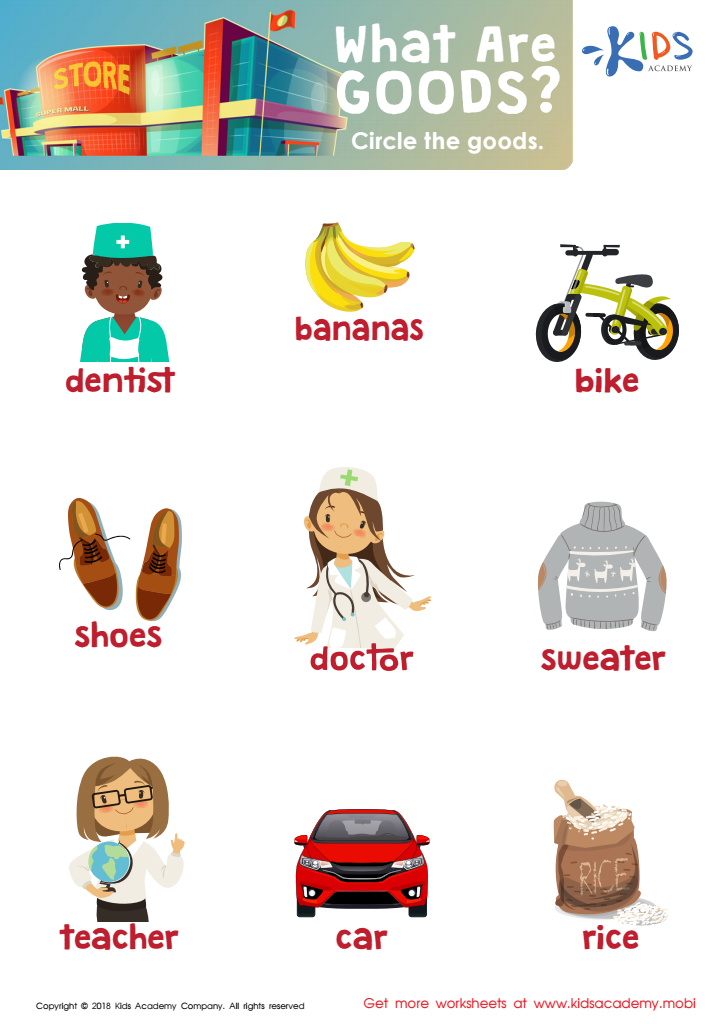
What Are Goods? Worksheet
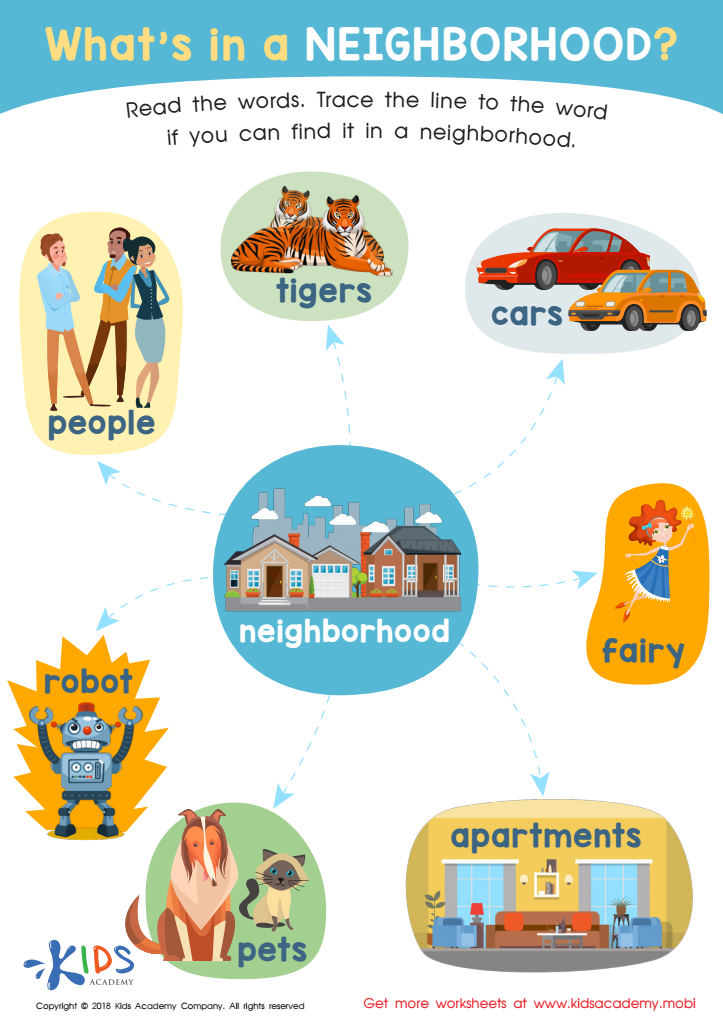
What's in a Neighborhood? Worksheet
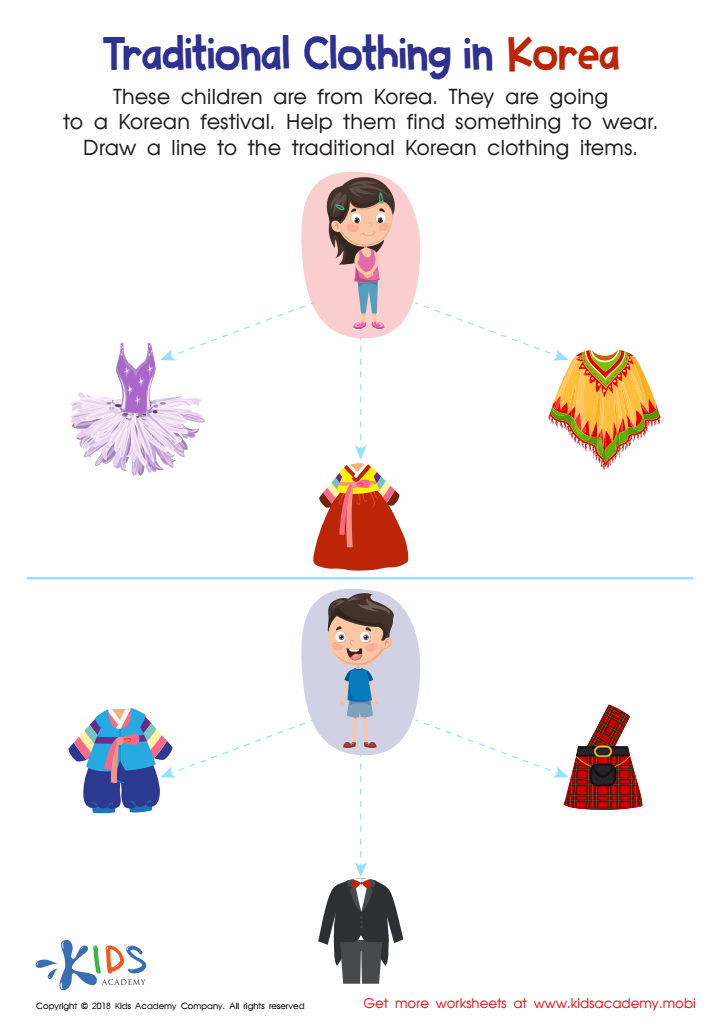
Traditional Clothing in Korea Worksheet
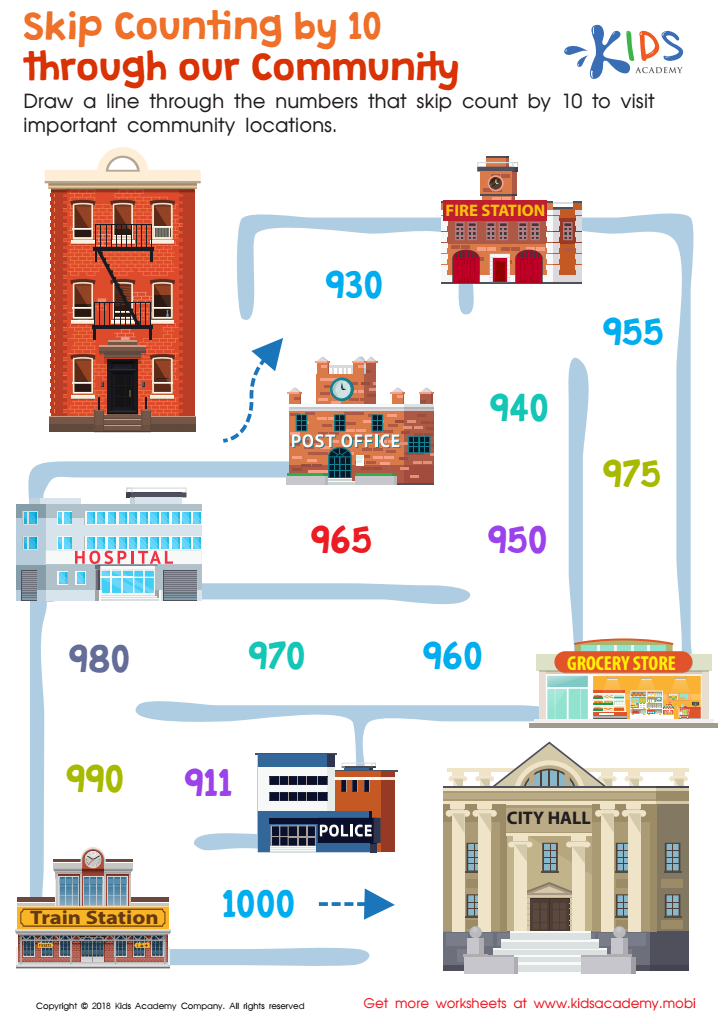
Skip Counting by 10 Through Our Community Worksheet
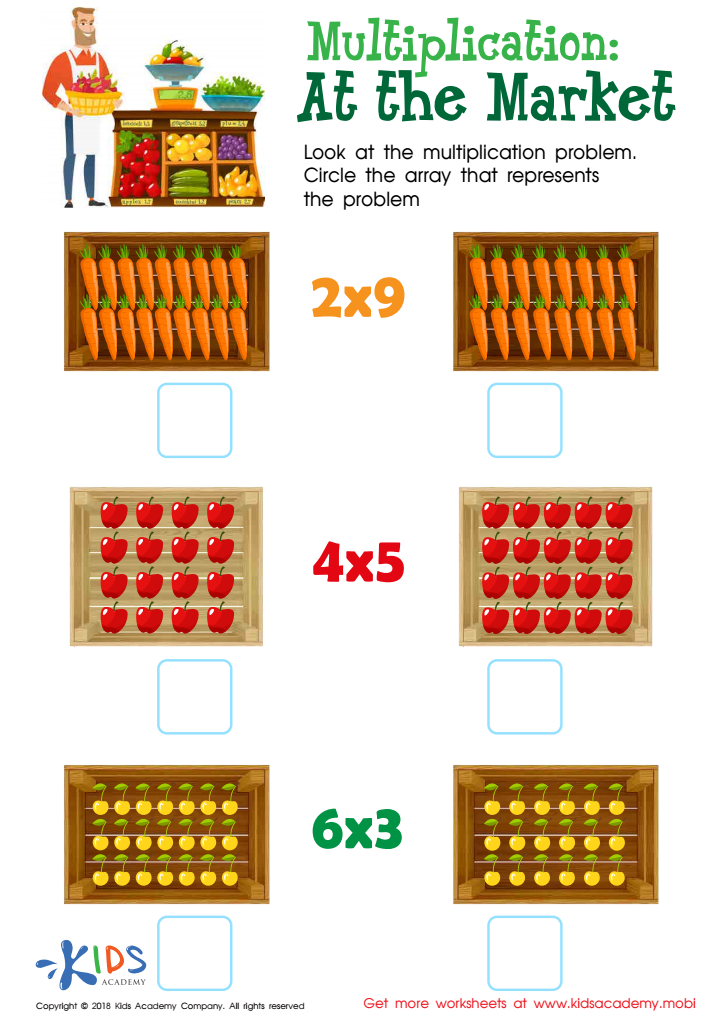
At the Market Worksheet
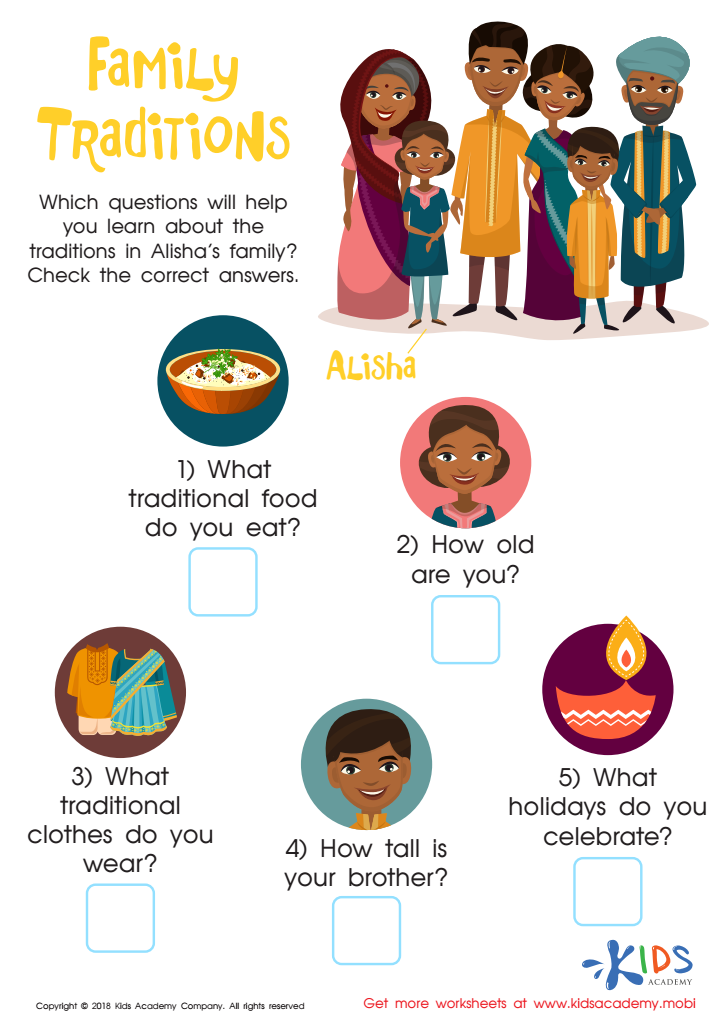
Family Traditions Worksheet
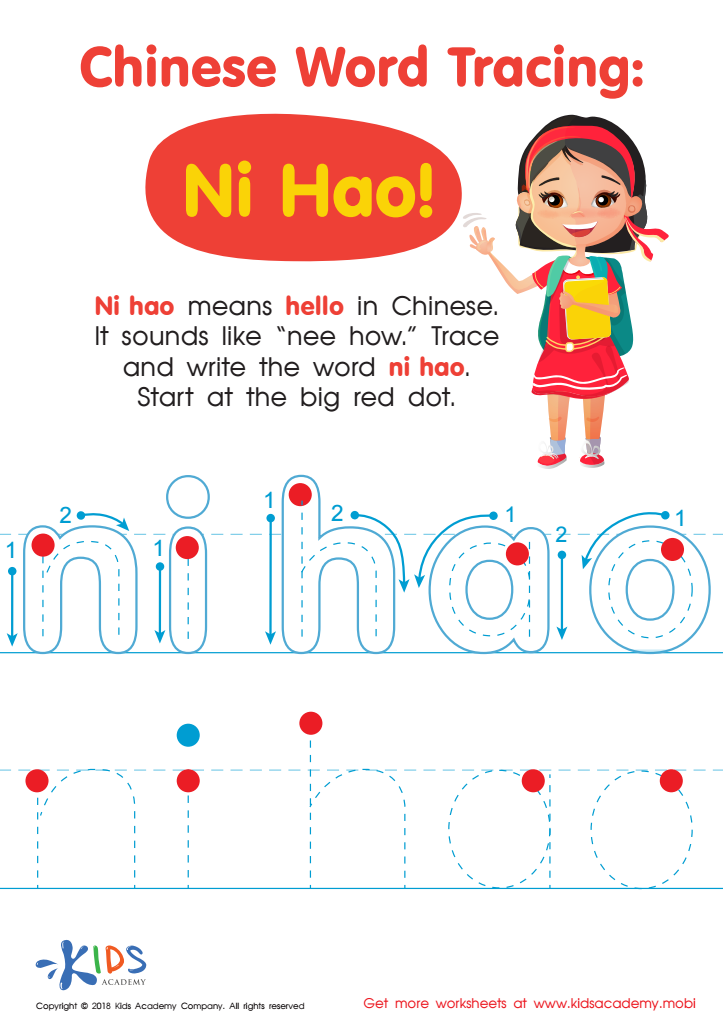
Chinese Word Tracing: Ni Hao Worksheet
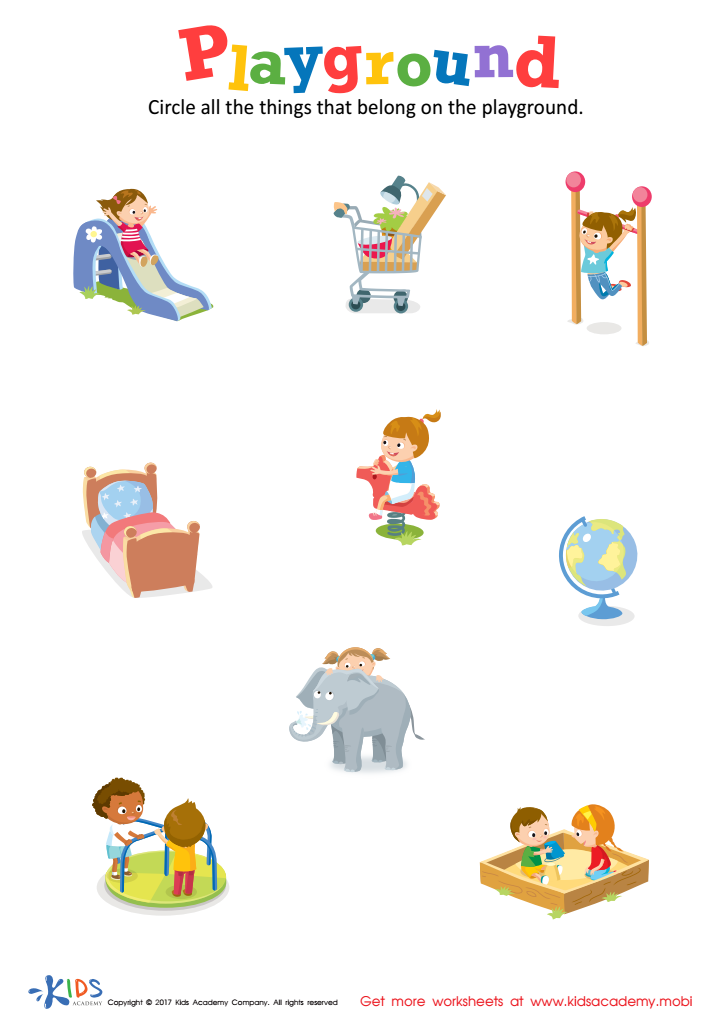
Playground Worksheet
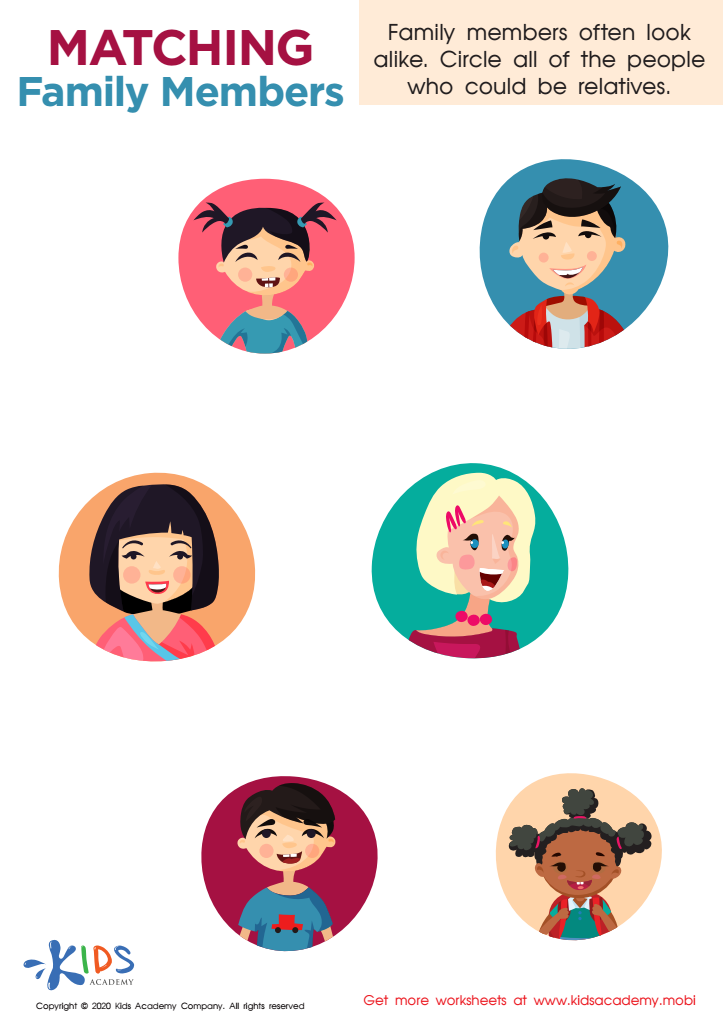
Matching Family Members Worksheet
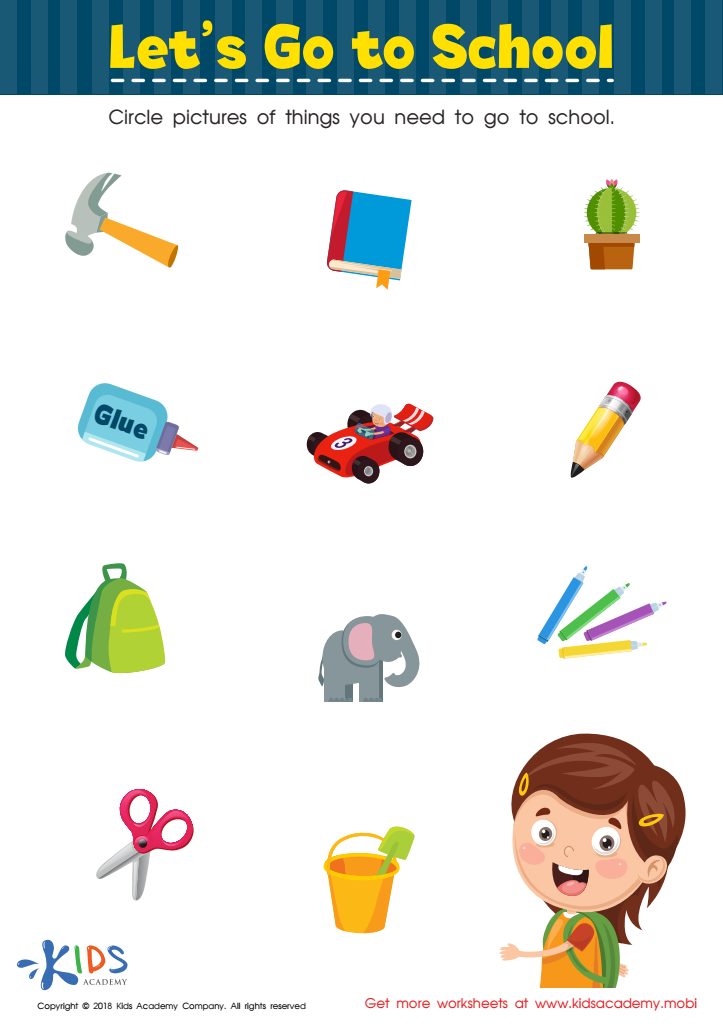
Let's Go to School! Worksheet
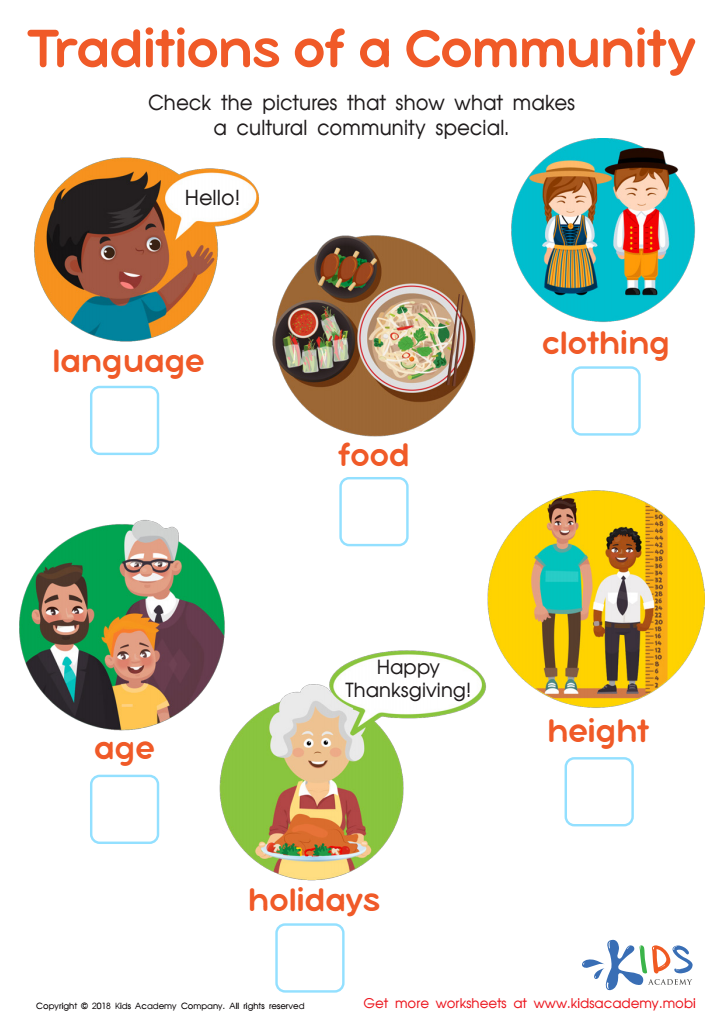
Traditions of a Community Worksheet
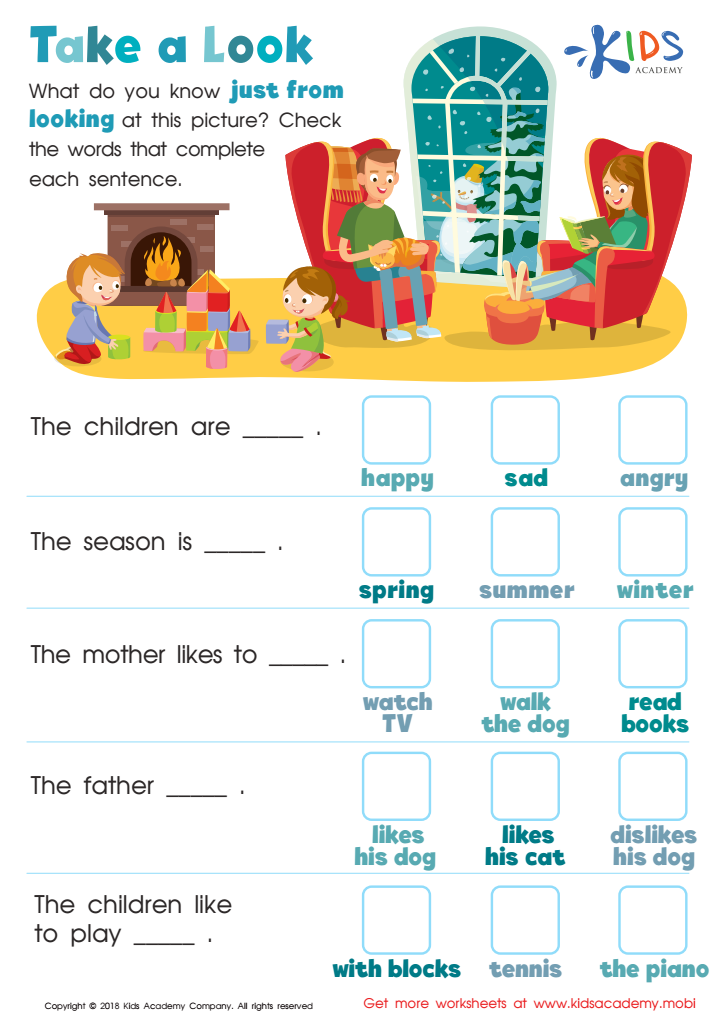
Take a Look - Part 1 Worksheet
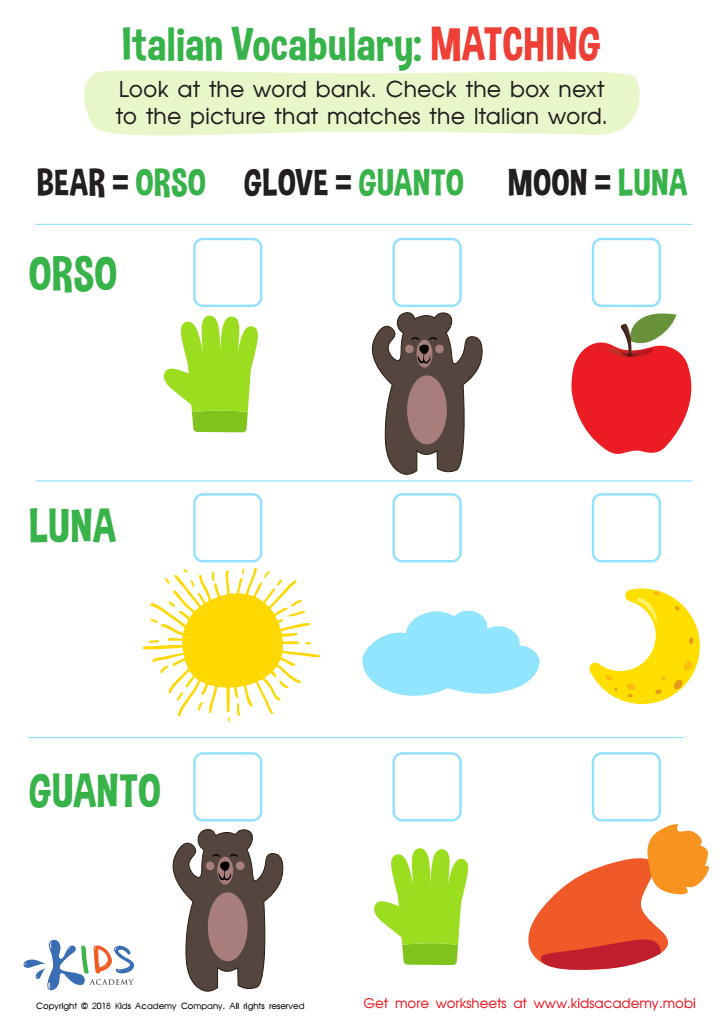
Italian Vocabulary Matching Worksheet
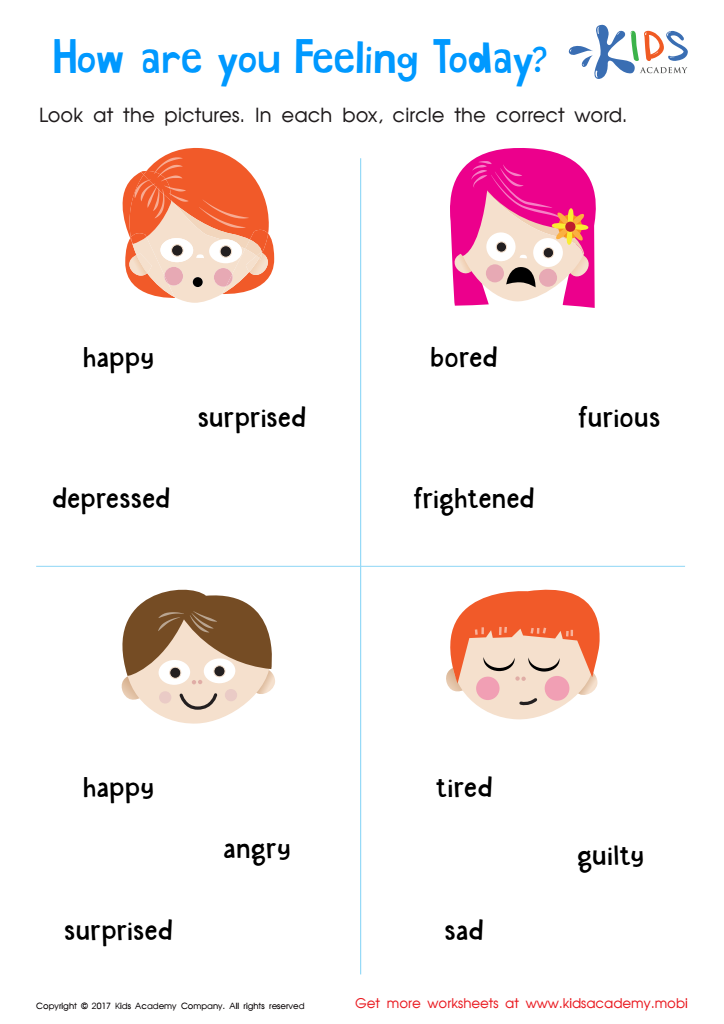
Understanding Feelings Worksheet
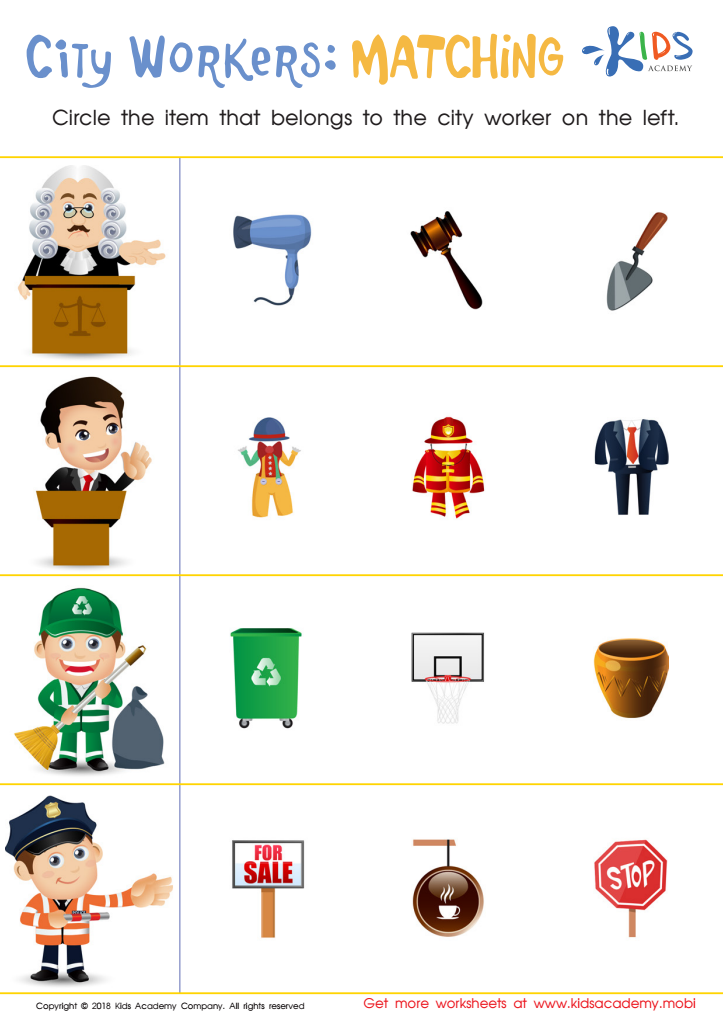
City Workers: Matching Worksheet





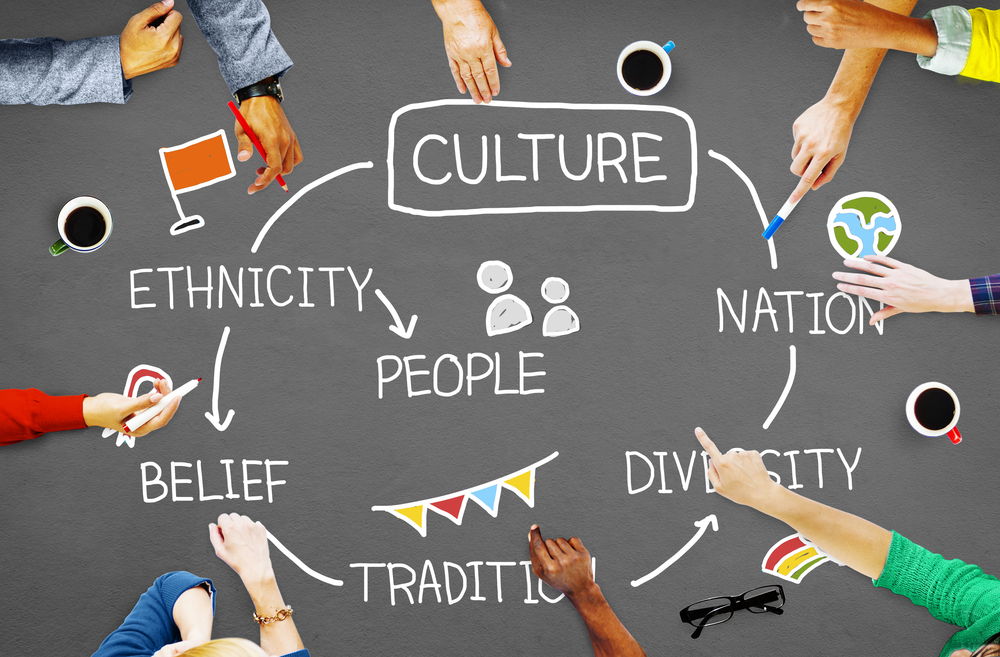


Parents and teachers should deeply care about community for children aged 6-8 because it plays a vital role in their social, emotional, and cognitive development. At this age, children begin to understand the concept of relationships and interactions beyond family. A supportive community fosters a sense of belonging, helping them develop empathy and teamwork skills. In community settings, children learn to interact with diverse individuals, including peers from various backgrounds. This exposure can enhance their social skills, fostering inclusivity and respect for differences.
Moreover, community engagement enables children to gain practical skills and knowledge through local resources, such as libraries, parks, and recreational centers. It encourages exploration and creativity, allowing them to learn through hands-on experiences. Teachers and parents can aid in connecting children to community projects, instilling a sense of responsibility and active participation.
Creating a positive community network also provides parents and teachers with valuable support. Collaborating with local organizations can enhance learning opportunities and foster resilience. By engaging with their community, children learn vital life skills that prepare them for future challenges, emphasizing the importance of unity, cooperation, and active citizenship from a young age. Hence, nurturing community is crucial for holistic child development.








