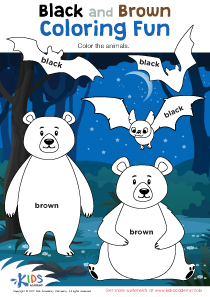
English for Beginners Worksheets for Ages 6-9 - Page 6
148 filtered results
-
From - To
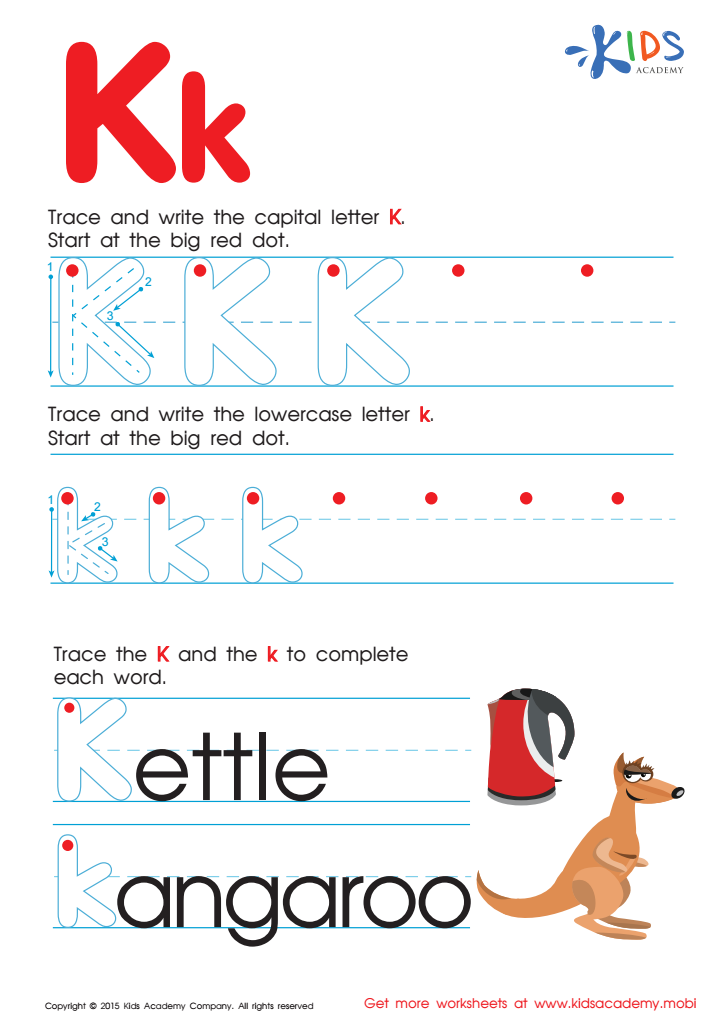
Letter K Tracing Page
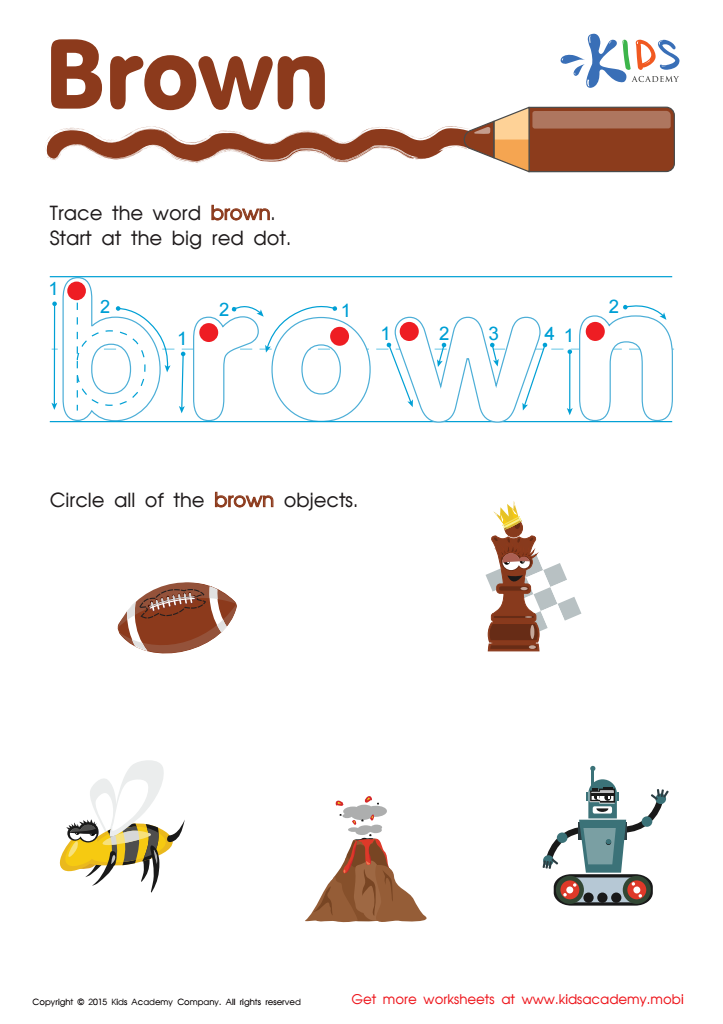
Brown Tracing Color Words Worksheet
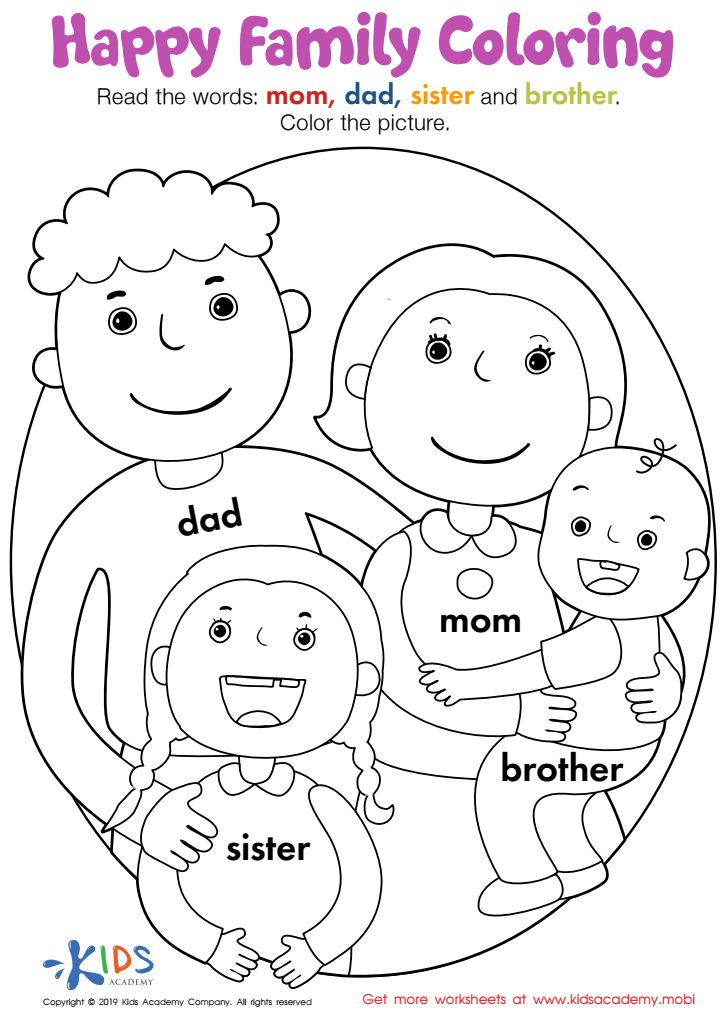
Happy Family Coloring Worksheet
 Assign to My Students
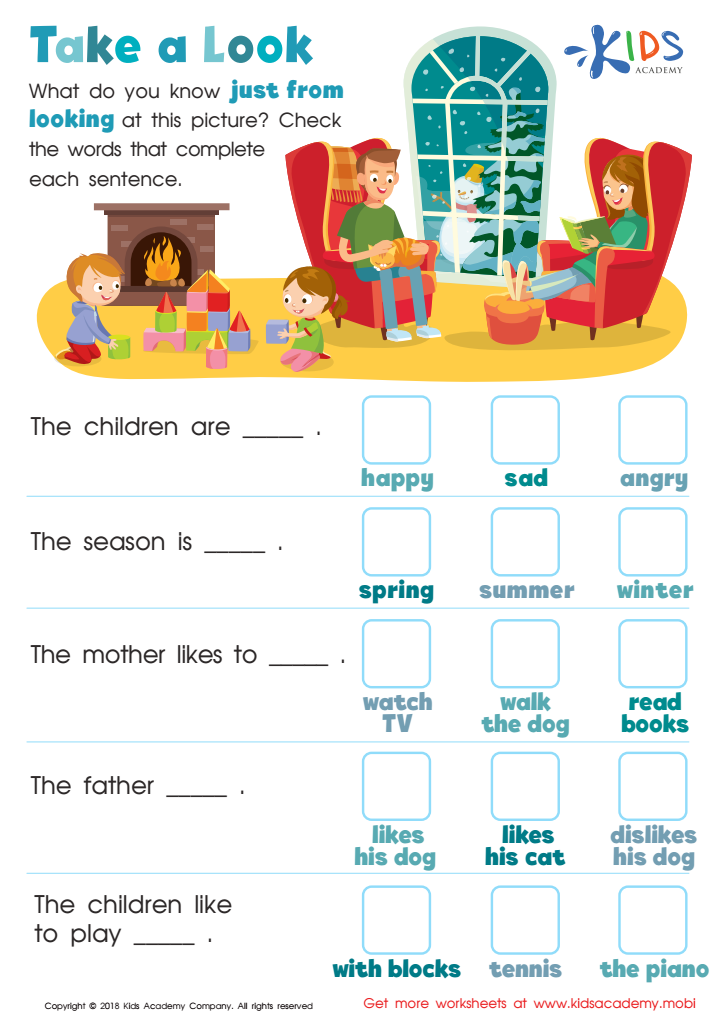
Take a Look - Part 1 Worksheet
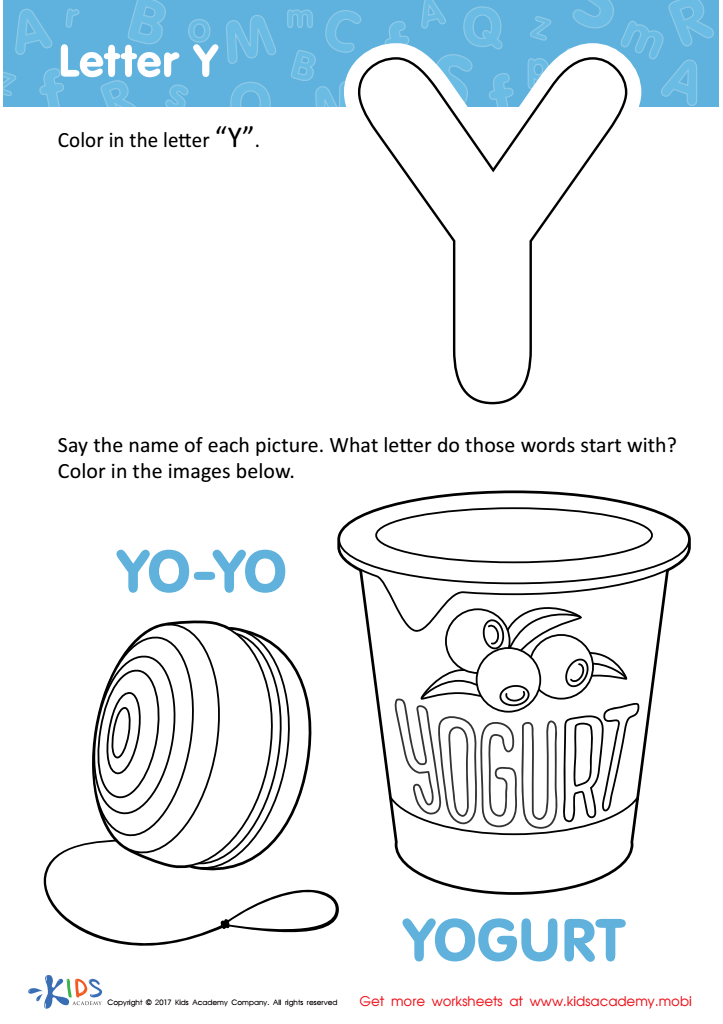
Letter Y Coloring Sheet
Assign to My Students
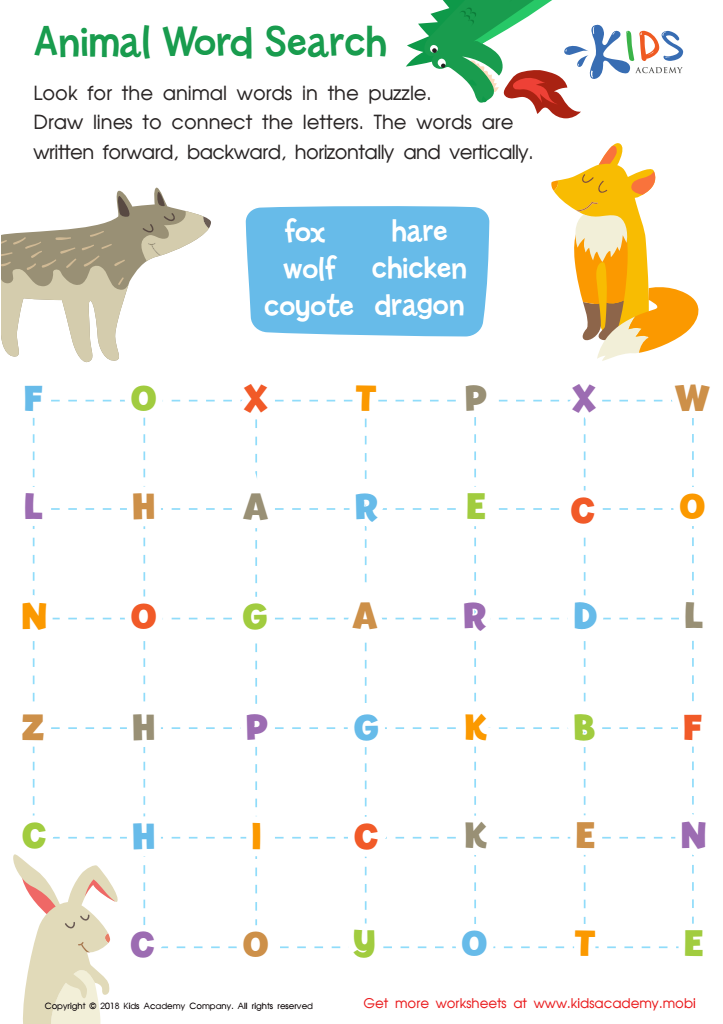
Animal Word Search Worksheet
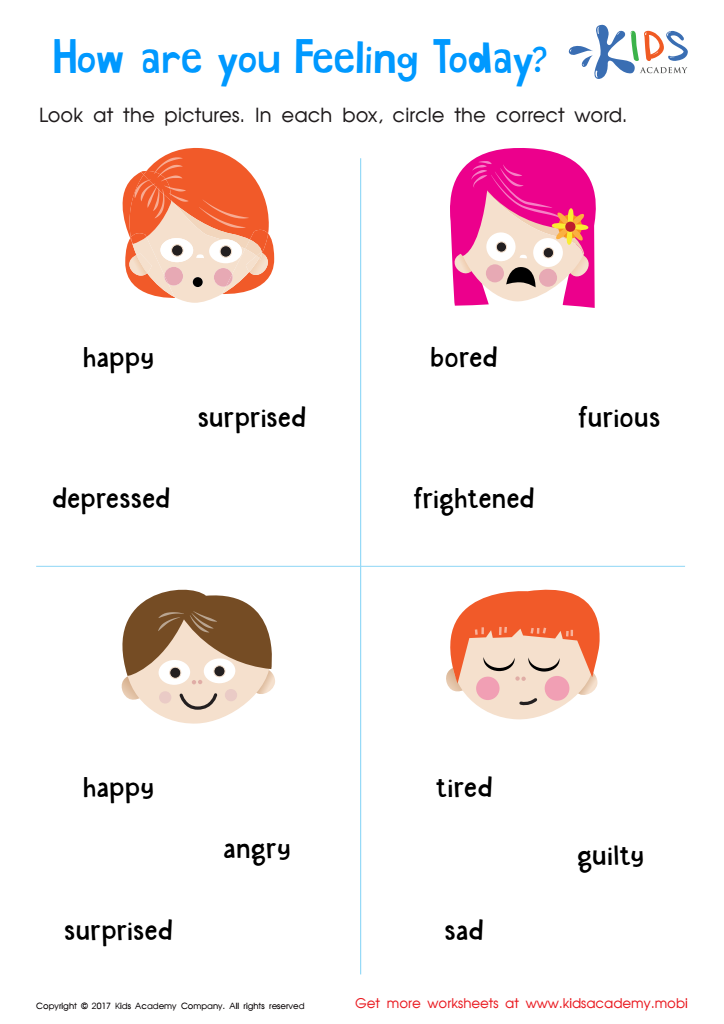
Understanding Feelings Worksheet
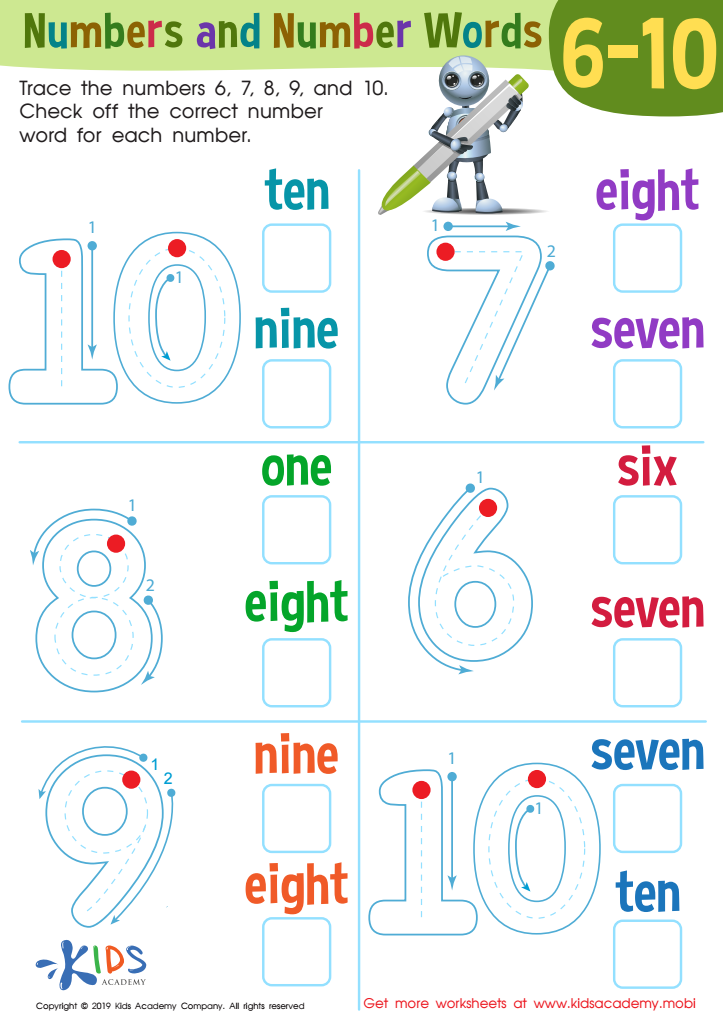
Numbers and Number Words 6–1 Worksheet
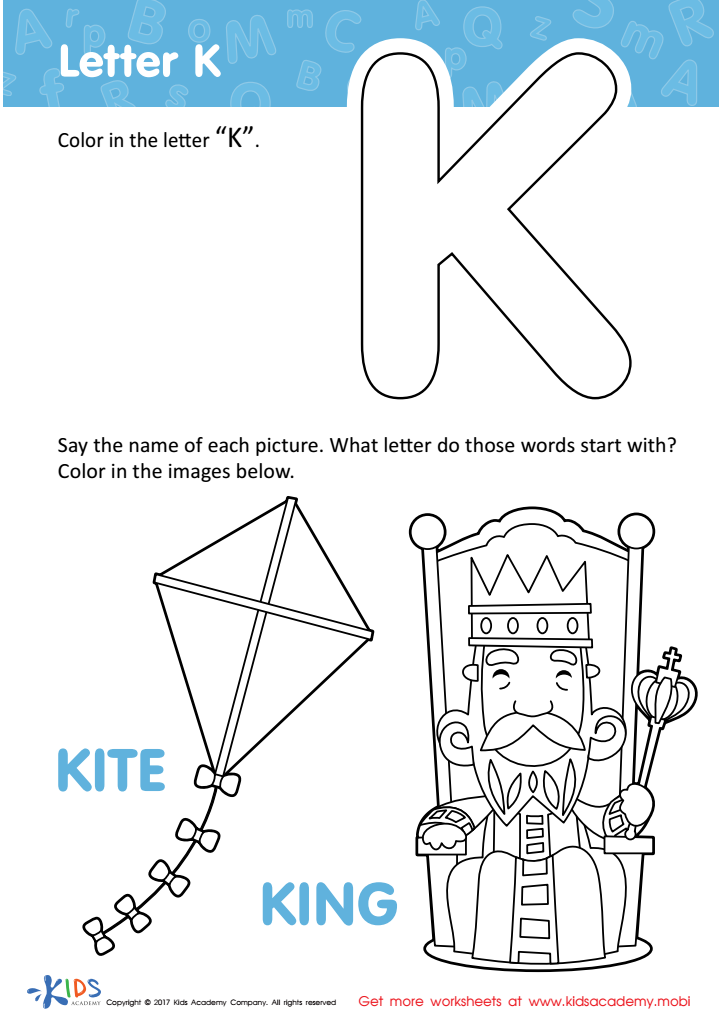
Letter K Coloring Sheet
Assign to My Students
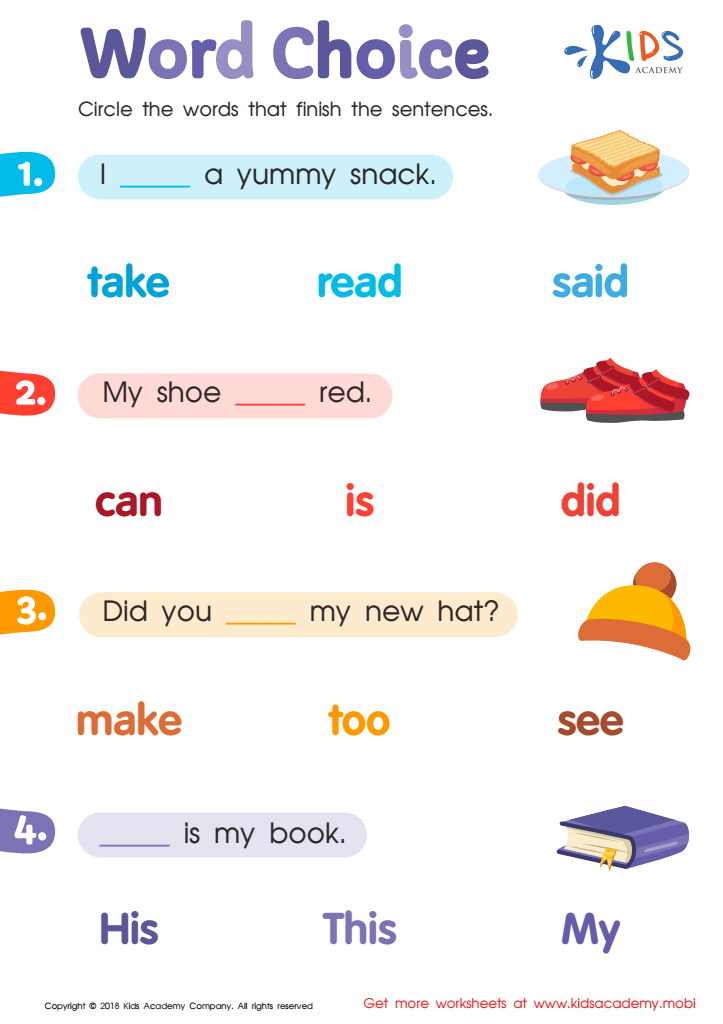
Word Choice Worksheet
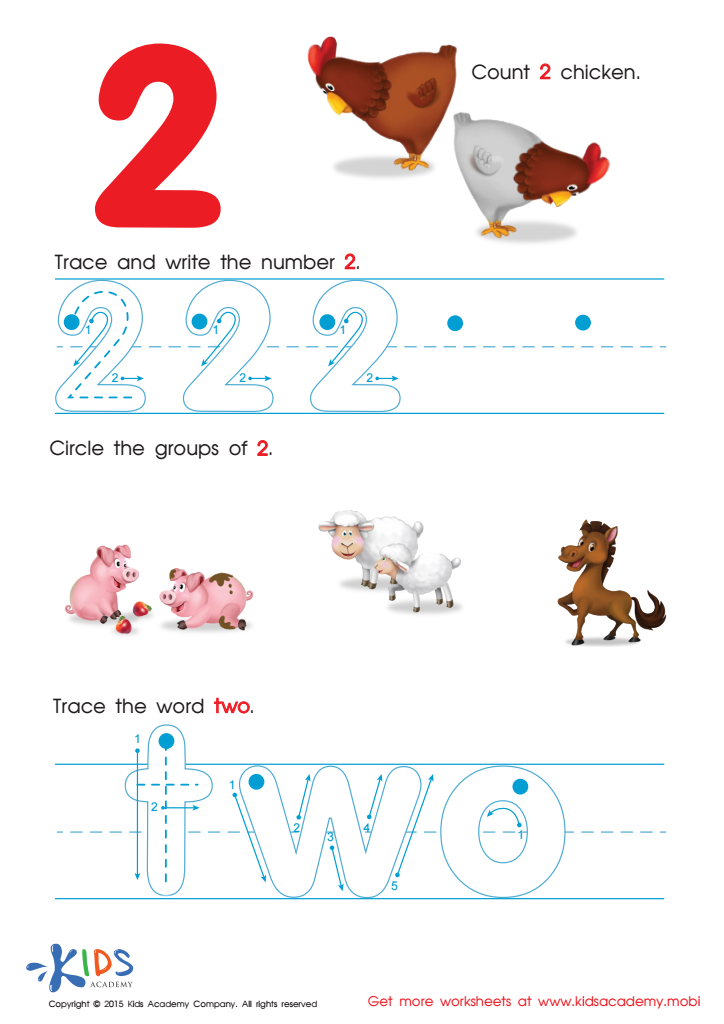
Learn to Write the Number 2 Worksheet
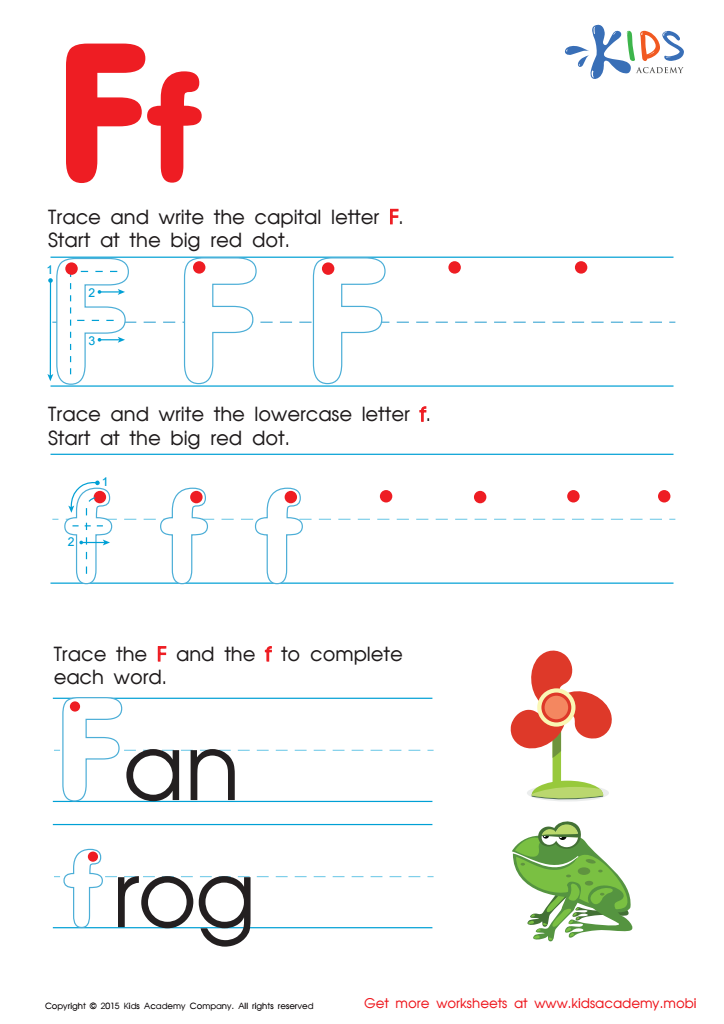
Letter F Tracing Page
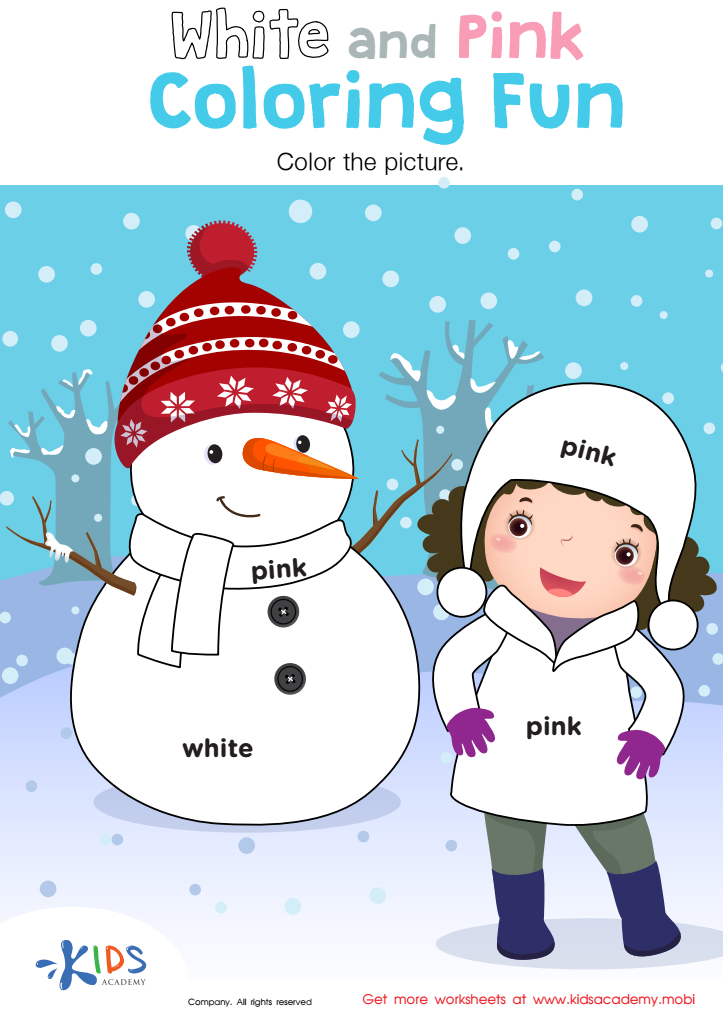
White and Pink Coloring Fun Worksheet
Assign to My Students
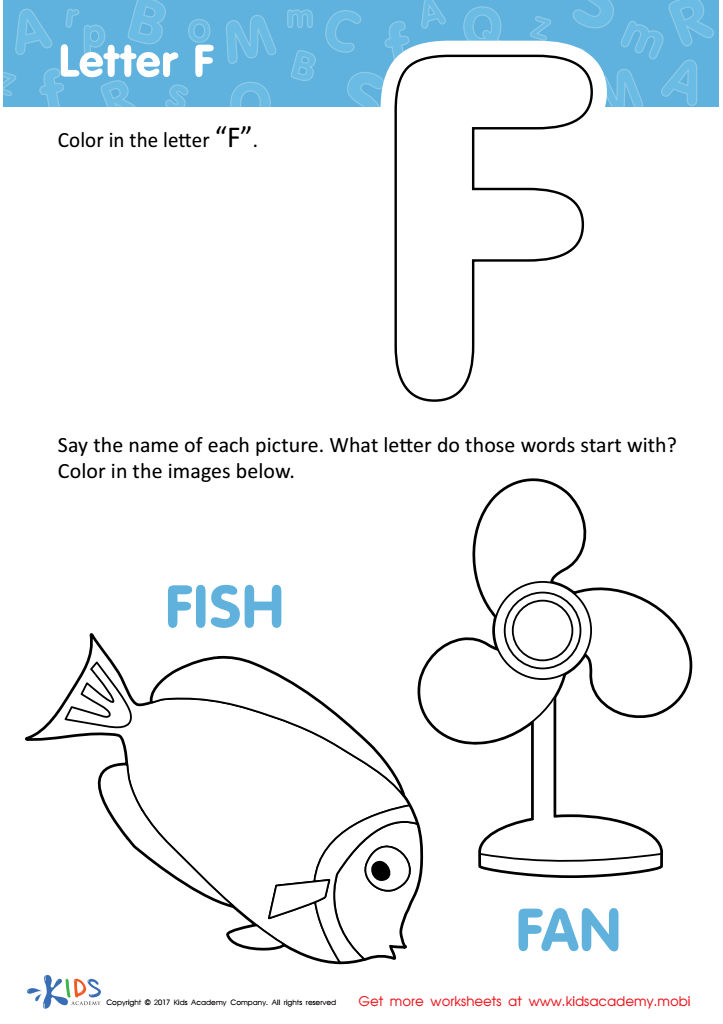
Letter F Coloring Sheet
Assign to My Students

Long and Short E Worksheet
Assign to My Students
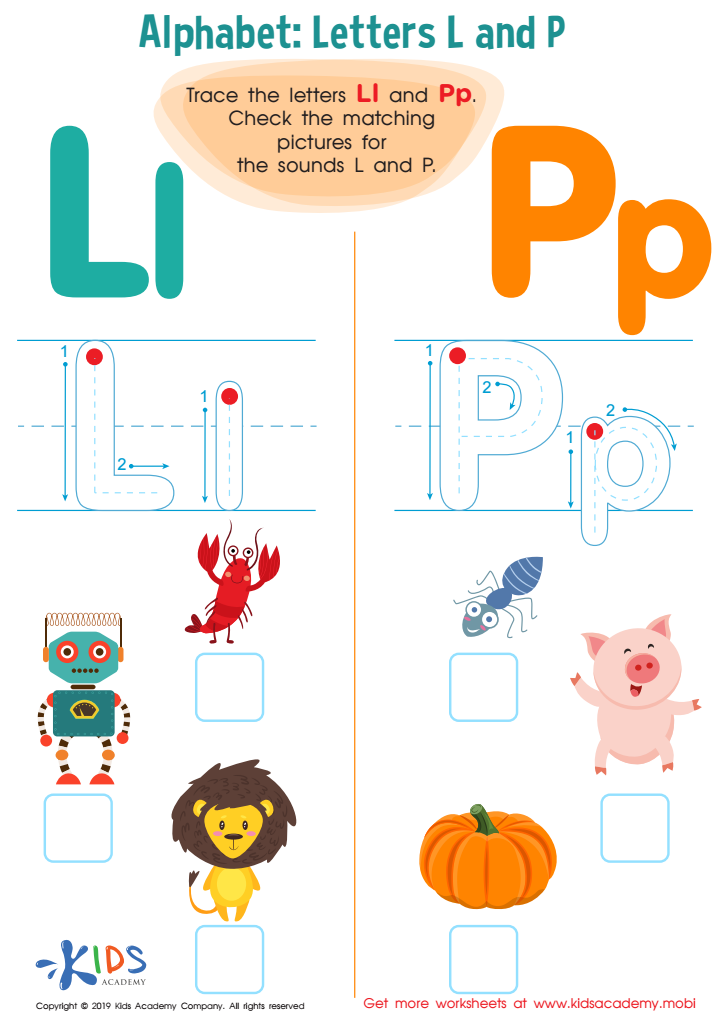
Letter L and P Tracing Worksheet
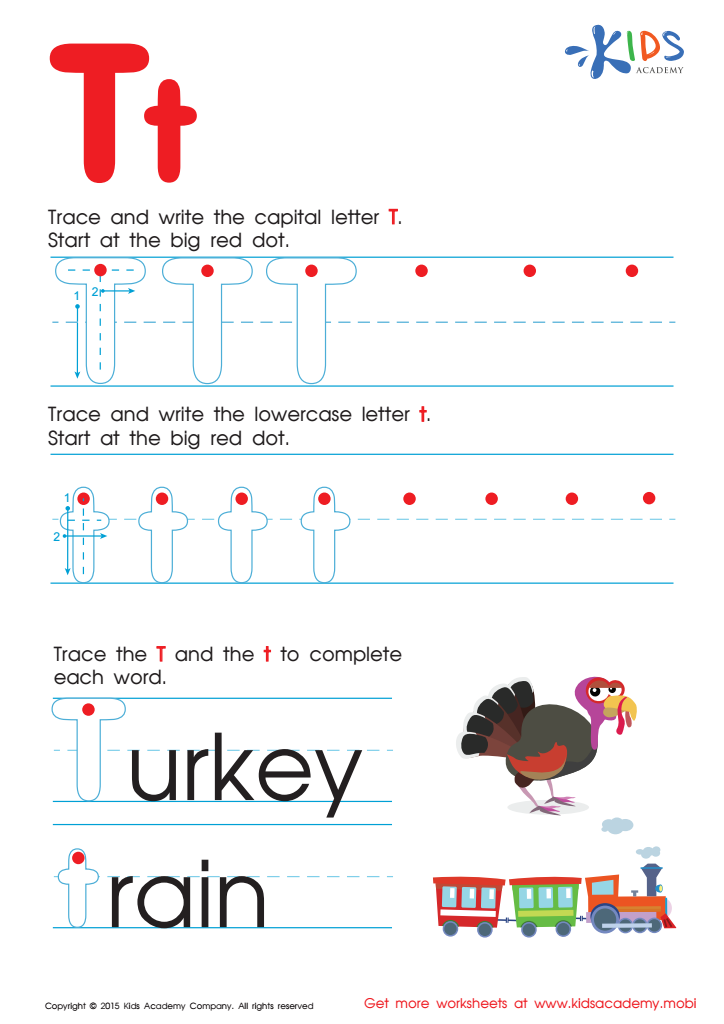
Letter T Tracing Page
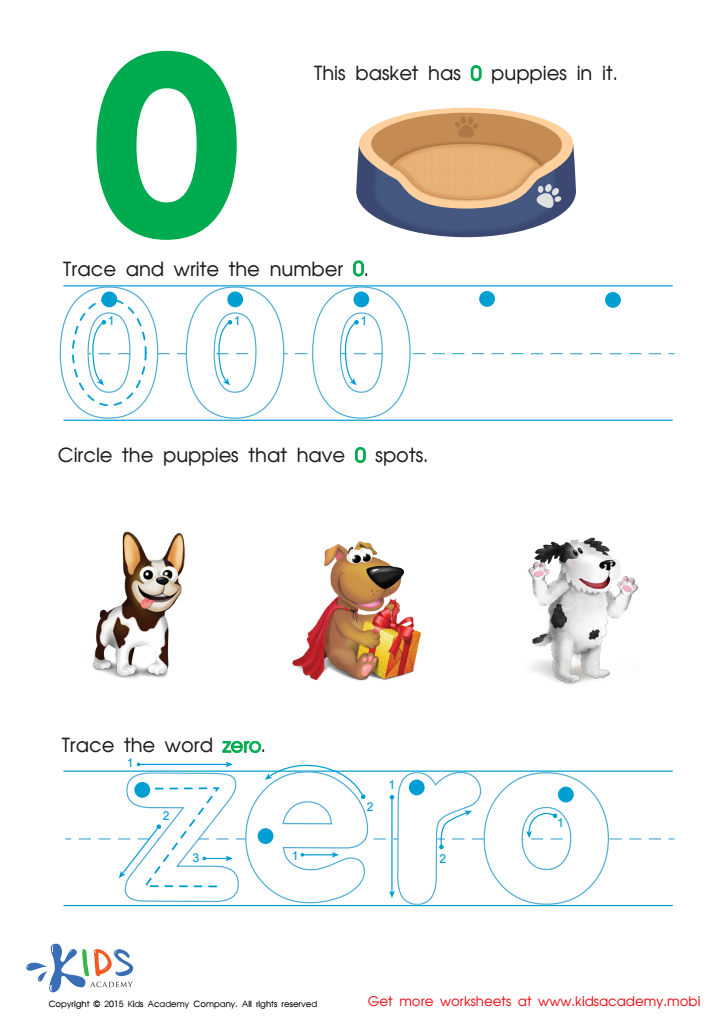
Trace And Write Number 0 Worksheet

Family Coloring Page
Assign to My Students
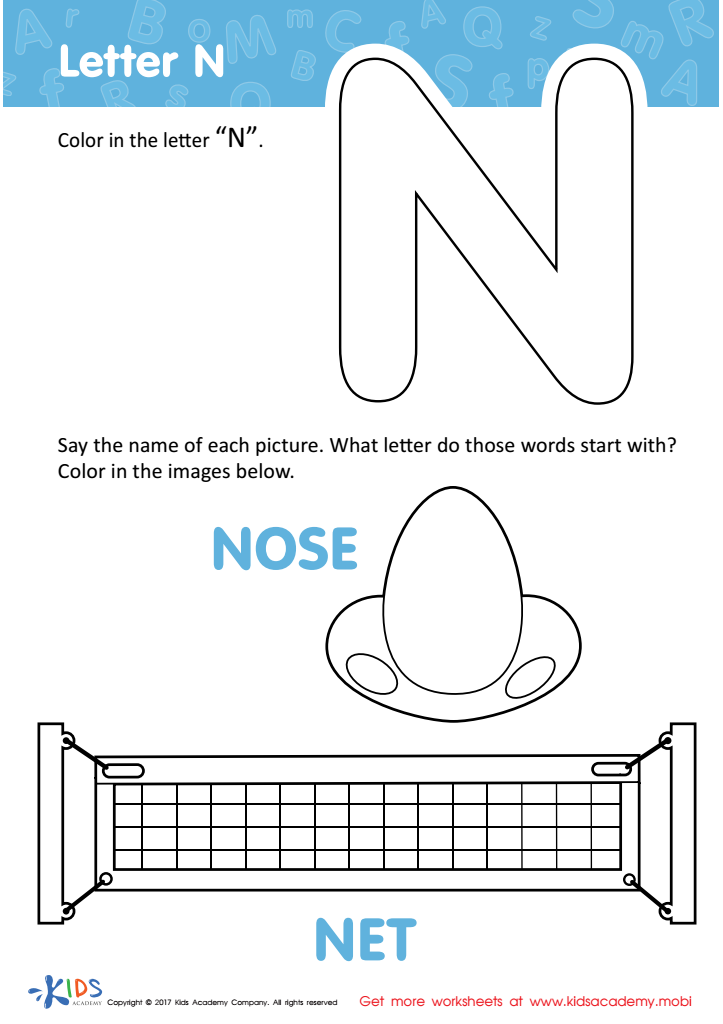
Letter N Coloring Sheet
Assign to My Students
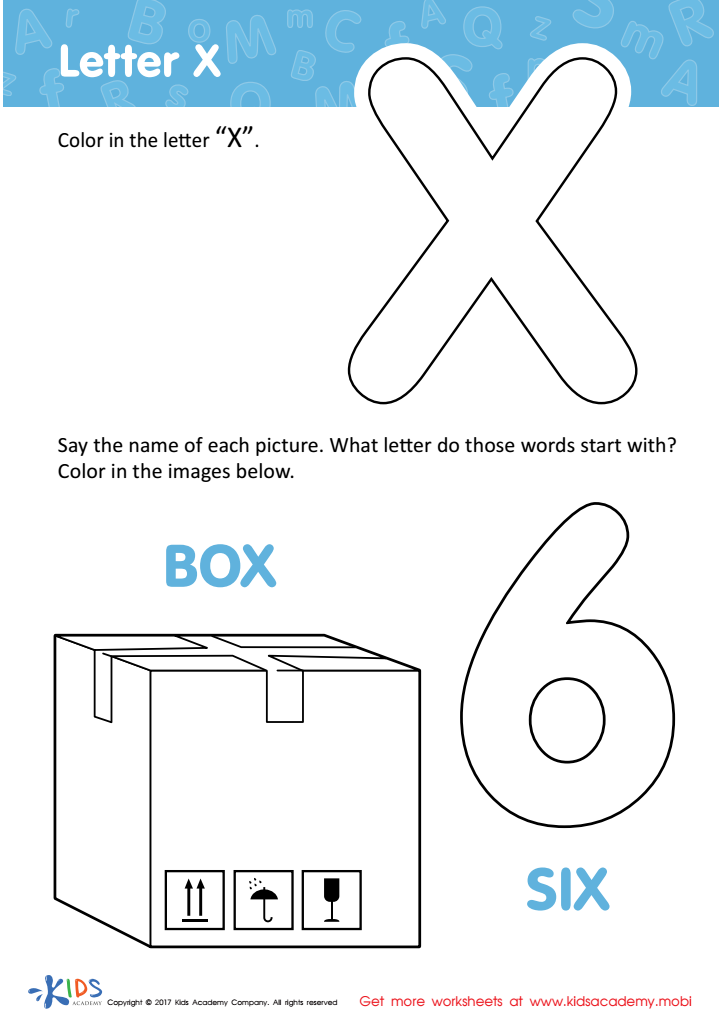
Letter X Coloring Sheet
Assign to My Students

Letter D Tracing Page
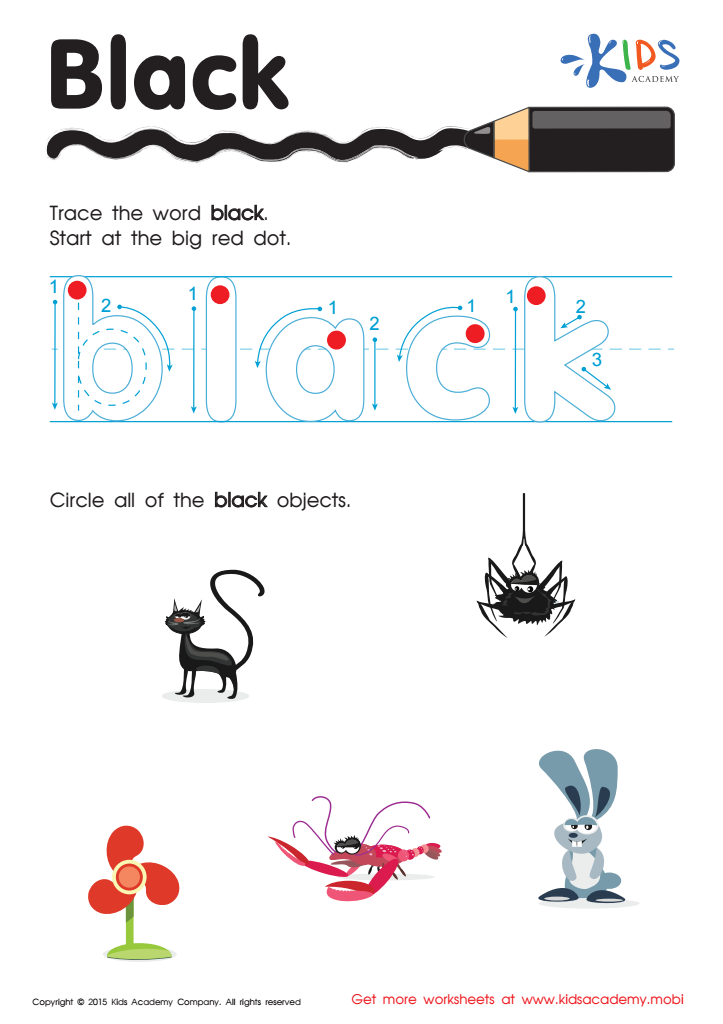
Black Tracing Color Words Printable
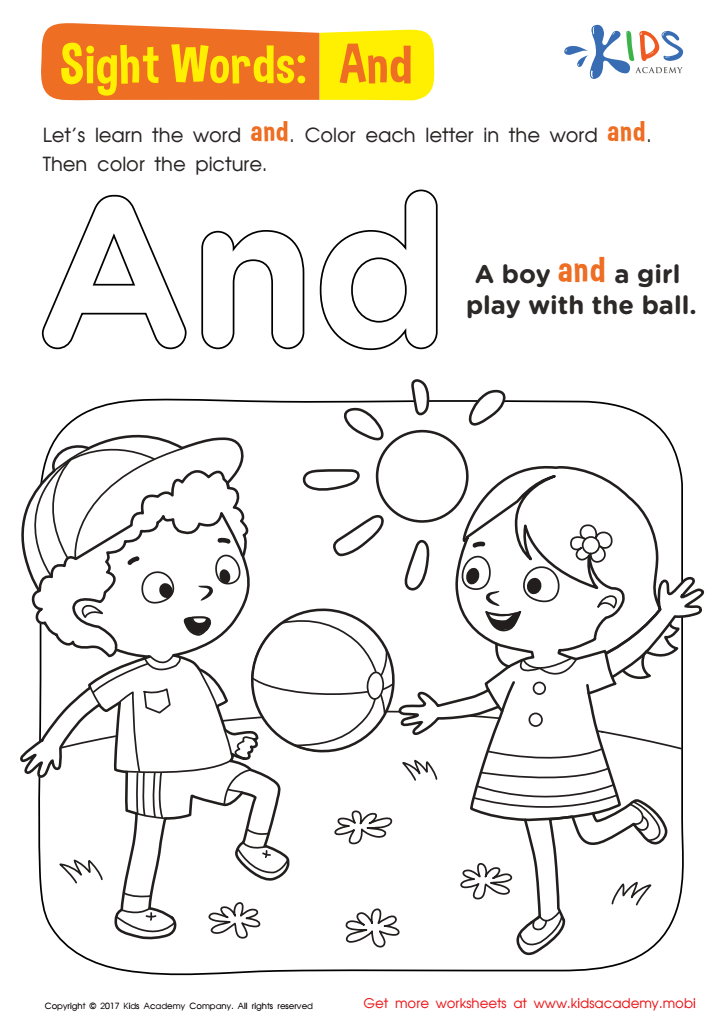
And Worksheet Sight Words Worksheet
Assign to My Students





Parents and teachers should prioritize English for beginners aged 6-9 because this stage is crucial for language development and literacy skills. At this age, children are highly receptive to learning and can acquire new languages with relative ease. Introducing English early fosters confidence in communication, providing them with the tools to express themselves effectively.
Moreover, English is a globally dominant language, and proficiency can open doors to numerous educational and professional opportunities in the future. By investing time in English education, parents and teachers equip children with the ability to engage with diverse cultures and societies. Furthermore, strong foundational skills in English bolster academic performance in various subjects, as many curricula are rooted in English language skills.
Additionally, emotional and social development is enhanced through effective communication. Children with budding English skills are more likely to forge friendships, participate in group activities, and collaborate with peers. This skill also helps them navigate social environments more confidently.
In summary, supporting English learning for children ages 6-9 not only lays the groundwork for academic achievement but also cultivates vital life skills that help them navigate an increasingly interconnected world, fostering both personal and academic growth.