Problem-Solving Skills Addition & Subtraction Worksheets for Ages 6-9 - Page 4
175 filtered results
-
From - To
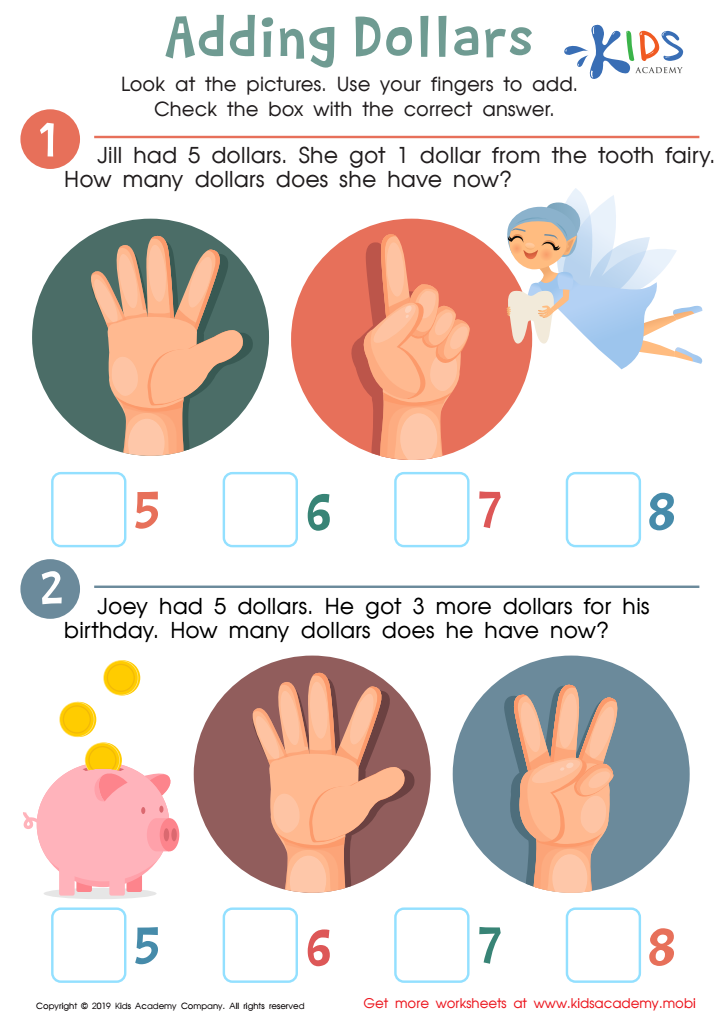
Tooth Fairy Addition Worksheet
 Assign to My Students
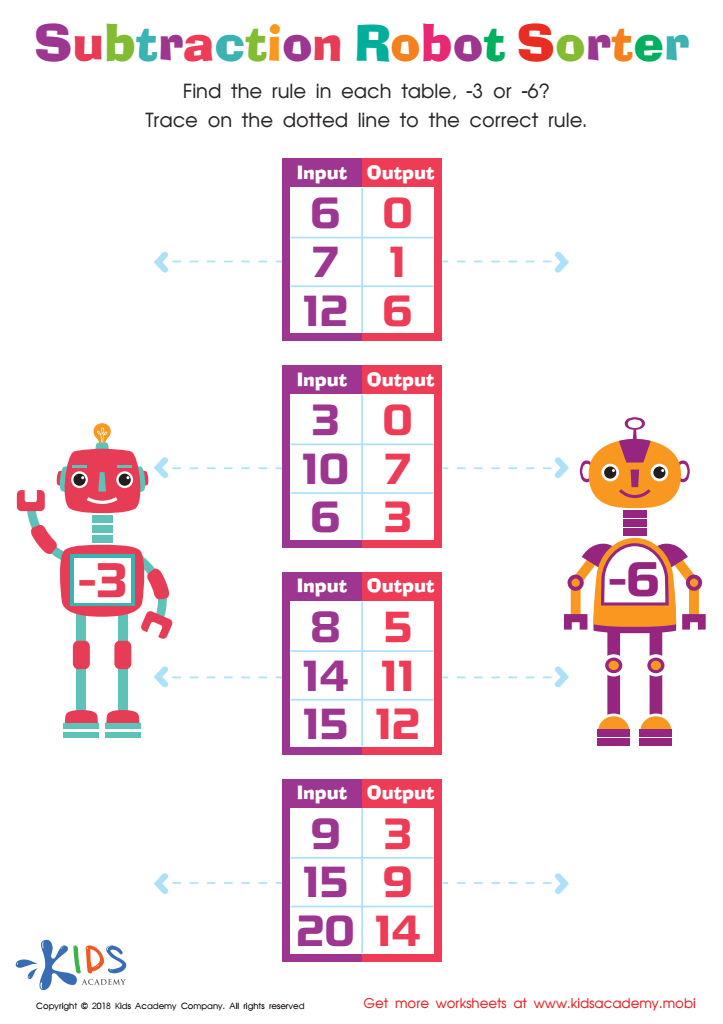
Subtraction Robot Sorter Worksheet
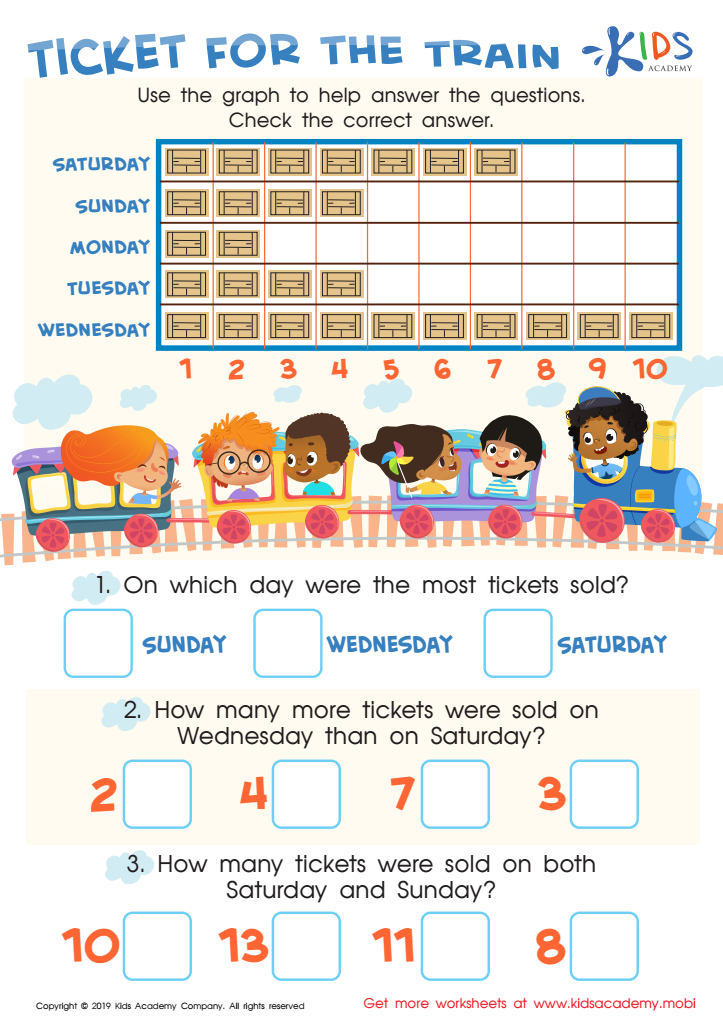
Ticket for the Train Worksheet
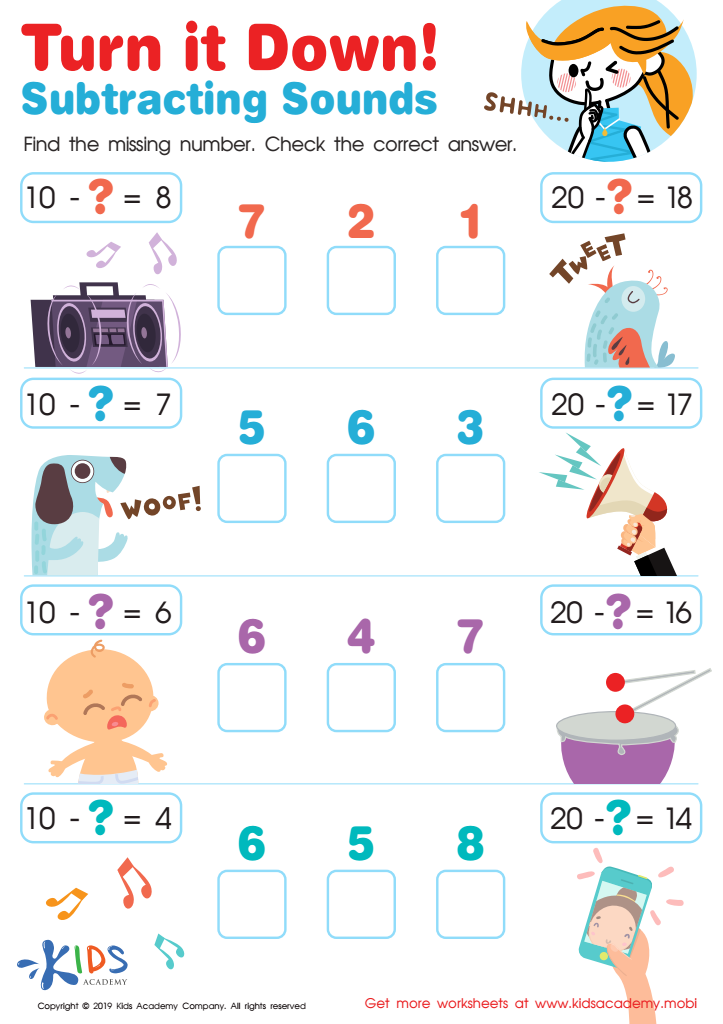
Turn It down! Subtracting Sounds Worksheet
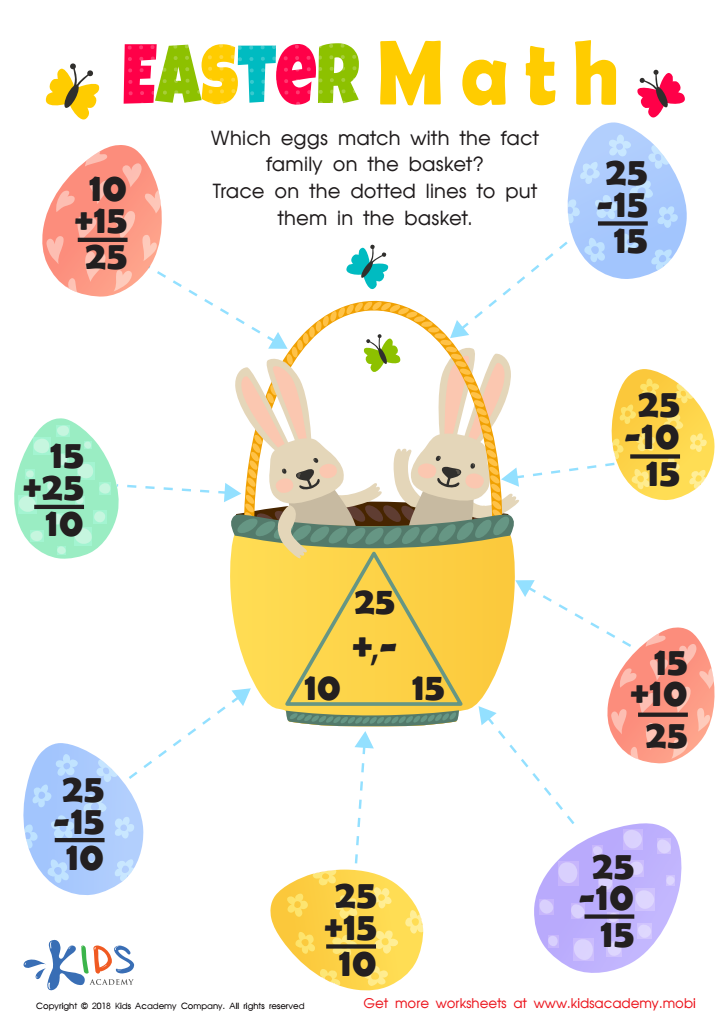
Fact Families: Easter Math Worksheet
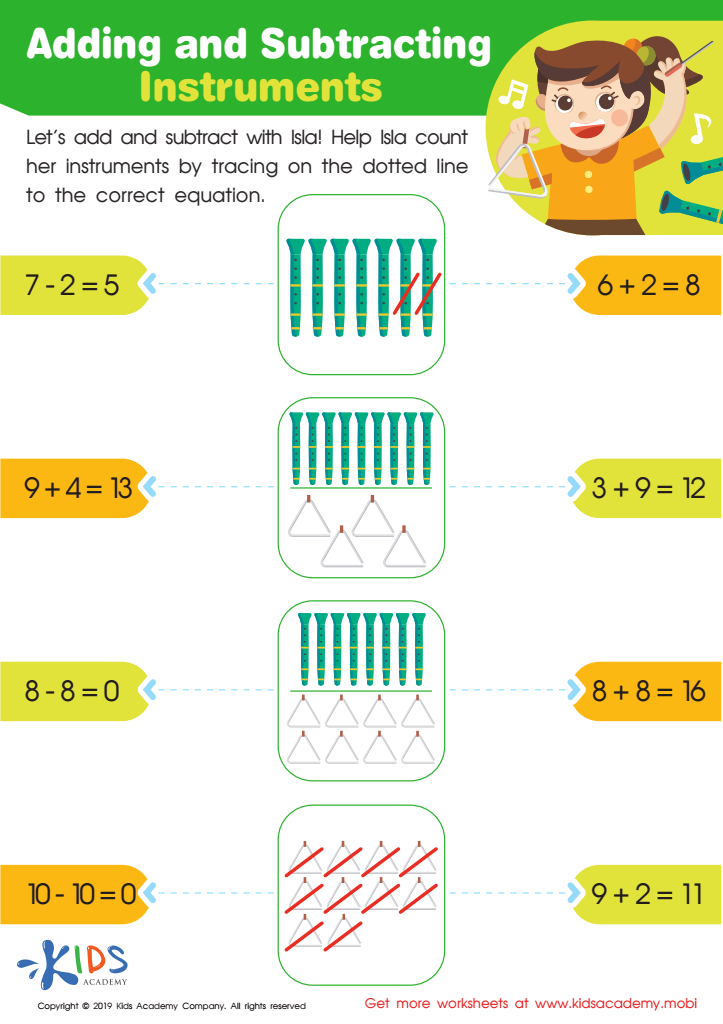
Adding and Subtracting: Instruments Worksheet
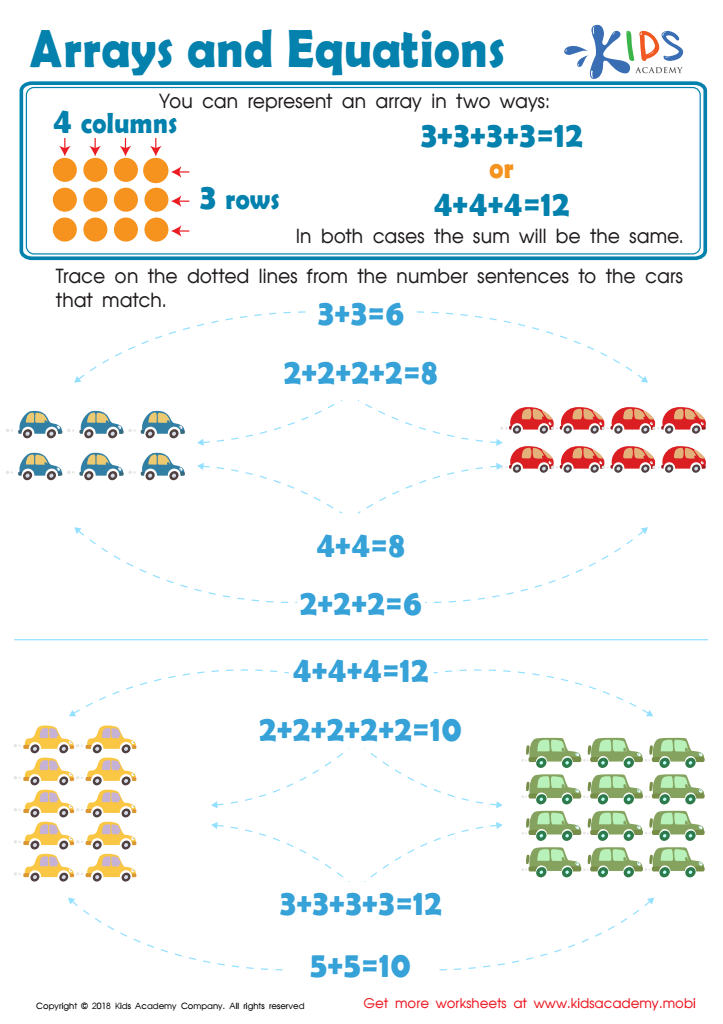
Arrays and Equations Worksheet
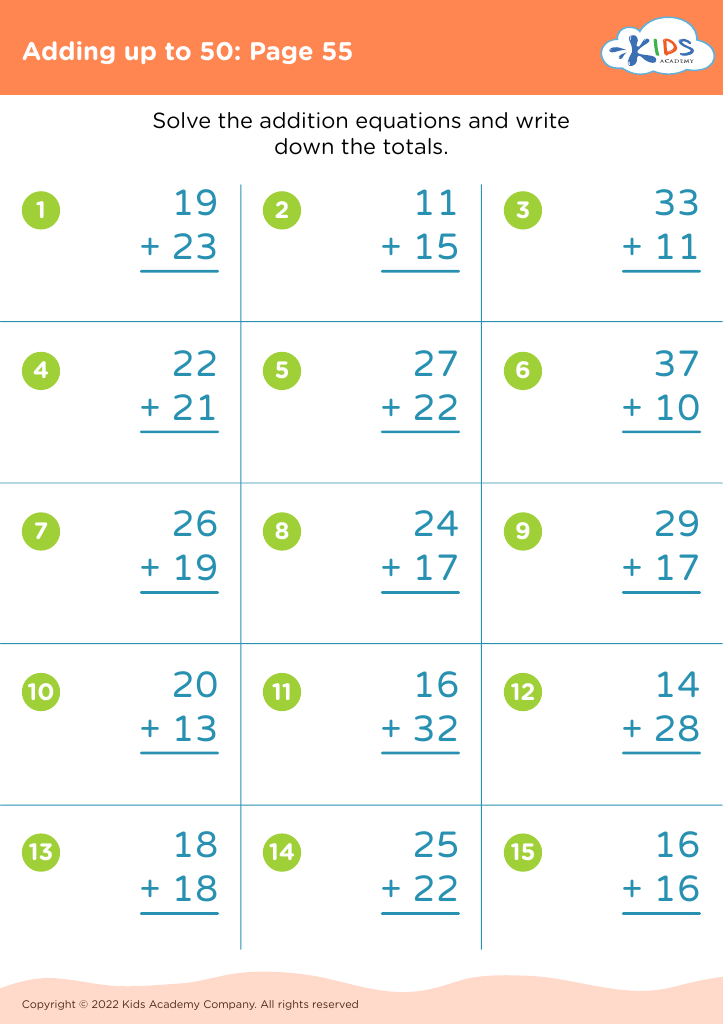
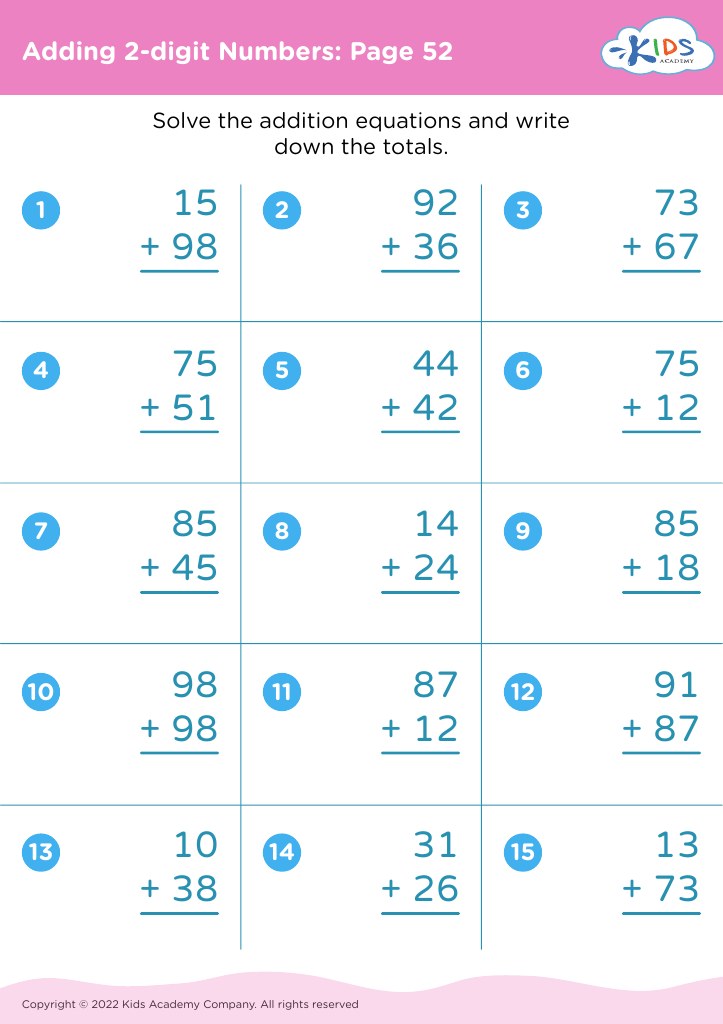
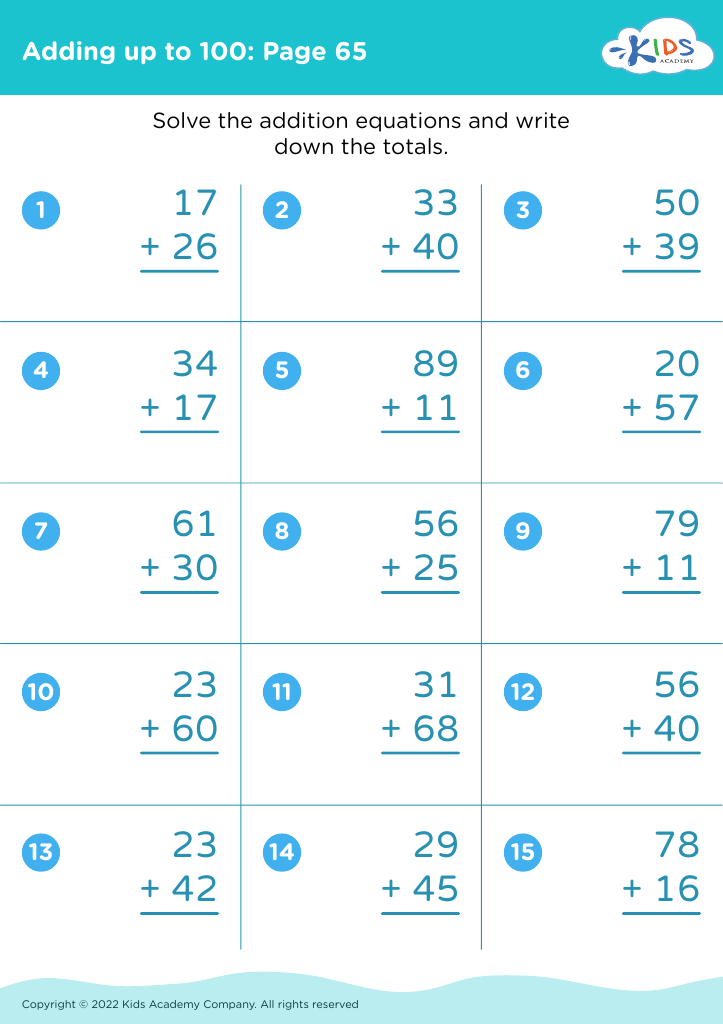
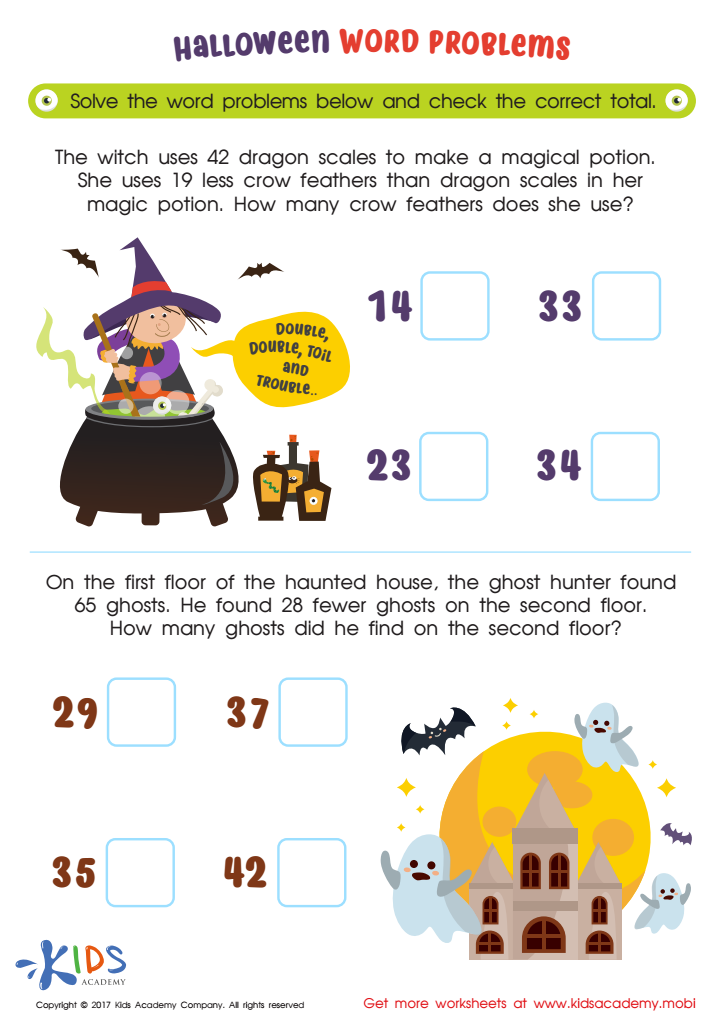
Halloween Word Problems Printable
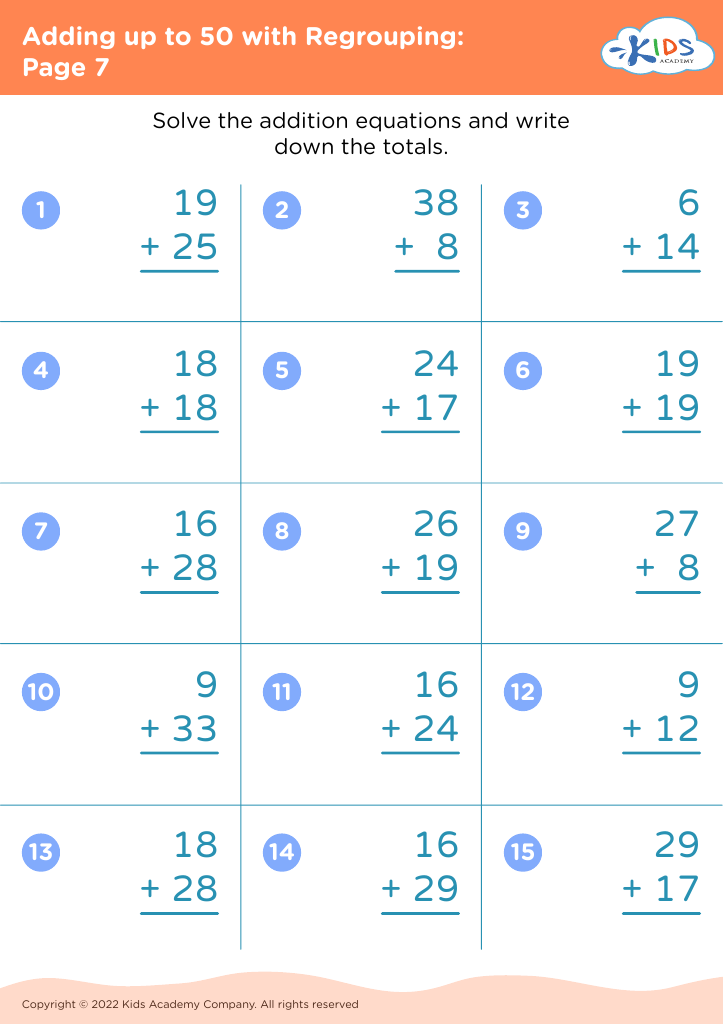
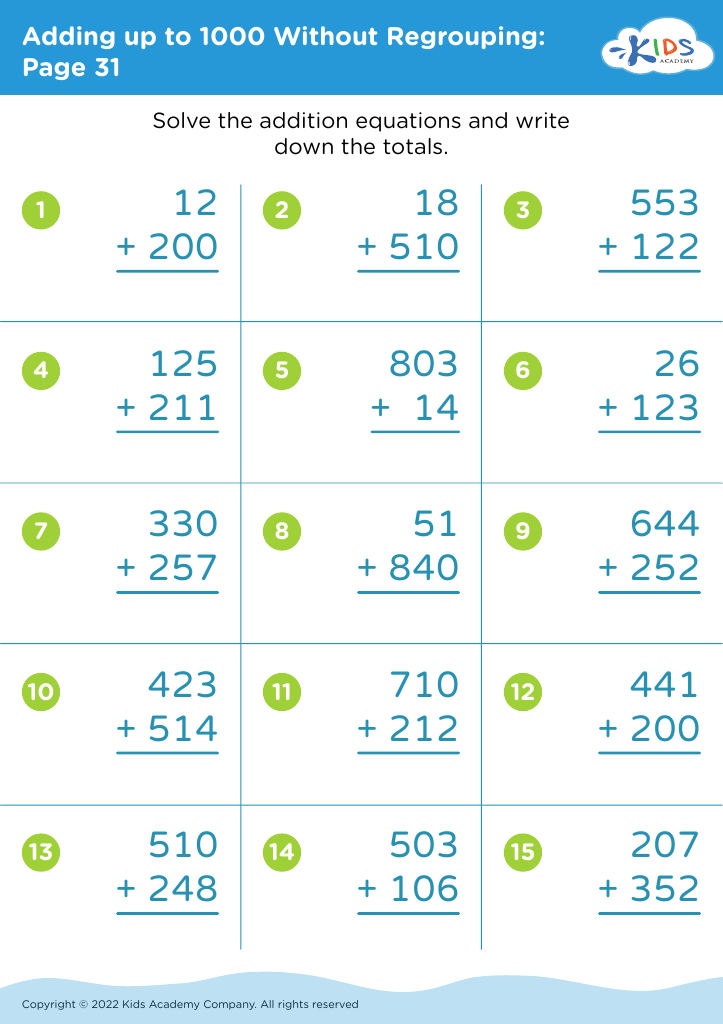
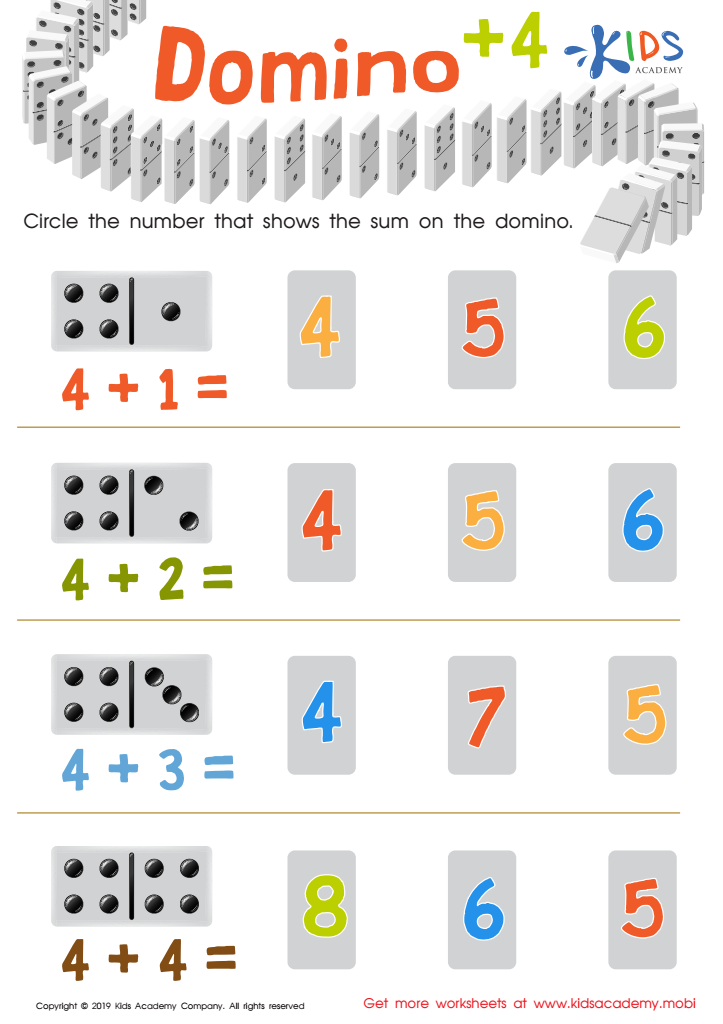
Domino +4 Worksheet
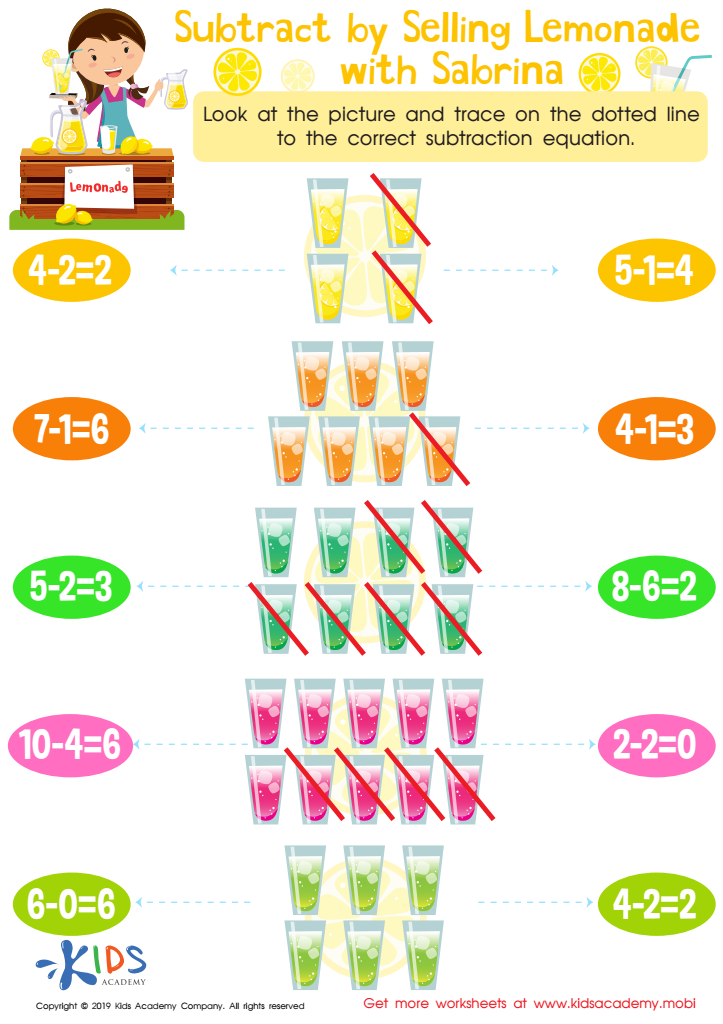
Subtract by Selling Lemonade with Sabrina Worksheet
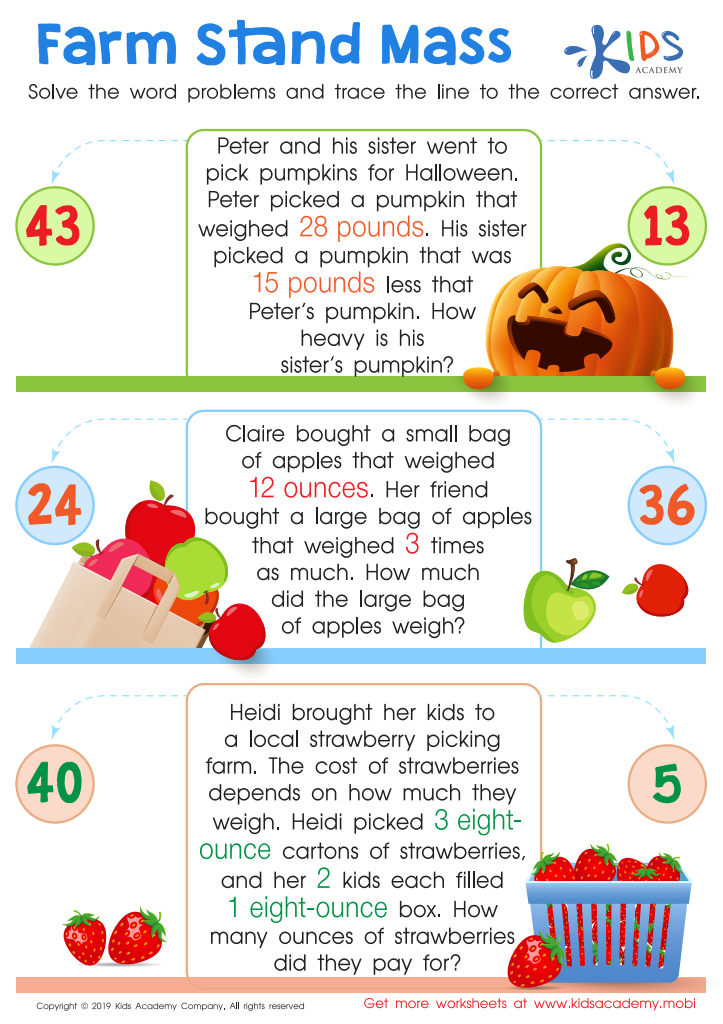
Farm Stand Mass Worksheet
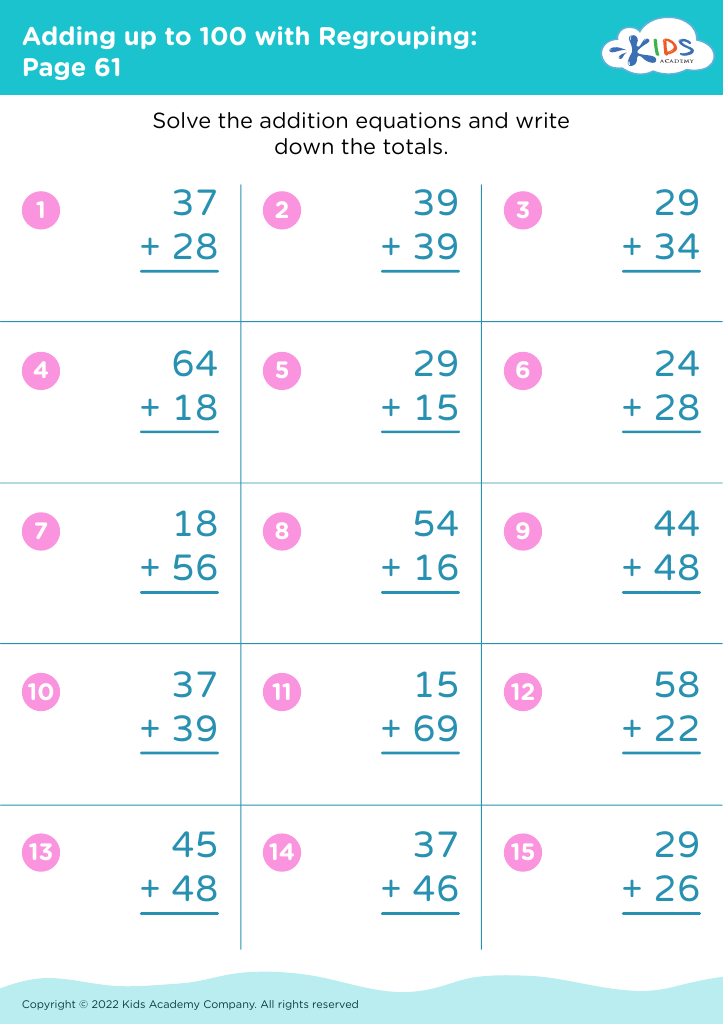
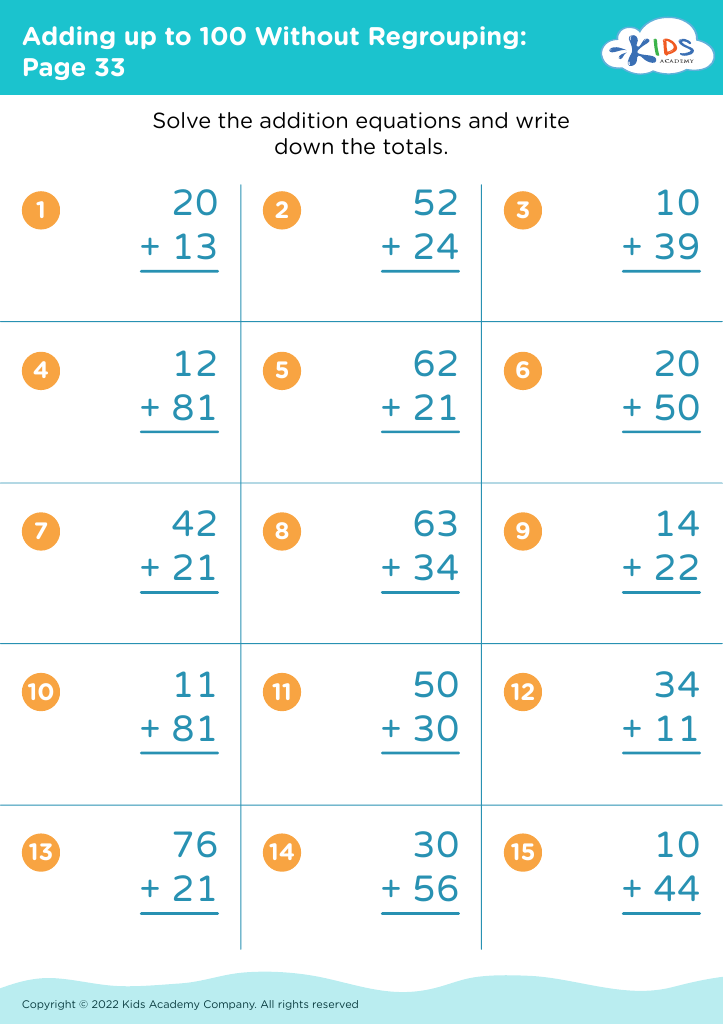
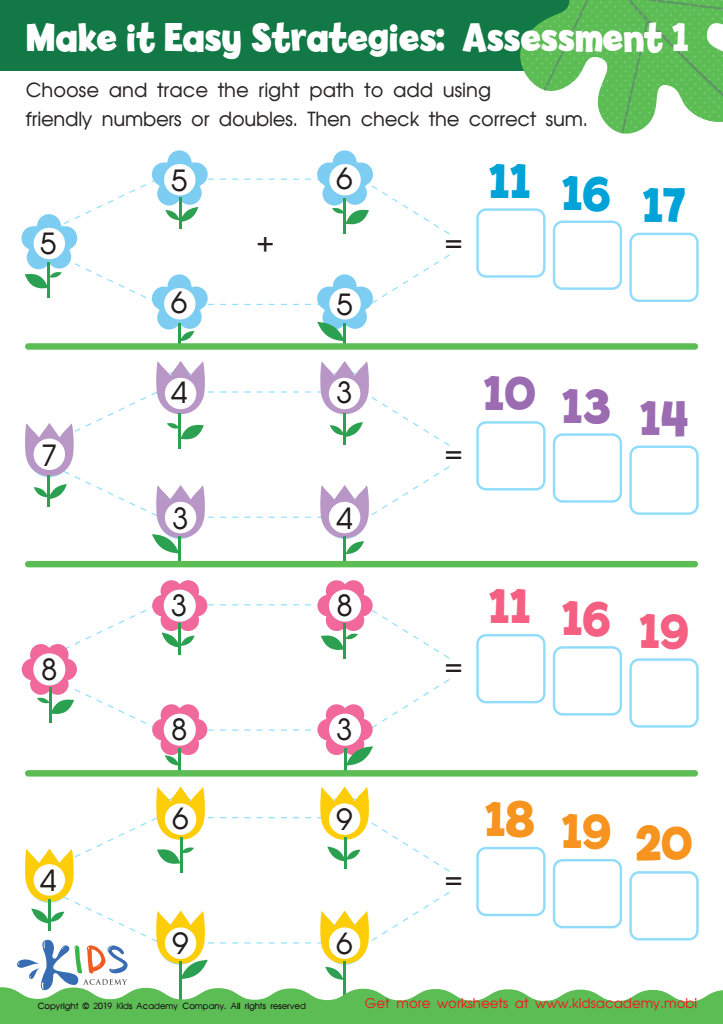
Make it Easy Strategies: Assessment 1 Worksheet
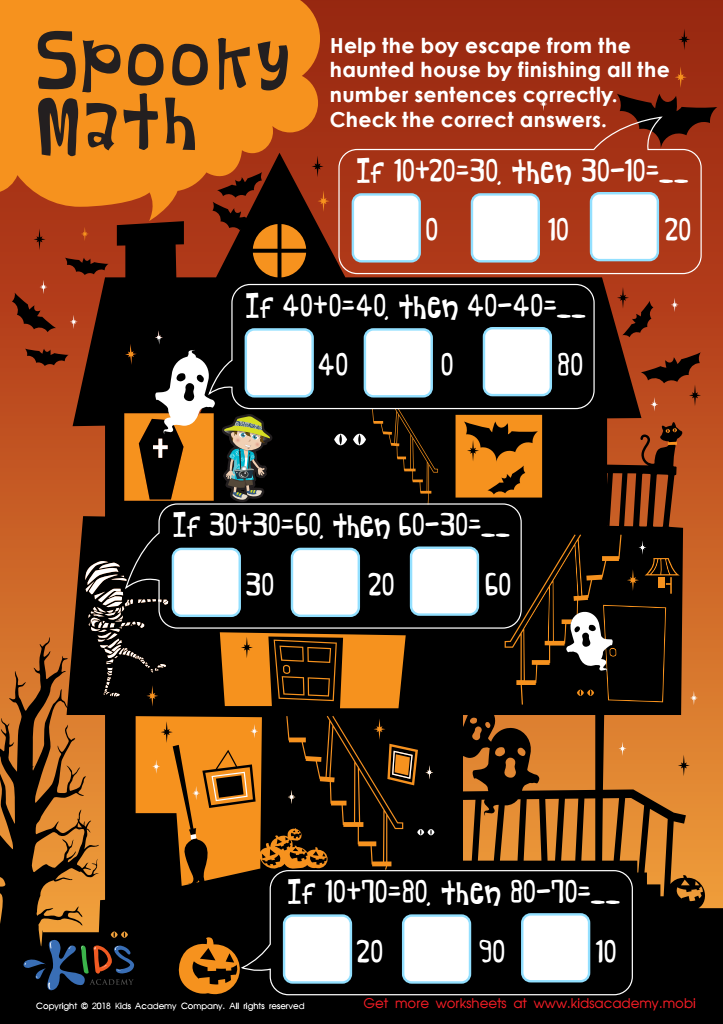
Subtract Tens: Spooky Math Worksheet







Parents and teachers should prioritize the development of problem-solving skills in addition and subtraction for children aged 6-9 because these skills form the foundation of mathematical understanding and critical thinking. At this early learning stage, children are not only learning to calculate, but also to approach problems thoughtfully and find solutions. Mastering basic arithmetic operations enables students to tackle more complex concepts later on.
Moreover, problem-solving skills enhance a child’s confidence and independence. By encouraging children to explore different methods, reason through challenges, and check their work, adults foster a growth mindset. This mindset nurtures resilience and perseverance, crucial traits for lifelong learning.
Additionally, strong problem-solving abilities in math can improve overall cognitive skills such as analytical thinking, reasoning, and decision-making. In a world where basic math is integral—whether managing money, following recipes, or planning projects—adequate skills in addition and subtraction empower children to succeed in everyday tasks.
Lastly, engaging with math problems collaboratively encourages children to communicate and share strategies, bolstering social skills. In summary, nurturing problem-solving skills during this vital developmental stage prepares children for both academic success and practical life skills.








