Cognitive Development Geometry Worksheets for Ages 6-9
18 filtered results
-
From - To
Unlock your child's potential with our Cognitive Development Geometry Worksheets, designed specifically for ages 6-9. These engaging, expertly crafted worksheets combine fun and learning to help young minds grasp essential geometric concepts. From identifying shapes to understanding spatial relations, each activity boosts cognitive development while enhancing critical thinking skills. Ideal for classroom or home use, our resources foster creativity, problem-solving, and logical reasoning. Tailored to support foundational math skills, these worksheets make learning geometry enjoyable and meaningful. Start your child's journey toward math fluency and cognitive excellence today! Visit us to discover a world where geometry meets fun and inspiration.
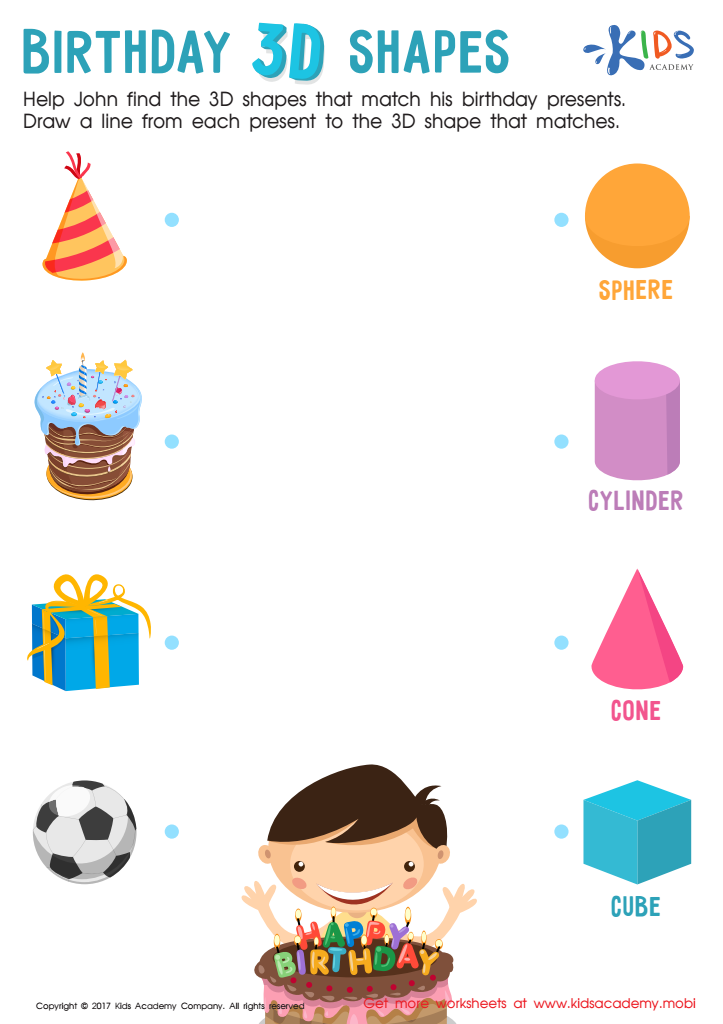
Birthday 3D Shapes Worksheet
 Assign to My Students











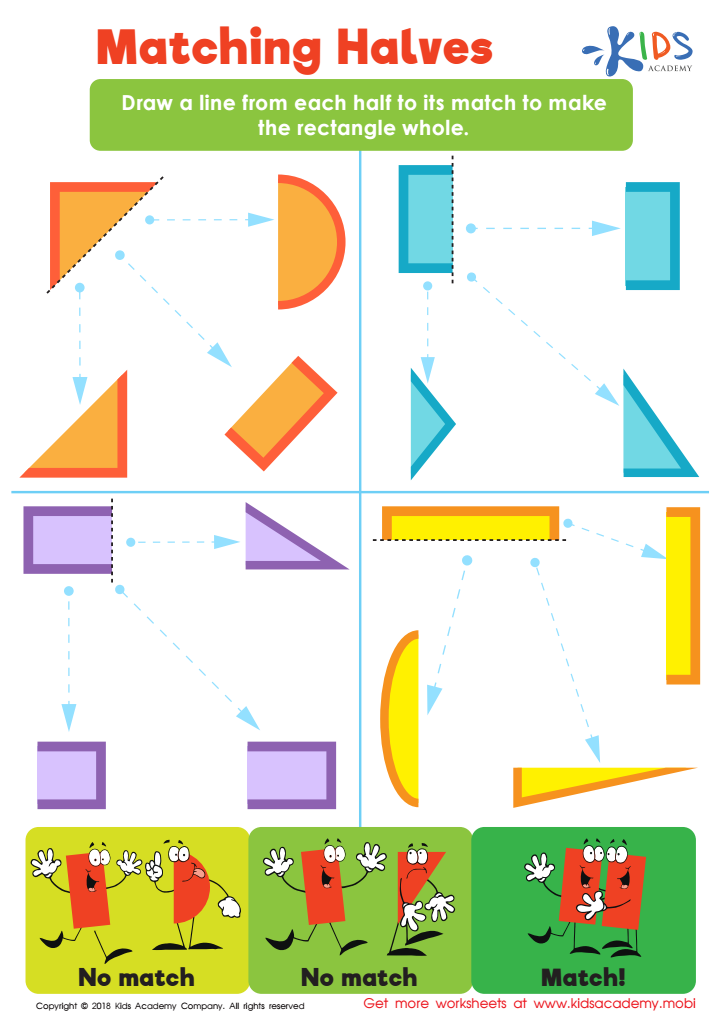
Matching Halves Worksheet
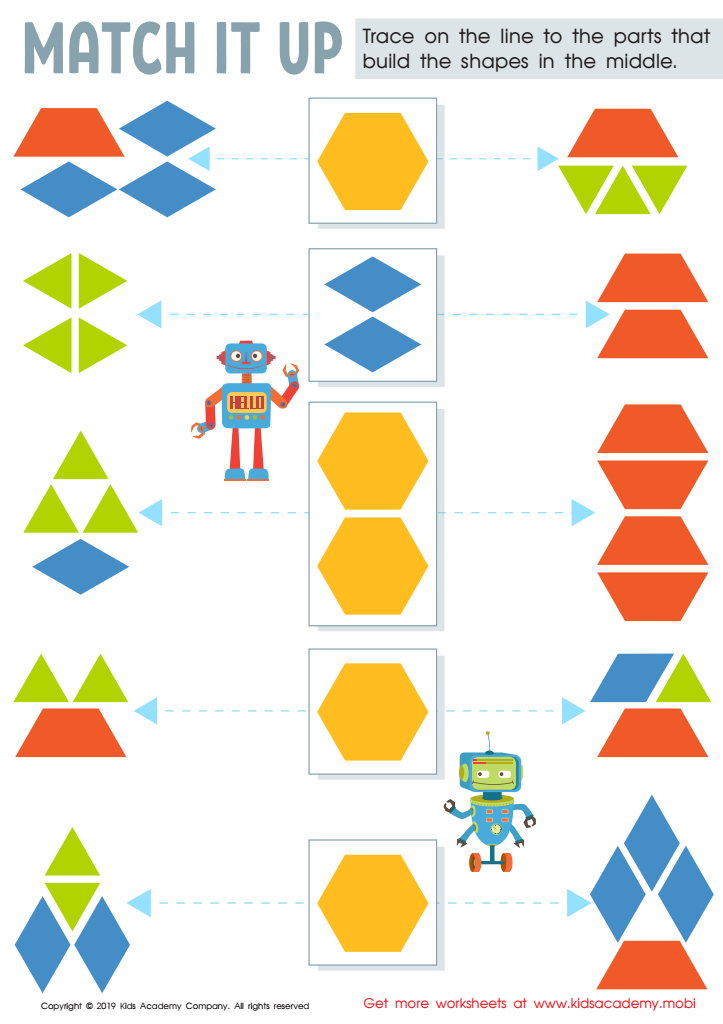
Match It up Worksheet
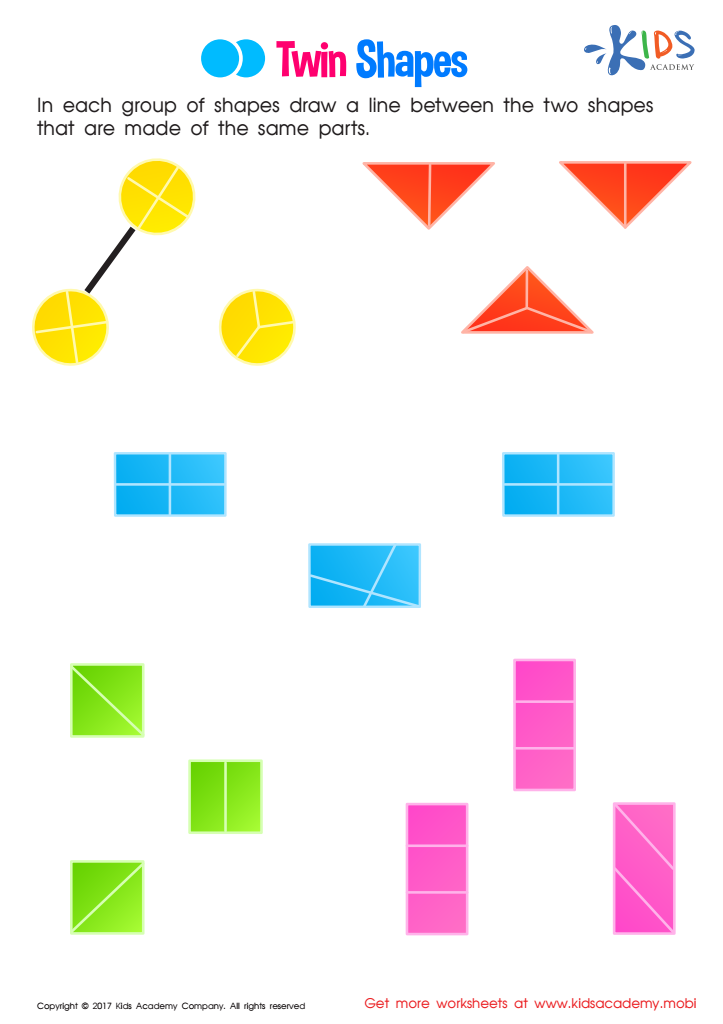
Twin Shapes Worksheet
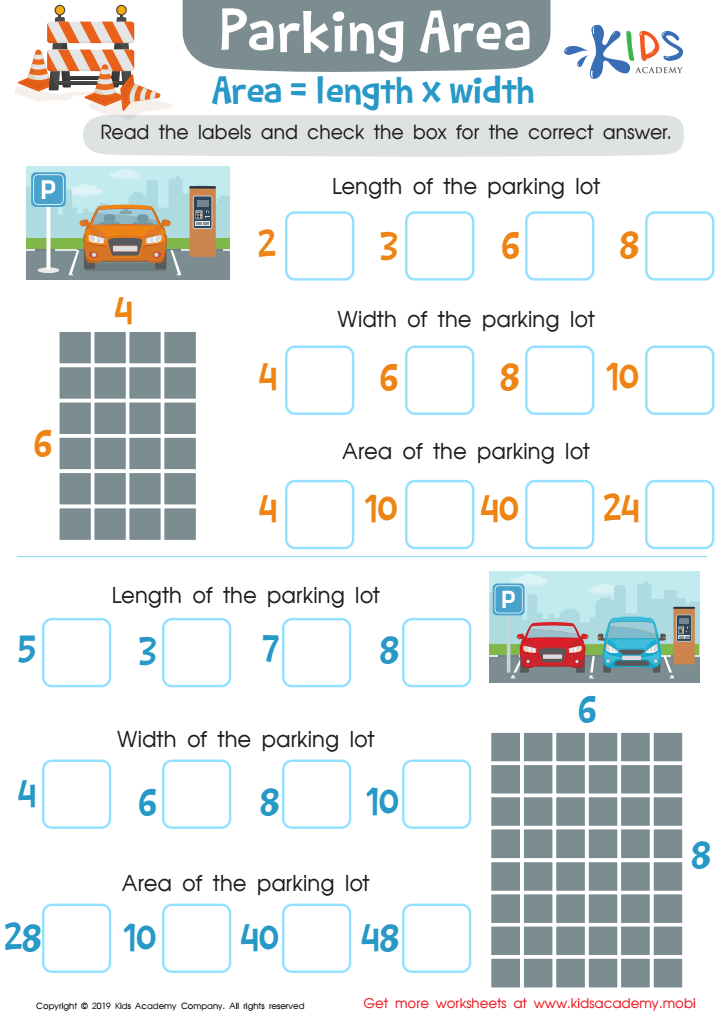
Parking Area Worksheet
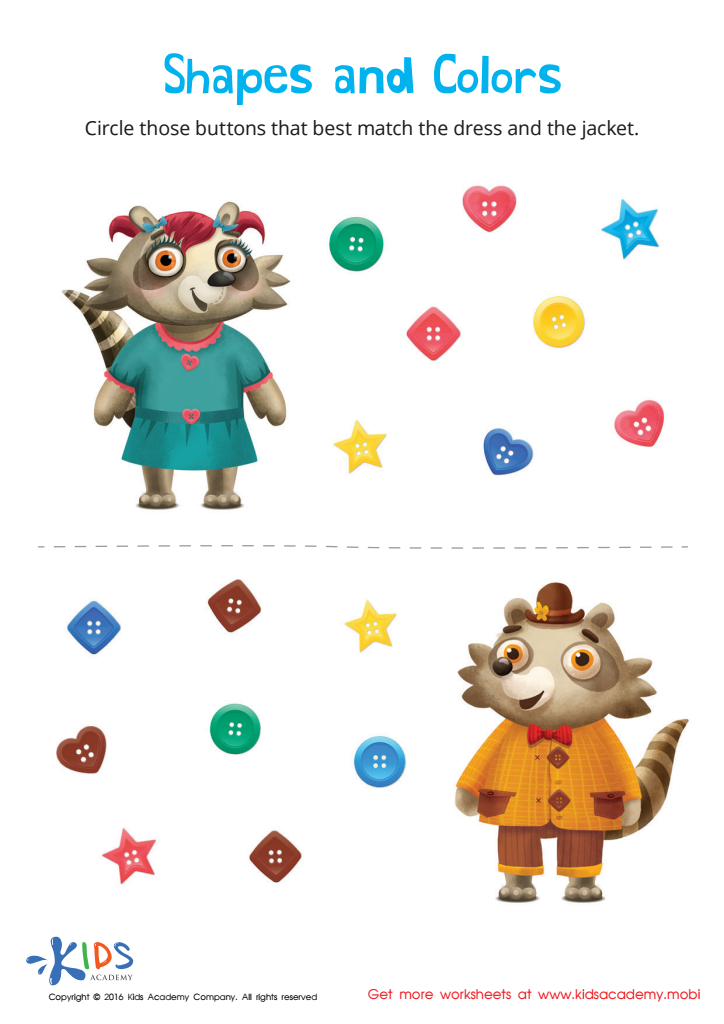
Matching: Shapes and Colors Worksheet
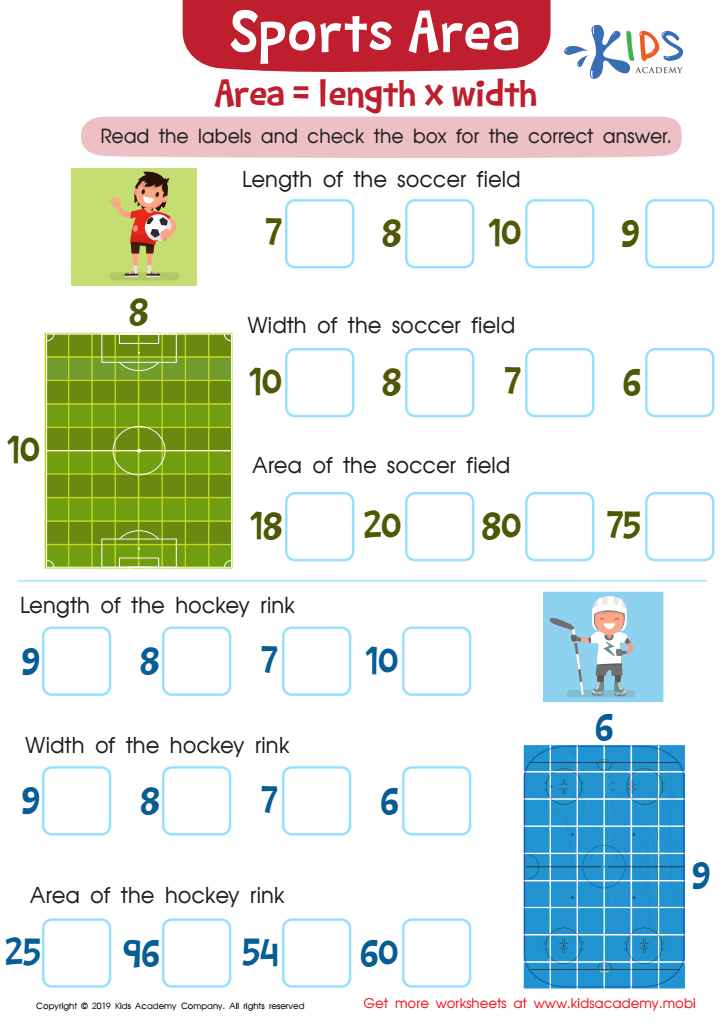
Sports Area Worksheet
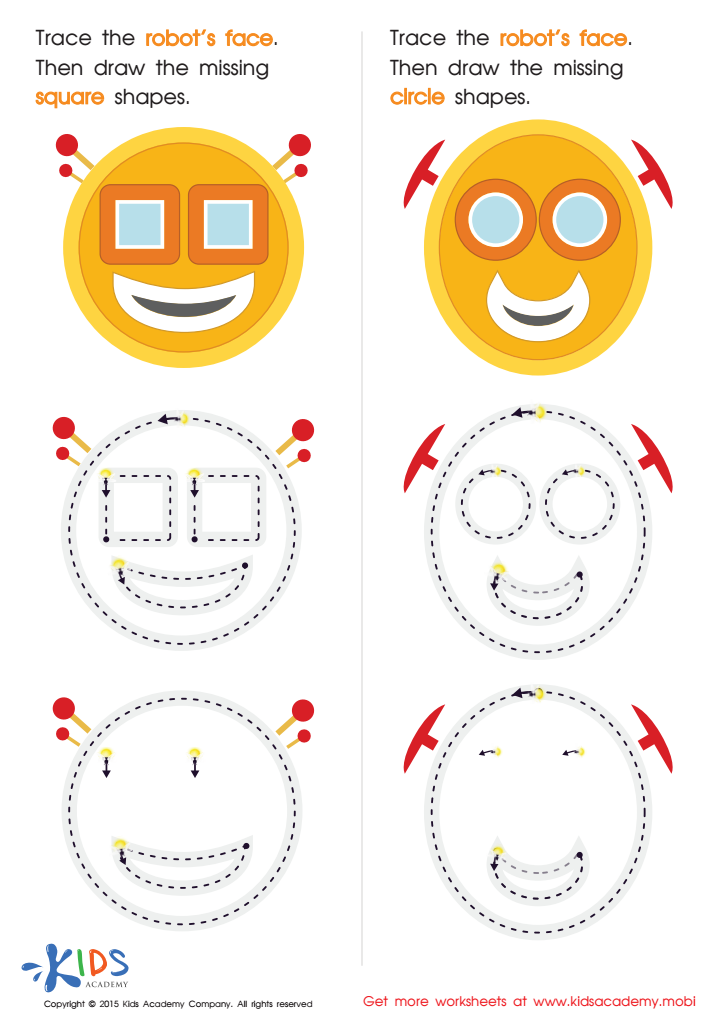
Practicing to Draw Circles And Squares Printable
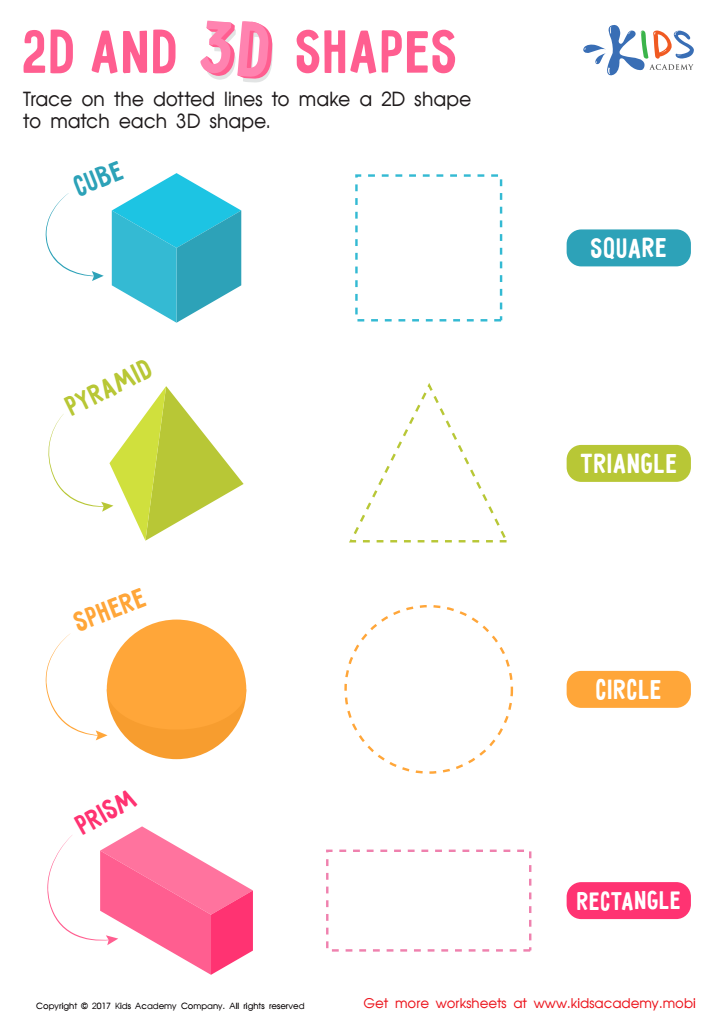
2D and 3D Shapes Worksheet
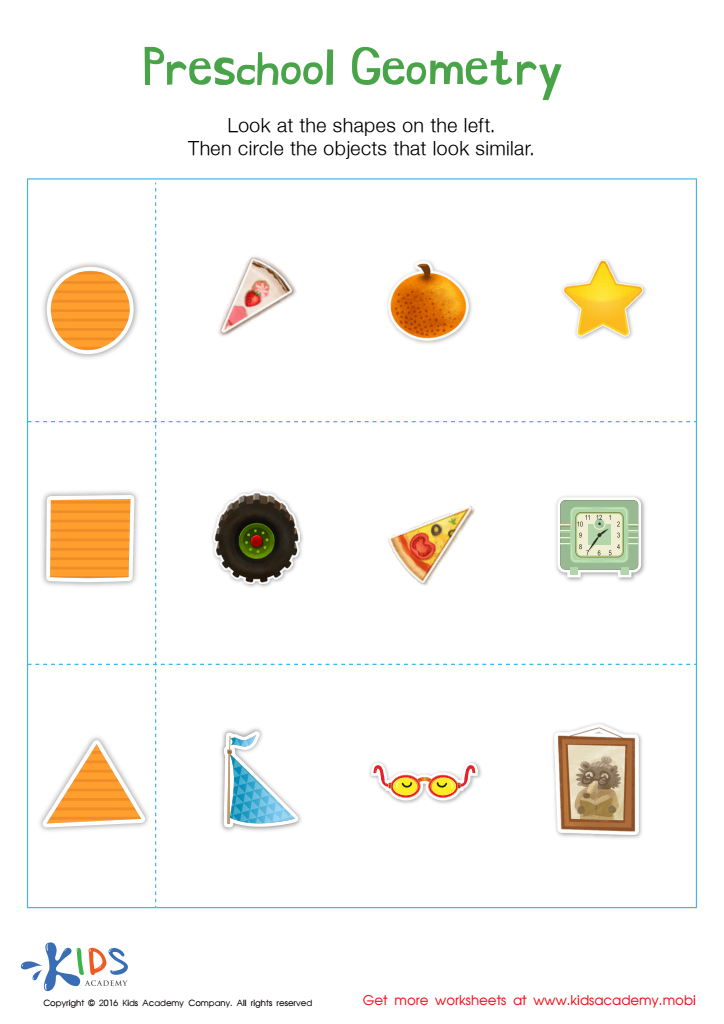
Preschool Geometry Match Up Worksheet
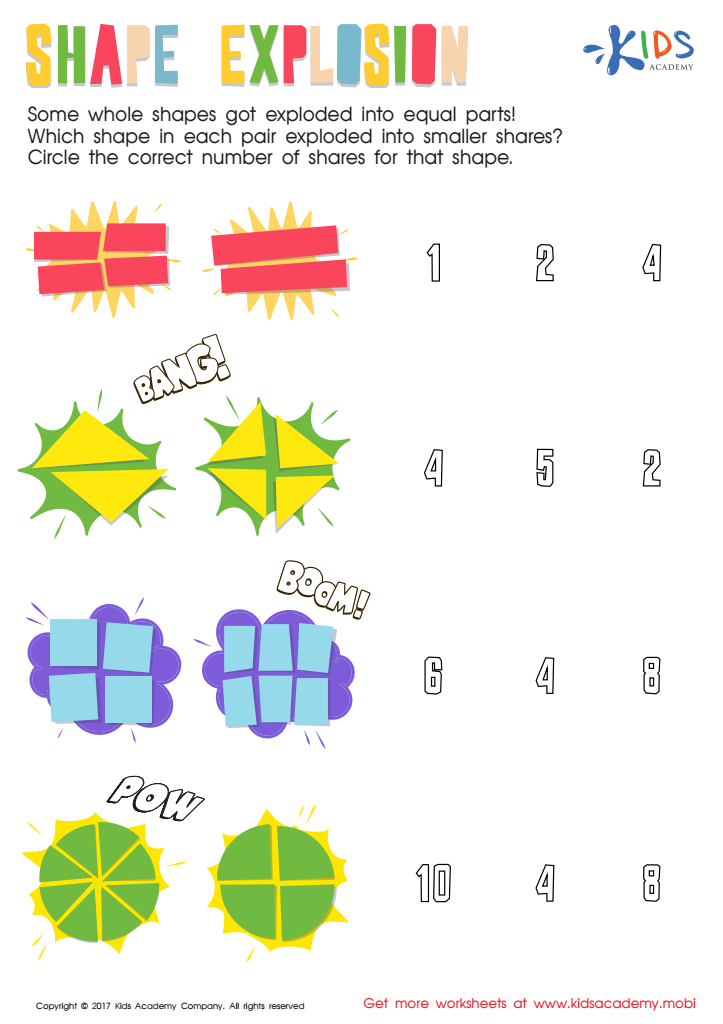
Shape Explosion Worksheet
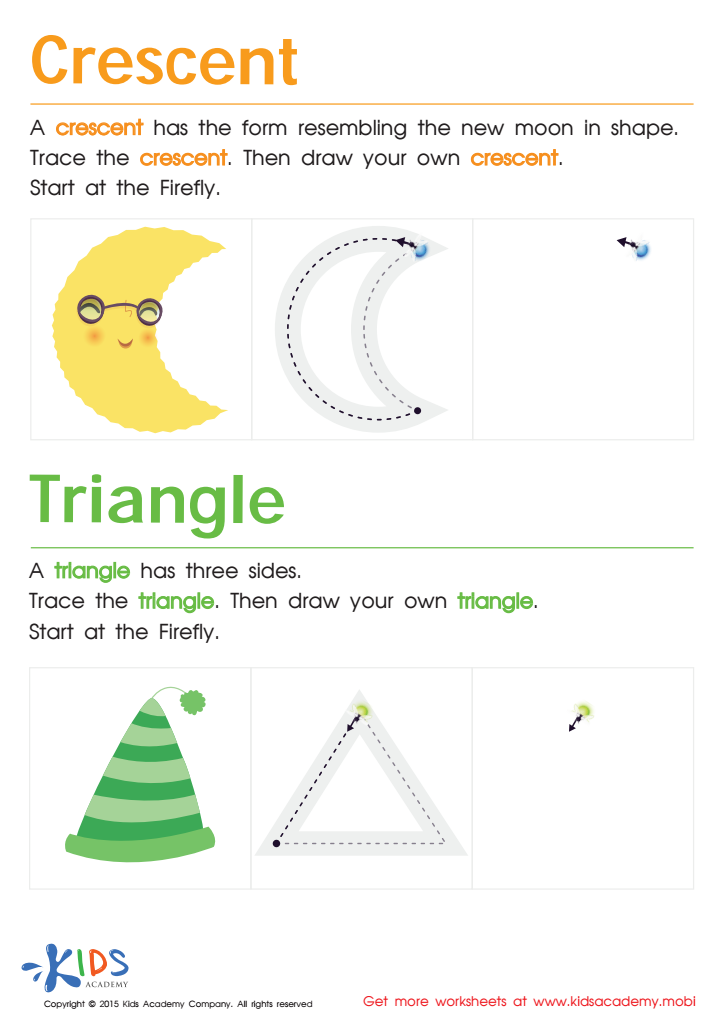
Learning to Draw Crescents And Triangles Worksheet
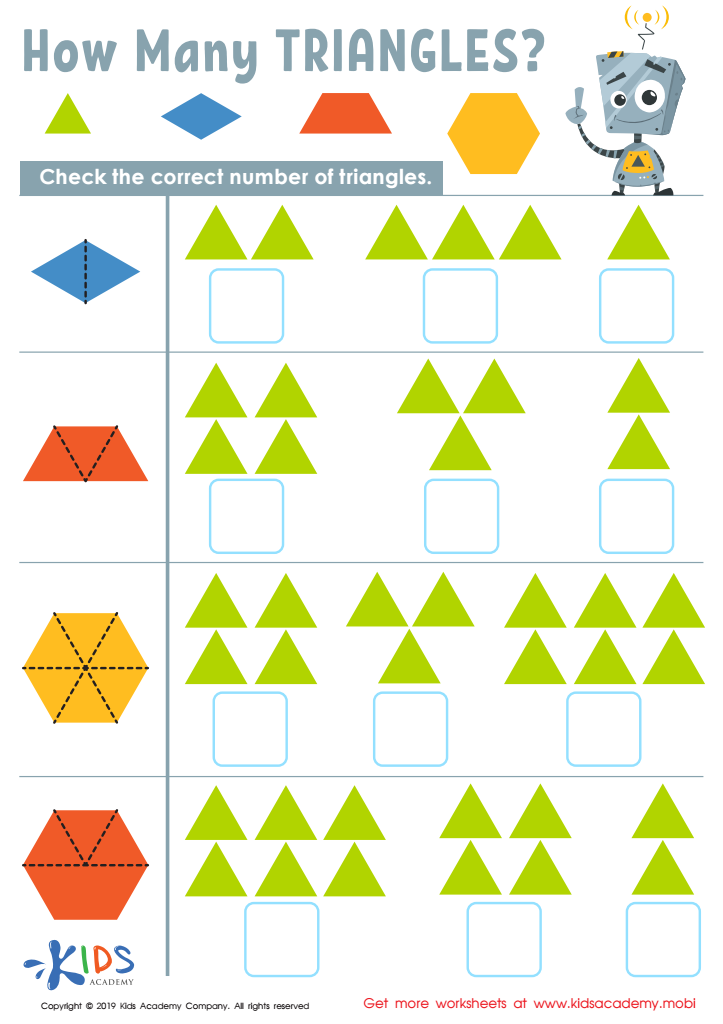
How Many Triangles Worksheet
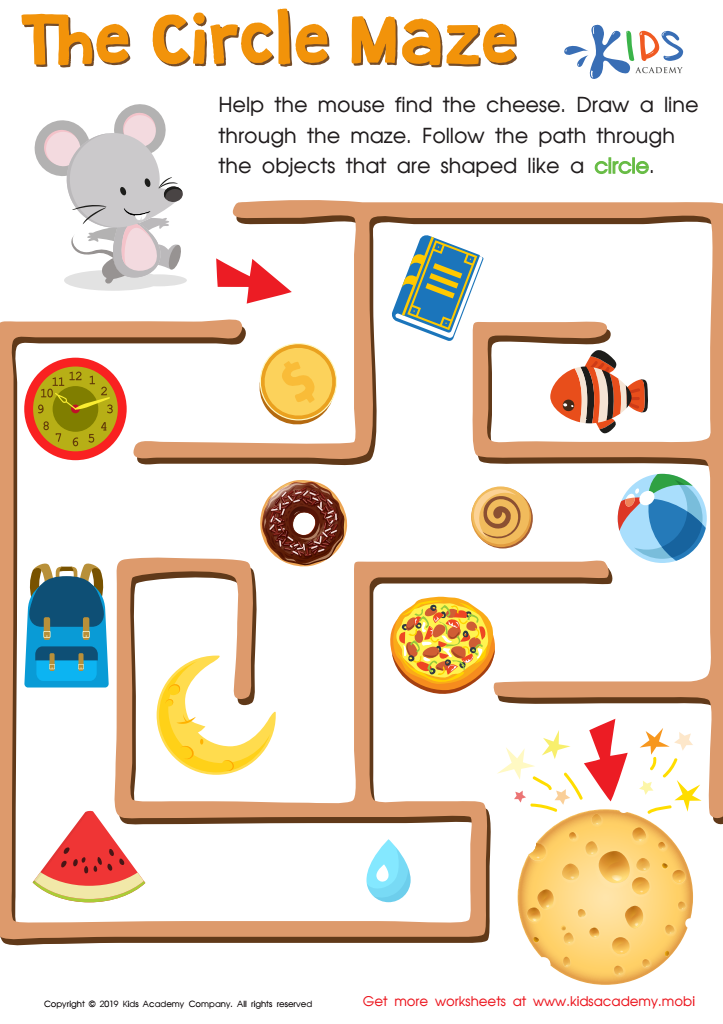
The Circle Maze Worksheet
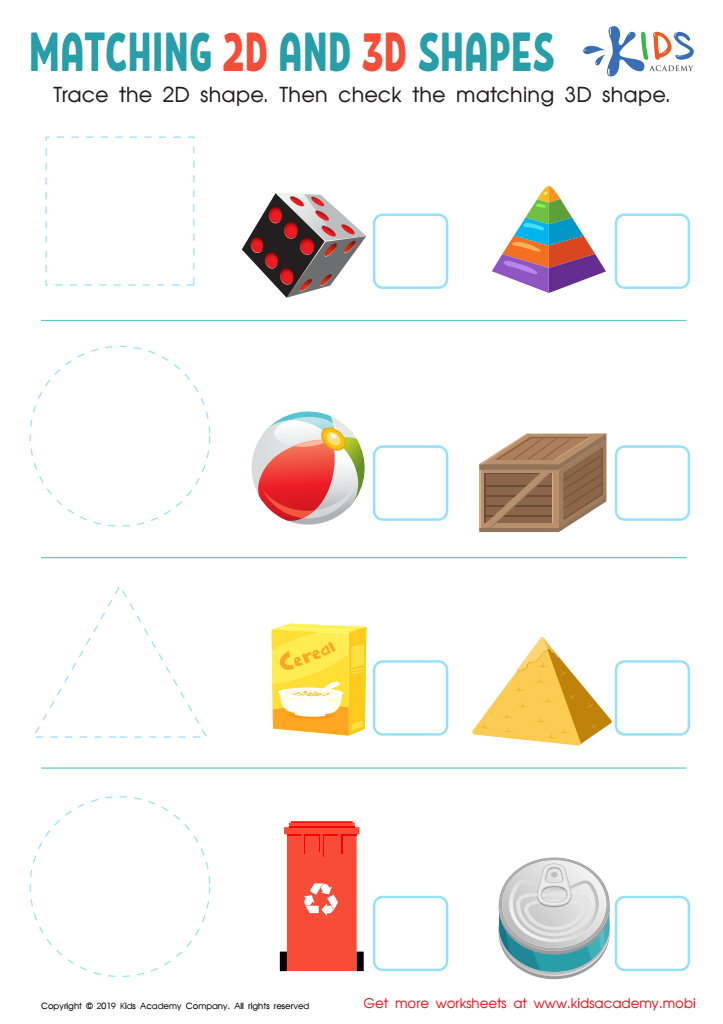
Matching 2D and 3D Shapes Worksheet
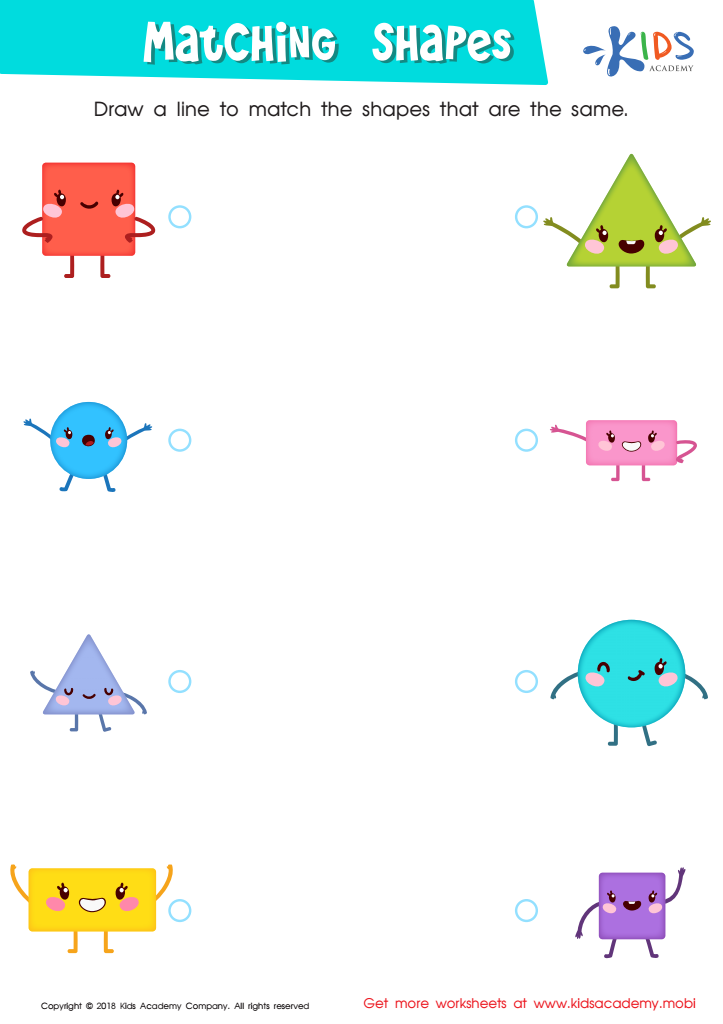
Matching Shapes Worksheet
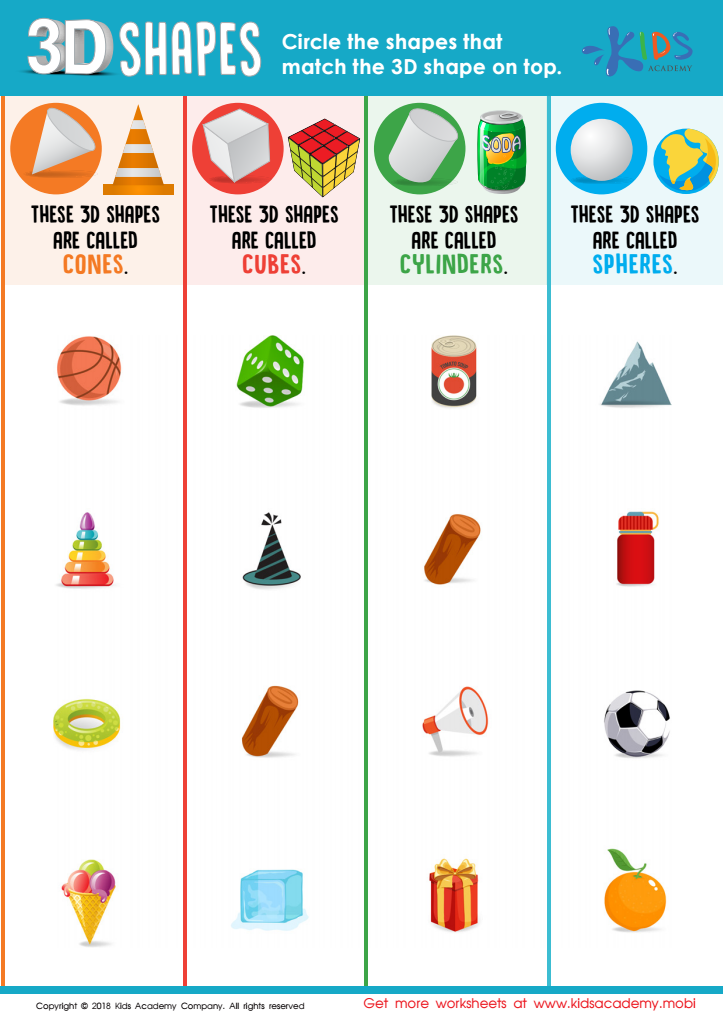
3D Shapes Worksheet
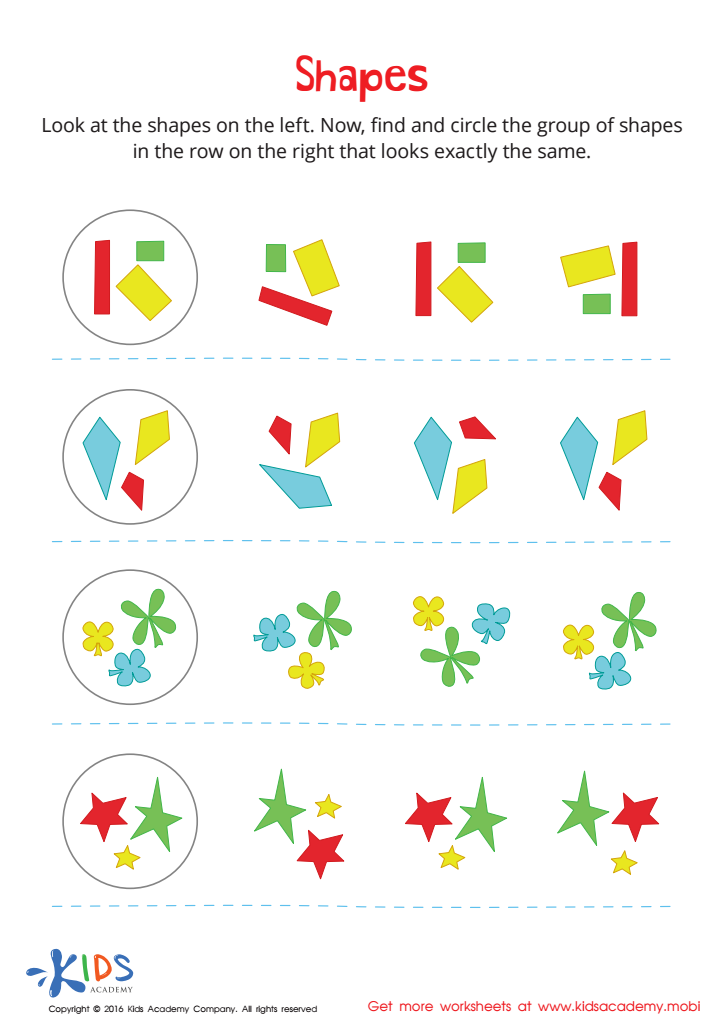
Shapes Worksheet








Parents and teachers should care about cognitive development in geometry for children ages 6–9 because it forms the foundation for essential visual-spatial and problem-solving skills. At this developmental stage, young minds are particularly receptive to learning concepts that bridge concrete and abstract thinking. Introducing geometry helps children understand shapes, sizes, patterns, and spatial relationships, which are crucial not only for math but for understanding the physical world around them.
Geometry also plays a significant role in enhancing a child's logical reasoning and critical thinking skills. When children solve geometric problems, they learn to identify properties, recognize relationships, and apply deductive reasoning. These skills are directly applicable to other subjects, such as science and engineering, and are essential in practical everyday activities, from navigating space to building things.
Moreover, engaging in geometric activities can be highly motivating and enjoyable for young learners, turning math into a tangible and interactive experience. This positive early interaction with math can lead to a lifelong interest and confidence in the subject.
Overall, fostering cognitive development in geometry through appropriate educational activities effectively supports a child’s broad intellectual growth, paving the way for future academic success in more complex areas of mathematics and beyond.








