Problem-Solving Skills Math Worksheets for Ages 6-9 - Page 12
268 filtered results
-
From - To
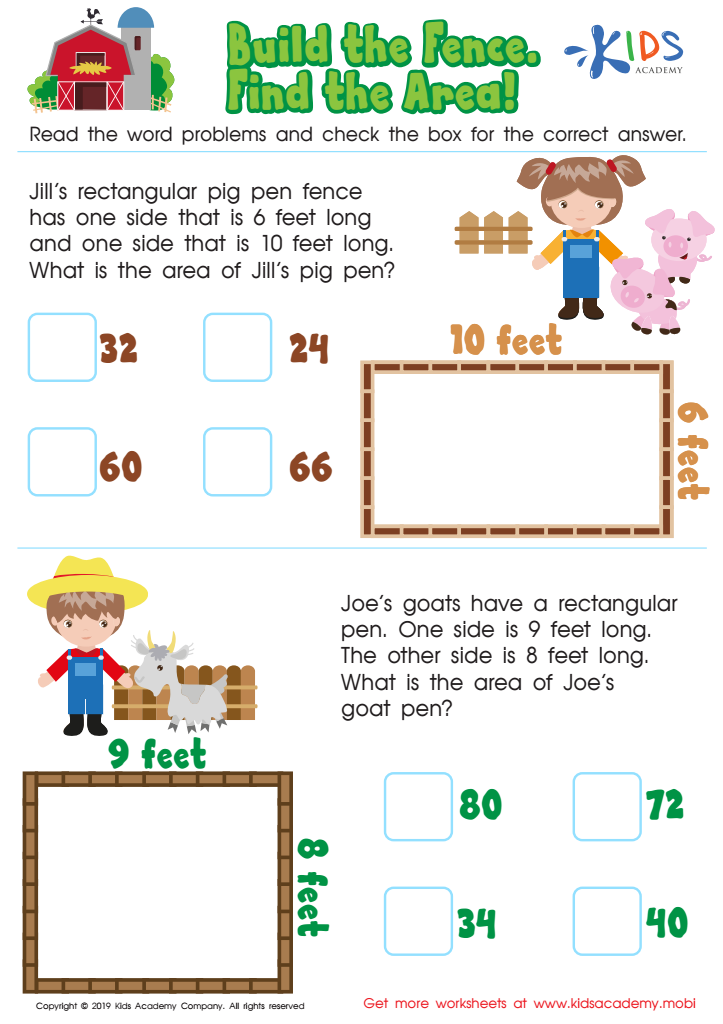
Build the Fence, Find the Area Worksheet
 Assign to My Students

Time to Catch the Train Part 2 Worksheet
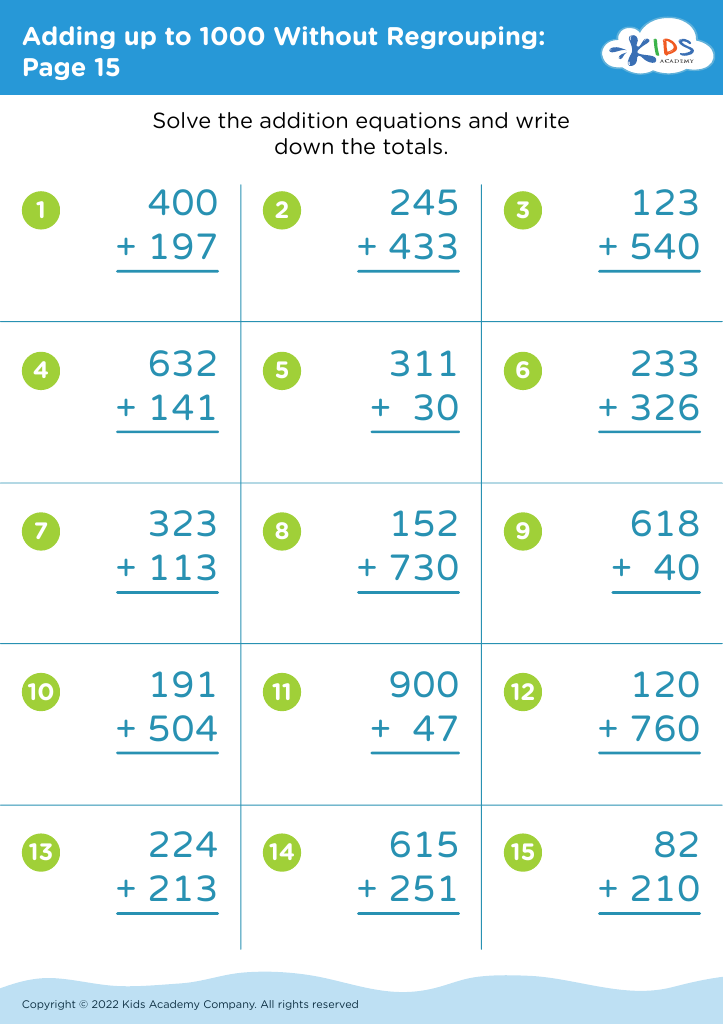
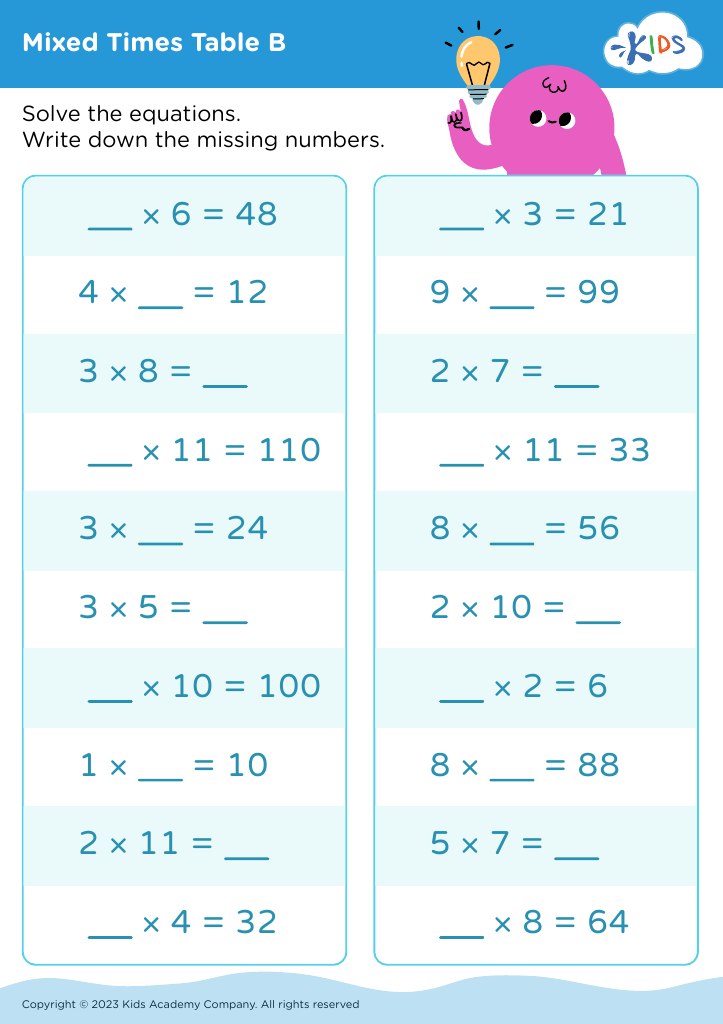








Problem-solving skills in math for children ages 6-9 are crucial for several key reasons. At this age, children are rapidly developing their cognitive abilities and laying the foundation for future learning. Engaging in problem-solving exercises helps improve critical thinking and encourages a logical and analytical approach to challenges. These skills are not limited to math; they are universal tools important for daily life and future academic success.
Math problem-solving promotes perseverance and resilience. Students learn that tackling a challenging problem may require trying multiple strategies and coping with failure, which builds patience and a growth mindset. Including problem-solving in math at an early age fosters collaboration, as children often work in pairs or groups to find solutions. This enhances their communication skills and teaches them how to express their ideas and consider alternative viewpoints.
Furthermore, problem-solving in math makes the subject more engaging and enjoyable, moving beyond rote memorization and procedural tasks to stimulate a deeper understanding and appreciation. This early nurturing of problem-solving abilities sets the stage for more complex and abstract thinking required in advanced math and other subjects, contributing to a well-rounded education and a confident, capable approach to life's myriad challenges.








