Measurement Worksheets for Ages 6-9 - Page 4
106 filtered results
-
From - To
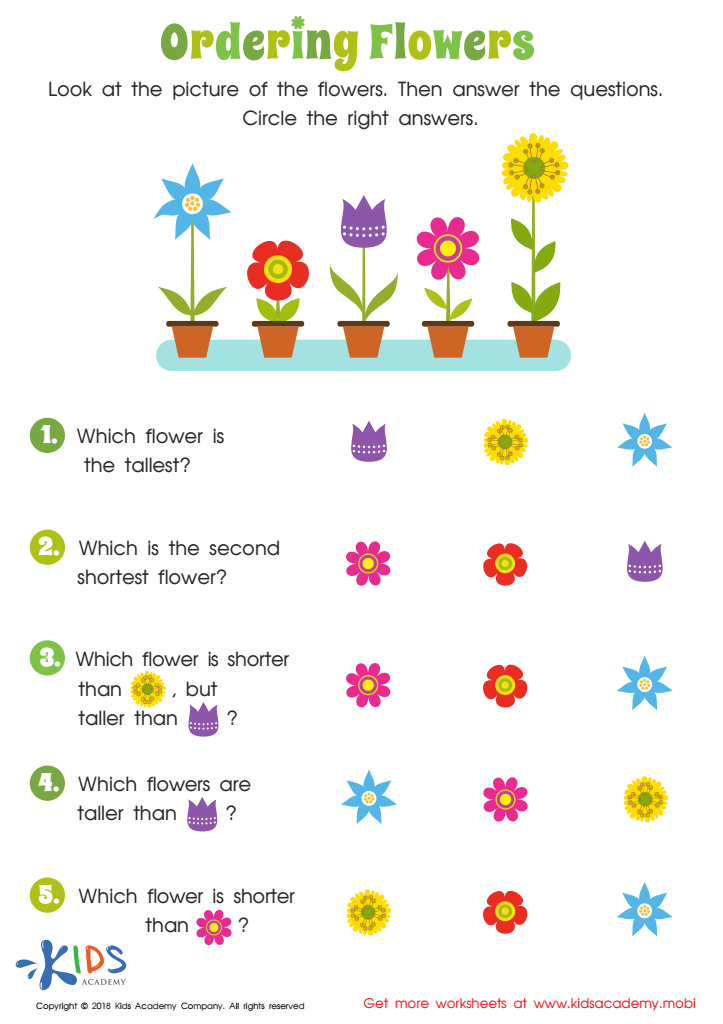
Ordering Flowers Worksheet
 Assign to My Students
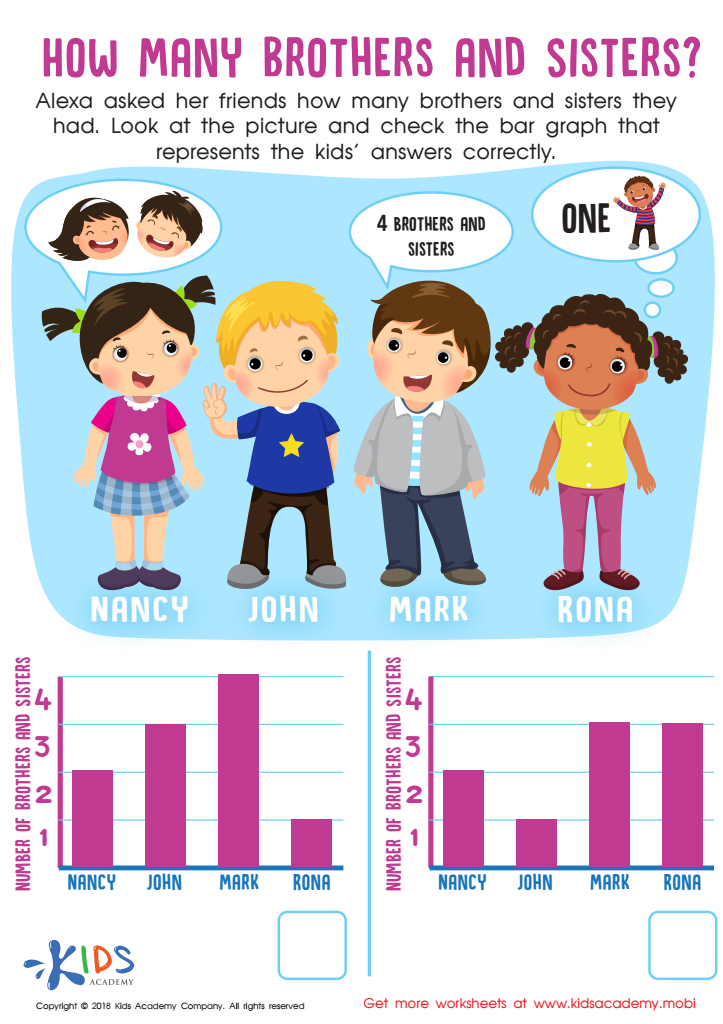
How Many Brothers and Sisters? Worksheet
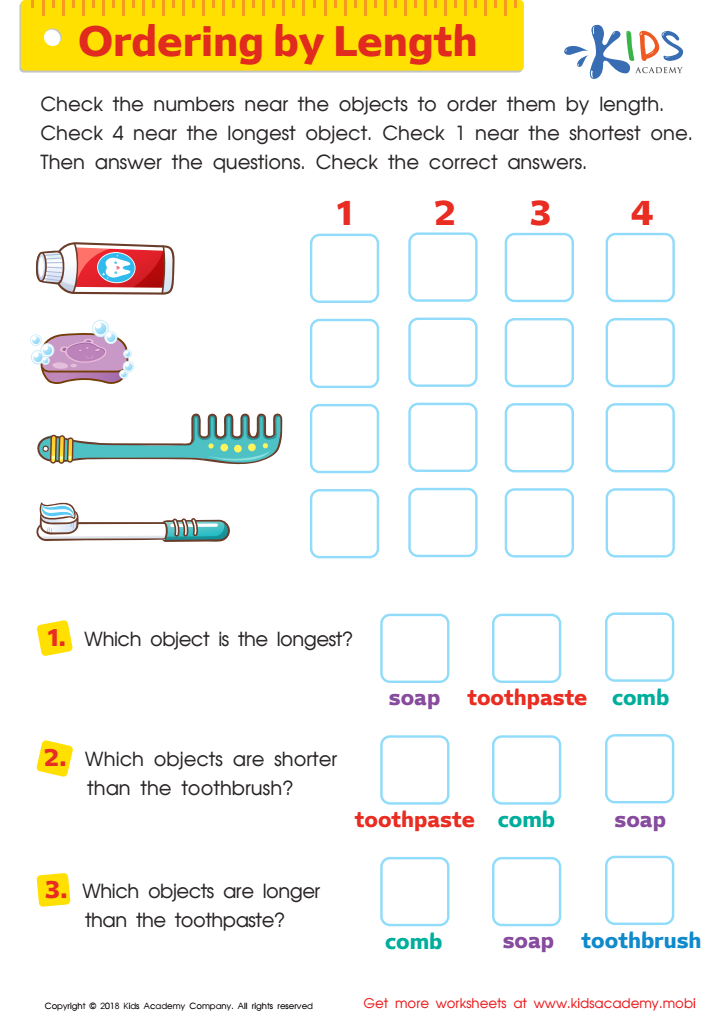
Ordering by Length Worksheet
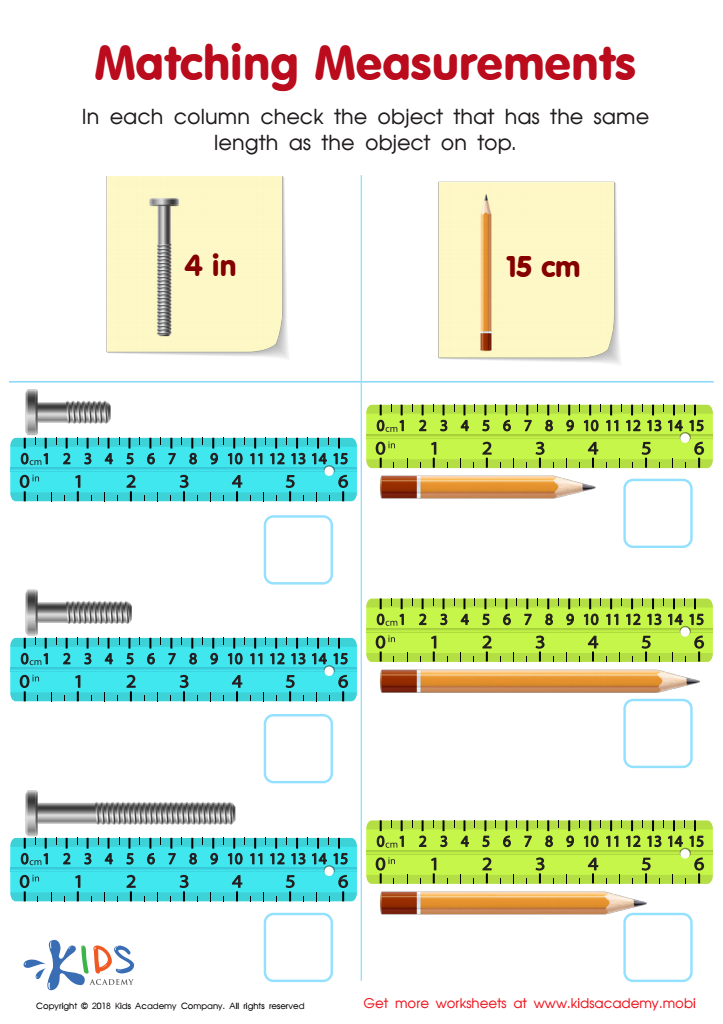
Matching Measurements Worksheet
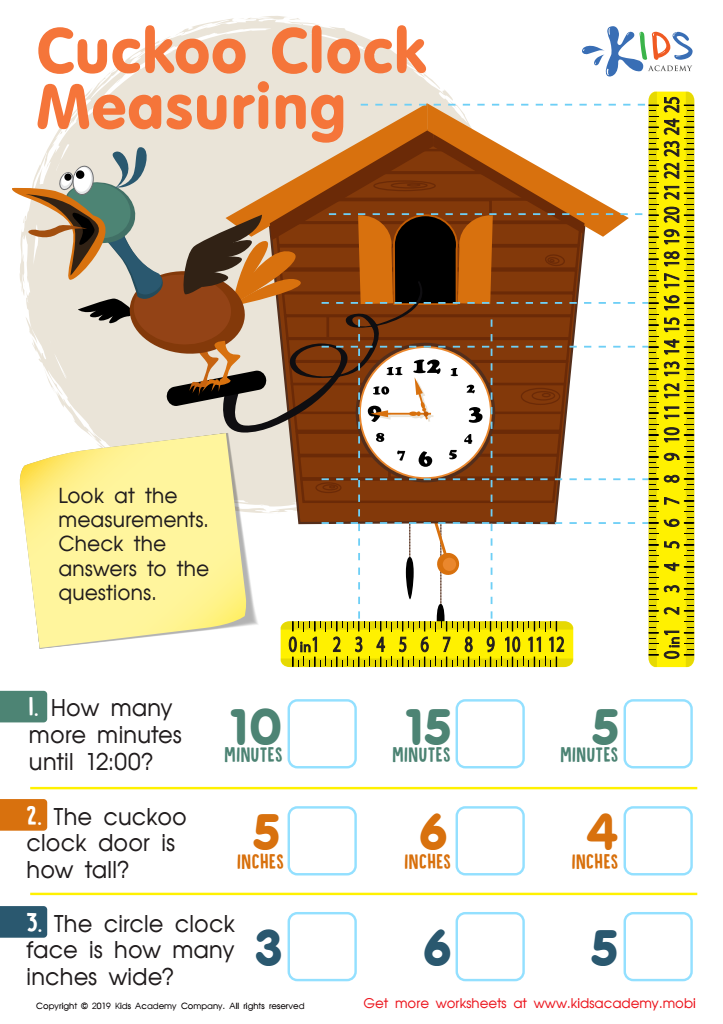
Cuckoo Clock Measuring Worksheet
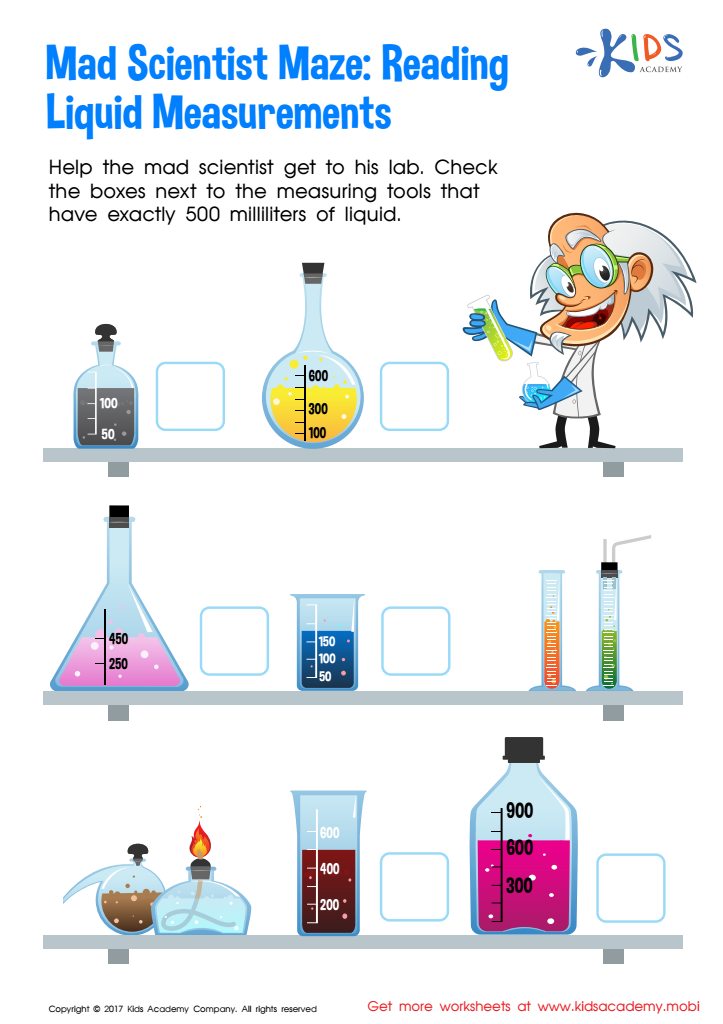
Reading Liquid Measurement Worksheet
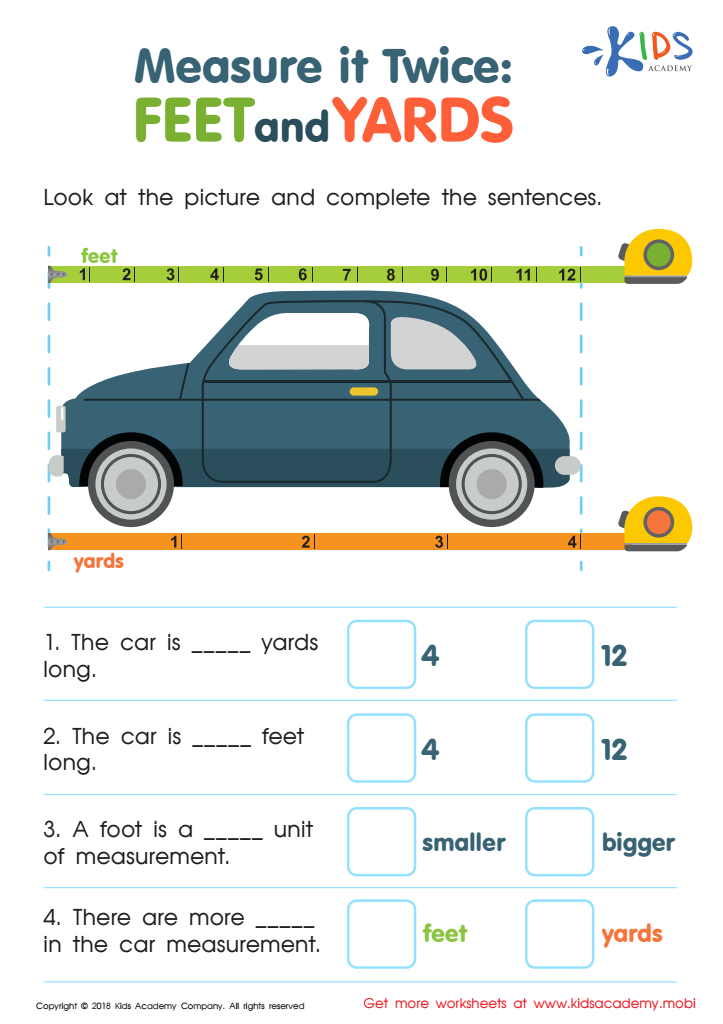
Measure It Twice: Feet and Yards Worksheet
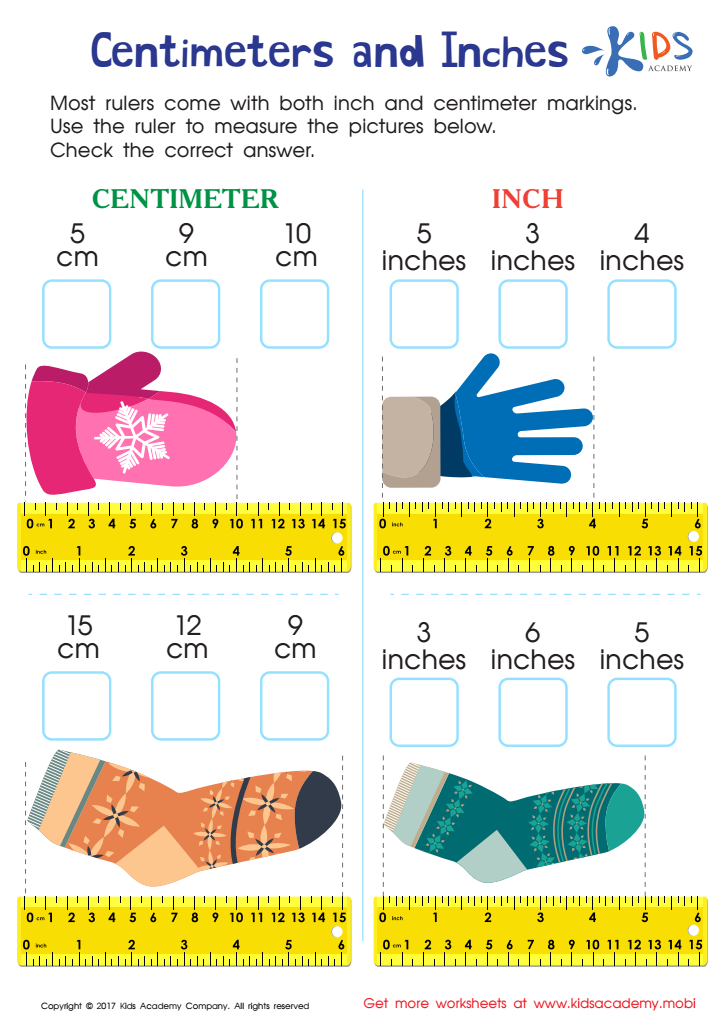
Centimeters and Inches Worksheet
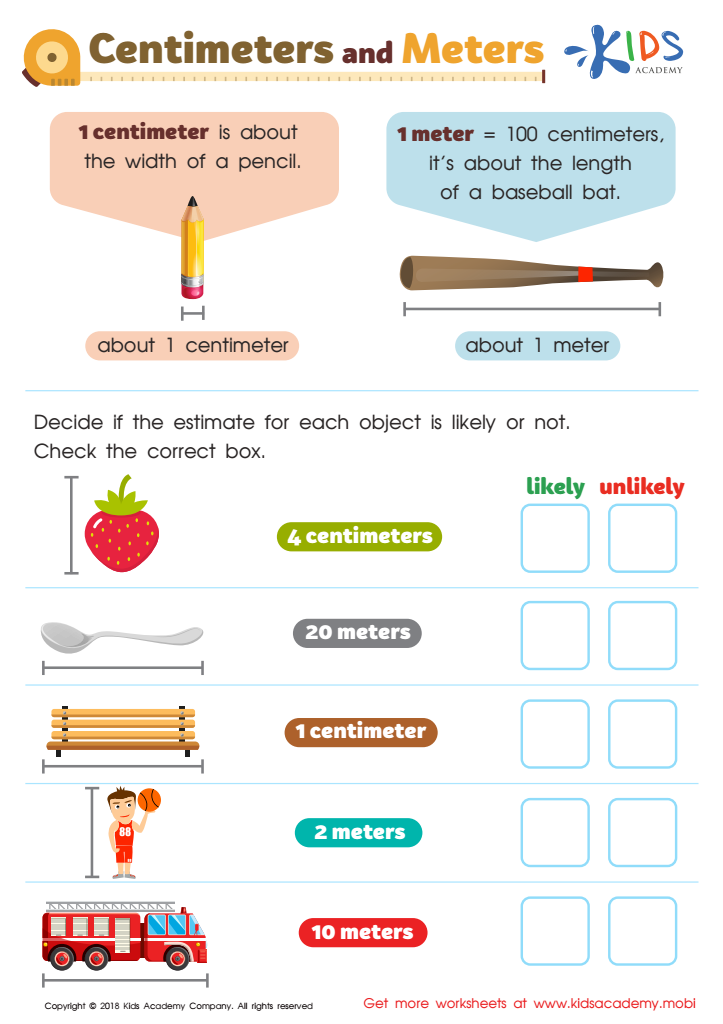
Centimeters and Meters Worksheet
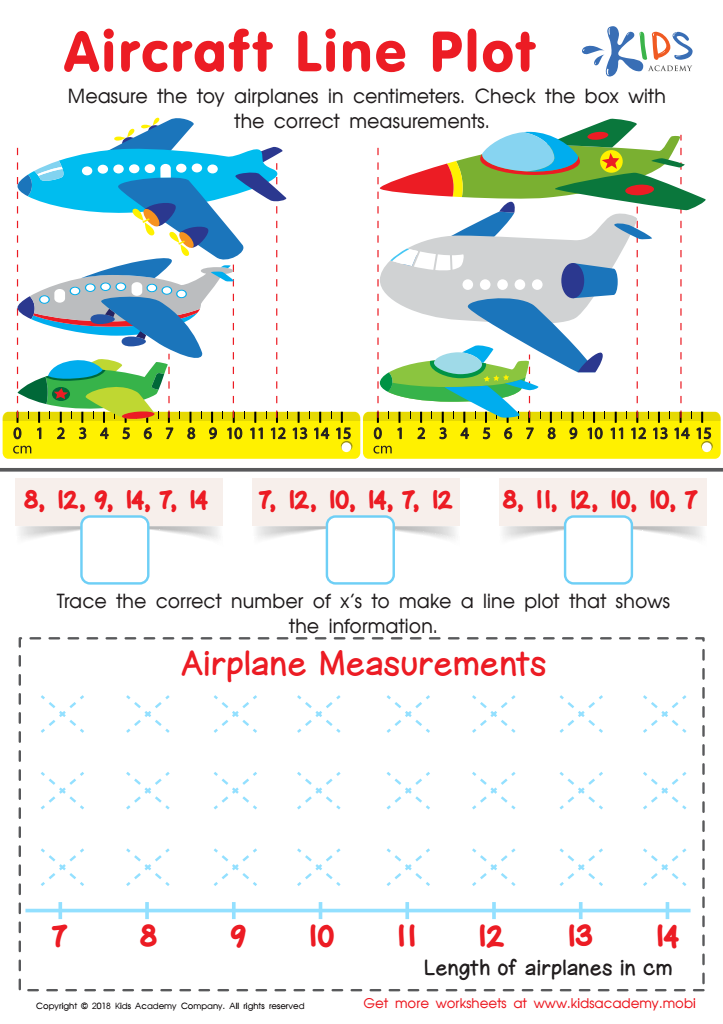
Aircraft Line Plot Worksheet
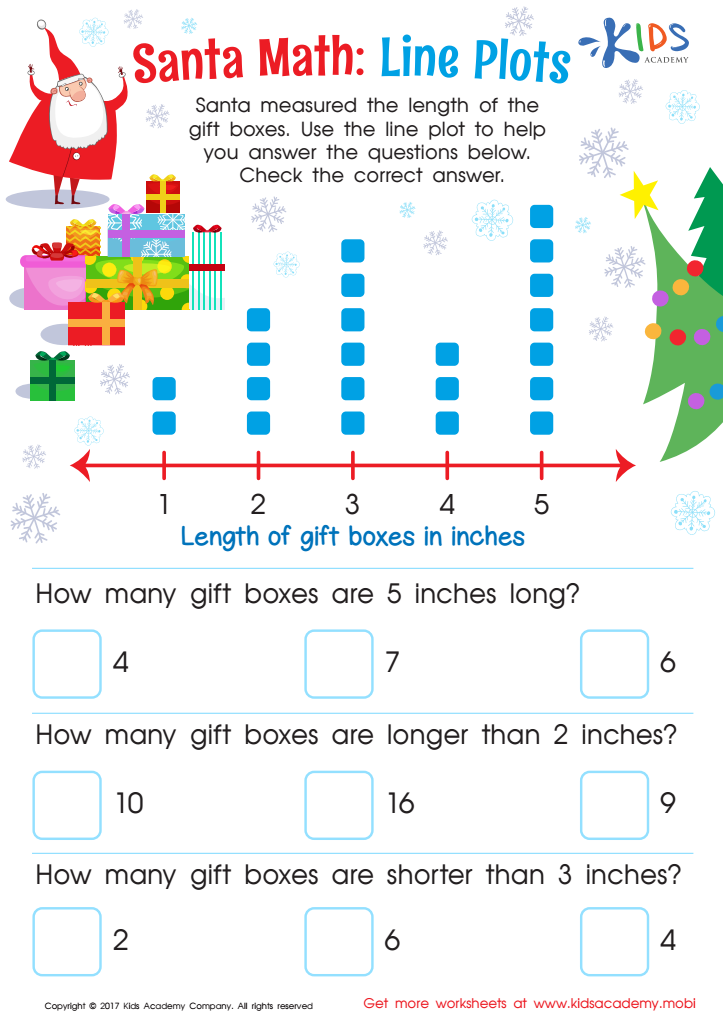
Line Plot Worksheet
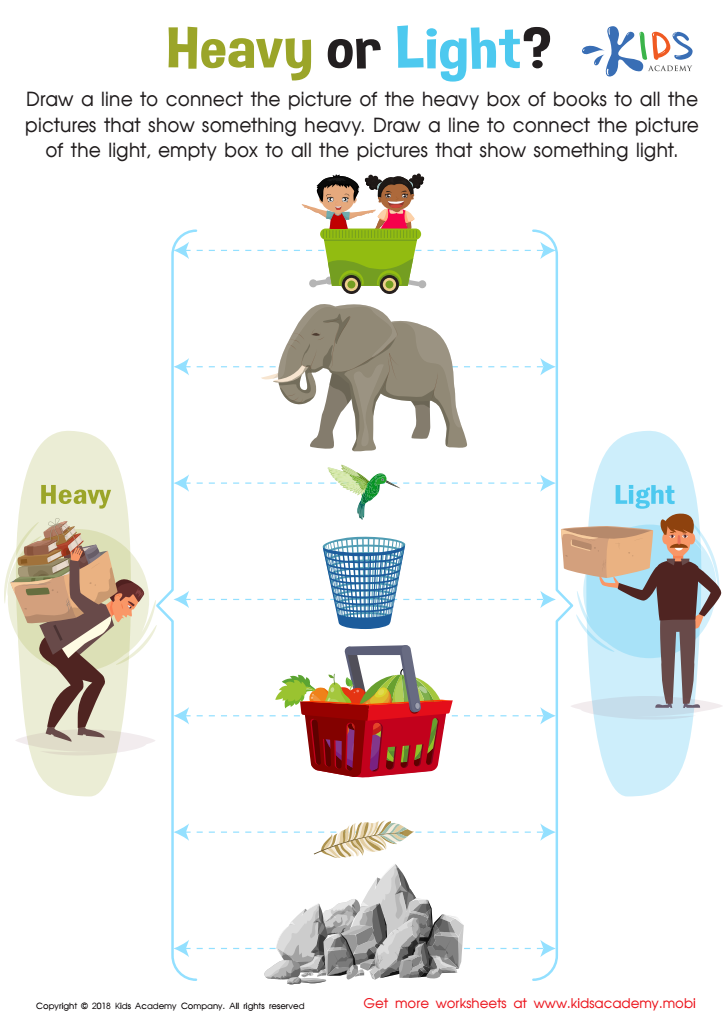
Heavy or Light? Worksheet
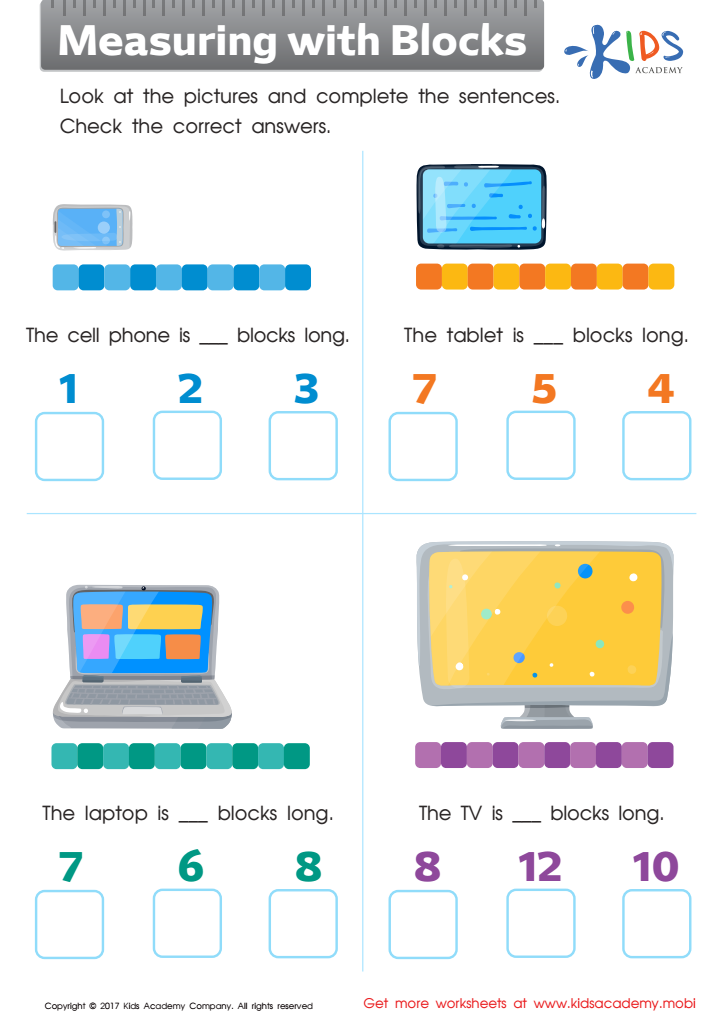
Measuring with Blocks Worksheet
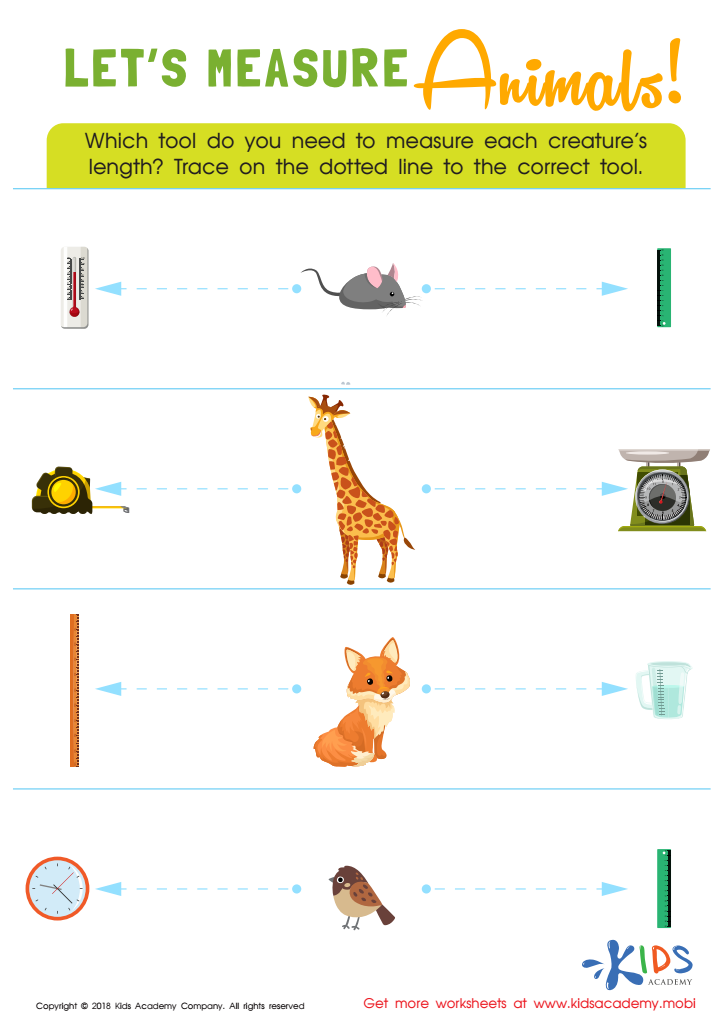
Let's Measure Animals! Worksheet
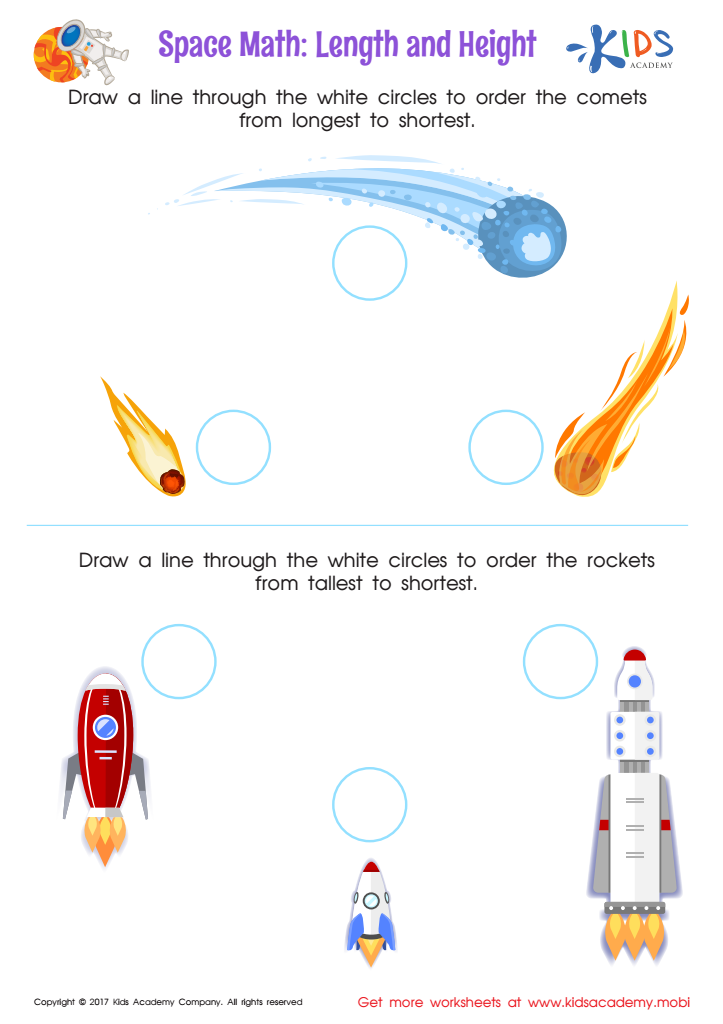
Space Math Worksheet
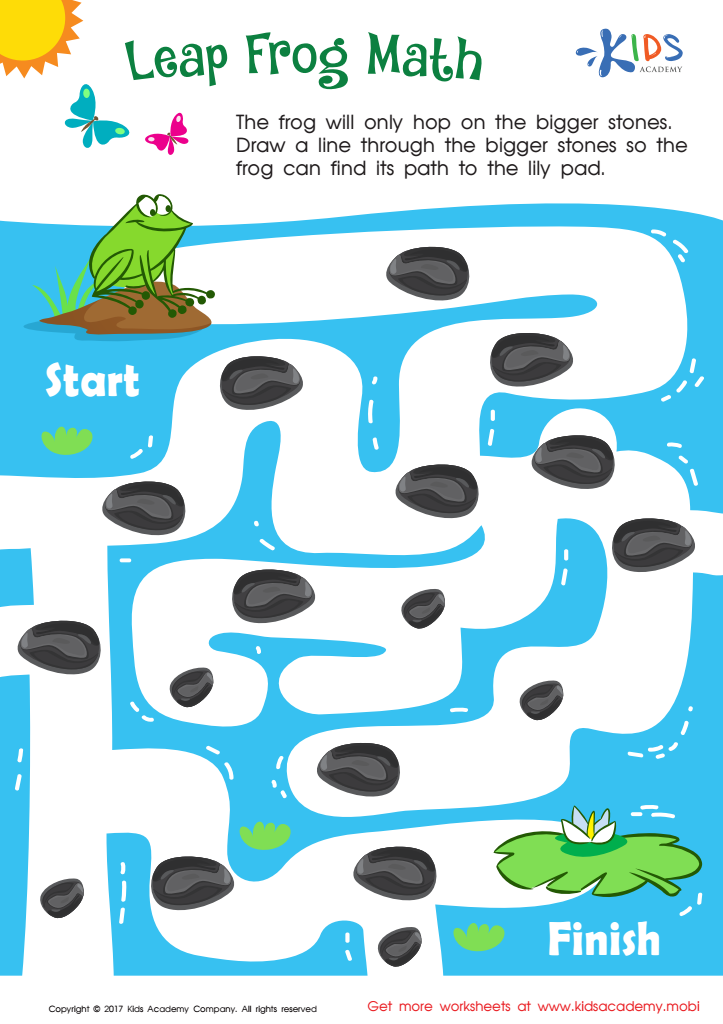
Math Puzzle Worksheet
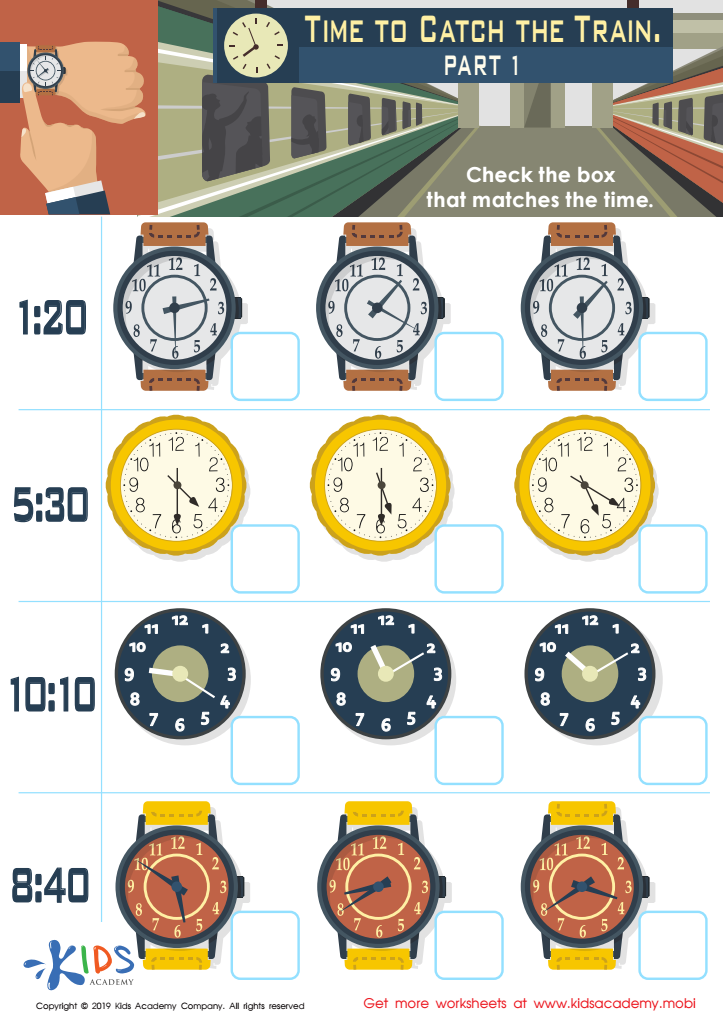
Time to Catch the Train Part 1 Worksheet
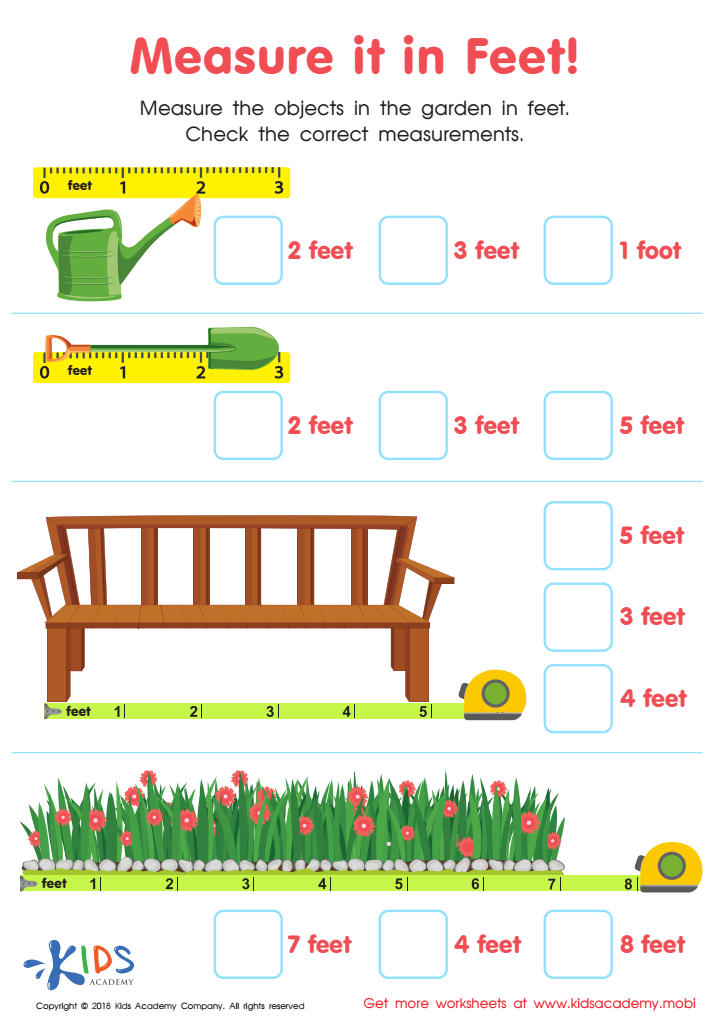
Measure it in Feet Worksheet
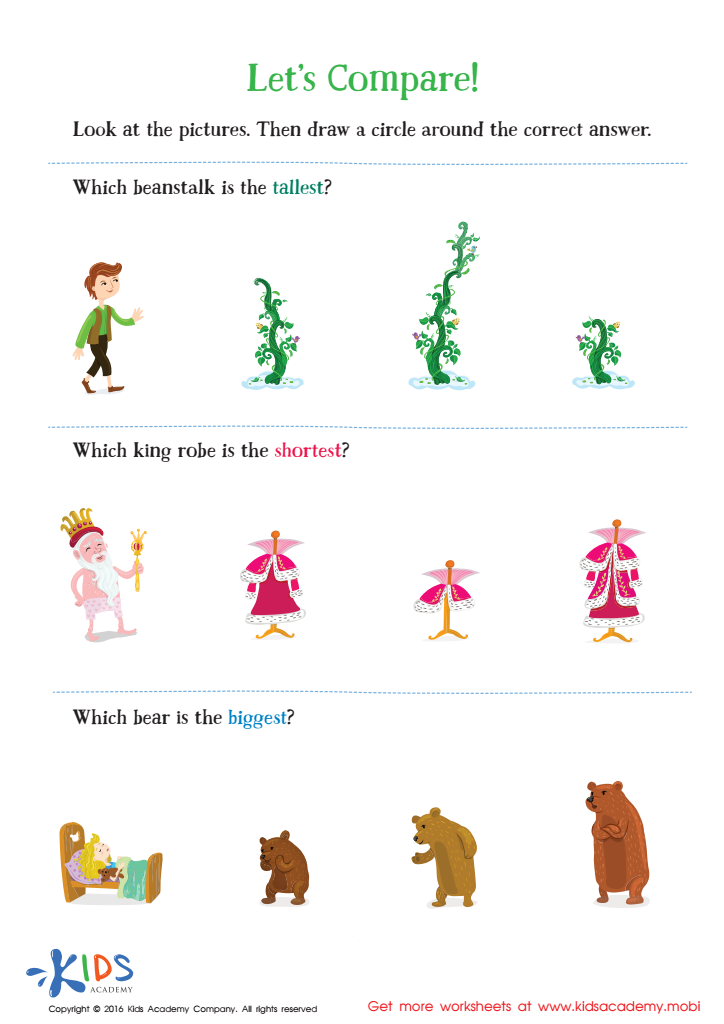
Fairy Tale Worksheet: Let's Compare
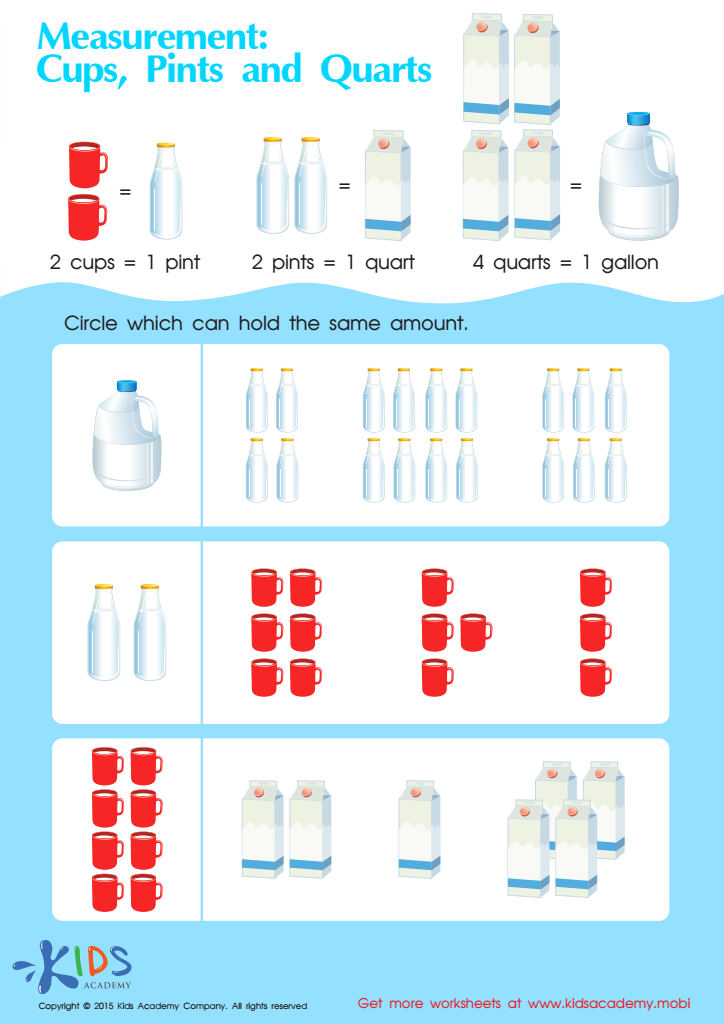
Cups, Pints and Quarts 2 Worksheet
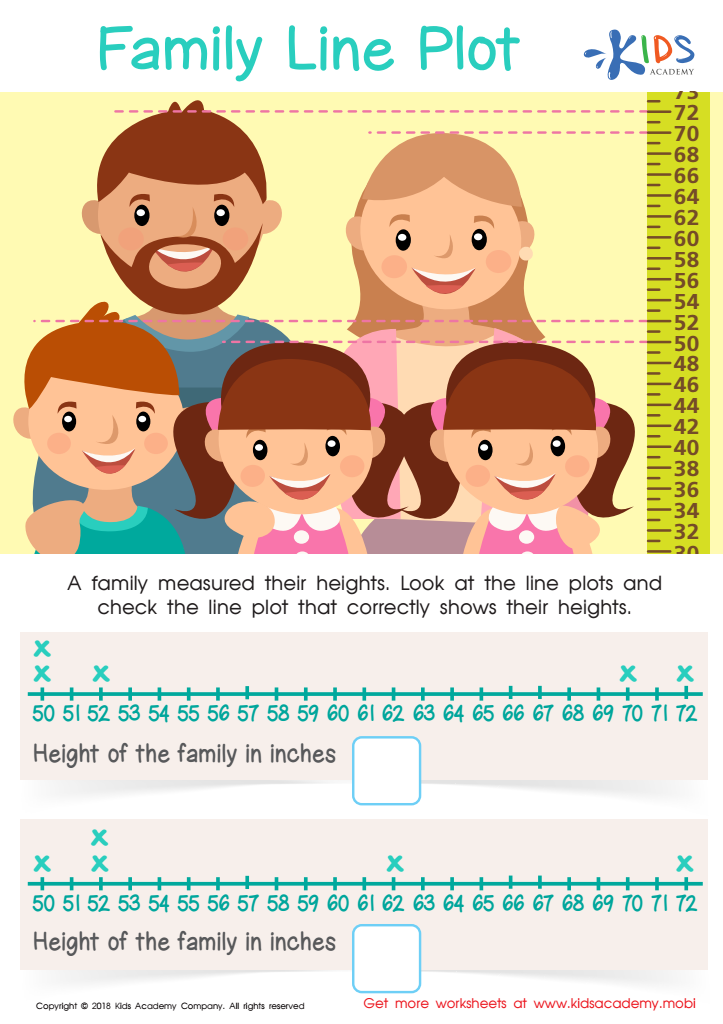
Family Line Plot Worksheet
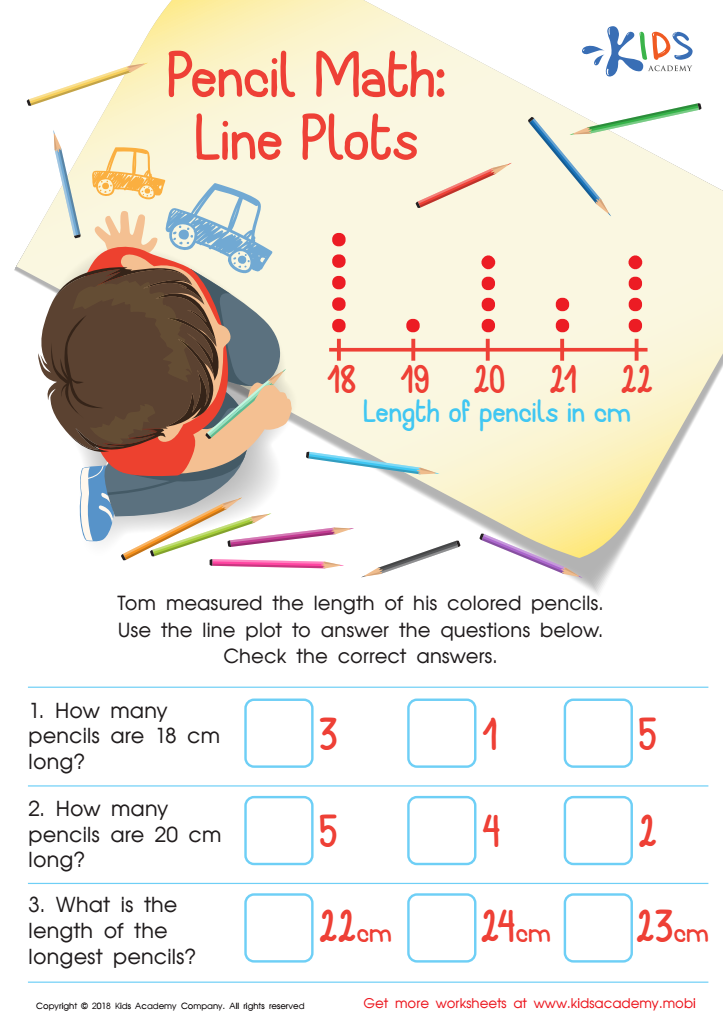
Pencil Math: Line Plots Worksheet
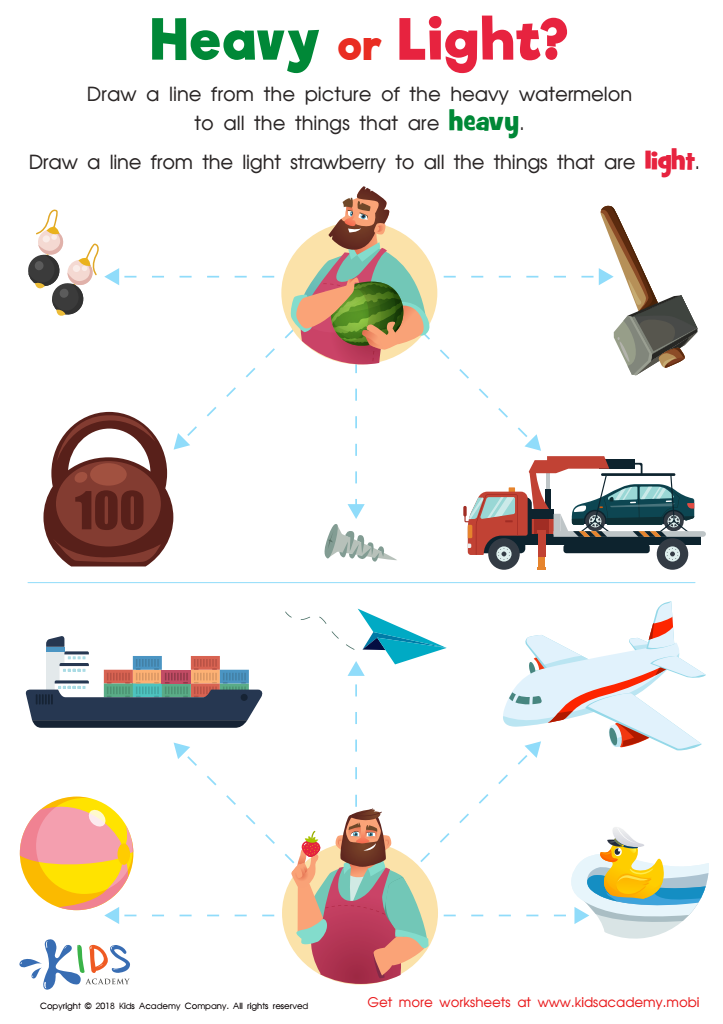
Heavy or Light? Worksheet
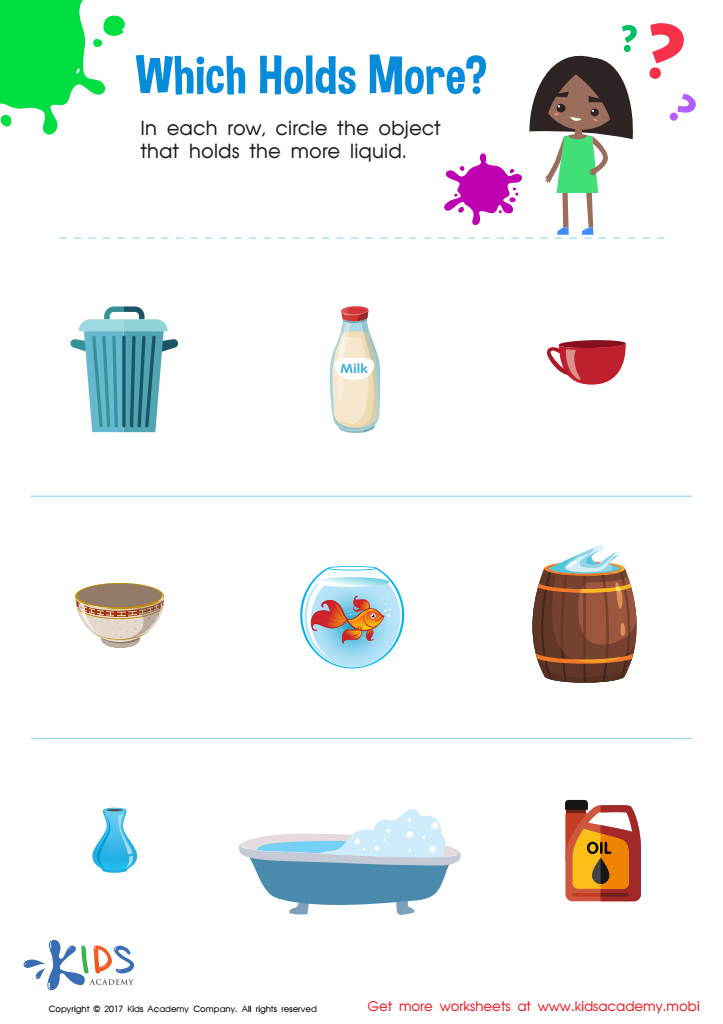
Which Holds More: Capacity Worksheet








Measurement is a fundamental concept in early education, and for children aged 6-9, it plays a crucial role in their cognitive and practical development. Understanding measurement helps children grasp the world around them, fostering critical thinking and problem-solving skills. At this age, kids begin to explore concepts such as length, weight, volume, and time, which allows them to compare and categorize objects in their environment, enhancing their analytical abilities.
Teachers and parents should care because measurement activities lays the groundwork for more advanced mathematical concepts. Engaging children with hands-on measurement tasks—like measuring ingredients for a simple recipe or comparing heights of plants—makes learning interactive and enjoyable. This concrete experience also aids in developing a meaningful understanding of abstract concepts, fostering a love for math and science.
Moreover, mastery of measurement skills enhances children's communication abilities as they learn to describe and explain their findings. In everyday life, these skills are valuable; from measuring ingredients in cooking to estimating distances when playing games. As such, a solid foundation in measurement not only benefits academic performance but also equips children with essential life skills, making it important for both parents and teachers to encourage exploration and understanding of measurement during these formative years.








