Problem-Solving Skills Word Problems Worksheets for Ages 6-9 - Page 2
44 filtered results
-
From - To
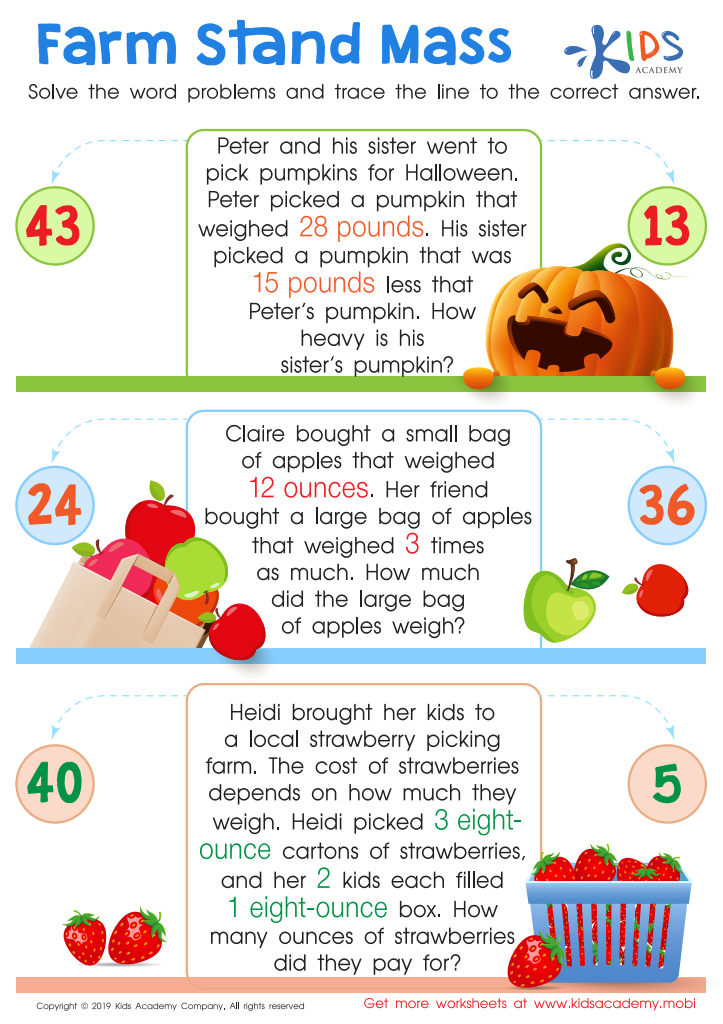
Farm Stand Mass Worksheet
 Assign to My Students
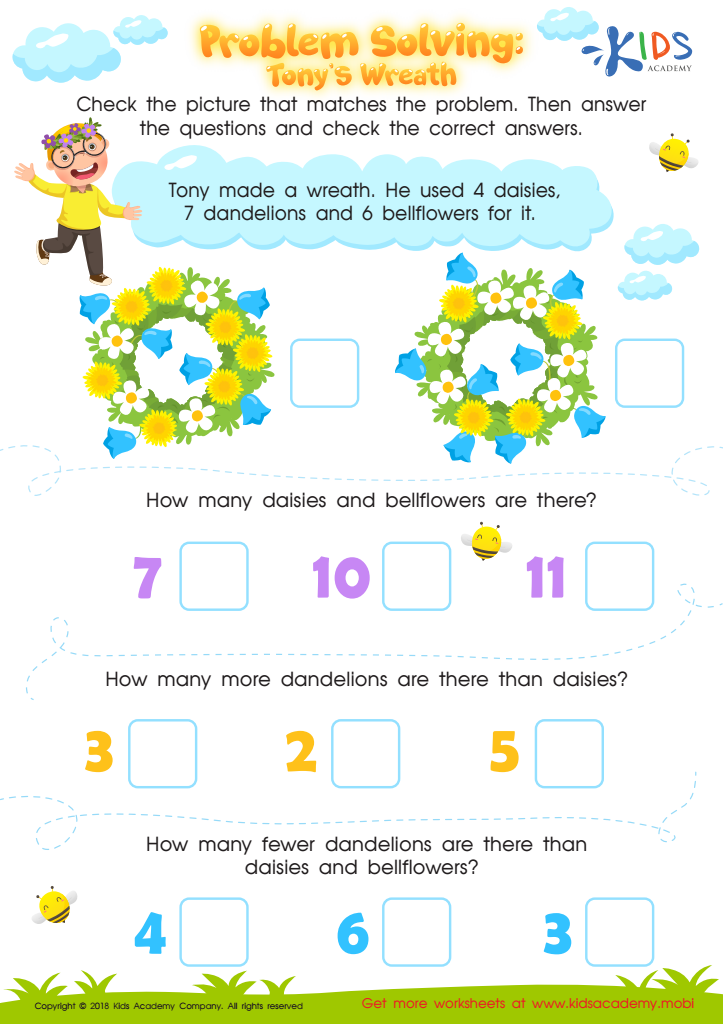
Problem Solving: Tony's Wreath Worksheet
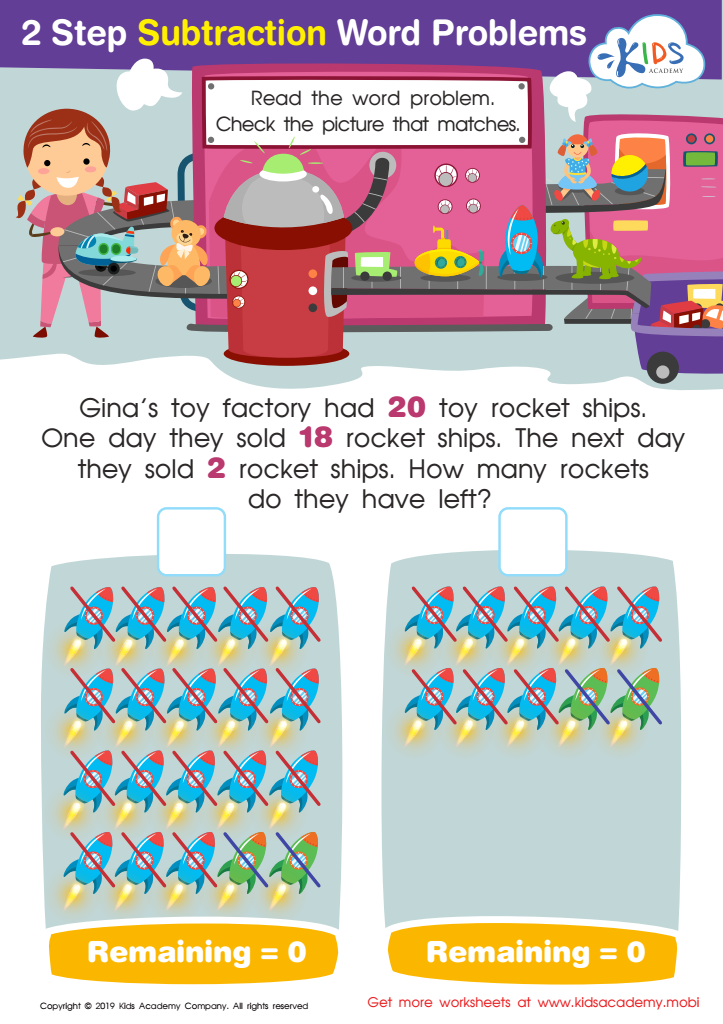
Step Subtraction Word Problems Worksheet
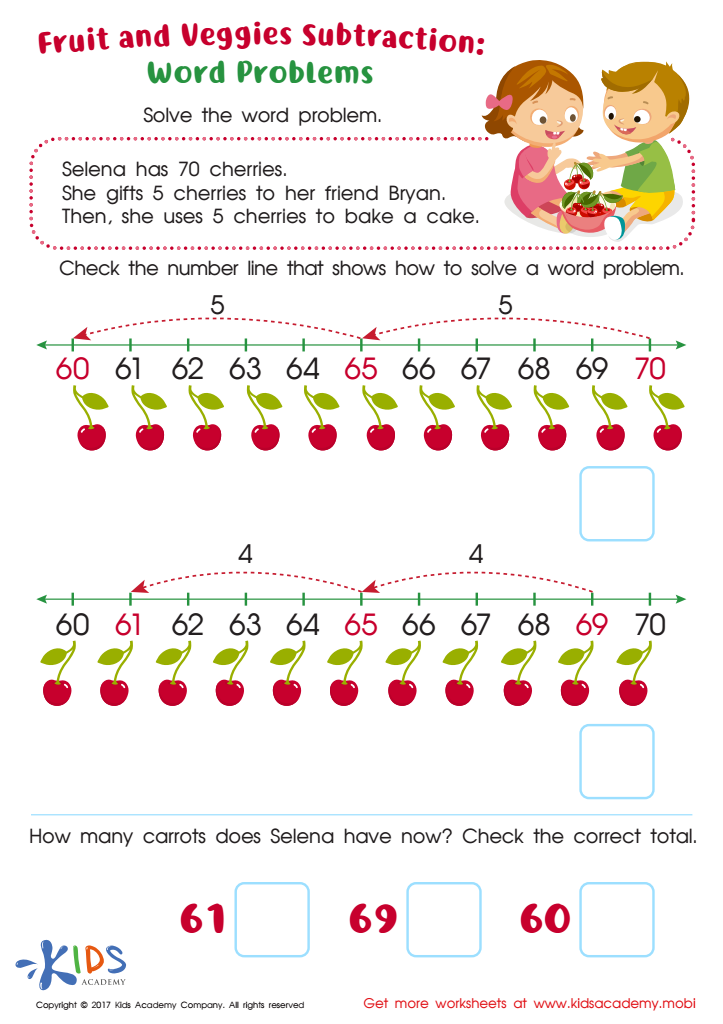
Subtraction Word Problems Free Printable
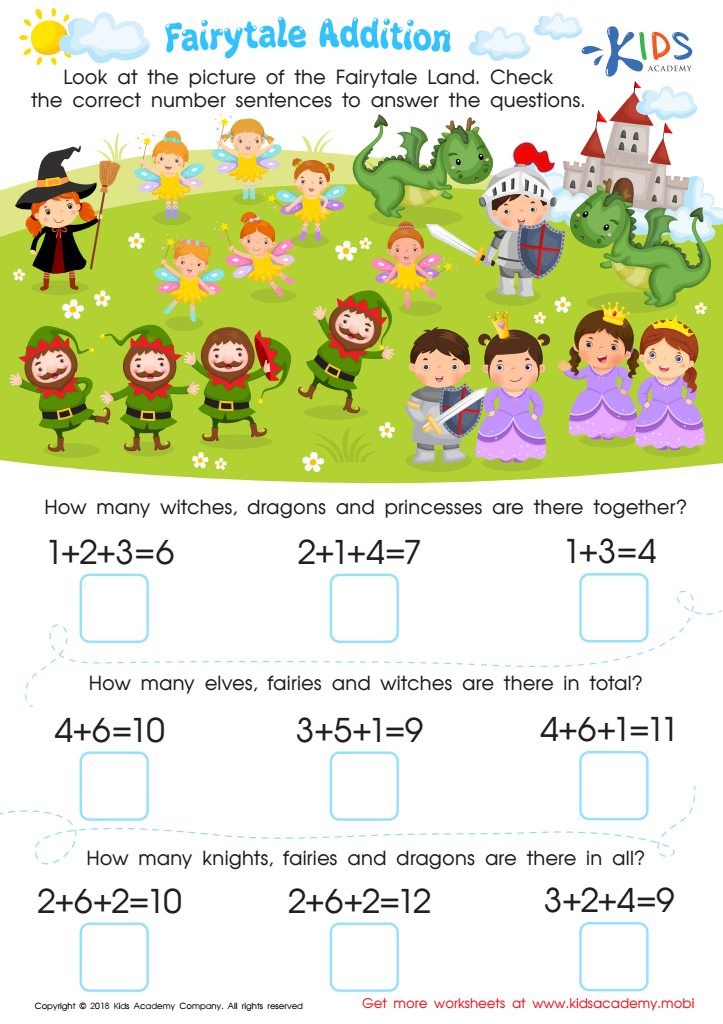
Fairytale Addition Worksheet
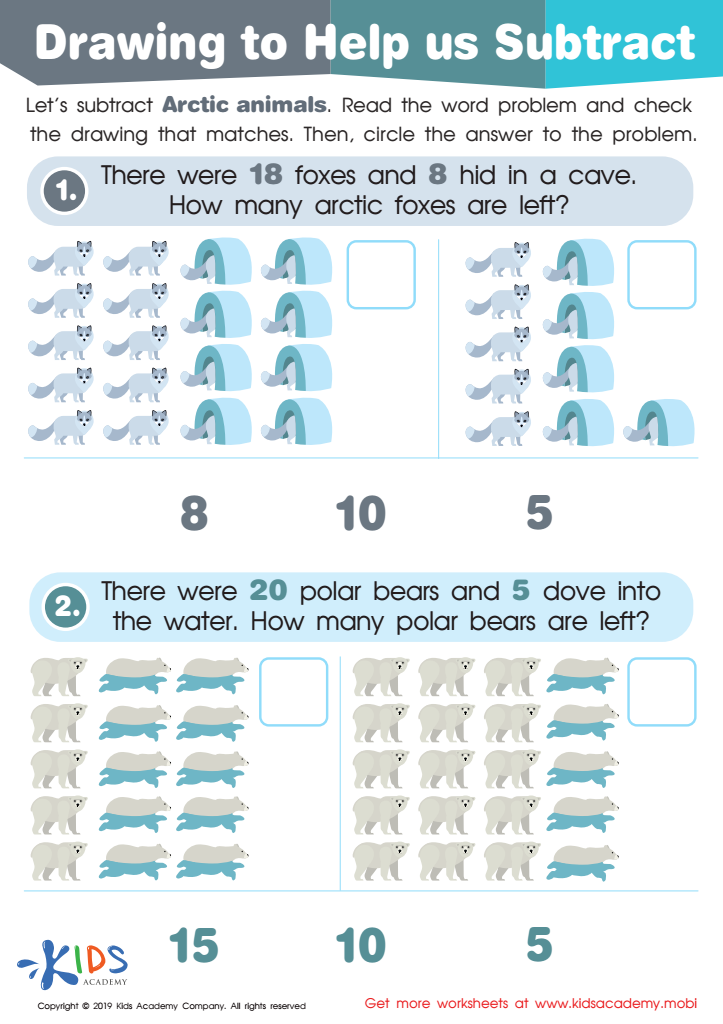
Drawing to Help Us Subtract Worksheet
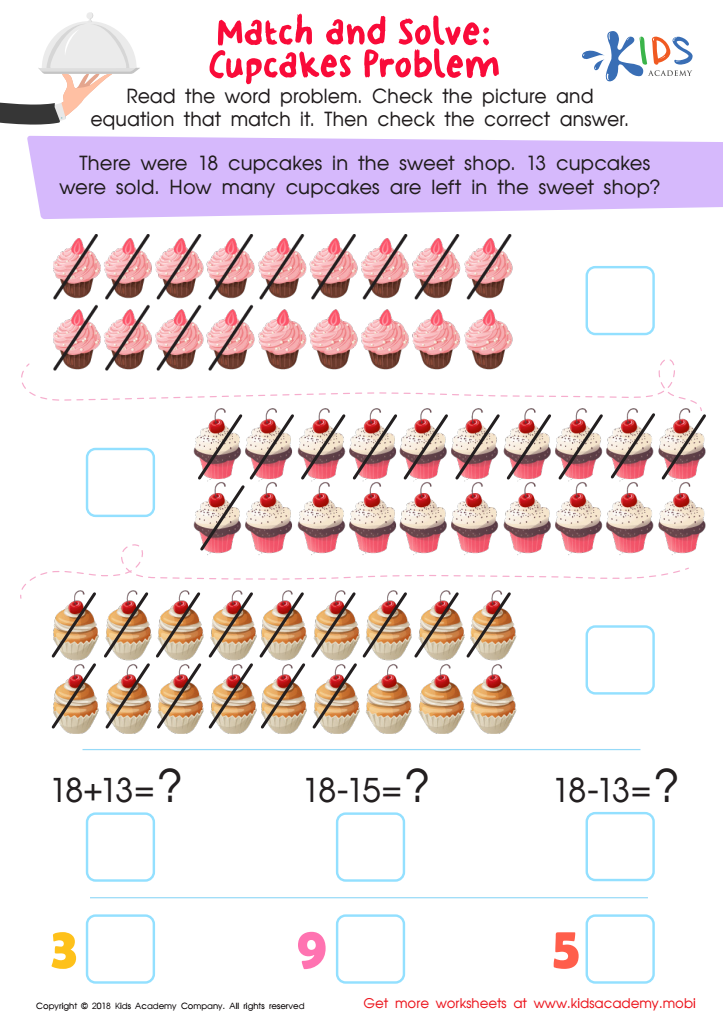
Match and Solve: Cupcakes Problem Worksheet
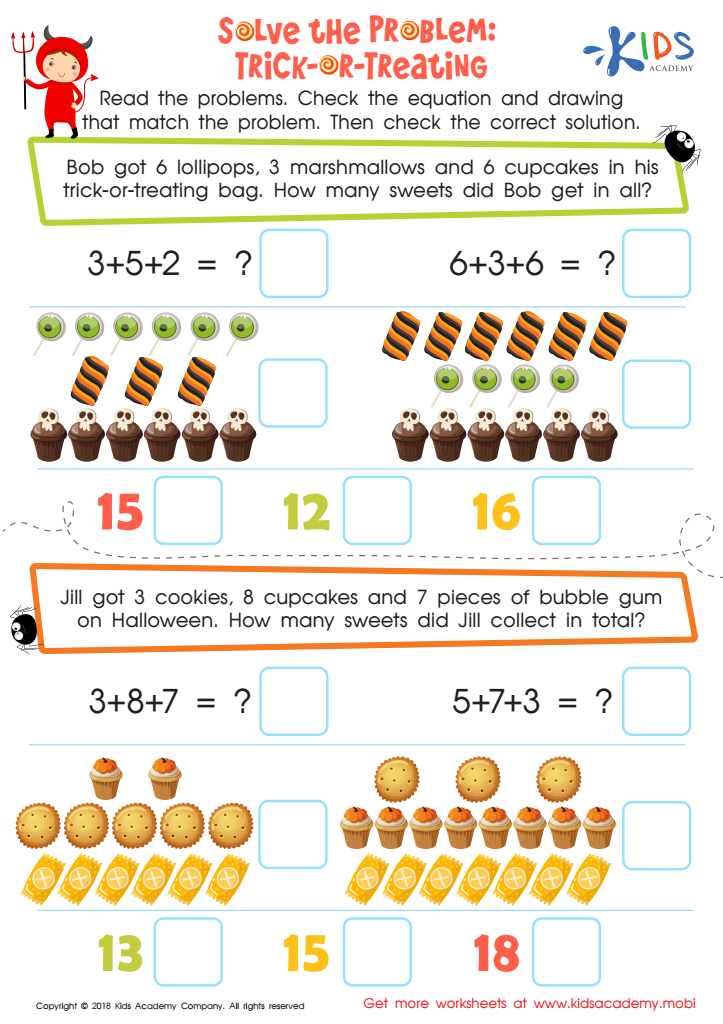
Solve the Problem: Trick–or–treating Worksheet
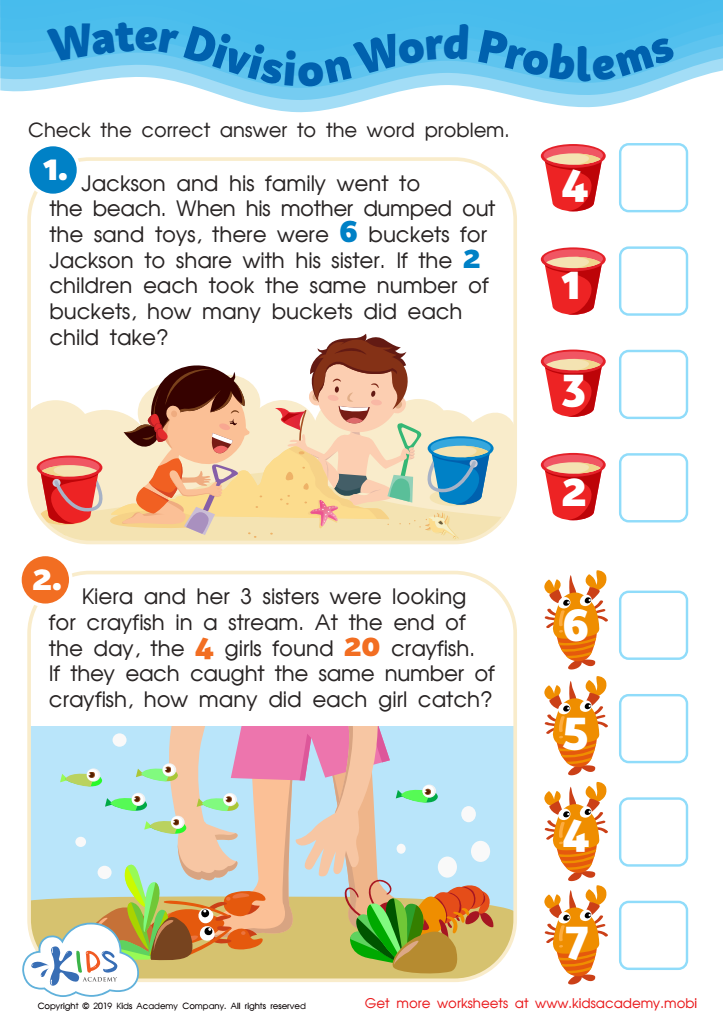
Water Division Word Problems Worksheet
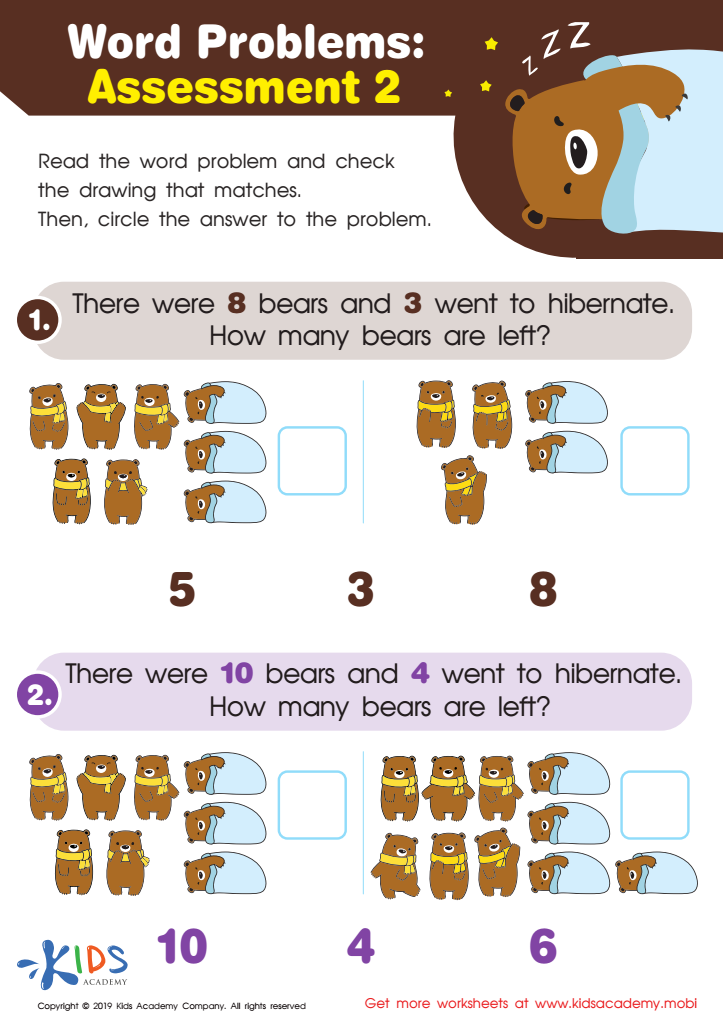
Word Problems: Assessment 2 Worksheet
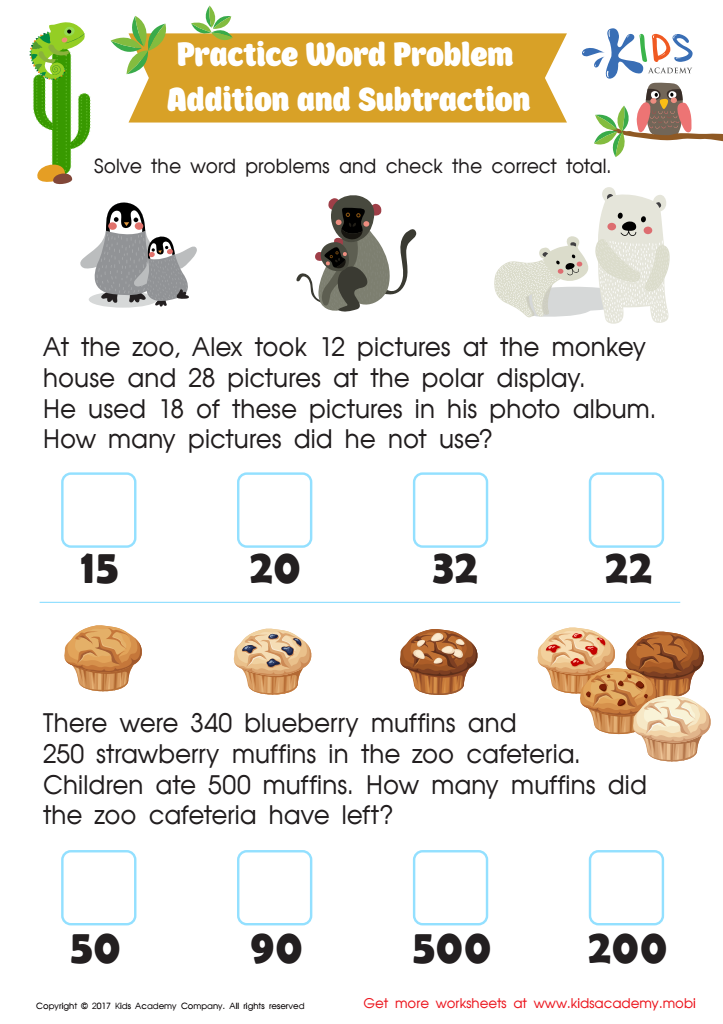
Addition and Subtraction: Word Problems Worksheet
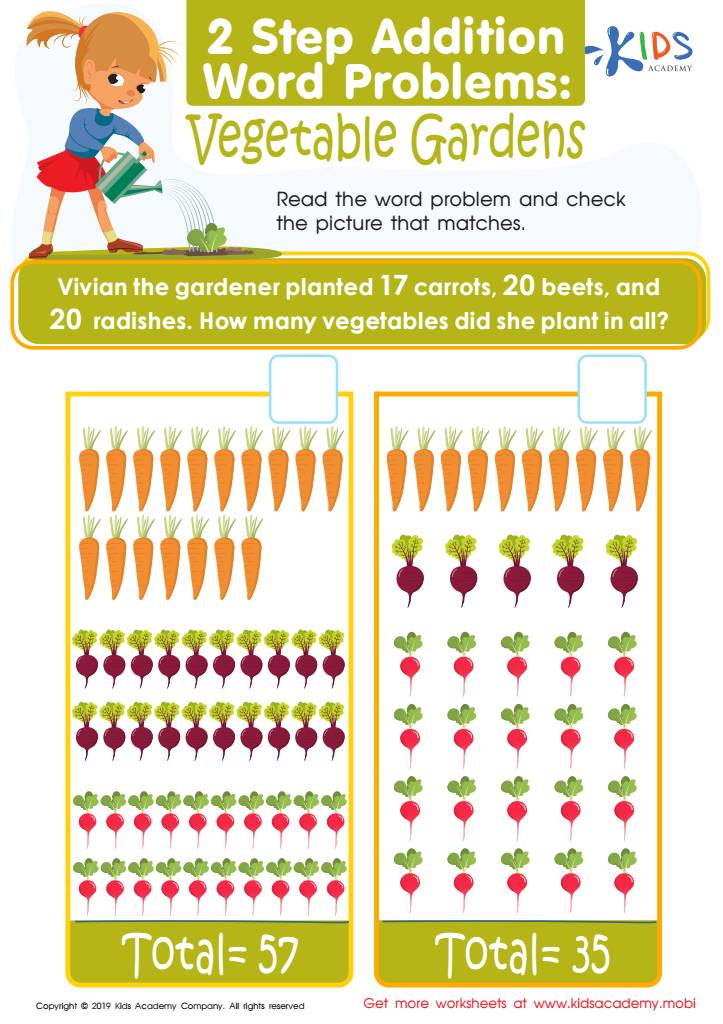
Vegetable Gardens Worksheet
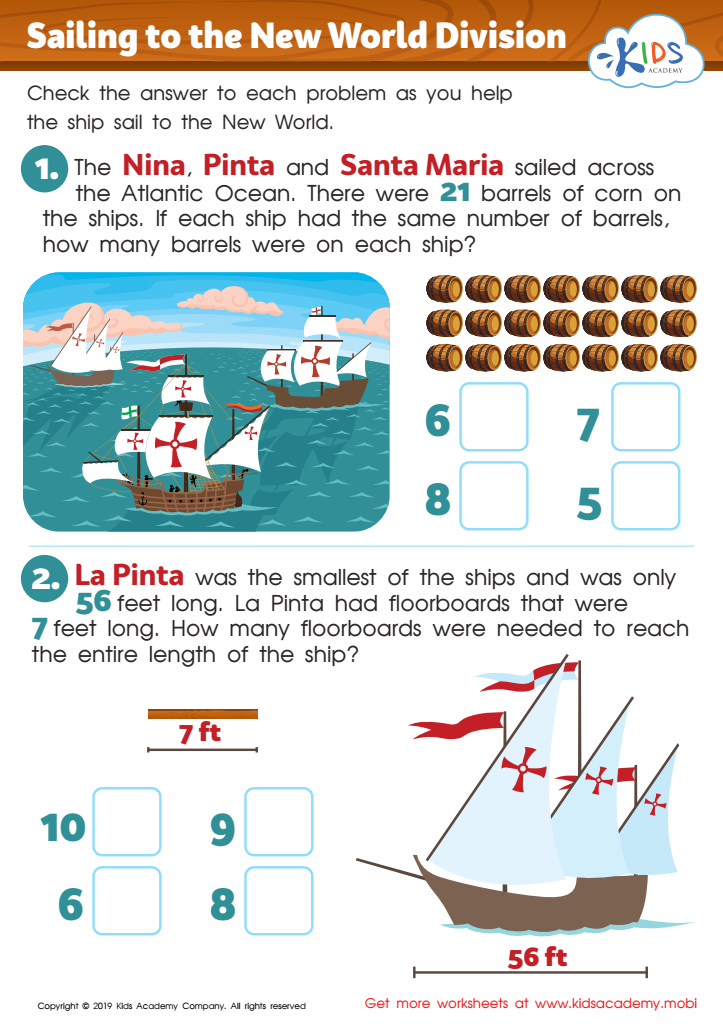
Sailing to the New World Division Worksheet
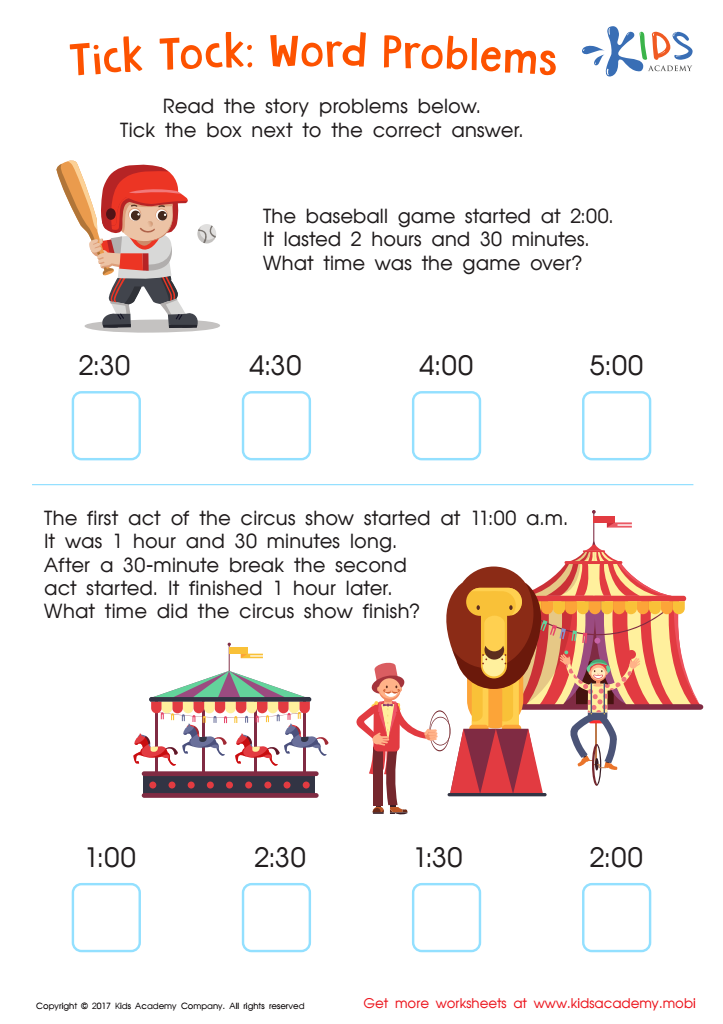
Tick Tock Word Problems Time Worksheet
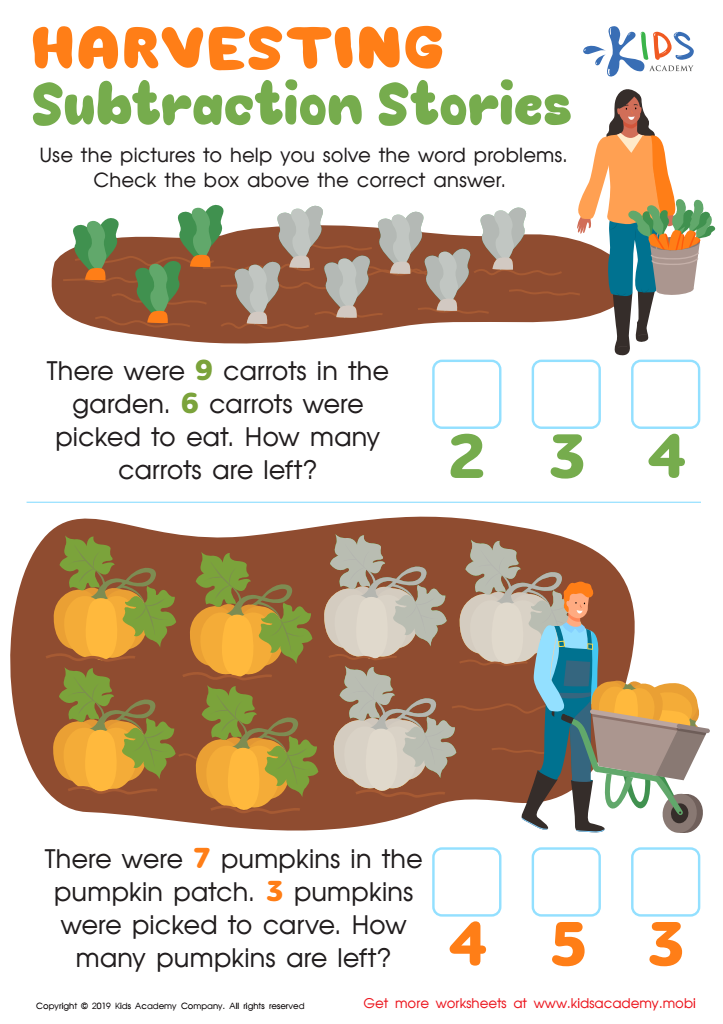
Harvesting Subtraction Stories Worksheet
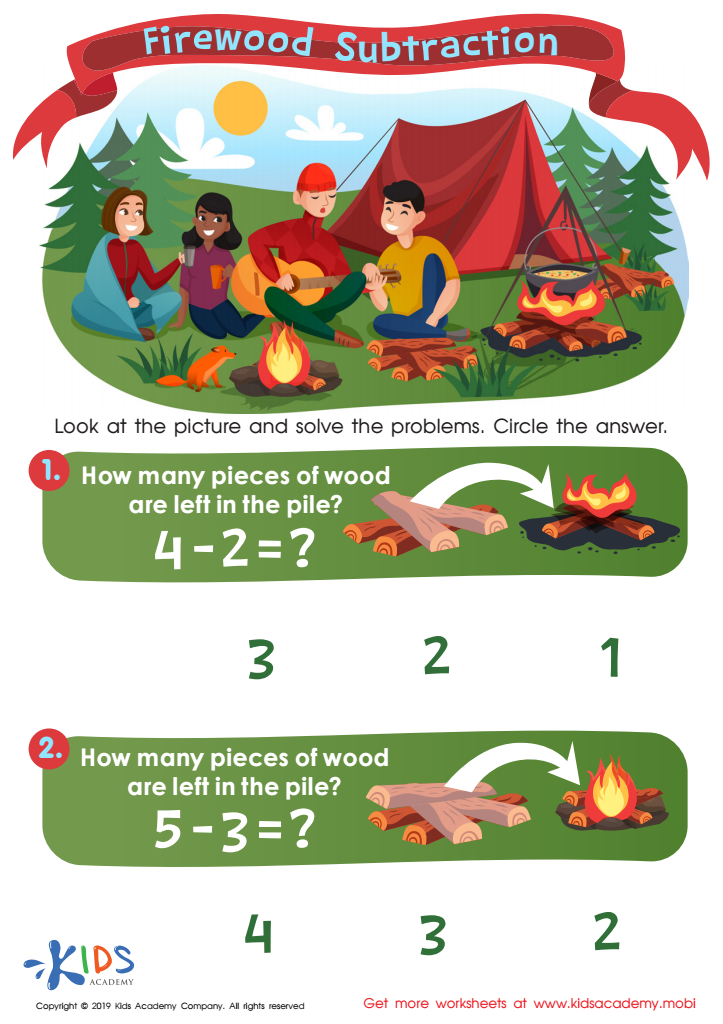
Firewood Subtraction Worksheet
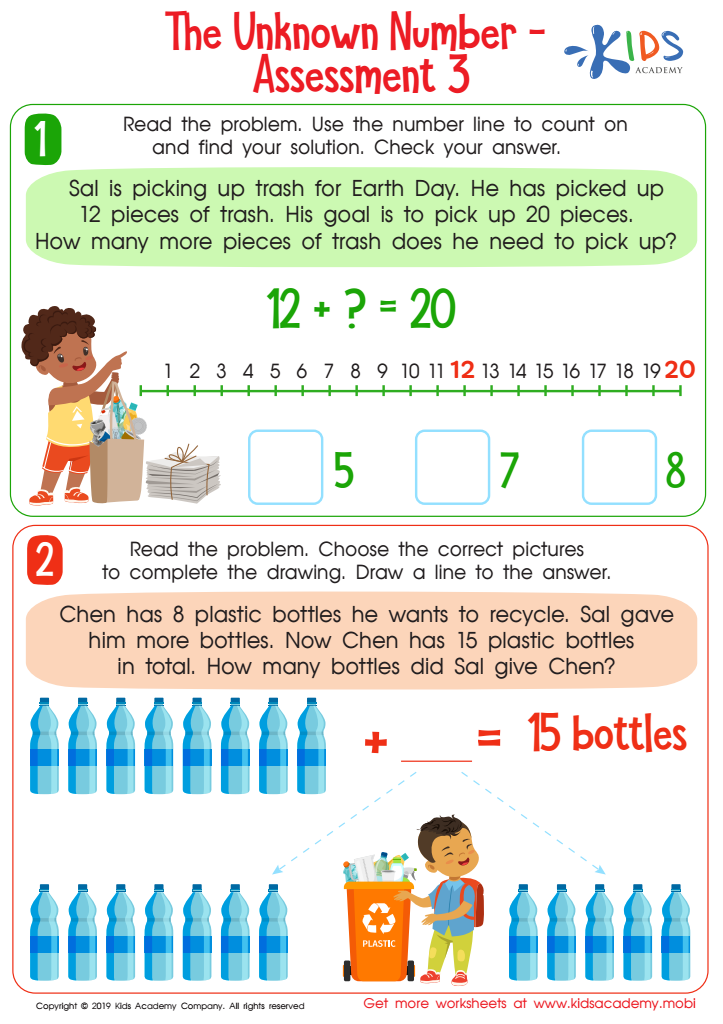
The Unknown Number - Assessment 3 Worksheet
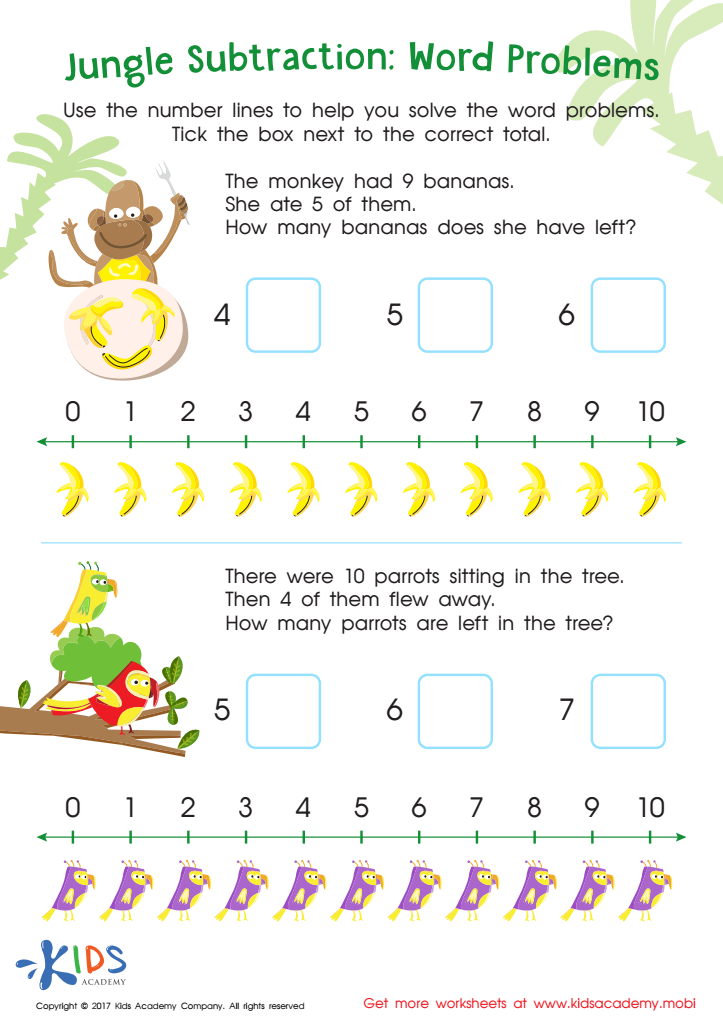
Jungle Subtraction Word Problems Substraction Worksheet
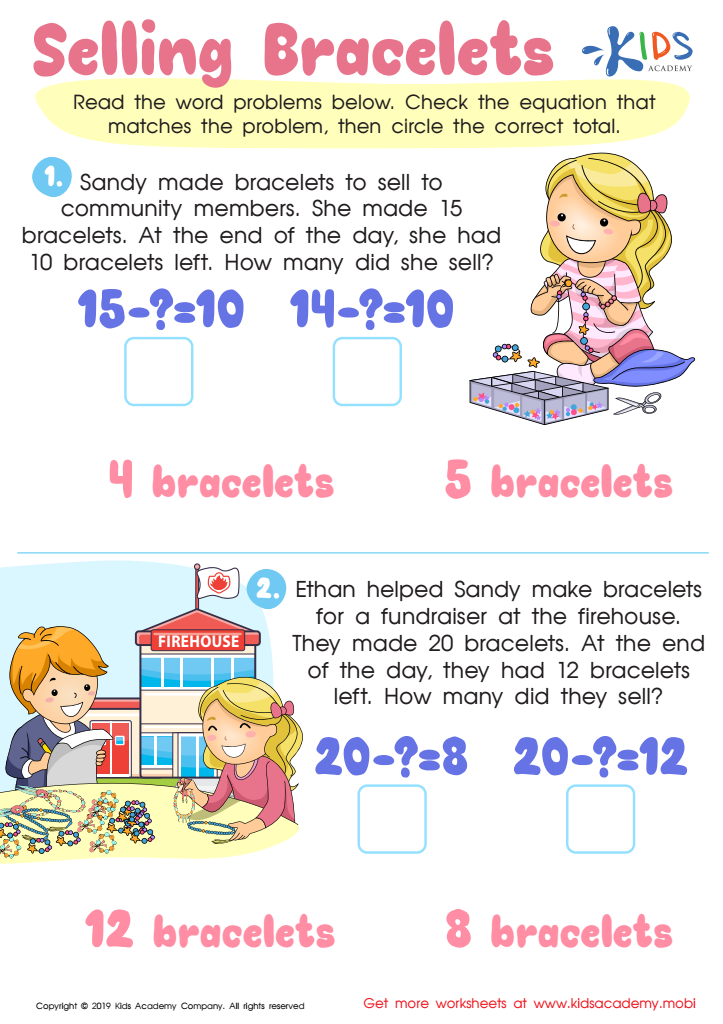
Selling the Bracelets Worksheet
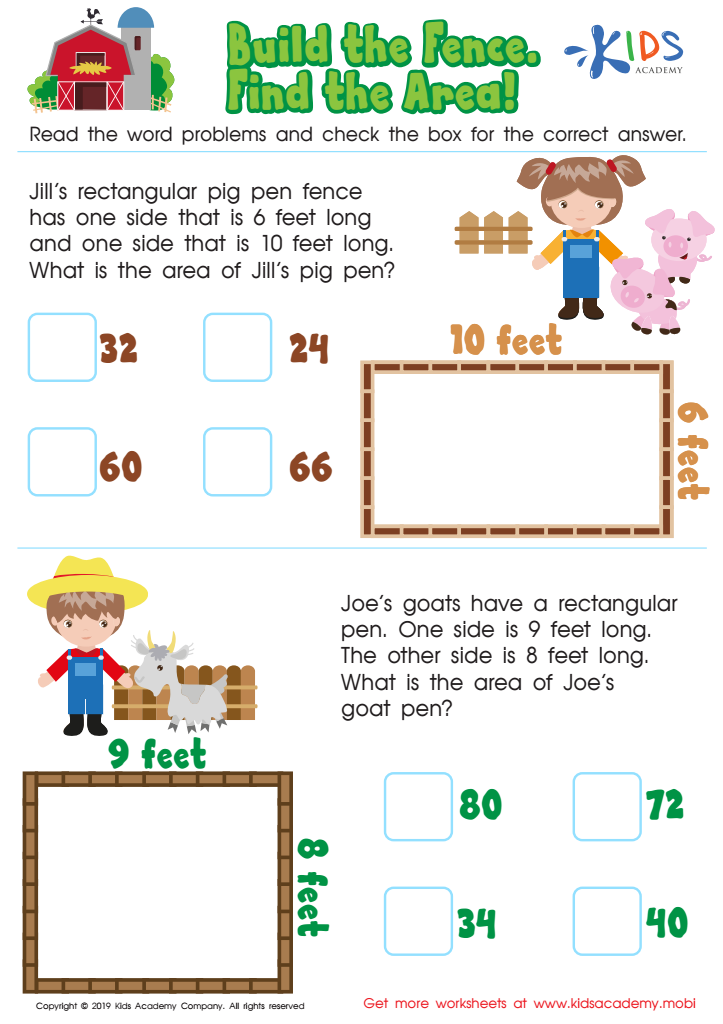
Build the Fence, Find the Area Worksheet








Parents and teachers should prioritize problem-solving skills in word problems for children aged 6-9 because these skills are foundational for academic success and everyday reasoning. During these formative years, children are learning to think critically and analytically, which serves as a basis for future mathematical concepts and real-life situations. Engaging with word problems helps students enhance their reading comprehension and applies mathematical concepts in meaningful contexts, bridging the gap between theory and practice.
Moreover, problem-solving nurtures resilience and perseverance. When children encounter challenges in word problems, it encourages them to explore various strategies, fostering a growth mindset. Parents and teachers can support this skill development by promoting discussion around problem-solving methods and encouraging children to articulate their thinking processes.
Additionally, strong problem-solving skills are essential in preparing children for standardized assessments and examinations, which increasingly emphasize critical thinking. By focusing on word problems, adults can help cultivate logical reasoning and creativity in their children, enabling them to navigate complexities in academics and life. Encouraging this skill set equips young learners with tools that enhance their confidence and adaptability, empowering them to tackle challenges both now and in the future.








