Cognitive Development Worksheets for 6-Year-Olds - Page 2
113 filtered results
-
From - To
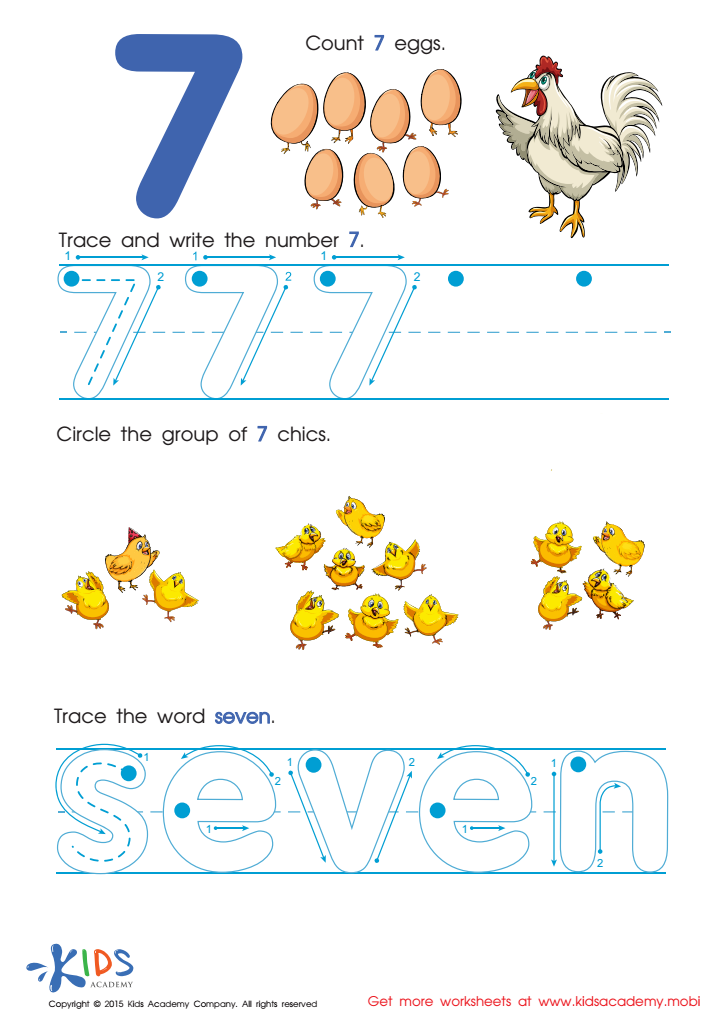
Trace And Write Number 7 with Fun Worksheet
 Assign to My Students
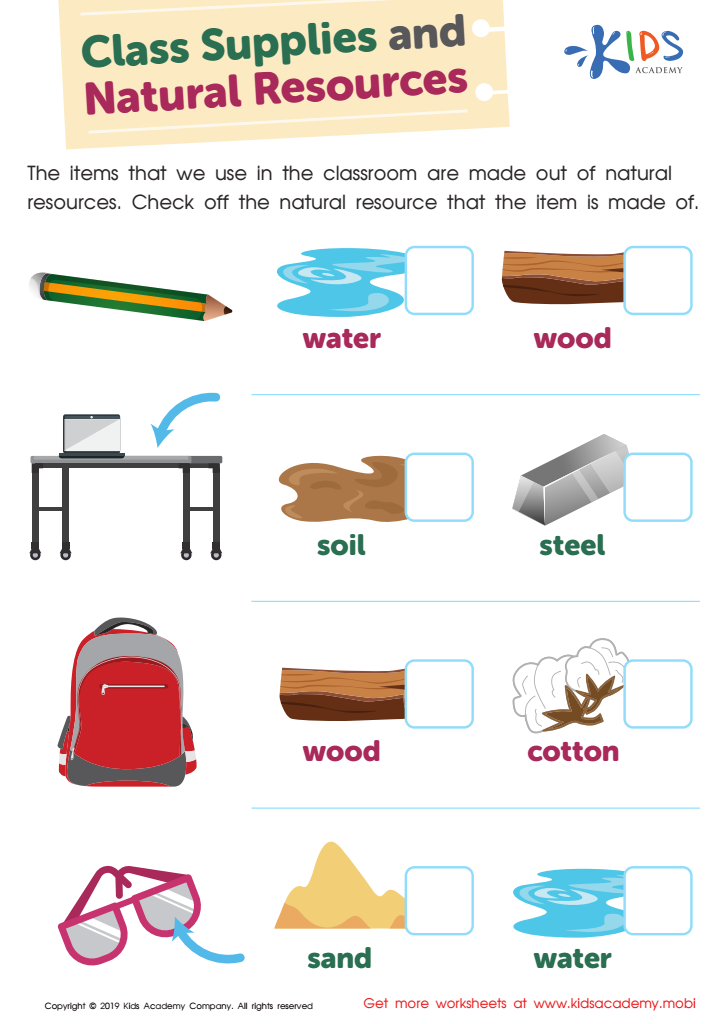
Class Supplies and Natural Resources Worksheet
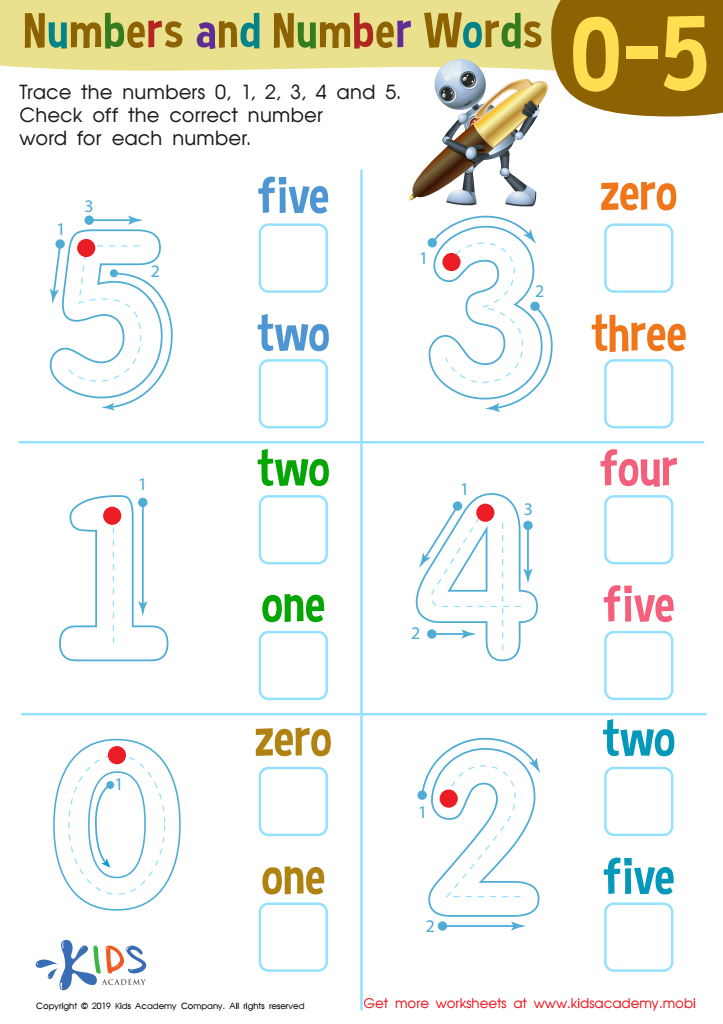
Numbers and Number Words Worksheet
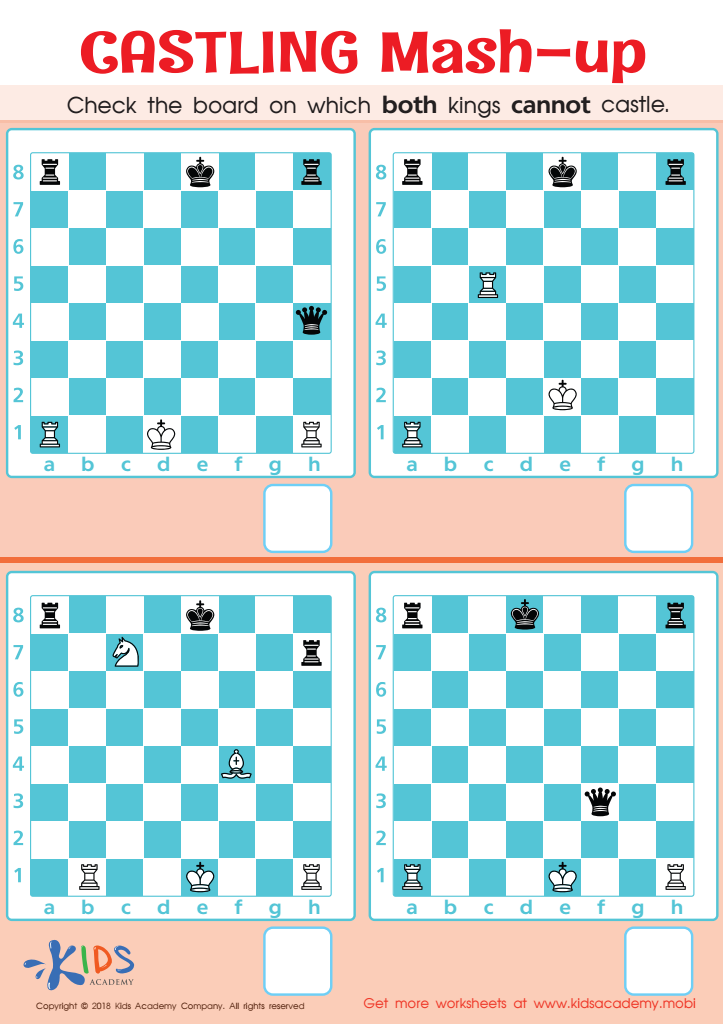
Castling Mash–up Worksheet
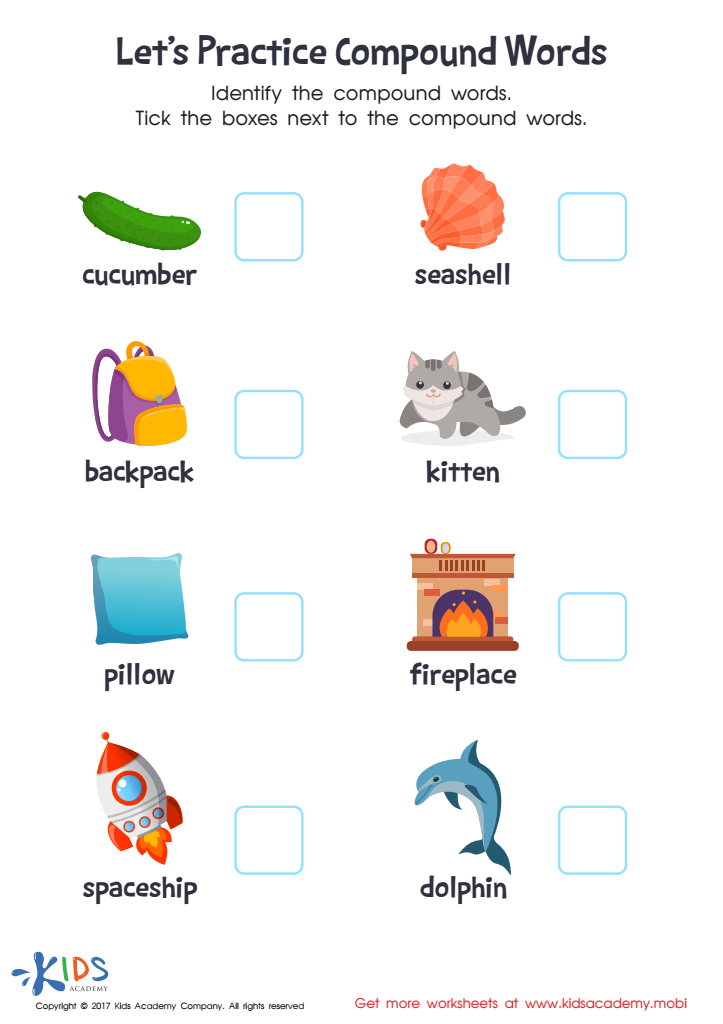
Let's Practice Compound Words Word Structure Worksheet
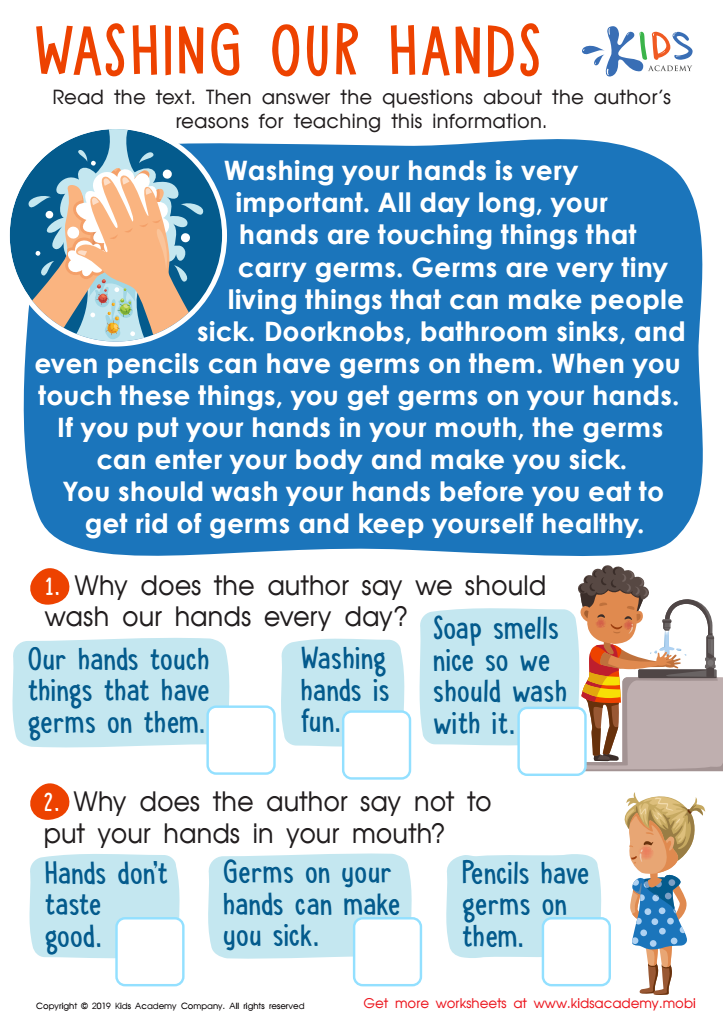
Washing Our Hands Worksheet
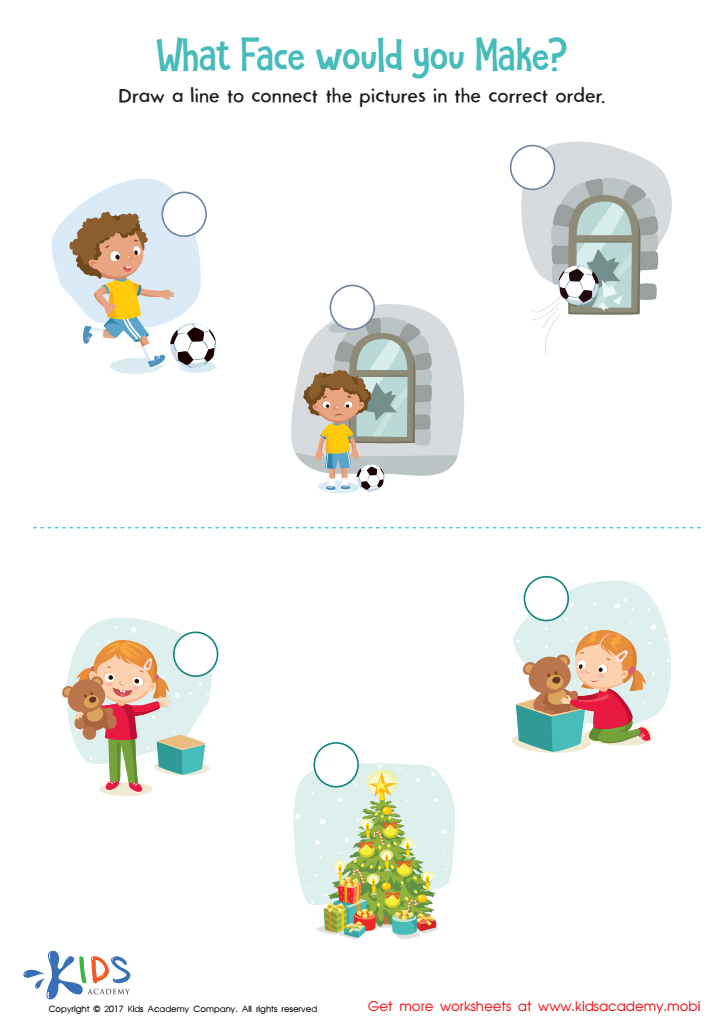
Understanding Emotions Worksheet
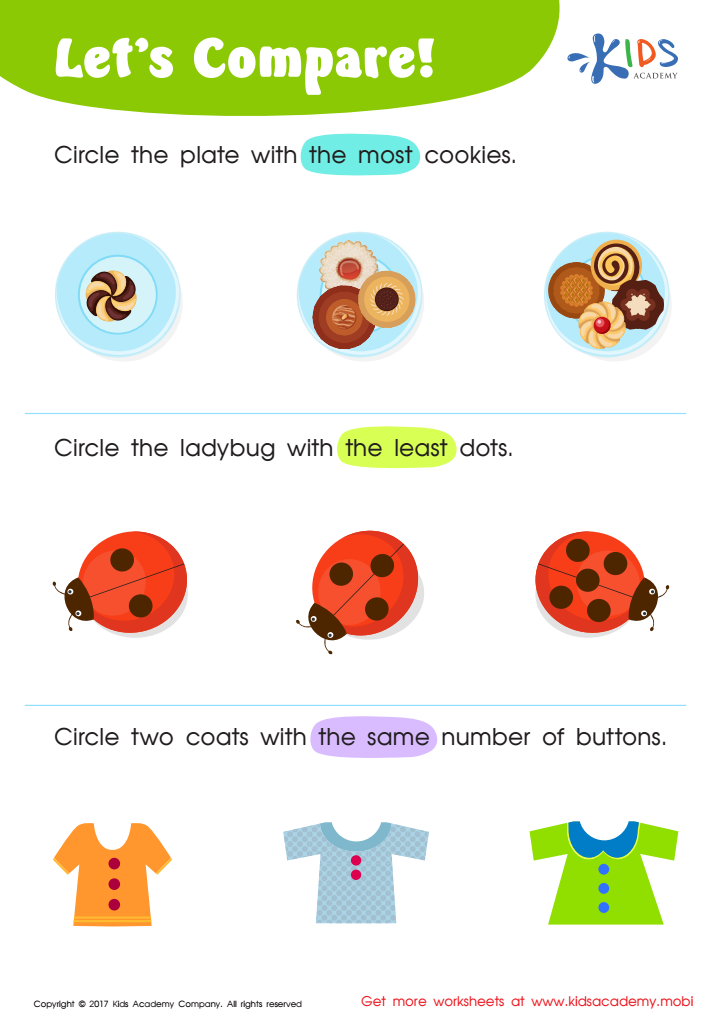
Matching: Classifying Toys by Size Worksheet
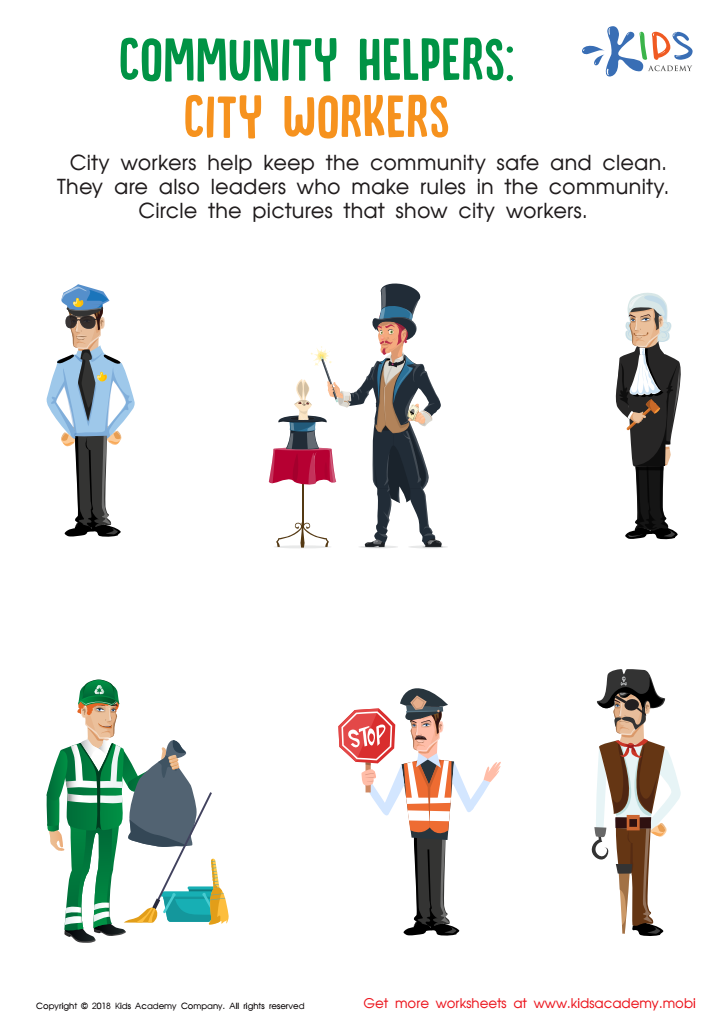
City Workers Community Helpers Worksheet
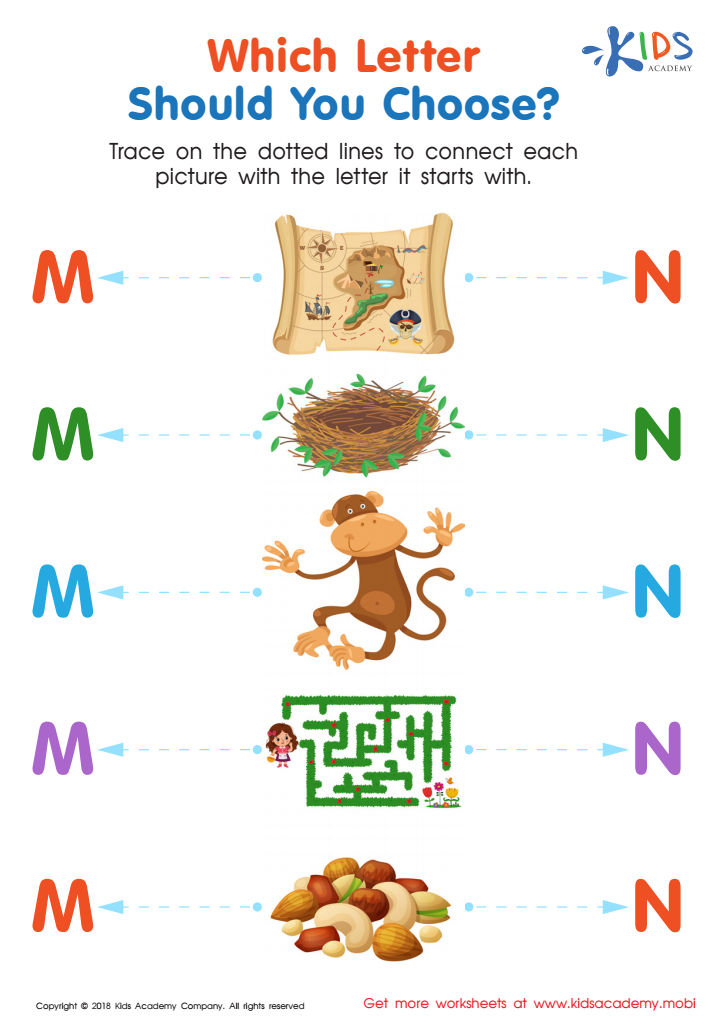
Which Letter Should you Choose? Worksheet
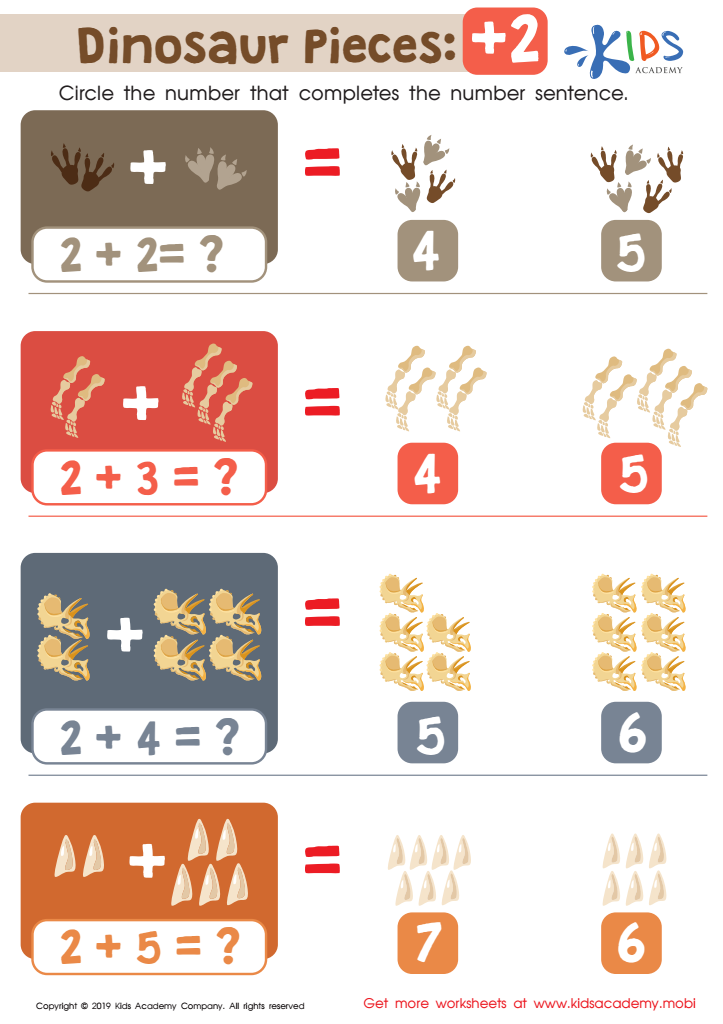
Dinosaur Pieces: +2 Worksheet
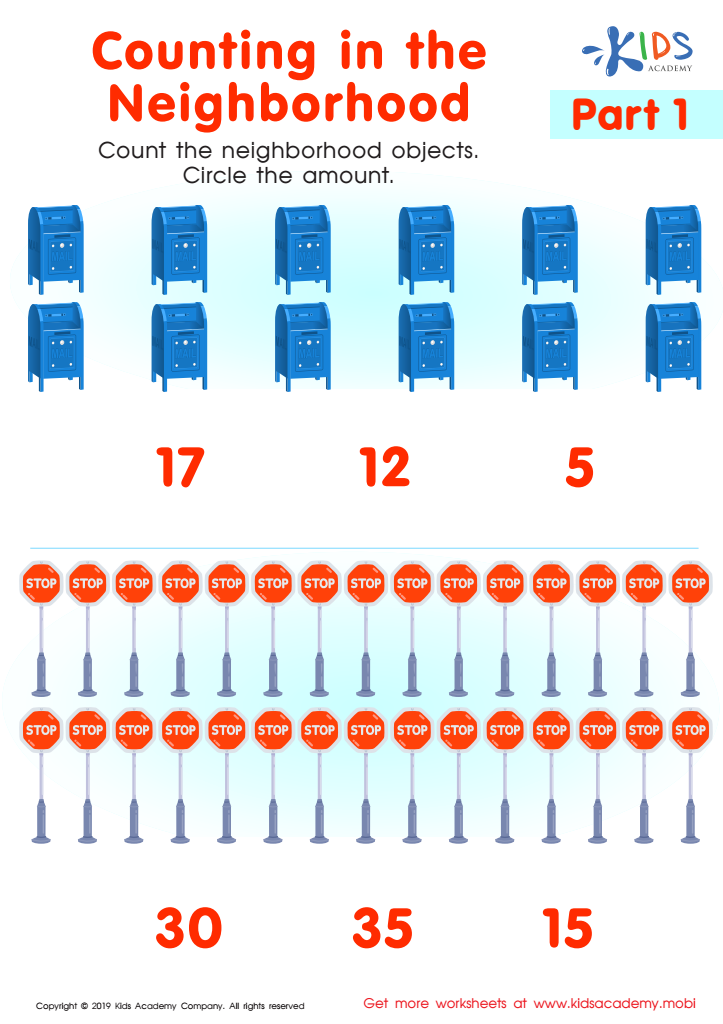
Counting in the Neighborhood Part1 Worksheet
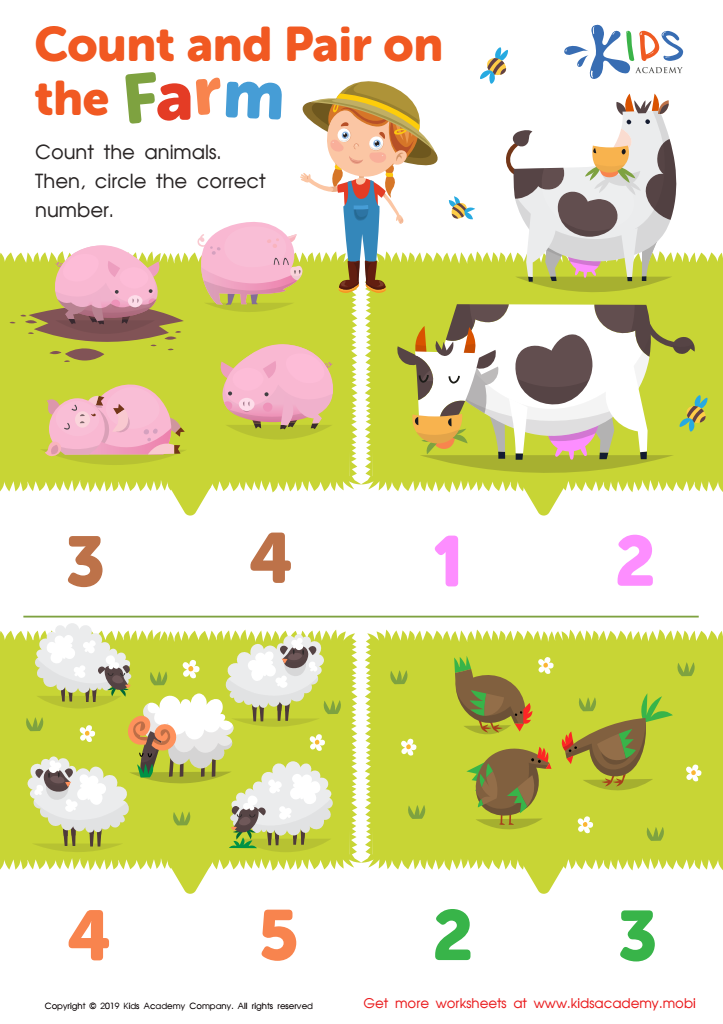
Count and Pair on the Farm Worksheet
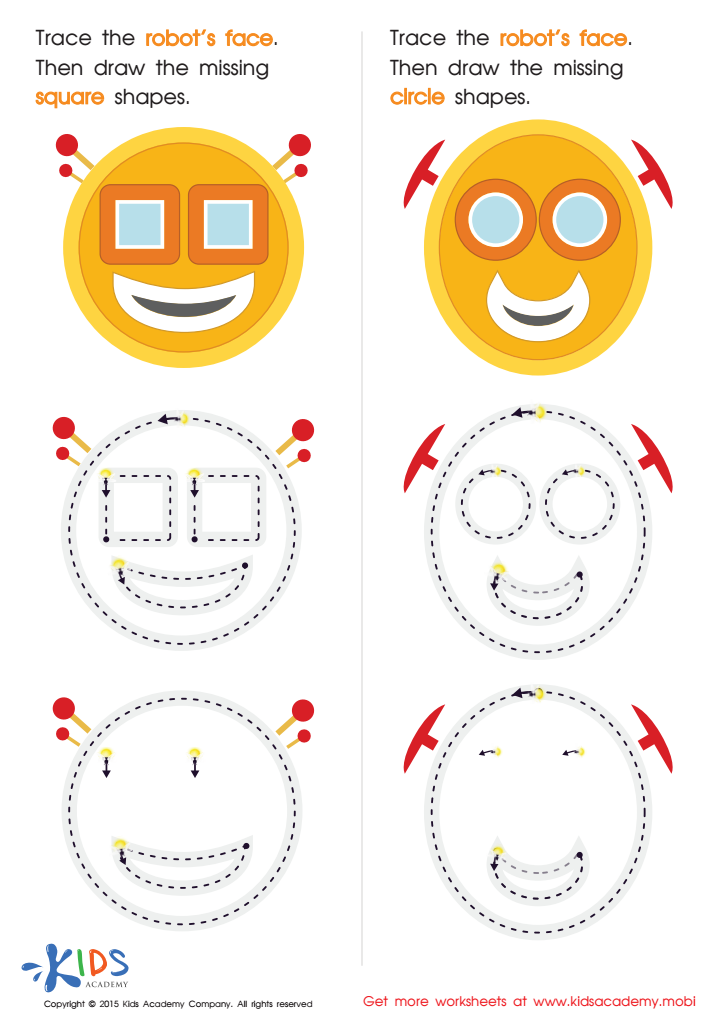
Practicing to Draw Circles And Squares Printable
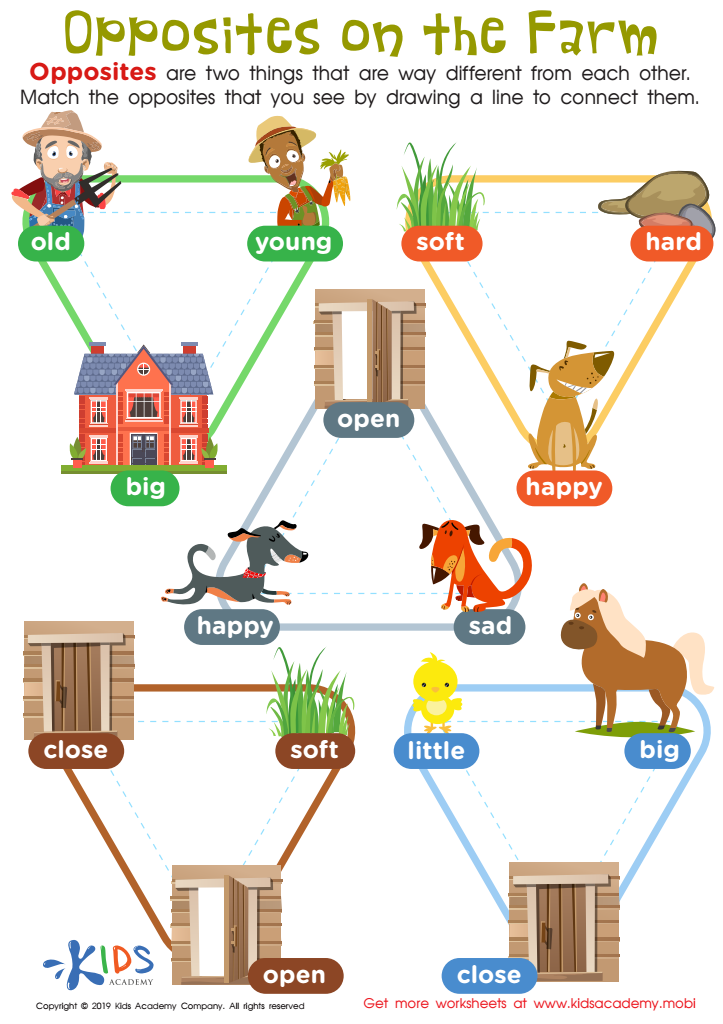
Opposites on the Farm Worksheet
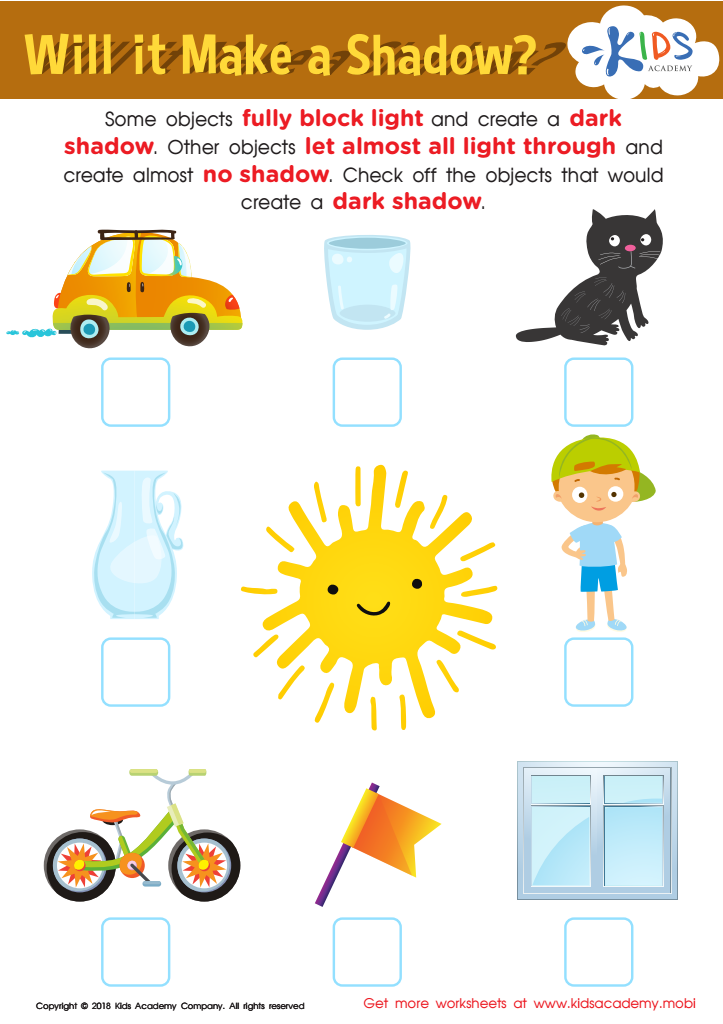
Will It Make a Shadow? Worksheet
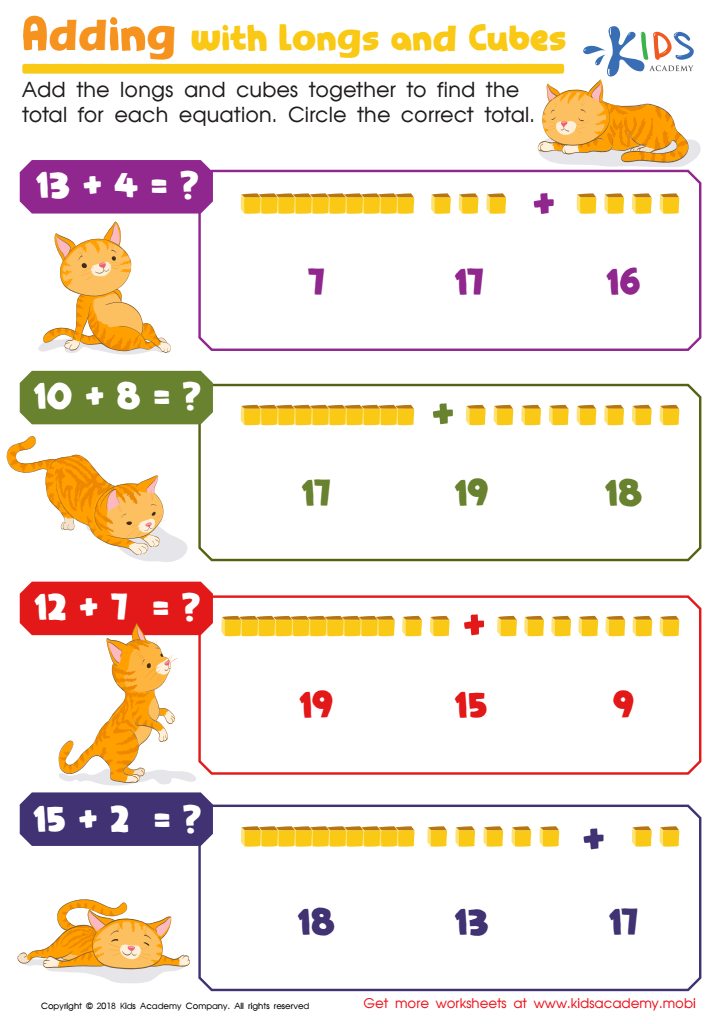
Adding With Longs and Cubes Worksheet
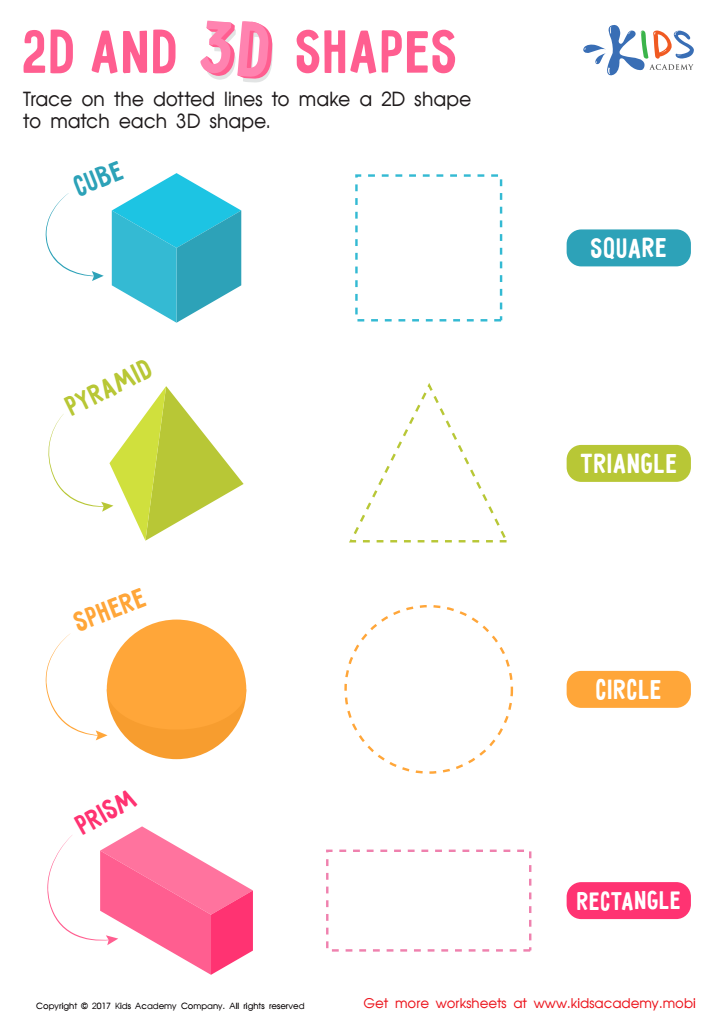
2D and 3D Shapes Worksheet

Pawns Bingo Worksheet
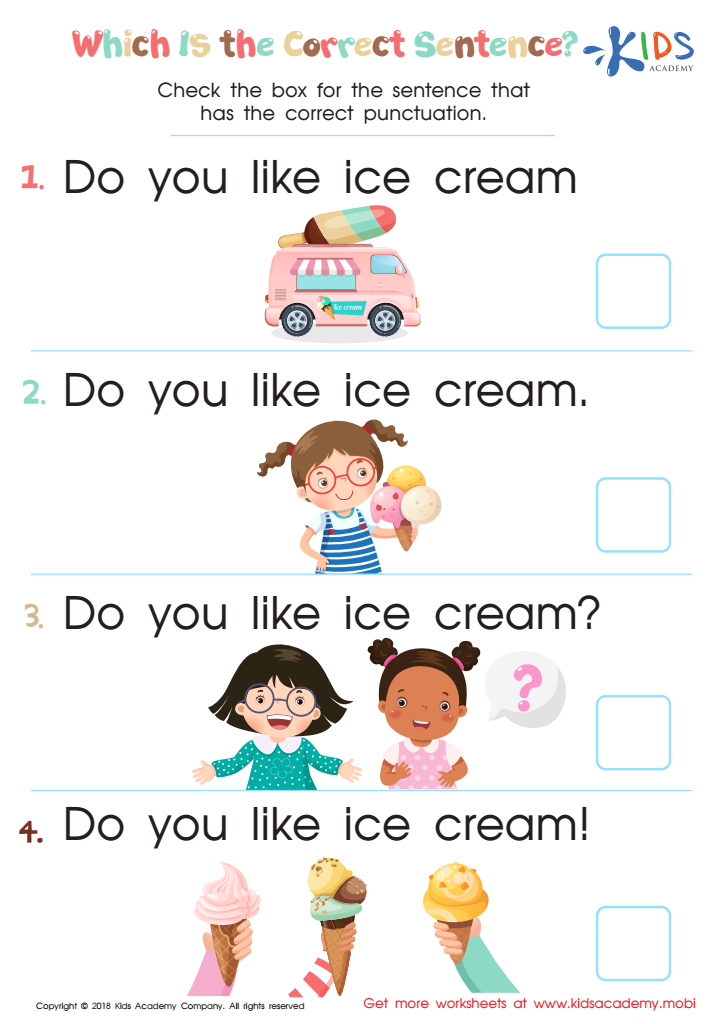
Which is the Correct Sentence? Worksheet
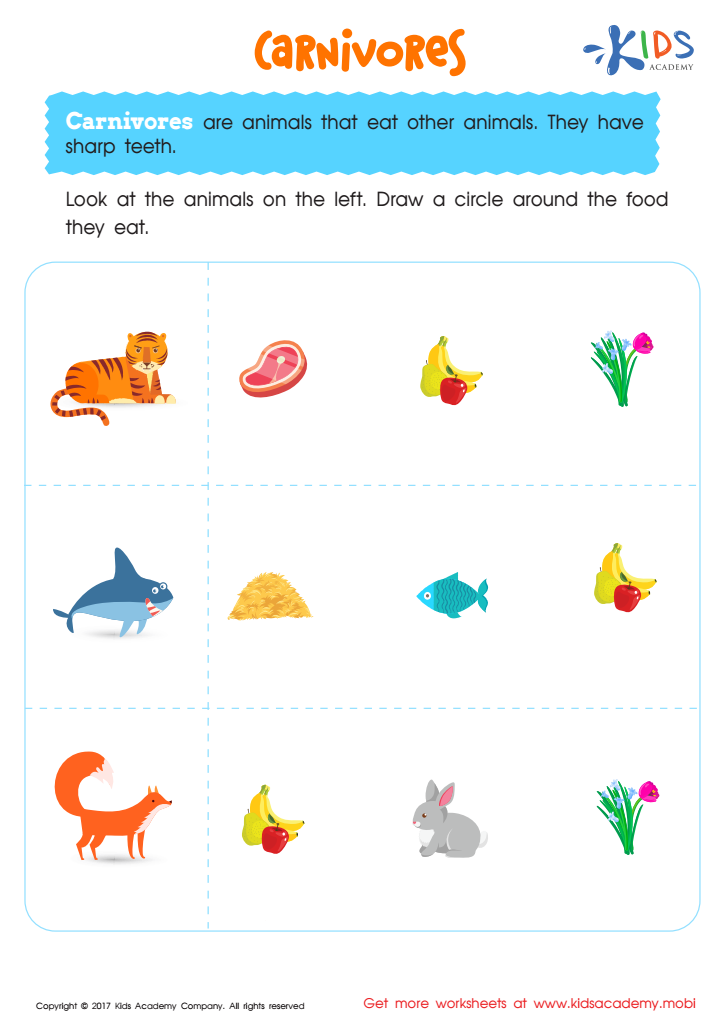
Carnivores Worksheet
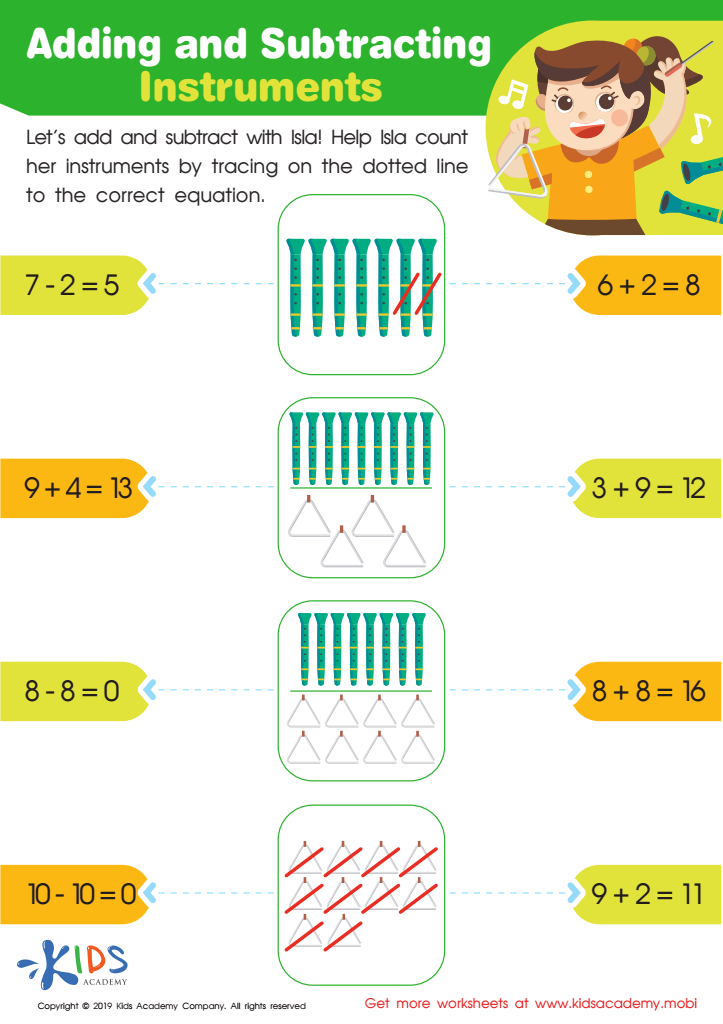
Adding and Subtracting: Instruments Worksheet
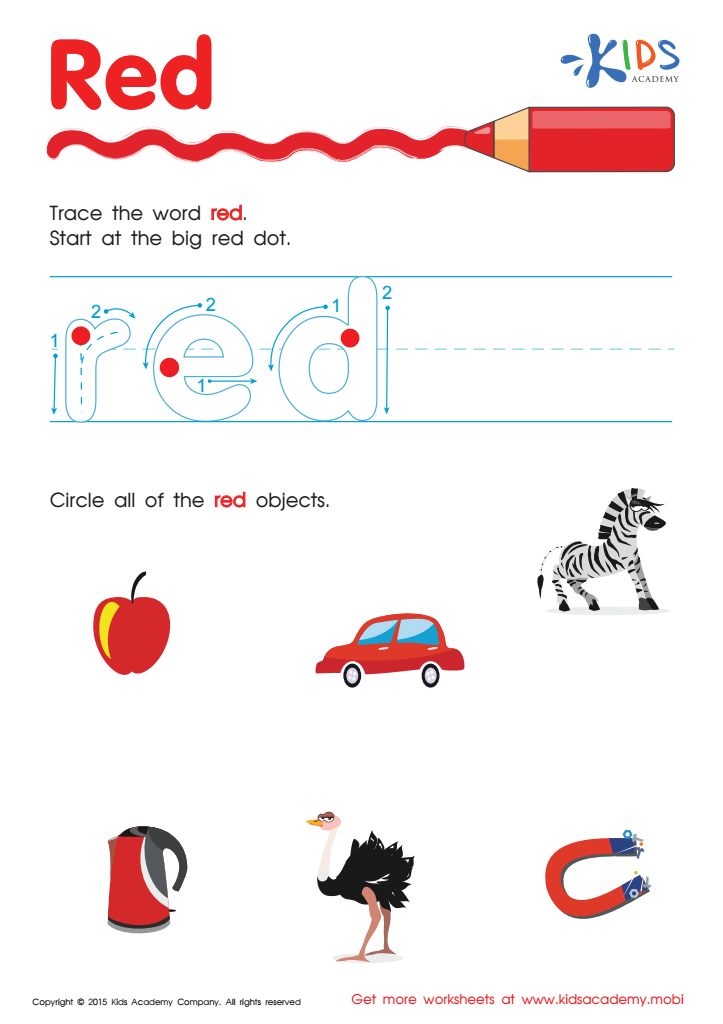
Red Tracing Color Words Printable
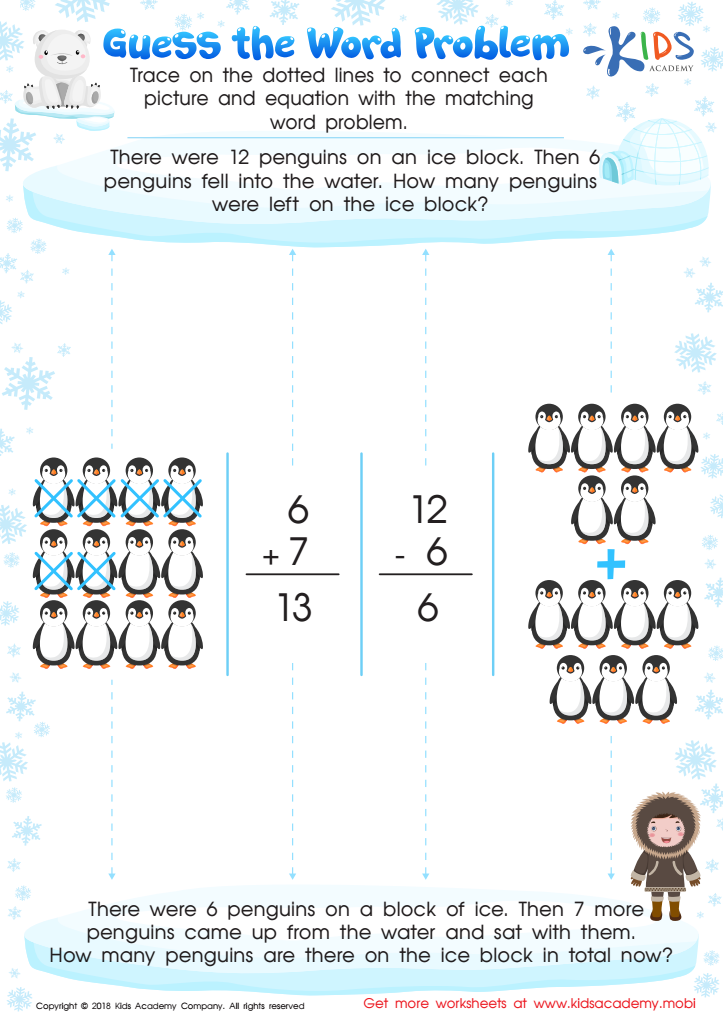
Guess the Word Problem Worksheet







Understanding cognitive development in 6-year-olds is crucial for parents and teachers because it serves as the bedrock for future learning and overall intellectual growth. At this age, children are transitioning from the preoperational stage to the beginning stages of concrete operational thinking, as outlined by developmental psychologist Jean Piaget. This period is marked by a significant increase in logical thinking, problem-solving abilities, and a greater understanding of concepts such as time, numbers, and cause-and-effect relationships.
This stage lays the foundation for academic skills like reading, writing, and arithmetic, which are essential for future success in school. Engaging children in activities that stimulate cognitive development, such as puzzles, educational games, and storytelling, aids in enhancing concentration, memory, and critical thinking skills. Moreover, fostering a rich environment where children can explore, ask questions, and express their creativity encourages a lifelong love of learning.
Additionally, strong cognitive skills contribute to emotional and social development by enabling children to better understand and manage their feelings and interactions with others. This holistic growth ensures that children are well-prepared to meet not just the immediate demands of first grade but also the challenges of subsequent educational experiences, setting the stage for well-rounded personal and academic success.








