Number Recognition Tracing Numbers Worksheets for 6-Year-Olds
28 filtered results
-
From - To
Boost your child's mathematical foundation with our "Number Recognition Tracing Numbers Worksheets for 6-Year-Olds." These engaging and educational printables provide an effective way for young learners to practice identifying and tracing numbers. Designed specifically for first graders, each worksheet combines fun number-themed activities with educational techniques that promote fine motor skills and reinforce number recognition. Kids will love the playful approach, while parents and teachers can appreciate the structured practice and improved handwriting proficiency. Perfect for home, school, or on-the-go learning. Enhance your child's math skills and boost their confidence with our expertly crafted worksheets today.
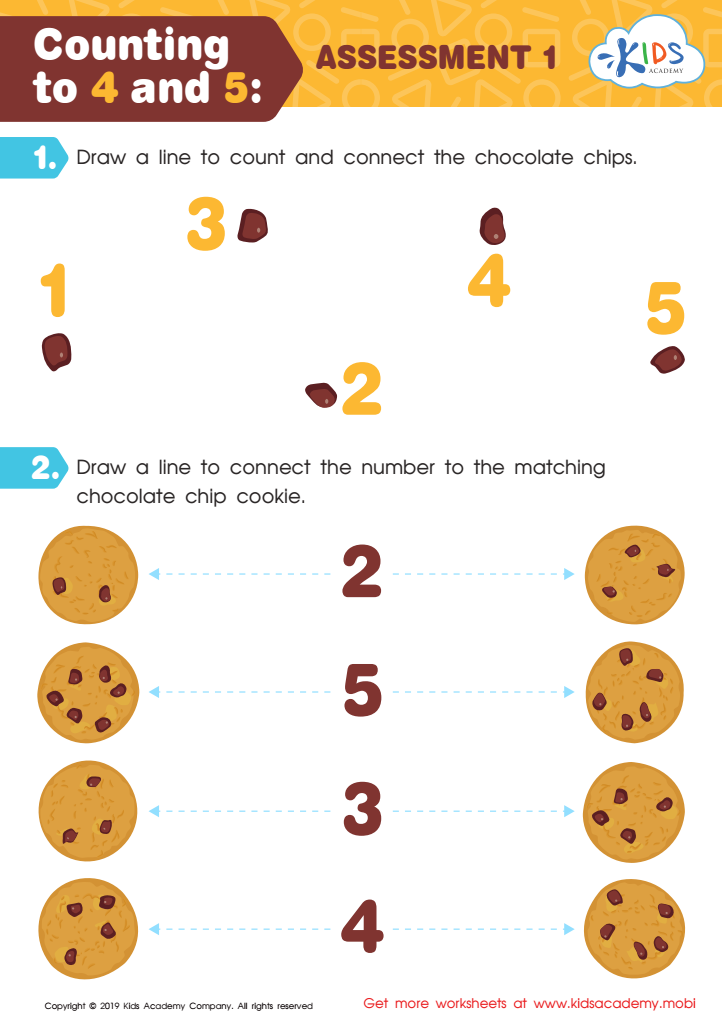
Counting to 4 and 5: Assessment 1 Worksheet
 Assign to My Students
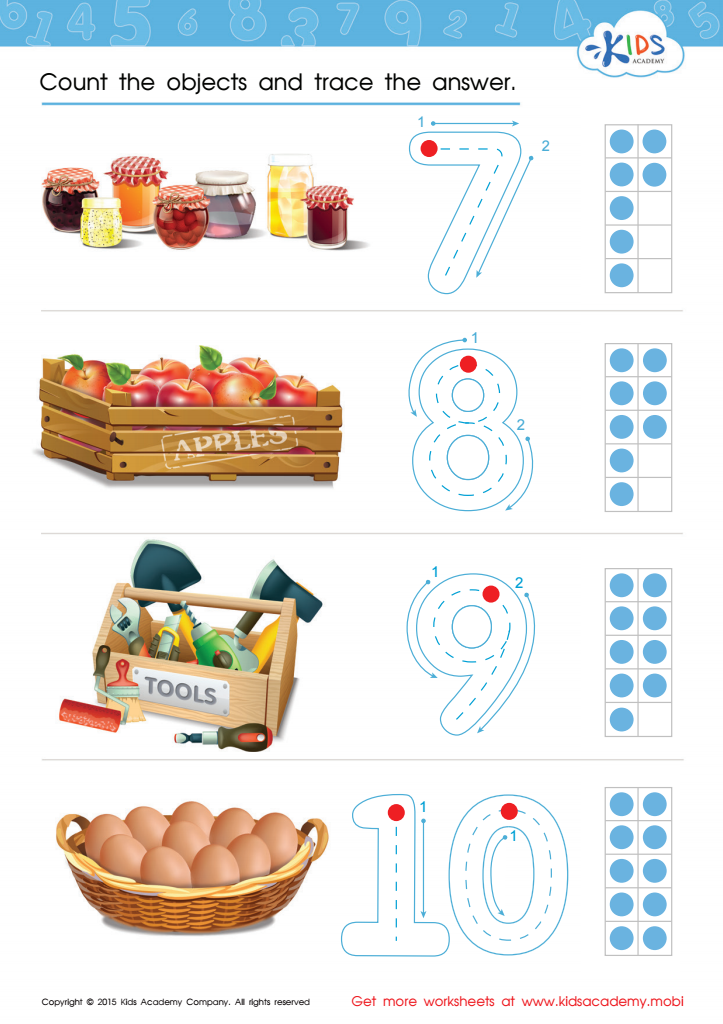
Count and Trace 7 – 10 Worksheet
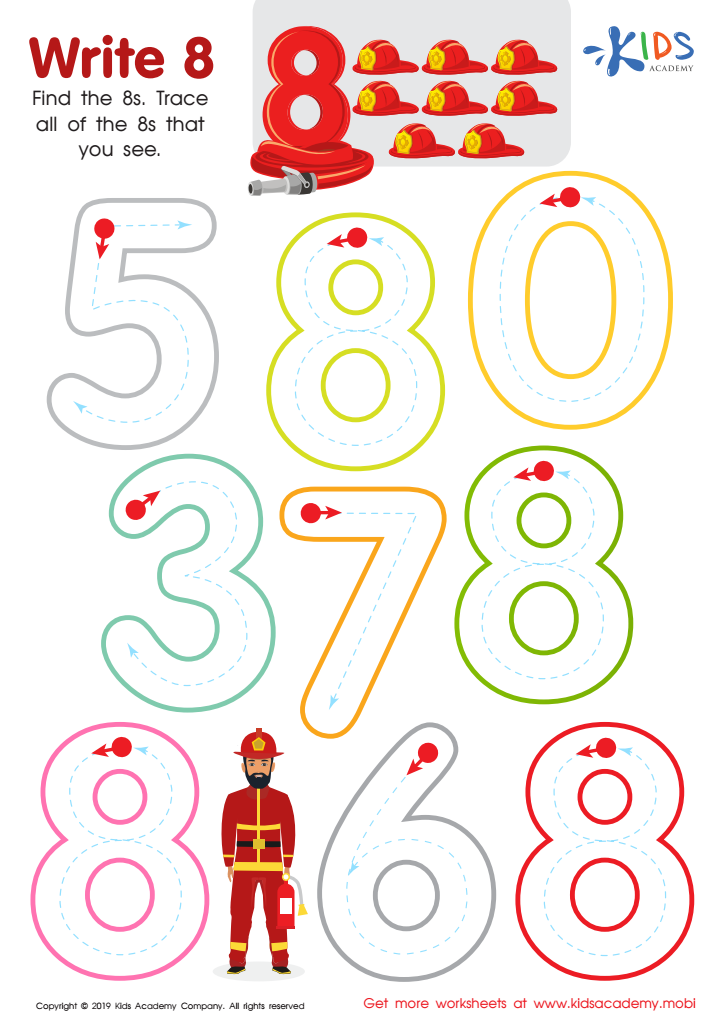
Write 8 Worksheet
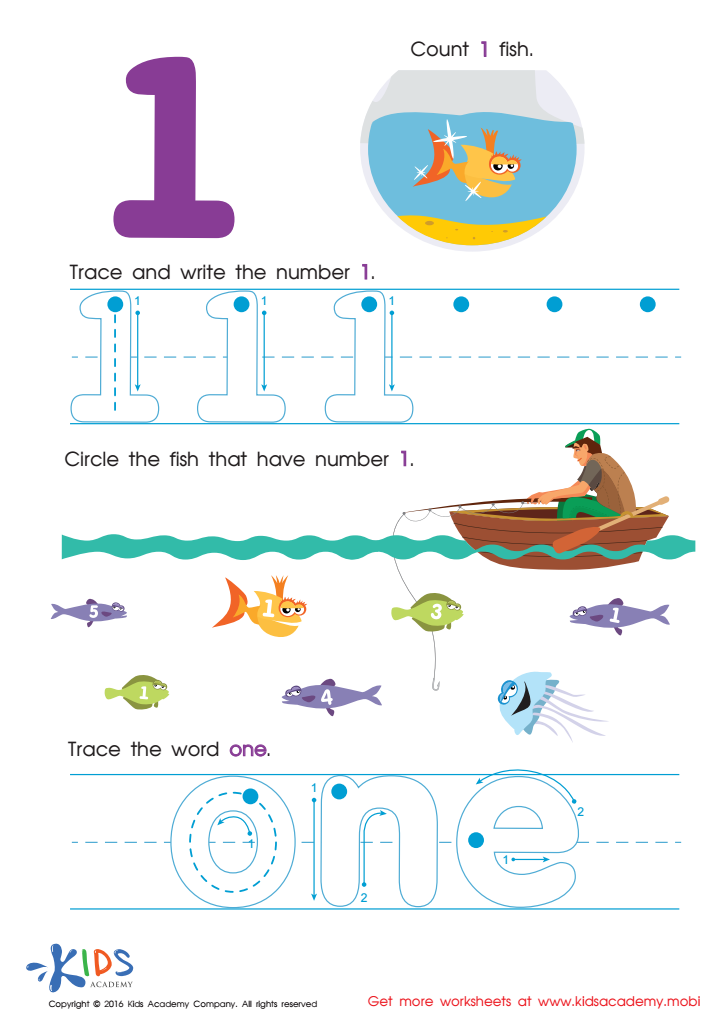
Learning to Write 1 Worksheet
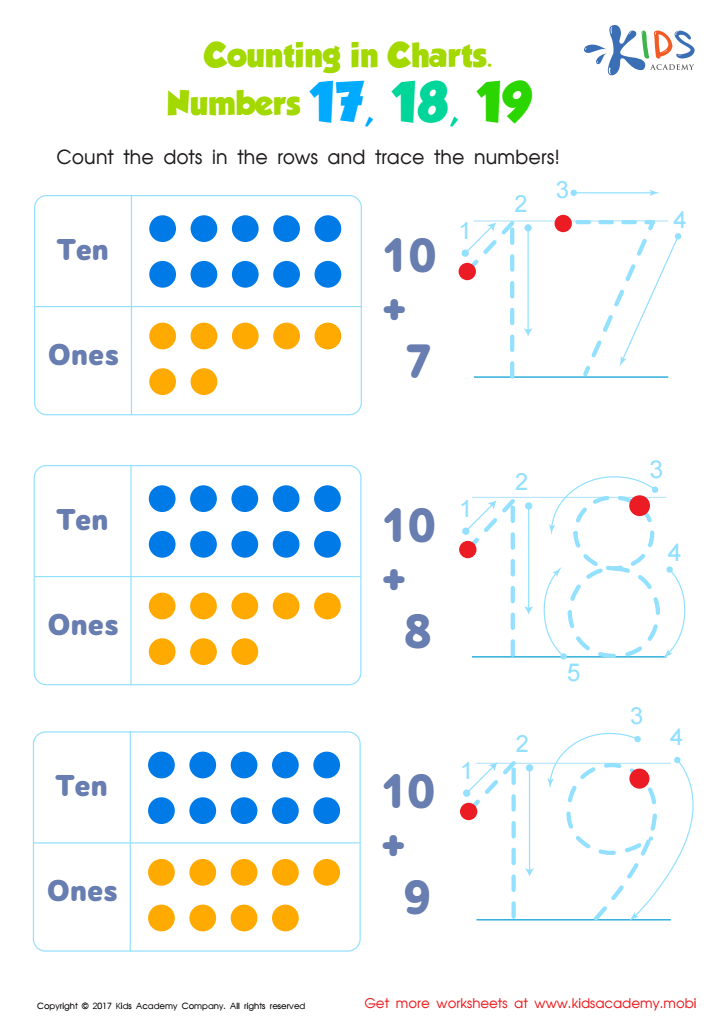
Kindergarten Number Tracing: Counting in Charts Worksheet
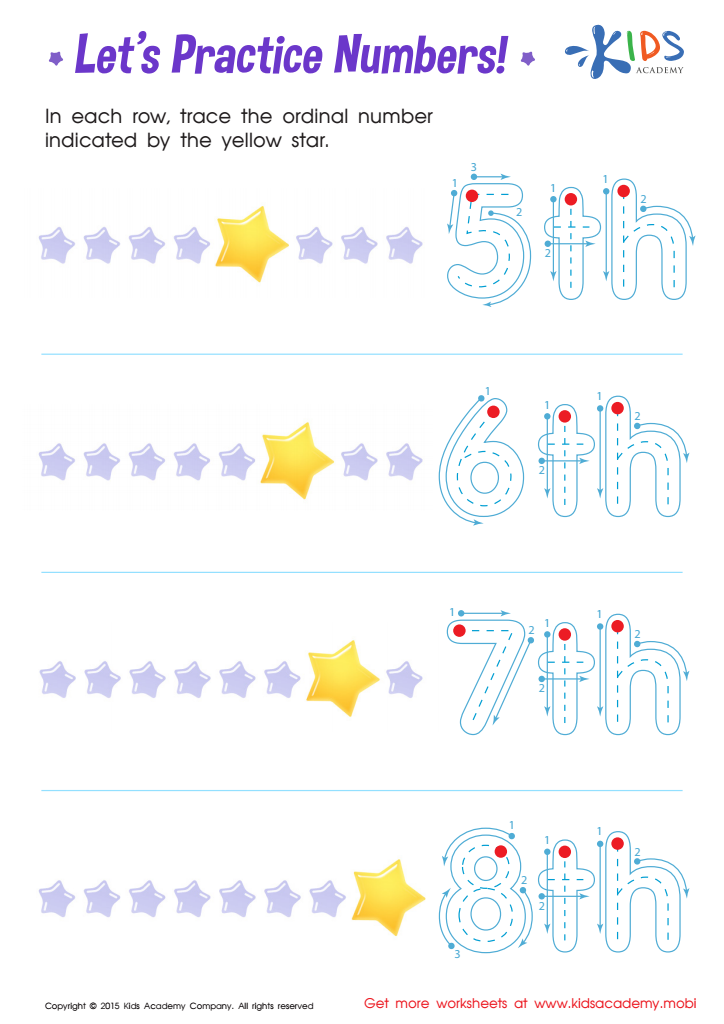
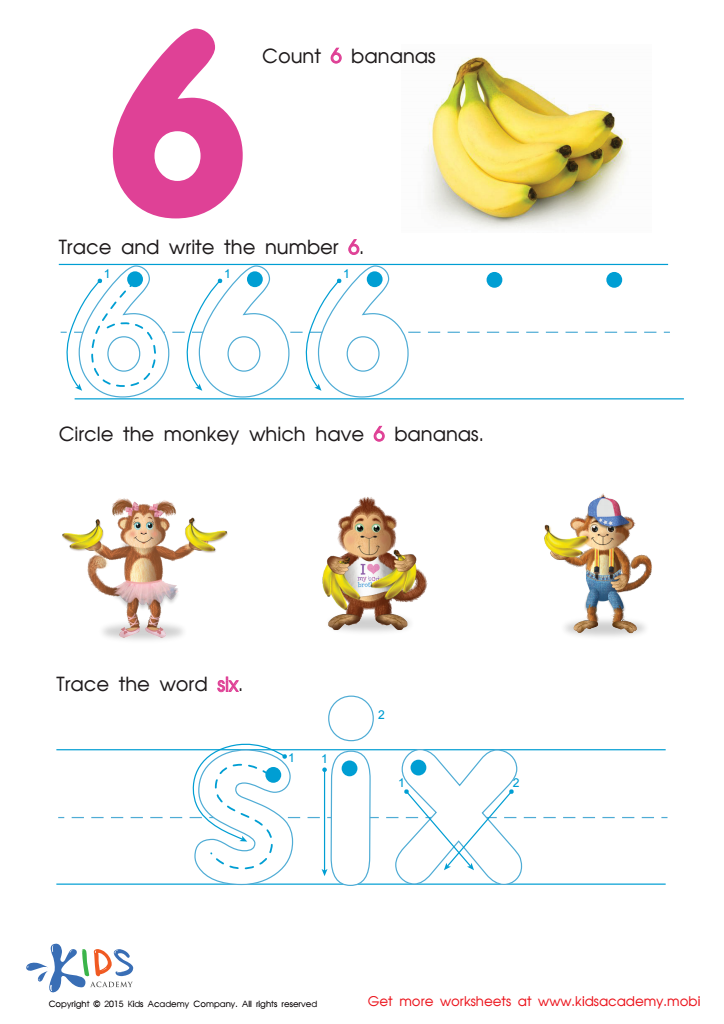
Tracing And Writing Number 6 Worksheet
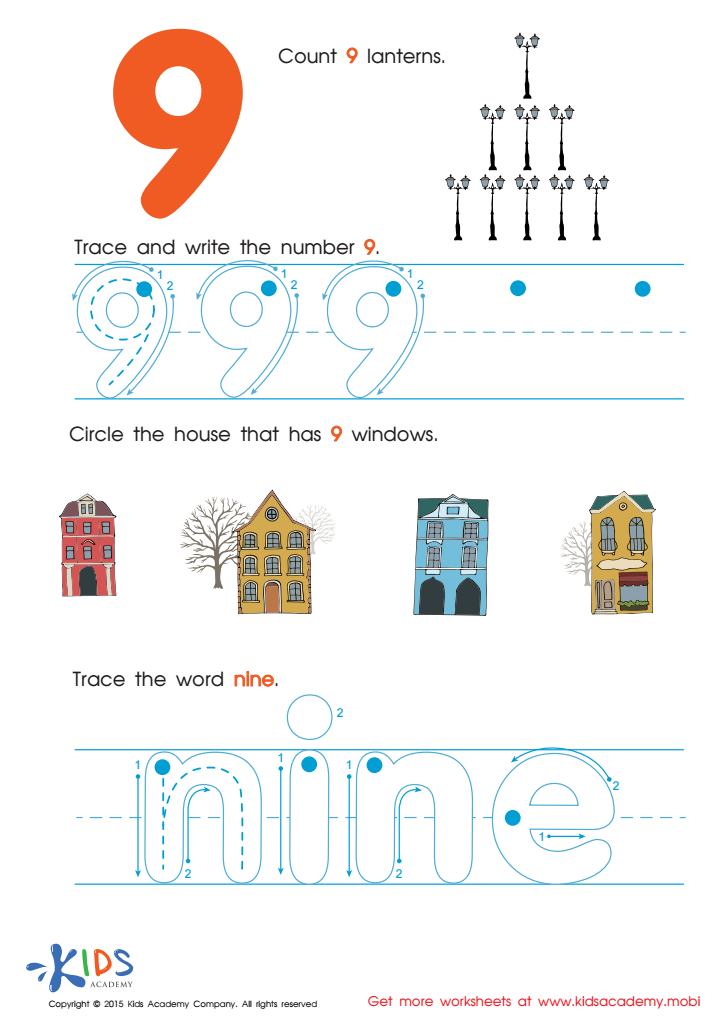
Tracing And Learning to Write Number 9 Worksheet
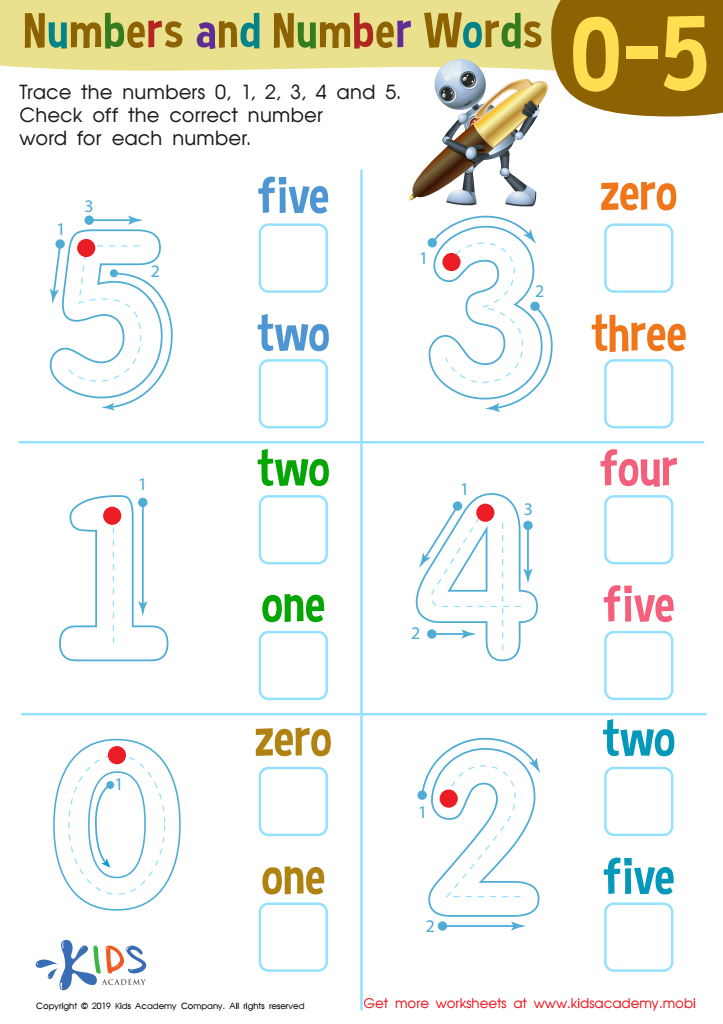
Numbers and Number Words Worksheet
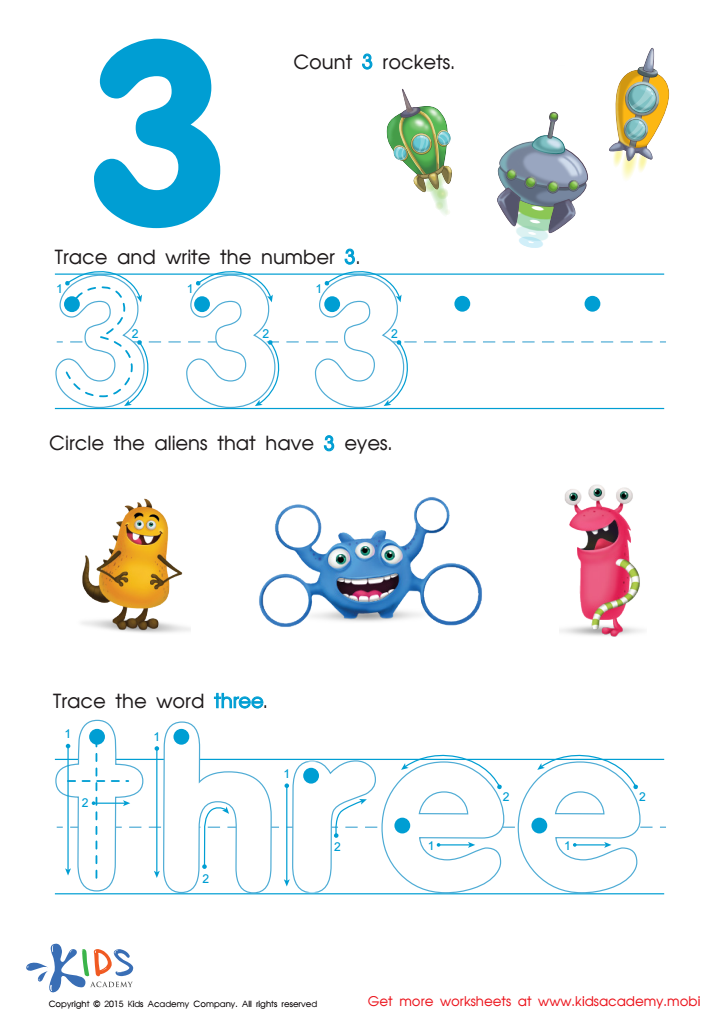
Learning Number Three Worksheet
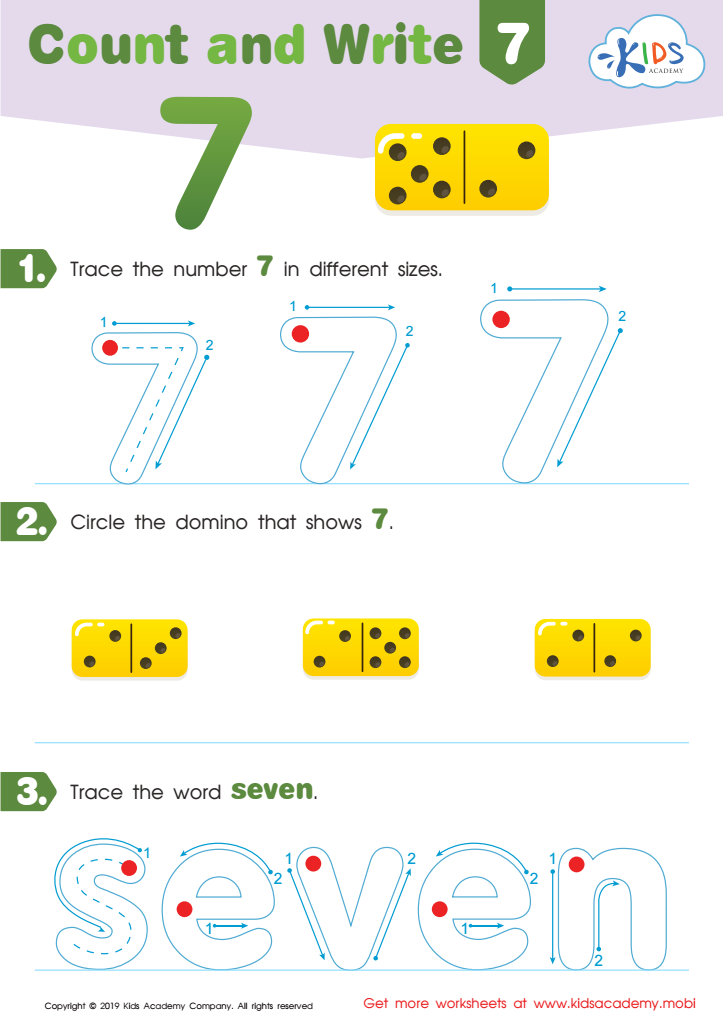
Count and Write 7 Worksheet
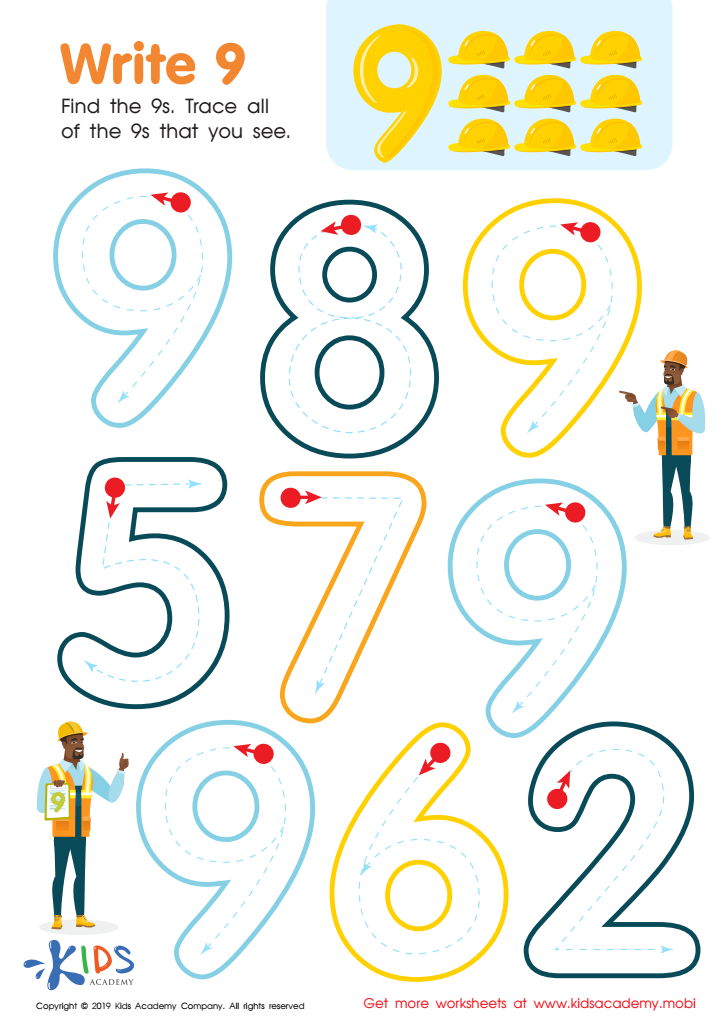
Write 9 Worksheet
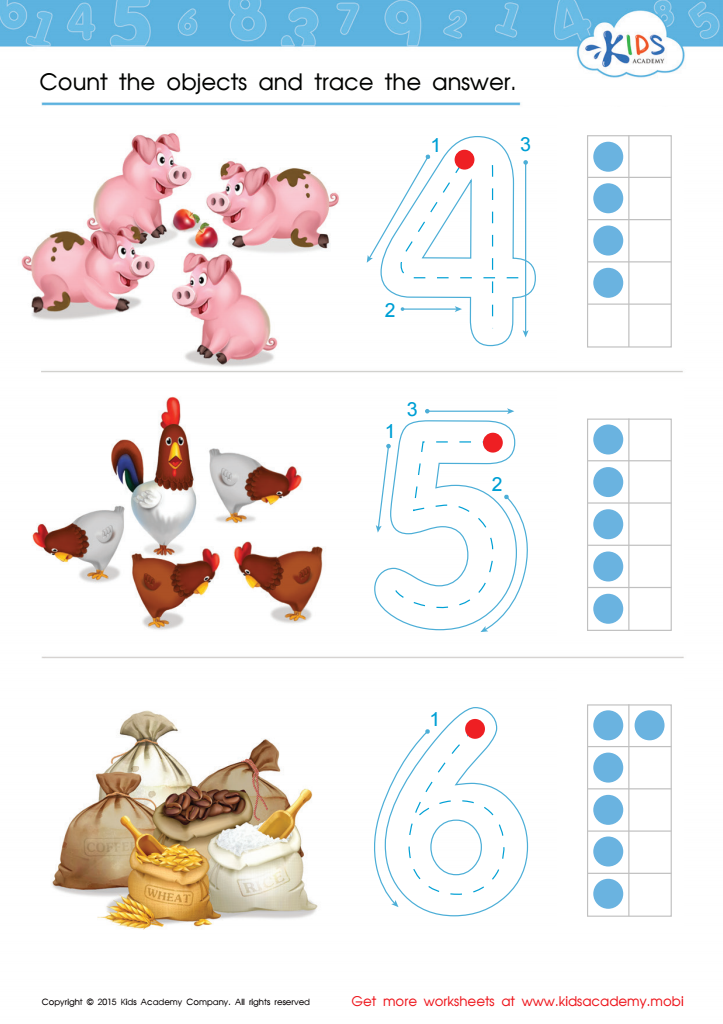
Count and Trace 4 – 6 Worksheet
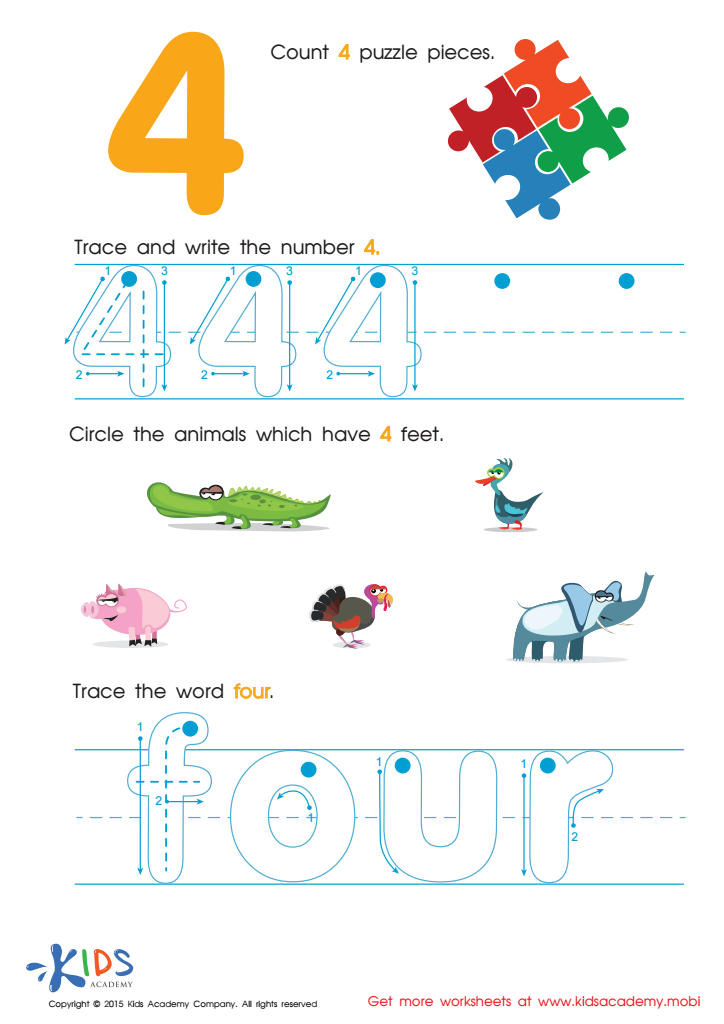
Teaching Children to Write Number 4 Worksheet
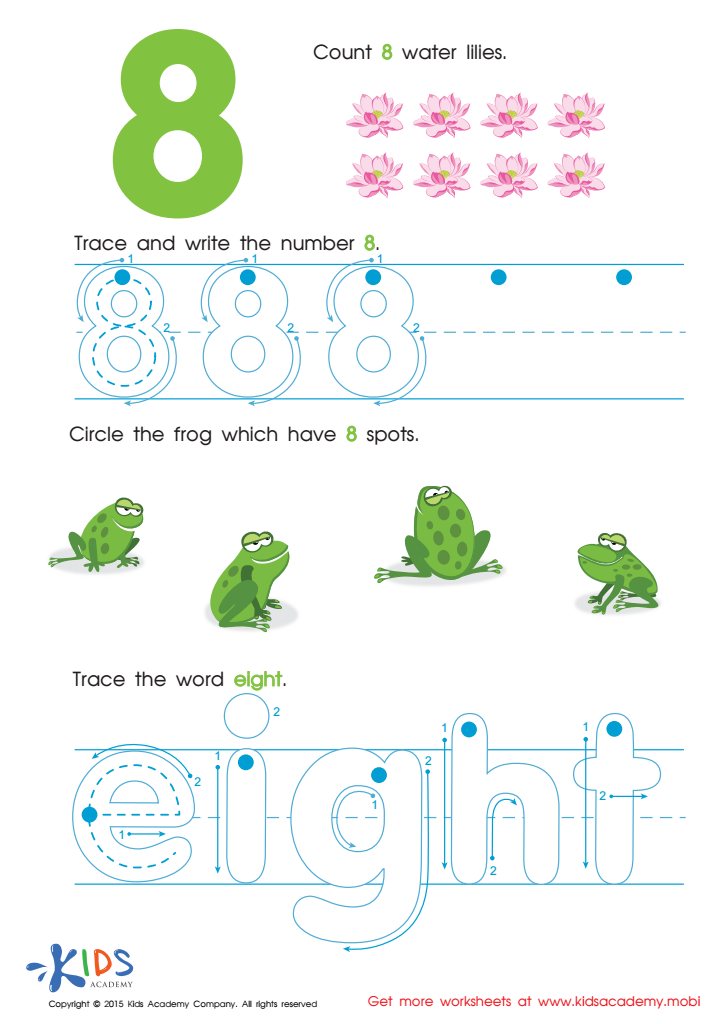
Learn Number 8 Easily Worksheet
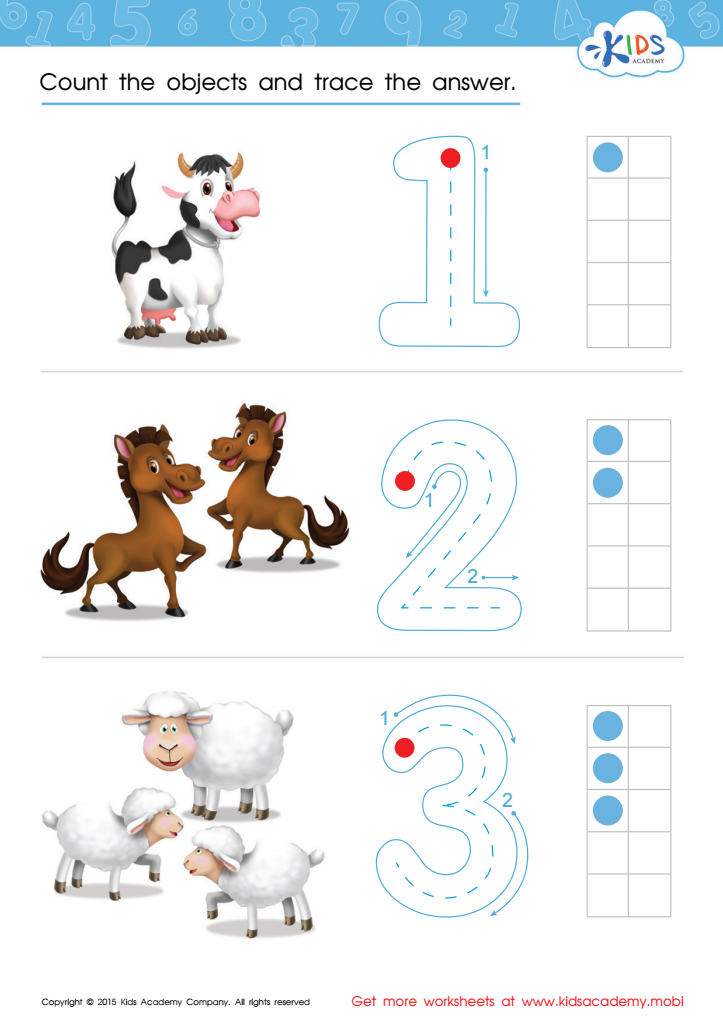
Count and Trace 1 – 3 Worksheet
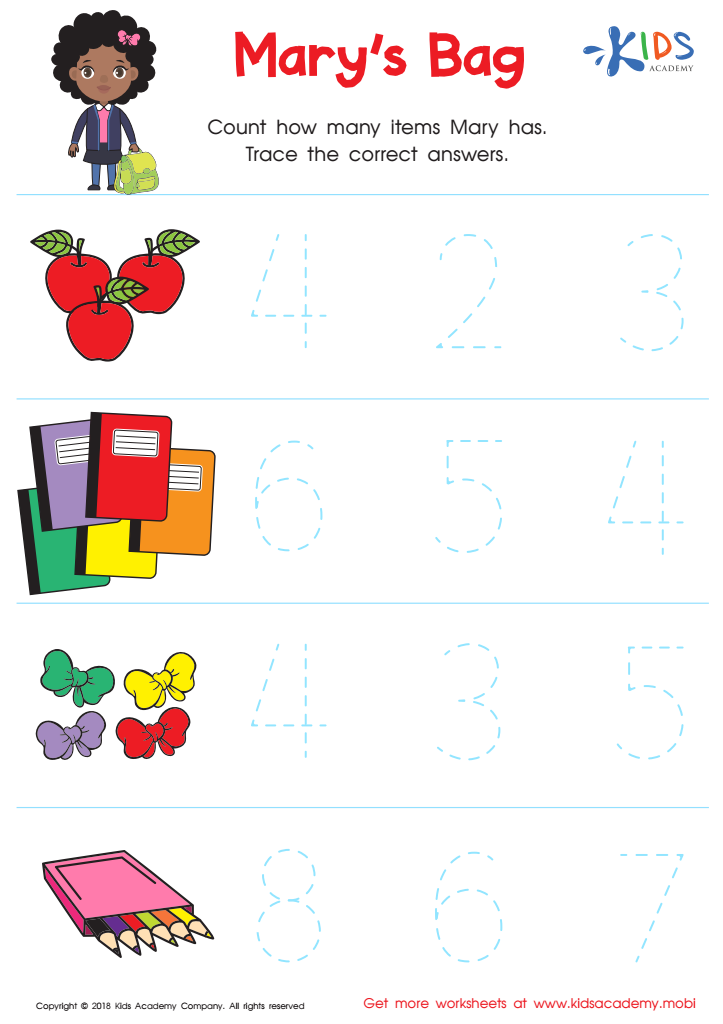
Kindergarten Number Tracing: Mary's Bag Worksheet
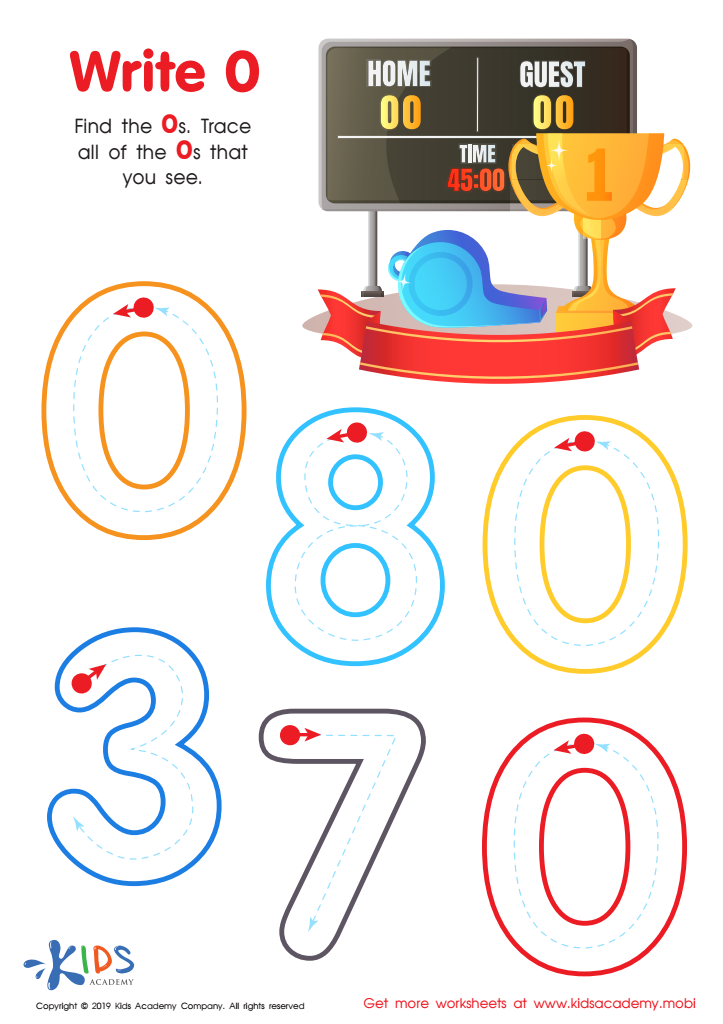
Write 0 Worksheet
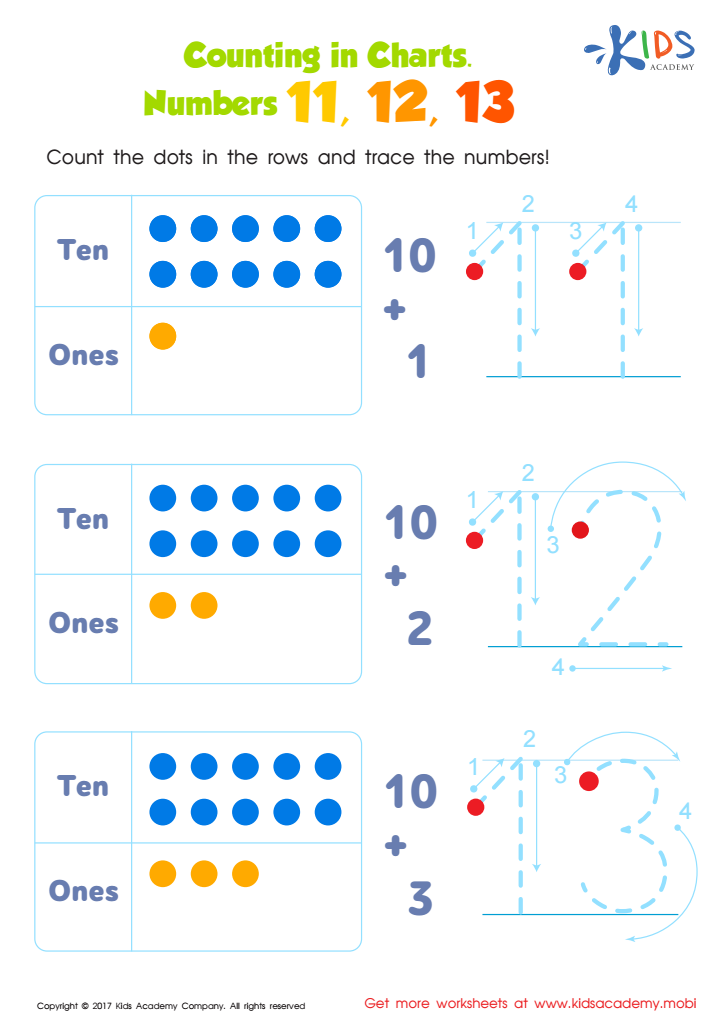
Number Tracing Worksheet For Kindergarten
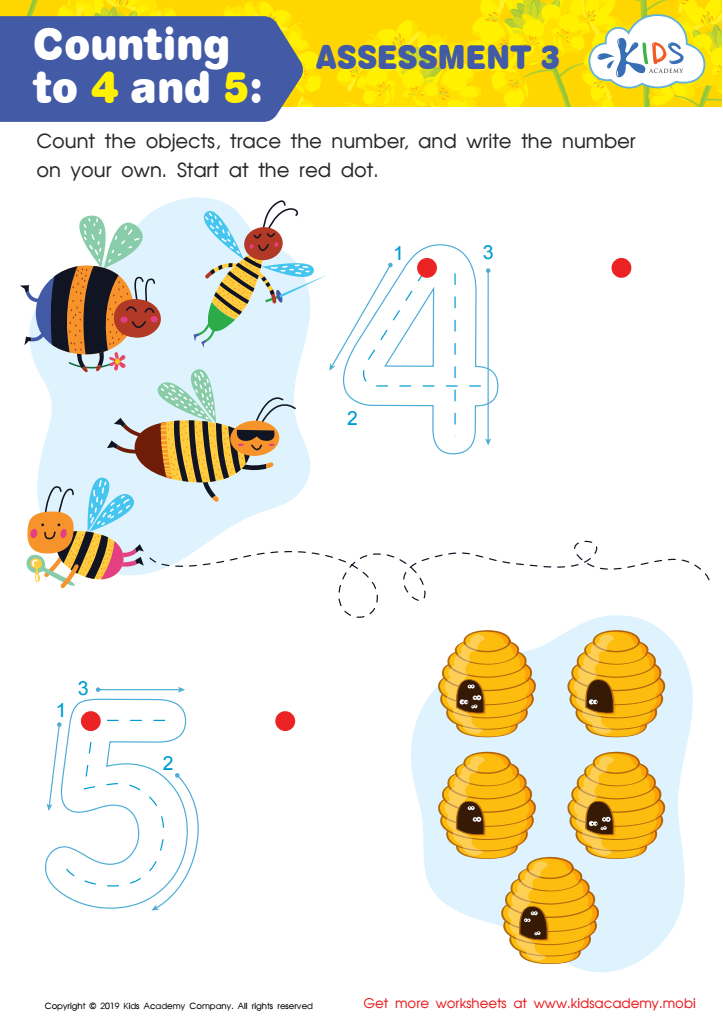
Counting to 4 and 5: Assessment 3 Worksheet
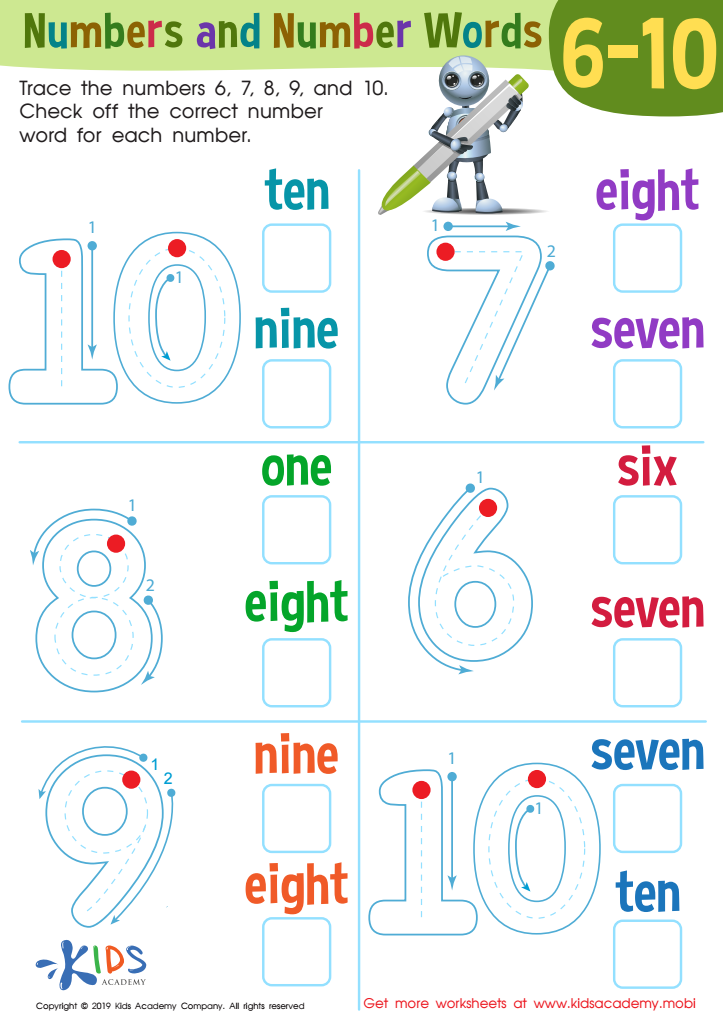
Numbers and Number Words 6–1 Worksheet
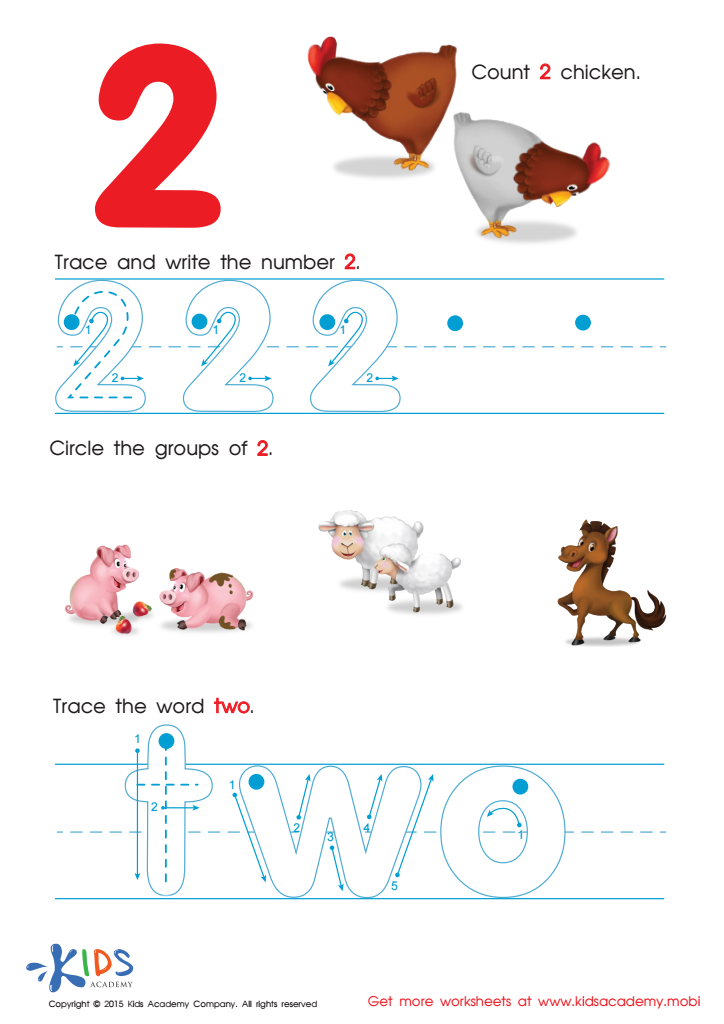
Learn to Write the Number 2 Worksheet
Number Tracing Worksheet

Count the Cherries and Trace the Number 10 Printable








Number recognition and tracing numbers are foundational skills crucial for 6-year-olds as they begin their journey in formal education. Parents and teachers should care about these activities because they lay the groundwork for crucial cognitive and academic development.
Number recognition helps children understand and identify numbers, which is fundamental for mathematics. It supports the ability to perform basic arithmetic operations, understand sequences, and recognize patterns—skills necessary for more advanced mathematical concepts.
Tracing numbers, on the other hand, enhances fine motor skills, hand-eye coordination, and muscle memory. As children repeatedly trace numbers, they develop better control over writing instruments, which is essential for handwriting and, subsequently, overall academic performance.
Moreover, these activities bolster children's confidence and independence. Successfully recognizing and tracing numbers gives them a sense of achievement, instilling a positive attitude towards learning. This early success can spark an interest in mathematics and other interconnected subjects like science and technology.
Incorporating number recognition and tracing into daily routines also fosters a structured learning environment, promoting consistency and discipline in educational habits. Interaction with caregivers during these activities further enriches children's social skills and emotional bonding, ensuring a well-rounded developmental experience.