Story sequencing Reading Comprehension Worksheets for 6-Year-Olds
17 filtered results
-
From - To
Enhance your 6-year-old’s reading comprehension with our fun and educational Story Sequencing worksheets! Carefully designed to align with age-specific learning standards, these engaging printables help young learners identify and arrange key events in a logical order. As children practice sequencing, they sharpen critical thinking skills and develop a deeper understanding of narrative structure. With colorful illustrations and relatable stories, each worksheet is crafted to make learning enjoyable and effective. Perfect for both classroom and at-home activities, our Story Sequencing worksheets are an excellent resource to support your child's literacy journey. Start exploring today for happier, more confident young readers!
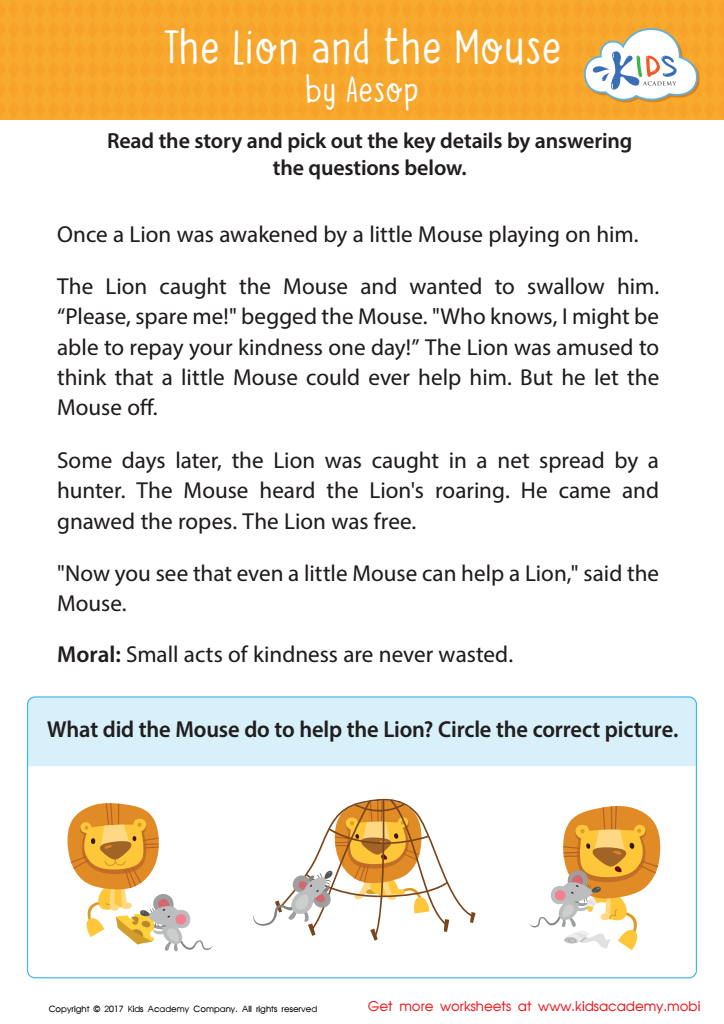
The Lion and The Mouse Sequencing Worksheet
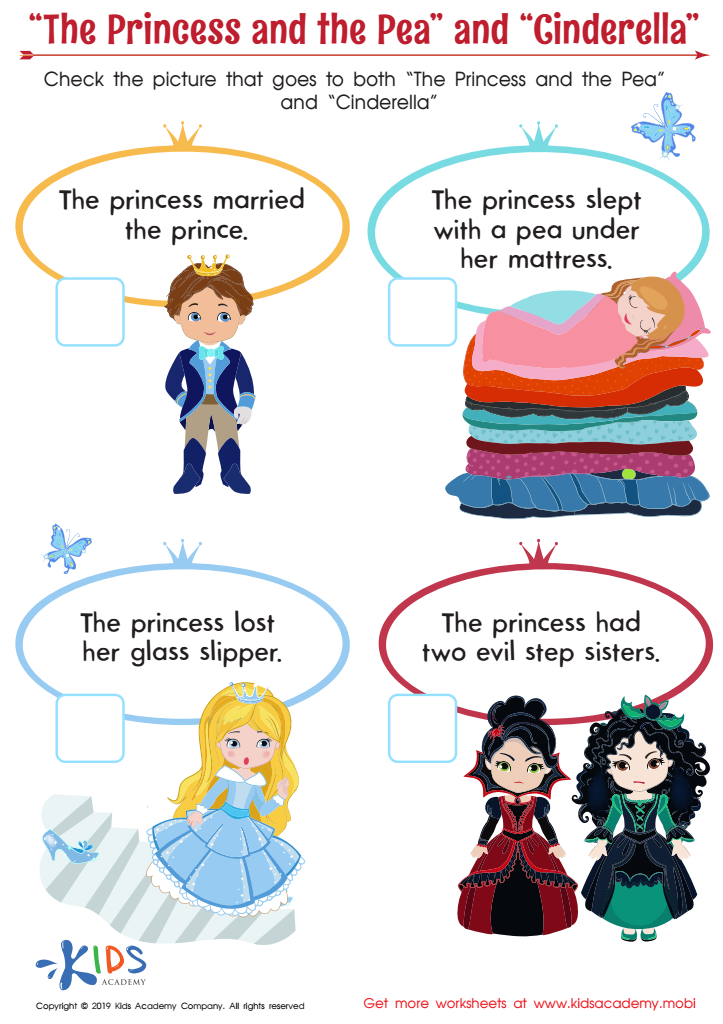
“The Princess and the Pea” and “Cinderella” Worksheet
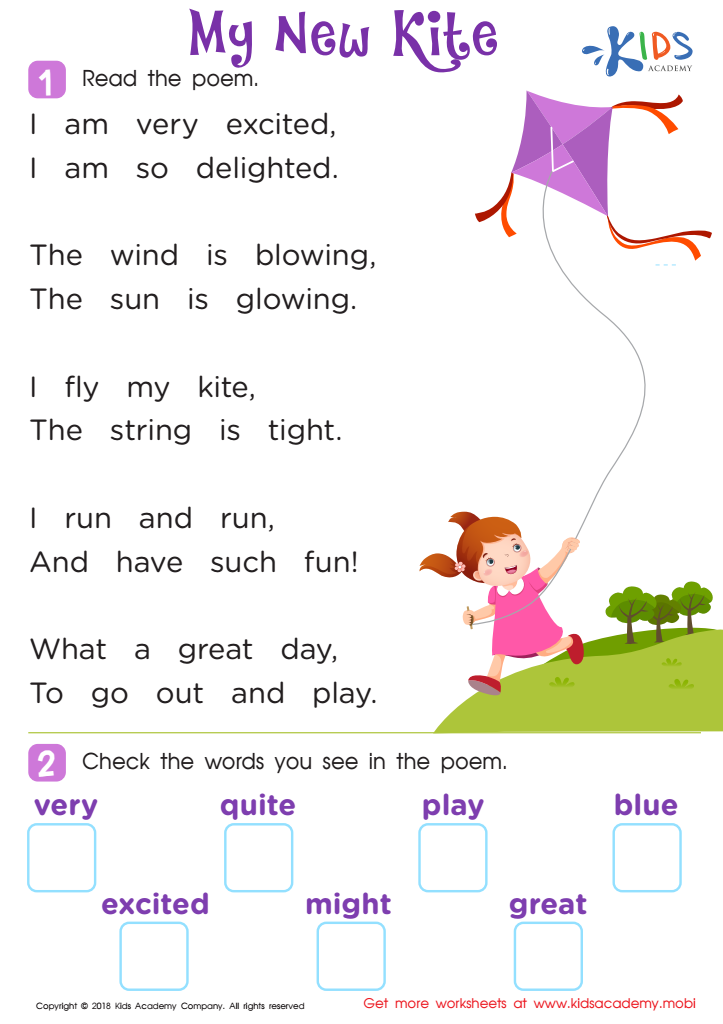
Poem: My New Kite Worksheet
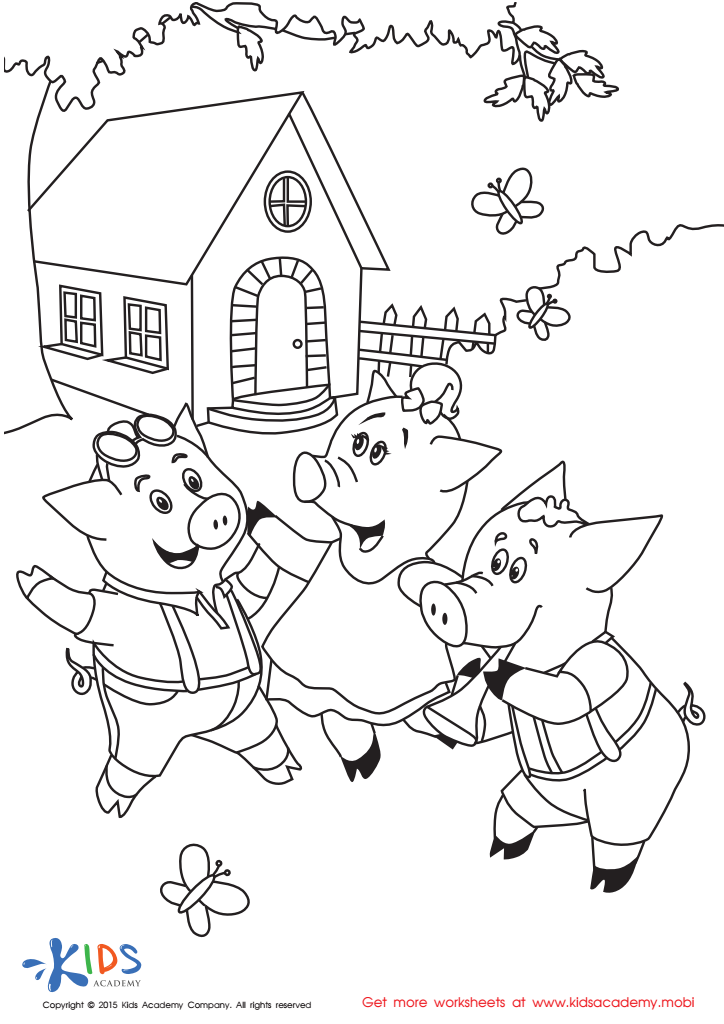
Folktales Printable PDF Worksheet: The 3 Little Pigs
 Assign to My Students
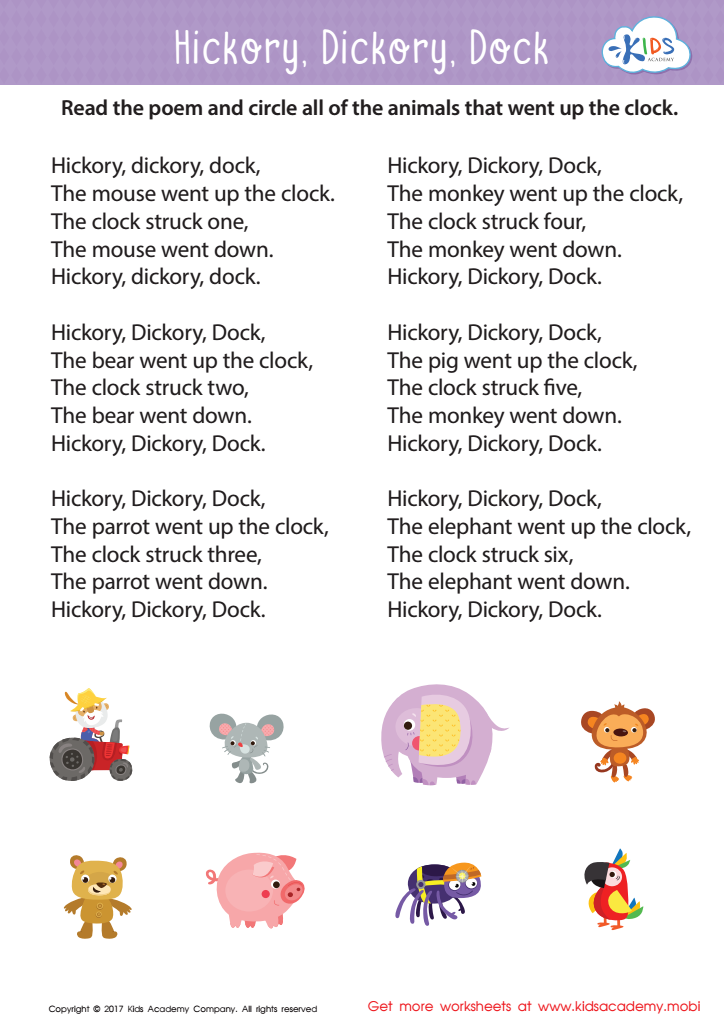
Hickory Dickory Dock Sequencing Worksheet
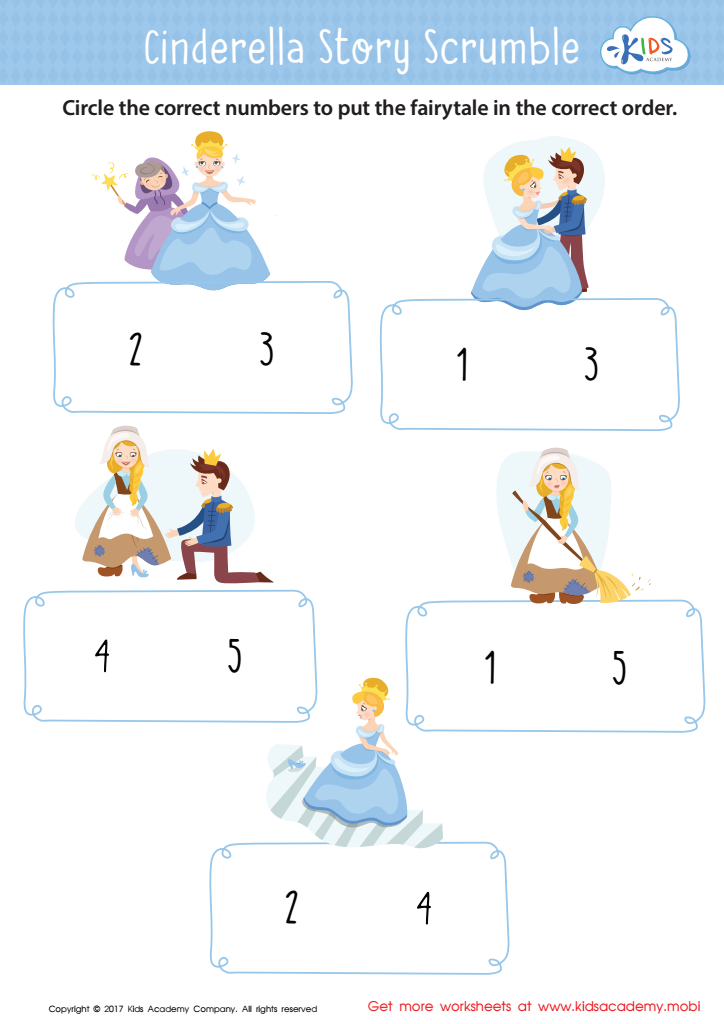
Cinderella Story Sequencing Worksheet
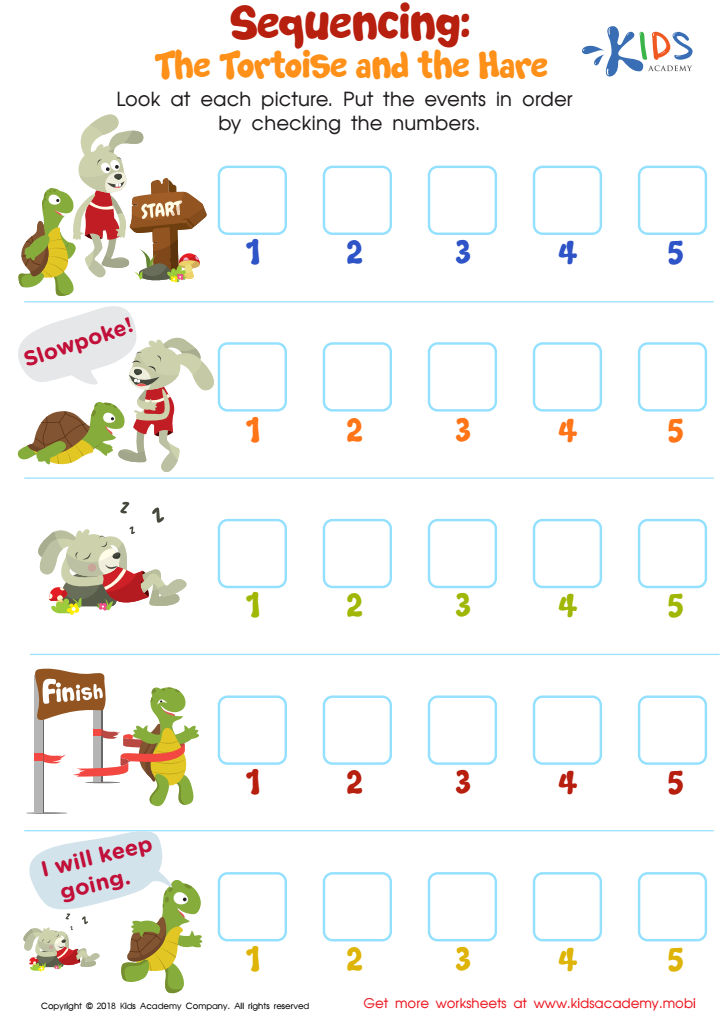
Sequencing: The Tortoise and the Hare Worksheet
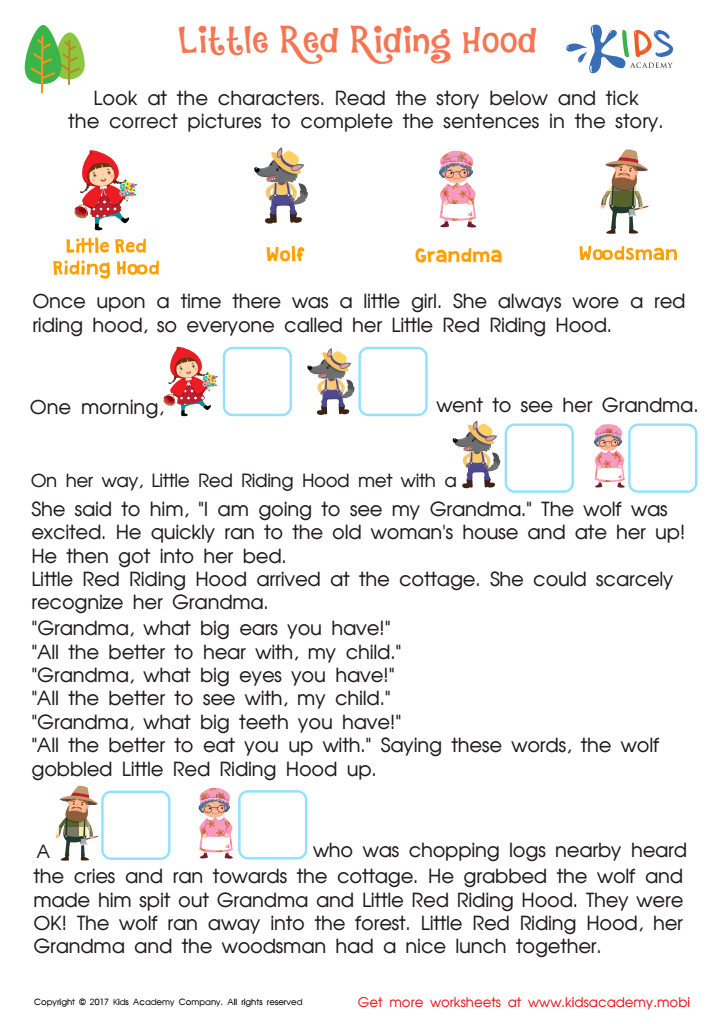
Little Red Riding Hood Printable
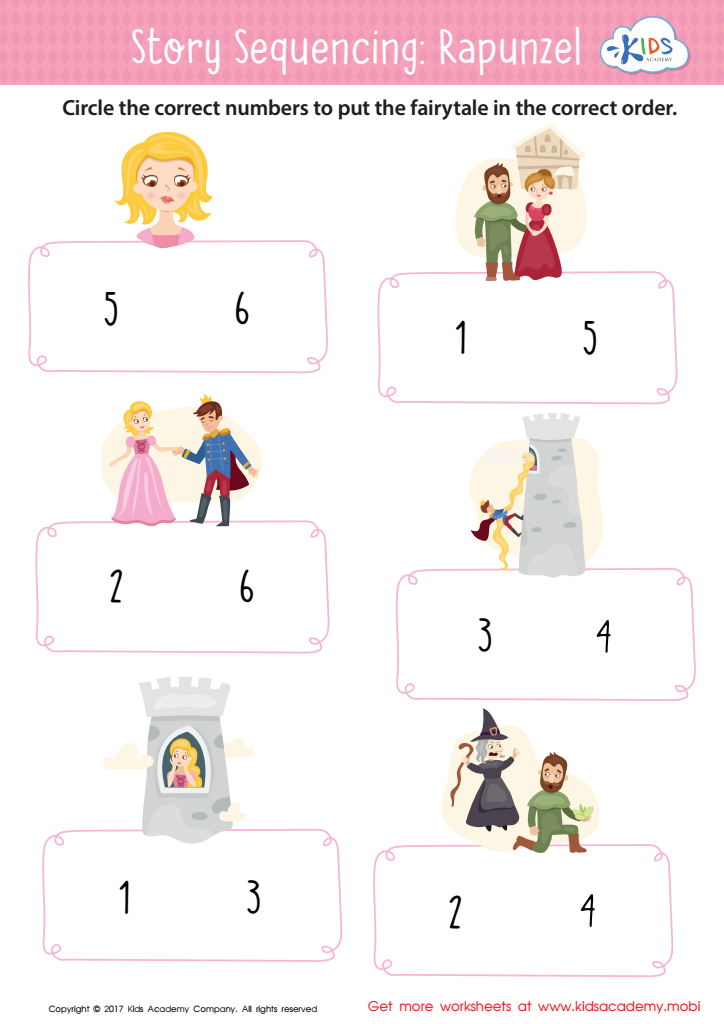
Rapunzel Story Sequencing Worksheet
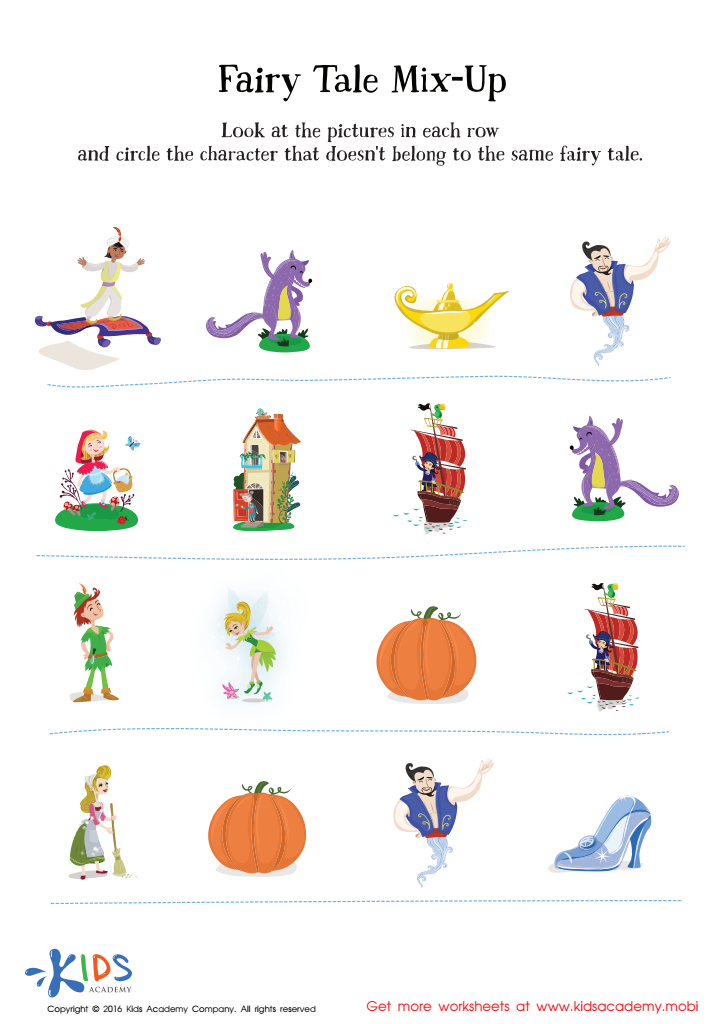
Fairy Tale Worksheet: Story Mix Up
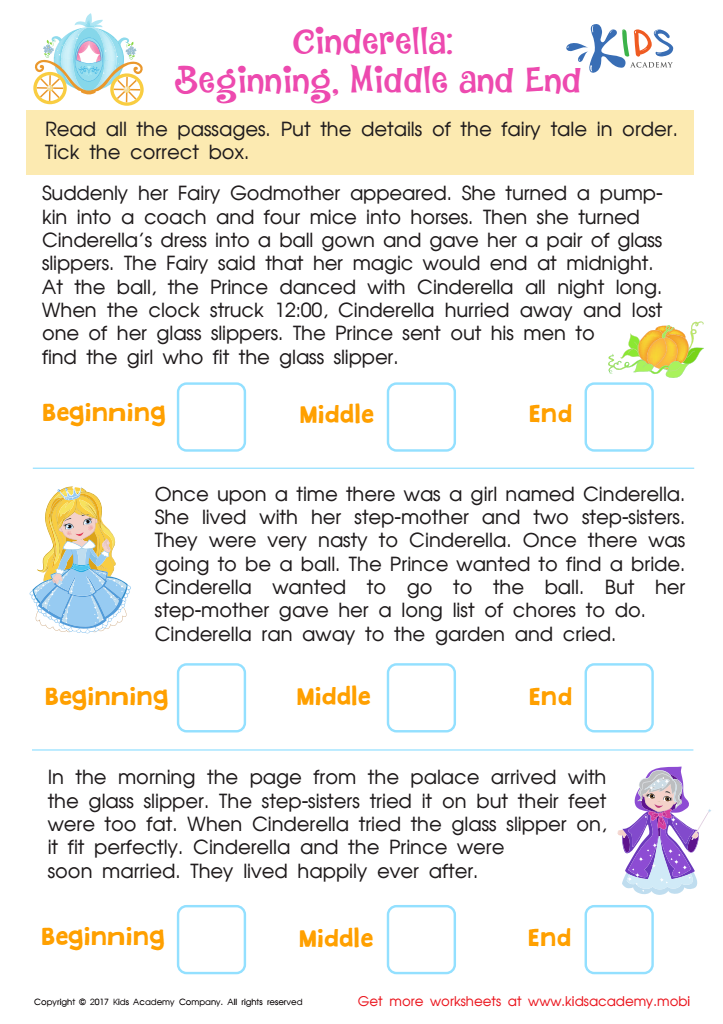
Cinderella: Beginning, Middle and End Worksheet
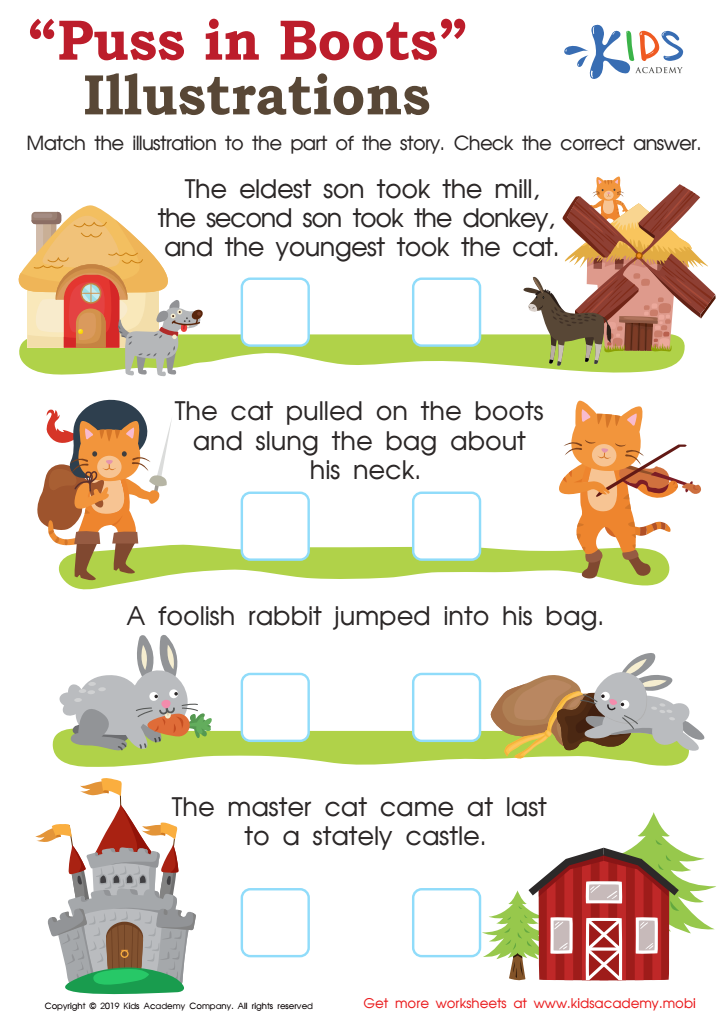
Puss in Boots Illustrations Worksheet
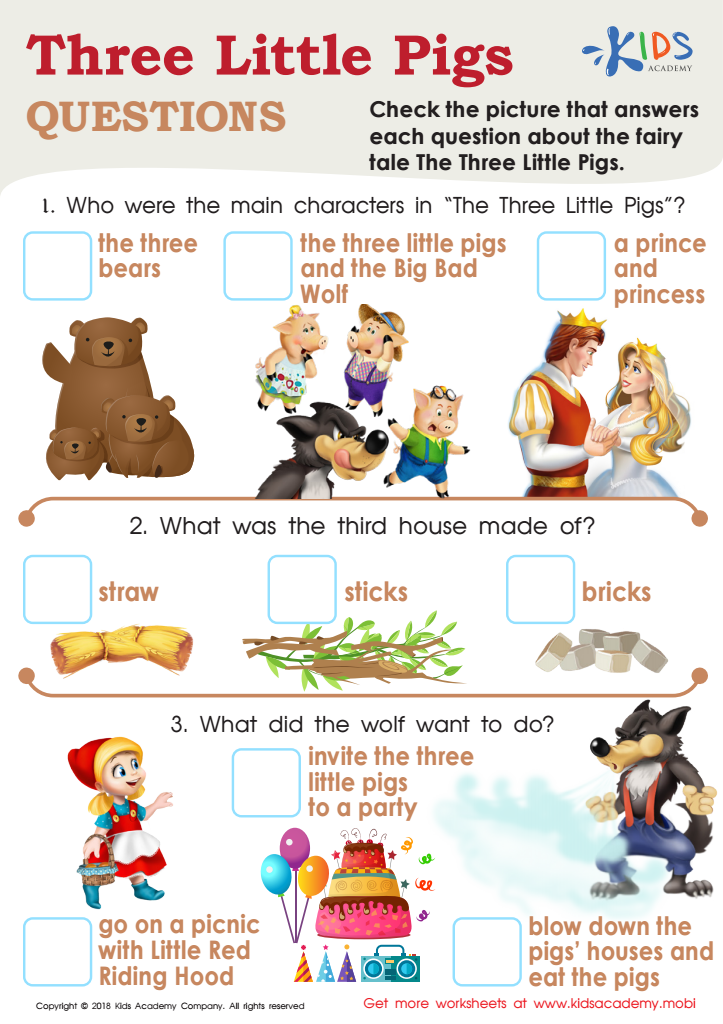
Three Little Pigs Questions Worksheet
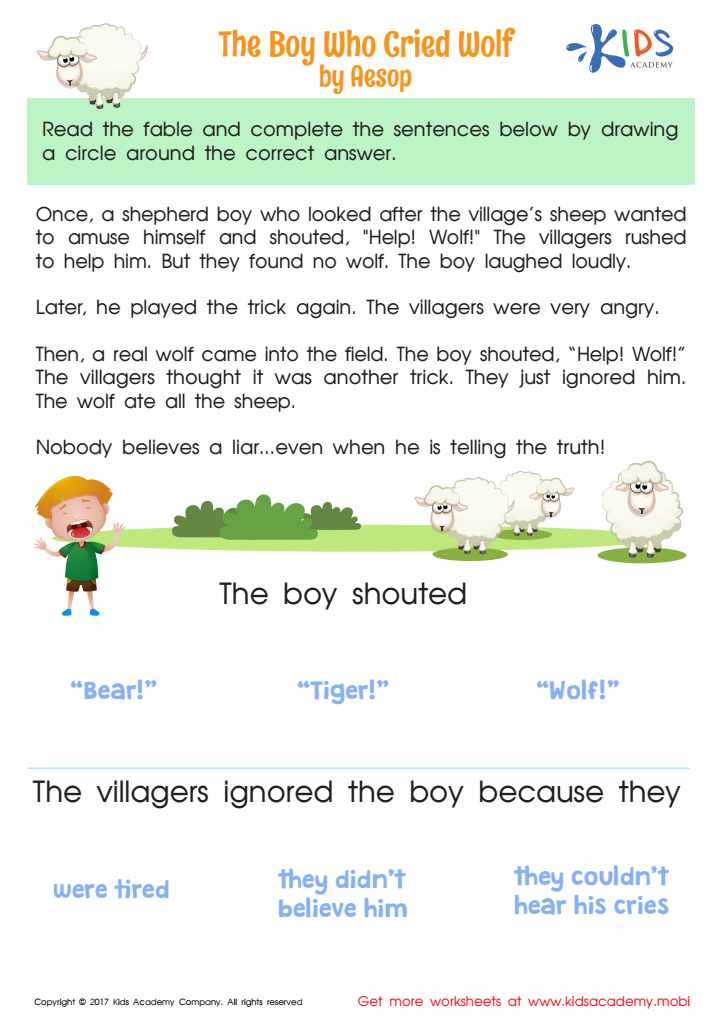
The Boy Who Cried Wolf Worksheet
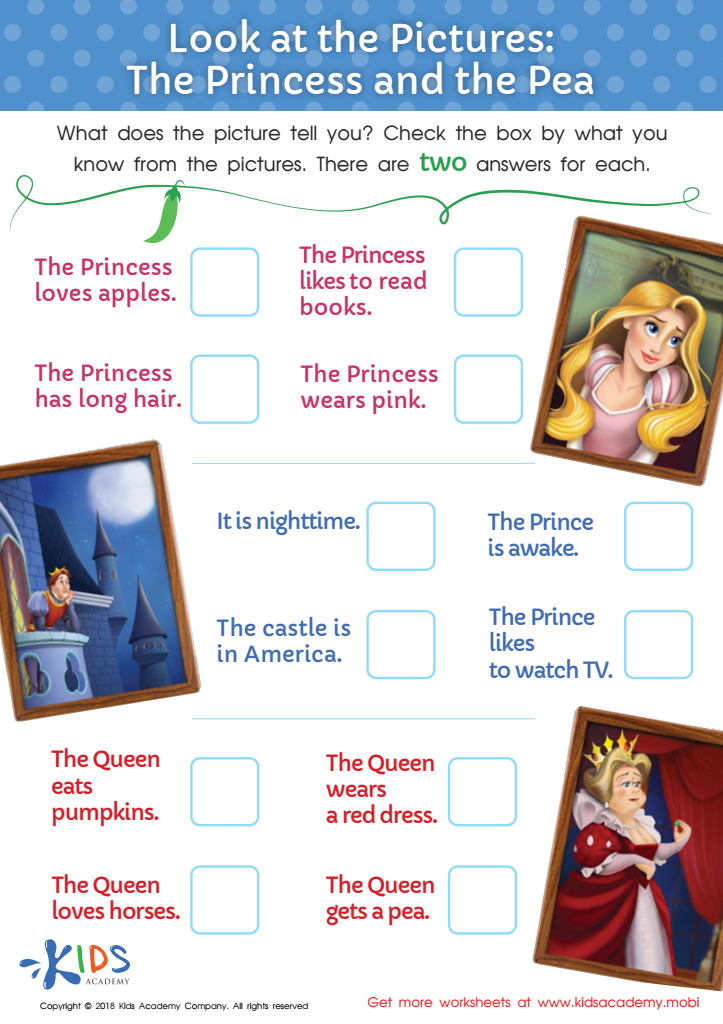
Look at the Pictures: The Princess and the Pea Worksheet
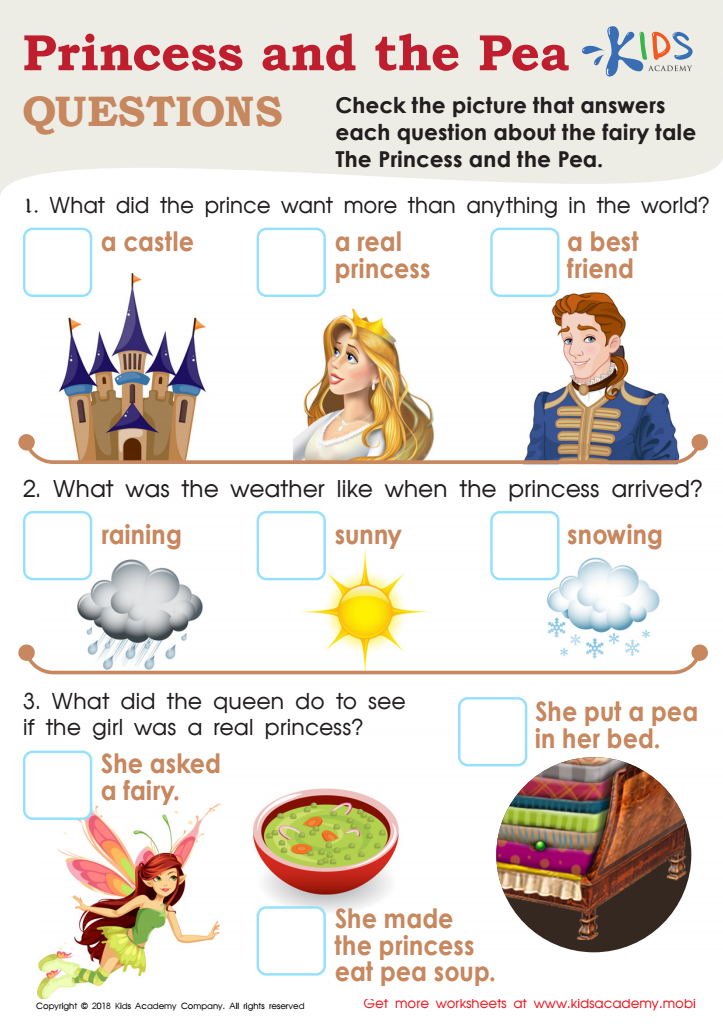
Princess and the Pea Questions Worksheet
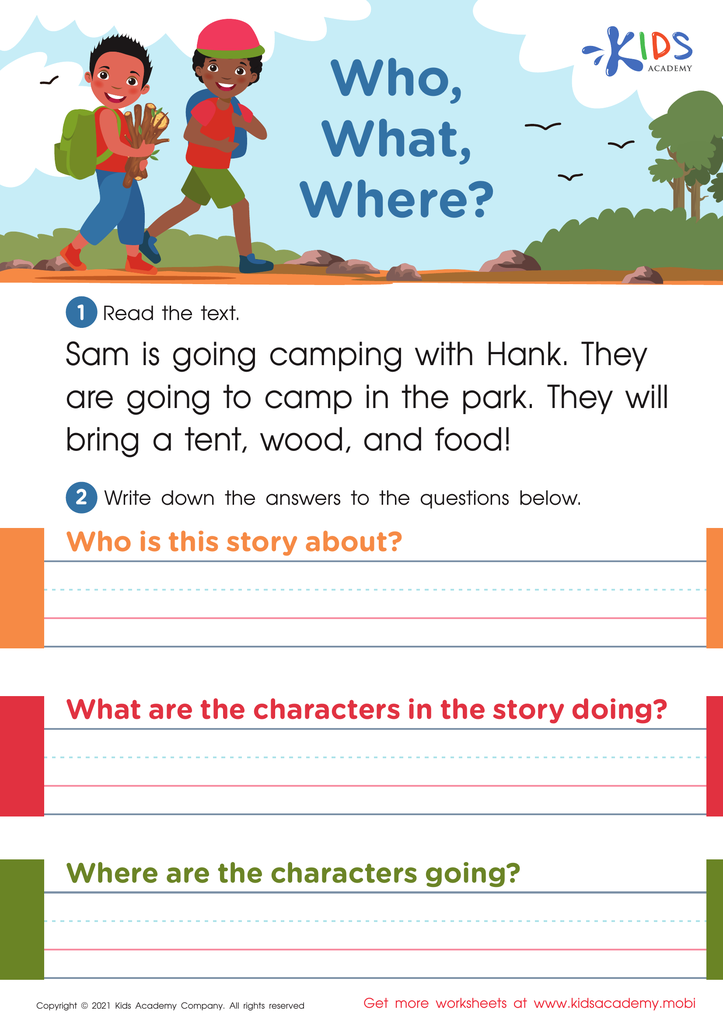
Who, What, Where? Worksheet








Story sequencing and reading comprehension are critical skills to develop in six-year-olds, influencing their overall cognitive development. Story sequencing involves understanding and recalling the order of events in a narrative. It helps children improve their memory, organization, and critical thinking skills, which are fundamental for academic success.
When children can sequence a story accurately, it shows they are comprehending what they read rather than simply decoding words. This comprehension is essential for understanding more complex materials as they progress in their education. It enables them to draw connections, predict outcomes, and grasp cause and effect within the story. These skills are not only pivotal for academic purposes but also support logical thinking and problem-solving in real-life situations.
Moreover, focusing on story sequencing bolsters language development. As children narrate or write sequences of events, they practice sentence structure and use of descriptive language, which enhances their verbal and written communication abilities.
For parents and teachers, emphasizing story sequencing thus ensures a stronger educational foundation. It prepares children for advanced literacy concepts and fosters a love for reading, setting them on a path of life-long learning and curiosity. Integrating fun sequencing activities also makes learning engaging and reinforces positive attitudes towards education at an early age.








