
Number Recognition Worksheets for Ages 7-8
304 filtered results
Difficulty Level
Grade
Age
-
From - To
Subject
Activity
Standards
Enhance your child's number skills with our engaging Number Recognition Worksheets for ages 7-8! Specifically designed to boost numerical proficiency, our expertly crafted worksheets provide a fun and educational way for children to recognize and understand numbers. From counting and number patterns to sequencing and comparison exercises, our resources cover a wide range of essential numeracy skills. Suitable for both classroom and home use, these worksheets are perfect for young learners who are ready to build a solid mathematical foundation. Give your child the confidence to excel in math with our Number Recognition Worksheets today!
Favorites
With answer key
Interactive
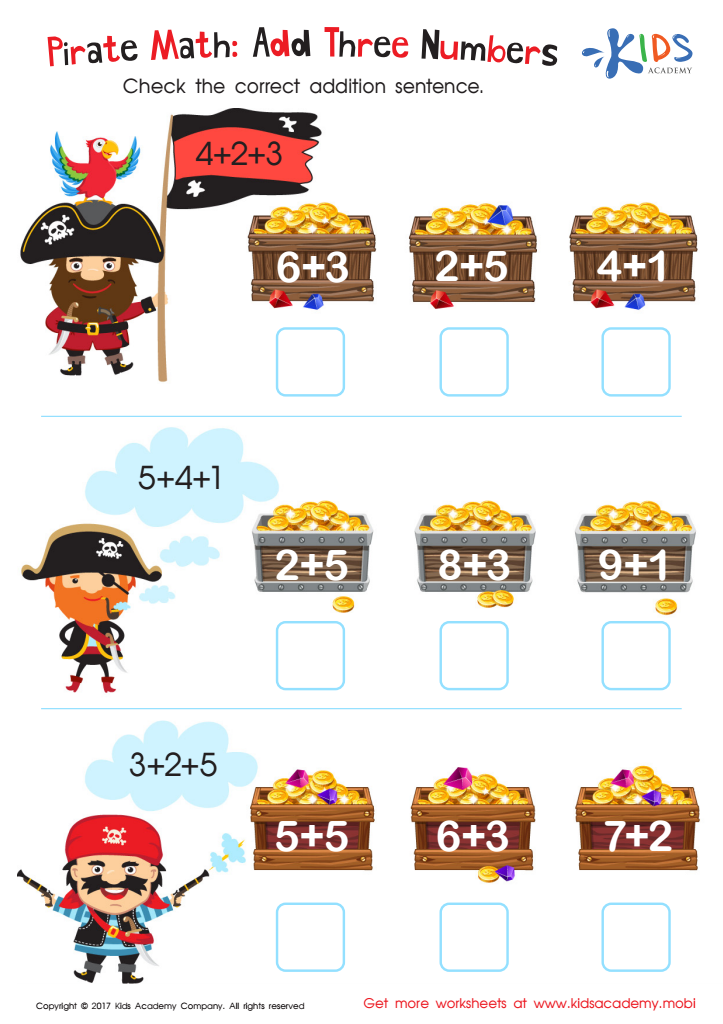
Pirate Math Printable
Ahoy, mateys! Your pirate will have a blast adding three numbers and comparing with two number equations. This worksheet fosters analytical and problem solving skills! Let the treasure hunting begin!
Pirate Math Printable
Worksheet
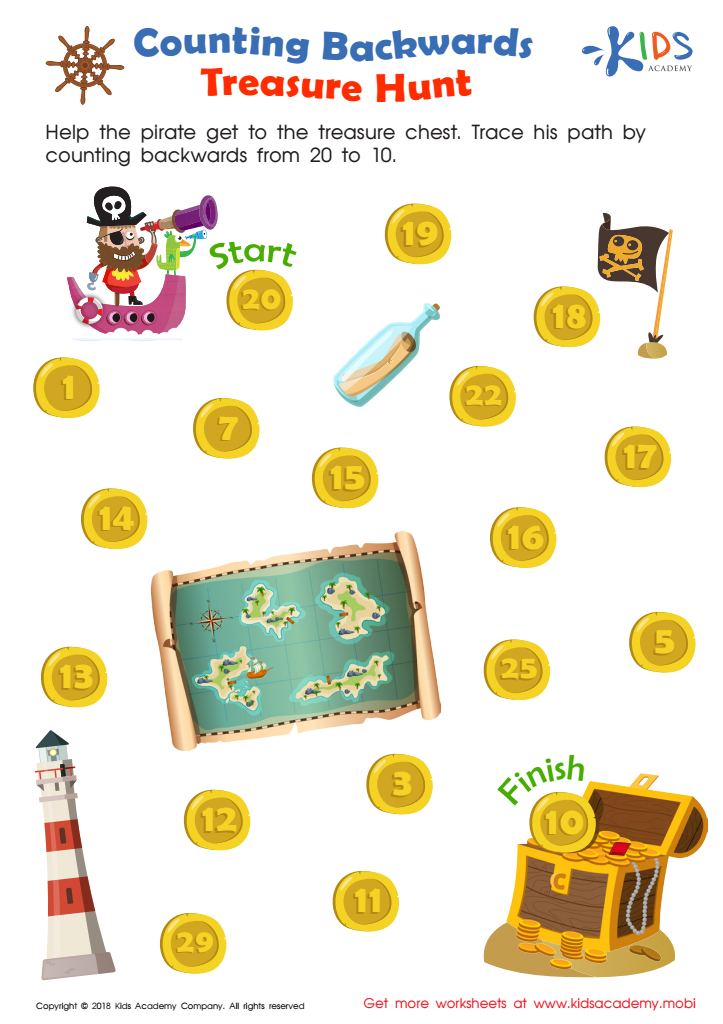
Counting Backwards: Treasure Hunt Worksheet
This fun and inviting PDF worksheet gives young math students the opportunity to visualize counting back. They'll trace their way backward from 20 to 10 and help the pirate find his treasure, while also working on fine motor skills. Building foundational math skills like this is vital, so don't miss out on this colorful and inviting activity.
Counting Backwards: Treasure Hunt Worksheet
Worksheet
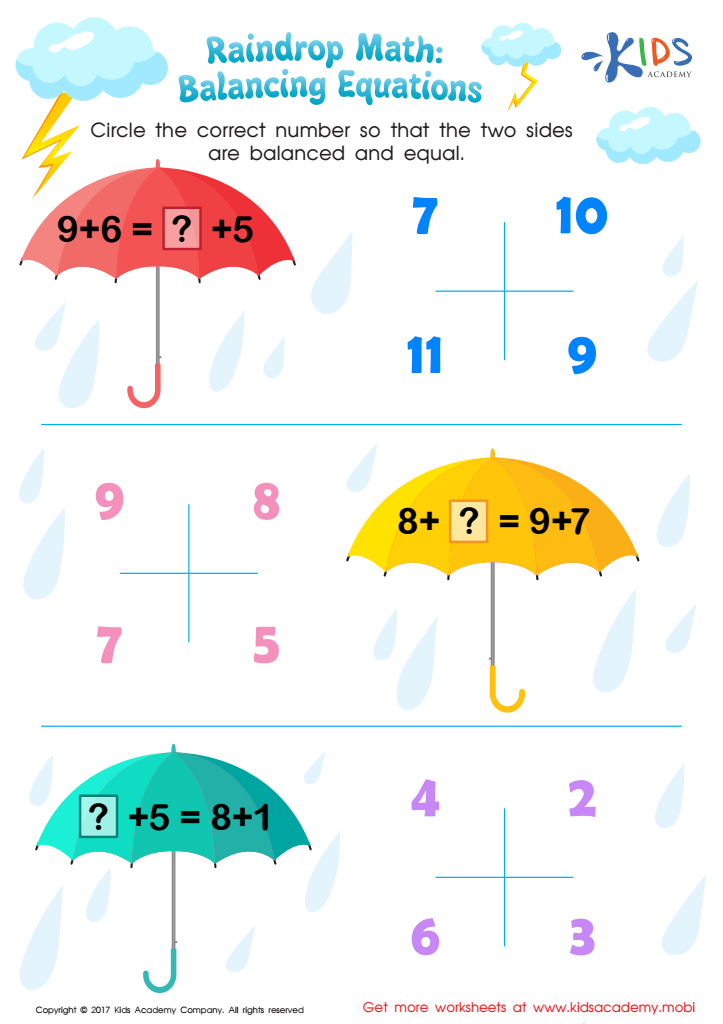
Raindrop Math Printable
It will help them think deeper about equations, form a foundation for early algebraic thinking, and gain a better sense of numeracy. Plus, they get to practice simple addition skills.
Raindrop Math Printable
Worksheet
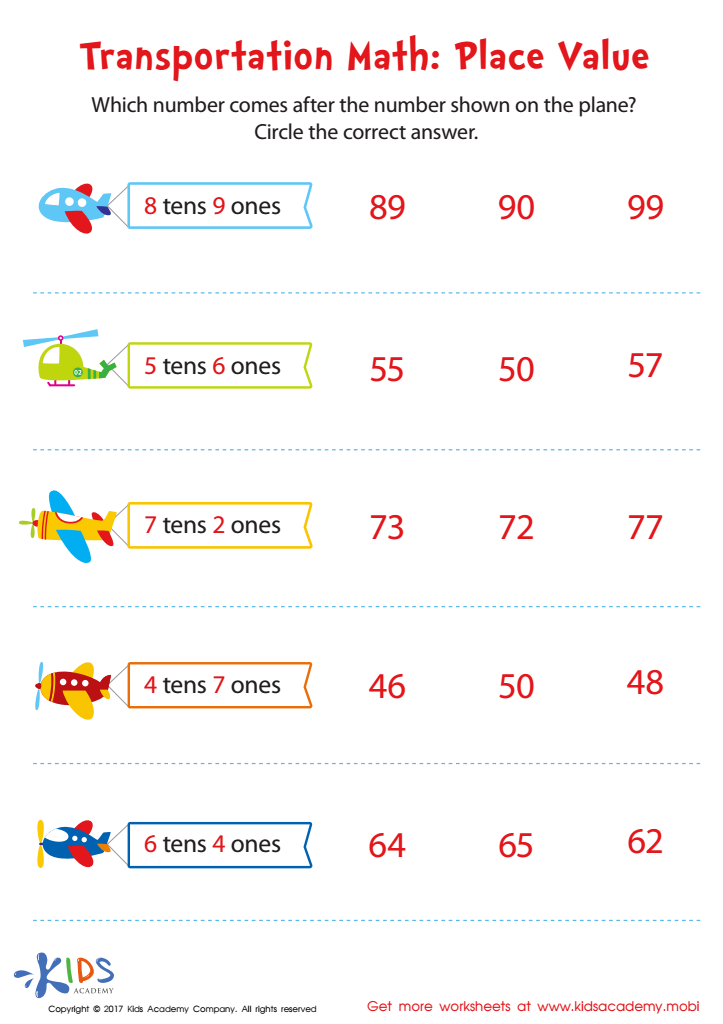
Transportation Math Printable
Challenge your child's number sense with this Transportation Math worksheet! They'll need to recall place values and use mental addition to solve tricky math problems. It's a great way to give their brain a workout!
Transportation Math Printable
Worksheet
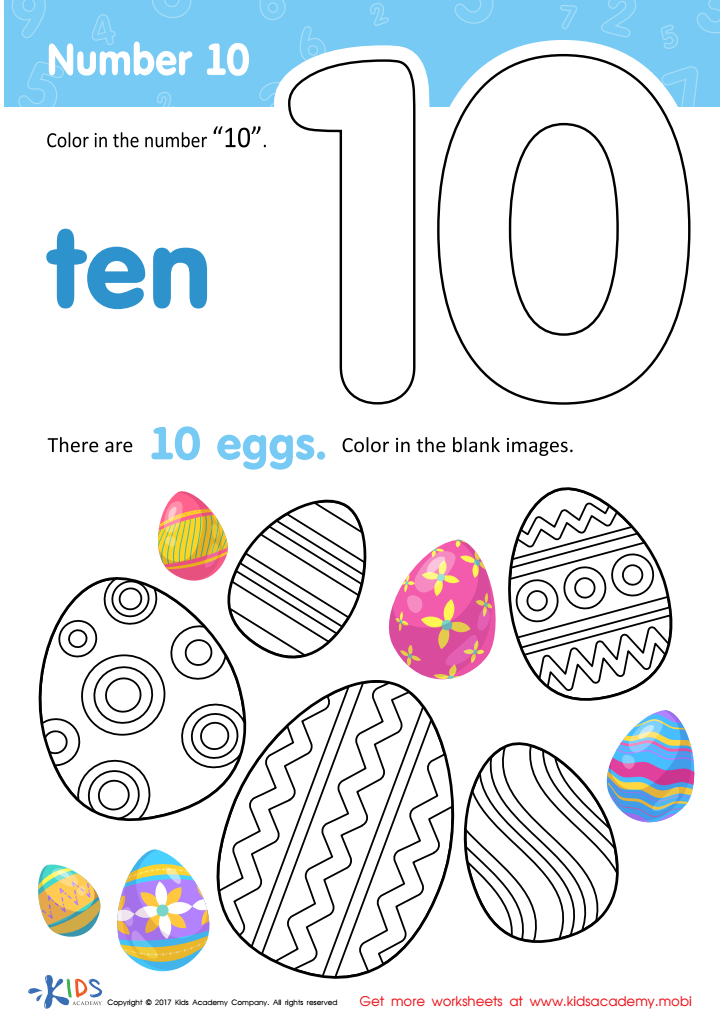
Number 10 Printable
Easter eggs are a great way to combine creativity and learning! Help your child explore the number 10 with our fun coloring page. The intricate designs will spark their imagination and fuel their artistic side, while they practice important numeracy basics. Get creative with eggs and enjoy the fun, no matter the time of year!
Download (PDF)
 Assign to My Students
Assign to My Students
Number 10 Printable
Worksheet
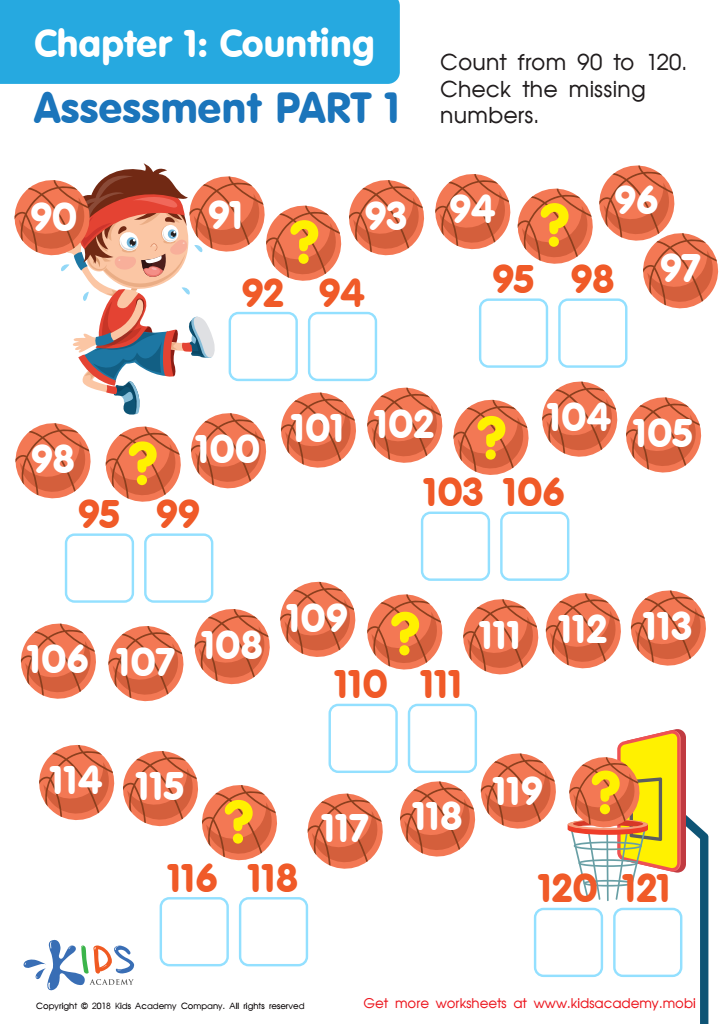
Counting Past 1: Assessment 1 Worksheet
Test your children's counting skills with this worksheet. Have them count from 90 to 120, checking for missing numbers. You'll be able to see how well they do and how far they have progressed. See how high they can count with little or no mistakes!
Counting Past 1: Assessment 1 Worksheet
Worksheet
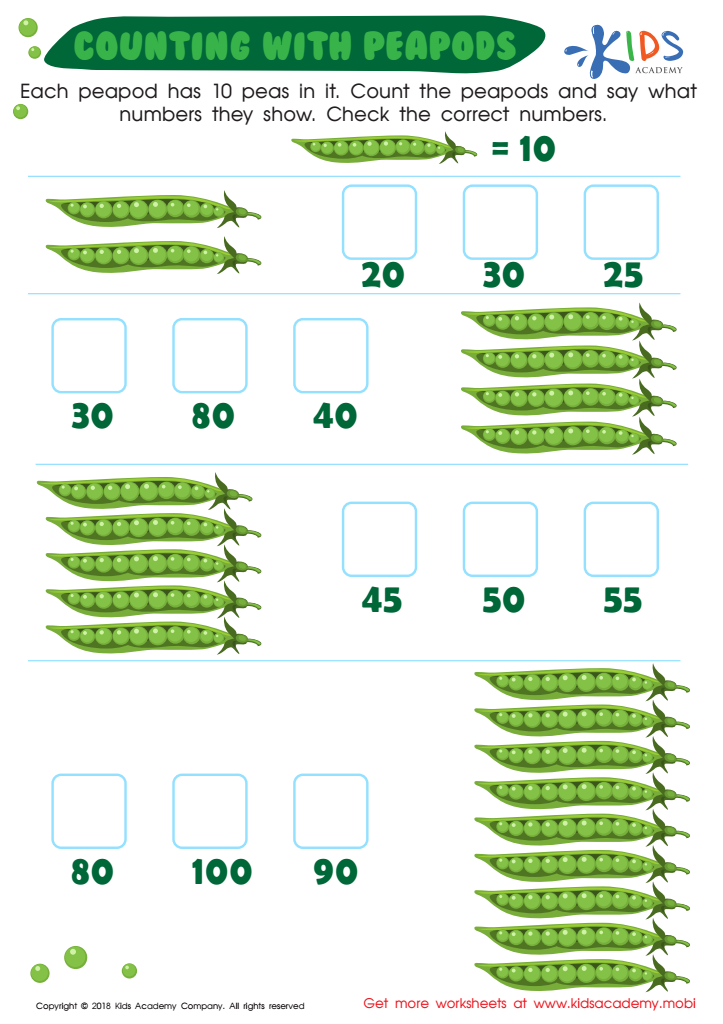
Number Worksheet: Counting With Peapods
Help your child learn multiplication and develop their place value skills in a fun way with this number worksheet: Counting with Peapods! Each pod has 10 peas, and kids can simply count each one and add a zero to the ones place to get the answer. It's a great, colorful way to learn!
Number Worksheet: Counting With Peapods
Worksheet
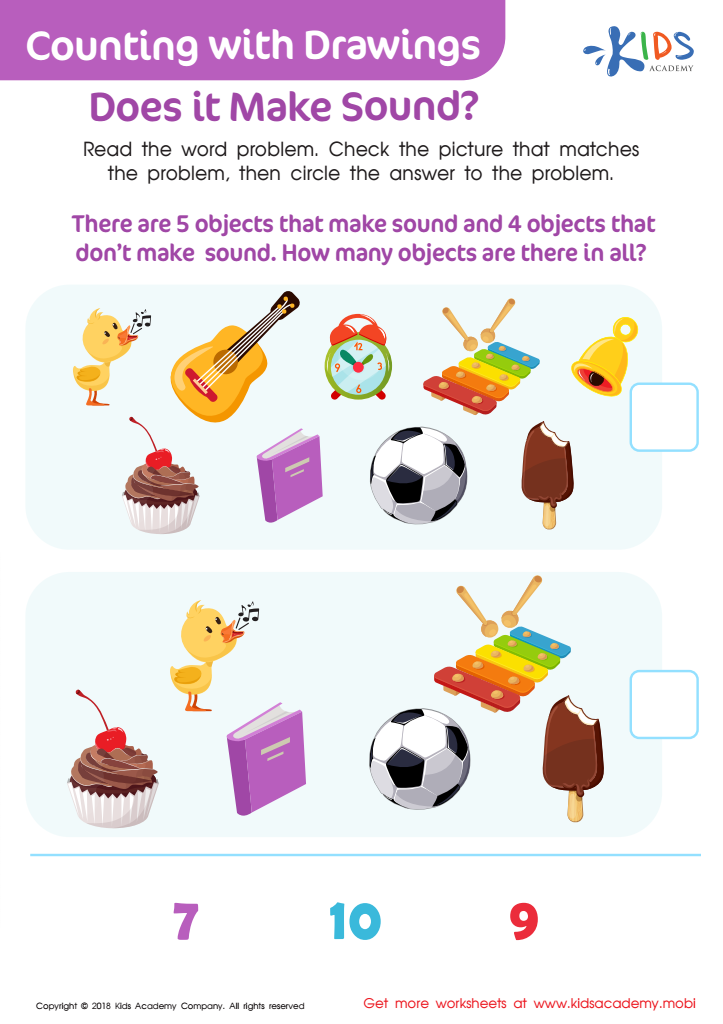
Counting With Drawings. Does It Make Sound? Worksheet
Introduce word problems with this simple worksheet. Ask your students to name the objects pictured, then read the word problem and ask them to circle the answer. With practice, it'll help them scale this challenging area of math.
Counting With Drawings. Does It Make Sound? Worksheet
Worksheet
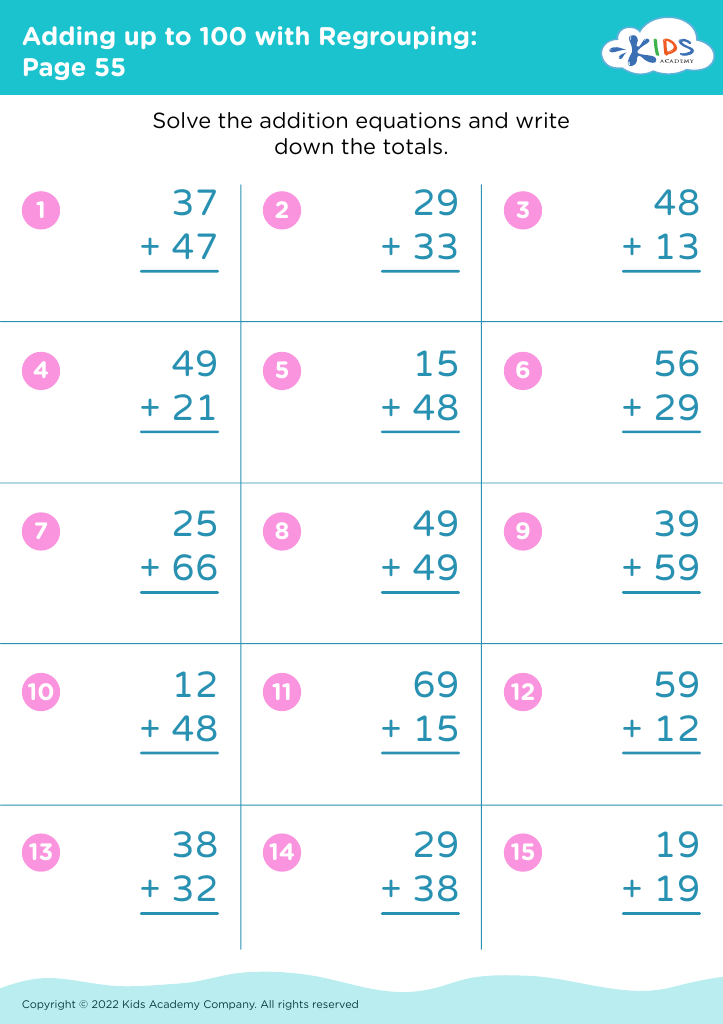
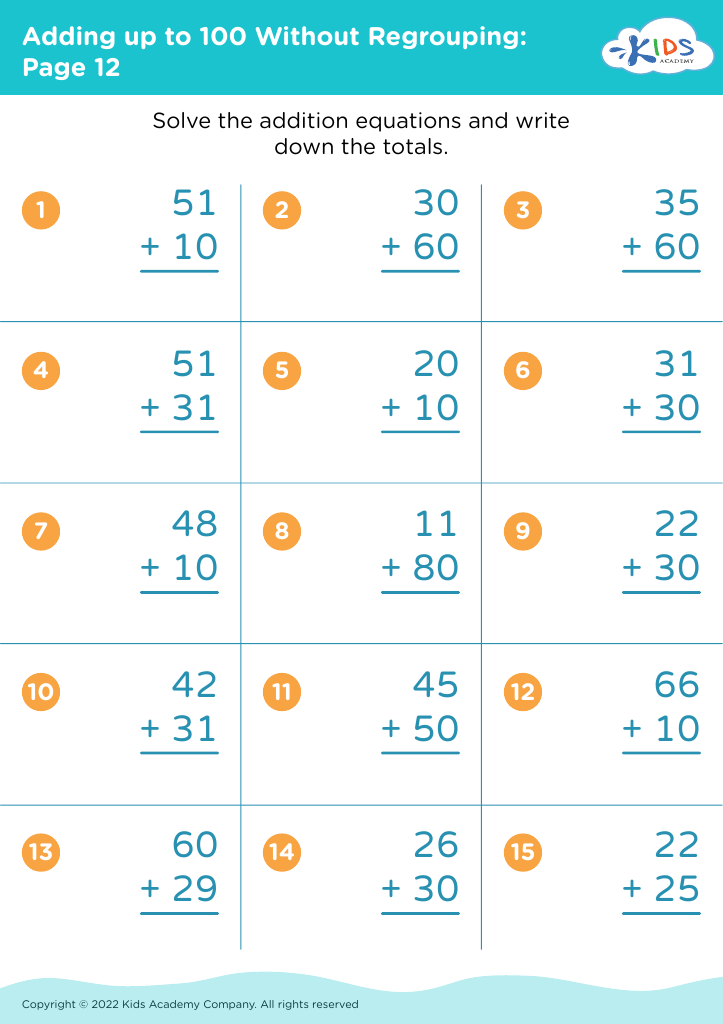
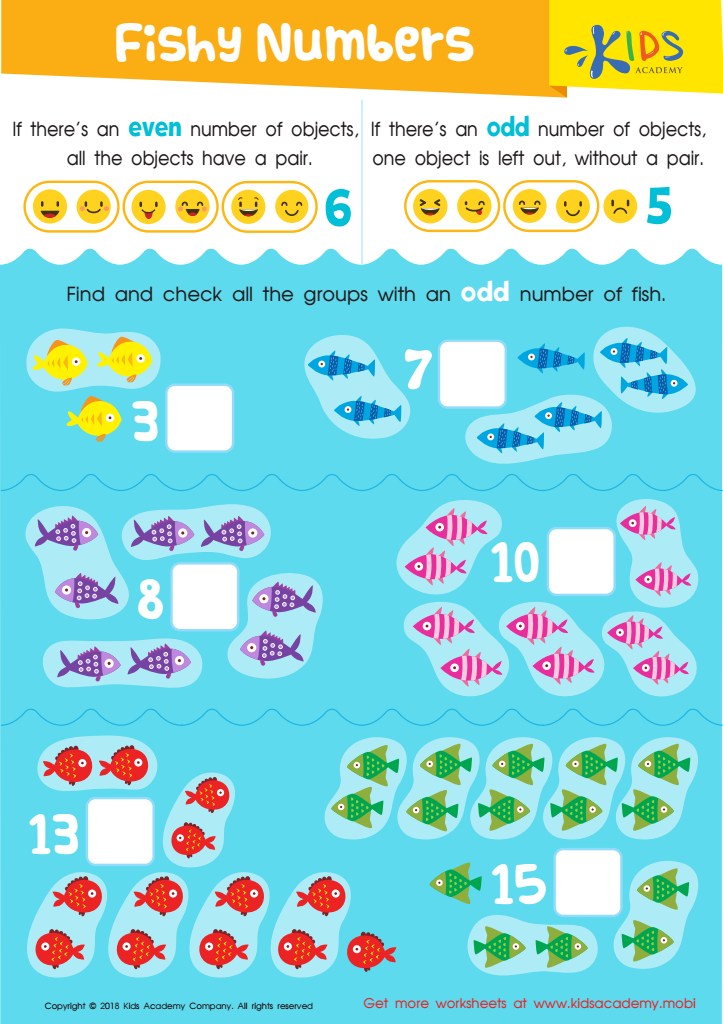
Fishy Numbers Worksheet
Explain to your kids even and odd numbers using this worksheet. All objects in a group of even numbers can be paired in twos, while an odd number leaves one object unpaired. Ask your students to find and check the groups with an odd number of fish, counting and figuring out which ones are odd.
Fishy Numbers Worksheet
Worksheet
How Many Tadpoles Worksheet
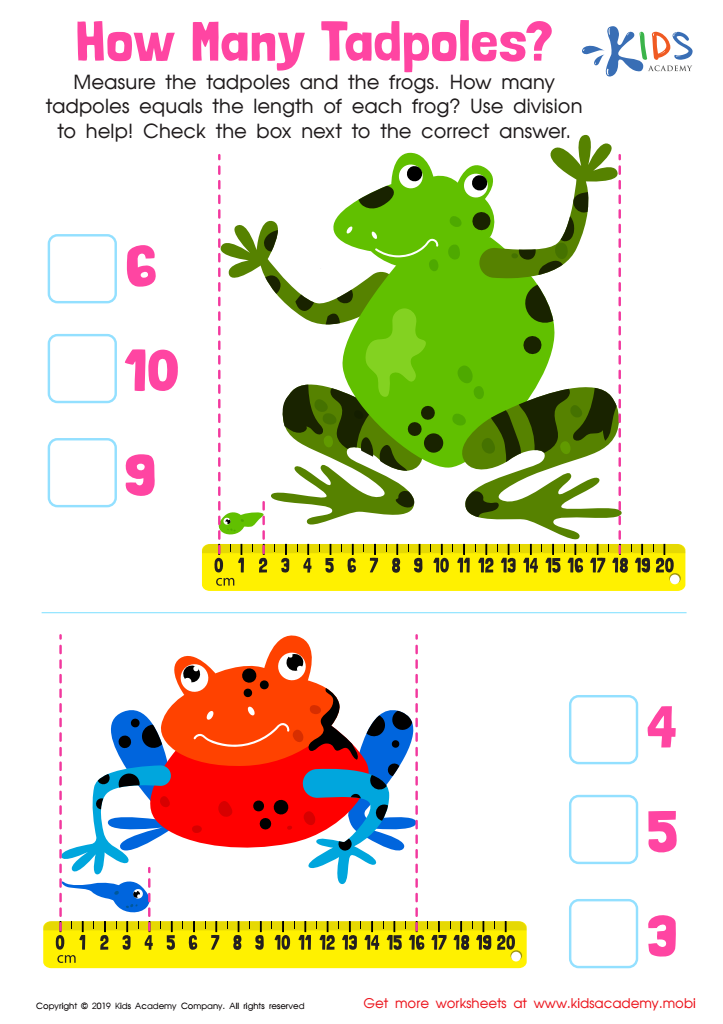
Kids love tadpoles! They'll have fun using them to work out the measurements of their frog friends. By dividing the length of the frogs by the length of the tadpoles, children can deduce how many tadpoles it takes to equal a frog. With the use of 'how many' and 'each' they'll solve math problems without realizing it!
How Many Tadpoles Worksheet
Worksheet
Cargo Matchup: Hundreds Worksheet
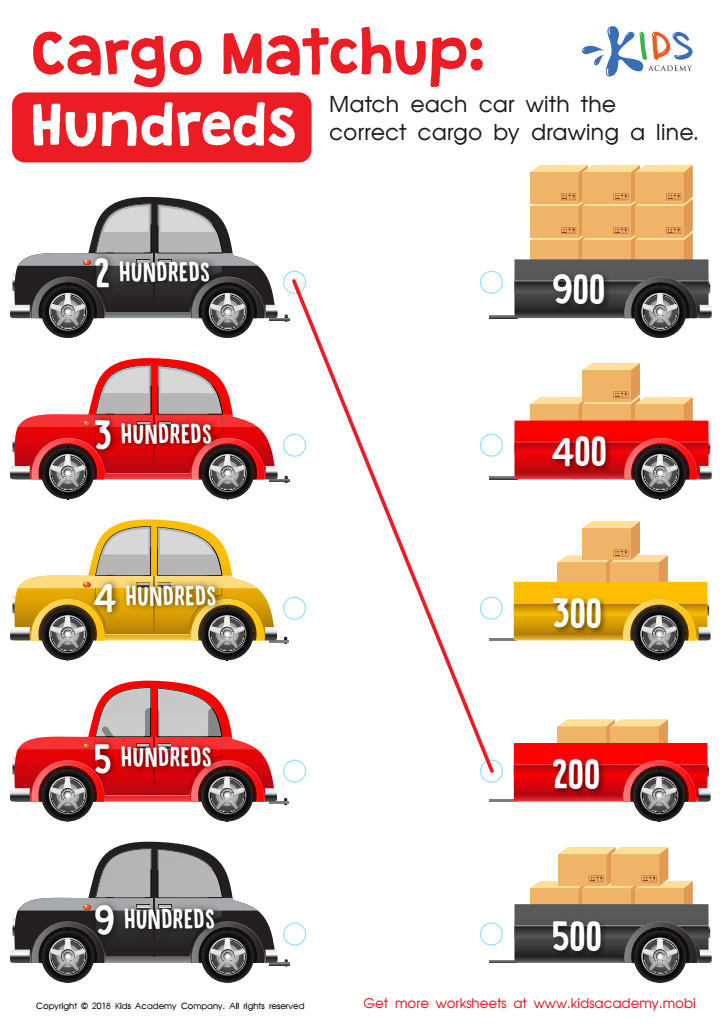
Introduce your child to counting in the hundreds using this simple worksheet. Match each car to its correct cargo by drawing a line. If they can count 1-100, they can learn to count in the hundreds! Help them master this skill with the worksheet and they'll be counting away in no time.
Cargo Matchup: Hundreds Worksheet
Worksheet
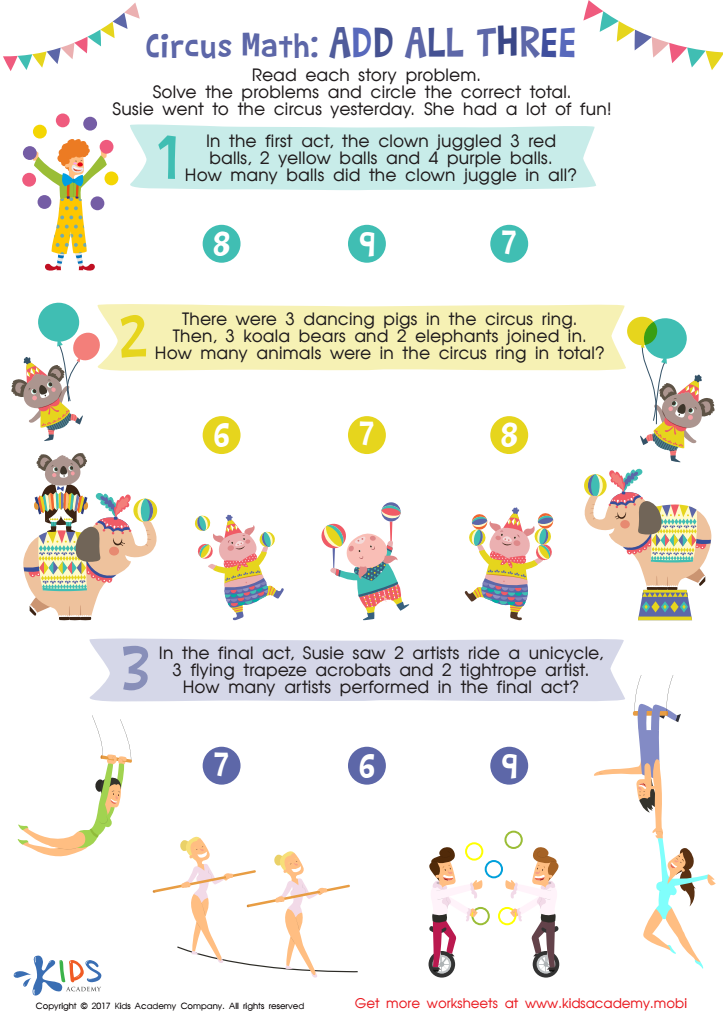
Circus Math Printable
Let's take the kids to the circus and combine literacy and numeracy skills! Our circus math printable worksheet will encourage creativity and higher-order thinking by connecting addition to real-life examples. Kids will learn to love math while they explore the fun, real-life applications of math. Ignite their passion today!
Circus Math Printable
Worksheet
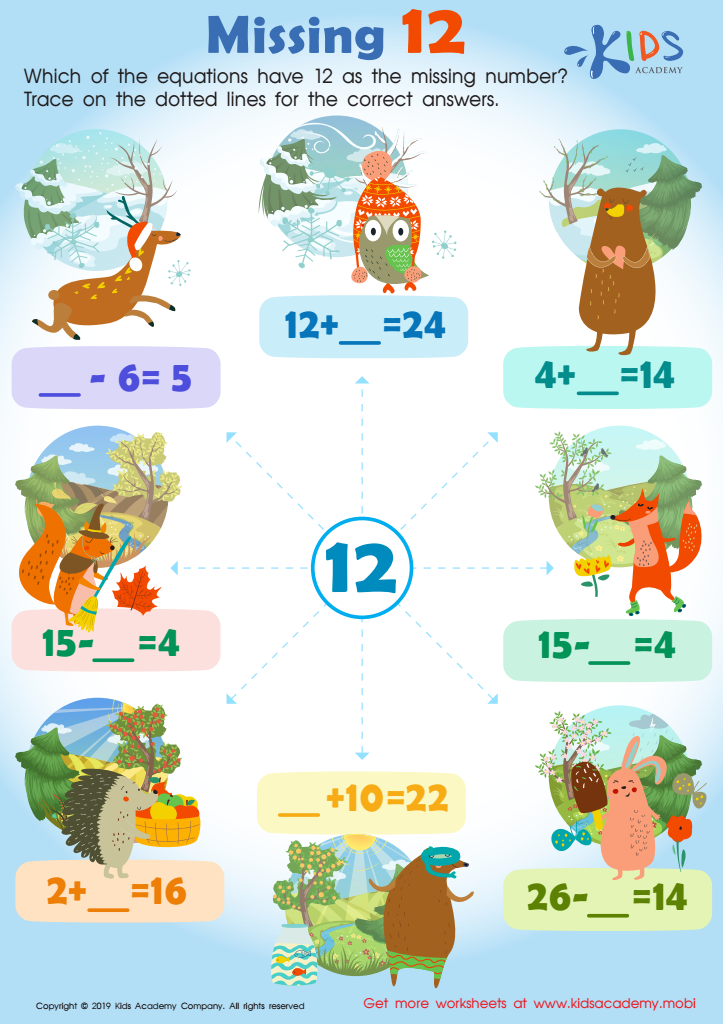
Missing 12 Worksheet
Help your kids find the missing number in this fun nature worksheet. Engage them with this educational exercise - combining teaching and fun. Encourage them to practice addition and subtraction skills. Look at the picture with them. Which equations have 12 as the missing number? Guide them to trace the dotted lines for the correct answers.
Missing 12 Worksheet
Worksheet
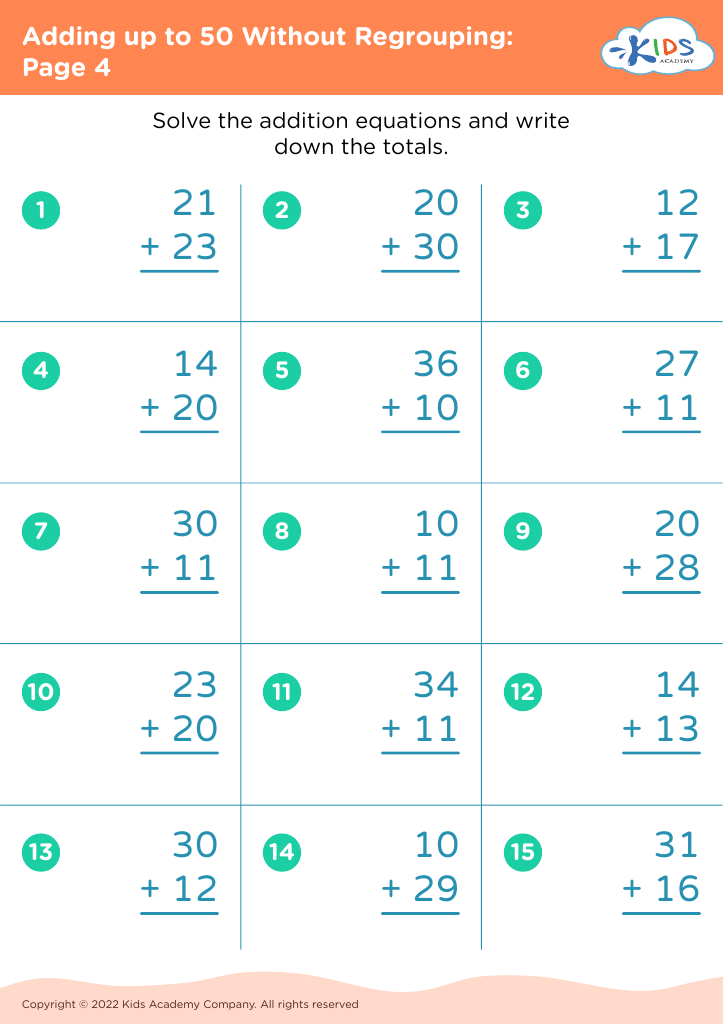
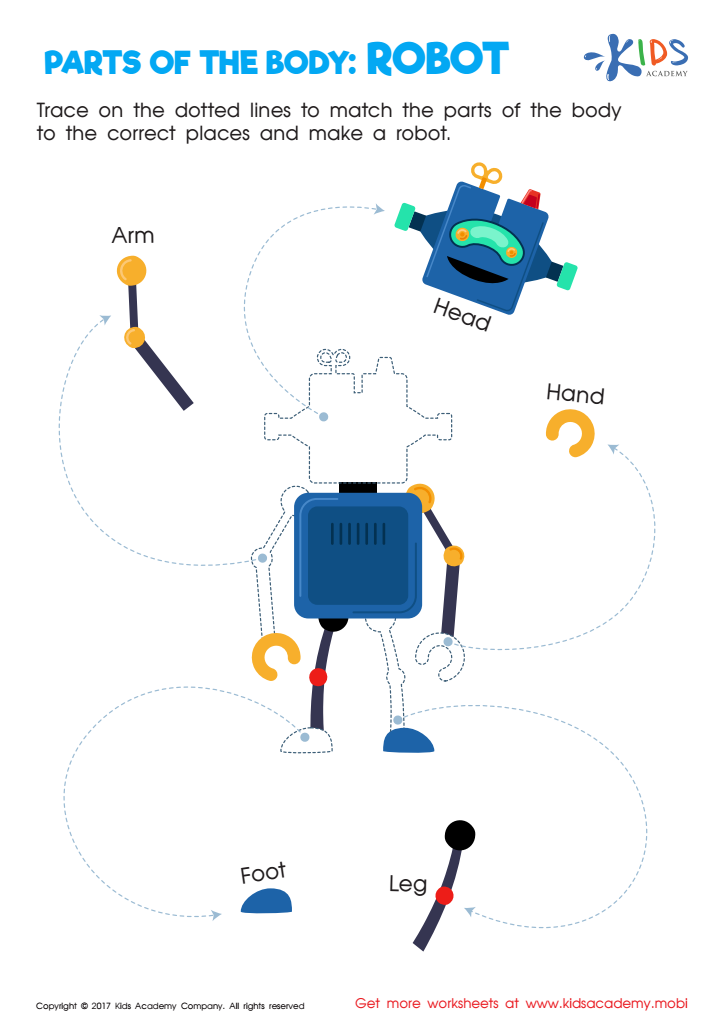
Robot Printable
Introduce your child to a fun robot and help her hone her matching skills with this parts of the body worksheet! Your child will trace dotted lines to match the robot's body parts to the right place, helping her focus, use abstract thinking and reason better. This worksheet is sure to get your child excited and help her build essential skills for future success!
Robot Printable
Worksheet
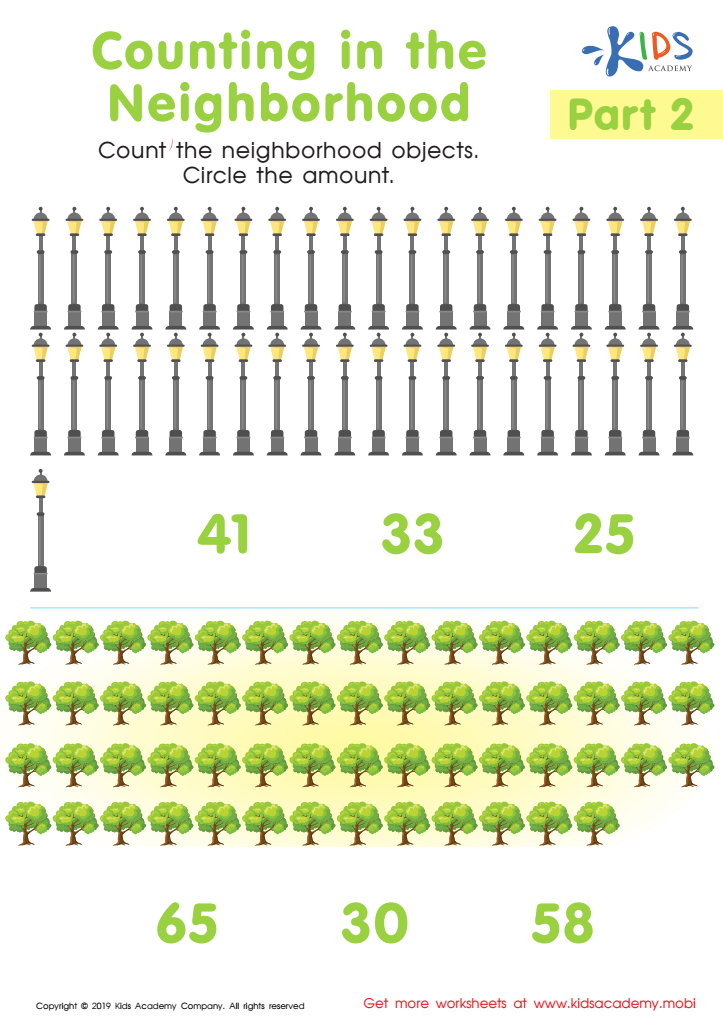
Counting In The Neighborhood Part 2 Worksheet
Download this free worksheet to help your child build number sense and math reasoning skills! It uses pictures of objects they know, letting your child count and match the right numeral to the objects to count past 10. Let them feel successful in mastering numbers.
Counting In The Neighborhood Part 2 Worksheet
Worksheet
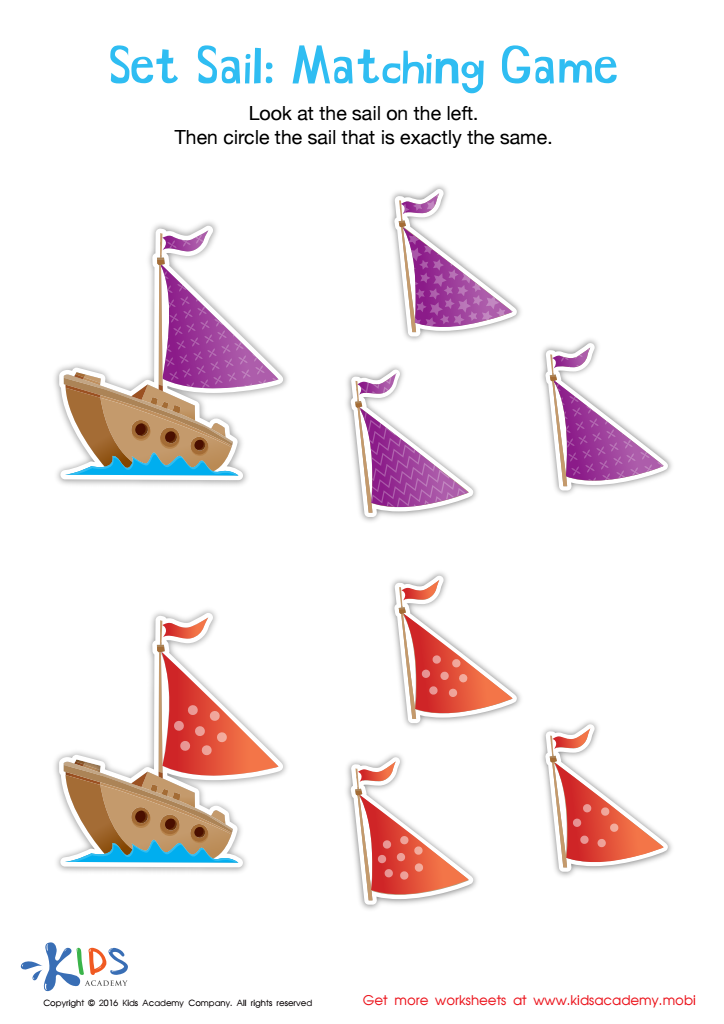
Set Sail Worksheet
Set sail with this fun matching game for toddlers! Kids will love finding the same pattern on the sails, improving their problem-solving and counting skills. Enjoy this bright and engaging worksheet!
Set Sail Worksheet
Worksheet
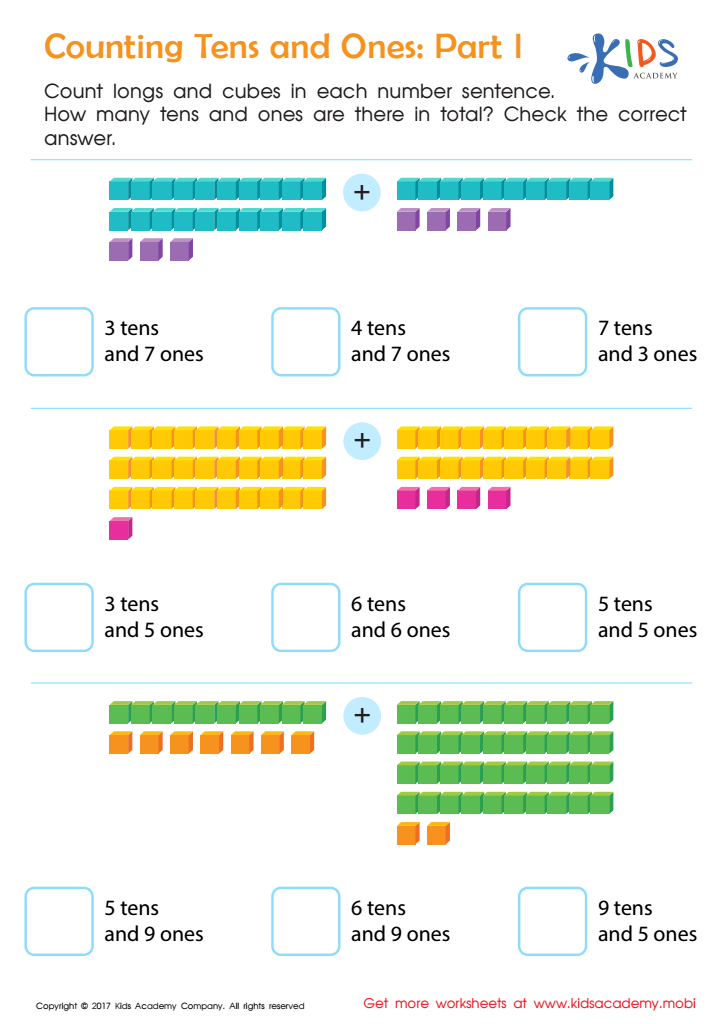
Counting Tens and Ones: Part 1 Worksheet
Kids Academy has a great place value worksheet to help kids learn when they don't have manipulatives at home! It includes longs and cubes that kids can count and add to find the sum. Colorful and downloadable, this page will help kids understand addition and place value better. Give it a try!
Counting Tens and Ones: Part 1 Worksheet
Worksheet
Join Kids Academy for Free
Who is primarily going to use this learning content?







Number recognition is a foundational skill vital for children aged 7-8, as it lays the groundwork for their future mathematical understanding and academic success. During this developmental stage, children transition from basic counting to more complex mathematical operations. Being proficient in number recognition allows them to identify, name, and understand the meaning of numbers, which is essential for performing addition, subtraction, and composing and decomposing numbers.
When children recognize numbers accurately, they can better grasp relationships between numbers and comprehend mathematical concepts like place value, estimation, and measurement. This, in turn, boosts their confidence and enhances their problem-solving abilities. In contrast, children who struggle with number recognition may face difficulties in these areas, which can lead to frustration, lowered self-esteem, and a negative attitude toward math.
Moreover, strong number recognition skills are not constrained to math alone; they also benefit children in real-world scenarios such as telling time, managing money, and following patterns. Early intervention and support from parents and teachers can help children develop resilience and a positive mindset towards numerical challenges.
Caring about number recognition ensures that children receive the necessary practice and reinforcement to master this critical skill, thereby fostering a smoother transition to more advanced mathematical concepts and contributing to their overall cognitive development.








