Two-step Word Problems Worksheets for Ages 7-9
21 filtered results
-
From - To
Explore our engaging Two-step Word Problems Worksheets designed for children aged 7-9! These worksheets inspire young learners to tackle exciting math challenges by breaking down complex problems into manageable steps. Perfect for developing critical thinking and enhancing problem-solving skills, our resources offer a variety of scenarios that encourage children to apply addition, subtraction, multiplication, and division! Each worksheet is crafted to keep kids motivated and comes with colorful illustrations to make learning fun. Ideal for classroom use or home practice, these two-step word problems will build confidence in math grasp while preparing your child for future academic success! Get started today!
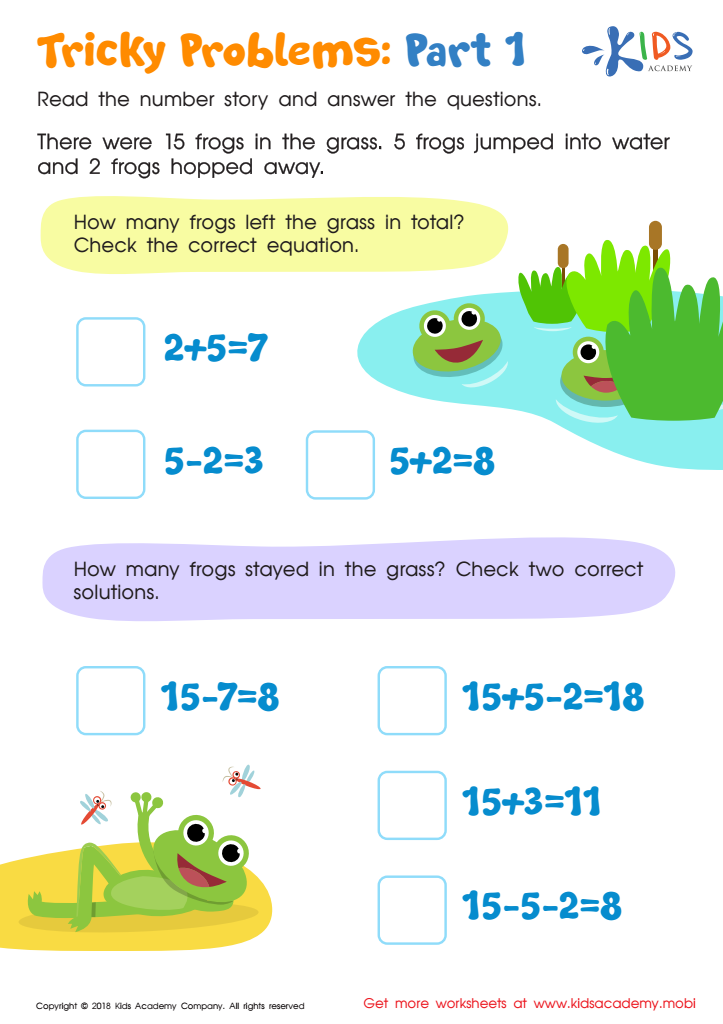
Tricky Problems Worksheet: Part 1
 Assign to My Students
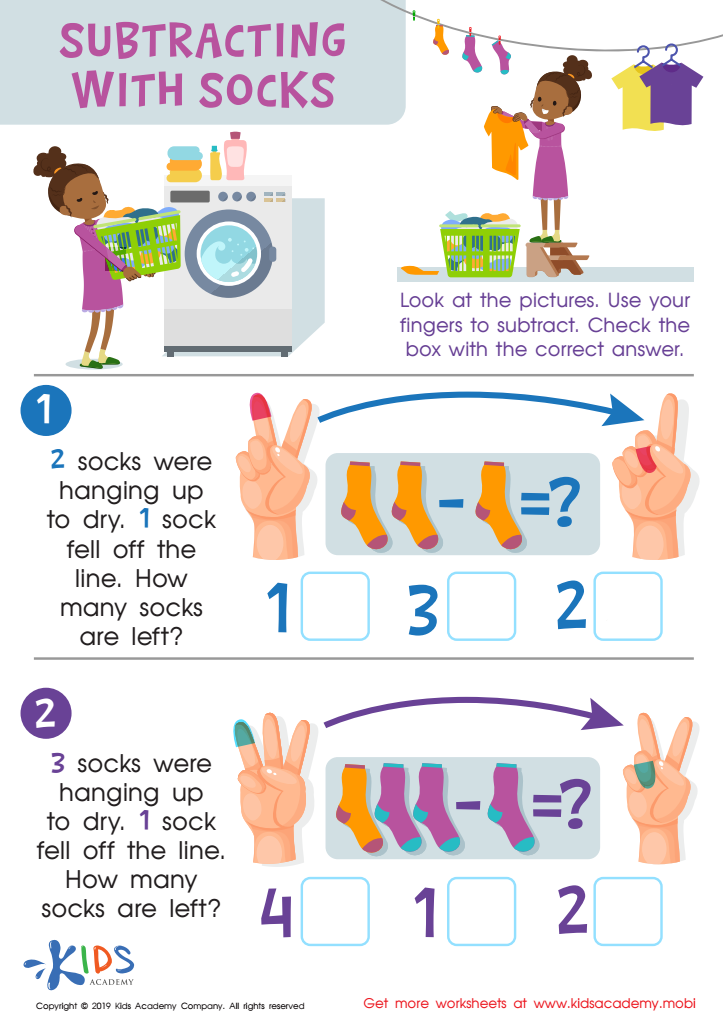
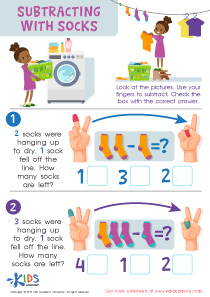
Subtracting Socks Worksheet
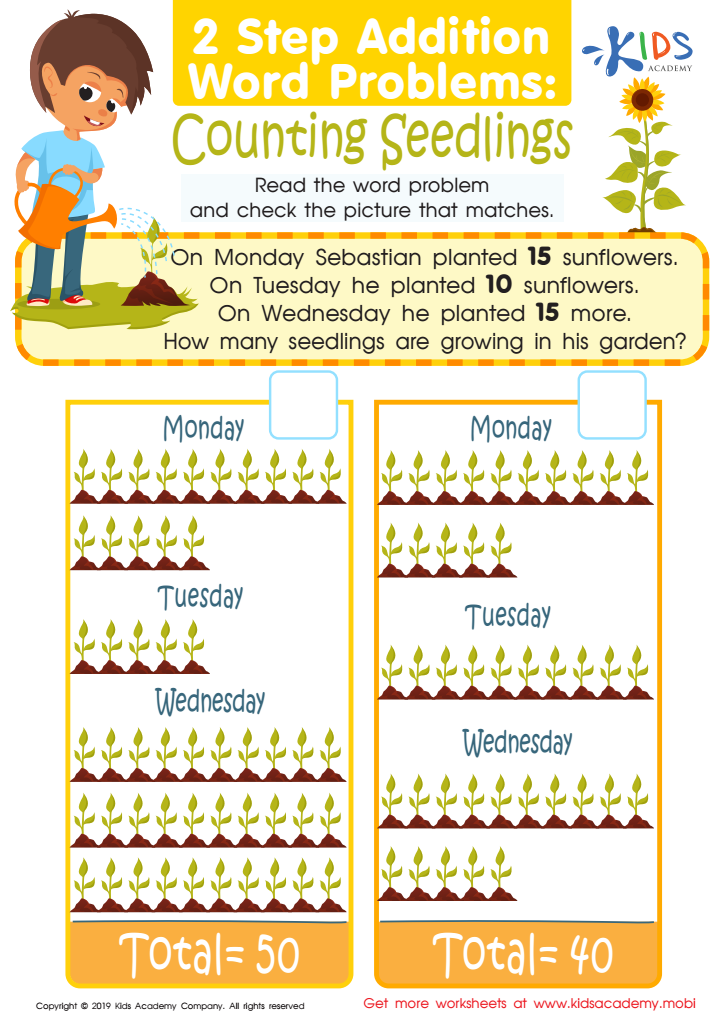
Counting Seedlings Worksheet
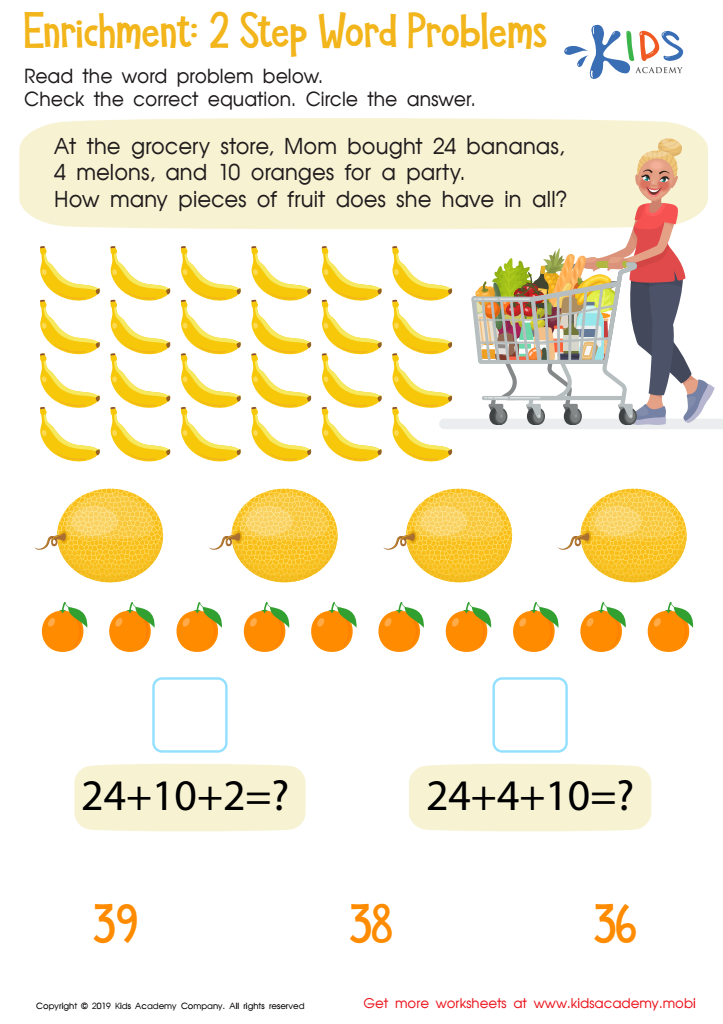
Enrichment -2 Step Word Problems Worksheet
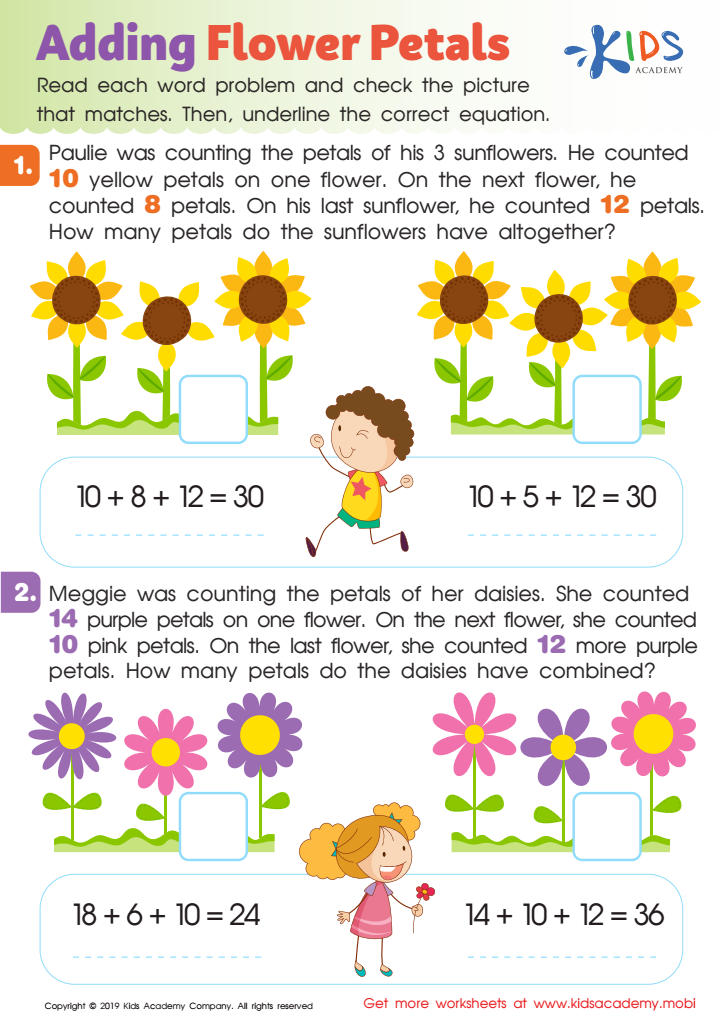
Adding Flower Petals Worksheet
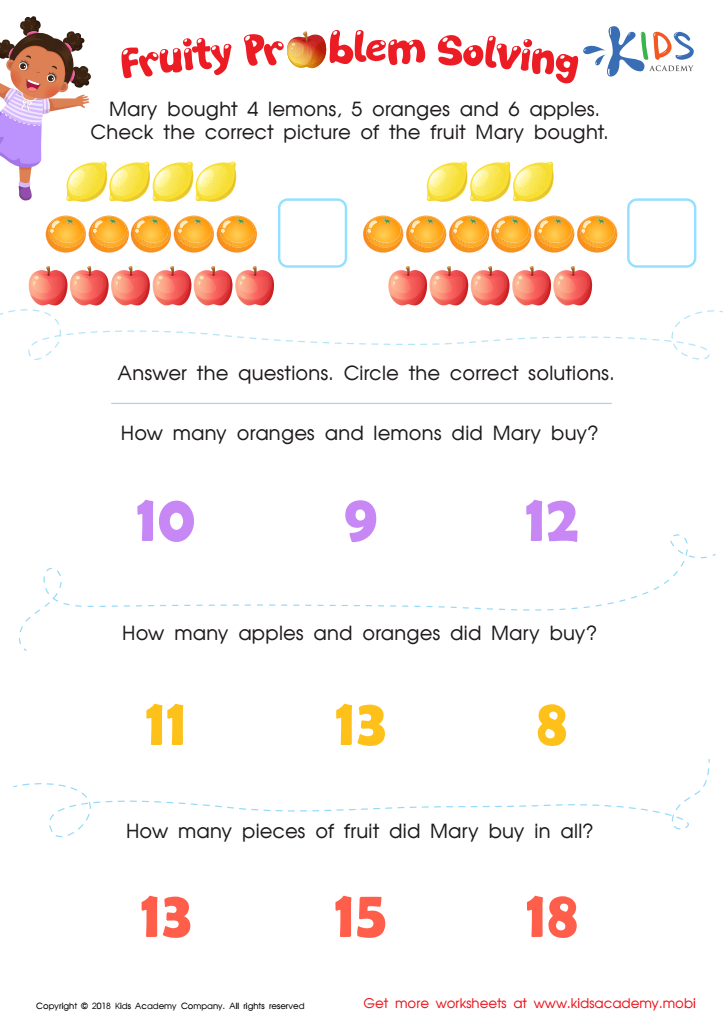
Fruity Problem Solving Worksheet
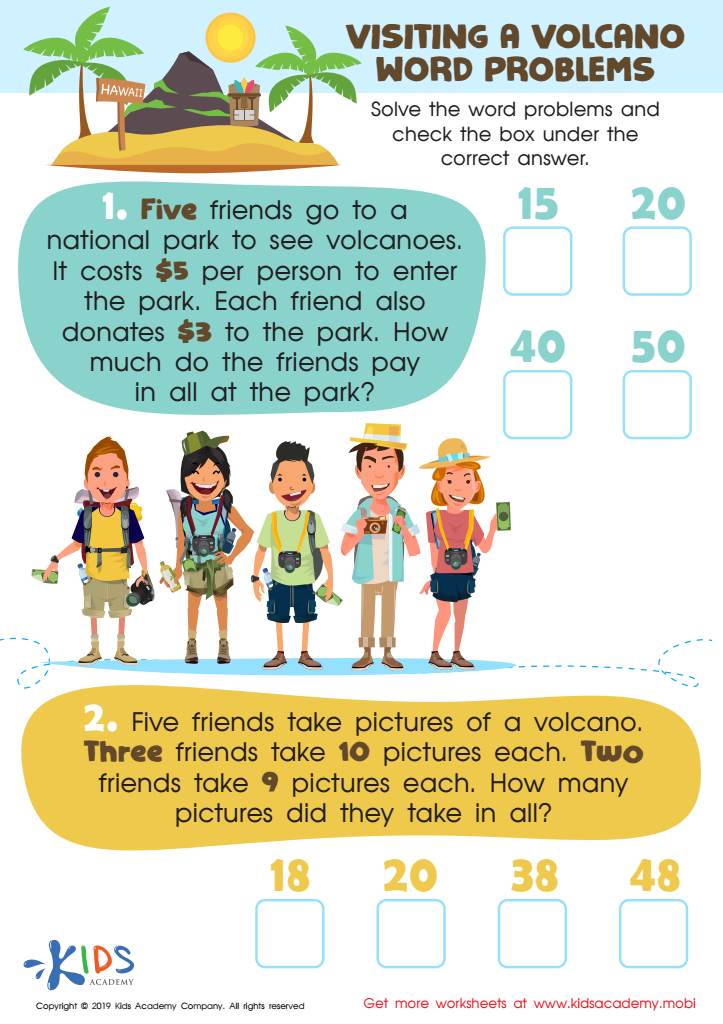
Visiting a Volcano Word Problems Worksheet
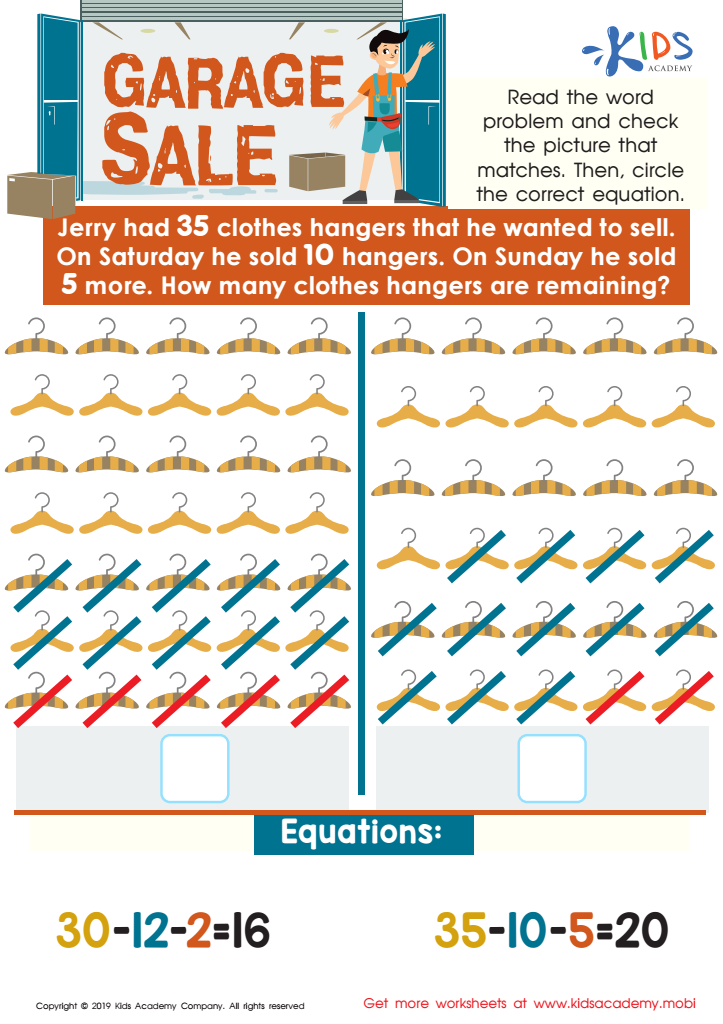
Garage Sale Worksheet
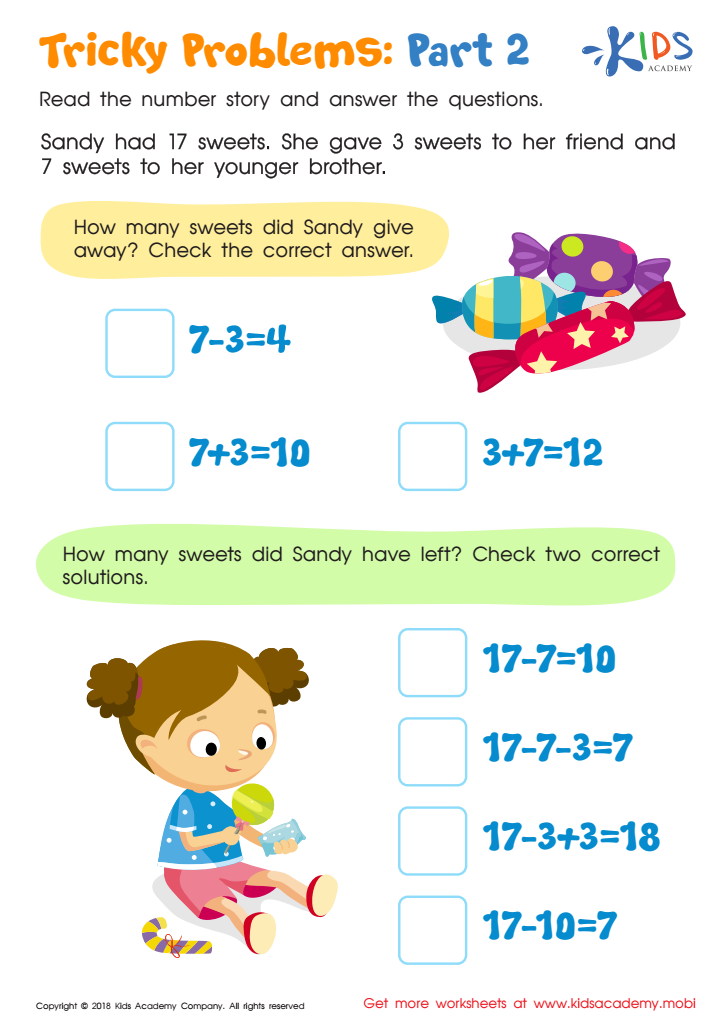
Tricky Problems Worksheet: Part 2
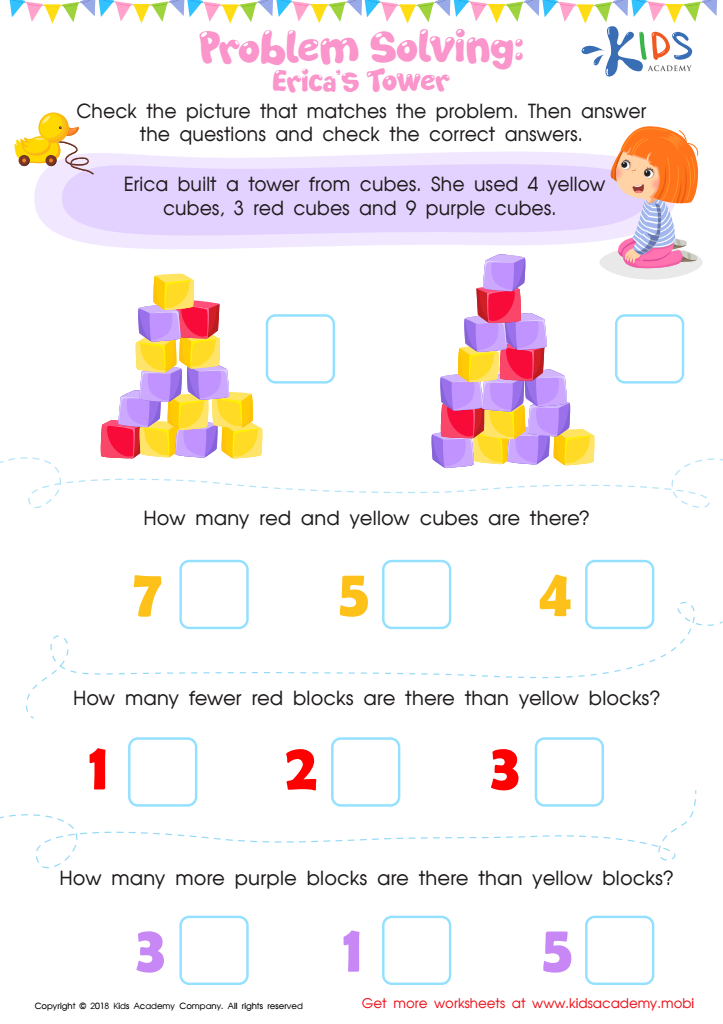
Problem Solving: Erica's Tower Worksheet
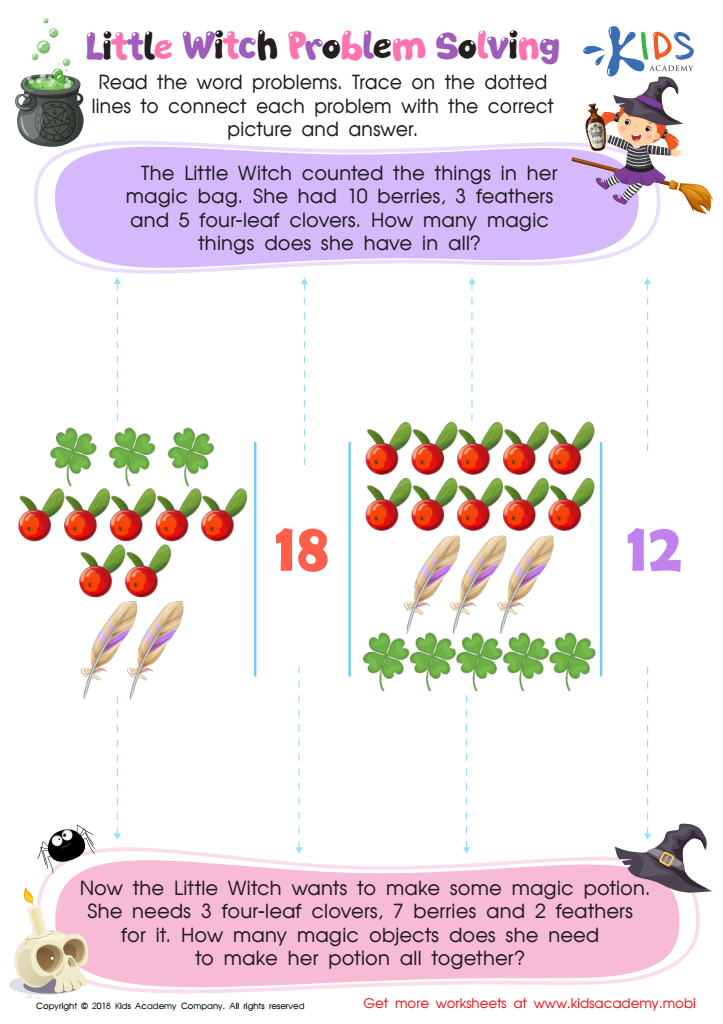
Little Witch Problem Solving Worksheet
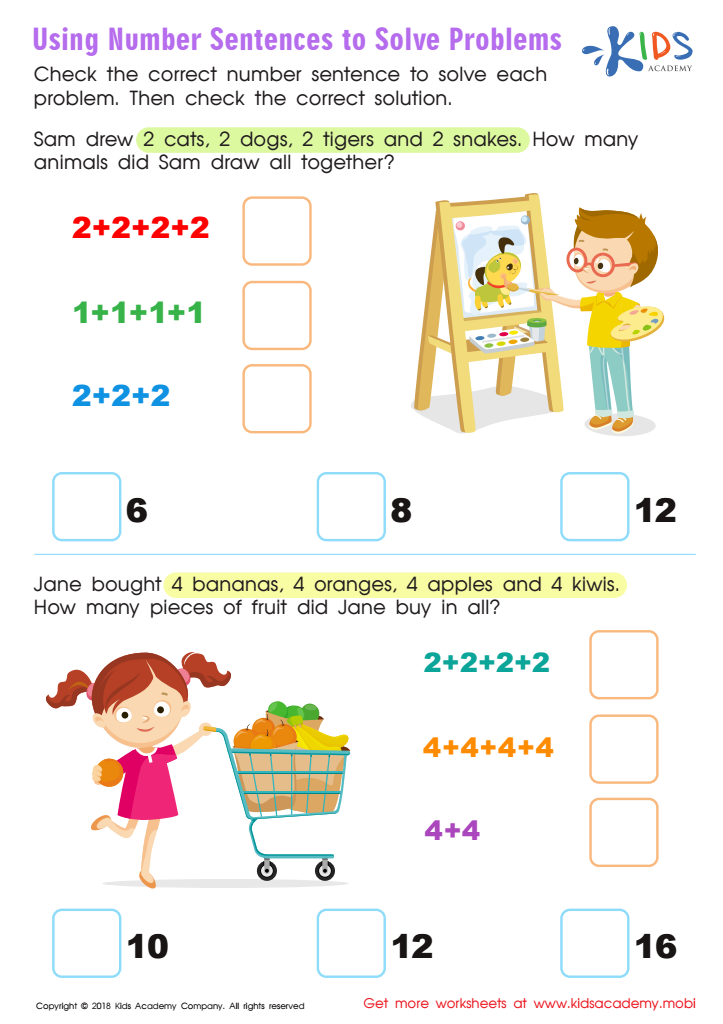
Using Number Sentences to Solve Problems Worksheet
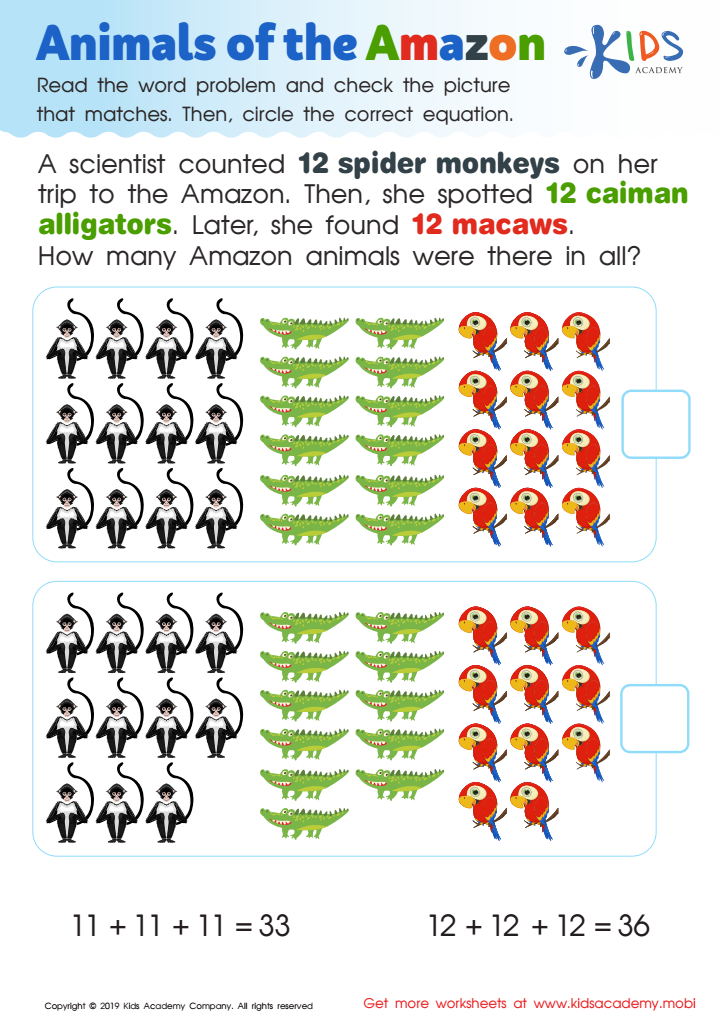
Animals of Amazon Worksheet
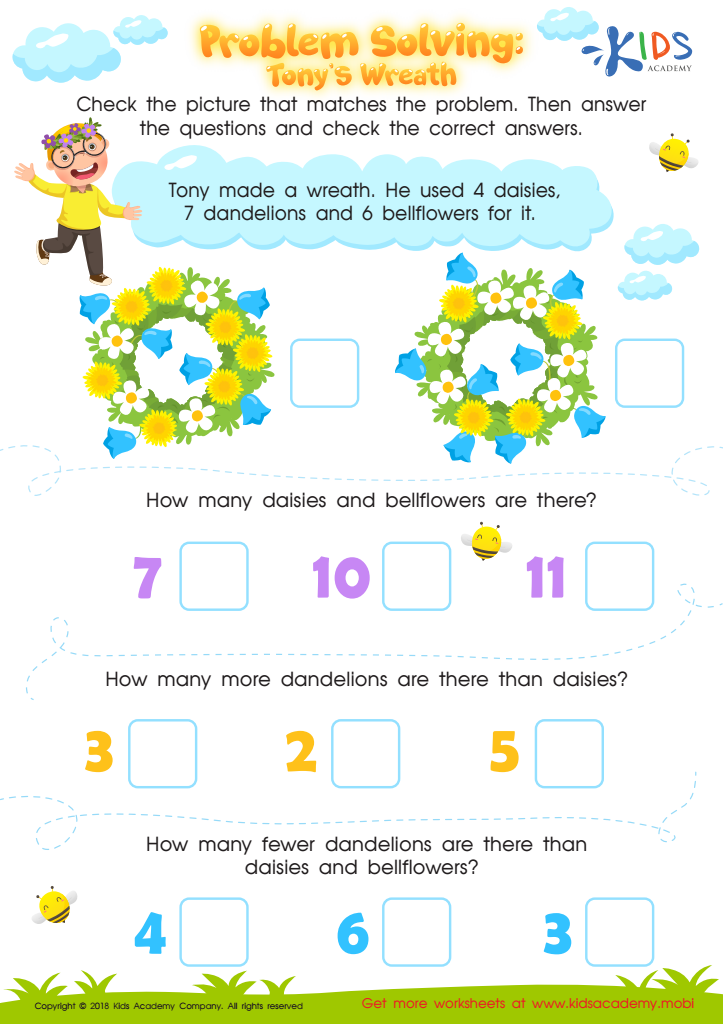
Problem Solving: Tony's Wreath Worksheet
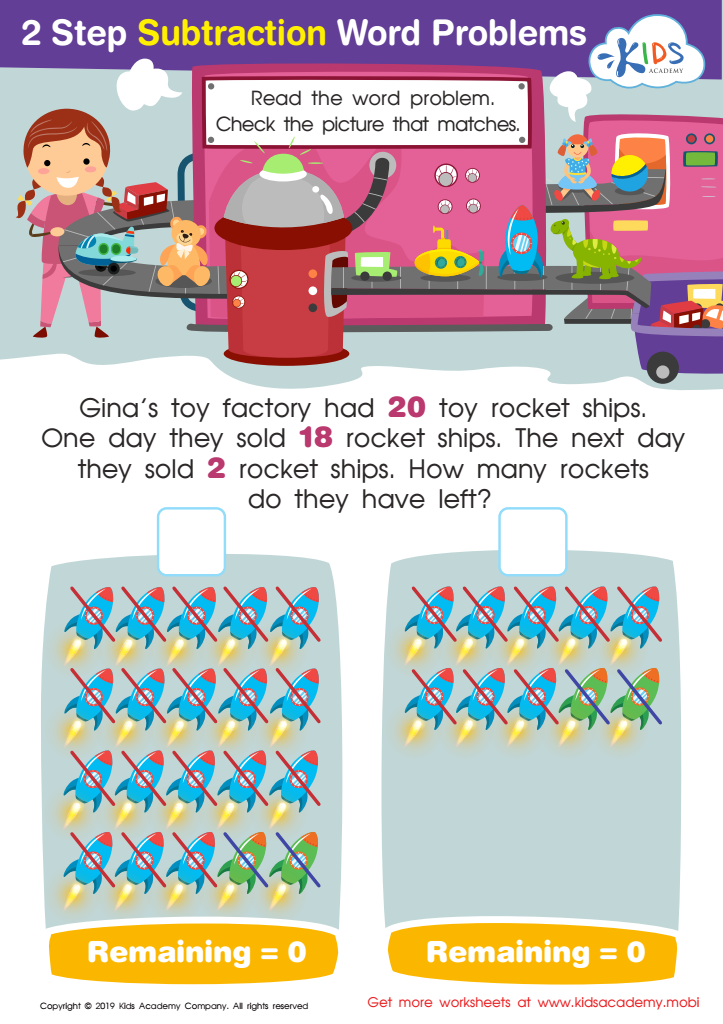
Step Subtraction Word Problems Worksheet
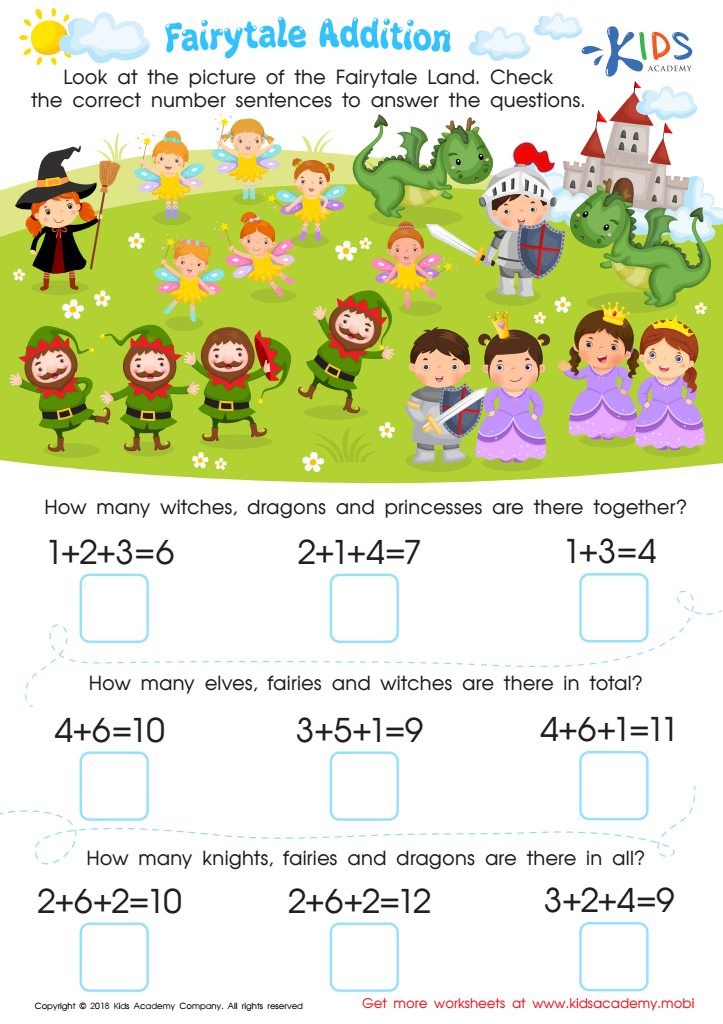
Fairytale Addition Worksheet
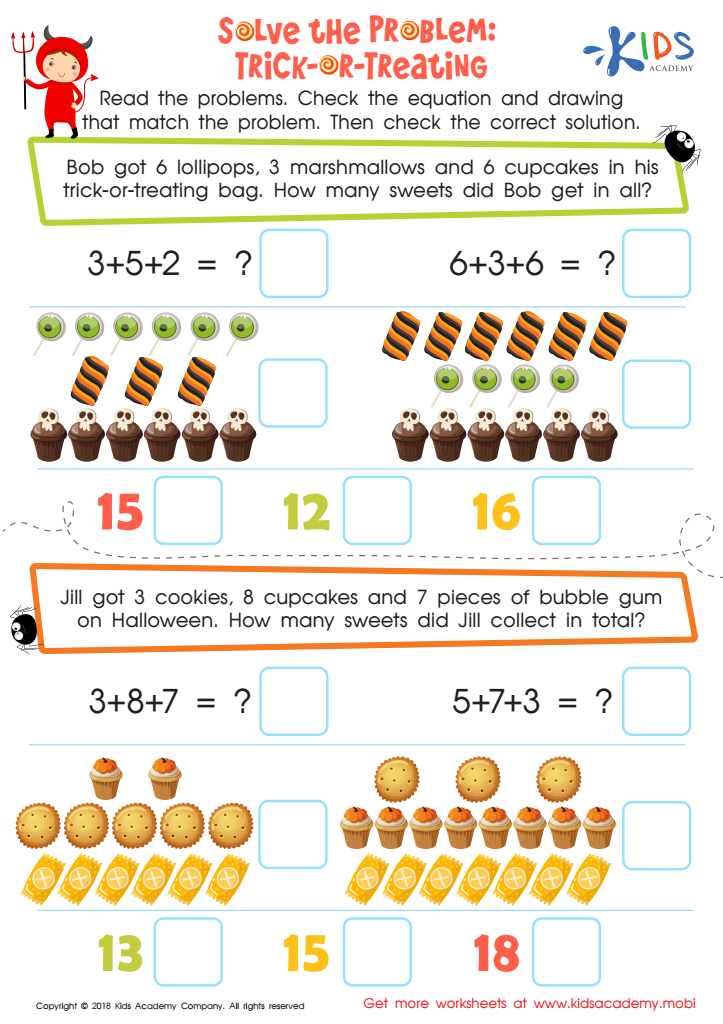
Solve the Problem: Trick–or–treating Worksheet
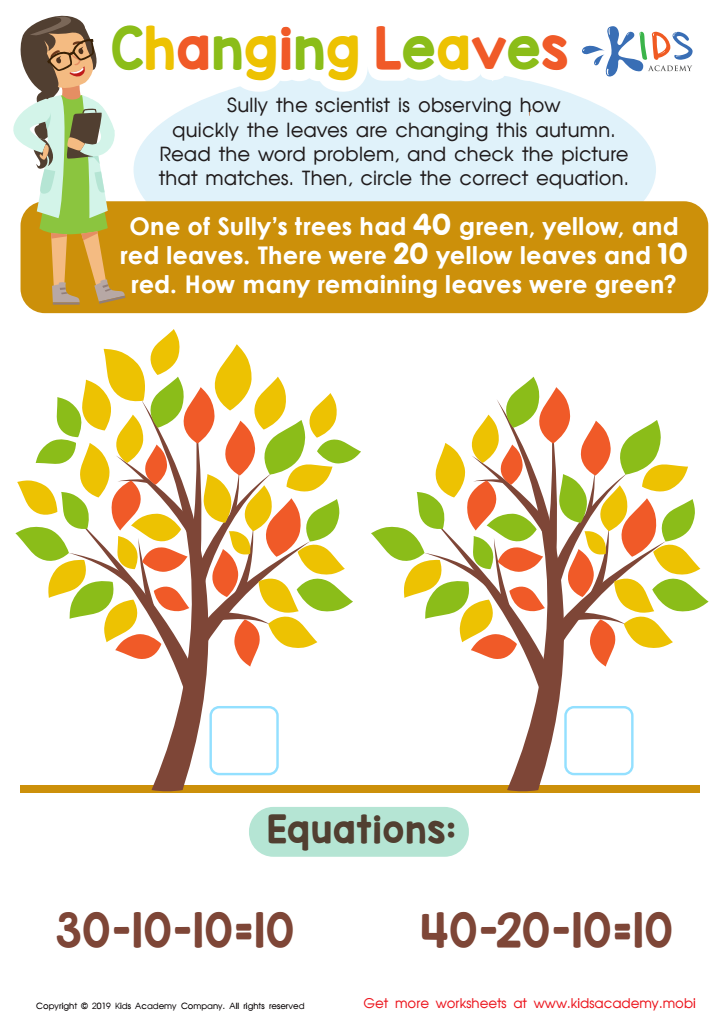
Changing Leaves Worksheet
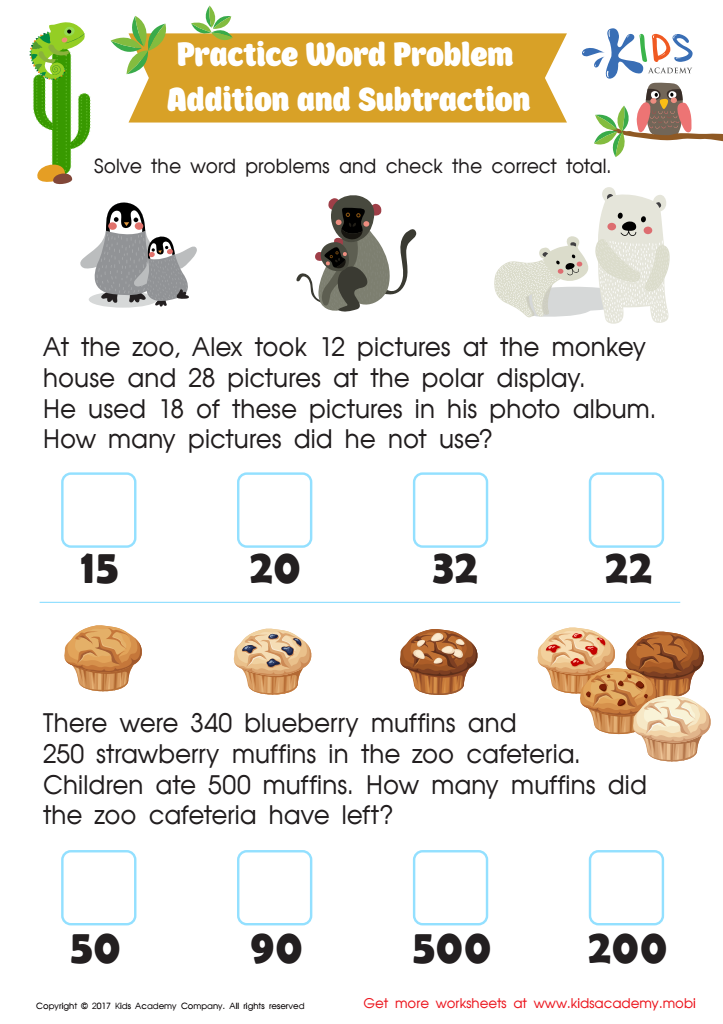
Addition and Subtraction: Word Problems Worksheet
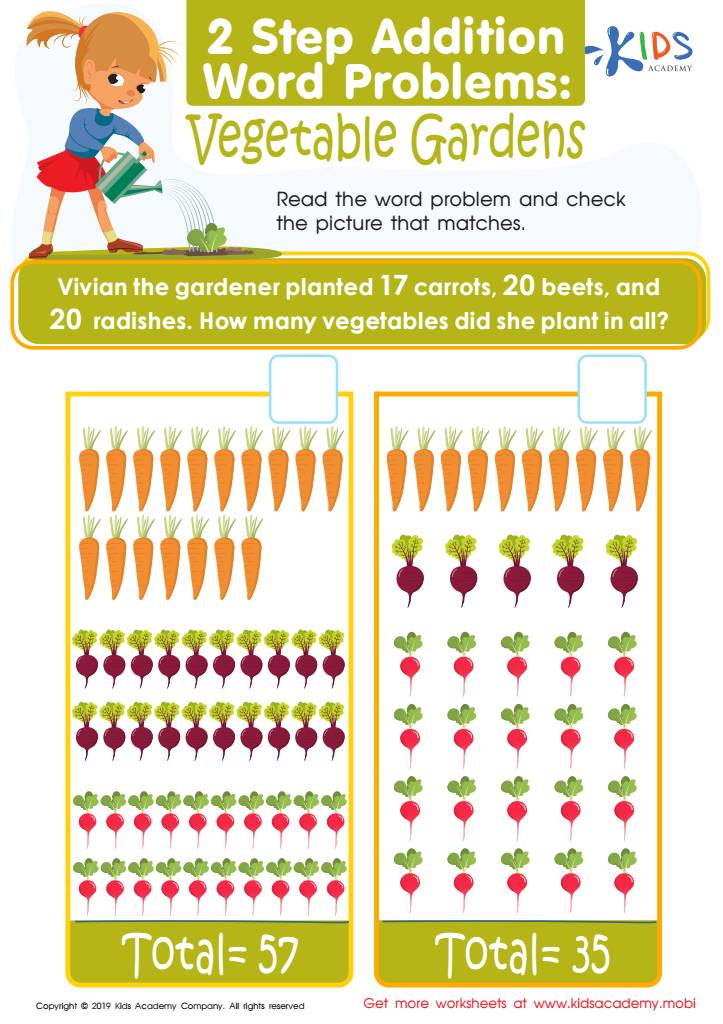
Vegetable Gardens Worksheet
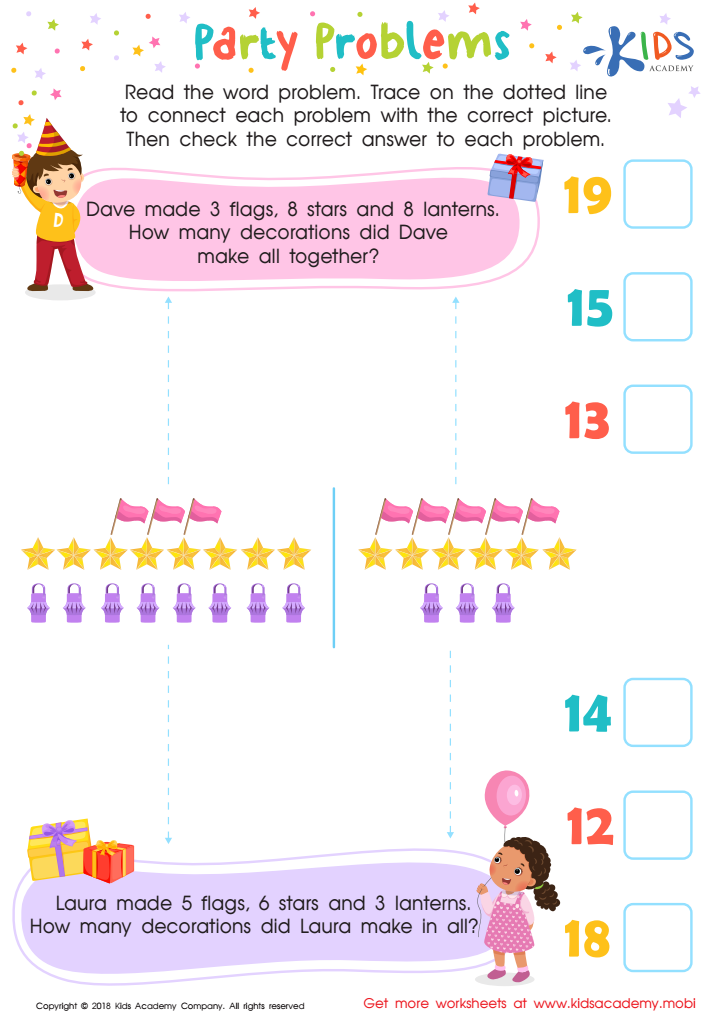
Party Problems Worksheet



Parents and teachers should care about two-step word problems for children aged 7-9 because they play a crucial role in developing critical thinking and problem-solving skills. At this age, students are transitioning from simple arithmetic to more complex mathematical reasoning. Two-step word problems require them to not only perform calculations but also to comprehend the context, analyze the information given, and determine which operations to use.
Engaging with these problems helps to reinforce reading comprehension, as children must decipher the text, identify key information, and understand the relationships between quantities. This process nurtures logical reasoning, as they learn to break down a problem into manageable steps and evaluate the accuracy of their solutions.
Moreover, solving two-step word problems fosters perseverance and patience. Students encounter challenges that encourage them to think creatively and explore different strategies. By mastering these skills now, they build a strong foundation for tackling more complex mathematics in the future. Furthermore, a solid grasp of two-step word problems enhances children's confidence in their mathematical abilities, positively influencing their overall academic performance. Therefore, parents and teachers should prioritize this aspect of math education to prepare students for lifelong learning.