Multiplication practice Plants and Animals Worksheets for Ages 7-9
10 filtered results
-
From - To
Unlock the fun of multiplication with our "Multiplication Practice Plants and Animals Worksheets" designed for ages 7-9! These engaging worksheets blend essential math skills with fascinating themes from the world of plants and animals. Young learners will enjoy solving multiplication problems while discovering interesting facts about the natural world. Our worksheets not only strengthen multiplication skills but also spark curiosity and enhance knowledge about biology. Perfect for classroom use or at-home learning, these printable activities make mastering multiplication enjoyable and educational. Foster a love for math and science in your child with our delightful, curriculum-aligned worksheets!
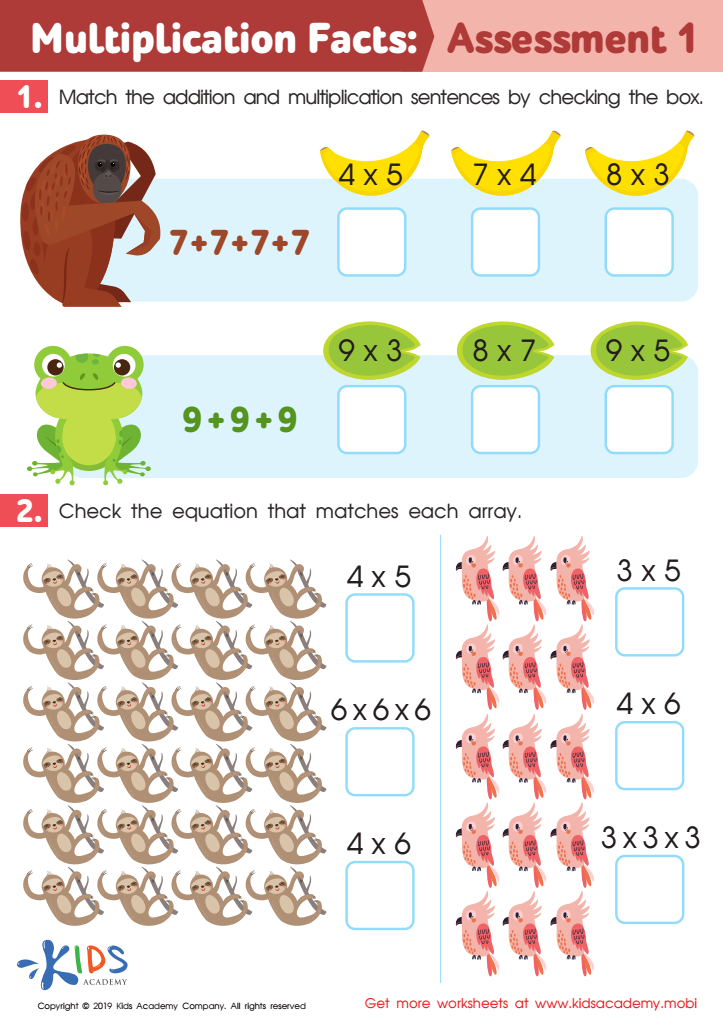
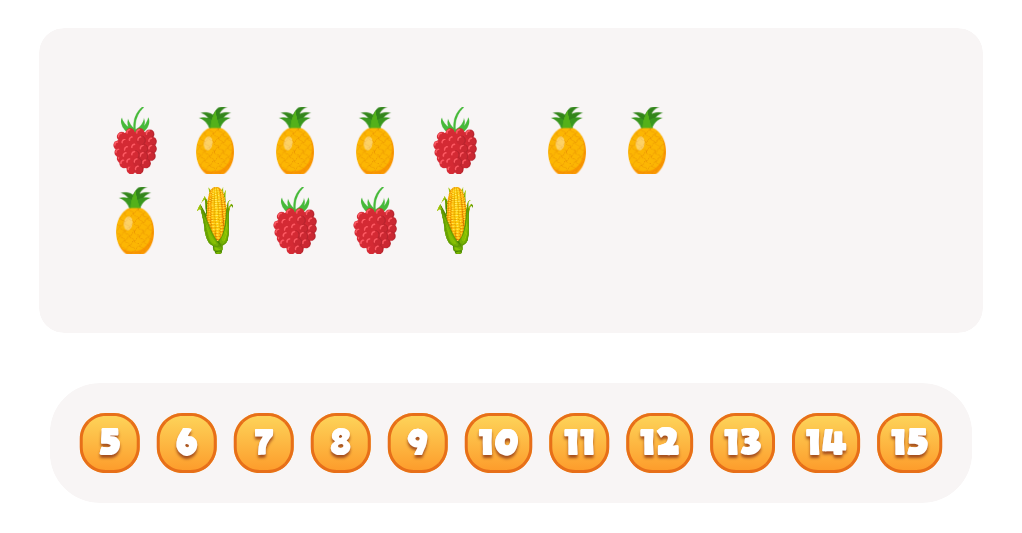
Multiplication Facts: Assessment 1 Worksheet
 Assign to My Students
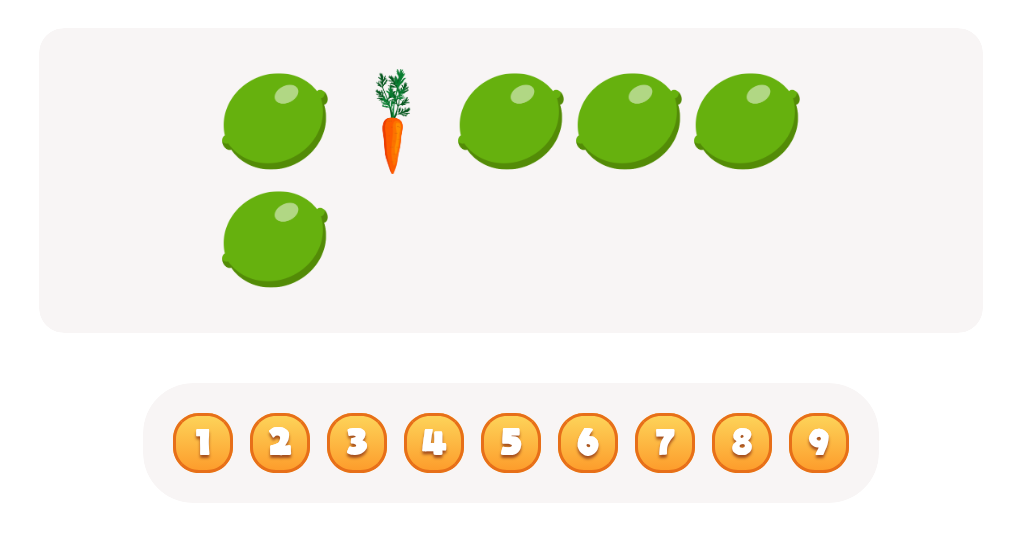

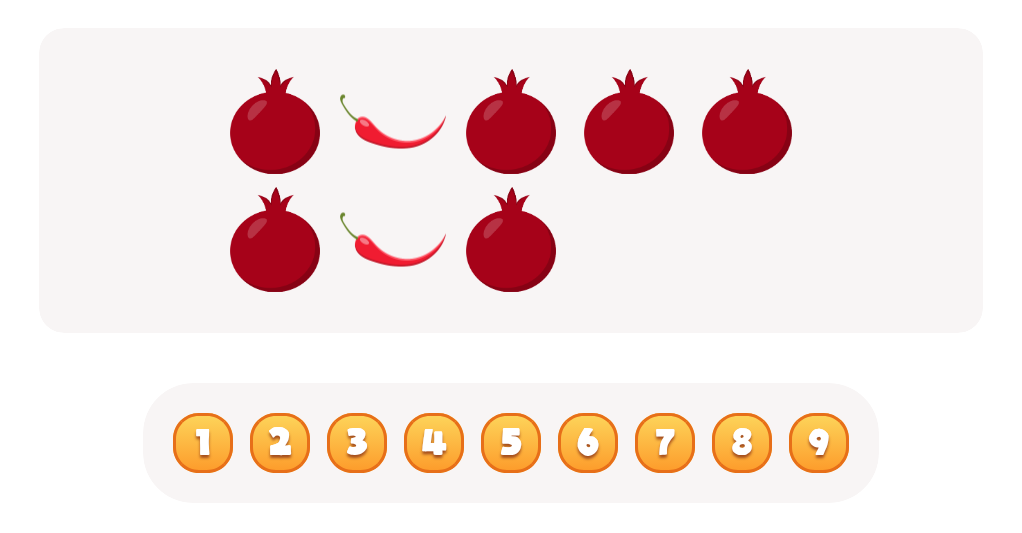
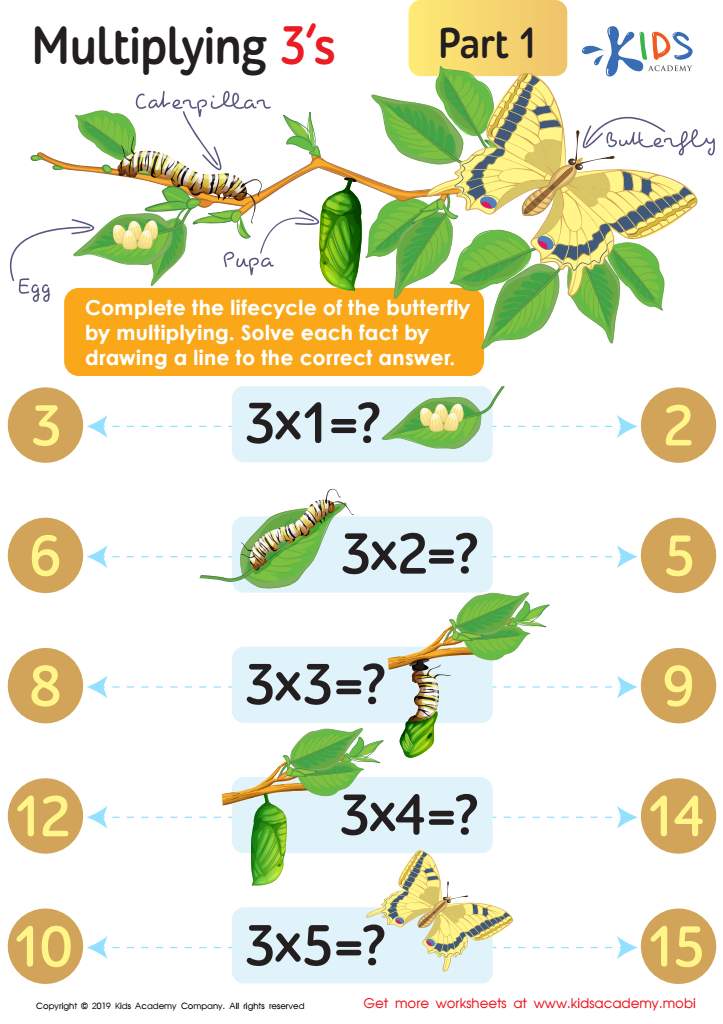
Multiplying 3’s Part 1 Worksheet
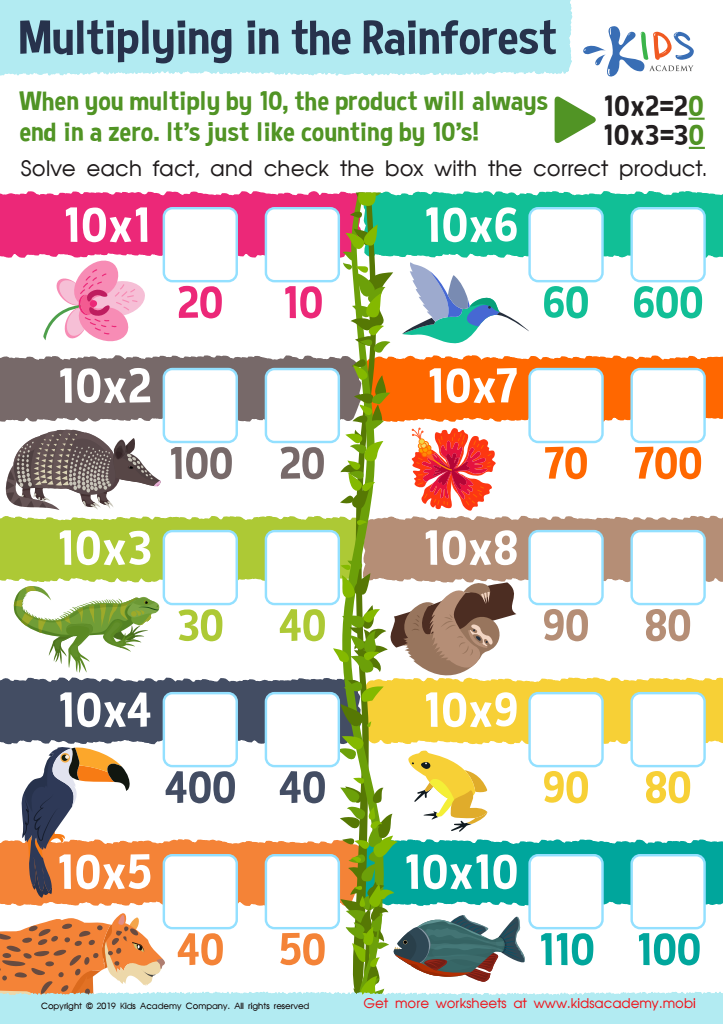
Multiplying in the Rainforest Worksheet
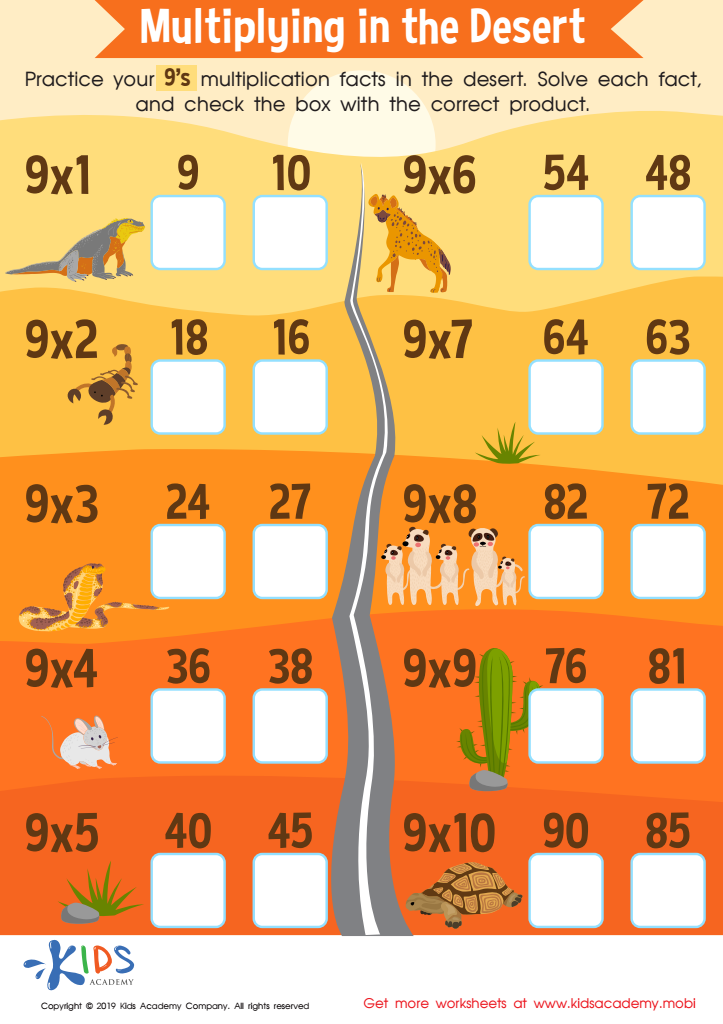
Multiplying in the Desert Worksheet
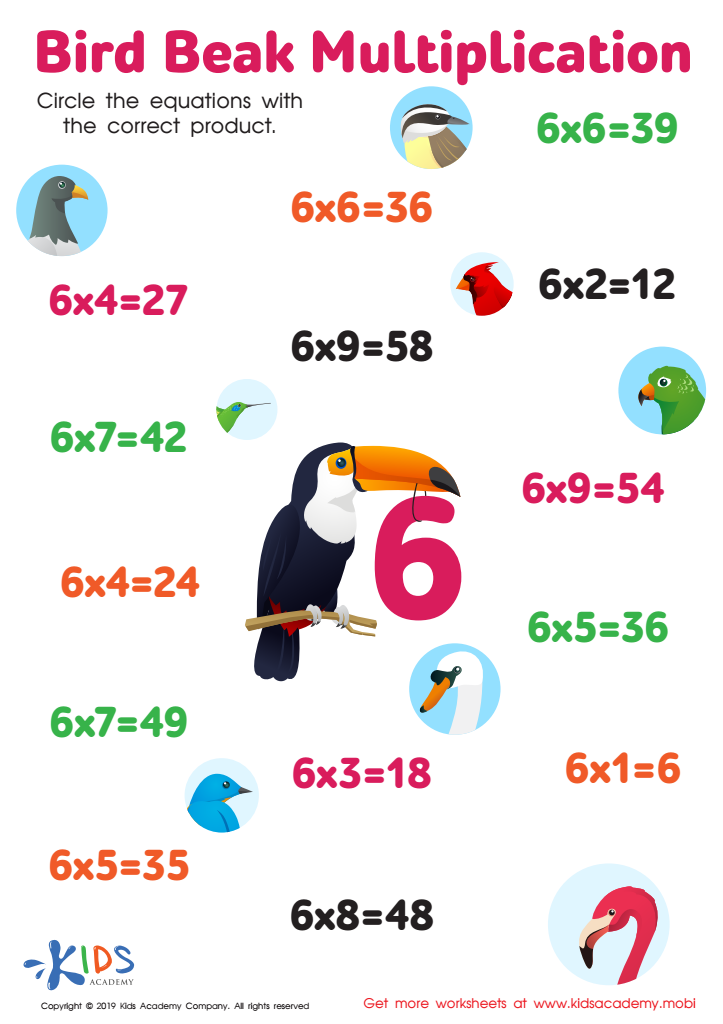
Bird Beak Multiplication Worksheet
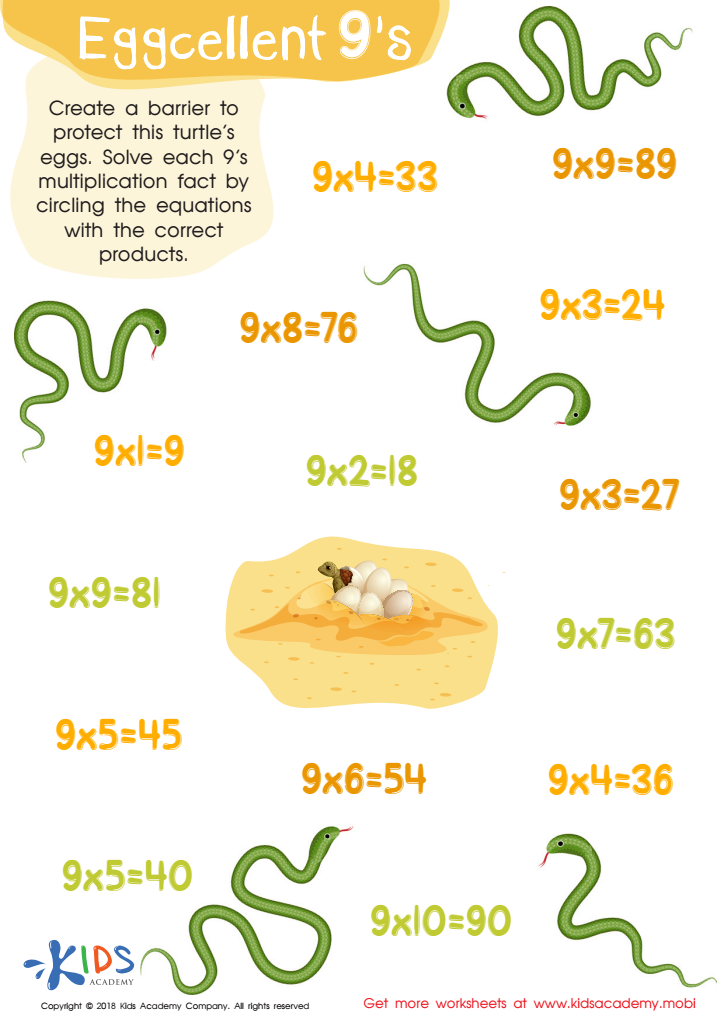
Eggcellent 9’s Worksheet
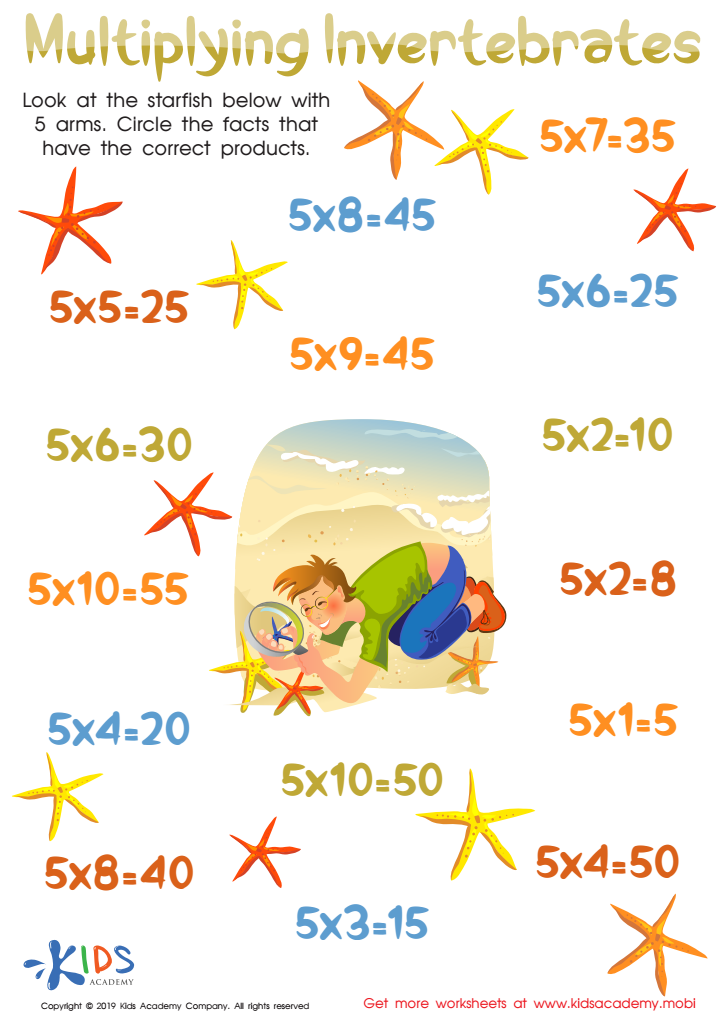
Multiplying Invertebrates Worksheet
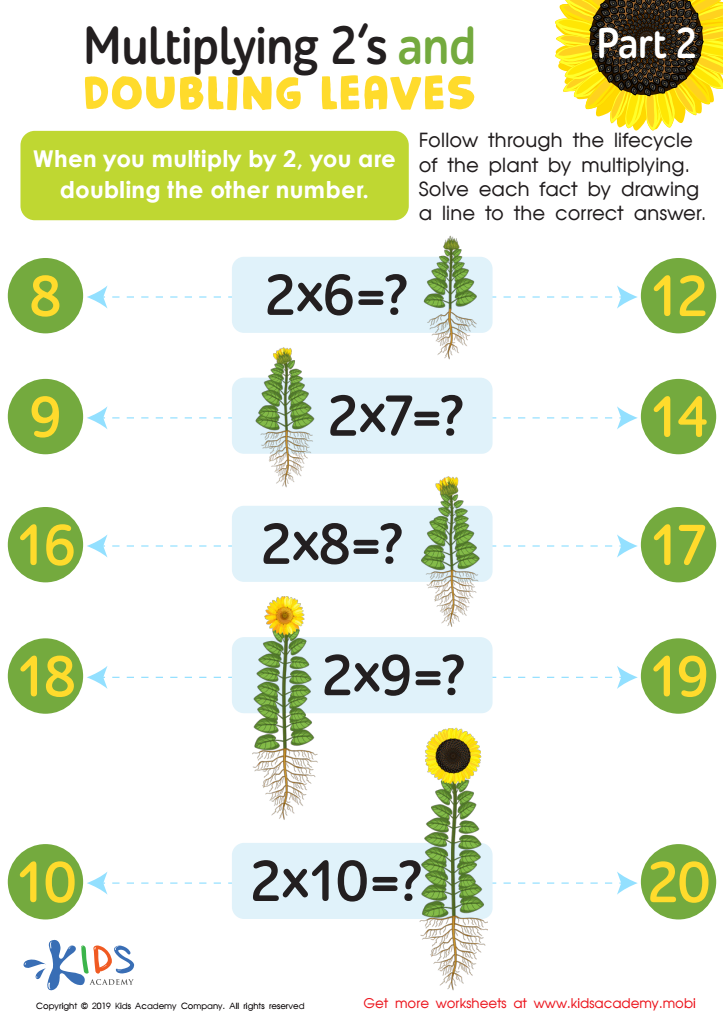
Multiplying 2’s and Doubling Leaves Part 2 Worksheet
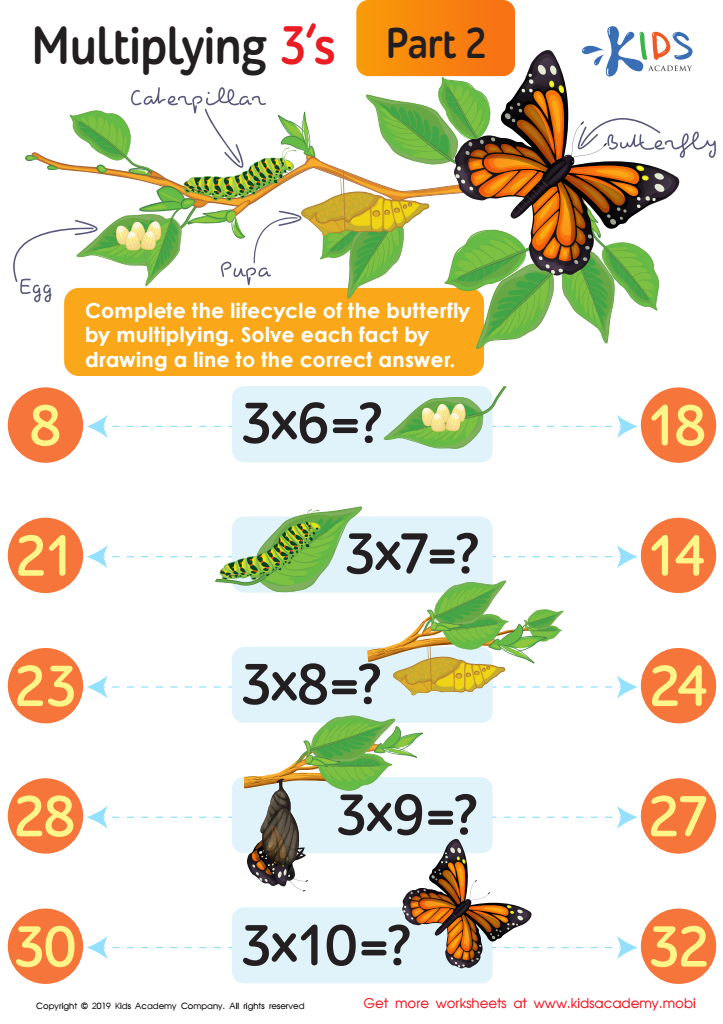
Multiplying 3s Part 2 Worksheet
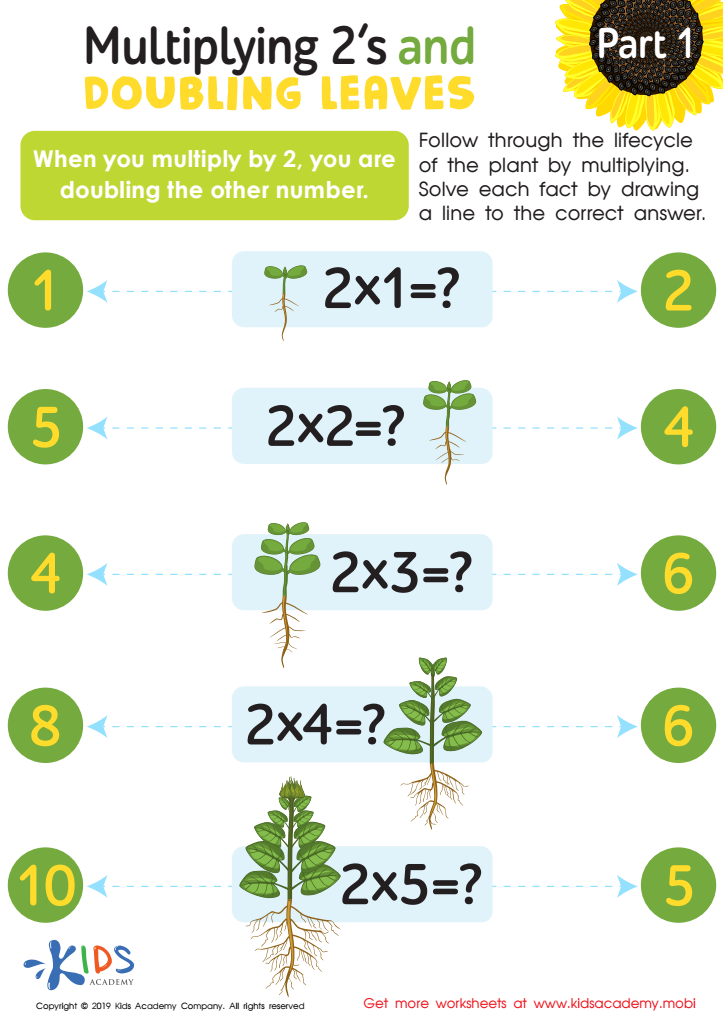
Multiplying 2’s and Doubling Leaves Part 1 Worksheet








Multiplication practice among children aged 7-9 is crucial, as it forms a foundational skill essential for their future mathematical learning. Using engaging and relatable themes like plants and animals for this age group makes the learning experience more enjoyable and meaningful, thereby increasing their interest and retention.
For parents and teachers, connecting multiplication practice with relatable themes enriches the educational experience. Firstly, plant and animal themes can help bridge the gap between abstract concepts and tangible, real-world applications. For example, discussing how many legs different animals have and multiplying to find out totals, or exploring how plants grow in rows and columns, gives a real-life context to multiplication.
Additionally, incorporating these themes integrates cross-curricular learning by merging science and math. While practicing multiplication, students can learn about different species, life cycles, and ecosystems. This interdisciplinary approach not only reinforces their multiplication skills but also broadens their overall knowledge and critical thinking abilities.
Moreover, a thematic approach can cater to diverse learning styles. Visual learners can benefit from graphical representations of animals or plants in group configurations; kinesthetic learners may engage in hands-on activities like counting seeds or toy animals into grouped sets. By making multiplication practice both fun and educational with themes that excite children's natural curiosities and interests, parents and teachers help instill a positive attitude towards learning and a robust mathematical foundation.








