Governance and Civics Worksheets for Ages 7-9 - Page 2
47 filtered results
-
From - To
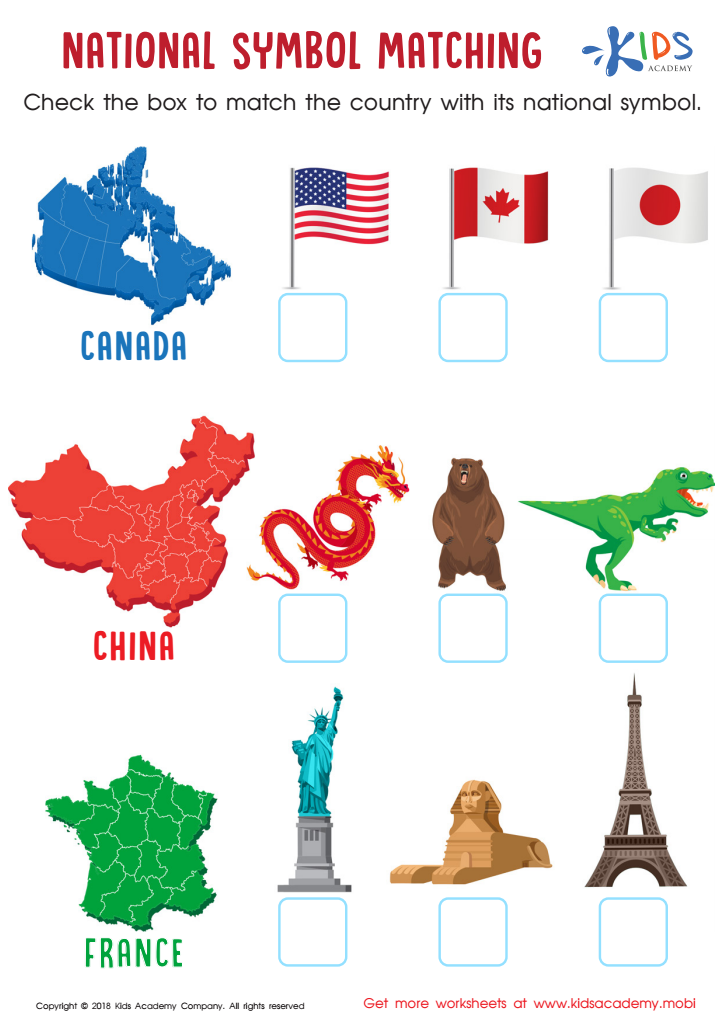
National Symbol Matching Worksheet
 Assign to My Students
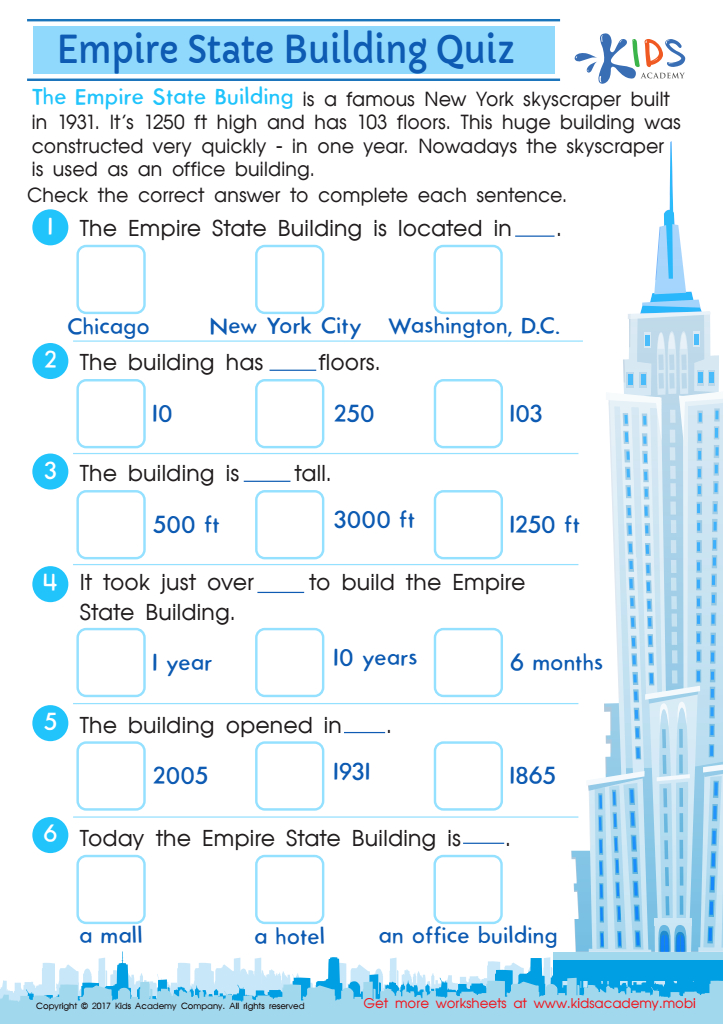
Empire State Building Printable Worksheet
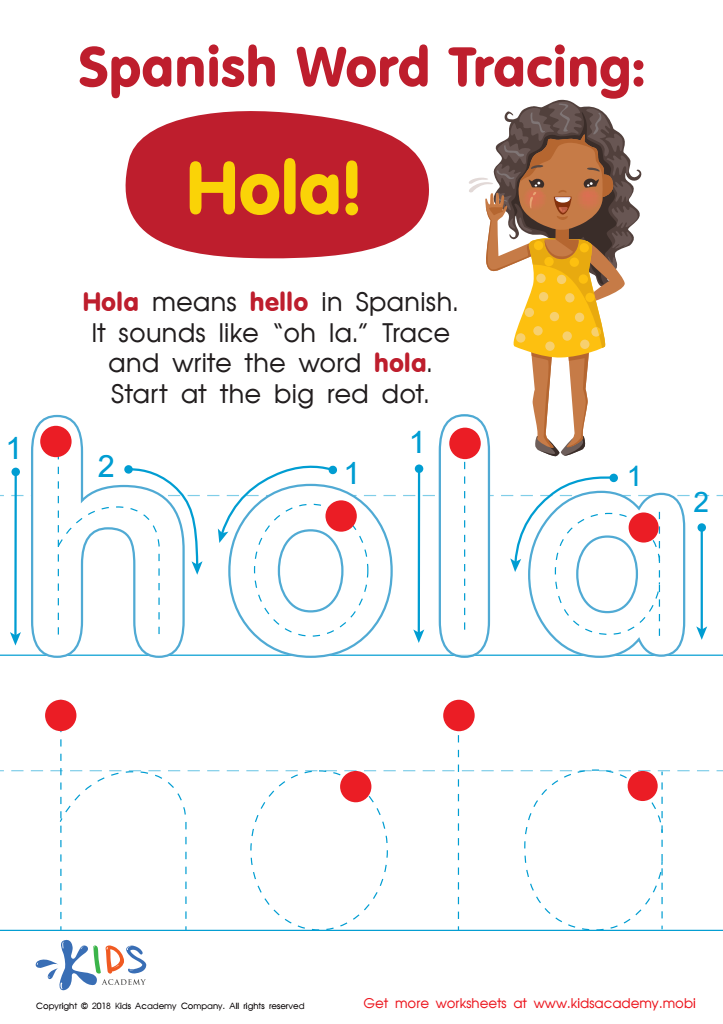
Spanish Word Tracing: Hola Worksheet
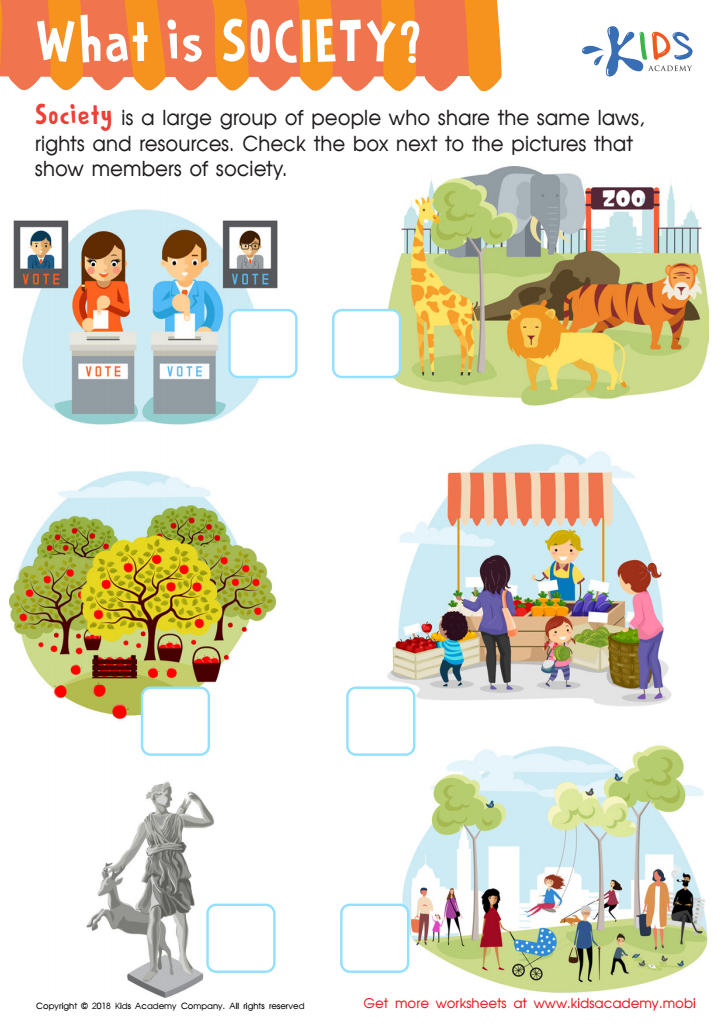
What Is Society? Worksheet
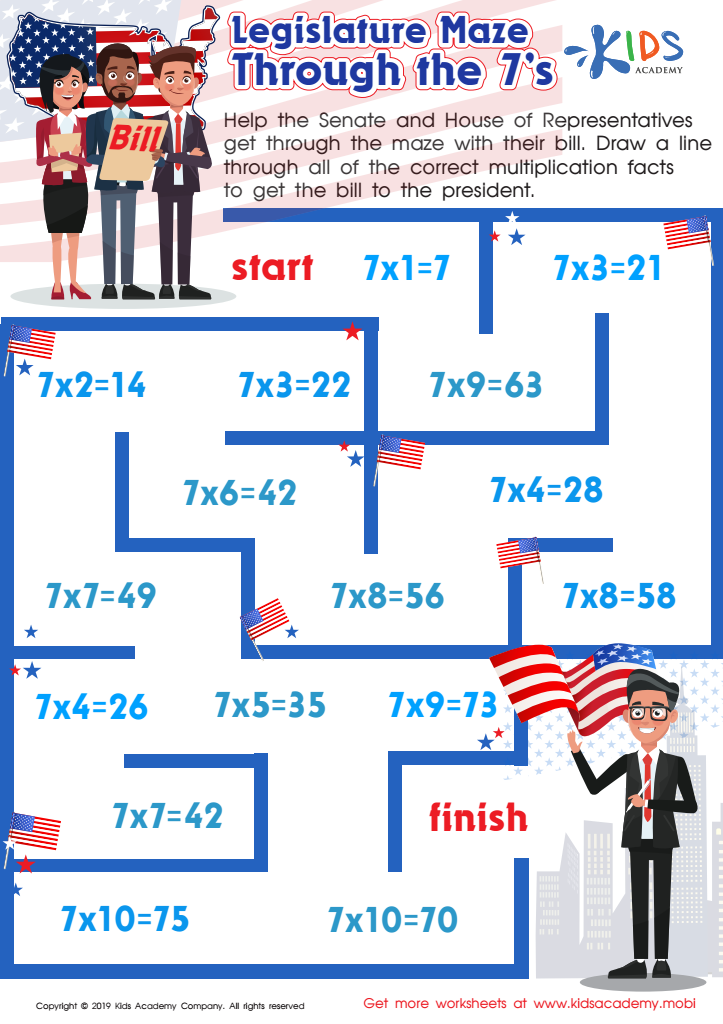
Legislature Maze Through the 7’s Worksheet
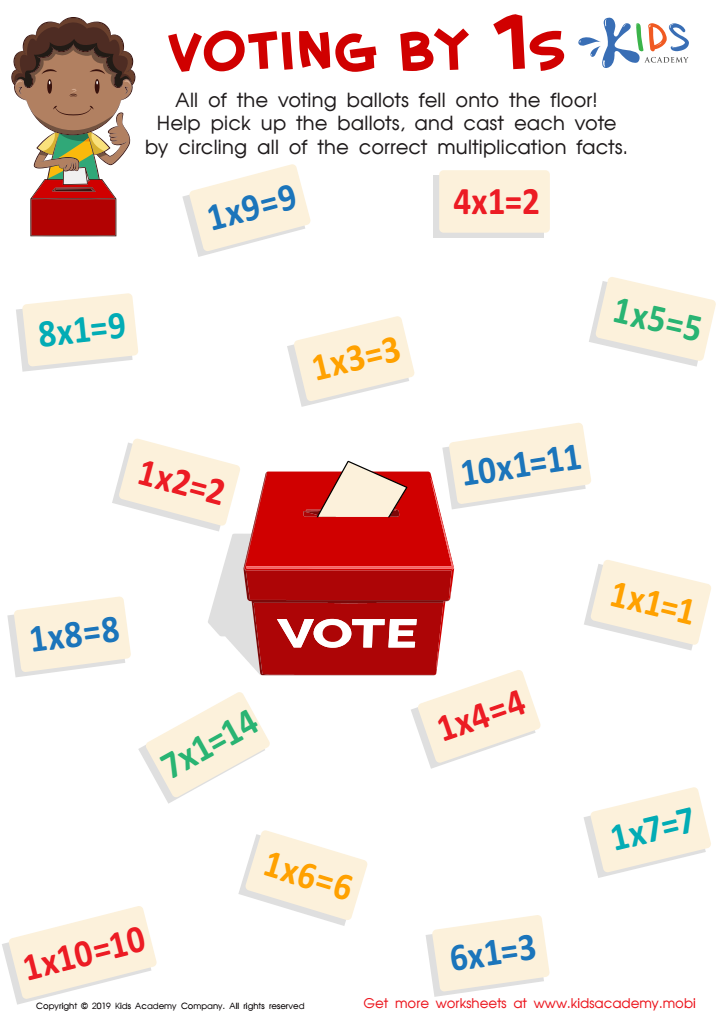
Voting by 1s Worksheet
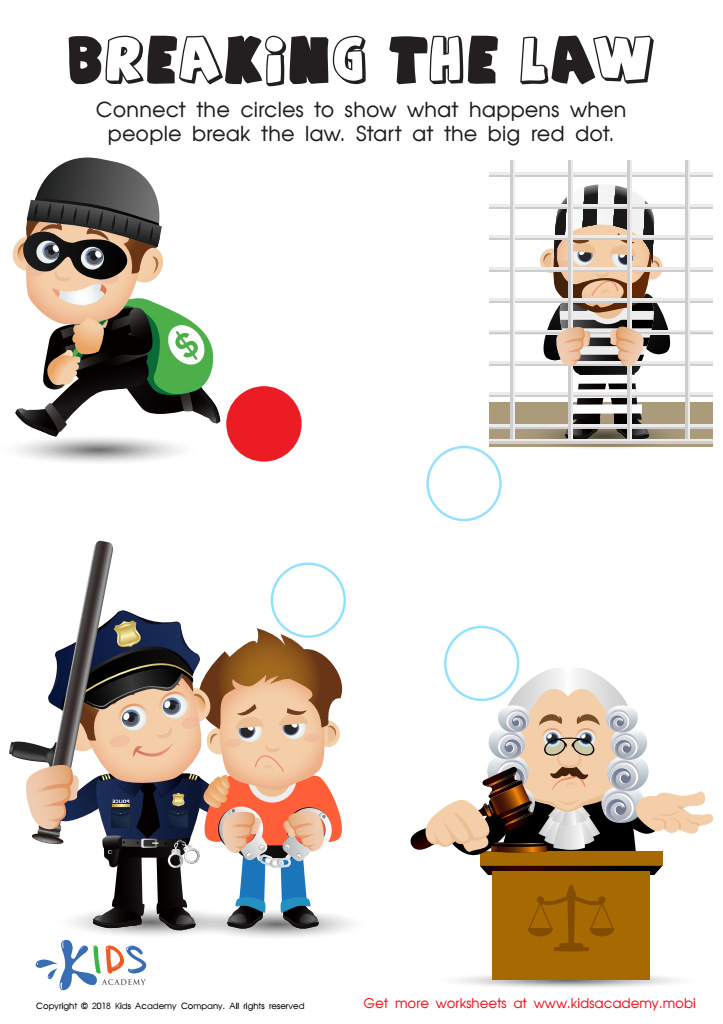
Breaking the Law Worksheet
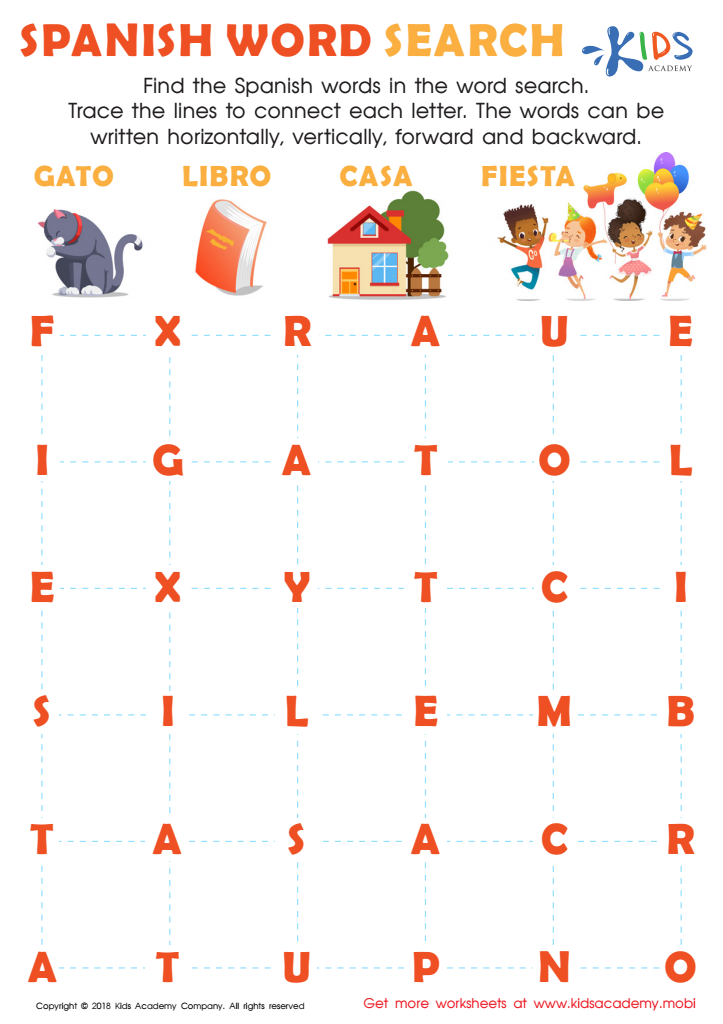
Spanish Word Search Worksheet
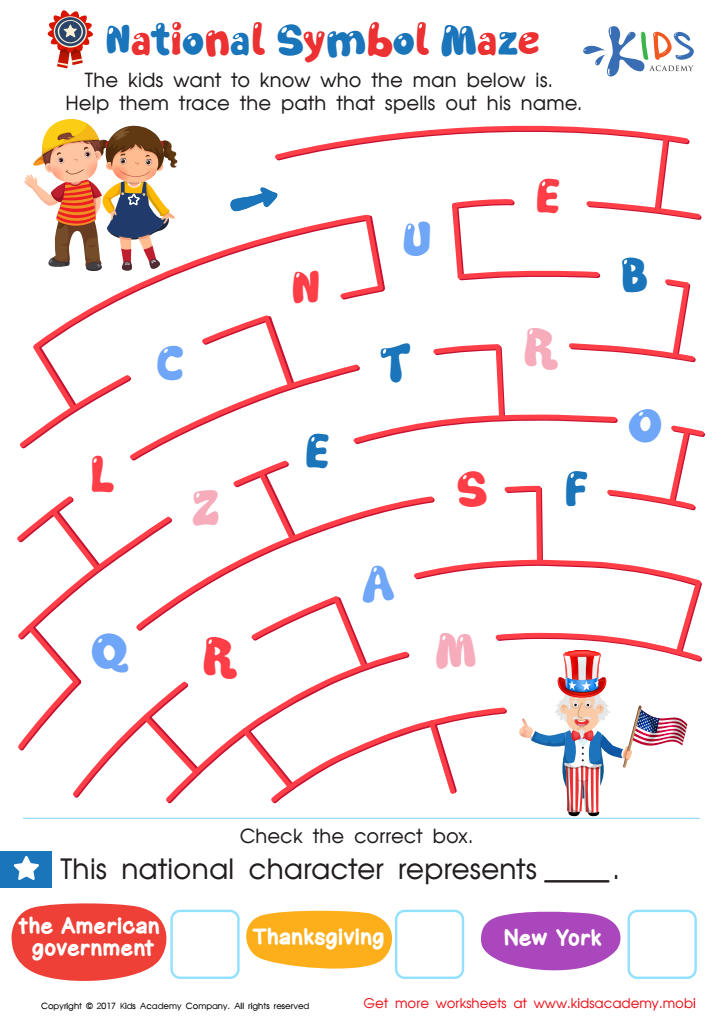
National Symbol Maze Worksheet
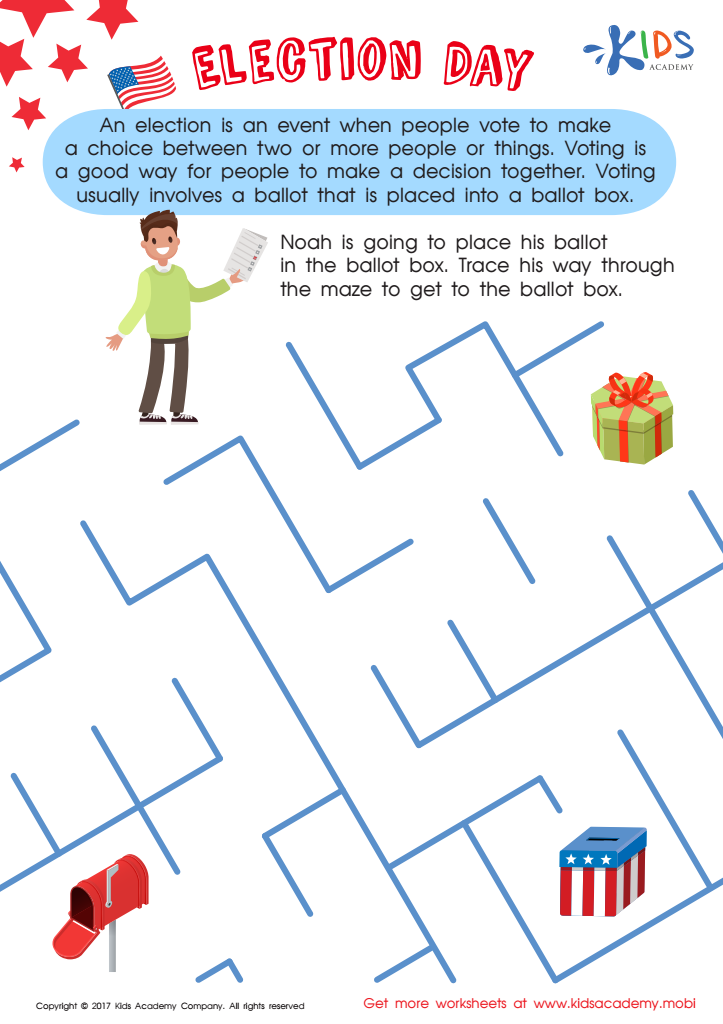
Election Day Worksheet
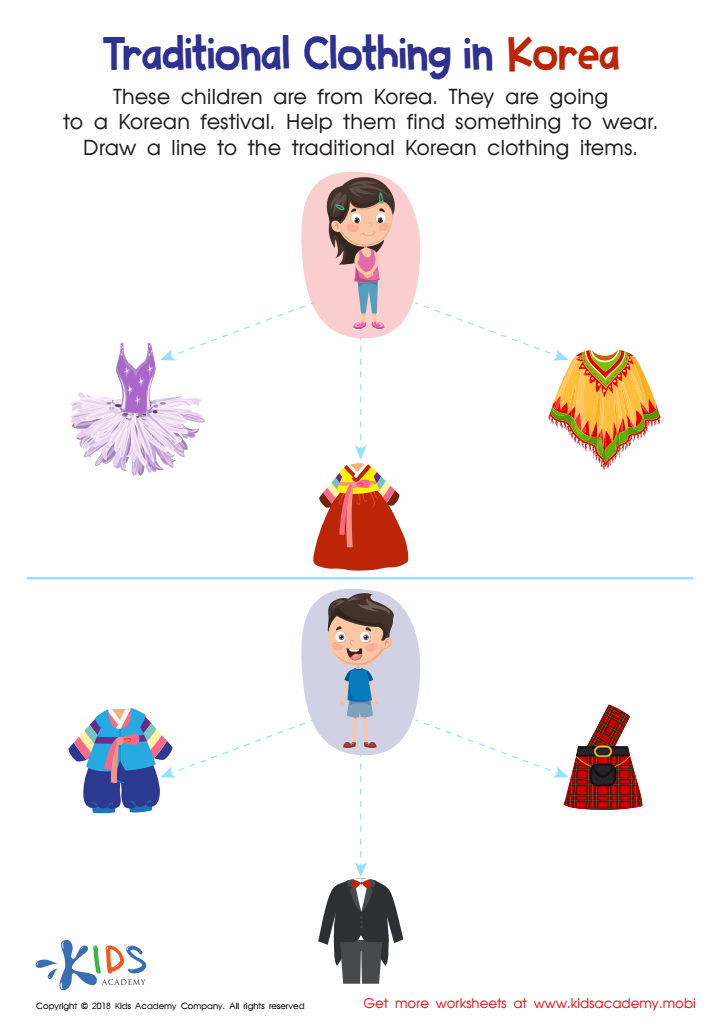
Traditional Clothing in Korea Worksheet
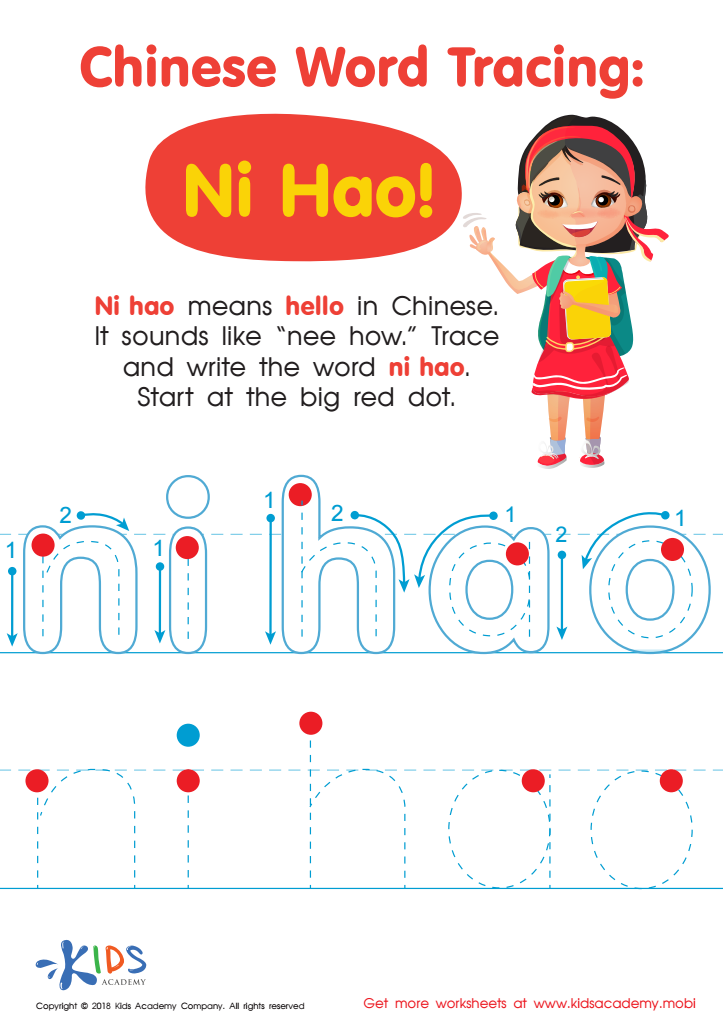
Chinese Word Tracing: Ni Hao Worksheet
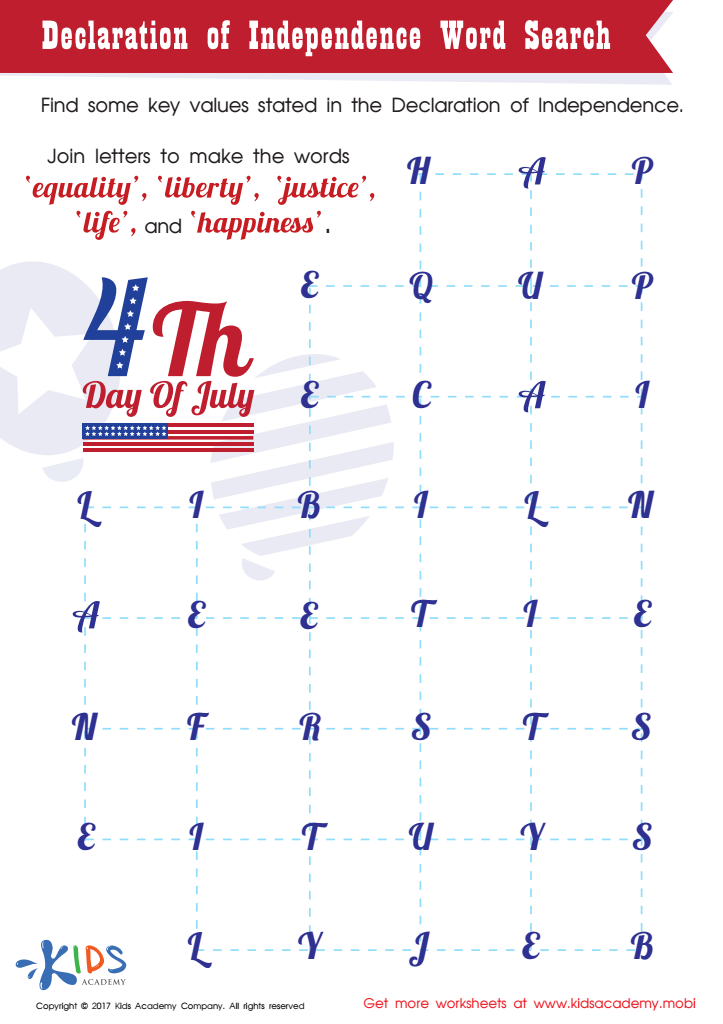
Declaration of Independence Word Search Printable
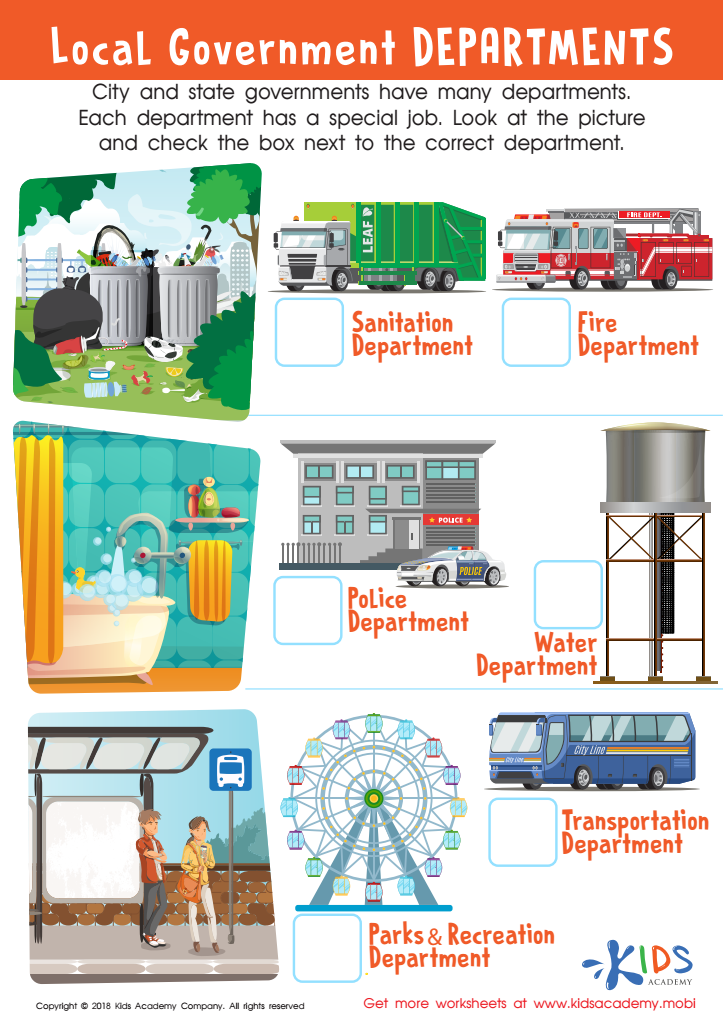
Local Government Departments Worksheet
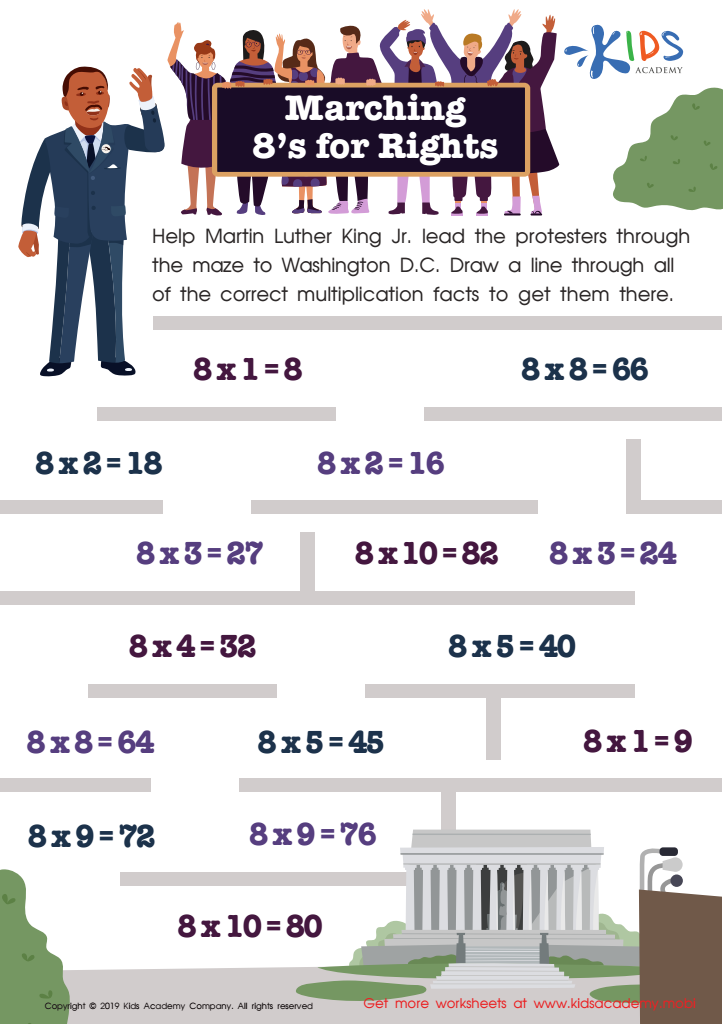
Marching 8’s for Rights Worksheet
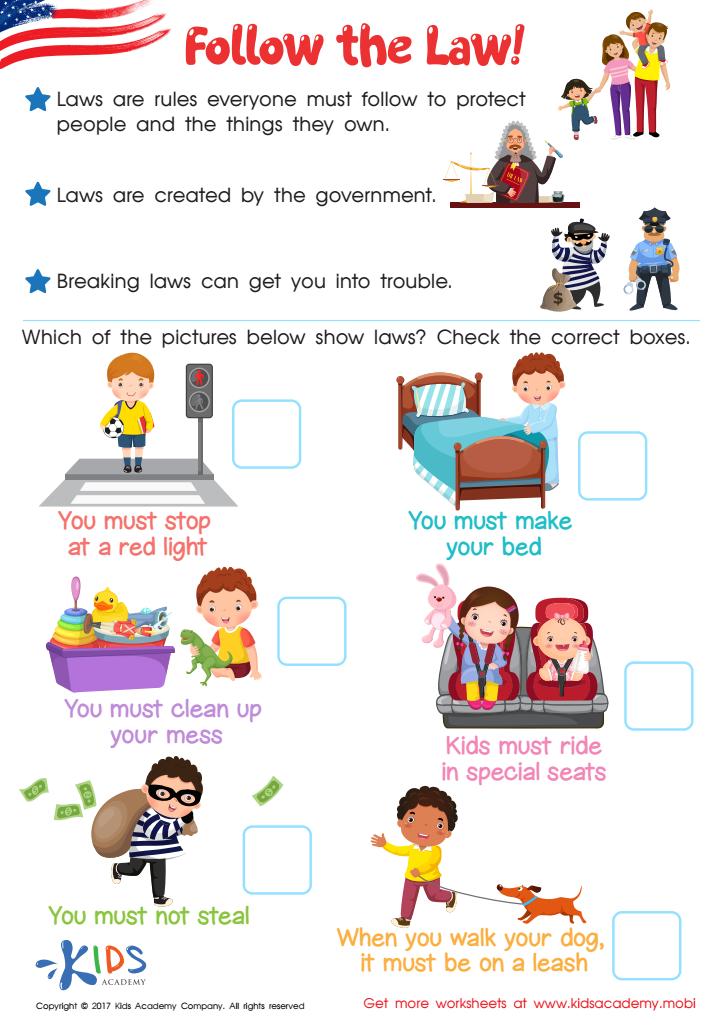
Follow the Law Worksheet
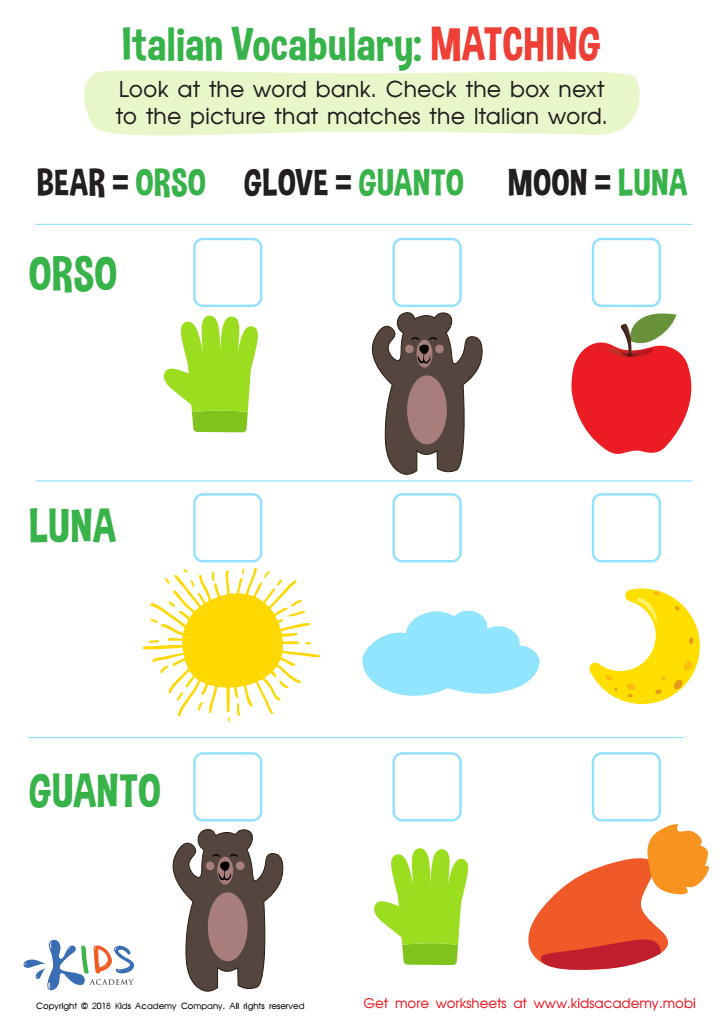
Italian Vocabulary Matching Worksheet
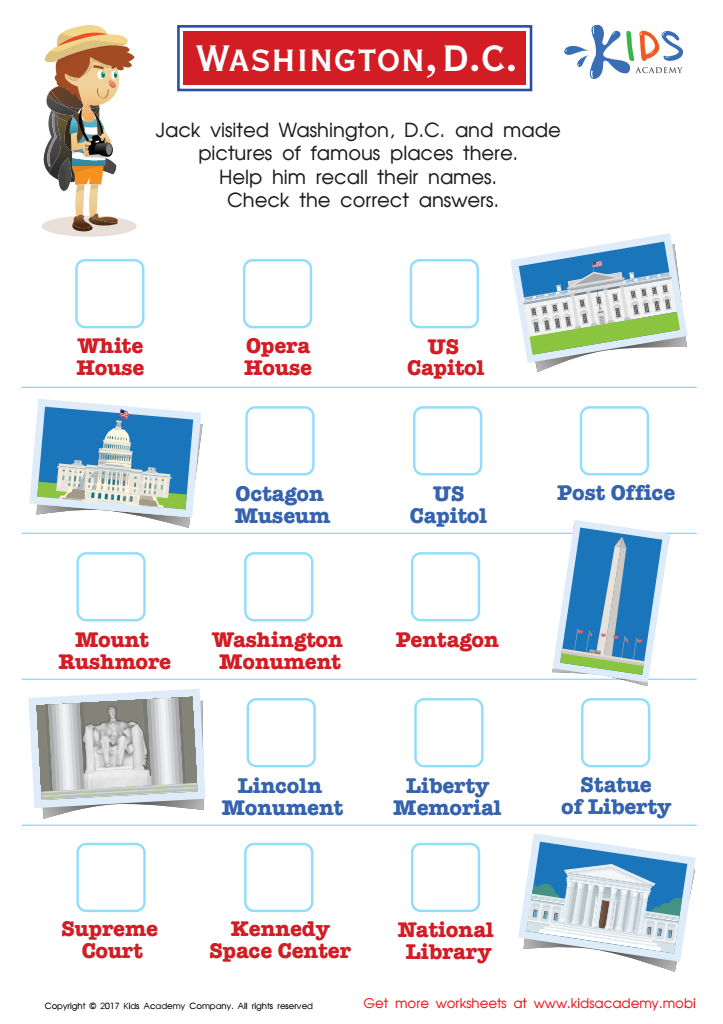
Washington D.C. Printable Worksheet
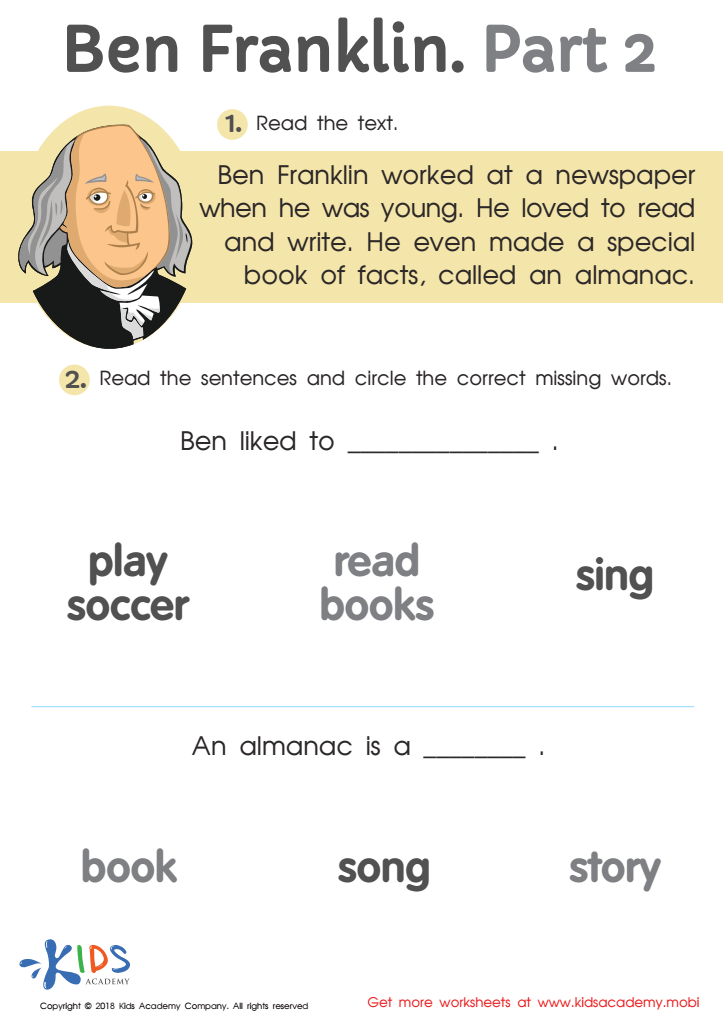
Ben Franklin Part 2 Worksheet
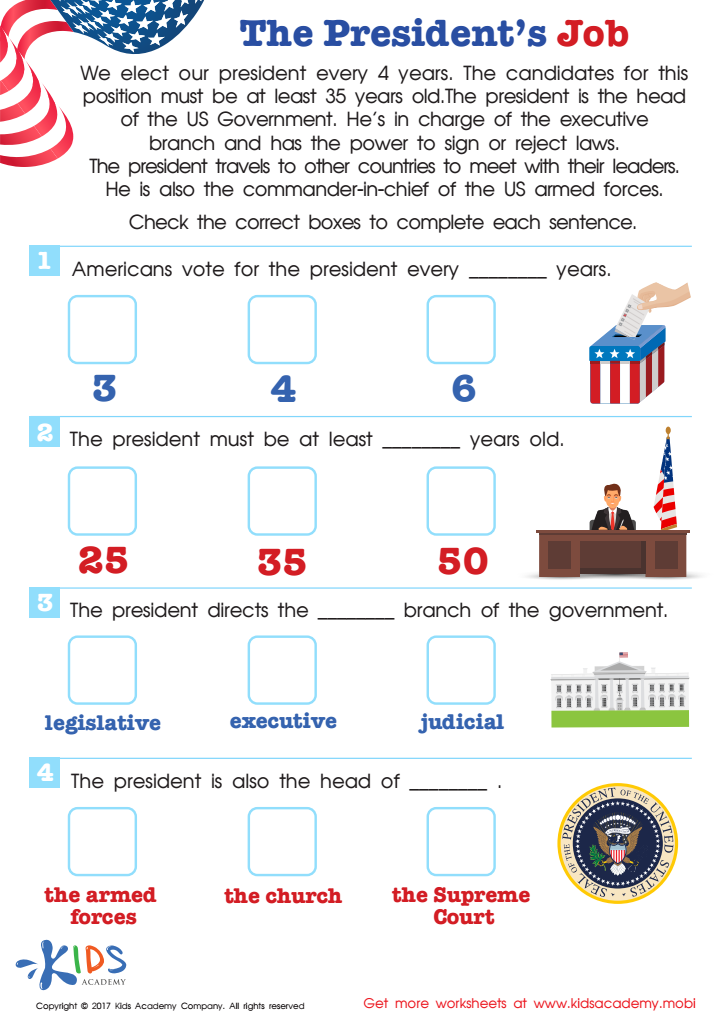
President of the USA Job Description Worksheet
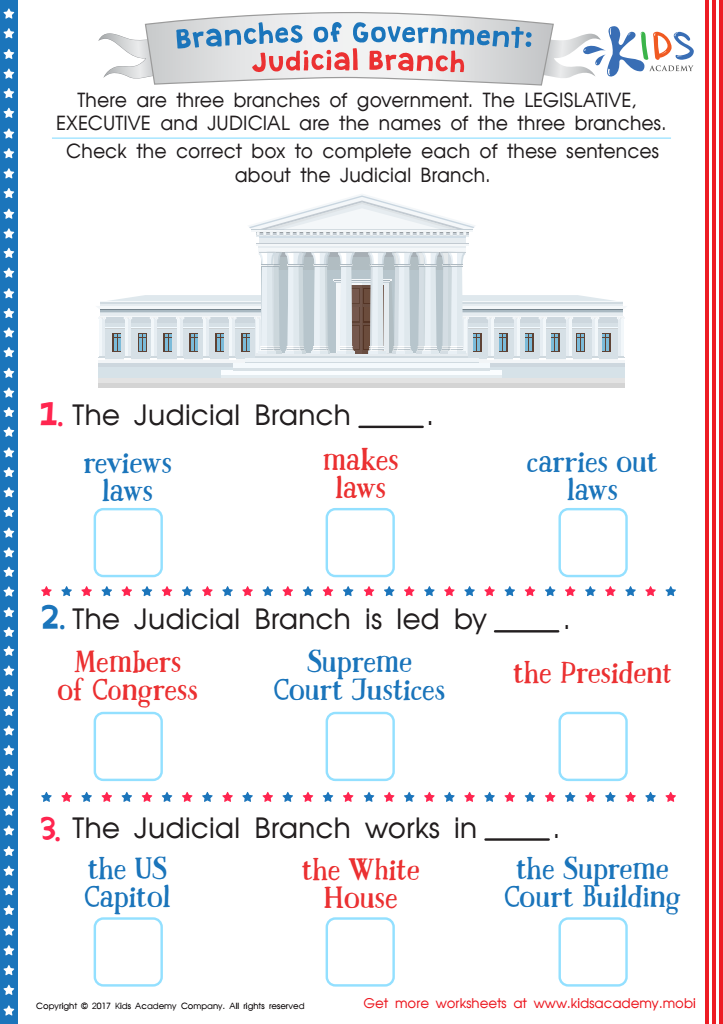
Braches of the Government: Judicial Branch Worksheet
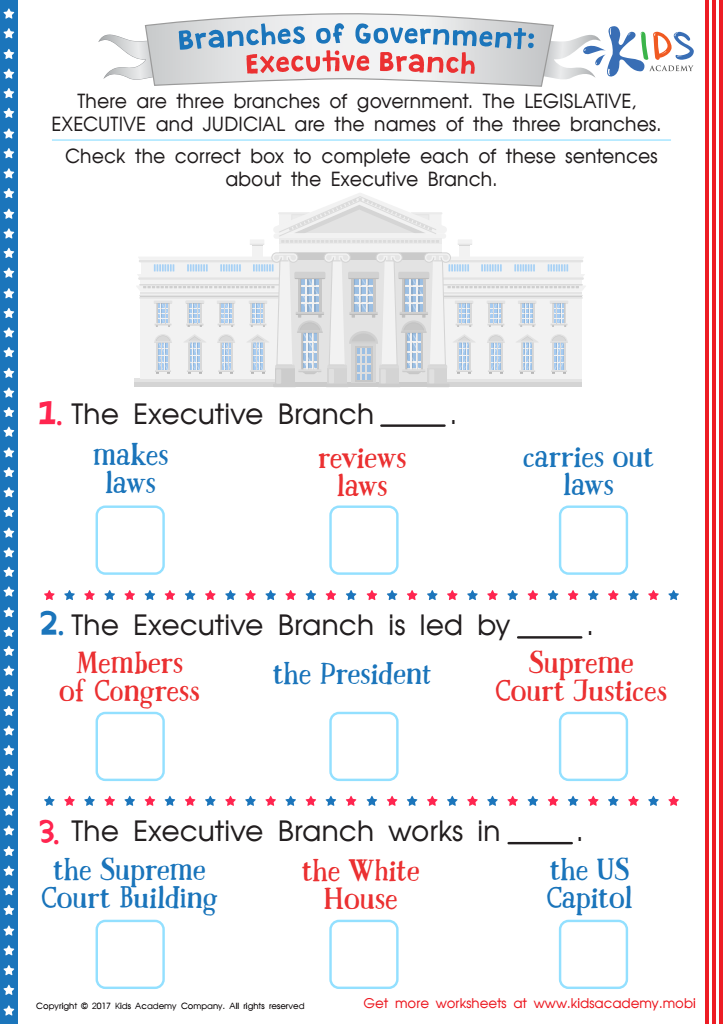
Branches of the Government: Executive Branch Printable
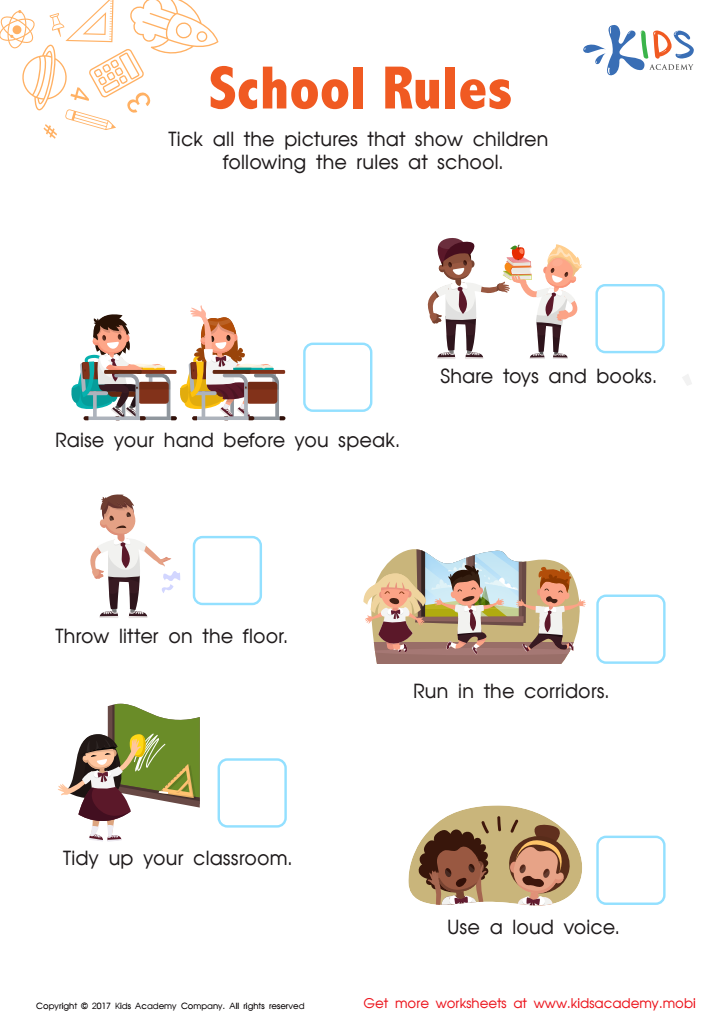
School Rules Worksheet


Parents and teachers should care about governance and civics for ages 7-9 because early education in these subjects lays the foundation for responsible citizenship. Understanding governance helps children grasp how laws are made and enforced, instilling respect for rules and regulations. It empowers them to recognize their roles within their communities, encouraging active participation in democratic processes from a young age.
Moreover, children in this age group are beginning to form their worldviews; teaching them about civics fosters critical thinking and empathy. They learn about diversity, equality, and justice, which are essential for promoting inclusivity and cooperation. When children understand the importance of civic engagement, they are more likely to develop a sense of responsibility toward their community.
Additionally, governance and civics education cultivates important skills such as communication, problem-solving, and collaboration. These skills are not only beneficial for individual growth but are also vital for social cohesion. By equipping young learners with this knowledge, parents and teachers contribute to the development of informed, engaged citizens who can positively influence the future. This guidance during crucial formative years helps instill values of integrity and service that carry over as children grow into adulthood.








