Filters

8 filtered results

Clear all filters
Favorites
With answer key
Interactive

8 filtered results

Difficulty Level

Grade


Boost your child's critical thinking skills with our specially designed Plants and Animals Worksheets for ages 8-9! Perfect for curious young learners, these engaging activities focus on the fascinating world of plants and animals, enhancing problem-solving abilities and scientific understanding. Each worksheet encourages kids to analyze information, make connections, and draw conclusions about the natural world around them. Fun and educational, our worksheets align with standard science curricula, making learning both effective and enjoyable. Help your child discover the wonders of nature while sharpening essential critical thinking skills with Kids Academy!

Check out this FREE Trial Lesson on Plants and Animals for age 8-9!

Multiplication and Division Fact Families Multiplication Facts Part 2

Favorites
With answer key
Interactive
  • 8-9
  • Critical Thinking
  • Plants and Animals
The Ant and The Grasshopper Worksheet

The Ant and The Grasshopper Worksheet

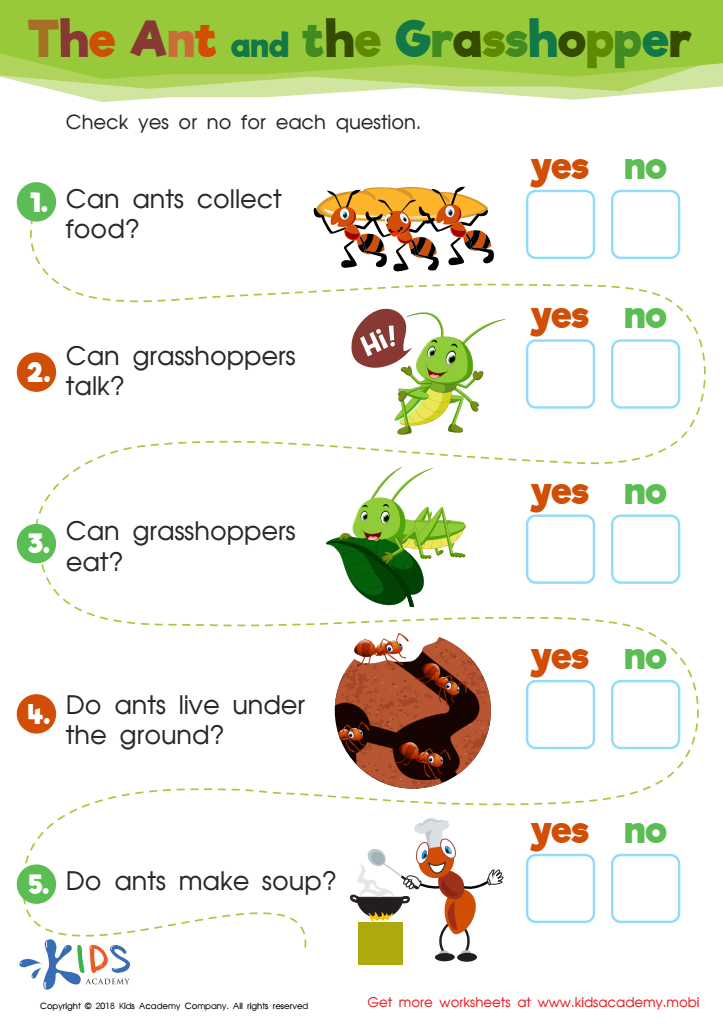
Does your child know about insects? If they're a nature lover or scared of them, use this worksheet to learn more. Read each of the questions and help them fill in the yes or no boxes. This may help them become less scared of insects.
The Ant and The Grasshopper Worksheet
Worksheet
Am I a Mammal or Bird? Worksheet

Am I a Mammal or Bird? Worksheet

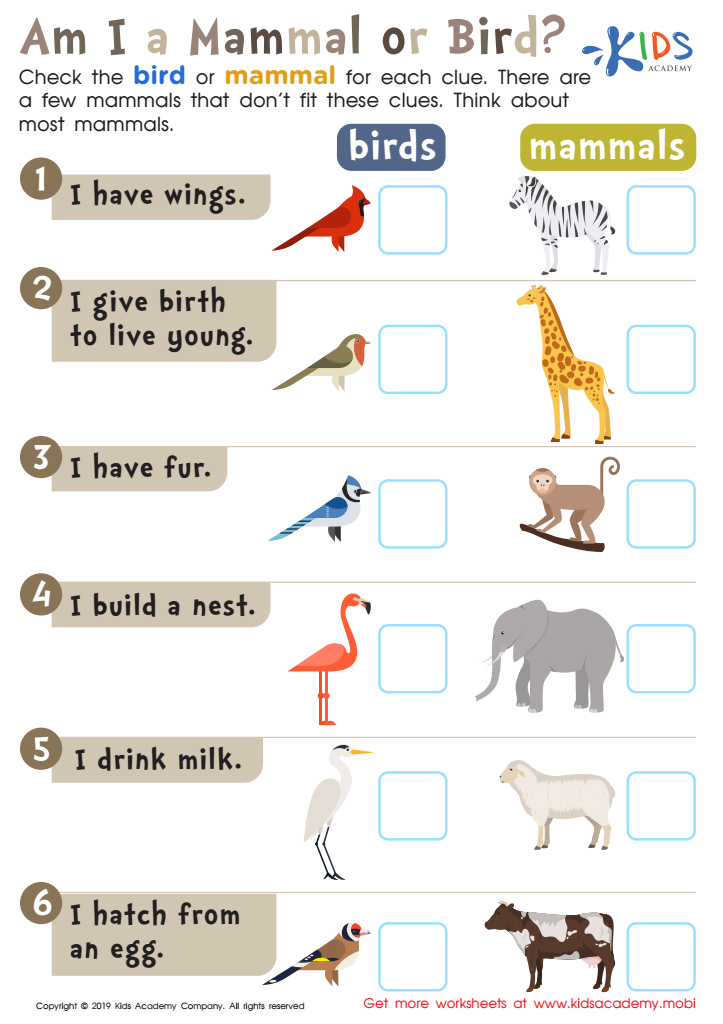
We categorize animals into groups such as mammals, birds, reptiles, etc. This worksheet helps kids understand the difference between birds and mammals. Read through the clues and think about each one. Then decide if it describes a bird or mammal, check the box and complete!
Am I a Mammal or Bird? Worksheet
Worksheet
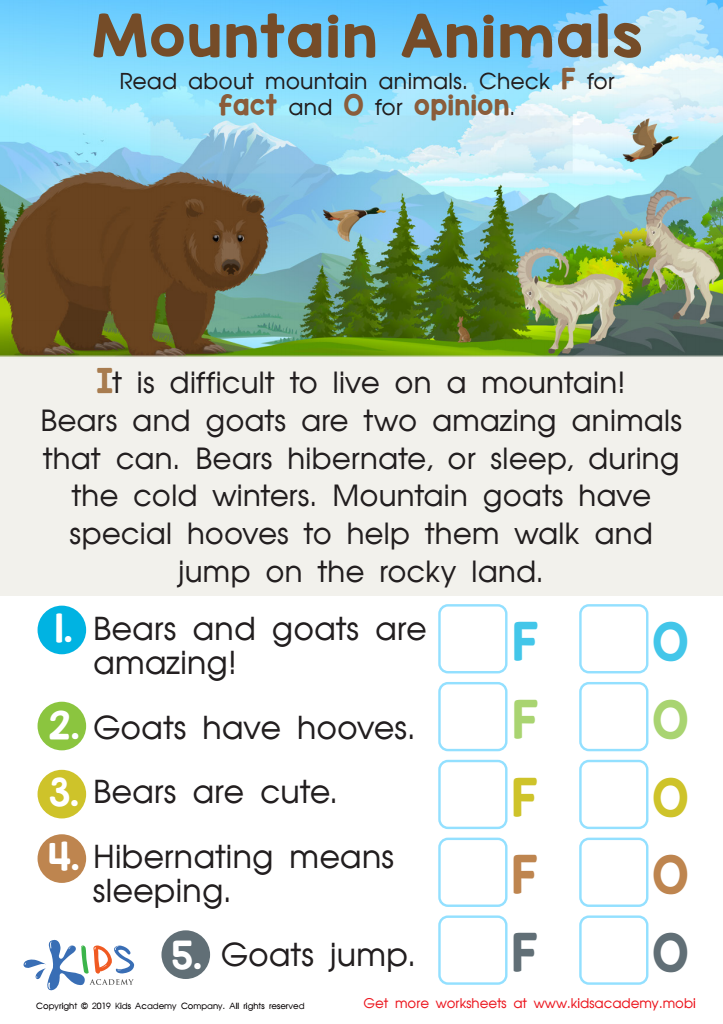
Mountain Animals Worksheet

Mountain Animals Worksheet

Is mountain wildlife amazing? Fact or fiction? Help your child sharpen critical-thinking skills with this engaging worksheet. Featuring a fun nonfiction passage about animals like bears and goats, your child will read through the text and identify each statement as fact or fiction. Perfect for boosting reading comprehension and analytical abilities!
Mountain Animals Worksheet
Worksheet
Divide up the Garden Worksheet

Divide up the Garden Worksheet

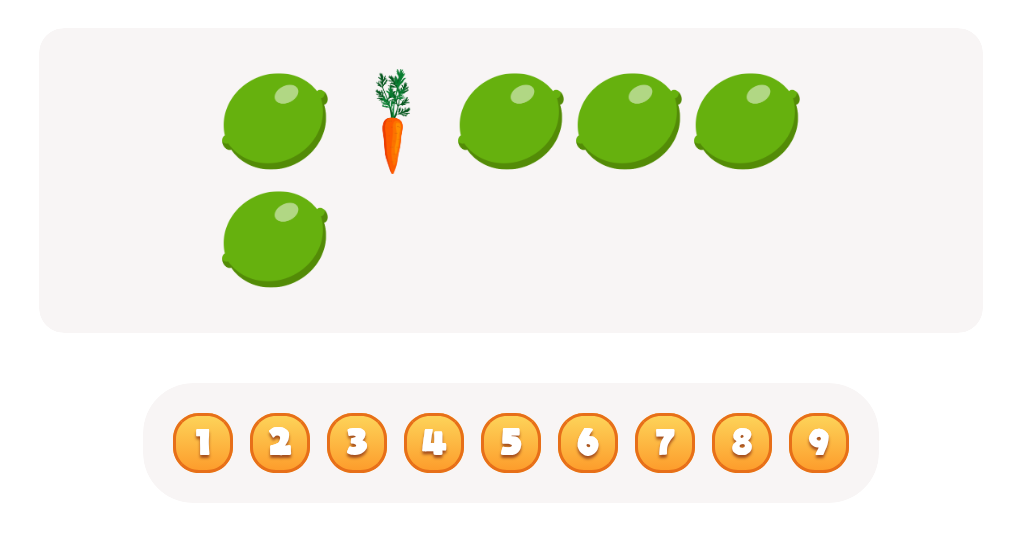
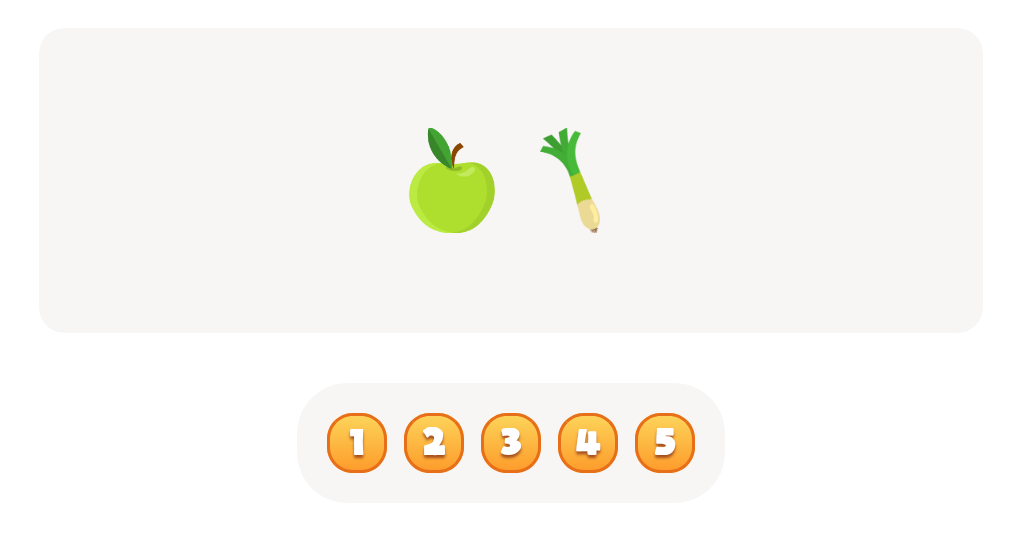
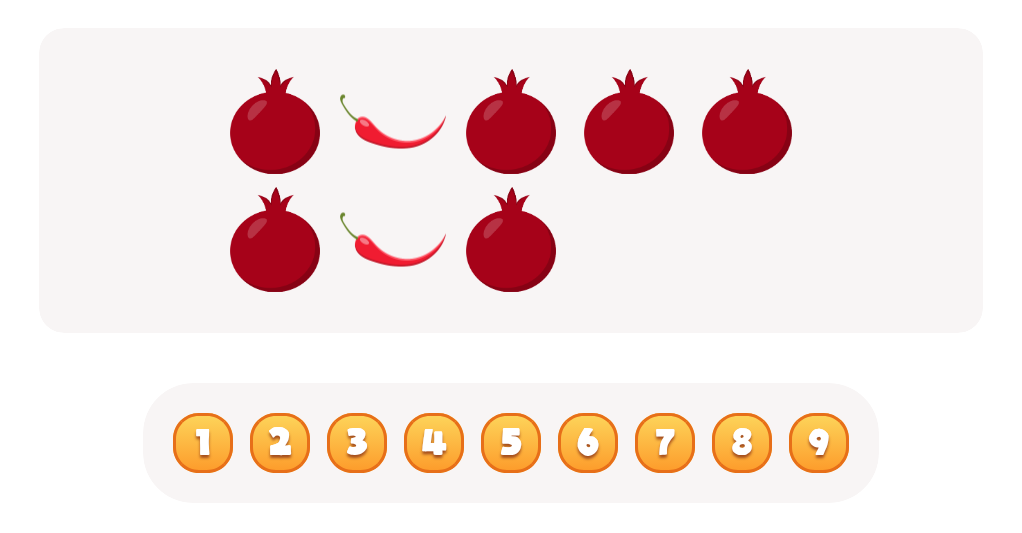
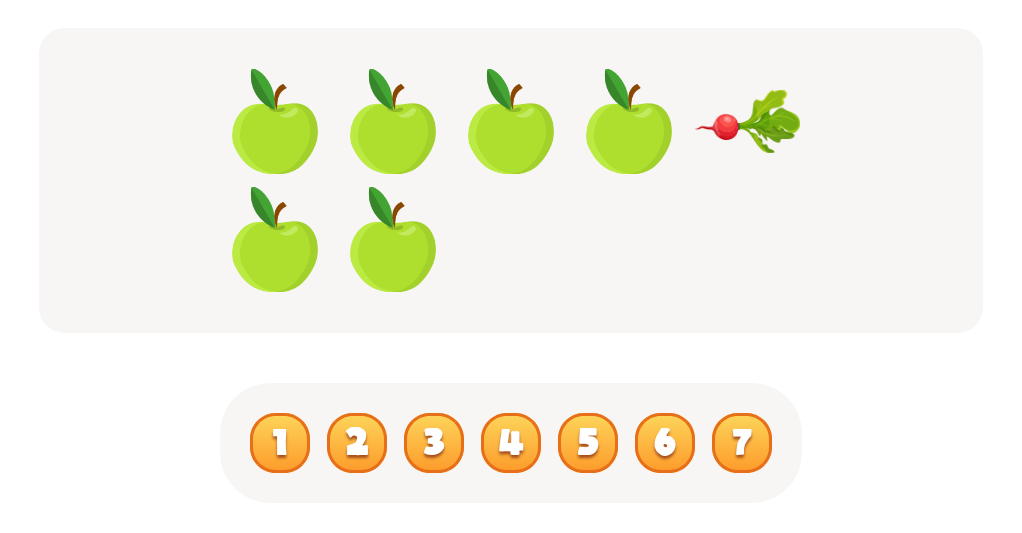
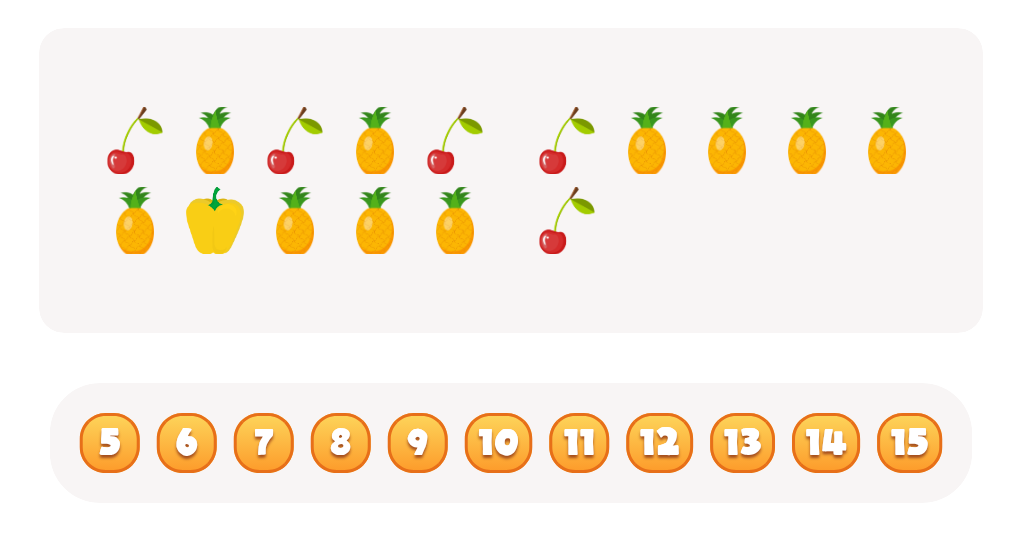
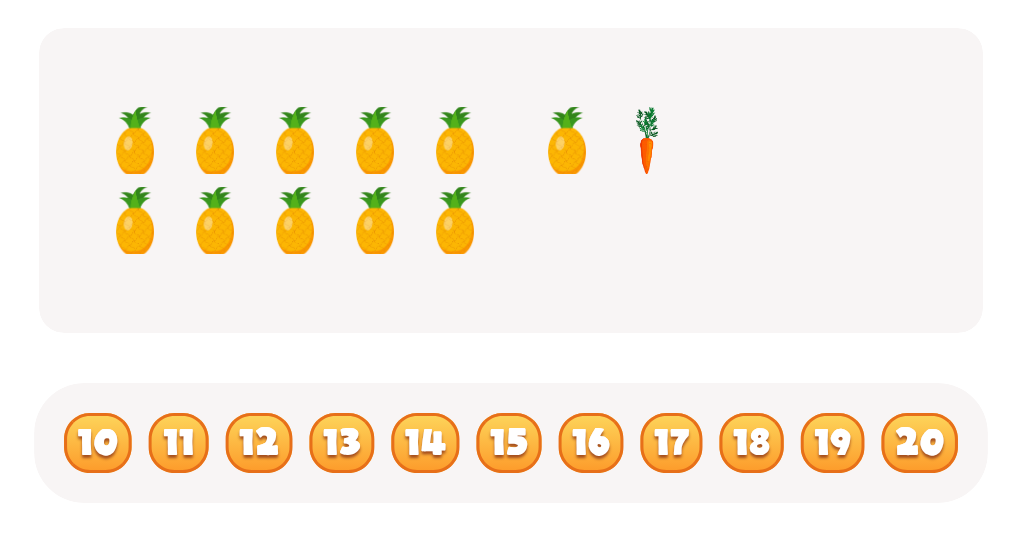
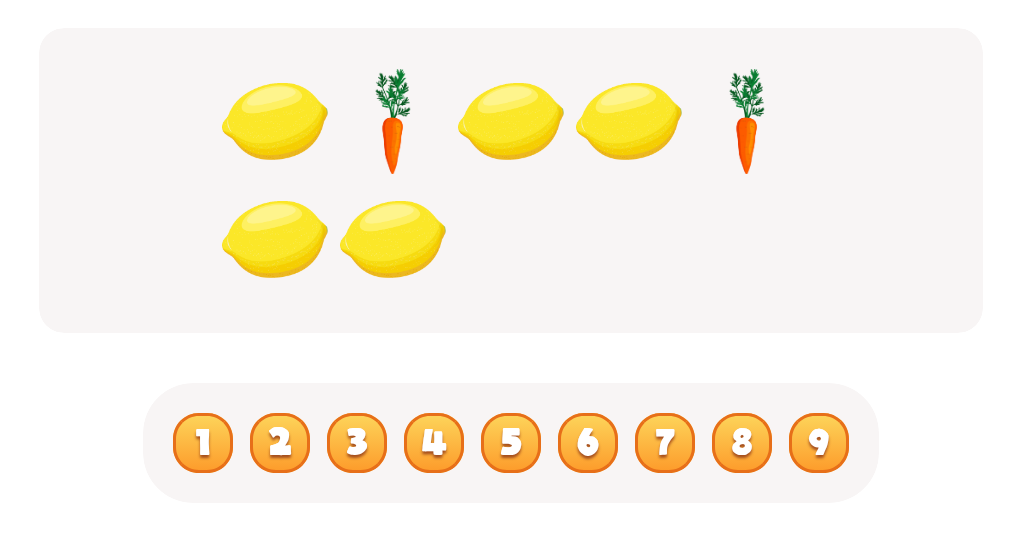
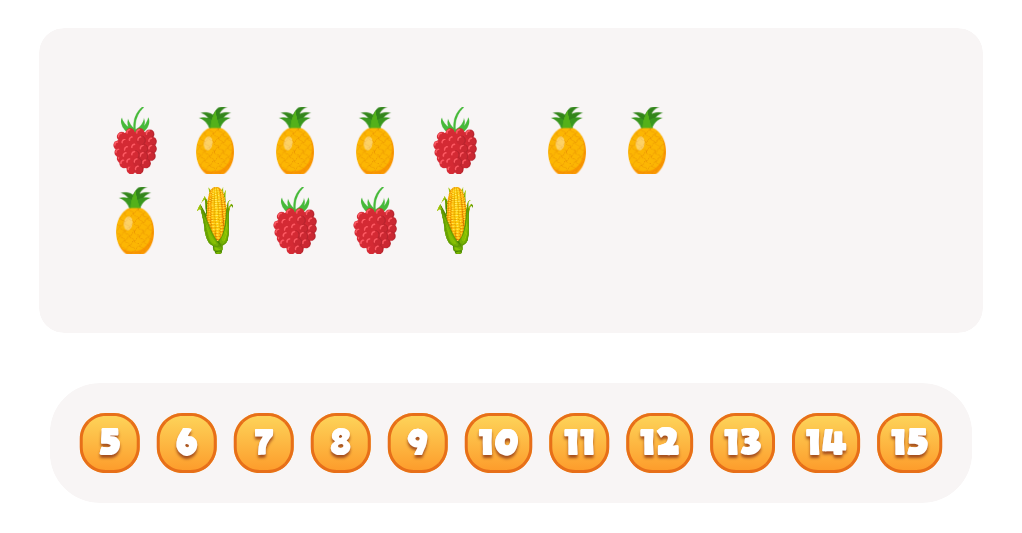
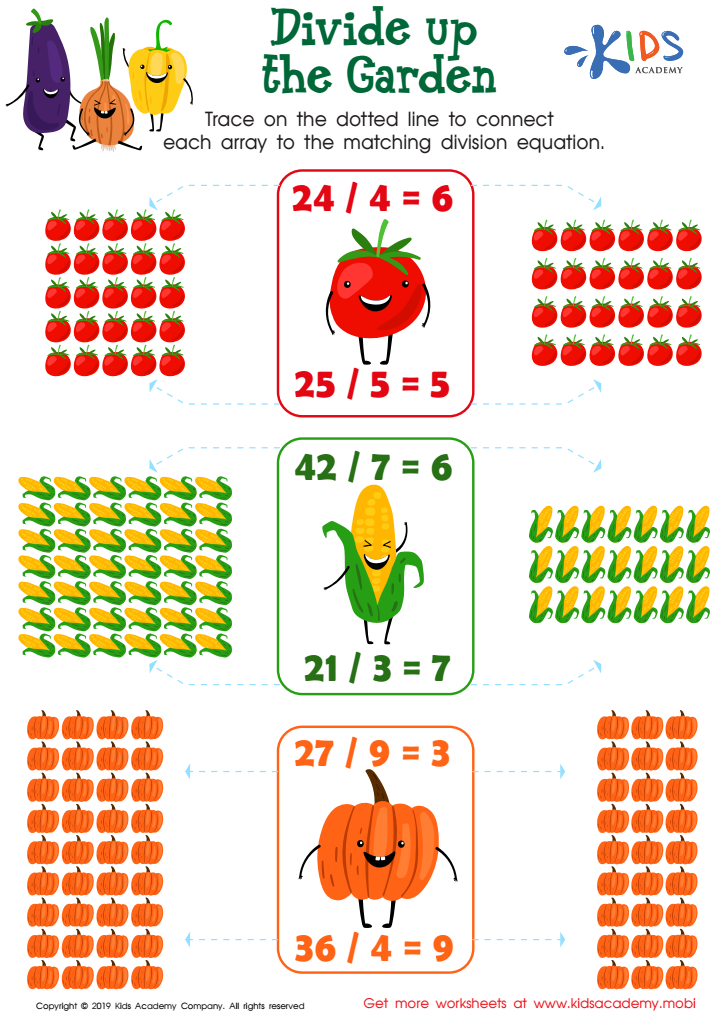
Dividing is simply grouping items into equal sets. This worksheet helps kids see division problems in array form. They'll match each equation with a picture group, using the lines provided. It's a great way for beginners to understand division more concretely.
Divide up the Garden Worksheet
Worksheet
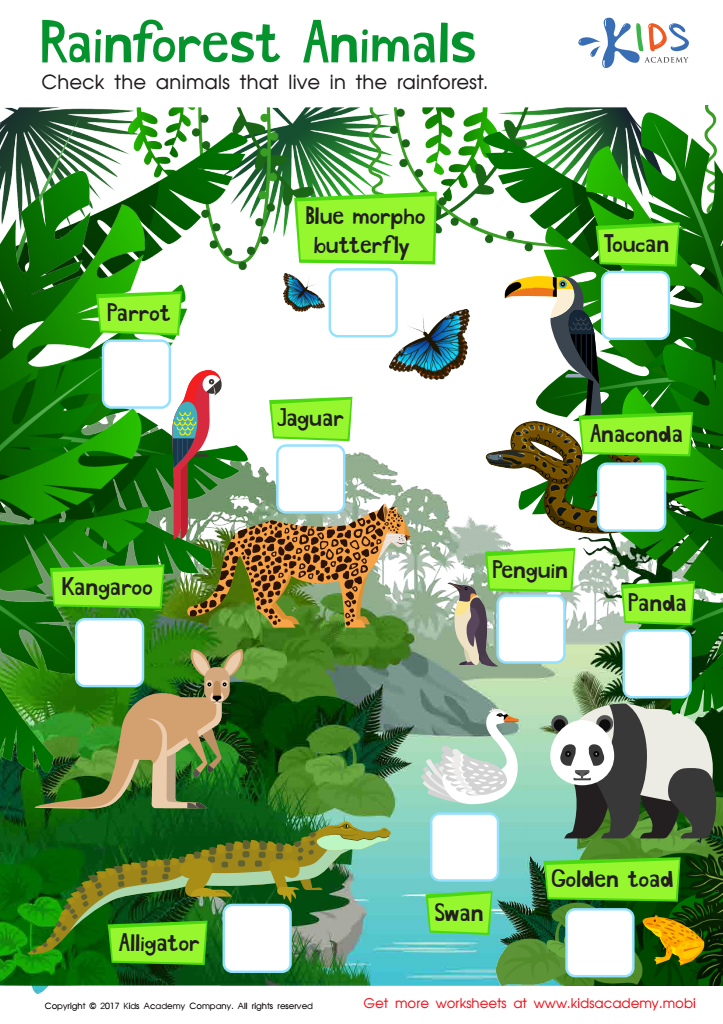
Rainforest animals worksheet

Rainforest Animals Worksheet

Kids love the bright, vivid pics of rainforest animals in this worksheet. It fuels their interest in life science and brings joy to their learning. It encourages them to study these animals in detail.
Rainforest Animals Worksheet
Worksheet
Animal Extinction Worksheet

Animal Extinction Worksheet

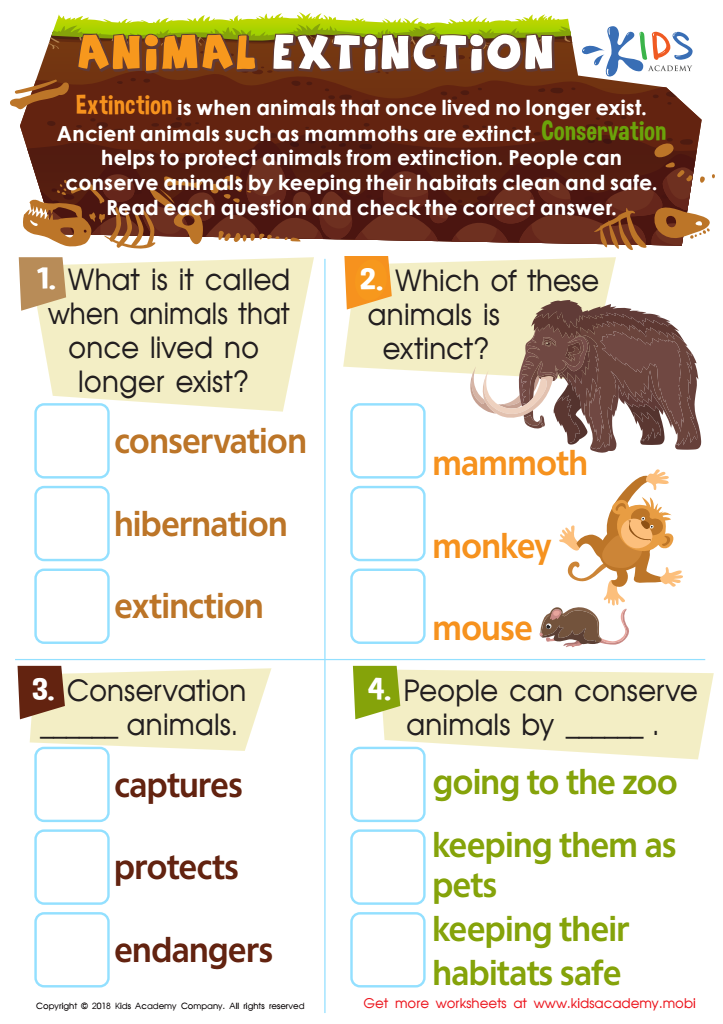
Children can learn how their actions can help endangered animals with this free PDF worksheet. It explains extinction, looks at the mammoth as an example, and poses questions about conservation. Keeping habitats clean and safe is key to protecting animals and keeping them abundant. Learning about this now can make a huge difference for future generations.
Animal Extinction Worksheet
Worksheet
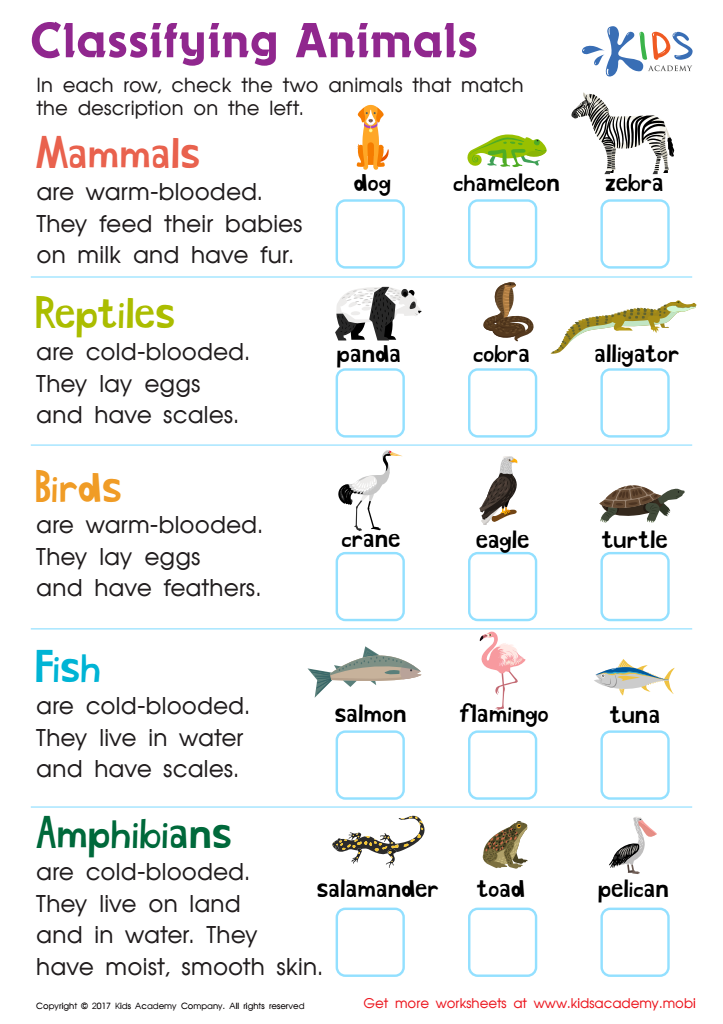
Classifying animals worksheet 2nd grade

Classifying Animals Worksheet

Print the 2nd grade animal classification worksheet and help kids study the differences between mammals, reptiles, birds, fish and amphibians. Let them pick two examples from the options given.
Classifying Animals Worksheet
Worksheet
Assessment: Aquarium Sign Worksheet


Assessment: Aquarium Sign Worksheet

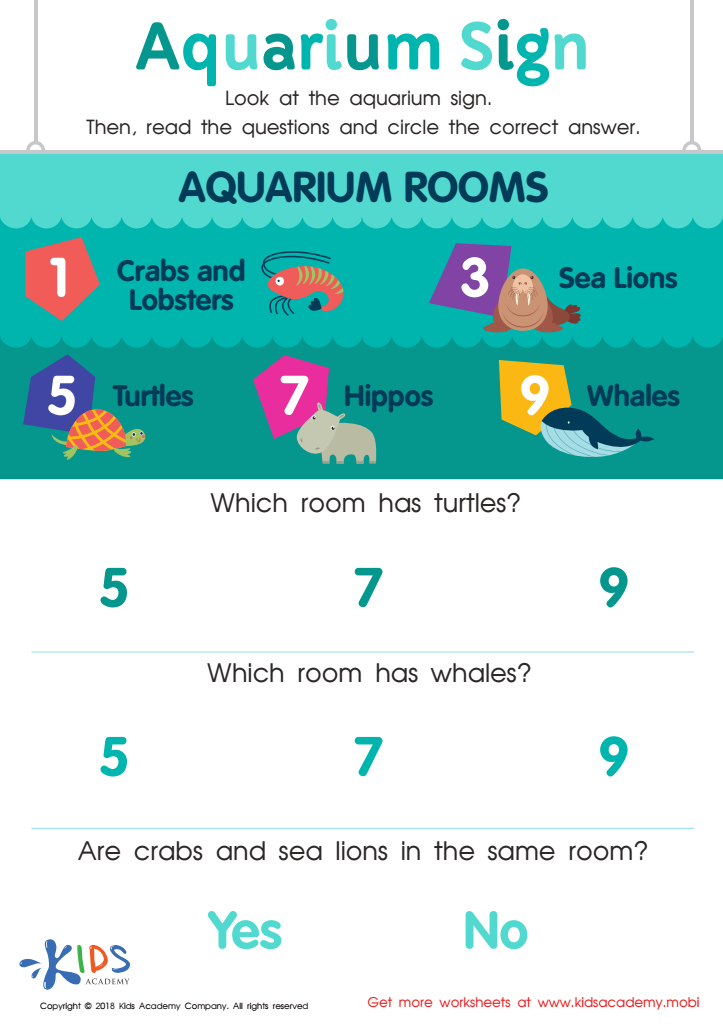
Take your kids to an aquarium and marvel at the sea creatures! Help them identify the animals they see, and ask them which one is their favorite. Look at the aquarium sign and point to each creature. Ask your kids the questions and help them circle the right answer.
Assessment: Aquarium Sign Worksheet

Worksheet


Encouraging children ages 8-9 to engage in critical thinking about plants and animals is essential for their cognitive and emotional development. This formative age is where they begin to understand the world beyond their immediate experiences. Introducing them to the diverse ecosystems and the roles various organisms play cultivates curiosity and deeper comprehension of life sciences, fostering an attitude of inquiry and a desire for learning.

Engaging with nature-based content hones observation and analytical skills. When children question why certain plants are only found in specific climates or how animals adapt for survival, they're practicing crucial critical thinking skills. This process involves identifying patterns, making connections, hypothesizing, and testing their ideas—abilities that are foundational for problem-solving and innovation in any field.

Moreover, understanding the interdependence of living organisms promotes environmental stewardship from a young age. Children who appreciate the intricate balance of ecosystems are more likely to develop a sense of responsibility towards the environment.

For parents and teachers, nurturing these skills isn't just about academic growth— it contributes to raising thoughtful, informed, and empathetic individuals. Activities like examining plant life cycles, understanding animal behaviors, or exploring local biodiversity can transform children into keen observers and reflective thinkers, laying the groundwork for lifelong learning and environmental consciousness.