Fine Motor Skills Alphabet Worksheets for 8-Year-Olds - Page 3
51 filtered results
-
From - To
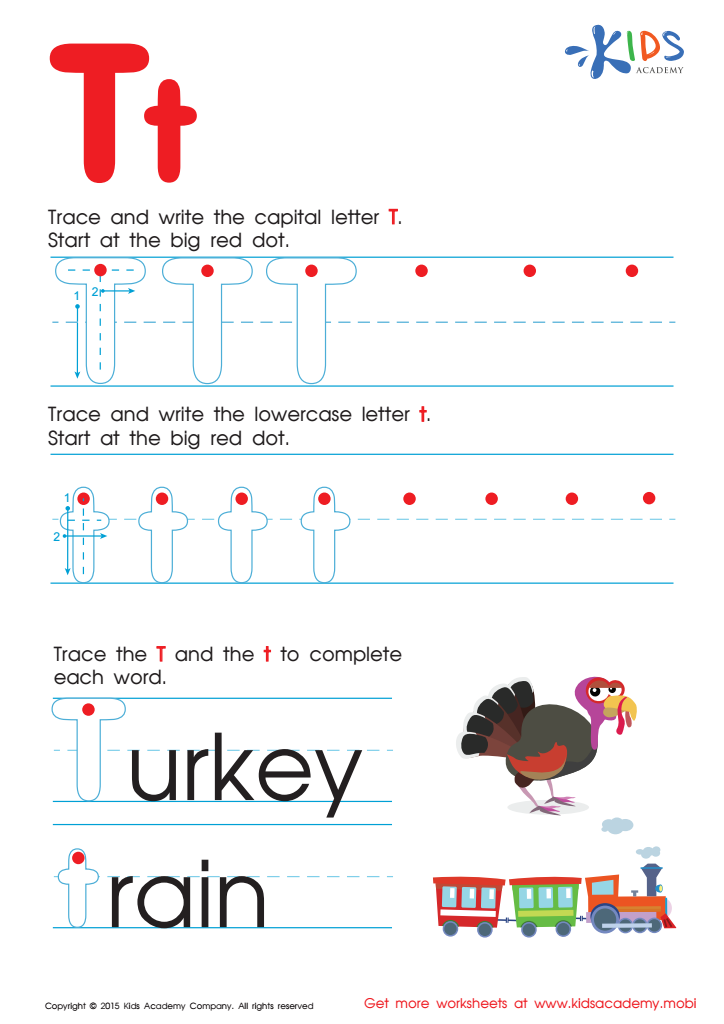
Letter T Tracing Page

Letter N Coloring Sheet
 Assign to My Students

Letter D Tracing Page





Fine motor skills are critical for the overall development of 8-year-olds, as they directly impact tasks like writing, drawing, and using tools. At this age, children are refining their ability to control their hand movements, which is essential for their academic success and daily activities. Understanding the Fine Motor Skills Alphabet helps parents and teachers identify various skills from A to Z, such as “A” for “Articulation” (improving handwriting) and “B” for “Balance” (coordinating hand and finger movements).
Caring about these skills is essential because they foster independence, enhance cognitive development, and support self-esteem. When children struggle with fine motor tasks, it can lead to frustration and decreased motivation in school. Furthermore, proficient fin motor skills correlate with better focus and improved performance in school settings.
Boosting fine motor skills involves engaging children in hands-on activities, from arts and crafts to puzzles and games, making learning more active and enjoyable. By prioritizing fine motor development, parents and teachers equip children with the necessary tools to navigate learning environments effectively and promote a foundation for lifelong skills. In essence, outreach and education around the Fine Motor Skills Alphabet play a pivotal role in empowering children to succeed.







