Fine Motor Skills Letter Recognition Worksheets for 8-Year-Olds
46 filtered results
-
From - To
Enhance your 8-year-old's learning experience with our Fine Motor Skills Letter Recognition Worksheets. Designed to promote both literacy and dexterity, these engaging worksheets feature fun activities that encourage children to recognize letters while developing their hand-eye coordination and fine motor skills. From tracing and coloring to cutting and pasting, each exercise is thoughtfully created to keep young learners motivated and focused. Perfect for home or classroom use, our printable resources support essential skill-building in a delightful way. Explore our collection today and watch your child thrive as they master the alphabet with creativity and confidence!
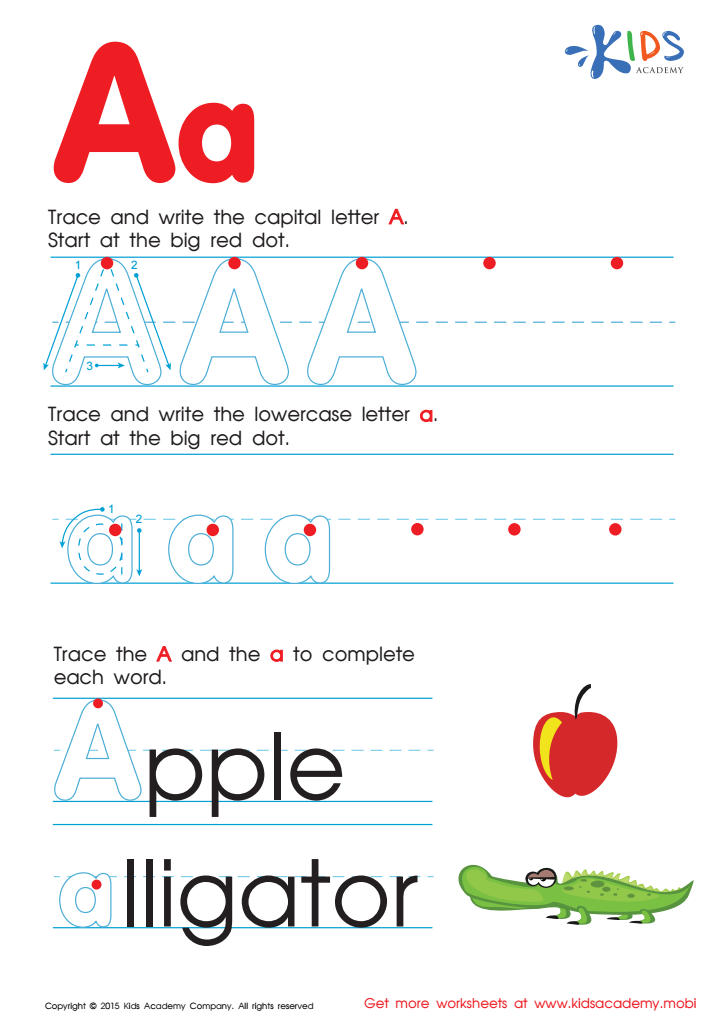
Letter A Tracing Page
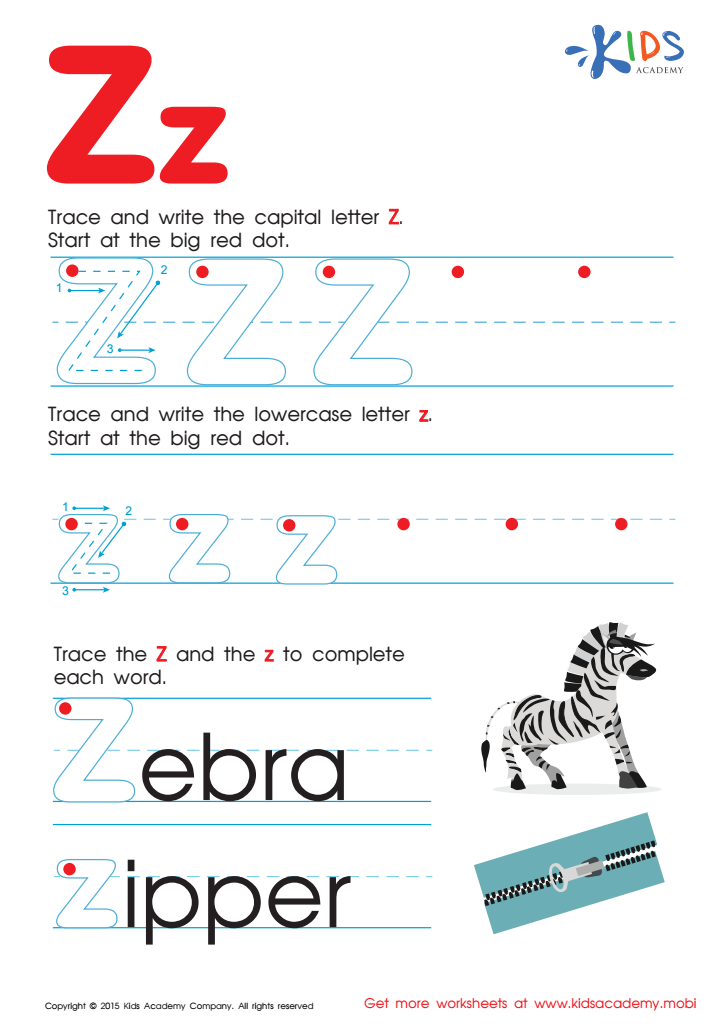
Letter Z Tracing Page
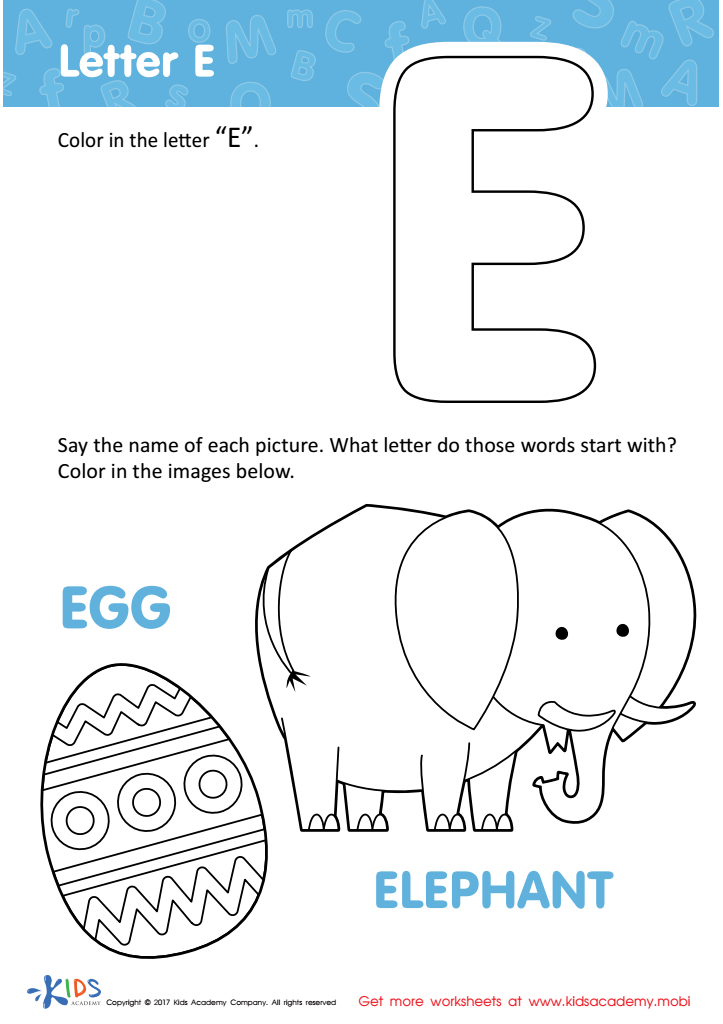
Letter E Coloring Sheet
 Assign to My Students
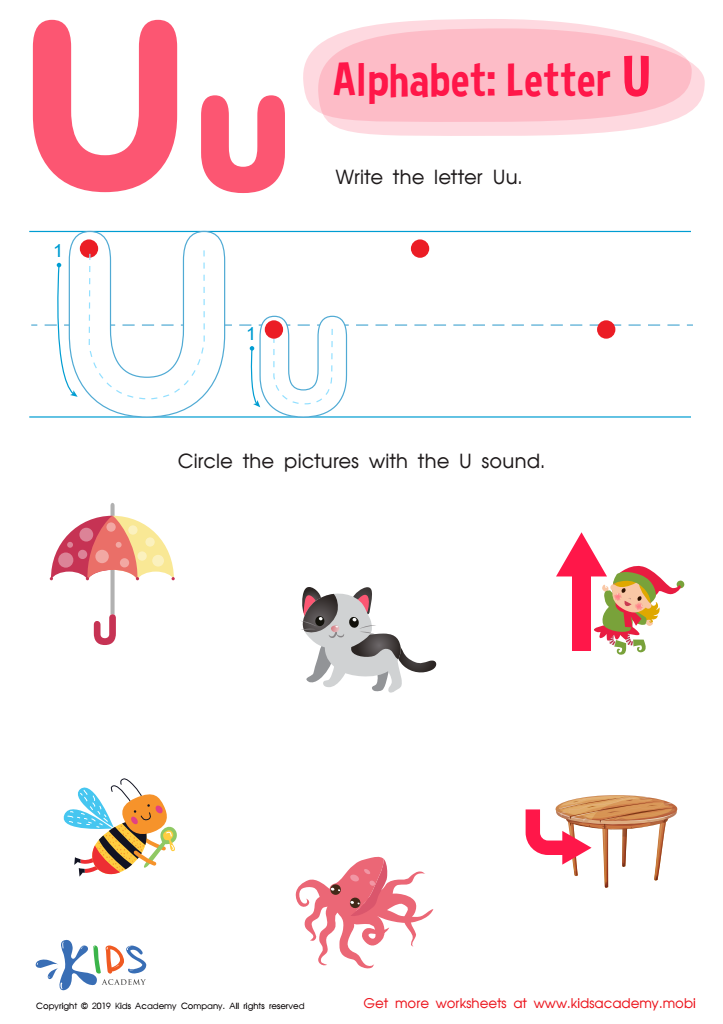
Letter U Tracing Worksheet
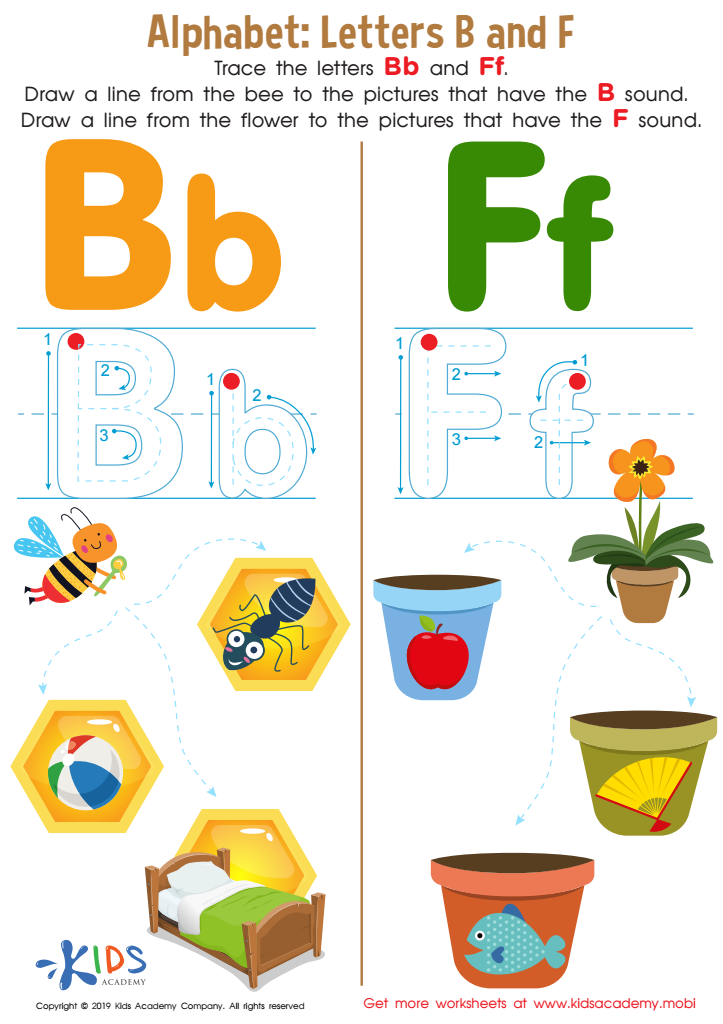
Letters B and F Tracing Worksheet
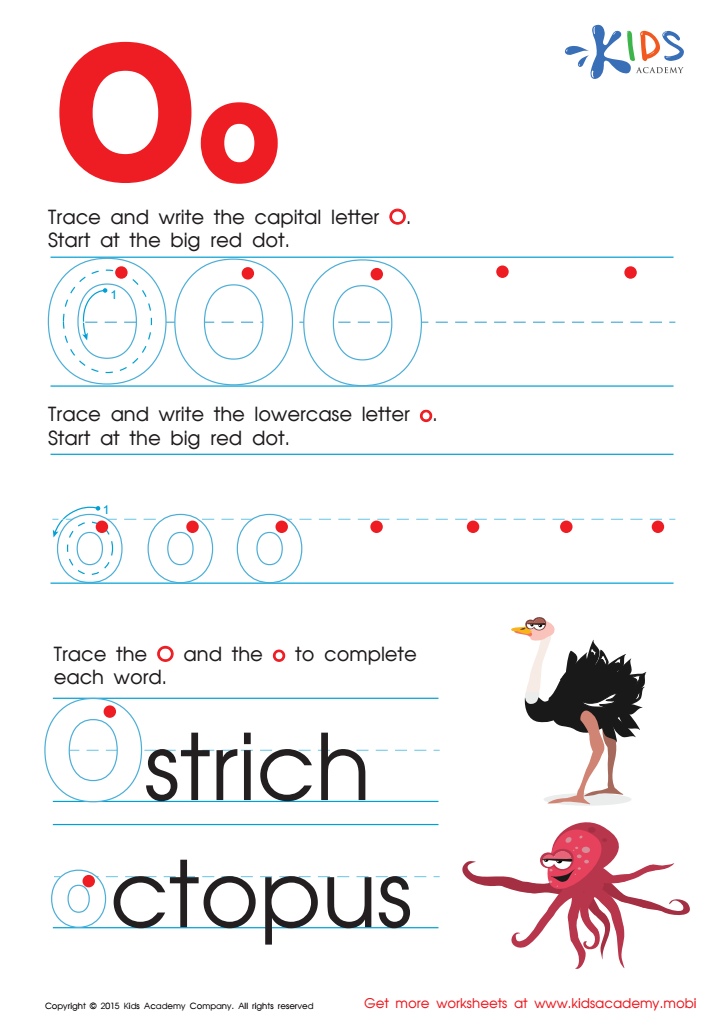
Letter O Tracing Page
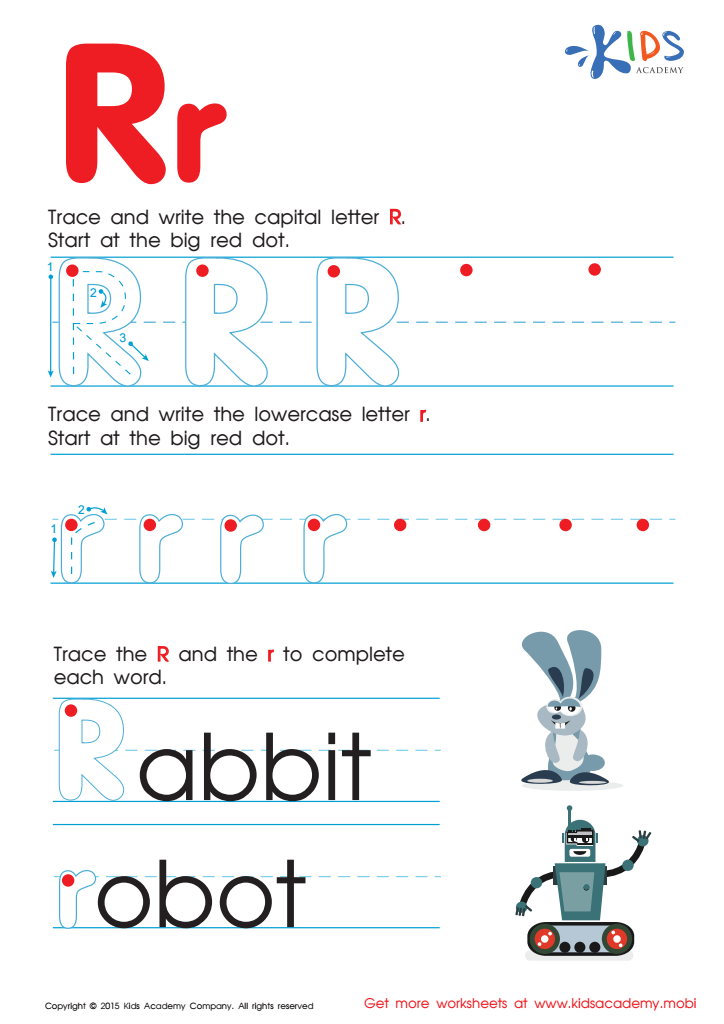
Letter R Tracing Page
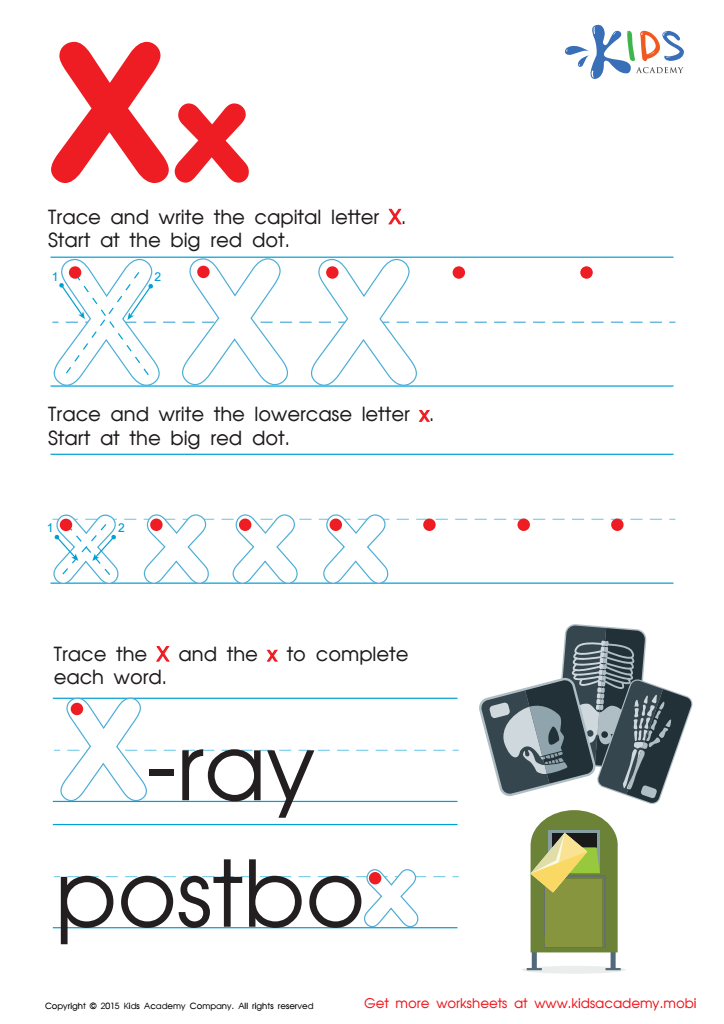
Letter X Tracing Page
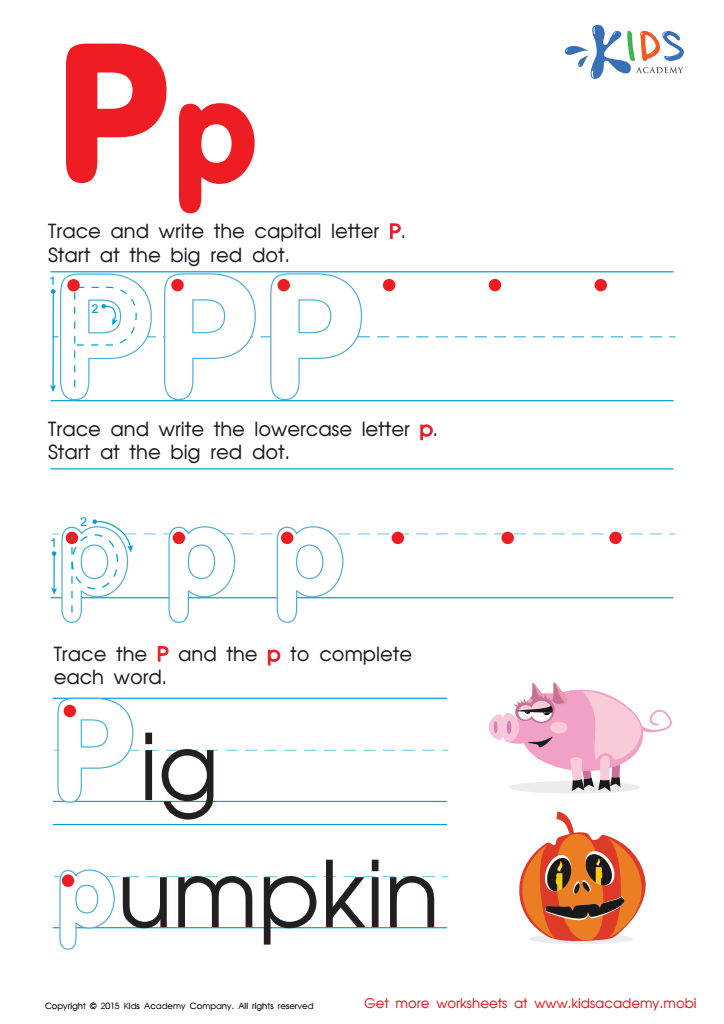
Letter P Tracing Page
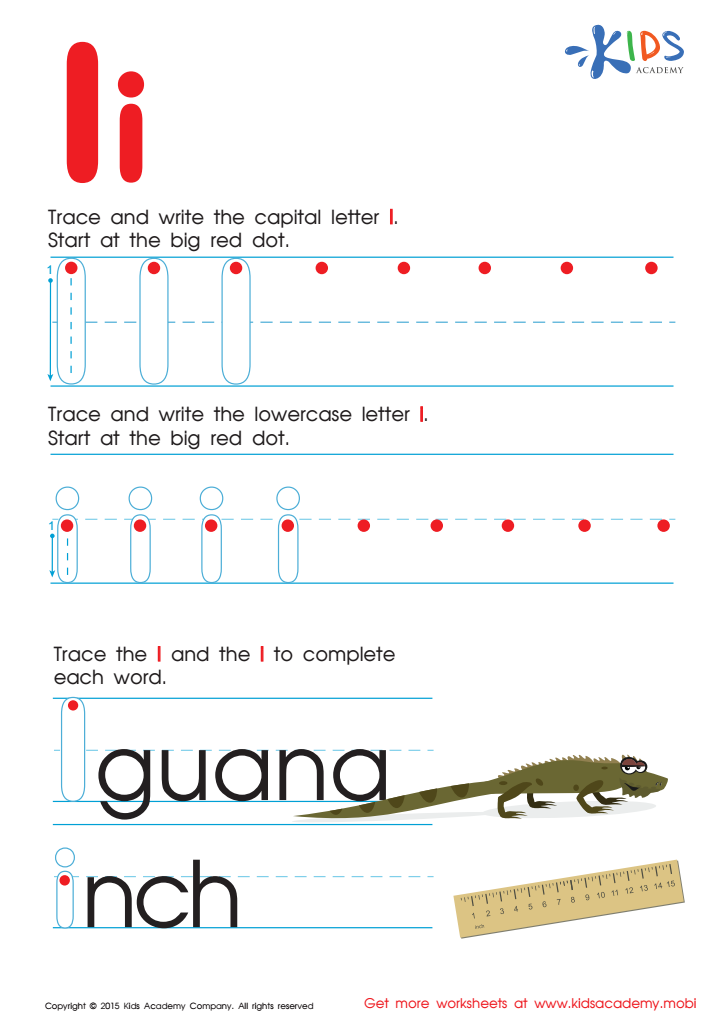
Letter I Tracing Page
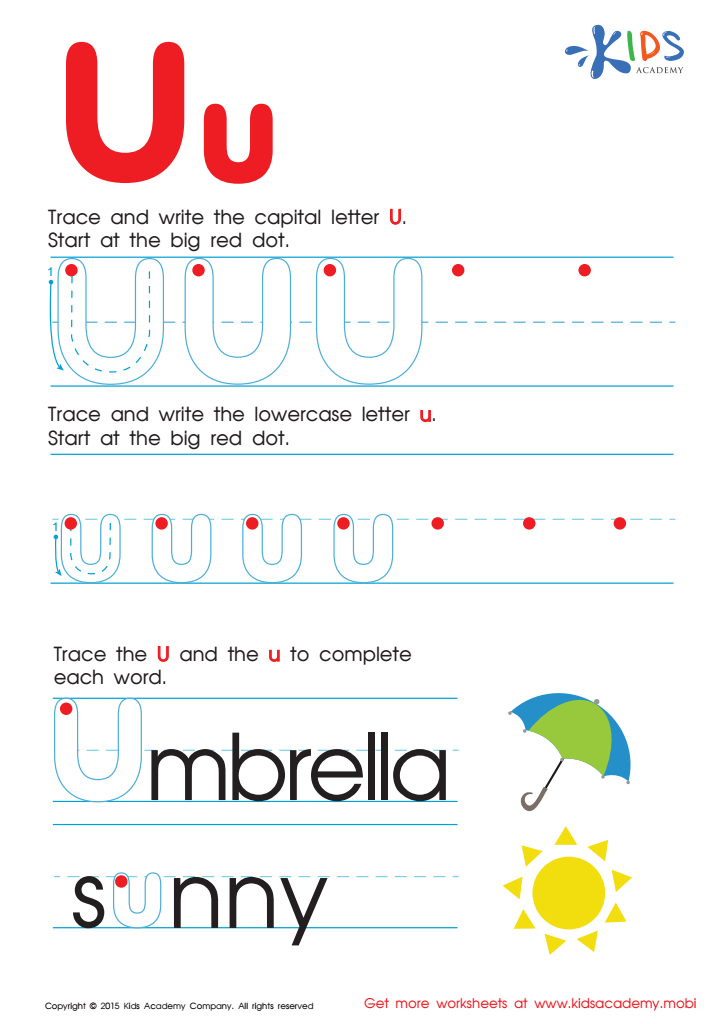
Letter U Tracing Page
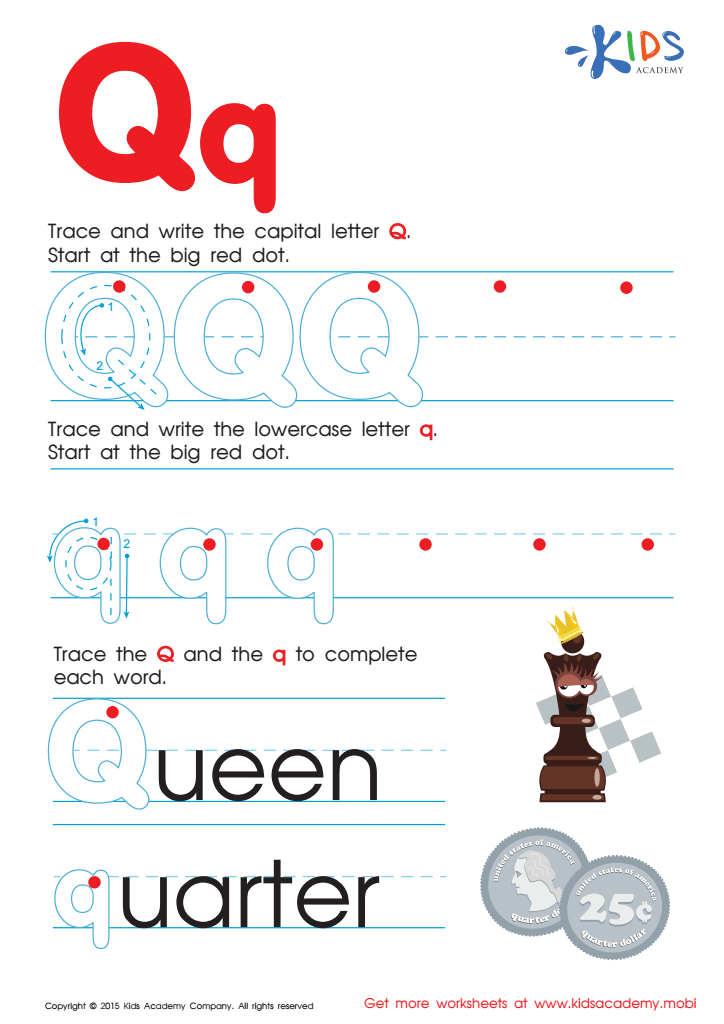
Letter Q Tracing Page
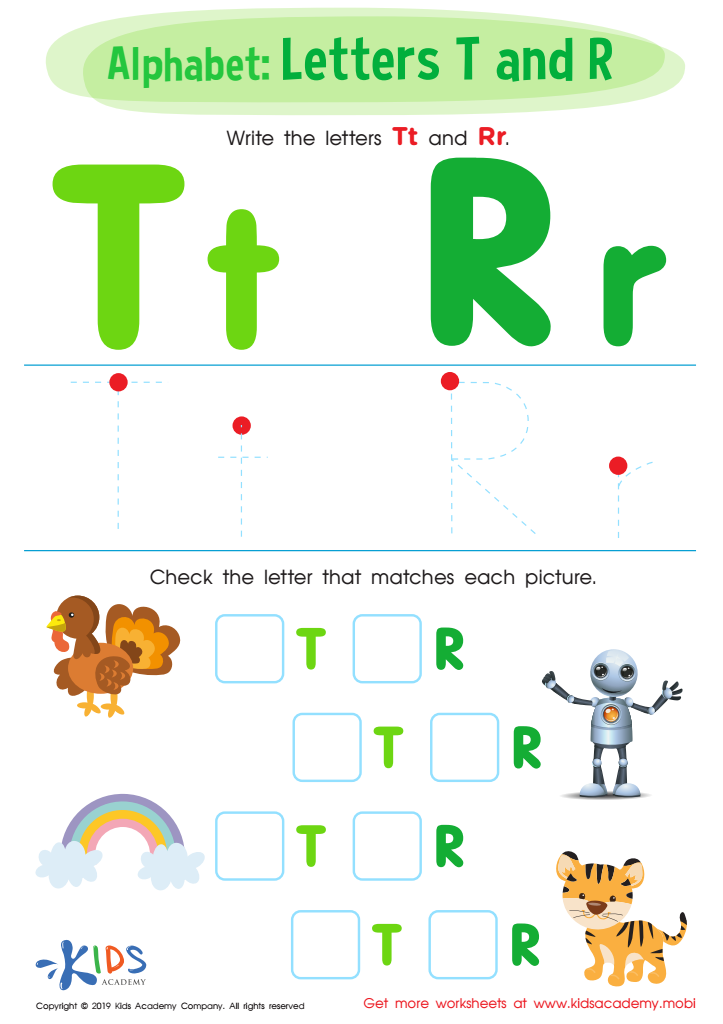
Letters T and R Worksheet
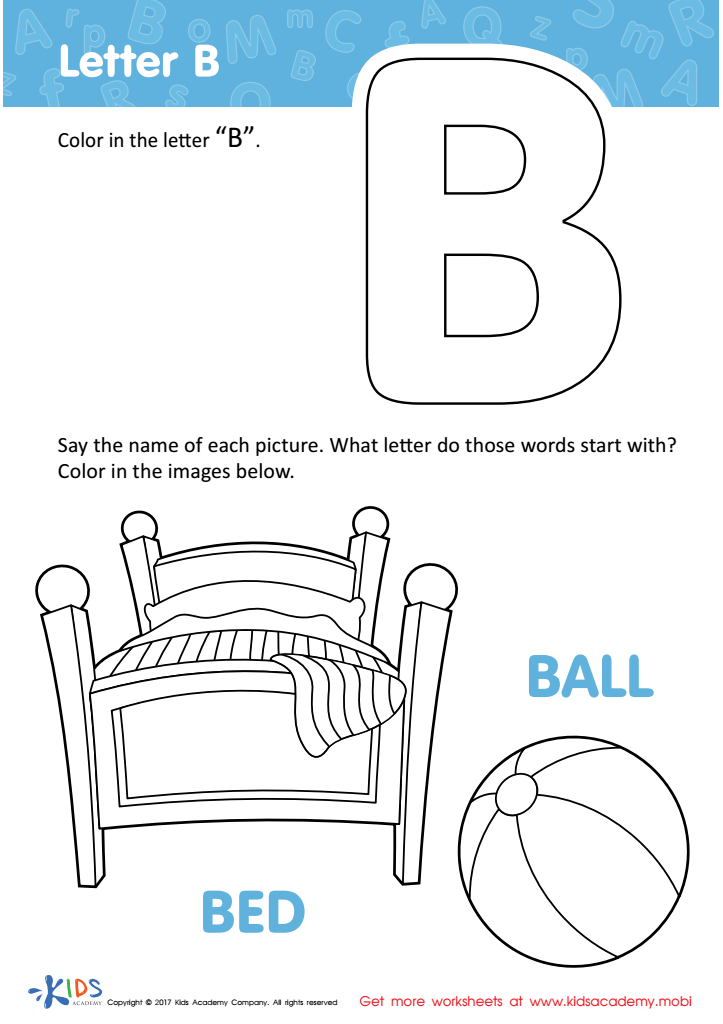
Letter B Coloring Sheet
Assign to My Students
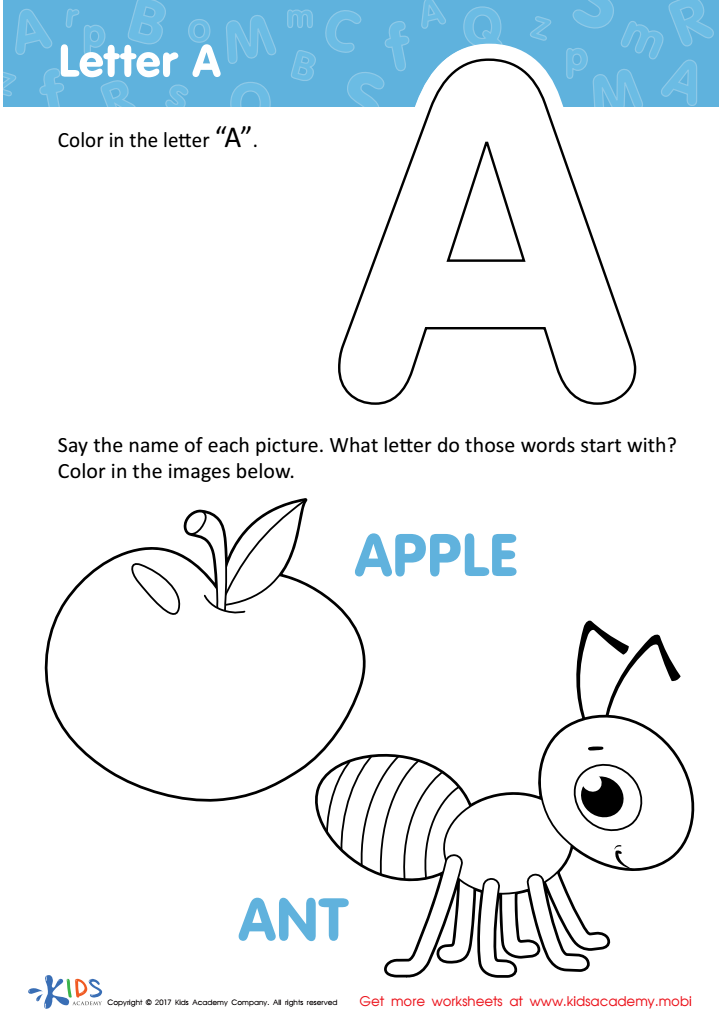
Letter A Coloring Sheet
Assign to My Students
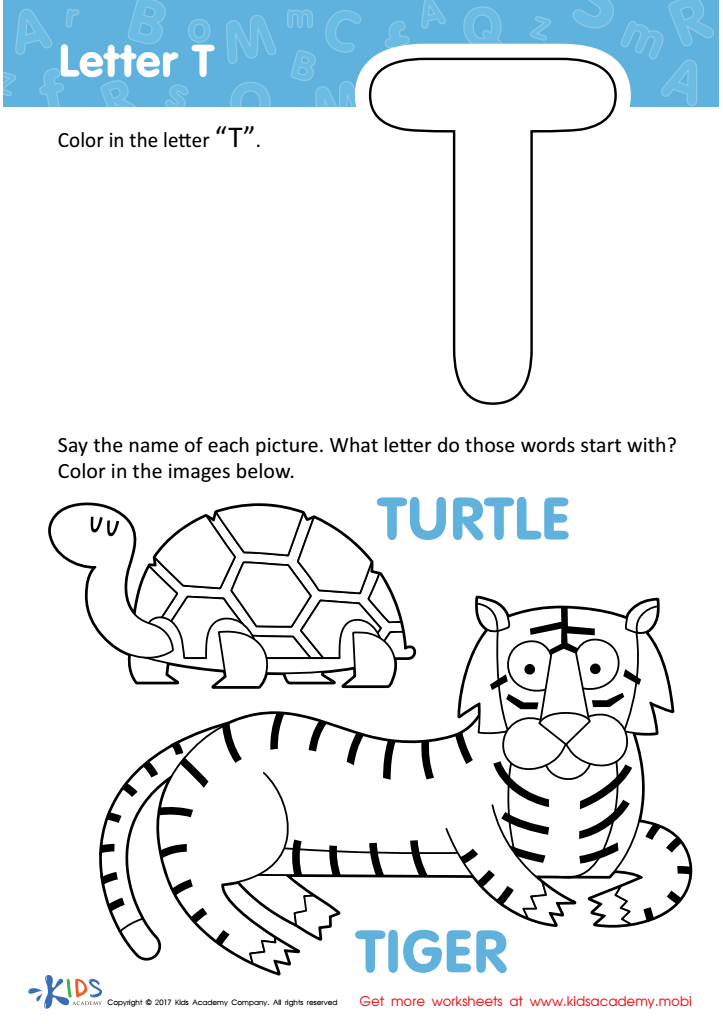
Letter T Coloring Sheet
Assign to My Students
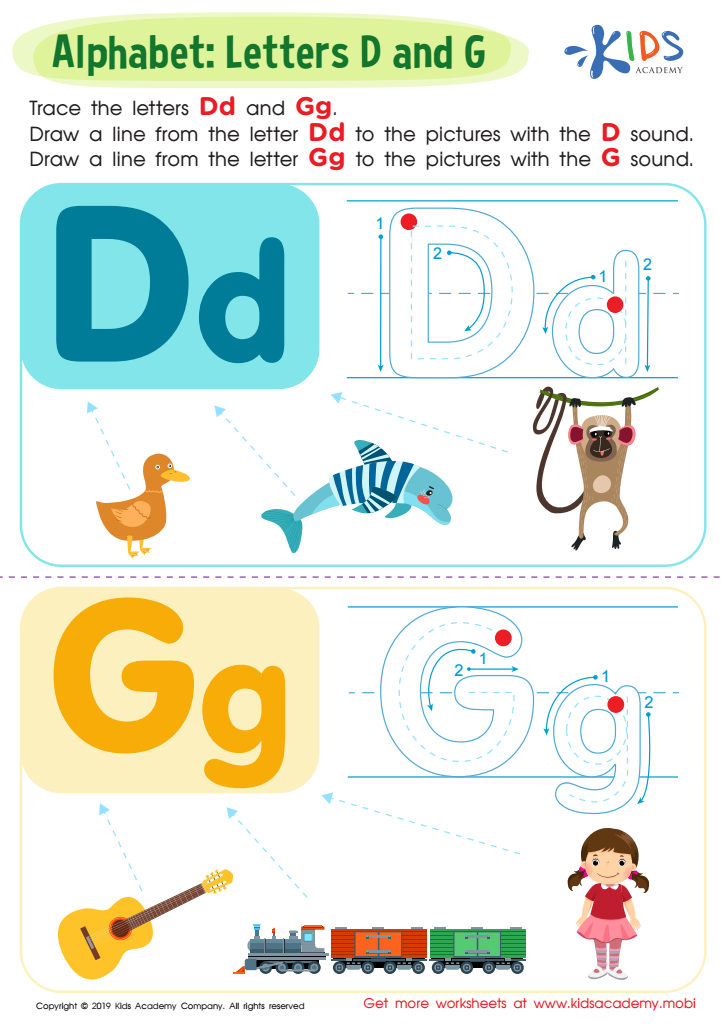
Letter D and G Tracing Worksheet
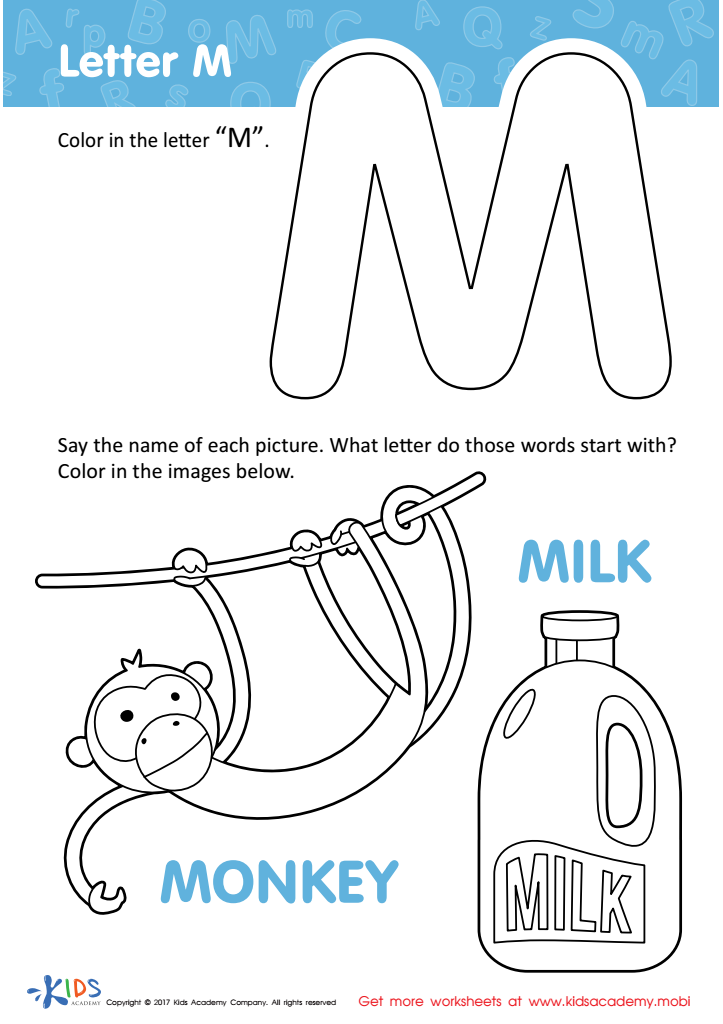
Letter M Coloring Sheet
Assign to My Students
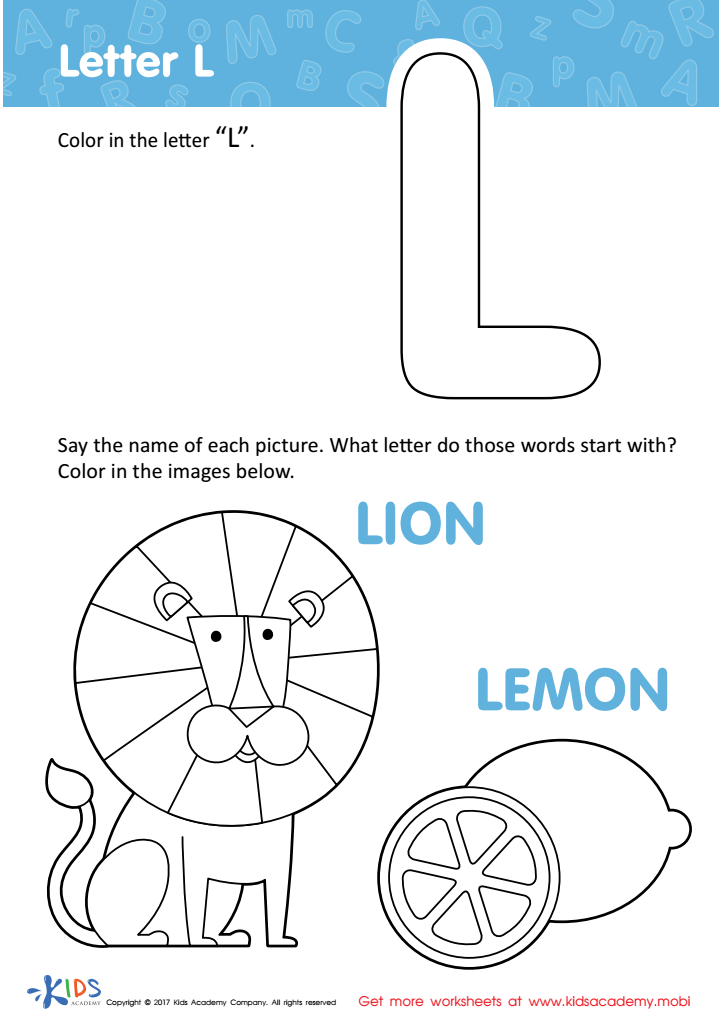
Letter L Coloring Sheet
Assign to My Students

Letter C Tracing Page
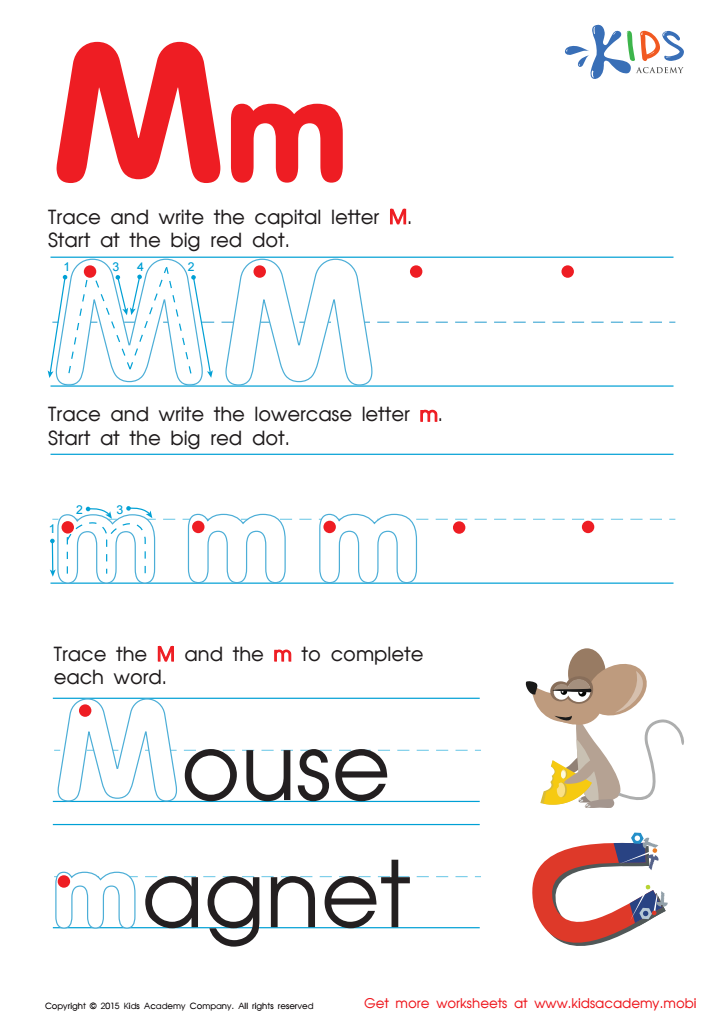
Letter M Tracing Page
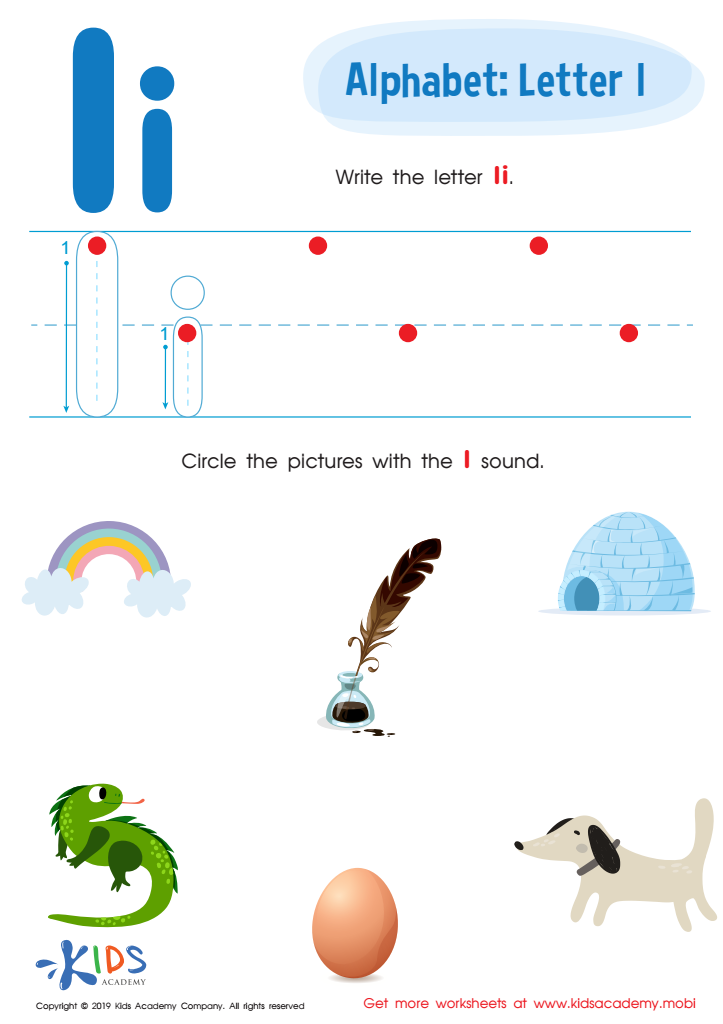
Letter I Tracing Worksheet

Letter G Tracing Page
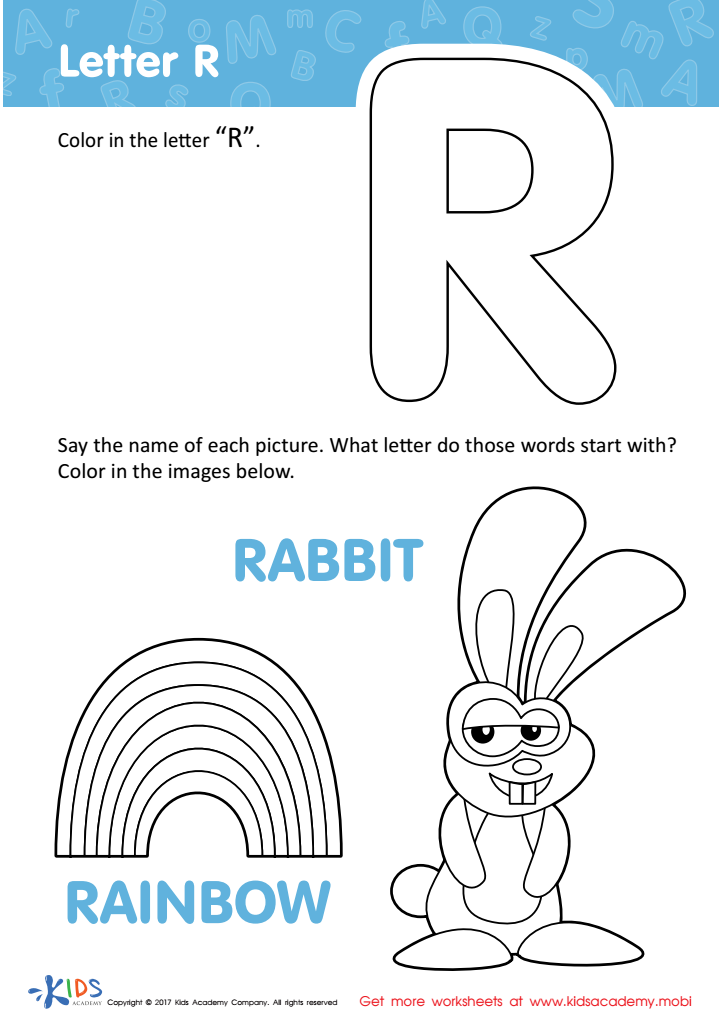
Letter R Coloring Sheet
Assign to My Students








Fine motor skills and letter recognition are crucial developmental areas for 8-year-olds that significantly impact academic success and everyday functioning. Fine motor skills involve the precise movement of small muscles in the hands and fingers, essential for tasks like writing, drawing, and manipulating small objects. As children progress into upper elementary levels, effective handwriting and control over their writing tools become vital for expressing thoughts and ideas clearly.
Simultaneously, letter recognition is foundational for literacy development. At this age, children should not only identify letters but also connect them to sounds and words, paving the way for improved reading and writing abilities. Proficient letter recognition aids in developing vocabulary and comprehension skills, crucial for success in all subjects.
Additionally, the proficiency in these areas fosters greater confidence and independence in students. When parents and teachers prioritize supporting children in developing fine motor skills and letter recognition, they create a solid foundation for academic achievement and life skills. This attention can lead to a love for learning, enhanced creativity, and better social interactions, ultimately guiding children toward greater overall success in their educational journey. Therefore, engaging children through playful and purposeful activities can significantly impact their growth in these essential areas.







