
Enhancing problem-solving skills Worksheets for 8-Year-Olds
12 filtered results
Difficulty Level
Grade
Age
-
From - To
Subject
Activity
Standards
Discover our engaging "Enhancing Problem-Solving Skills Worksheets" designed specifically for 8-year-olds. These worksheets aim to build critical thinking and analytical skills through fun, interactive activities that challenge young minds. Each worksheet offers a variety of puzzles, games, and scenarios that require students to think creatively and strategically. Perfect for independent work or group activities, these resources not only enhance cognitive abilities but also boost confidence in problem-solving. Integrate these worksheets into your teaching toolkit to foster essential life skills in your classroom. Start empowering your students today and watch them thrive as confident, innovative problem solvers!
Favorites
With answer key
Interactive
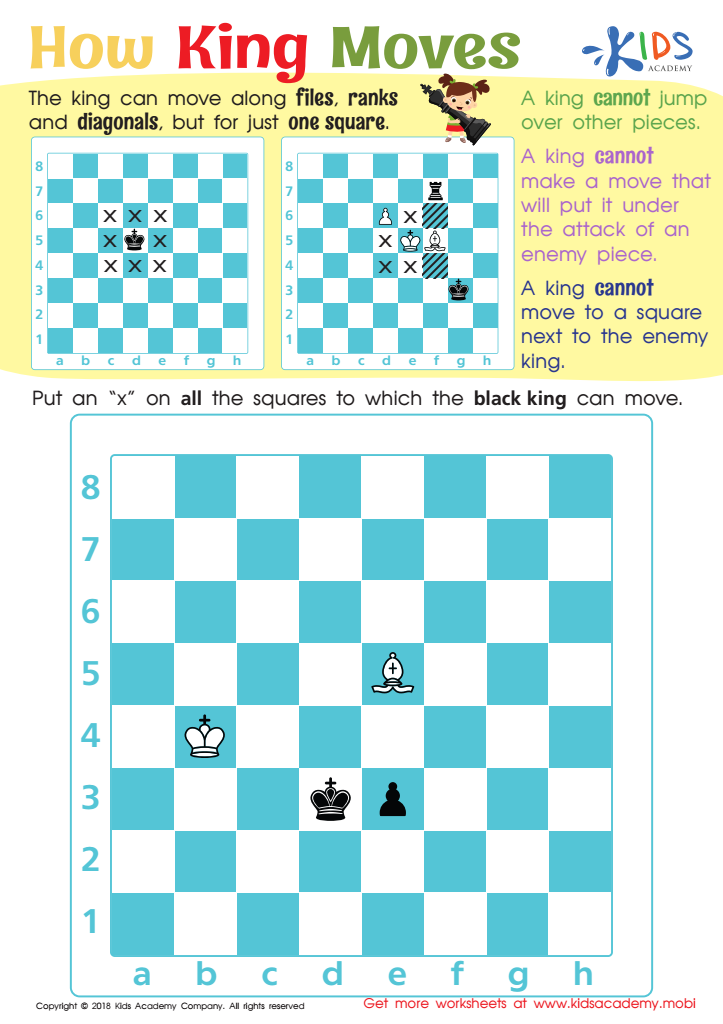
How King Moves Worksheet
Teach your kids the fundamentals of chess with this worksheet! The goal is to checkmate the opponent's king, so it must be protected at all times. The king moves along files, ranks, and diagonals (except one square at a time), and cannot move to a square next to the enemy king. Your kids will soon master the art of checkmate!
 Assign to My Students
How King Moves Worksheet
Worksheet
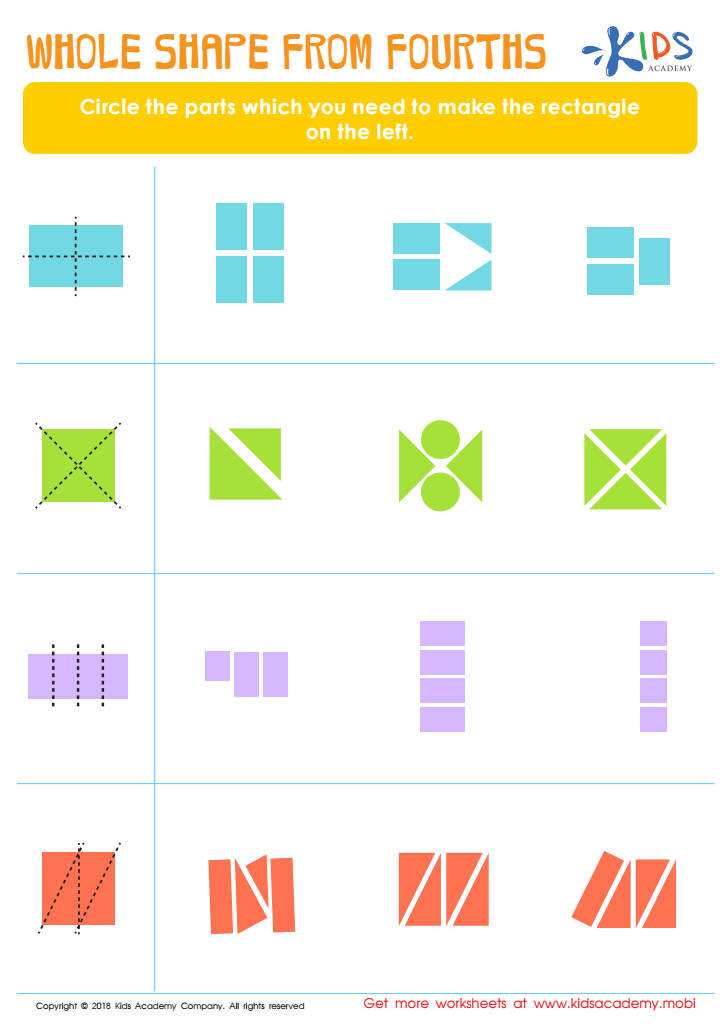
Whole Shape from Fourths Worksheet
Have your kids circle the shapes that'll form the rectangle on the left. It'll test their knowledge of shapes and ability to put them together to make a new one. Ask them to look at the parts on the right and circle the ones that'll form the rectangle.
Whole Shape from Fourths Worksheet
Worksheet
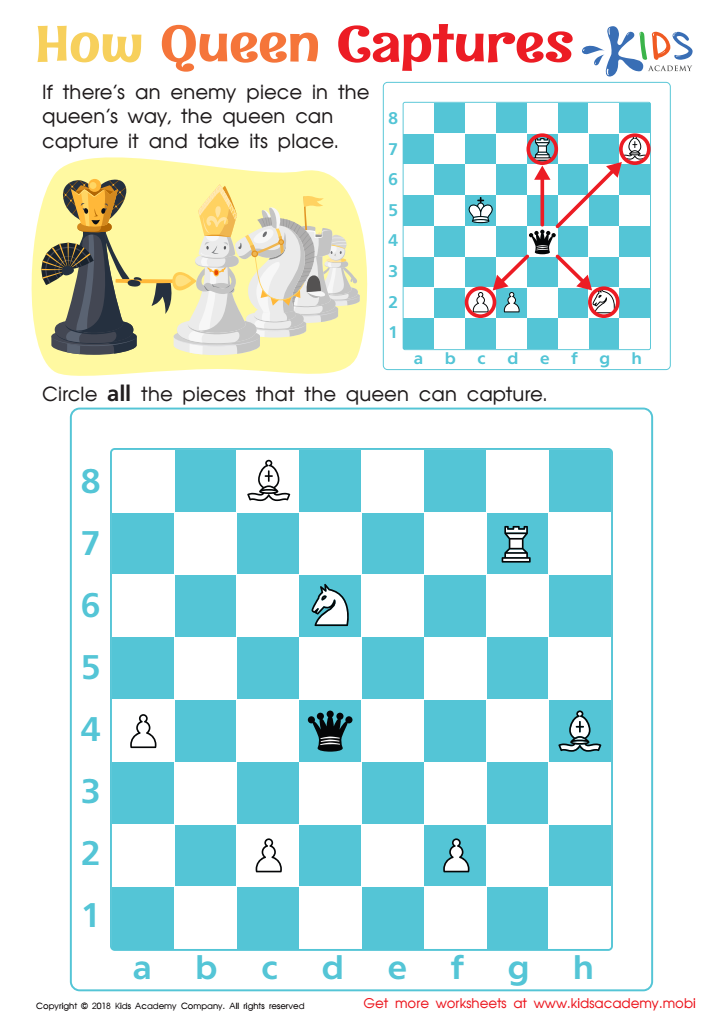
How Queen Captures Worksheet
Chess is a great game for sharpening math skills, strategic thinking, and knowledge of how each piece moves. If your child is interested, introduce them with this worksheet. It demonstrates how the queen can capture opposing pieces, such as another queen, and take their place.
How Queen Captures Worksheet
Worksheet
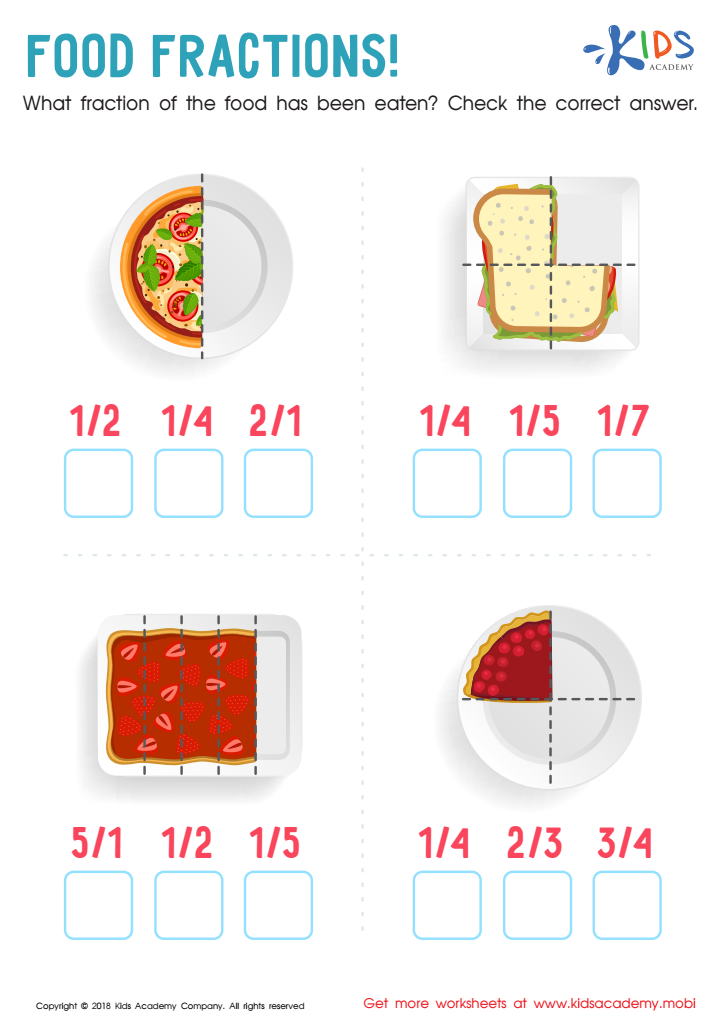
Food Fractions Worksheet
Test your child's understanding of fractions with this Food Fractions worksheet. Ask them to identify what fraction of the food in the four pictures has been eaten and select the correct answer from the options provided. See how well they understand your lessons!
Food Fractions Worksheet
Worksheet
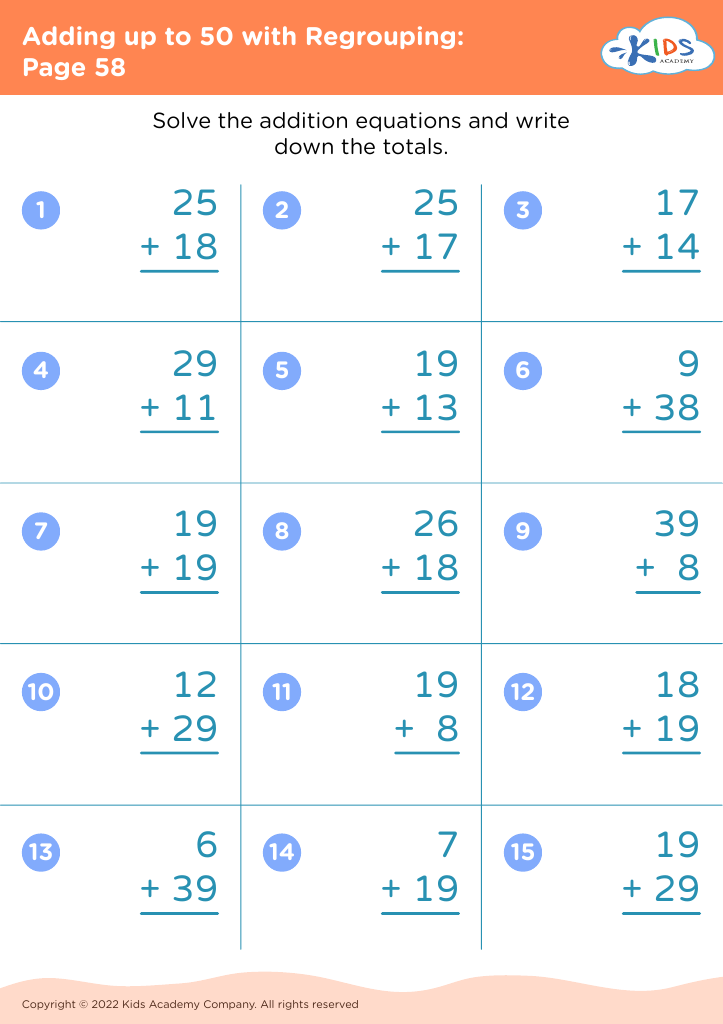
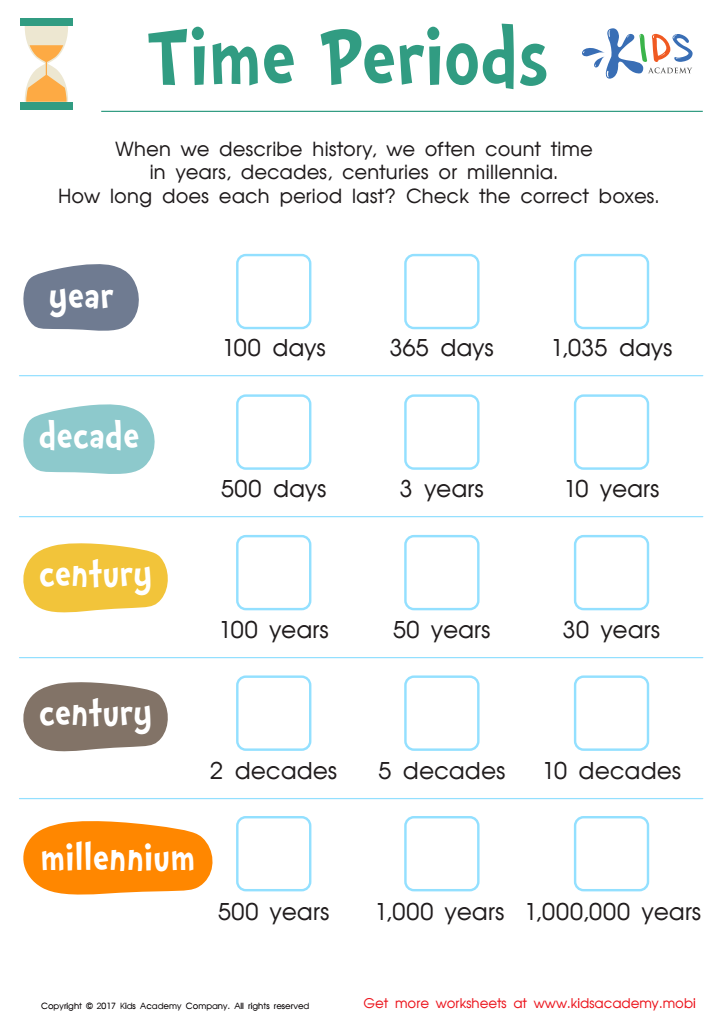
Time Periods Worksheet
Introduce your child to the concept of time periods with this worksheet! It quizzes kids on groupings of time such as decades and centuries, helping them understand that the earth was here long before them! Download the PDF to get started.
Time Periods Worksheet
Worksheet
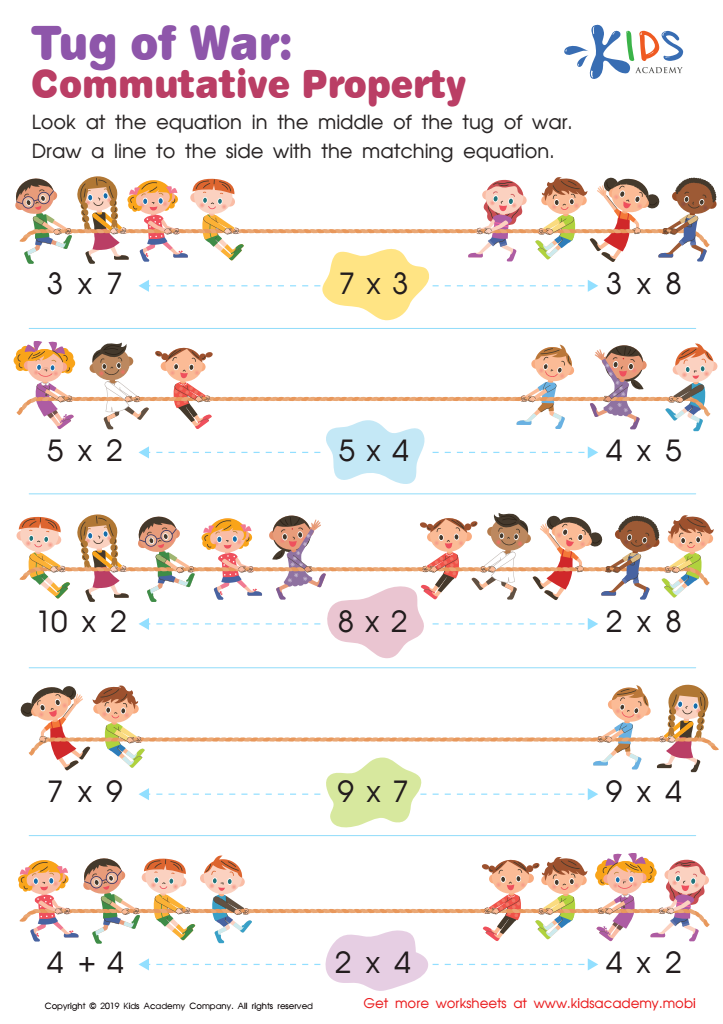
Tug of War: Commutative Property Worksheet
Tug of war is a great game to teach your child simple math. Explain the commutative property--it states that the product remains the same regardless of the order of factors. Use the equations in the middle of the worksheet and have your child draw a line to the corresponding equation. It's a fun and easy way to learn math.
Tug of War: Commutative Property Worksheet
Worksheet
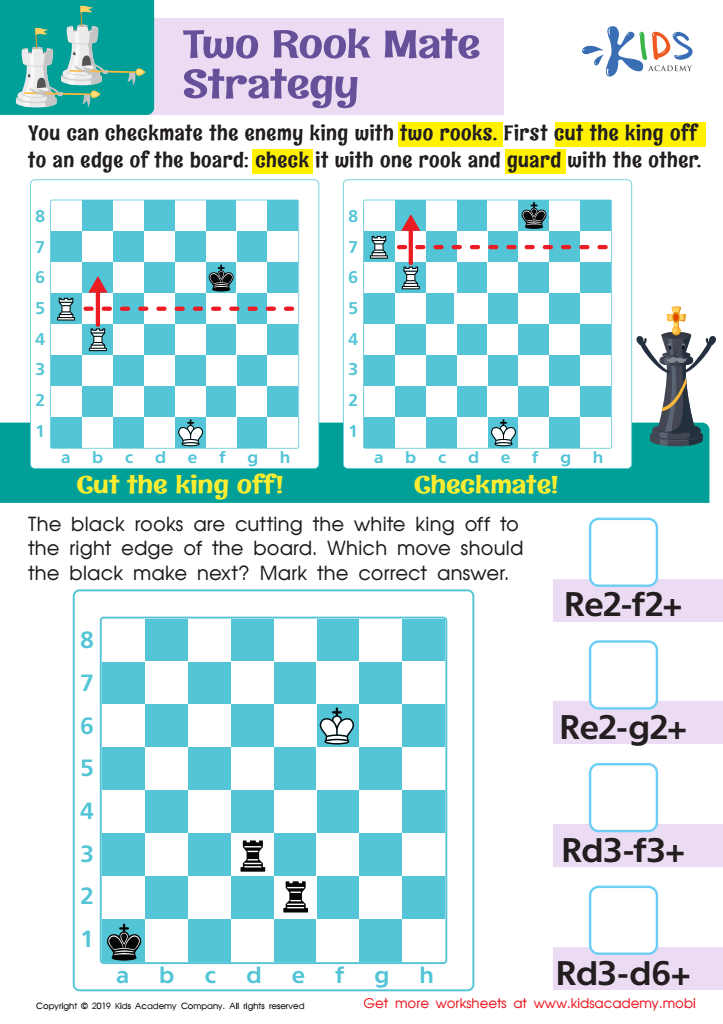
Two Rook Mate Strategy Worksheet
Kids who can play stress gain better reasoning, logic and critical thinking skills. This worksheet can teach kids the Two Rook Mate strategy to checkmate their opposite king. They'll discover how to close in the enemy king and protect with another rook, all the while enjoying a screen-free activity!
Two Rook Mate Strategy Worksheet
Worksheet
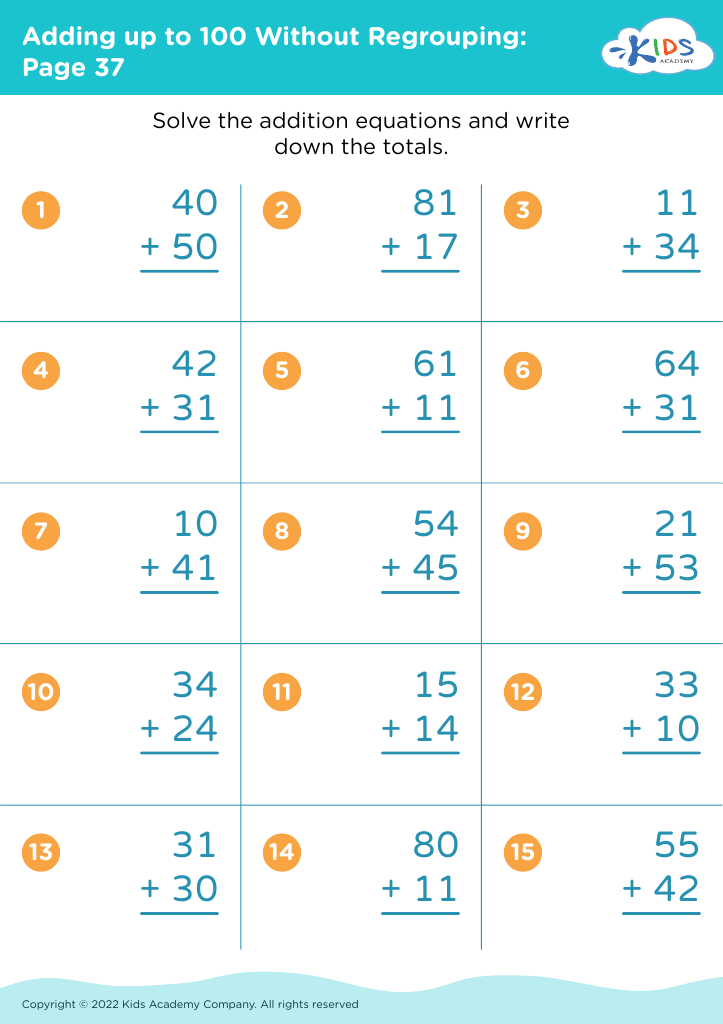
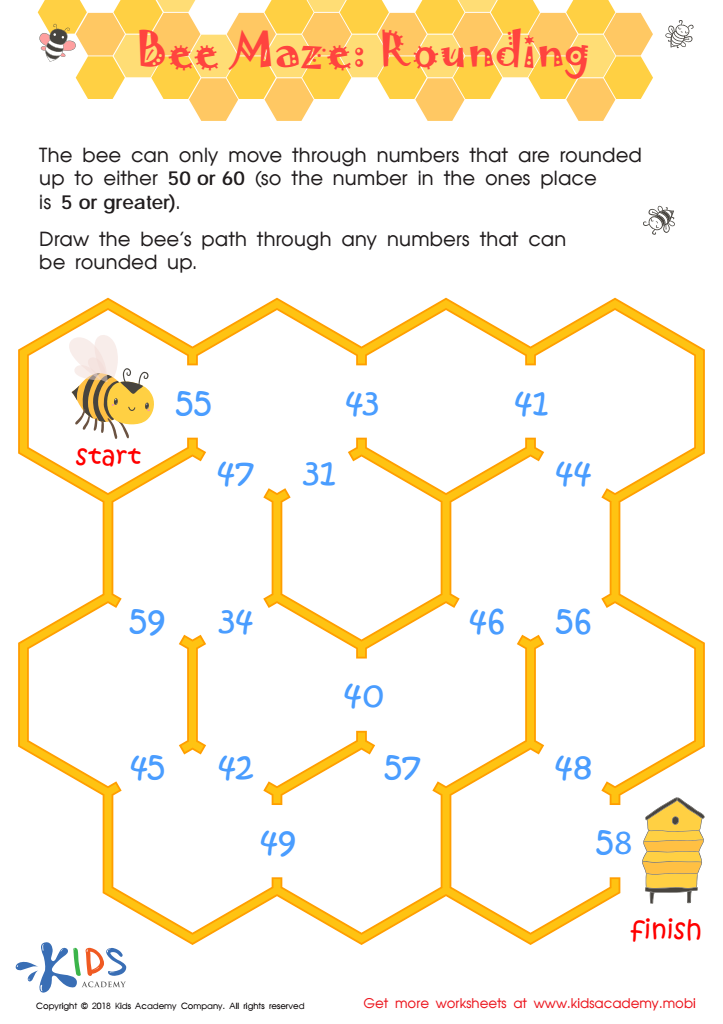
Bee Maze Rounding Worksheet
Round up the bee! Your child will practice rounding with this fun maze worksheet. Kids round up to 50 or 60, evaluating each number and guiding the bee to his home. Get ready for some thought-stretching fun!
Bee Maze Rounding Worksheet
Worksheet
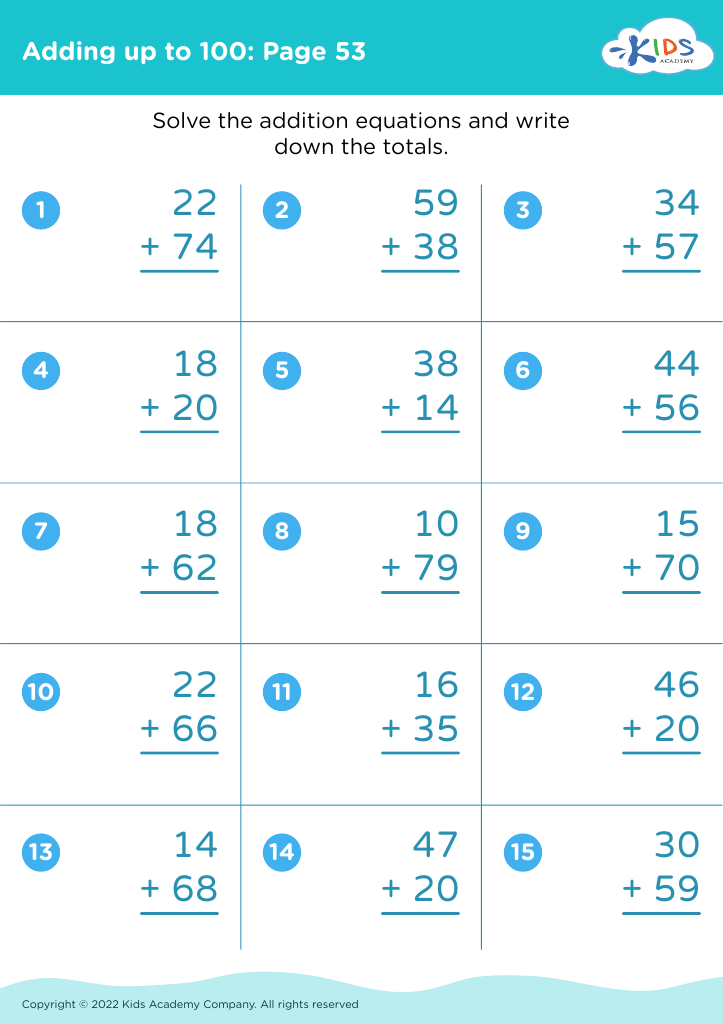
Join Kids Academy for Free
Who is primarily going to use this learning content?





%20(1).jpg)


Enhancing problem-solving skills for 8-year-olds is crucial for their academic and personal development. At this age, children are beginning to face more complex challenges both in school and life, making the ability to analyze situations, think critically, and devise solutions essential. Problem-solving teaches kids to approach obstacles with confidence and creativity, fostering resilience and resourcefulness.
Moreover, these skills contribute to academic success. Subjects like math and science require strong problem-solving abilities, and children equipped with these skills can better grasp concepts and perform well in assessments. As they navigate group projects or social interactions, enhanced problem-solving skills empower them to collaborate, communicate effectively, and resolve conflicts.
Additionally, the benefits extend far beyond the classroom. Children who develop effective problem-solving techniques become adept at handling the challenges of everyday life, from making decisions to managing relationships. Encouraging these skills also stimulates critical thinking, allowing children to question, evaluate, and form their own opinions.
Finally, as parents and teachers foster an environment that prioritizes problem-solving, they not only prepare kids for future academic challenges but also equip them with essential life skills that will serve them throughout adolescence and adulthood. Therefore, investing in these skills is an investment in their future.








