Fairy Tales Worksheets Activities With Answers for Ages 3-7 - Page 3
51 filtered results
-
From - To
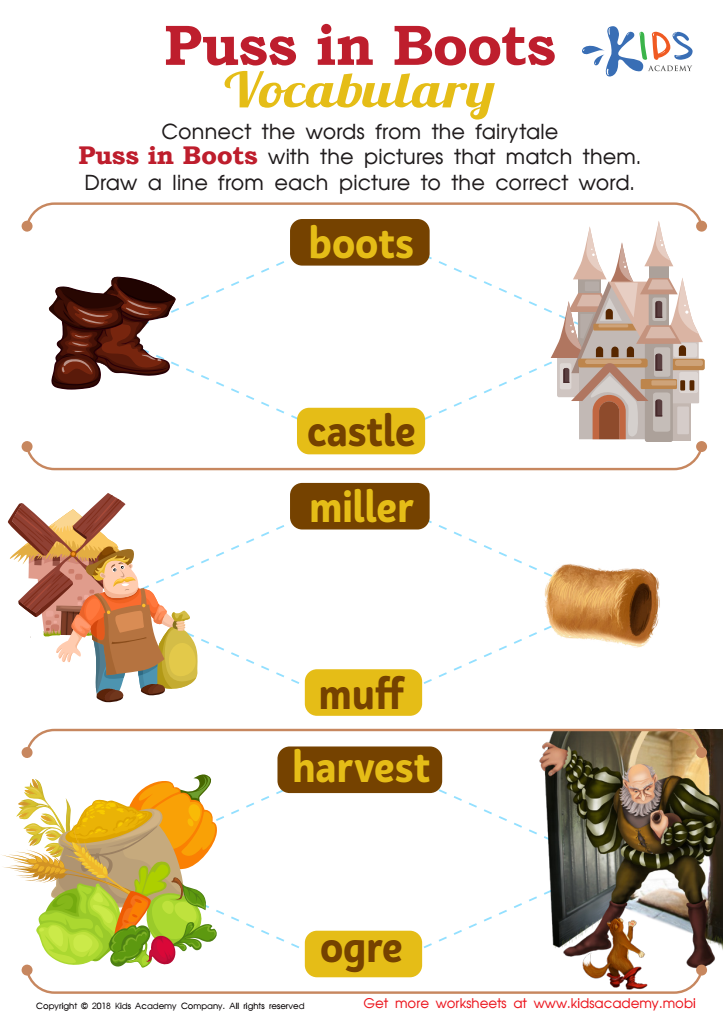
Puss in Boots Vocabulary Worksheet
 Assign to My Students
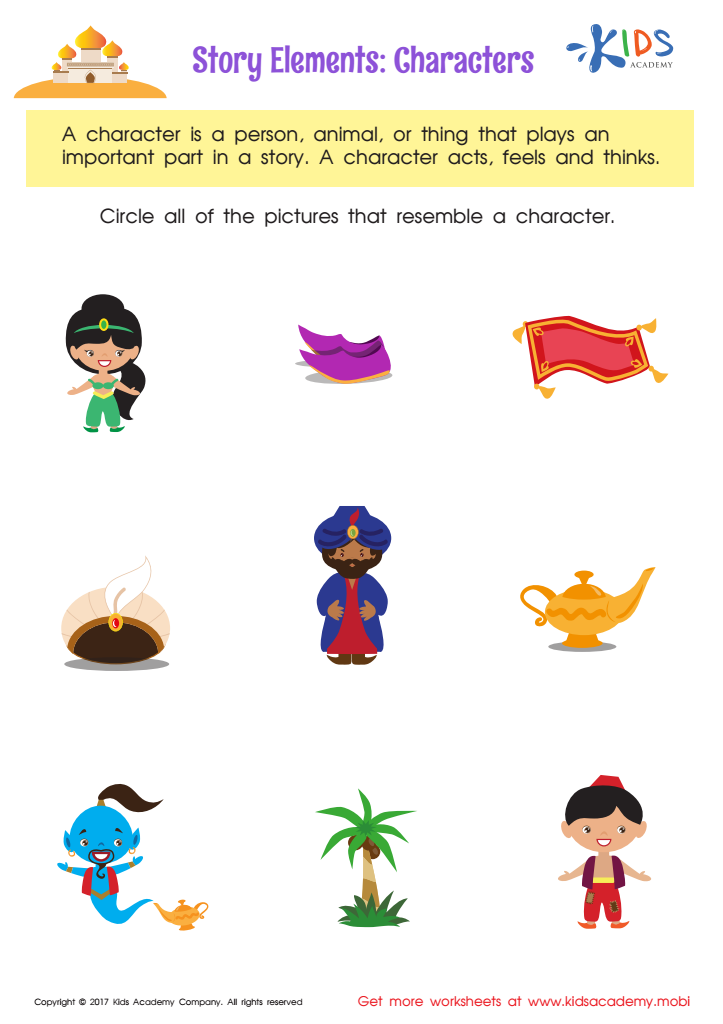
Story Elements Printable
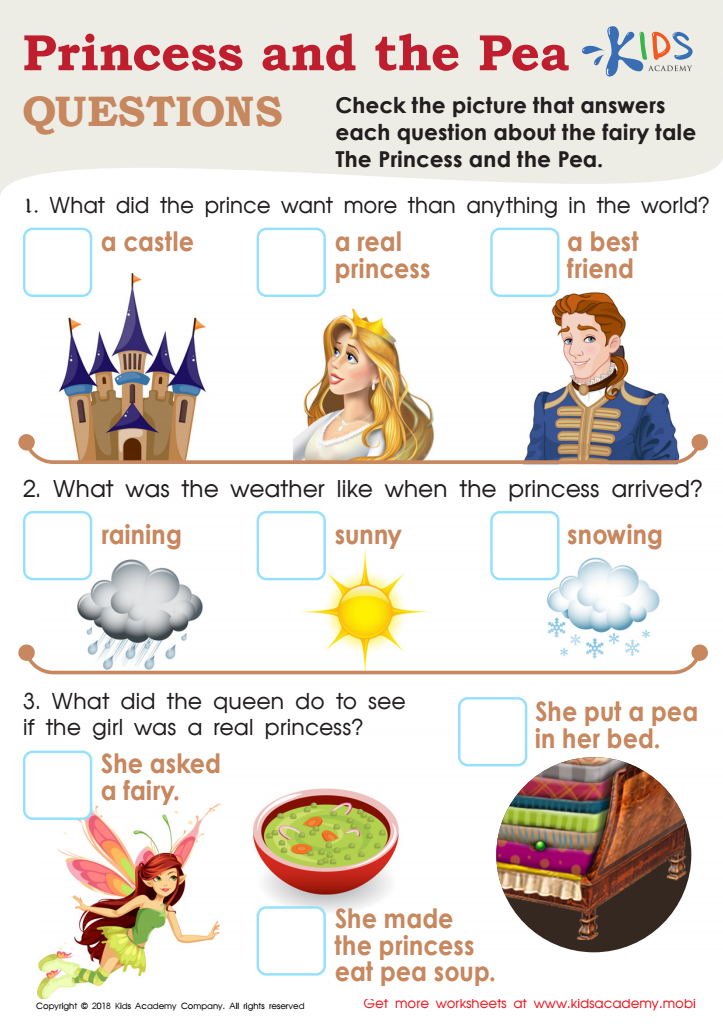
Princess and the Pea Questions Worksheet








Fairy tale activities for children aged 3-7 are essential for fostering literacy skills, creativity, and social-emotional development. Engaging young learners with these magical stories introduces them to fundamental concepts of narrative structure—beginning, middle, and end—which enhances their understanding of storytelling and improves their reading comprehension skills.
These activities spark imagination and creativity as children immerse themselves in enchanting worlds, encouraging them to visualize and express their thoughts through art, storytelling, or role-play. This imaginative engagement not only broadens their vocabulary but also nurtures their critical thinking as they explore moral lessons embedded in fairy tales.
Moreover, fairy tales often present themes like friendship, bravery, and kindness, promoting positive social-emotional learning. Discussing these themes helps children navigate their feelings and encourages empathy, respect, and the understanding of diverse perspectives.
Furthermore, fairy tale activities can create a strong bond between parents, caregivers, and teachers, sparking meaningful conversations and co-learning experiences. In fostering an environment where children explore narrative and emotions, fairy tale activities become valuable tools in developing well-rounded, emotionally intelligent individuals equipped for future challenges. Hence, both parents and teachers should prioritize these enriching activities in early educational settings.








