Numbers Worksheets Activities With Answers for Ages 3-7
19 filtered results
-
From - To
Discover a fun and engaging collection of numbers worksheets activities designed specifically for children ages 3-7. Our resources aim to enhance early math skills through playful learning experiences that include counting, number recognition, and basic arithmetic. Each worksheet is thoughtfully crafted to promote cognitive development and boost confidence in young learners. With accompanying answer keys, caregivers and educators can easily track progress and provide support. Explore our educational materials to create interactive learning sessions that inspire a love for numbers in your child. Perfect for home learning, daycare, or kindergarten settings, these worksheets make math enjoyable and accessible!
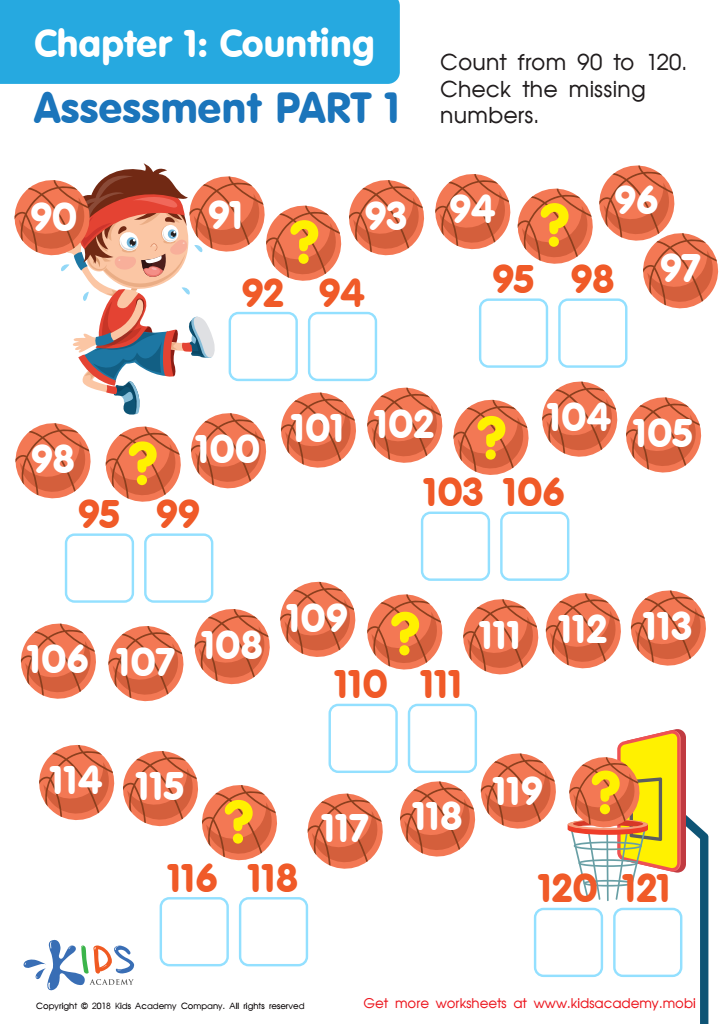
Counting Past 1: Assessment 1 Worksheet
 Assign to My Students
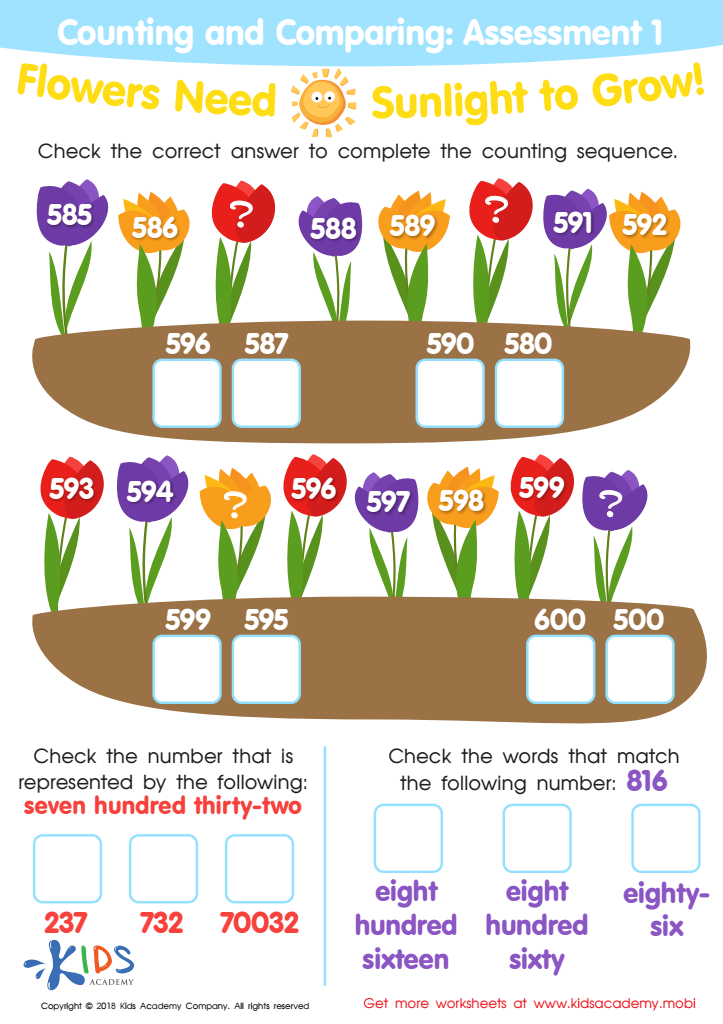
Counting and Comparing: Assessment 1 Worksheet
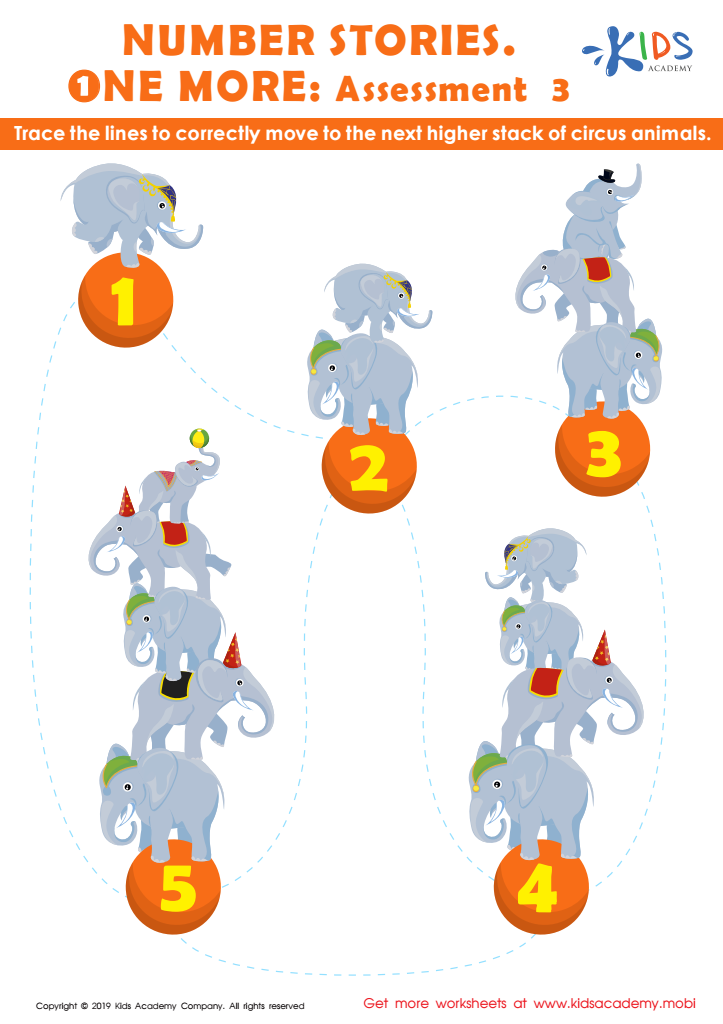
Number Stories One More: Assessment 3 Worksheet
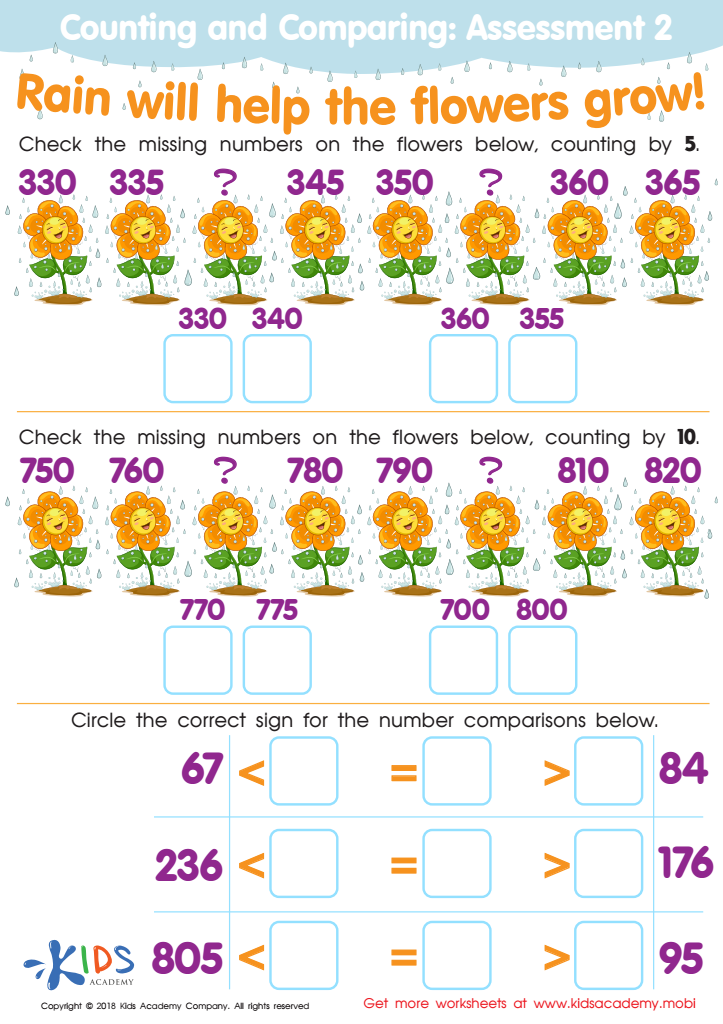
Counting and Comparing: Assessment 2 Worksheet
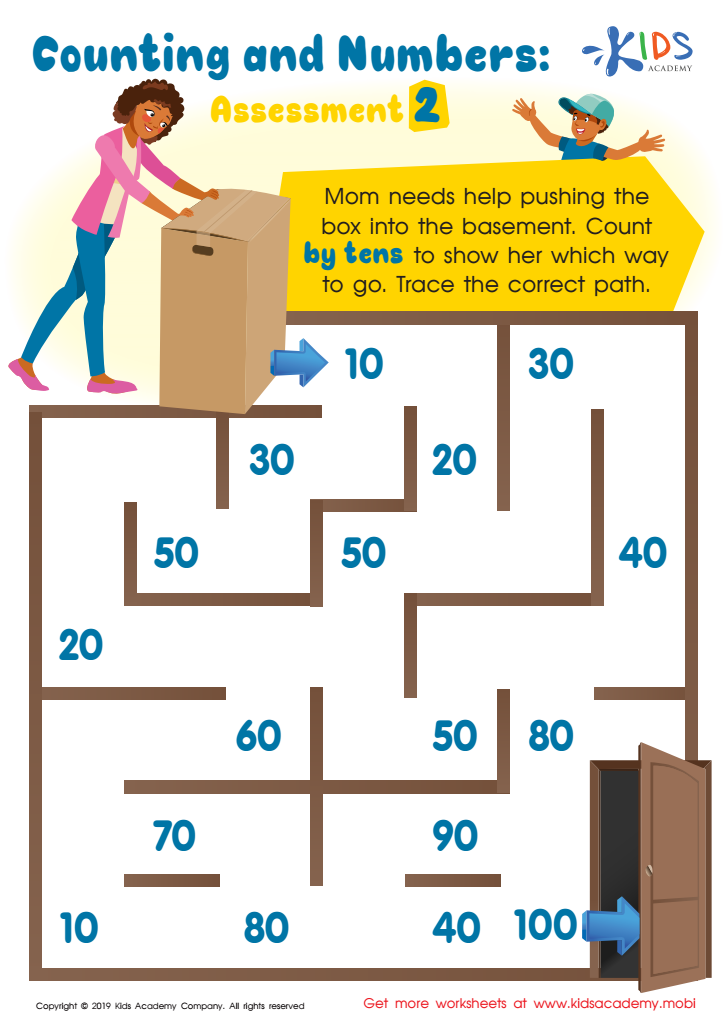
Counting and Numbers: Assessment 2 Worksheet
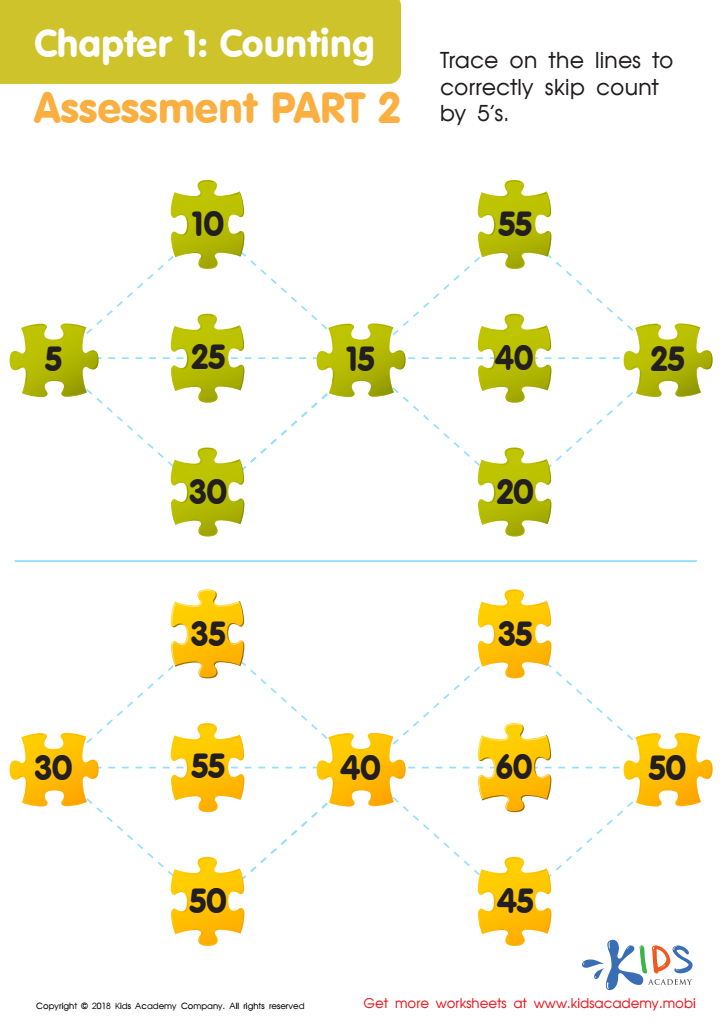
Counting: Assessment 2 Worksheet
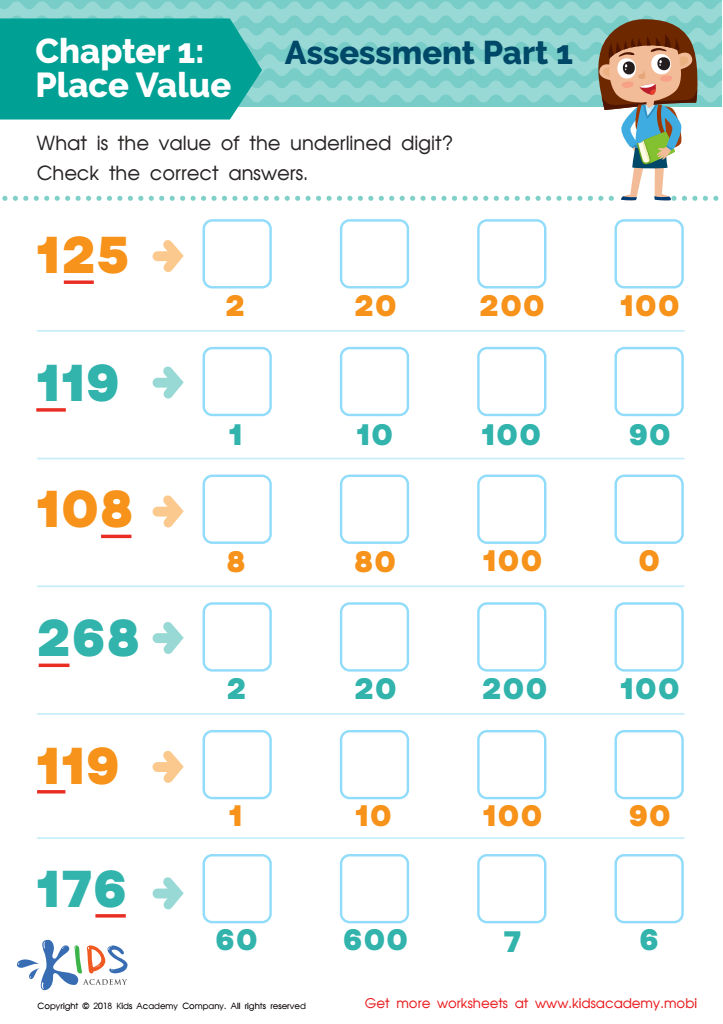
Place Value: Chapter 1 Worksheet
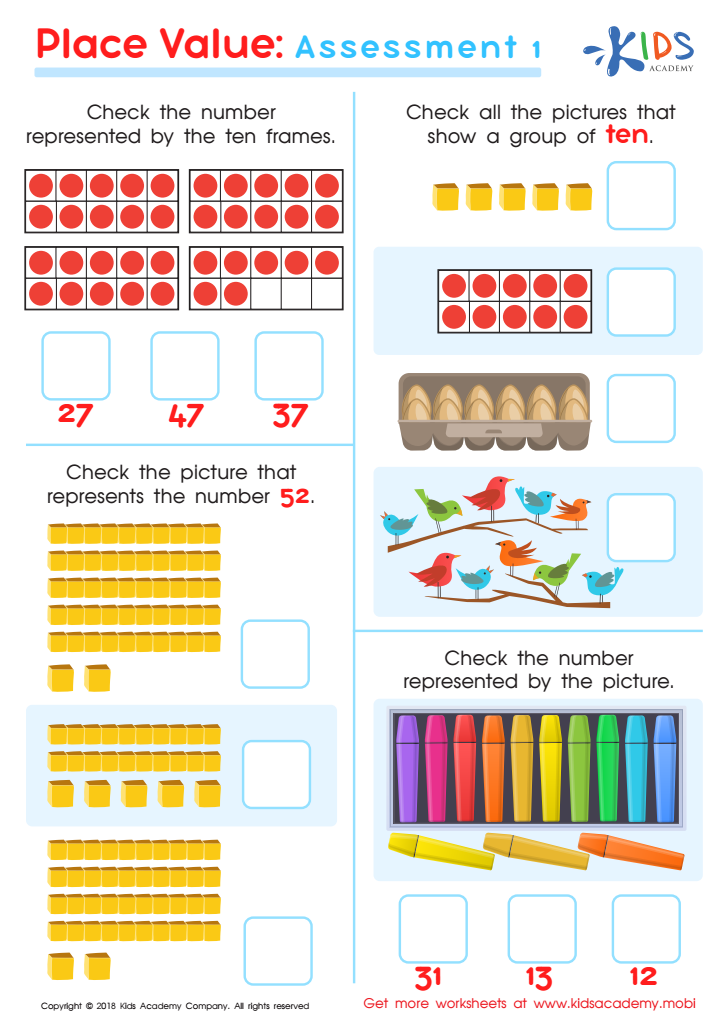
Place Value: Assessment 1 Worksheet
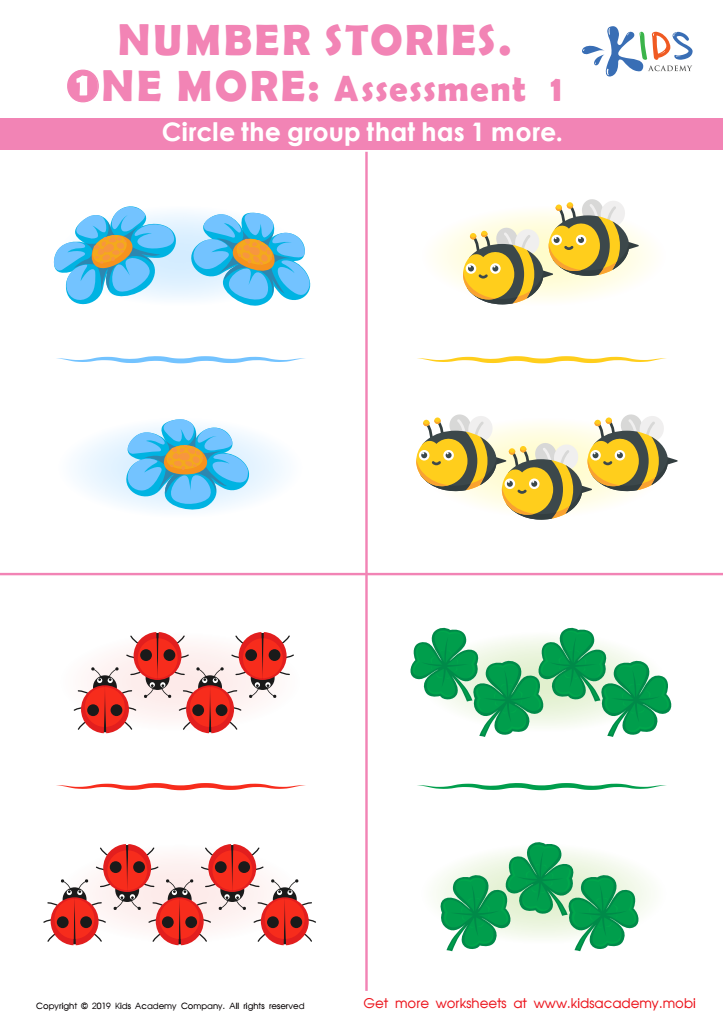
Number Stories One More – Assessment 1 Worksheet
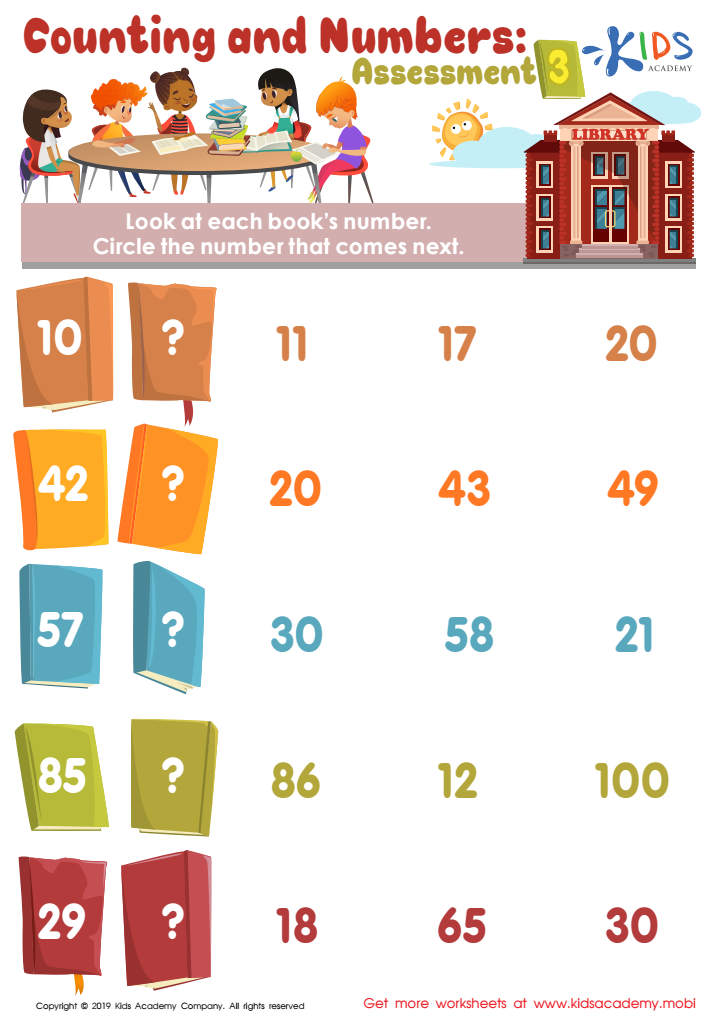
Counting and Numbers: Assessment Worksheet
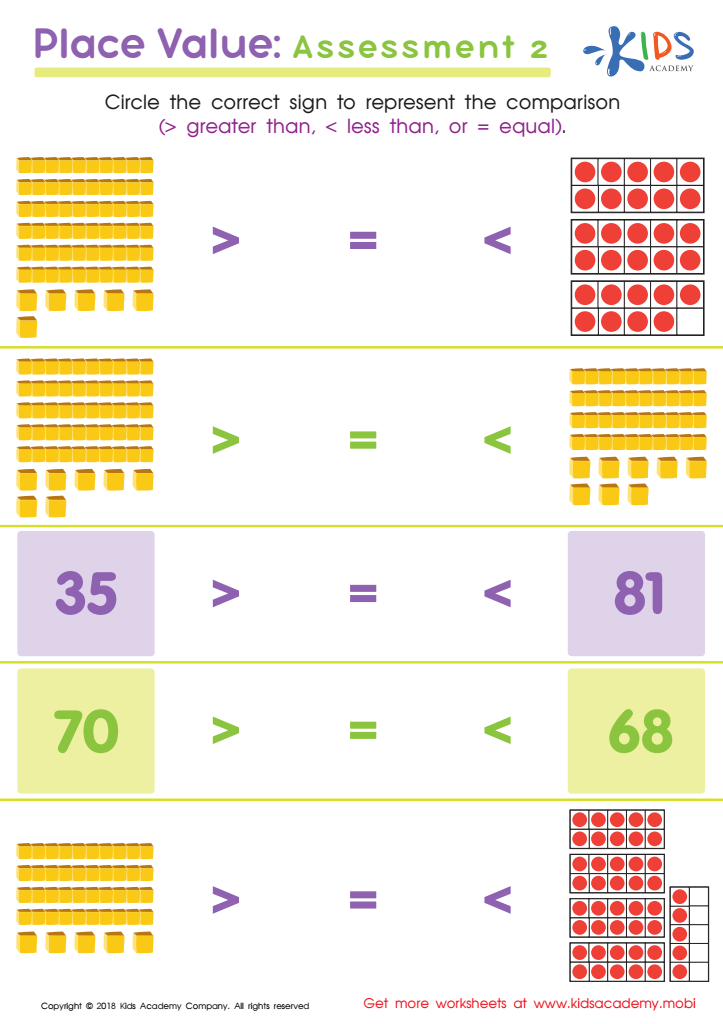
Place Value: Assessment 2 Worksheet
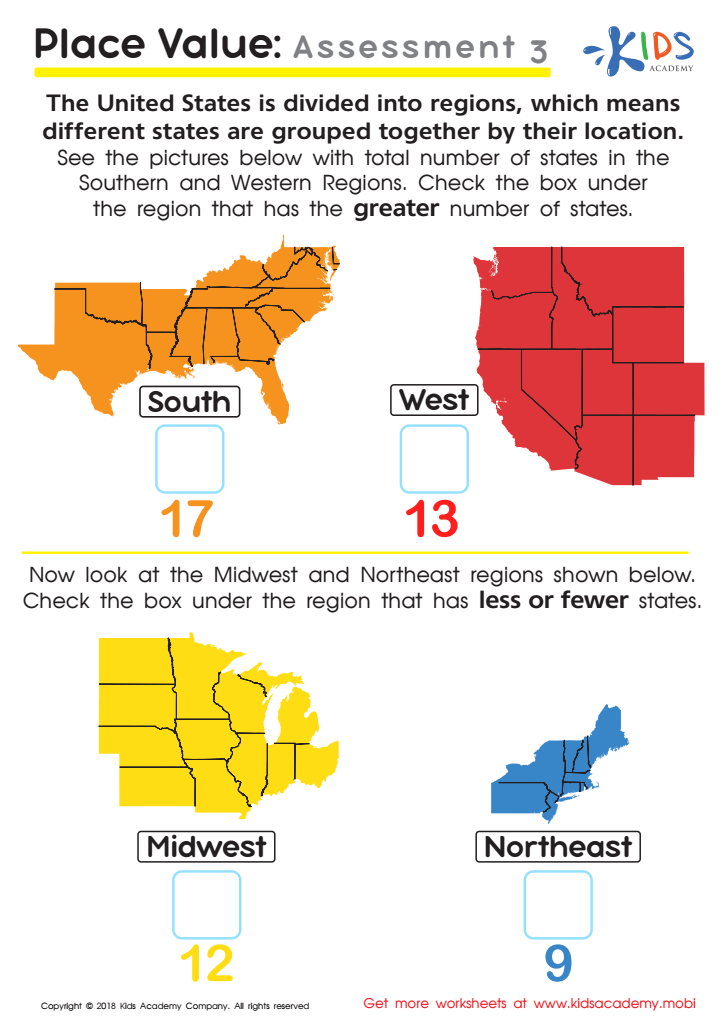
Place Value: Assessment 3 Worksheet
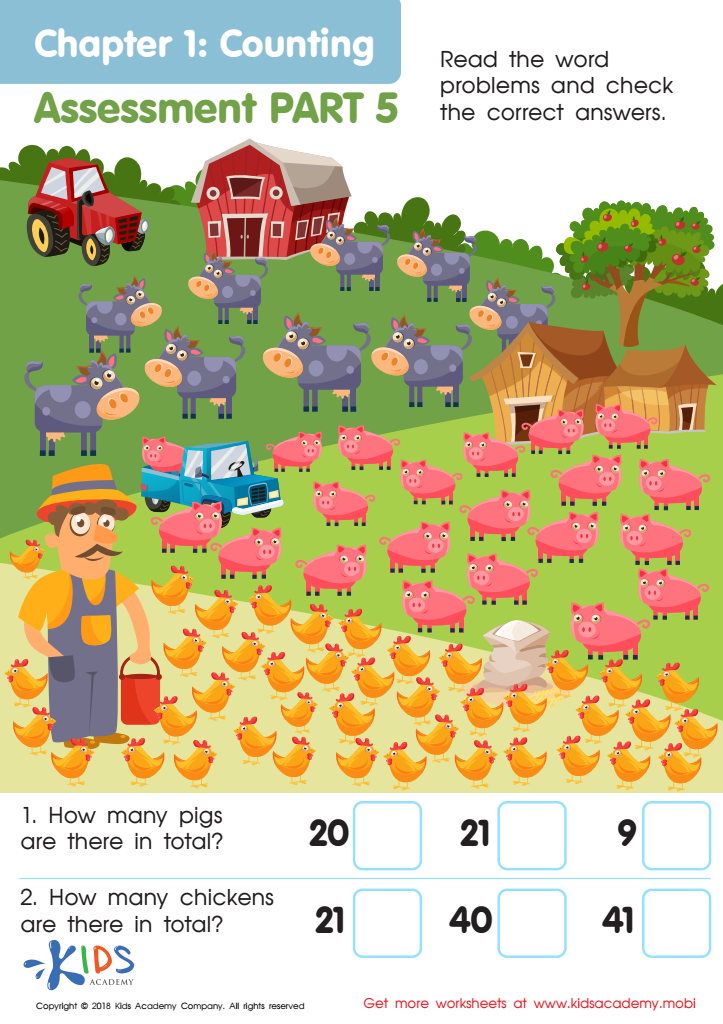
Counting: Assessment 5 Worksheet
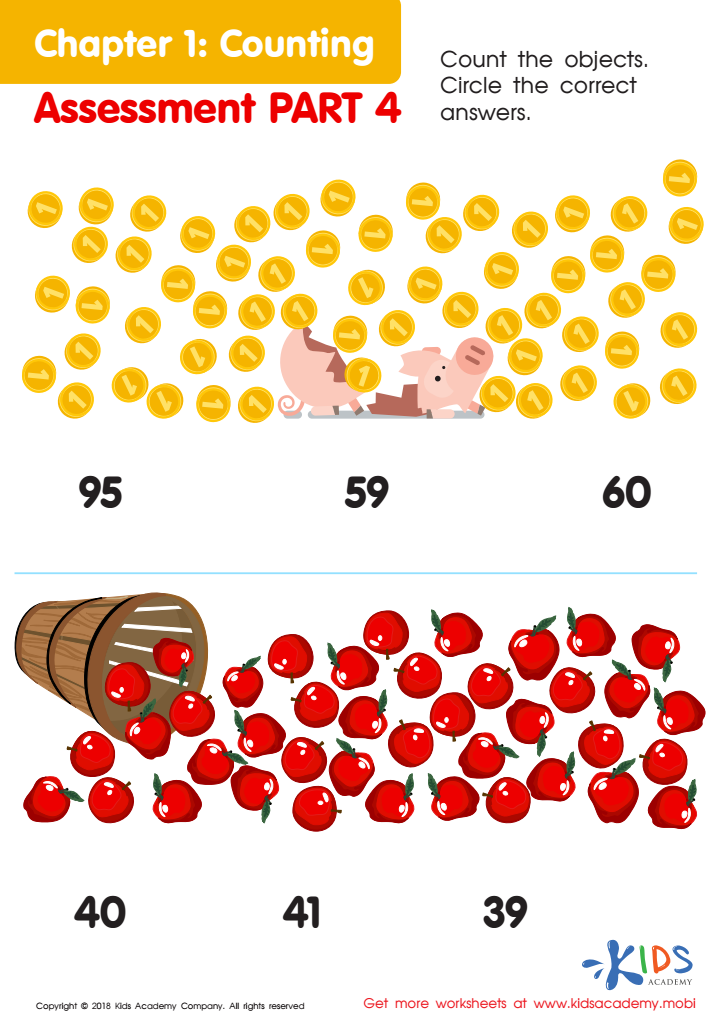
Counting: Assessment 4 Worksheet
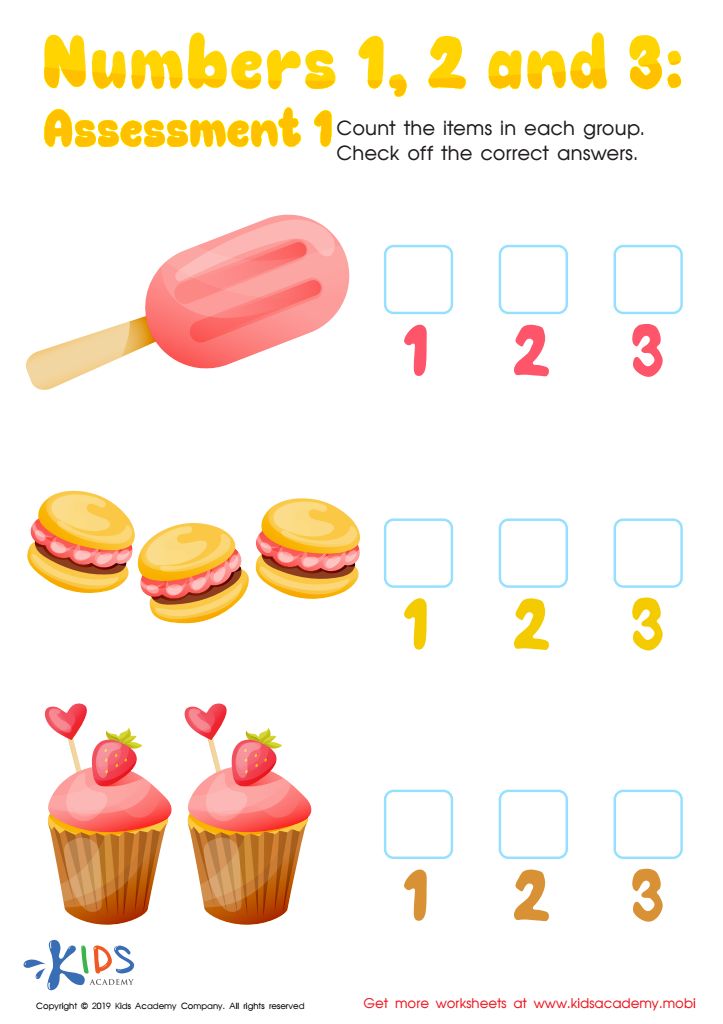
Numbers 1, 2 and 3: Assessment 1 Worksheet
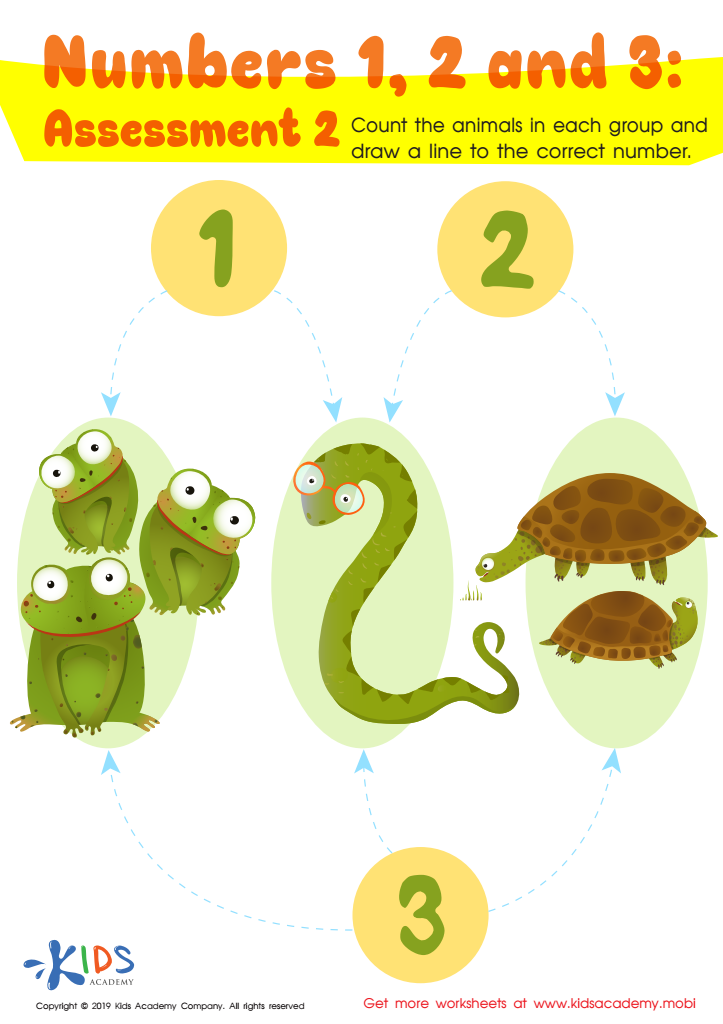
Numbers 1, 2 and 3: Assessment 2 Worksheet
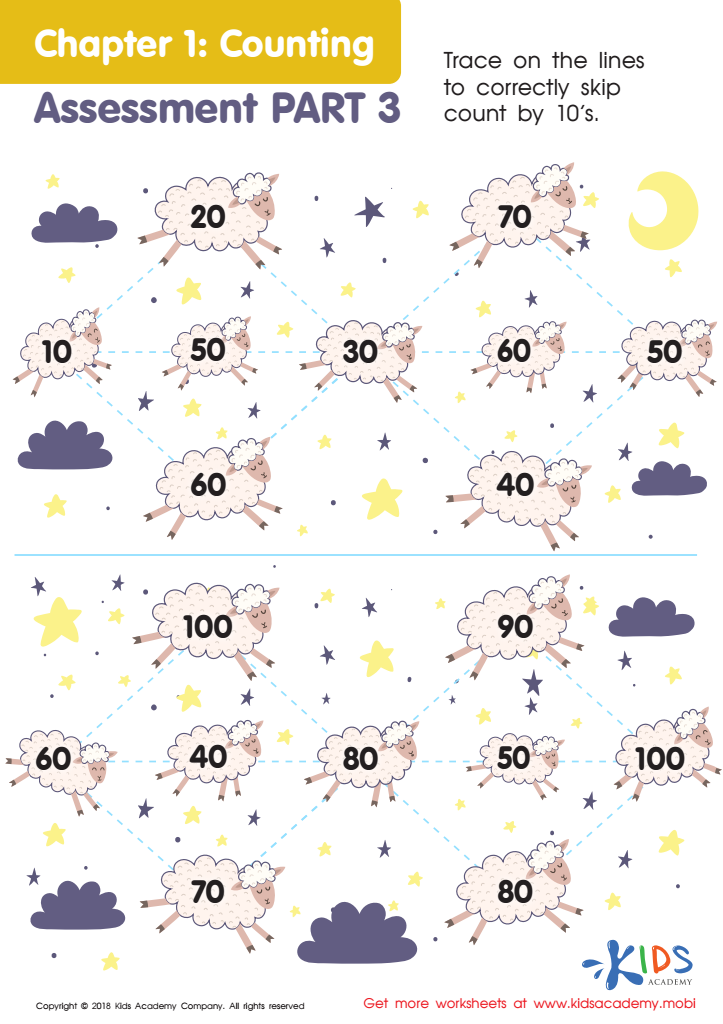
Counting: Assessment 3 Worksheet
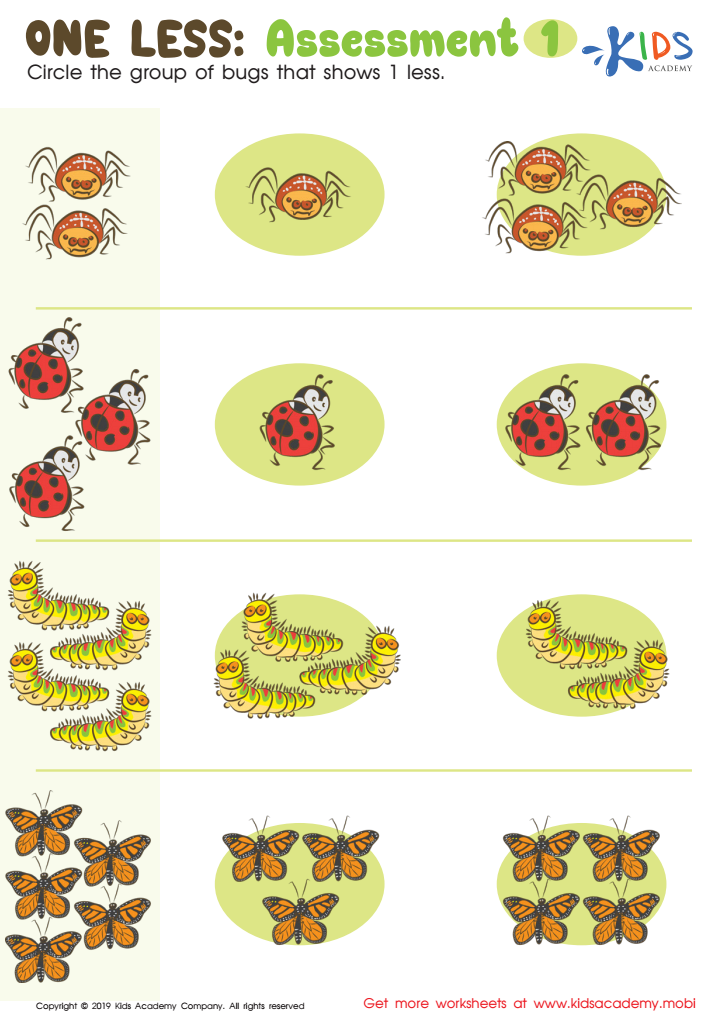
One Less: Assessment 1 Worksheet
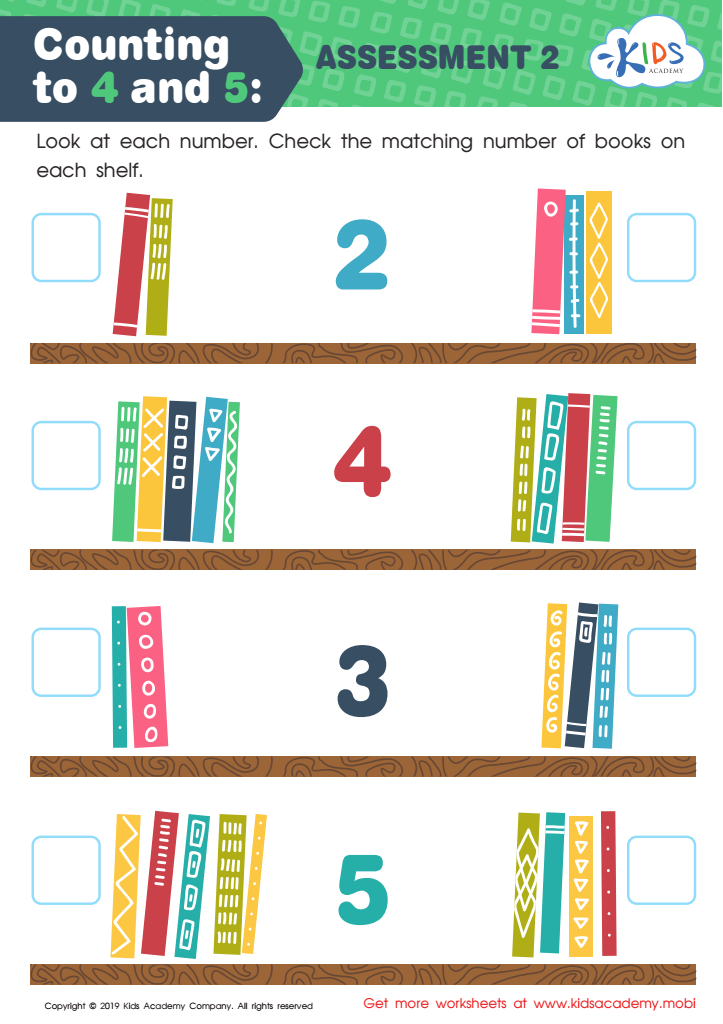
Counting to 4 and 5: Assessment 2 Worksheet


.jpg)





Parents and teachers should care about numbers activities for ages 3-7 because early mathematical skills lay a crucial foundation for children's future learning. Engaging young children in number activities enhances their cognitive development, improving their ability to think critically and solve problems. These activities make abstract concepts more tangible and relatable, facilitating a deeper understanding of numbers.
Activities tailored for this age group can be both educational and enjoyable, sparking a child's curiosity and enthusiasm for learning math. Incorporating games, puzzles, and hands-on tasks helps maintain children’s interest and encourages active participation. Learning simple counting, basic addition, and number recognition through practical engagement solidifies these skills, ensuring they develop proficiency ahead of formal education.
Moreover, numbers activities nurture important areas such as fine motor skills, memory, and social interaction when done in group settings. They also reinforce positive attitudes toward mathematics, diminishing math anxiety as children progress. By prioritizing these early mathematics experiences, parents and educators provide a robust context for personal growth, creativity, and academic achievement, ultimately helping to shape confident learners ready to tackle more complex concepts in the future.








