Mazes Worksheets Activities With Answers for Ages 3-7 - Page 2
56 filtered results
-
From - To
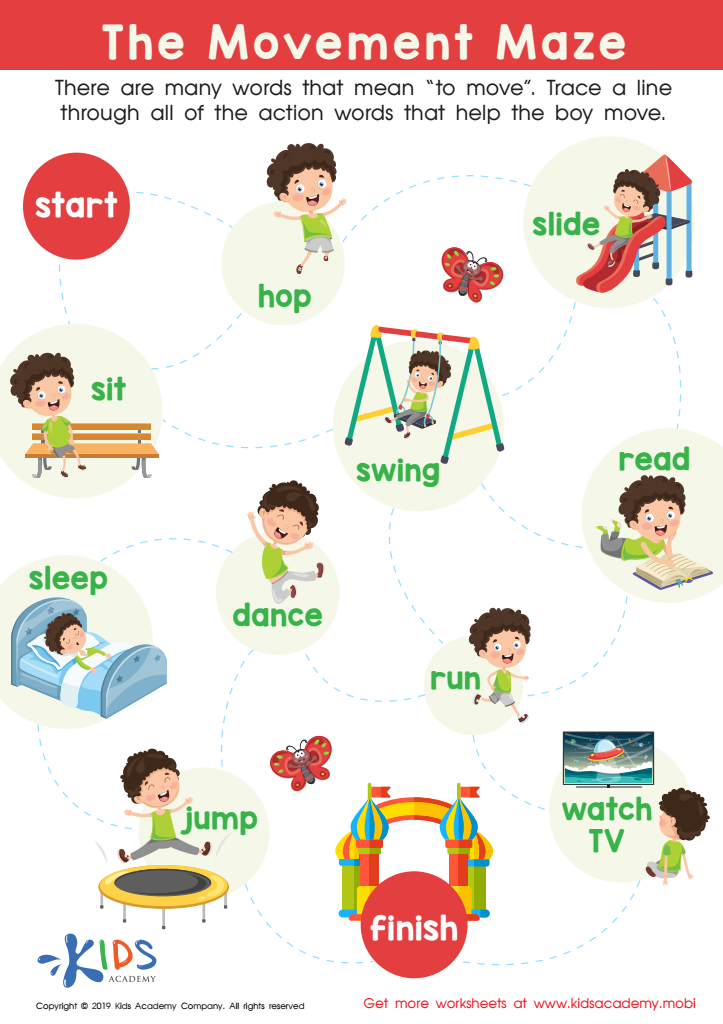
The Movement Maze Worksheet
 Assign to My Students
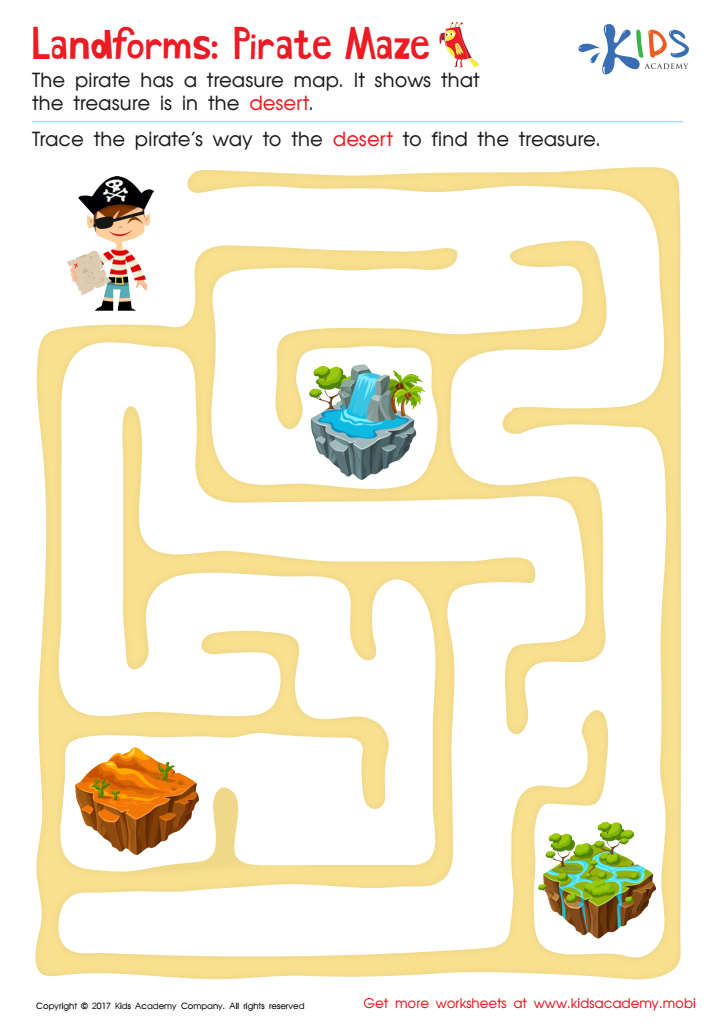
Landforms: Pirate Maze Printable
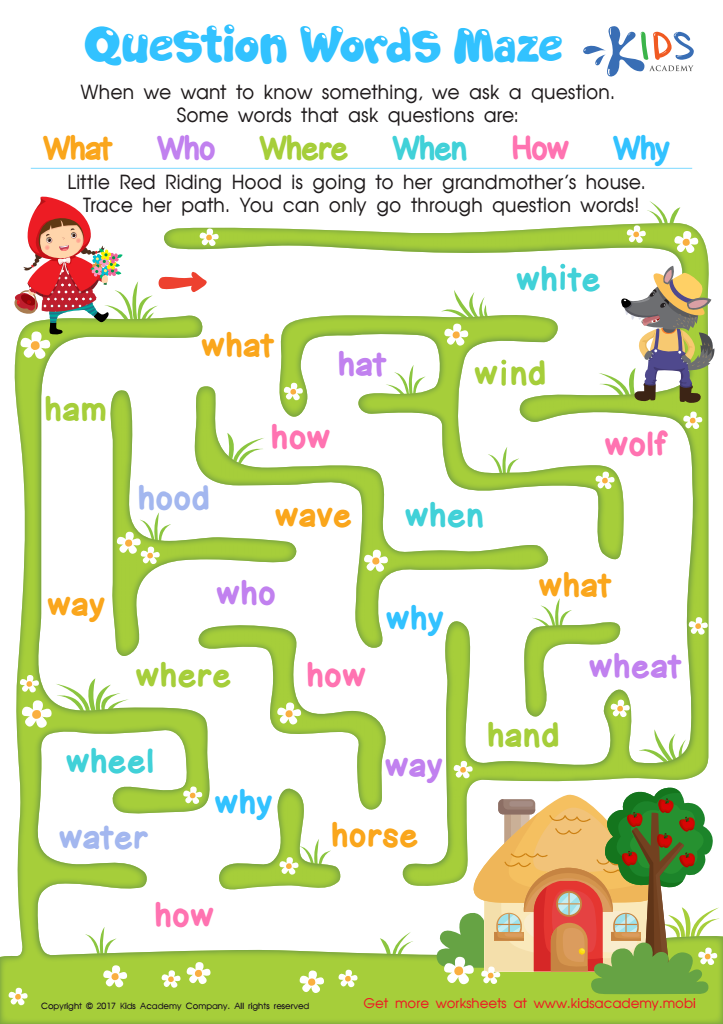
Question Words Maze Worksheet
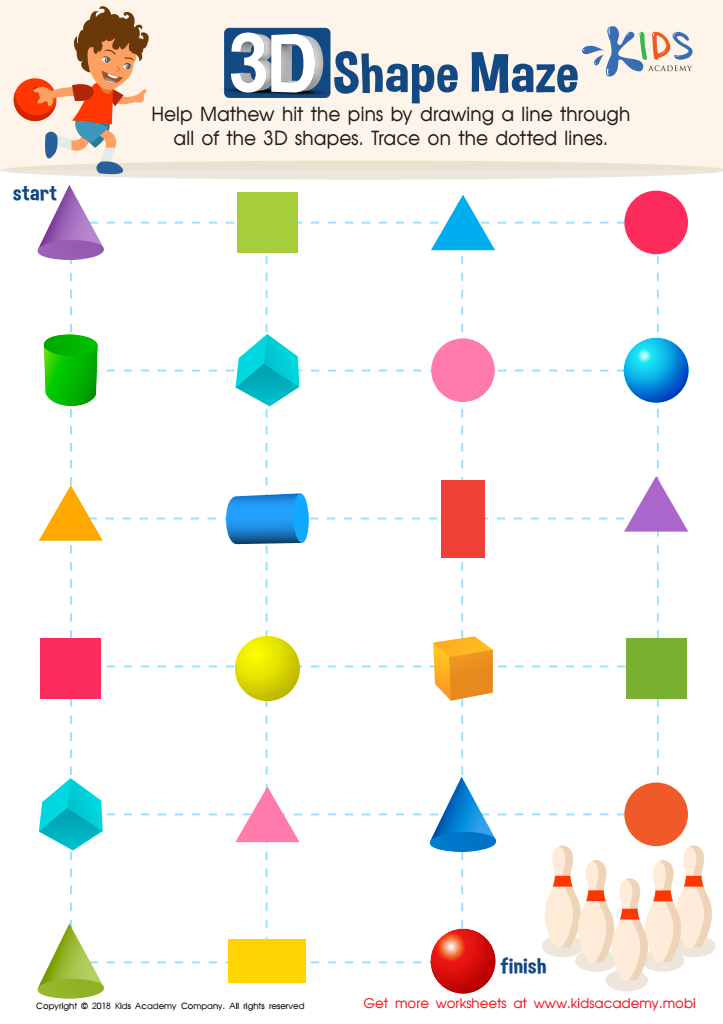
Shapes Maze Geometry Worksheet
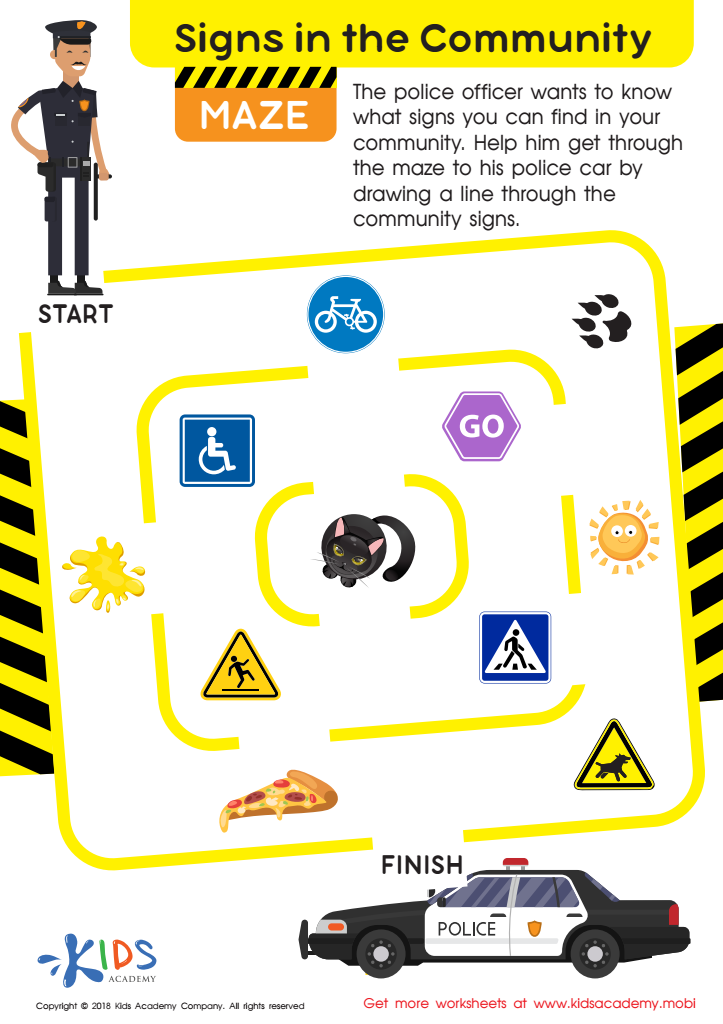
Signs in the Community: Maze Worksheet
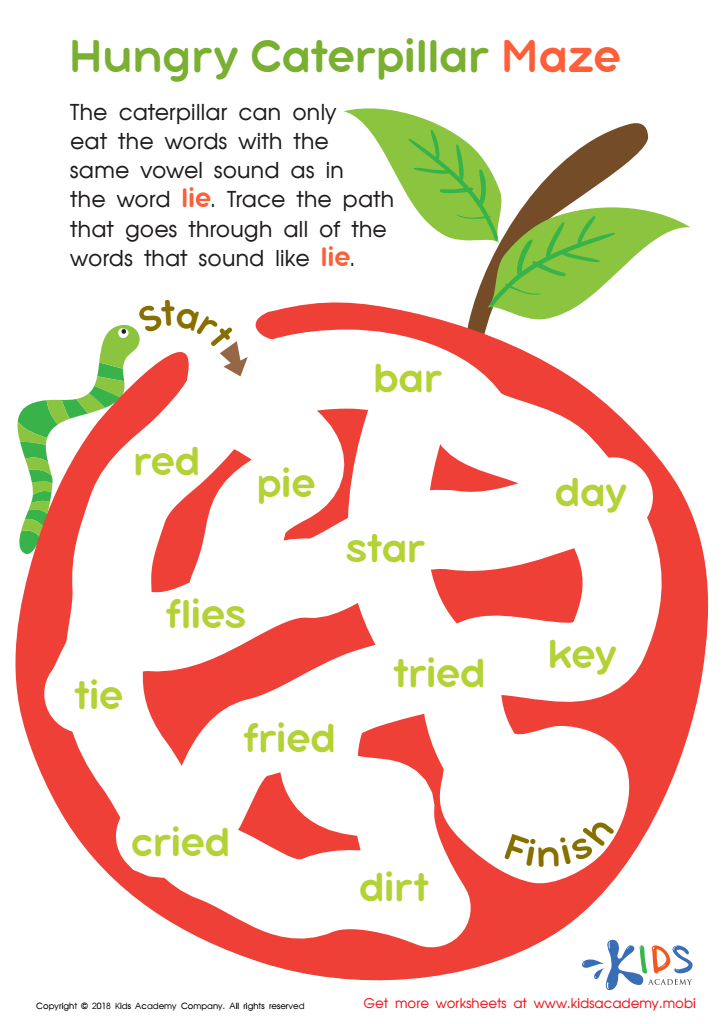
Hungry Caterpillar Maze Worksheet
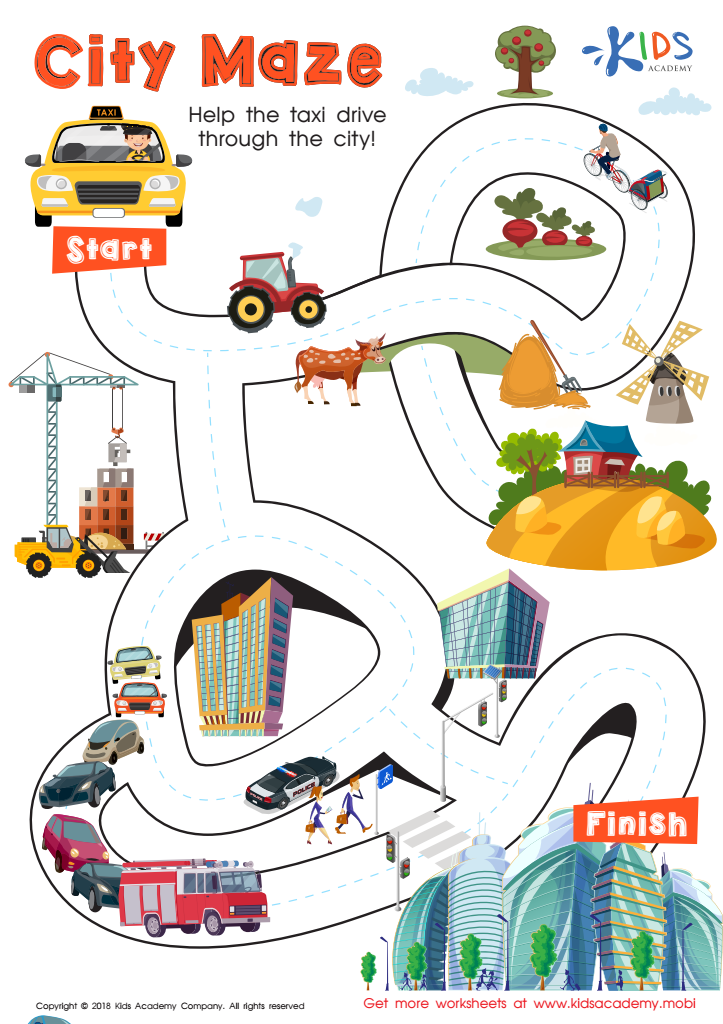
City Maze Worksheet
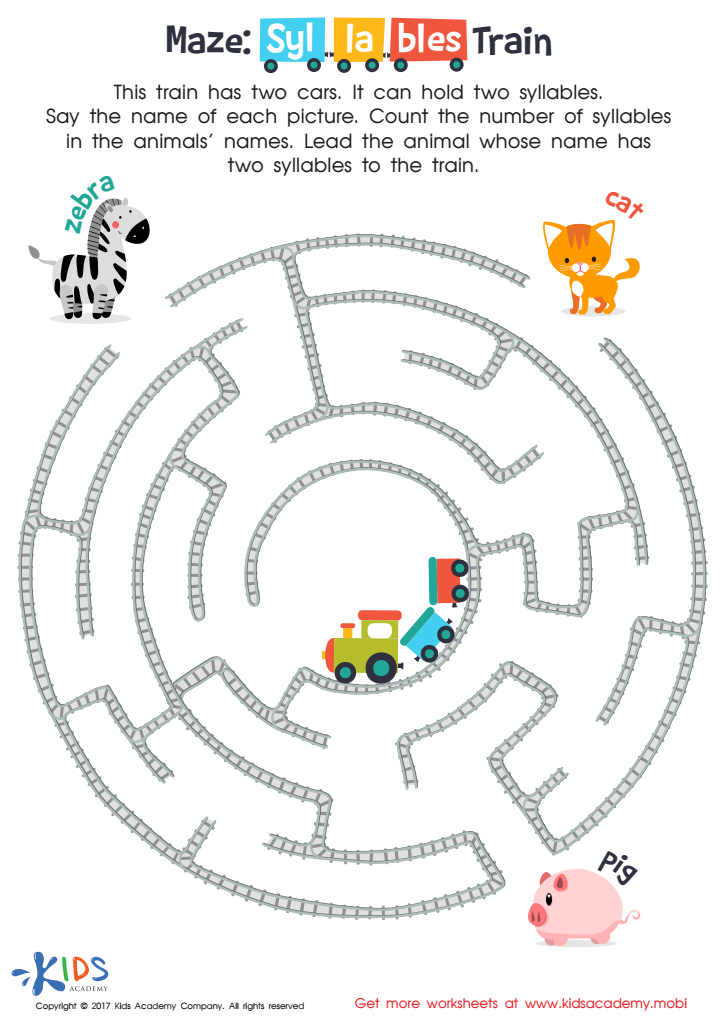
Maze Syllables Word Structure Worksheet
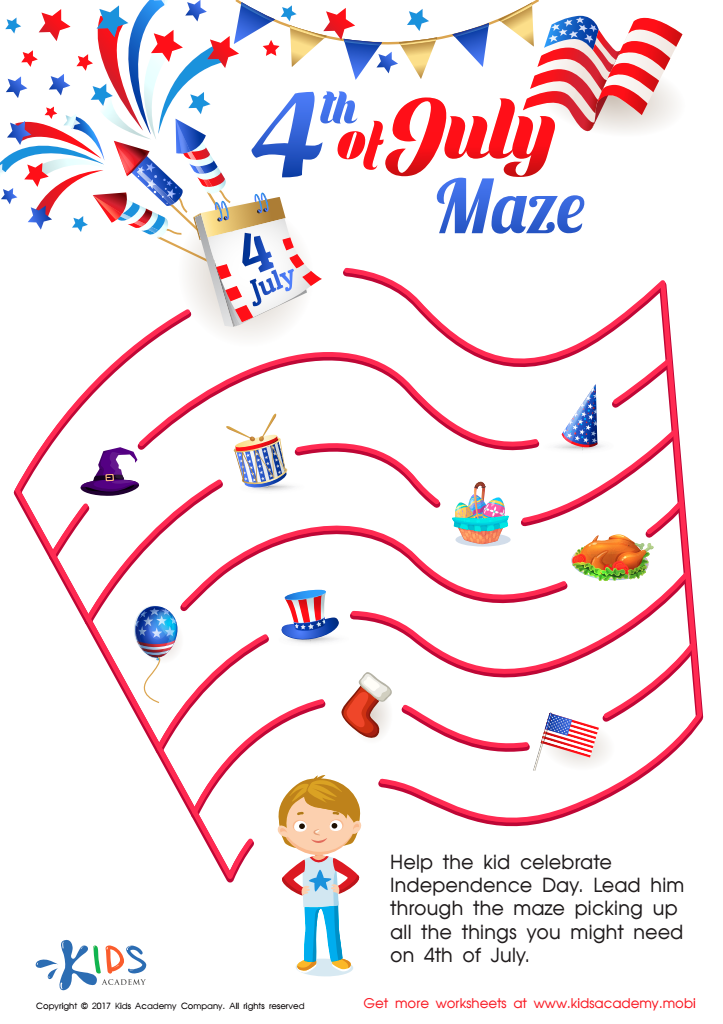
Fourth of July Maze Printable
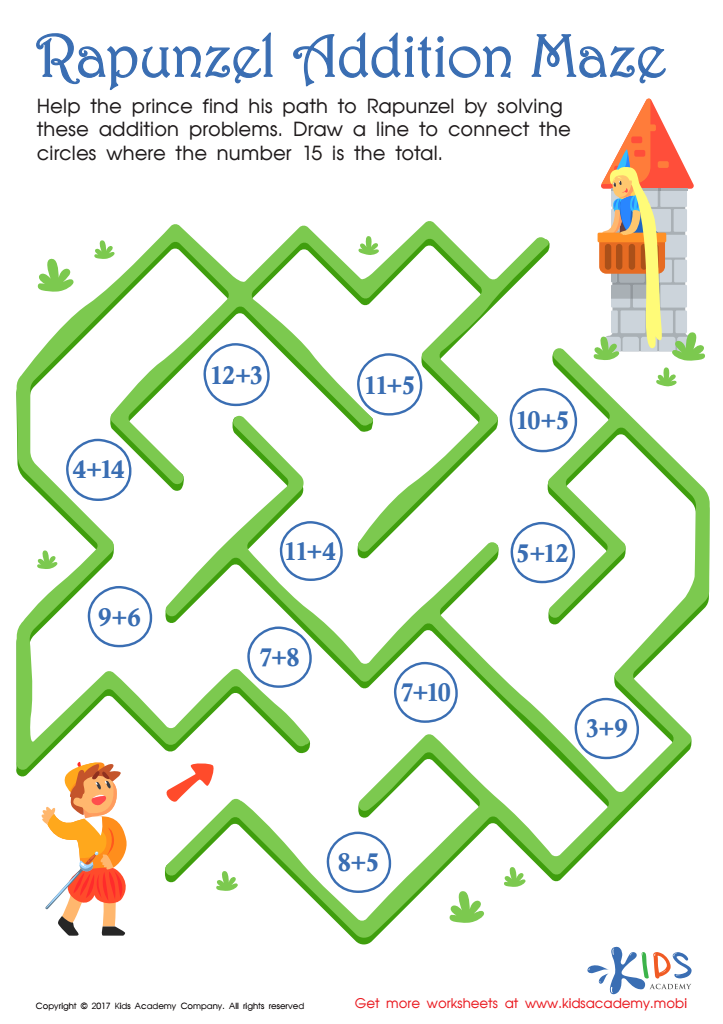
Rapunzel Addition Maze Worksheet
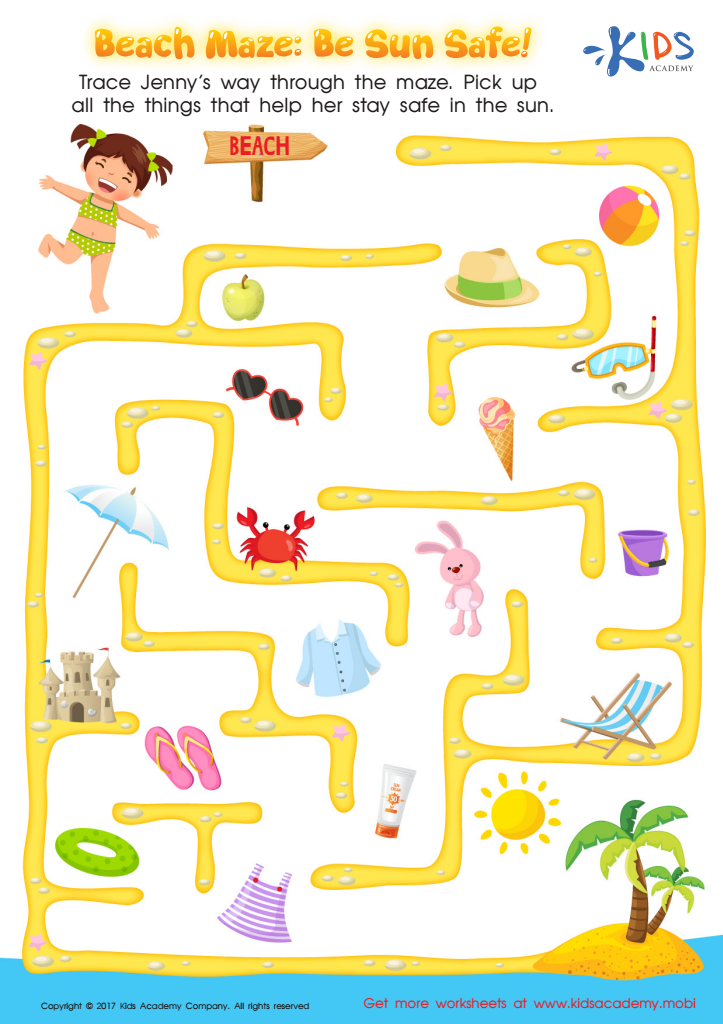
Beach Maze: Sun Safe Worksheet
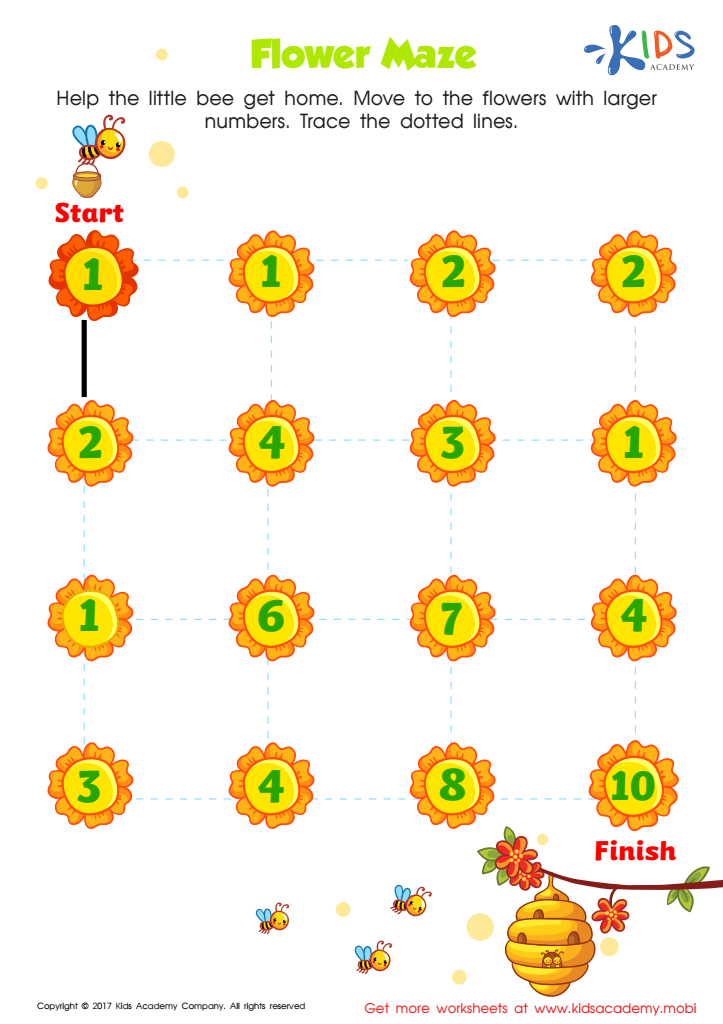
Number Maze For Kindergarten Printable
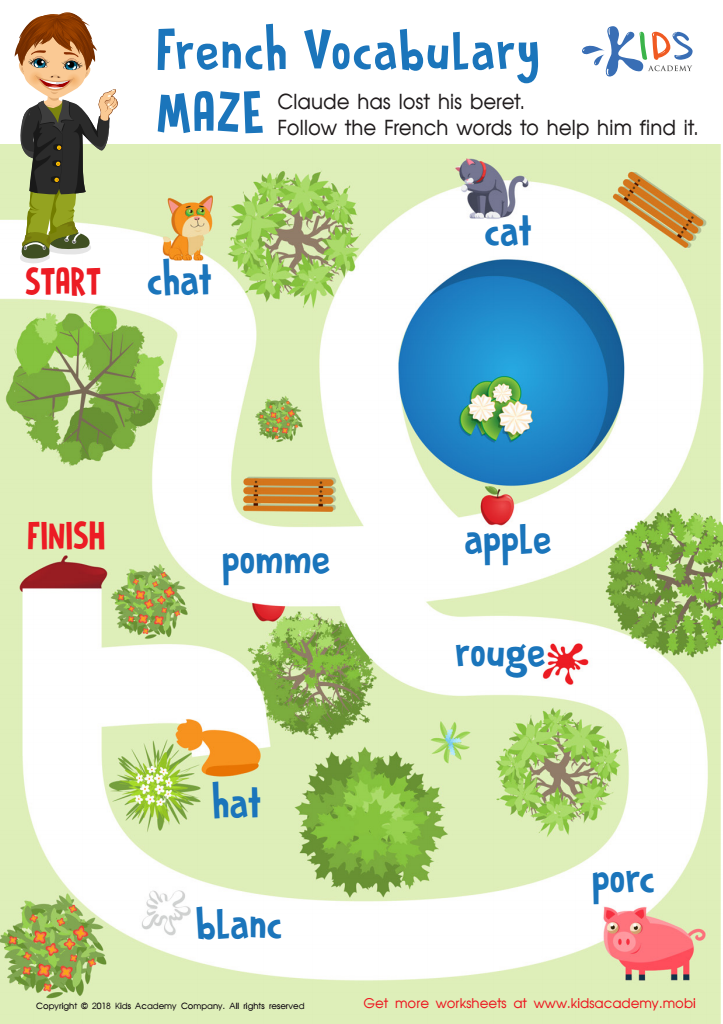
French Vocabulary Maze Worksheet
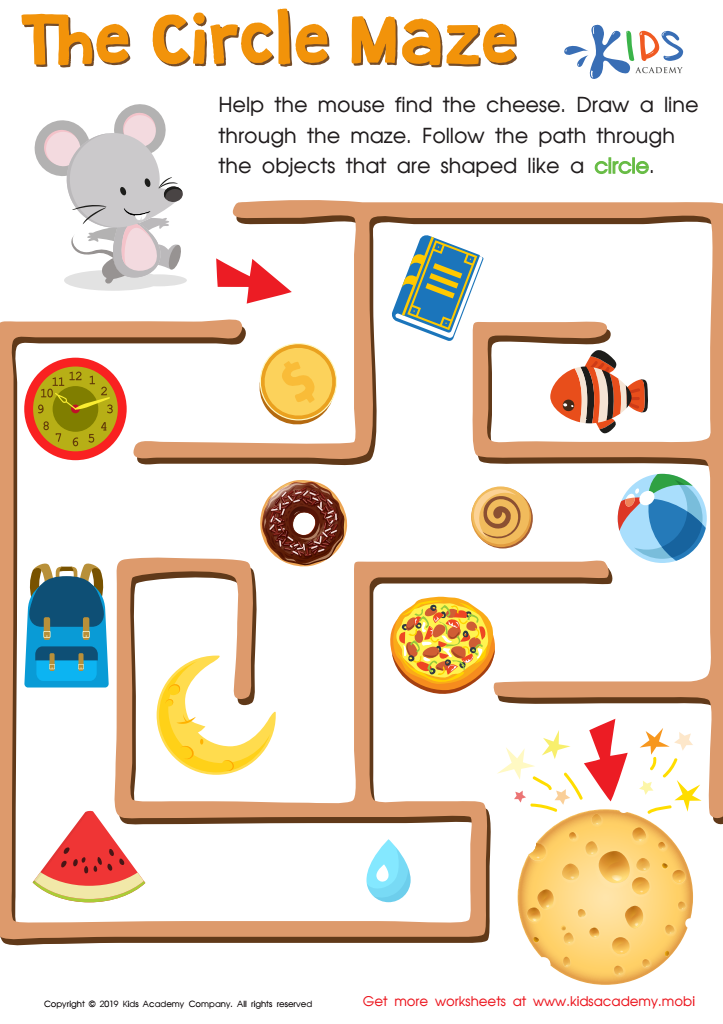
The Circle Maze Worksheet
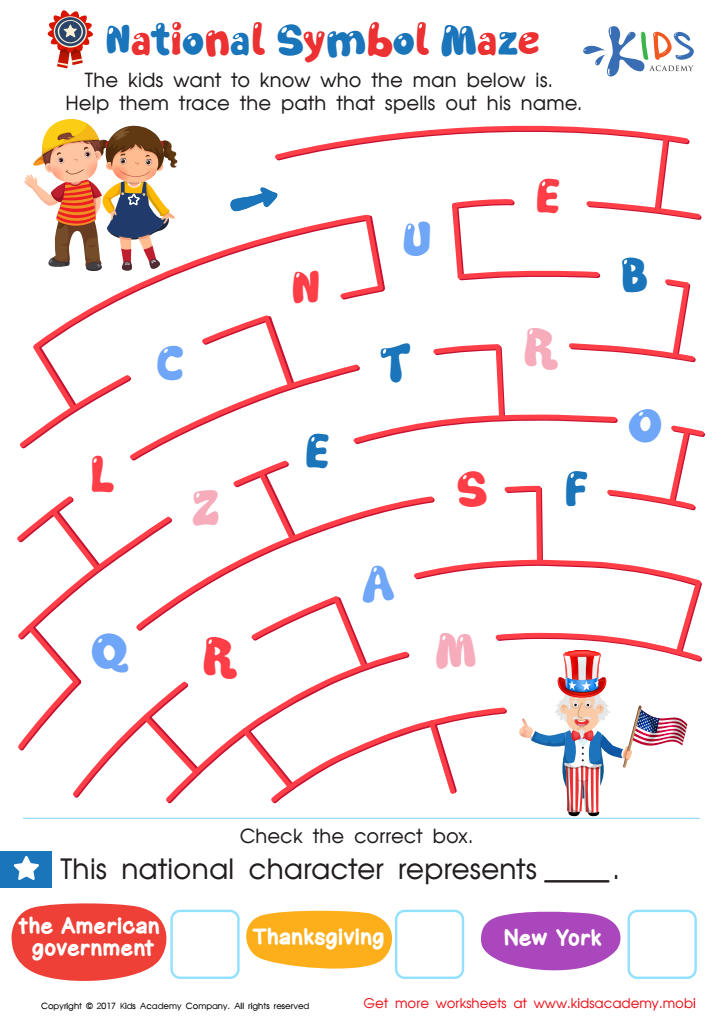
National Symbol Maze Worksheet
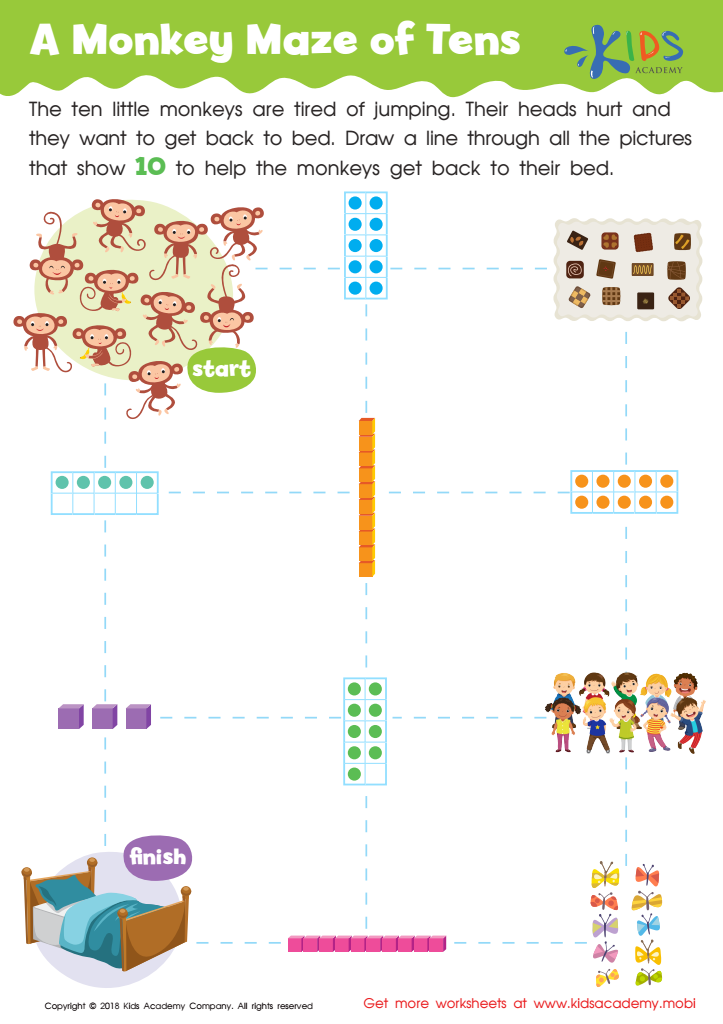
A Monkey Maze of Tens Worksheet
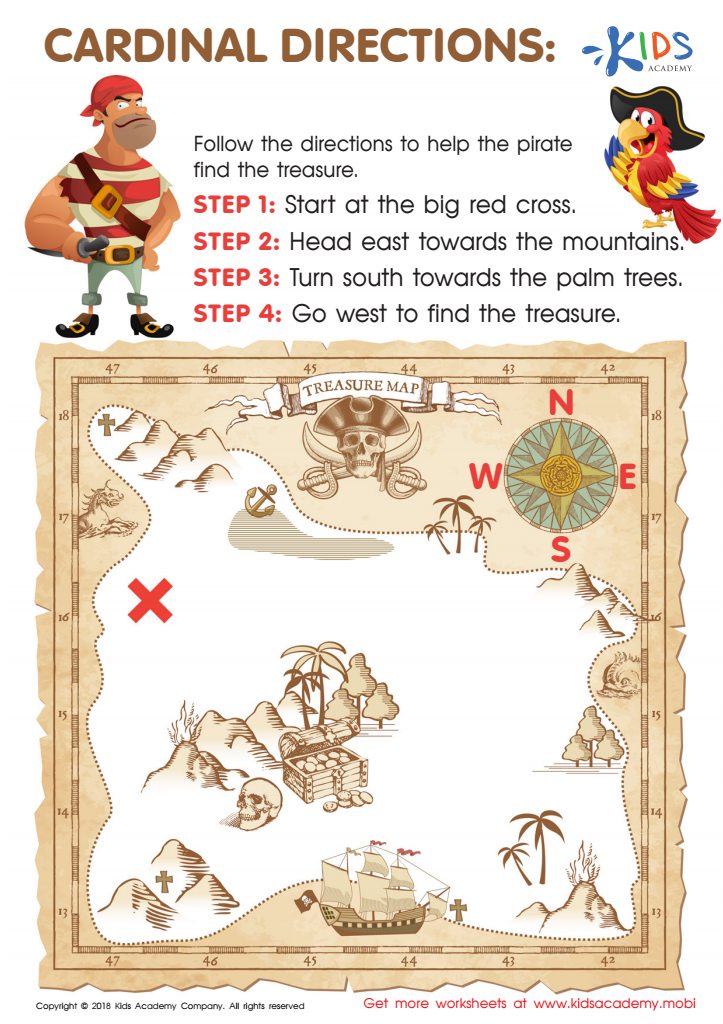
Cardinal Directions Treasure Map Maze Worksheet
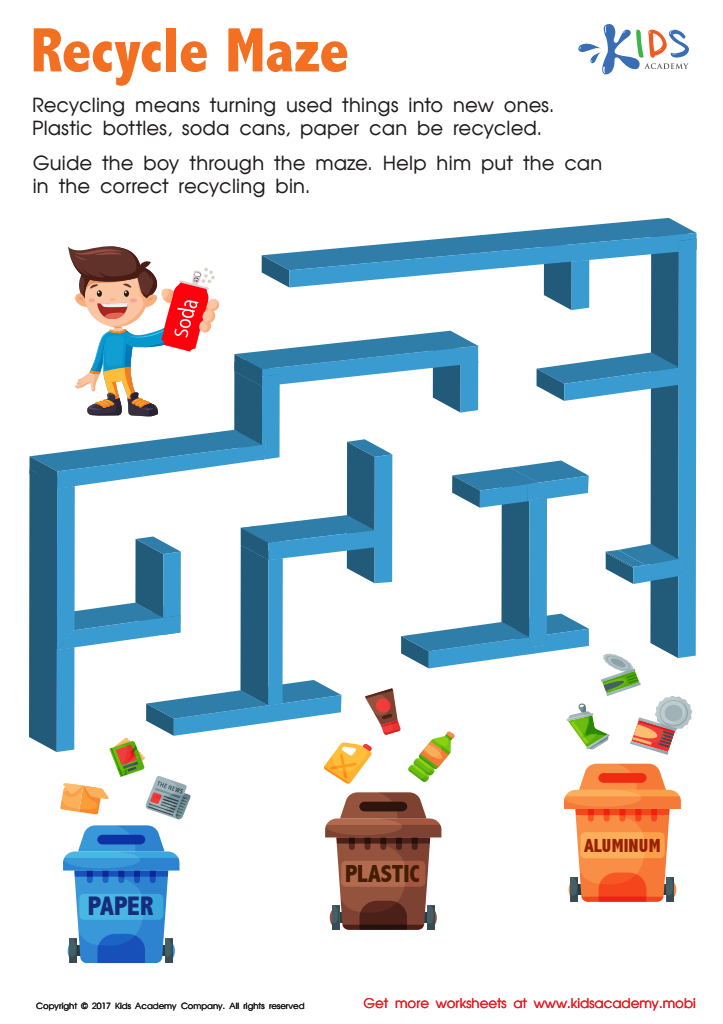
Recycle Maze Worksheet
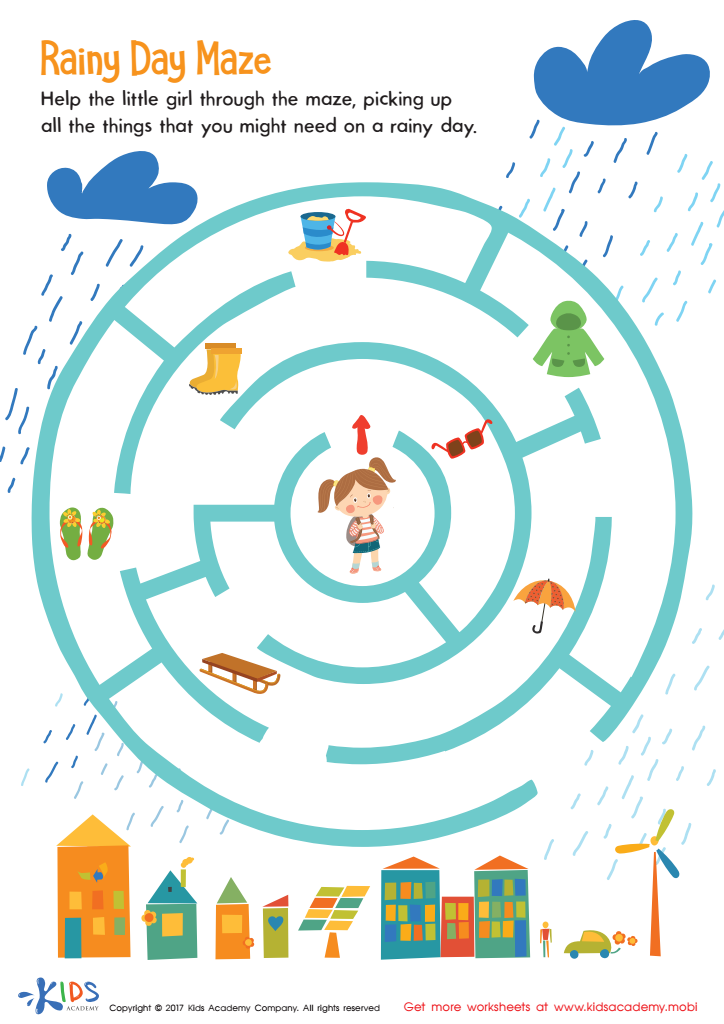
Rainy Day Maze Worksheet
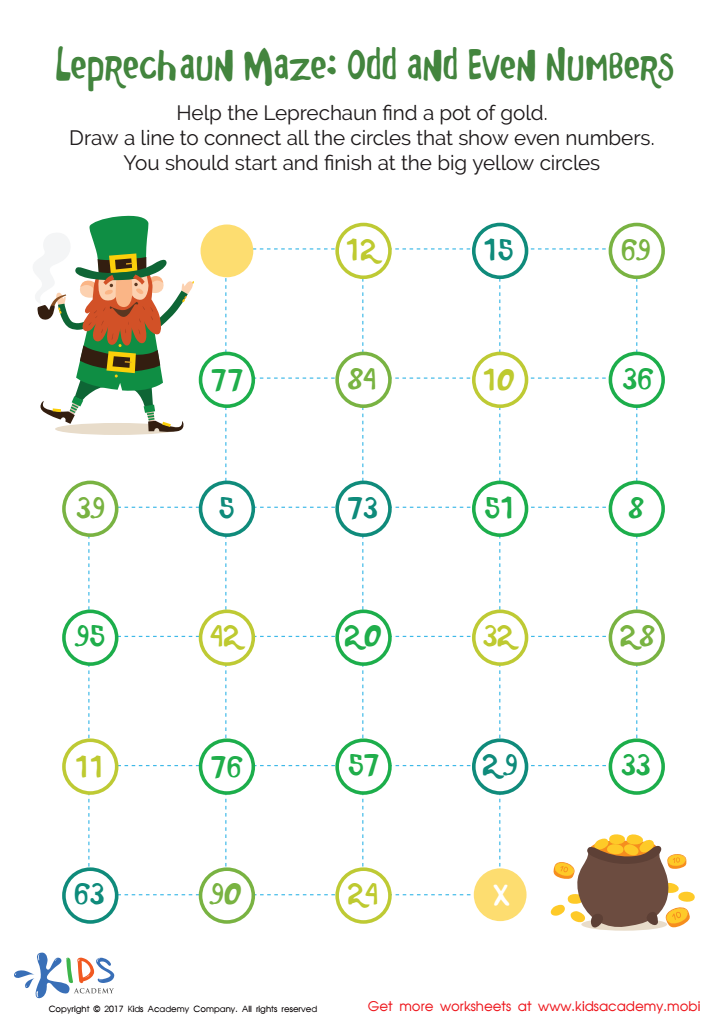
Leprechaun Maze Printable
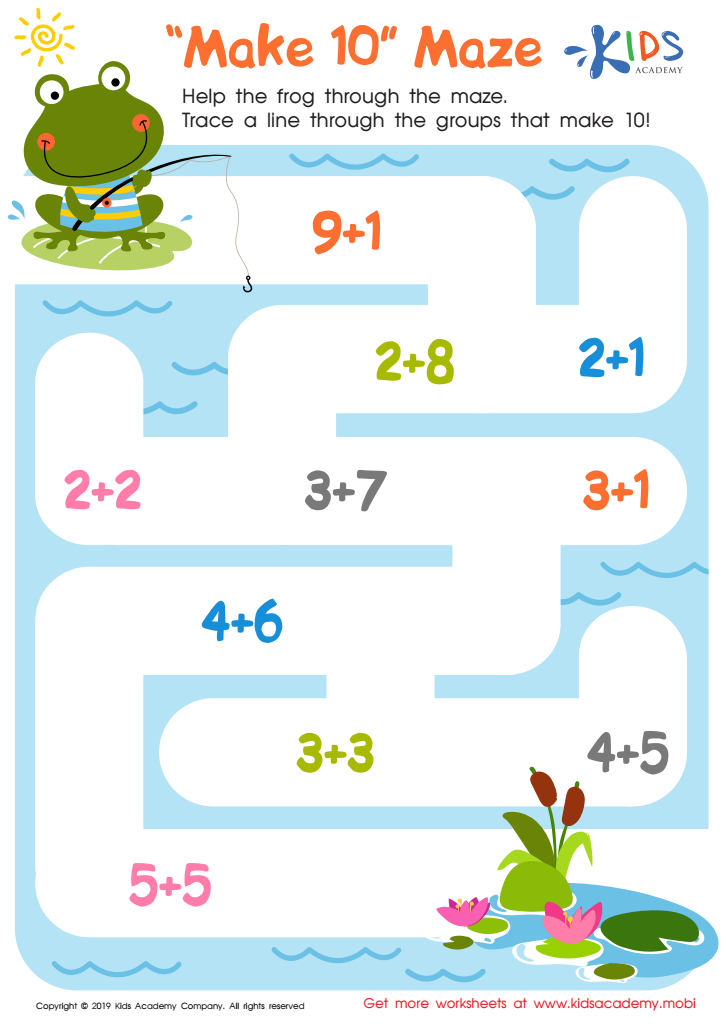
Make 10 Maze Worksheet
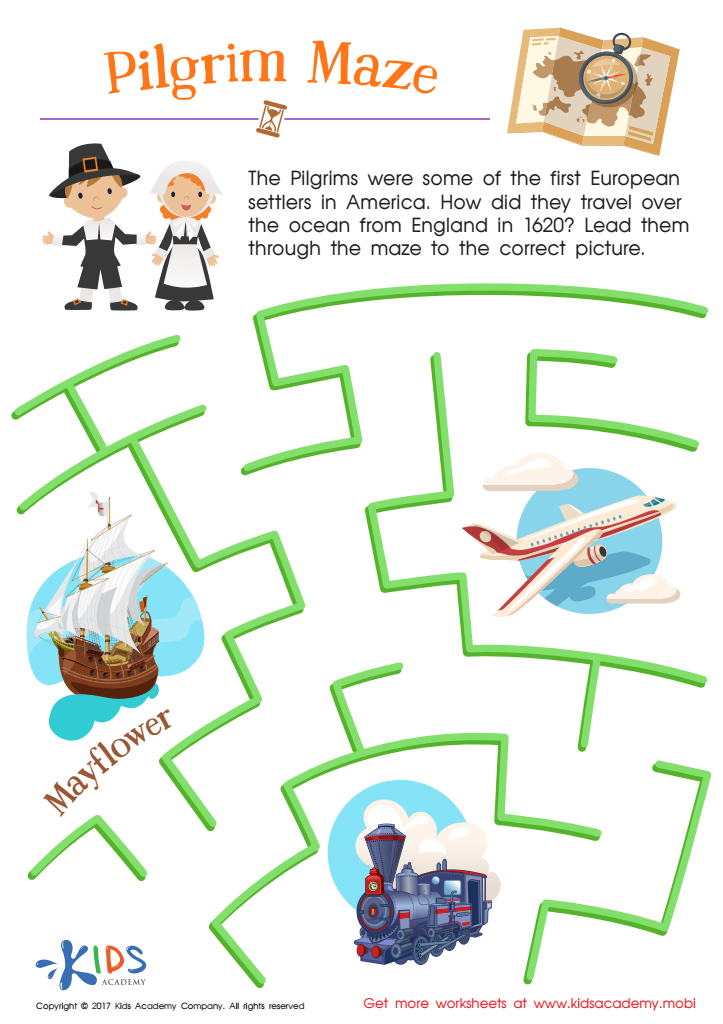
Pilgrim Maze Worksheet
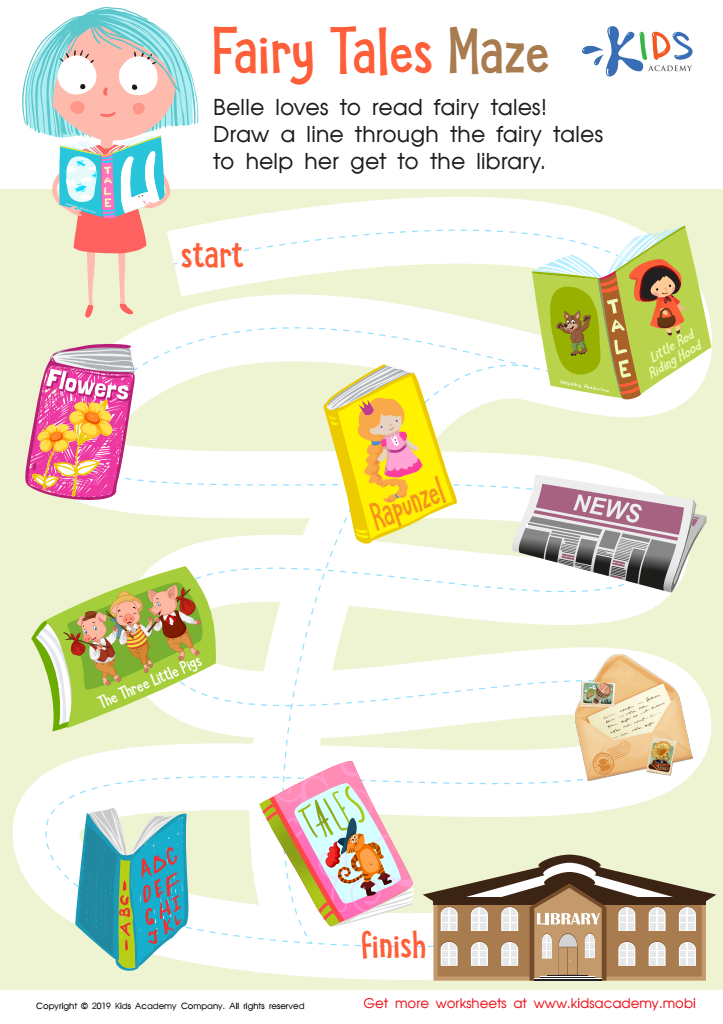
Fairy Tales Maze Worksheet
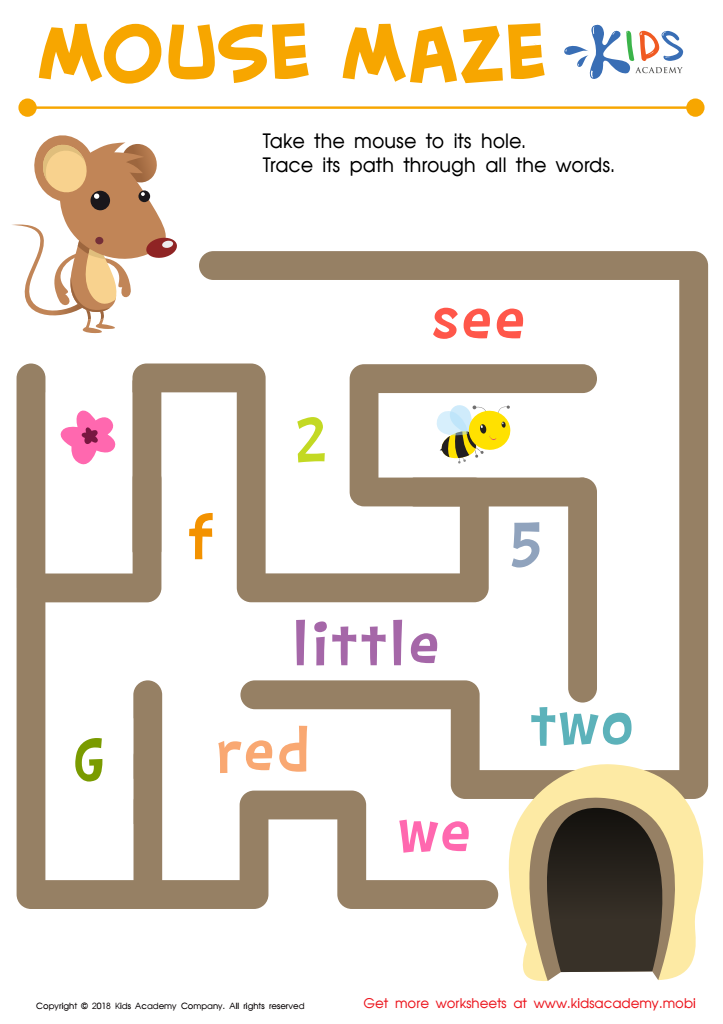
Find Words Mouse Maze Worksheet







Maze activities are invaluable for children aged 3-7, providing numerous developmental benefits that parents and teachers should consider. Firstly, these activities enhance fine motor skills as young children engage in using pencils, crayons, or markers to trace pathways. Improved dexterity aids in essential life skills, including self-care tasks like buttoning clothing or tying shoelaces.
Secondly, mazes promote critical thinking and problem-solving abilities. As children navigate through challenges, they learn to analyze their options, strategize potential solutions, and develop perseverance when faced with difficulties. This nurturing of cognitive skills lays an essential foundation for more complex reasoning as they grow.
Furthermore, maze activities encourage focus and concentration, helping children to stay engaged with a task until its completion. This concentration is often transferred to other areas of learning.
Moreover, mazes foster non-cognitive skills such as patience and confidence, as children typically experience a sense of accomplishment upon finishing a maze.
All these skills are vital not only for academic success but also for overall emotional and social development. Therefore, parents and teachers should prioritize maze activities as a fun and effective tool in fostering holistic growth in young children.








